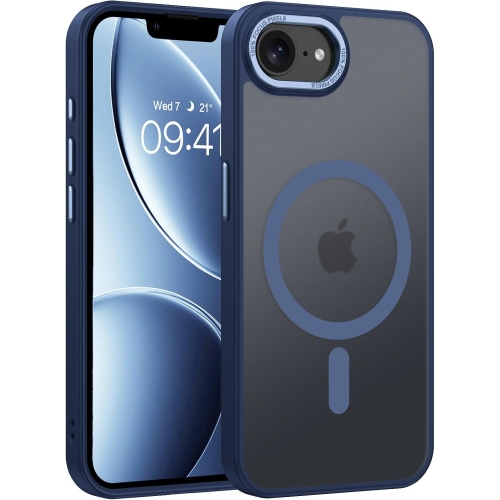
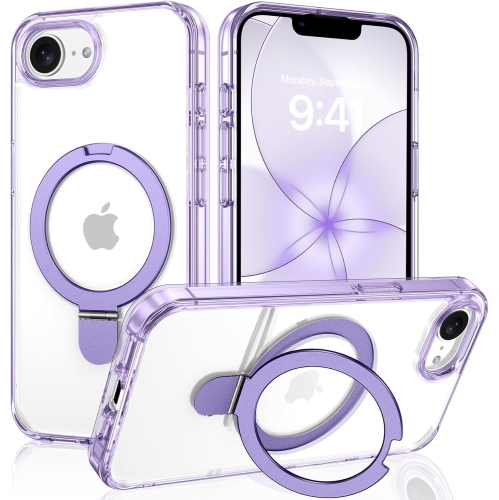
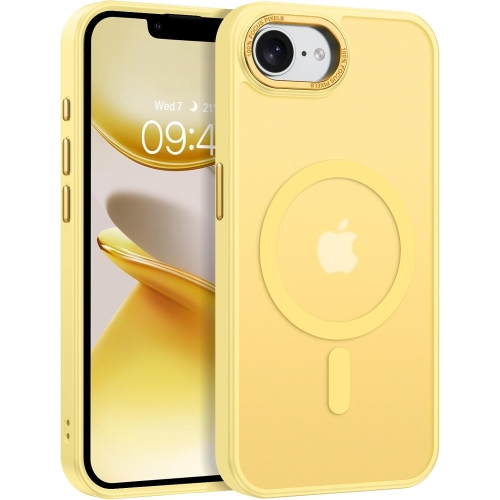
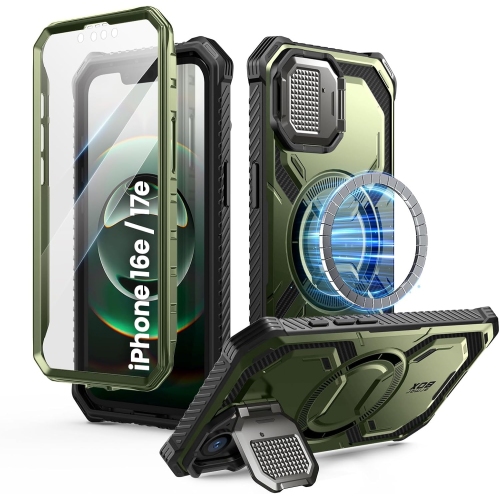
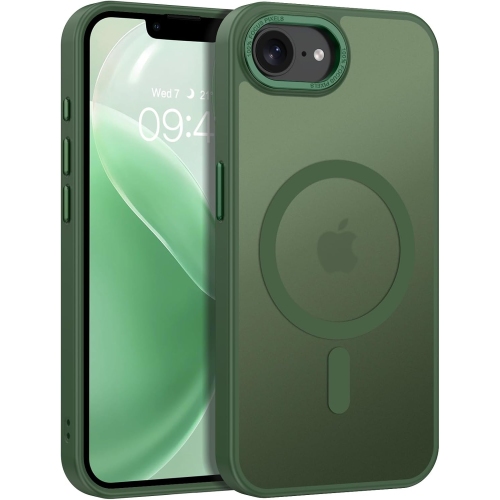
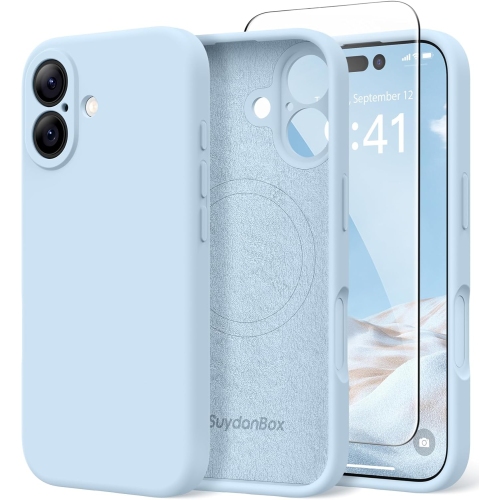
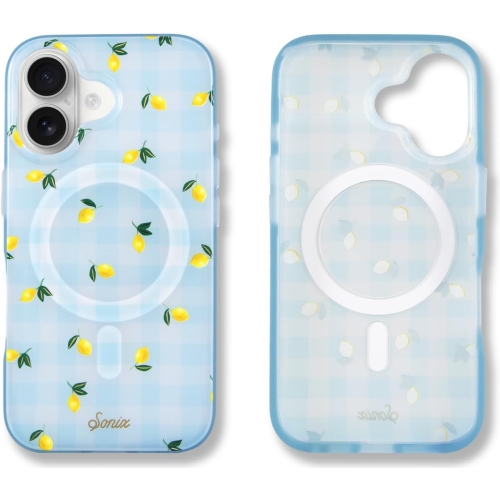
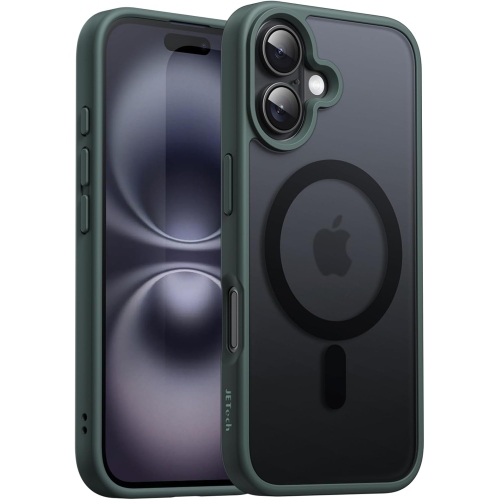
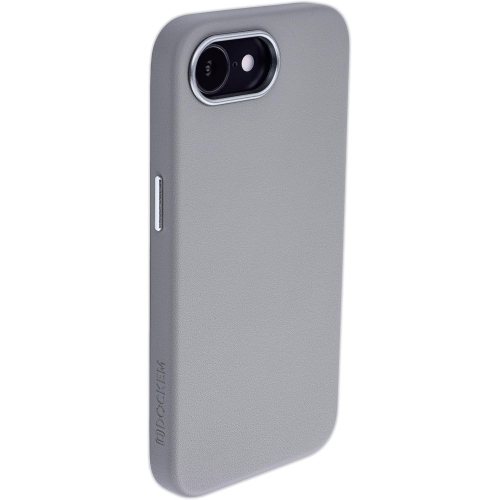
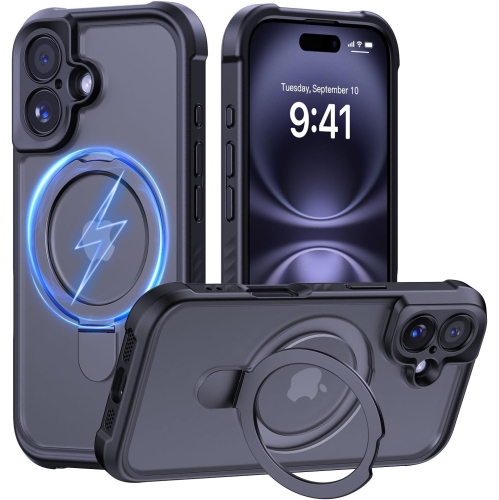
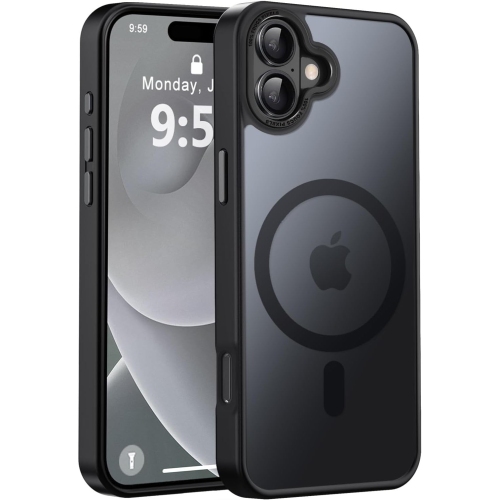
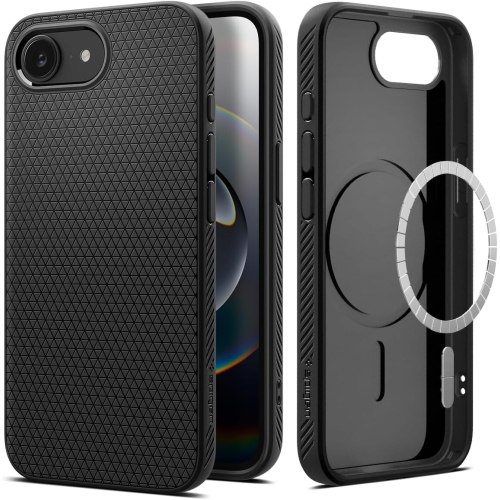
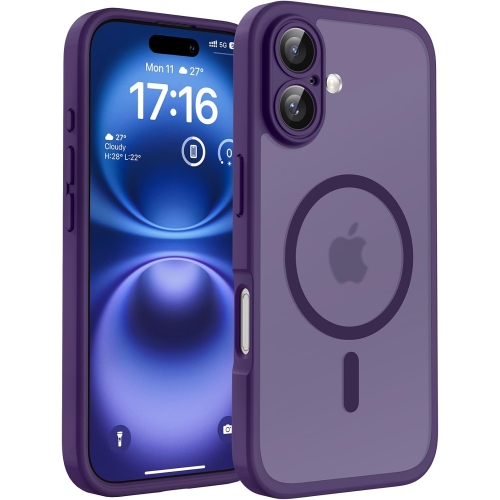
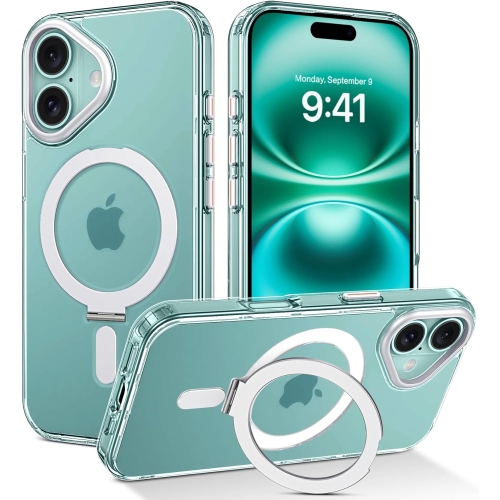
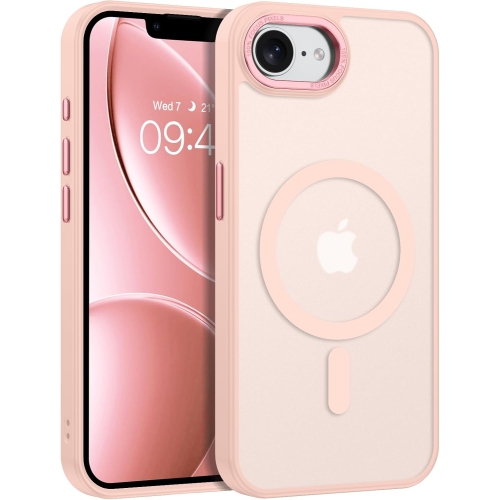
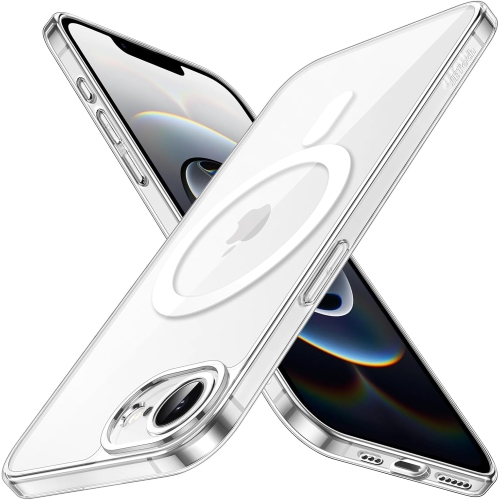
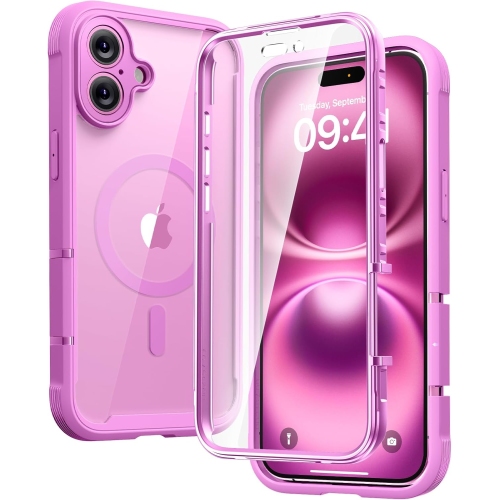
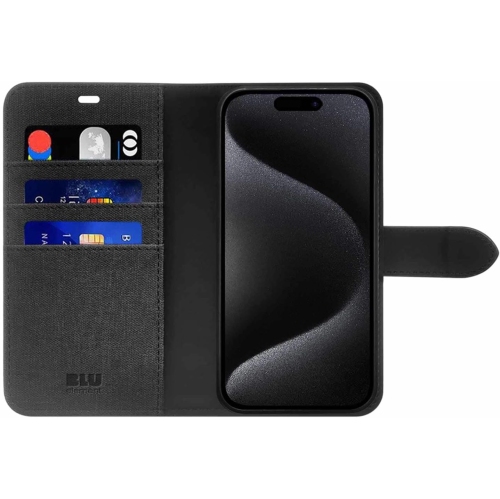
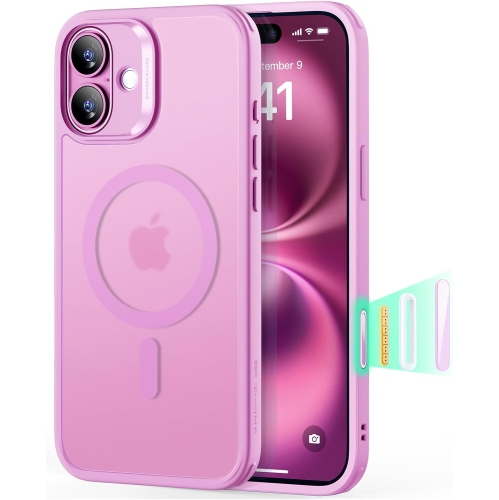
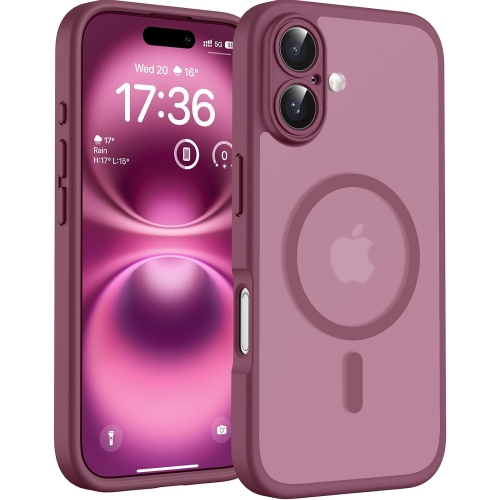
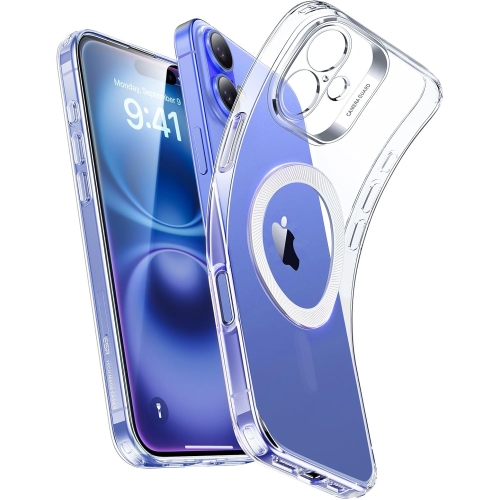
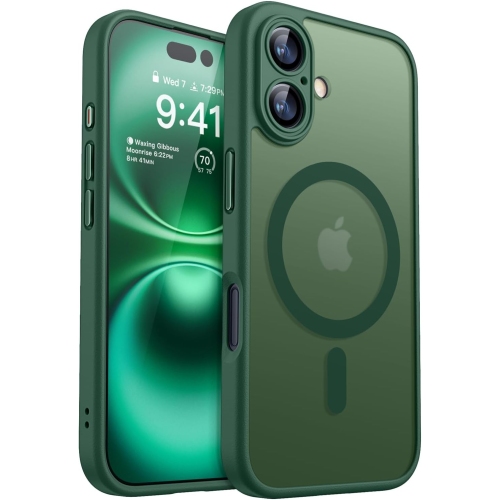
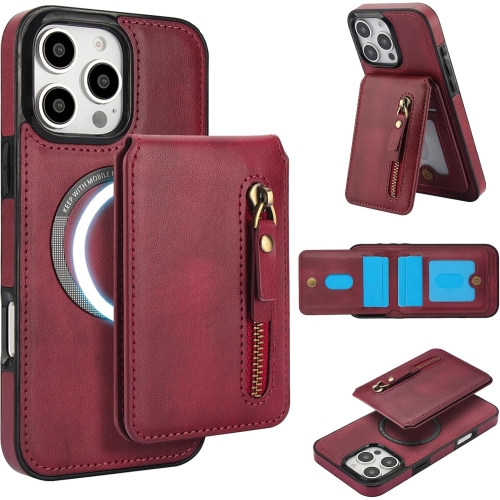
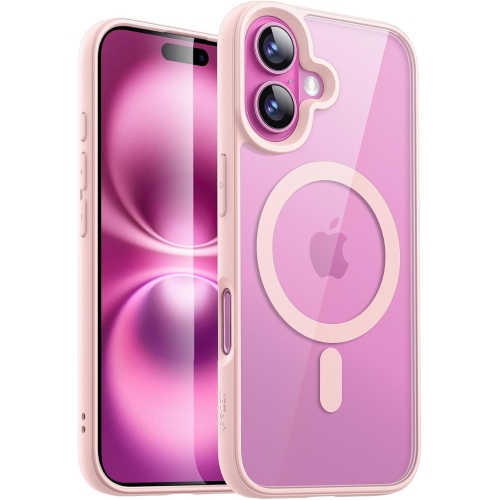
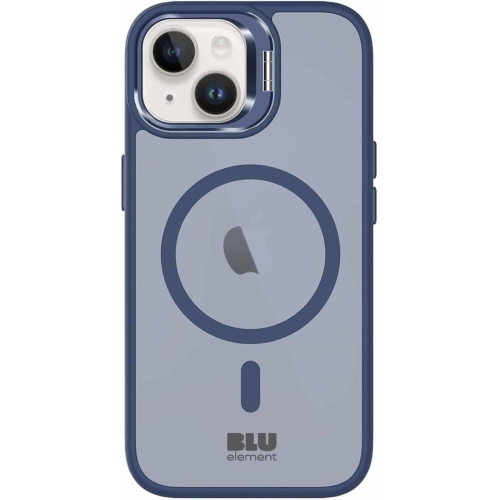
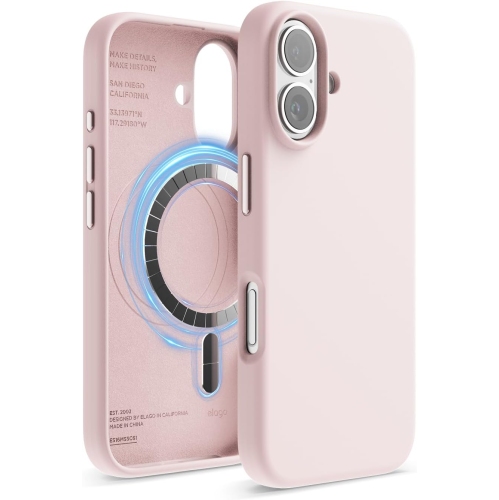
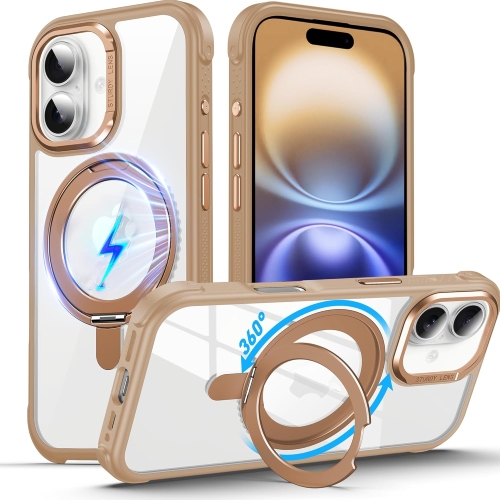
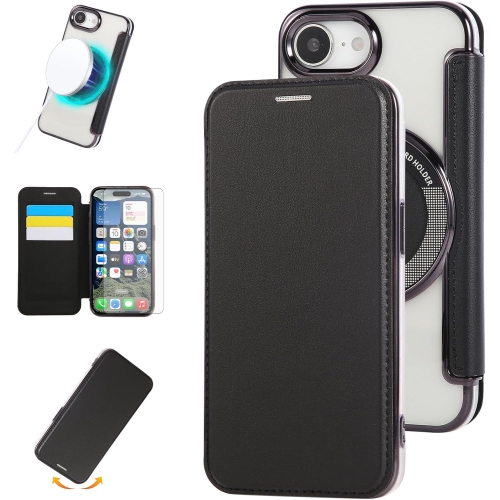
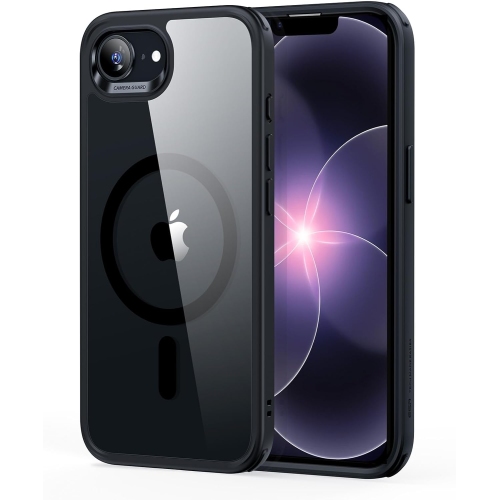
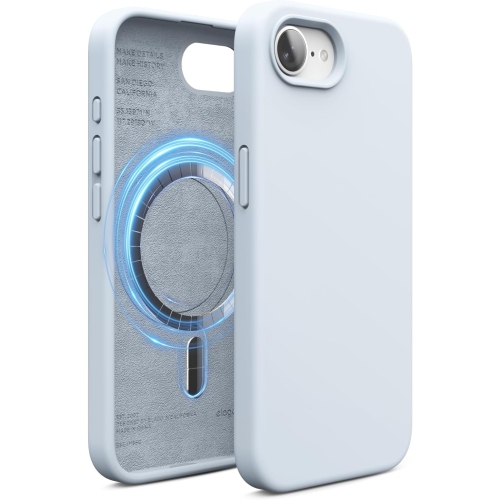
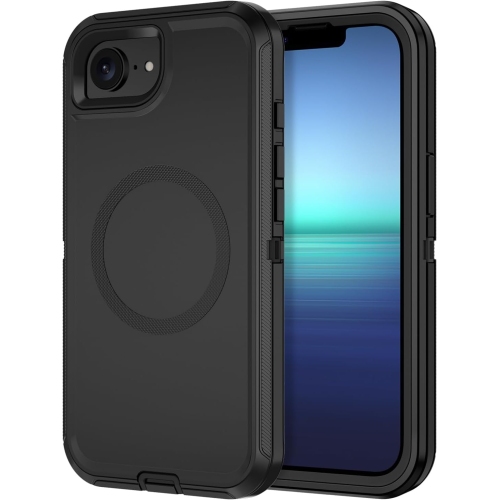
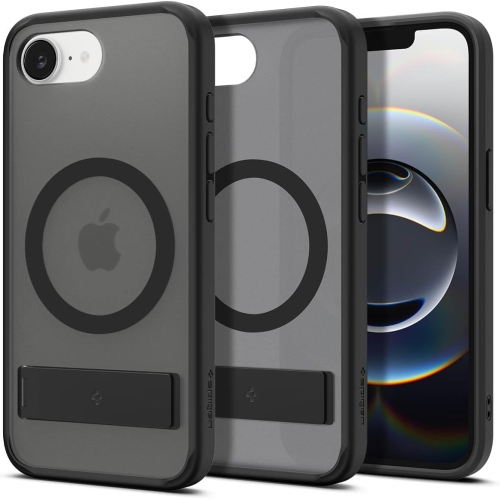
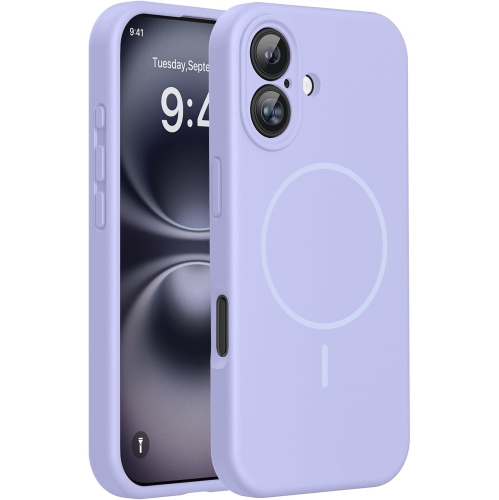
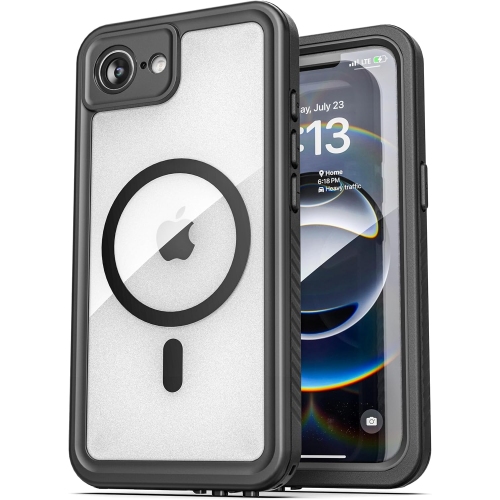
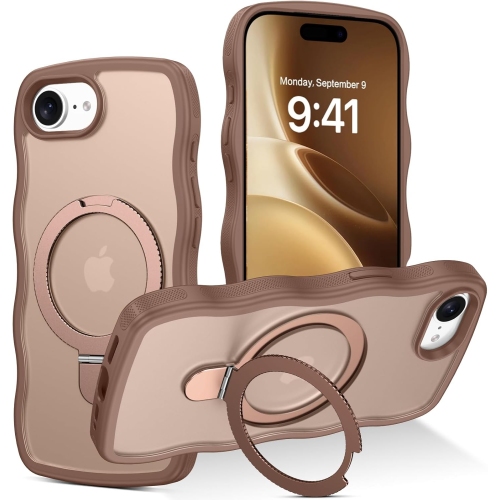
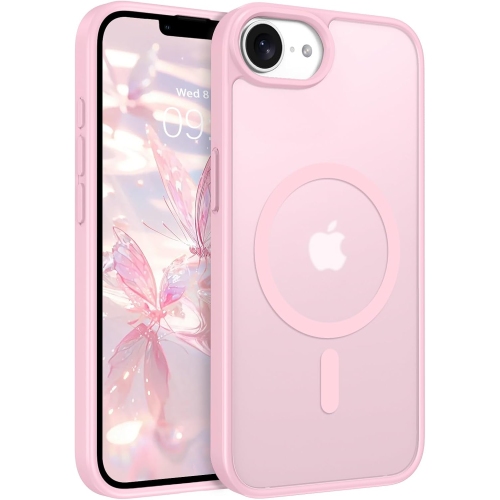
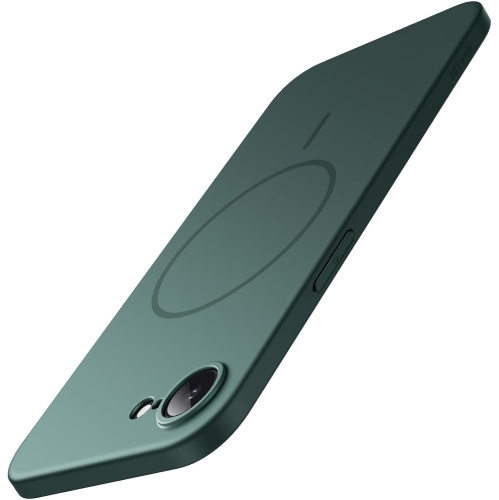
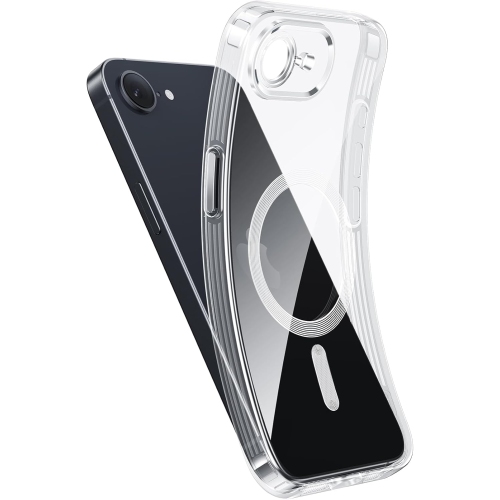
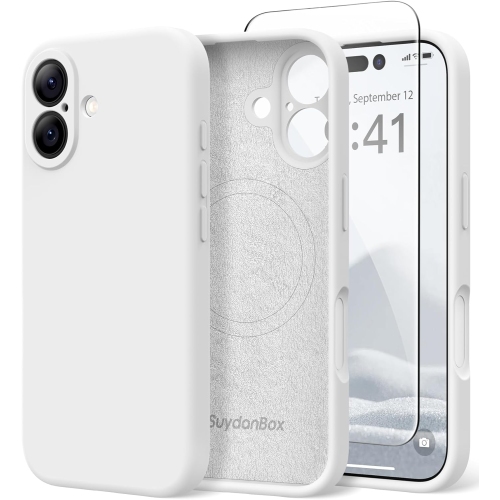
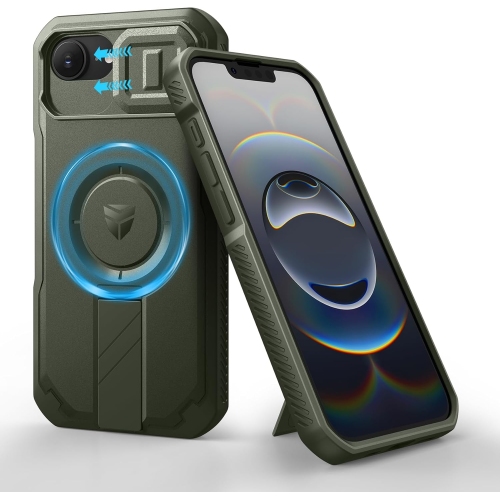
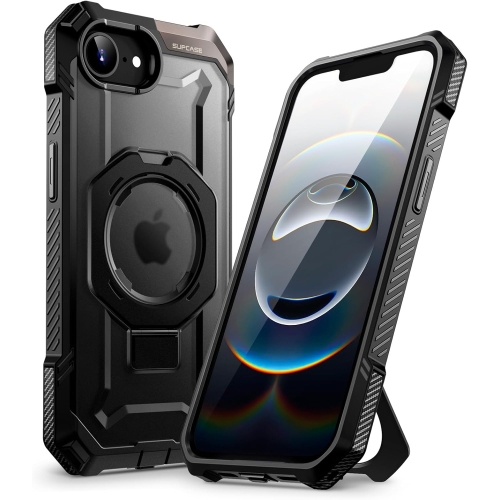
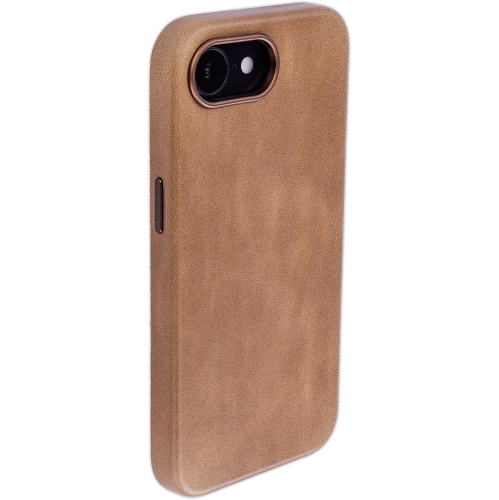
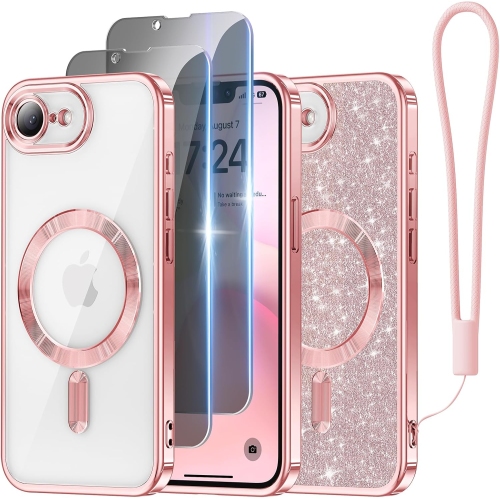
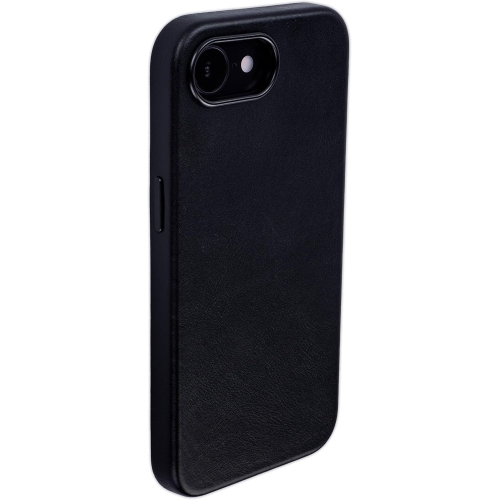
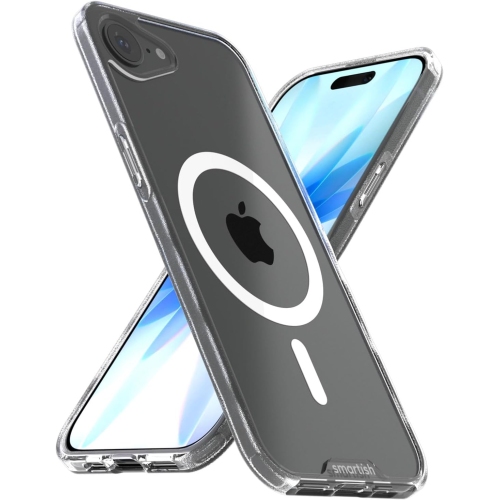
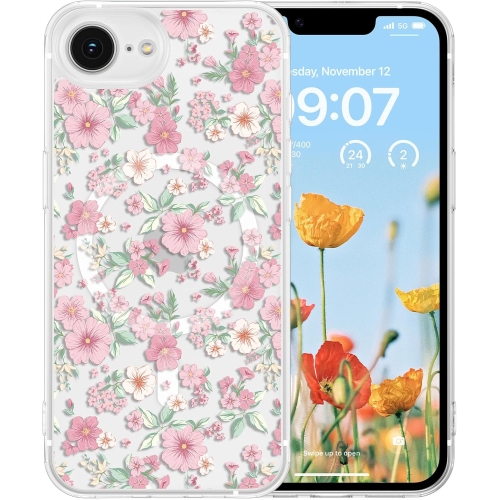
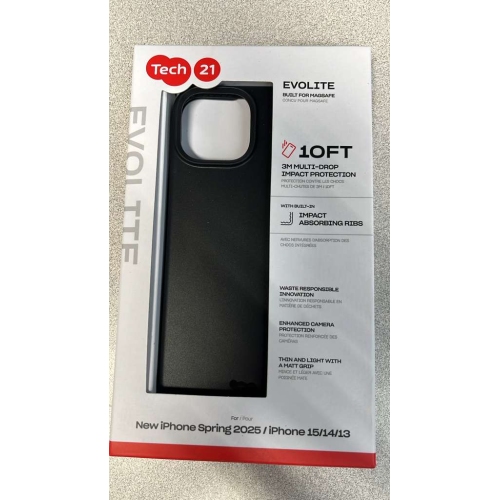
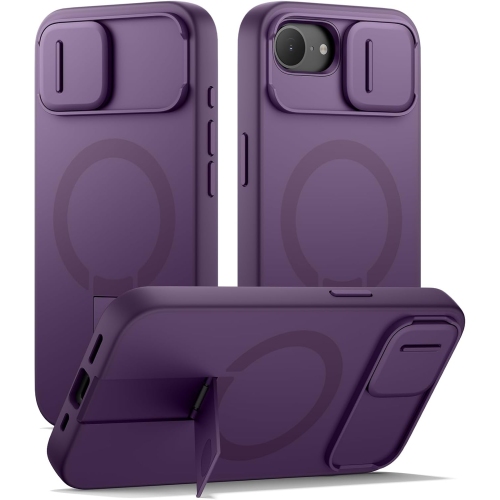
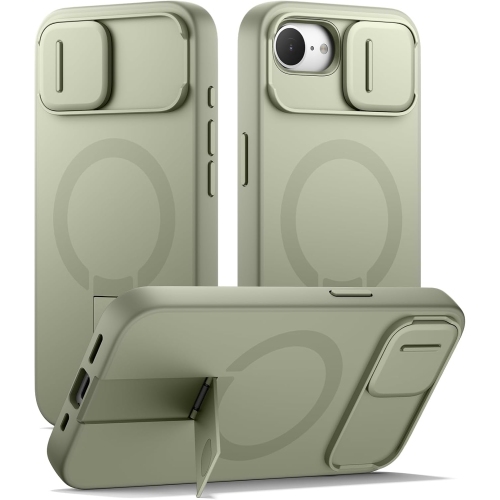
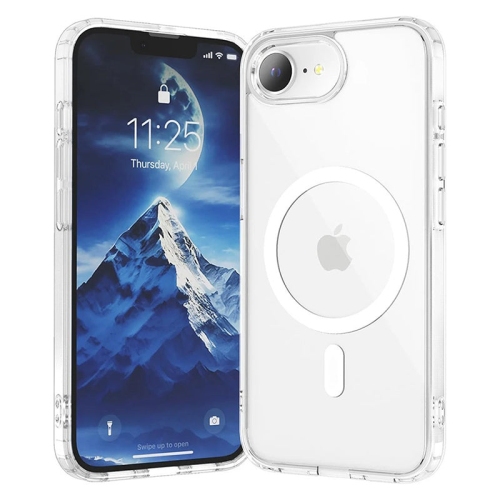
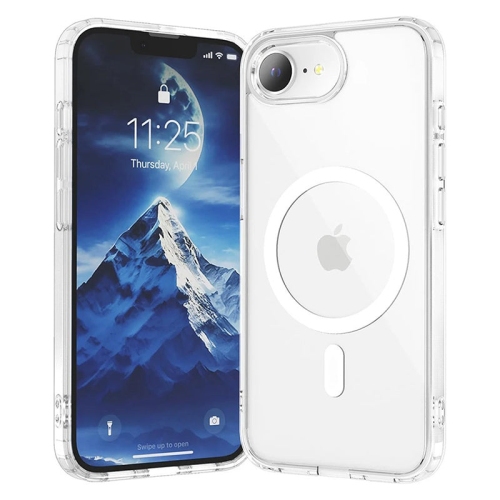
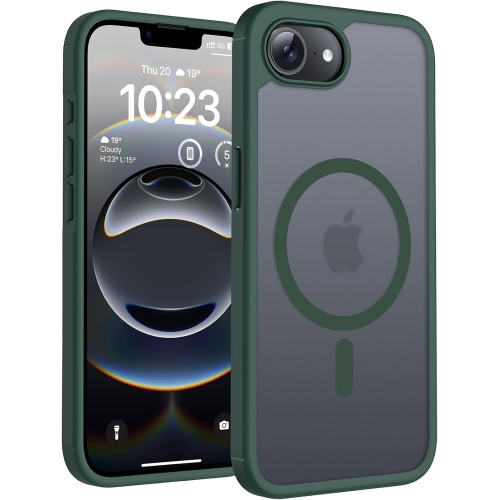
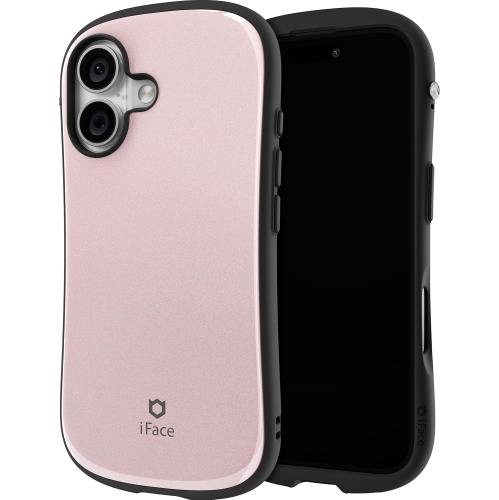
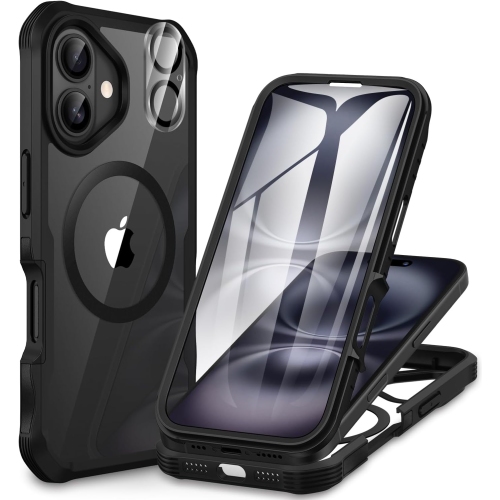
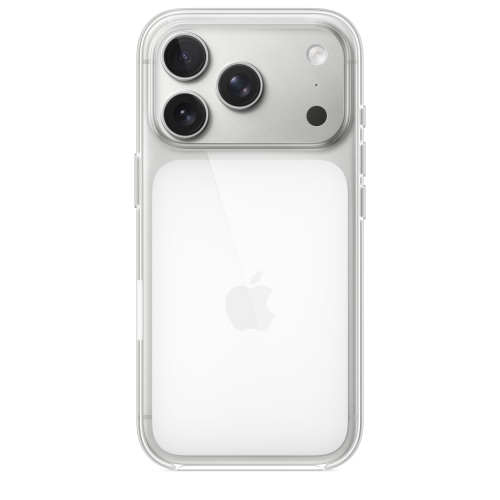
MagSafe Compatible iPhone 16e Cases

Find MagSafe-compatible iPhone 16e cases that pair a model-specific fit with magnetic accessory attachment. Compare designs, coverage, and finishes to find a case that suits your daily use, and check each listing for compatibility with your preferred magnetic mounts, wallets, or chargers. A magnetic case does not add native MagSafe charging support to the iPhone 16e.
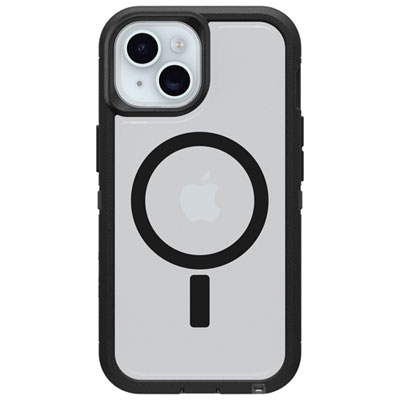
Read More

Sort

Magnetic attachment adds convenience without changing charging limits

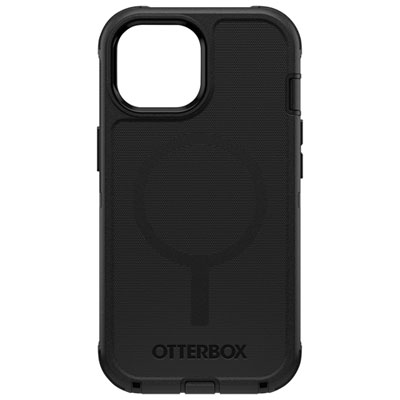
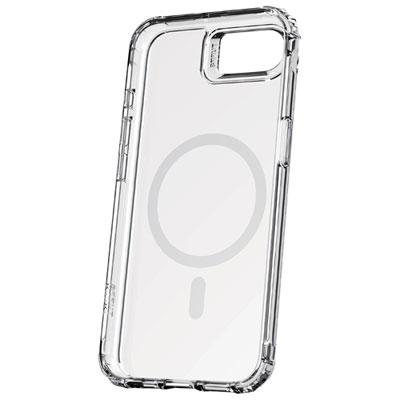
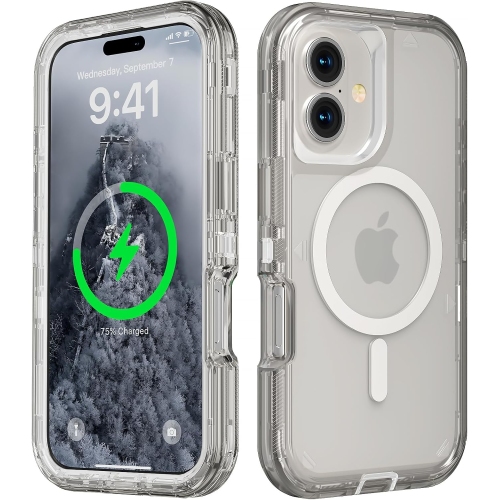
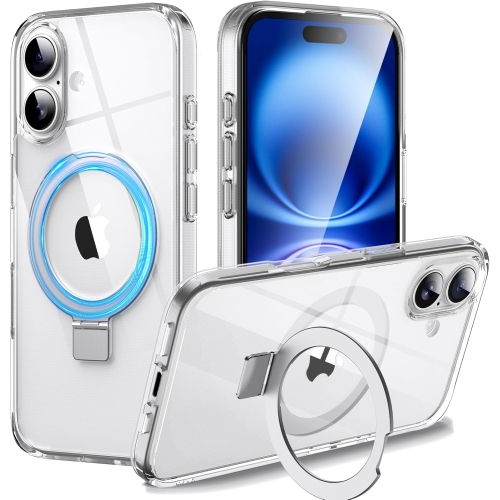
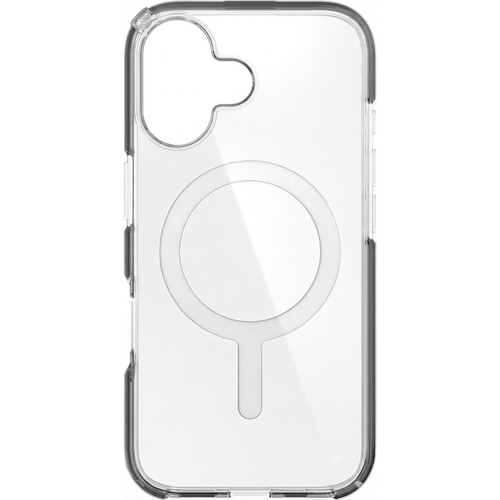
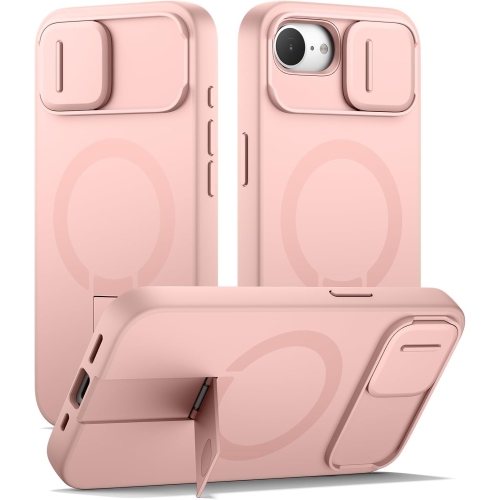
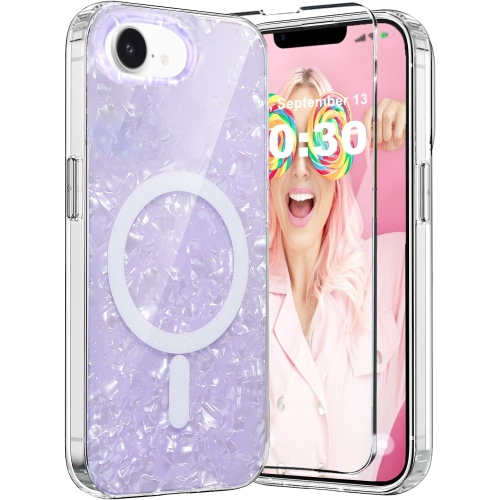
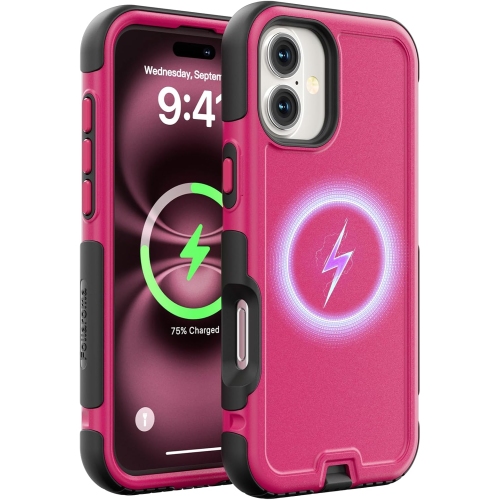
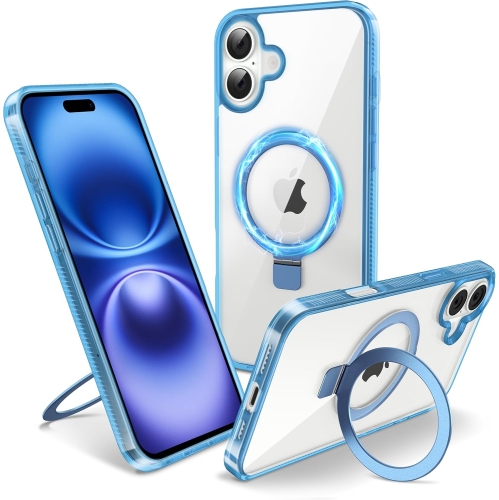
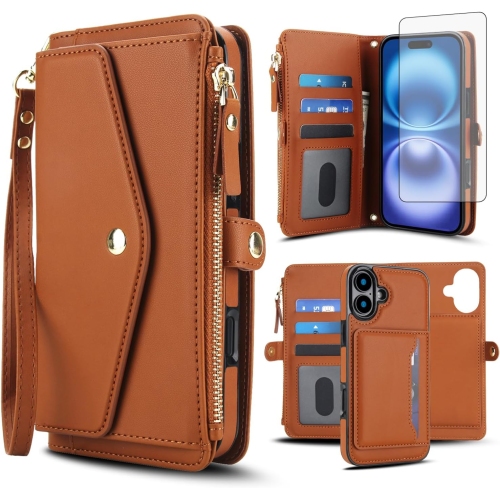
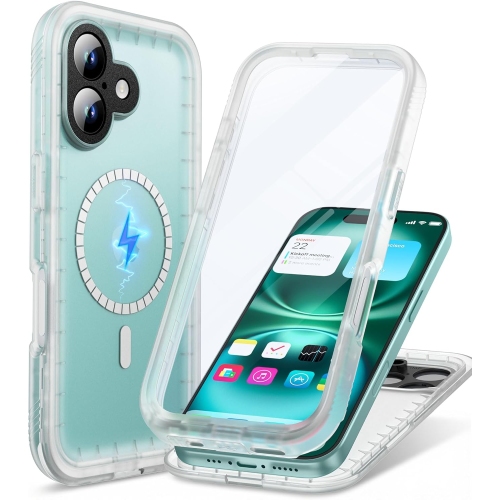
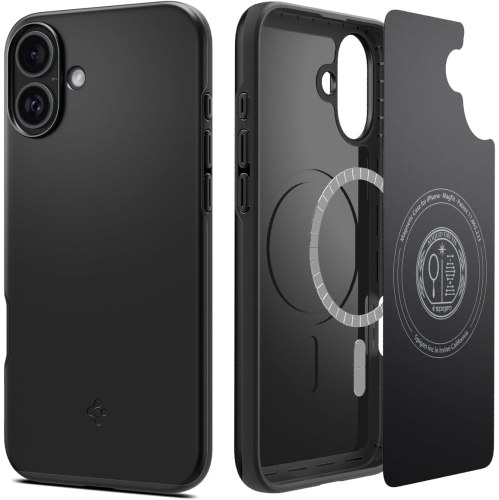
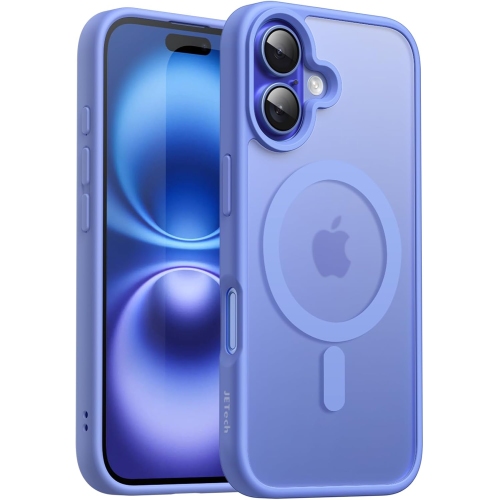
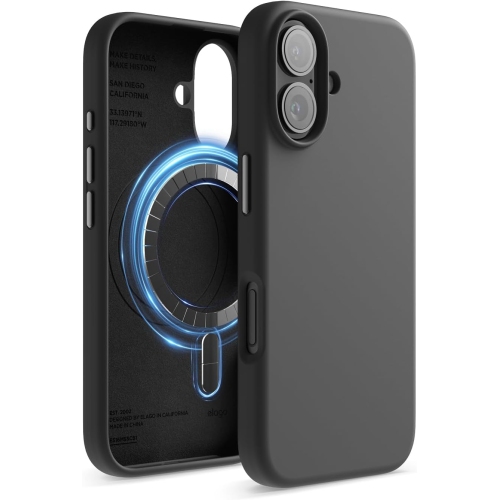
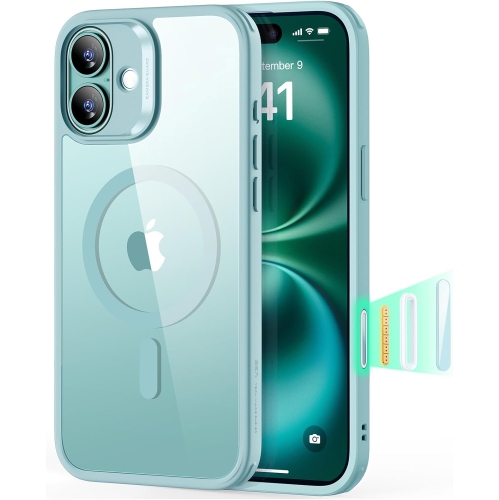
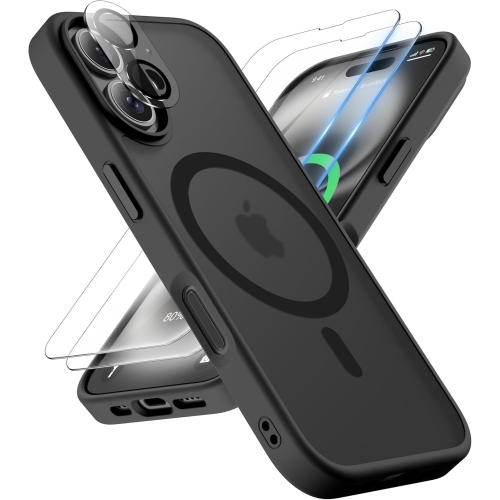
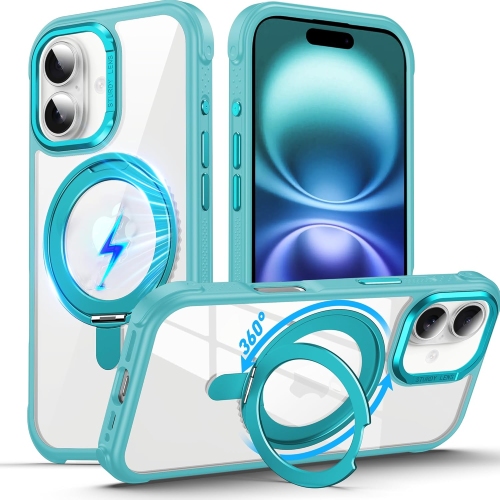
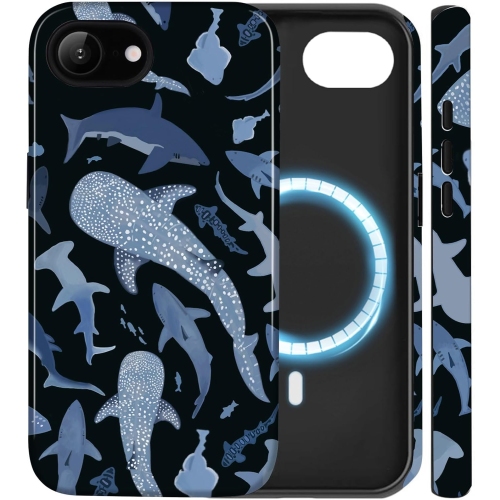
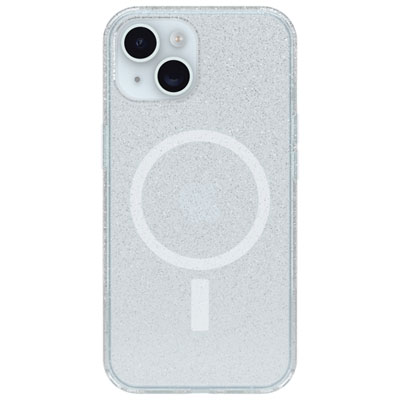
MagSafe-compatible iPhone 16e cases add magnetic attachment to a phone that does not have built-in MagSafe magnets. An integrated magnetic ring in the case provides an attachment point for compatible accessories, including magnetic wallets, stands, mounts, and certain wireless battery packs. The iPhone 16e supports Qi wireless charging at up to 7.5W; adding a magnetic case does not increase that limit or give the phone native MagSafe or Qi2 charging capabilities. This distinction matters because magnetic attachment and wireless charging are separate functions. A wallet can attach without any charging connection, while a magnetic charger must also support the phone’s wireless charging standard to deliver power. Charging performance depends on the charger, power adapter, case construction, and alignment, so a magnetic connection alone does not guarantee a particular charging speed. For everyday use, the appeal is often the convenience of keeping accessories centred and reducing the need to reposition the phone. A compatible stand can hold the screen upright beside a keyboard for video calls, while a magnetic wallet keeps a few essential cards close at hand when travelling light. In a vehicle, a suitable magnetic mount can provide a convenient place for navigation, provided the mount and case are compatible and the phone is positioned safely. Attachment strength varies between case and accessory combinations, especially when the phone is moved or an attached accessory adds weight. Magnetic attachment should not be treated as a locking mechanism or a substitute for holding the phone securely. Cases with integrated magnets are particularly useful for people who move between a desk stand, a bedside charging setup, and a vehicle mount without wanting to change cases each time. For magnetic battery packs, compatibility includes more than whether the pack attaches: its charging support, dimensions, and clearance around the camera opening also matter. Together, these details determine whether a case fits comfortably into an existing accessory setup rather than simply adding a magnetic ring to the back of the phone.
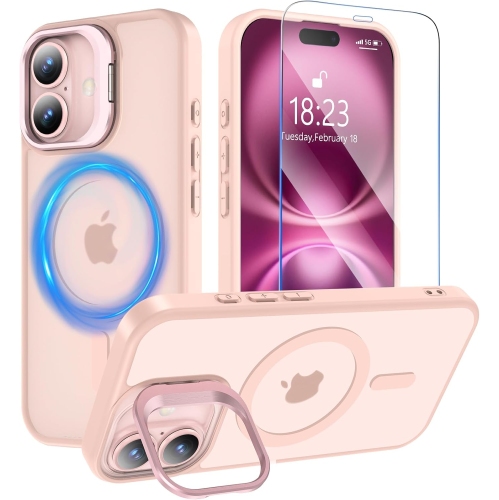
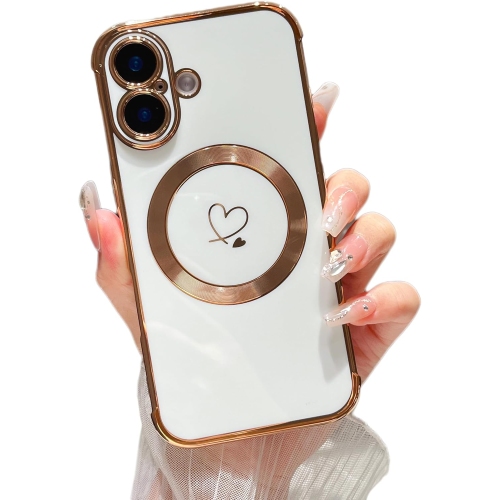
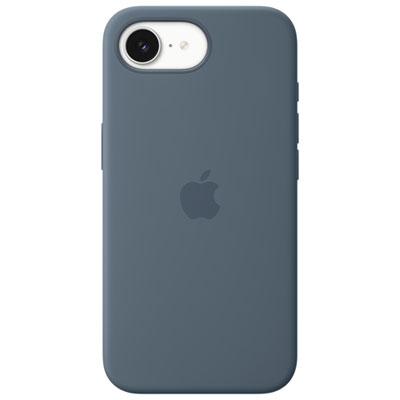
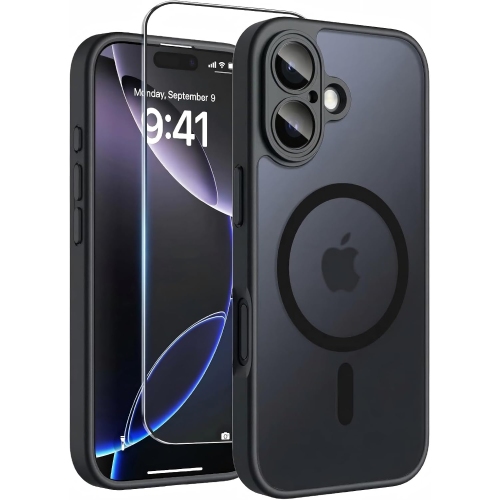
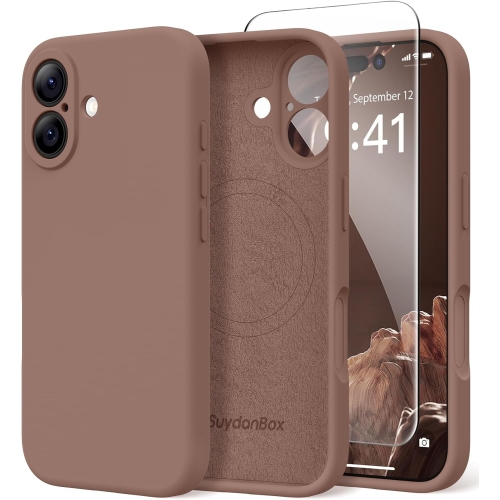
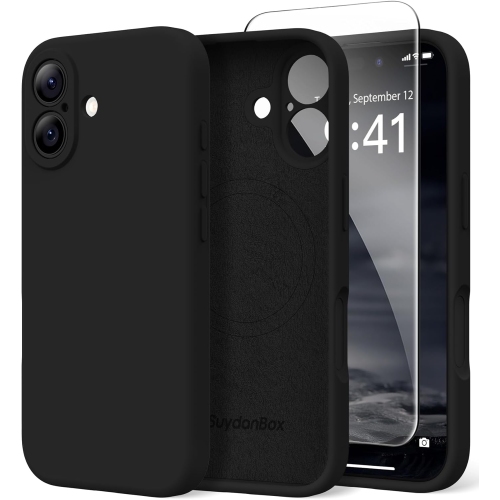
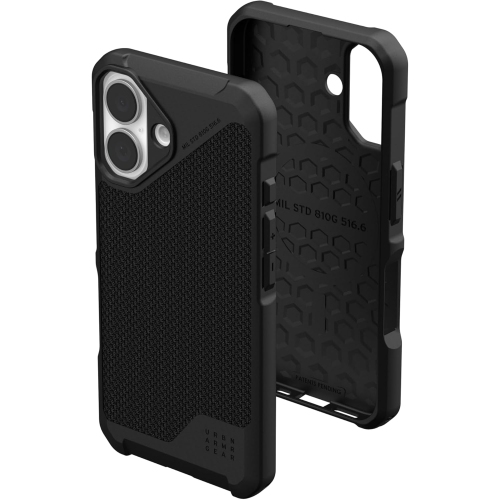
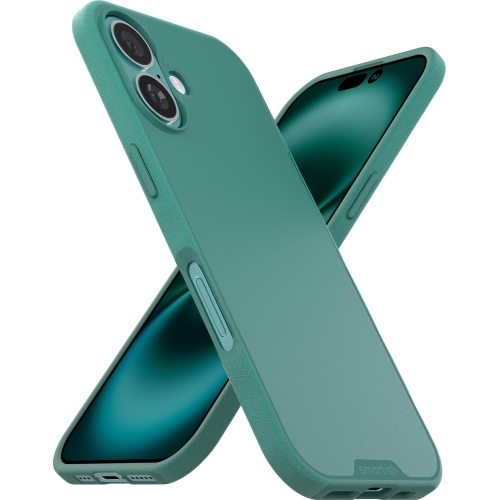
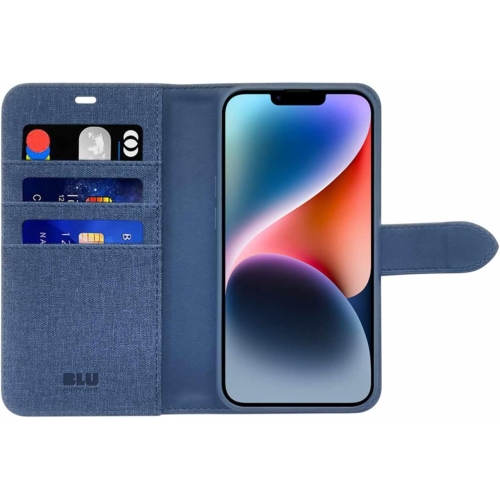
A precise fit is just as important as magnetic compatibility. Cases made specifically for the iPhone 16e account for its dimensions, single rear camera, buttons, speakers, and USB-C port. Similar-looking phones can have different camera layouts or control positions, so an approximate fit can leave openings misaligned or buttons difficult to press. A well-fitted case sits securely around the corners without bowing away from the frame, and its charging-port opening leaves enough room for the connector being used. Material and construction shape how that fit feels in daily use. Flexible thermoplastic polyurethane, often called TPU, can provide a slightly yielding edge that makes installation easier, while a rigid polycarbonate back offers a firmer surface and helps the case hold its shape. Hybrid designs combine a harder back with flexible sides, balancing structure with cushioning around the perimeter. Silicone finishes can feel soft and grippy, although some textures attract pocket lint more readily than smooth plastic. Slim cases generally add less bulk, making the phone easier to slide into a pocket or small bag, while more protective designs may use thicker corners, reinforced edges, or multiple layers. Raised edges around the display and camera can help keep those surfaces from resting directly on a flat table, but they do not prevent every scratch or impact. Drop-protection claims are most useful when supported by clearly stated testing conditions; no case makes a phone damage-proof. For a commuter frequently taking a phone out over tiled station floors, corner protection and a secure grip may matter more than a barely visible profile. Someone who mainly uses a phone at a desk may prefer a lighter shell that feels less bulky during long calls. Button covers should remain easy to distinguish by touch, and the case edges should feel comfortable across the palm. A screen protector can add another layer of surface protection, provided its edges sit neatly within the case rather than being lifted by an overly tight border.

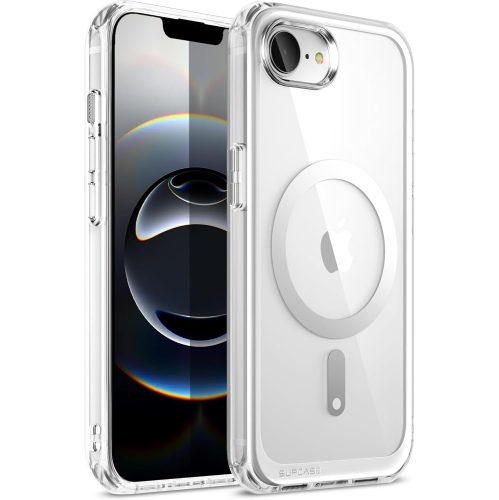
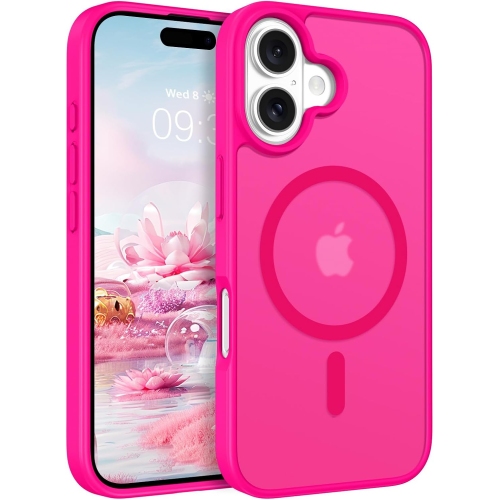
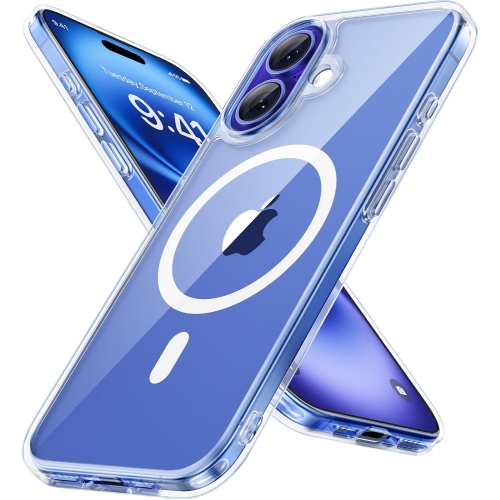
Appearance, handling, and care help distinguish cases that otherwise serve the same basic purpose. Clear designs leave the phone’s colour visible and often make the magnetic ring part of the look, while opaque finishes create a more uniform back. A matte surface can make fingerprints less noticeable, whereas a glossy finish may be easier to wipe clean but show smudges more readily. Transparent materials can discolour with age and exposure to everyday substances, so claims about resistance to yellowing should not be mistaken for a promise that a case will remain unchanged indefinitely. Regular care is straightforward: removing the case occasionally allows dust and grit to be cleared from the inside, particularly around the corners and camera opening. A soft cloth and cleaning method appropriate to the material help preserve the finish; abrasive cleaners and strong solvents can damage coatings or printed details. Any moisture should be fully dried before the case goes back on the phone. Wireless charging also works best with the charging area unobstructed, which means removing a magnetic wallet, loose cards, or other attachments from between the phone and charger. A case that supports magnetic accessories is not necessarily waterproof, and magnetic strength does not indicate resistance to liquids. For people using implanted medical devices, the phone and accessory manufacturers’ safety guidance remains important when using magnetic attachments. As a gift, a case can be a practical choice for someone setting up a new phone, especially when its profile, texture, and accessory compatibility suit their routine. Confirming the exact phone model avoids a gift that looks right but cannot fit properly. Households shopping for more than one device can also find MagSafe Compatible iPhone 17 Pro Cases for that separate model. For the iPhone 16e, the most useful combination is a dedicated fit, suitable everyday protection, and magnetic compatibility that matches the accessories the owner actually uses.
Read More

FAQ

Some products may be subject to Environmental Handling Fees (EHF) depending on your province. Learn more about EHFs.