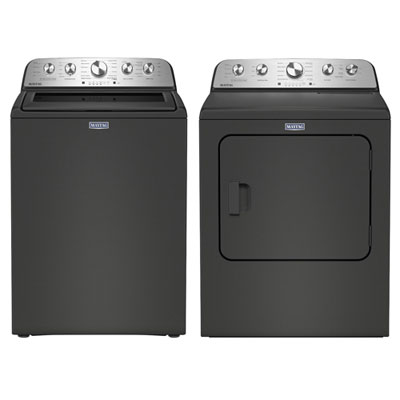
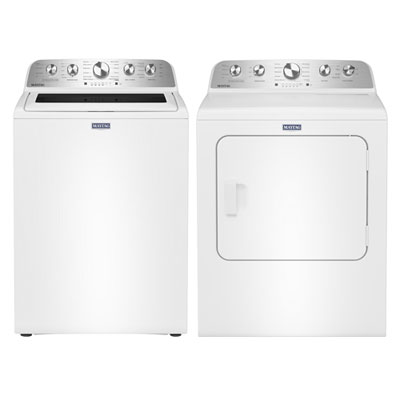
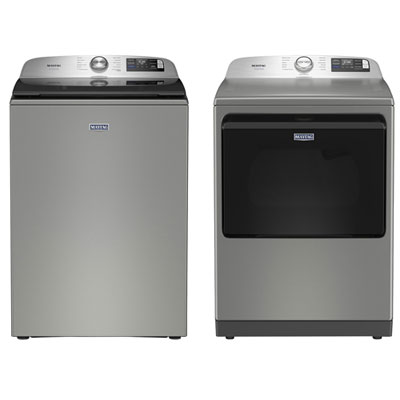
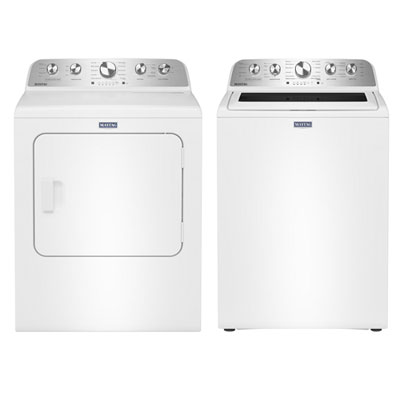
Maytag High-Efficiency Washers

Compare Maytag high-efficiency washers to find a washing machine that fits your laundry needs and available space. Review capacity, dimensions, loading style, and wash settings in each model’s specifications to help narrow your options, and check installation requirements before choosing.
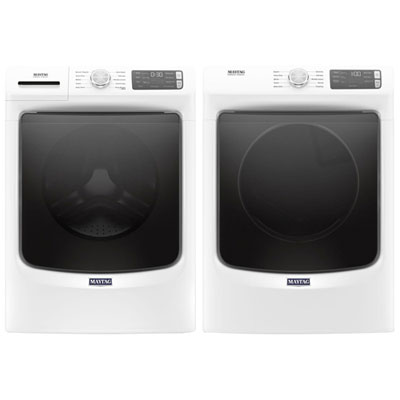
Sort

How washer design shapes your everyday laundry routine

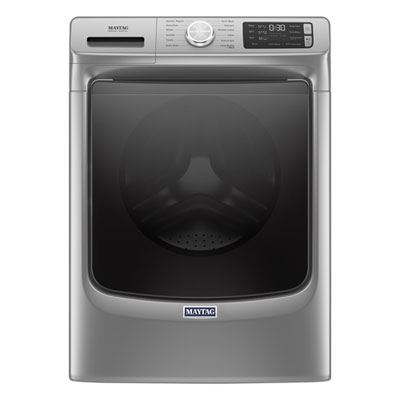
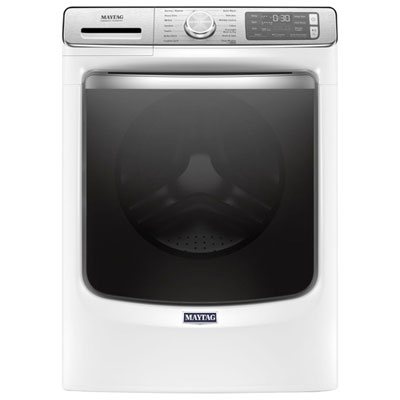
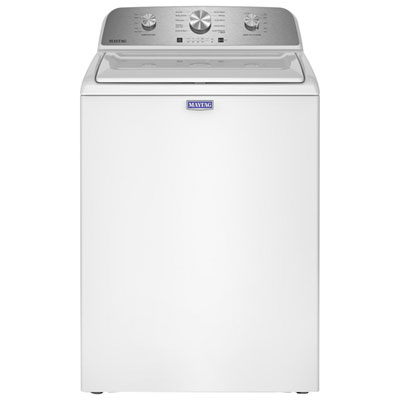
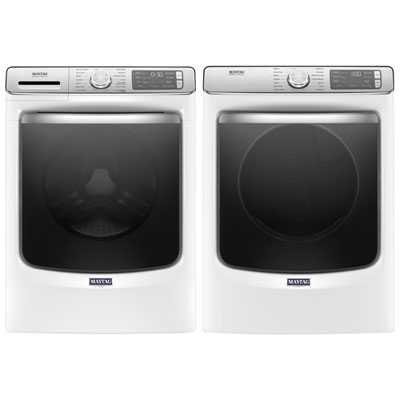
High-efficiency washers clean clothing by combining controlled water levels, detergent formulated for low-sudsing performance, and wash action that moves fabrics through the load. Unlike traditional washers that fill a tub with a large volume of water, high-efficiency designs generally use less water, with the amount depending on the machine, selected cycle, load size, and available settings. Clothes do not necessarily need to remain submerged throughout the wash to be cleaned effectively. Front-load designs lift and tumble laundry through a shallow pool of water, while high-efficiency top-load designs may use an impeller or an agitator to move clothing through the wash. Both formats suit everyday household laundry, but their loading positions, drum layouts, and installation requirements create different experiences. A front-load washer can make sense where an approved stacking arrangement would free up floor space, while a top-load washer offers access from above without a door swinging into the room. Within the broader category of High Efficiency Washers, capacity is an important distinction, especially for households washing bath towels, school clothes, workwear, or bedding alongside everyday garments. Capacity figures are most useful when compared using the same measurement standard, and a larger drum does not mean every bulky textile is suitable for machine washing. A comforter still needs enough room to move, and its care label matters as much as its size. Smaller households may value a manageable drum and convenient controls more than maximum capacity, while larger families may appreciate extra room for the steady accumulation of socks, T-shirts, and towels. The most useful capacity is one that accommodates normal laundry without encouraging tightly packed loads. Fabric needs space to circulate, rinse, and redistribute during spinning; a drum filled with compressed clothing can undermine the cleaning performance that a high-efficiency design is intended to deliver. Loading comfort matters as well: reaching the bottom of a deep top-load tub or bending to unload a front-load drum can become a noticeable part of a frequent laundry routine.

Wash options are most useful when they reflect the fabrics and messes a household actually handles. Everyday cottons, delicate garments, heavily soiled work clothes, and bulky bedding place different demands on a washer, so cycle selection is about more than the number of choices on the control panel. A dedicated bedding cycle, where provided, can adjust wash action and water management for larger textiles, while a delicate cycle uses gentler movement for suitable washable fabrics. Stain-focused options may add soaking time or modify parts of the wash sequence, but results still depend on the type of stain, how long it has set, the detergent, and the garment’s care requirements. A grass-marked pair of trousers and a shirt with an oily food spot may need different pretreatment even when they end up in the same laundry basket. Quick cycles are generally intended for smaller, lightly soiled loads rather than a full drum of muddy clothing. Extra-rinse settings can be useful in certain situations, but they are not a substitute for measuring detergent correctly. High-efficiency washers require detergent labelled for HE use because excess suds can interfere with washing and rinsing. The appropriate dose depends on detergent concentration, load size, soil level, and water hardness; filling a dispenser to its maximum line is not automatically the right amount for every load. Where automatic dispensing is included, the system still needs compatible detergent and settings that follow the manufacturer’s directions. Spin-speed choices also influence daily use. A faster final spin can remove more moisture before drying, although delicate fabrics may call for a gentler setting. Sound and vibration depend partly on load balance, levelling, and the supporting floor, not simply on the washer’s stated features. Clearly marked controls, a readable cycle display, and an accessible dispenser can be just as valuable as additional programs, particularly in a shared household where several people handle the laundry.
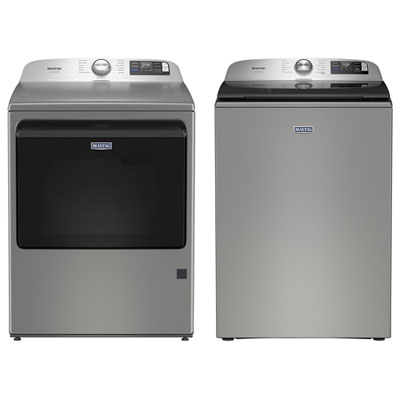
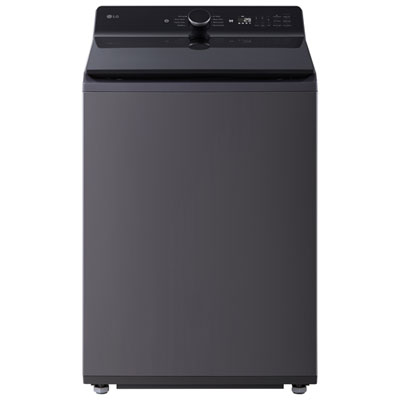
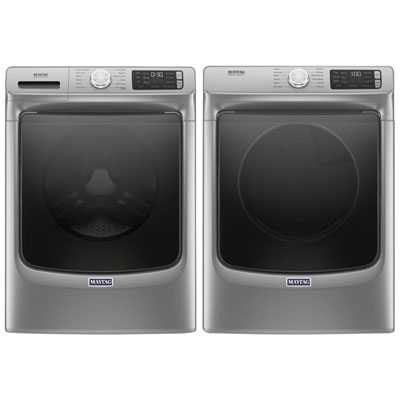
A washer’s physical fit extends beyond its listed width. The installation space needs adequate depth for connections, clearance for ventilation and servicing as specified by the manufacturer, and enough room to open the door or lid fully. A front-load door should not block a narrow passage when laundry is being transferred, and a top-load lid needs clearance beneath shelving or cabinets. Delivery access matters too: doorways, stair turns, and the route to the laundry area can determine whether an appliance can reach its intended location. Stacking requires a compatible washer-and-dryer pairing and the approved hardware; it should never be assumed from similar dimensions alone. Raised installations also require approved accessories and a suitable supporting surface. Inside the washer, drum construction and finish are worth considering alongside capacity. Stainless steel drums are commonly used for their resistance to rust and wear, while smooth interior surfaces help limit snagging when garments are loaded correctly. Durability also depends on everyday treatment. Emptying pockets keeps coins and other hard objects away from the drum and drainage system, fastening zippers helps protect neighbouring fabrics, and suitable mesh bags can contain small washable pieces. Mixing bulky absorbent textiles thoughtfully can help prevent an uneven load, although the care instructions for each item remain the priority. Routine maintenance supports dependable performance: detergent drawers can collect residue, door seals can trap moisture and small objects, and accessible filters may require attention according to the owner’s manual. A washer-cleaning cycle, where included, should be used with the recommended cleaning method rather than treated as a replacement for all other care. Hoses, connections, and the surrounding floor also benefit from periodic checks for leaks or wear. These practical details matter whether the machine handles a couple’s weekly laundry or repeated family loads. A well-matched high-efficiency washer brings together suitable capacity, comfortable access, useful fabric-care settings, and installation requirements that work with the home, making routine washing easier to manage without relying on features that rarely get used.

FAQ

Some products may be subject to Environmental Handling Fees (EHF) depending on your province. Learn more about EHFs.