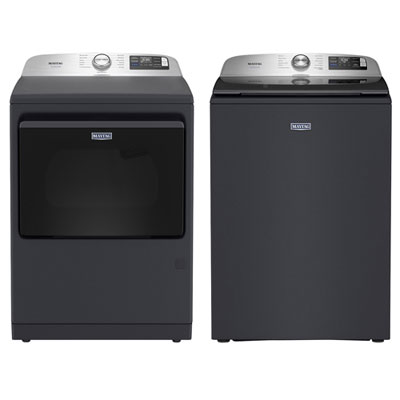
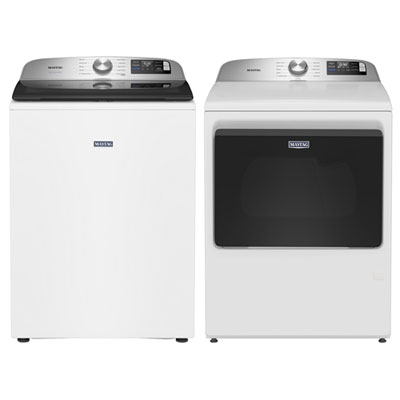
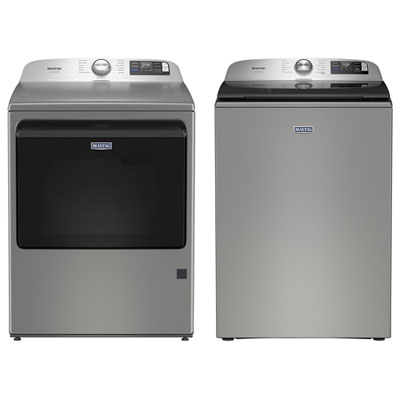
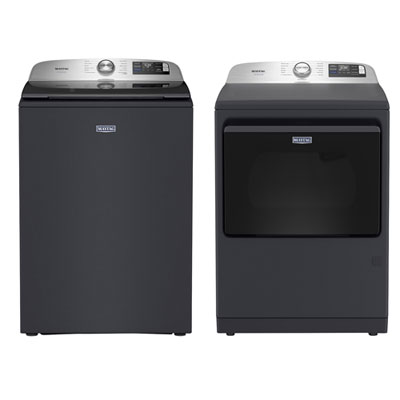
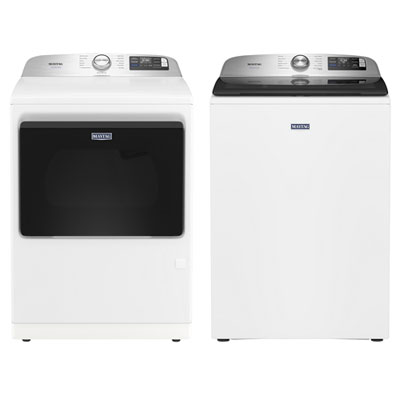
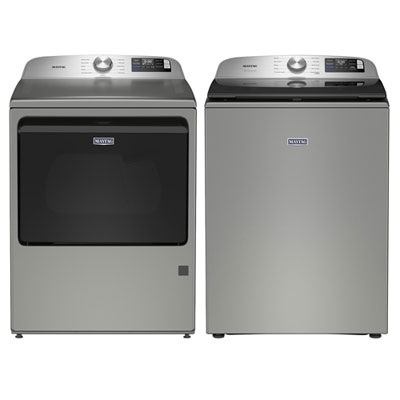
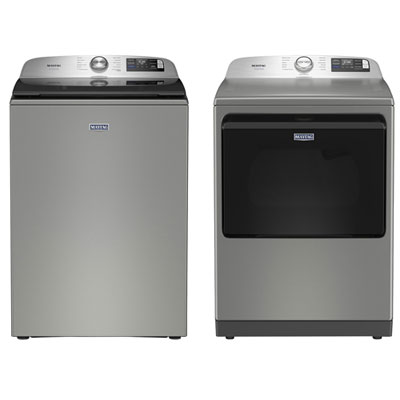
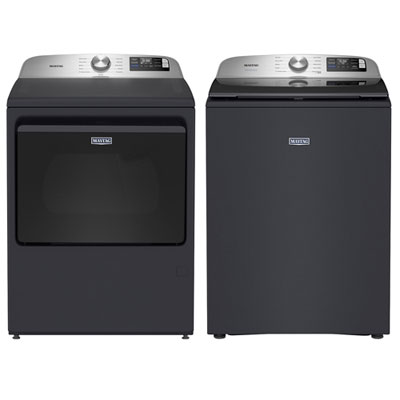
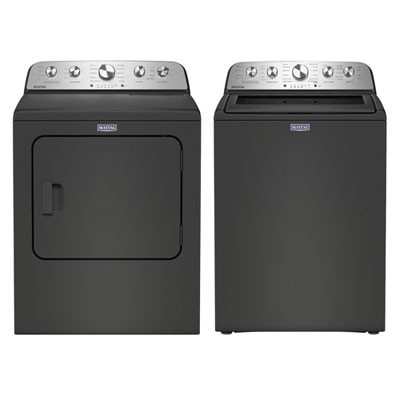
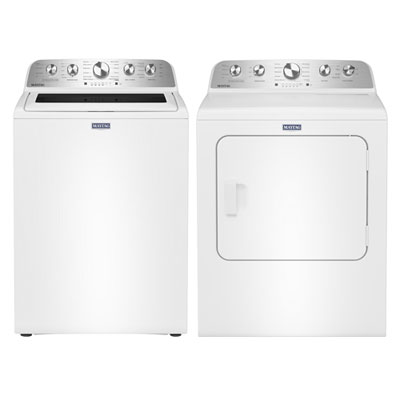
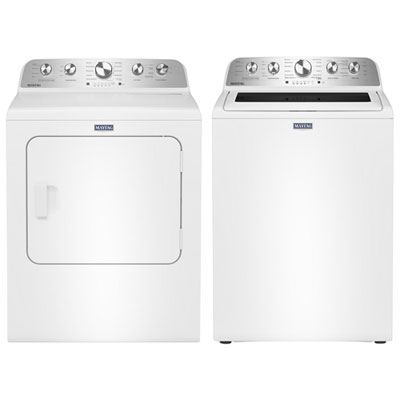
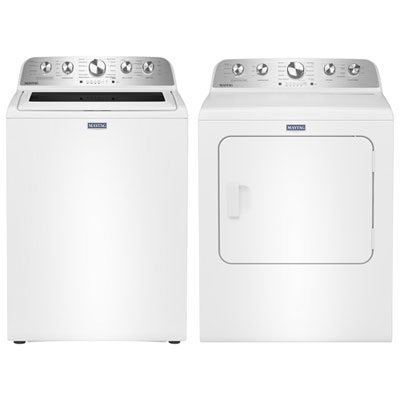
Maytag Washer Dryer Combos

Shop Maytag washer dryer combos to find a laundry setup that fits your space and washing needs. Compare available configurations, dimensions, load capacities, and wash and dry settings, and check installation requirements before choosing a model for your home.
Sort

Laundry pairs or all-in-ones: what sets them apart

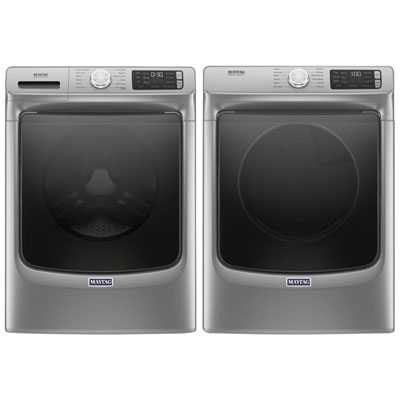
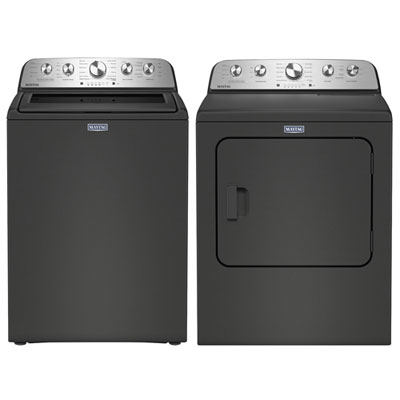
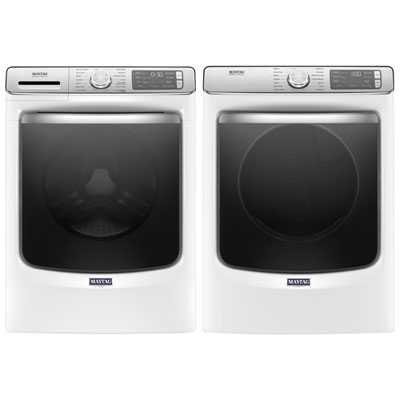
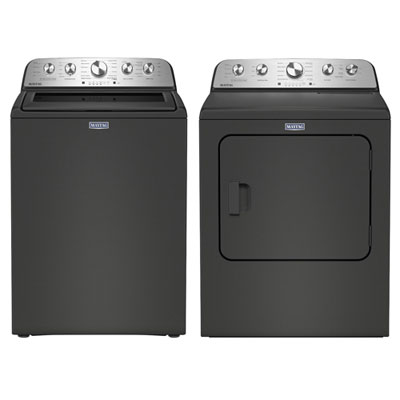
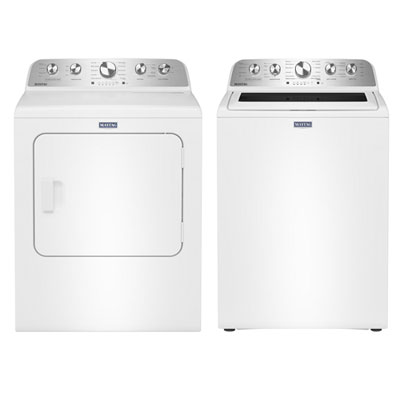
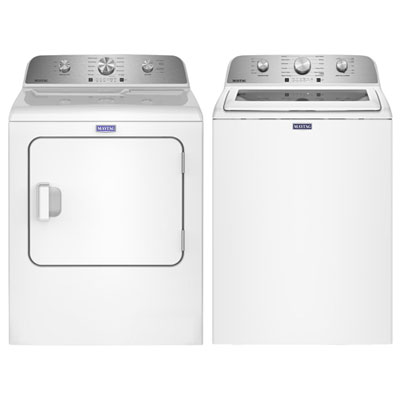
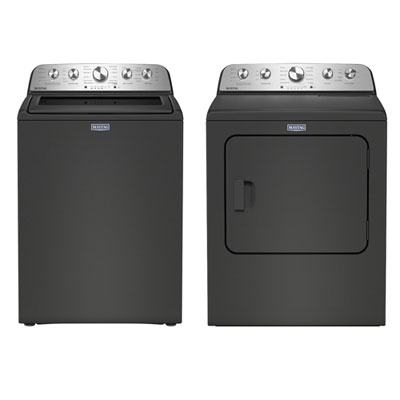
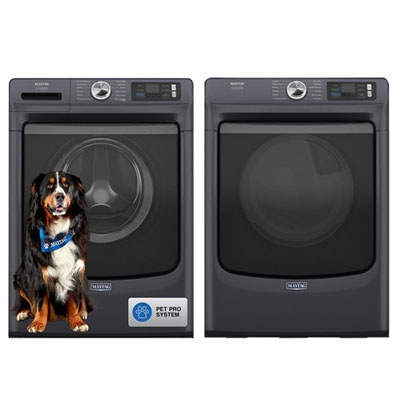
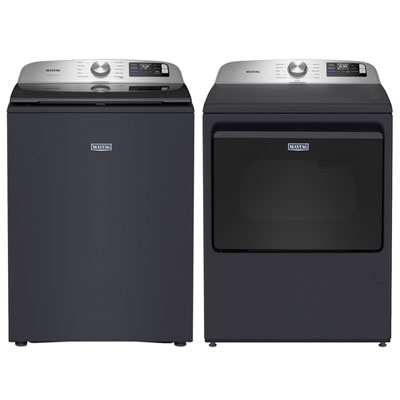
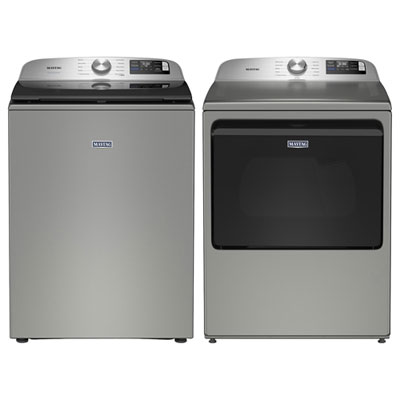
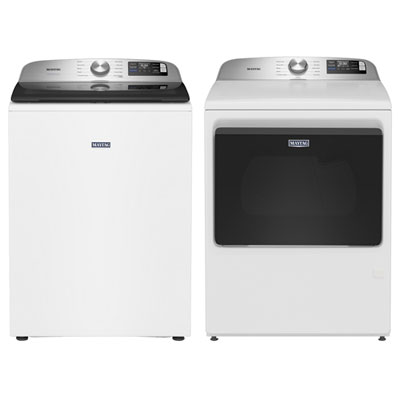
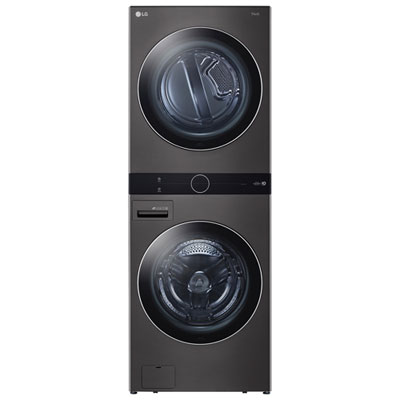
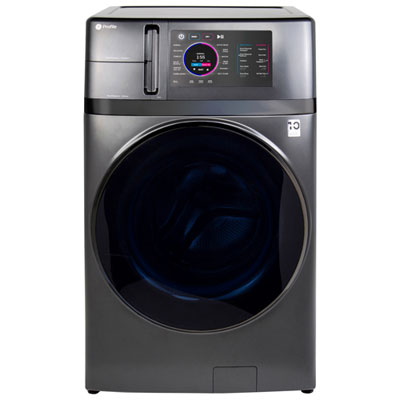
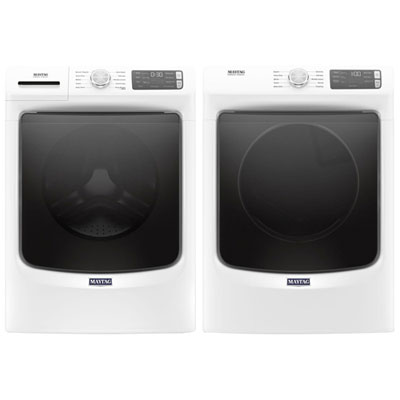
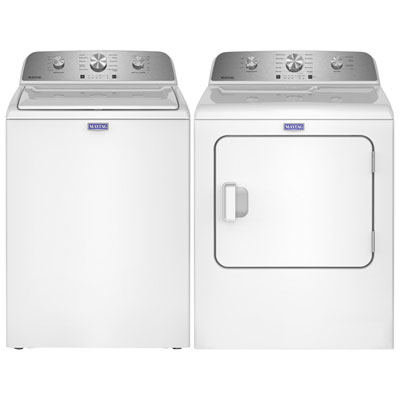
Washer and dryer combos bring together the two essential stages of laundry care: washing fabrics and drying them for their next use. The term can describe a coordinated washer and dryer set, while an all-in-one washer dryer handles both tasks in a single drum. That distinction matters when comparing appliances for a laundry room, hallway closet, or compact utility space. A separate laundry pair allows one load to wash while another dries, which can suit households working through school clothes, towels, bedding, and workwear throughout the day. An all-in-one format keeps the load in one appliance, although washing and drying capacities may differ and a complete cycle can take longer than expected. For separate sets, top-load washers offer access from above and may use either a central agitator or a low-profile impeller to move clothing through the wash. Front-load washers have a door at the front and tumble fabrics through the water. Some front-load pairs can be stacked with a compatible stacking kit, freeing up floor space without combining the appliances into a single machine. Stackability is a model-specific feature rather than something every matching pair supports. Side-by-side placement can make controls easier to reach and may accommodate a nearby folding surface, while a stacked layout can leave room for shelving or a laundry hamper. The practical fit includes more than cabinet width: appliance depth, door swing, hose connections, vent routing, and clearance for servicing all affect installation. A machine that fits between two walls still needs enough room for its door or lid to open fully. Delivery access also matters, particularly where narrow staircases, tight corners, or basement doorways lead to the laundry area. Electric and gas dryers have different connection requirements, and the appropriate choice depends on the home's existing services and any installation work required. These details help distinguish a suitable laundry configuration from one that simply looks right in a photograph.

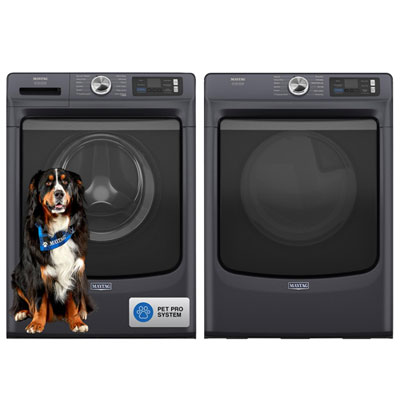
Capacity and fabric care shape how a washer and dryer set fits everyday routines. A household washing several small loads may value flexible settings more than the largest drum, while families handling frequent towel loads or bulky bedding may benefit from additional usable space. Capacity figures alone do not establish whether a comforter will move freely, and bedding care labels remain important even when the drum appears spacious. Washers need room for clothing to circulate; tightly packed loads can limit cleaning and rinsing. Dryers likewise need space for fabrics to tumble rather than roll into a dense bundle. A larger dryer capacity than washer capacity is common in separate pairs because drying requires room for movement and airflow, but the stated capacities should still be considered together. Drum and wash-basket materials are another useful point of comparison. Stainless steel provides a smooth, rust-resistant surface, while coated surfaces depend on the condition of their finish. Durability also involves hinges, handles, controls, levelling components, and care over time, not just the material visible inside the door. Cycle options can make a meaningful difference when they match the laundry being washed. Delicate settings can suit garments whose labels permit machine washing, while heavier-duty settings may be appropriate for sturdy, heavily soiled fabrics. Steam, extra-rinse, soak, and wrinkle-control functions are available on some appliances, but their operation and intended uses vary. Steam does not automatically make an appliance suitable for every delicate fabric, and a sanitizing claim applies only under the conditions specified for that cycle. For households with pets, dedicated hair-management features may help collect loose hair on supported models, although blankets and clothing can still benefit from removing excess hair before washing. Soil level, detergent quantity, water hardness, and load size also influence results. High-efficiency detergent should be used where specified, with the amount adjusted according to its label and the appliance instructions rather than added by habit. More detergent is not necessarily better: excess suds can interfere with rinsing and leave residue behind.

Day-to-day convenience often comes down to details that are easy to overlook until the first basket reaches the laundry room. Clearly labelled controls, a readable display, an accessible lint screen, and a door that opens away from the transfer path can make repeated loads less awkward. Dryer door reversibility is useful in some layouts, but it is not universal, and washer doors may have different limitations. Pedestals, where compatible, can raise front-load appliances to reduce bending, though they also change the height of the controls and any surface above the machines. A stacked dryer should remain comfortably accessible to the people using it. Noise and vibration deserve attention when laundry appliances sit near bedrooms or living areas. A stable floor, correct levelling, removal of shipping hardware where required, and balanced loads all contribute to proper operation; a high-speed spin cannot compensate for an unsuitable installation. Drying features such as moisture sensing can help end a cycle when the selected dryness level is reached, while timed drying gives a different kind of control. Neither replaces checking care labels or separating fabrics with very different drying needs. A load of lightweight shirts and thick bath towels, for example, may finish more evenly when dried separately. Routine care helps maintain performance: lint screens need cleaning as directed, vented dryers need a clear exhaust path, and washer dispensers, seals, and accessible filters need attention according to the appliance manual. Ventless designs have their own maintenance requirements and should not be treated as maintenance-free. For a broader look at appliance formats, Washing Machines With Dryer Combo offers another way to explore the category. The most useful comparison brings together the installation requirements, load capacity, fabric-care options, and physical layout rather than relying on a matching finish alone. A well-suited laundry setup supports the actual rhythm of the household, whether that means frequent small washes, shared family laundry days, or keeping uniforms and everyday essentials ready for regular use.

FAQ

Some products may be subject to Environmental Handling Fees (EHF) depending on your province. Learn more about EHFs.