Microwaves Small White
Microwaves are small, convenient, and powerful appliances that can turn a frozen dinner into a hot one in less than a minute. These are made to fit the small area in your kitchen. These are user-friendly and efficient. Here are some of the best choices for small white microwaves available today.
Sort



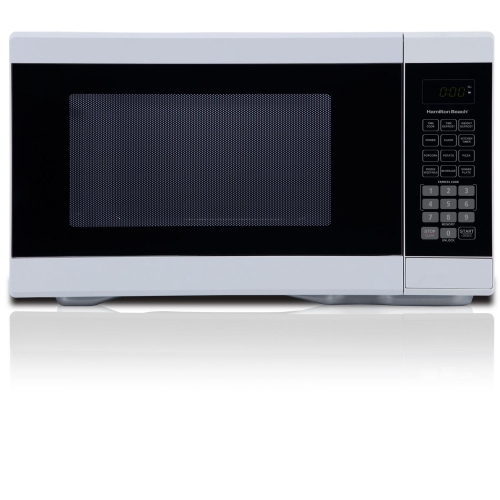
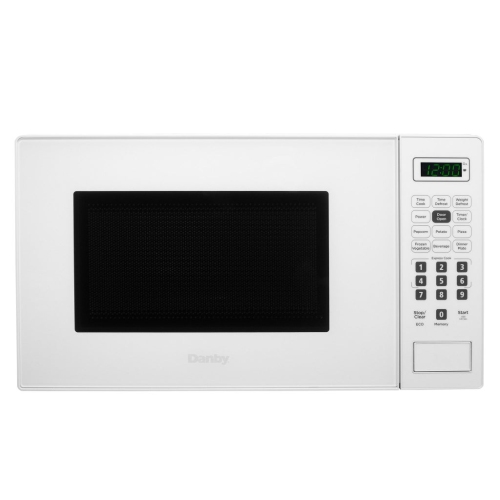
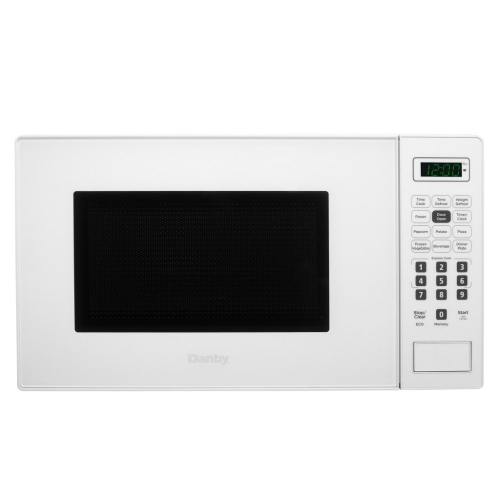
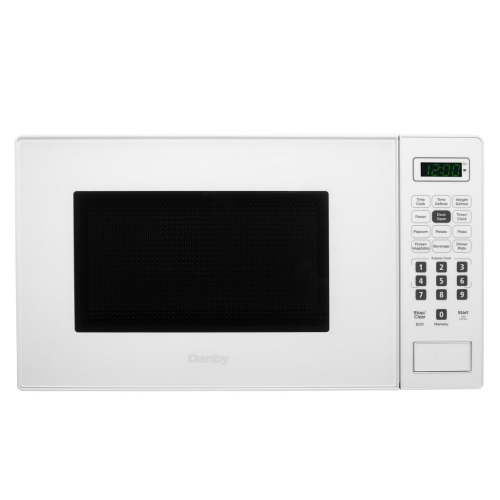



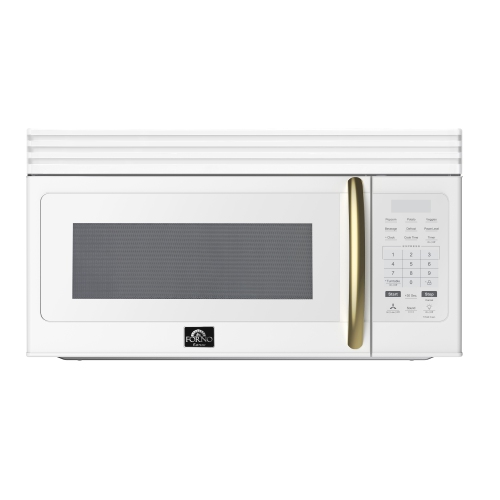
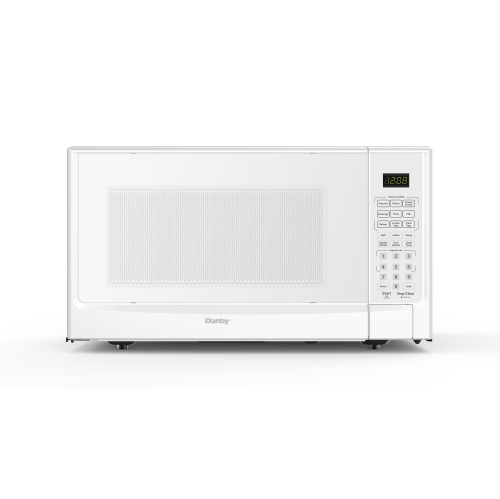

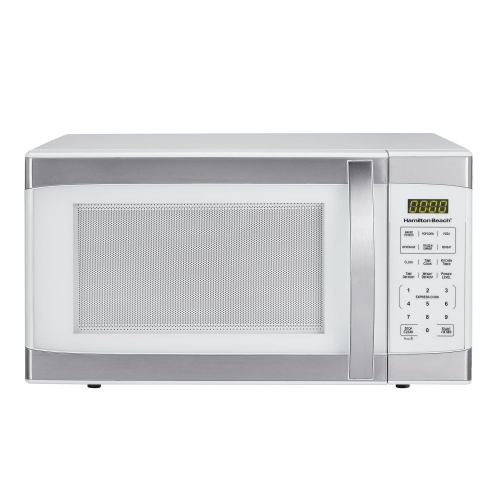
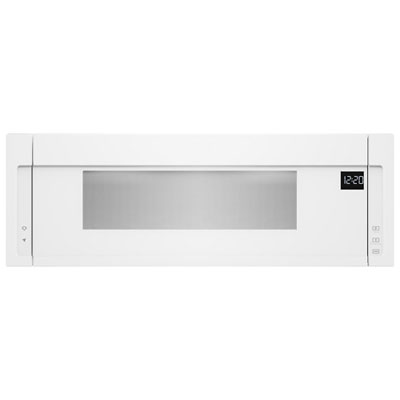
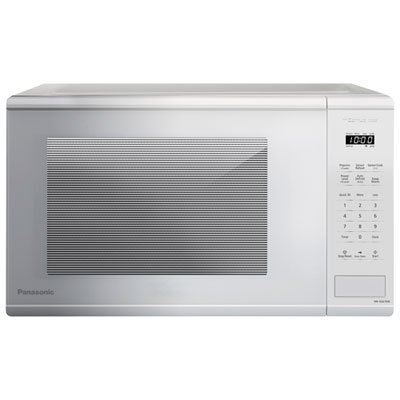
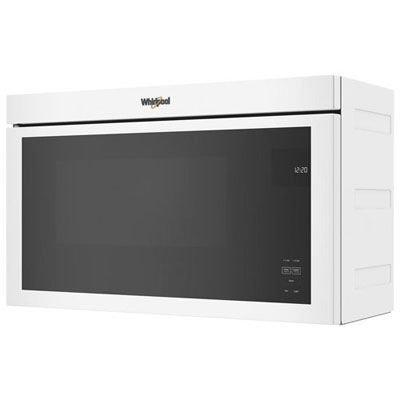

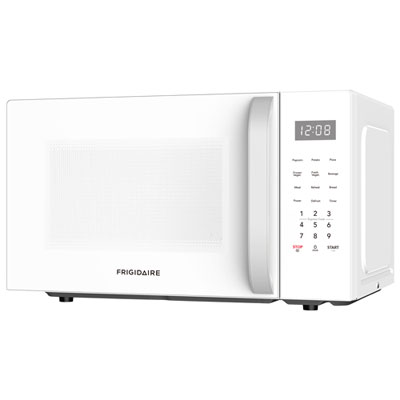
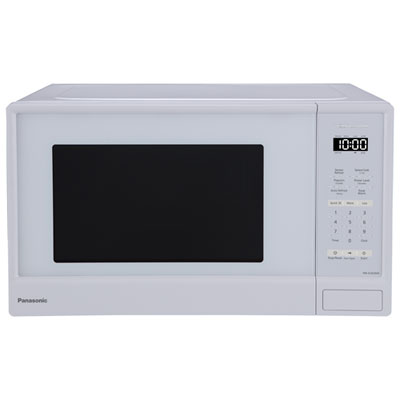

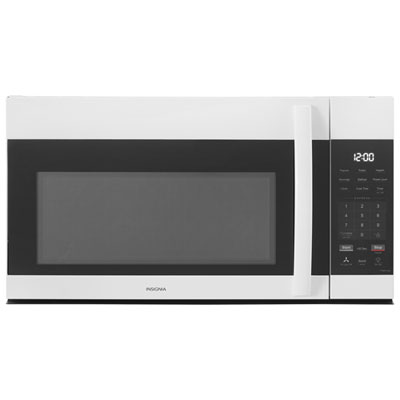

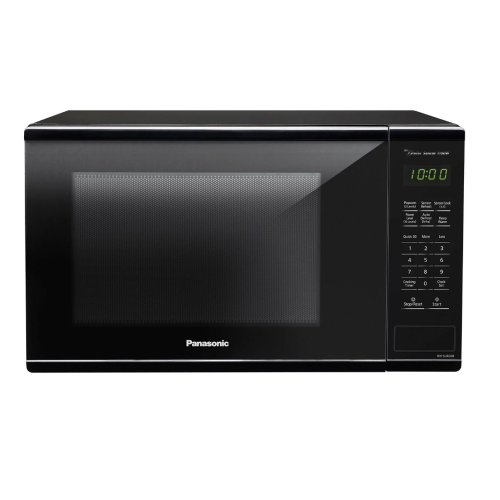
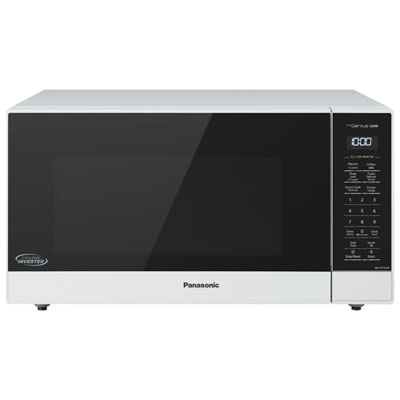
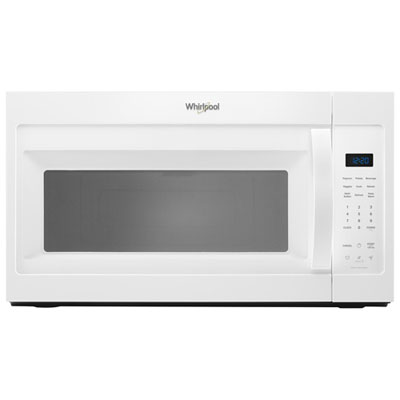
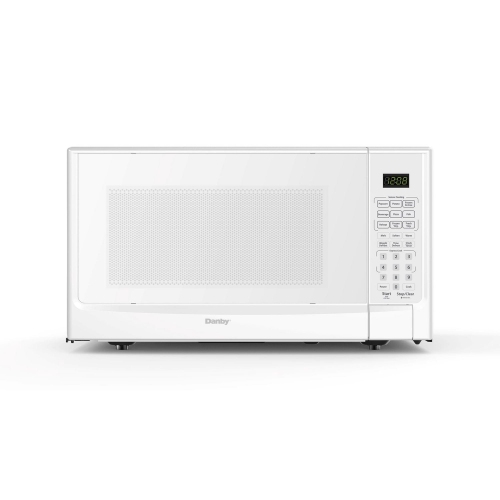
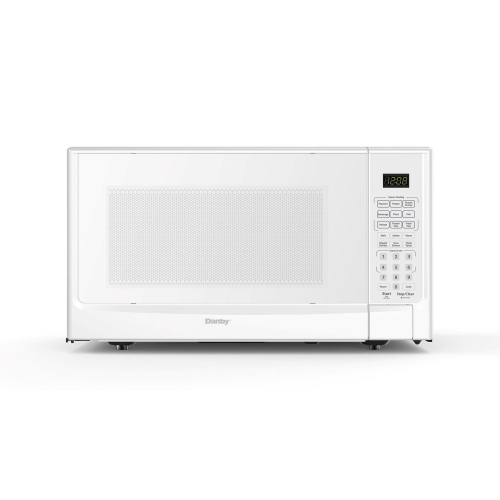
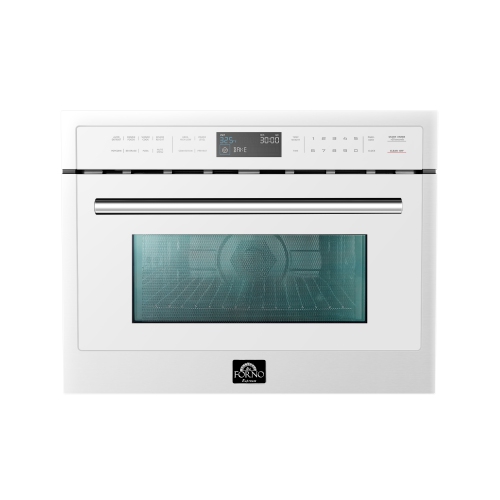
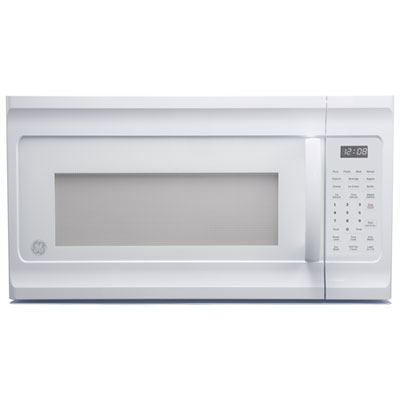
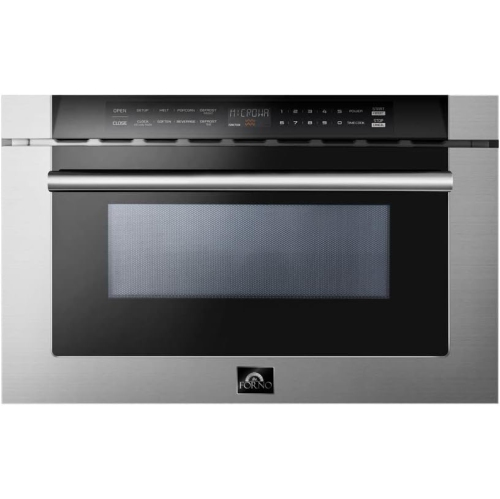
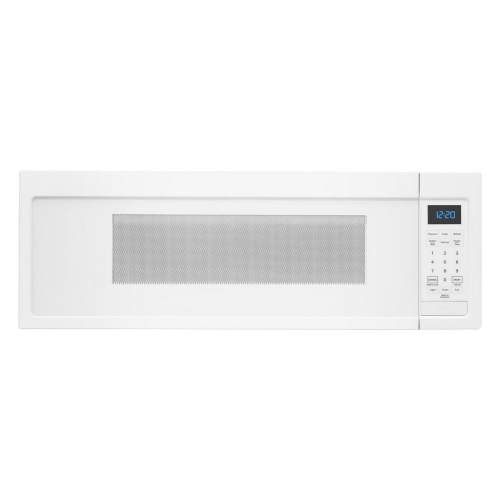
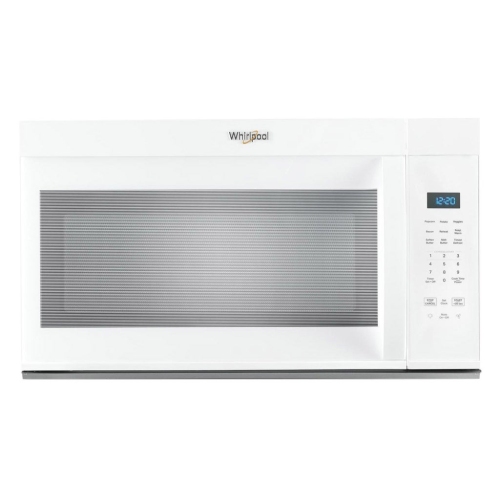
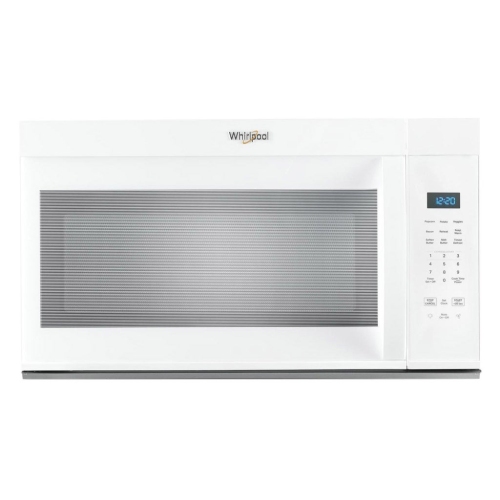

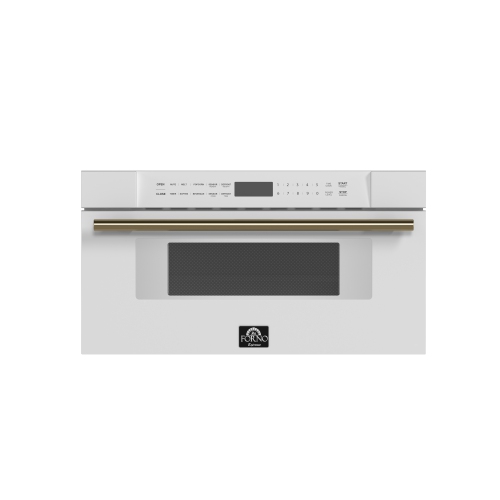
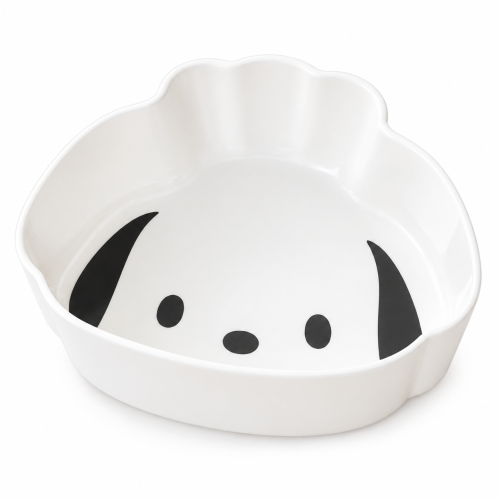
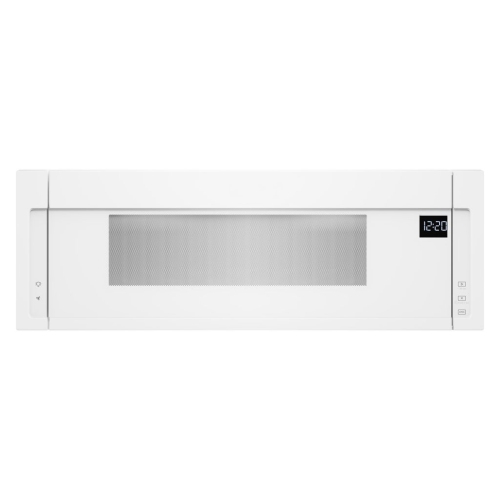
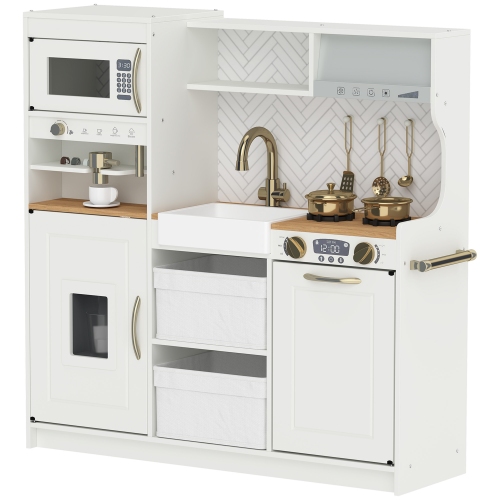
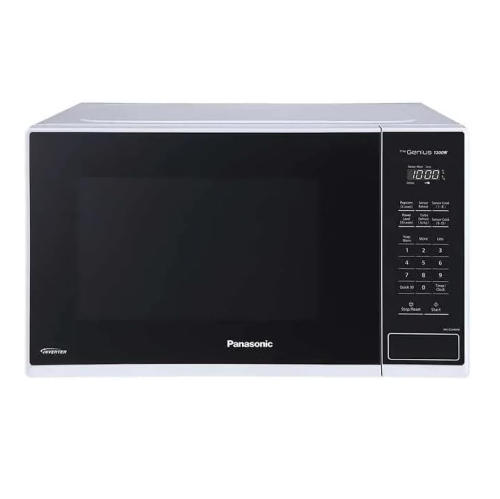
A compact footprint still needs room for your dishes
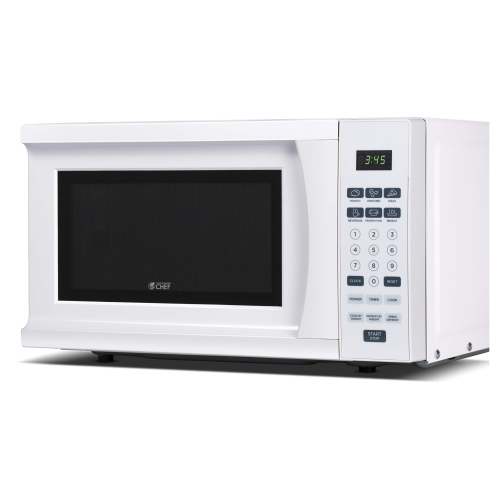
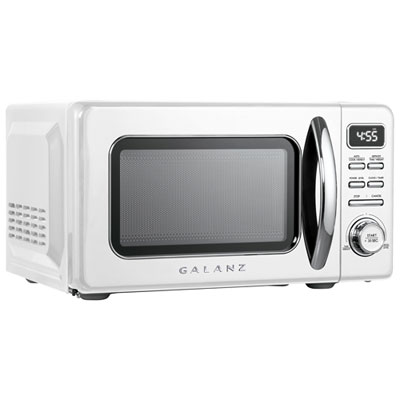
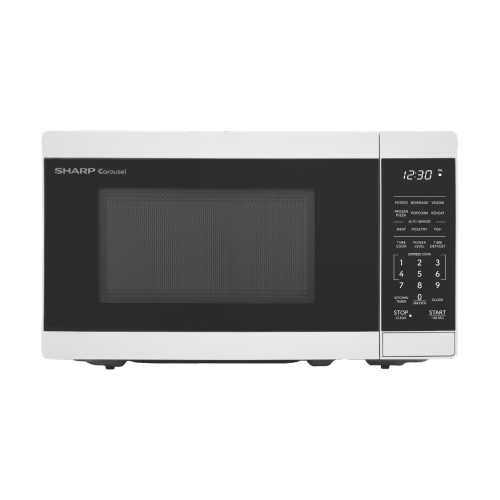
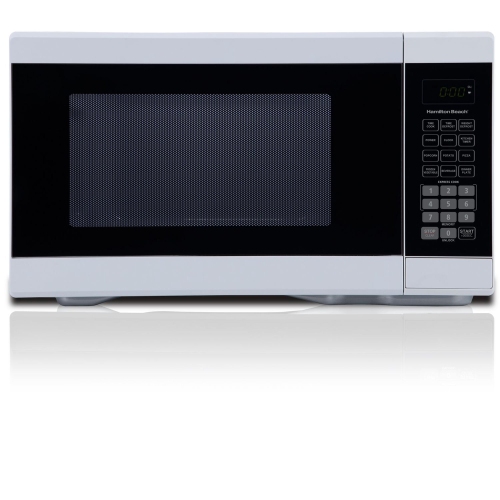
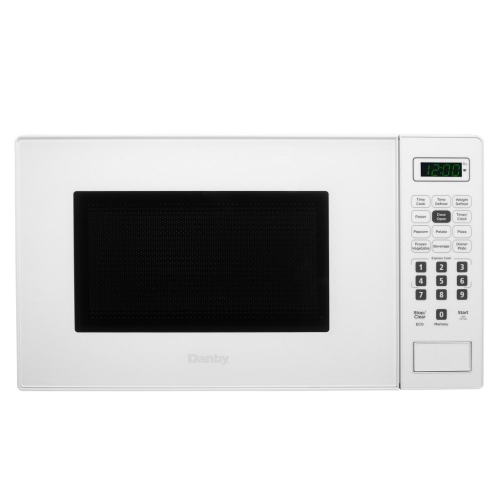
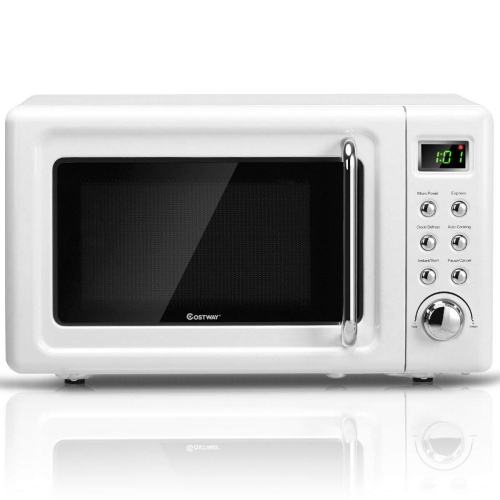
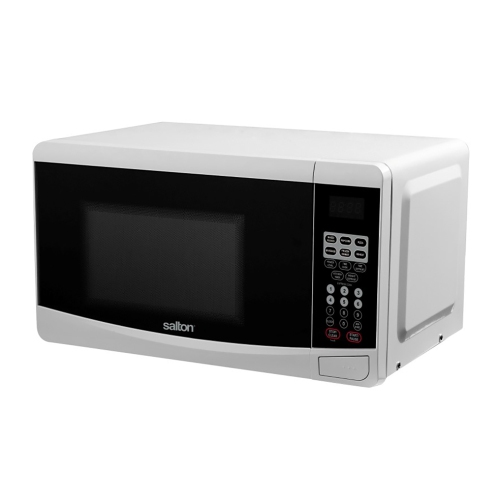
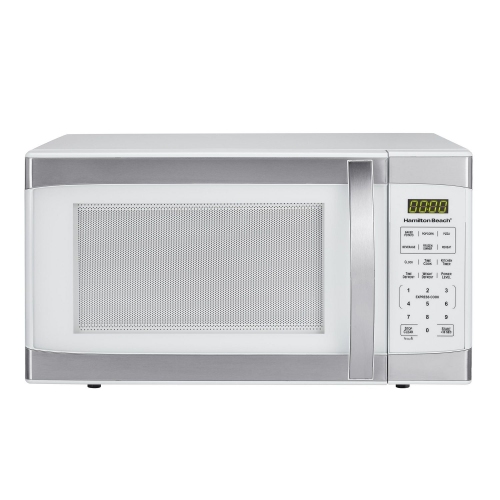
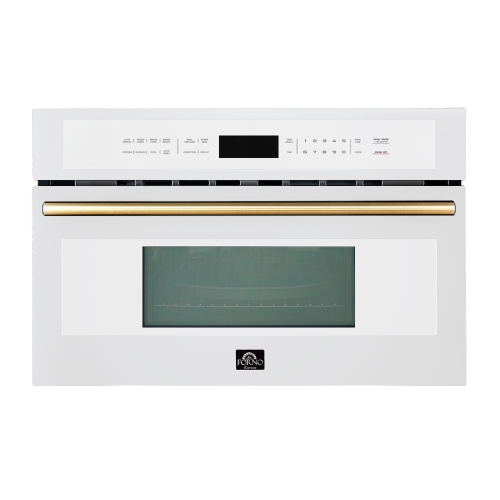
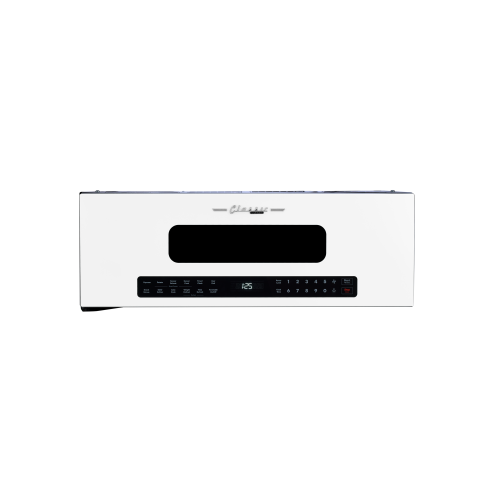
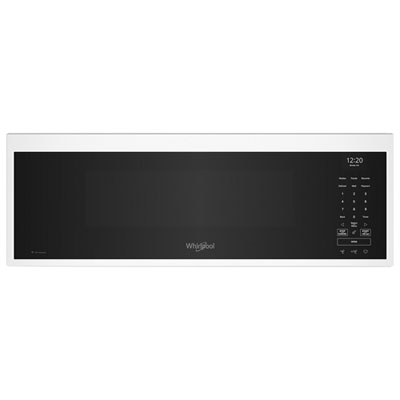
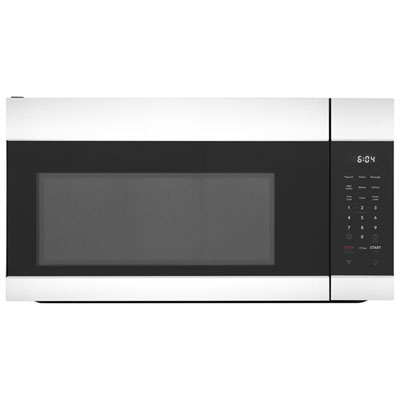
Small white microwaves are compact appliances designed for reheating, defrosting, and everyday food preparation without taking up the counter space of a larger model. Many compact countertop microwaves have an interior capacity of approximately 0.6 to 0.7 cubic feet and a cooking output of around 700 watts, although dimensions, capacity, and power vary by model. Their smaller size suits apartment kitchens, condos, office lunchrooms, and student residences where cooking appliances are permitted. A white finish can blend with white cabinetry and other appliances, or provide a simple contrast against wood counters and darker kitchen surfaces. For someone who mostly warms a mug of milk, reheats a bowl of soup, or prepares a single serving of oatmeal, a compact microwave can handle familiar tasks while leaving room nearby for a kettle or coffee maker. The important distinction is between the space an appliance occupies and the usable space inside it. Capacity in cubic feet describes the cooking cavity, but it does not guarantee that a particular dinner plate or food container will fit. Interior width, door opening, turntable diameter, and clearance above the food all affect everyday usefulness. A wide plate needs room to rotate freely, while a tall mug needs enough height to slide in without tilting. Exterior measurements matter just as much: the listed width and depth are only part of the space needed for placement. Ventilation clearances specified by the manufacturer, access to the plug, and room for the door to swing open must also be allowed for. A corner beside the refrigerator may look suitable until the open microwave door blocks a drawer or makes it awkward to lift out a hot bowl. Countertop models belong on a stable, level surface with their vents unobstructed; they should not be enclosed in cabinetry unless the manufacturer explicitly permits that installation. A practical position keeps the controls easy to reach and lets hot dishes move directly onto a nearby heat-resistant surface.
Cooking power and control options shape how a small white countertop microwave feels to use each day. A model rated at 700 watts will generally need more time than a higher-wattage microwave to heat the same portion, so packaged food instructions may need adjustment according to their stated wattage guidance. The input power shown on an electrical label is different from the cooking output, making the output wattage the more useful figure when comparing heating performance. Multiple power levels help with jobs that need a gentler approach, such as softening butter or warming a sauce without repeatedly boiling its edges. Depending on the design, lower settings may cycle full power on and off rather than deliver continuously reduced power. Express-start buttons and add-time controls can simplify frequently repeated tasks, while a clearly marked keypad makes it easier to enter a precise heating time. Mechanical dials may appeal to someone who prefers turning a knob, though their timing increments can be less precise than digital controls. Preset programmes for common foods are convenient starting points rather than a guarantee of perfect results, since portion size, starting temperature, and container shape all influence heating. A shallow dish of leftovers will behave differently from a densely packed, deep container. Stirring partway through, rearranging food where practical, and allowing the recommended standing time help heat spread more evenly. For reheated leftovers, a food thermometer can confirm that the centre reaches 74°C rather than relying on steam or a hot dish as proof. Defrost settings are useful for preparing ingredients, but food thawed in a microwave should be cooked promptly. Features such as an interior light, a readable display, a removable turntable, or adjustable sound settings can make a noticeable difference in a shared kitchen. Lock features also deserve a close look: a control lock and a door lock serve different purposes, and their operation varies by model. These details matter more in daily use than the number of buttons alone, particularly when several people share the appliance.
Materials, construction, and straightforward cleaning help determine how well a compact white microwave holds up to regular use. Many designs combine a painted metal outer cabinet with plastic trim or controls, a coated cooking cavity, and a removable glass turntable. The white exterior gives the appliance a clean, understated appearance, but handles, door edges, and frequently touched buttons still benefit from regular wiping. A soft cloth and a mild cleaner approved in the care instructions are generally more suitable than abrasive pads, which can scratch finishes or damage markings. Inside, covering food with a vented, microwave-safe lid helps limit splashes from soup, sauces, and porridge. Spills are easier to remove once the cavity is safe to touch and before residue has dried onto the surface. The turntable and roller support should sit correctly after cleaning so dishes can rotate without wobbling; dishwasher suitability depends on the manufacturer's instructions. Glass components also need protection from sudden temperature changes, such as placing a hot turntable into cold water. Containers should be labelled microwave-safe, with enough room for stirring and lifting, and metal trim or foil should be avoided unless specifically permitted by the appliance instructions. Door hinges, the latch, and the sealing surfaces warrant particular care because a microwave should not be used if the door is damaged or does not close properly. For a first apartment or a housewarming gift, a small white microwave can be a useful choice when the recipient's counter measurements, usual dishes, and preferred controls are known. It is especially practical for one-person portions, snacks, and reheating alongside cooking done on a stove or in an oven. Households that regularly warm larger serving dishes or need more interior room may find Big White Microwaves a closer fit. For smaller spaces, the most useful balance is a compact footprint, enough room for the dishes used most often, and controls that make routine tasks simple.
Top selling and popular products
-
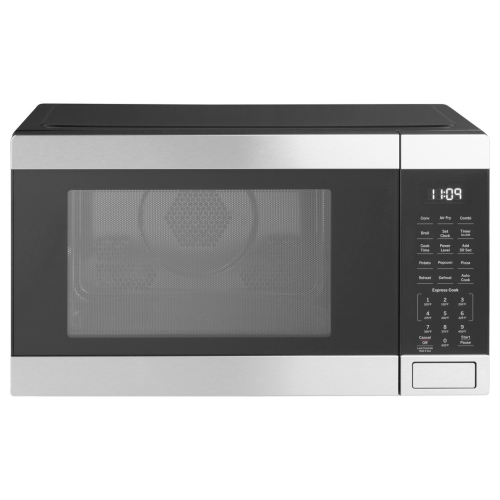 Your price for this item is $674.99
-
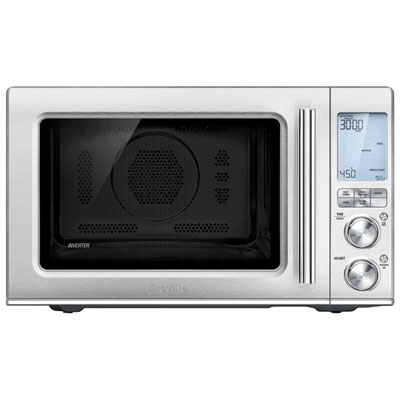 Your price for this item is $699.99
-
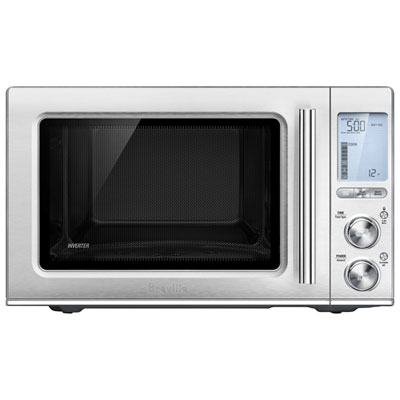 Your price for this item is $459.99
-
 Your price for this item is $114.99
-
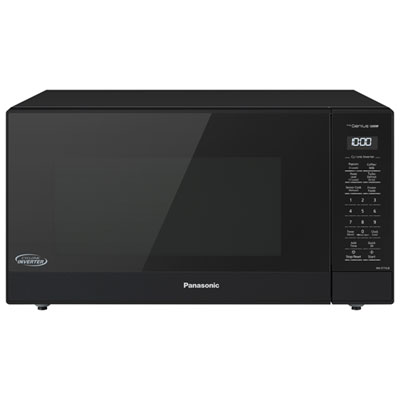 Your price for this item is $309.99
-
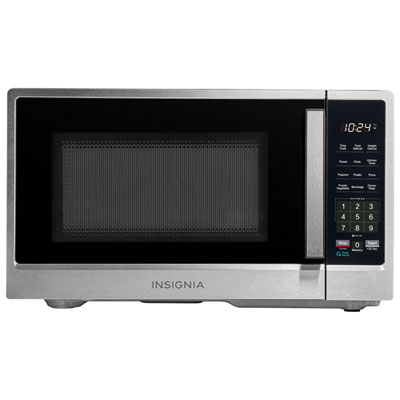 Your price for this item is $149.99
-
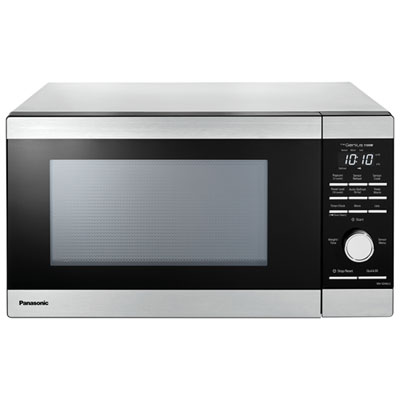 Your price for this item is $249.99
-
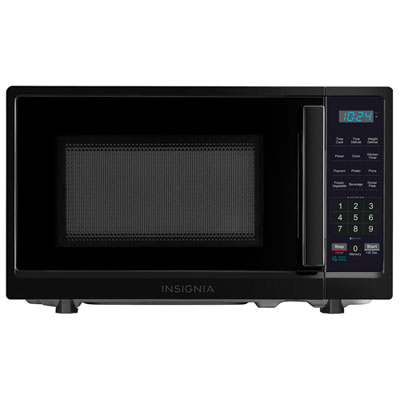 Your price for this item is $109.99
Discover more categories related to Microwaves Small White
Top Collections:
Pokemon Centers, Best Cameras for Sports Photography, Kindle Devices, Samsung Galaxy Phones, Canon G7X Cameras, Pokémon 30th Celebration Cards, Refurbished Apple Laptops, iPhone 15 Apple, Laptops for Students, Budget Smartphones
Some products may be subject to Environmental Handling Fees
(EHF) depending on your province.
Learn more about EHFs.