Most Reliable Microwaves
Microwaves are one of the staple items in many kitchens. They're a convenient way to heat leftovers, defrost a frozen dinner, or cook a frozen pizza. But which one is best for you? We've rounded up the most reliable microwaves on the market and put them through their paces.
Sort
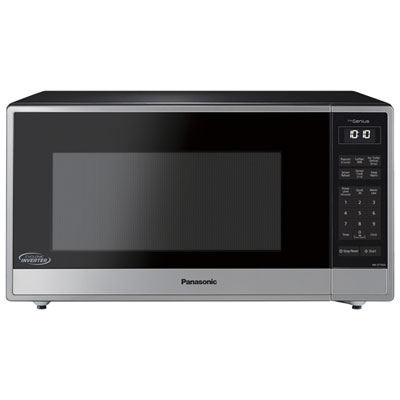
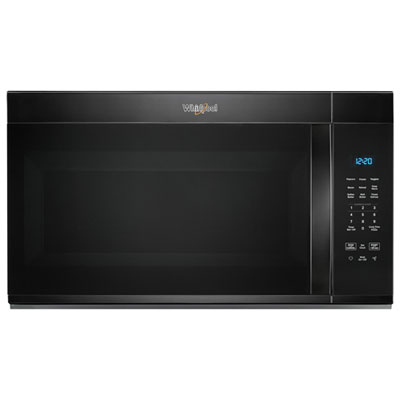
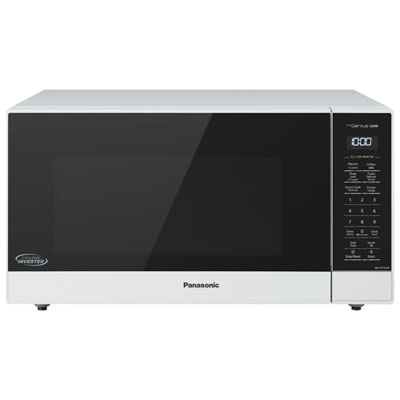
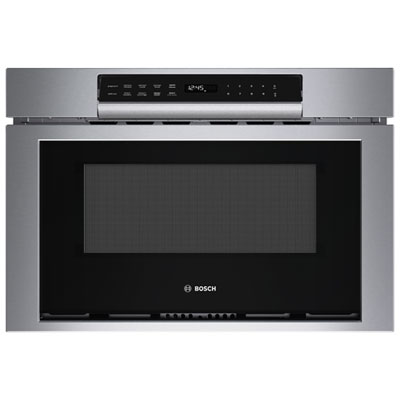
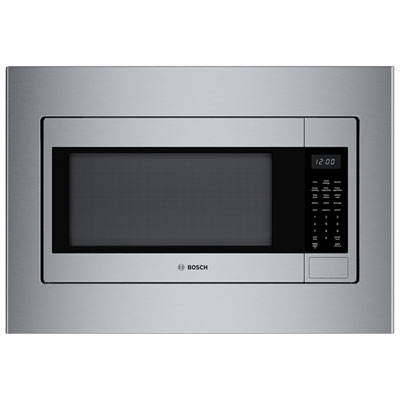
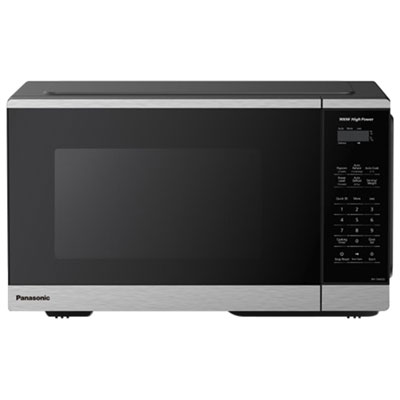
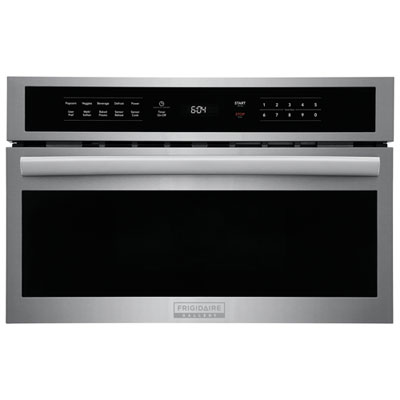
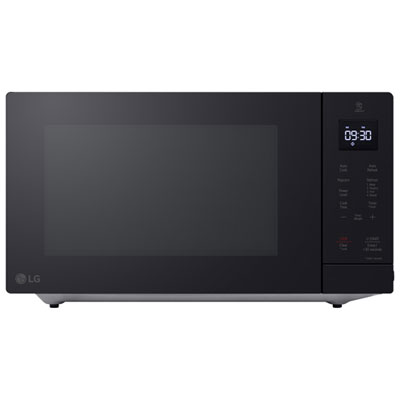
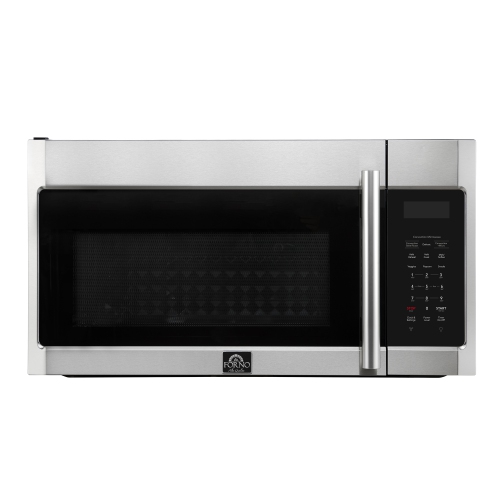
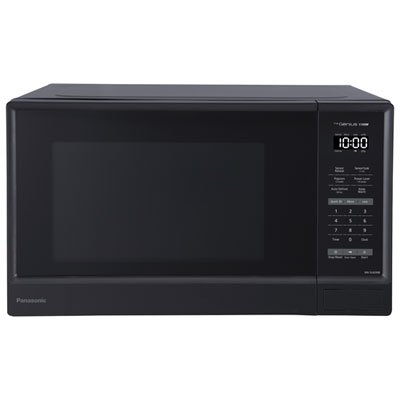
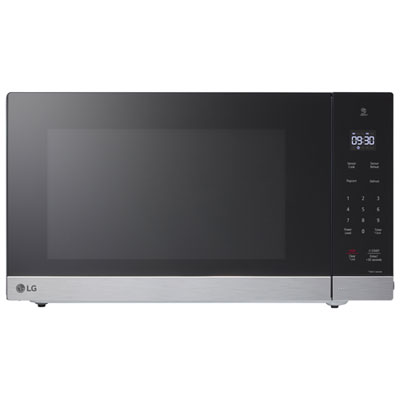
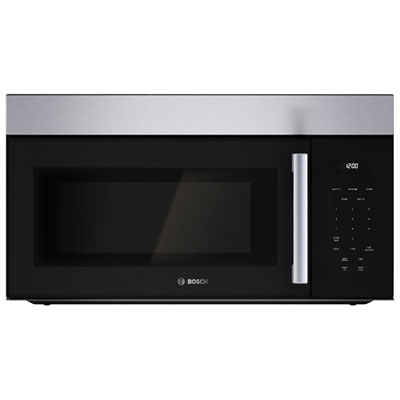
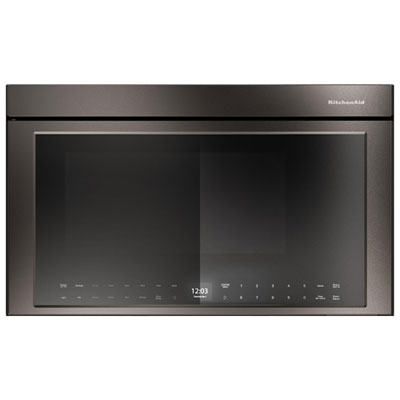
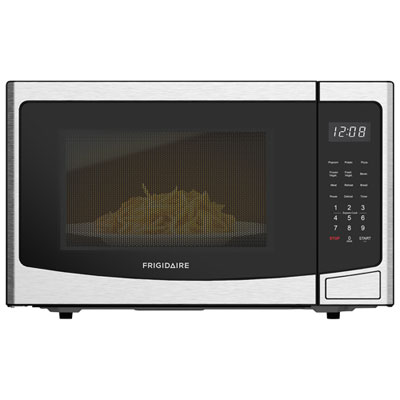
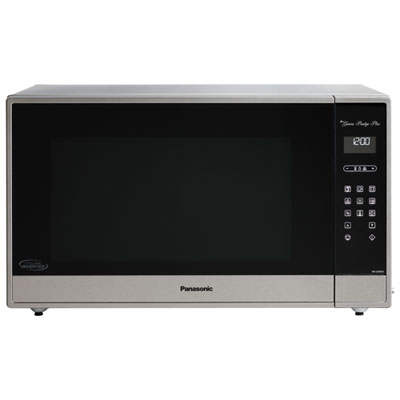
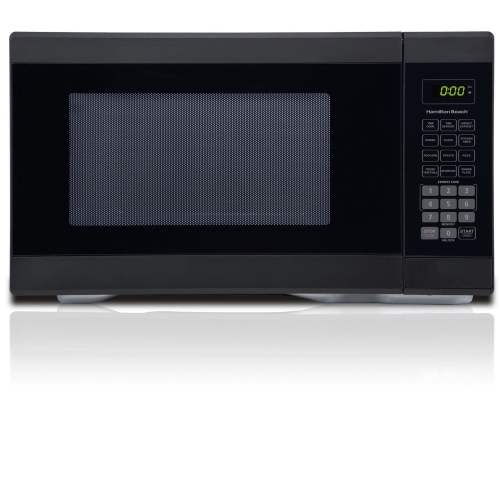
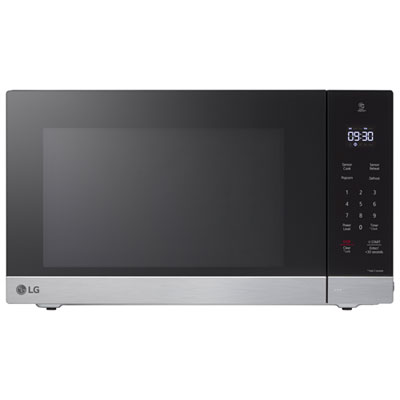
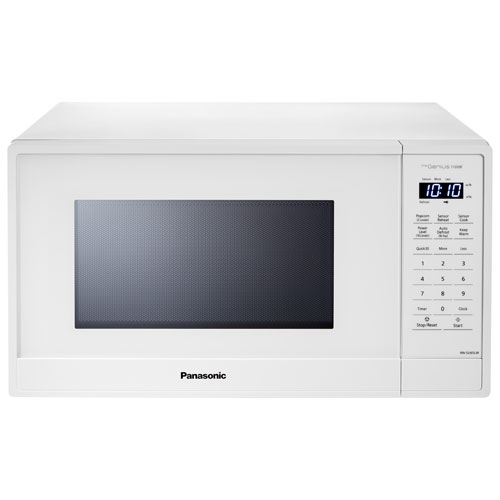
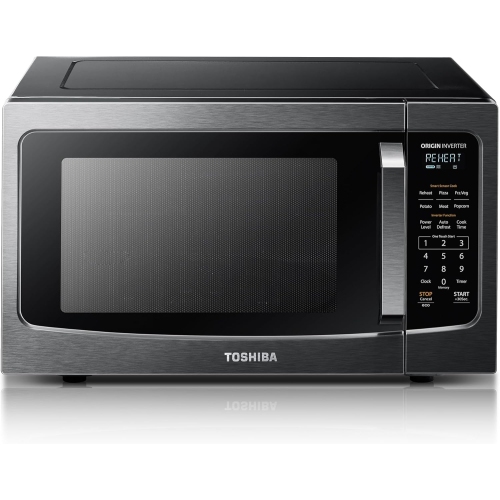
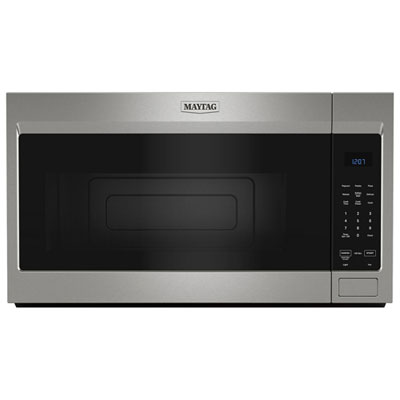
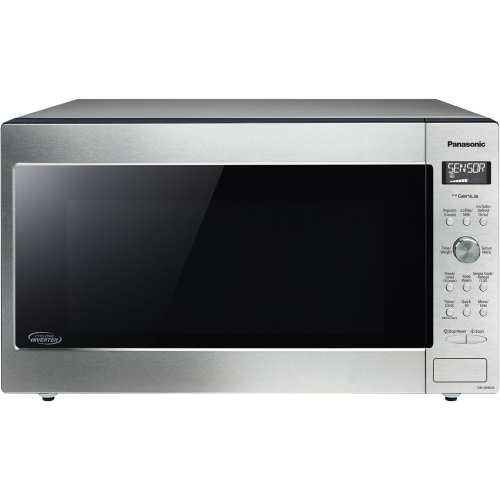
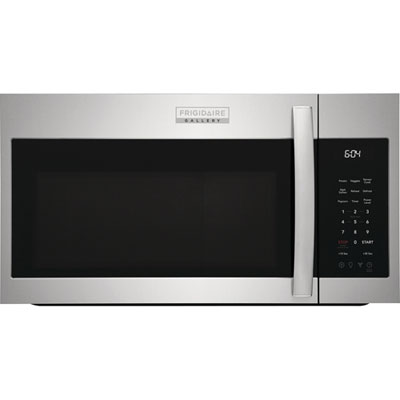
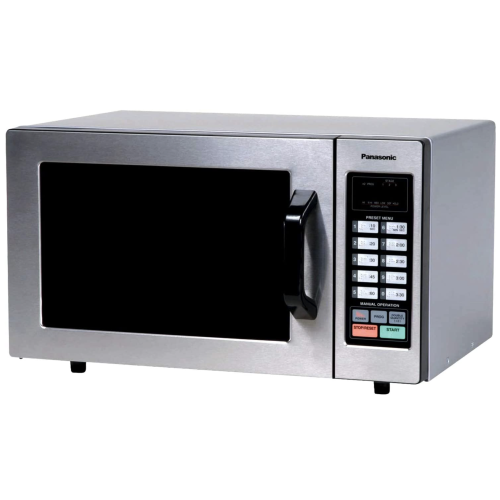
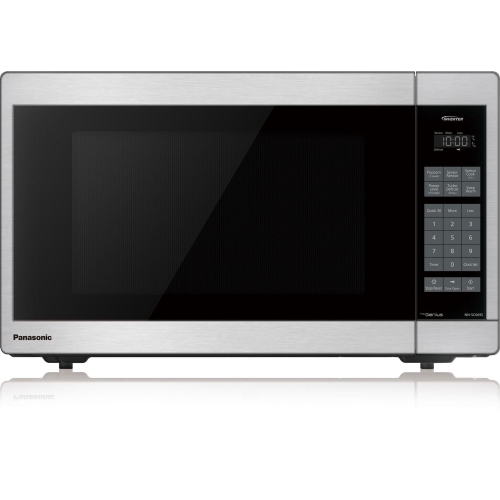
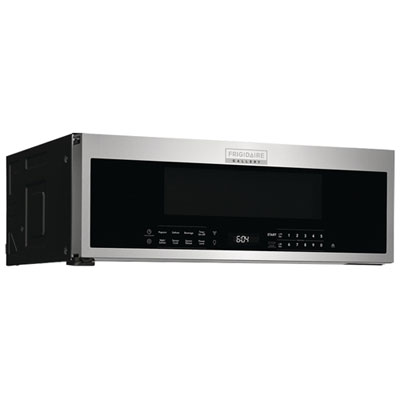
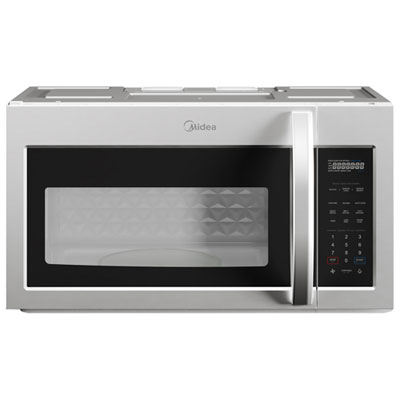
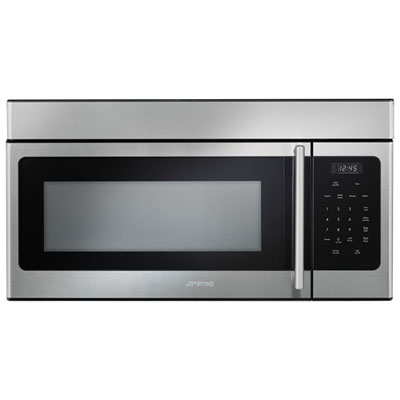
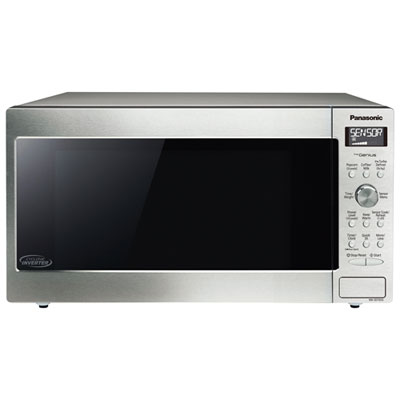

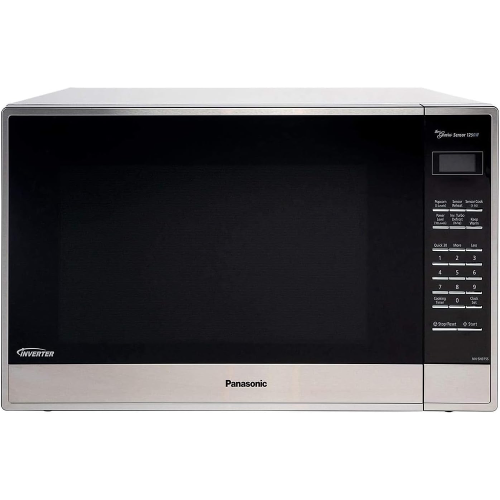
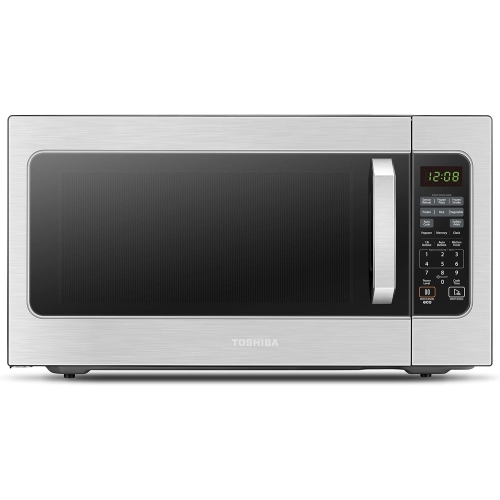
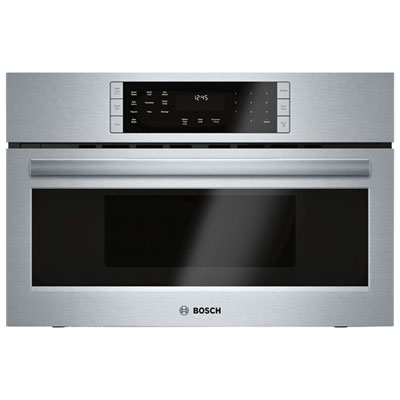
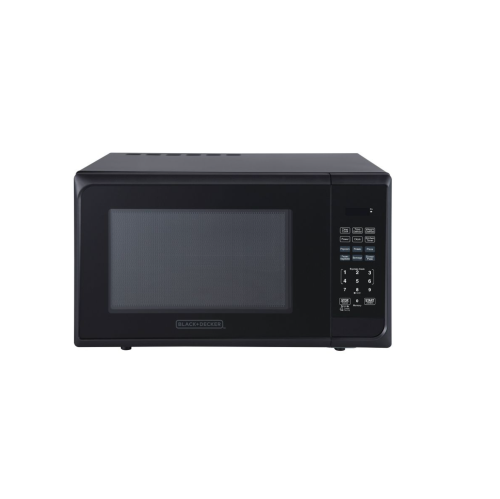
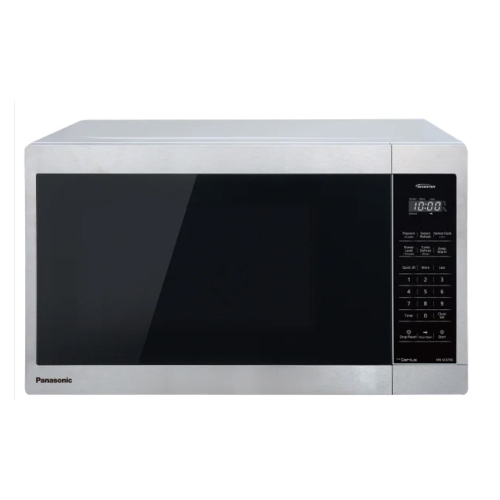
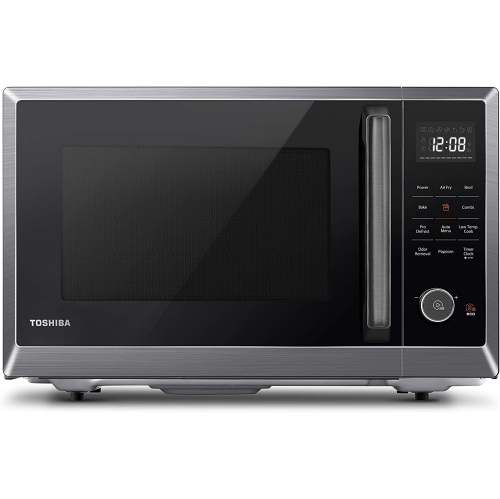
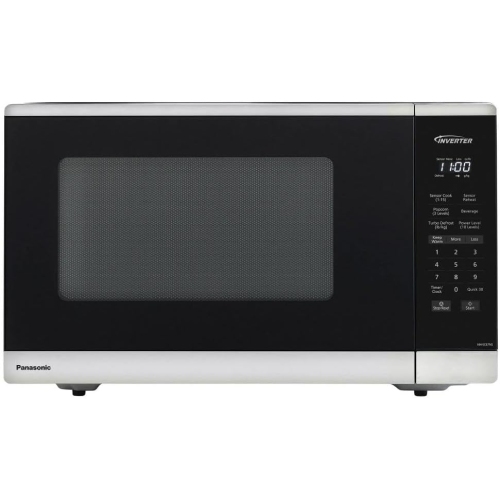
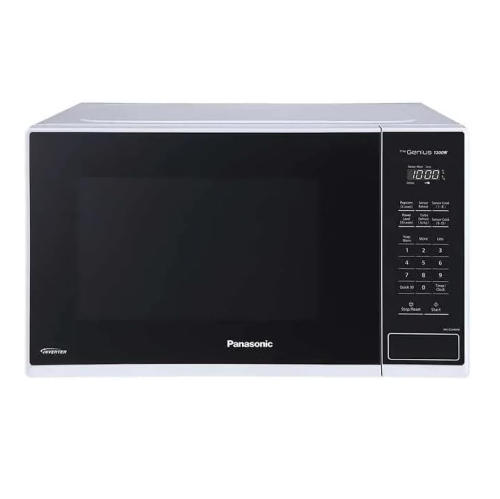
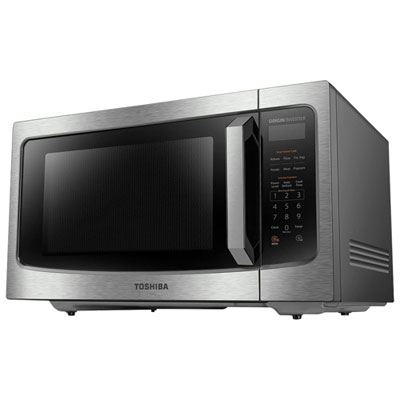
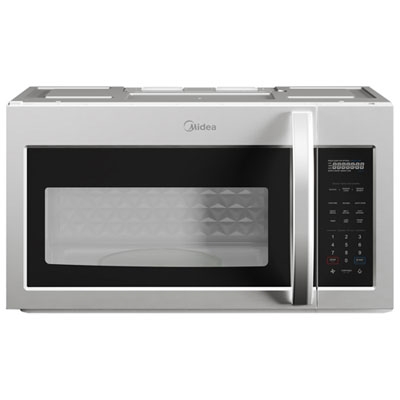
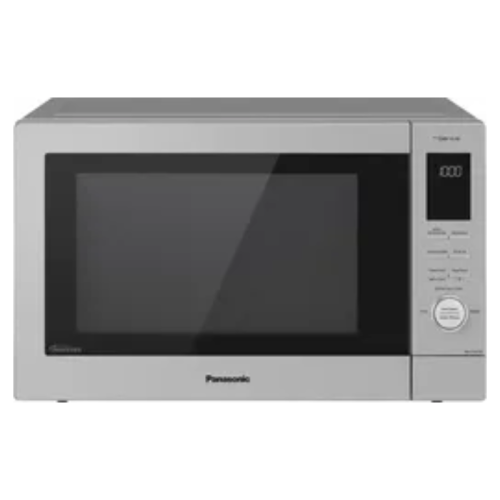
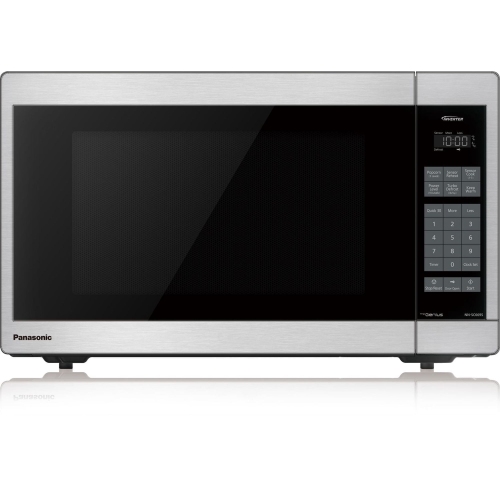
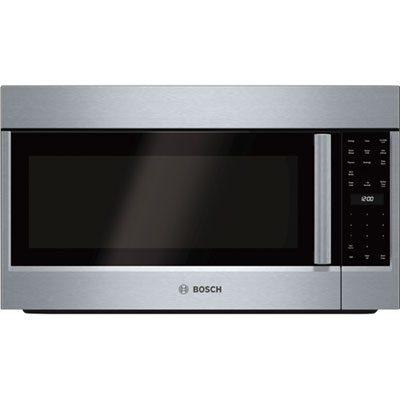
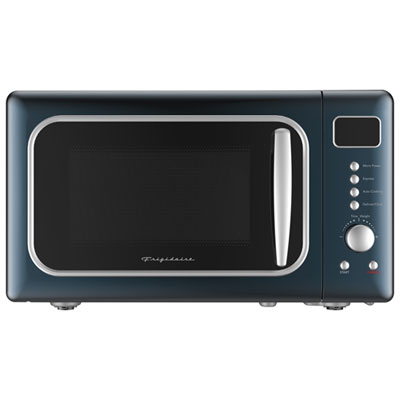
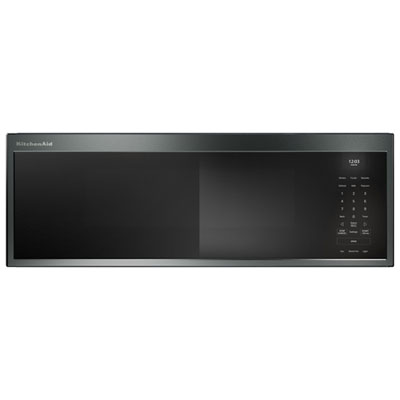
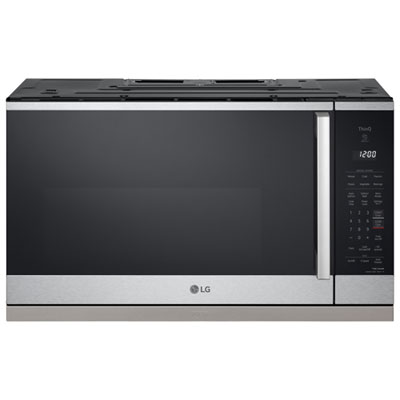

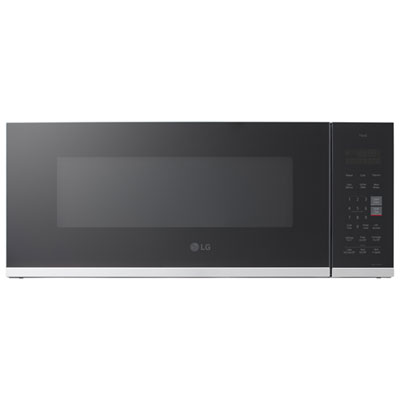
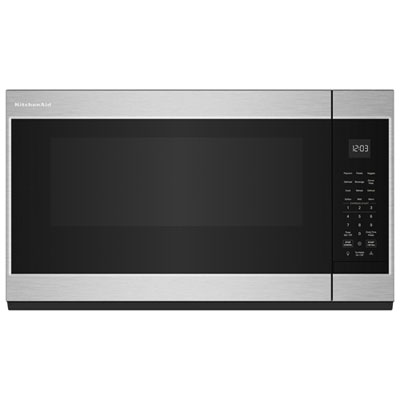
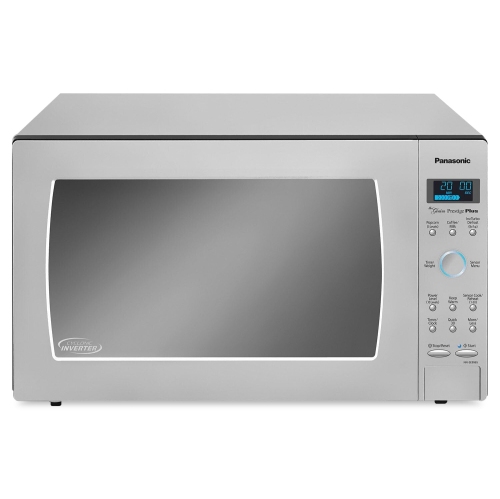
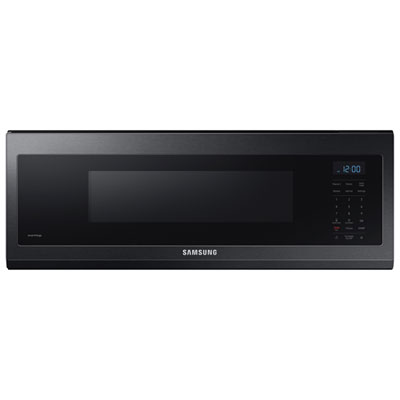
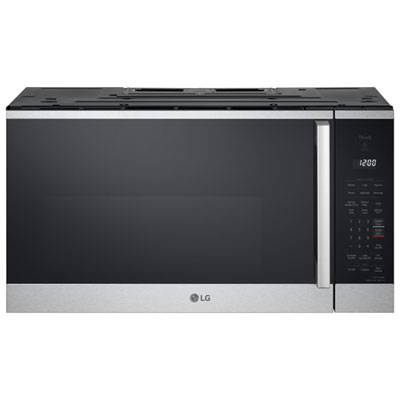
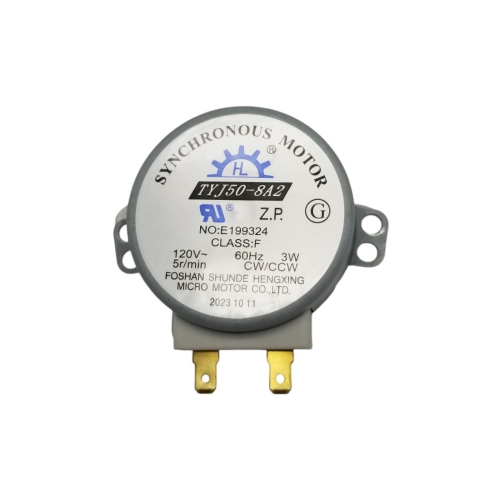
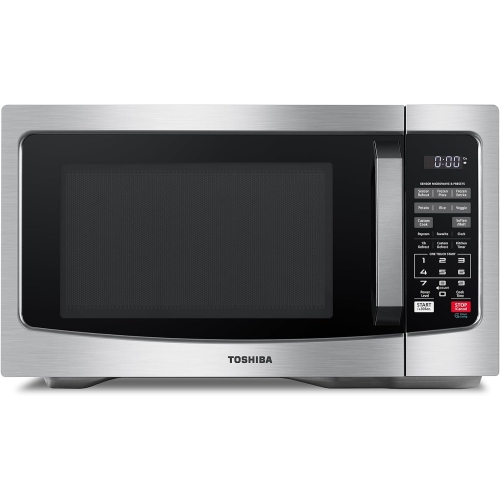
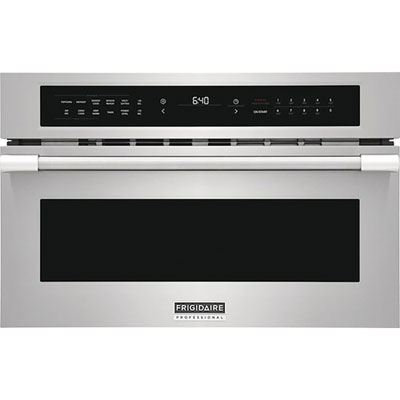
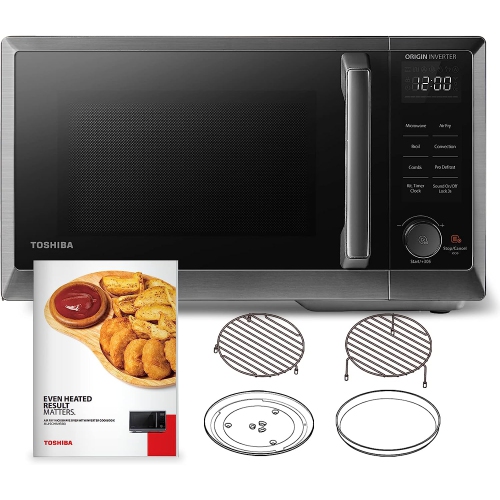
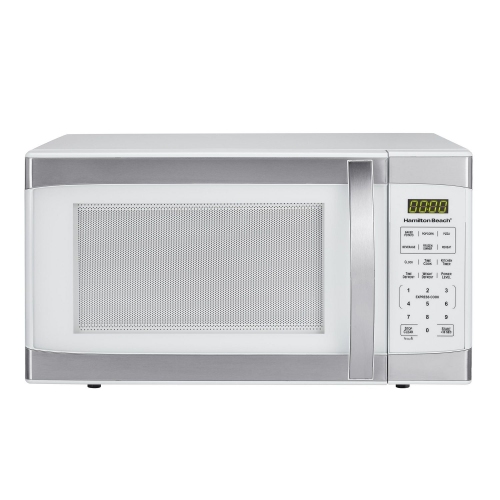
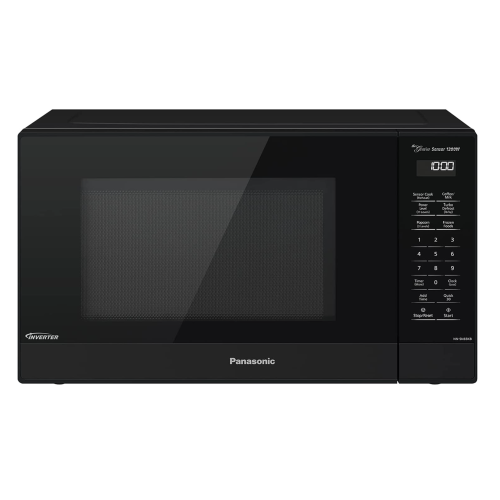
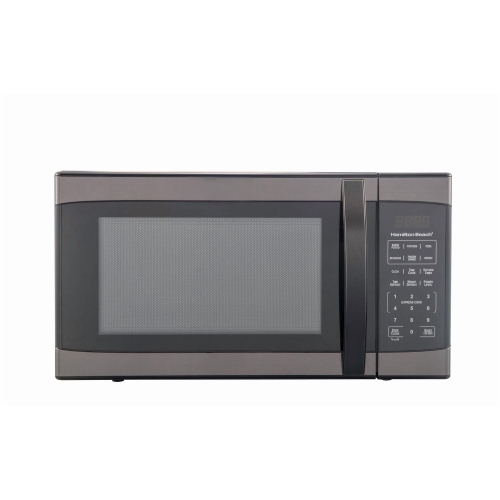
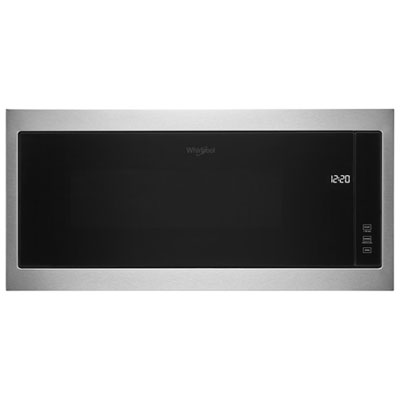
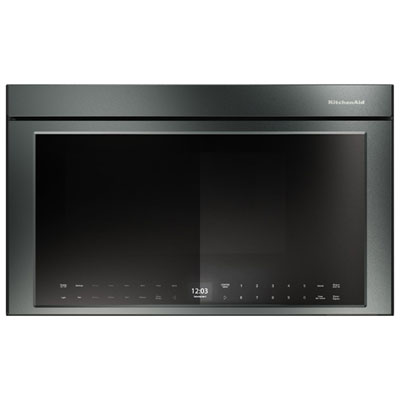
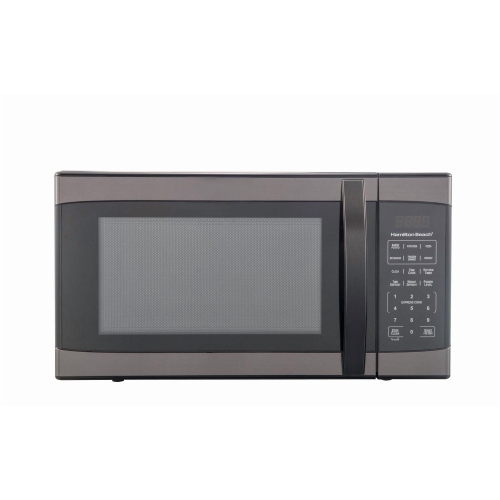


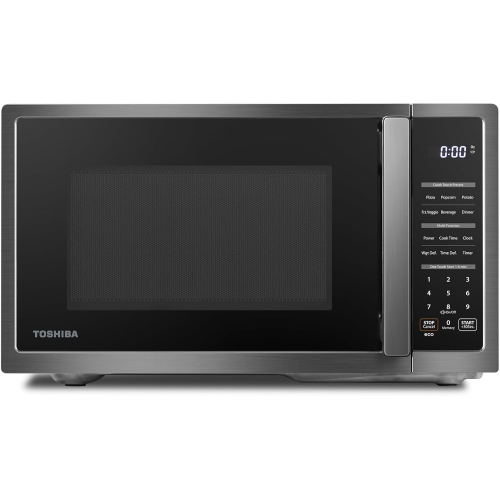
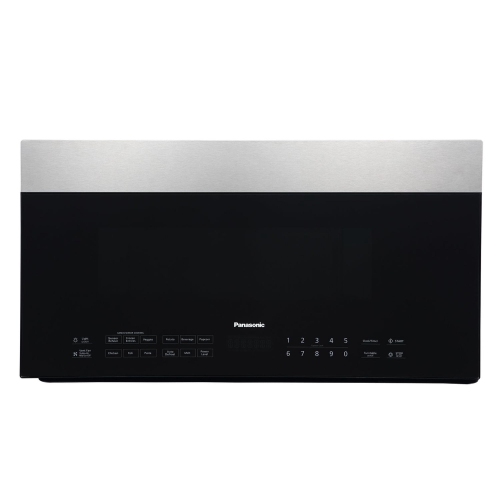


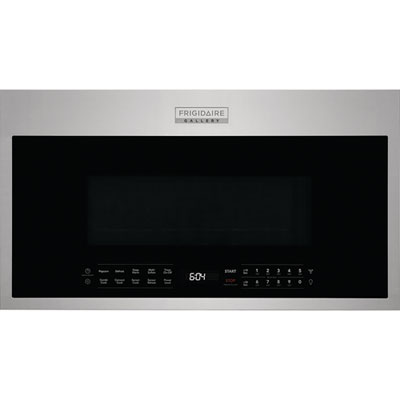
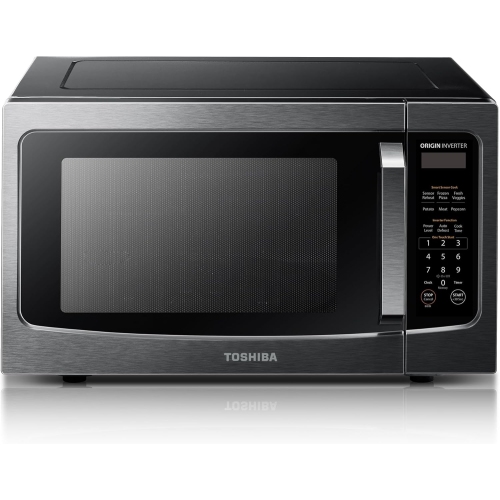
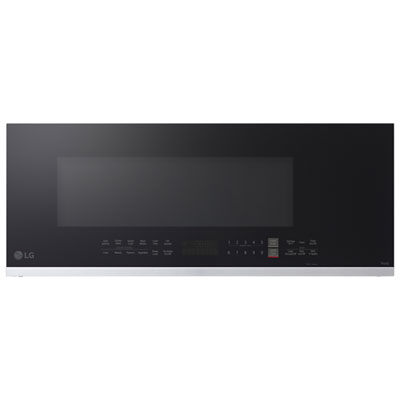

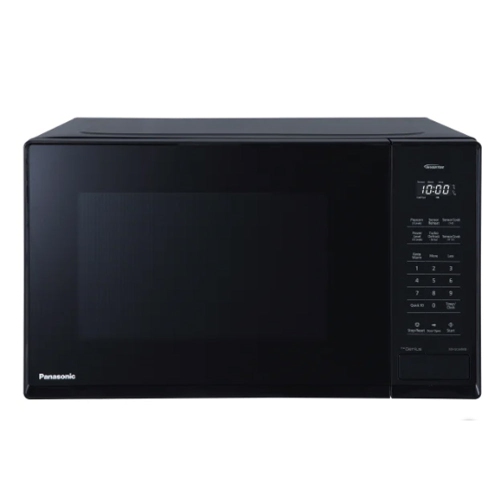
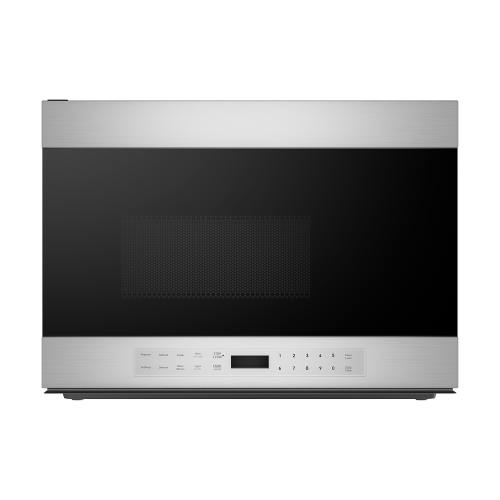
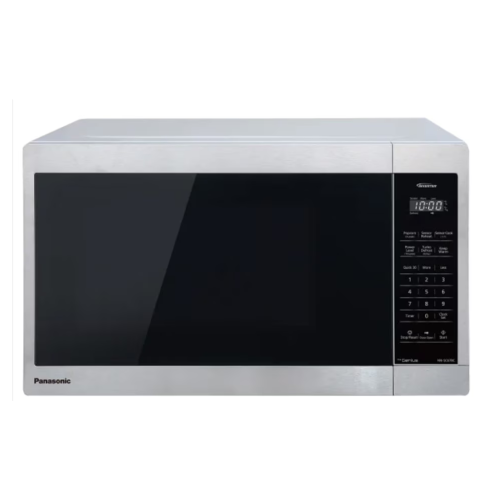
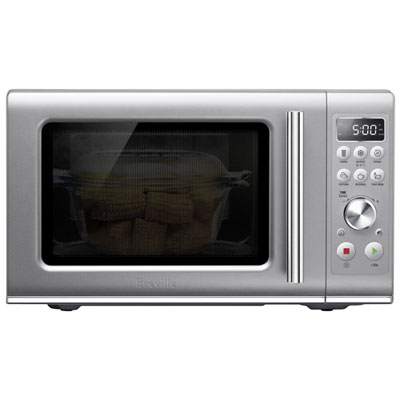


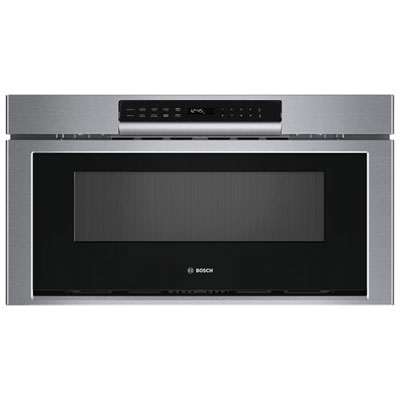
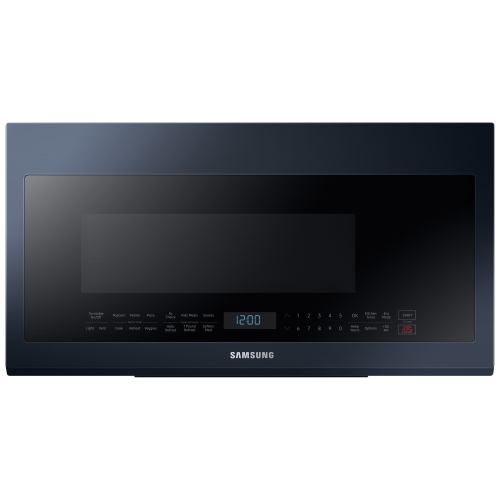
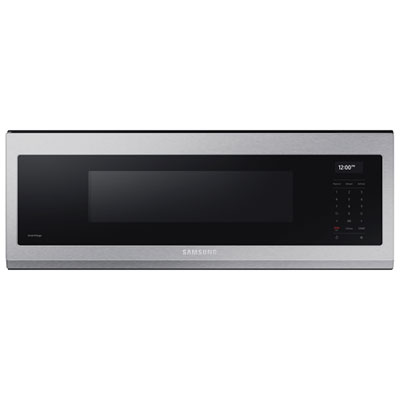
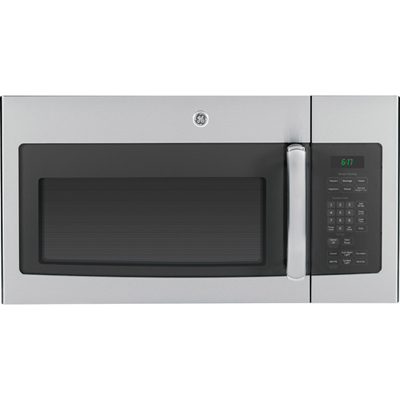
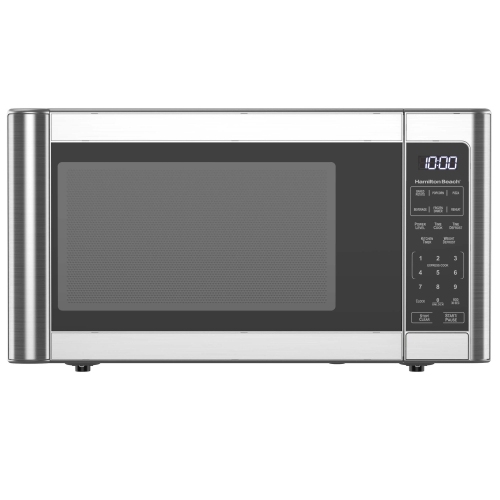
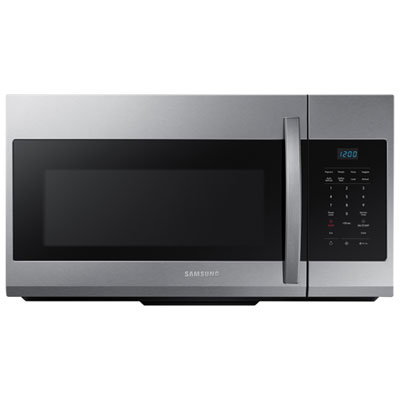
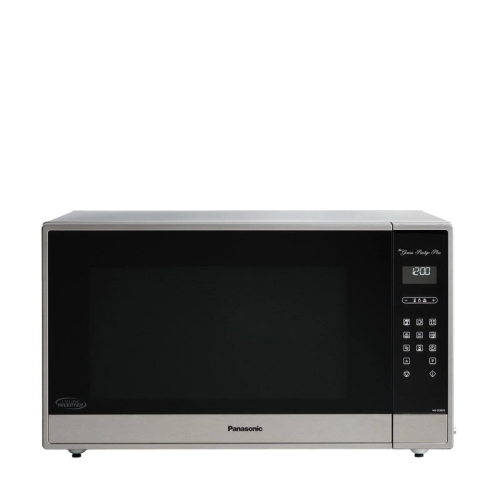
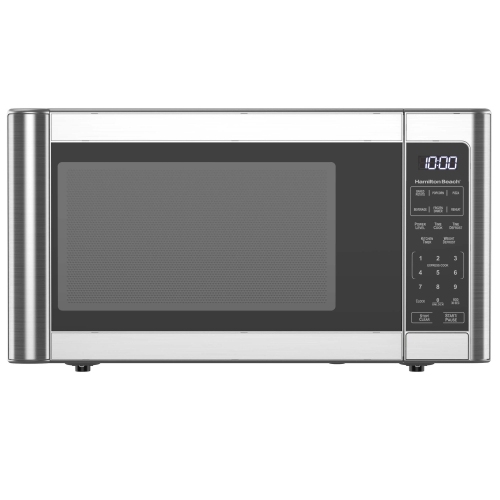
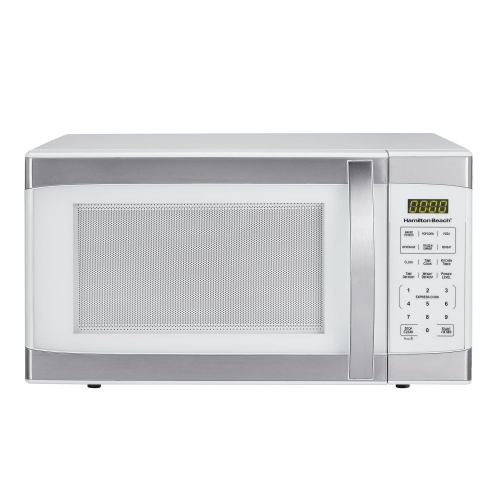
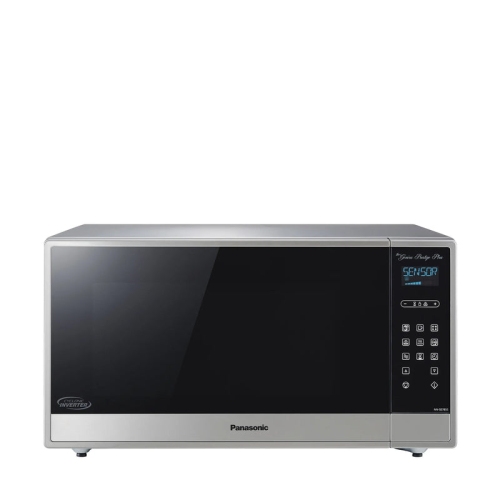
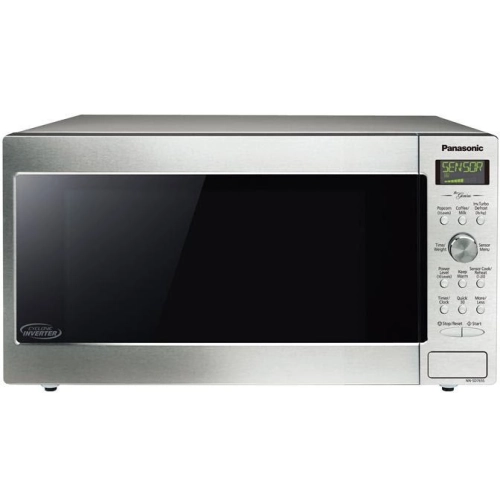
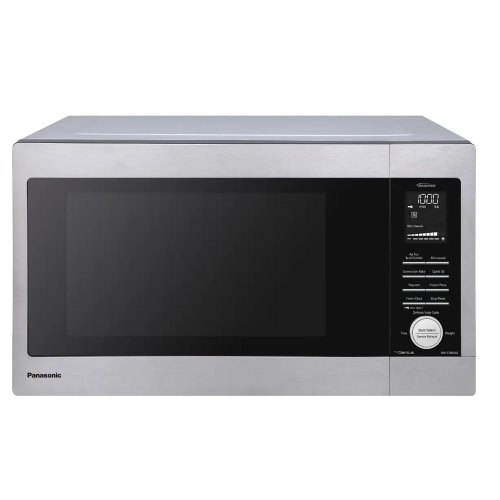
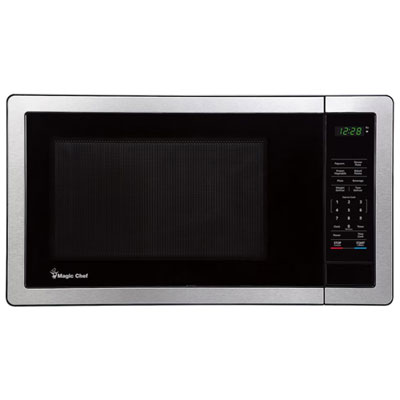
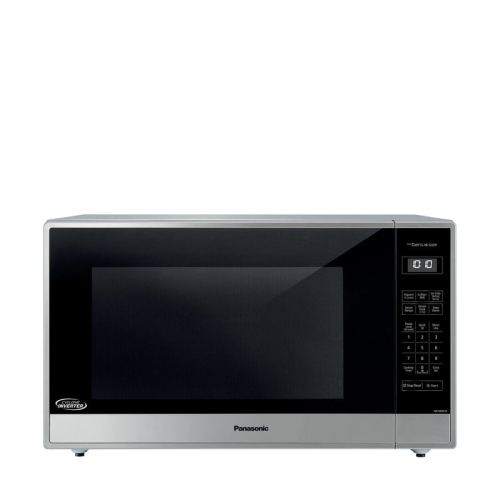
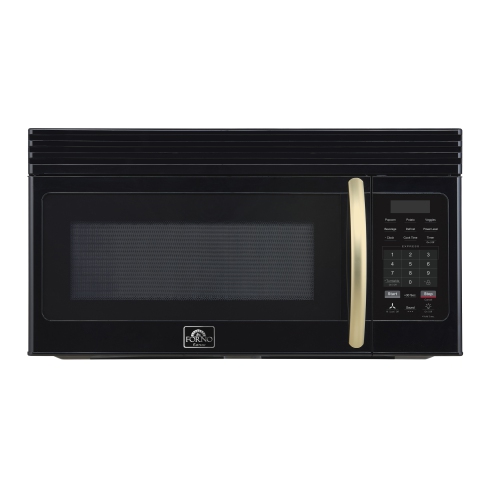
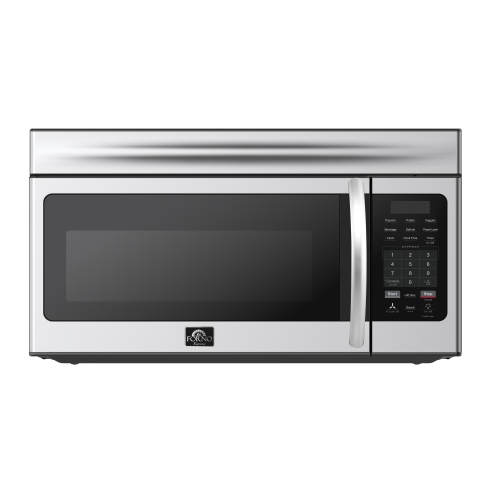
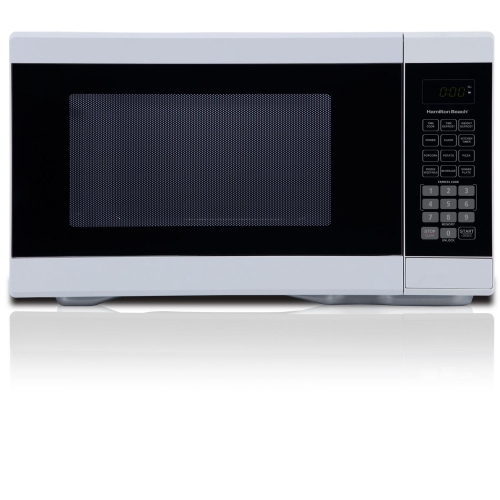
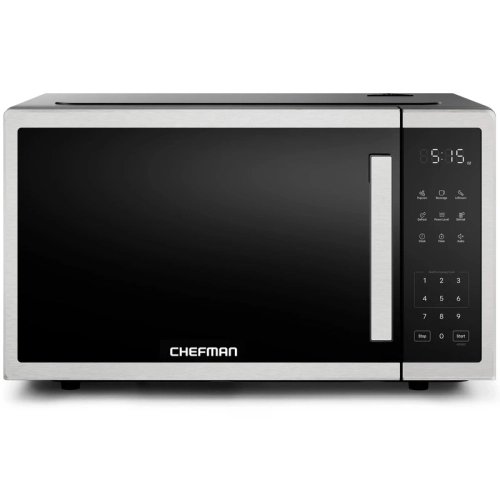
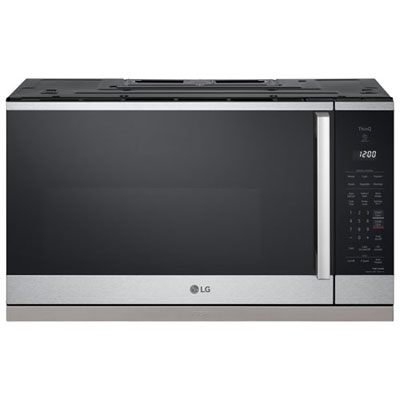
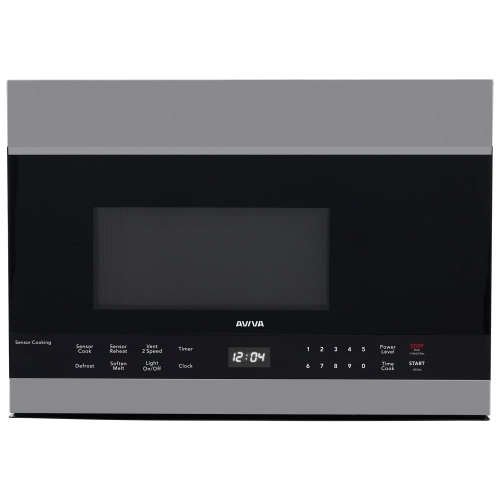
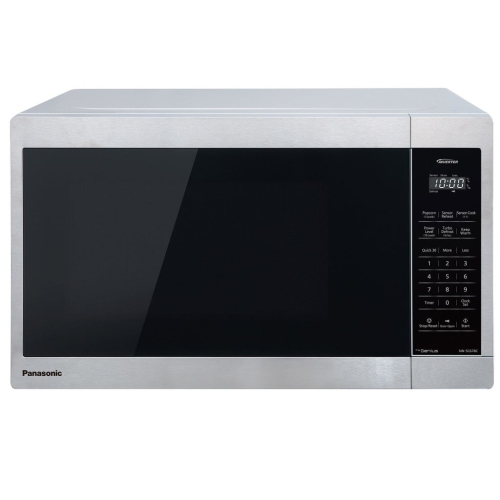
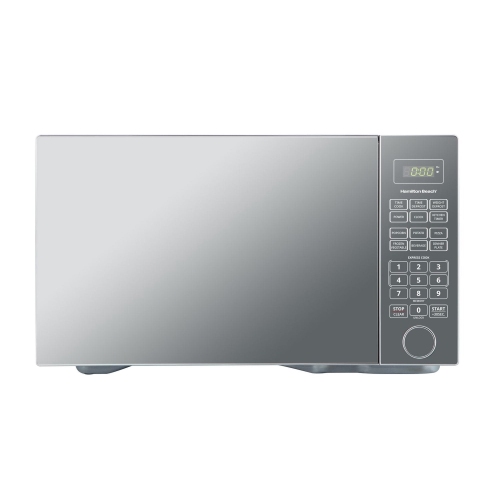
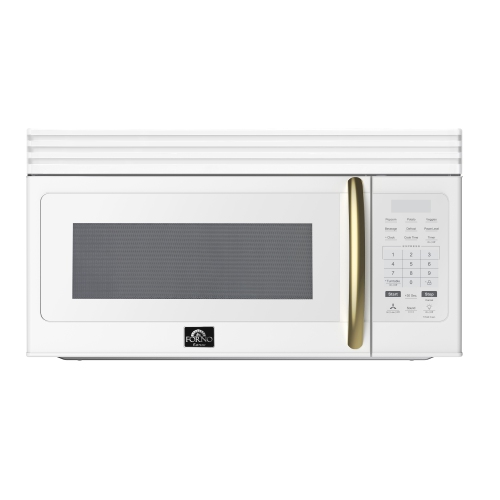
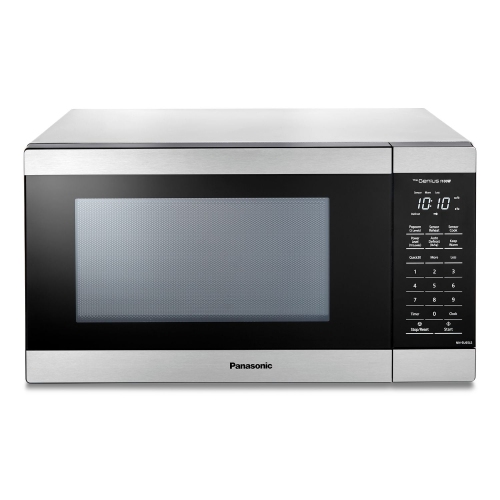
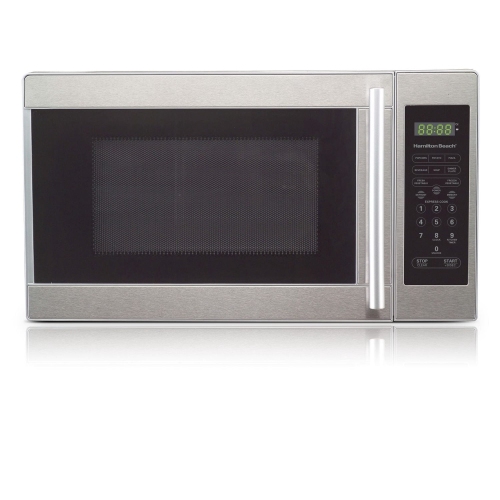
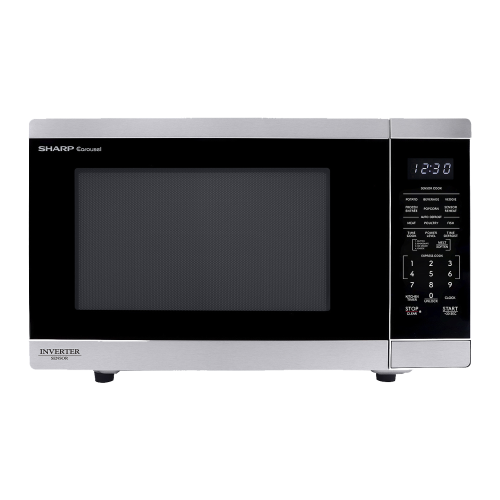
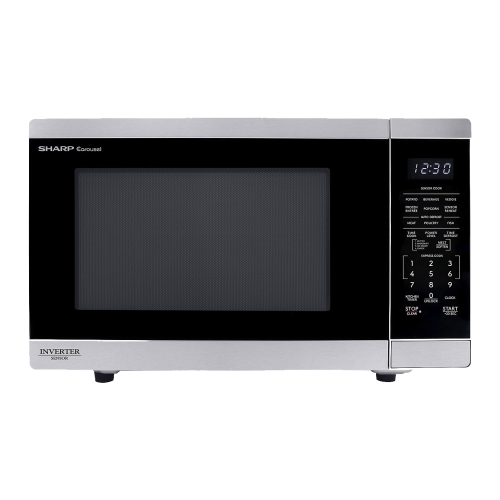
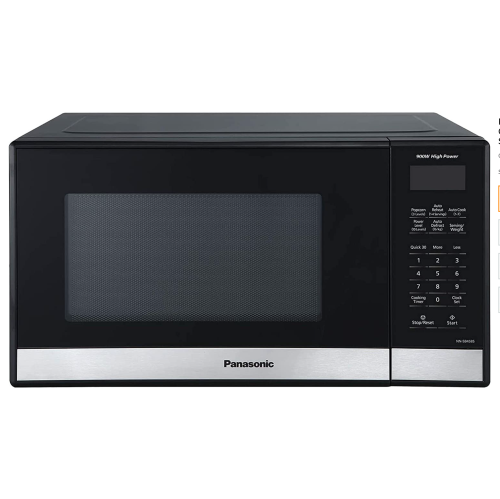
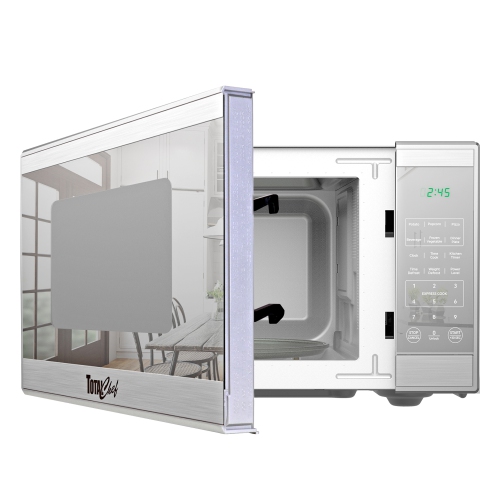
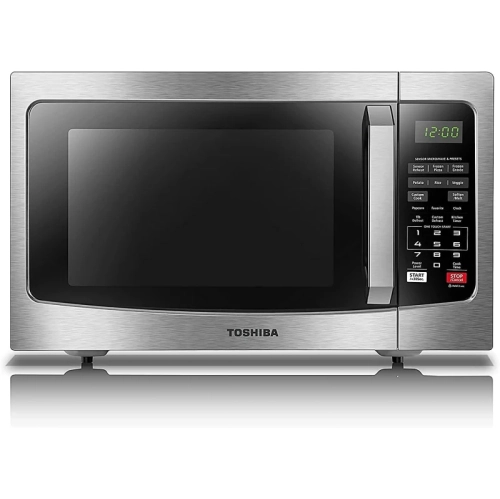
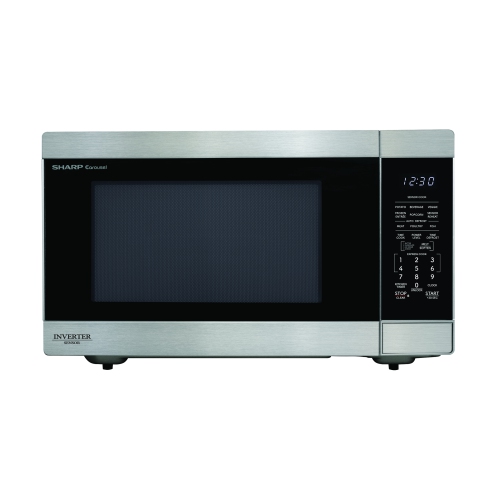
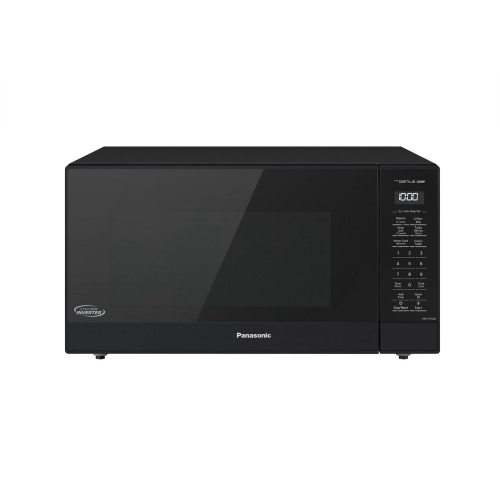
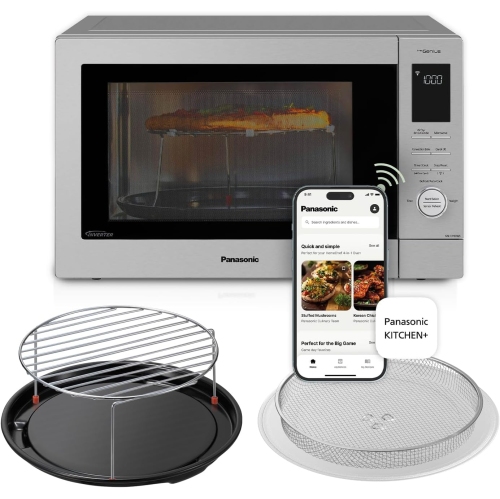
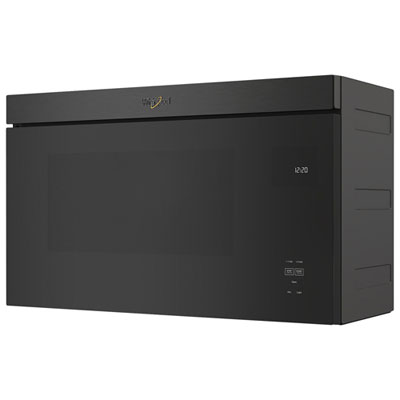
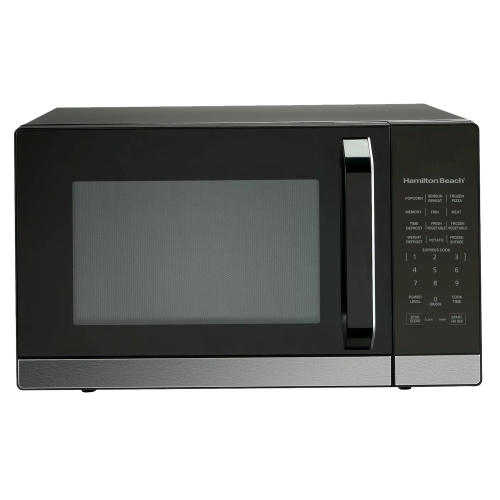
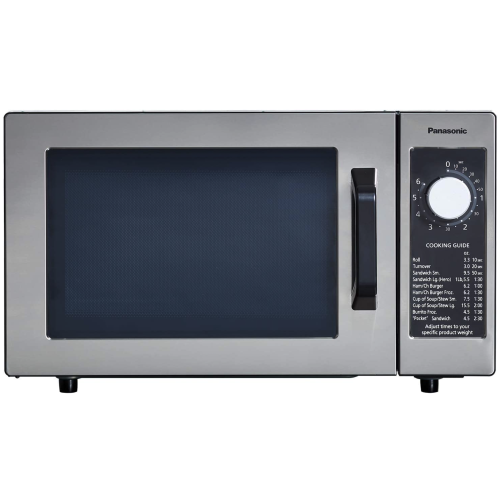
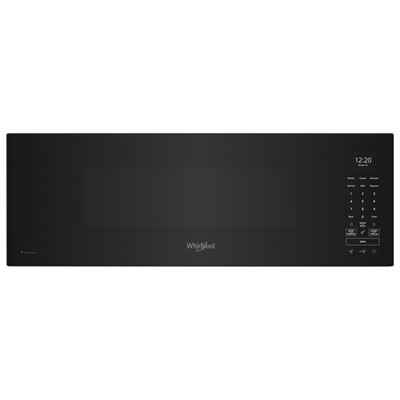
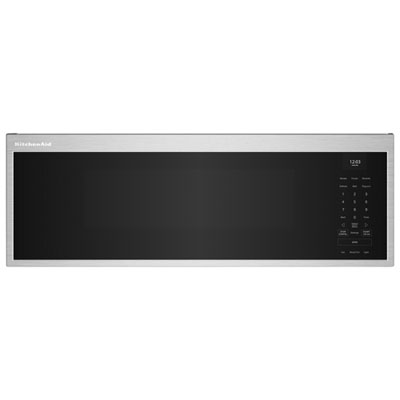
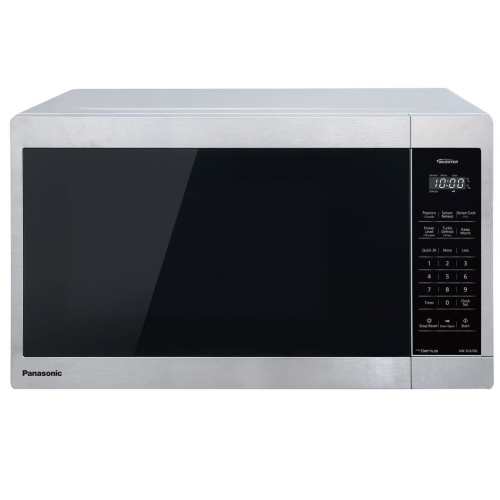
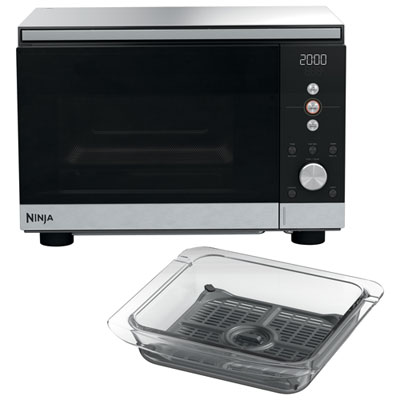
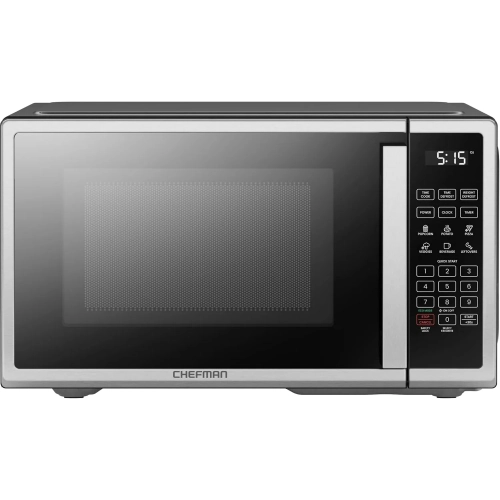
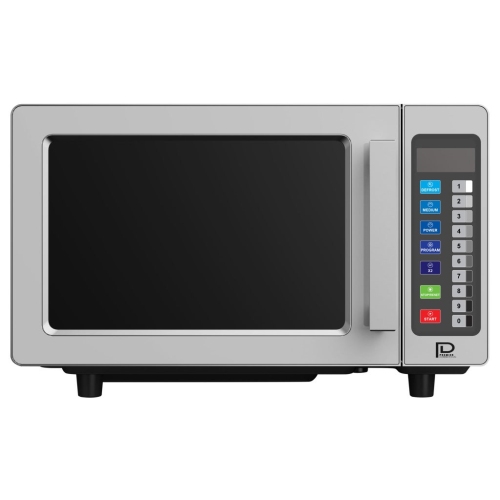
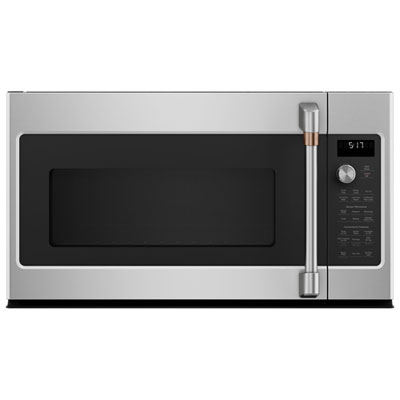
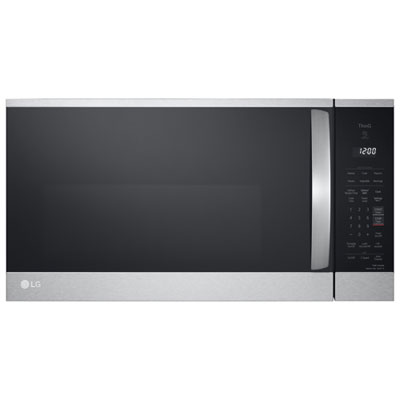
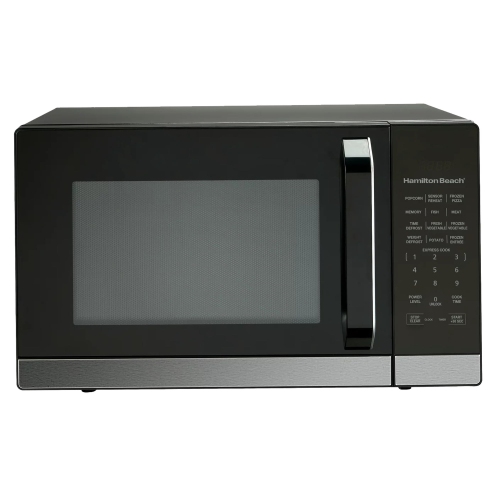
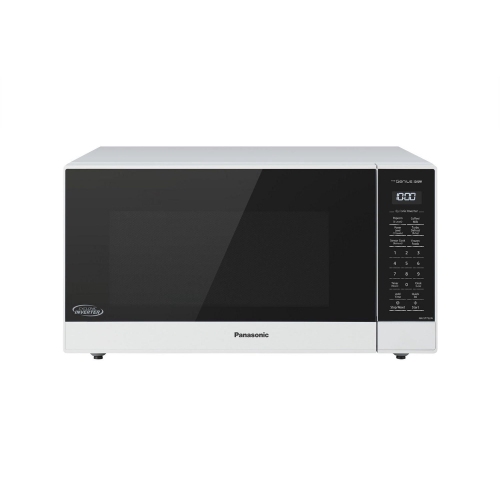
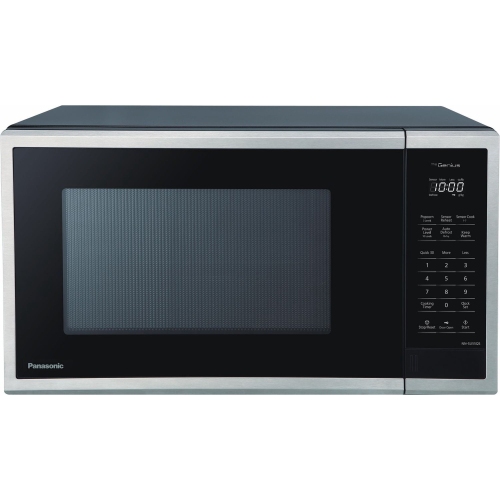
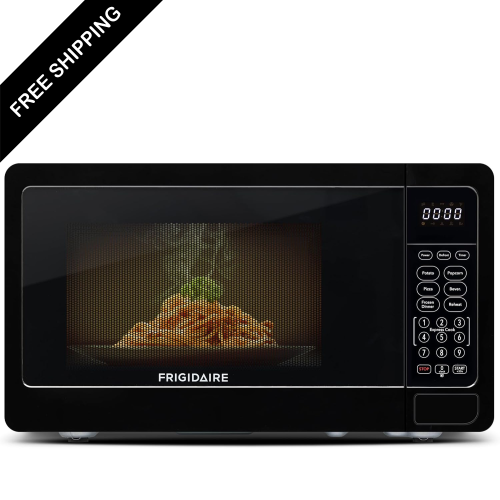
Why microwave reliability means more than cooking power
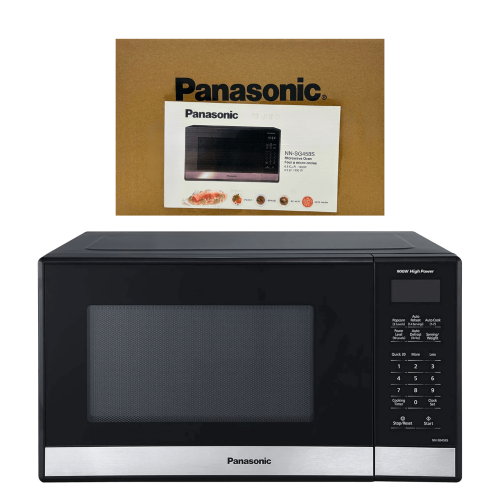
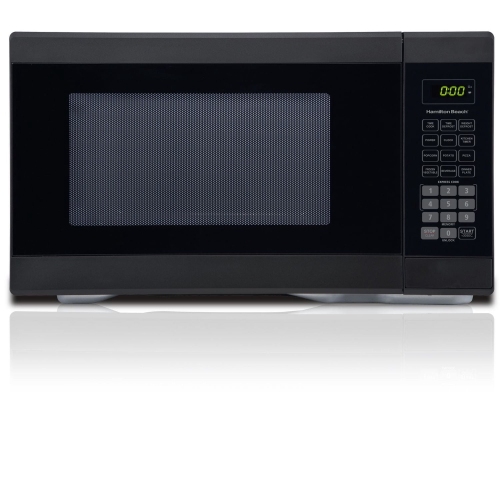
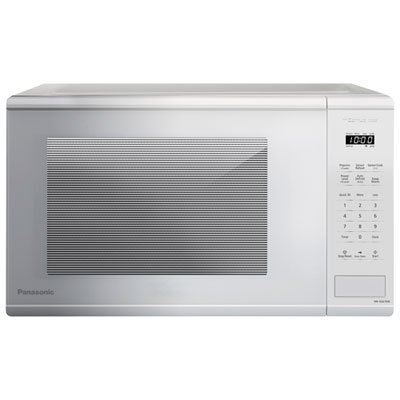
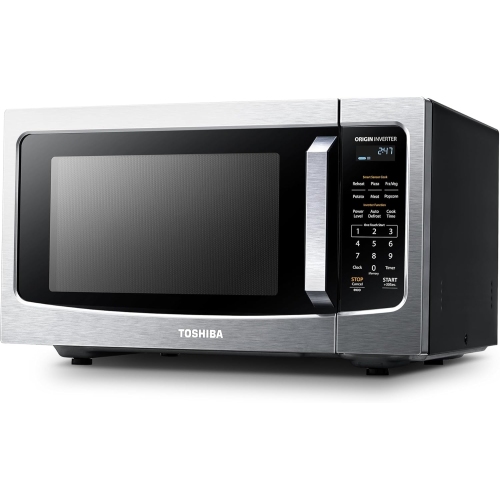
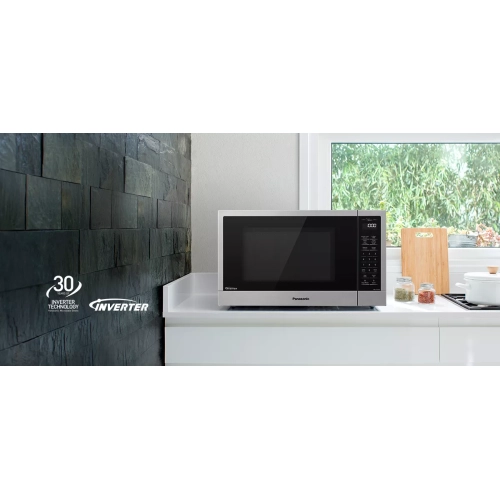
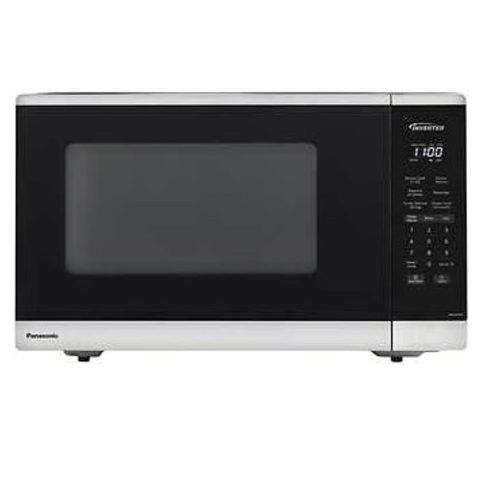
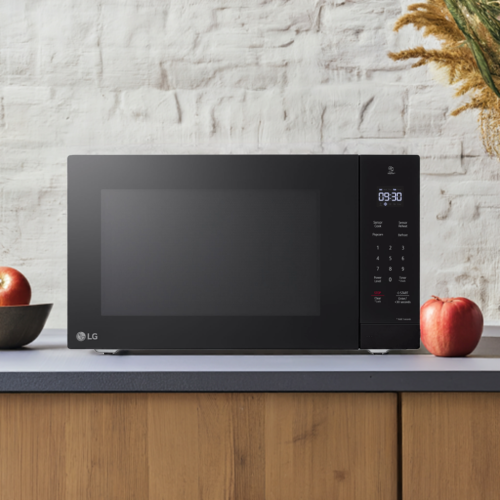
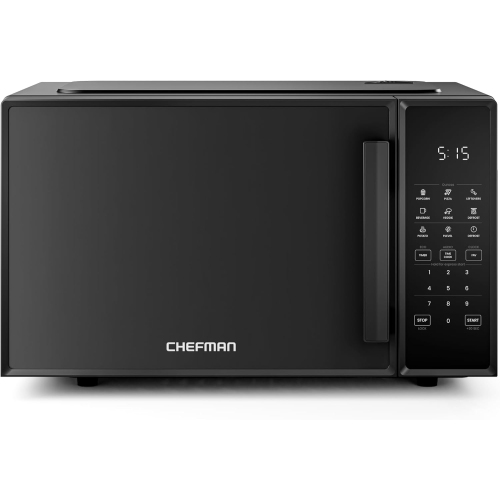
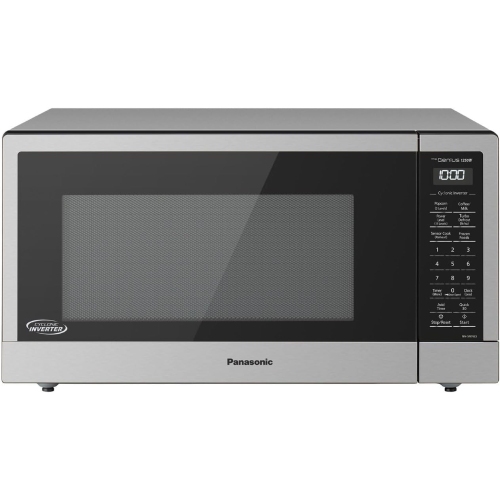
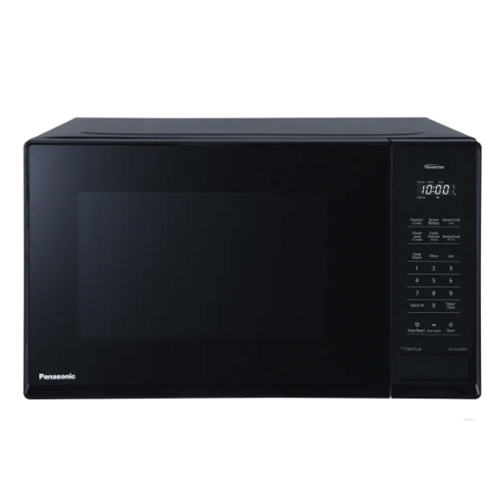
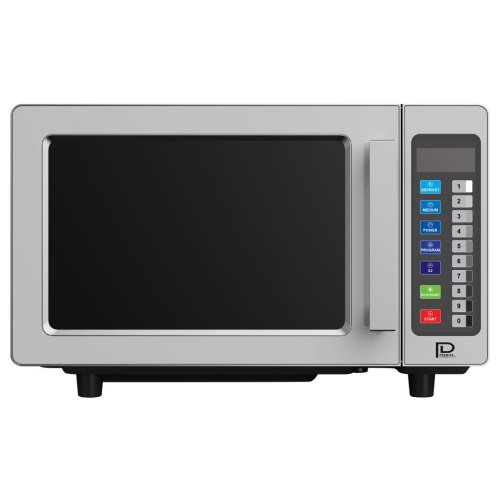
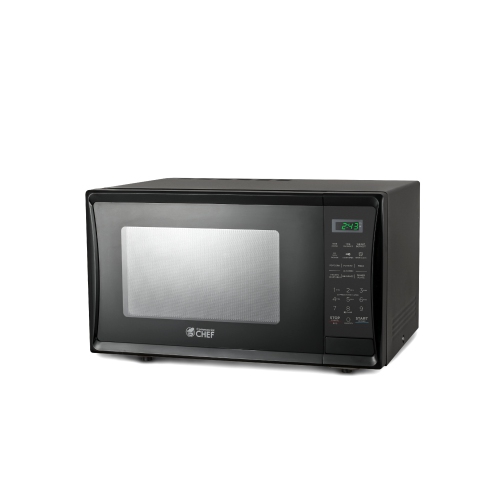
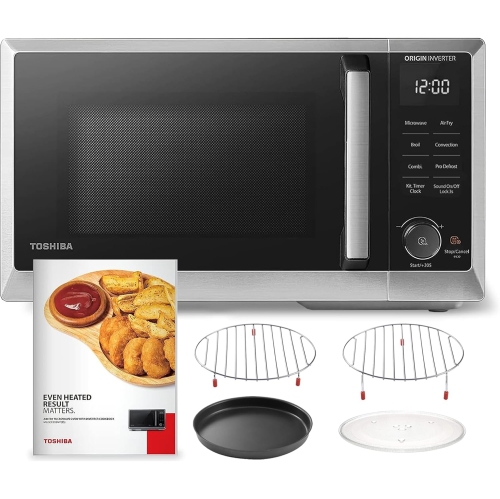
The most reliable microwaves are the ones that keep performing their everyday tasks consistently: warming a bowl of soup, thawing ingredients for dinner, or reheating a plate without leaving the centre cold and the edges dried out. Reliability means more than a strong first impression. It includes dependable controls, a door that closes securely, heating performance that remains consistent, and access to service if a repair becomes necessary. No feature or exterior finish can guarantee a particular lifespan, and heating performance alone does not establish long-term durability. When comparing Reliable Microwaves, model-specific ownership feedback, warranty coverage, and the availability of replacement parts provide useful context alongside cooking features. Repeated reports of the same door, keypad, or heating fault are more informative than an isolated complaint, particularly when reviews describe how long the appliance has been used. For everyday meals, usable interior space matters as much as the stated capacity. A microwave might accommodate a dinner plate comfortably but leave too little clearance for a tall measuring jug or a covered casserole dish. Turntable diameter, interior height, and the shape of the cavity all affect what fits. The dish also needs room to rotate freely where a turntable is used. Cooking power influences heating speed, but higher wattage does not automatically mean better construction or a longer working life. Adjustable power levels are valuable for gentler tasks, such as softening butter or warming a sauce without boiling it. Inverter technology can provide steadier power at lower settings rather than relying only on repeated full-power cycling, although results still depend on the food, setting, and appliance design. Sensor functions can adjust cooking based on detected moisture, reducing some guesswork when reheating familiar meals. Neither feature eliminates the need to stir, allow standing time, or check that food is heated thoroughly. For a busy household, predictable results and controls that are easy to understand often matter more than a long menu of rarely used settings.
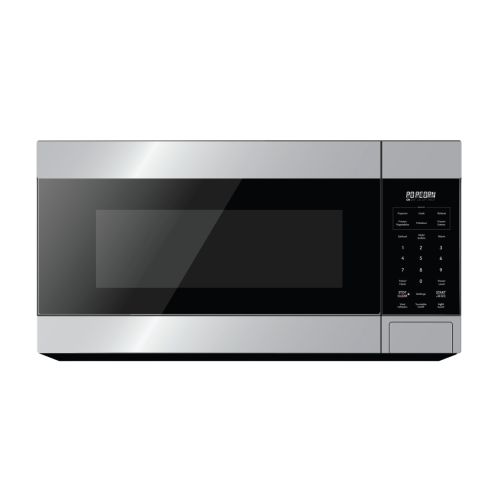
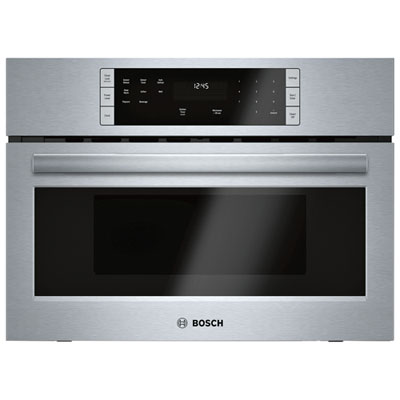
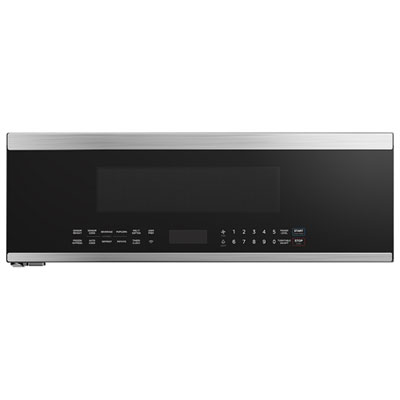
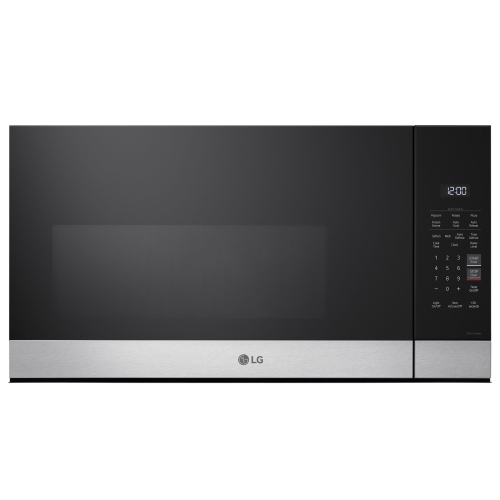
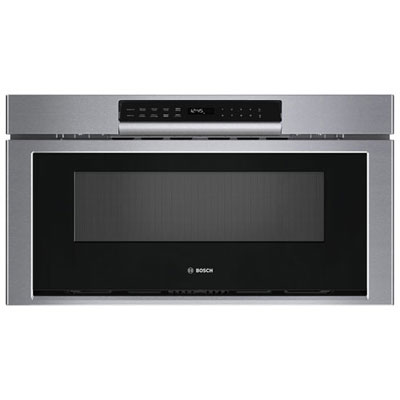
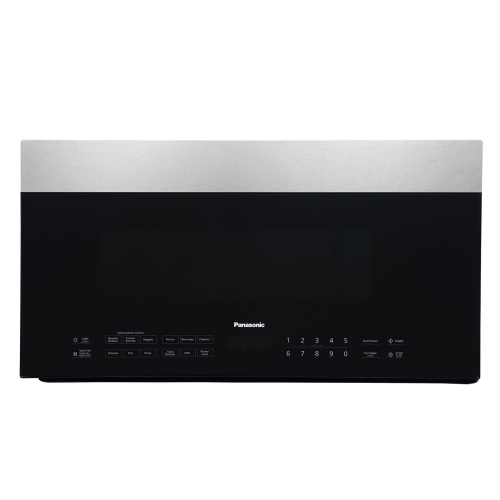
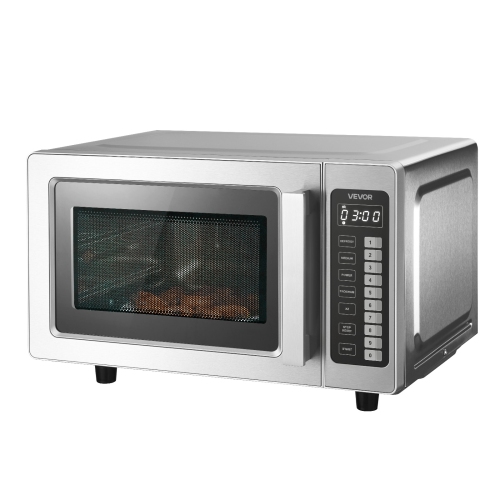
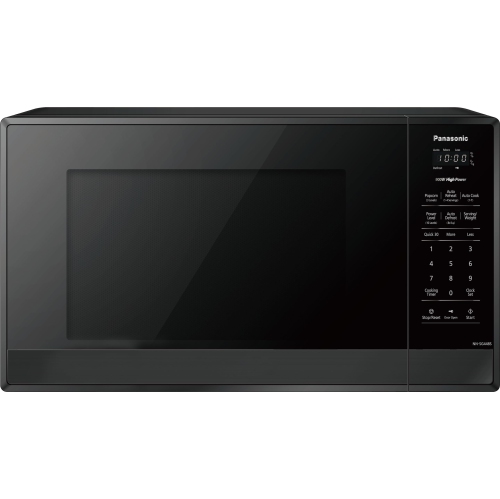
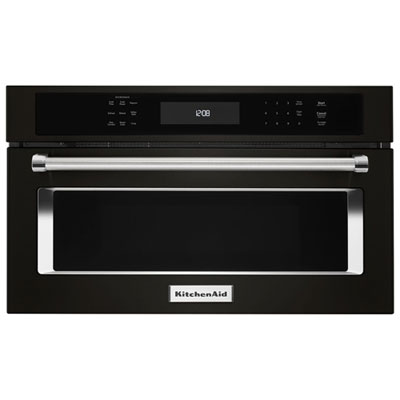
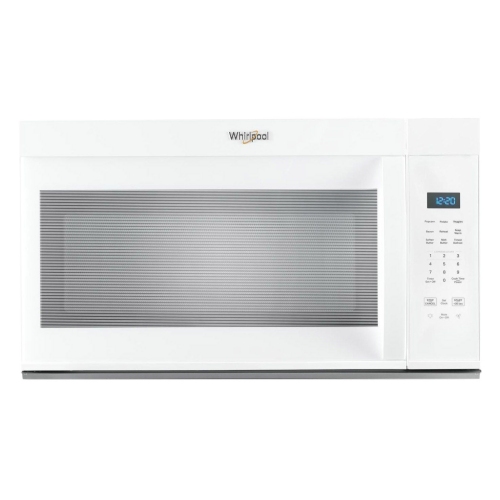
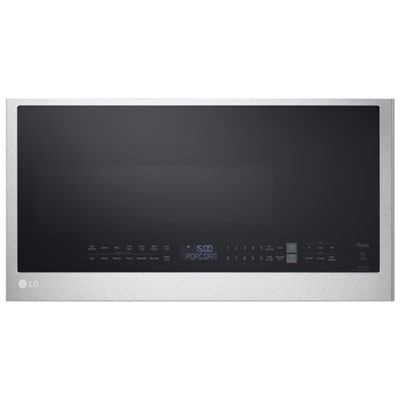
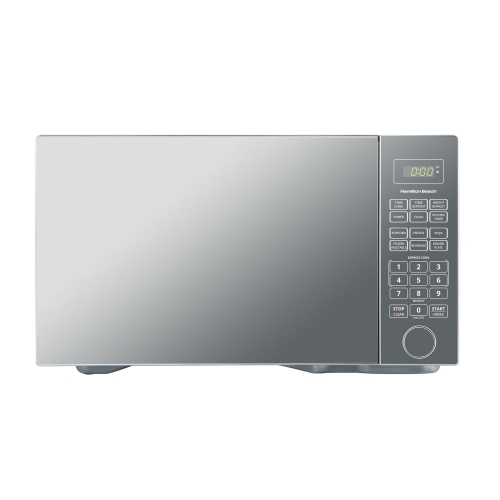
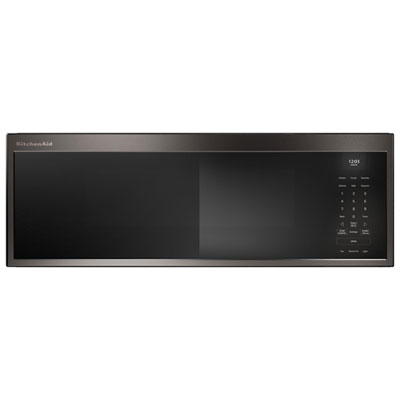
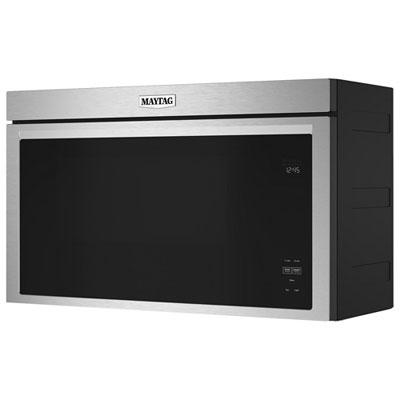
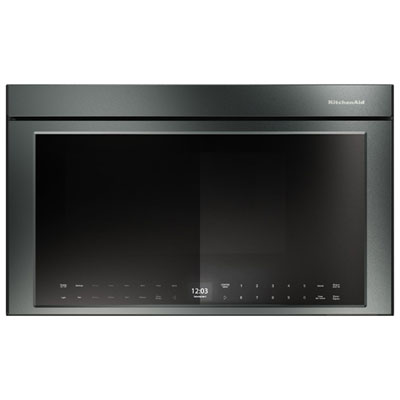
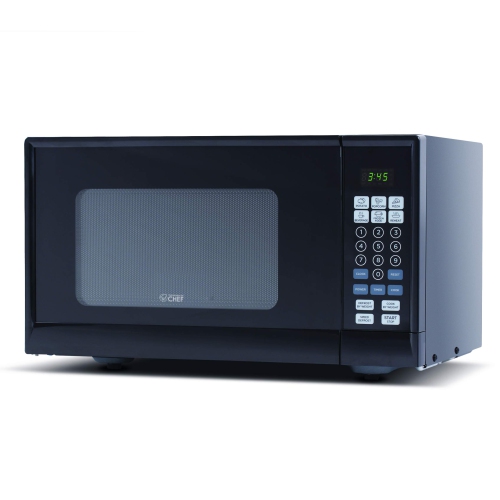
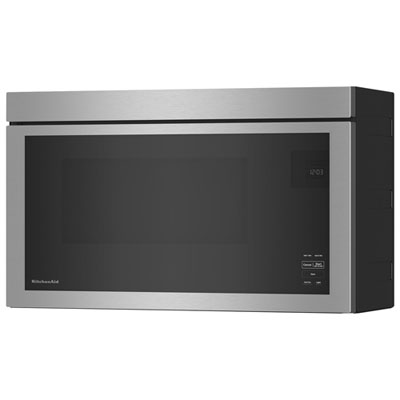
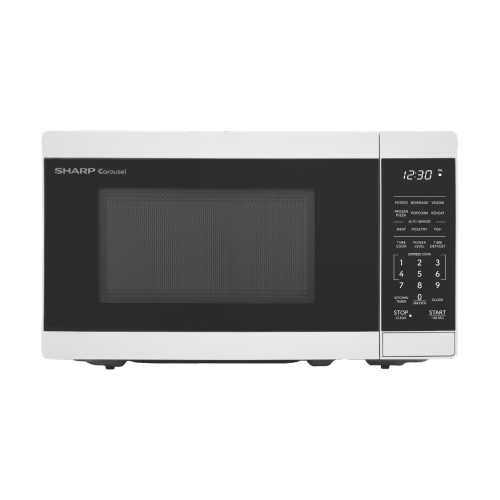
Countertop, over-the-range, and built-in microwaves serve different kitchen layouts, and a dependable fit starts with choosing the right installation type. Countertop microwaves suit kitchens with suitable counter space and can be practical for apartments, shared homes, or households that may move. Their placement still needs to follow the manufacturer’s ventilation clearances; pushing a unit tightly against surrounding surfaces or enclosing it in a cupboard can restrict airflow. External measurements should account for the handle, an open door, and enough room to place a hot dish safely nearby. Over-the-range microwaves combine cooking space with a fan and cooktop lighting, making them useful where keeping the counter clear is a priority. Their suitability also depends on the required mounting height, cabinet dimensions, electrical connection, and whether the installation uses exterior ducting or recirculation. Fan airflow and sound levels deserve attention in an open kitchen, where cooking and conversation often happen together. A combination microwave and fan may not provide the same ventilation performance as a separate range hood, so the cooking setup matters. Built-in microwaves offer an integrated appearance but require careful matching to the cabinet opening and any manufacturer-approved trim kit. A countertop appliance should not be treated as a built-in unless its manufacturer specifically permits that installation. Across these formats, exterior materials affect appearance and upkeep more directly than they establish reliability. Stainless steel can coordinate with nearby appliances, while coated finishes may make fingerprints less noticeable; neither tells the whole story about the components inside. A smooth interior with accessible corners makes splashes easier to remove, and a removable turntable can simplify routine cleaning. Door handles, push-button releases, and touch controls should feel comfortable for the people using them every day. Clear lettering, a readable display, and a layout that makes common functions easy to find can be especially helpful for older adults or anyone who prefers straightforward operation. Features such as sound controls and a control lock may also suit shared spaces or homes with children, provided their operation matches the household’s needs.
Long-term satisfaction also depends on how closely a microwave matches its workload. Someone reheating a single lunch has different needs from a family warming several portions in succession, and a small office kitchen may put an appliance through many brief uses throughout the day. A household microwave should only be used in settings permitted by its manufacturer; frequent shared use does not make a residential appliance suitable for commercial duties. Simple, accessible controls can make a microwave a practical housewarming gift, but the recipient’s available space, installation requirements, and preferred cooking habits matter more than an impressive feature count. For any household, routine care helps keep the appliance clean and functioning as intended. Wiping away splashes after the interior has cooled prevents food residue from building up around the cavity, door edges, and turntable support. A soft cloth and cleaning methods approved in the manual are preferable to abrasive pads or harsh treatments that can damage surfaces. Vents should remain unobstructed, and over-the-range grease filters need cleaning or replacement according to the manufacturer’s directions. Where a recirculating installation uses a charcoal filter, its replacement schedule is another ongoing care consideration. Microwave-safe containers, vented covers, and appropriate power settings help manage splattering and uneven heating. Sealed containers should not be heated, and metal accessories should only be used when expressly approved for that appliance and cooking mode. Running a microwave empty can damage it. A door that no longer closes properly, damaged hinges, persistent sparking, or a burning smell calls for stopping use and arranging an assessment rather than continuing to test the appliance. Internal repairs belong with a qualified service professional because hazardous electrical components can remain dangerous even after unplugging. Keeping the model information and proof of purchase accessible can make warranty or service enquiries simpler. In everyday use, lasting value comes from the combination of suitable construction, correct installation, manageable maintenance, and dependable cooking performance—not from any single setting or claim of longevity.
Top selling and popular products
-
 Your price for this item is $79.97
-
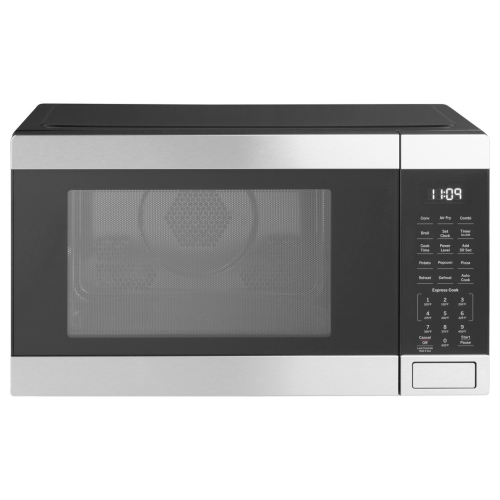 Your price for this item is $599.99
-
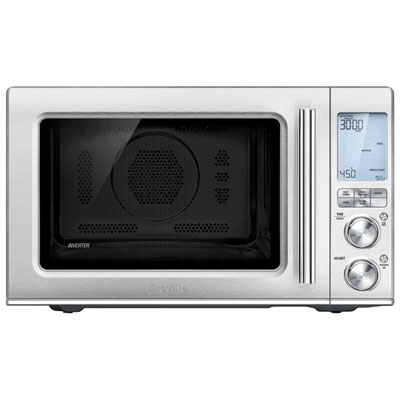 Your price for this item is $699.99
-
 Your price for this item is $95.49
-
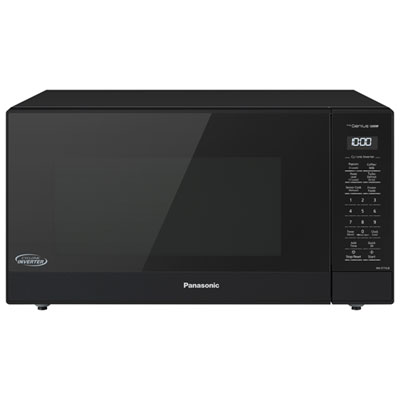 Your price for this item is $309.99
-
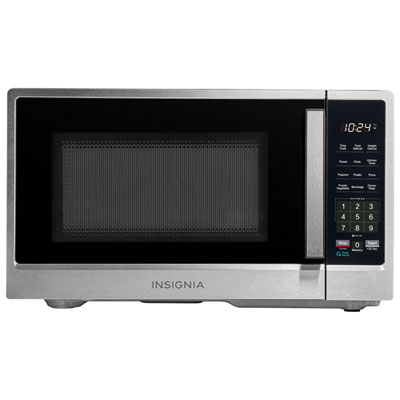 Your price for this item is $149.99
-
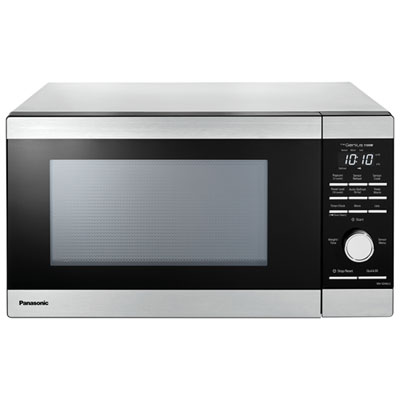 Your price for this item is $249.99
-
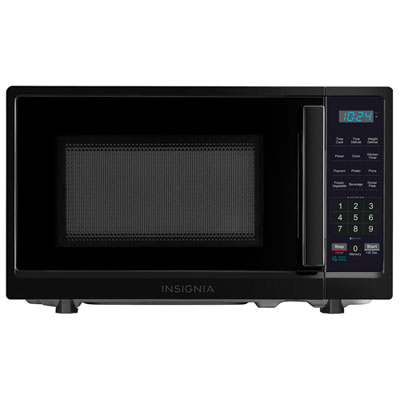 Your price for this item is $109.99
Discover more categories related to Most Reliable Microwaves
Top Collections:
Best Black Friday Deals This Year, Best Black Friday Deals On Electronics, Kindle Devices, Pokemon Centers, Best Black Friday Deals On Apple Products, Best Cameras for Sports Photography, Dyson Airwrap, Pokémon 30th Celebration Cards, Apple iPhone 17 Pro, Canon G7X Cameras
Some products may be subject to Environmental Handling Fees
(EHF) depending on your province.
Learn more about EHFs.