Anker Wireless Chargers
Experience the convenience of effortless charging with the Anker Wireless Charger. Designed to keep your devices powered up without the hassle of cables, these chargers offer a seamless way to stay connected throughout your day. Whether at home, in the office, or on the go, the Anker Wireless Charger provides a reliable solution for keeping your compatible devices ready when you need them most. Explore a variety of options to find the perfect fit for your charging needs.
Sort
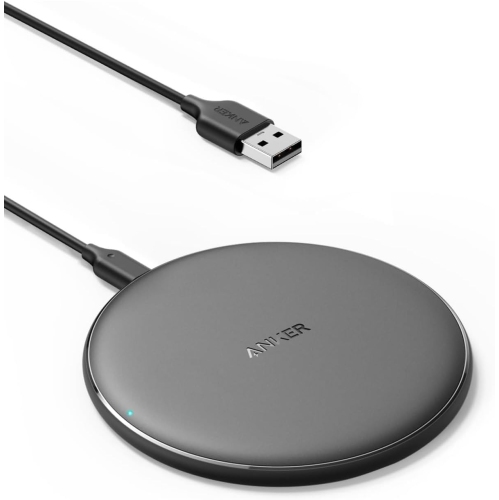


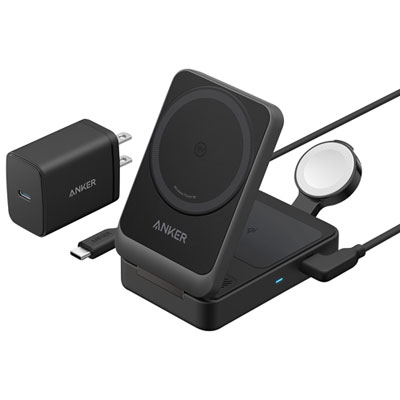

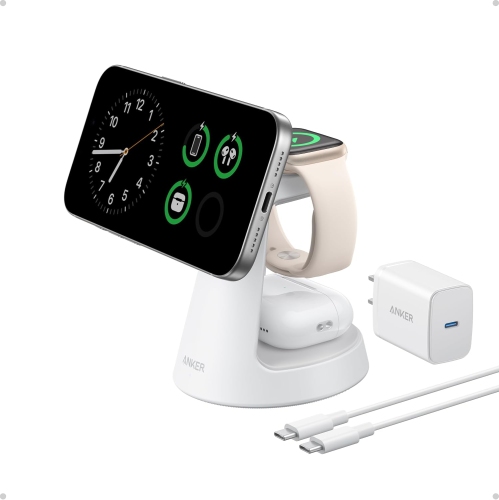
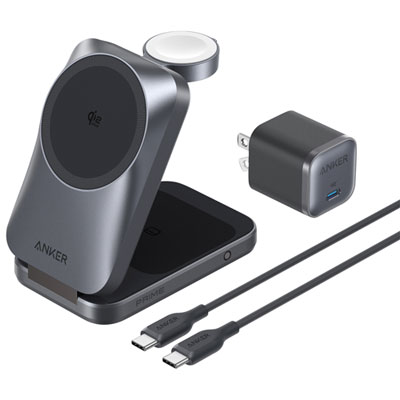


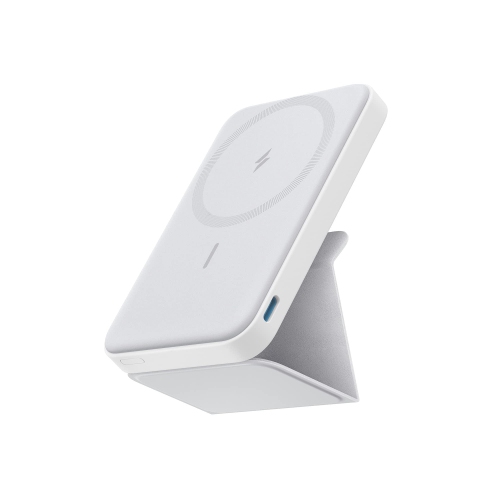


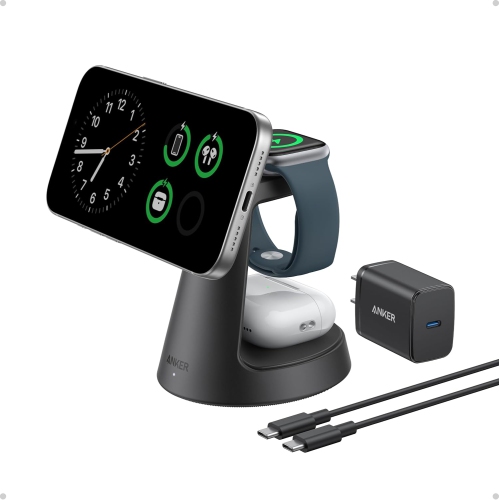

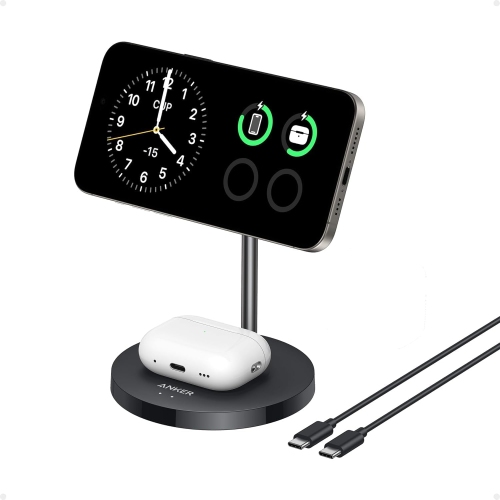
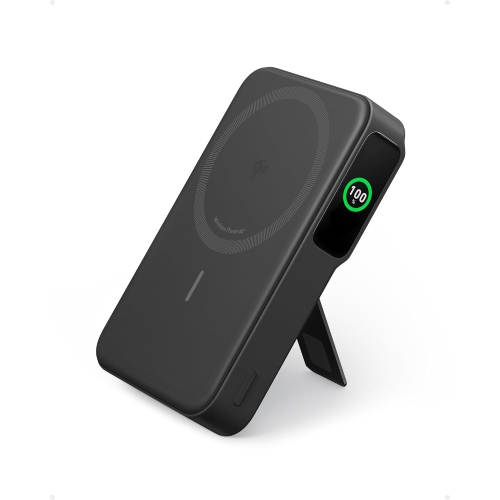
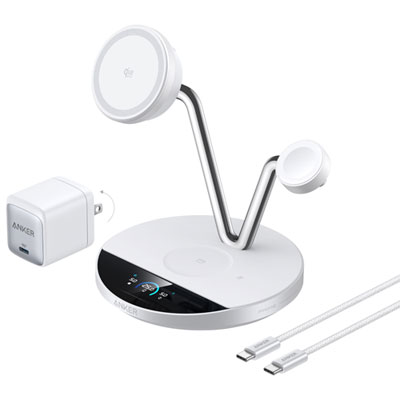
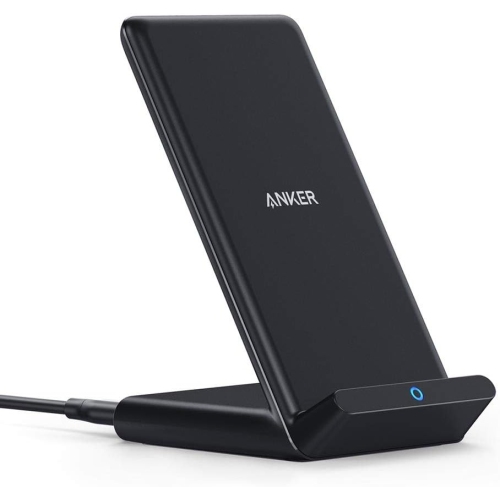
Wireless charging that fits your devices and daily routine
Wireless chargers power compatible phones and accessories through a charging pad, stand, or multi-device station, making it easy to set a device down and pick it up again without connecting a cable to its charging port. The charger itself still needs a power source, usually through a USB cable and a suitable wall adapter. A flat pad creates a simple landing spot beside a sofa or on a bedside table, while an upright stand keeps a phone’s screen visible for incoming messages, video calls, or a recipe on the kitchen counter. Multi-device designs bring several charging positions together, giving a phone, compatible earbud case, and supported smartwatch a defined place to rest. These formats suit different routines: a pad works well for someone who leaves a phone untouched between uses, while a stand is useful when the screen needs to remain within view. Compatibility matters more than appearance alone. A phone must support wireless charging, and accessories need their own supported charging hardware; a standard earbud case cannot charge wirelessly simply because it fits on a pad. Qi and Qi2 identify wireless charging standards, but supported features and charging performance still depend on the phone, charger, and power supply working together. Magnetic designs can make alignment easier by helping a compatible phone settle into position, although magnetic attachment alone does not establish a particular charging speed. Cases also affect fit. A slim case designed for wireless charging may stay on during charging, while a thick protective shell, attached wallet, metal plate, or finger grip can interfere with placement or power transfer. For magnetic chargers, a case with the appropriate magnetic alignment system can help maintain a secure connection. A charger that fits naturally into an existing routine is often more useful than one chosen only for its rated output: the right angle, footprint, and placement can make everyday charging feel almost automatic.
Charging performance depends on more than the number printed beside a charger’s output rating. A phone’s own charging limits, the wireless standard it supports, the connected adapter, and the cable all influence the power it can receive. A higher-rated charger does not force a phone to accept more power than it supports, and a multi-device station may have separate limits for each charging position. Some designs include a wall adapter, while others require one with a specified output or USB Power Delivery support, so package contents and power requirements are important details when comparing formats. On a desk, a stand that holds the phone at a comfortable angle can keep notifications readable without taking up much room beside a keyboard. Support for portrait and landscape placement varies by design, as the phone’s charging coil must remain aligned with the charger. A stable base is especially helpful when tapping the screen with one hand or lifting a magnetically attached phone. At a bedside table, the brightness and position of charging indicators can matter as much as the overall size of the charger. A subtle status light can confirm that the phone is positioned correctly without becoming a distraction. Shared charging areas benefit from clearly separated resting places, particularly when several household members use different devices. Smartwatch charging deserves particular attention because watch compatibility is often specific, even when the same station also charges a phone using a broadly supported standard. Wireless charging is convenient for regular top-ups between calls, after a commute, or while reading, but a wired connection may still be preferable when the shortest possible charging time is the priority. For someone who frequently picks up a phone throughout the day, easy one-handed placement and a dependable alignment point may matter more than an elaborate charging layout. The most practical setup leaves enough space around the charger for normal handling, keeps its cable from pulling across a work surface, and allows the device to sit securely without balancing against nearby objects.
Materials and construction influence how a wireless charger feels in daily use and how well it suits its surroundings. Plastic housings can keep a charger lightweight, metal components can add rigidity or weight, and silicone contact surfaces can help limit sliding against a phone or tabletop. A weighted stand may stay put more easily when a phone is removed, while a compact pad can slip into a desk drawer or travel pouch. Foldable designs can be useful for someone who moves between a home office and another workspace, though hinges, cable connections, and the folded shape deserve attention alongside the charging surface. A travel-friendly charger also needs a practical power arrangement; carrying a compact stand is less helpful if its required adapter and cable are left behind. For long-term use, supportive hinges, secure connectors, and a base that does not rock can make more difference than a decorative finish. Regular care is straightforward: disconnect the charger before cleaning, wipe its surfaces with a soft, dry cloth, and follow the manufacturer’s directions for any remaining marks. Dust, crumbs, and loose objects should not collect between the phone and charging surface, and cables last better when they are not repeatedly bent sharply at the connector or trapped beneath furniture. Cards, coins, and metal accessories belong away from the charging area. Wireless chargers are useful gifts for students setting up a study space, commuters who want a consistent place to leave a phone, or anyone tidying a crowded bedside table. A gift is more likely to be useful when it matches the recipient’s exact phone and accessories, including the case they prefer to keep attached. Related designs in the Belkin Wireless Chargers collection offer another point of comparison for charging layouts and everyday placement. Whether the preferred format is a discreet pad, an angled stand, or a shared station for several compatible devices, a good fit comes down to reliable alignment, suitable power support, and a design that belongs comfortably wherever charging happens.
Top selling and popular products
-
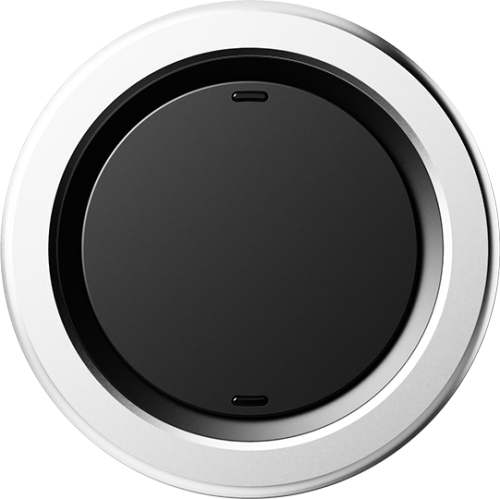 Your price for this item is $34.99
-
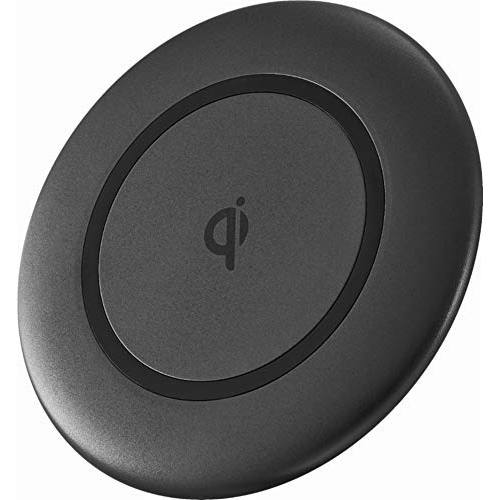 Your price for this item is $39
-
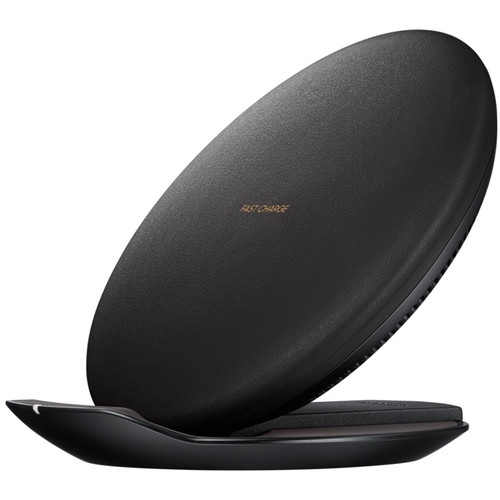 Your price for this item is $73.92
-
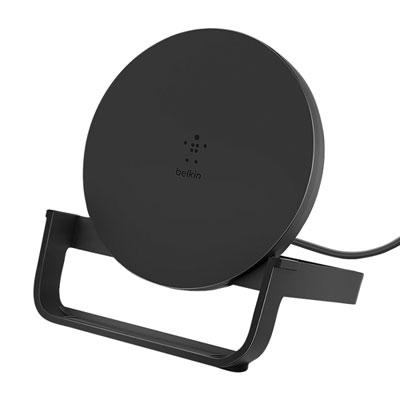 Your price for this item is $39.95
-
 Your price for this item is $179.95
-
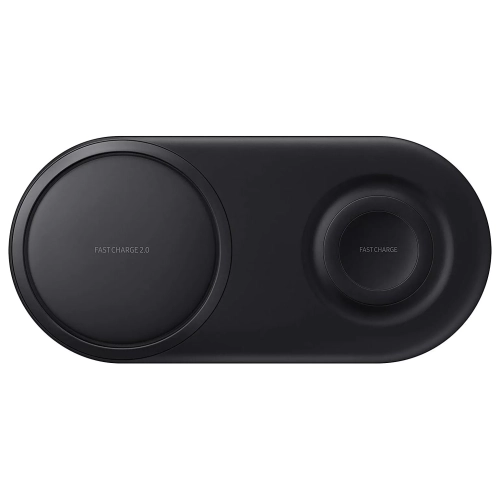 Your price for this item is $74.99
-
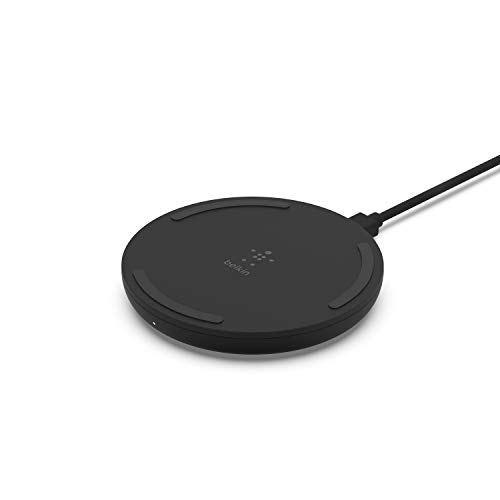 Your price for this item is $39.99
-
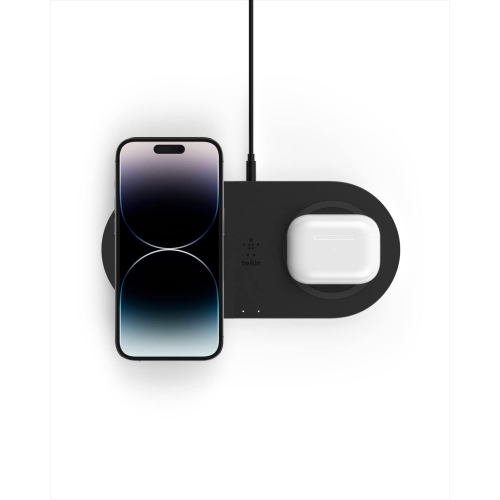 Your price for this item is $36.99
Discover more categories related to Anker Wireless Chargers


Top Collections:
Pokemon Centers, Kindle Devices, Best Cameras for Sports Photography, Pokémon 30th Celebration Cards, Apple iPhones 16, Canon G7X Cameras, iPhone 15 Apple, Flip Phones, Samsung Galaxy Phones, Alarm Clock
Some products may be subject to Environmental Handling Fees
(EHF) depending on your province.
Learn more about EHFs.