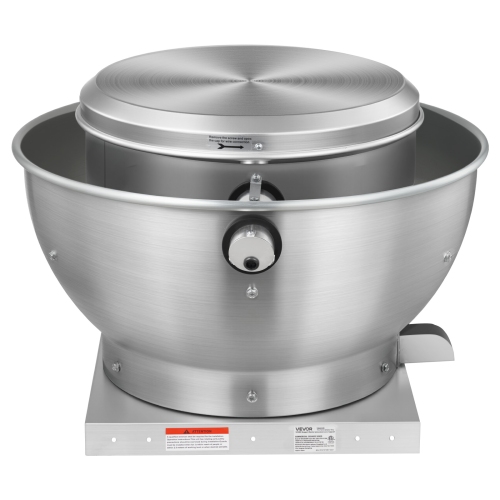
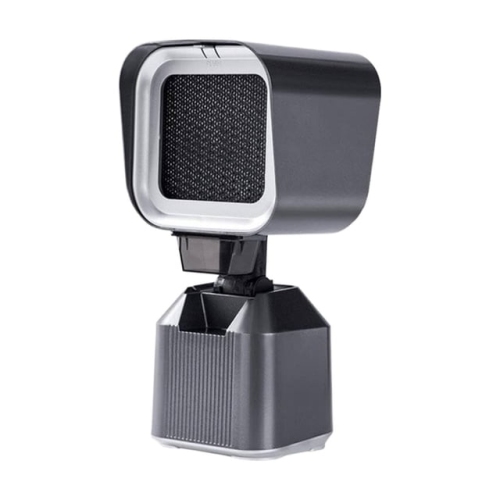
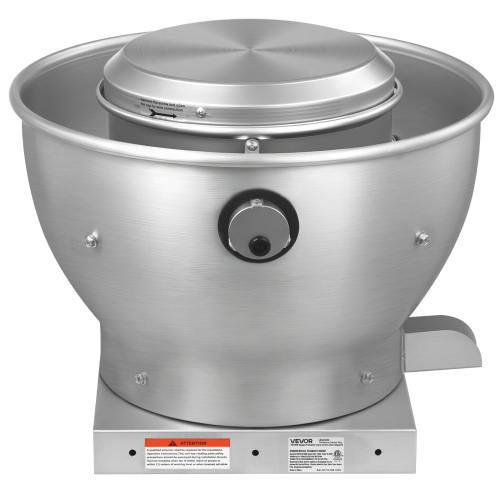
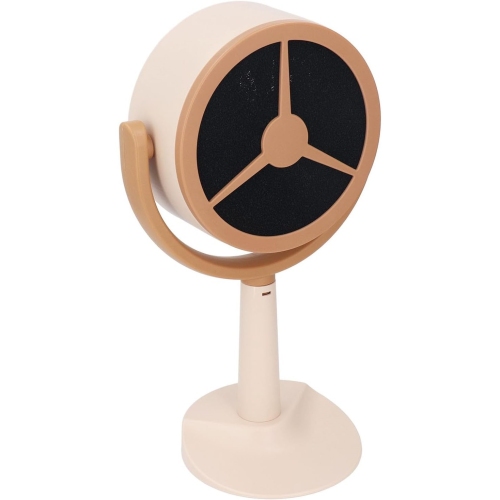
Modern Kitchen Exhaust Fans

Modern kitchen exhaust fans help clear cooking odours, smoke and steam while complementing a contemporary kitchen. When comparing range hoods and exhaust fans, consider dimensions, airflow, noise levels and venting requirements to find an option that fits your cooking space and installation needs.
Sort

Why kitchen ventilation is about more than airflow

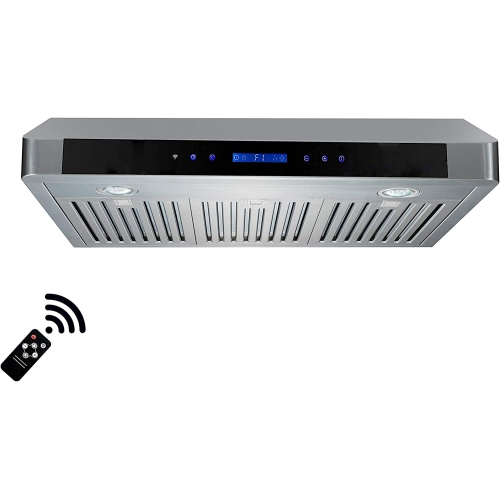
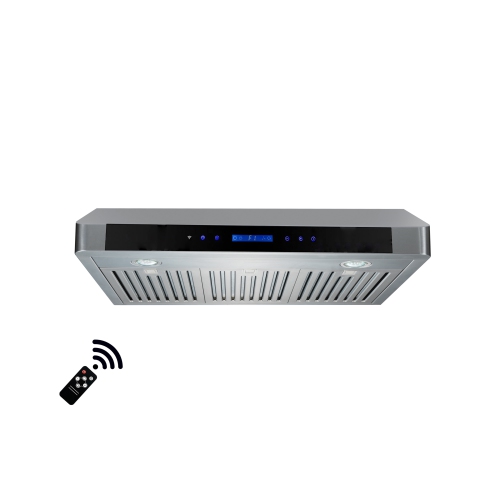
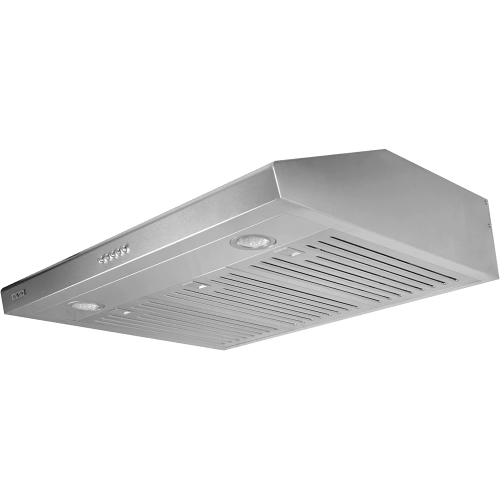
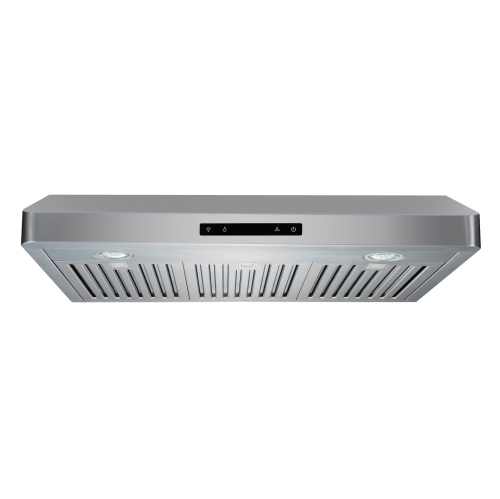
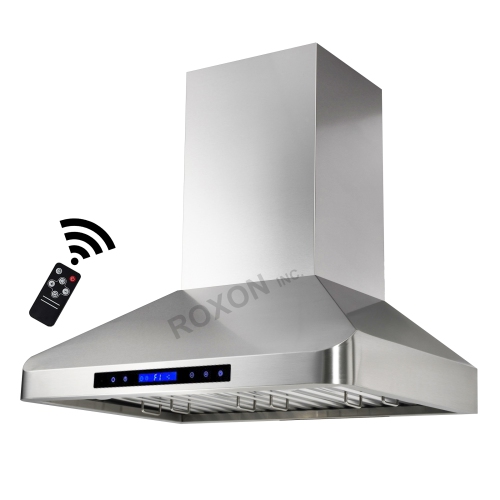
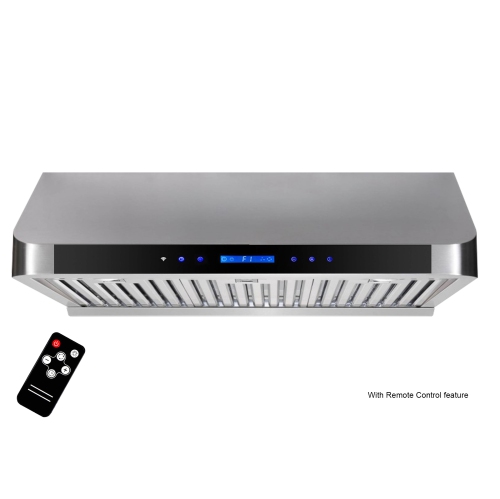
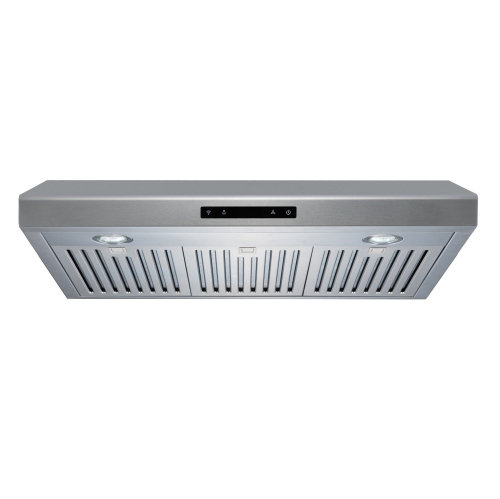
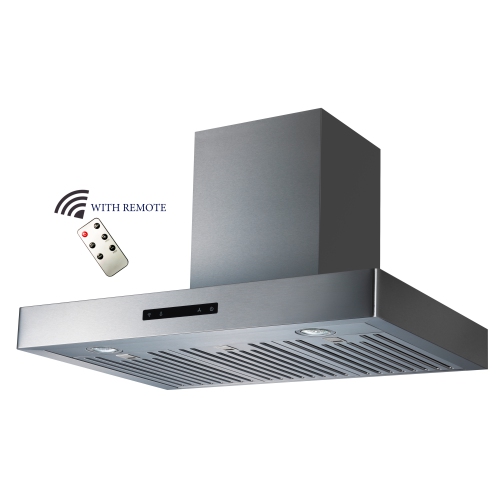
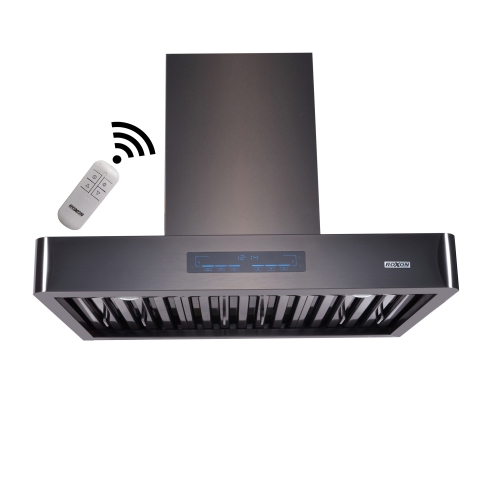
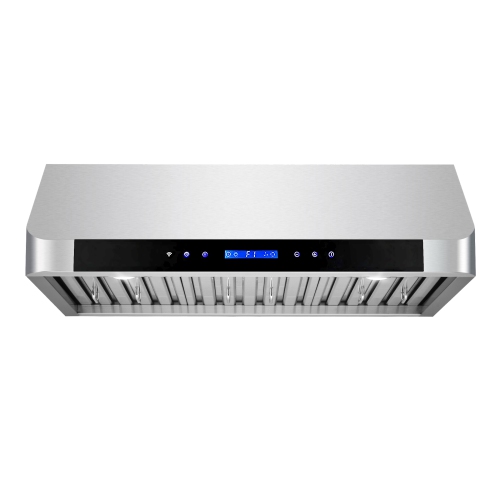
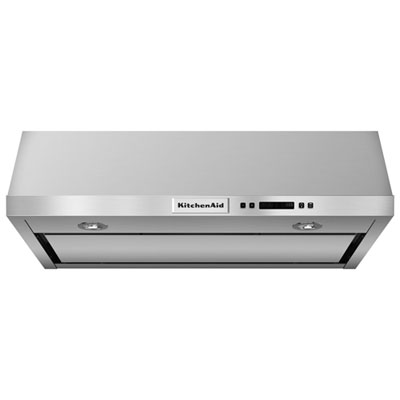
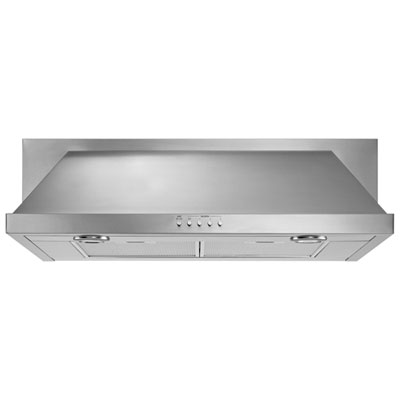
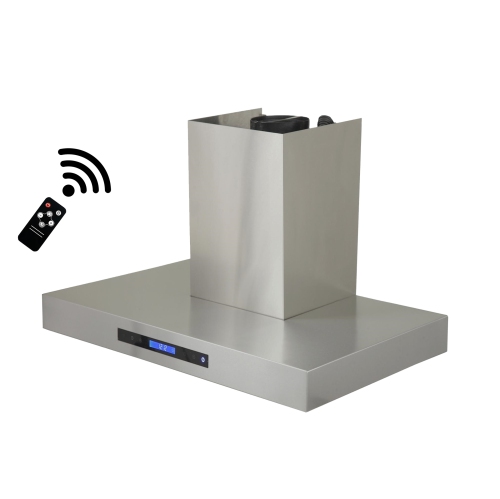
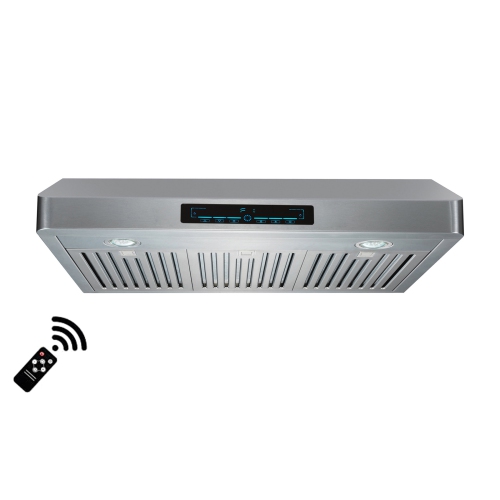
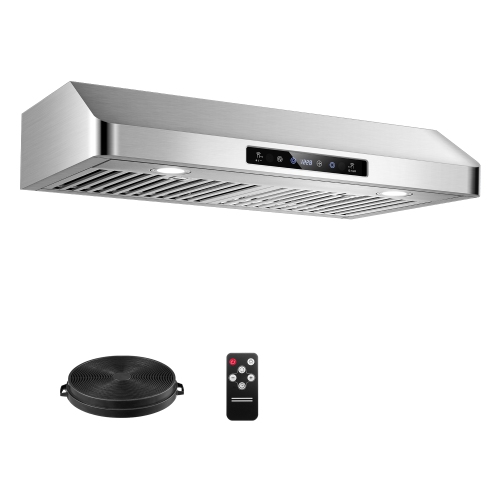
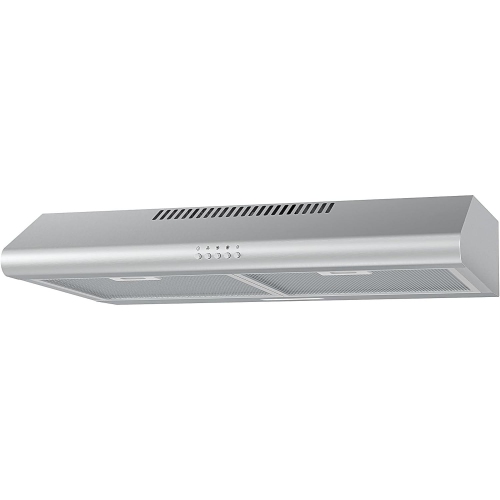
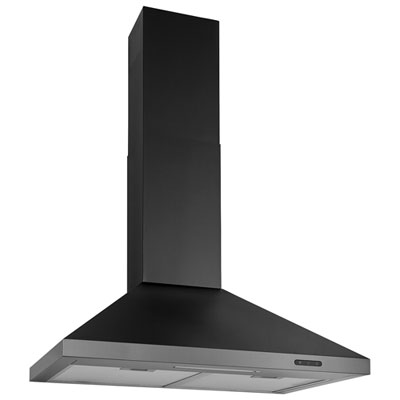
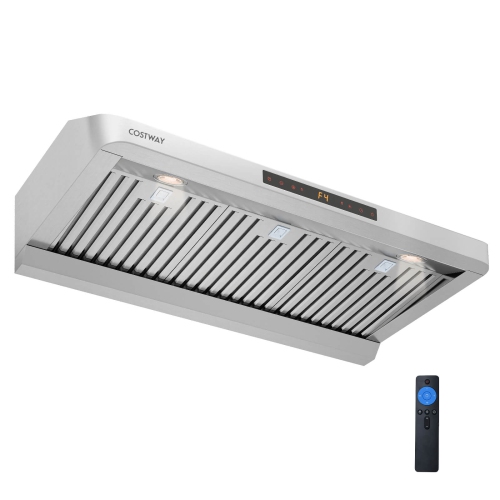
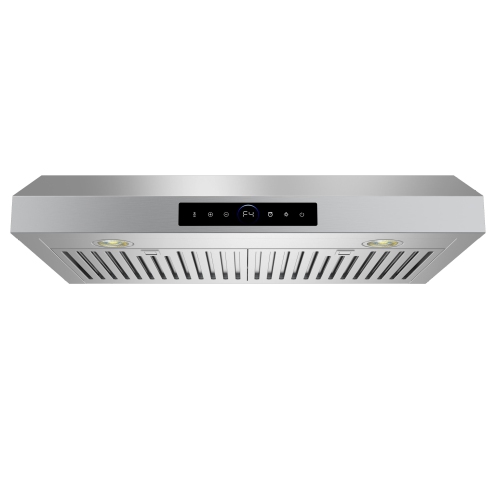
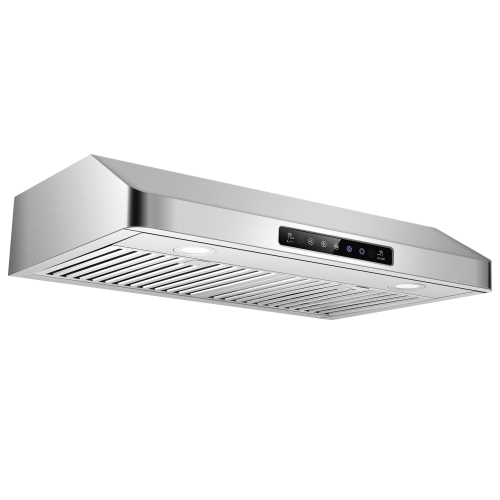
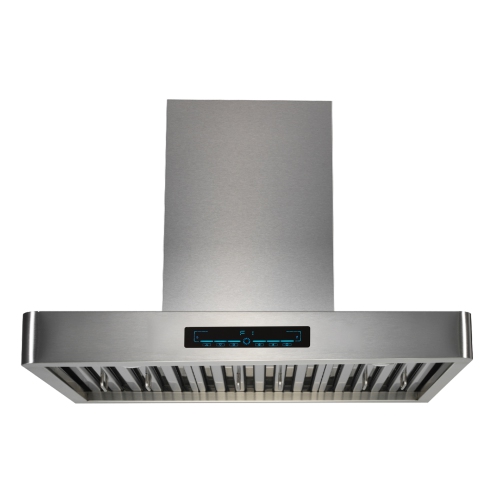
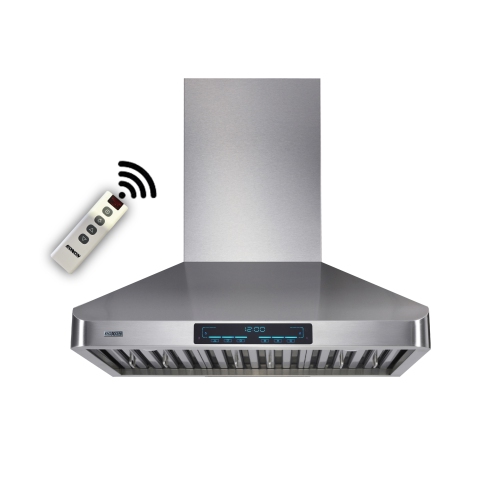
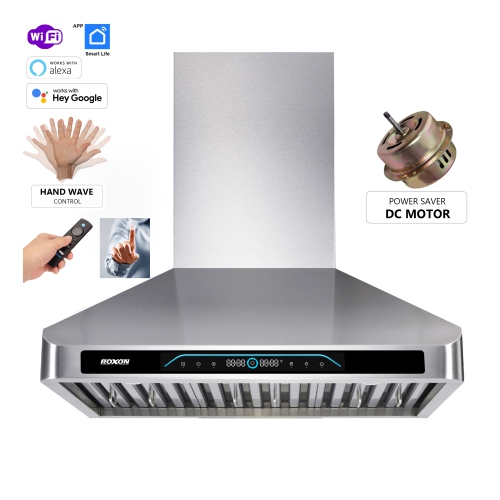
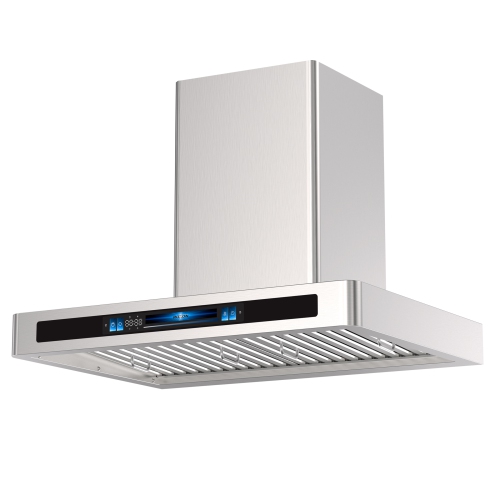
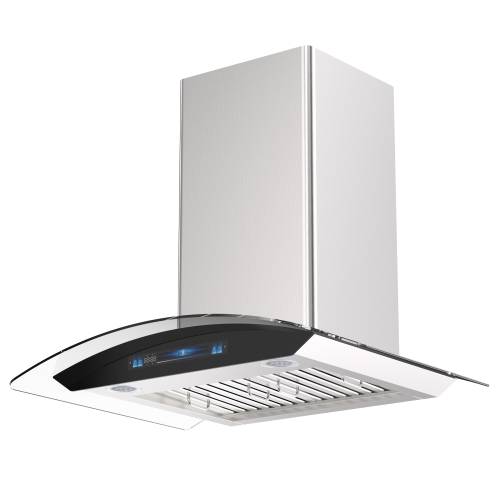
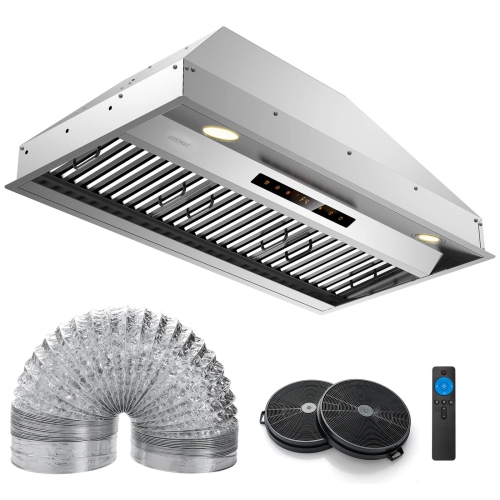
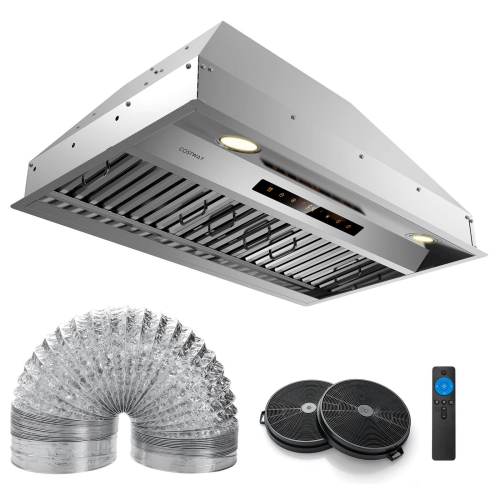
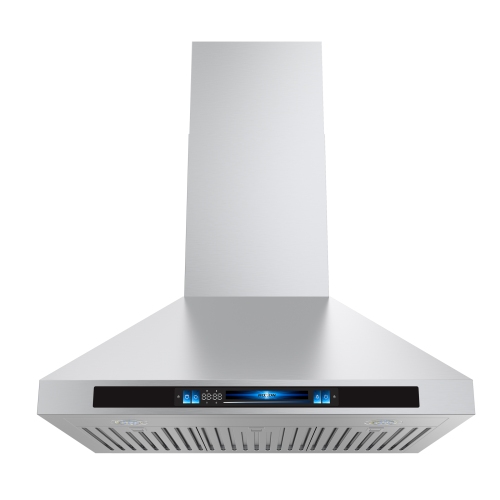
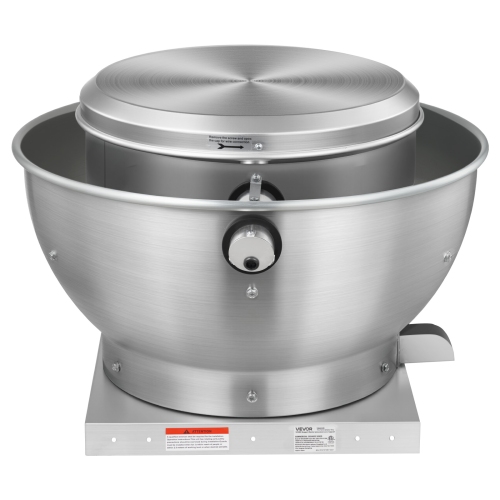
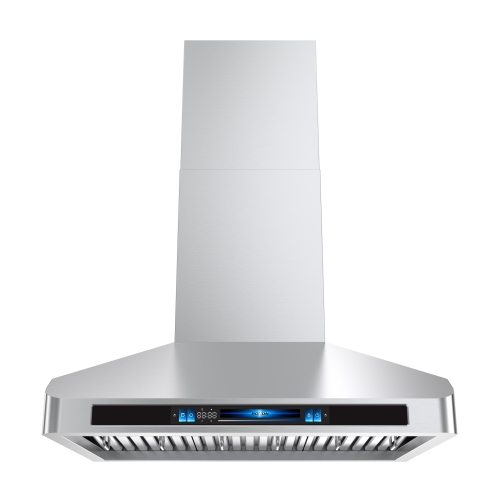
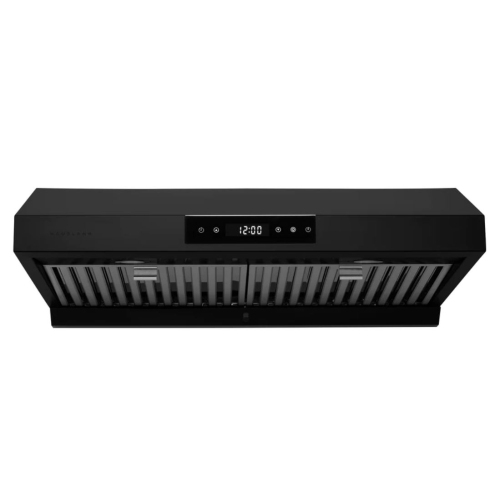
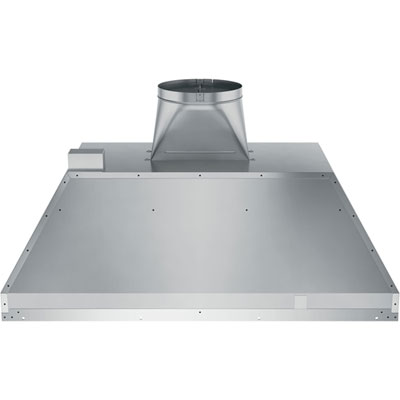
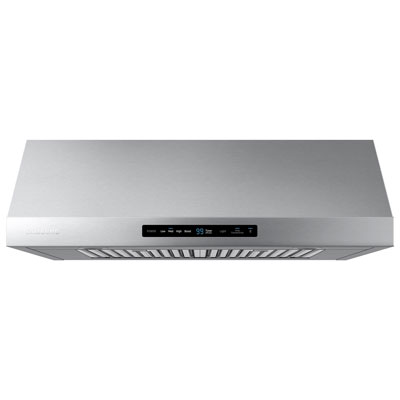
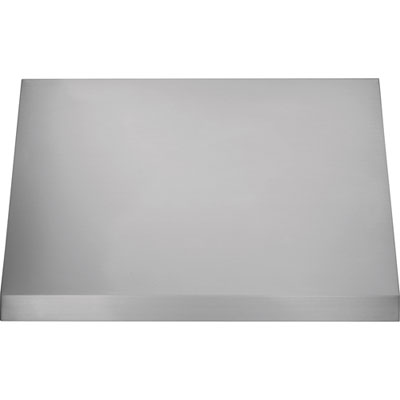
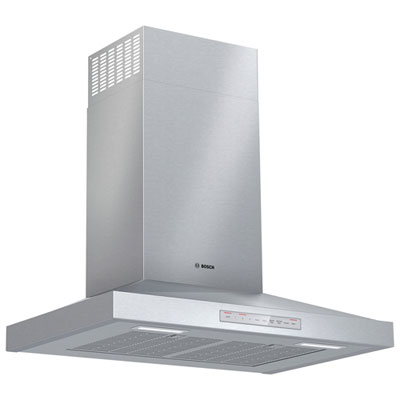
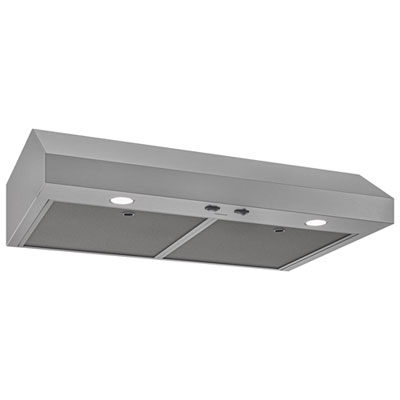
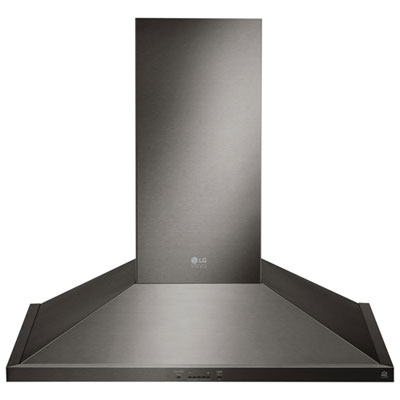
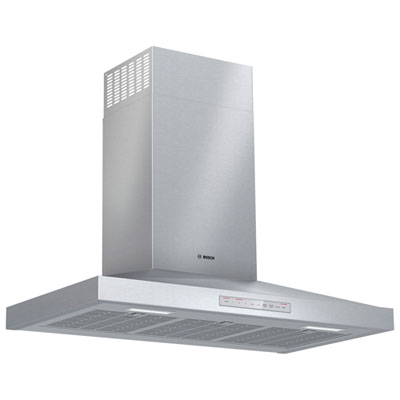
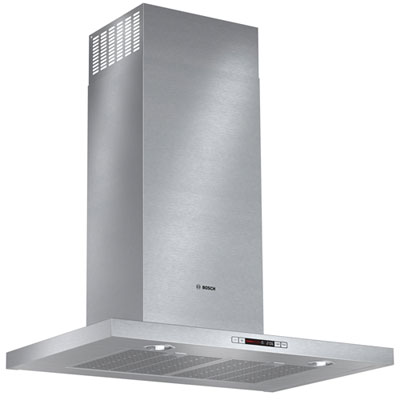
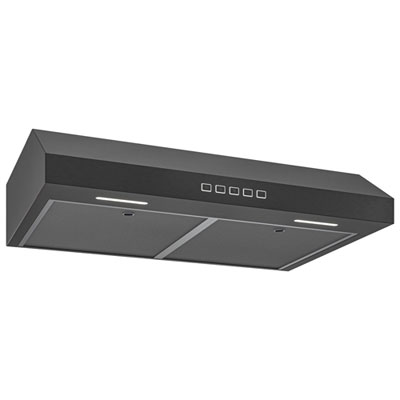
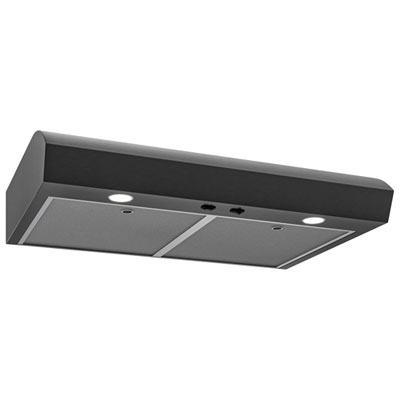
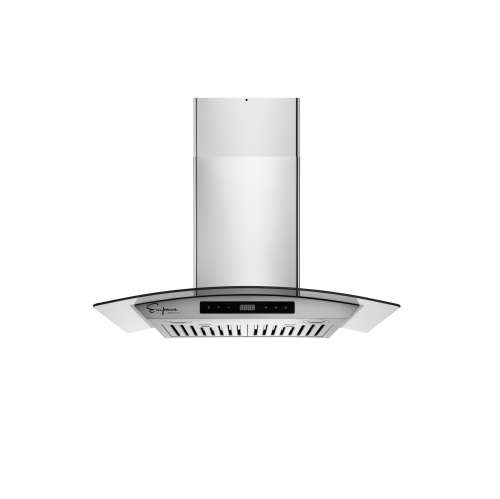
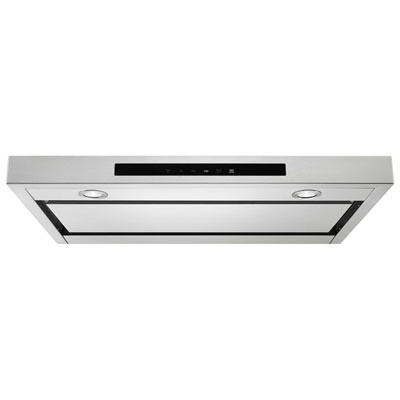
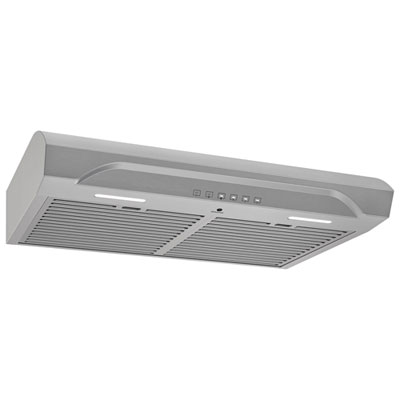
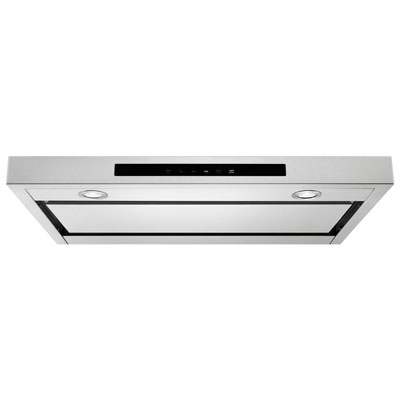
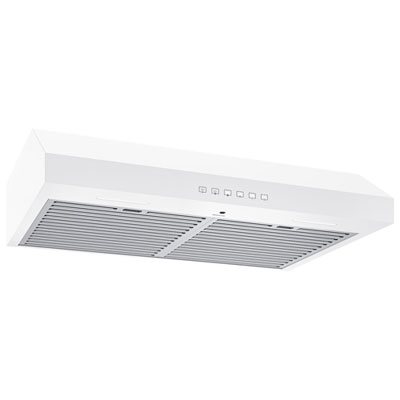
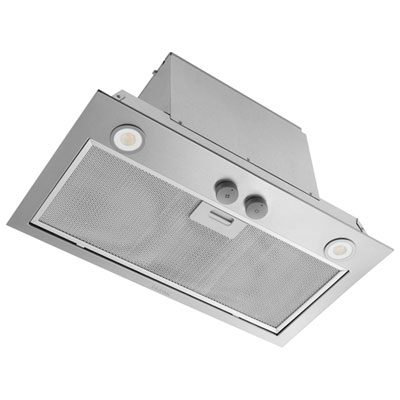
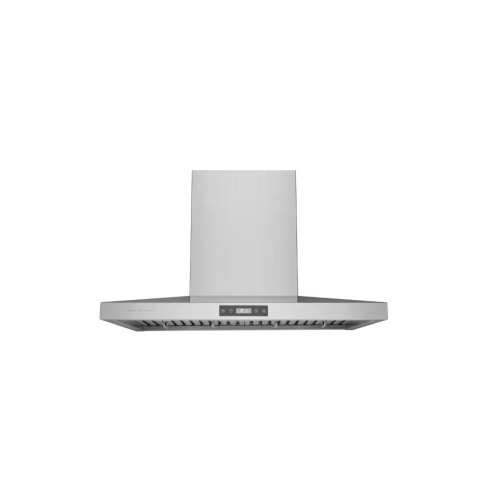
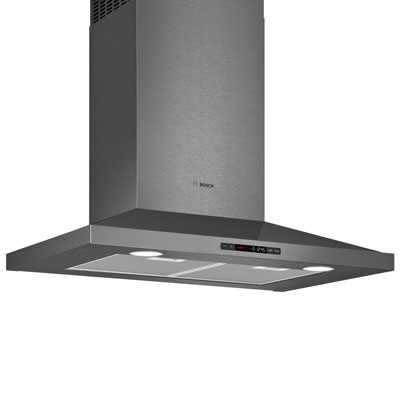
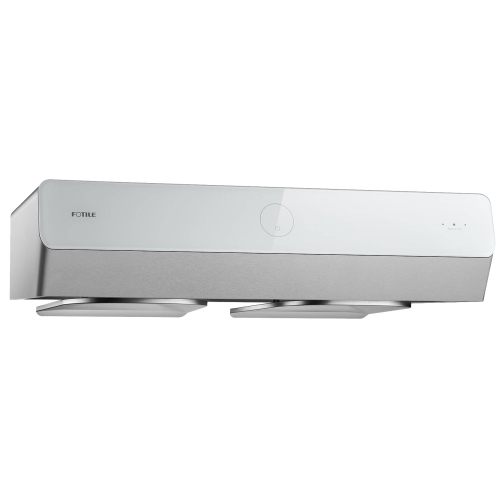
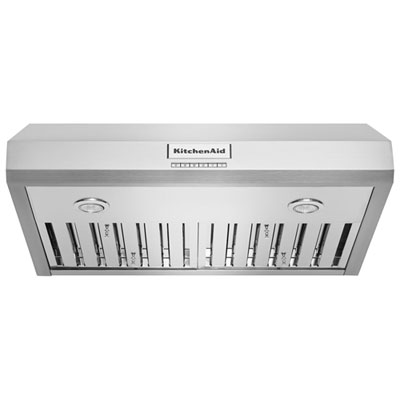
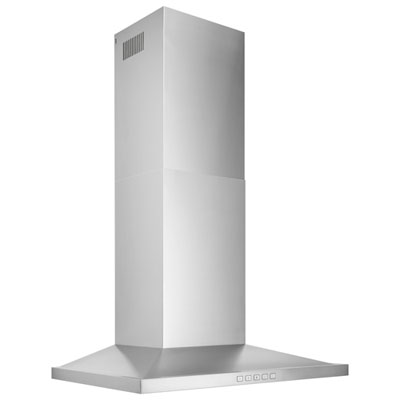
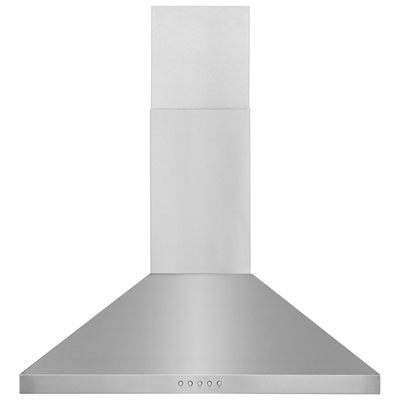
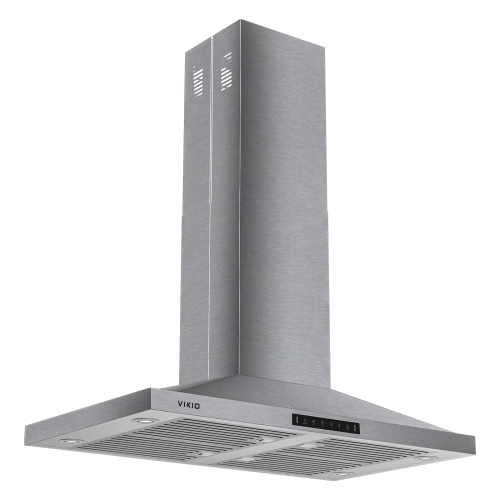
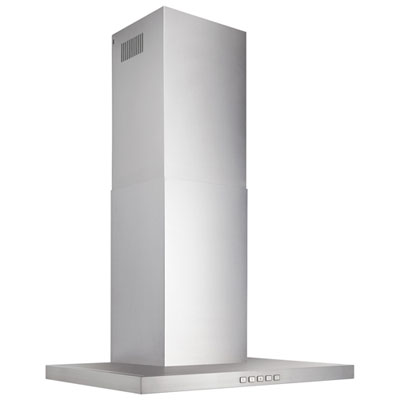
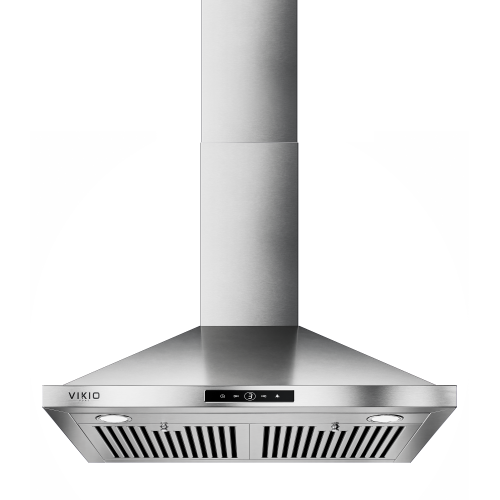
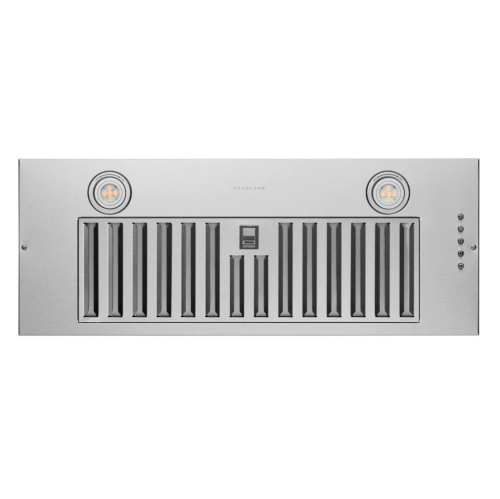
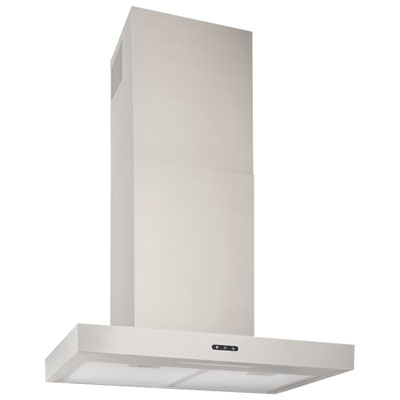
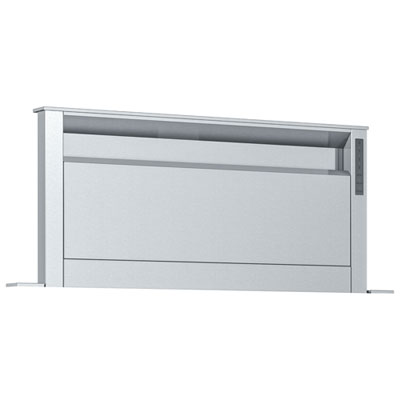
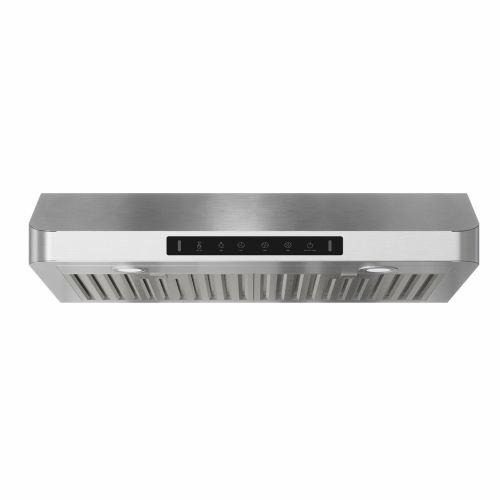
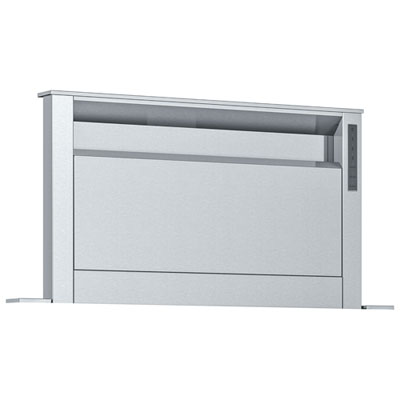
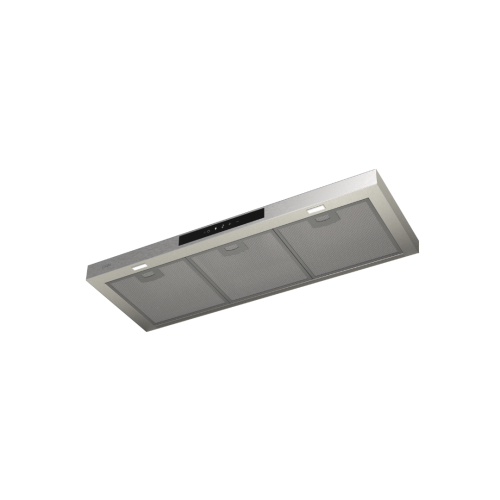
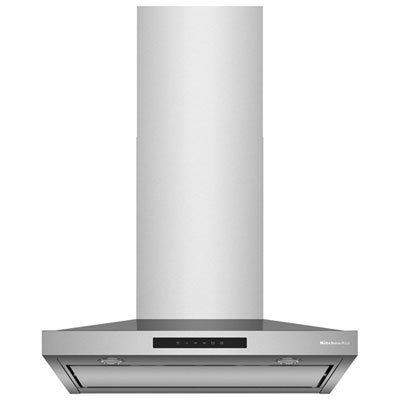
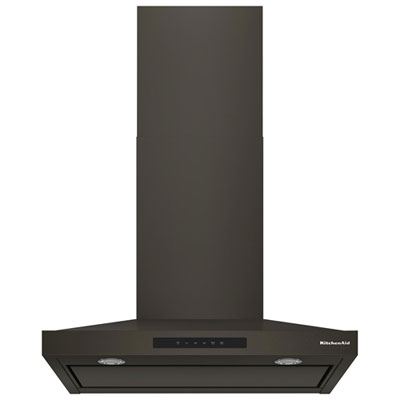
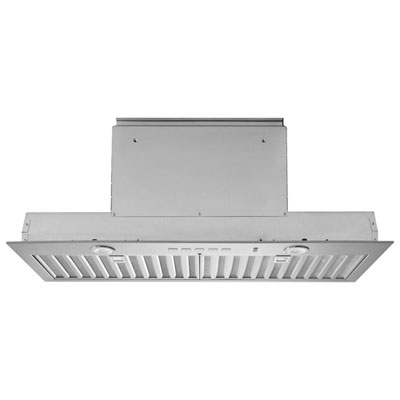
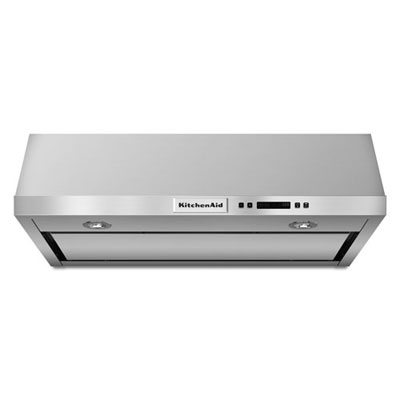
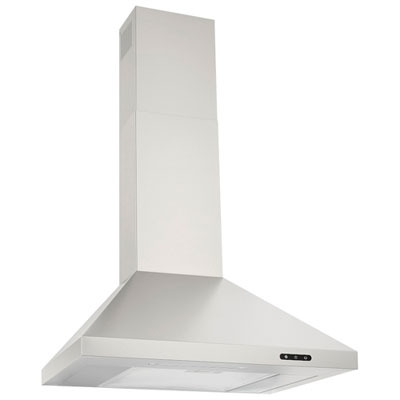
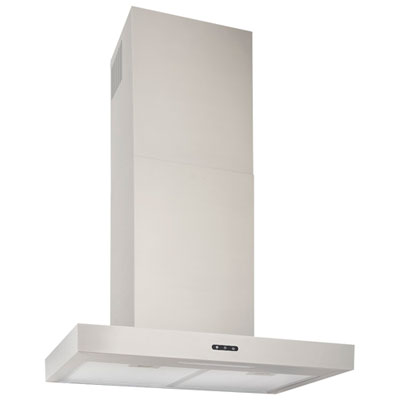
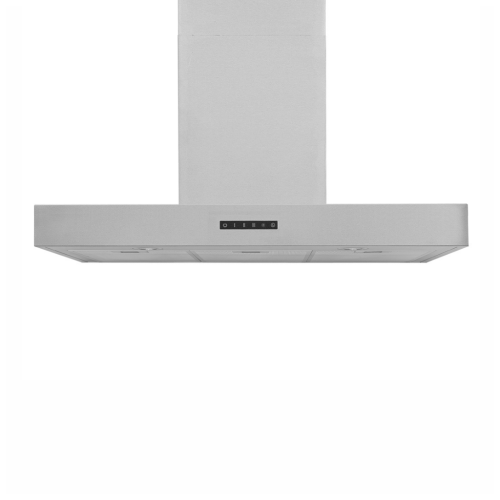
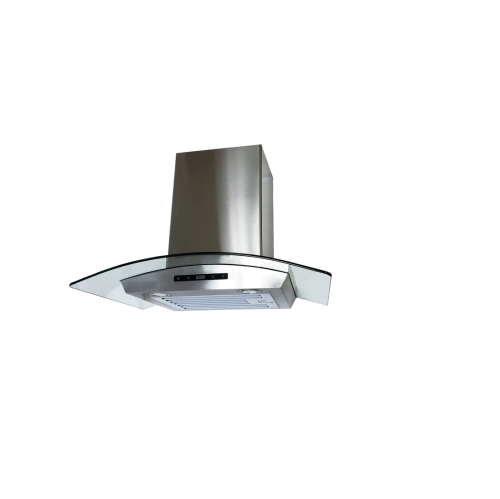
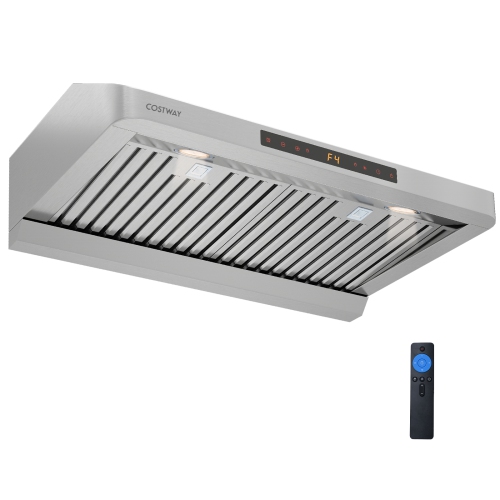
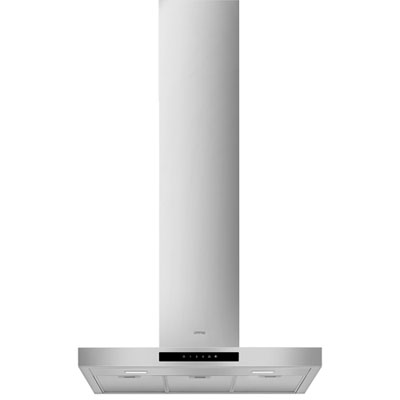
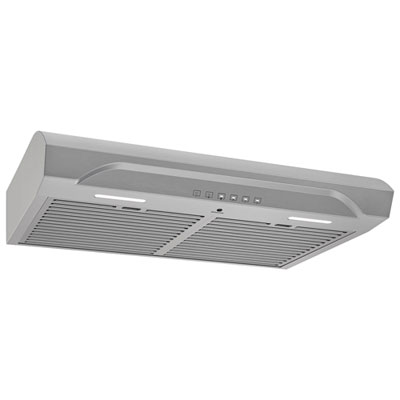
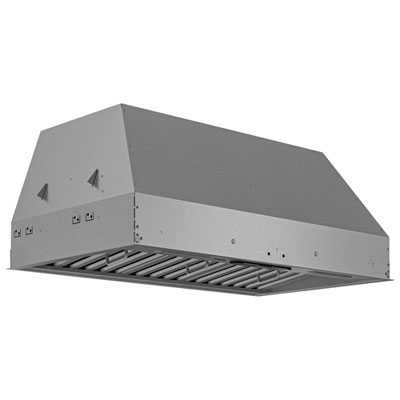
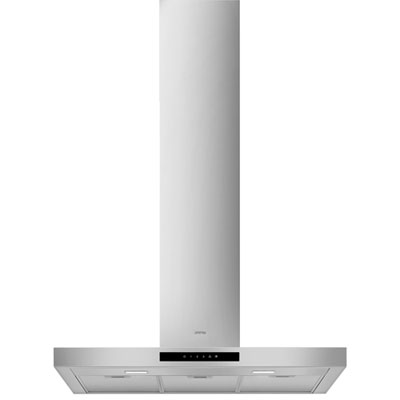
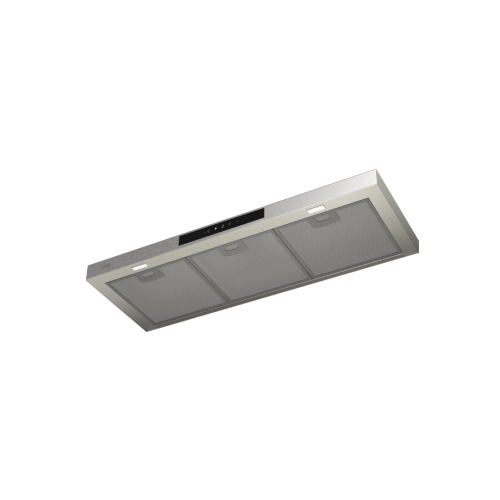
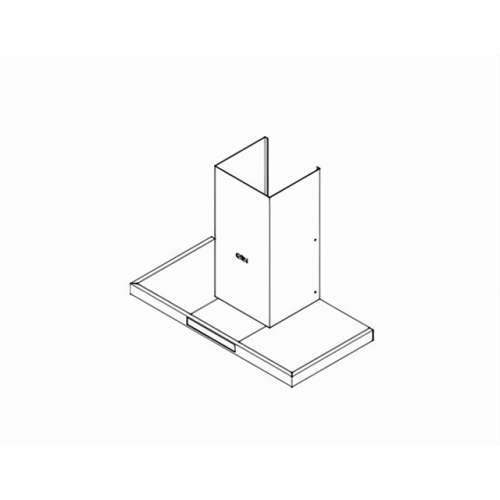
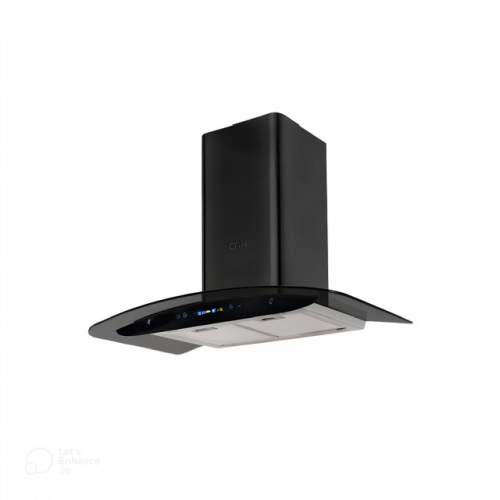
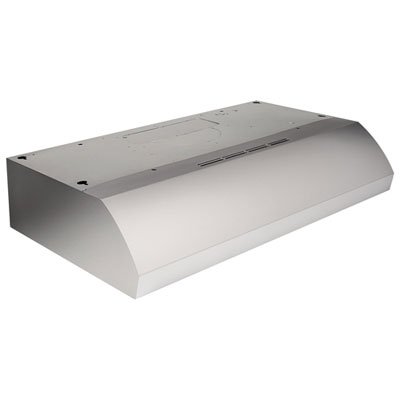
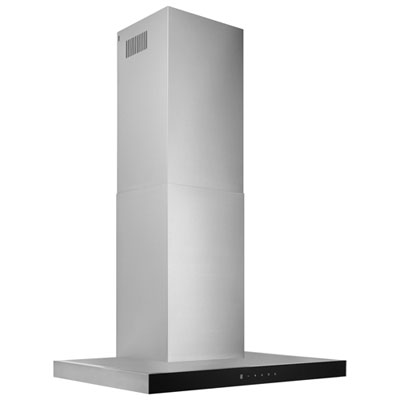
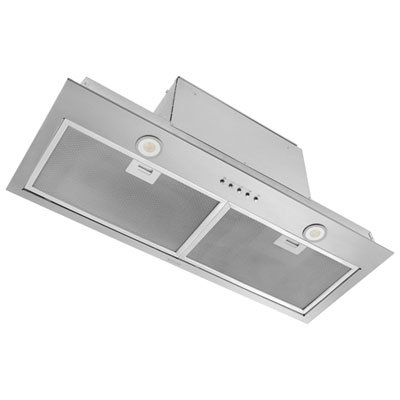
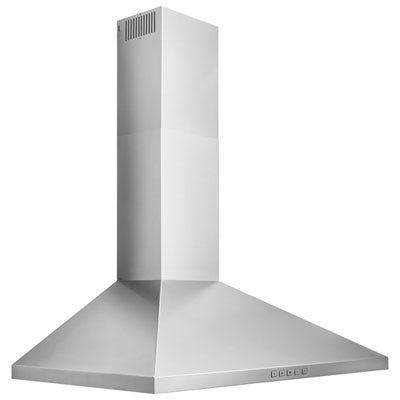
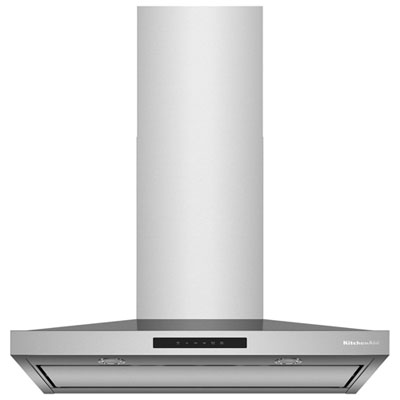
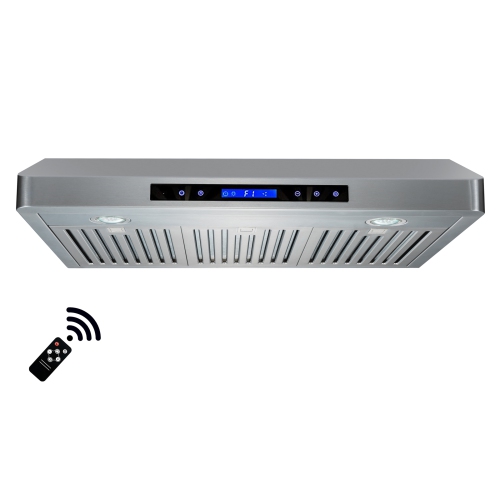
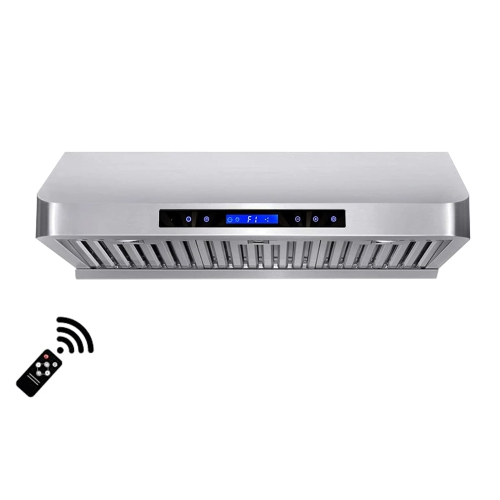
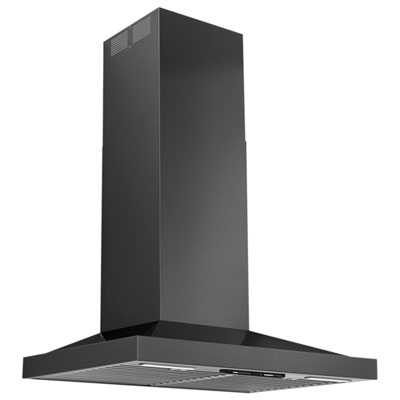
Modern kitchen exhaust fans combine ventilation with clean-lined design, helping manage cooking odours, airborne grease, and, when vented outdoors, steam and smoke. Often built into range hoods, these appliances sit above a cooktop or range to capture rising cooking vapours close to their source. Their appearance can be understated or architectural: a slim under-cabinet hood leaves more visual space around surrounding cupboards, while a chimney-style hood creates a defined feature above the cooking area. An island hood serves a cooktop positioned away from the wall, and a concealed insert keeps the ventilation hardware tucked inside custom cabinetry. Stainless steel, black finishes, and glass accents offer different ways to coordinate with appliances, cabinet handles, and backsplashes without making every surface match. Brushed metal has a practical, professional look, while a smooth dark finish can blend into darker cabinetry or provide contrast against pale tile. Beyond appearance, proportions matter. Hood width, capture depth, cabinet clearance, and the required mounting height all influence how well a fan fits the cooking area. A broad canopy can help contain the plume rising from a busy cooktop, but its effectiveness also depends on installation, airflow, and burner placement. Common 30-inch and 36-inch cooking layouts still require careful measurement, since a nominal width does not describe every clearance or mounting requirement. Nearby cupboard doors, ceiling height, and the position of an existing duct can also shape the suitable configuration. In an open-plan kitchen, a hood is visible from the dining table or living area, making its profile and lighting part of the room’s overall character. The broader Exhaust Fan Kitchen Hoods category encompasses several mounting styles, allowing ventilation to suit anything from a compact apartment cooking area to a kitchen built around a central island. The strongest fit balances the look of the room with the practical demands of everyday cooking rather than treating the fan as a purely decorative finishing touch.

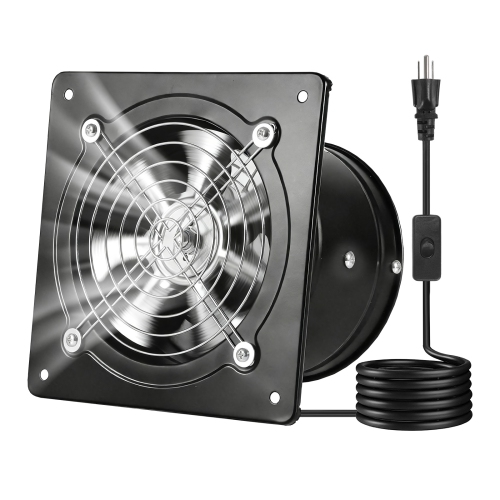
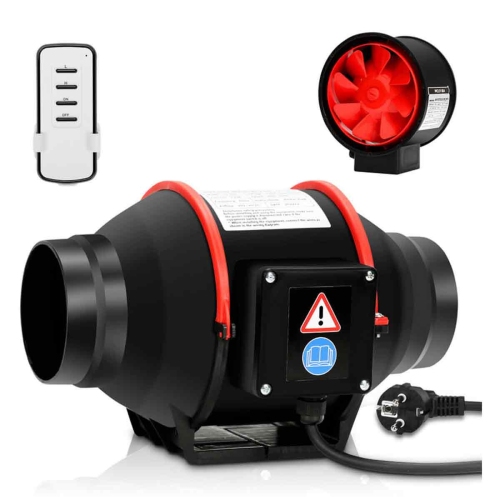
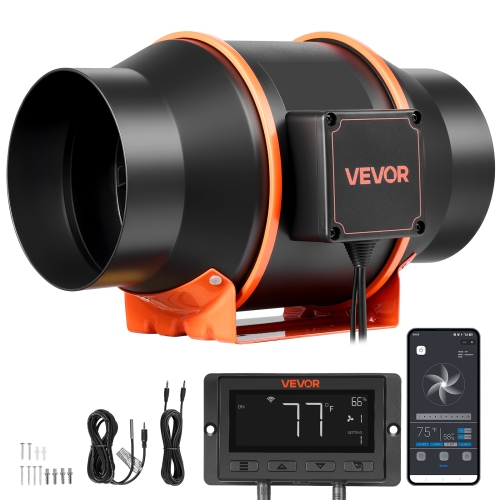
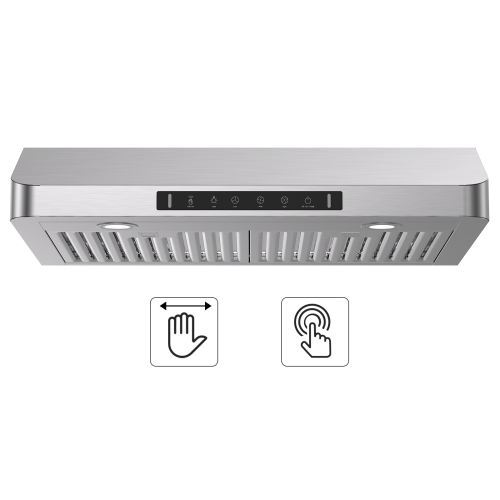
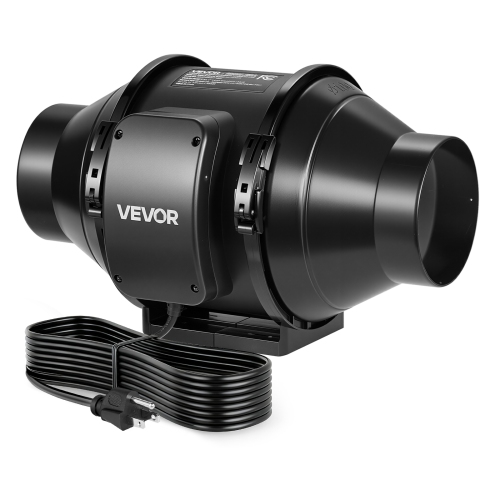
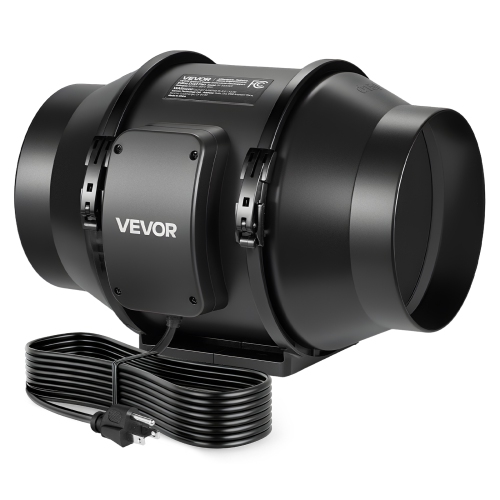
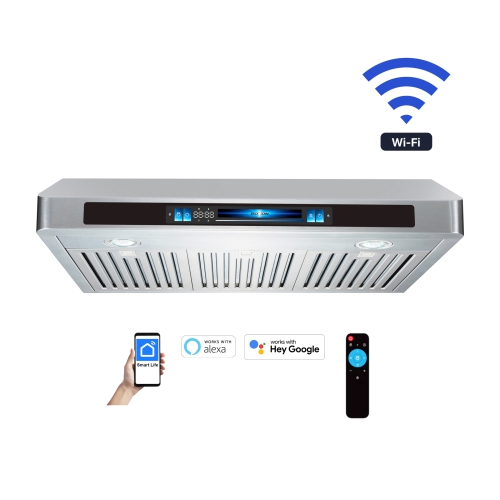
Ventilation performance depends on more than a powerful motor. Airflow is commonly expressed in cubic feet per minute, or CFM, but that rating is only one part of how a kitchen exhaust fan performs once installed. The hood’s shape, its position over the cooking surface, the filter design, and the length and configuration of the ductwork all affect capture and exhaust. A household that frequently sears meat, uses a wok, or cooks on several burners at once has different ventilation needs from one that mainly reheats meals and simmers a single saucepan. Higher airflow can be useful for demanding cooking, but it also needs to suit the appliance, duct system, and building requirements. In some installations, higher-capacity exhaust requires a make-up air system, which supplies replacement air as air leaves the home; a qualified installer can assess the applicable local requirements. Ducted hoods move captured cooking air outdoors, while recirculating hoods pass it through filters and return it to the kitchen. Recirculating designs can be useful where an outdoor duct route is not possible, but they do not remove moisture or combustion gases from the room. Their odour control depends on the appropriate filter being fitted and replaced as specified. Some hoods support either arrangement with the correct components, so the intended ventilation method is an important compatibility detail. Sound also deserves attention, particularly when conversation, television, or homework happens near the kitchen. Noise ratings, often stated in sones or decibels, are most useful when compared at similar operating speeds and under comparable test conditions. Multiple fan speeds allow airflow to match the task, from a gentle simmer to a sizzling frying pan. Features such as automatic sensing, delayed shut-off, or Wi-Fi connectivity can add convenience where offered, while responsive physical buttons or touch controls keep daily operation straightforward. Good task lighting is equally practical: an evenly lit cooking surface makes it easier to see browning food, monitor a saucepan, and work beneath surrounding cabinetry without relying entirely on overhead room lighting.
Materials, construction, and accessible maintenance help determine how comfortably a modern kitchen exhaust fan fits into daily life over the long term. Stainless steel is valued for its durability, although fingerprints, water marks, and cooking residue can remain visible without regular wiping. Coated finishes and glass panels have their own care requirements, and abrasive pads or unsuitable cleaners can scratch surfaces or damage their appearance. Smooth edges and reachable controls make routine cleaning less awkward, especially when the hood sits beneath a cabinet or above a deep cooking surface. Grease filters are another important consideration because they collect residue from the air passing through the hood. Metal mesh and baffle filters have different constructions, but both need cleaning according to the manufacturer’s directions to prevent grease accumulation from restricting airflow. Dishwasher cleaning is appropriate only when the filter is specifically identified as dishwasher-safe; other filters require handwashing or another prescribed method. Filters should be dry before they are refitted. Activated carbon filters used for recirculation generally require replacement rather than ordinary washing, unless their manufacturer specifies otherwise. Easy filter removal, accessible lighting components, and clear maintenance information can make a meaningful difference after months of regular use. Durability also rests on secure mounting, suitable electrical connections, and correctly designed ductwork, not simply the weight or finish of the outer casing. For a renovation, confirming those details before cabinetry is finalized can help avoid an awkward fit or a difficult service arrangement later. In a rental or multi-unit building, installation may also depend on property rules and the existing ventilation system. These appliances serve a wide range of households, including enthusiastic home cooks, families preparing several dishes at once, and people who want cooking odours to linger less in adjoining rooms. A well-matched hood supports the rhythm of a working kitchen: light over the chopping and stirring, stronger extraction when a pan starts sizzling, and manageable cleaning once dinner is finished. Its value lies in making those ordinary moments more comfortable while fitting naturally into the space above the stove.

FAQ

Some products may be subject to Environmental Handling Fees (EHF) depending on your province. Learn more about EHFs.