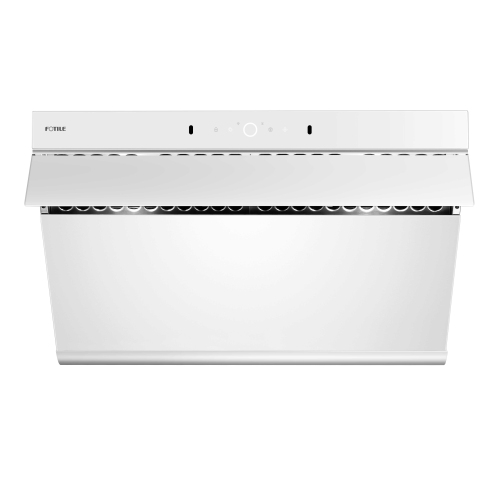
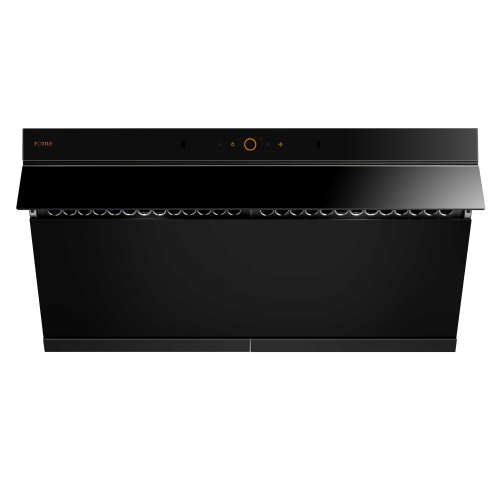
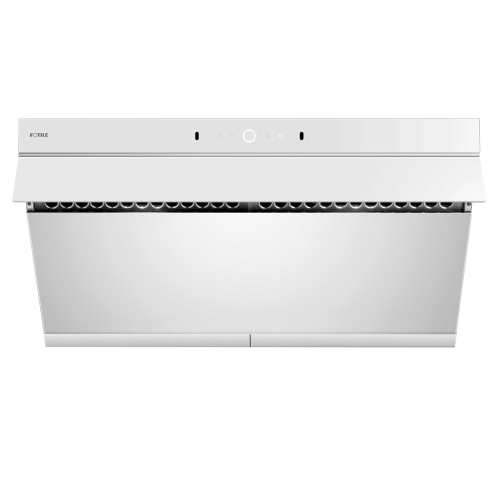
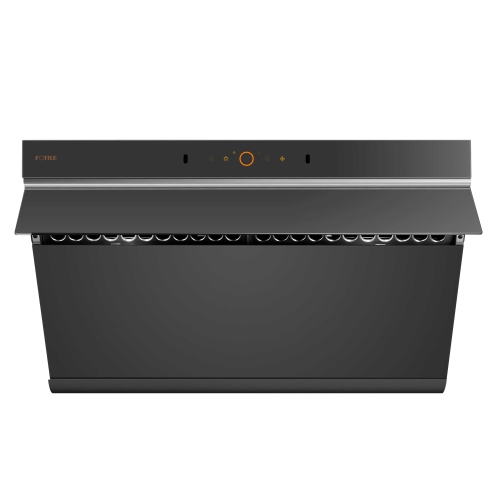
Exhaust Fan Kitchen Hoods

Find exhaust fan kitchen hoods to help clear cooking smoke, steam, and odours from your kitchen. When comparing range hoods, consider the width of your cooktop, available installation space, ventilation requirements, and fan noise to choose a suitable fit for your cooking area.
Sort

How hood fit and venting shape kitchen airflow

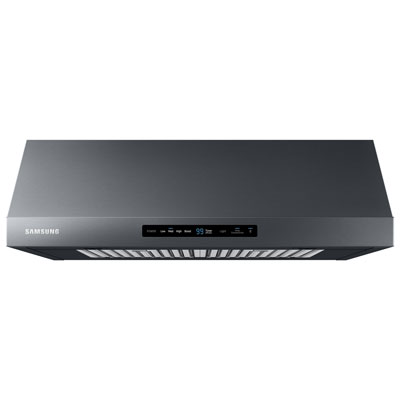
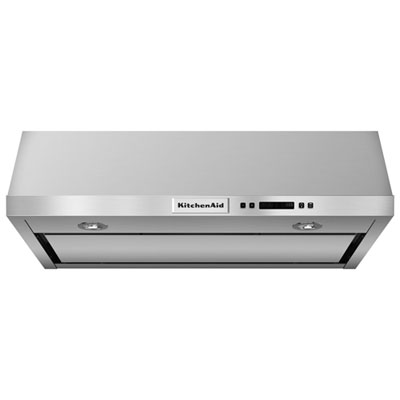
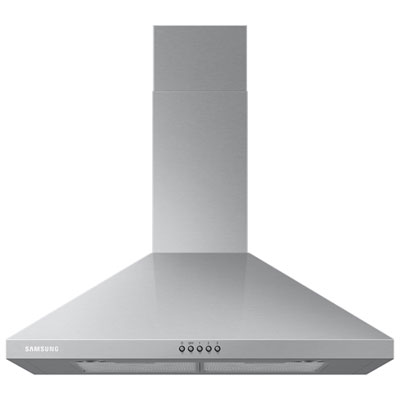
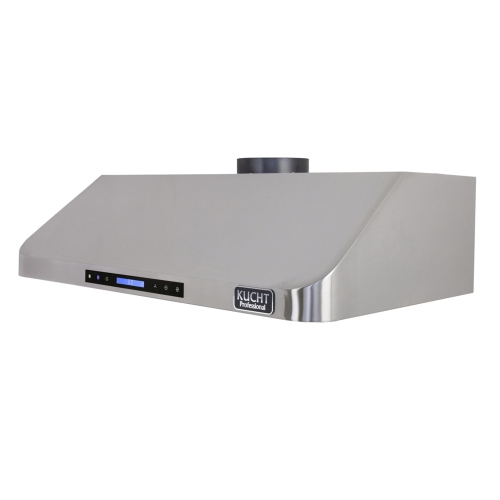
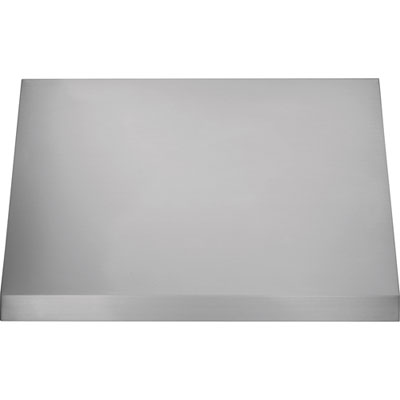
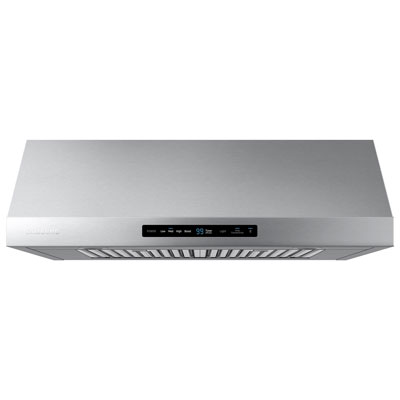
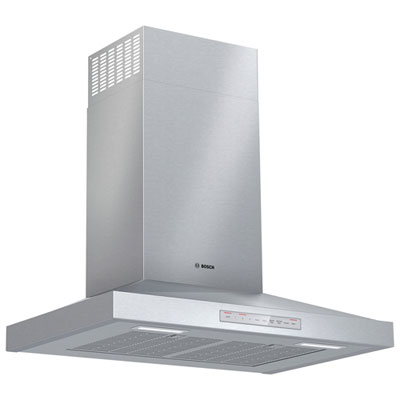
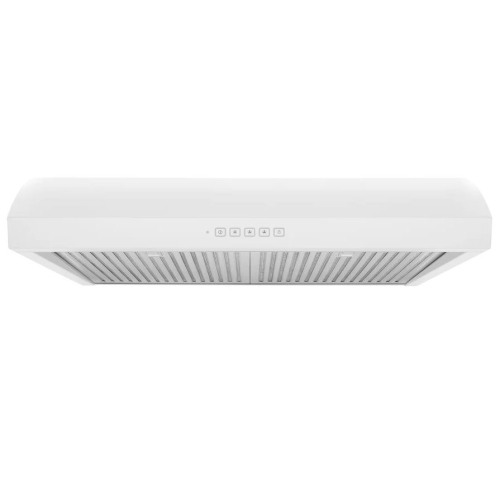
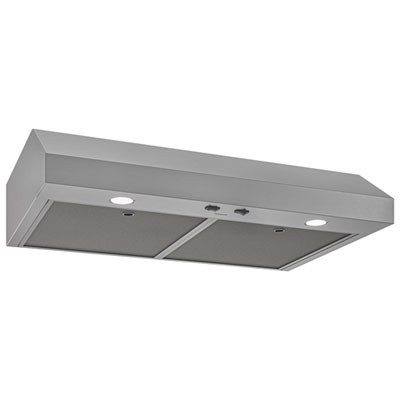
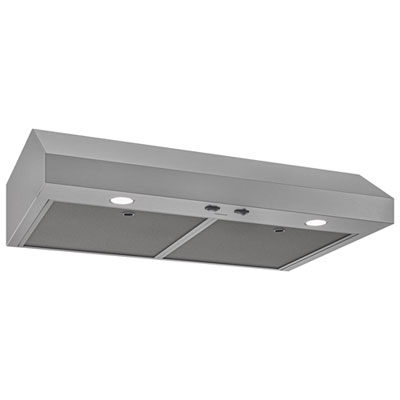
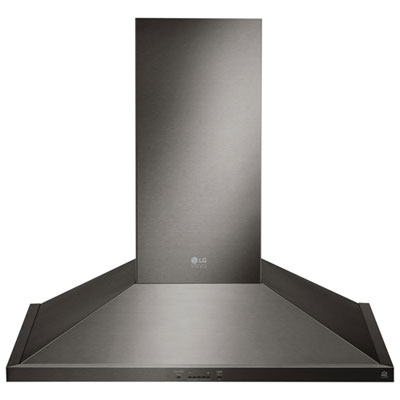
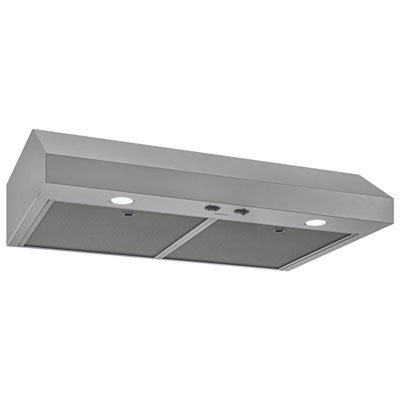
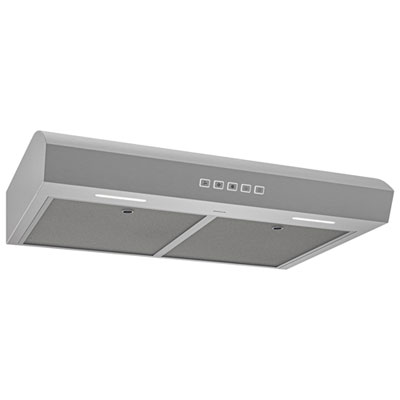
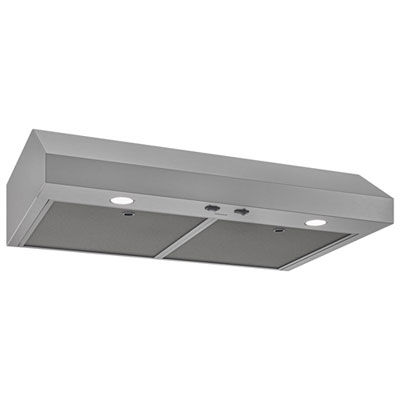
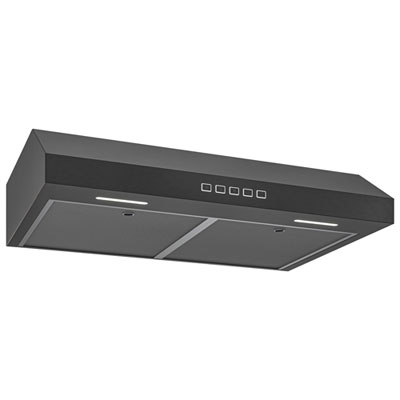
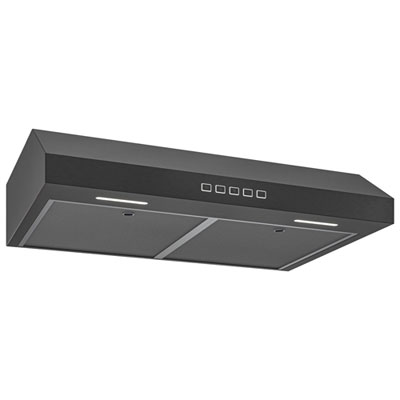
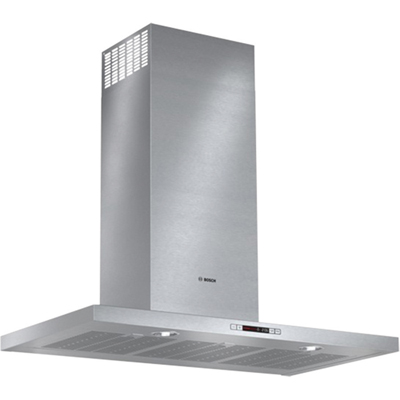
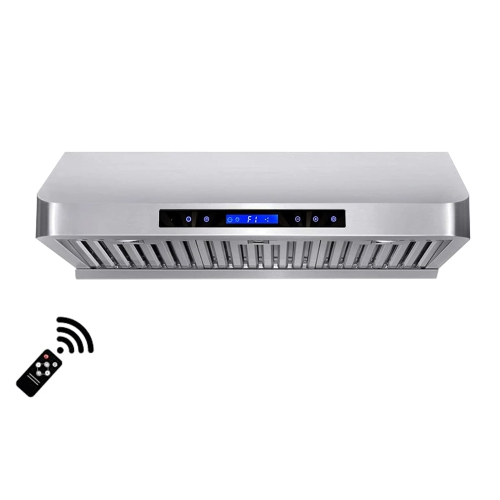
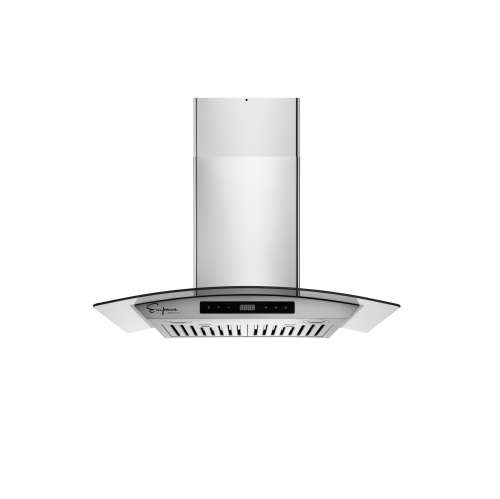
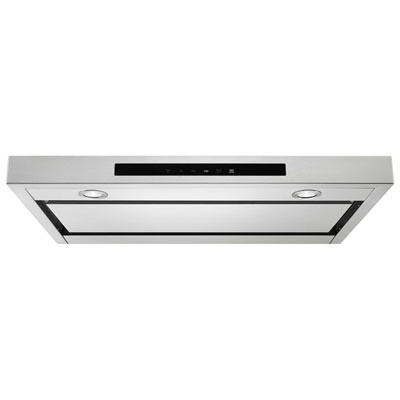
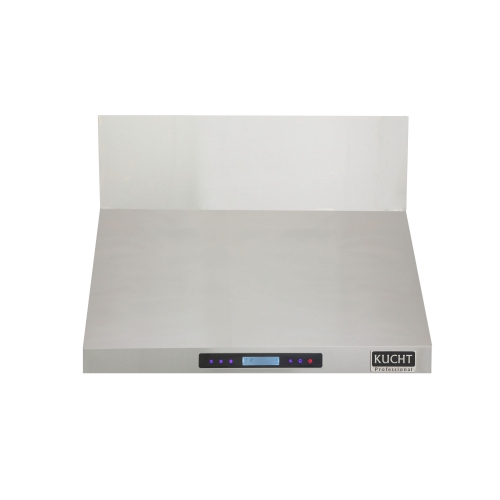
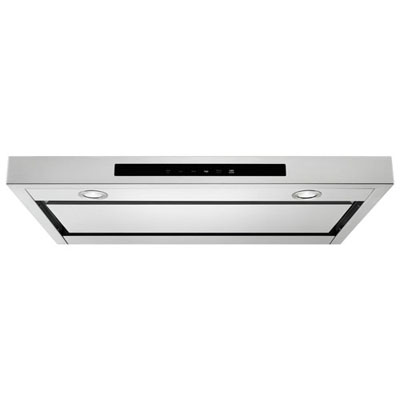
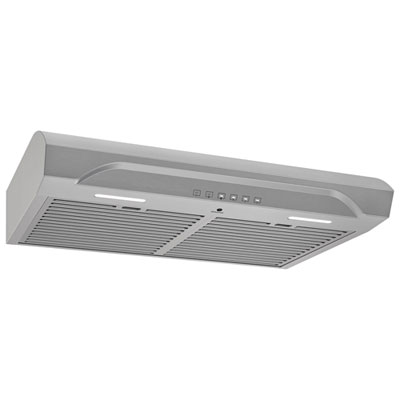
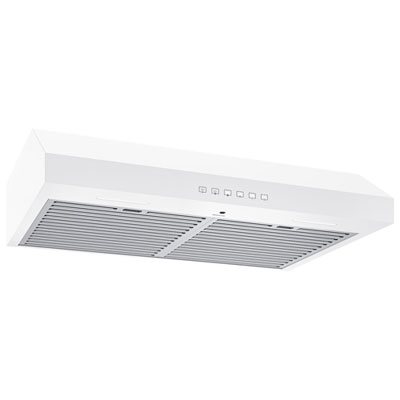
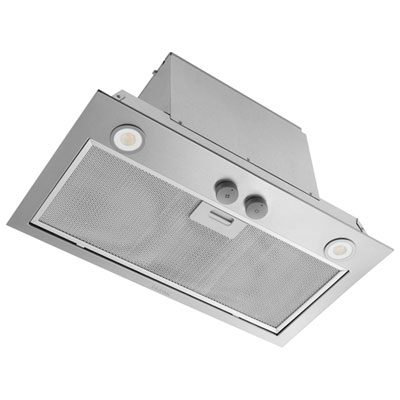
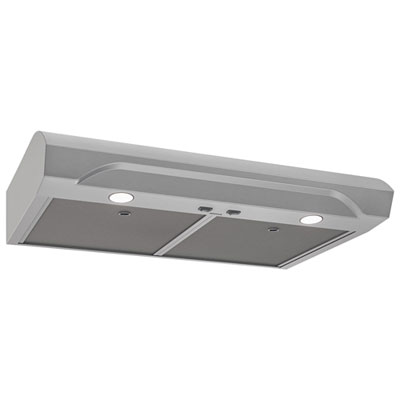
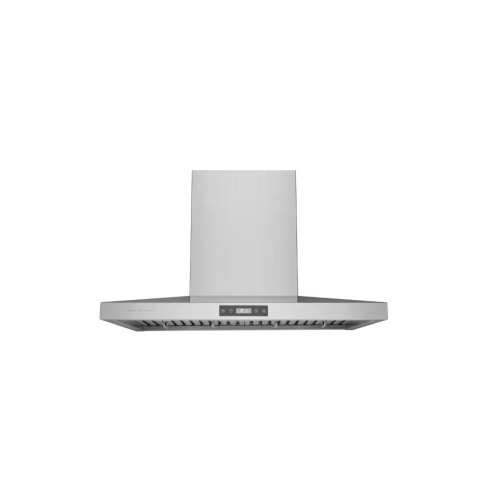
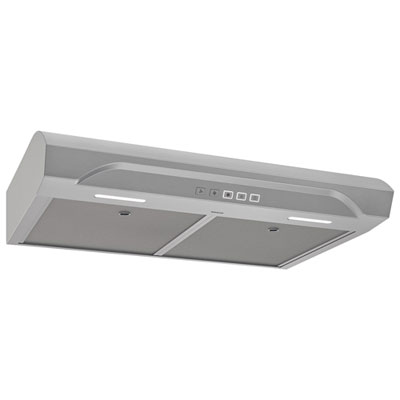
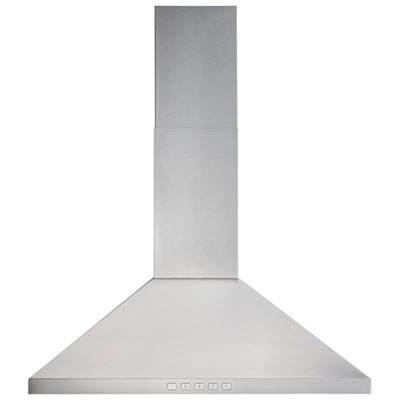
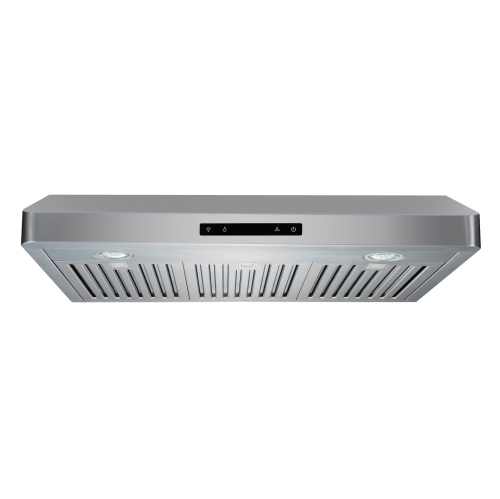
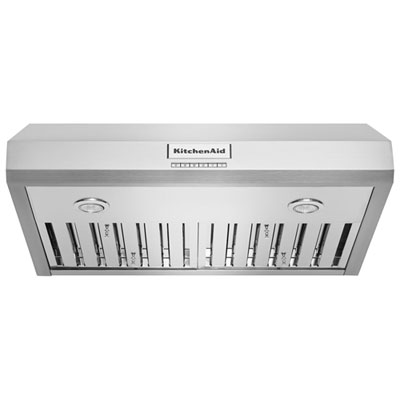
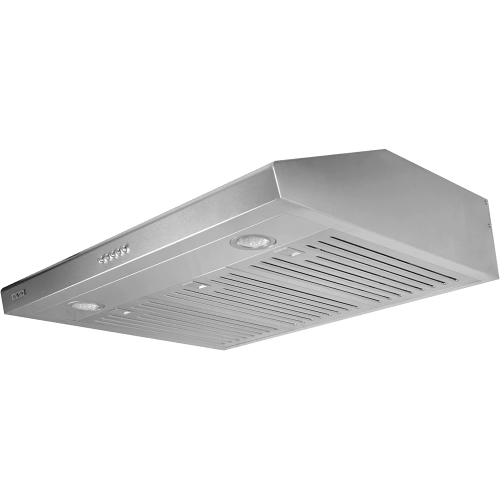
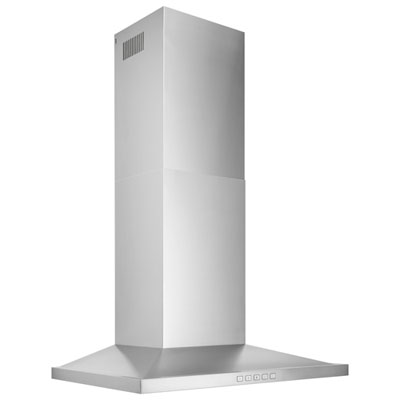
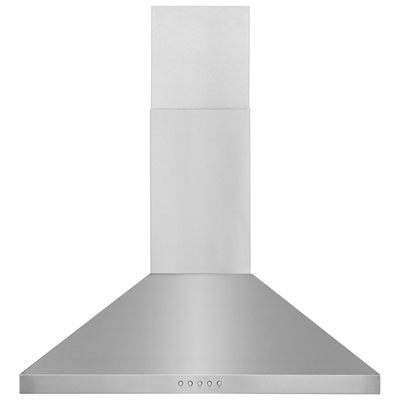
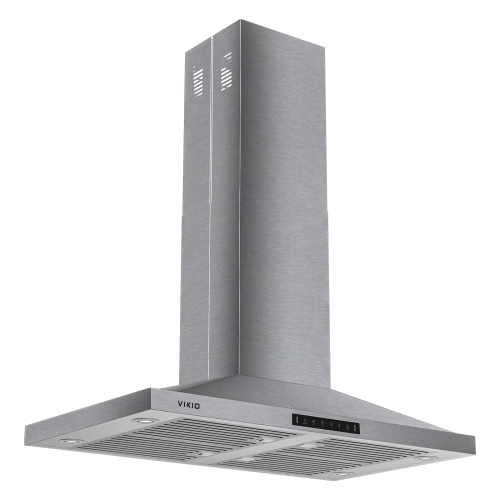
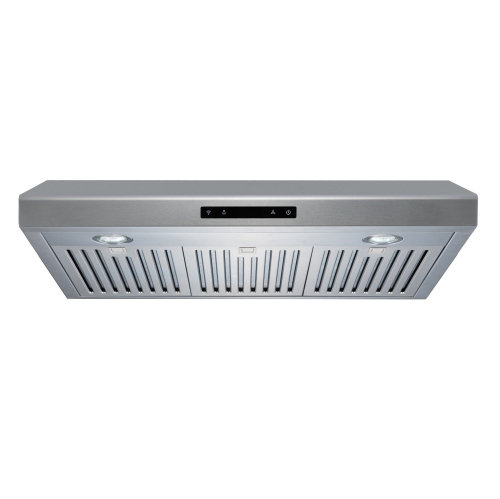
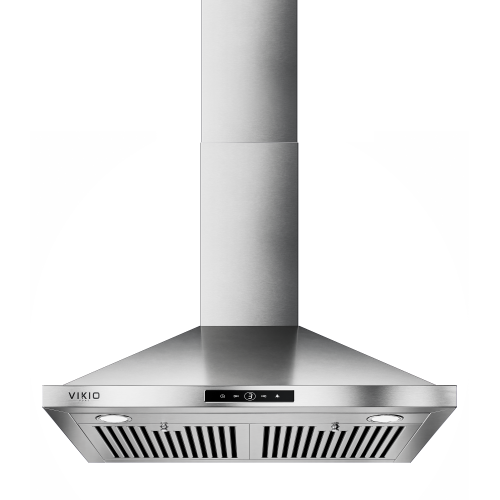
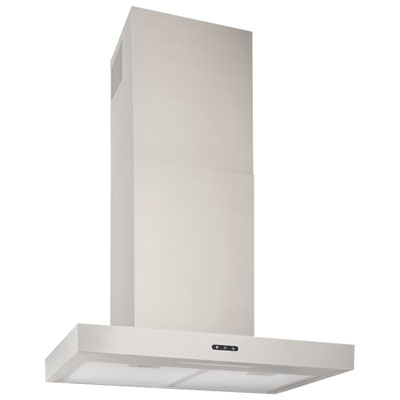
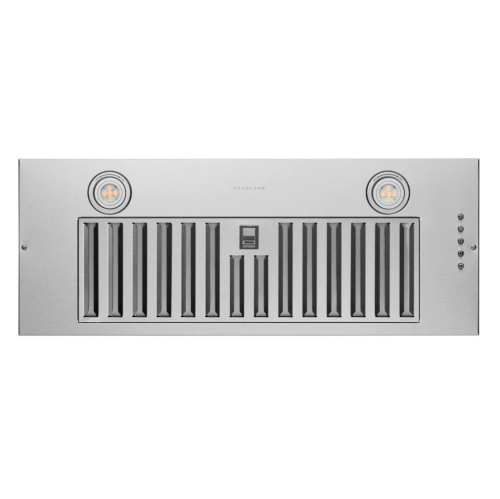
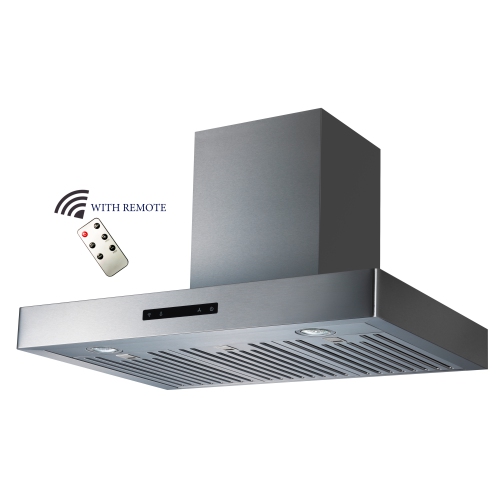
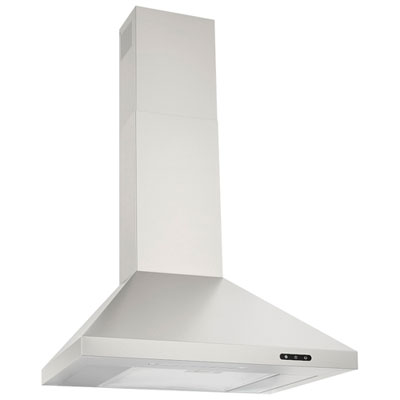
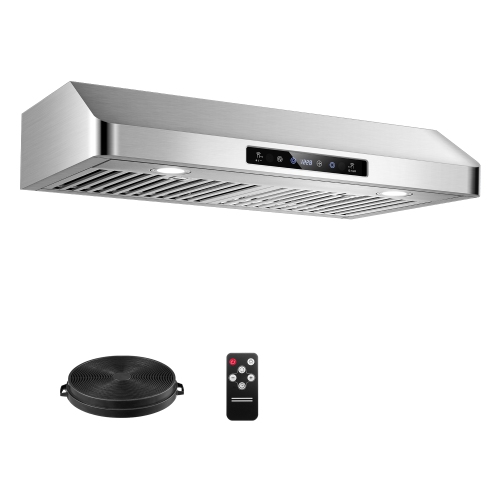
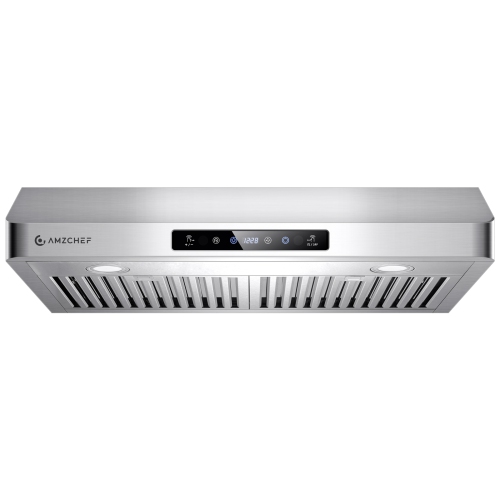
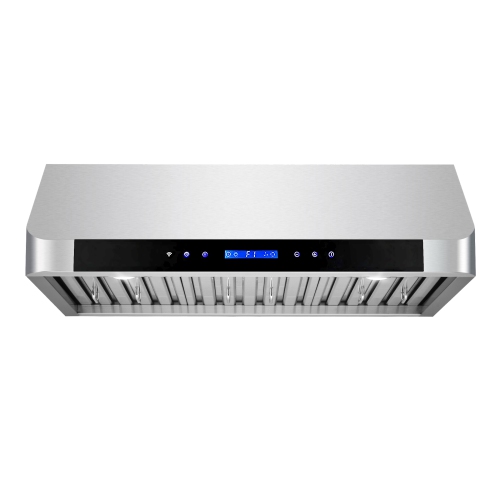
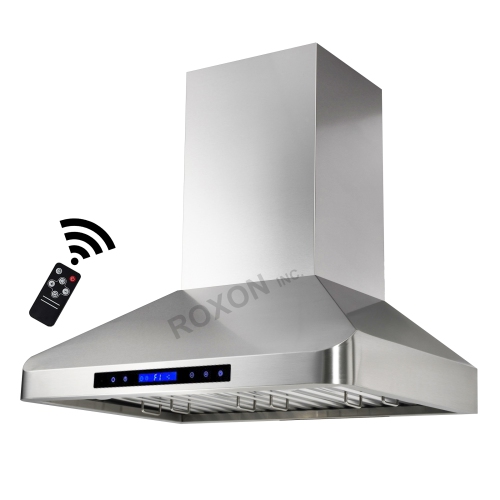
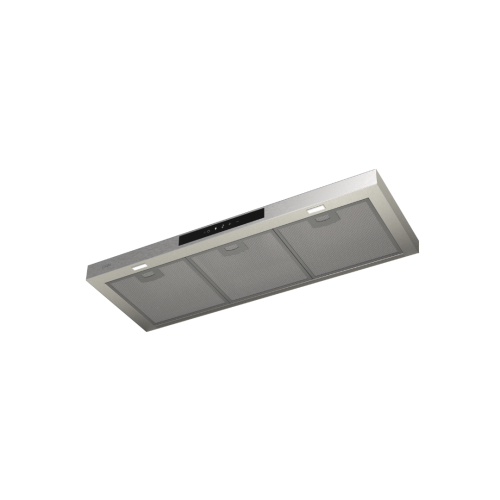
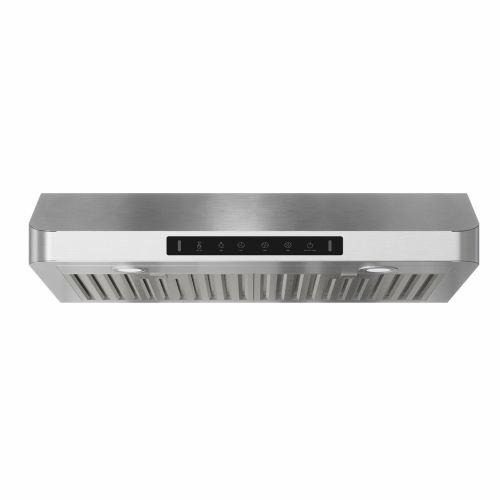
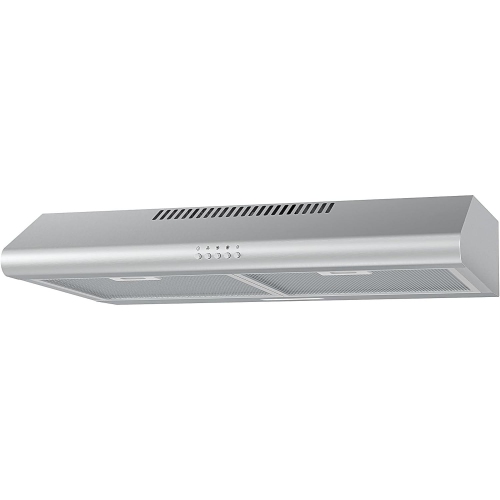
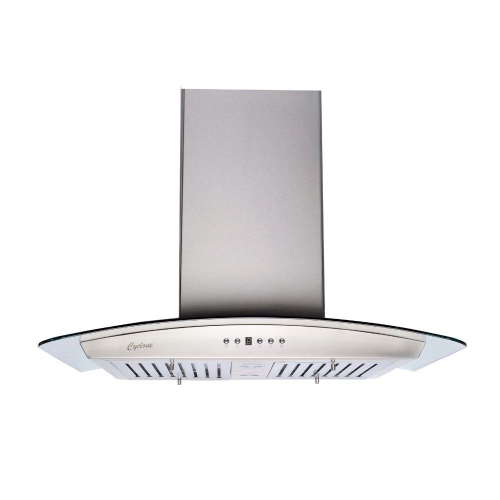
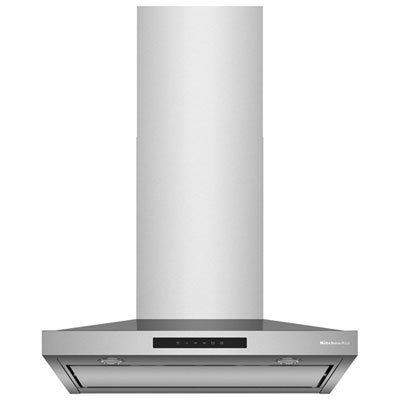
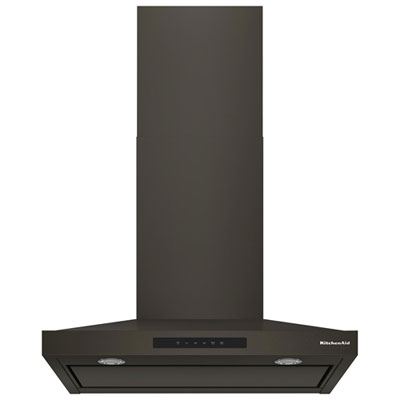
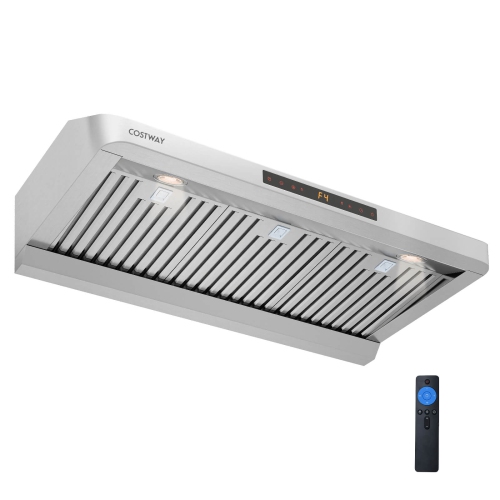
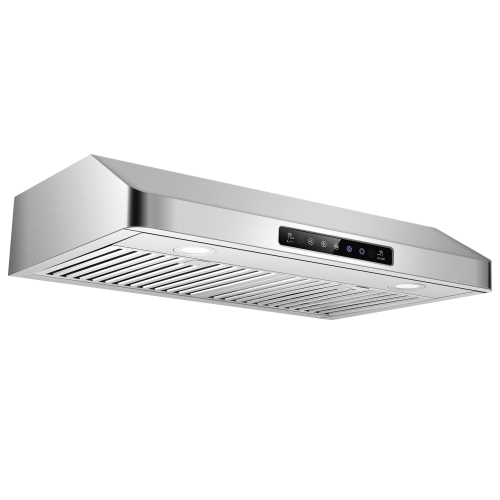
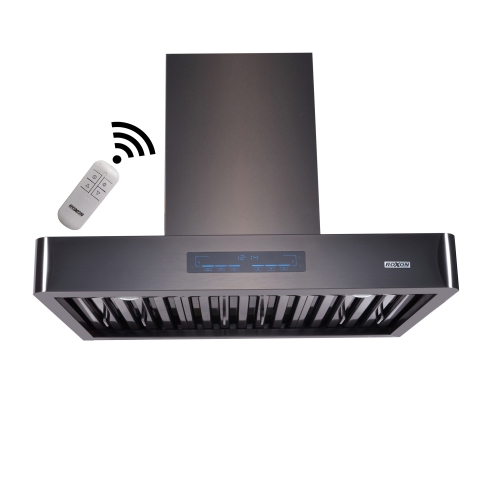
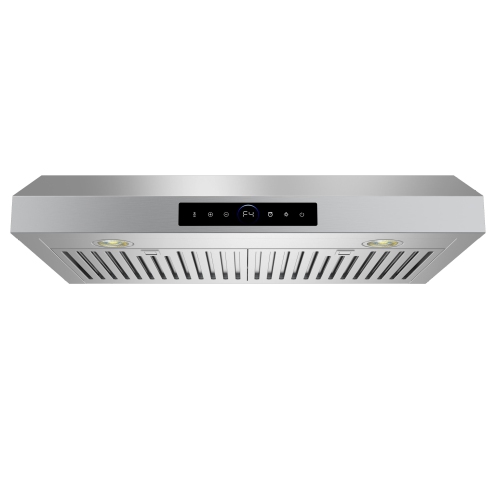
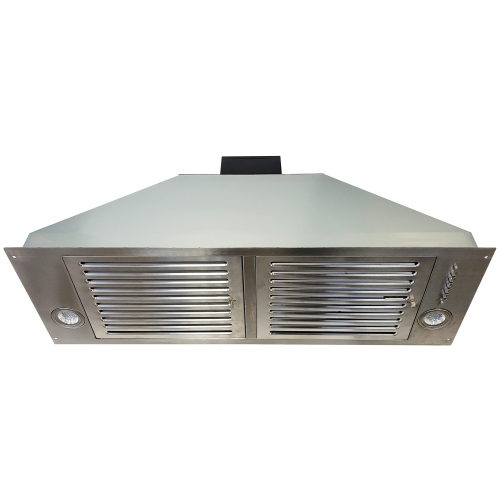
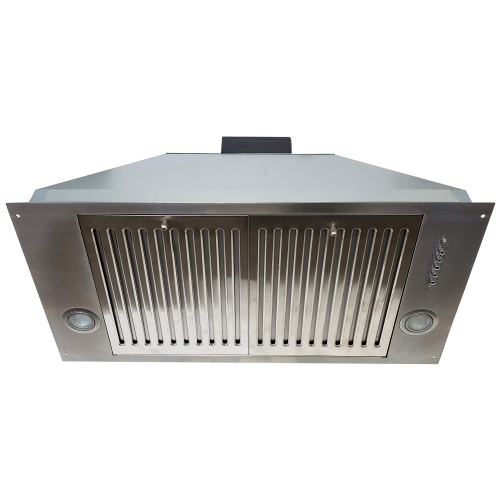
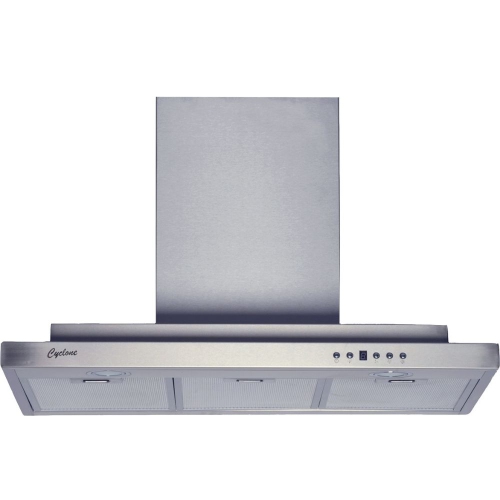
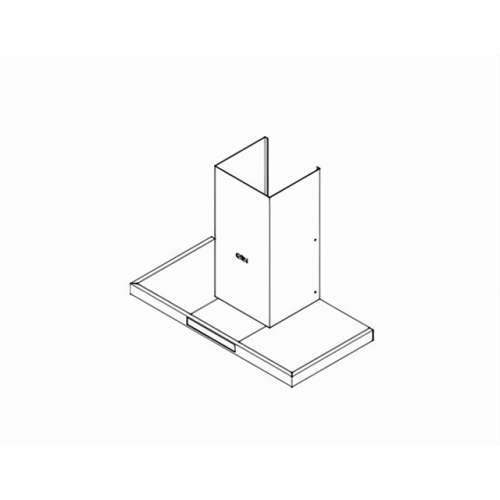
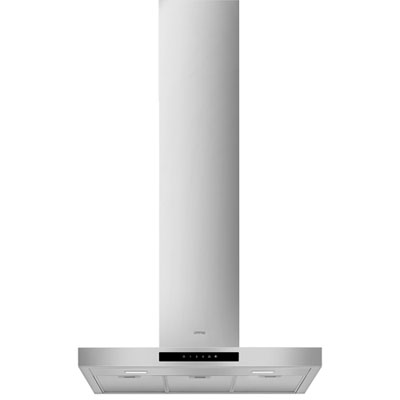
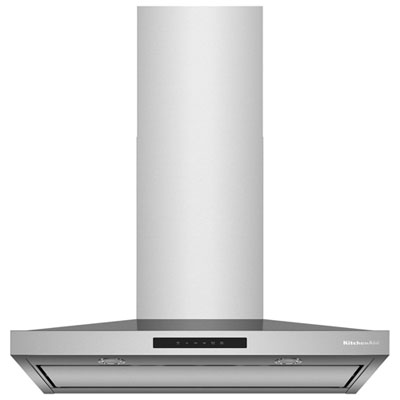
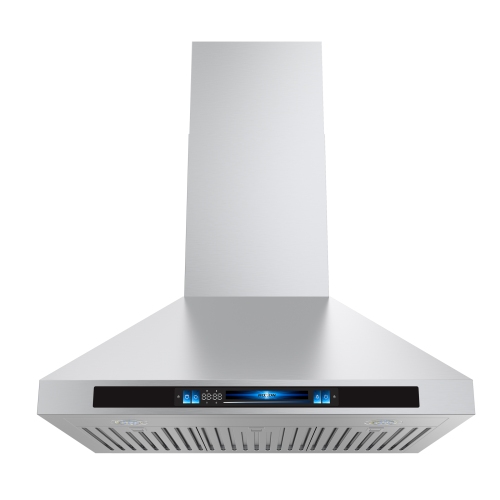
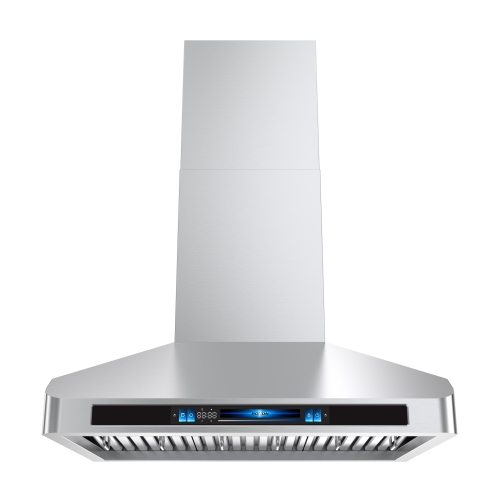
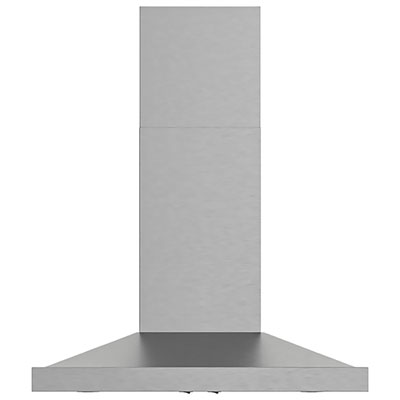
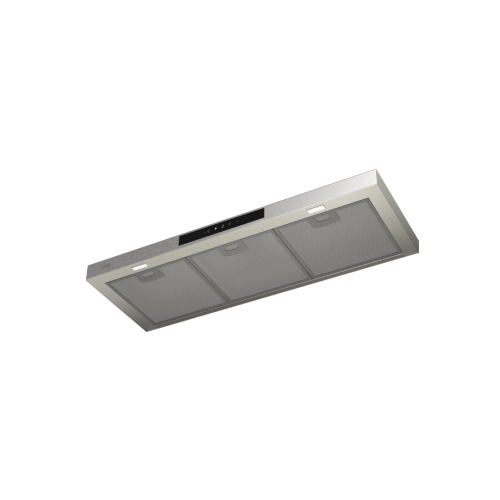
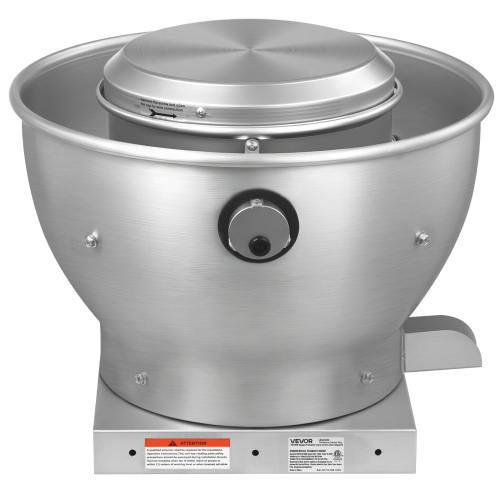
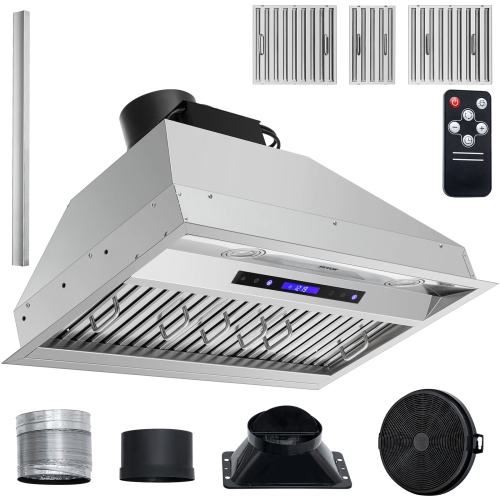
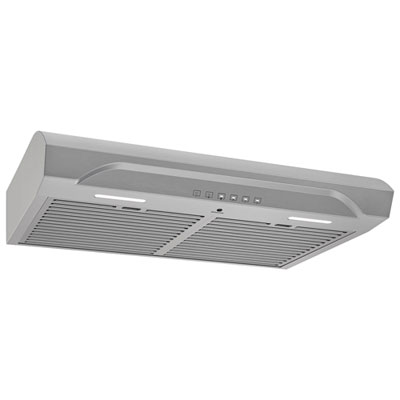
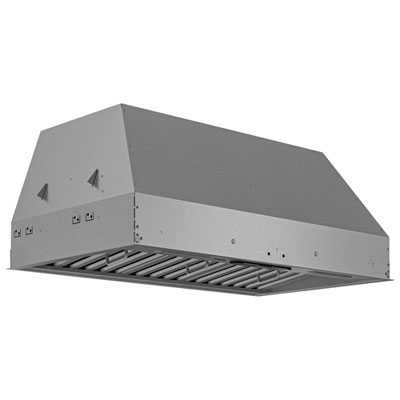
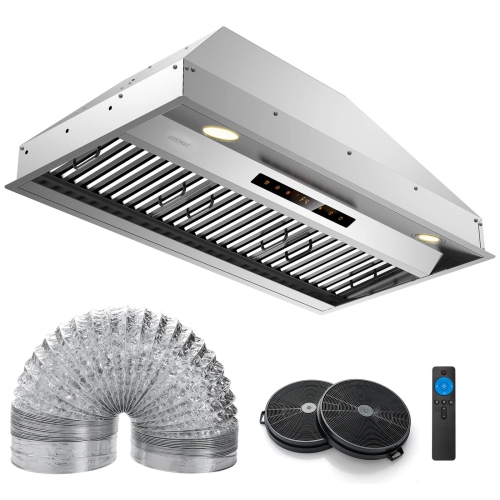
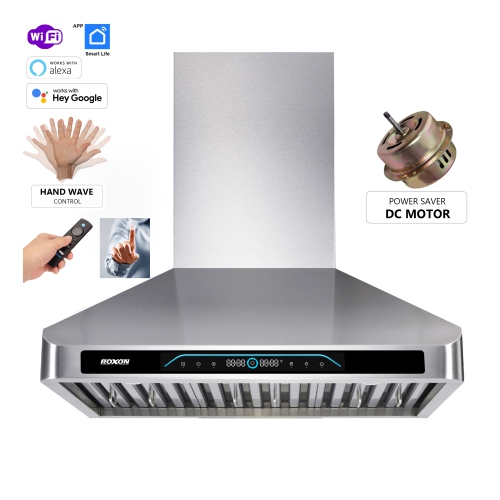
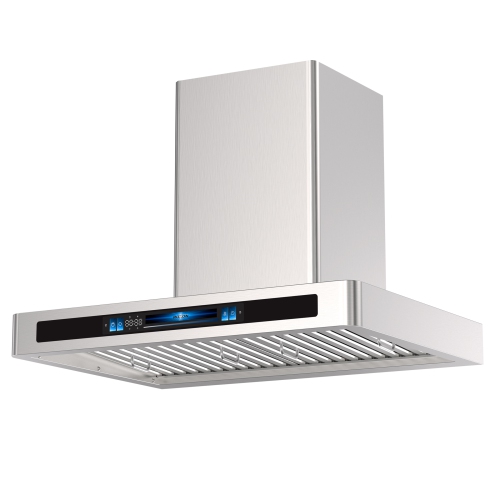
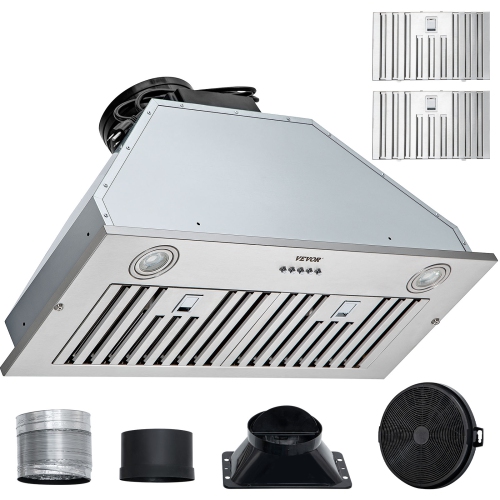
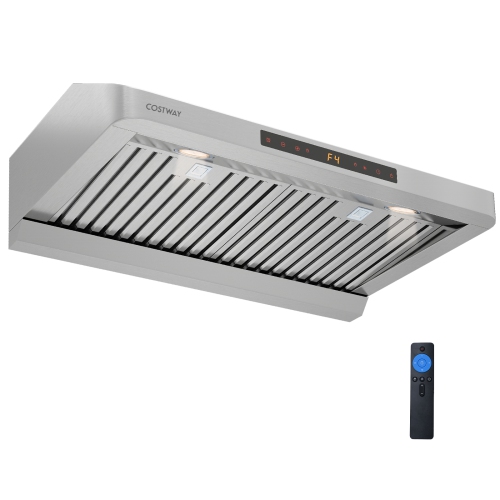
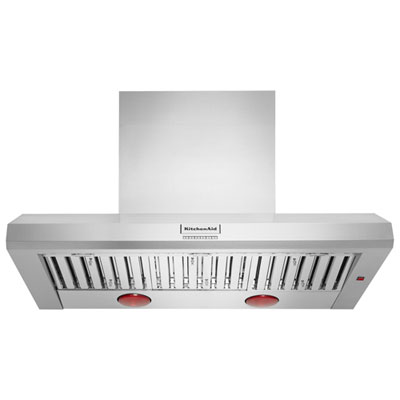
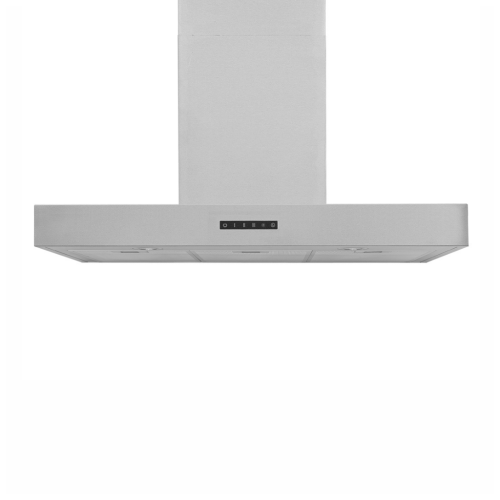
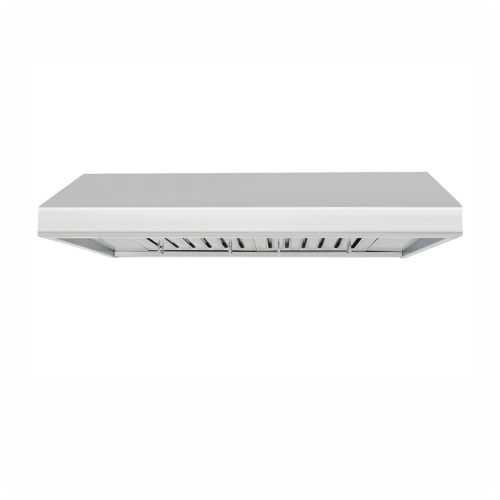
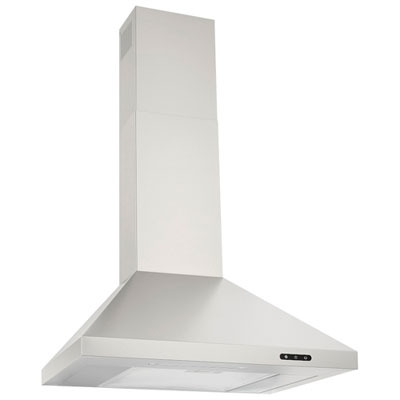
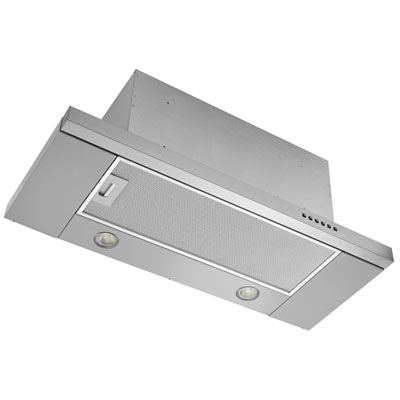
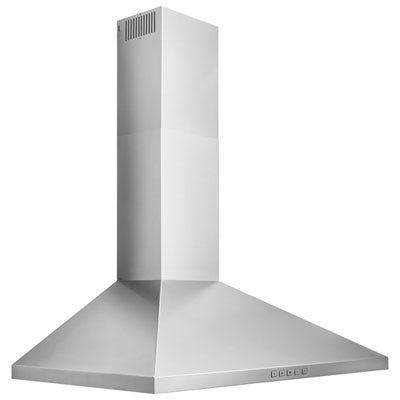
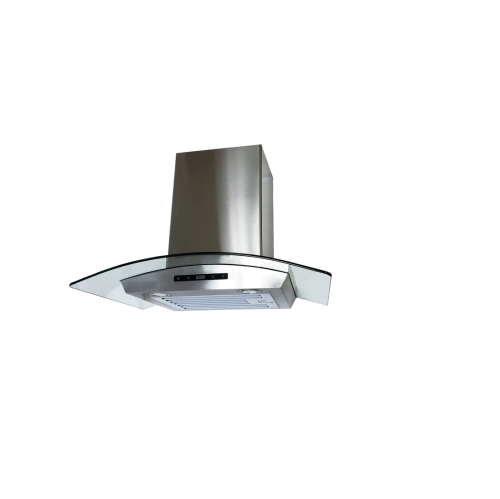
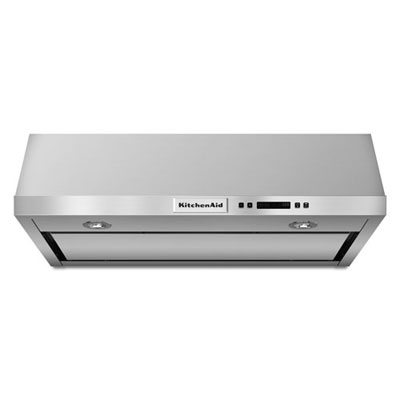
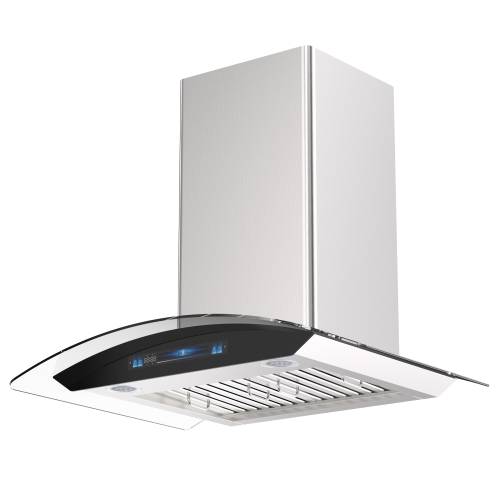
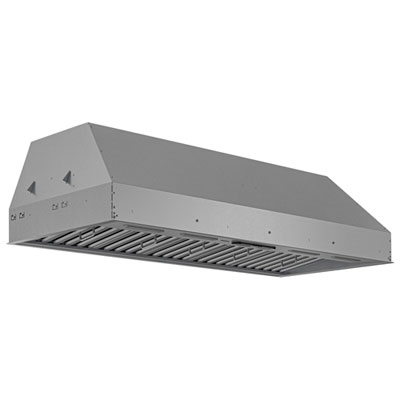
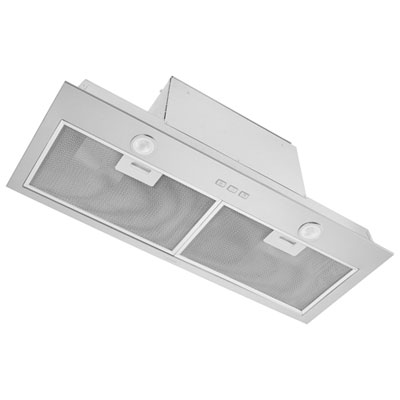
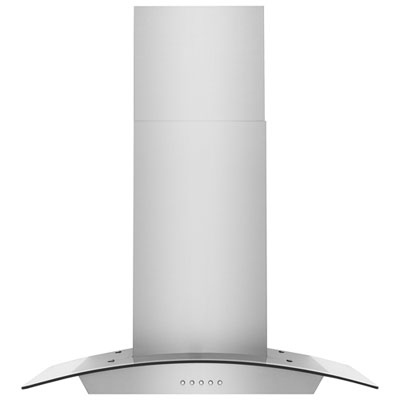
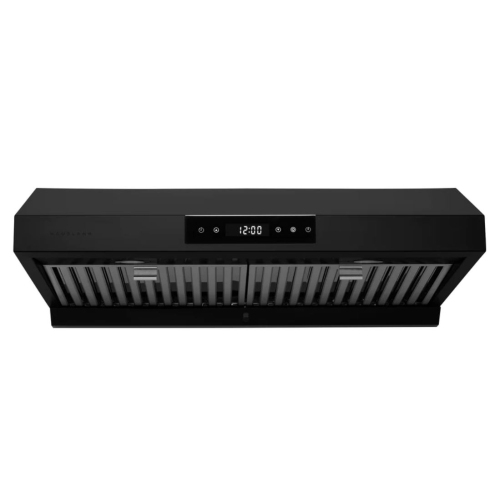
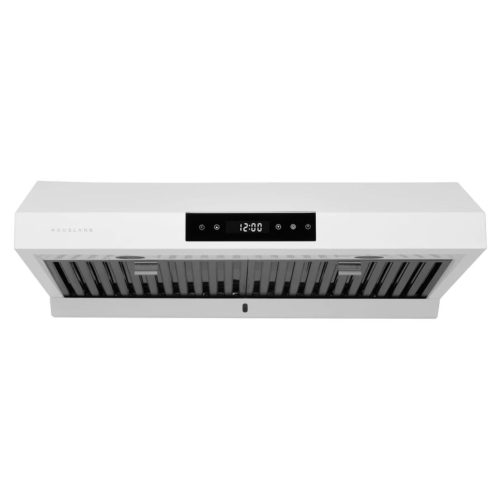
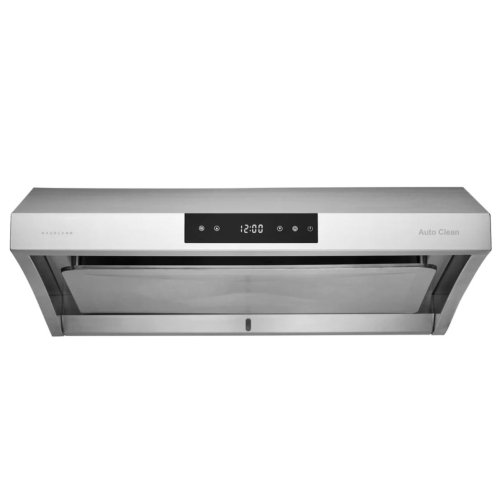
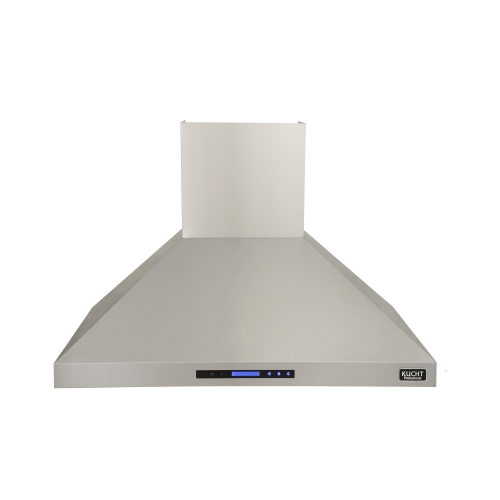
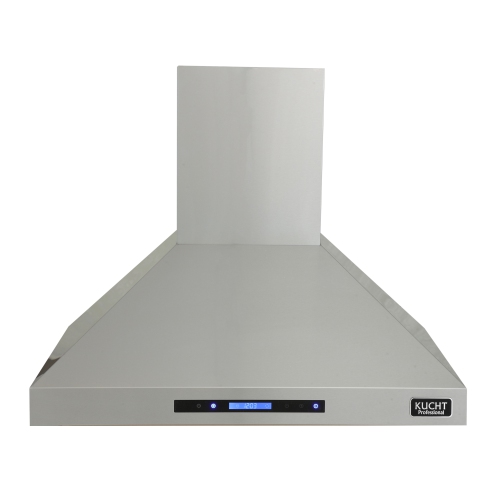
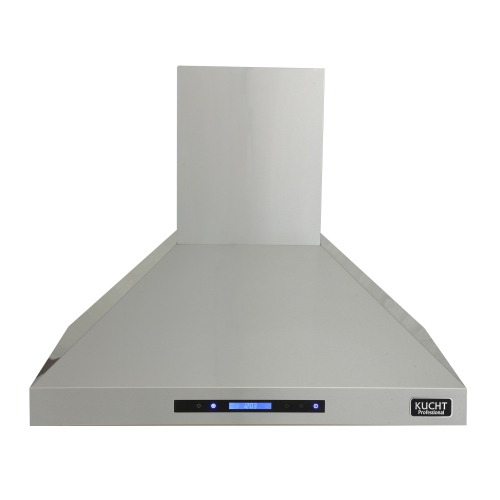
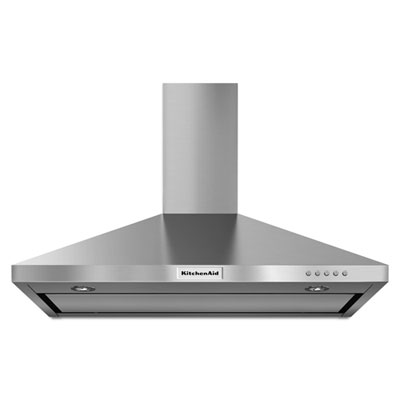
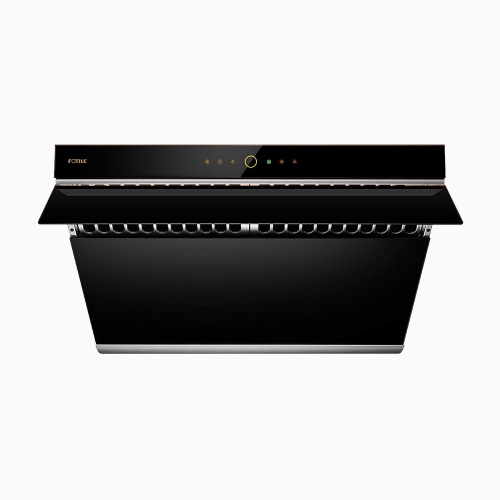
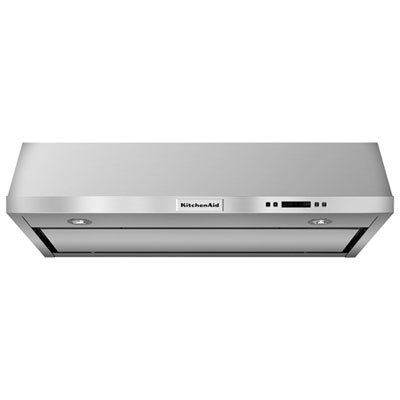
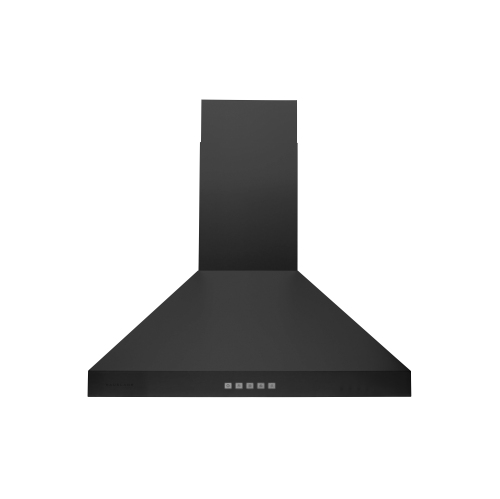
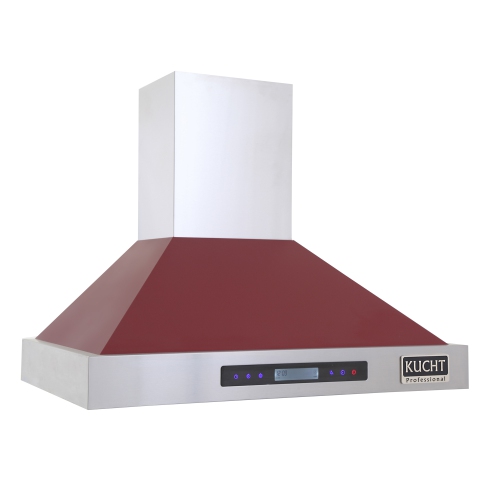
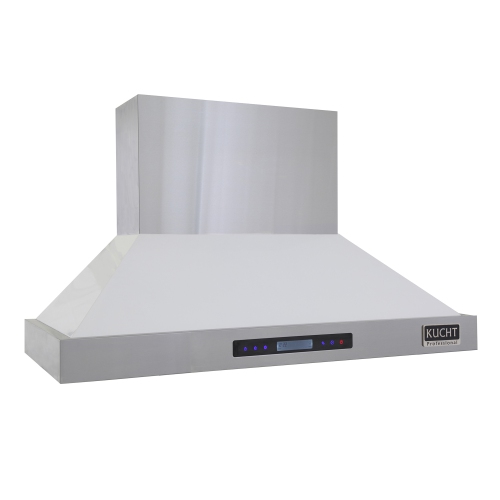
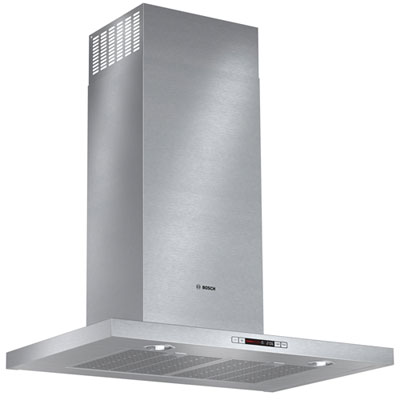
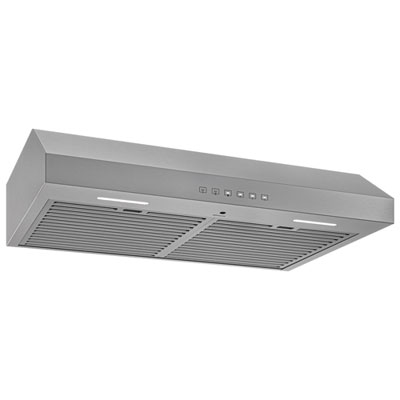
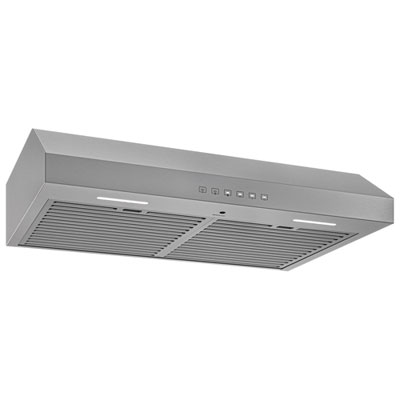
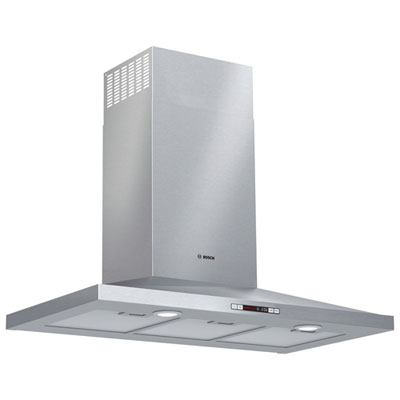
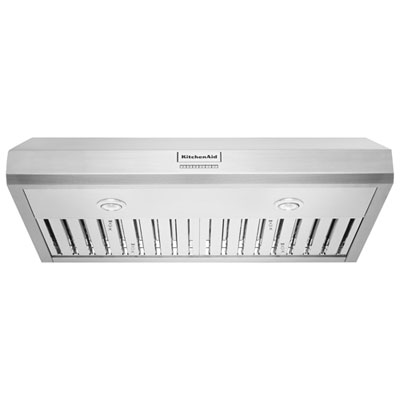
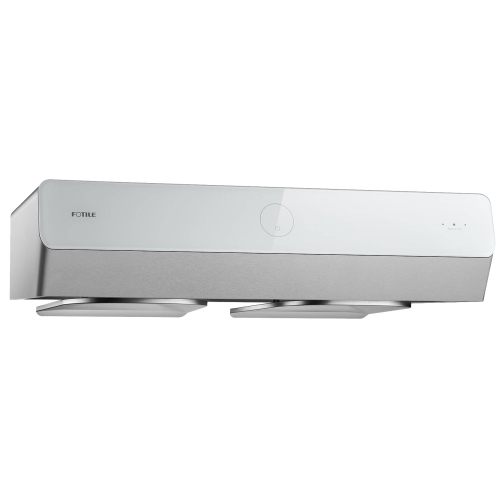
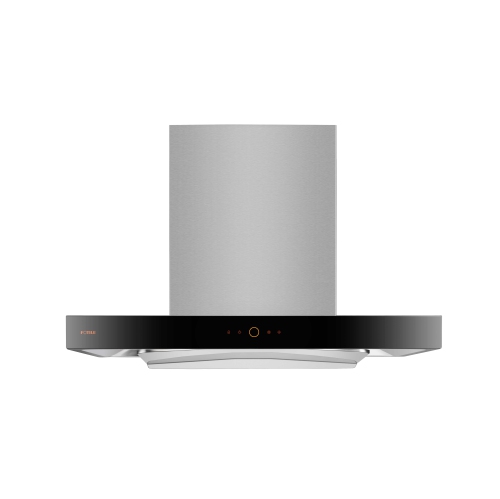
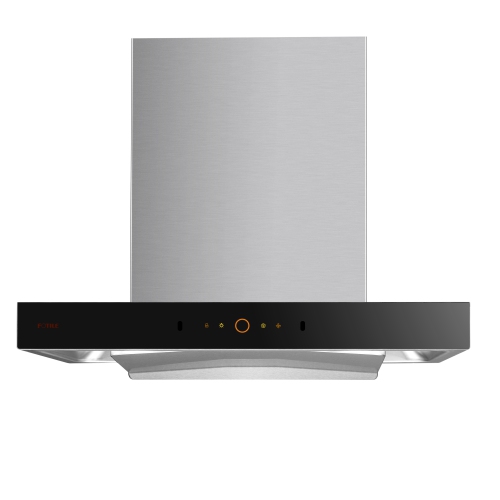
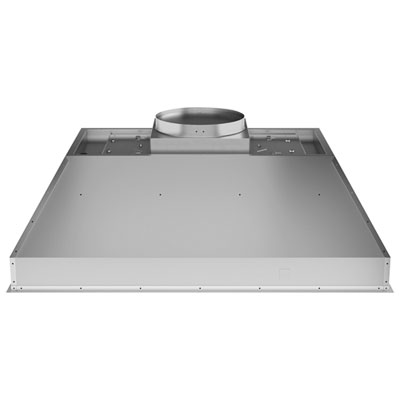
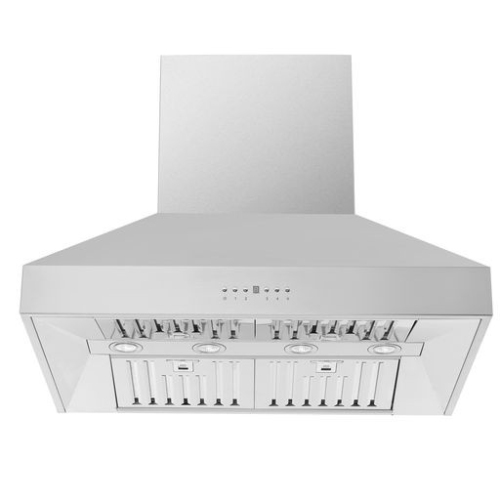
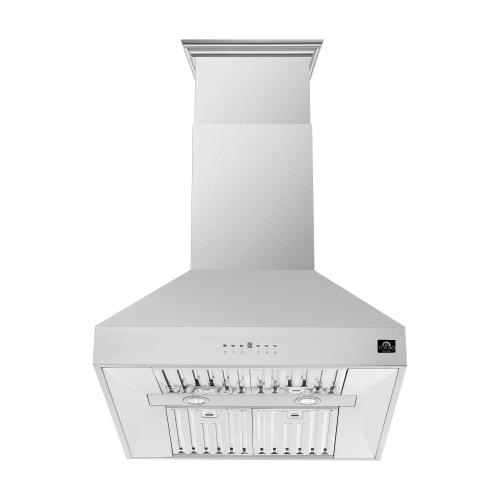
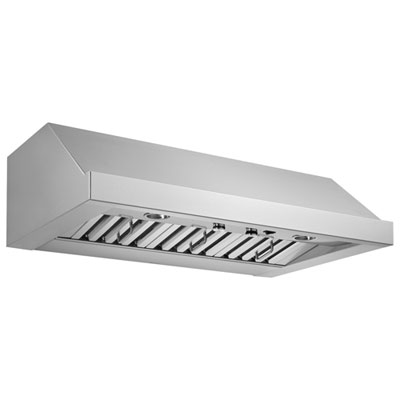
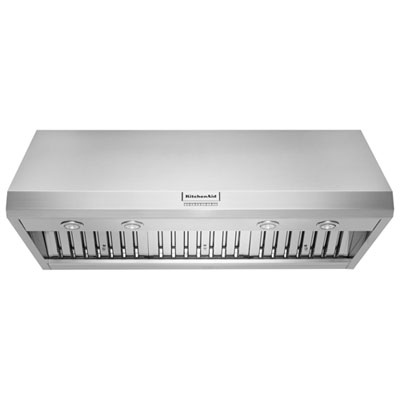
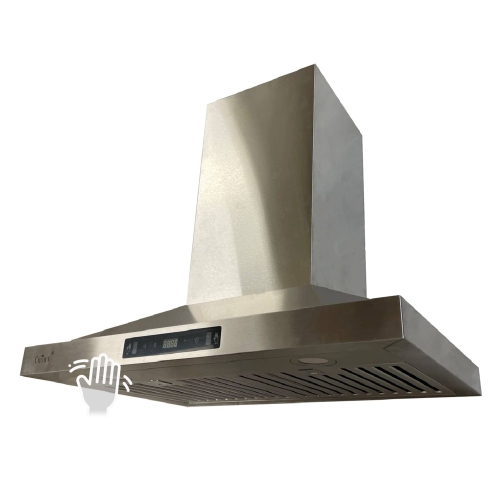
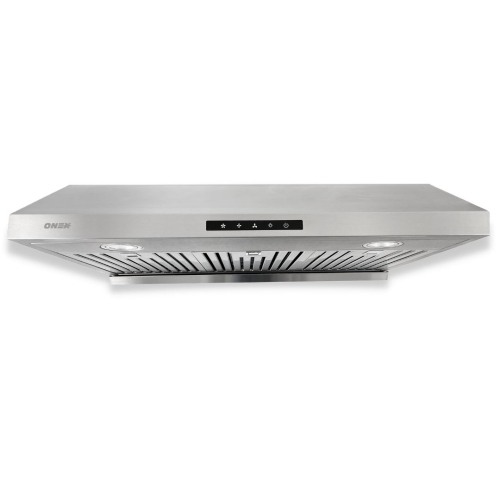
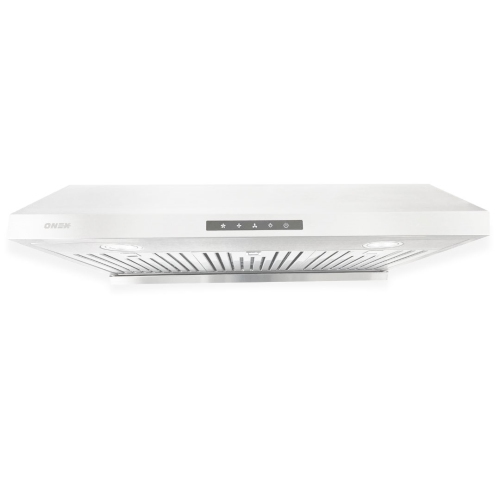
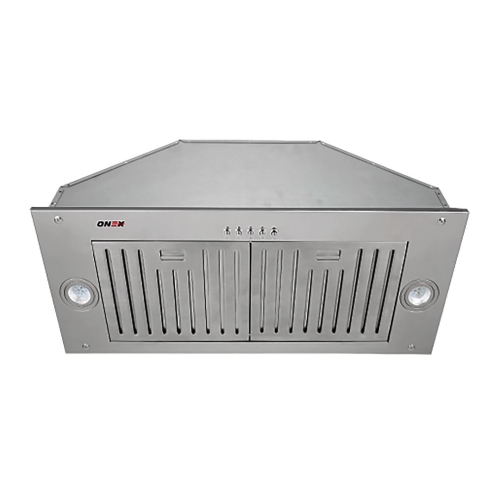
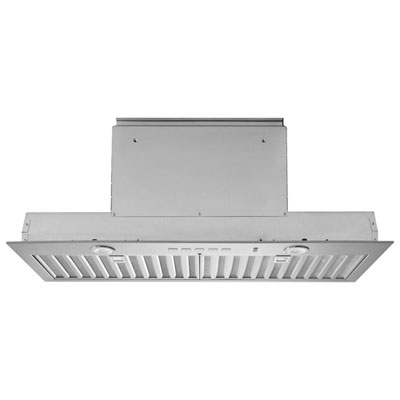
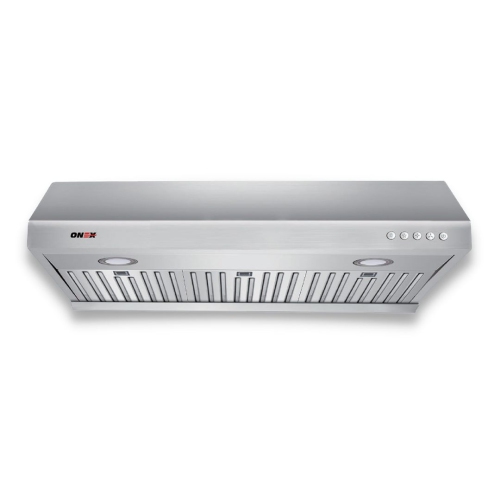
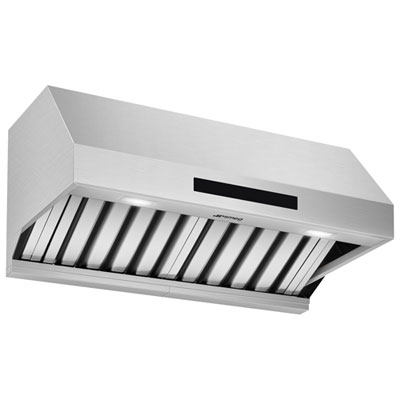
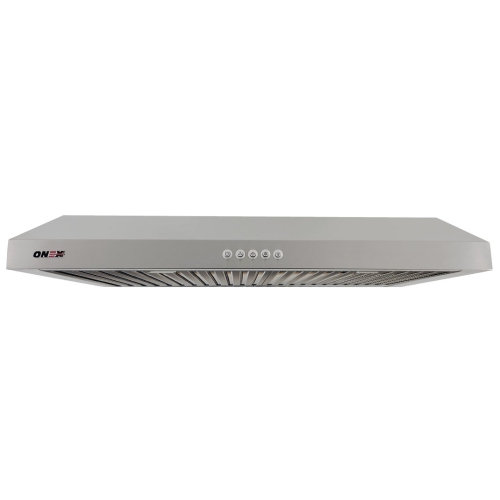
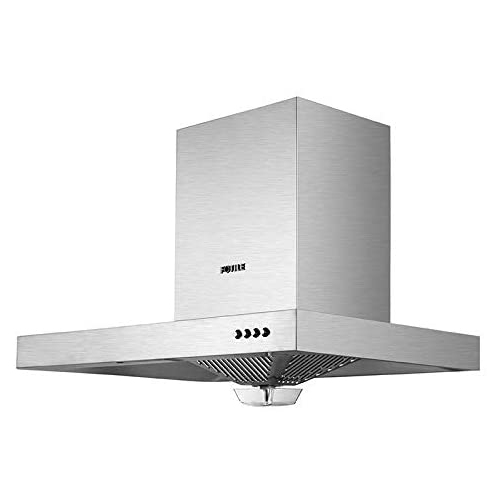
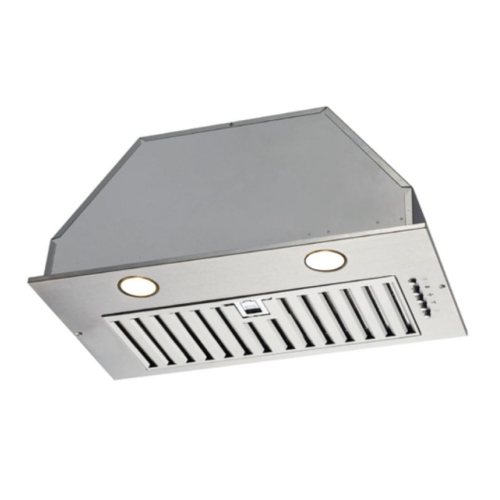
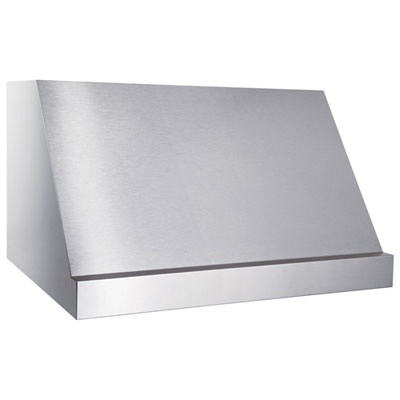
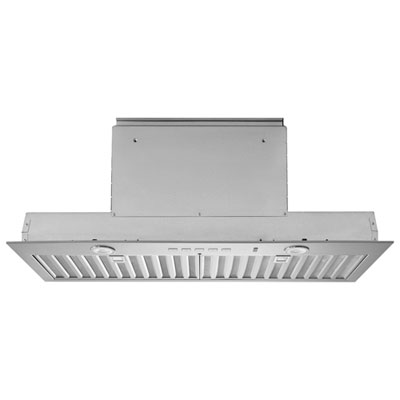
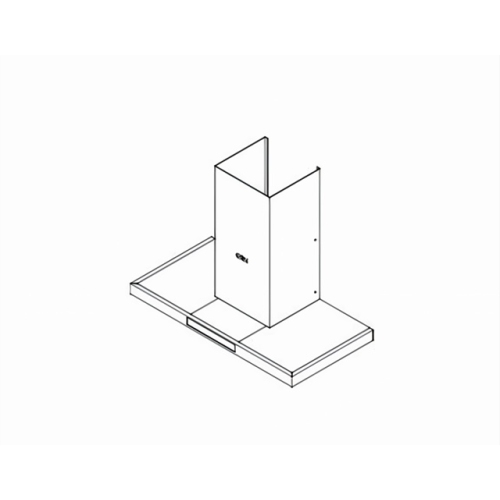
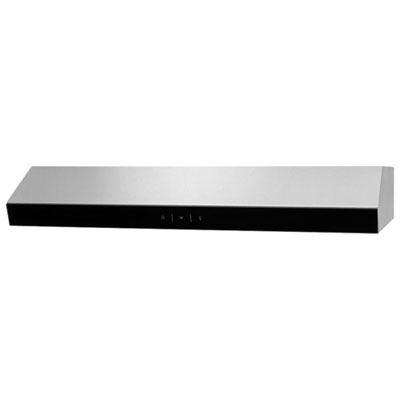
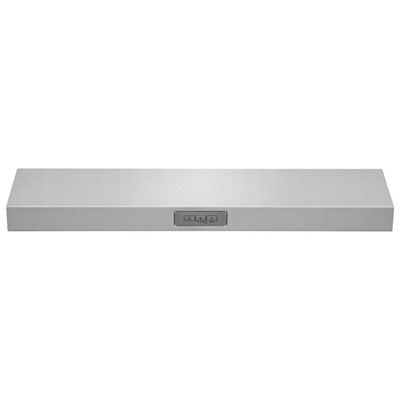
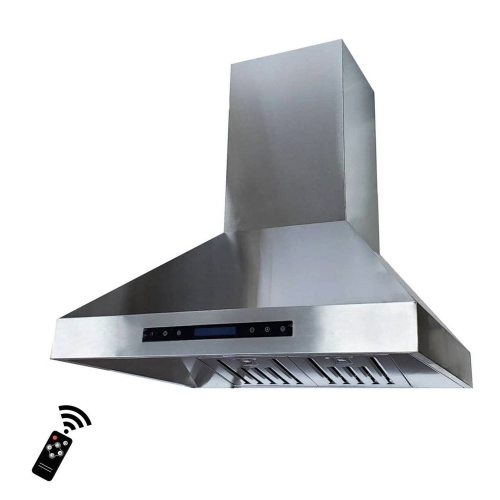
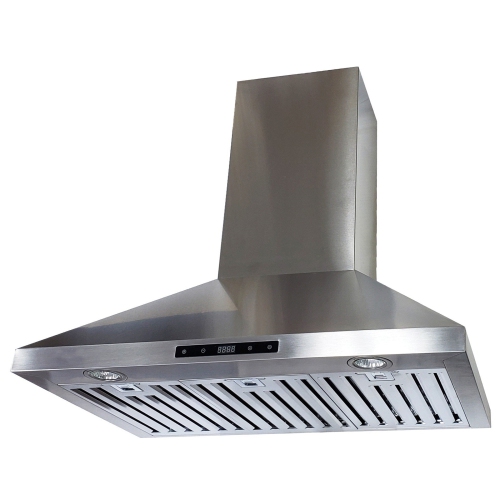
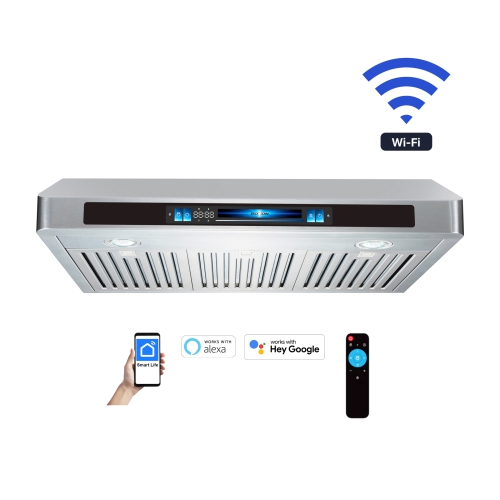
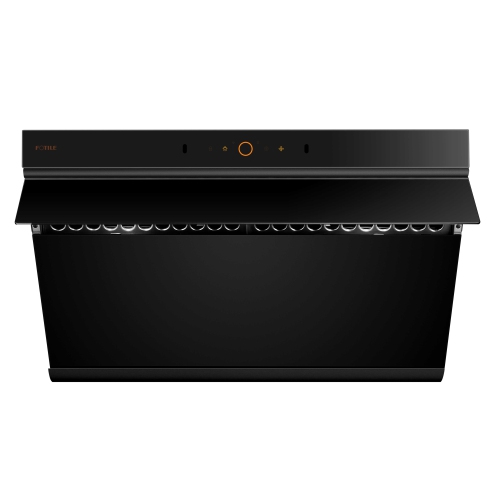
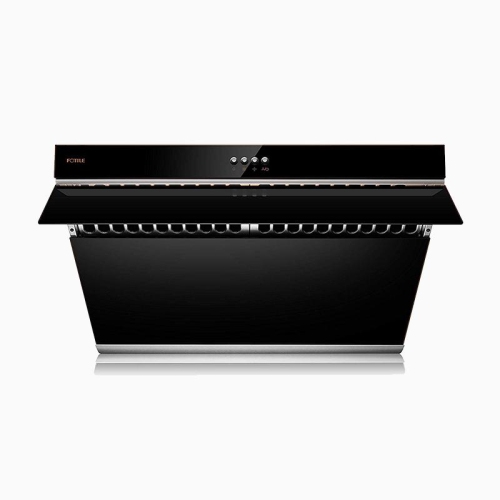
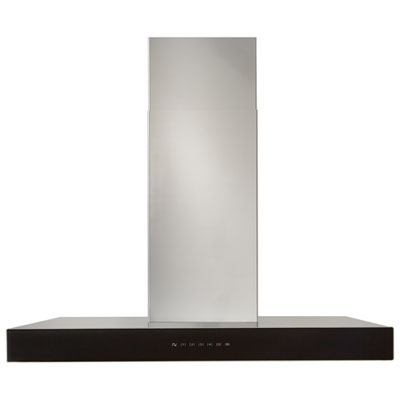
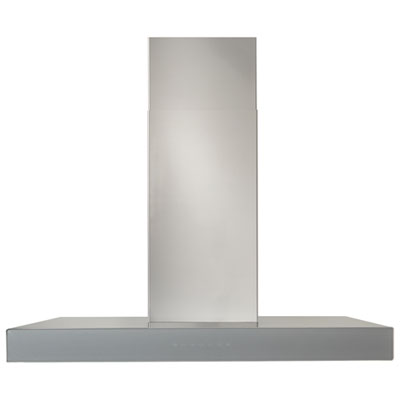
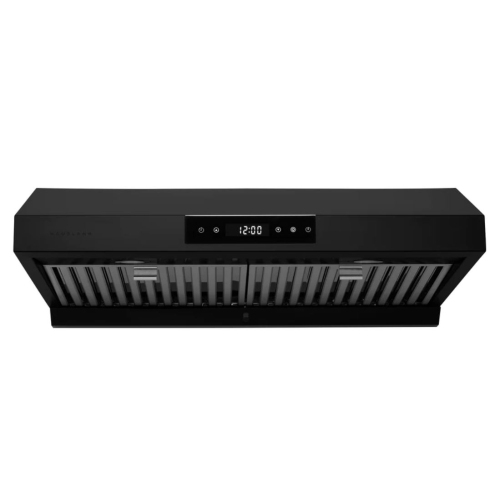
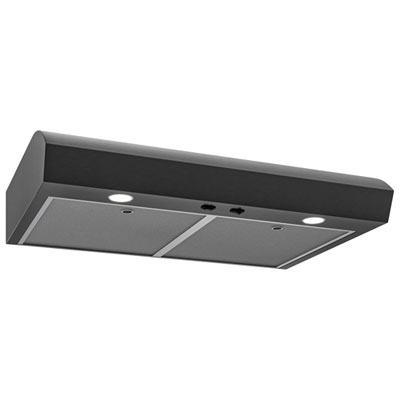
Exhaust fan kitchen hoods help manage the smoke, airborne grease, steam, and cooking odours that come with preparing meals. Positioned above a range or cooktop, a hood draws rising air towards its filters, helping keep grease from settling on nearby cupboards and reducing lingering smells after frying onions or searing a steak. The main distinction is how that air is handled. A ducted range hood sends captured air outdoors through an exhaust duct, removing cooking moisture and odours along with filtered grease. A ductless range hood passes air through grease and charcoal filters before returning it to the kitchen. This recirculating design can suit spaces where an exterior duct connection is not possible, but it does not remove moisture or combustion gases the way outdoor exhaust does. Convertible hoods support either arrangement when installed with the appropriate components, although charcoal filters and conversion parts may be separate requirements. The physical style matters just as much as the venting method. Under-cabinet hoods sit beneath cupboards, wall-mounted chimney hoods occupy the space above a cooktop without overhead cabinetry, and island hoods suspend over cooking surfaces away from a wall. Built-in inserts fit inside a purpose-designed enclosure for a more integrated appearance. For layouts with cupboards above the range, Cabinet Kitchen Exhaust Fans offer a practical format that keeps ventilation close to the cooking surface without requiring a full-height chimney design. These different configurations serve compact condos, busy family kitchens, and larger spaces used for frequent entertaining, provided the installation suits the room and appliance. A low-profile hood can preserve a kitchen’s simple lines, while a chimney-style design can become a visible part of the cooking area. In either case, the hood’s shape and position influence how effectively it captures the plume rising from a bubbling pot or hot frying pan. The right format balances that practical role with the cabinetry, sightlines, and working space around the cooktop.
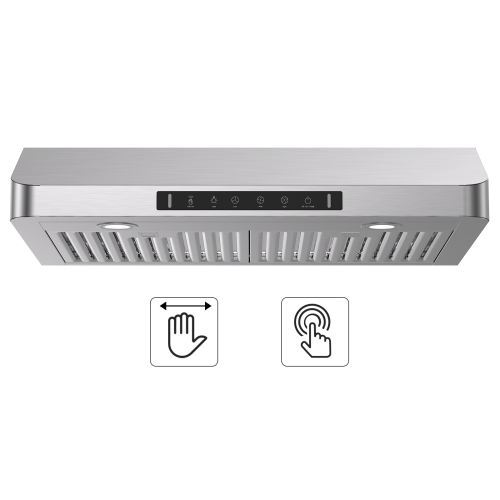
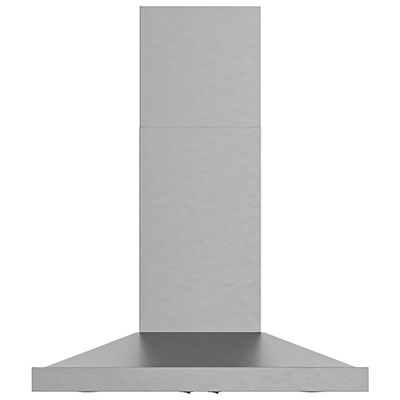
Fit and airflow determine how well a kitchen exhaust hood serves its intended use. Common widths include 24, 30, and 36 inches, and the hood should generally be at least as wide as the cooking surface. A wider canopy can provide additional capture area where the layout allows, particularly when front burners are used often. Width alone does not tell the whole story: hood depth, the position of the burners, and the required mounting height all affect capture. Installation clearances must follow the hood and cooking appliance manufacturers’ requirements, with particular attention to the differences between gas and electric appliances. Airflow is expressed in cubic feet per minute, or CFM, describing the volume of air the fan can move. Ratings around 150–300 CFM may suit some everyday electric-cooktop applications, while frequent high-heat frying, larger cooking surfaces, and higher-output gas appliances may call for greater capacity. The appropriate rating depends on the appliance specifications, cooking habits, hood design, and duct arrangement rather than a single number that fits every kitchen. Someone who mainly simmers soups has different ventilation demands from a cook who regularly uses several burners to brown meat and prepare sauces. Duct length, bends, and diameter also influence installed performance; a restrictive duct can limit airflow even when the fan has a high rating. Existing duct openings and the required exhaust direction therefore deserve attention when replacing an older hood. Higher-capacity installations may also require provisions for replacement air under applicable local building requirements, making a qualified installer valuable for confirming the complete setup. Sound is another everyday consideration. Noise ratings may be listed in sones or decibels, and comparisons are most useful when made at similar fan speeds and operating conditions. Variable-speed controls allow quieter operation for light cooking and stronger extraction when needed. In an open-plan kitchen, that flexibility can make conversation easier without giving up the extra airflow needed for a smoky pan.

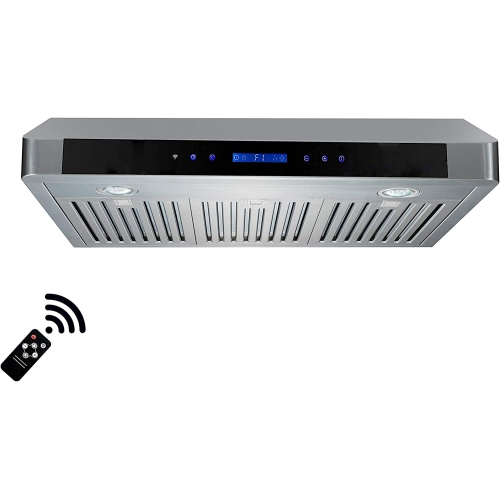
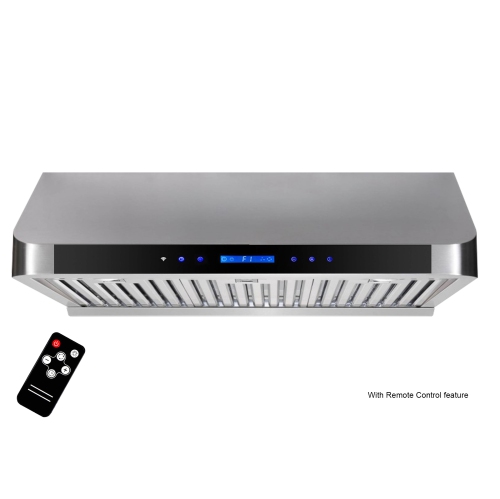
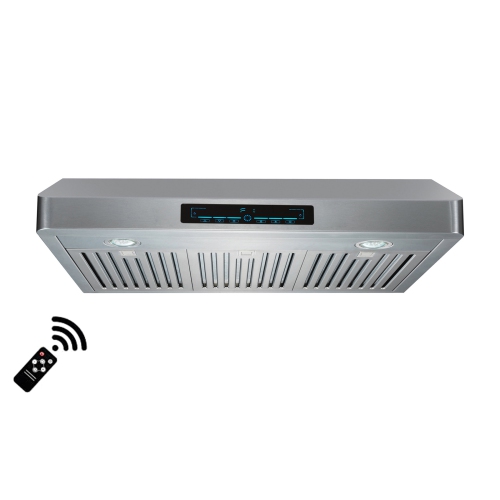
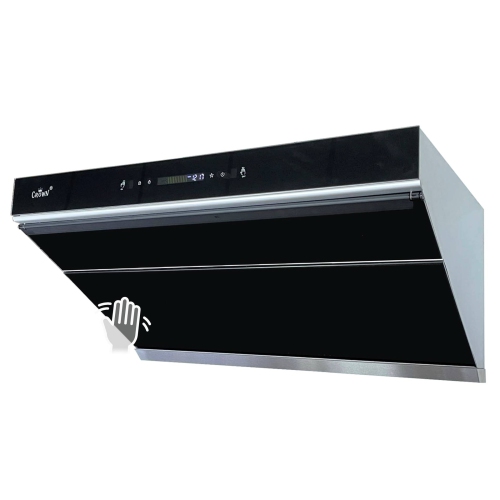
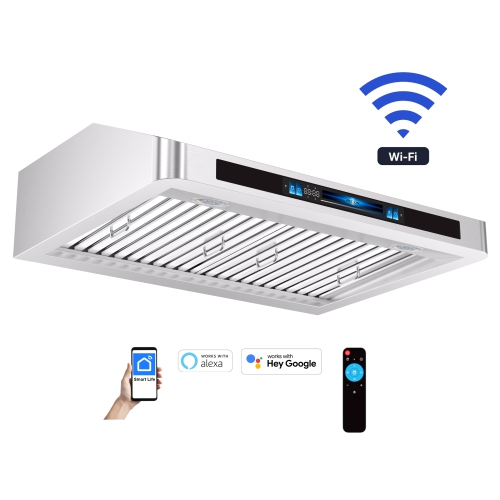
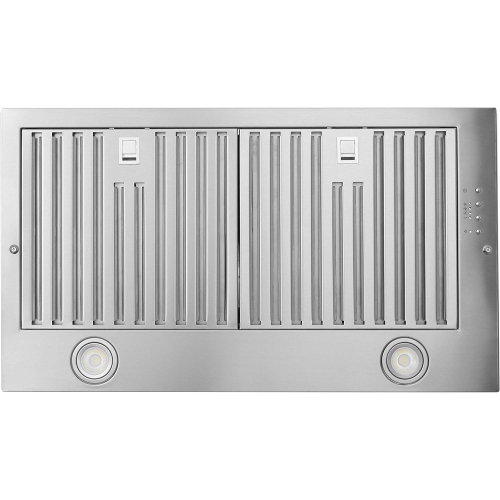
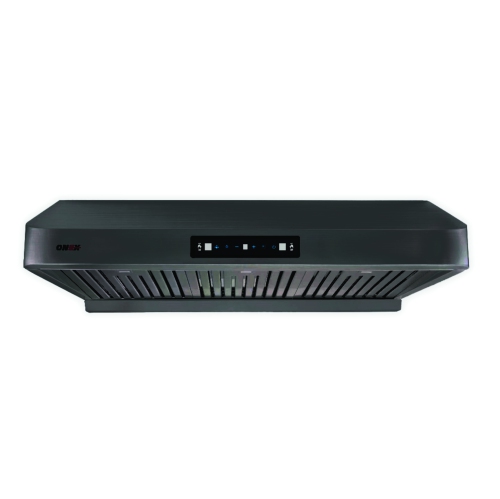
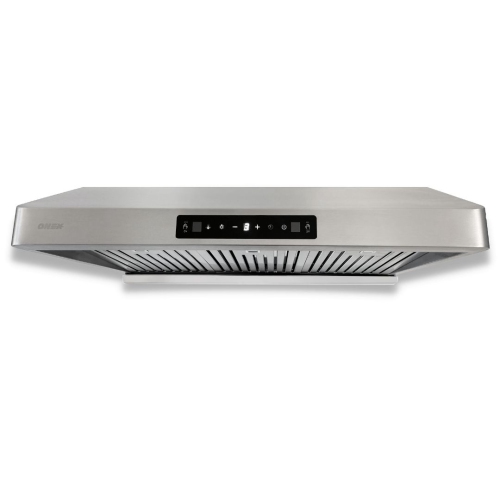
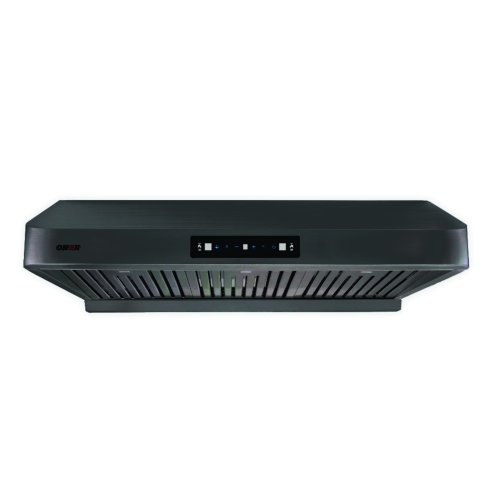
Materials, lighting, controls, and cleaning access shape the experience of living with a range hood long after installation. Stainless steel is a common choice for its sturdy construction and compatibility with many kitchen finishes, although fingerprints and cooking splashes may remain visible between cleanings. Painted metal offers another finish option, while glass accents create a different look but can need more frequent wiping to keep grease marks from showing. Durable finishes, well-fitted panels, and accessible filters are useful qualities in a kitchen where the fan runs regularly. Grease filters may use metal mesh or baffle designs, and their cleaning requirements vary. Some can be washed in a dishwasher, while others require handwashing; the manufacturer’s care instructions establish the appropriate method. Keeping these filters clean helps maintain airflow and prevents grease from building up inside the hood. Charcoal filters used for recirculating operation generally need replacement rather than washing, with the interval depending on the filter design and frequency of use. Easy filter removal makes this routine more manageable, especially above a deep cooking surface. Integrated lighting also has a practical role, illuminating the pan so it is easier to judge browning or see whether a sauce is simmering gently. LED lighting is common, but brightness, light placement, and replacement arrangements differ between hood designs. Controls should be easy to reach and operate, whether they use buttons, switches, or a touch panel; smooth surfaces can simplify wiping away residue after cooking. For everyday use, starting the fan shortly before cooking helps establish airflow, and leaving it running briefly afterwards helps clear lingering odours and moisture. A delayed shutoff function can handle that last step when provided. Exterior surfaces are best cleaned with methods suitable for the finish, avoiding abrasive tools that could leave scratches. A thoughtfully matched hood supports both quick weekday meals and more involved cooking, from steaming vegetables to preparing several dishes at once. Its lasting value comes from dependable extraction, comfortable sound levels, useful task lighting, and maintenance that fits naturally into the kitchen routine.

FAQ

Some products may be subject to Environmental Handling Fees (EHF) depending on your province. Learn more about EHFs.