Avant Garde Jazz Albums
Avant Garde Jazz Albums offer an innovative listening experience for music enthusiasts seeking bold expression and creative soundscapes. These albums push the boundaries of traditional jazz, blending improvisation with experimental approaches to rhythm, harmony, and melody. Explore a curated selection that captures the spirit of musical exploration and artistic freedom, perfect for expanding your audio library or discovering new favorites. Whether you're a longtime fan or just beginning to explore the genre, Avant Garde Jazz Albums provide a dynamic addition to any collection.
Sort
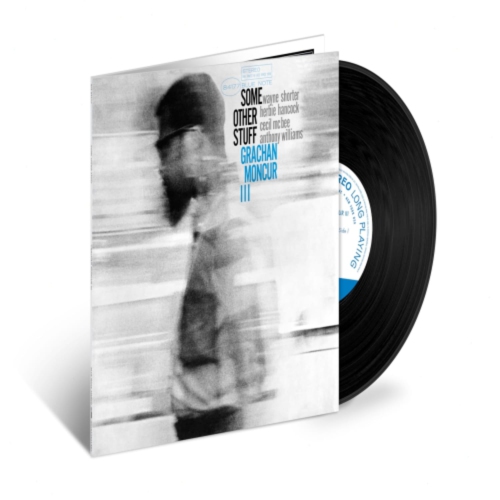
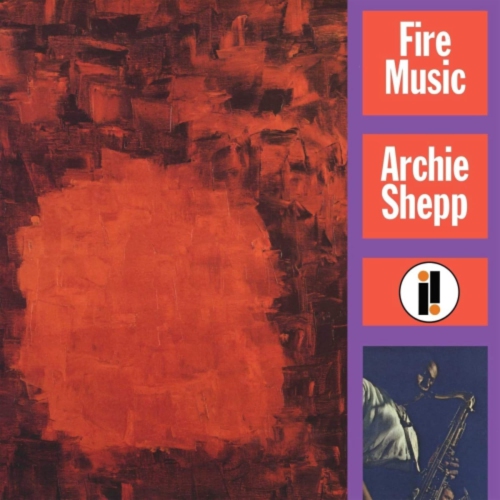


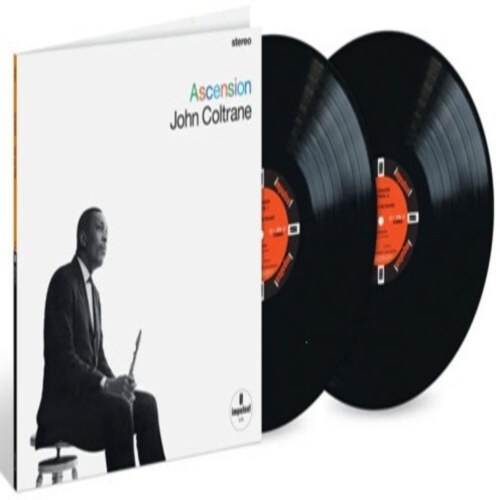
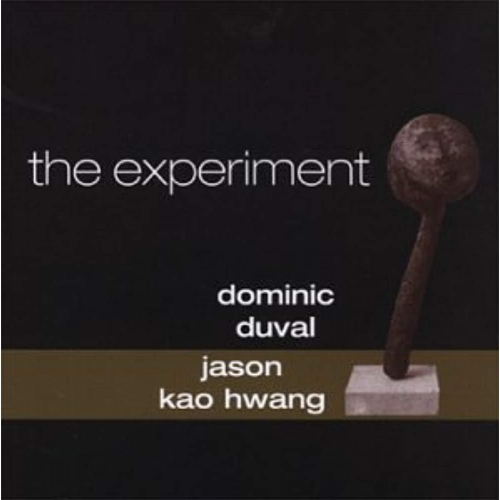
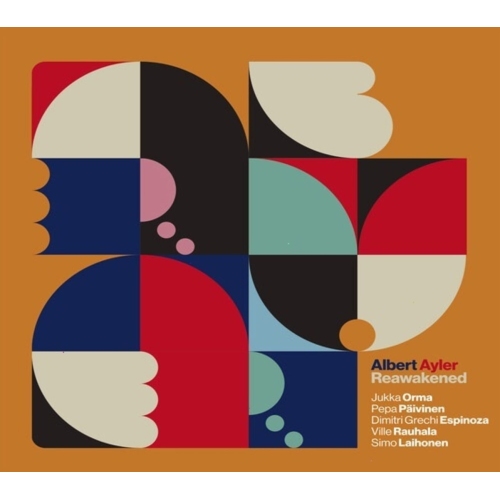
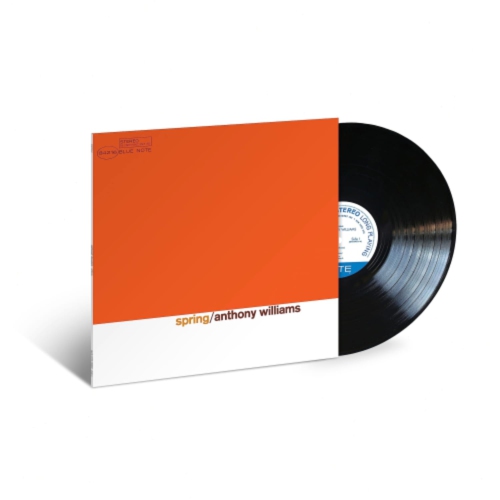
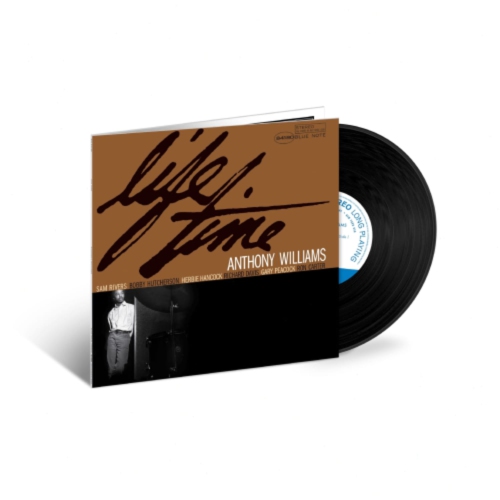
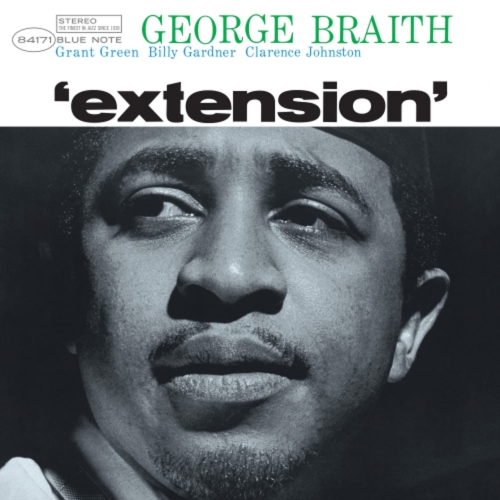
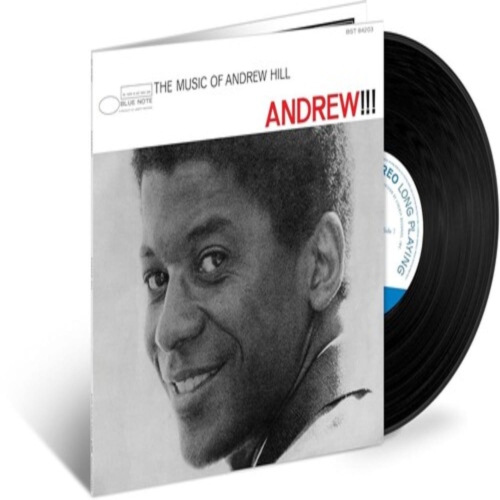
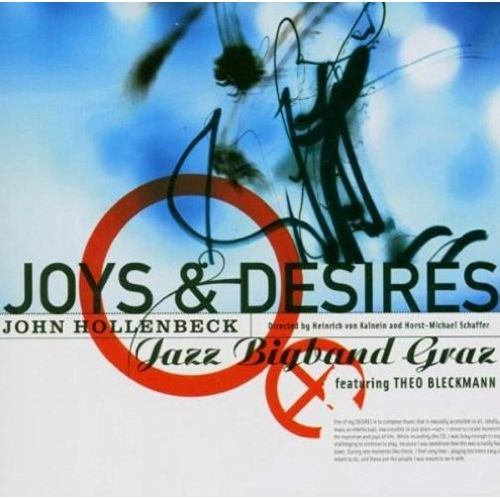




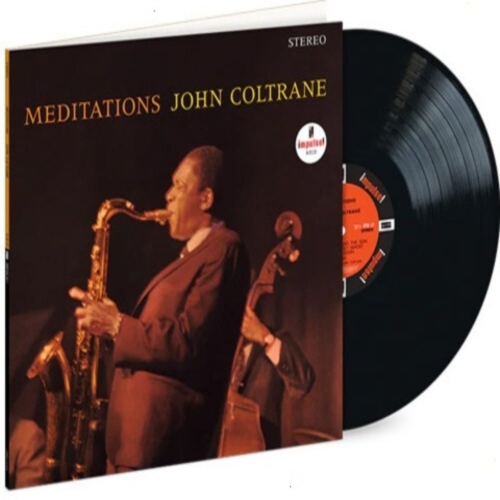
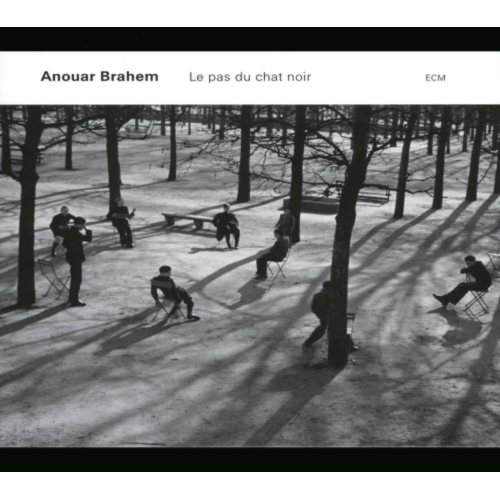
Where intricate composition meets spontaneous musical conversation
Avant-garde jazz albums explore the edges of jazz through unconventional composition, open-ended improvisation, unusual instrumental textures, and fresh approaches to rhythm and harmony. Rather than describing one fixed sound, avant-garde jazz covers a wide range of music that challenges familiar expectations about how a performance unfolds. Some albums retain memorable melodies and a steady pulse while giving musicians more freedom within those structures. Others move away from repeating chord changes or regular metre, allowing the players to shape the music through close listening and spontaneous interaction. The style gained particular prominence in the late 1950s and 1960s, building on earlier jazz experimentation and developing alongside free jazz. The two terms overlap, but they are not interchangeable: free jazz generally emphasizes improvisational freedom, while avant-garde jazz can also involve intricate written passages, tightly organized ensembles, electronic processing, or carefully planned studio construction. A performance might begin with a clipped horn phrase, expand into overlapping lines from the whole group, then settle into a quiet exchange between bass and percussion. That variety makes these albums appealing to listeners interested in musical discovery as well as those who already enjoy modern jazz, contemporary classical music, or experimental rock. Within the broader range of jazz albums, avant-garde releases offer a particularly wide spectrum of sounds, from spacious solo performances to dense large-ensemble works. Their appeal often lies in the details: the breath before a saxophone note, the metallic shimmer of a cymbal, or the way a pianist turns a short figure into a shifting rhythmic pattern. An album that initially sounds restless may reveal clear recurring ideas over several listens. Equally, a sparse performance can carry considerable tension through silence, resonance, and small changes in tone. Volume and intensity alone do not define the category; restraint, humour, lyricism, and intricate group conversation are just as much a part of its character.
Instrumentation and ensemble size make a meaningful difference when choosing avant-garde jazz recordings for a personal music collection. Solo piano albums can bring the physical qualities of the instrument into focus, from ringing upper notes to low-register clusters and percussive attacks. Small acoustic groups often make it easier to follow individual voices, particularly when a bass line, drum accent, or brief melodic gesture passes between players. Larger ensembles can create layered textures in which several musicians improvise at once, sometimes punctuated by composed passages that bring the group back together. Horn-led sessions may emphasize breath, rasp, fluttering articulation, and broad shifts in register, while string-led or percussion-centred performances can foreground plucked tones, friction, vibration, and overlapping rhythmic patterns. Electronic instruments and studio effects add another set of possibilities, including sustained tones, manipulated sound, and arrangements assembled from separate performances. These features do not necessarily make an album more difficult to enjoy, but they help distinguish a spacious, textural session from a forceful collective improvisation. For someone moving beyond familiar jazz styles, a recording with a clear melodic theme or recurring groove can provide a useful point of connection without sacrificing experimentation. Listeners drawn to abstraction may prefer pieces that develop without an obvious refrain, where changes in density and instrumental colour become the main sources of movement. Track length also shapes the listening experience. A sequence of short pieces can present sharply contrasting ideas, while an extended performance allows motifs and relationships to develop gradually. Live recordings may preserve audience reactions, room acoustics, and the momentum of an uninterrupted set; studio recordings may offer greater separation between instruments or more deliberate layering. Neither approach is inherently better. For attentive headphone listening, subtle exchanges and quiet textures can be especially engaging, while a speaker system can give ensemble passages a convincing sense of scale. An album’s instrumentation, track sequence, and recording approach often say more about its likely appeal than a broad genre label alone.
Physical format matters both for playback and for how an avant-garde jazz album fits into a collection. Vinyl records divide the music into sides, creating natural pauses during a listening session, although longer works may require a side change partway through. CDs can accommodate extended programmes without that interruption, within the capacity of a disc, and make it straightforward to return to a particular movement or track. Playback compatibility is worth checking before choosing a format: vinyl requires a suitable turntable and a phono stage, either built into the turntable or amplifier or supplied separately, while CDs require a compatible player or disc drive. Sound quality depends on the recording, mastering, pressing or disc production, and playback equipment, rather than format alone. A heavier vinyl pressing does not automatically provide better sound, and a reissue may differ from an earlier edition in mastering, sequencing, or supplementary material. Packaging can add useful context through session details, musician credits, recording dates, and liner notes, especially when the music uses unfamiliar instruments or unconventional arrangements. Larger sleeves also give cover artwork more room, while compact disc cases take up less shelf space. Care helps protect both formats over repeated listening. Vinyl is best handled by its edges and label, returned to a clean inner sleeve, and stored upright away from direct sunlight and heat sources. A purpose-made record brush can remove loose surface dust; more thorough cleaning calls for materials intended for vinyl rather than household cleaners. CDs should be held by the outer edge or centre opening and kept in their cases to reduce scratches. If cleaning is needed, a soft, lint-free cloth moved gently from the centre outward is preferable to circular rubbing. For gifting, the recipient’s playback equipment and listening preferences are more useful starting points than rarity or visual presentation alone. A small-group session can suit someone fascinated by instrumental interplay, while a large ensemble may appeal to a listener who enjoys layered, immersive music. For collectors, musicians, and curious listeners alike, these albums offer lasting interest through performances that reward attention without requiring every musical detail to be understood on the first play.
Top selling and popular products
-
 Your price for this item is $31.88
-
 Your price for this item is $59.35
-
 Your price for this item is $6.99
-
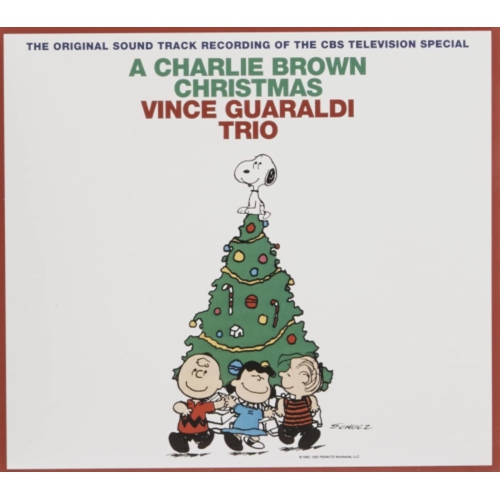 Your price for this item is $11.57
-
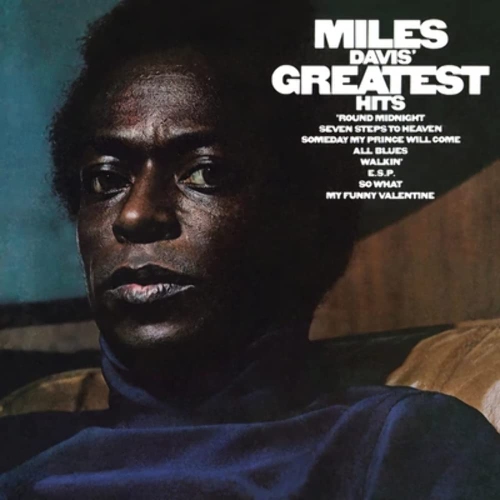 Your price for this item is $31.89
-
 Your price for this item is $25.33
-
 Your price for this item is $41.17
-
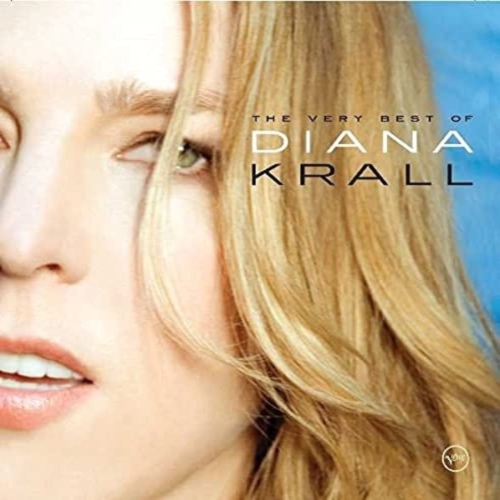 Your price for this item is $58.51
Discover more categories related to Avant Garde Jazz Albums

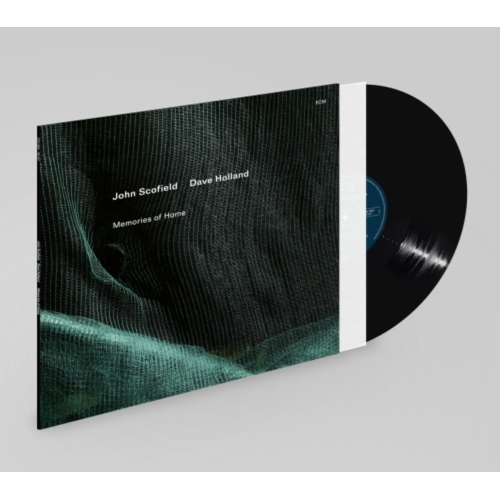
Top Collections:
Pokemon Centers, Best Cameras for Sports Photography, Kindle Devices, Samsung Galaxy Phones, Canon G7X Cameras, Pokémon 30th Celebration Cards, Refurbished Apple Laptops, iPhone 15 Apple, Laptops for Students, Budget Smartphones
Some products may be subject to Environmental Handling Fees
(EHF) depending on your province.
Learn more about EHFs.