Jazz Albums
Get ready to immerse yourself in the smooth sounds and captivating rhythms of jazz with our curated selection of jazz albums. From classic legends to contemporary stars, explore a diverse range of musical styles and influences that have shaped the world of jazz. Whether you're a seasoned jazz aficionado or just beginning your journey into this timeless genre, find the perfect soundtrack to elevate your listening experience and discover new favorites along the way.
Sort



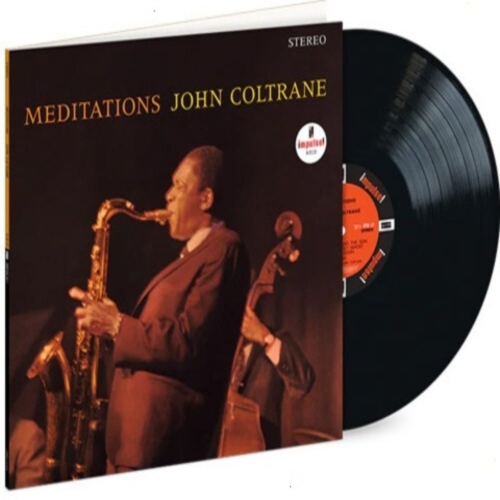


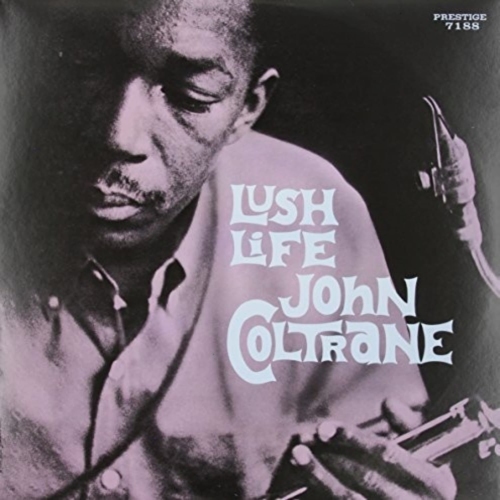
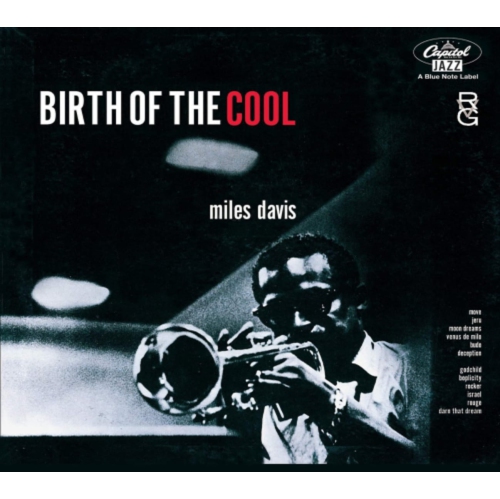


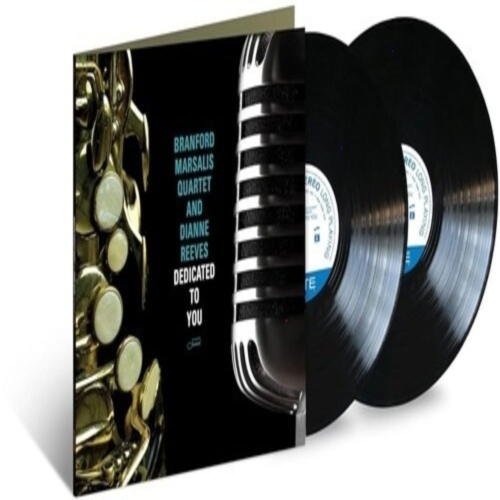
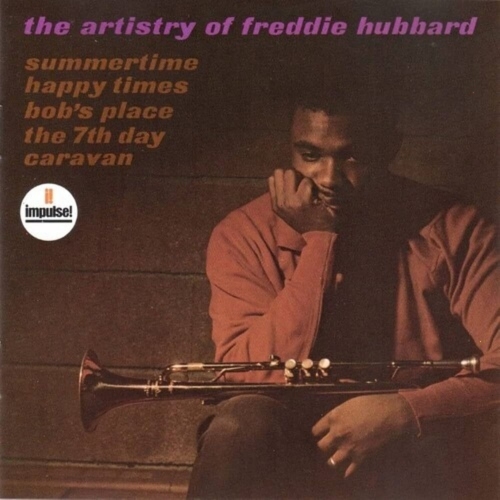

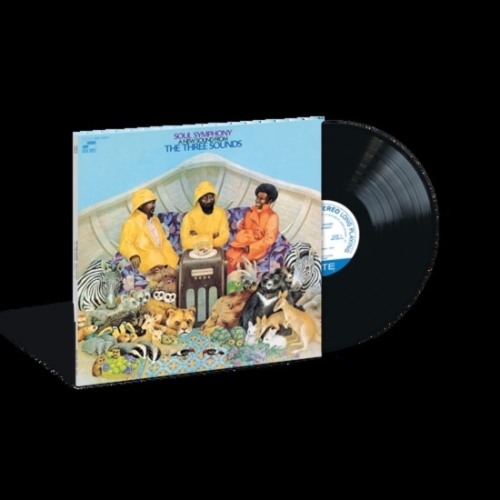

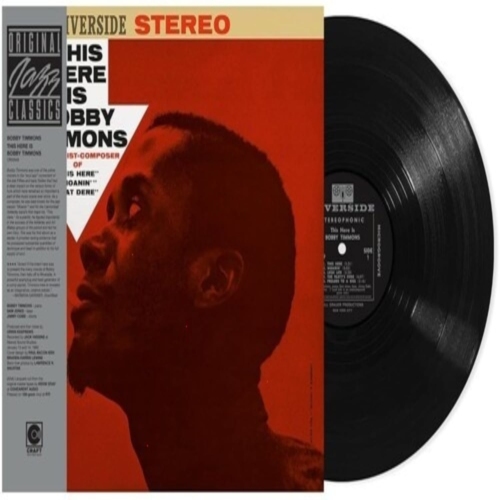
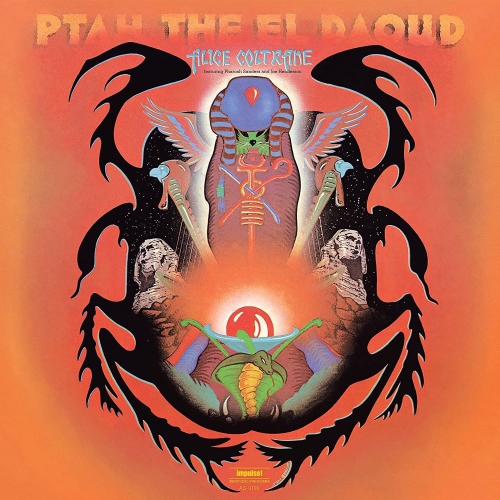


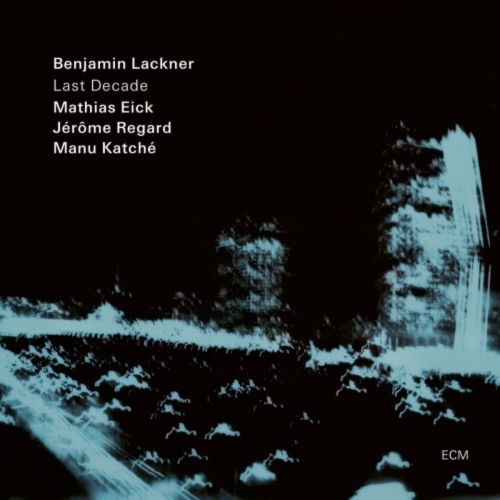

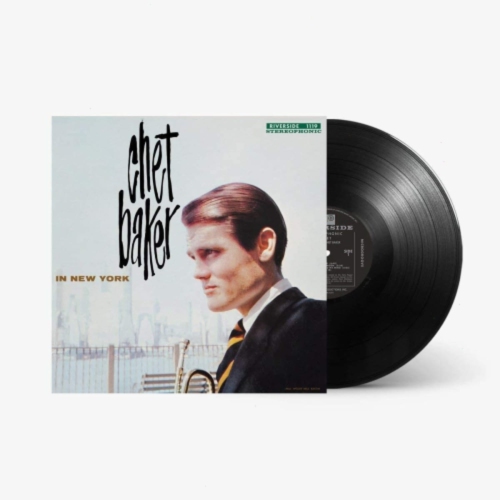


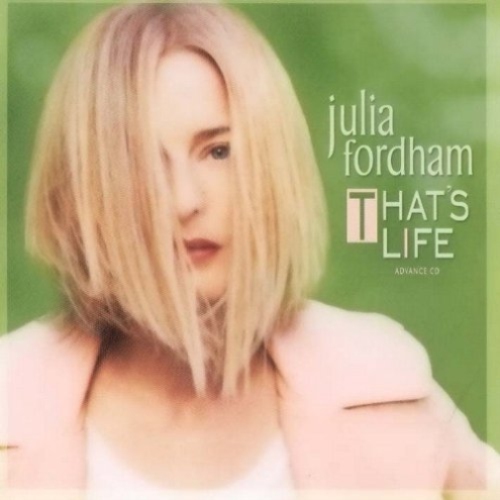


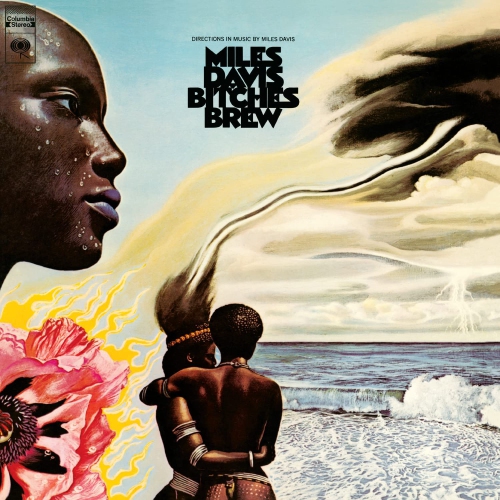
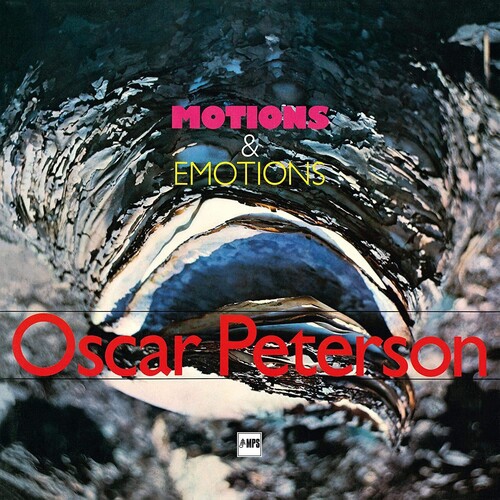


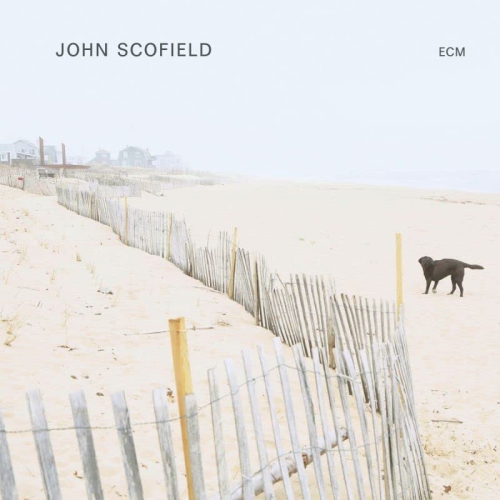


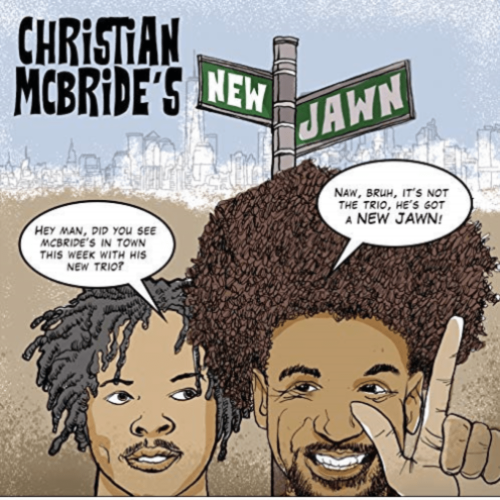


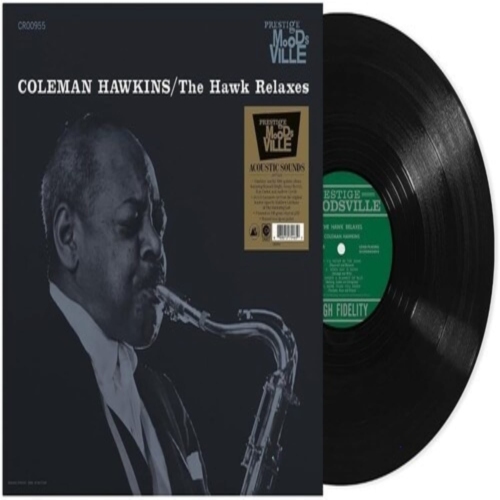


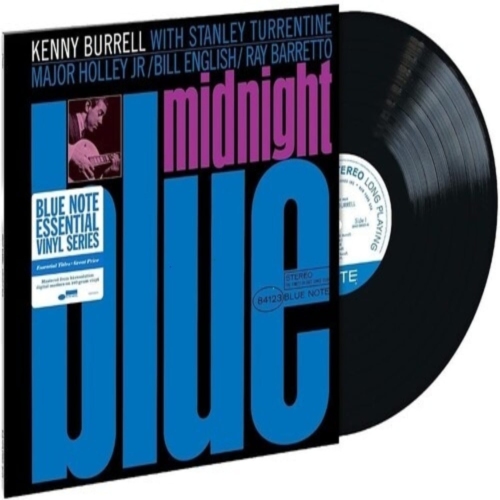

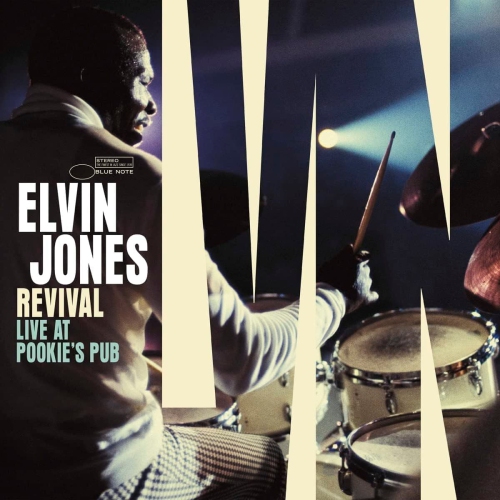


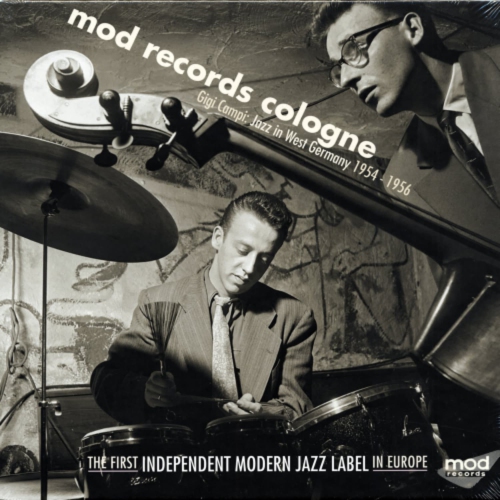


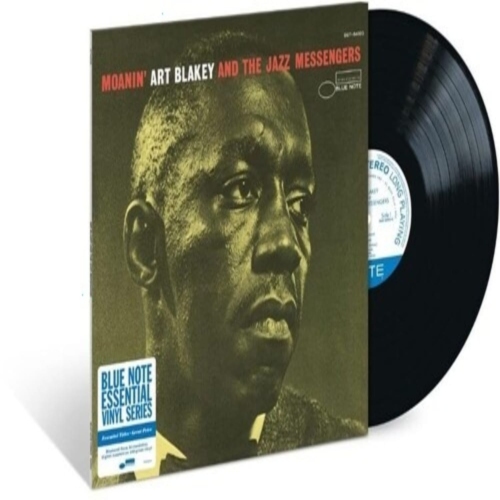
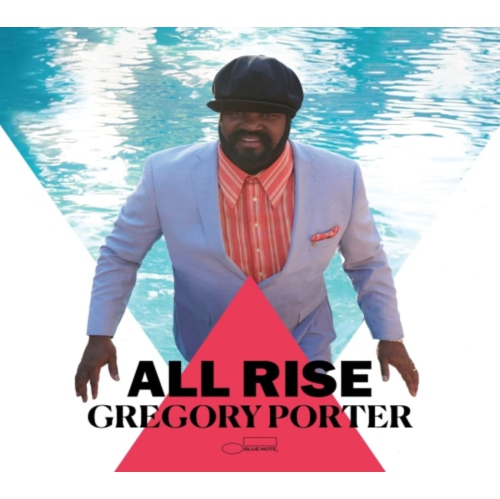










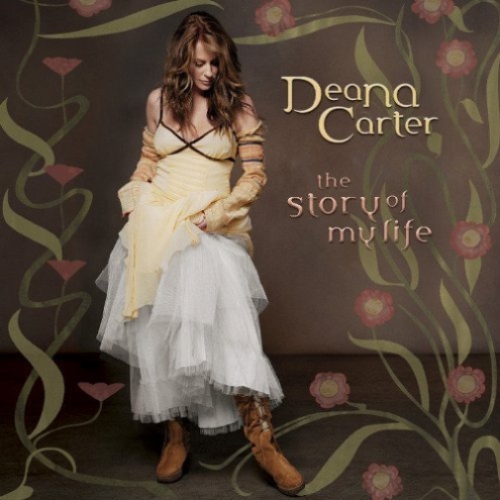






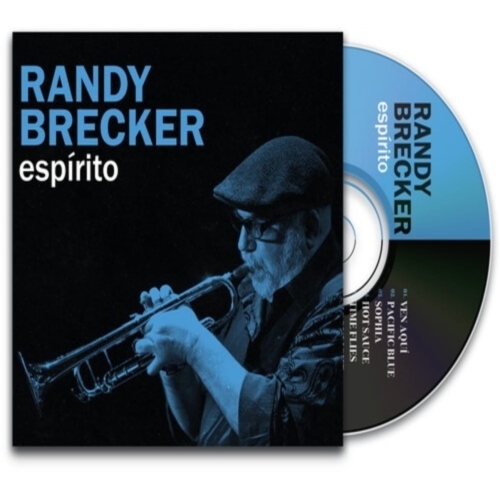


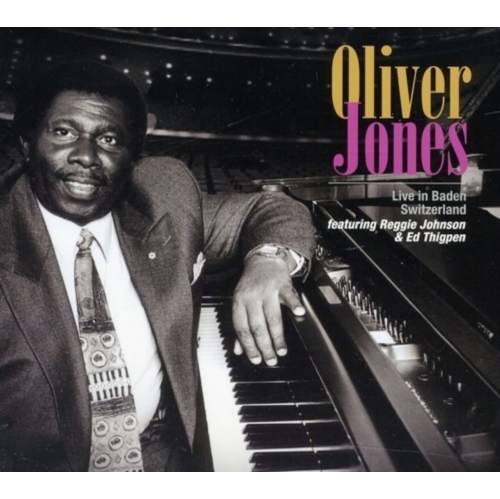


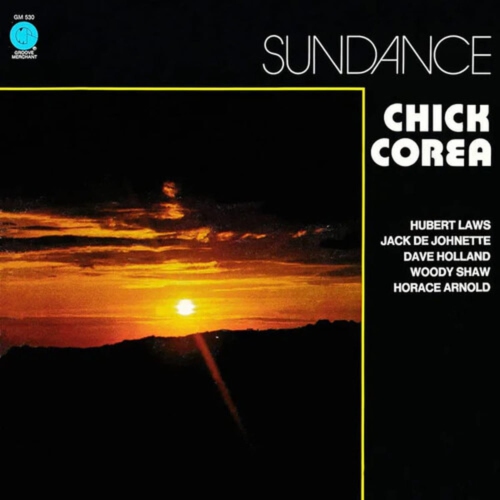




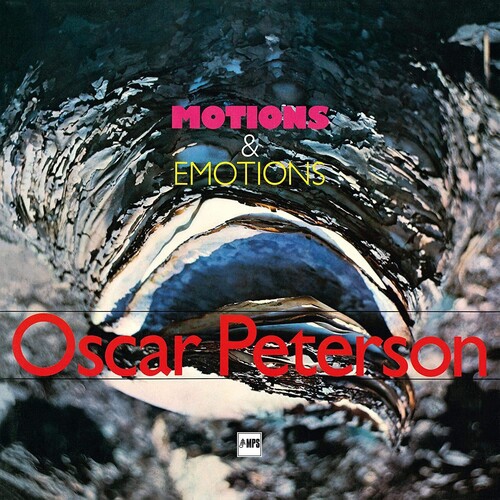


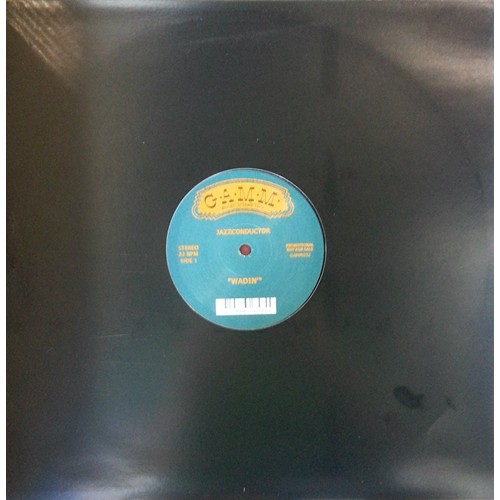

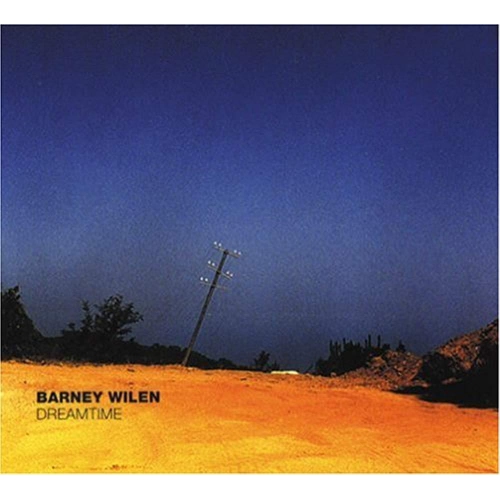

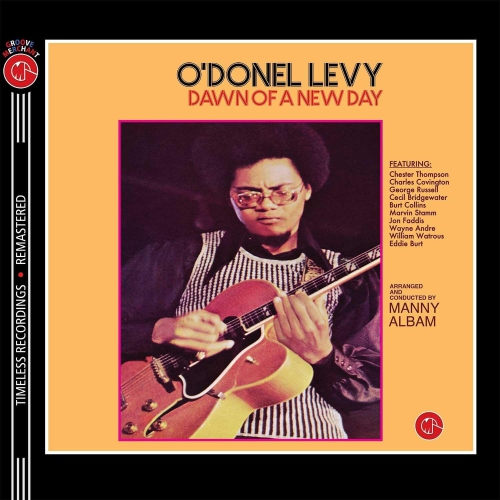
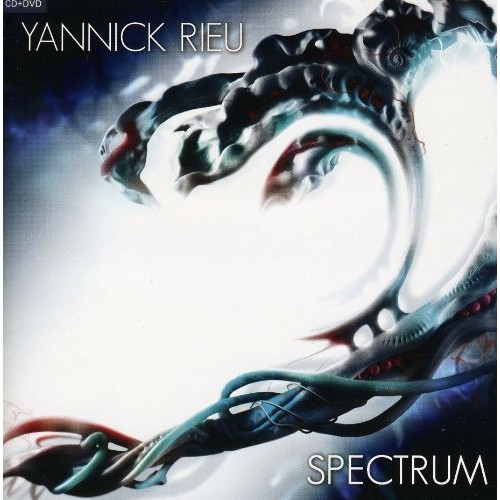






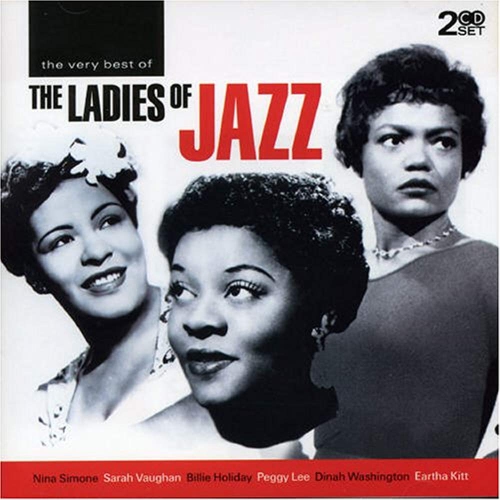




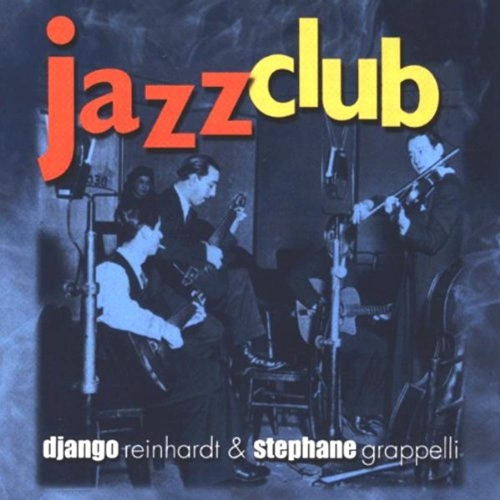




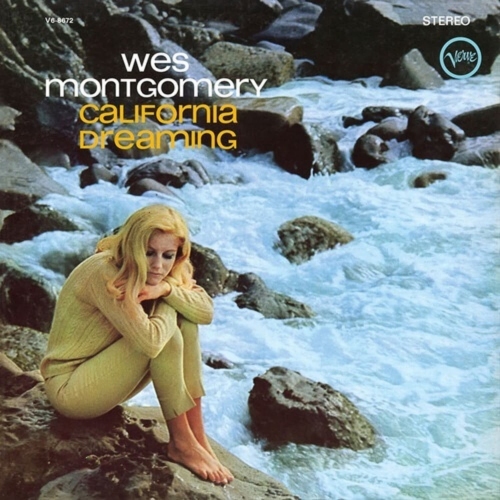









From intimate trios to the energy of big bands
Jazz albums bring together improvisation, distinctive performances, and the shared musical language of an ensemble. Rooted in African American musical traditions, including blues and ragtime, jazz grew through live performance, collaboration, and a willingness to reshape familiar melodies. An album captures more than a set of tunes: it can preserve the character of a working band, document a concert, or present a carefully arranged studio session. The main styles offer different listening experiences. Swing often features buoyant rhythms and arranged passages for larger ensembles, while bebop is known for fast-moving harmonies, intricate melodies, and agile solos. Hard bop draws strongly on blues and gospel, pairing rhythmic drive with memorable themes. Cool jazz often favours a more restrained delivery and lighter ensemble textures, though its performances can still be rhythmically intense. Modal jazz gives musicians room to develop ideas around scales and tonal centres rather than rapidly changing chords. Free jazz opens up possibilities beyond conventional song forms, and fusion brings jazz improvisation into contact with electric instrumentation and elements of rock, funk, and other styles. These distinctions help describe the music without fully defining it; many albums cross several traditions within a single session. Vocal jazz adds another dimension, with phrasing, storytelling, and the relationship between singer and accompanists shaping the performance. Instrumental recordings can place the focus on anything from a single piano to the layered sound of a big band. A piano trio might make the smallest exchange between bass and drums feel central, while a large ensemble can move from a quiet reed passage to a full brass entrance in seconds. For someone building a jazz collection, that variety leaves room for both familiar favourites and less predictable listening. A lyrical ballad session suits an unhurried evening with a book, while a rhythmically adventurous recording rewards sitting close to the speakers and following how each player responds to the others.
Physical jazz albums are commonly enjoyed on vinyl records and CDs, and the format affects both playback and the experience of owning the music. Vinyl offers large-format artwork, printed sleeves, and the deliberate rhythm of listening to one side before turning the record over. Records are generally made from polyvinyl chloride, with music carried in grooves that a turntable’s stylus traces during playback. The condition of those grooves, the pressing, the mastering, and the playback setup all influence what reaches the speakers. Heavier vinyl is not automatically a guarantee of better sound, and a newly manufactured pressing does not necessarily sound the same as an earlier edition. Albums may also be cut for different playback speeds, so the speed shown on the label matters. A compatible turntable and a suitable phono stage, whether built into the turntable, amplifier, or a separate component, are part of a working vinyl setup. CDs store audio digitally on an optical disc, offering convenient track selection and extended uninterrupted playback without turning a record over. Their compact cases fit neatly on a shelf, and many include booklets with personnel credits, session dates, and background notes. For listeners interested in newer approaches to the genre, Modern Jazz CDs connect the familiar album format with music that may draw on contemporary composition, electronic textures, or fresh interpretations of acoustic ensemble playing. Neither vinyl nor CD determines the musical quality of a performance, and sound quality depends on more than the format alone. Mono and stereo editions can also offer noticeably different presentations, particularly with older sessions. Live albums may preserve audience reactions, room ambience, and extended solos, whereas studio recordings often provide a more controlled balance between instruments. An original album sequence, an expanded edition with alternate takes, and a compilation serve different purposes: one follows a particular artistic programme, another opens a window into the recording process, and the third can bring together performances from several sessions.
Jazz albums also have a practical place in everyday listening, from a dedicated music room to a modest living-room stereo. The right fit depends on the listener’s equipment, musical interests, and appetite for detail rather than a single definition of a classic. Someone who enjoys expressive voices and clear melodies may connect with a vocal collection, while a listener drawn to instrumental interplay might prefer a small-group recording where every contribution is easy to follow. Musicians and music students can return to an album to study a bass line, the placement of a drum accent, or the way a solo develops over several choruses. Other listeners simply enjoy the character of an acoustic piano, the grain of a saxophone tone, or the lift of a tightly synchronized horn section. As gifts, jazz albums feel personal when the format matches the recipient’s player and the musical direction reflects something they already enjoy. Packaging can add to that experience, especially when readable credits and thoughtful liner notes provide context for the performances. Proper handling helps physical albums remain dependable over many listening sessions. Vinyl is best held by its edges and label, returned to a clean inner sleeve after use, and stored upright away from direct sunlight and heat sources. Dust can create audible noise, so a record brush intended for vinyl and an appropriate cleaning solution are useful for routine care; the stylus also needs attention according to the equipment manufacturer’s recommendations. CDs benefit from being kept in their cases, handled at the edges, and gently wiped from the centre outward with a suitable soft cloth when cleaning is needed. Neither format is indestructible, but careful storage reduces the risk of scratches, warping, and damaged packaging. Over time, a jazz collection can become a record of changing tastes: a familiar melody may lead to an interest in its arranger, a striking solo may draw attention to another instrument, and an overlooked track may become the reason an album stays in regular rotation.
Top selling and popular products
-
 Your price for this item is $31.88
-
 Your price for this item is $59.35
-
 Your price for this item is $6.99
-
 Your price for this item is $11.57
-
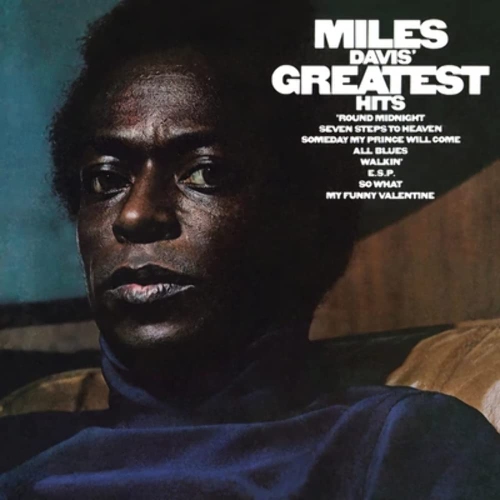 Your price for this item is $31.89
-
 Your price for this item is $25.33
-
 Your price for this item is $41.17
-
 Your price for this item is $58.51
Discover more categories related to Jazz Albums

Top Collections:
Pokemon Centers, Best Cameras for Sports Photography, Kindle Devices, Samsung Galaxy Phones, Canon G7X Cameras, Pokémon 30th Celebration Cards, Refurbished Apple Laptops, iPhone 15 Apple, Laptops for Students, Budget Smartphones
Some products may be subject to Environmental Handling Fees
(EHF) depending on your province.
Learn more about EHFs.