New Jazz CDs
Discover the latest sounds and rhythms with New Jazz CDs, perfect for expanding your music collection or finding fresh inspiration. Whether you’re a longtime jazz enthusiast or just starting to explore the genre, these new releases offer a dynamic range of styles and artists. Elevate your listening experience and enjoy the vibrant energy that only jazz can deliver with the newest additions to our selection of CDs.
Sort





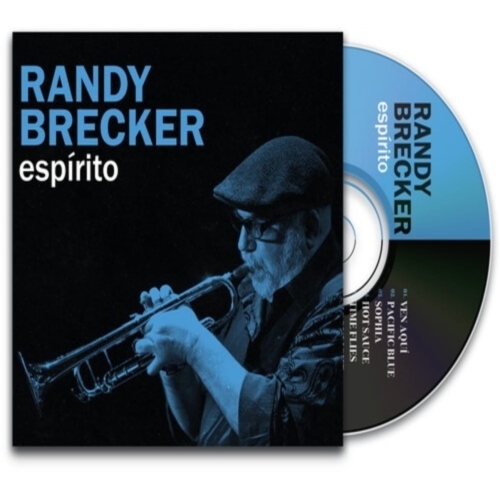


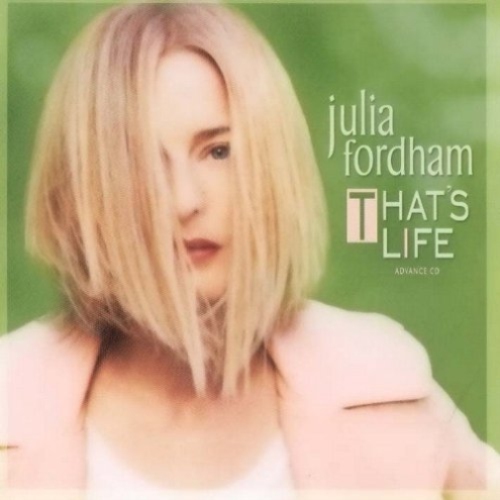


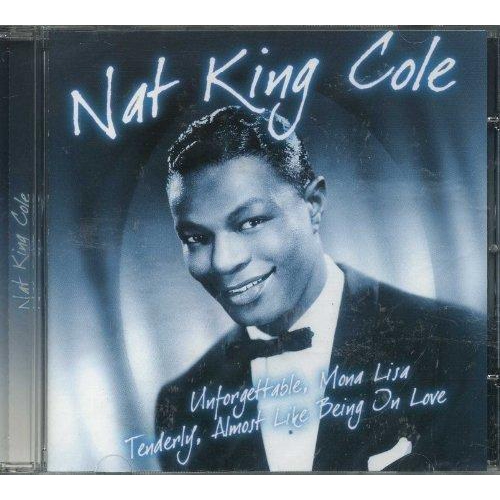
A new jazz release isn't always a new performance
New jazz CDs bring recent recordings, fresh interpretations of familiar tunes, and newly issued collections into a physical album format. Jazz covers a broad range of sounds, from an acoustic trio built around piano, double bass, and drums to a large ensemble with layered horn arrangements. A new studio recording may capture original compositions or revisit standards through a different rhythm, instrumentation, or approach to improvisation. A newly released CD can also be a reissue of an earlier recording, so the release date of the disc and the date of the performance are not always the same. That distinction matters to listeners seeking newly recorded music rather than a new edition of a familiar album. Straight-ahead jazz often centres on swinging rhythms, melodic improvisation, and close interaction between musicians. Bebop brings quick-moving lines and intricate harmonies, while hard bop frequently adds blues and gospel influences. Vocal jazz puts lyrics, phrasing, and the relationship between singer and accompanists at the centre of the performance. Contemporary jazz can draw on many of these traditions while introducing electric instruments, unusual rhythmic patterns, or more open-ended compositions. Fusion connects jazz improvisation with elements of rock, funk, and other styles; smooth jazz generally favours flowing melodies and a polished, accessible sound. These distinctions describe musical tendencies rather than rigid boundaries, and a single album may move comfortably between several approaches. The ensemble itself also shapes the listening experience. A solo piano recording leaves room for the decay of each note, a small group makes individual musical exchanges easy to follow, and a big band creates contrasts between tightly arranged sections and featured solos. Live recordings may retain applause, room acoustics, and the spontaneous energy of a performance, while studio sessions can offer a more controlled setting. For a broader view of the genre, Jazz Albums connects new listening interests with the wider traditions that inform them. Across these styles, the appeal often lies in hearing musicians respond to one another, whether through a subtle change in accompaniment or a solo that takes an unexpected turn.
The CD format suits listeners who enjoy owning an album as a complete recording, with a defined track order and accompanying artwork. A standard audio CD carries digital stereo sound at 16-bit resolution and a sampling rate of 44.1 kHz, but those specifications alone do not determine how an album sounds. Microphone placement, the recording space, mixing, mastering, and the playback system all affect the result. A remastered edition uses a new mastering treatment of existing recorded material; it is not necessarily a new performance, and the word “remastered” does not guarantee that every listener will prefer it to an earlier version. Track listings and edition details help distinguish a full studio album from a compilation, a concert recording, or an expanded release containing alternate takes and additional material. Compilations can introduce several performers or styles in one programme, whereas an individual album often provides a more sustained sense of an ensemble’s sound. Booklets, when included, may offer musician credits, recording dates, photographs, and liner notes that give the session added context. A bass line that first seems like background accompaniment can become more interesting once the listener knows who played it or how the group was assembled. Playback compatibility is another practical consideration. Standard audio CDs work with compatible CD players, but not every device with a disc slot supports every audio format. Hybrid SACDs may include a standard CD layer, while an SACD-only disc requires suitable equipment; DVD or Blu-ray content in a combined package also needs compatible playback hardware. The discs themselves typically have a polycarbonate base, a reflective metal layer, and a protective coating. Holding a CD by its edges and centre hole helps keep fingerprints away from the playing surface. For routine cleaning, a clean, soft, lint-free cloth moved gently from the centre towards the outside is preferable to circular rubbing. Returning discs to their cases, keeping them out of direct sunlight, and avoiding harsh cleaners helps protect both the recording surface and the printed packaging. With careful handling, CDs can remain useful through many years of repeated listening.
New jazz CDs can serve quite different purposes within a music collection. For a listener drawn to melody, a lyrical instrumental recording or a vocal album may provide an inviting starting point. Someone who enjoys rhythmic detail may be more interested in the push and pull between bass and drums, the shifting accents of a small ensemble, or the layered grooves of an electric group. A musician might listen repeatedly to a passage to study phrasing, accompaniment, or the way a solo develops across several choruses. Another listener may simply want an album that holds together from its opening track to its final note, rather than a sequence assembled from unrelated sessions. Intended use can influence the appeal of a recording without defining its musical value. A restrained duo can sit comfortably behind a quiet dinner, while a more adventurous session may reward uninterrupted listening through headphones. At a desk or in a reading space, an instrumental album with a consistent mood can be less distracting than one with pronounced changes in volume or extended vocal passages. For focused listening, a chair positioned between stereo speakers can make it easier to follow the piano, bass, drums, and horns across the soundstage, provided the recording uses that kind of stereo placement. Headphones can reveal details such as a brushed snare, a softly voiced chord, or the resonance after a bass note. CDs also make thoughtful gifts for people who value physical music, liner notes, or the pleasure of adding a recording to a personal collection. Familiarity with the recipient’s tastes matters more than choosing solely by genre: an acoustic jazz enthusiast and a listener who favours electronic textures may respond to very different albums. Their playback equipment matters too, since a physical disc is most useful when there is a compatible player at home or elsewhere. For collectors, the edition, packaging, track sequence, and accompanying notes may be part of the attraction alongside the music itself. For everyday listeners, the lasting appeal is often simpler: a recording that invites another play and reveals something different each time.
Top selling and popular products
-
 Your price for this item is $31.88
-
 Your price for this item is $59.35
-
 Your price for this item is $6.99
-
 Your price for this item is $11.57
-
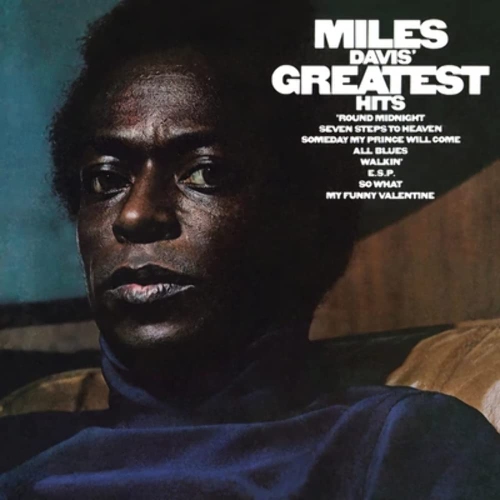 Your price for this item is $31.89
-
 Your price for this item is $25.33
-
 Your price for this item is $41.17
-
 Your price for this item is $58.51
Discover more categories related to New Jazz CDs


Top Collections:
Pokemon Centers, Best Cameras for Sports Photography, Kindle Devices, Samsung Galaxy Phones, Canon G7X Cameras, Pokémon 30th Celebration Cards, Refurbished Apple Laptops, iPhone 15 Apple, Laptops for Students, Budget Smartphones
Some products may be subject to Environmental Handling Fees
(EHF) depending on your province.
Learn more about EHFs.