Death Metal Vinyl Records
Experience the raw energy and intensity of Death Metal Vinyl Records, perfect for collectors and fans eager to immerse themselves in powerful soundscapes. Explore a curated selection that brings the unmistakable atmosphere of heavy riffs and thunderous drums directly to your turntable. Whether you’re expanding your collection or searching for standout additions, discover Death Metal Vinyl Records that capture the essence of the genre and deliver an unforgettable listening experience.
Sort
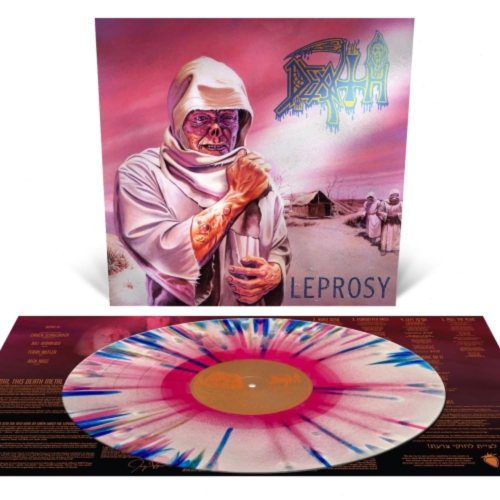

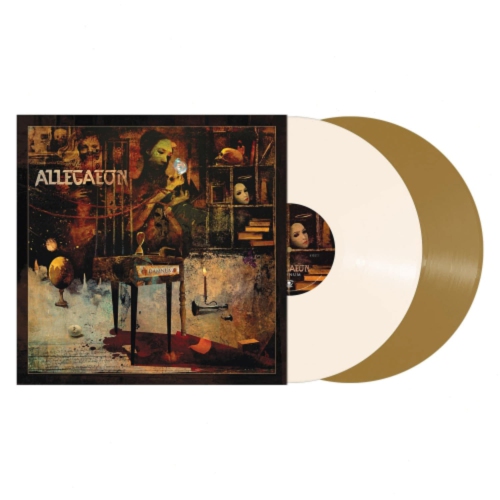




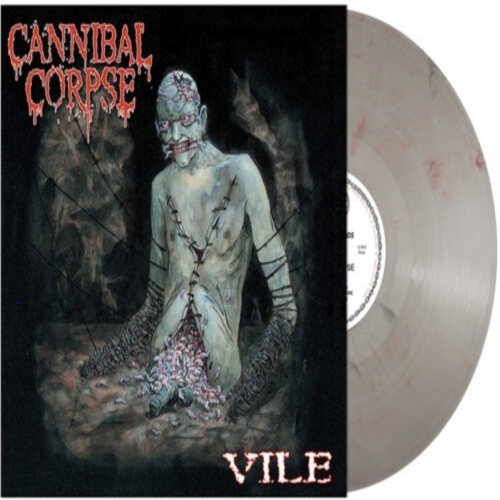
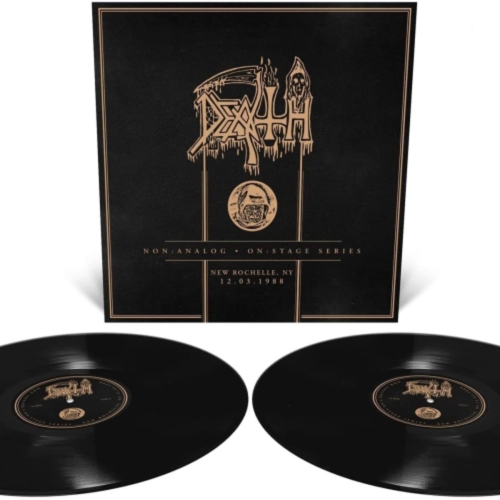
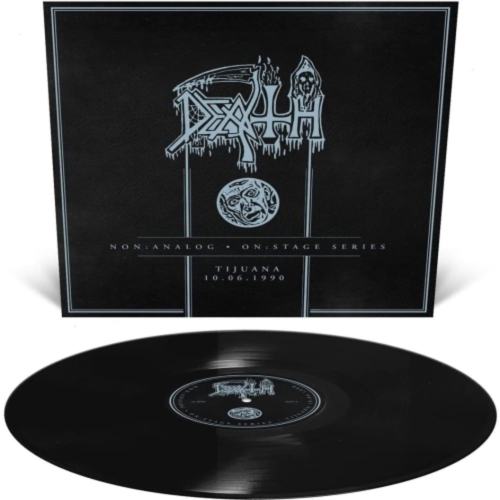


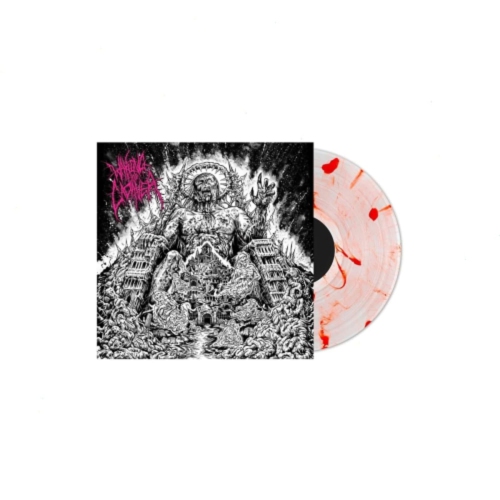





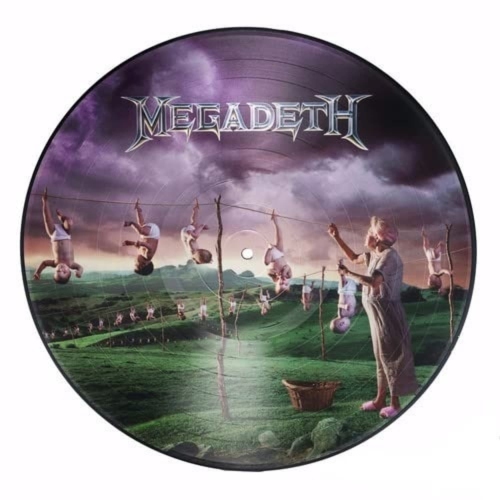
Crushing riffs meet full-album listening on vinyl
Death metal vinyl records pair one of heavy music’s most intense styles with a physical format built around complete albums, distinctive artwork, and attentive listening. Emerging during the 1980s, death metal pushed heavy guitar music towards more aggressive riffing, rapid drumming, and deep, growled vocals. Its character comes from the interaction between those elements: tightly muted guitars lock into double-kick patterns, bass adds weight beneath the distortion, and sudden changes in tempo can turn a relentless passage into a slow, crushing groove. The genre covers considerably more ground than its name might suggest. Old-school death metal often emphasizes dense guitar tones and direct, memorable riffs, while technical death metal introduces intricate arrangements, shifting time signatures, and demanding instrumental performances. Melodic death metal gives recurring guitar harmonies a larger role, and death-doom brings slower pacing and extended passages into the mix. These distinctions matter when building a record collection around a particular listening taste. Someone drawn to precise musicianship may favour complex arrangements, while a listener who enjoys raw production may prefer a less polished sound. On vinyl, the pause between sides creates a natural break in the album, giving each sequence of songs its own shape. A quiet introduction, a tightly connected run of tracks, or an extended closing piece can feel especially deliberate when heard in order. Large-format sleeves also give illustrated covers, photography, logos, and liner notes room to become part of the experience rather than a small image on a screen. Death metal records appeal to longtime metal listeners, musicians interested in demanding performances, and collectors who enjoy the relationship between recorded music and its packaging. For listeners whose tastes extend towards more traditional guitar-driven music, Hard Rock Vinyl Records offers a related direction, with a greater emphasis on clean vocals, recognizable song structures, and riff-led hooks. The distinction helps keep a collection connected to the sound its listener actually enjoys.
The physical details of a death metal vinyl release influence how it fits into a collection and how it plays at home. Most conventional records are pressed from polyvinyl chloride, commonly called PVC, with the music carried in a continuous groove that a stylus follows during playback. Full-length albums commonly use 12-inch records, but diameter alone does not establish playback speed: the label or packaging should identify whether a record runs at 33⅓ or 45 rpm. A double LP may spread an album across more sides, which can provide additional space for cutting the grooves, although the result still depends on the mastering and pressing quality. Longer sides can involve compromises in cutting level and bass handling, so the number of discs is a practical detail rather than simply a packaging preference. Black vinyl, coloured vinyl, and marbled finishes offer different visual presentations; colour alone does not establish sound quality. Picture discs use a different construction and can have different surface-noise characteristics, making their visual appeal a separate consideration from playback performance. Likewise, heavier vinyl can feel more substantial in the hand, but a weight such as 180 grams is not a guarantee of better sound or resistance to groove wear. The recording source, mastering choices, pressing consistency, and condition of the record all matter. An original edition, a reissue, and a remastered edition can present the same album differently, particularly when equalization or overall dynamics have changed. Packaging deserves attention too. Gatefold jackets need more room on a shelf, while printed inserts, lyric sheets, and credits can add context to the music when included. Protective inner sleeves help separate the playing surface from rough paper and loose debris. For a gift, knowing the recipient’s preferred bands, favourite albums, and existing collection is more useful than choosing by cover art alone. A striking sleeve may suit someone who displays records, whereas a listener focused on playback may care more about the edition and mastering details. Music preferences are especially important in a genre where vocal style and production can vary dramatically.
Careful handling and a suitable playback setup help death metal vinyl records retain their condition through repeated listening. Hold a record by its outer edge and centre label rather than touching the grooves, since fingerprints can leave residue that attracts dust. Before playback, a record brush designed for vinyl can lift loose particles from the surface; deeper cleaning calls for a suitable record-cleaning solution and a method that keeps moisture away from the label. Let a cleaned record dry fully before returning it to its sleeve. Records should stand upright without leaning heavily or being packed so tightly that jackets bend, and they should be kept away from direct sunlight and concentrated heat. Stacking records flat can put uneven pressure on the discs and sleeves over time. An outer sleeve can reduce scuffs on cover artwork, while a clean inner sleeve helps protect the playing surface between sessions. For playback, a level, stable turntable and a correctly adjusted cartridge are more valuable than simply turning up the volume. Tracking force should match the cartridge manufacturer’s recommendation; setting it too light is not a reliable way to protect a record and can cause mistracking. The stylus also needs regular inspection and appropriate cleaning. A turntable’s signal requires a phono stage somewhere in the system, whether built into the turntable, amplifier, or a separate component. That stage applies the required equalization as well as amplification, rather than serving only as a volume boost. With dense death metal recordings, balanced playback makes it easier to distinguish a moving bass line beneath distorted guitars or follow cymbal accents through a rapid drum passage. Surface clicks, mistracking distortion, and excessive bass vibration should not be confused with the deliberate grit of the recording itself. Whether the record is played during a focused listening session, revisited while studying a favourite guitar arrangement, or kept as part of a carefully organized music collection, thoughtful care preserves both the sound and the sleeve that make the format distinctive.
Top selling and popular products
-
 Your price for this item is $15.32
-
 Your price for this item is $5.99
-
 Your price for this item is $16.29
-
 Your price for this item is $15.32
-
 Your price for this item is $24.68
-
 Your price for this item is $15.32
-
 Your price for this item is $15.32
-
 Your price for this item is $15.91
Discover more categories related to Death Metal Vinyl Records


Top Collections:
Pokemon Centers, Best Cameras for Sports Photography, Kindle Devices, Samsung Galaxy Phones, Canon G7X Cameras, Pokémon 30th Celebration Cards, Refurbished Apple Laptops, iPhone 15 Apple, Laptops for Students, Budget Smartphones
Some products may be subject to Environmental Handling Fees
(EHF) depending on your province.
Learn more about EHFs.