Acoustic Guitar Strings for Fingerstyle
Discover the perfect acoustic guitar strings for fingerstyle playing and elevate your musical expression. Whether you’re a seasoned guitarist or just beginning to explore fingerpicking techniques, finding the right set of strings can make all the difference in clarity, tone, and comfort. Explore a wide selection designed to meet the unique demands of fingerstyle performance and enjoy a smooth, responsive playing experience every time you pick up your guitar.
Sort

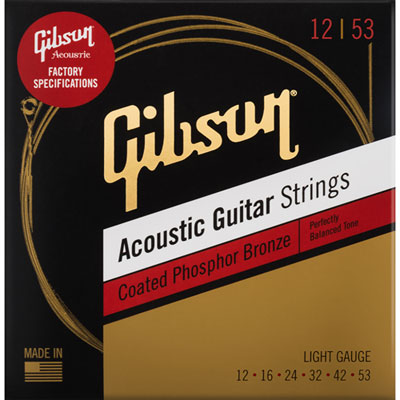
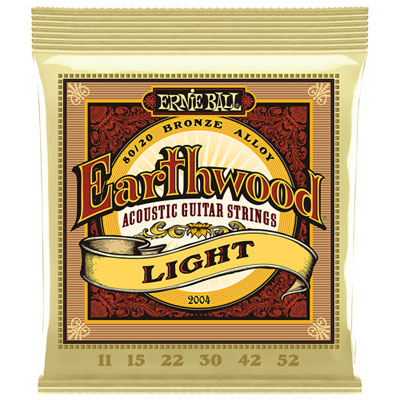
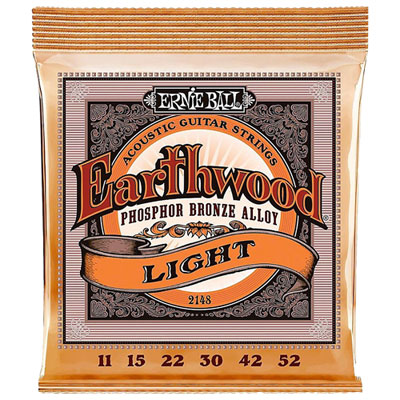
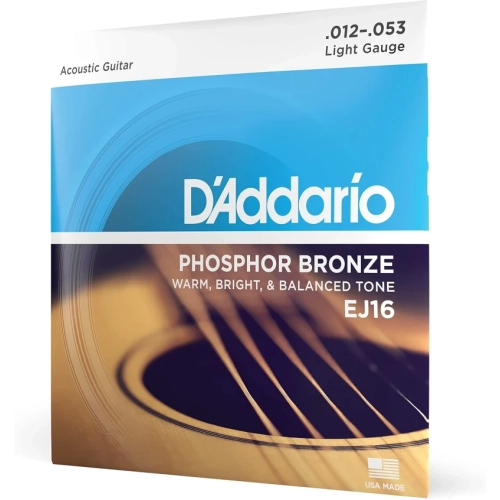
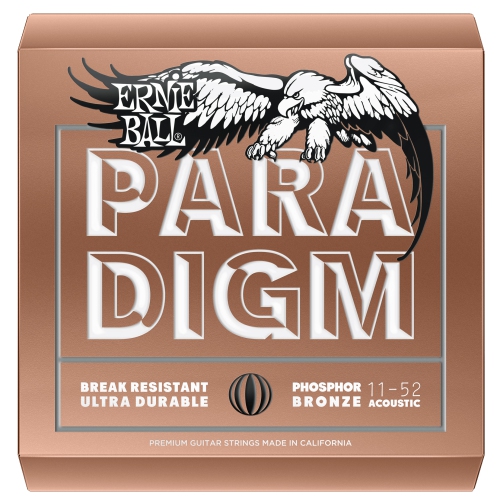
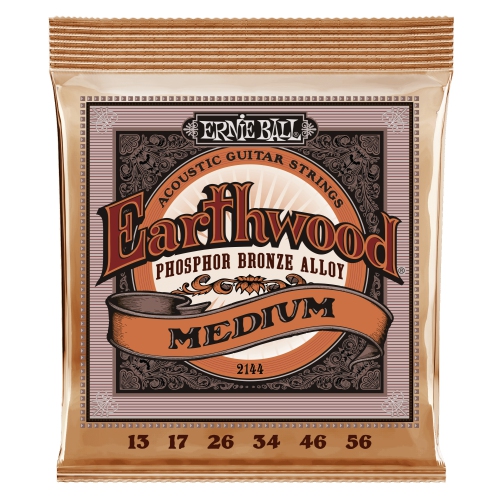





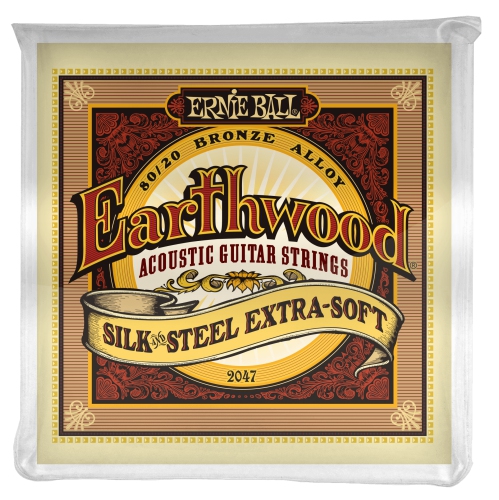

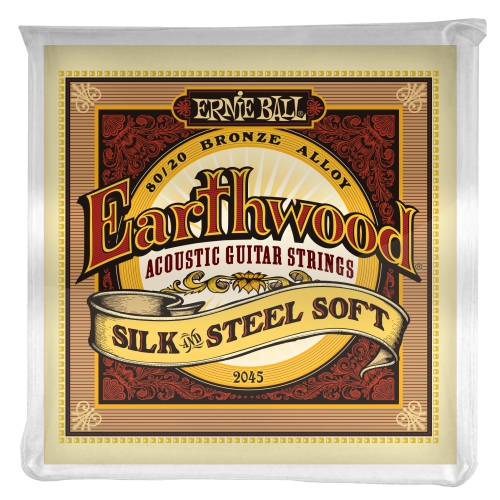



The right balance of comfort, tone, and response
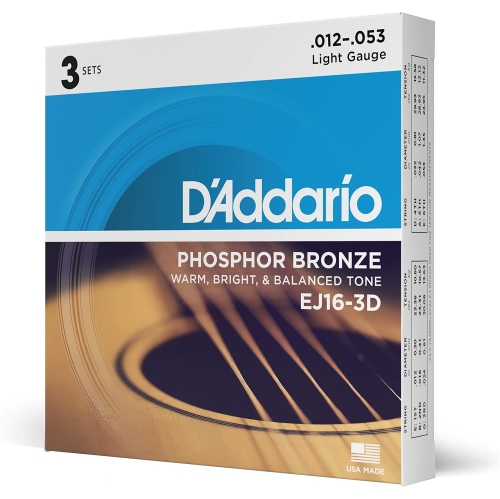
Acoustic guitar strings for fingerstyle playing are selected with a different set of priorities than strings intended mainly for heavy strumming. When a player uses the thumb and fingers to pick individual notes, alternating bass lines, harmonics, slides, and delicate melodies, the strings need to respond clearly to small changes in touch. A balanced set can help each note speak without overpowering the others, allowing the bass strings to provide a steady foundation while the treble strings carry the melody. For many acoustic guitarists, light gauge strings in the approximate 12–53 range offer a useful middle ground between comfort, volume, sustain, and tonal detail. They typically feel easier to fret and bend than medium gauge strings, while still producing enough projection for home practice, lessons, rehearsals, and small performances. Players who are new to fingerstyle often appreciate this responsive feel because it is easier to practise alternating-thumb patterns and repeating arpeggios without excessive hand fatigue. Experienced players may also prefer light strings when they want a quick, expressive response for folk arrangements, blues patterns, Celtic-inspired melodies, or modern acoustic compositions. The ideal choice still depends on the guitar, tuning, playing style, and personal preference, so it is important to check the instrument manufacturer’s recommended string range before making a change. A player moving from heavy strumming to fingerstyle may notice that lighter strings reveal more of the guitar’s natural resonance, while someone who finds the sound too thin may prefer a slightly heavier option or a different winding material.
String material has a noticeable effect on the character of a fingerstyle arrangement. Phosphor bronze is a popular choice for acoustic guitar because it often produces a warm, balanced tone with enough brightness to define individual notes. That combination suits arrangements where the player moves between a rounded bass line and a singing melody, particularly when the guitar is recorded or played alongside other instruments. Bright bronze strings can bring extra sparkle and attack to a darker-sounding guitar, while warmer materials may help tame an instrument that already has a strong high-end response. Silk and steel or custom light sets, often found in the approximate 11–47 range, can provide a softer feel and lower tension for players who prioritize comfort during longer practice sessions. They may be helpful for beginners developing fingertip strength, players returning to guitar after a break, or anyone who uses intricate patterns that require repeated fretting. Their gentler response can also suit quieter playing at home, although the reduced tension and volume may not be the right fit for every guitar or every picking technique. Coated acoustic strings are another consideration for fingerstyle players. Because fingers make frequent contact with the strings, skin oils and perspiration can gradually affect the sound and feel of uncoated metal. A coating can help repel some dirt and moisture, extending the period in which the strings feel smooth and sound fresh. Some players like the consistent feel of coated strings for recording, teaching, or regular practice, while others prefer the more immediate texture and traditional response of uncoated strings. When comparing sets, pay attention to the gauge printed for each individual string rather than relying only on terms such as light, custom light, or extra light, since naming conventions can vary between manufacturers. It is also worth checking whether the set is designed for standard tuning, alternate tunings, or extended-range use, as frequently lowering or raising pitch can change the tension and feel under the fingers.
Choosing acoustic guitar strings for fingerstyle is also about matching the set to the player’s hands, instrument, and musical routine. Someone who spends cooler months practising beside a window, developing a new arrangement one measure at a time, may value a comfortable set that makes repeated passages easier on the fingertips. A guitarist who plays at informal gatherings may prefer a little more projection and sustain, while a songwriter who records close-miked vocals may favour a controlled, balanced tone that leaves space for the voice. Fingerstyle strings can make a thoughtful gift for a guitarist because they are useful, compact, and easy to pair with other musical accessories, whether the recipient is learning their first picking pattern or refining advanced arrangements. If the strings are intended for someone else, checking the guitar’s brand, model, scale length, bridge style, and preferred gauge can help avoid an unsuitable match. Most steel-string acoustic guitars use ball-end strings, but classical and flamenco guitars require nylon strings and should not be fitted with steel acoustic sets. Players should also consider how often they change strings, how much they play, and whether they prefer a crisp new-string sound or a mellower tone after several sessions. Fresh strings should be installed carefully, stretched gradually, and tuned repeatedly until they settle. Wiping them with a clean, dry cloth after playing can help remove residue, while keeping spare sets stored in their original packaging makes it easier to prepare for a lesson, rehearsal, recording session, or spontaneous evening of playing. For shoppers who already know that a lighter tension is the best fit, exploring Light Gauge Acoustic Guitar Strings can make it easier to compare suitable options. Whether the goal is a warm, rounded fingerpicked ballad, a clear alternating-bass blues pattern, or a detailed arrangement filled with harmonics, the right strings can make the guitar feel more natural and help every note respond to the player’s touch.
Top selling and popular products
-
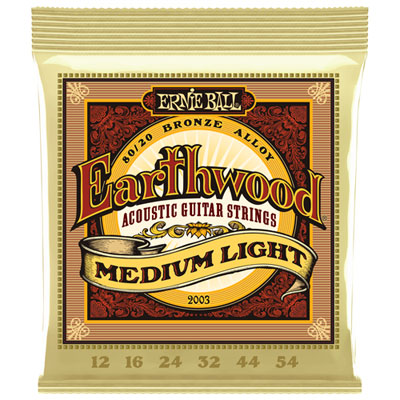 Your price for this item is $14.99
-
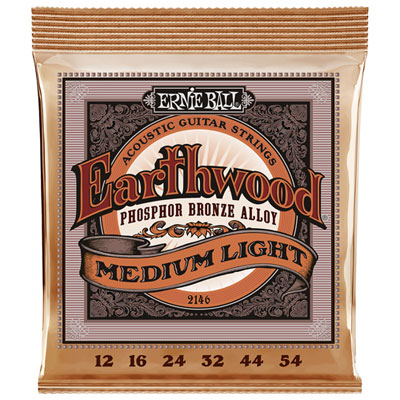 Your price for this item is $11.49
-
 Your price for this item is $31.49
-
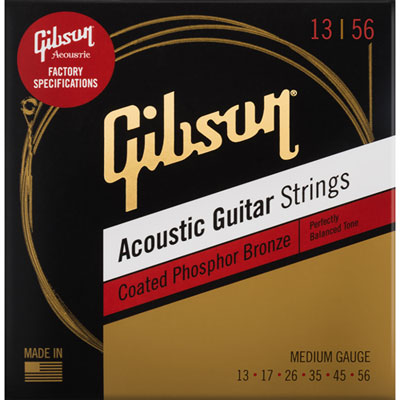 Your price for this item is $18.19
-
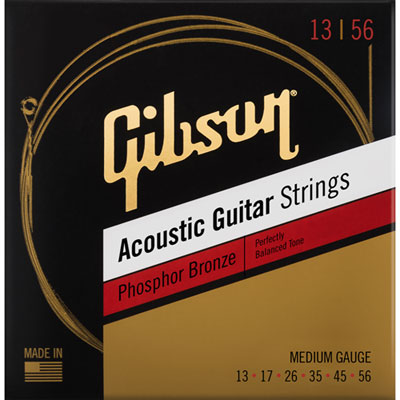 Your price for this item is $13.95
-
 Your price for this item is $15.49
-
 Your price for this item is $15.49
-
 Your price for this item is $6.49
Discover more categories related to Acoustic Guitar Strings for Fingerstyle
Top Collections:
Pokemon Centers, Best Cameras for Sports Photography, Kindle Devices, Samsung Galaxy Phones, Canon G7X Cameras, Pokémon 30th Celebration Cards, Refurbished Apple Laptops, iPhone 15 Apple, Laptops for Students, Budget Smartphones
Some products may be subject to Environmental Handling Fees
(EHF) depending on your province.
Learn more about EHFs.