Affordable Distortion Pedals
Looking to take your guitar playing to the next level without breaking the bank? Our collection of affordable distortion pedals offers a wide range of options to help you achieve that signature gritty and powerful sound without compromising on quality. Whether you're a beginner looking to experiment with different tones or a seasoned pro in need of a reliable backup, these distortion pedals are designed to deliver exceptional performance at a budget-friendly price point. Dive into our selection and find the perfect pedal to add an edge to your music today!
Sort
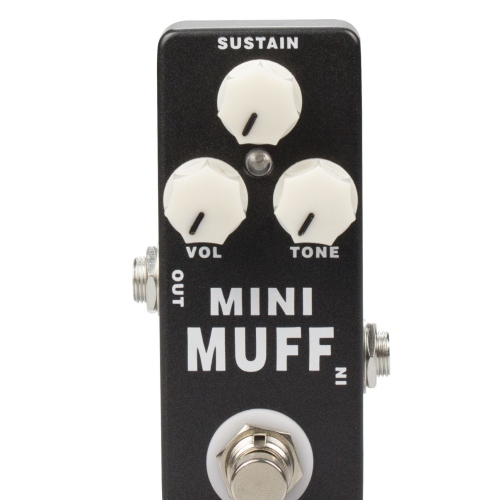
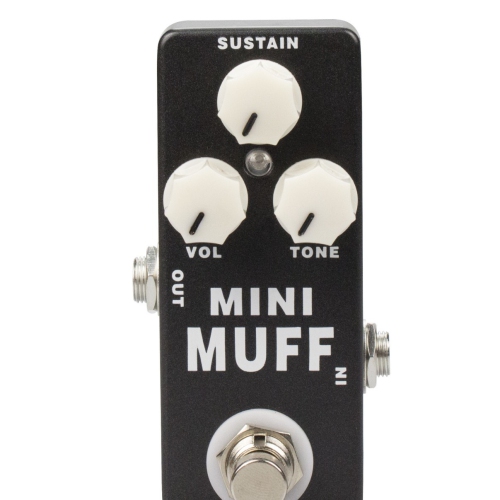
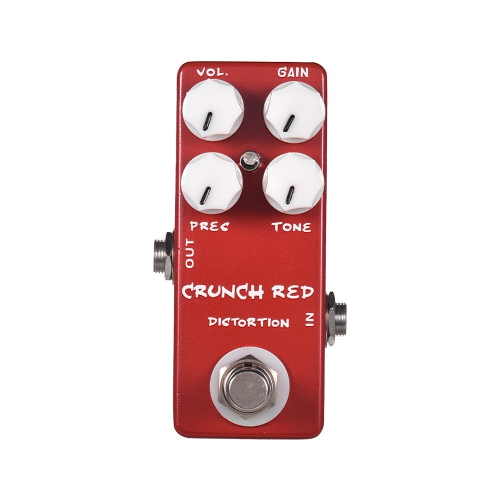
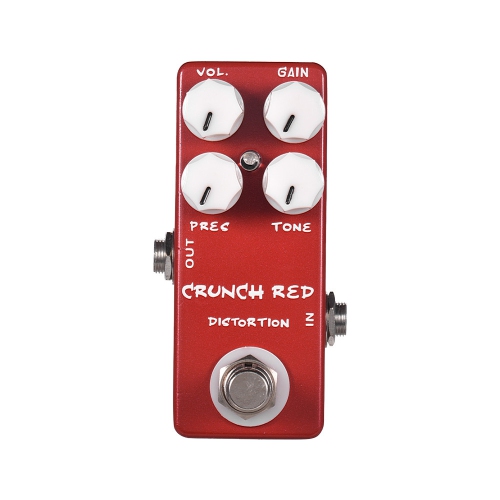
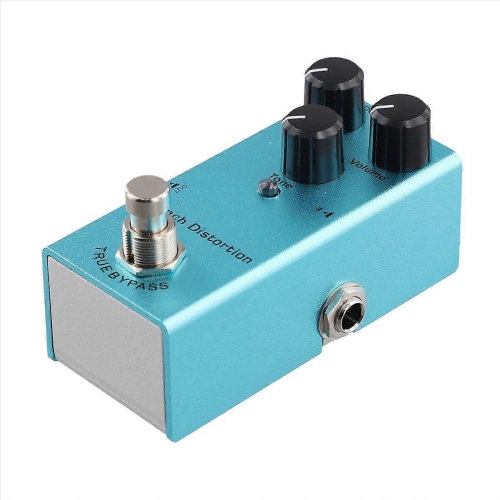


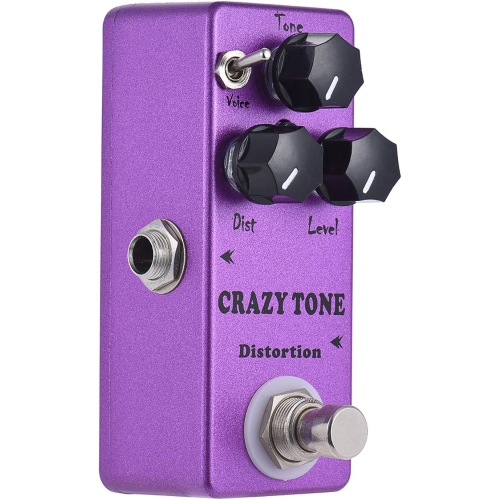

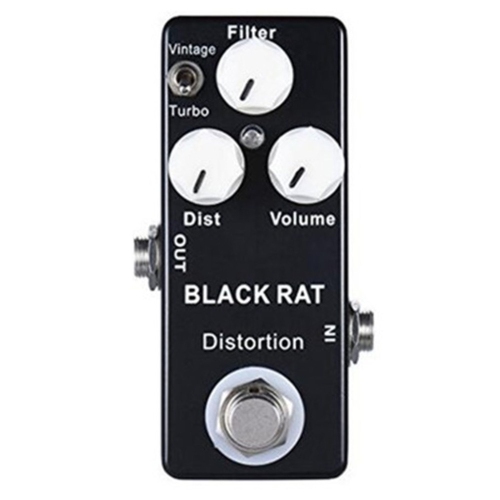
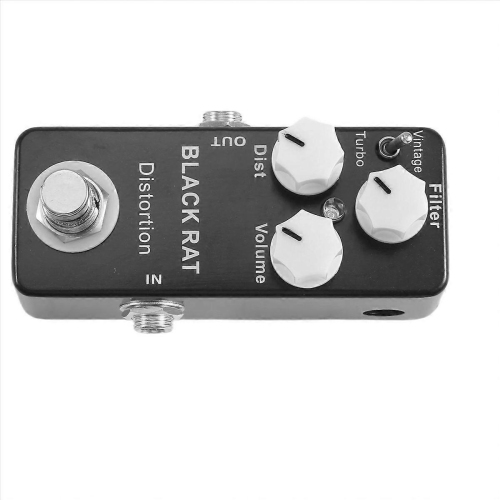
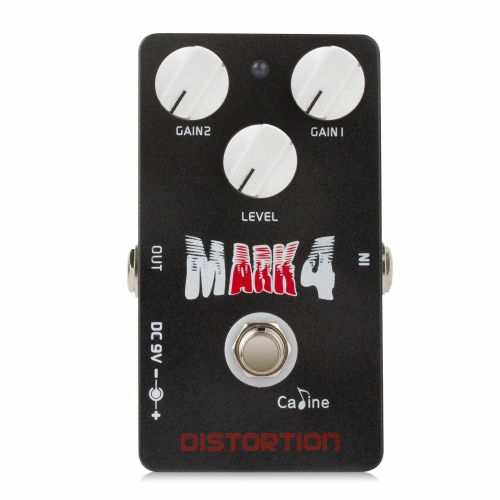
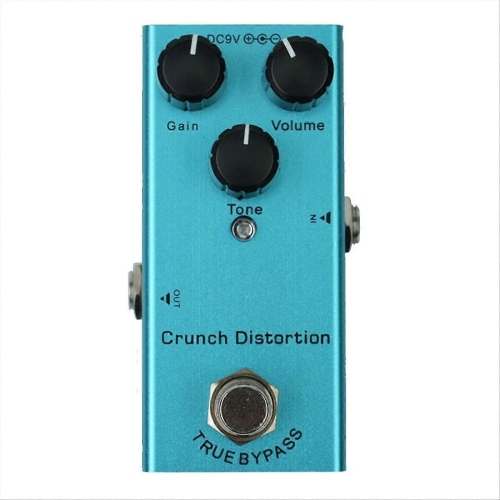
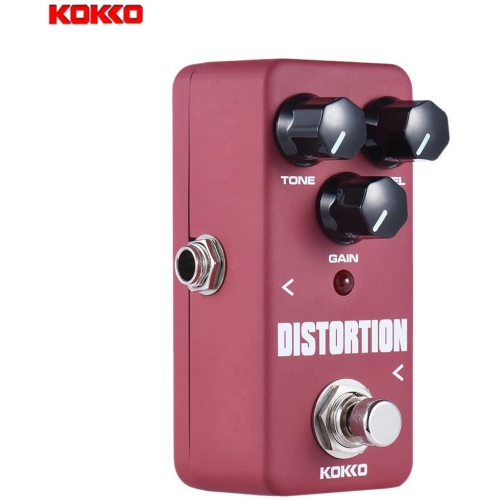
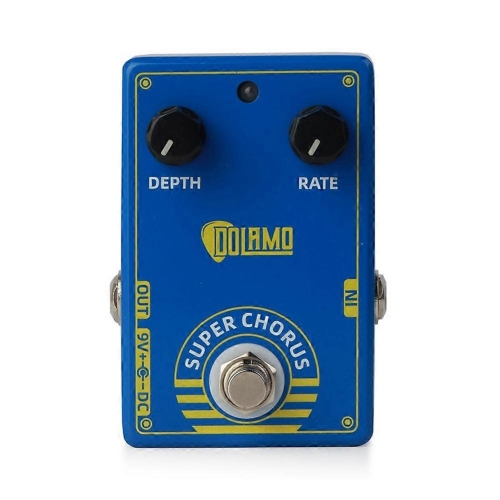
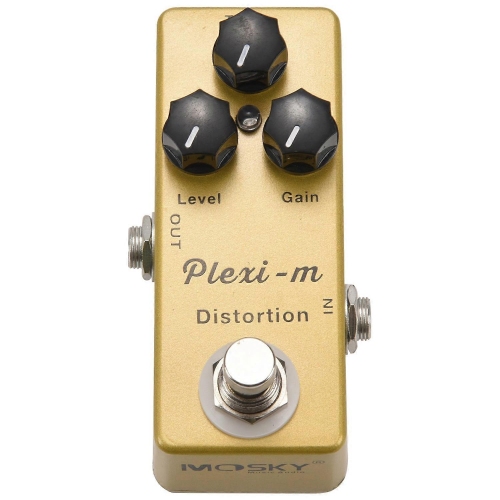
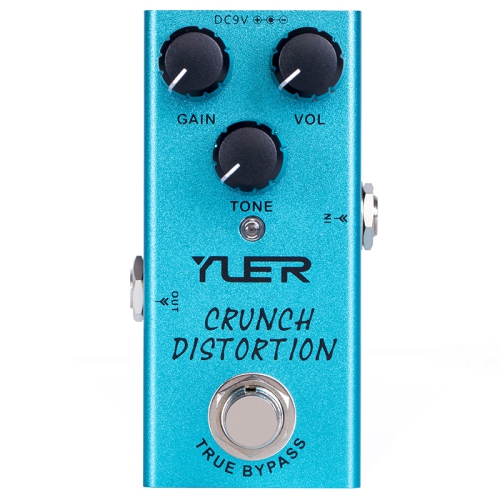
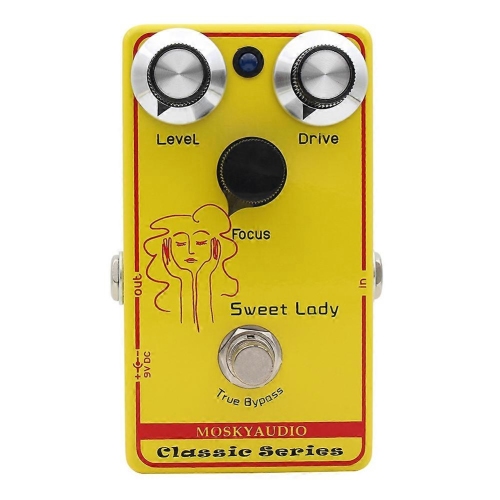
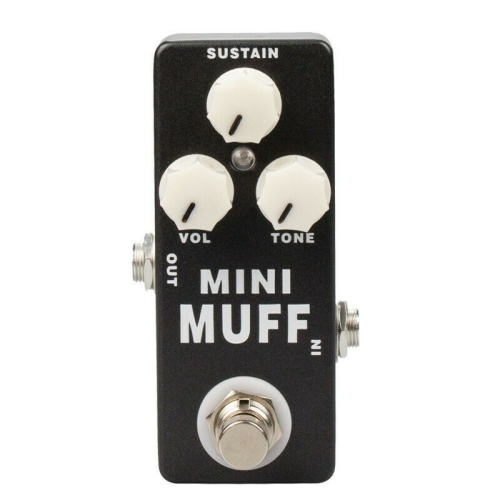
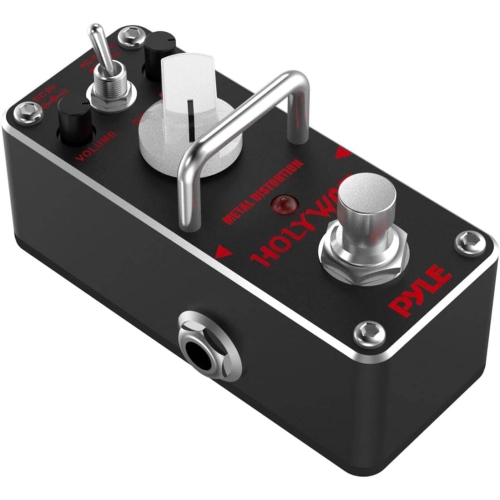
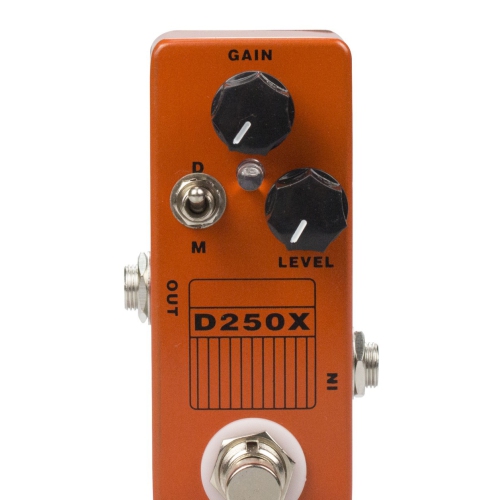
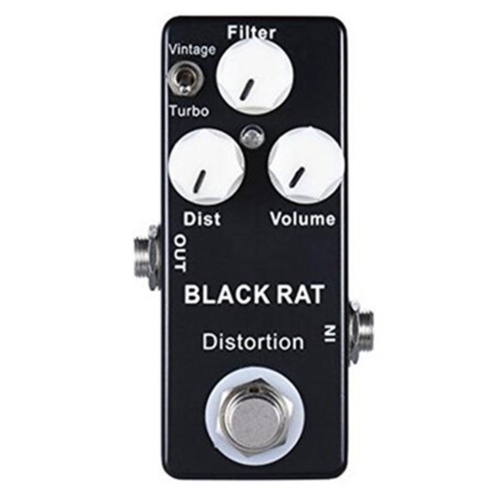
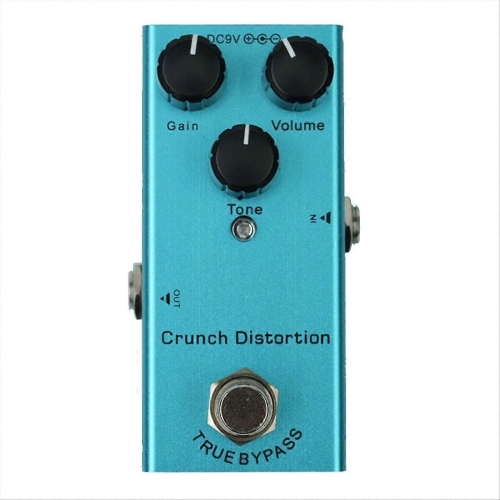
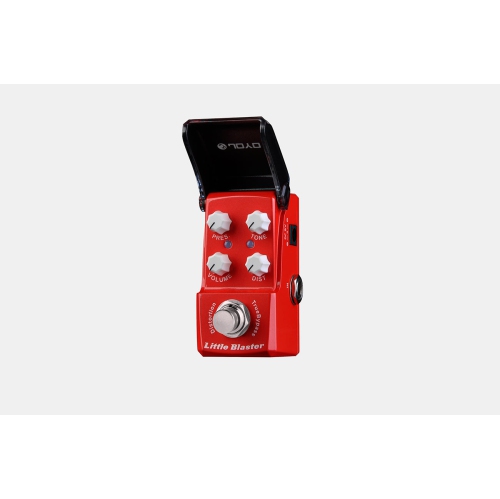
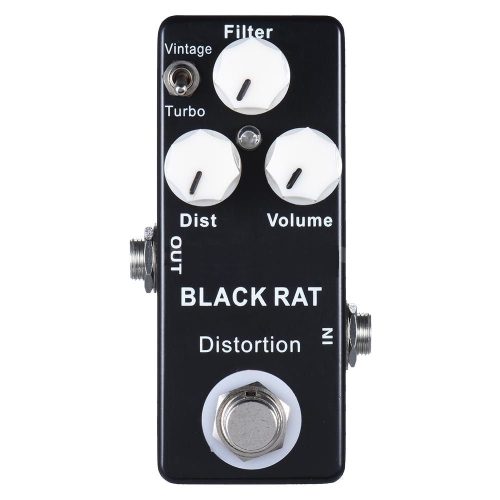
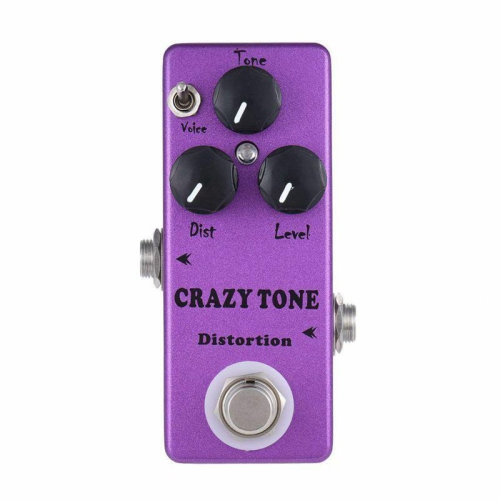
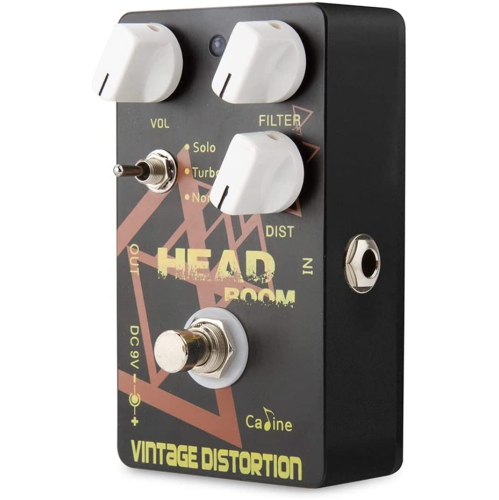
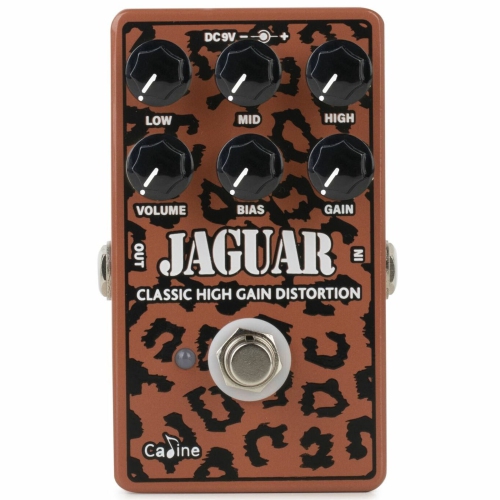
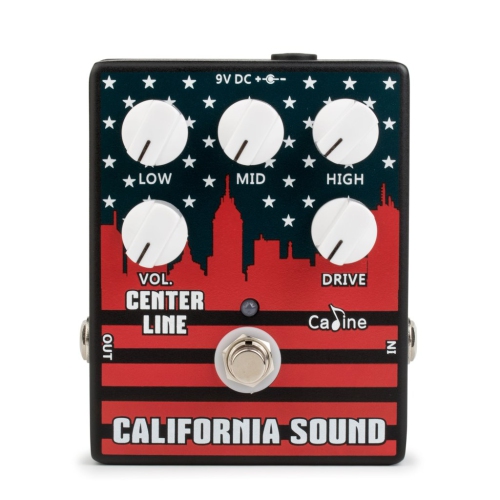
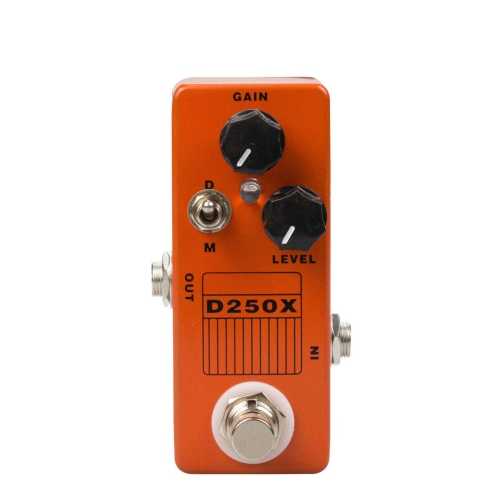

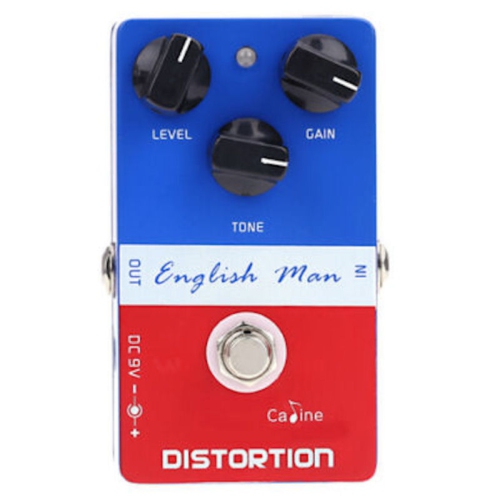
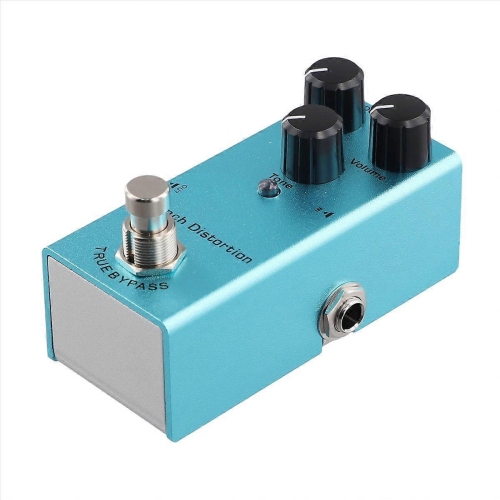
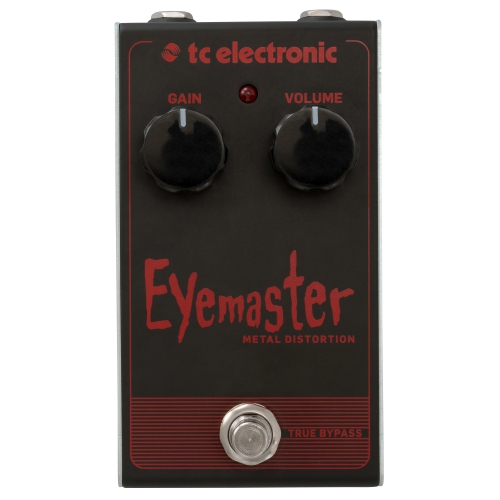

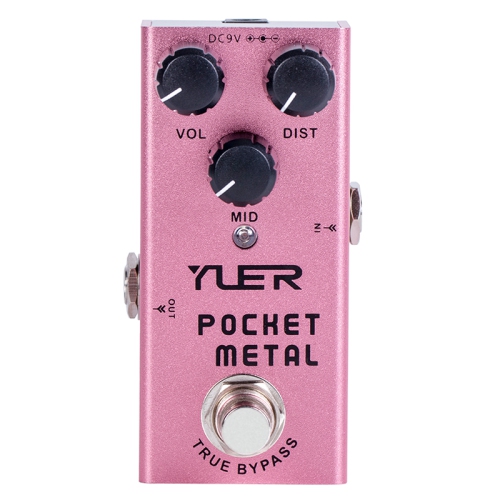
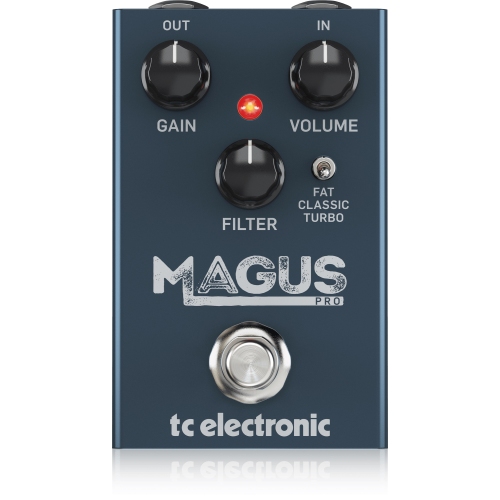
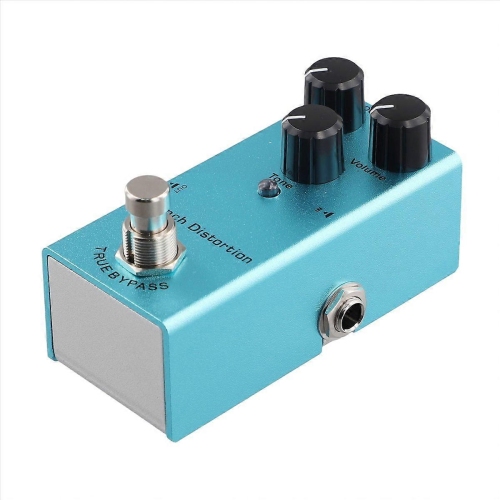
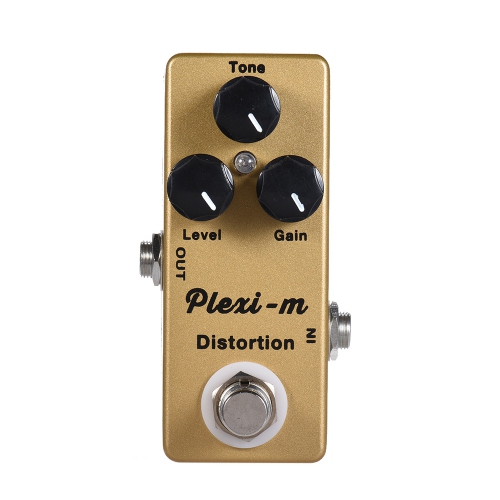
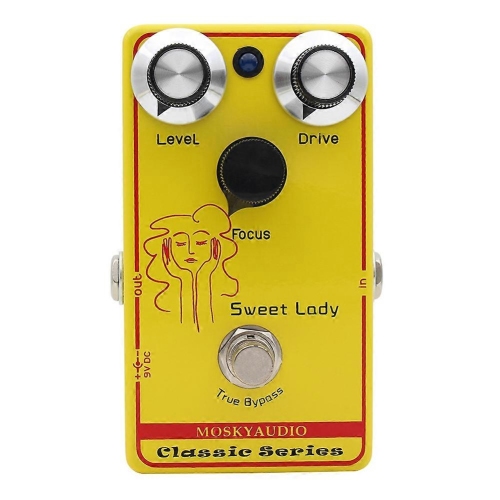
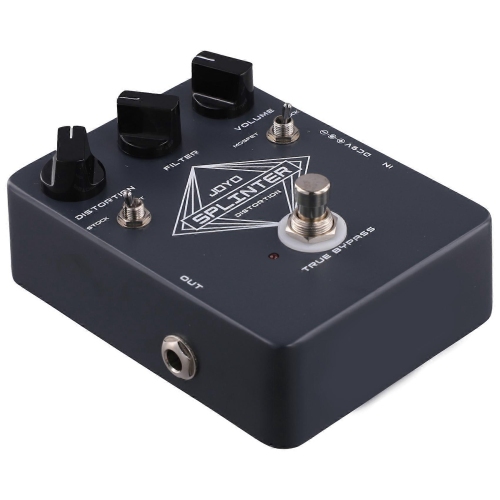
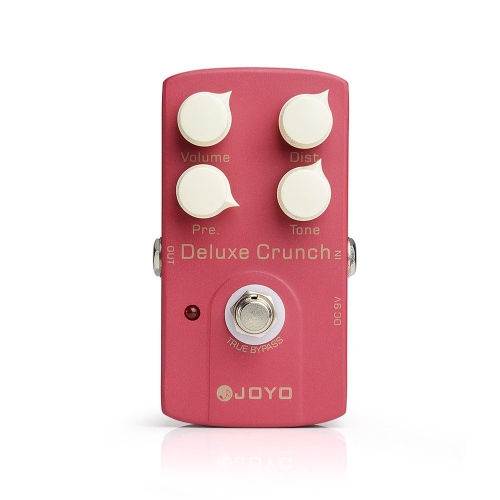
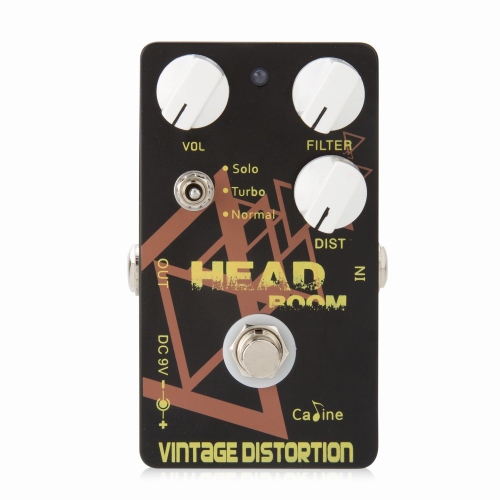
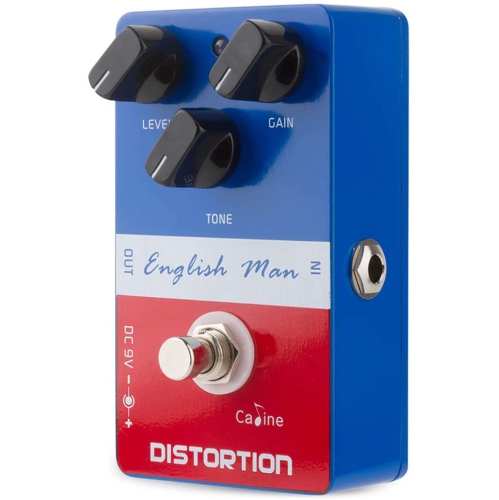
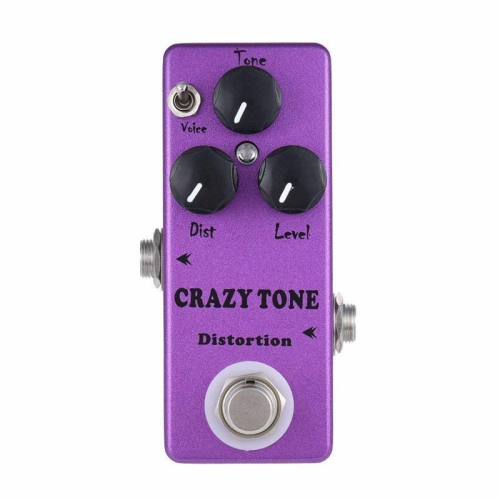
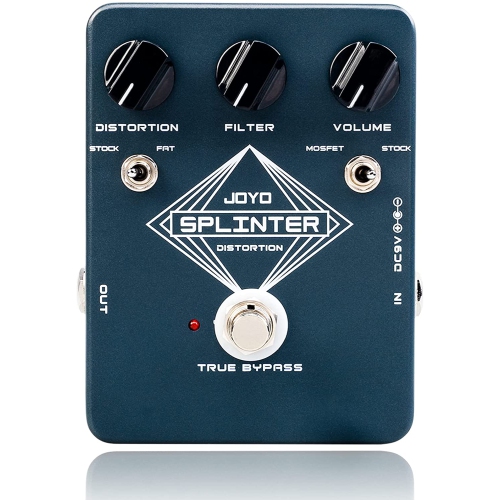
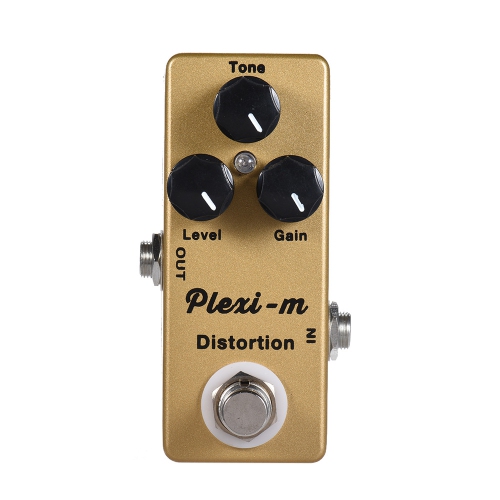

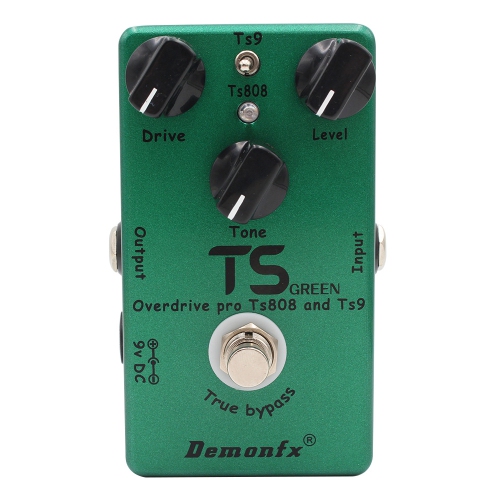
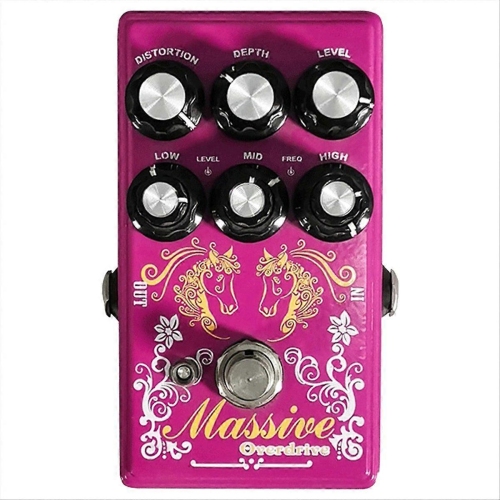
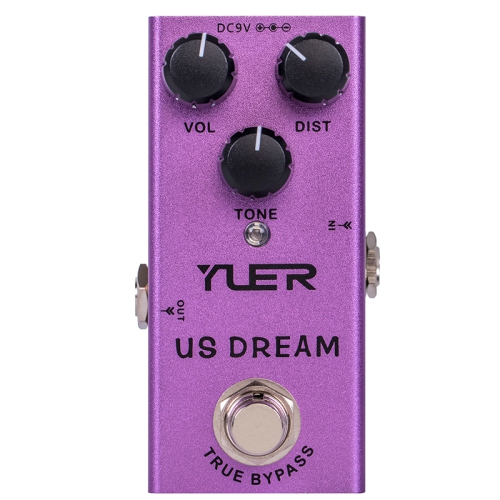
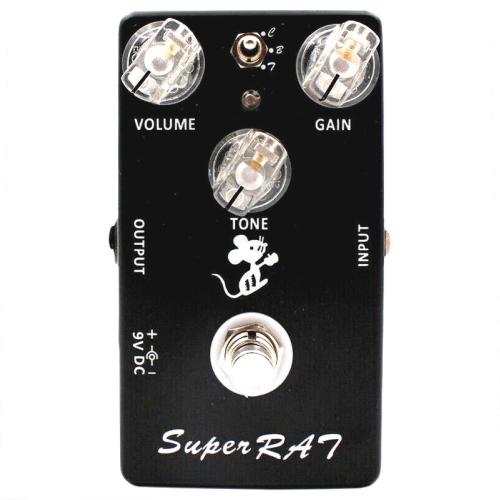
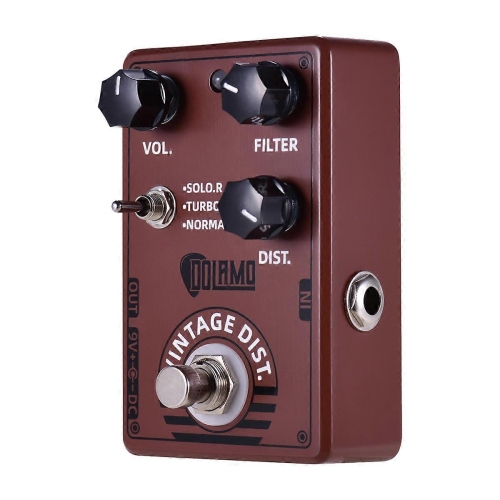
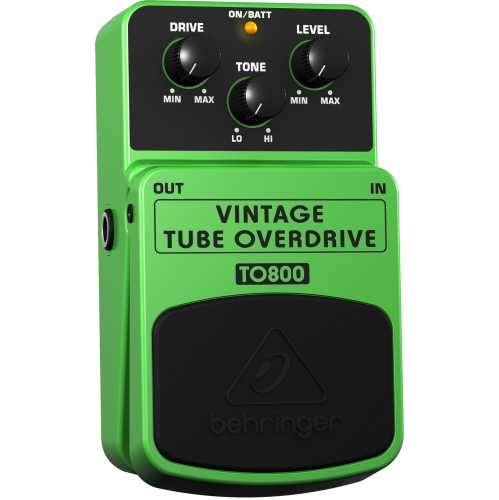
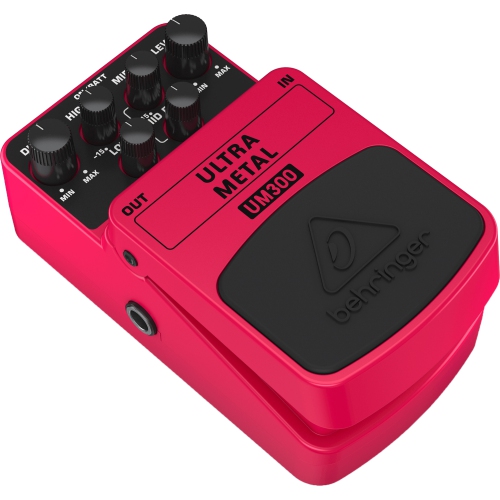
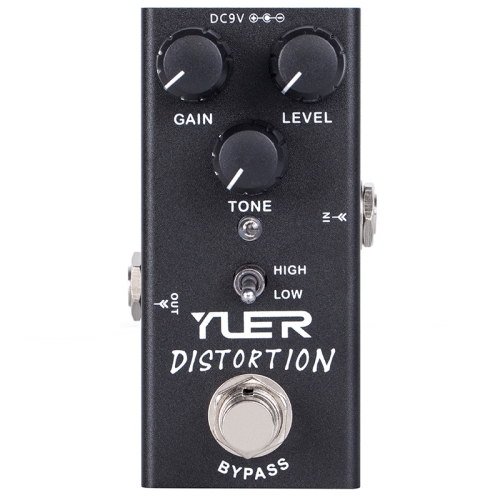
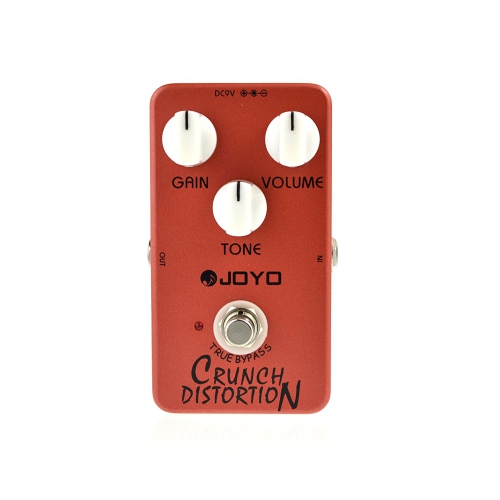
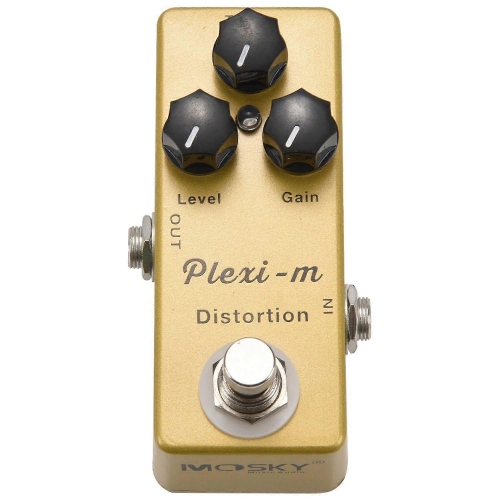
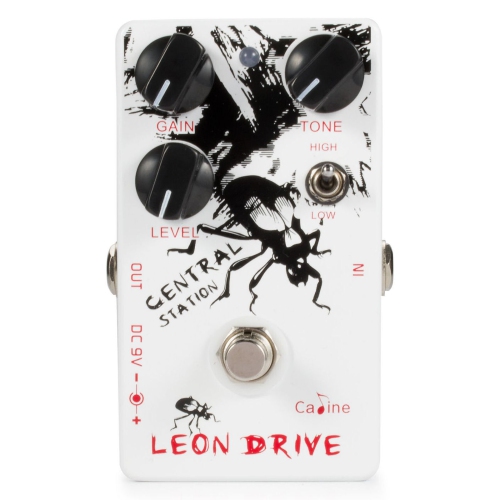
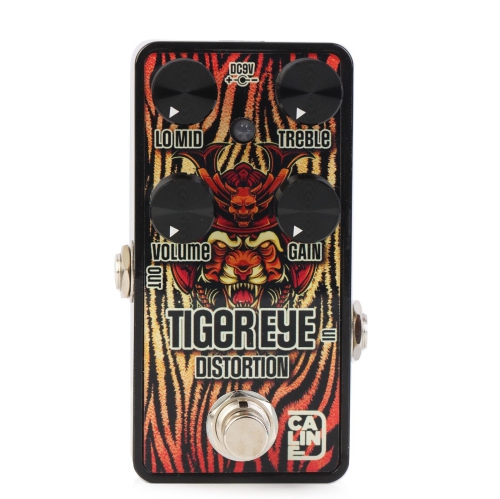
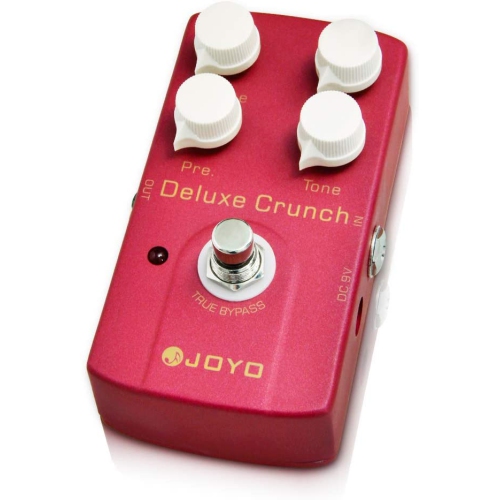
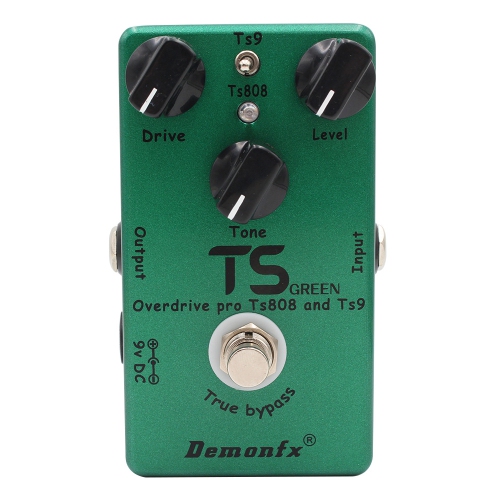

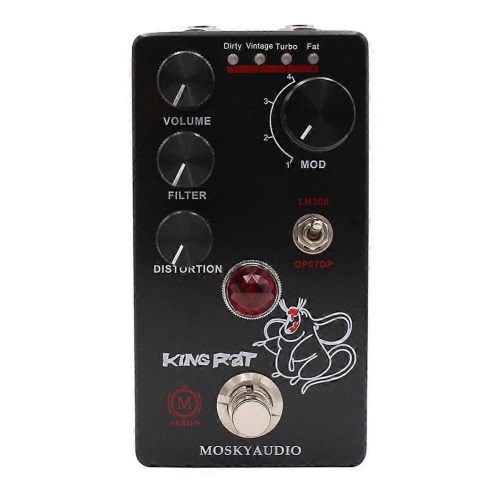
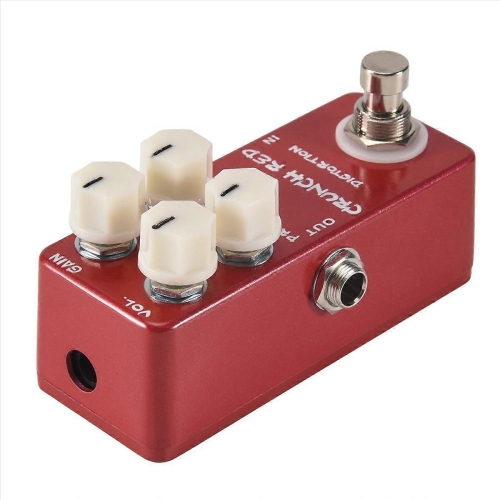
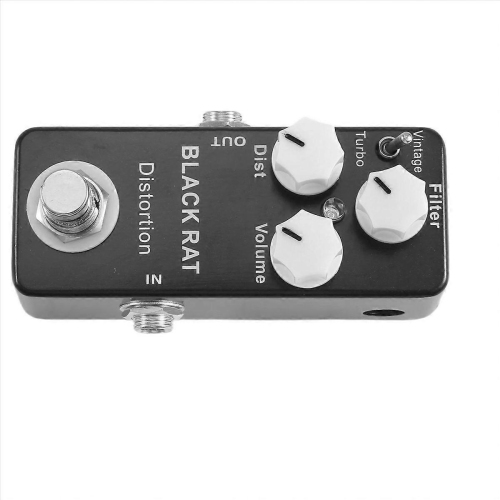
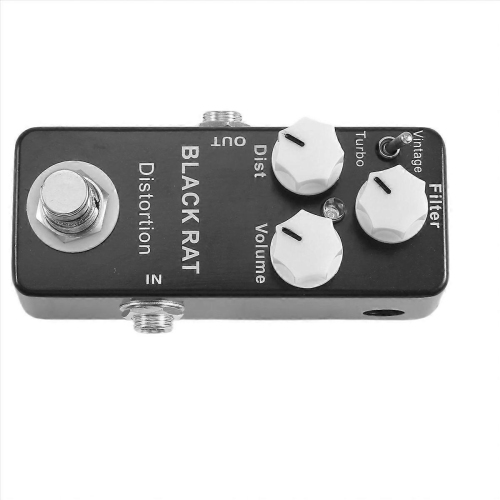
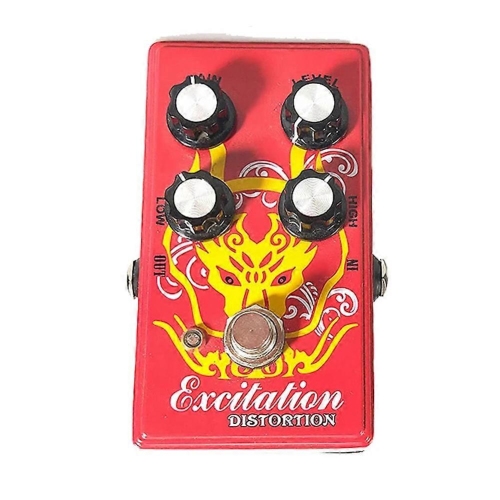
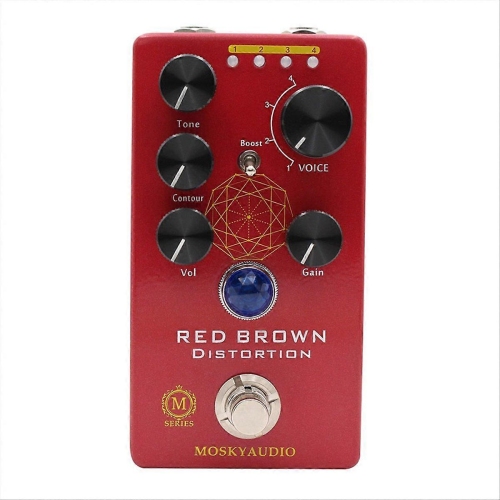
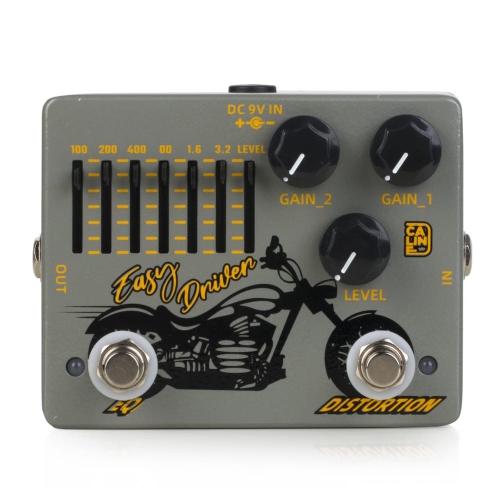
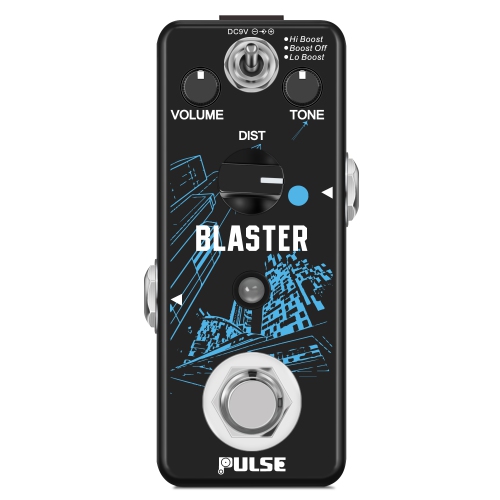
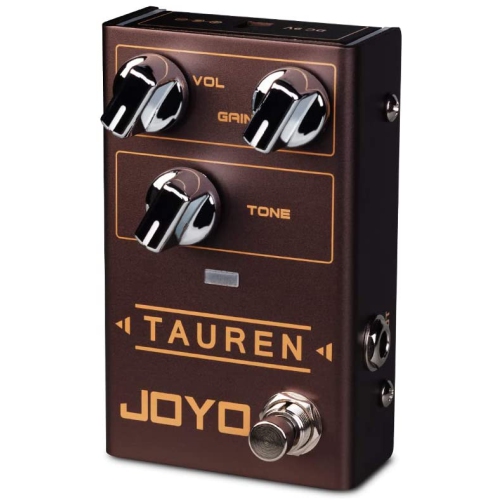
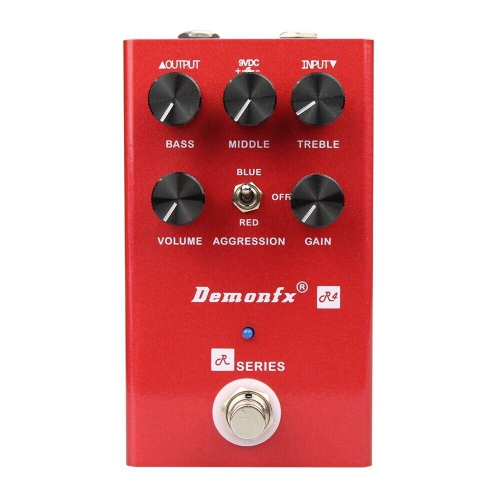
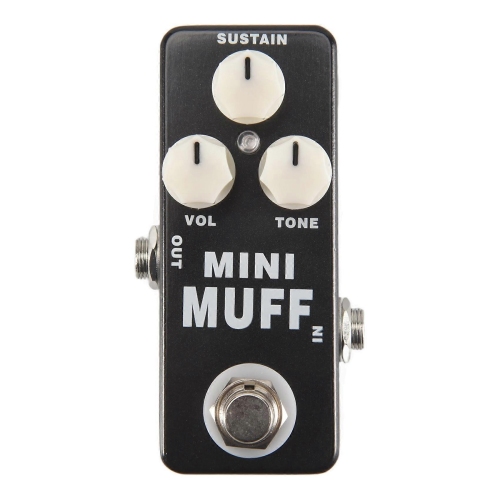
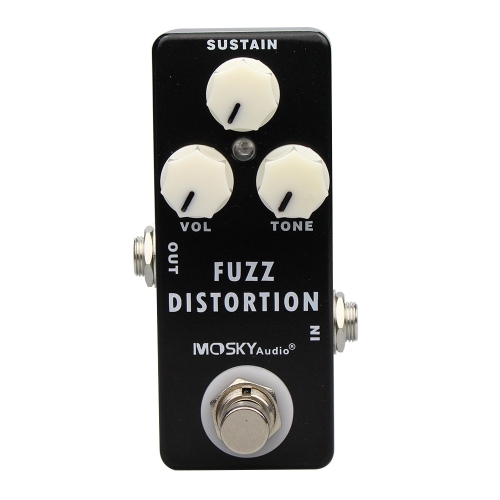

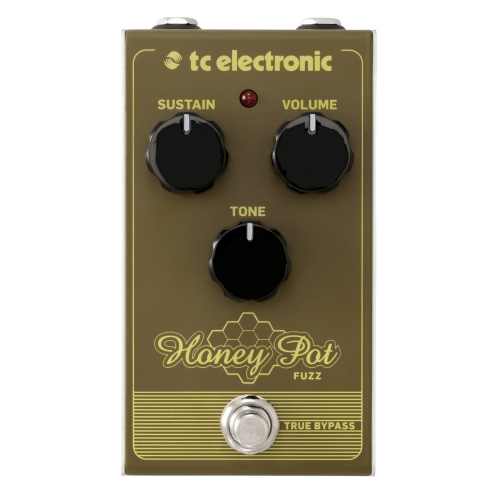
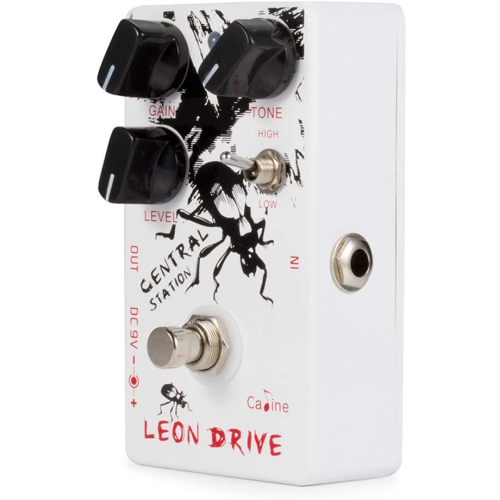

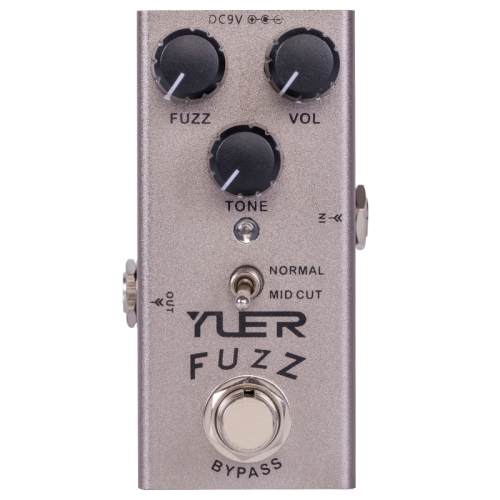
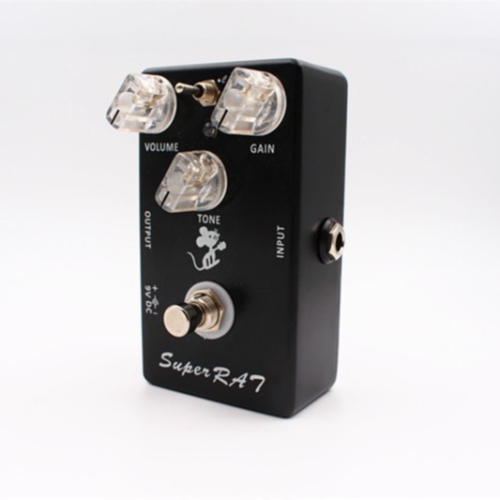
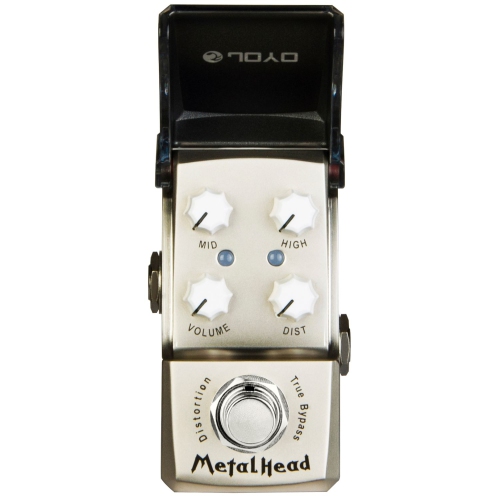
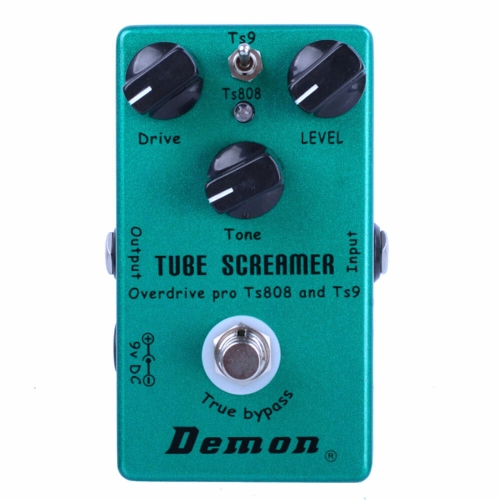
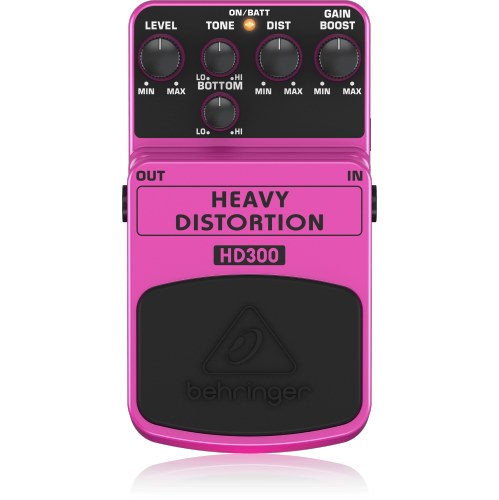
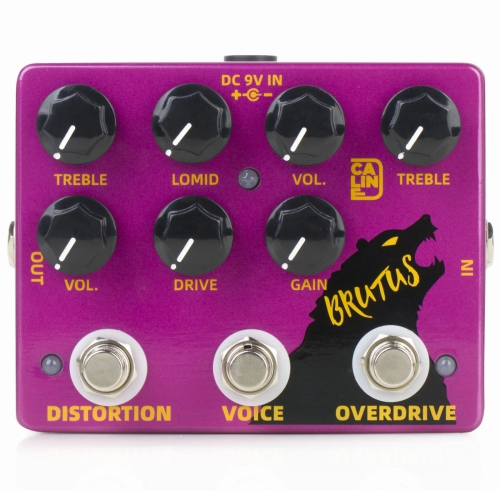
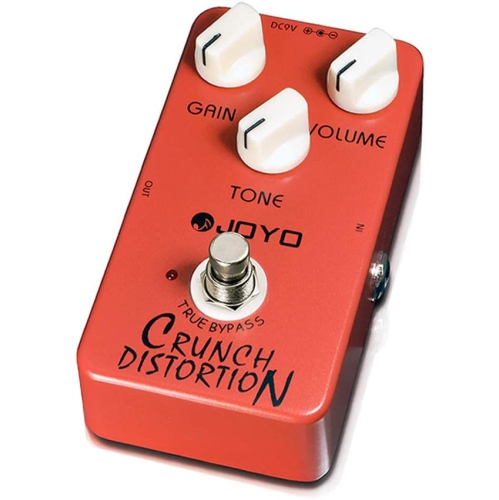
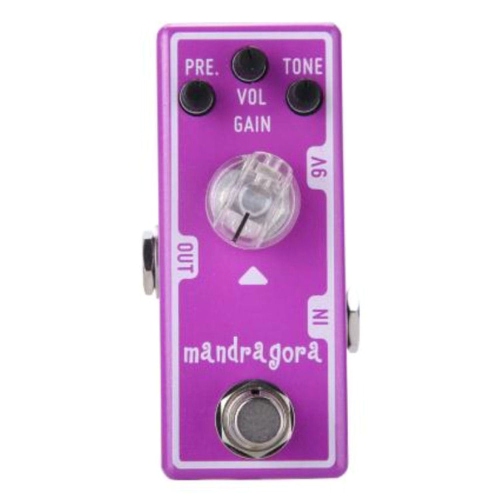
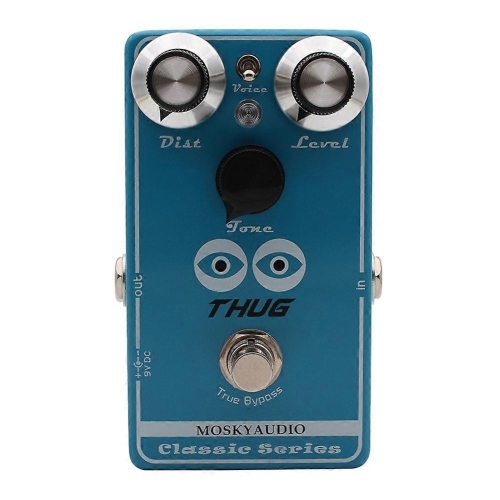
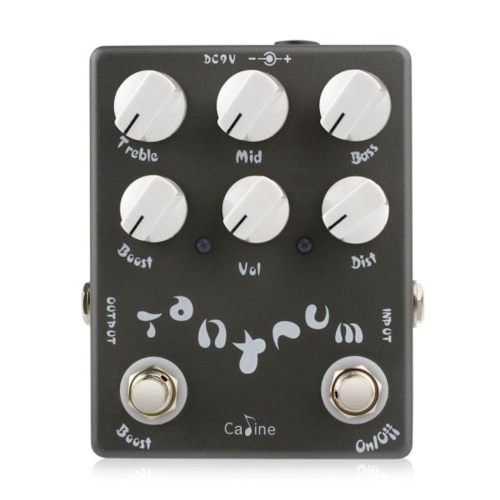
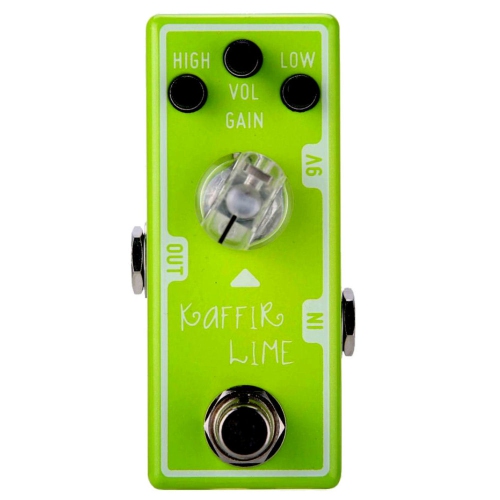

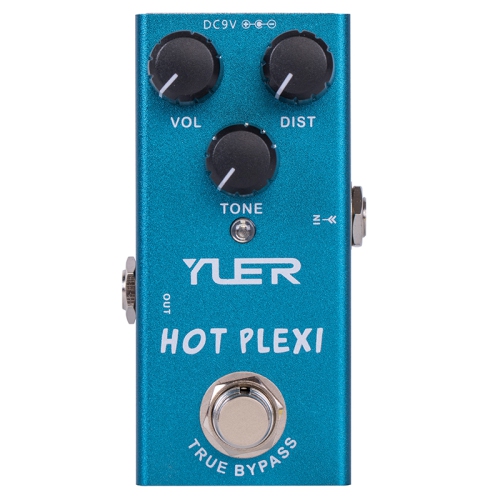
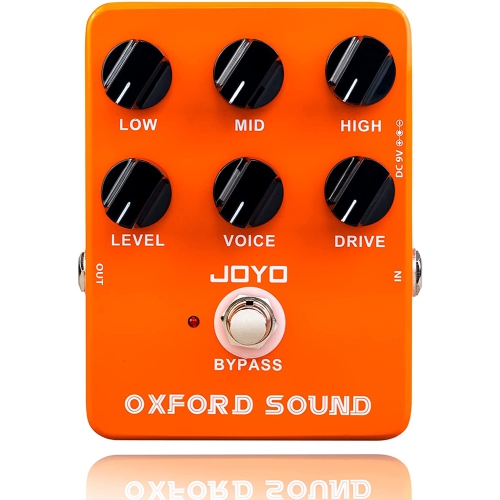
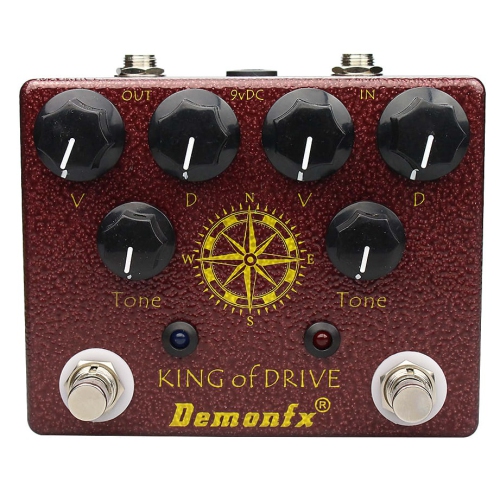
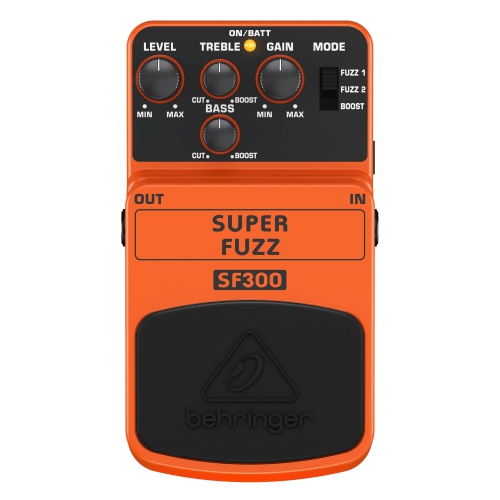
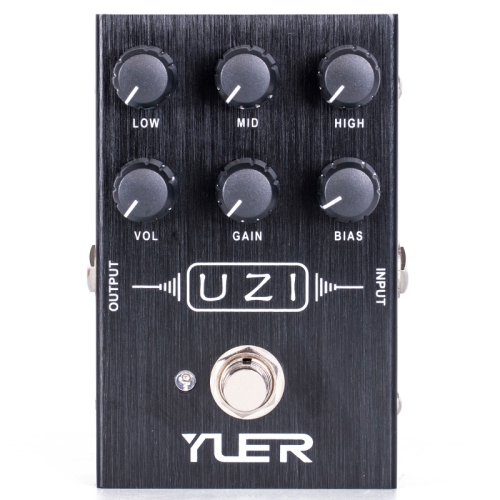
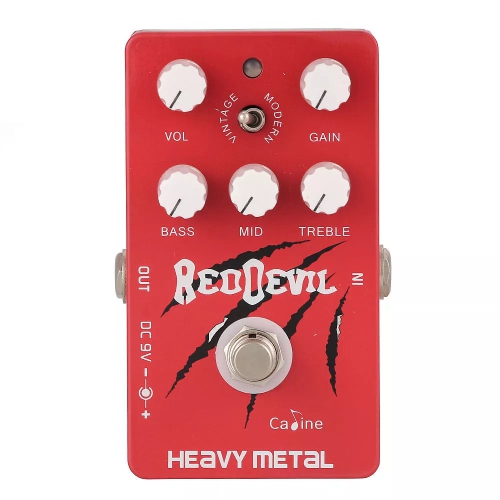

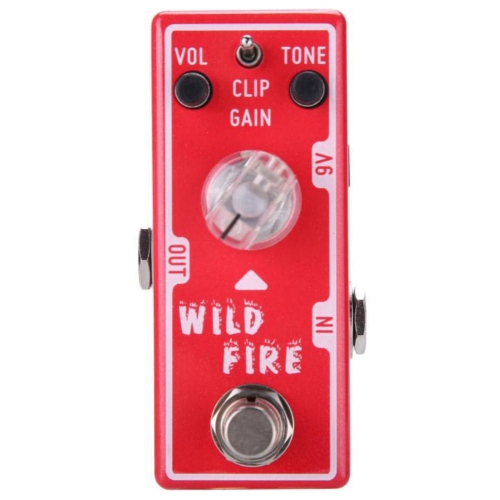
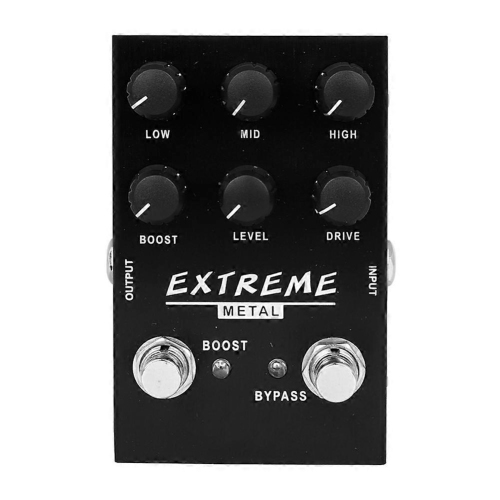
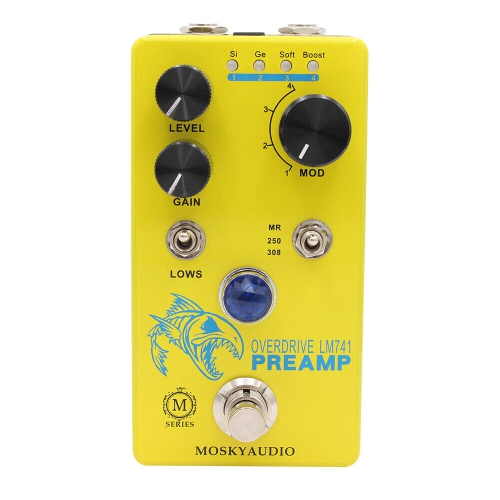

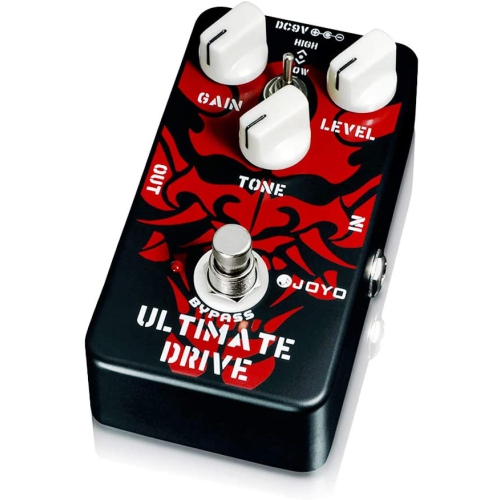


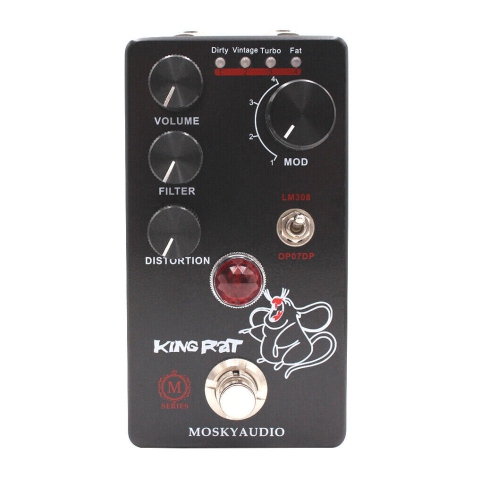
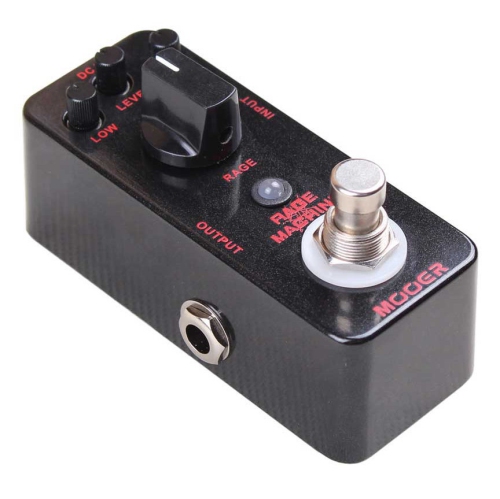
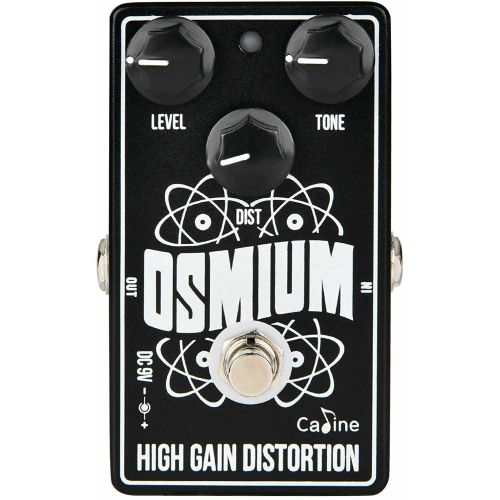
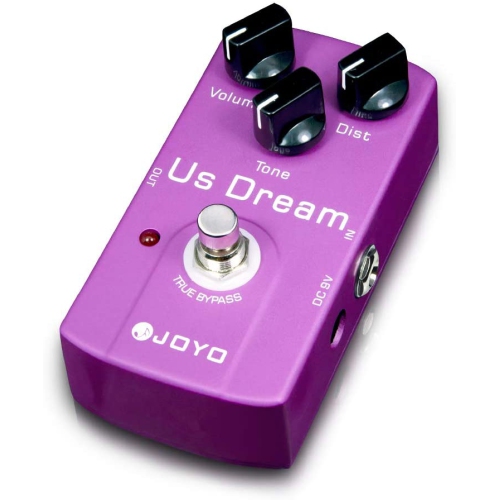
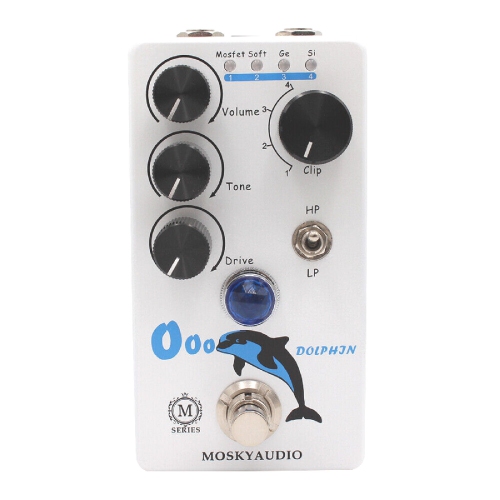
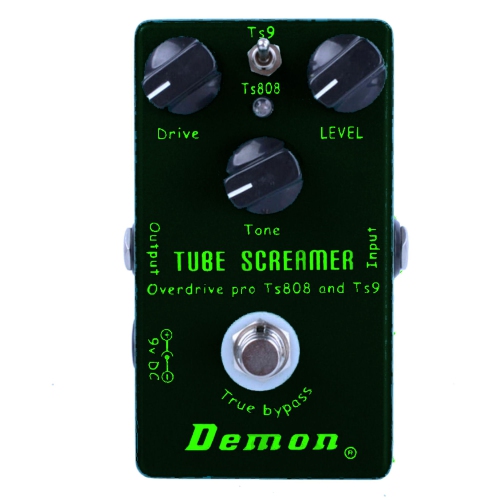
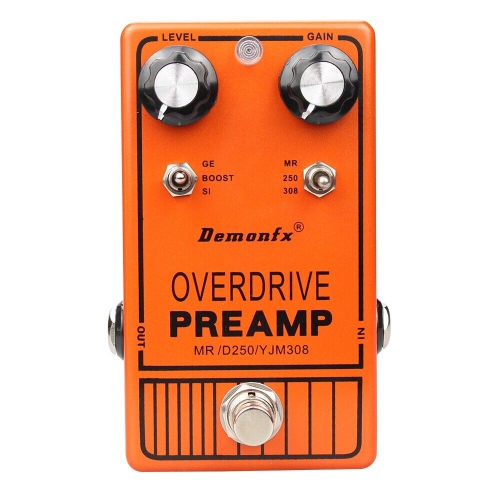
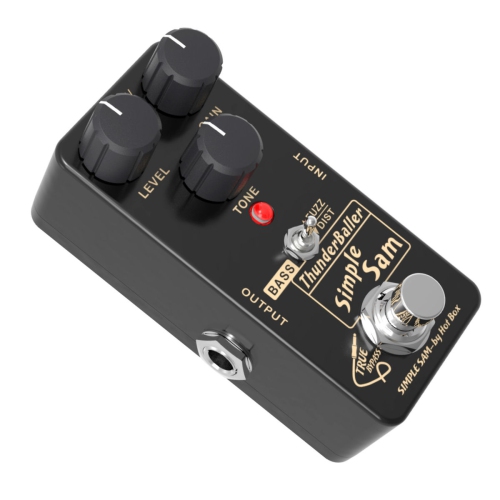
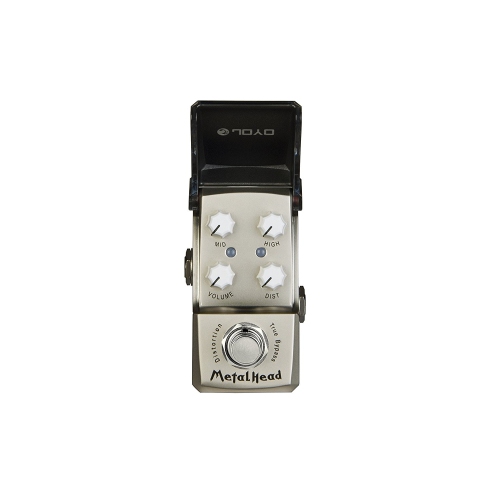
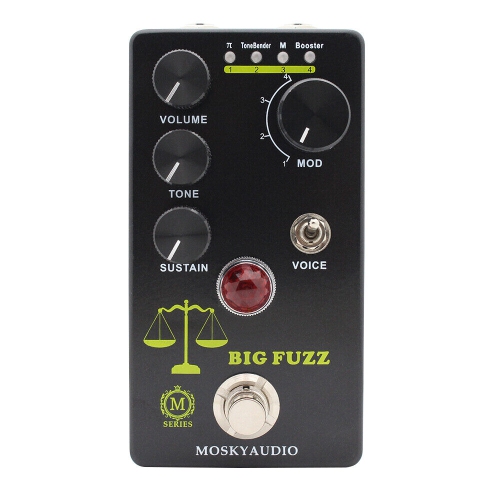

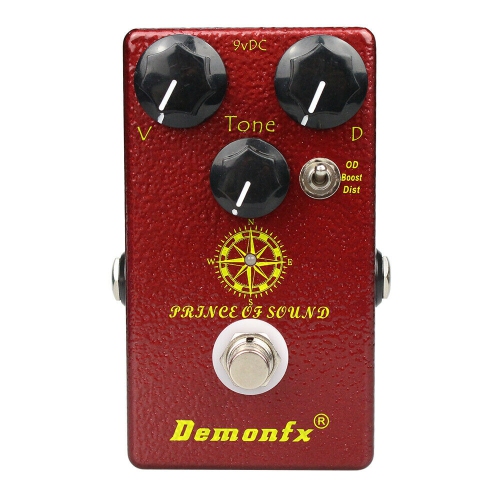
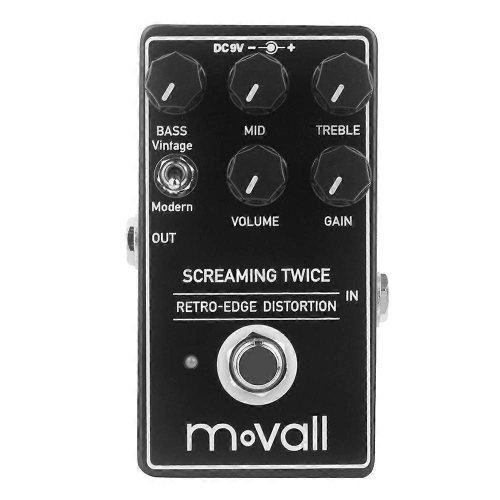
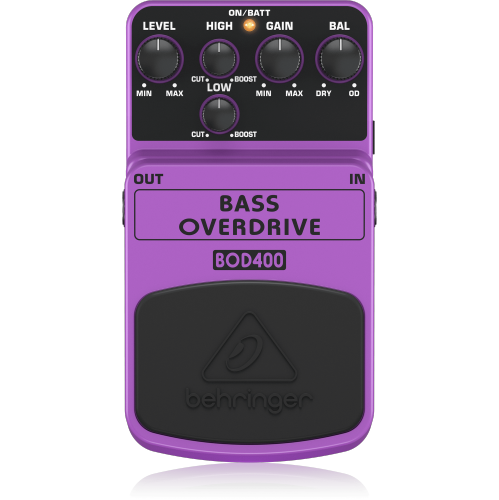
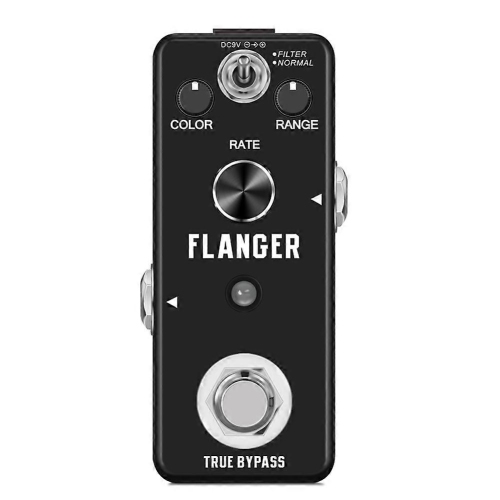
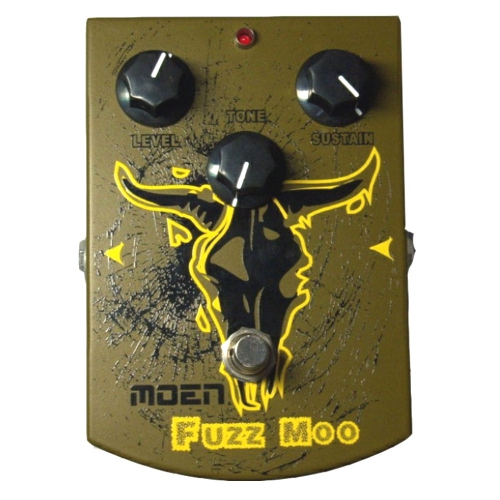
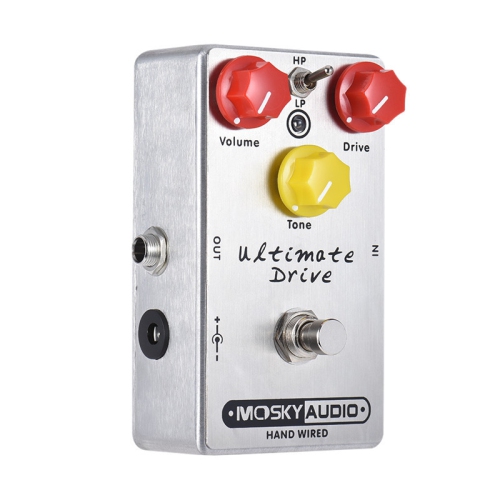
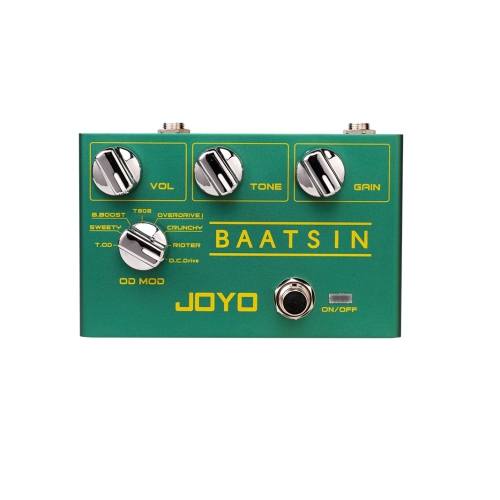
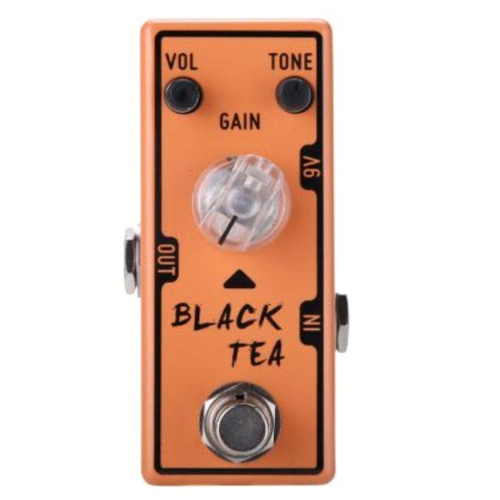
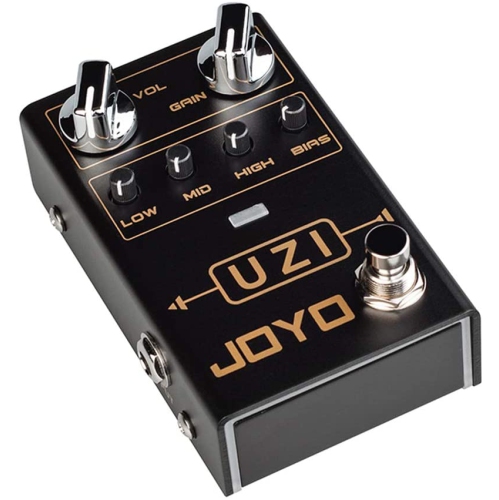
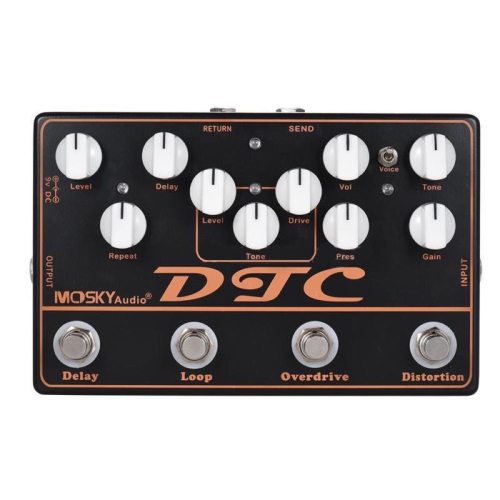
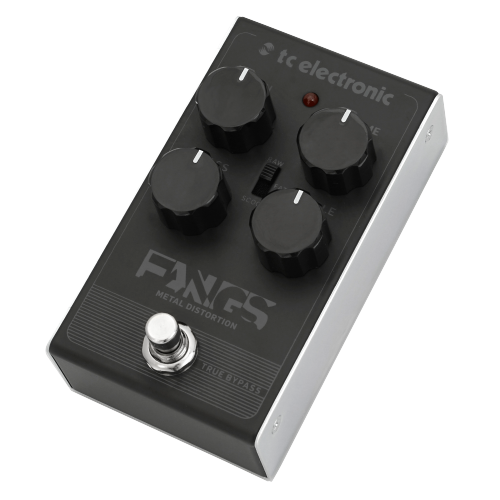
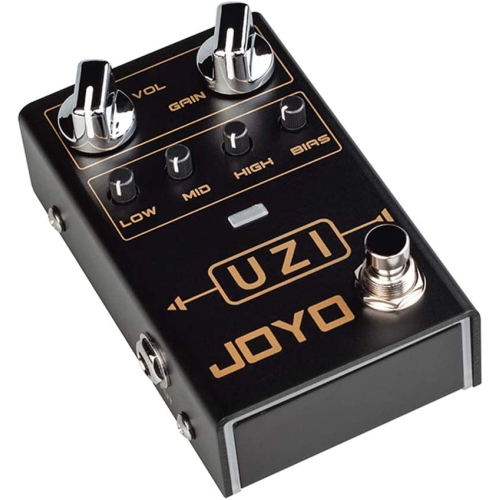
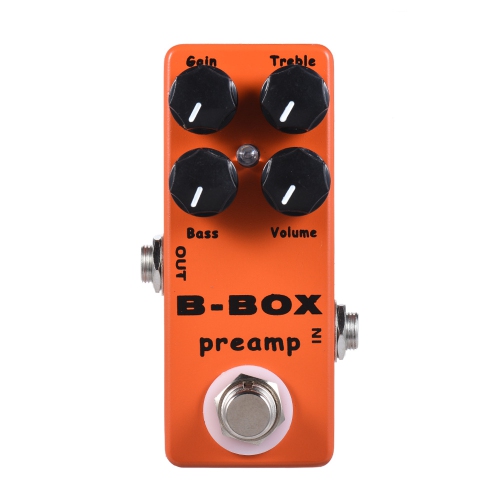


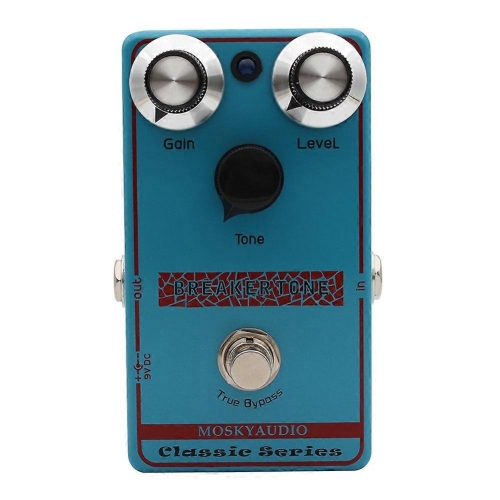
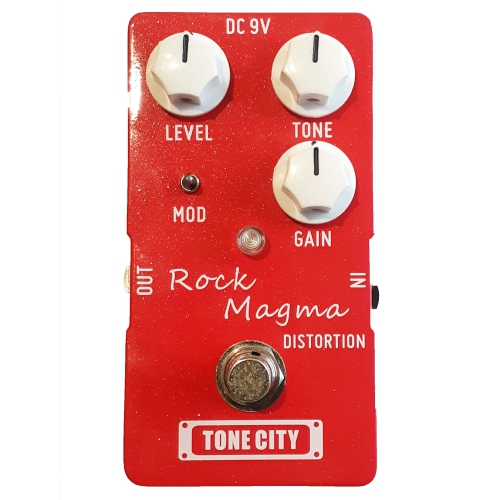
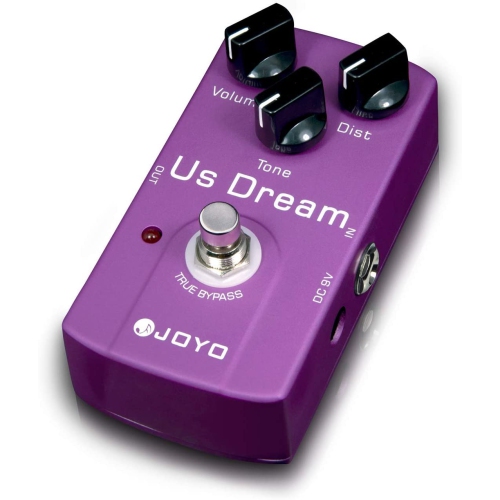
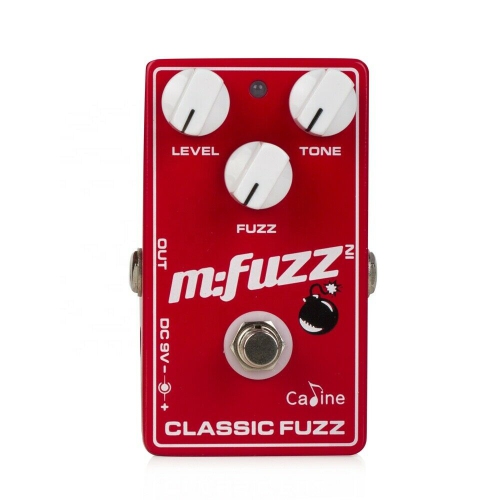

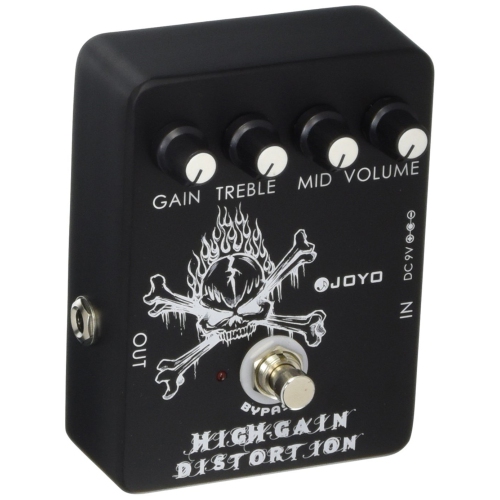
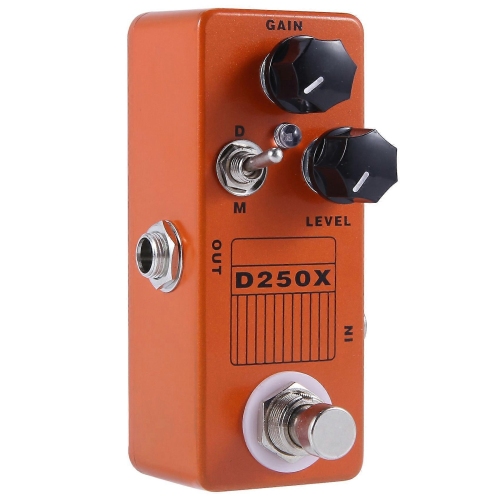

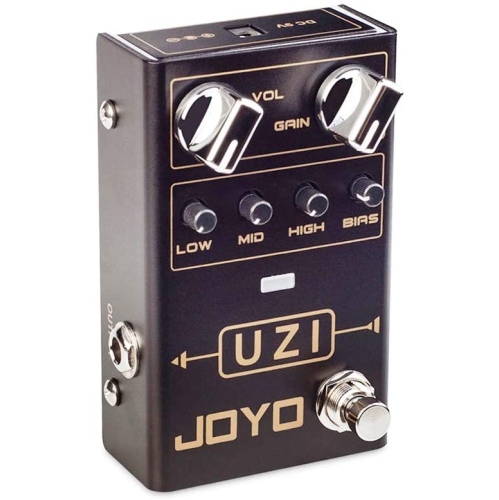
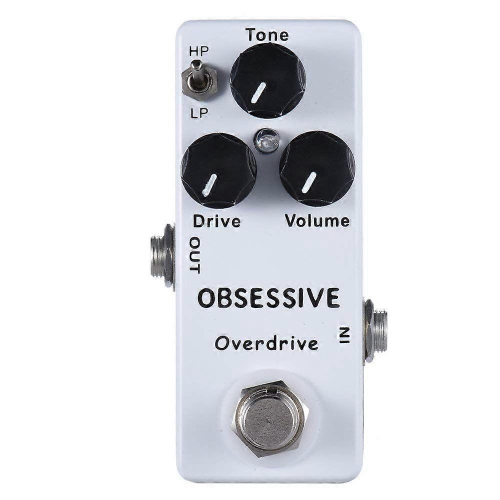
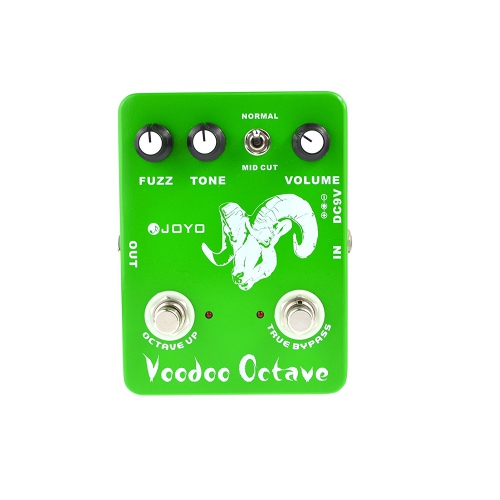
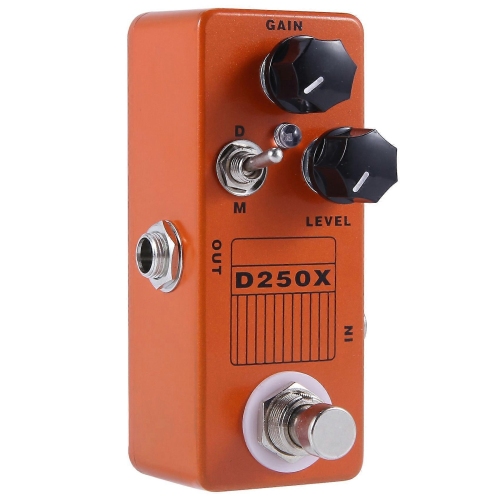
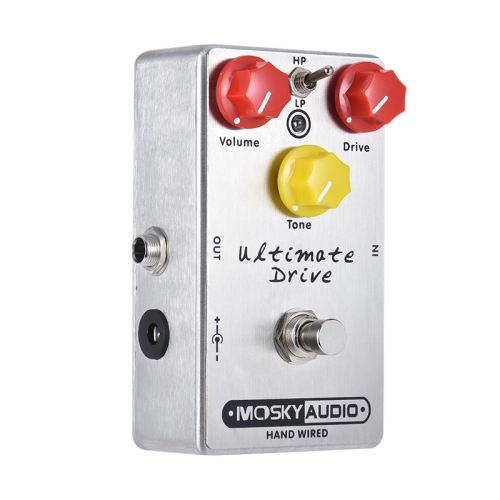

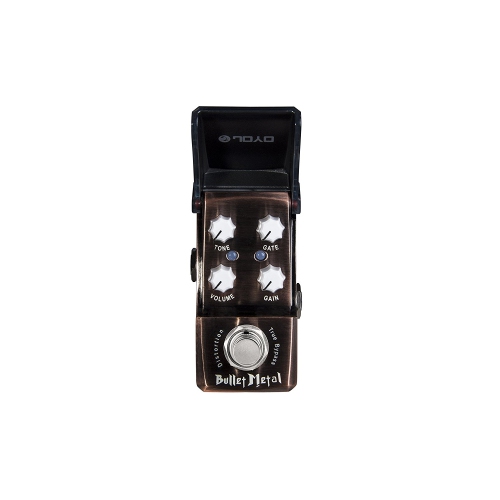

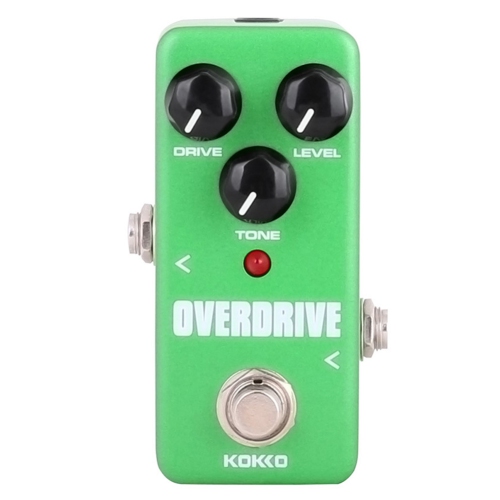
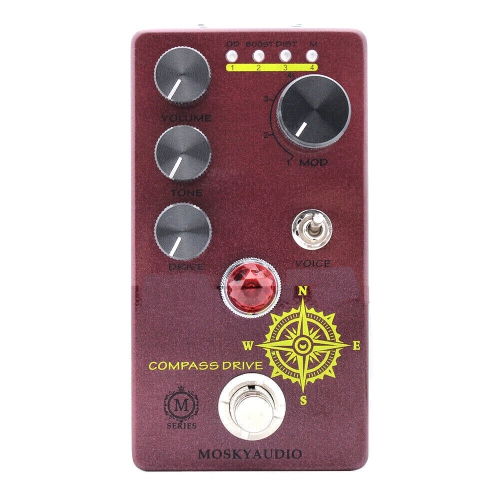

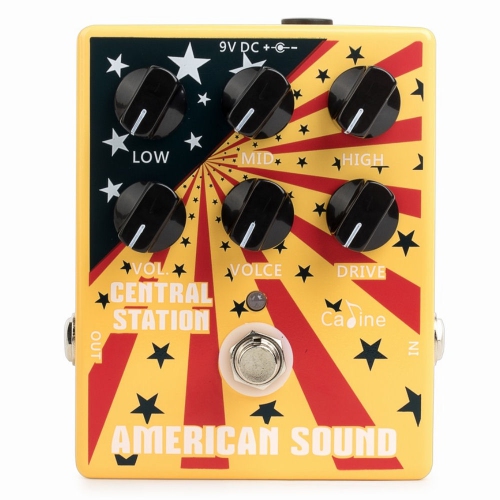
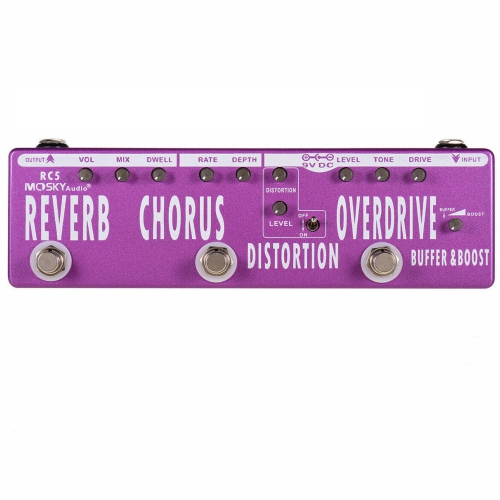

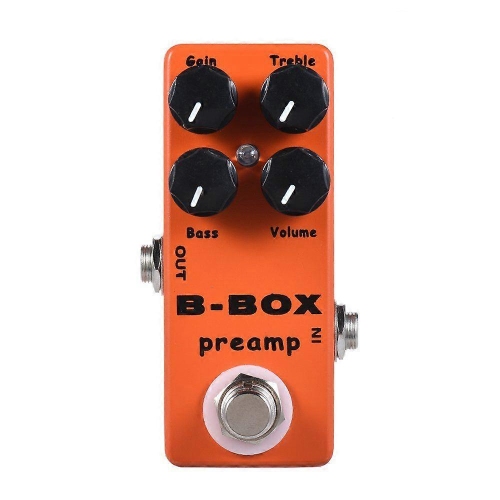

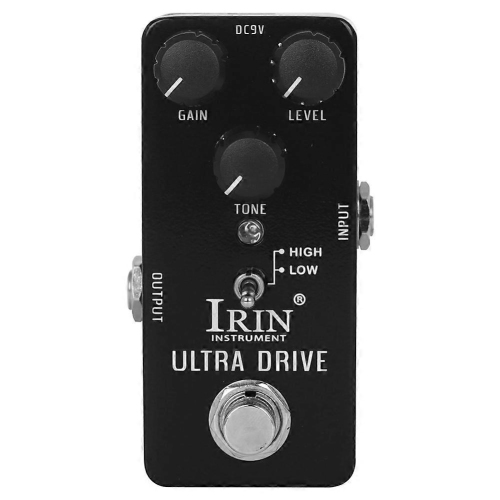

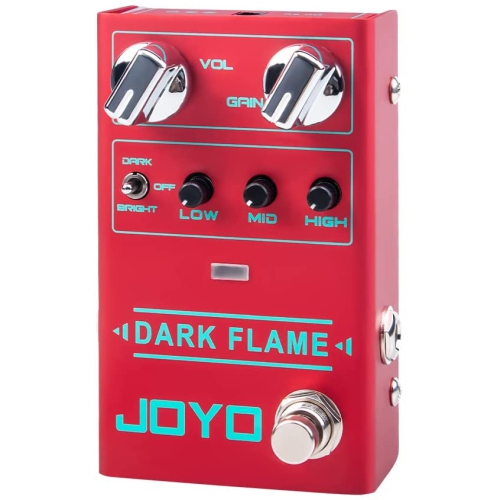
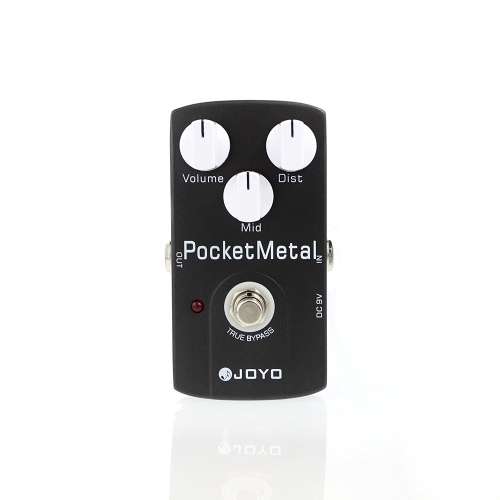
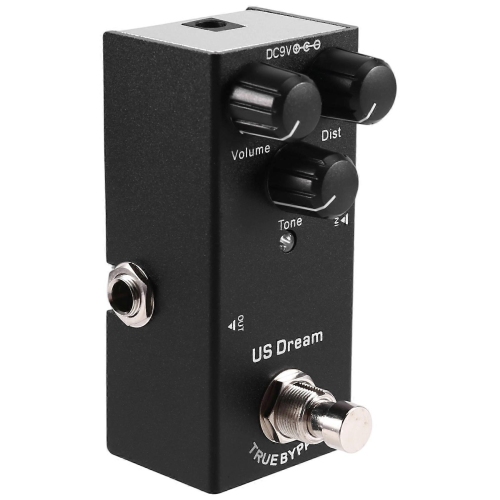
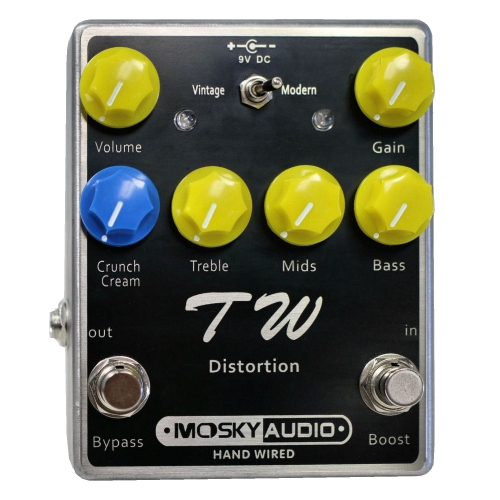
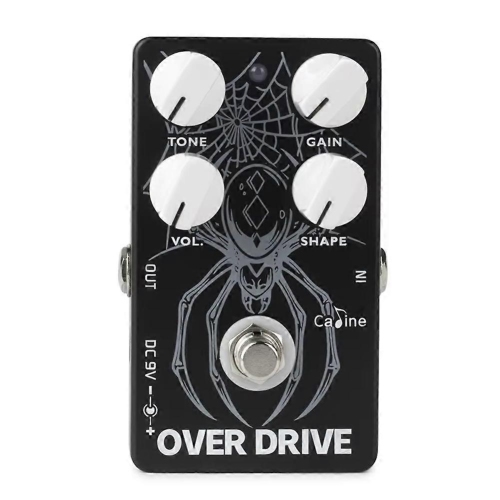
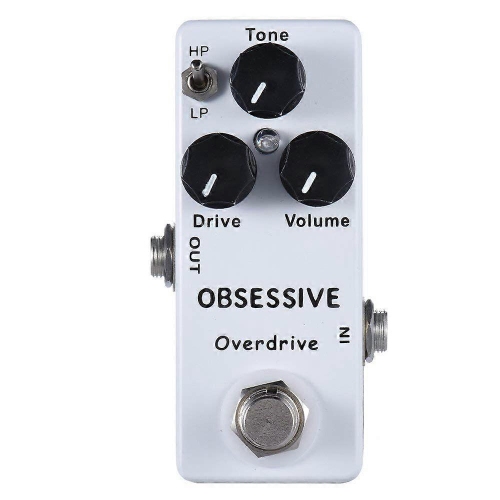
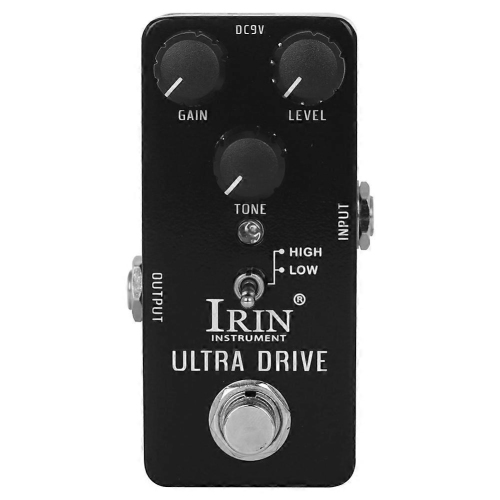
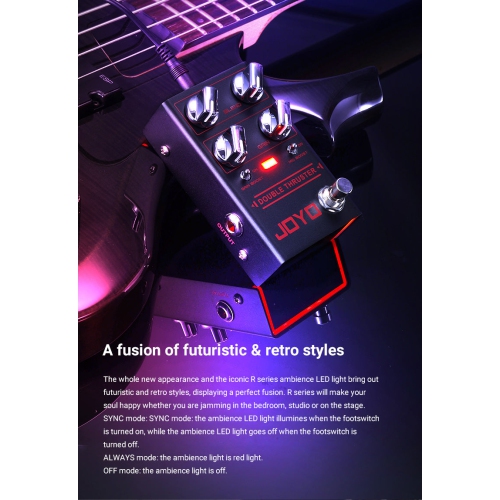
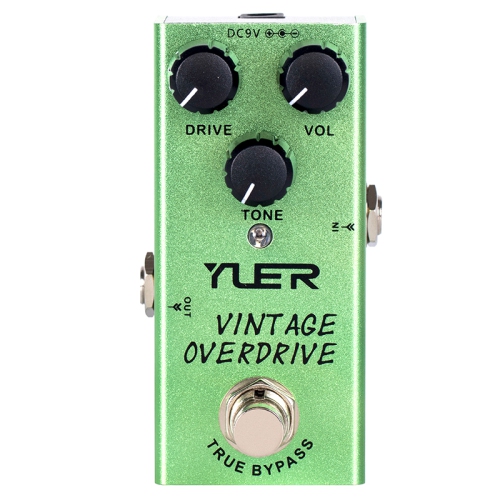
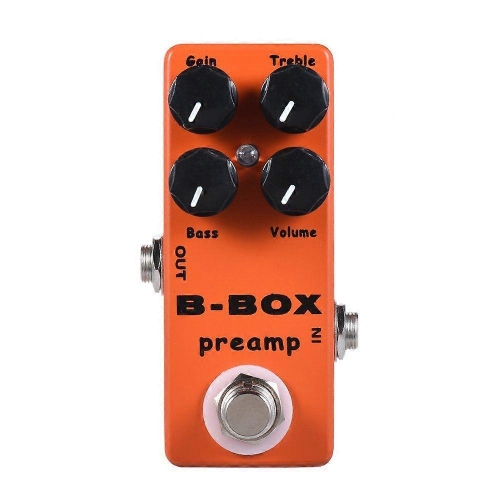

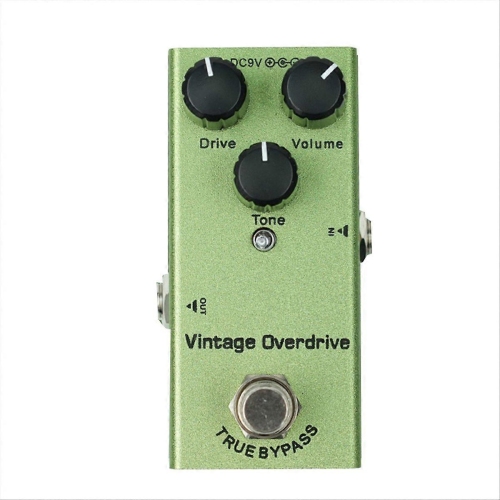
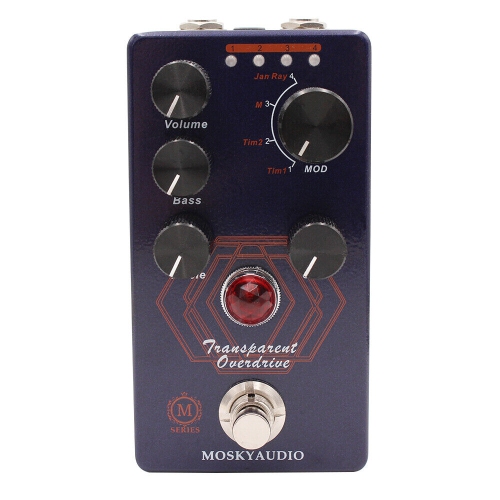
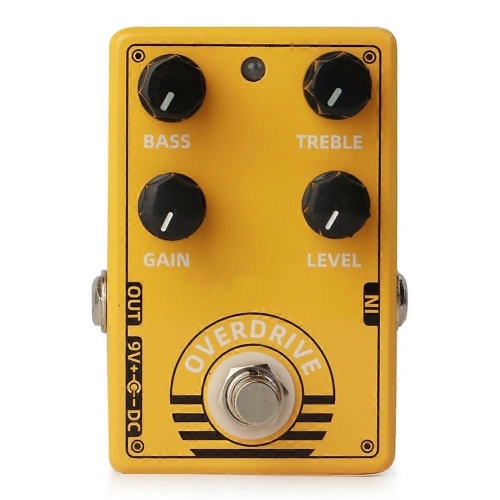
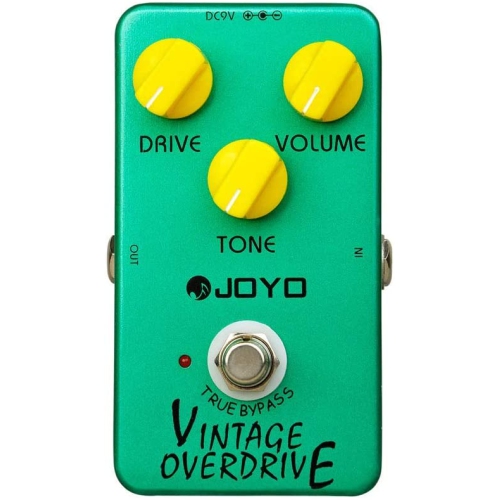

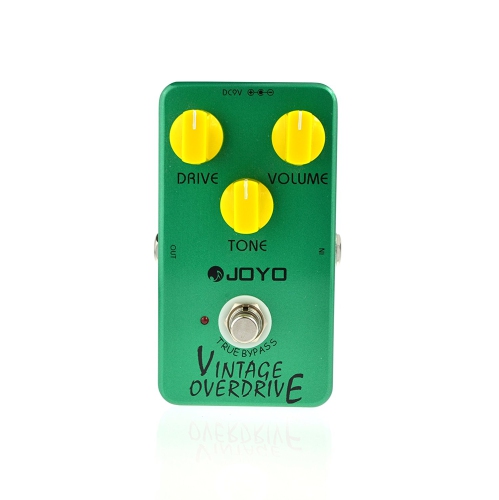
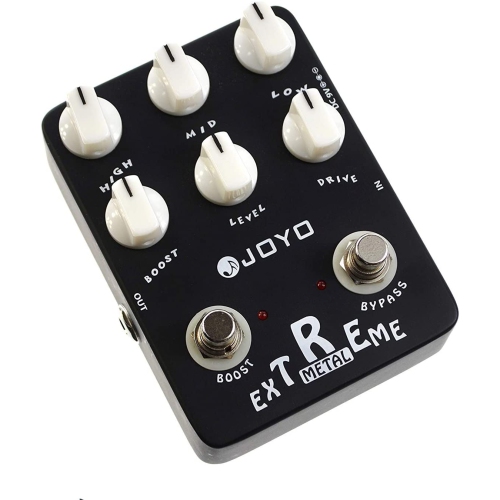
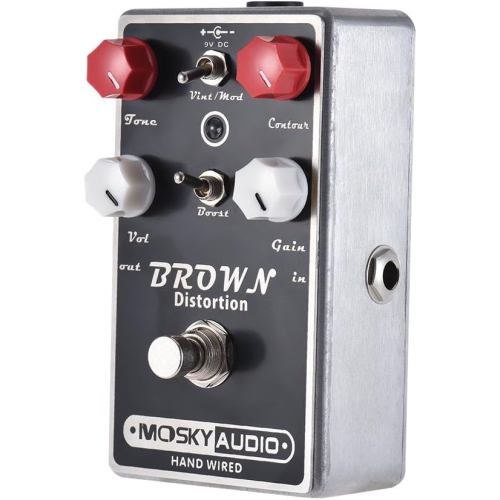
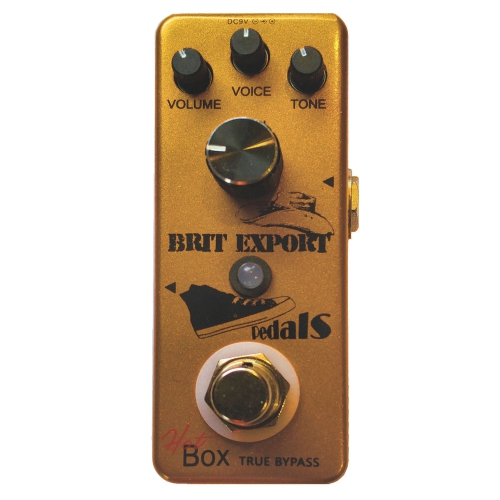
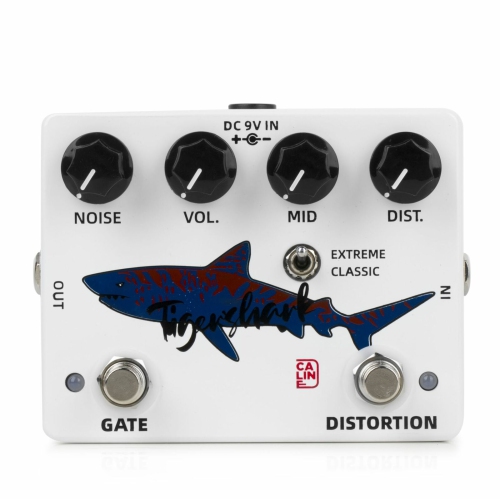
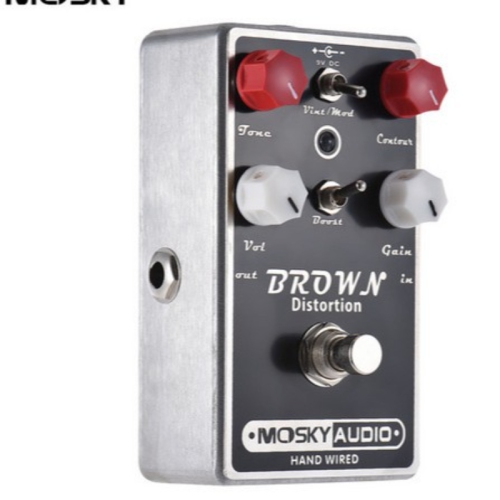

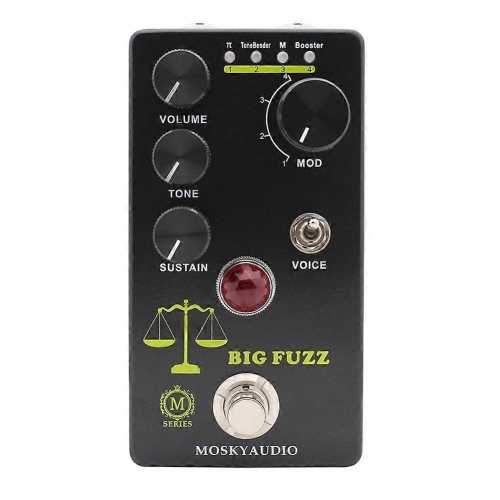

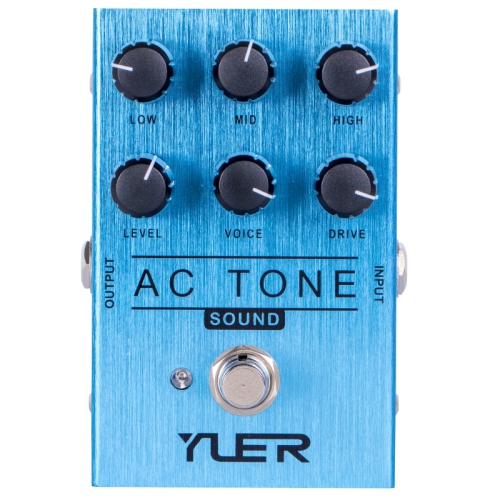
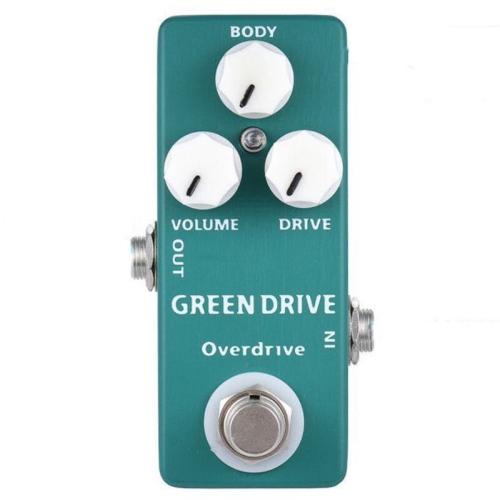
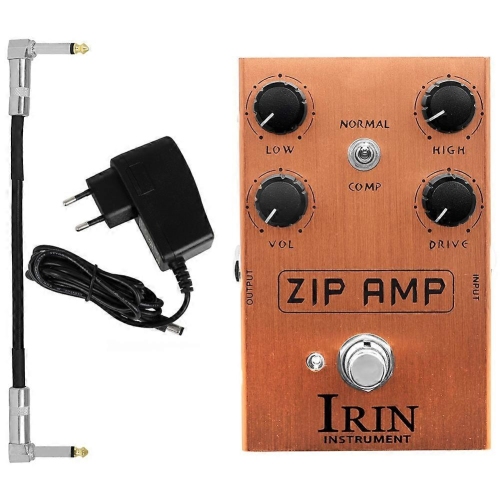
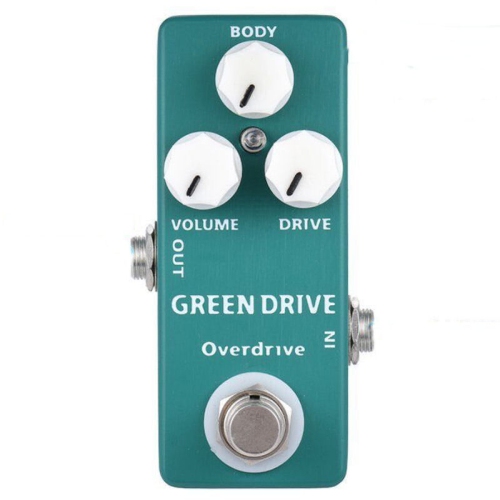
More drive and sustain from your existing amplifier
Affordable distortion pedals make it easier to add character, punch, and sustained drive to a guitar rig without committing to the cost of a new amplifier or a large pedalboard. A distortion pedal reshapes the guitar’s signal by increasing gain and clipping the waveform, creating tones that range from a lightly gritty edge to a dense, aggressive wall of sound. Many budget-friendly options are available for under $50, making them a practical choice for beginners, home players, rehearsal spaces, and experienced guitarists who want to experiment with another flavour of drive. A compact stompbox can turn a clean amplifier setting into a crunchy rhythm tone, add extra bite to a lead sound, or provide a heavier voice for rock, punk, hard rock, and metal. The result depends on more than the pedal alone: the guitar’s pickups, the amplifier’s headroom, the speaker, and the order of the effects chain all contribute to the finished sound. Someone playing single-coil pickups through a bright clean amp may hear a sharper, more open response, while humbuckers and a warmer amplifier can produce thicker low-end and longer sustain. Browsing a wider selection of Distortion Pedals can help players compare compact and standard-sized designs while finding a suitable starting point for their setup.
When choosing an affordable distortion pedal, begin with the type of music and playing style it needs to support. A simple two- or three-control design can be an excellent fit for a first pedal because it allows the player to focus on gain, tone, and volume without becoming lost in a long list of adjustments. Gain controls the amount of clipping, from a mild breakup that responds to picking dynamics to a saturated setting with powerful sustain. Tone generally adjusts the balance between darker low frequencies and brighter high frequencies, while volume sets the pedal’s output in relation to the amplifier. For a classic rhythm sound, setting the gain below maximum and raising the volume slightly can add definition without overwhelming the mix. Higher gain settings may suit palm-muted riffs, thick power chords, and lead lines, though too much distortion can blur individual notes. It is useful to adjust the pedal while standing several feet from the amplifier, since the sound at playing position can differ from what is heard directly beside the speaker. Players should also check whether the pedal runs on a 9V battery, a compatible power adaptor, or both. Battery access, adaptor compatibility, footswitch placement, enclosure material, and the available space on a pedalboard all matter in everyday use. Mini pedals can be convenient for crowded boards and travel, while standard-sized pedals may offer larger knobs and easier adjustment during a rehearsal or performance.
Affordable distortion pedals can also make thoughtful gifts for guitarists, students, and music fans who are building a first effects collection. They are small enough to wrap, store, and carry to lessons or practice sessions, yet they can open up a wide range of sounds from one familiar amplifier. A beginner might use one to learn how gain changes with picking strength, palm muting, and the guitar’s volume control. A songwriter could keep a lower-gain setting ready for chord progressions and switch to a more forceful setting for a chorus or solo. Players who record at home may appreciate a straightforward pedal for adding texture before an audio interface, especially when they want to capture a more physical, amp-like response than software alone provides. During the cooler months, a pedal can be an inviting addition to an indoor practice setup, whether it is used with headphones through suitable equipment, a small practice amplifier, or a full rehearsal rig. Before buying, consider the amplifier’s existing tone, the desired amount of sustain, the preferred pedal size, the power arrangement, and whether the player needs a tight modern sound or a looser vintage-style crunch. A modestly priced pedal does not have to be limited to a beginner’s setup; placed thoughtfully in a signal chain, it can provide a reliable core tone, a boost for certain songs, or an extra layer of contrast between clean and driven sections.
Top selling and popular products
-
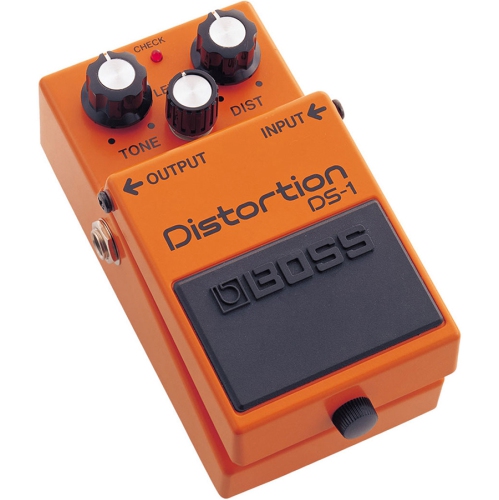 Your price for this item is $89.99
-
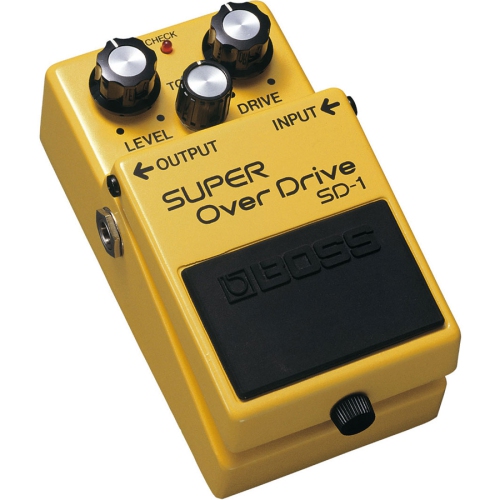 Your price for this item is $89.99
-
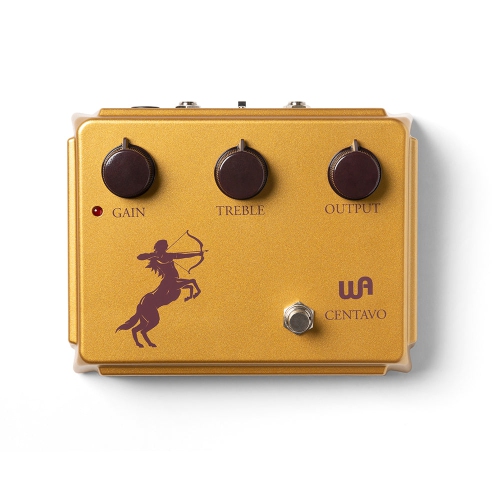 Your price for this item is $289
-
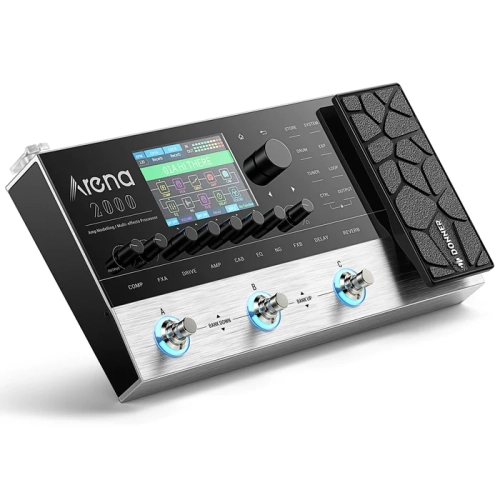 Your price for this item is $215.99
-
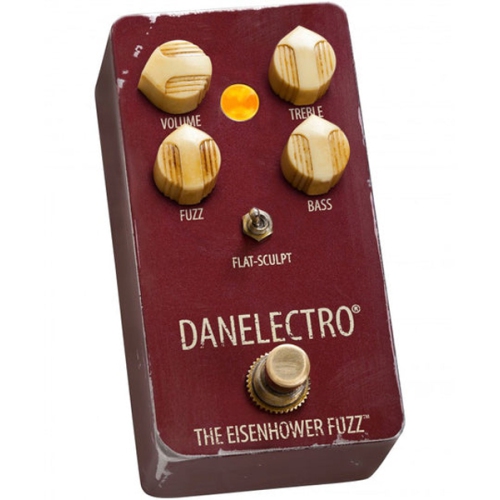 Your price for this item is $164.99
-
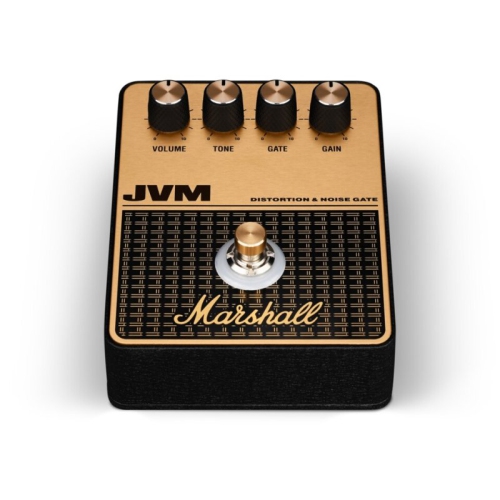 Your price for this item is $249.99
-
 Your price for this item is $249.99
-
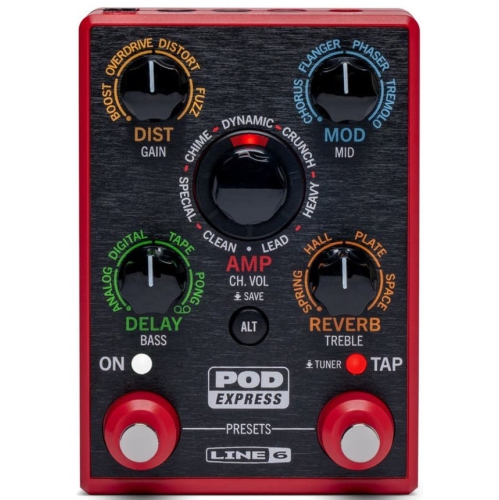 Your price for this item is $239.99
Discover more categories related to Affordable Distortion Pedals
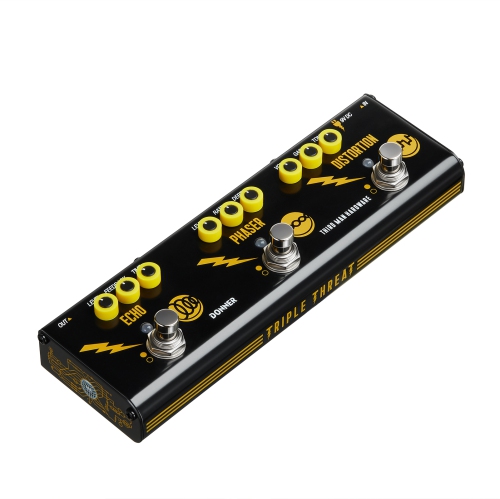
Top Collections:
Pokemon Centers, Best Cameras for Sports Photography, Kindle Devices, Samsung Galaxy Phones, Canon G7X Cameras, Pokémon 30th Celebration Cards, Refurbished Apple Laptops, iPhone 15 Apple, Laptops for Students, Budget Smartphones
Some products may be subject to Environmental Handling Fees
(EHF) depending on your province.
Learn more about EHFs.