Akai Mpk
Looking for a versatile and high-quality music production tool to take your creativity to the next level? Our selection of MIDI controllers offers a range of features to suit every musician's needs. From compact and portable options perfect for on-the-go producers to larger, more comprehensive models with advanced functionality, you'll find the perfect MIDI controller to enhance your music-making process. Dive into our collection and discover the ideal solution for your music production setup.
Sort
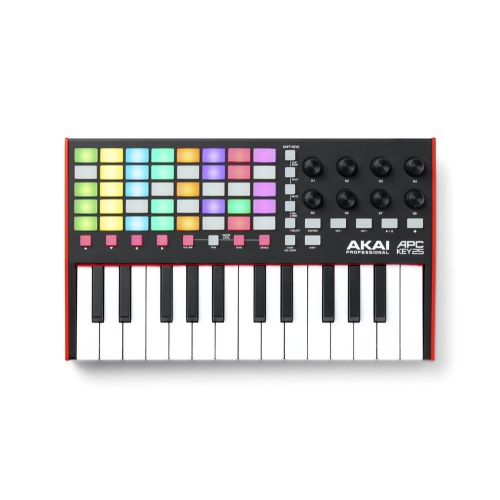
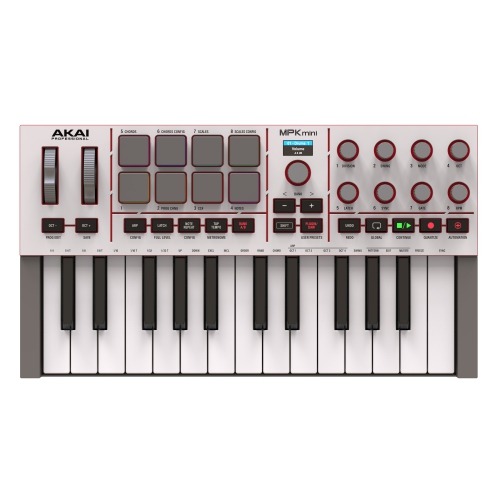
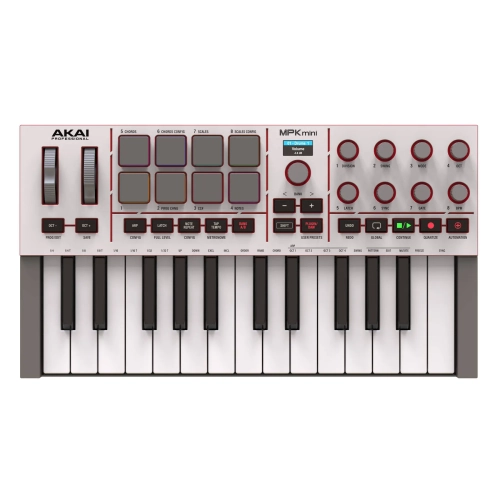
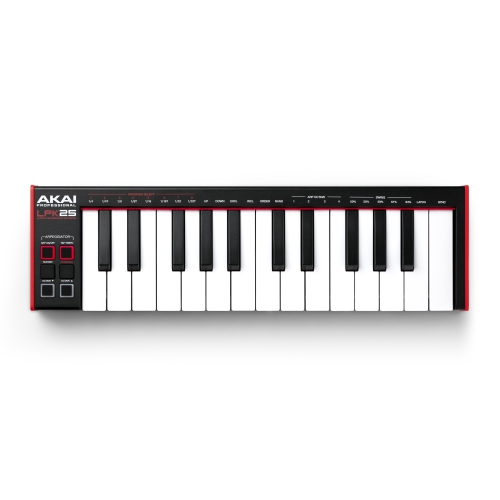
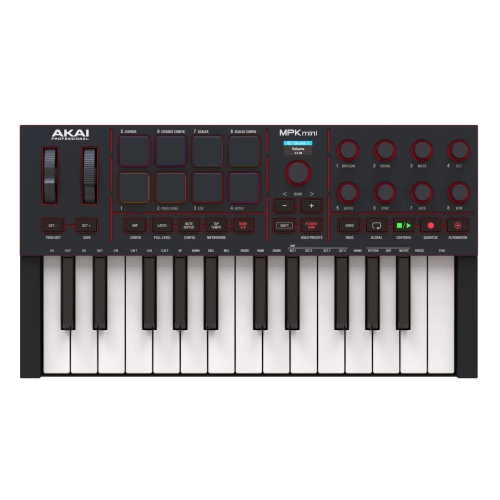
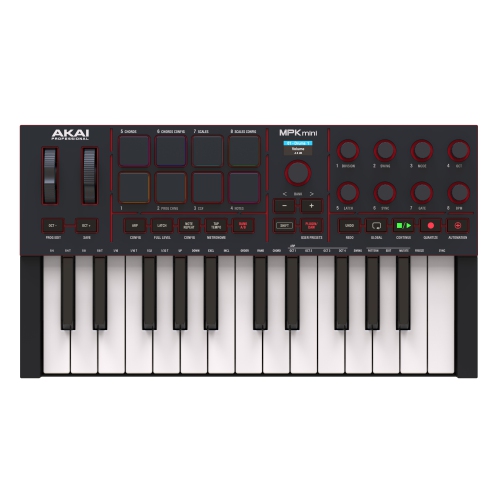
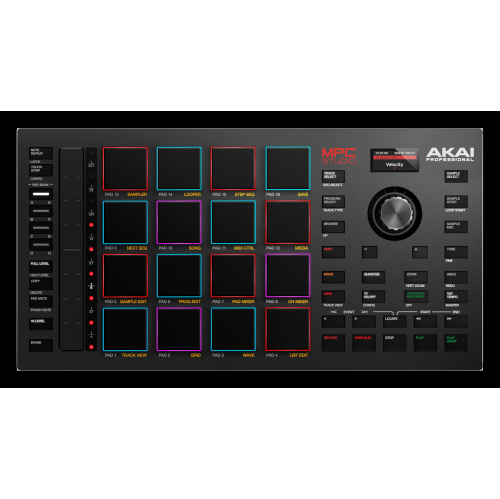
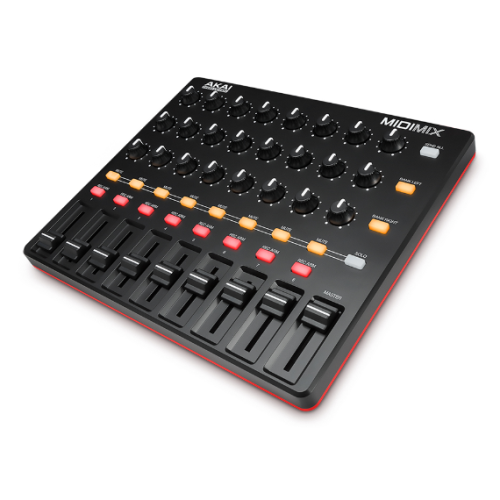
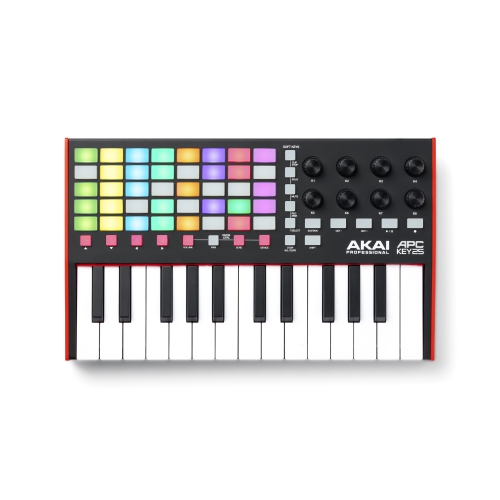
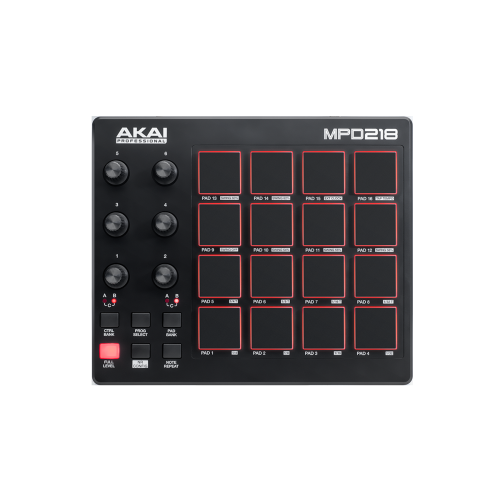
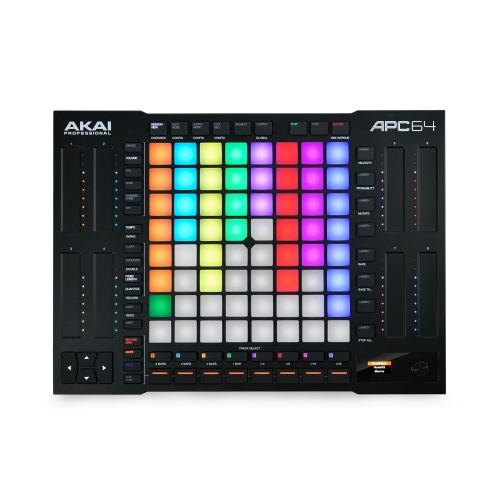
Hands-on control for melodies, beats, and music software
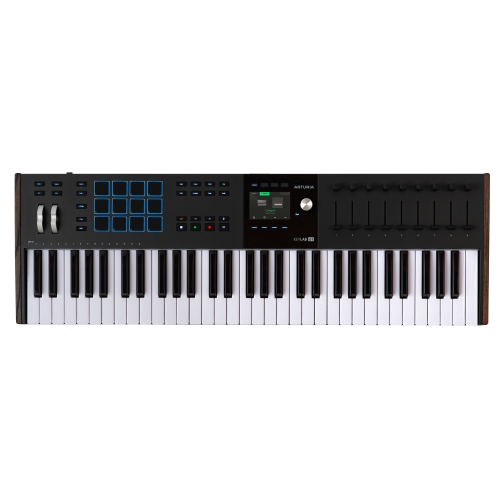
MIDI control keyboards are compact music-making tools that connect a physical keyboard and performance surface to a computer, tablet, or other compatible device. Rather than producing sound on their own in the same way as a traditional piano or synthesizer, they send MIDI information—such as note, timing, velocity, and control commands—to music software, virtual instruments, and digital audio workstations. This makes them useful for building melodies, playing chords, programming drum patterns, arranging tracks, and controlling effects from a single desk-friendly device. Many models feature velocity-sensitive keys, allowing a gentle press to create a softer note and a firmer performance to produce more intensity, which gives piano parts, bass lines, and lead melodies a more natural feel. Backlit performance pads are especially useful for tapping out rhythms, launching clips, triggering samples, and adding finger-drummed accents, while assignable knobs, buttons, and sliders can be mapped to volume, filters, effects, software instruments, and other parameters. Dedicated transport controls, such as play, stop, and record, can help keep the creative process moving without repeatedly reaching for a mouse. Some compact controllers also include an OLED or other display for viewing settings, while selected models provide a full-size MIDI output for connection to compatible hardware. When comparing options, consider the balance between portability and playing comfort: smaller keyboards fit easily beside a laptop or in a travel bag, while larger key layouts provide more room for two-handed playing and extended musical passages. The number of keys, the feel and range of the keybed, the number of pads, and the availability of assignable controls can all influence how naturally a controller fits a particular workflow. It is also worth checking the connection type, included cables, operating-system compatibility, software support, and whether the controller works with the music applications and devices already in use. A USB-powered design can be convenient for home recording, rehearsals, lessons, and mobile sessions, while a controller with additional MIDI connections may suit a setup that includes external sound modules, drum machines, or other instruments. Browse Midi Control Keyboards to compare form factors and features for different creative spaces.
These controllers can suit beginners learning how notes, beats, and software instruments work, experienced producers shaping arrangements, songwriters sketching ideas between other tasks, and performers who want hands-on control over a computer-based rig. A compact model can turn a quiet corner of a bedroom, apartment, classroom, or shared workspace into a practical composing station: headphones on, laptop open, a few keys for the chord progression, and pads ready to lay down a beat. Producers often use the keyboard section for bass lines, harmonies, and melodies, then switch to the pads for kick drums, snares, percussion, or sample triggers. The knobs can make sound design feel more immediate by allowing a user to open a filter, adjust a delay, or shape an instrument while listening, rather than entering every change with a mouse. For students, the visual layout offers a direct connection between musical theory and software, making it easier to practise scales, chord voicings, rhythm, and basic arrangement. For musicians who travel between home, rehearsals, and recording spaces, a lightweight controller can provide a familiar way to capture ideas before they disappear; a short melody tapped out during a break can later become the foundation of a complete track. These products can also make thoughtful gifts for aspiring beat makers, keyboard players, content creators, and music fans who are curious about producing their own songs. Before choosing one as a gift, consider the recipient’s experience level, available desk space, preferred device, and whether they are more likely to play melodies, create beats, perform live, or experiment with software sounds. A beginner may appreciate clearly labelled controls, simple setup, and a manageable key range, while a more advanced user may value deeper mapping options, extra pads, expanded controls, transport buttons, or hardware connectivity. The best fit should feel inviting rather than crowded, with controls that are easy to reach and enough flexibility to grow as musical interests develop. During the warmer and cooler parts of the year alike, a portable MIDI controller can support a consistent creative routine at home or on the road, helping users turn spare time into structured practice, spontaneous ideas into recordings, and a blank project into something with rhythm, movement, and character.
These controllers can suit beginners learning how notes, beats, and software instruments work, experienced producers shaping arrangements, songwriters sketching ideas between other tasks, and performers who want hands-on control over a computer-based rig. A compact model can turn a quiet corner of a bedroom, apartment, classroom, or shared workspace into a practical composing station: headphones on, laptop open, a few keys for the chord progression, and pads ready to lay down a beat. Producers often use the keyboard section for bass lines, harmonies, and melodies, then switch to the pads for kick drums, snares, percussion, or sample triggers. The knobs can make sound design feel more immediate by allowing a user to open a filter, adjust a delay, or shape an instrument while listening, rather than entering every change with a mouse. For students, the visual layout offers a direct connection between musical theory and software, making it easier to practise scales, chord voicings, rhythm, and basic arrangement. For musicians who travel between home, rehearsals, and recording spaces, a lightweight controller can provide a familiar way to capture ideas before they disappear; a short melody tapped out during a break can later become the foundation of a complete track. These products can also make thoughtful gifts for aspiring beat makers, keyboard players, content creators, and music fans who are curious about producing their own songs. Before choosing one as a gift, consider the recipient’s experience level, available desk space, preferred device, and whether they are more likely to play melodies, create beats, perform live, or experiment with software sounds. A beginner may appreciate clearly labelled controls, simple setup, and a manageable key range, while a more advanced user may value deeper mapping options, extra pads, expanded controls, transport buttons, or hardware connectivity. The best fit should feel inviting rather than crowded, with controls that are easy to reach and enough flexibility to grow as musical interests develop. During the warmer and cooler parts of the year alike, a portable MIDI controller can support a consistent creative routine at home or on the road, helping users turn spare time into structured practice, spontaneous ideas into recordings, and a blank project into something with rhythm, movement, and character.
Top selling and popular products
-
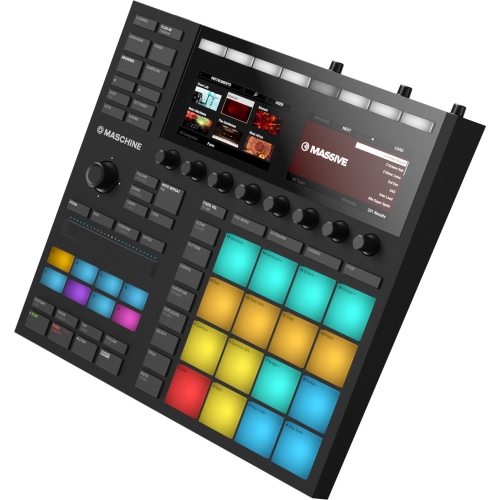 Your price for this item is $609
 -
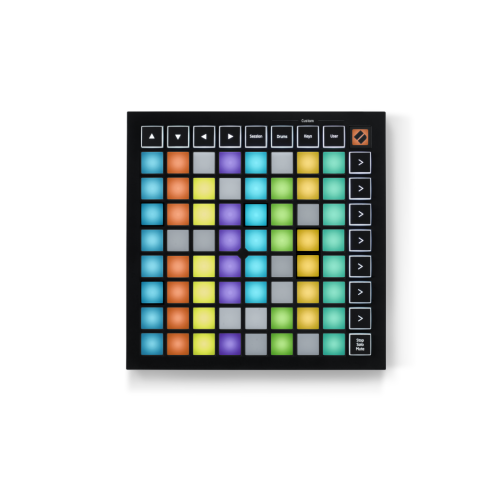 Your price for this item is $129.99
 -
![NOVATION Launchkey 25 [Mk3] Midi Keyboard Controller for Ableton Live](https://multimedia.bbycastatic.ca/multimedia/products/500x500/175/17552/17552265.png) Your price for this item is $169
Your price for this item is $169 -
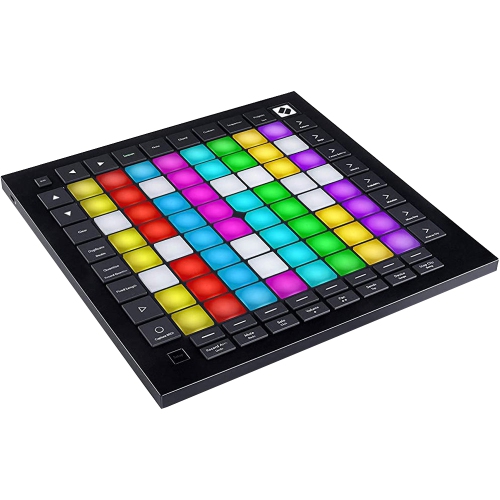 Your price for this item is $399.99
 -
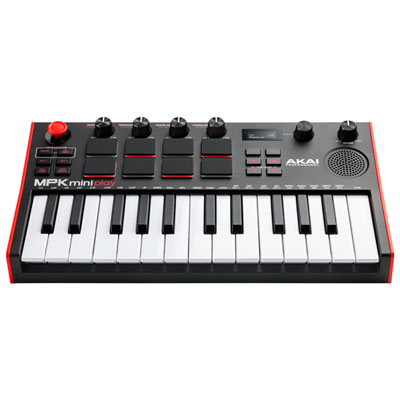 Your price for this item is $189.99
 -
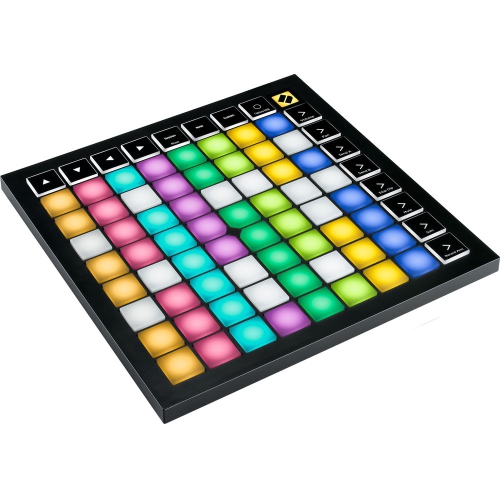 Your price for this item is $219.99
 -
![NOVATION Launchkey Mini 37 [Mk4] — Portable 37 Mini-Key, USB, Midi Keyboard Controller w Daw Integration. Chord Mode, Scale Mode, Drum Pads, And](https://multimedia.bbycastatic.ca/multimedia/products/500x500/196/19623/19623149.jpeg) Your price for this item is $229
Your price for this item is $229 -
![NOVATION Launchkey 61 [Mk4] – 61 Key Semi-Weighted, USB, Midi Keyboard Controller w Daw Integration. Chord & Scale Modes, 8 Drum Pads, &](https://multimedia.bbycastatic.ca/multimedia/products/500x500/196/19623/19623154.jpeg) Your price for this item is $399.99
Your price for this item is $399.99
Discover more categories related to Akai Mpk
Top Collections:
Pokemon Centers, Kindle Devices, Best Budget Office Chairs, Apple iPhones 16, Best Laptops for Writers, iPhone 15 Apple, Canon G7X Cameras, Refurbished Apple Laptops, Alarm Clock, Motorola Razr Phones
Some products may be subject to Environmental Handling Fees
(EHF) depending on your province.
Learn more about EHFs.