Arranger Keyboards
Looking to unleash your inner maestro? Look no further than our collection of arranger keyboards. These versatile instruments are designed to elevate your musical creativity and take your performances to new heights. Whether you're a budding musician or a seasoned professional, arranger keyboards offer a wide range of features and functions to help you compose, arrange, and perform with ease.
Sort
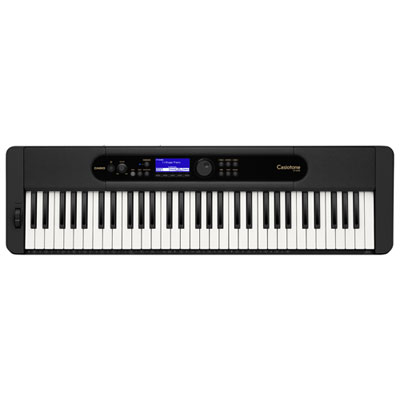
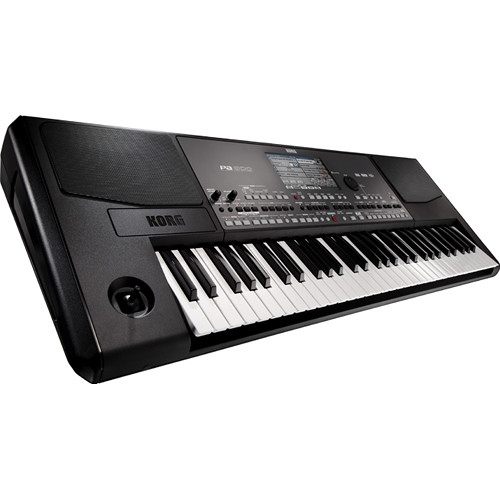
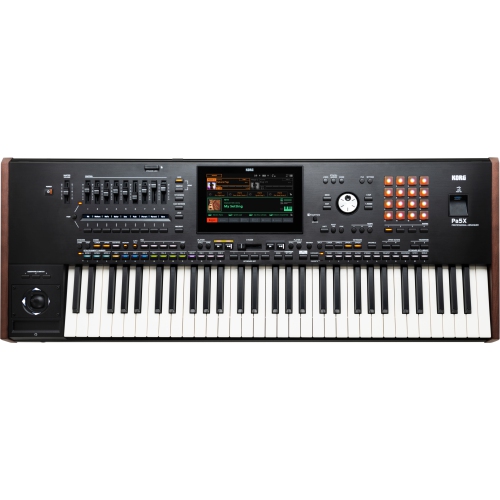
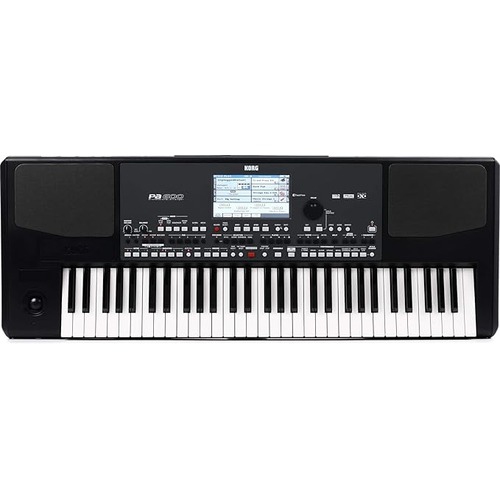
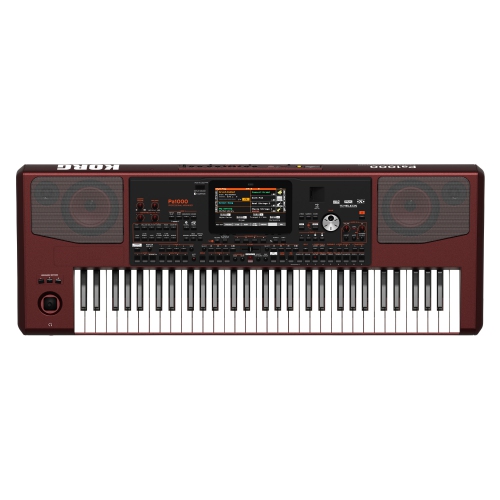
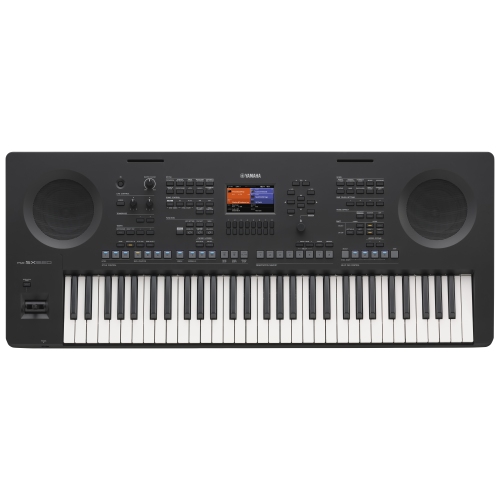
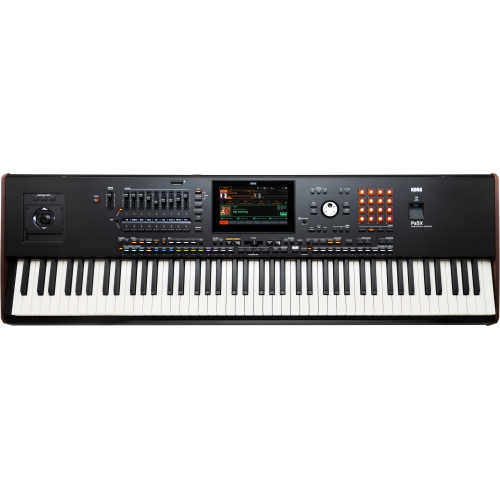
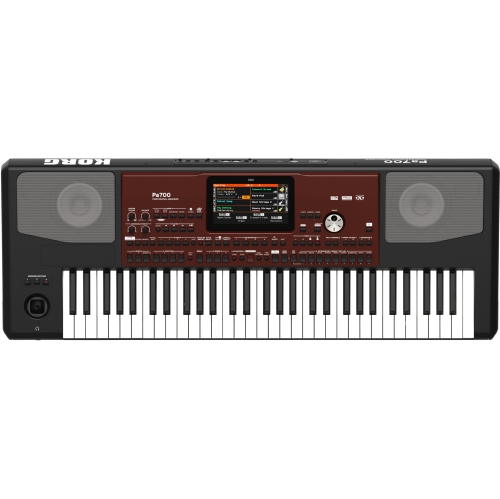
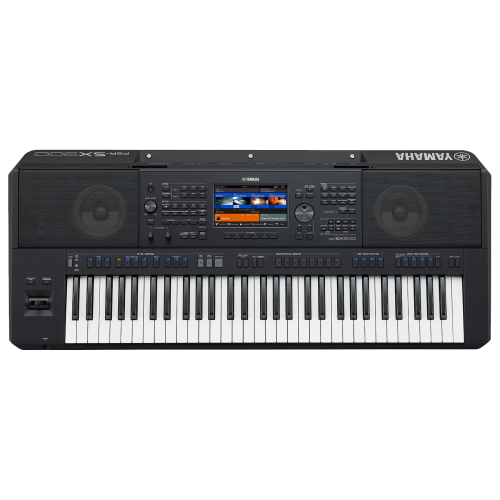
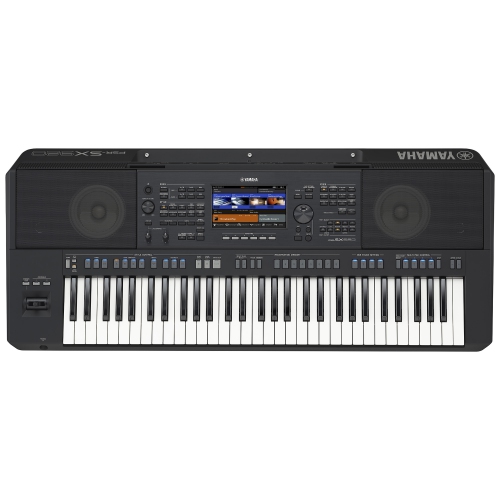
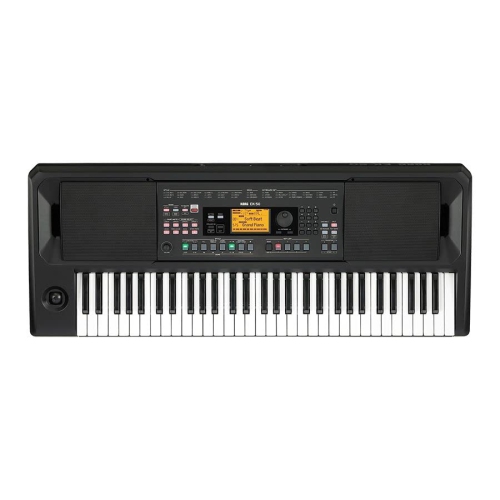
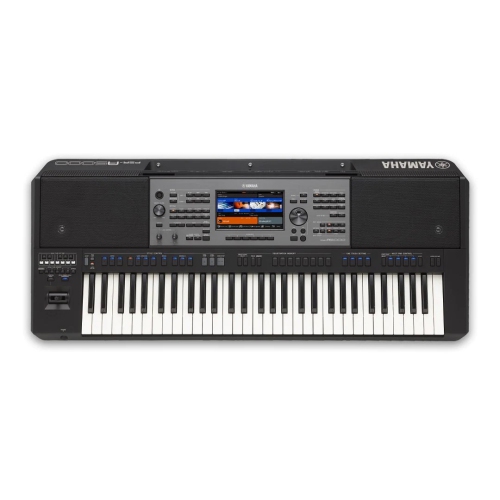
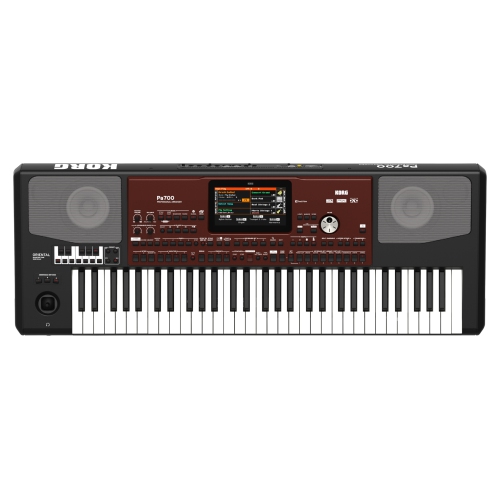
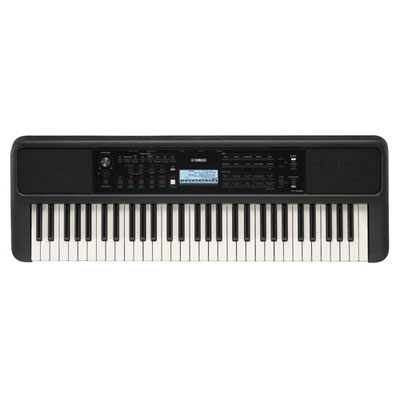
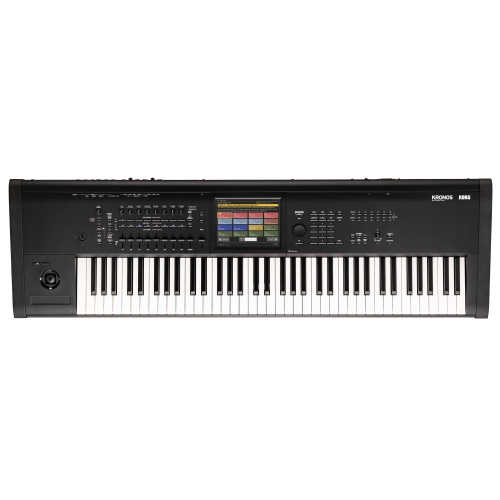
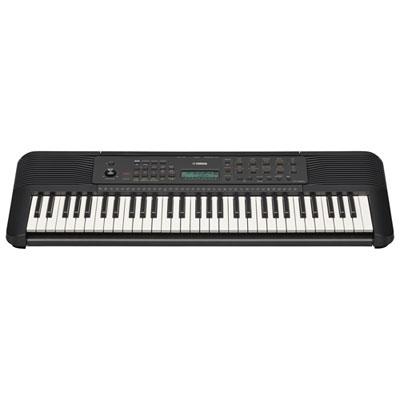
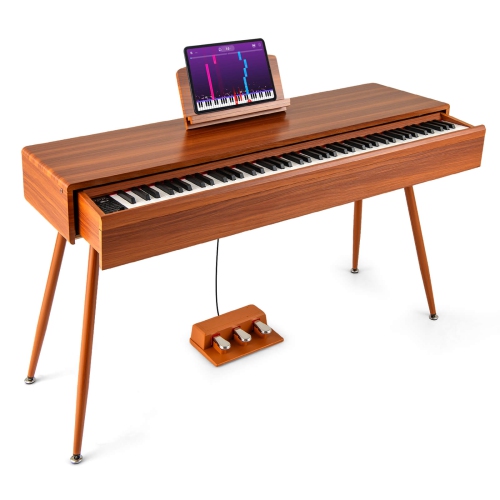
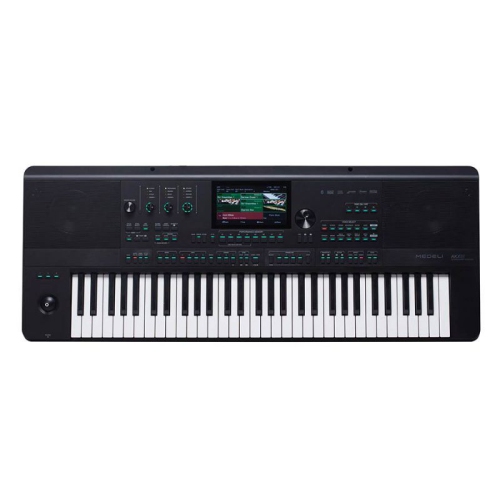

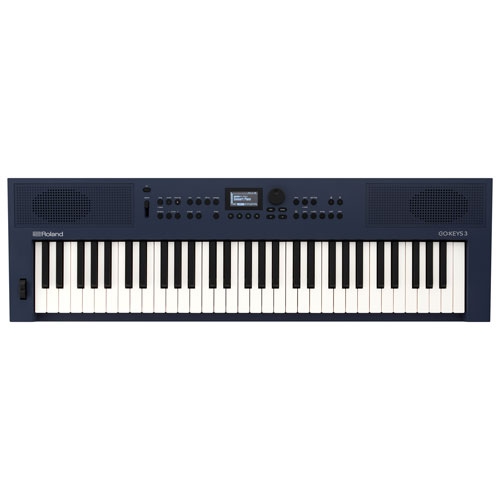
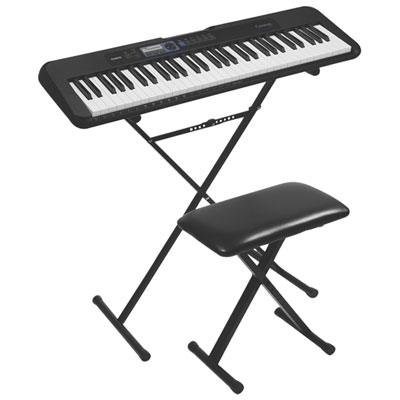
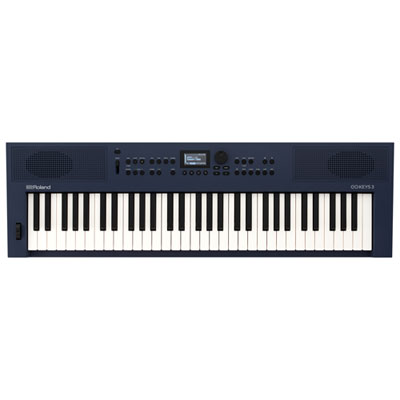
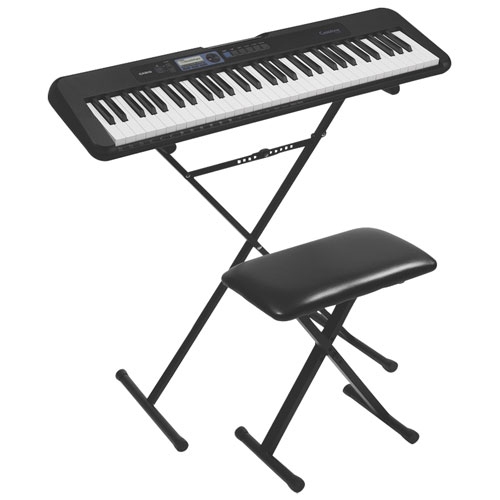

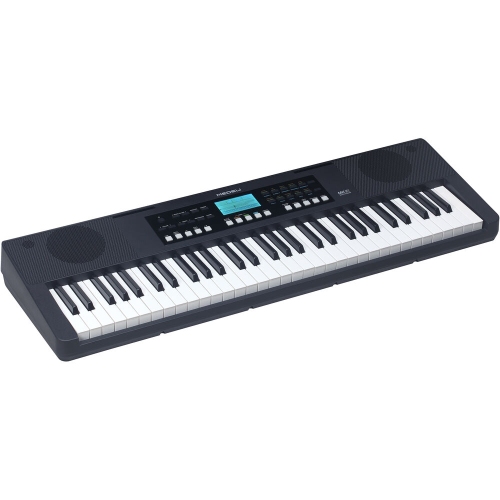
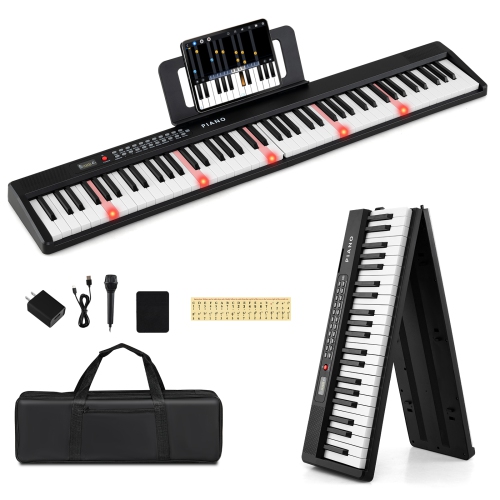

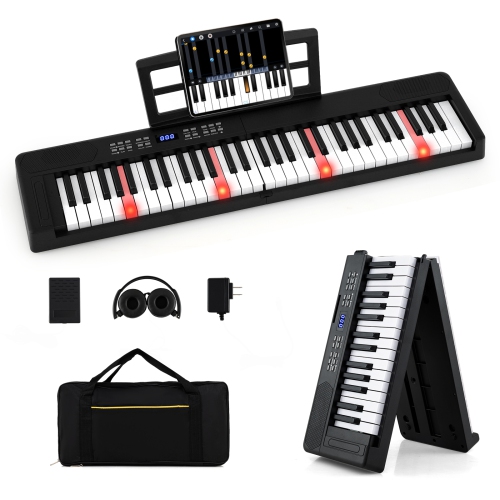

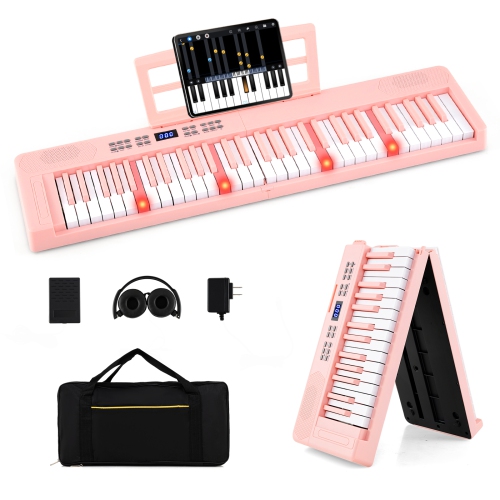
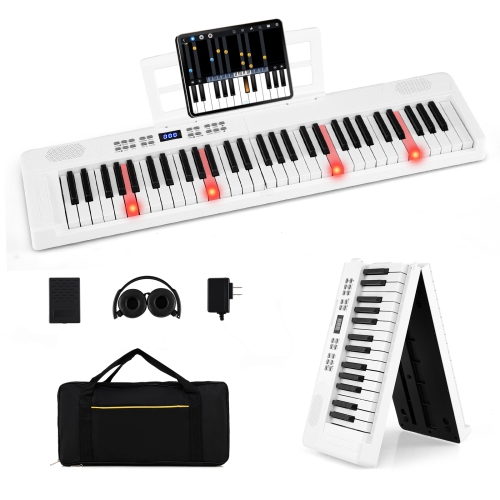

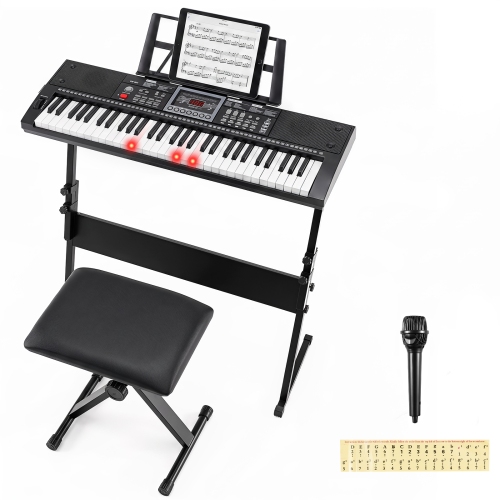
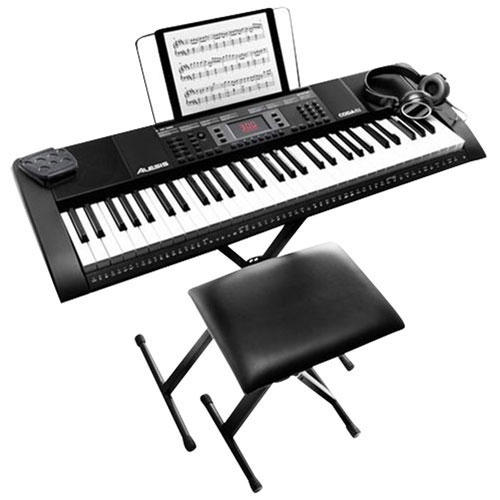
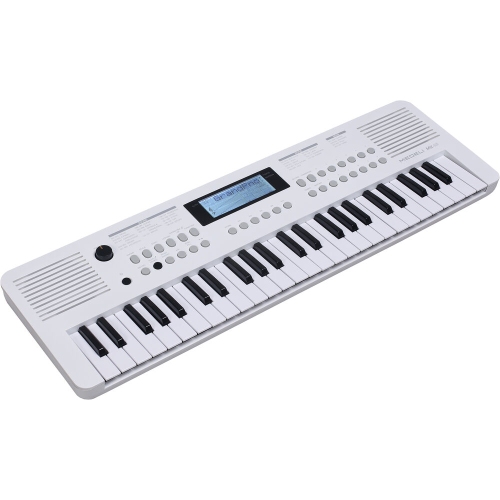
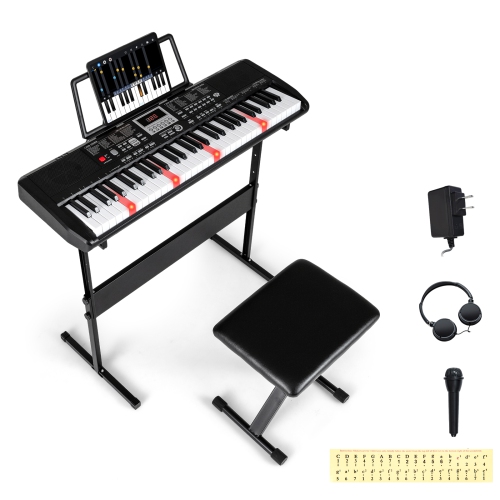
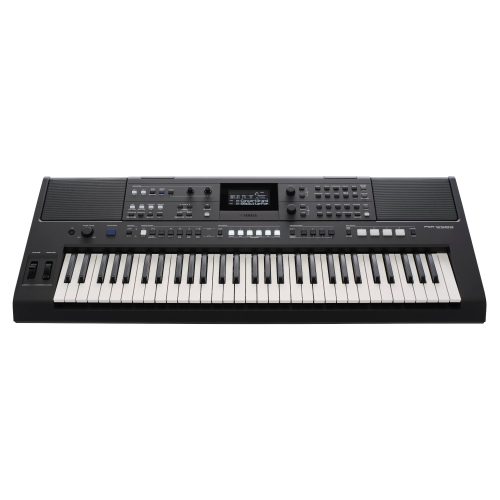
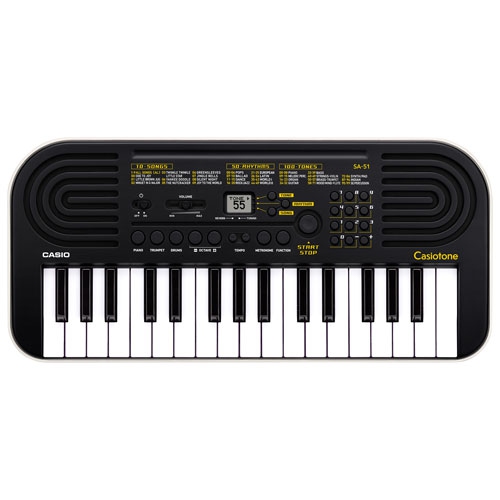
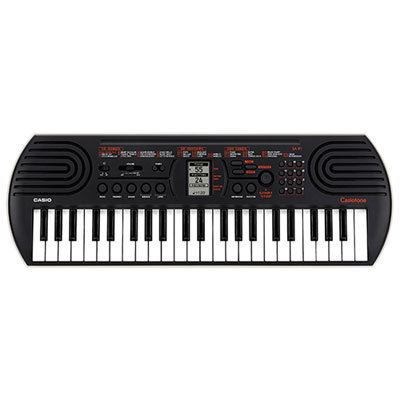
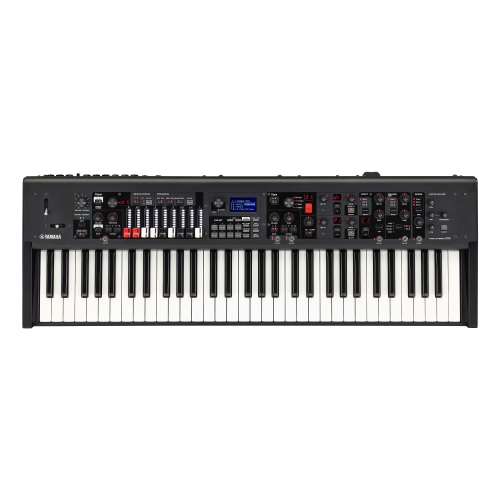

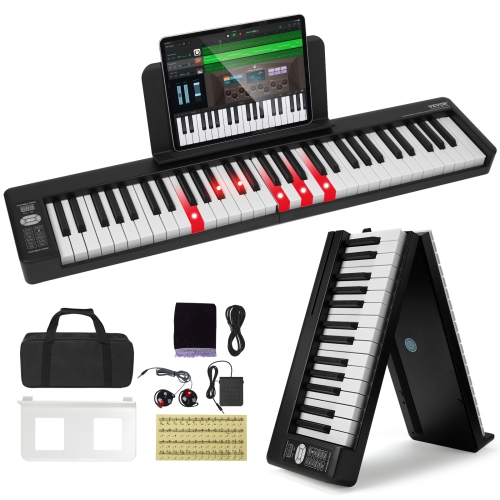
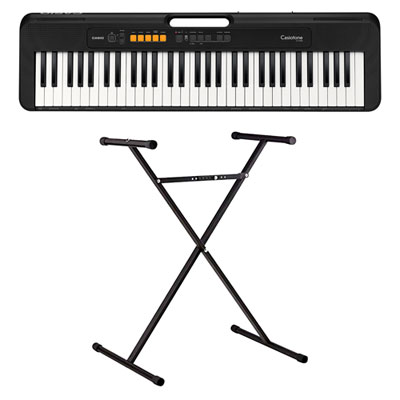
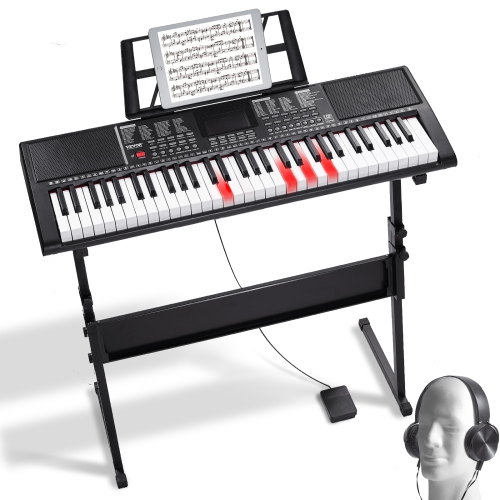


Automatic accompaniment turns chords into complete musical performances
Arranger keyboards bring the feeling of a complete band to a single instrument, making them a practical and expressive choice for musicians who want more than a traditional piano or basic electronic keyboard. The defining feature is automatic accompaniment: when you play chords with your left hand, the keyboard can generate coordinated drum, bass, rhythm, and instrumental parts while your right hand carries the melody, solos, or counter-melodies. The result can feel like stepping onto a small stage with a backing ensemble already in place. Many models let you select musical styles such as pop, rock, jazz, country, dance, Latin, or ballad, then adjust the arrangement as you play. You may be able to trigger an intro, move between different accompaniment variations, add a fill-in before the next section, or finish with an ending pattern. This real-time control makes arranger keyboards appealing to solo performers, singers, songwriters, hobbyists, music teachers, and families who enjoy playing together at home. They can also be useful for practising harmony and rhythm because the accompaniment responds to your chord changes instead of simply playing a fixed backing track. A beginner can start with simple left-hand chords and a right-hand melody, while a more experienced player can explore inversions, extended chords, layered sounds, and more intricate performance techniques. Built-in speakers make many arranger keyboards ready to play without additional amplification, which is convenient for a living room, rehearsal space, lesson room, or small performance. Headphone compatibility can provide quieter practice during the cooler months, while audio input or Bluetooth connectivity on select models may let you play along with songs, lessons, or backing material from a compatible device. For musicians who want to build arrangements away from a computer, these keyboards offer an immediate, hands-on way to hear an idea develop from a simple chord progression into a fuller musical performance.
When comparing arranger keyboards, begin with the way you expect to play and the space available for the instrument. A 61-key keyboard is a popular middle ground for home use and live performance because it provides enough range for melodies, chords, and accompaniment without taking up the footprint of a full-size piano. Models with more keys may suit players who want a broader playing range or a more piano-like layout, while compact options can be easier to move between rooms, lessons, rehearsals, and small venues. Pay attention to key response as well as key count. Touch-sensitive keys respond to how firmly you play, allowing soft passages and stronger accents to sound more natural; weighted or semi-weighted designs may feel more familiar to piano players. The available accompaniment styles and variations are also important. Look for a selection that matches the music you enjoy, along with intuitive controls for changing sections without interrupting the flow of a song. A colour display or touchscreen can make it easier to browse sounds, rhythms, effects, and settings, but clearly labelled physical buttons may be especially helpful when performing and needing to make quick changes without looking away from the keys. Consider polyphony, which affects how many notes and layered parts can sound together, particularly when using sustained chords, split keyboards, or complex arrangements. Voices such as acoustic and electric pianos, organs, strings, brass, guitars, synths, and percussion expand the instrument’s range, while effects such as reverb and chorus can add depth. Recording functions are useful for capturing a melody before it disappears, saving a chord progression, or reviewing a practice session. USB and MIDI connections can support communication with a computer, tablet, or other compatible equipment, while microphone inputs may be valuable for singers who want to perform with vocal accompaniment. If your interests extend towards composing and arranging complete tracks, you may also want to browse Music Production Keyboards for instruments designed with additional production-focused controls and connectivity.
Arranger keyboards can make thoughtful gifts for a developing musician, a singer who wants to accompany themselves, or an experienced player looking for a flexible instrument for performances and songwriting. They are approachable enough for someone learning their first chords, yet deep enough to remain engaging as skills grow. A parent or grandparent may enjoy one for casual playing at home, especially when built-in styles make familiar songs sound full without requiring a group of musicians. A songwriter can use one to test a chorus with several different grooves, perhaps switching from a gentle ballad pattern to a brighter pop variation to discover which arrangement fits the lyric. A performer can use automatic accompaniment to fill a room with rhythm and harmony while keeping control over the musical direction from the keyboard. Before choosing one as a gift, consider the recipient’s current experience, preferred genres, available floor or tabletop space, and whether portability matters. It is also worth checking whether the keyboard includes a stand, sustain pedal, music rest, power adapter, or other accessories, since these details can affect how quickly it can be set up and played. For regular practice, a comfortable bench, headphones, and a sustain pedal can make the experience more enjoyable, while a carrying case may help protect an instrument that travels to lessons or rehearsals. During the early fall and winter, an arranger keyboard can become a welcoming centre for indoor music-making: headphones for quiet evening practice, built-in speakers for family gatherings, or a lively accompaniment for an informal performance when friends visit. With the right combination of keys, sounds, styles, recording tools, and connectivity, an arranger keyboard can support everything from a first melody played in a quiet room to a polished solo performance shaped in real time.
Top selling and popular products
-
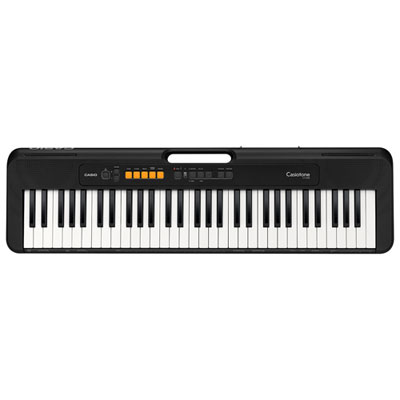 Your price for this item is $149.99
-
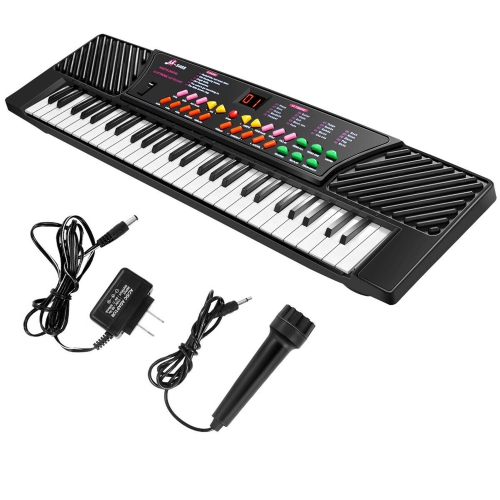 Your price for this item is $69.99
-
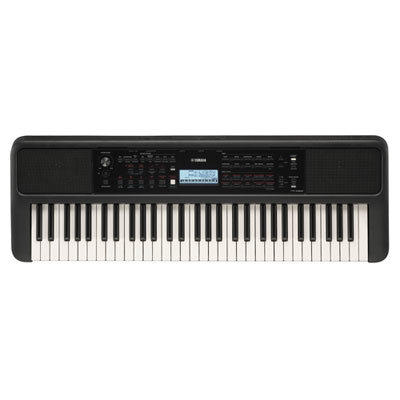 Your price for this item is $289.99
-
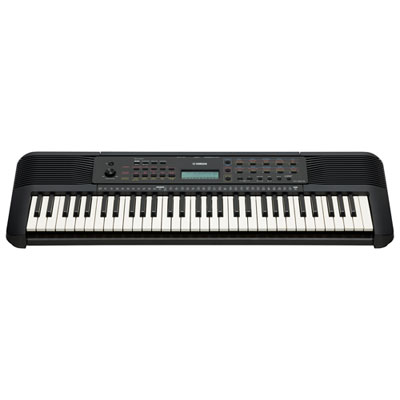 Your price for this item is $129.99
-
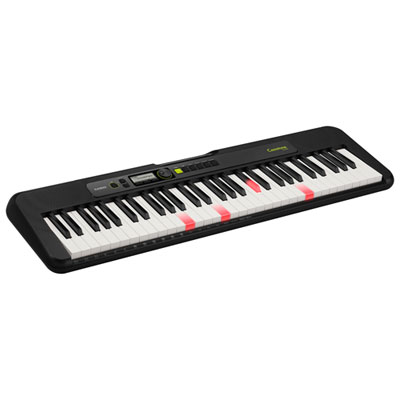 Your price for this item is $229.95
-
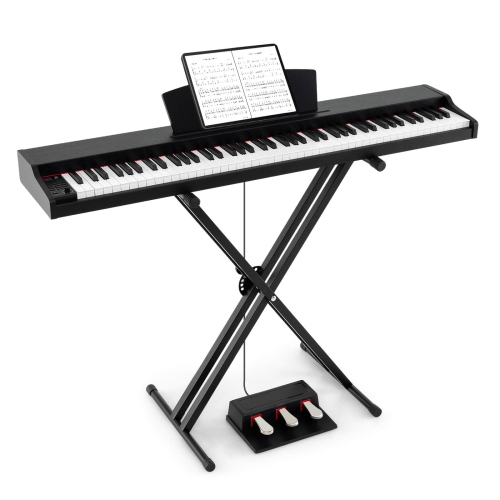 Your price for this item is $236.99
-
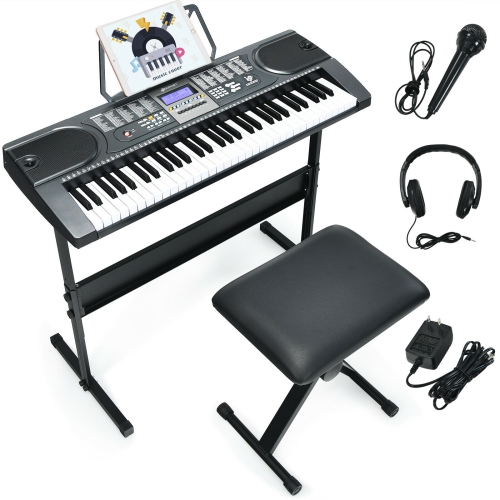 Your price for this item is $199.99
-
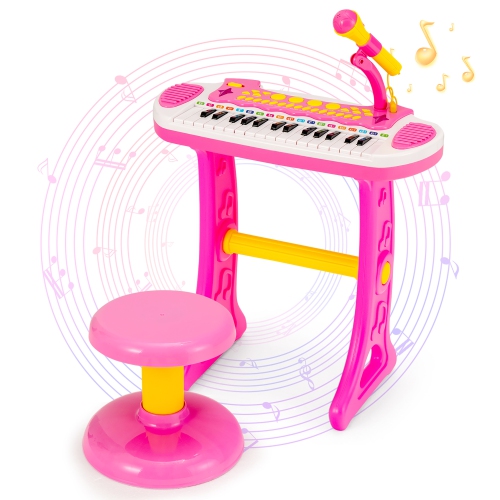 Your price for this item is $74.99
Discover more categories related to Arranger Keyboards

Top Collections:
Pokemon Centers, Kindle Devices, Best Cameras for Sports Photography, Best Budget Office Chairs, Pokémon 30th Celebration Cards, Apple iPhones 16, Canon G7X Cameras, iPhone 15 Apple, Flip Phones, Samsung Galaxy Phones
Some products may be subject to Environmental Handling Fees
(EHF) depending on your province.
Learn more about EHFs.