Sequencer Keyboards
Sequencer keyboards are a must-have for any music enthusiast looking to take their compositions to the next level. These versatile instruments combine the functionality of a traditional keyboard with the power of a sequencer, allowing you to create intricate melodies, layer different sounds, and even add effects to your music. Whether you're a professional musician or just starting out, sequencer keyboards offer endless possibilities for unleashing your creativity and producing unique tracks. With a wide range of features and options available, finding the perfect sequencer keyboard to suit your needs has never been easier.
Sort
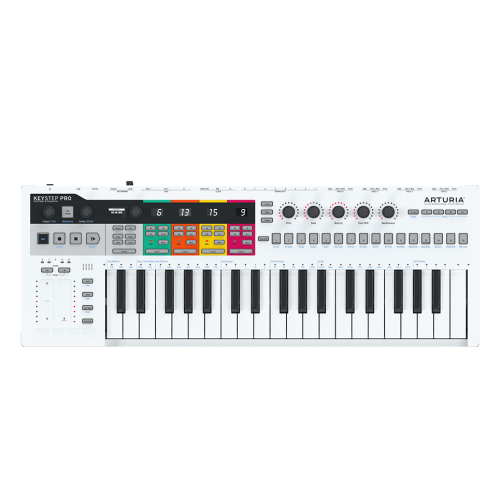
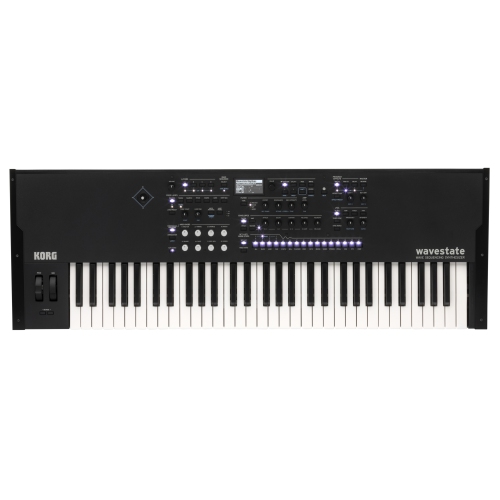
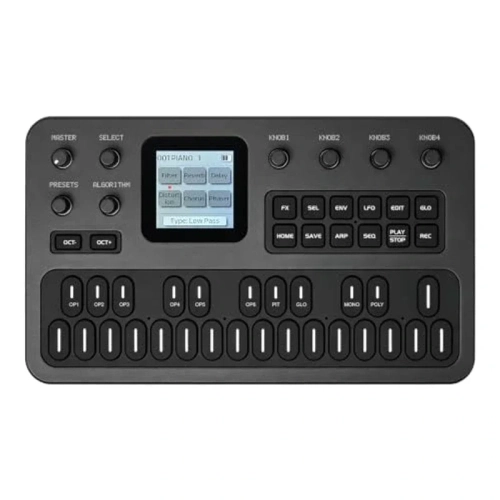
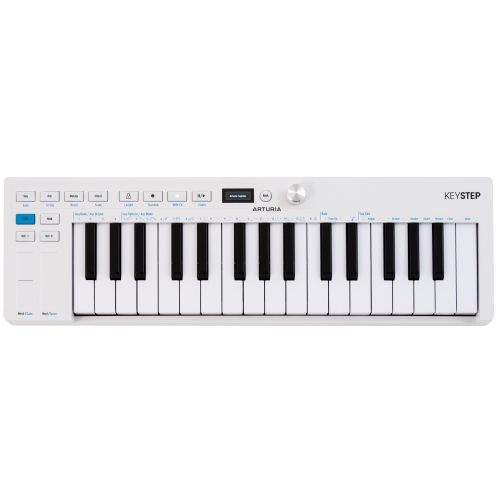
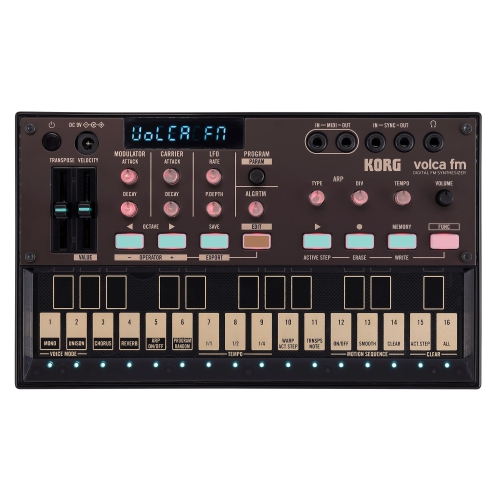
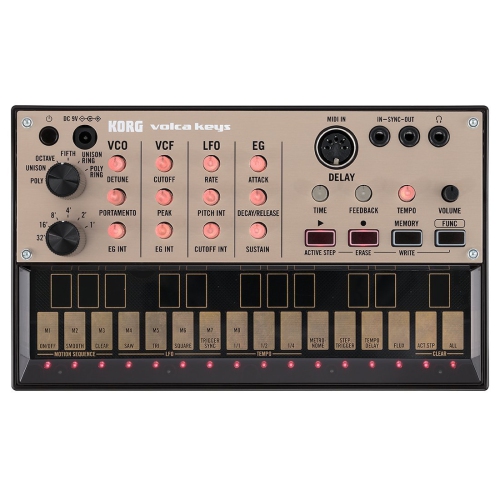
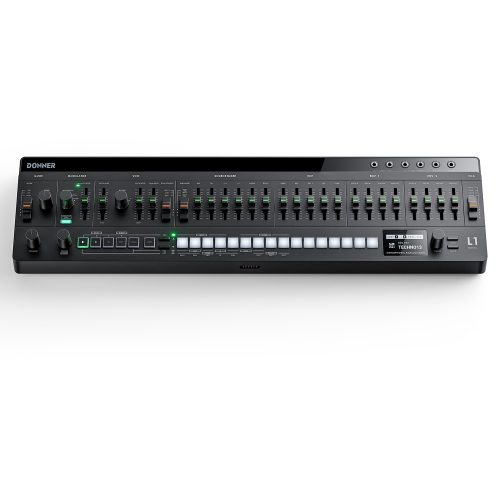

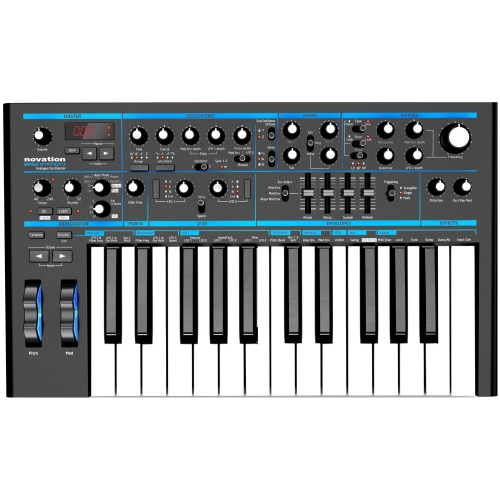
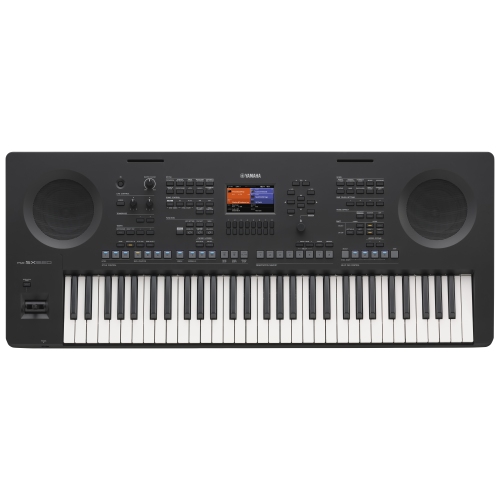
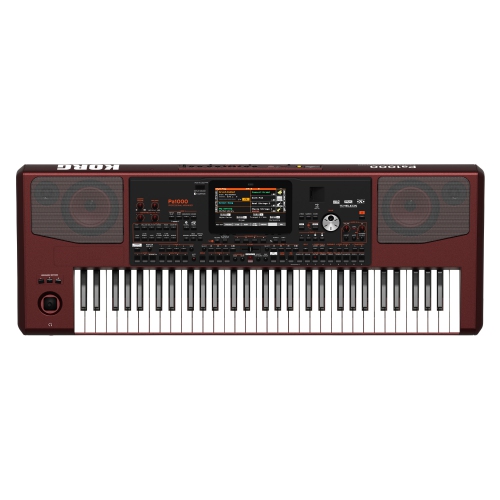
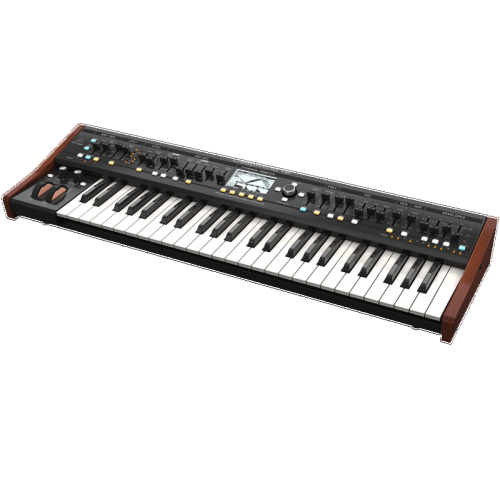
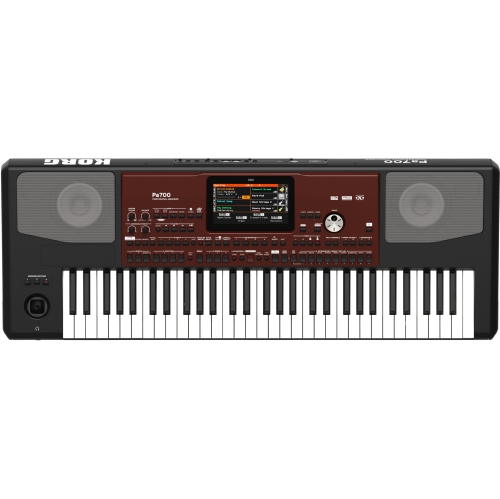
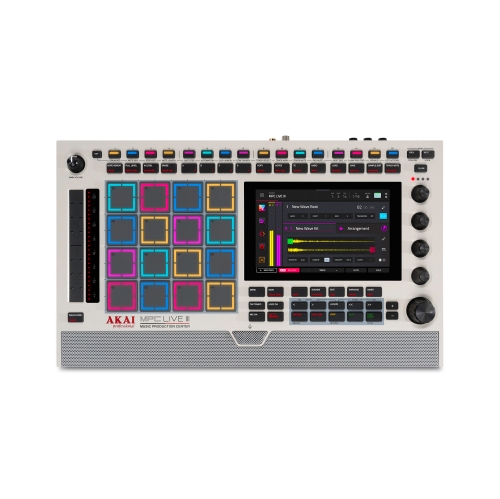
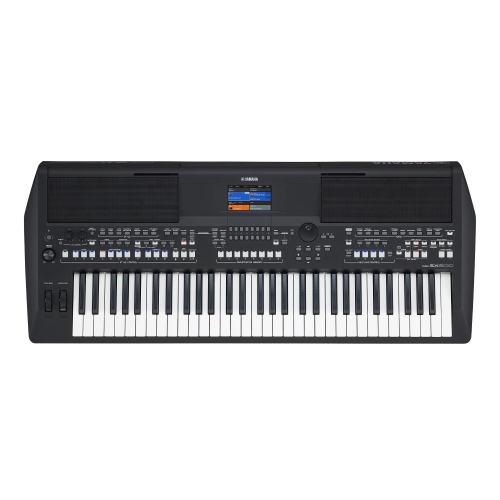
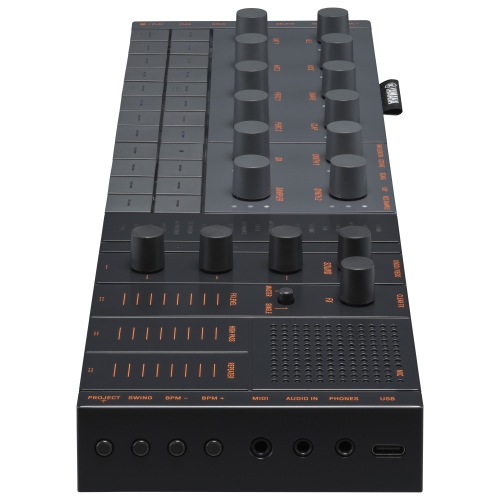
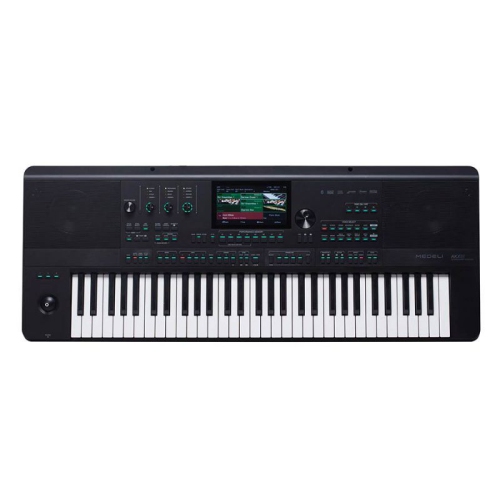
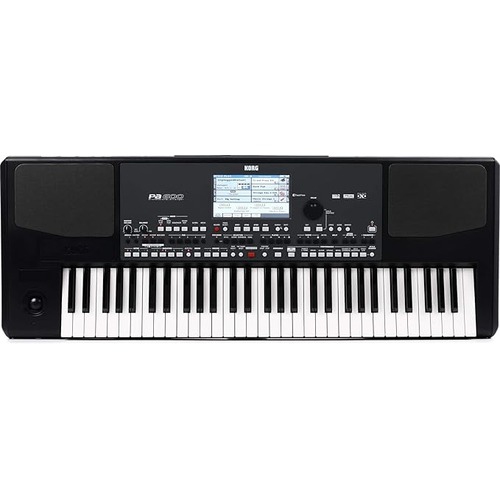
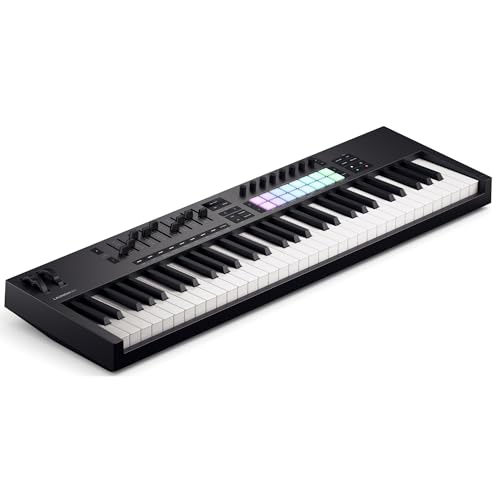
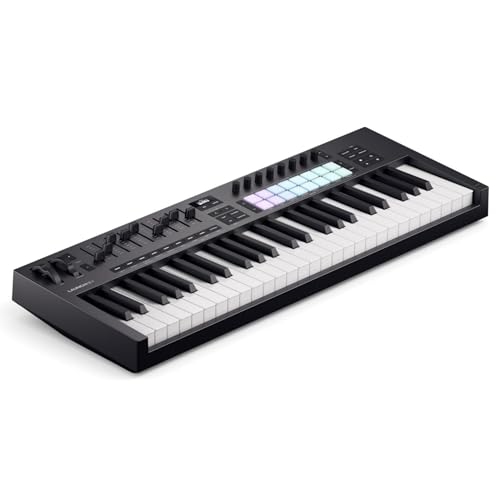
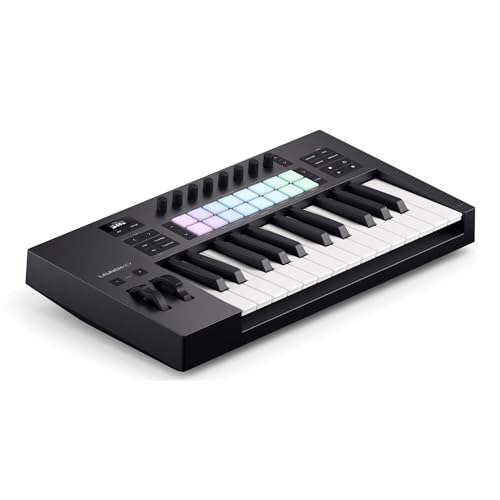
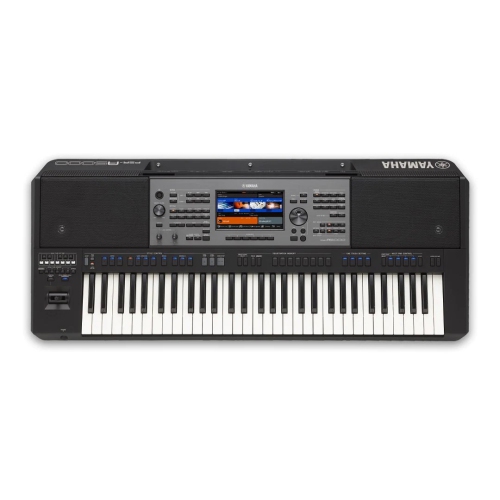
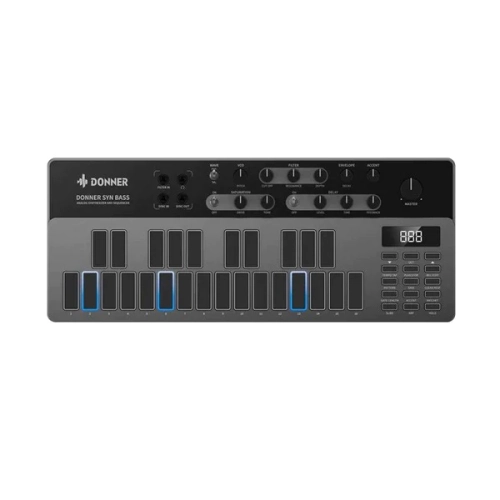
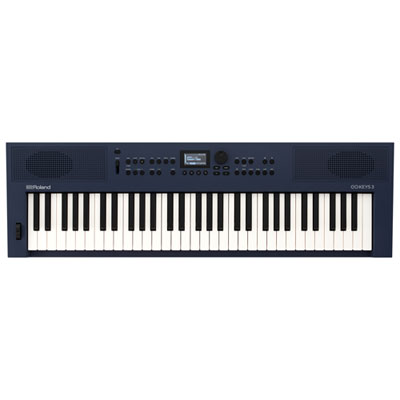
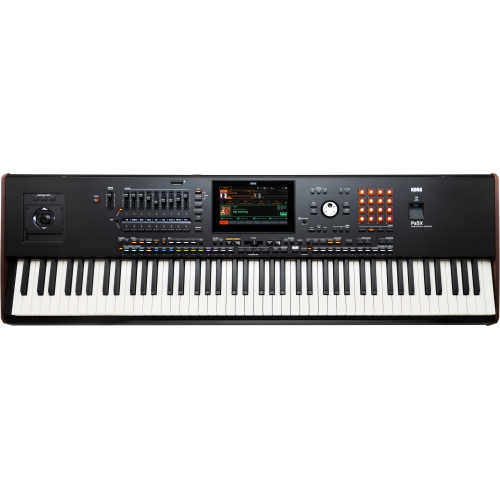
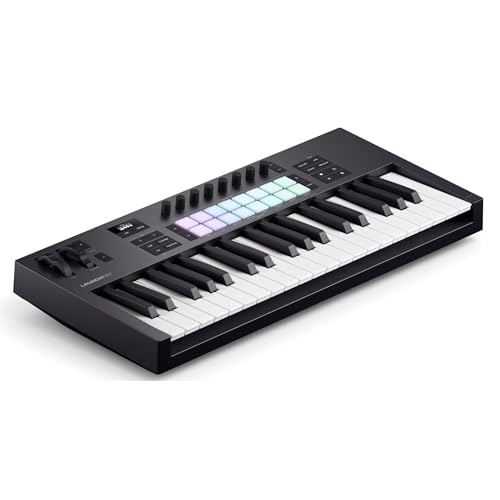
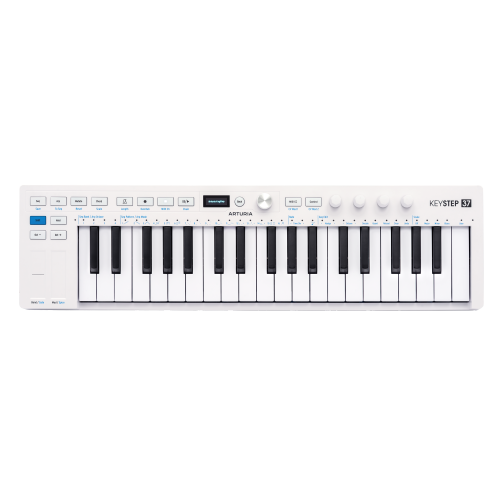
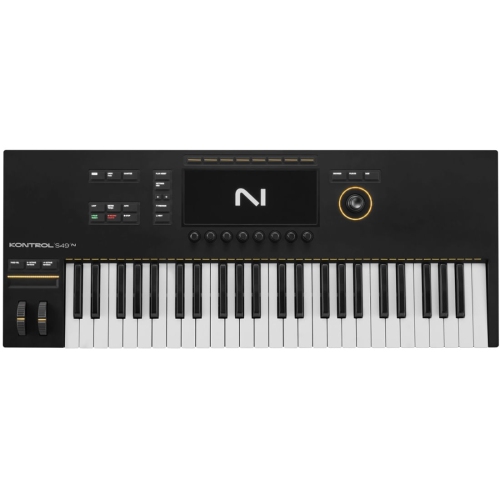
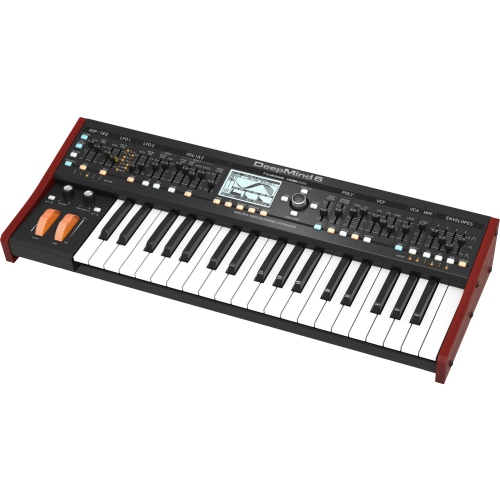
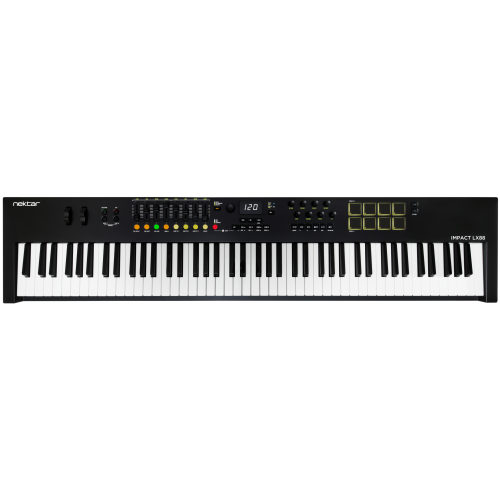

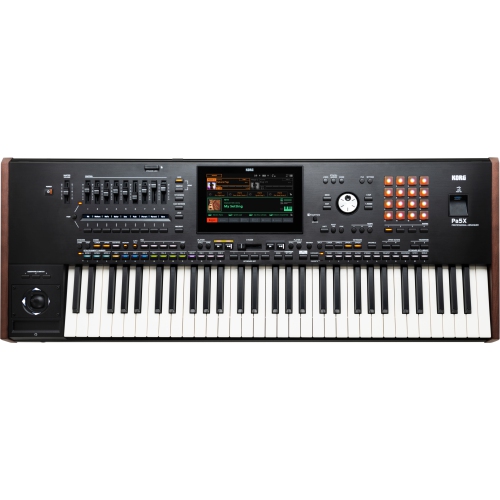
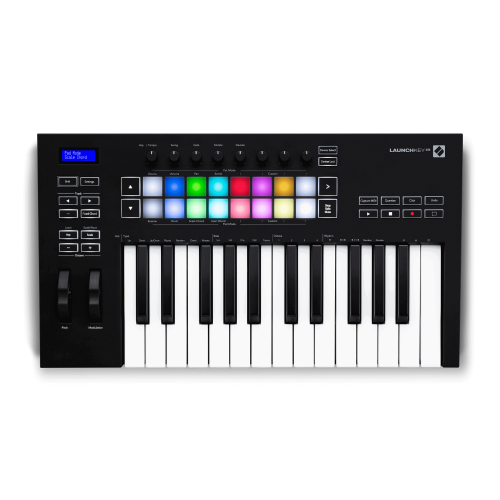
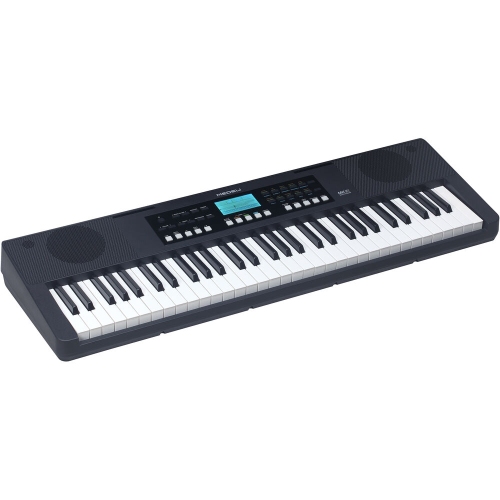
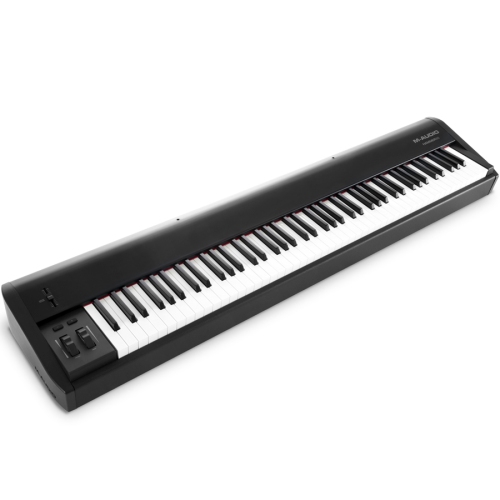
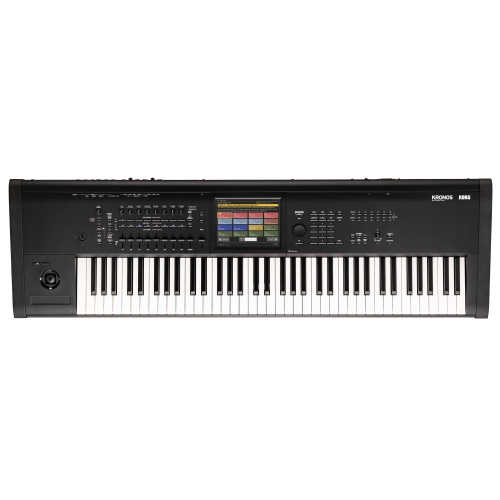
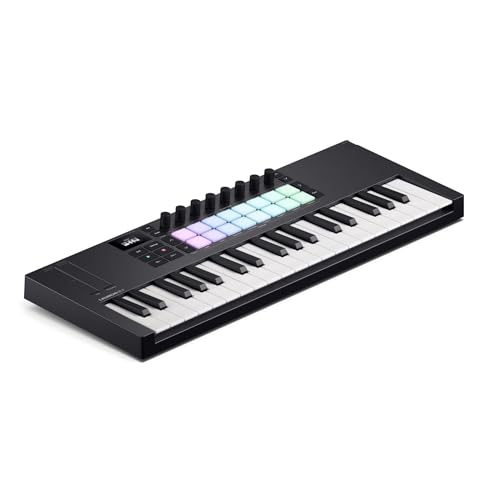
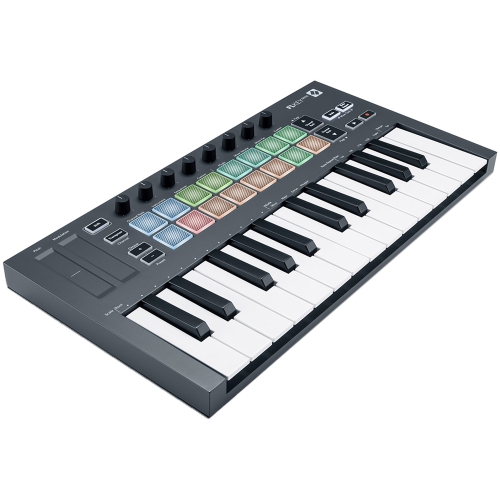
Layered arrangements that go beyond two hands
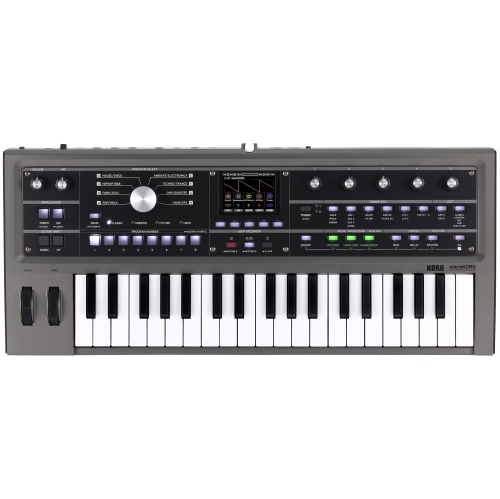
Sequencer keyboards combine a playable keyboard with tools for recording, editing, and replaying musical patterns, either through an onboard sequencer or through connected music software. A sequence stores musical events such as notes, rests, timing, and velocity, allowing a phrase to repeat while the player adds another part or adjusts the sound. This makes sequencing useful for building bass lines, drum patterns, chord progressions, and melodic arrangements without having to perform every part simultaneously. The category includes synthesizer keyboards with built-in sequencing, production workstations that bring several composition tools together, and MIDI keyboard controllers designed to operate a software sequencer. These formats serve different setups: a keyboard with its own sound engine can generate audio directly, while a controller generally needs a connected computer, sound module, or other compatible instrument. An onboard sequencer does not necessarily mean that a keyboard has internal sounds, so sound generation and sequencing are separate features. A musician working away from a computer may value a self-contained instrument, while someone arranging tracks in a digital audio workstation may prefer controls that closely match their software. Sequencing also differs from an arpeggiator, which typically turns held notes into a repeating pattern according to a selected order; a sequencer usually offers more direct control over individual musical events. For a songwriter, that can mean leaving a chord progression running while trying different vocal melodies. For an electronic performer, it might mean bringing a bass pattern in beneath a live keyboard part, then changing its rhythm without stopping playback. Sequencer-focused designs sit within the broader selection of Music Production Keyboards, with the strongest fit depending on how much recording, sound design, and arrangement happens at the instrument itself. Beginners can use repeating phrases to hear how notes work together, while experienced players can develop layered arrangements that would be difficult to perform with two hands alone.
The character of a sequencer keyboard depends as much on its editing controls as on its sounds. Step sequencing places notes or rests at defined positions in a pattern, making it easy to build a steady bass line or a tightly spaced percussion part. Real-time recording captures a performance as it is played, retaining expressive timing where the instrument and settings allow. Quantization can move notes towards a rhythmic grid, while swing settings change the spacing between certain subdivisions to create a different feel. Velocity editing affects how strongly individual notes are triggered, and gate length controls how long notes are held; the audible result also depends on the receiving instrument and its sound settings. Some sequencers record parameter changes, allowing a filter movement or another supported control to develop across a phrase. Pattern length, step count, track count, and note capacity describe different limits rather than interchangeable measures of capability. A monophonic track plays one note at a time, which suits many bass lines, while polyphonic sequencing can capture chords and overlapping notes. Multiple tracks may address separate internal sounds or external instruments, depending on the design. Pattern chaining and song arrangement features can help turn short loops into longer structures, and saved projects make it easier to return to an unfinished idea. Connections matter just as much in a shared setup. USB and traditional MIDI connections carry performance data where supported, but neither automatically guarantees an audio connection. Control voltage and gate outputs serve compatible analogue equipment and require matching electrical specifications. Synchronization support helps connected instruments follow the same tempo, although the available clock connections and settings vary. In practice, a compact keyboard might run a repeating synth phrase while a separate drum machine supplies the beat, leaving the player free to shape a lead sound. Clear displays, accessible transport buttons, and controls that provide useful feedback can make those small changes easier to follow, particularly when a pattern is running and the next musical idea arrives quickly.
Physical design affects how comfortably a sequencer keyboard fits into everyday music-making. Mini keys keep a setup compact and can work well for entering short patterns, while full-size keys offer more familiar spacing for players accustomed to a piano. A smaller keyboard may need octave-shift controls for reaching a wider note range; a longer keyboard gives both hands more room for chord voicings, split parts, or a melody above a bass line. Key action varies from light synth-style mechanisms to more substantial weighted designs, with the feel influencing fast passages, repeated notes, and piano-based playing. Velocity sensitivity supports changes in playing strength, while aftertouch, where included, can add expression after a key is pressed. Pads, knobs, sliders, and wheels offer different ways to enter rhythms or shape sounds, and their placement matters when the keyboard shares a desk with a computer and speakers. A compact footprint is helpful in a bedroom recording space, but room for cables, hand movement, and a stable support surface still matters. Moulded plastic housings can reduce carrying weight, while metal panels or chassis components may add rigidity; overall durability also depends on the construction of the keys, controls, and connection points. A padded bag or fitted case helps protect an instrument during travel, and cables are less likely to strain sockets when they are disconnected before packing. For routine care, a soft, dry cloth removes surface dust, while manufacturer-approved cleaning methods help protect key finishes and printed labels. Drinks kept away from the playing surface and a dust cover between sessions can reduce avoidable damage. Saved patterns and software settings also deserve attention, with backups useful wherever project export is supported. As a gift, a sequencer keyboard is particularly relevant to a beatmaker, songwriter, keyboard player, or musician interested in electronic composition. Its usefulness depends on the recipient’s existing setup, including whether they need internal sounds, computer integration, or connections for other instruments. A comfortable playing surface and a workflow that suits their habits can make the keyboard a regular part of both casual practice and finished productions.
Top selling and popular products
-
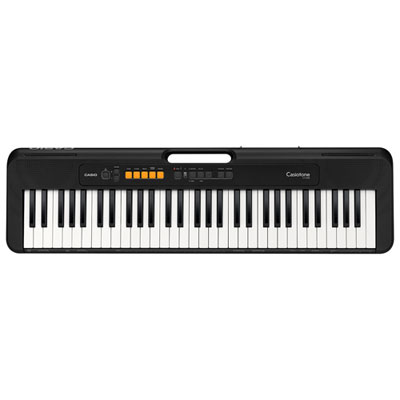 Your price for this item is $149.99
-
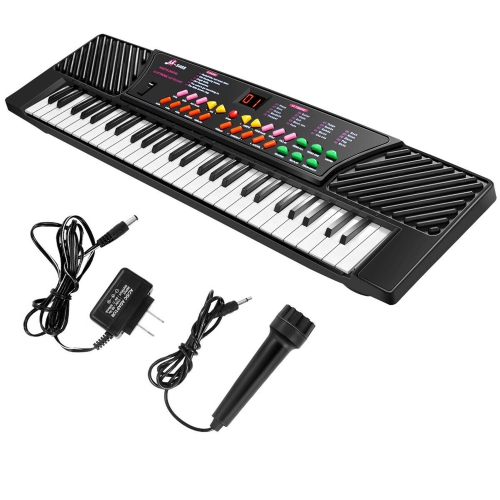 Your price for this item is $65.99
-
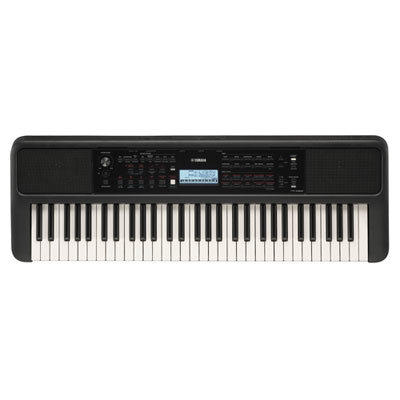 Your price for this item is $249.99
-
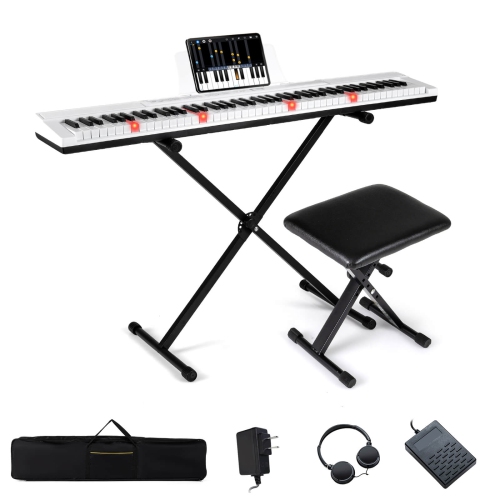 Your price for this item is $214.99
-
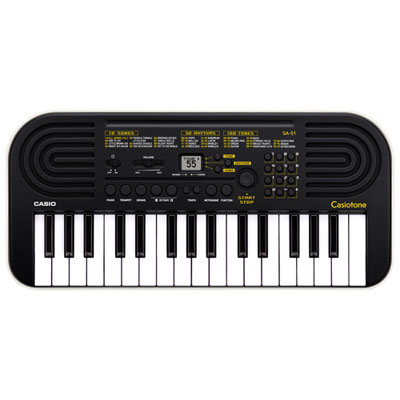 Your price for this item is $99.99
-
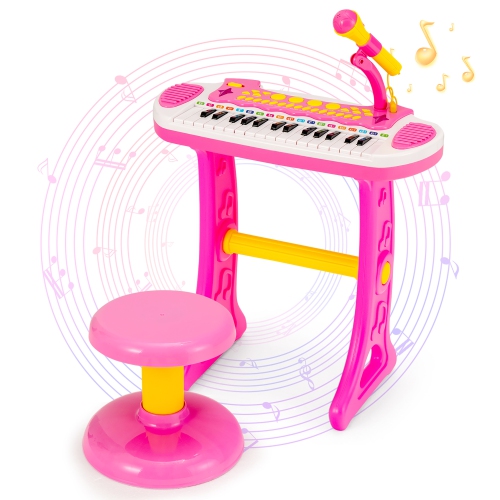 Your price for this item is $74.99
-
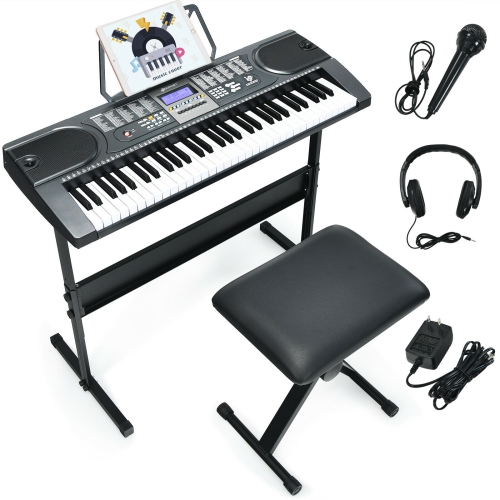 Your price for this item is $199.99
-
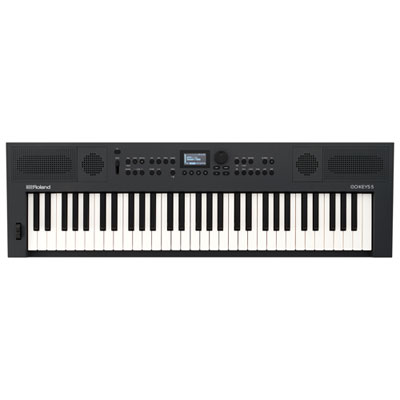 Your price for this item is $699.99
Discover more categories related to Sequencer Keyboards
Top Collections:
Best Black Friday Deals This Year, Best Black Friday Deals On Electronics, Kindle Devices, Pokemon Centers, Best Black Friday Deals On Apple Products, Best Cameras for Sports Photography, Dyson Airwrap, Pokémon 30th Celebration Cards, Apple iPhone 17 Pro, Canon G7X Cameras
Some products may be subject to Environmental Handling Fees
(EHF) depending on your province.
Learn more about EHFs.