Art & Lutherie
Discover the harmonious fusion of craftsmanship and creativity with our selection of musical instruments and accessories. Perfect for both budding musicians and seasoned performers, our collection offers a diverse range of high-quality options to suit every style and preference. Whether you're strumming your first chord or refining your performance skills, you'll find inspiring tools that elevate your musical journey. Explore exceptional artistry that resonates with passion and precision, designed to bring your musical aspirations to life.
Sort
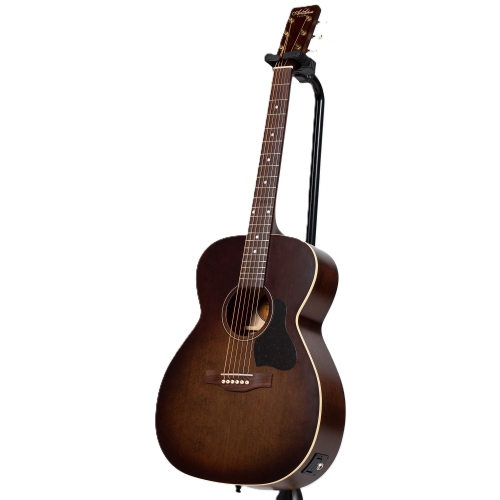
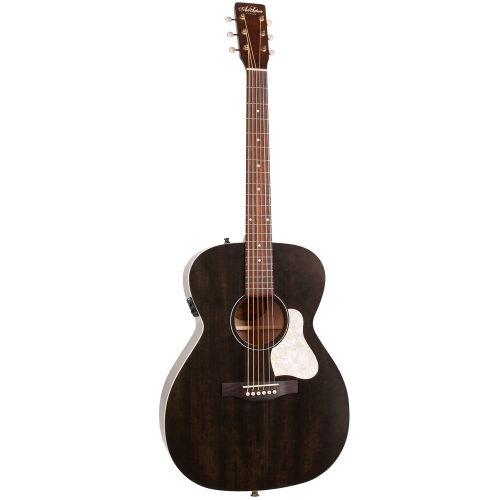

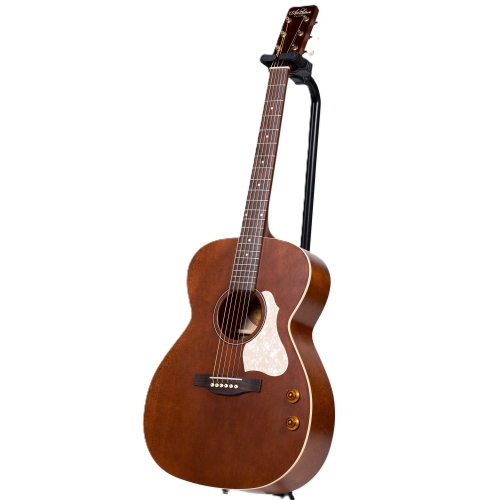
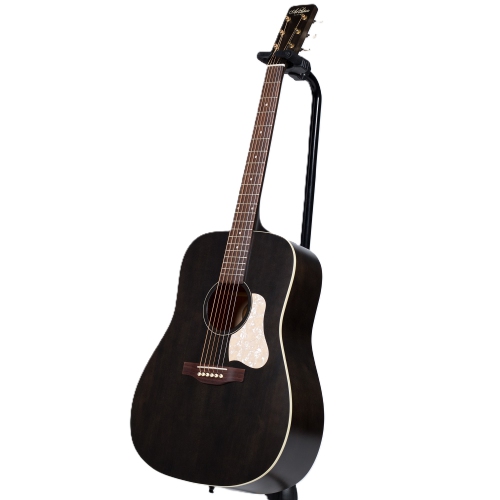
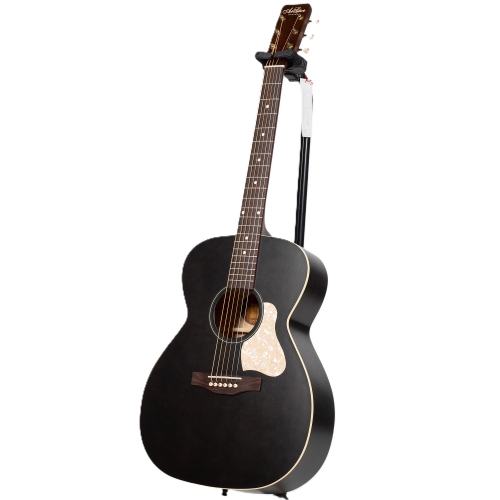
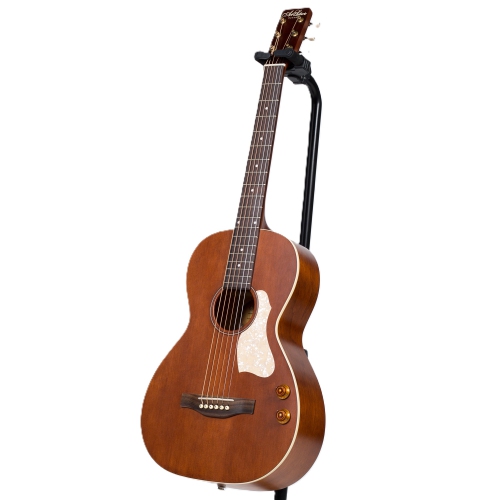
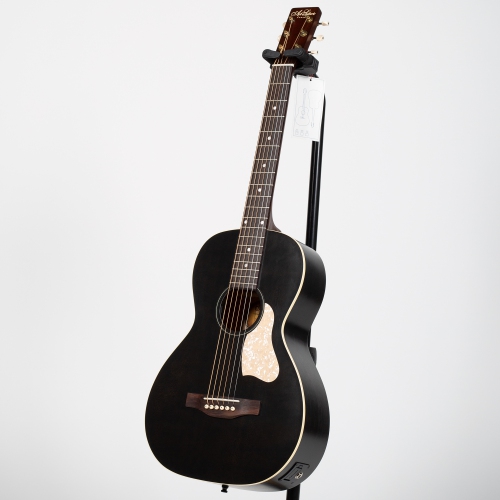
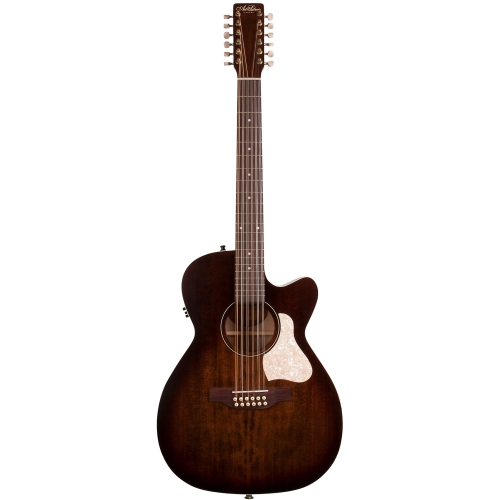

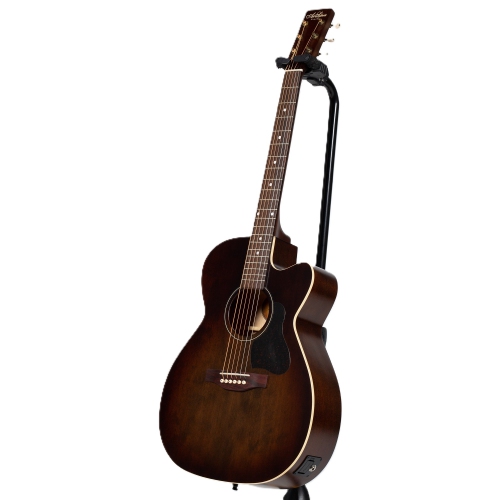
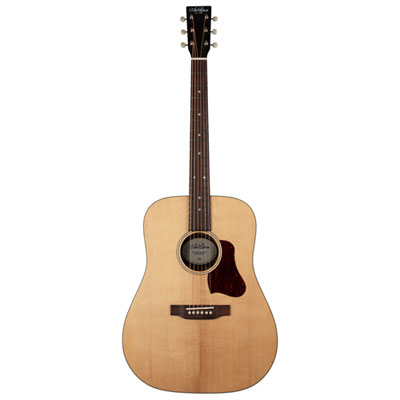
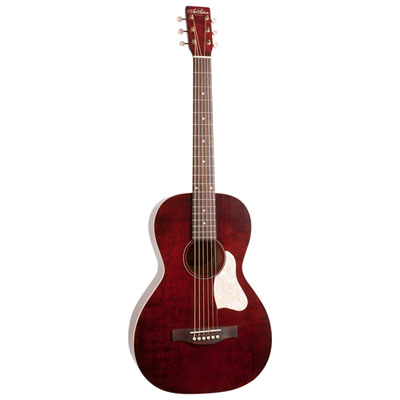
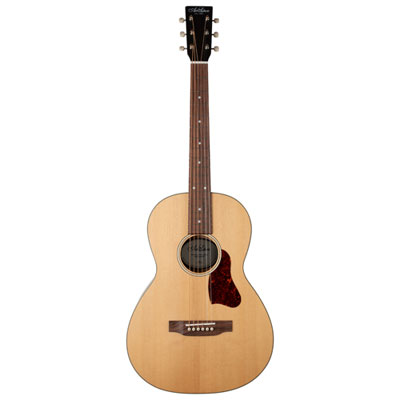




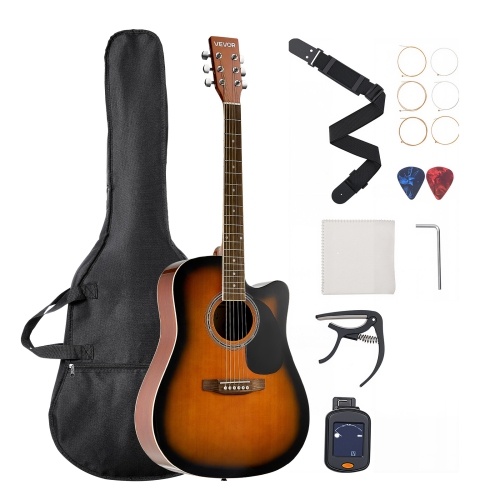
What gives Canadian acoustic guitars their distinctive feel
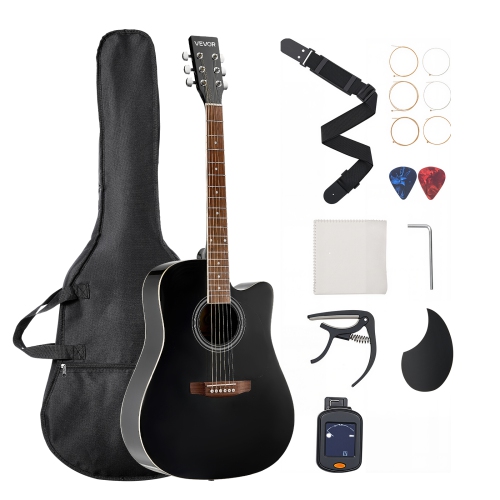
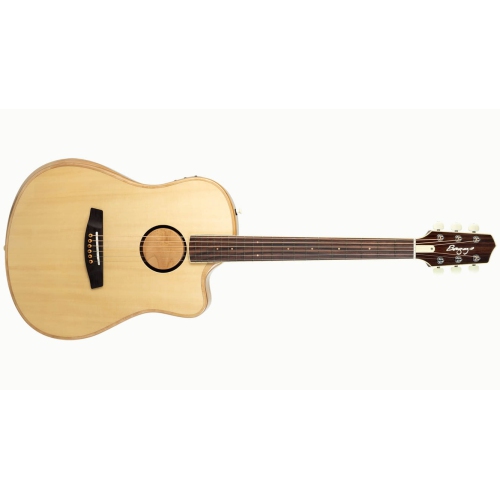
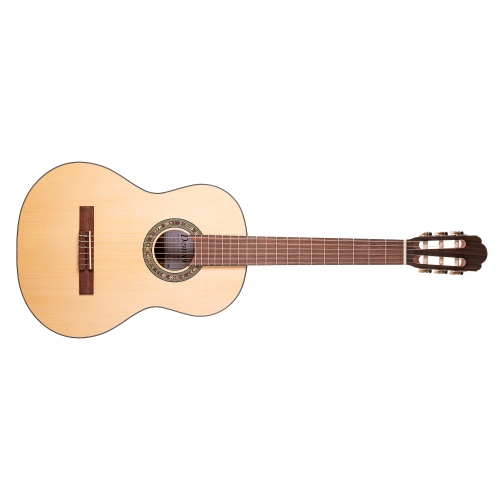
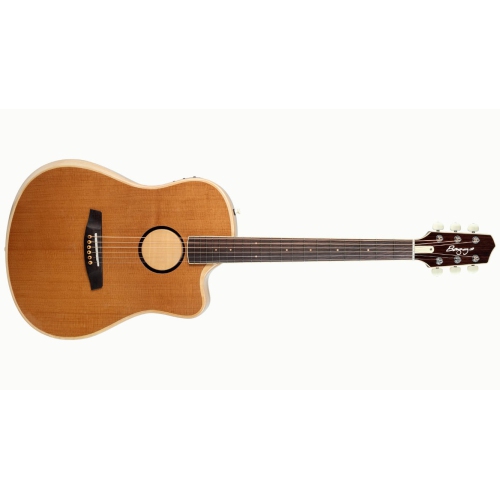
Canadian acoustic guitars have a distinctive place in folk, roots, blues, and singer-songwriter music, combining traditional woodworking with designs made for everyday playing. Quebec has a well-established guitar-making tradition, and instruments crafted there often draw on Canadian tonewoods such as wild cherry and silver leaf maple. For players, the appeal is tangible: the feel of a smooth neck, the resonance of an open chord, and the way a wooden body responds to a light fingerpicked melody or a firm strum. Steel-string acoustic guitars suit everything from learning familiar songs at home to accompanying vocals, joining an informal jam, or developing original arrangements. Their sound comes from the interaction of the strings, soundboard, bracing, and body cavity, rather than from any single material alone. Spruce is a common soundboard wood, valued for its combination of stiffness and low weight; it can support clear articulation and a broad response to different picking strengths. Cedar soundboards are often associated with a responsive feel under a lighter touch, though construction and setup remain important to the result. Wild cherry backs and sides and maple necks are among the materials found in Canadian-made acoustics, but wood combinations vary by instrument. A solid-wood top and a laminated top are different constructions, not interchangeable descriptions: solid tops are often chosen for their responsiveness, while laminated construction can offer useful resistance to some of the movement associated with humidity changes. Neither description alone establishes how comfortable or satisfying a guitar will be to play. Bracing, fretwork, neck shape, and string choice all contribute to its character. Visual details matter as well, from visible grain to understated finishes that let the wood remain the focal point. For a player who enjoys an instrument with a traditional appearance, those details can make a guitar feel equally at home beside a favourite chair, in a rehearsal space, or on a small stage.
Body shape is one of the clearest differences between acoustic guitars because it affects both sound and physical comfort. A compact parlour body generally sits close to the player, making it appealing for relaxed seated practice, travelling with a properly fitted case, or playing fingerstyle passages with a focused voice. Its smaller outline can help some players reach around the instrument more comfortably, although a small body does not necessarily mean a shorter neck or narrower fingerboard. Concert-sized bodies offer a middle ground, with manageable proportions and a balance that can work well for alternating between picked melodies and chord accompaniment. A dreadnought has a broader body and is commonly associated with strong projection and a substantial bass response, qualities that suit rhythmic strumming and playing alongside other acoustic instruments. Those larger proportions can also require more reach from the picking arm. Fit depends on the whole instrument: body depth, waist position, scale length, nut width, and neck profile all influence how naturally the hands and shoulders settle. A rounded neck may feel supportive to one player and bulky to another, while wider string spacing can give fingerpickers extra room without necessarily suiting every fretting hand. Scale length affects fret spacing and string tension at a given tuning and string gauge. Action, the height of the strings above the frets, is equally relevant. Excessively high action can make basic chords tiring, while action that is too low for a forceful attack can produce unwanted buzzing. A suitable setup helps match the guitar to the player rather than asking the player to compensate for it. For someone beginning lessons, comfortable fretting and reliable tuning can make repeated chord changes more rewarding. For an experienced musician, the priorities may be a particular response to a pick, clear separation between notes, or a body shape that leaves enough space for a singing voice. These practical differences are more meaningful than choosing by appearance alone.
Intended use also determines whether a purely acoustic instrument or an acoustic-electric design is the better fit. A guitar without onboard electronics can be entirely suitable for practice, songwriting, and unamplified playing. An acoustic-electric adds a pickup system for connecting to compatible amplification or recording equipment, making it useful for rehearsals, open-mic performances, and settings where the guitar needs to be heard alongside vocals. Pickup systems differ: some use an onboard preamp with tone controls, some include a tuner, and others keep controls minimal. Powered systems require attention to their battery, and an instrument cable, suitable amplifier, or direct connection may be needed for the intended setup. Amplified tone also depends on the pickup and sound system, so it will not necessarily duplicate the sound heard while sitting beside the guitar. For home recording, a microphone offers another way to capture an acoustic instrument, including the sound of its body and the room around it. Everyday care supports consistent playability across all these uses. A soft, dry cloth removes fingerprints and residue after a session, while a case protects against knocks and helps limit abrupt changes in humidity. Wooden instruments benefit from humidity kept within the maker’s recommended range; persistent dryness or excess moisture can affect action, joints, and the soundboard. Strings need replacing when corrosion, dullness, or uneven response gets in the way, and changing string gauge may call for a setup adjustment. A secure stand, a correctly sized case, and a comfortable strap are useful companions, particularly when the guitar moves regularly between practice and rehearsal. As a gift, an acoustic guitar can mark the start of lessons or support an established musical interest, with body fit and playing preferences deserving as much attention as finish. Players exploring other guitar constructions may also find Basswood Guitars relevant, especially when comparing woods commonly used for solid-body electric instruments rather than acoustic soundboards. Across these choices, a well-matched guitar offers something straightforward and lasting: comfortable playing, a sound that suits the music, and construction that rewards attentive care.
Top selling and popular products
-
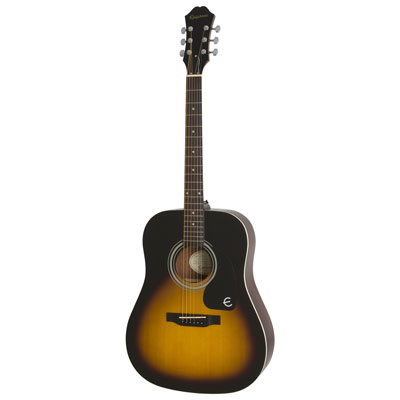 Your price for this item is $259.99
-
 Your price for this item is $279.99
-
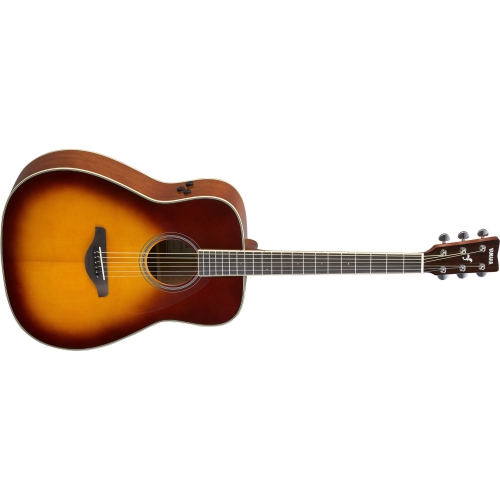 Your price for this item is $999.99
-
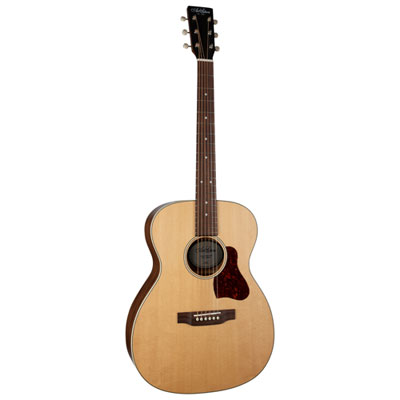 Your price for this item is $599.99
-
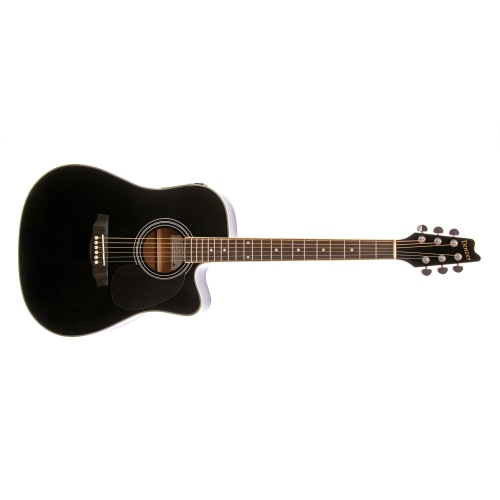 Your price for this item is $269.99
-
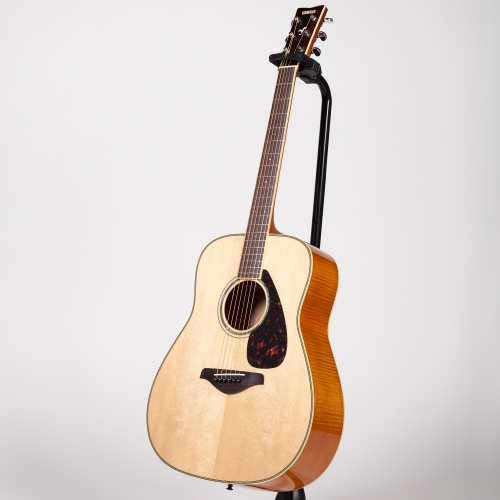 Your price for this item is $649.99
-
 Your price for this item is $459.99
-
 Your price for this item is $918.85
Discover more categories related to Art & Lutherie
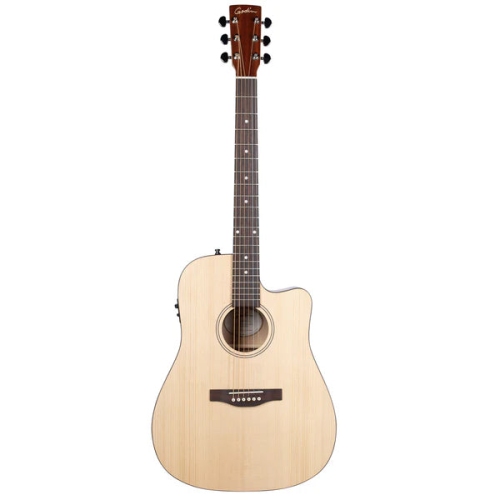
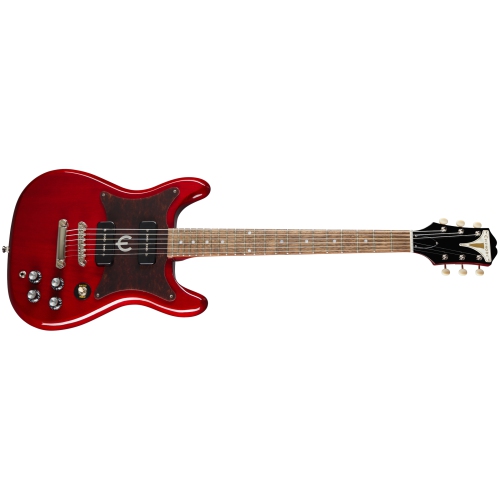
Top Collections:
Pokemon Centers, Best Cameras for Sports Photography, Kindle Devices, Samsung Galaxy Phones, Canon G7X Cameras, Pokémon 30th Celebration Cards, Refurbished Apple Laptops, iPhone 15 Apple, Laptops for Students, Budget Smartphones
Some products may be subject to Environmental Handling Fees
(EHF) depending on your province.
Learn more about EHFs.