Guitare Godin
Discover the perfect blend of style and sound with Guitare Godin. Whether you're a seasoned musician or just starting your musical journey, explore a wide selection designed to inspire creativity and elevate your performance. Find the ideal option to match your unique playing style and enjoy exceptional craftsmanship that stands out on any stage. With Guitare Godin, every strum brings you closer to your musical goals.
Sort
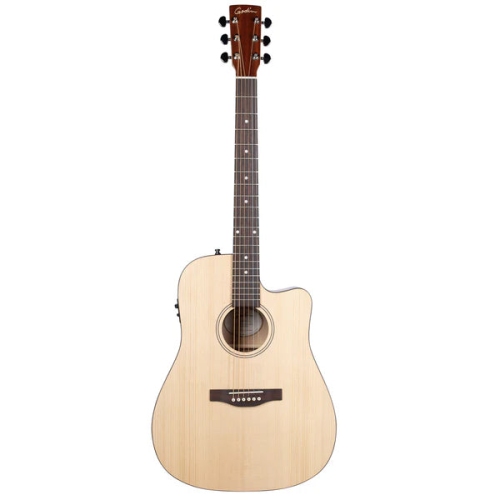


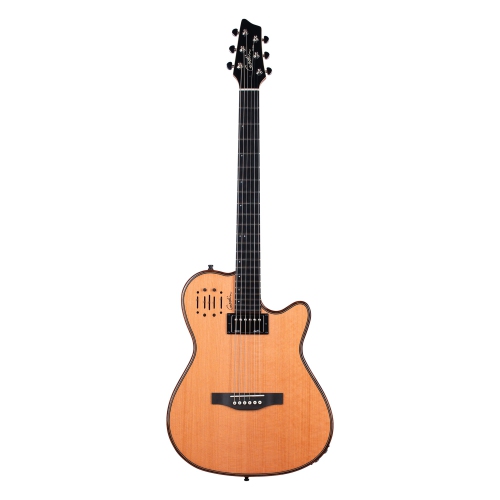
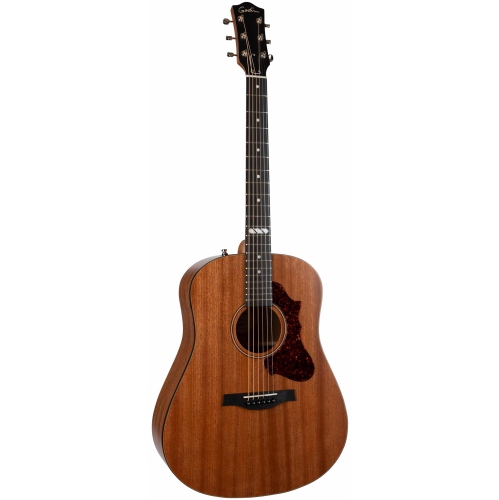


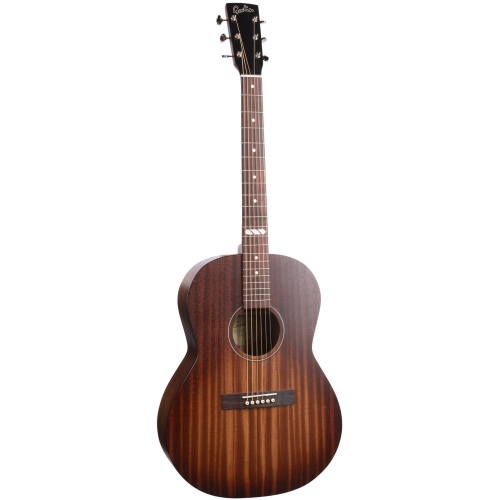
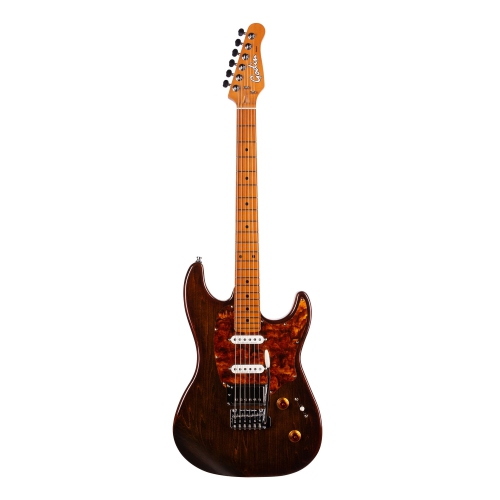

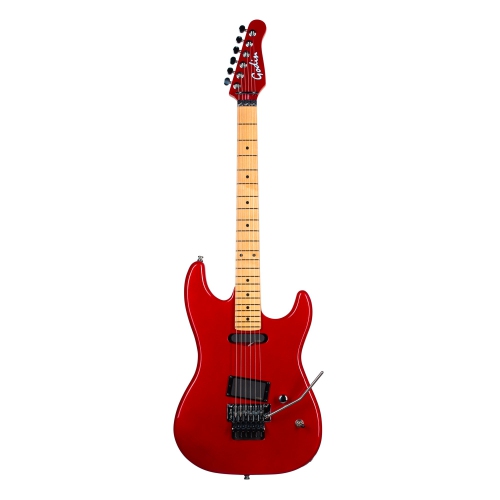
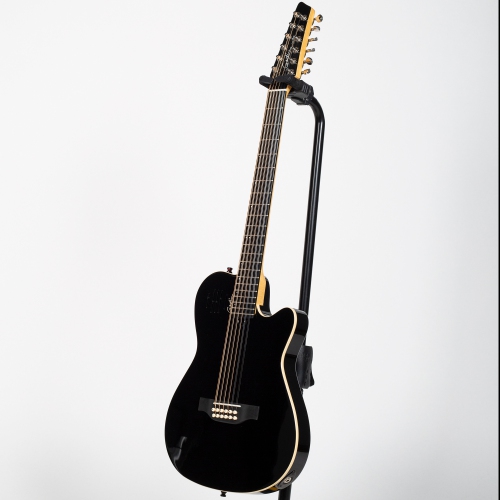
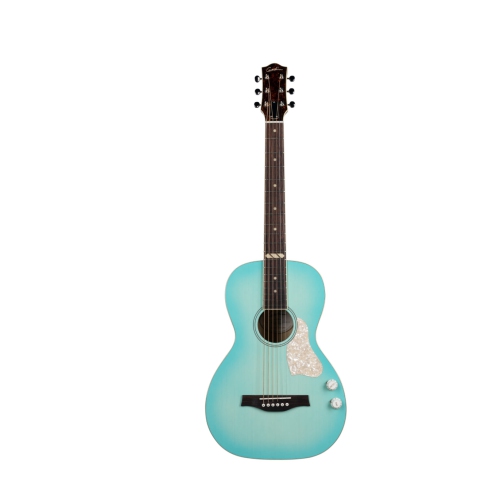

How Canadian craftsmanship shapes guitar sound and feel
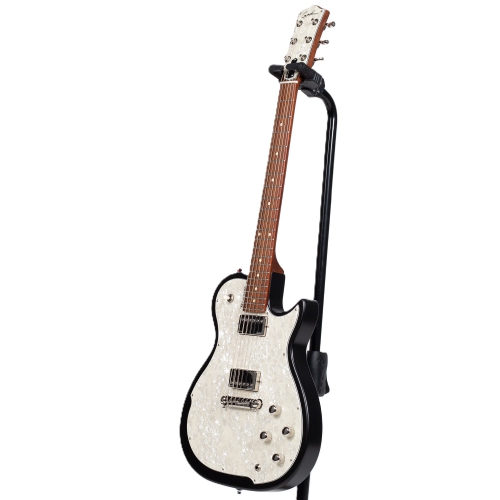
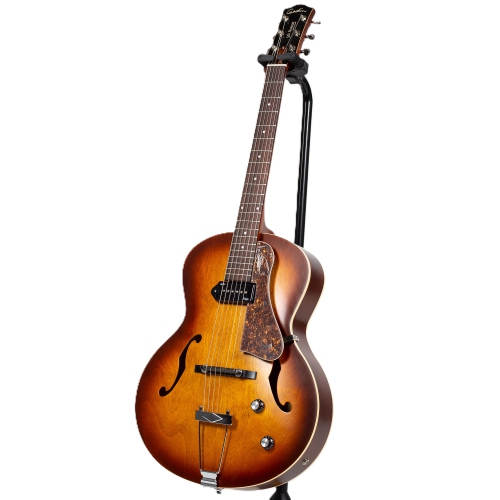
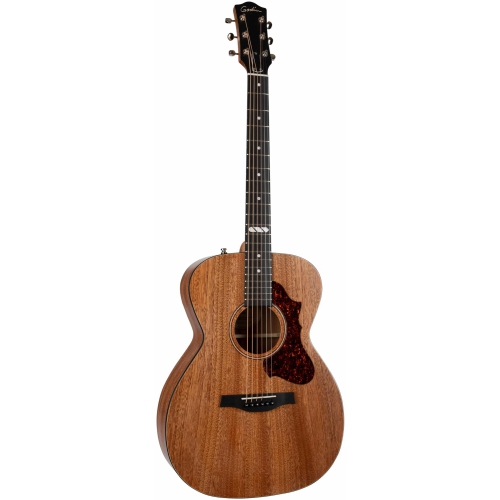
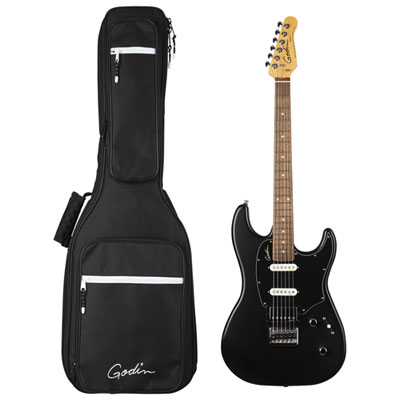
Canadian guitar making brings together traditional woodworking, practical design, and the demands of musicians who move between practice rooms, recording sessions, and live stages. Electric, acoustic-electric, and hybrid guitars offer different ways to connect the feel of a wooden instrument with an amplified sound. A solid-body electric guitar relies primarily on its pickups and amplification to shape its voice, making it well suited to everything from clear, articulate chord work to overdriven rock leads. Hollow and semi-hollow designs add a different response under the hands, often appealing to players who enjoy jazz voicings, blues phrasing, or the lively feel of a resonant body. Nylon-string hybrids bring the rounded attack of nylon strings into an amplified setting, while steel-string designs tend to deliver a brighter edge and a more pronounced response to a pick. These distinctions matter more than appearance alone: a guitarist accompanying a singer in a small room may want warmth and definition without excessive volume, whereas someone playing with a drummer needs an instrument that remains clear through an amplifier. Canadian craftsmanship is also closely associated with careful neck shaping, precise fretwork, and attention to how an instrument balances against the body. Those details become noticeable over a full rehearsal, when a comfortable neck and smooth fret ends can make repeated chord changes feel less tiring. Materials contribute to both sound and feel, although no wood species guarantees a particular result on its own. Body construction, bracing where present, hardware, pickups, and the player’s touch all work together. Solid wood can develop subtle changes in response over time, while laminated construction can offer useful strength and consistency. For musicians drawn to Canadian-made guitars, the appeal often lies in that combination of familiar materials and versatile design: an instrument with a distinct acoustic character, useful amplified options, and a shape that feels natural whether playing seated at home or standing through a set.
Comfort starts with the parts of the guitar that meet the player’s hands and body. Neck width, neck profile, fretboard radius, and scale length each affect how an instrument feels, even when two guitars look similar from a distance. A wider fingerboard can give fingerstyle players room to separate notes cleanly, while a narrower one may feel more familiar to someone moving from a conventional electric guitar. A rounded neck profile fills the palm differently from a slimmer shape; neither is automatically better, and hand size is only part of the equation. Playing technique, thumb position, and the amount of time spent on barre chords also influence comfort. Scale length affects fret spacing and string tension at a given tuning and gauge, so it can change the effort needed for bends or the feel of a stretched chord. Body depth and weight deserve equal attention. A shallow body may sit comfortably against the ribs during a long seated session, while a larger hollow body offers a different physical connection as chords resonate. A cutaway can make higher frets easier to reach for melodic passages and solos. String choice further shapes the experience: nylon and steel strings have different construction requirements and should never be treated as interchangeable unless the instrument is expressly designed for that use. Pickups and onboard controls determine how easily a guitar fits into an existing setup. Magnetic pickups capture string vibration in a way familiar to electric players, while piezo systems sense mechanical vibration and are often used to carry an acoustic-style voice into an amplifier or sound system. Some designs combine signal sources, giving players access to contrasting textures without changing instruments. Output arrangements vary, so the number and type of connections matter for anyone planning to blend sounds, record separate tracks, or use external processing. A singer-guitarist may value straightforward volume and tone controls within easy reach; a studio musician may place greater importance on flexible routing and a clean signal. For players also interested in acoustic accompaniment, Art & Lutherie offers a related area to explore.
A well-built guitar can support years of playing, but durability depends on sensible handling and regular attention as much as construction. Wood responds to changes in temperature and humidity, which can affect neck relief, string height, tuning, and, in more serious cases, the condition of the body. During the cooler months, indoor heating can dry the air, making a room hygrometer and an appropriate instrument humidification system useful additions to a home music space. The maker’s care recommendations should guide humidity targets and cleaning methods, particularly where different finishes or fretboard materials are involved. After a guitar has travelled in cold weather, leaving it in its closed case while it gradually approaches room temperature helps reduce abrupt changes. A fitted case protects against knocks in transit, while a secure stand keeps an instrument within reach without leaning it against furniture. Wiping strings and contact surfaces with a clean, soft cloth after playing helps remove perspiration and residue; cleaning products should be suitable for the specific finish rather than borrowed from household cupboards. Fresh strings can restore clarity and dependable intonation, but a change in string gauge may also call for setup adjustments. Buzzing frets, unusually high action, or notes that drift out of tune farther up the neck are reasons to have a qualified technician assess the instrument. For a beginner, a comfortable setup can make daily practice more inviting than elaborate electronics ever could. For an experienced player, stable tuning and predictable response help keep attention on timing, phrasing, and expression. Guitars can also make meaningful gifts for a returning musician, a student developing a personal style, or someone marking a musical milestone. Because neck feel, handedness, body size, and preferred sound are highly personal, familiarity with the recipient’s playing habits is especially valuable. A quiet evening working through fingerpicked chords, a weekend rehearsal with friends, or a carefully layered home recording each places different demands on an instrument. The most rewarding match is a guitar whose construction, comfort, and sound support the way its player actually makes music.
Top selling and popular products
-
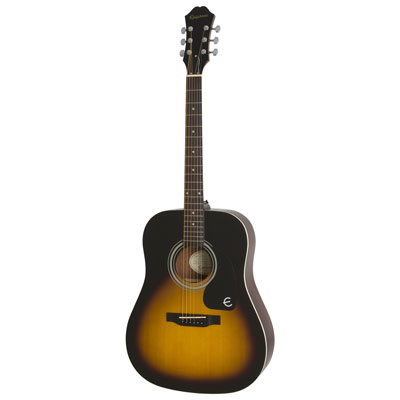 Your price for this item is $259.99
-
 Your price for this item is $279.99
-
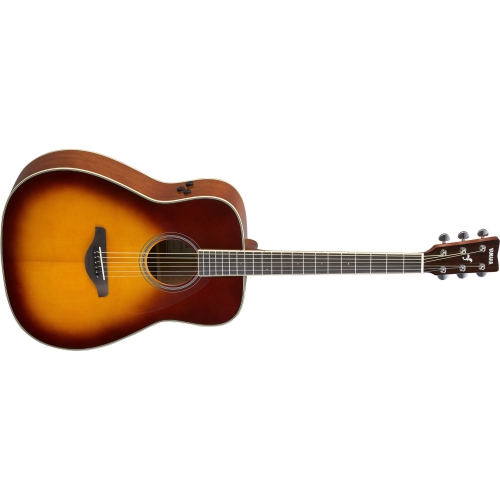 Your price for this item is $999.99
-
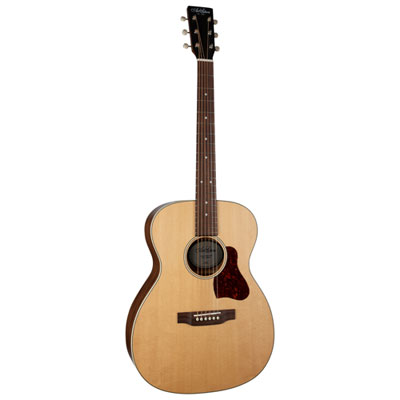 Your price for this item is $599.99
-
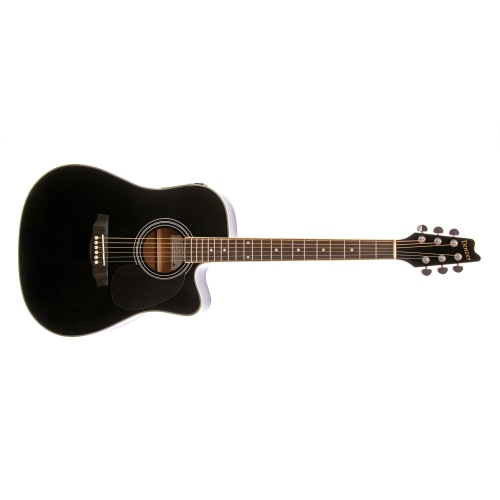 Your price for this item is $269.99
-
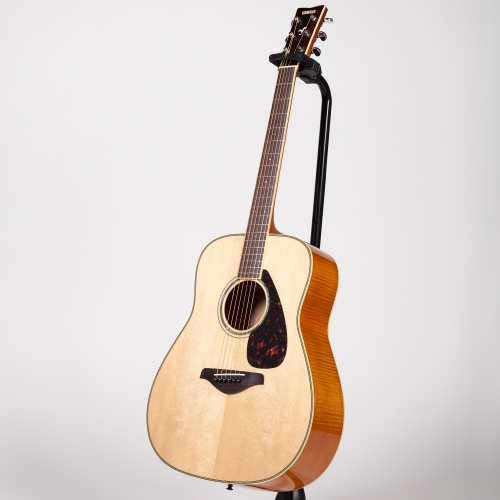 Your price for this item is $649.99
-
 Your price for this item is $459.99
-
 Your price for this item is $918.85
Discover more categories related to Guitare Godin

Top Collections:
Pokemon Centers, Best Cameras for Sports Photography, Kindle Devices, Samsung Galaxy Phones, Canon G7X Cameras, Pokémon 30th Celebration Cards, Refurbished Apple Laptops, iPhone 15 Apple, Laptops for Students, Budget Smartphones
Some products may be subject to Environmental Handling Fees
(EHF) depending on your province.
Learn more about EHFs.