Basswood Guitars
Basswood guitars are a popular choice among guitarists for their tonal characteristics and affordability. Basswood is a lightweight wood with a fine grain and a soft texture. These guitars are known for their rich, warm sound, as well as their ability to handle a wide variety of tones. If you're looking for a guitar that offers versatility and affordability, then these basswood guitars may be the perfect option for you. Here are some of the great options available.
Sort
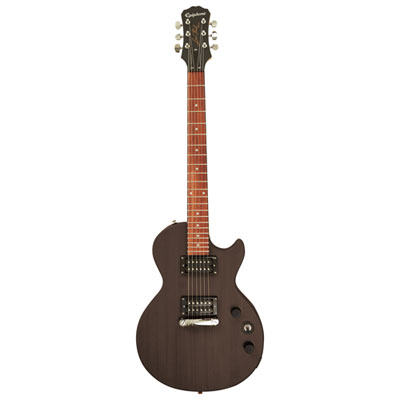
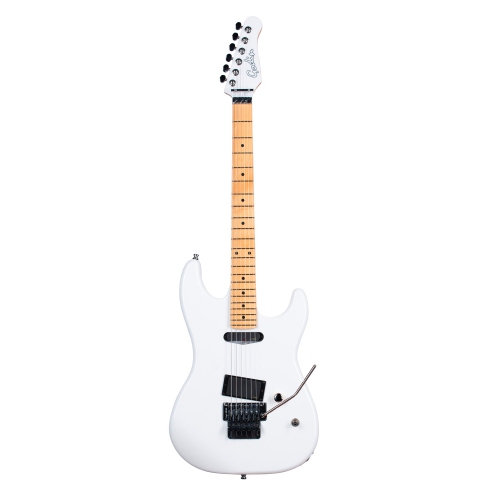
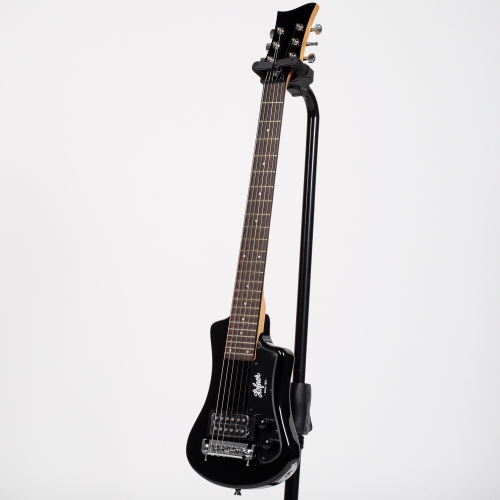
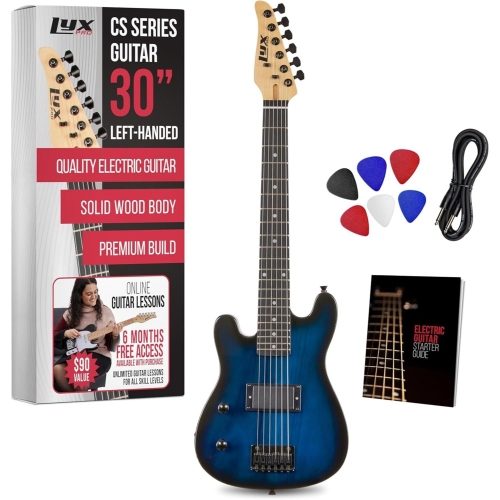
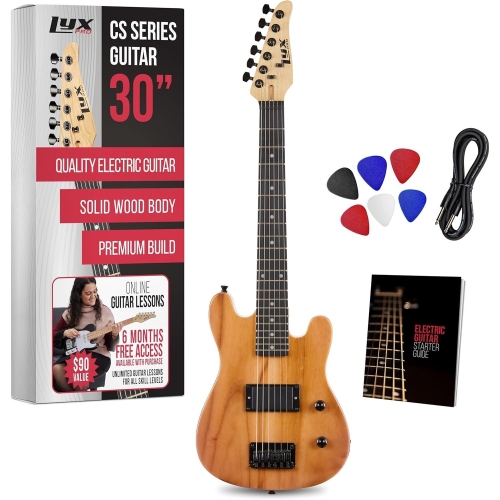
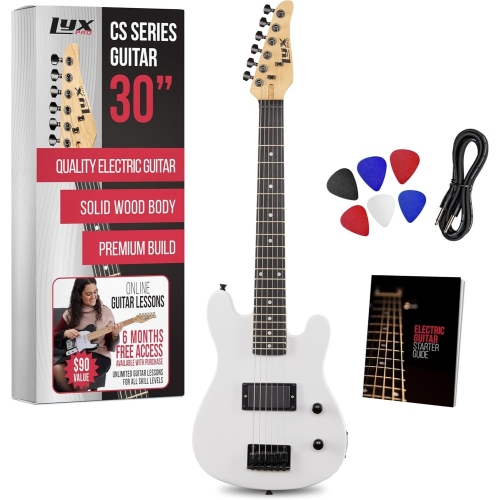
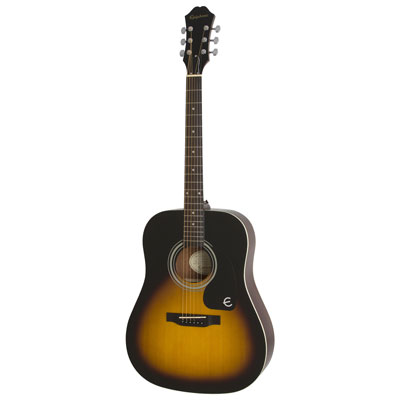
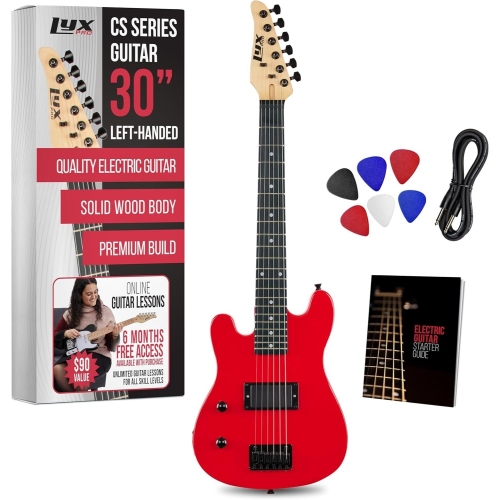
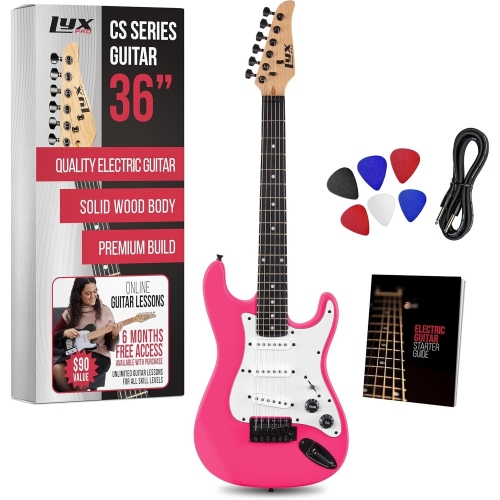
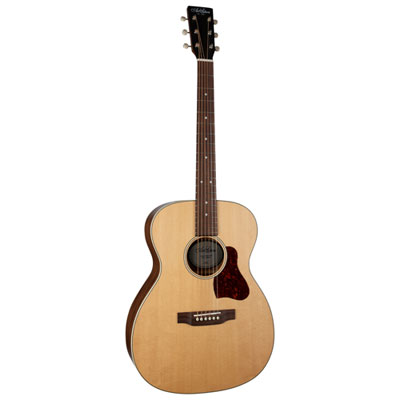
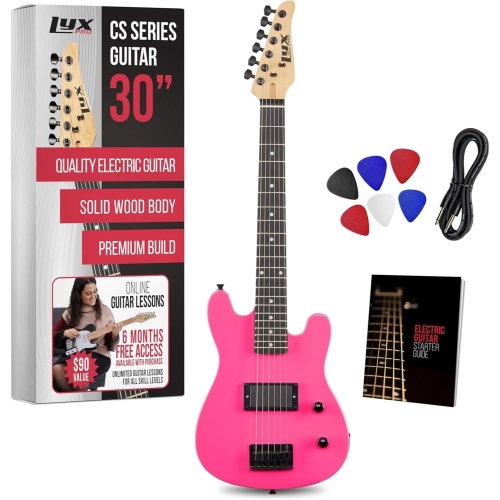
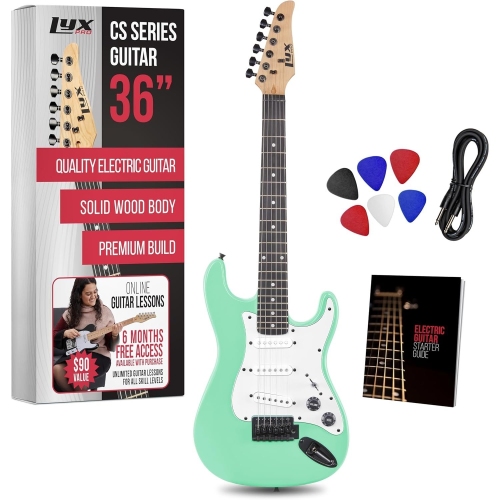

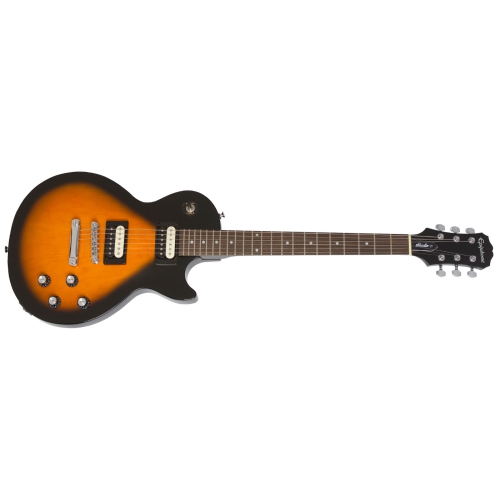
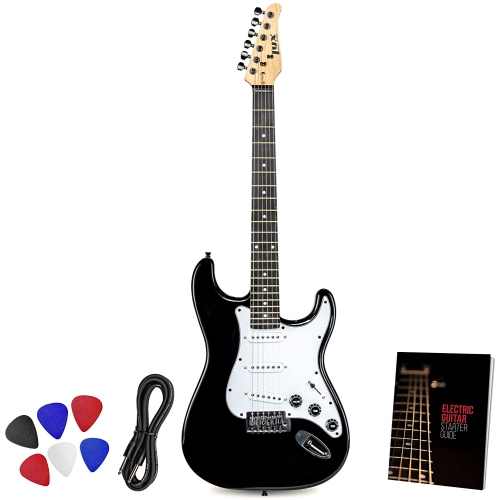
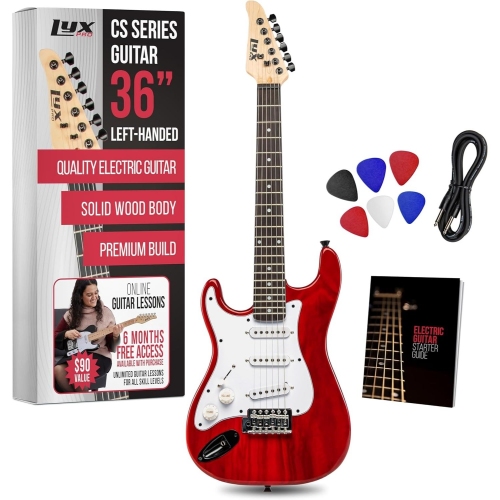
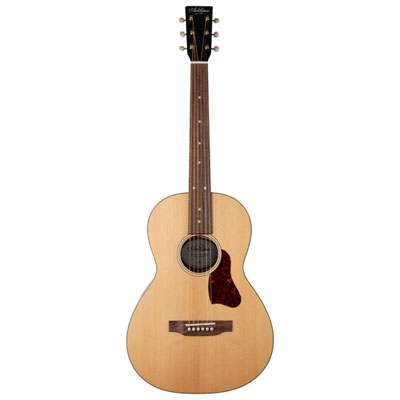

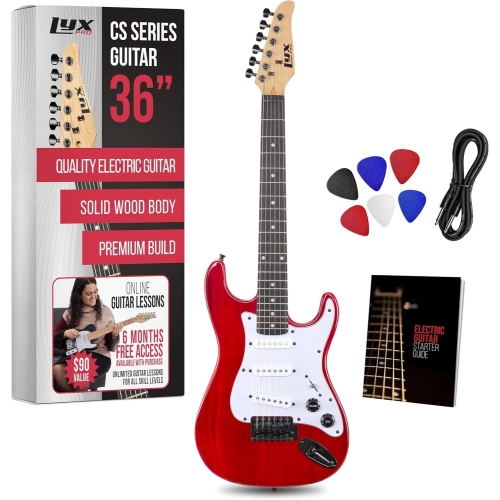
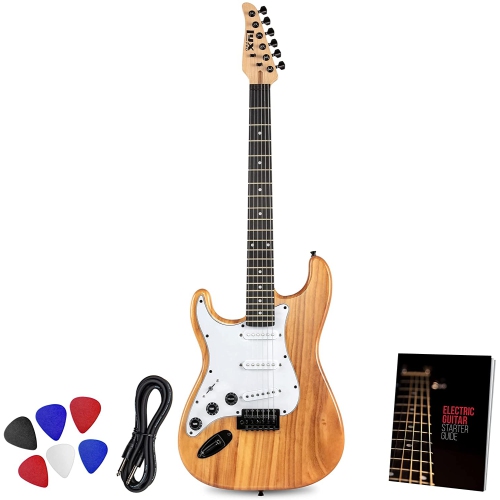
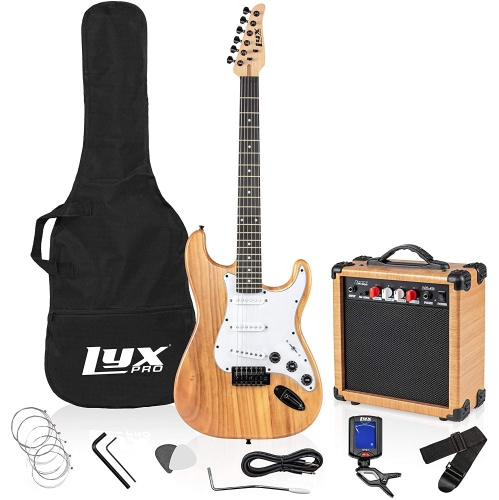
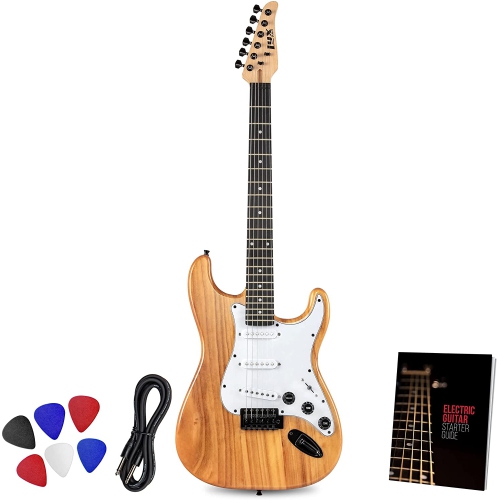

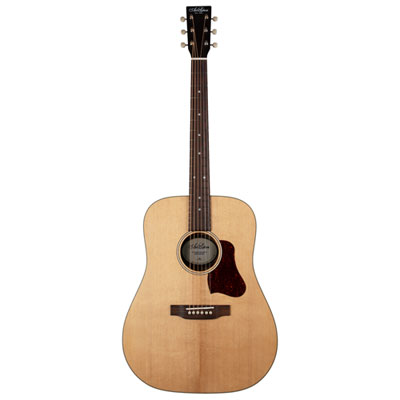

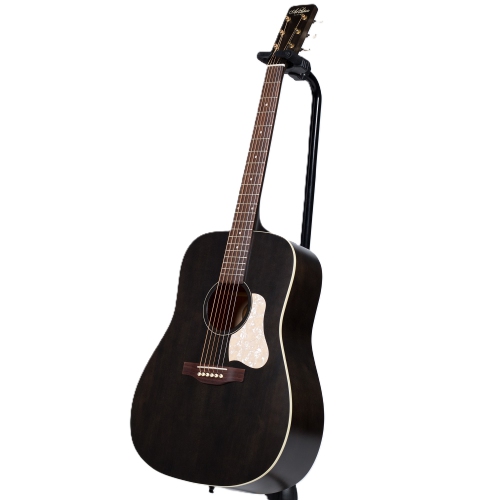
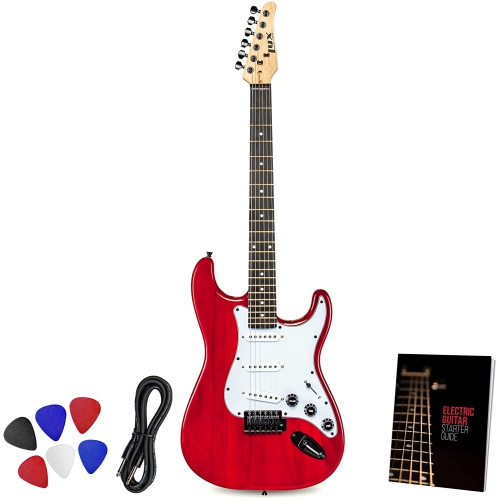
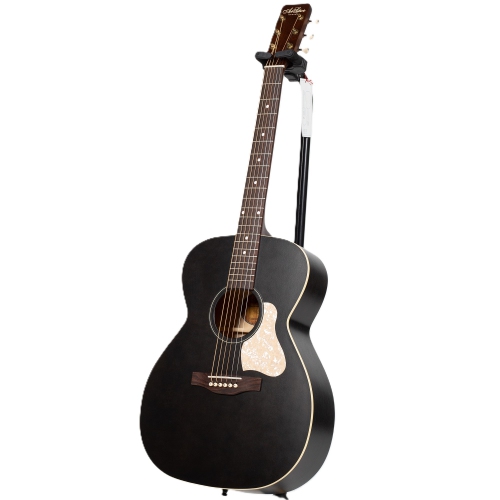
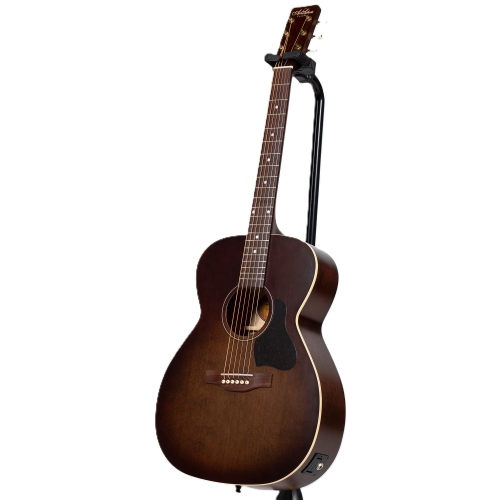

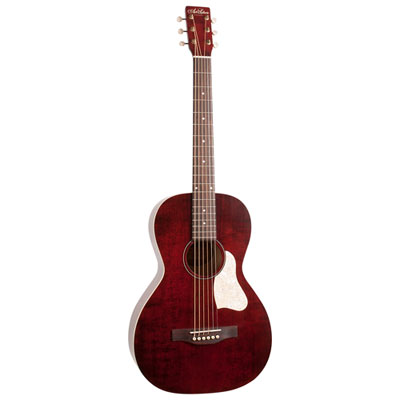
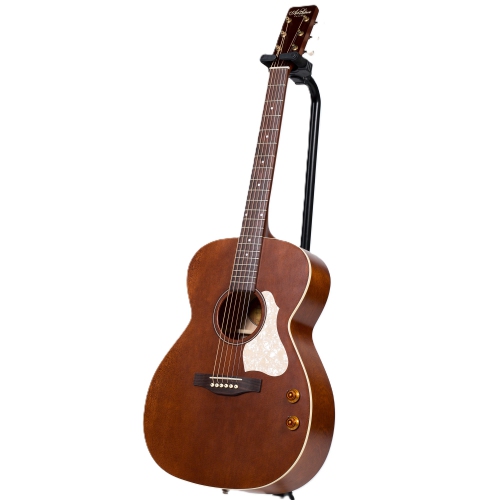

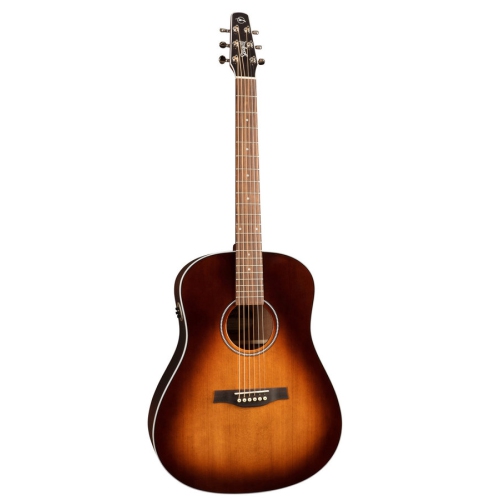
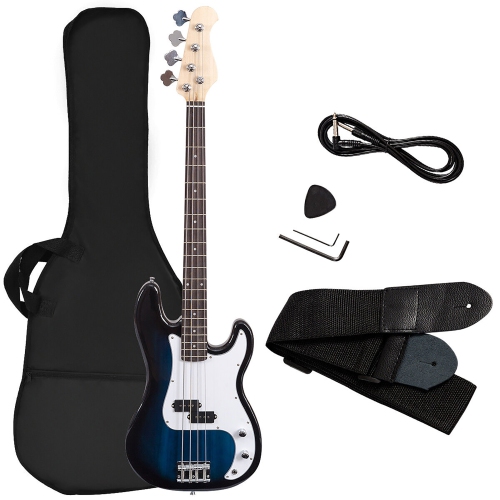
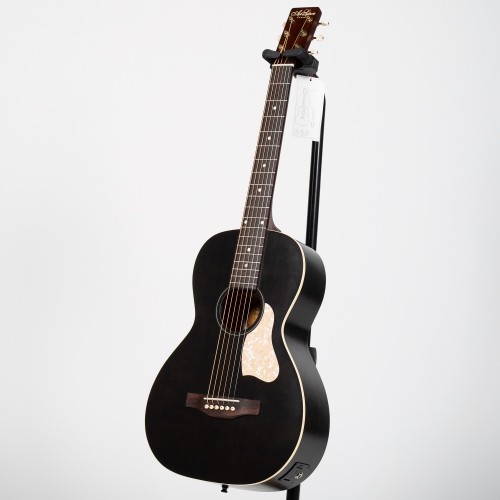
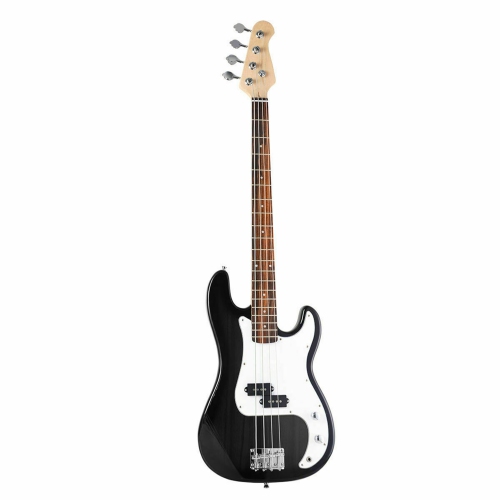
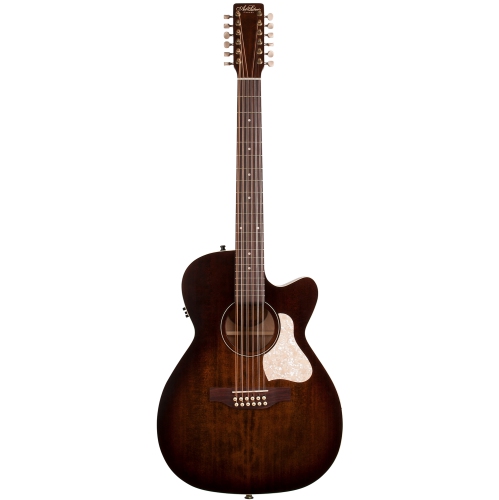
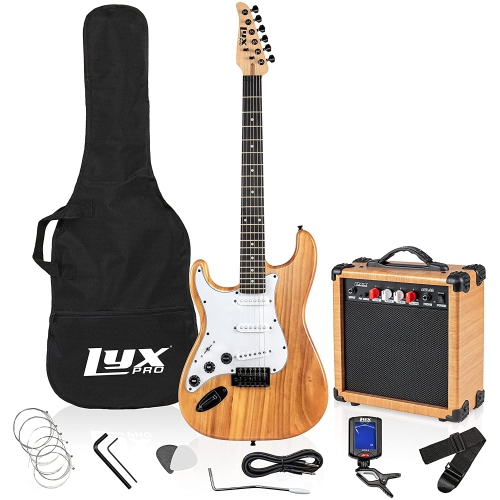

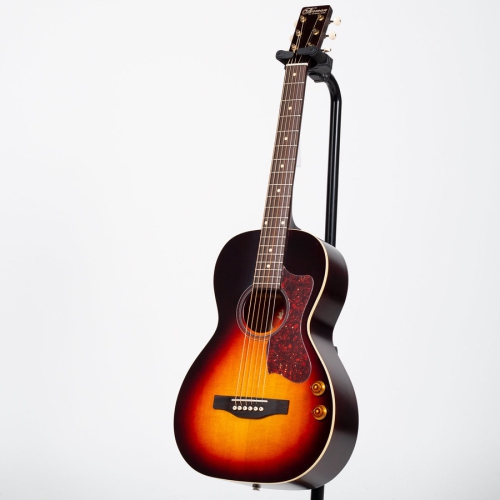
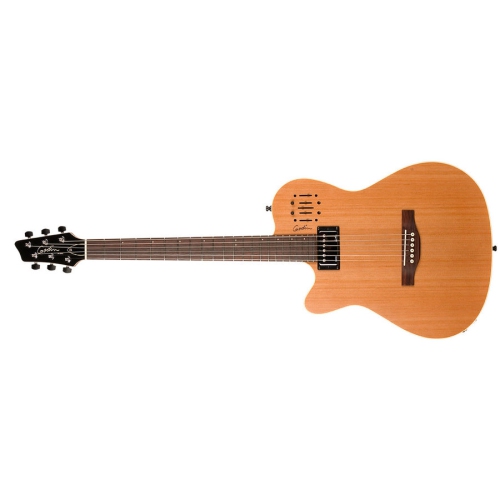
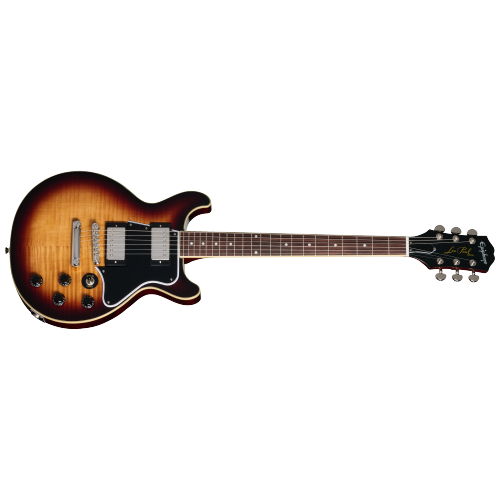
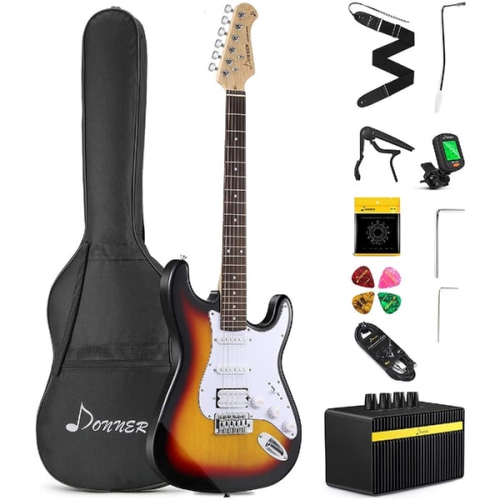
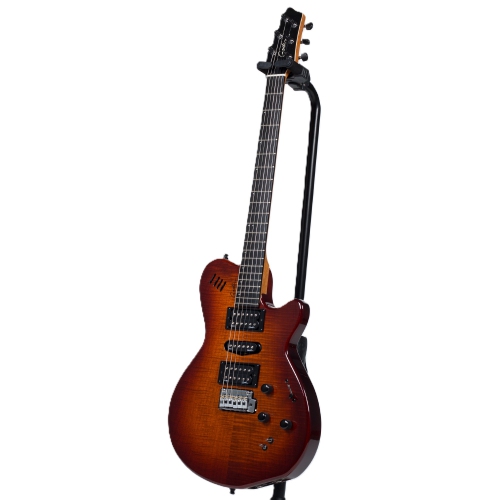
What basswood brings to comfort, tone, and versatility
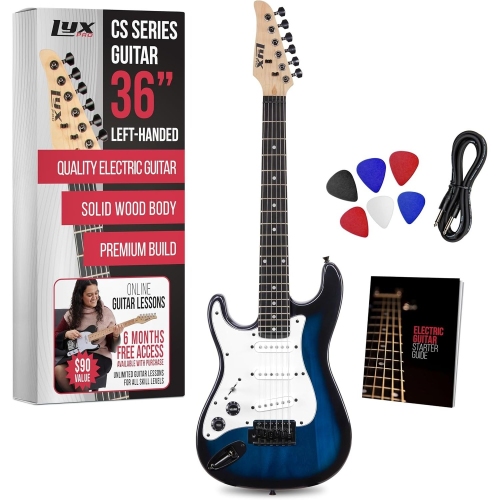
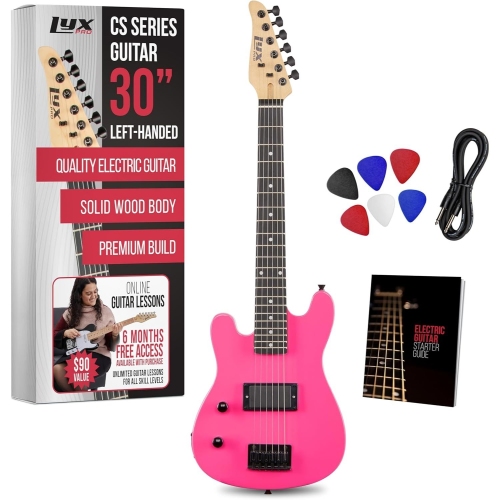
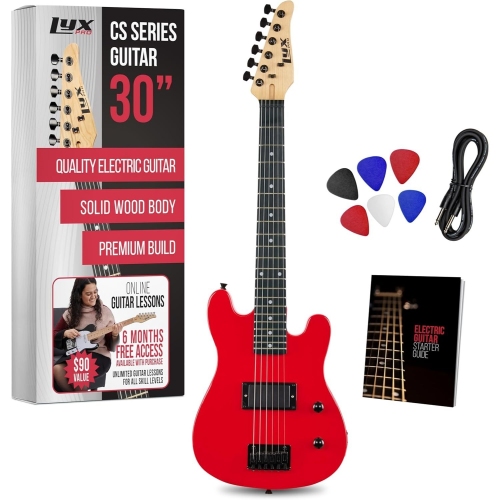
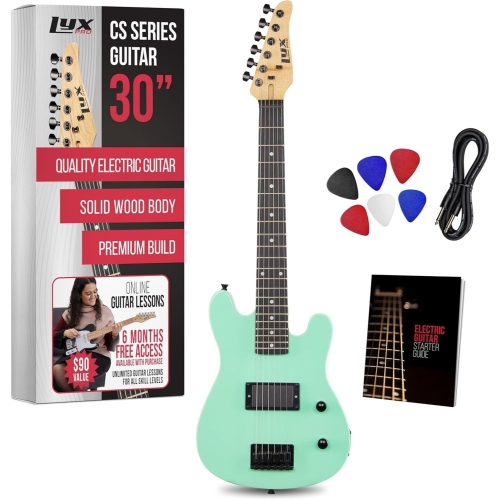
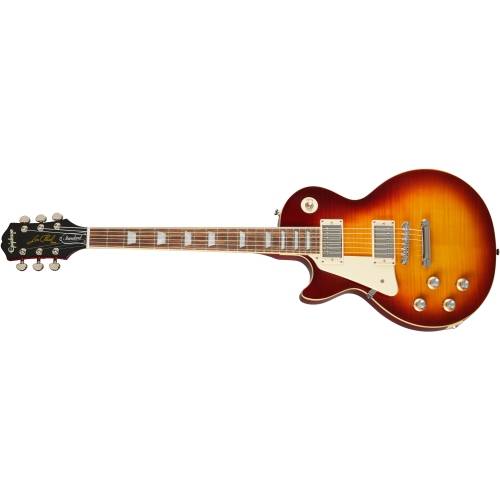
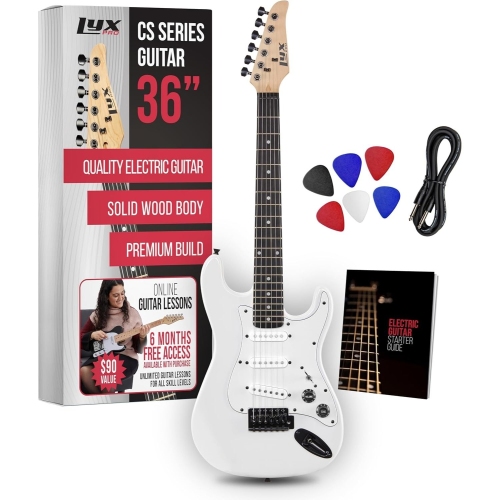
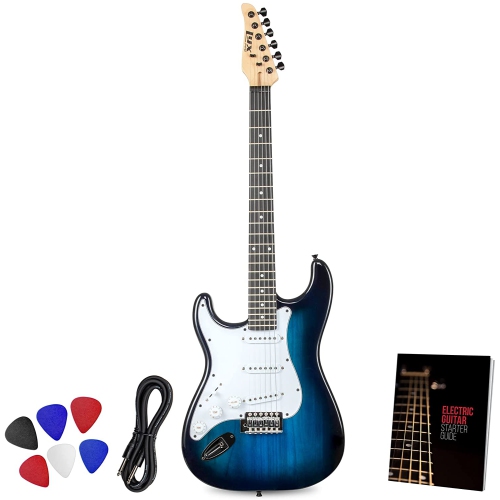
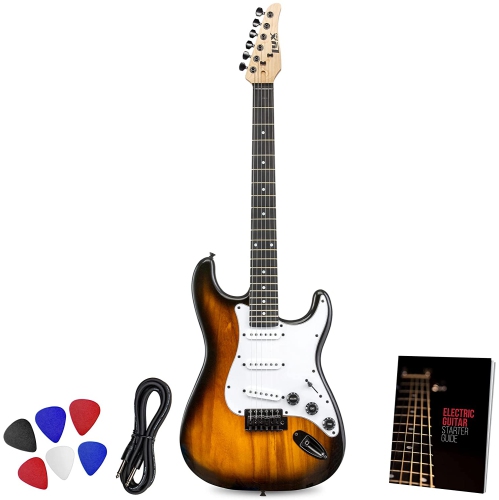
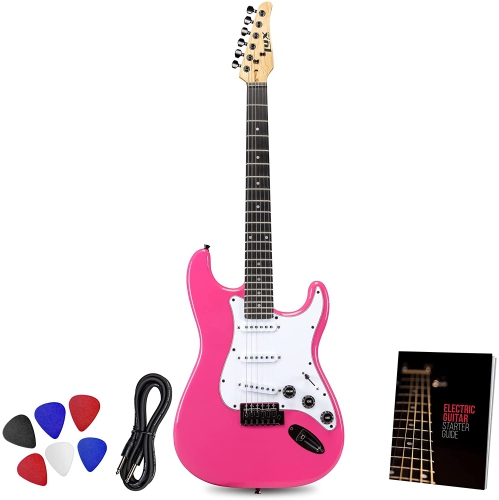
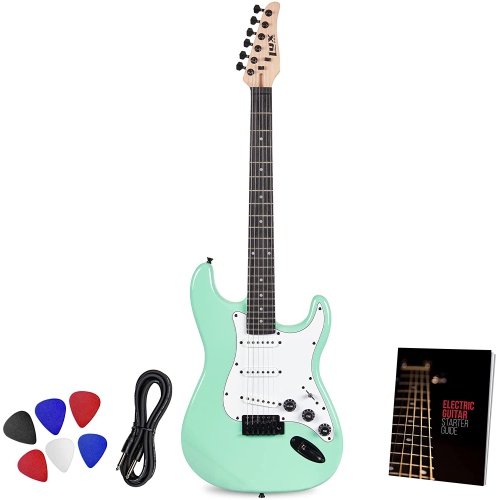
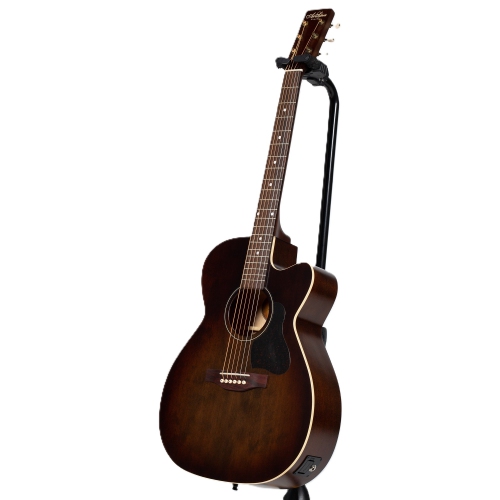
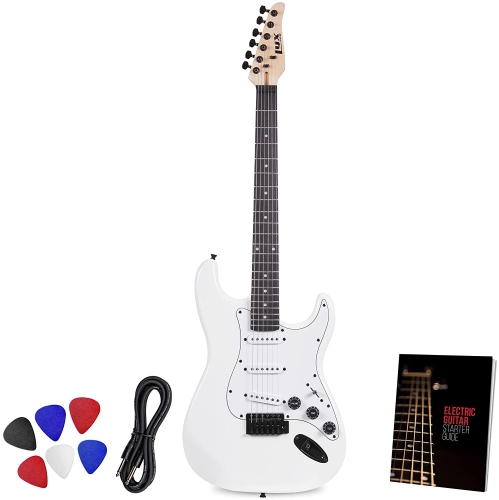
Basswood guitars are electric guitars made with basswood bodies, a popular choice for players who want a comfortable instrument with a balanced, full-bodied voice. Basswood is a relatively light timber, so a guitar made with it can feel easier on the shoulder during long rehearsals, lessons, recording sessions, or live performances. That reduced weight can be especially welcome for younger players, beginners still developing their posture, or experienced musicians who spend hours standing with a guitar. Tonally, basswood is known for a smooth, neutral character with a pronounced midrange. It does not strongly emphasize the sharp brightness associated with some harder woods or the deep warmth of others, allowing the pickups, amplifier, effects, and playing style to play a major role in shaping the final sound. This versatility makes basswood electric guitars suitable for a broad range of music, from expressive blues and classic rock to heavier styles, alternative, pop, and modern instrumental playing. Models equipped with humbucking pickups often make especially good use of basswood’s naturally even response, producing a substantial sound with enough midrange presence to remain clear in a busy band mix. A guitarist working through a layered arrangement may appreciate how the instrument occupies its own space without sounding thin, while a home player can explore clean tones, overdrive, distortion, delay, and other effects without the guitar’s body wood overpowering the character of the setup.
When choosing a basswood guitar, start with the way it will be played rather than focusing on body wood alone. The neck profile and scale length affect how easily the instrument sits in the hand, while the fingerboard radius, fret size, and overall setup influence comfort during chords, bends, slides, and fast lead passages. Beginners may value a comfortable neck and straightforward controls that make it easy to learn the basics, while more advanced players may look for pickup combinations, switching options, tremolo or fixed bridge designs, and a control layout suited to their technique. Consider the guitar’s balance when it is connected to a strap, since a lightweight body is most useful when the instrument also rests securely and feels natural while standing. Basswood has a relatively soft surface compared with denser timbers such as maple or ash, so it may be more susceptible to small dents, scratches, and marks from everyday handling. That is worth keeping in mind when a guitar will travel to lessons, rehearsals, jam sessions, or performances. A padded gig bag, a stable stand, and careful storage can help protect the finish, while routine attention to tuning, string condition, fret cleanliness, and neck adjustment helps preserve a satisfying playing feel. Finish colour and surface appearance are also part of the selection process. Basswood commonly has a pale, understated grain, which is often covered with an opaque finish or paired with a decorative top layer for a more distinctive visual effect. Players who prefer a bold stage appearance may choose a striking finish, while those buying a first instrument may prefer a familiar shape and finish that feels inviting every time it is picked up.
Basswood guitars can be a thoughtful gift for a new musician, a student moving beyond an entry-level instrument, or an experienced guitarist building a more flexible collection. They can suit someone setting up a first practice space in a bedroom, basement, or apartment, as well as a player preparing for school performances, informal gatherings, open-mic nights, or band rehearsals during the cooler months. For a gift, it helps to consider the recipient’s existing equipment and musical interests. An electric guitar will typically need an amplifier, cable, strap, picks, and a way to store it, although many players already own some of these essentials. A tuner, spare strings, a padded case, and a compact stand can also make useful additions for someone who is beginning to play. Basswood’s comfortable weight can be a practical advantage for musicians who move between rooms or venues, and its balanced tonal response gives players room to experiment as their preferences develop. It can handle clean practice tones in the afternoon, a lightly driven rhythm sound during a rehearsal, and a more powerful amplified tone for a performance without requiring the player to commit to one narrow style. Players searching specifically for an instrument with a basswood body should review the listed specifications carefully, as construction, pickups, bridge design, neck materials, and electronics can vary significantly between guitars. Those comparing related instrument categories may also wish to browse Black Bass Guitars, while keeping in mind that basswood electric guitars and bass guitars are designed for different ranges and roles. With a comfortable fit, suitable electronics, and dependable hardware, a basswood guitar can become an approachable everyday instrument for practice, performance, recording, and sharing music with others.
When choosing a basswood guitar, start with the way it will be played rather than focusing on body wood alone. The neck profile and scale length affect how easily the instrument sits in the hand, while the fingerboard radius, fret size, and overall setup influence comfort during chords, bends, slides, and fast lead passages. Beginners may value a comfortable neck and straightforward controls that make it easy to learn the basics, while more advanced players may look for pickup combinations, switching options, tremolo or fixed bridge designs, and a control layout suited to their technique. Consider the guitar’s balance when it is connected to a strap, since a lightweight body is most useful when the instrument also rests securely and feels natural while standing. Basswood has a relatively soft surface compared with denser timbers such as maple or ash, so it may be more susceptible to small dents, scratches, and marks from everyday handling. That is worth keeping in mind when a guitar will travel to lessons, rehearsals, jam sessions, or performances. A padded gig bag, a stable stand, and careful storage can help protect the finish, while routine attention to tuning, string condition, fret cleanliness, and neck adjustment helps preserve a satisfying playing feel. Finish colour and surface appearance are also part of the selection process. Basswood commonly has a pale, understated grain, which is often covered with an opaque finish or paired with a decorative top layer for a more distinctive visual effect. Players who prefer a bold stage appearance may choose a striking finish, while those buying a first instrument may prefer a familiar shape and finish that feels inviting every time it is picked up.
Basswood guitars can be a thoughtful gift for a new musician, a student moving beyond an entry-level instrument, or an experienced guitarist building a more flexible collection. They can suit someone setting up a first practice space in a bedroom, basement, or apartment, as well as a player preparing for school performances, informal gatherings, open-mic nights, or band rehearsals during the cooler months. For a gift, it helps to consider the recipient’s existing equipment and musical interests. An electric guitar will typically need an amplifier, cable, strap, picks, and a way to store it, although many players already own some of these essentials. A tuner, spare strings, a padded case, and a compact stand can also make useful additions for someone who is beginning to play. Basswood’s comfortable weight can be a practical advantage for musicians who move between rooms or venues, and its balanced tonal response gives players room to experiment as their preferences develop. It can handle clean practice tones in the afternoon, a lightly driven rhythm sound during a rehearsal, and a more powerful amplified tone for a performance without requiring the player to commit to one narrow style. Players searching specifically for an instrument with a basswood body should review the listed specifications carefully, as construction, pickups, bridge design, neck materials, and electronics can vary significantly between guitars. Those comparing related instrument categories may also wish to browse Black Bass Guitars, while keeping in mind that basswood electric guitars and bass guitars are designed for different ranges and roles. With a comfortable fit, suitable electronics, and dependable hardware, a basswood guitar can become an approachable everyday instrument for practice, performance, recording, and sharing music with others.
Top selling and popular products
-
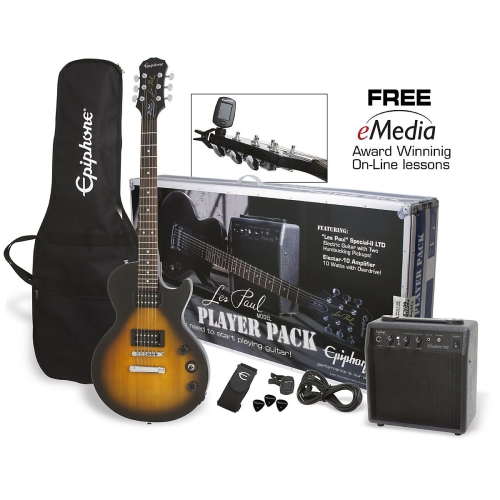 Your price for this item is $494.49
 -
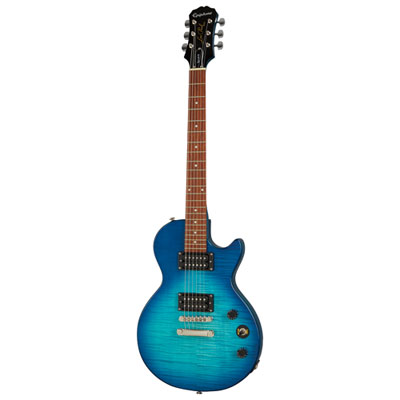 Your price for this item is $379.99
 -
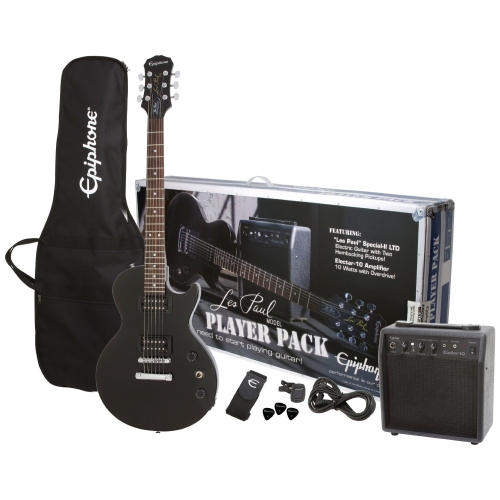 Your price for this item is $494.49
 -
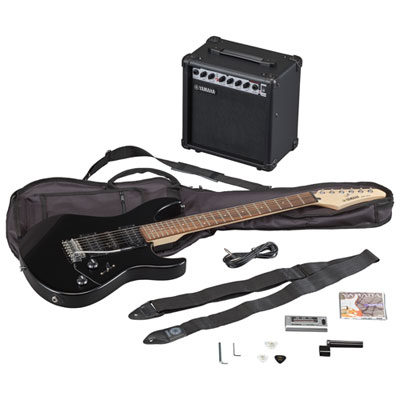 Your price for this item is $349.99
 -
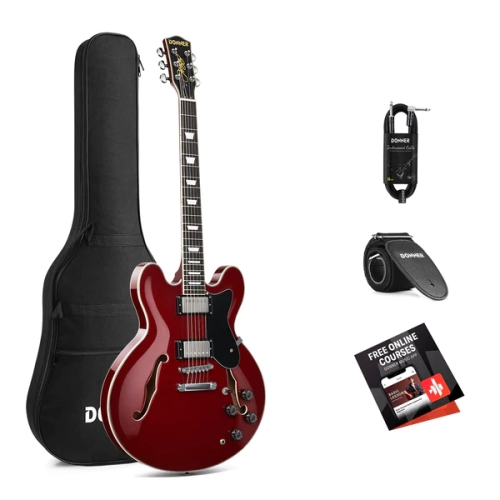 Your price for this item is $395.99
 -
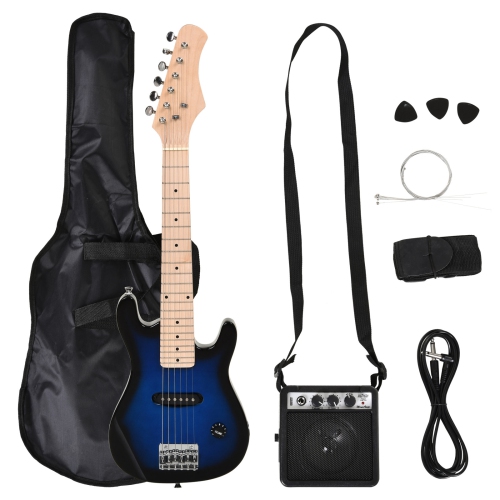 Your price for this item is $124.99
 -
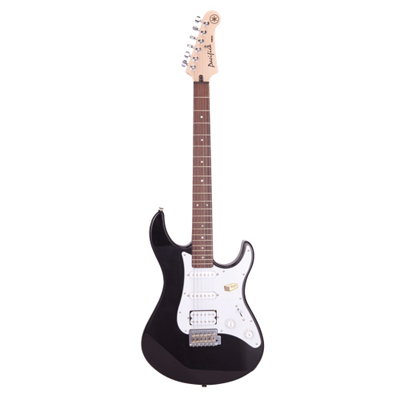 Your price for this item is $299.99
 -
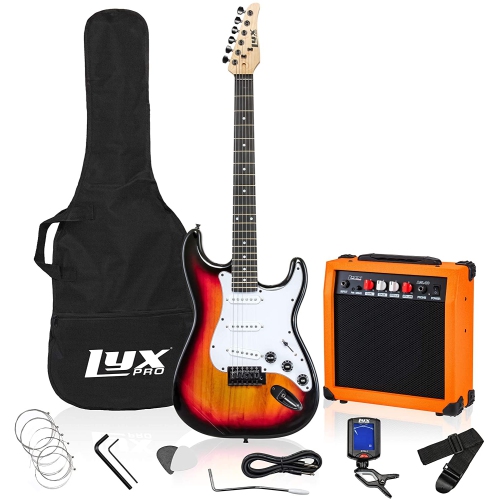 Your price for this item is $239.99
Discover more categories related to Basswood Guitars
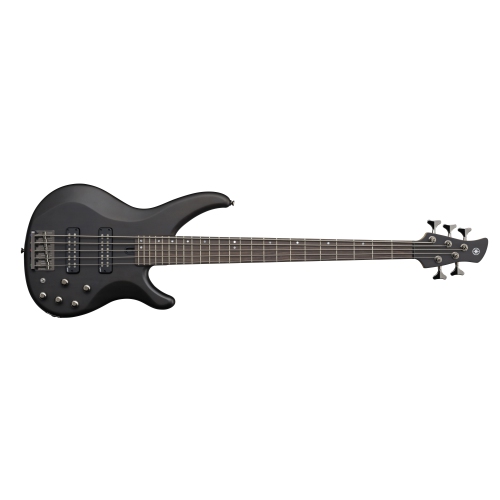
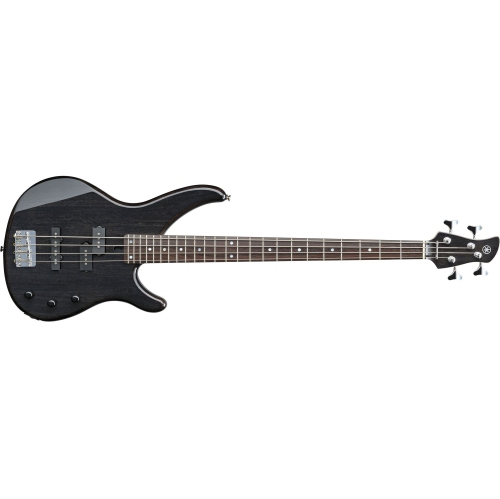
Top Collections:
Pokemon Centers, Best Cameras for Sports Photography, Kindle Devices, Samsung Galaxy Phones, Canon G7X Cameras, Pokémon 30th Celebration Cards, Refurbished Apple Laptops, iPhone 15 Apple, Laptops for Students, Budget Smartphones
Some products may be subject to Environmental Handling Fees
(EHF) depending on your province.
Learn more about EHFs.