Bass Effects Units
Whether you're a seasoned musician or just starting out, these powerful devices are designed to take your bass tone to the next level. From distortion and overdrive to modulation and delay, our selection of bass effects units offers a wide range of effects that will help you create unique sounds and add depth to your music. Explore our assortment today and unleash your creativity on the stage or in the studio.
Sort
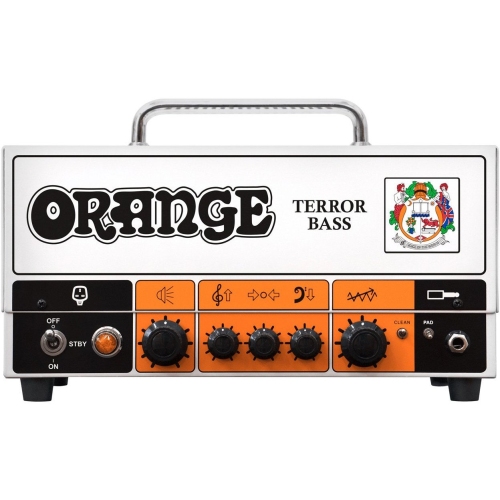
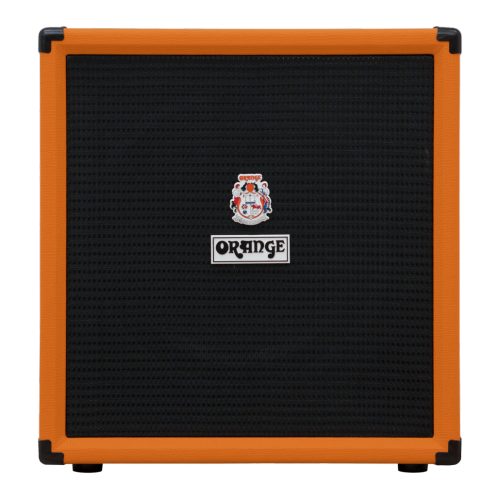
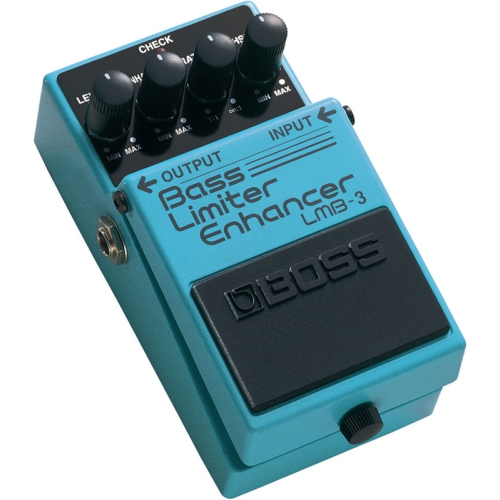
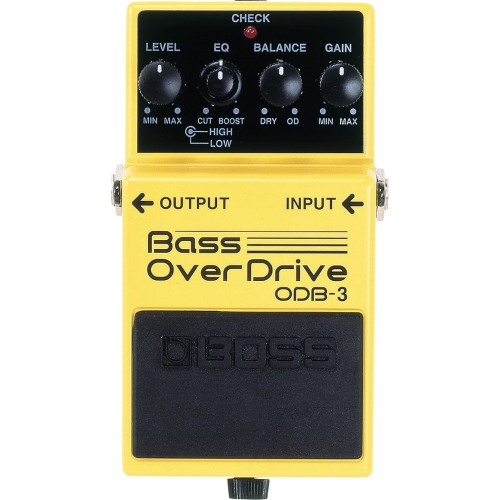
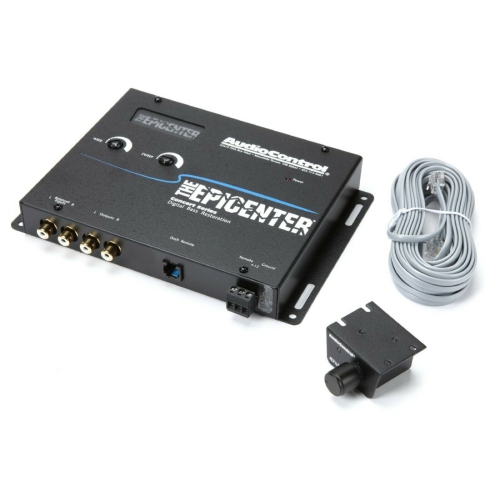
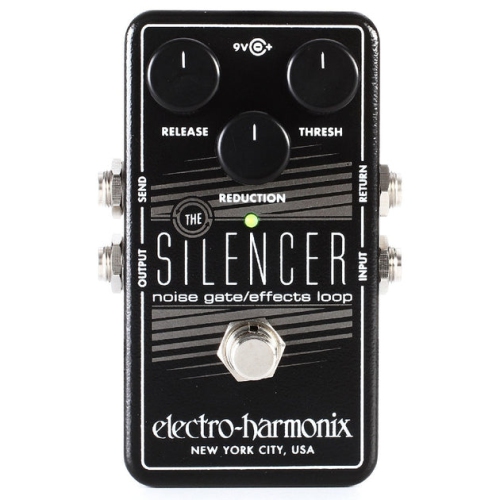
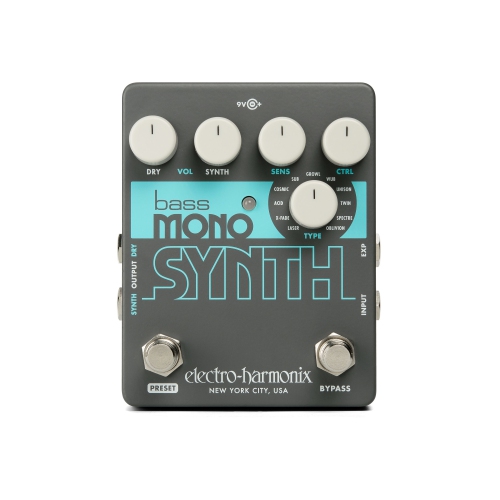
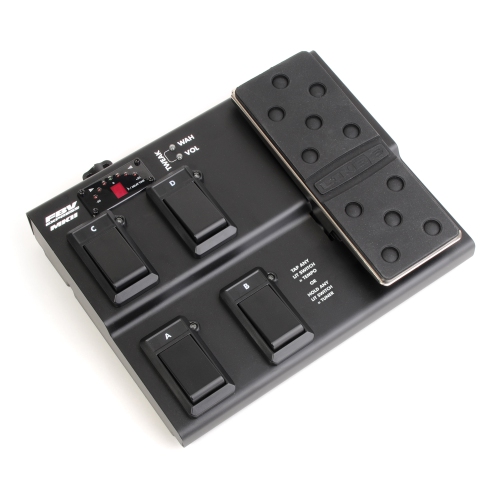
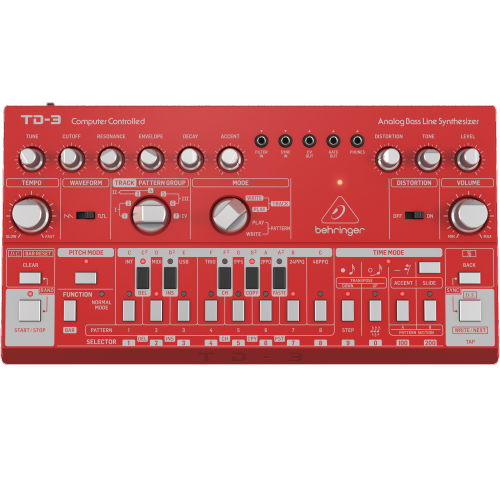
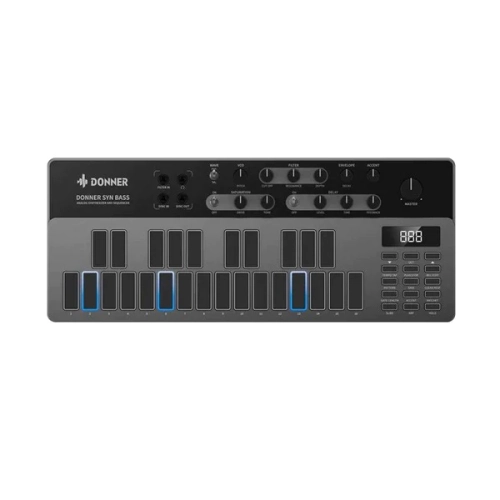
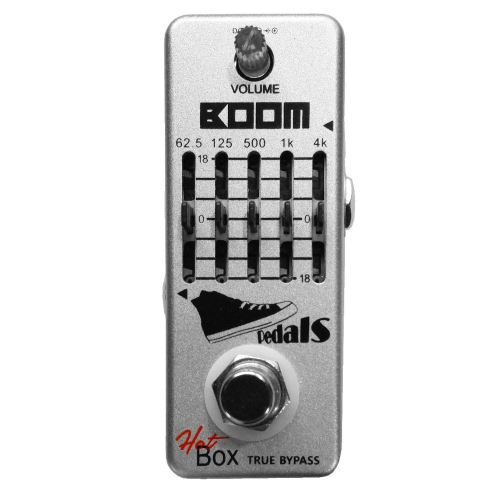
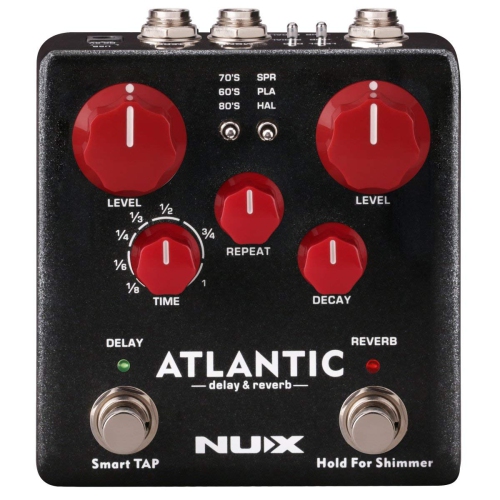
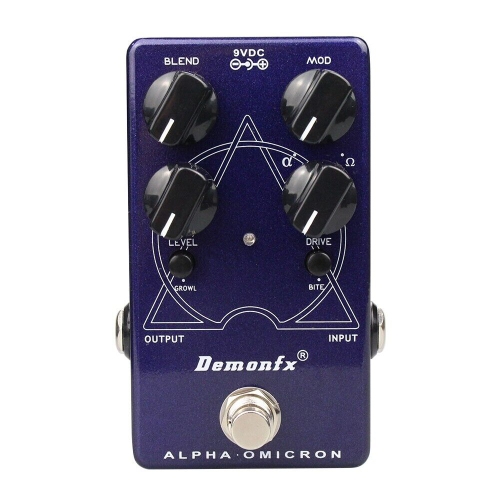
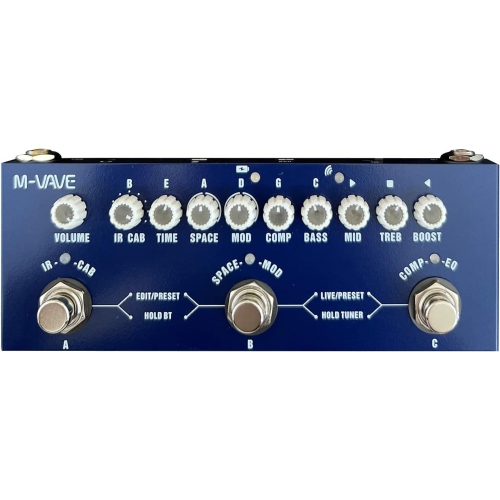
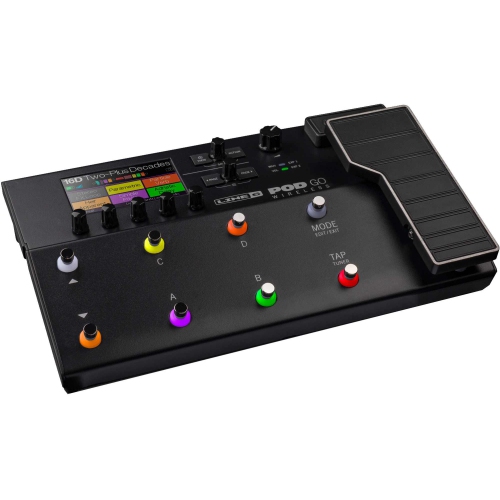
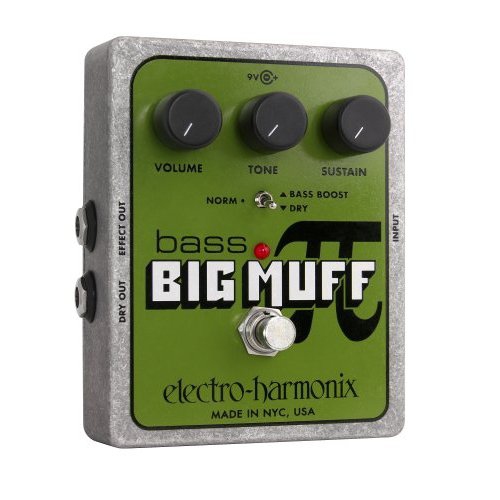
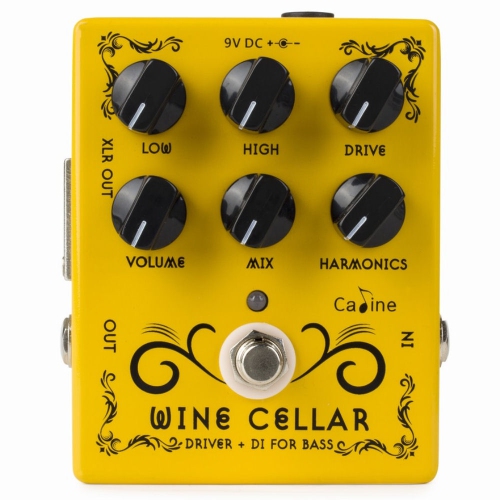
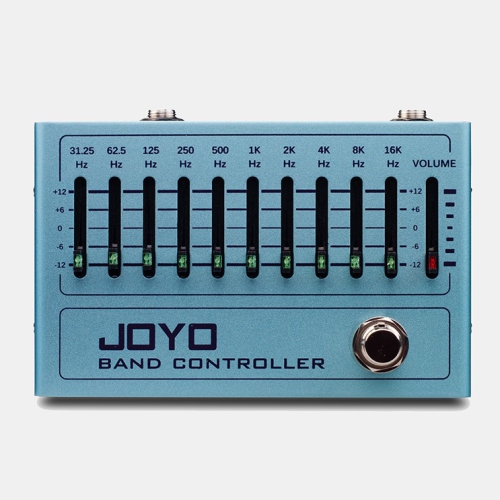
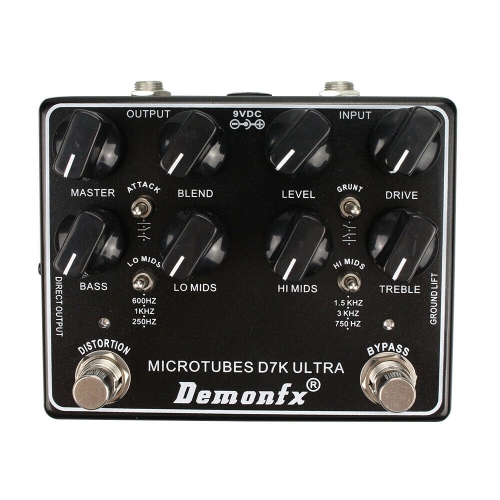
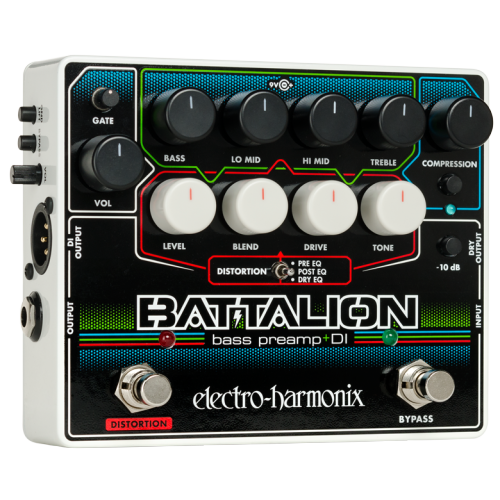
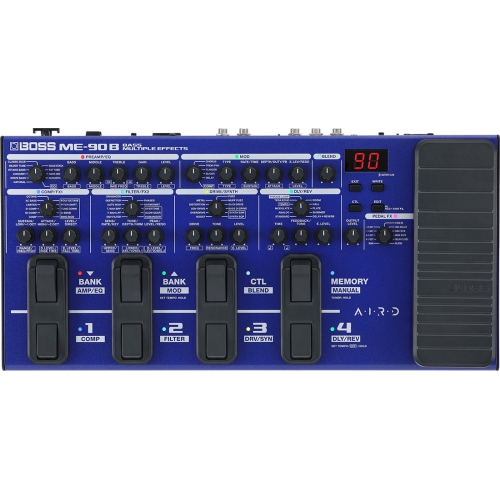
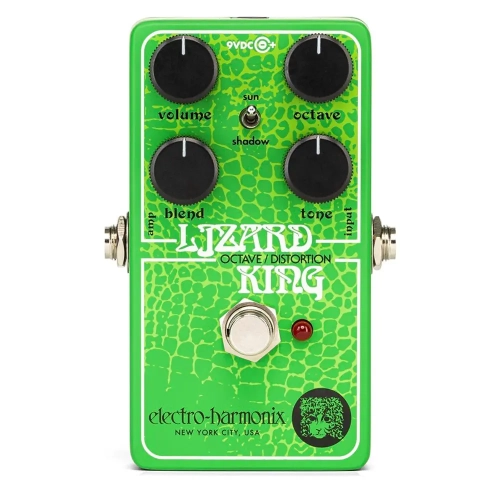
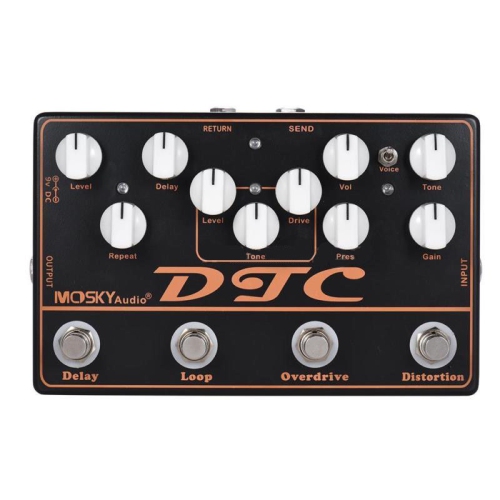
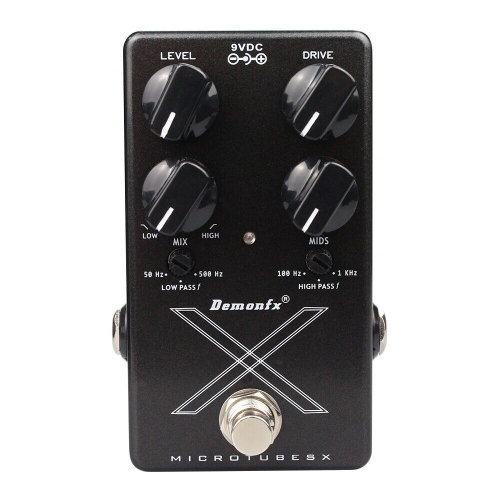
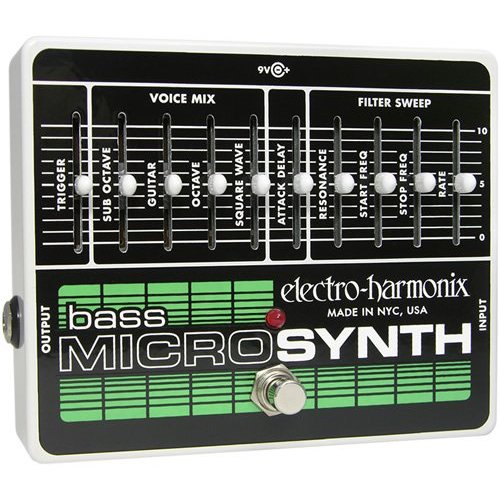
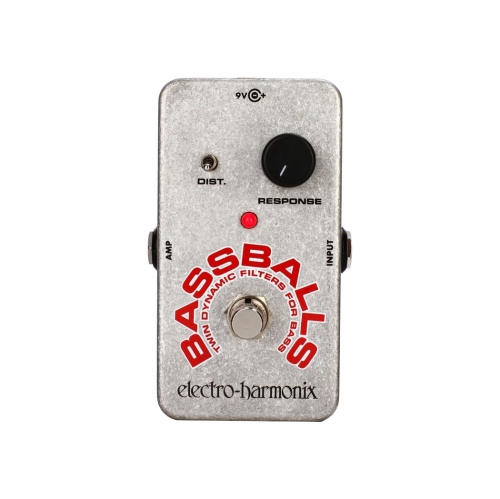

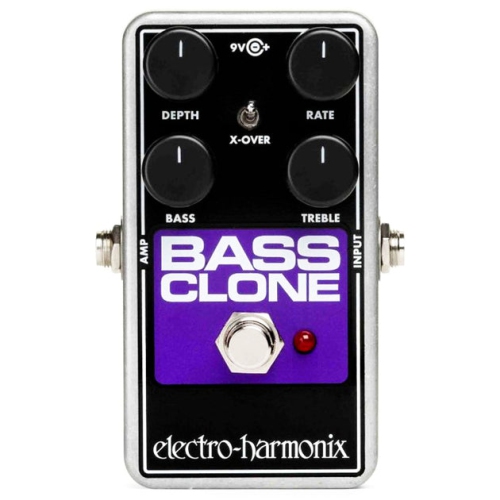
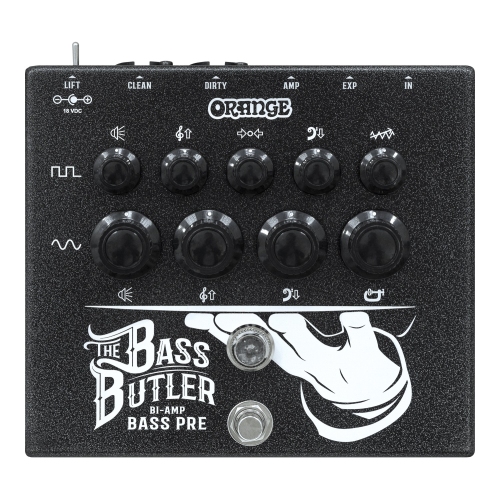
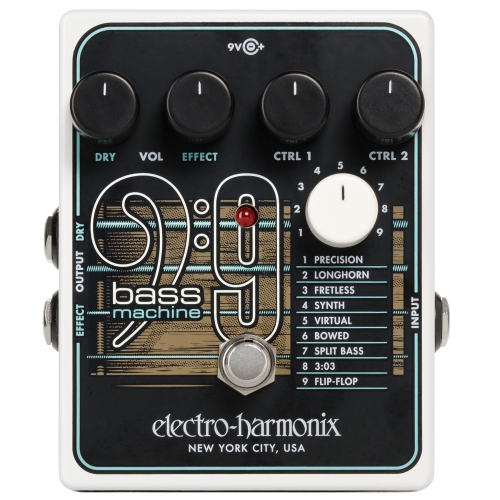
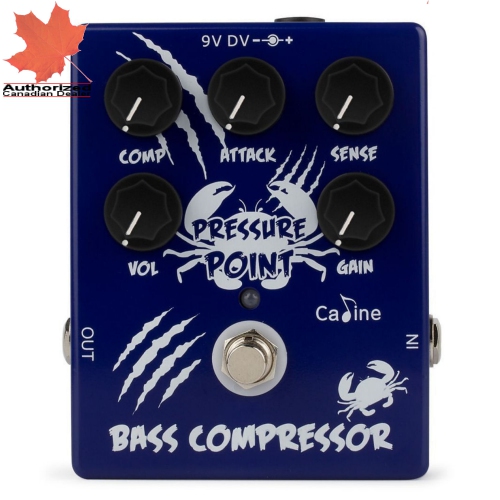
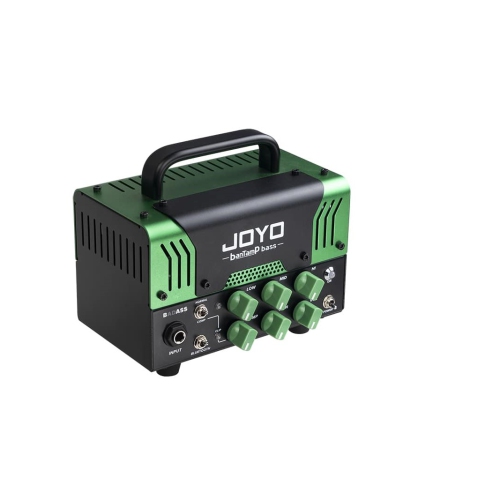
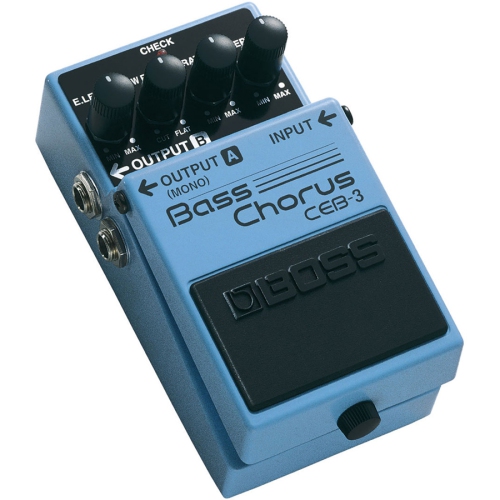
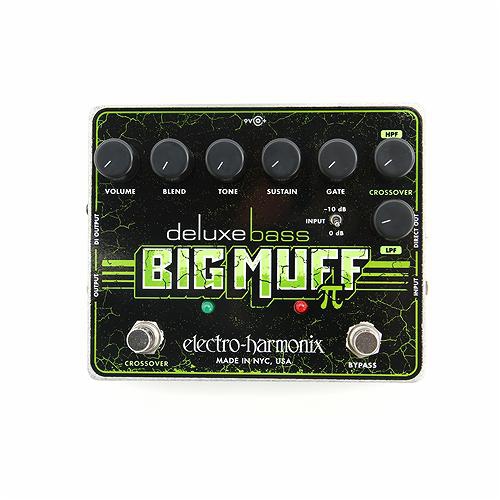
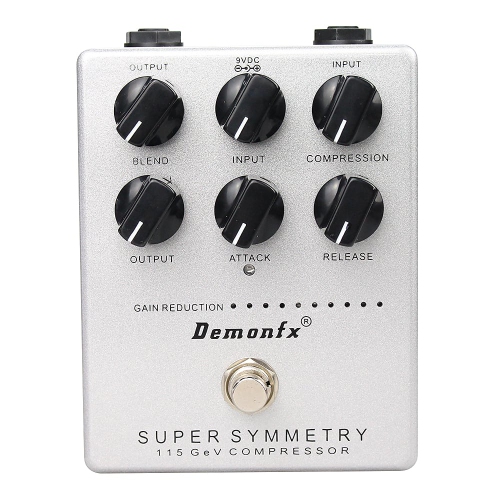
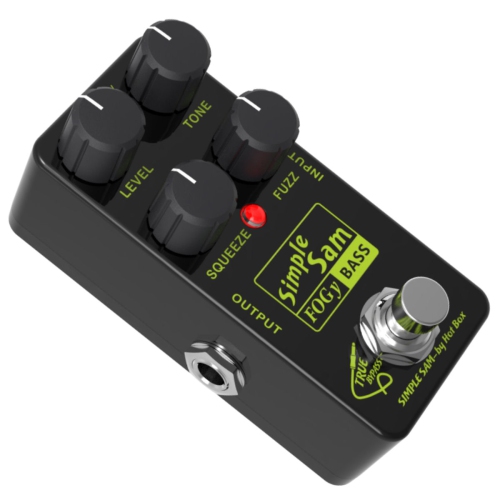
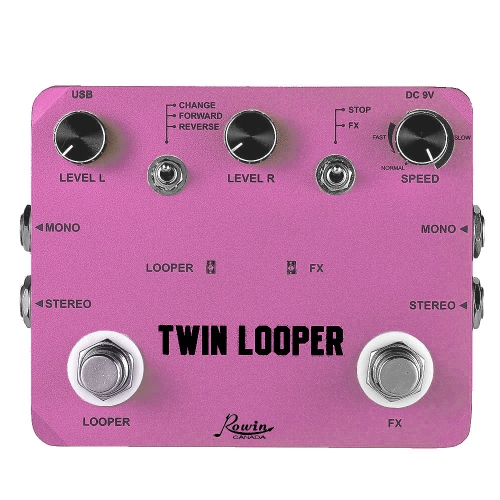
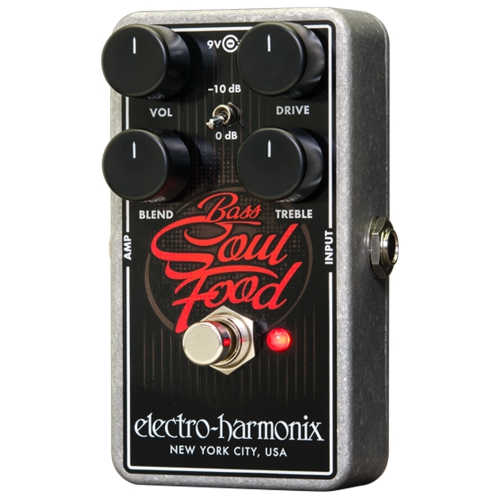
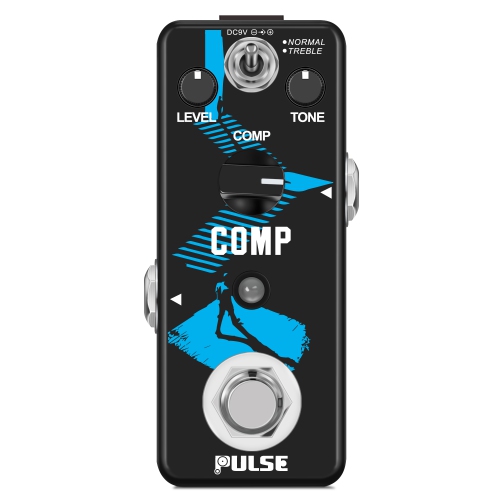
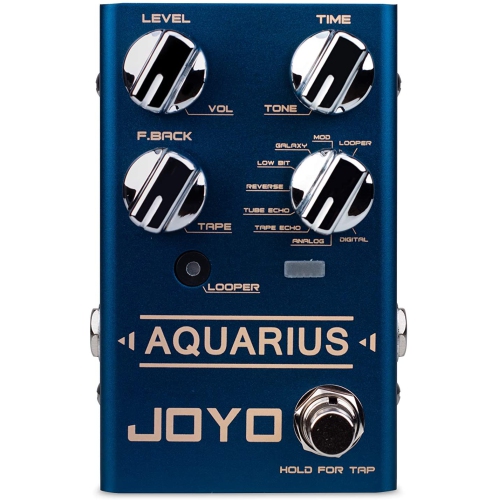
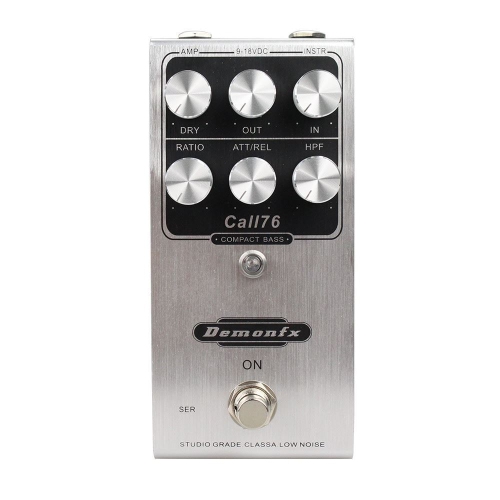
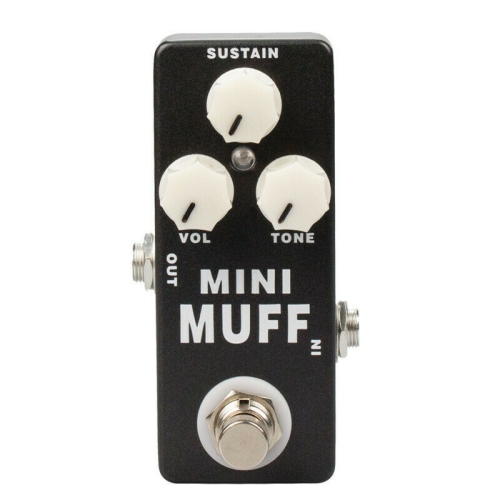
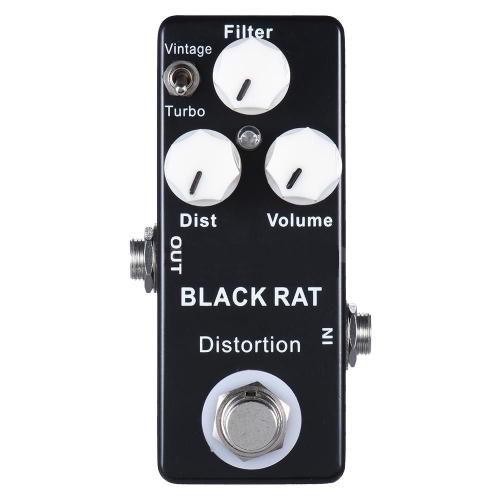
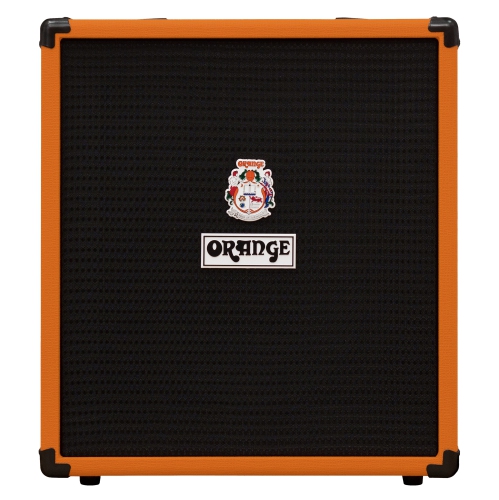
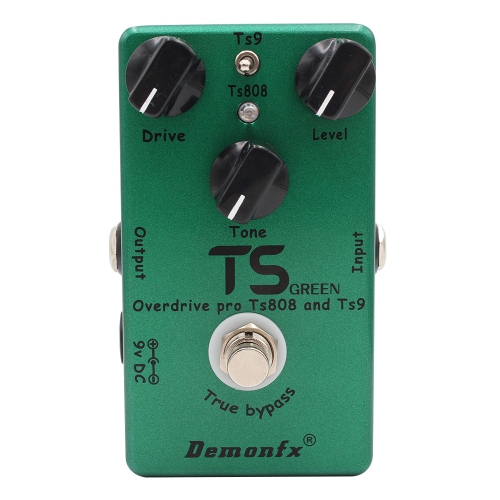
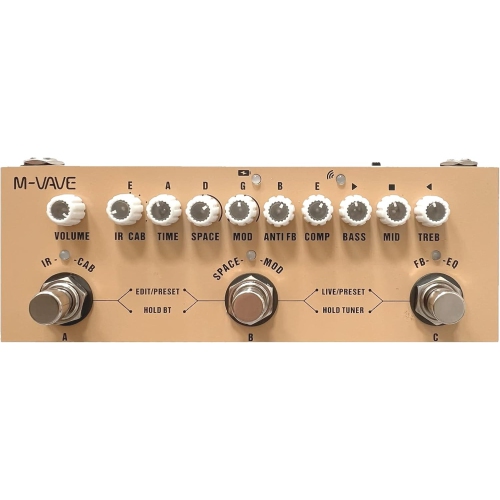
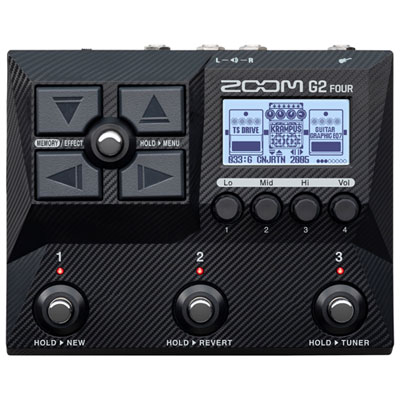
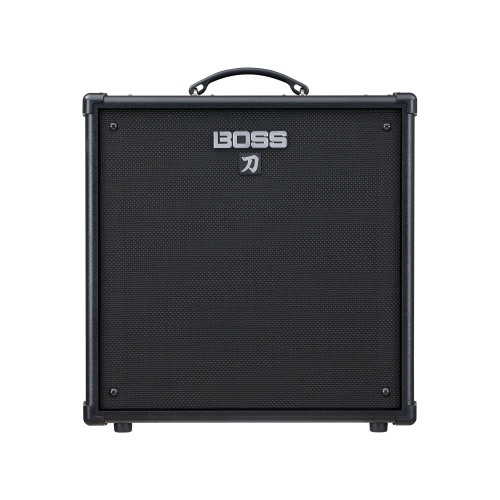
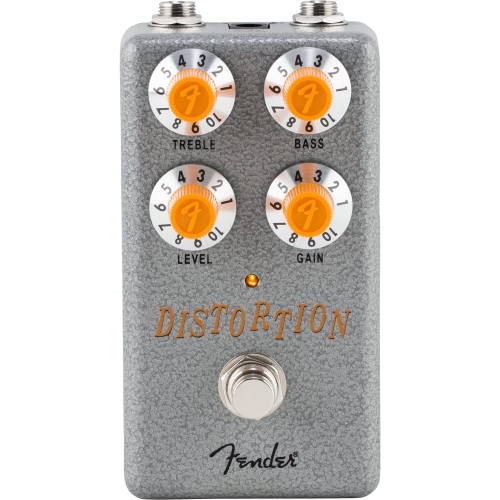
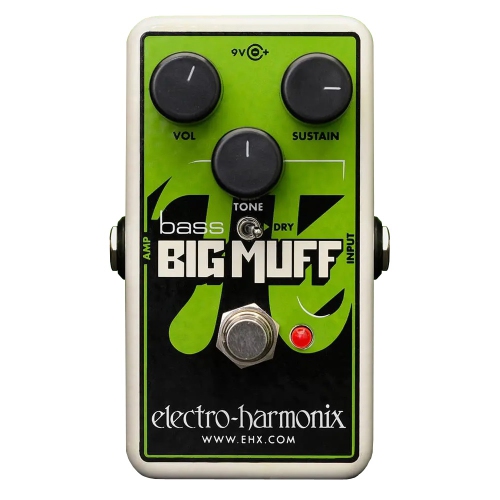
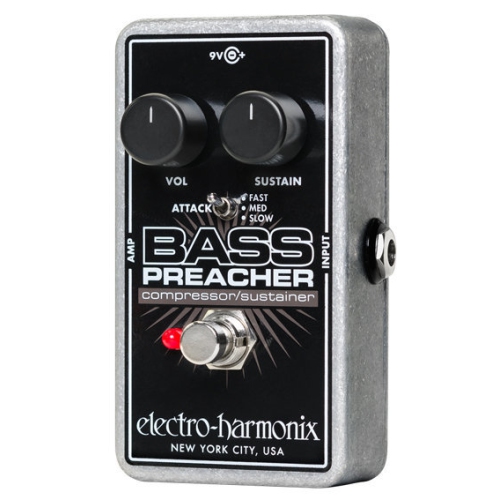
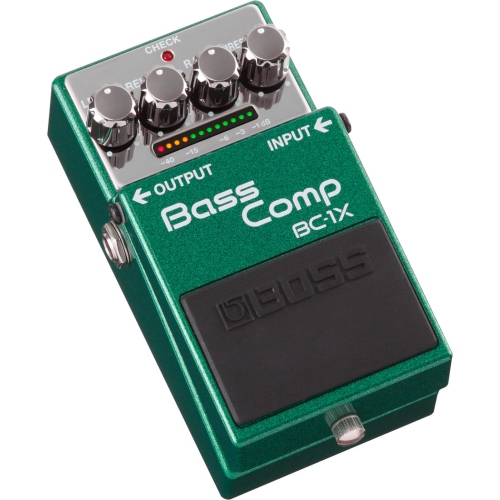
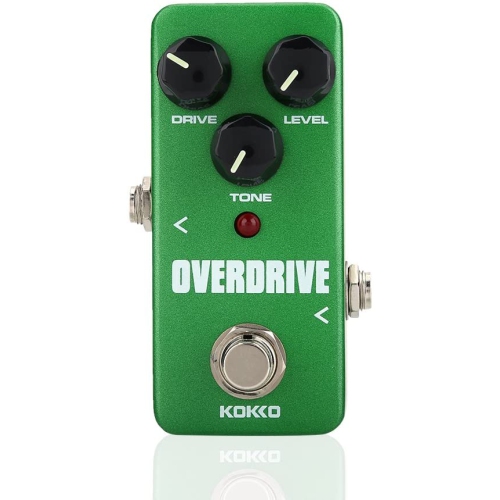
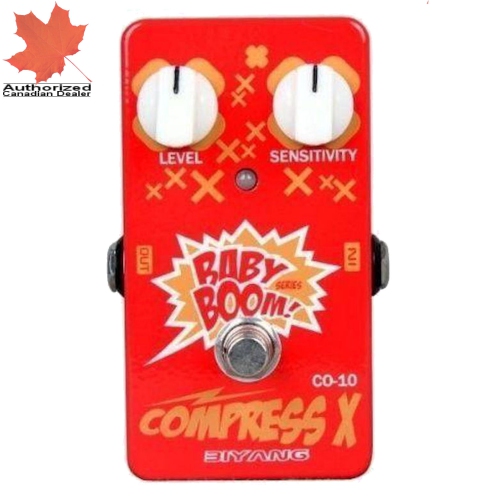
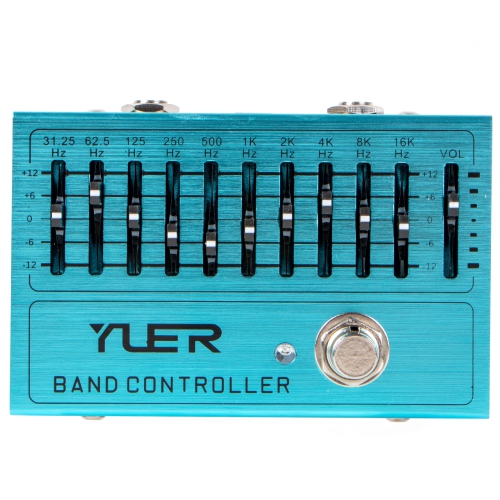
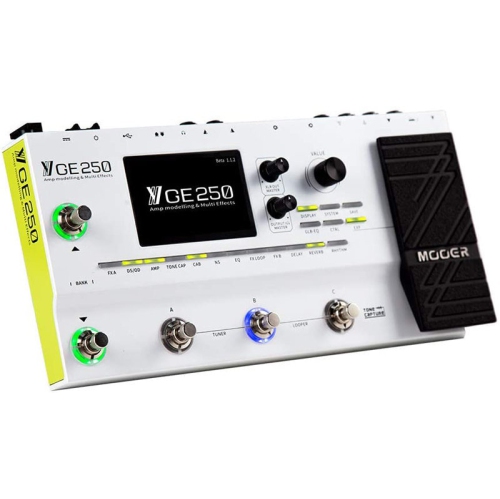
From controlled dynamics to expressive octave and ambience
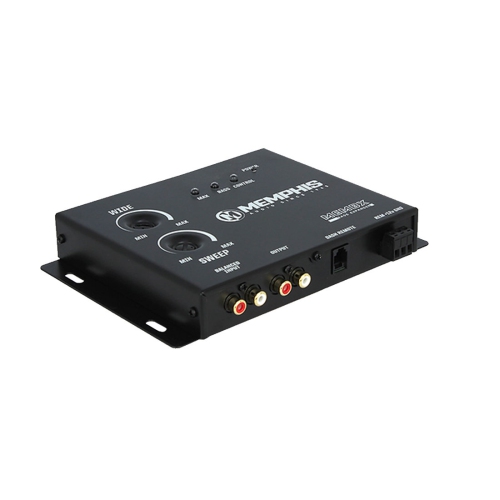
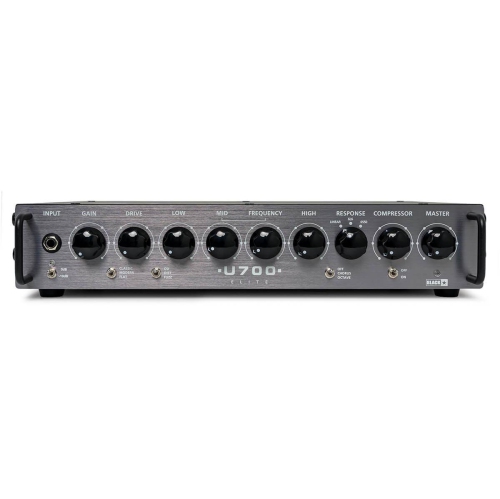
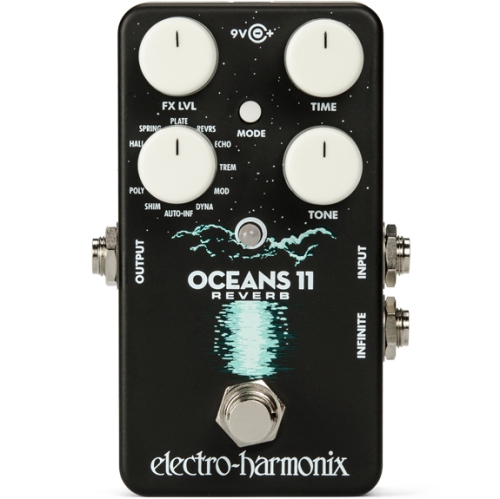
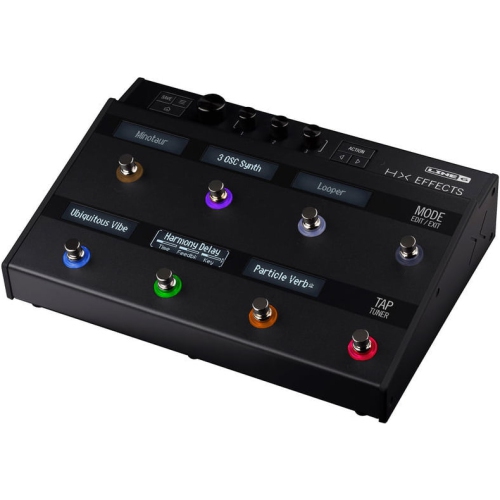
Bass effects units give bassists a practical way to shape the character, feel, and impact of their instrument without changing the fundamental role of the low end. A compressor can smooth out uneven playing, add sustain, and make each note feel more controlled, while an overdrive or distortion effect introduces grit, bite, and harmonic texture. Preamp and EQ units help refine the core sound, whether the goal is a warm vintage-style tone, a focused modern presence, or a carefully balanced signal that sits comfortably between guitars, drums, and vocals. Envelope filters and auto-wah effects respond to playing dynamics, creating expressive sweeps that are especially effective for funk, soul, and experimental styles. Octave effects can add a lower or higher pitch to the original signal, producing a thicker, synth-like sound or a dramatic solo voice. Chorus, flanger, delay, and reverb bring movement and atmosphere, although these time-based and modulation effects are often used with a lighter touch on bass so the rhythm and low-frequency foundation remain clear. Some players build a compact pedalboard from individual stompboxes, placing each effect where it best supports their playing style. Others prefer a multi-effects processor that combines compression, preamp modelling, overdrive, octave, modulation, and ambience in one floor unit. A single pedal can be ideal for a player who already knows the sound they want, while an all-in-one unit offers a convenient way to explore several approaches at rehearsals, performances, or home recording sessions.
When choosing bass effects units, start by considering the instrument, amplifier, recording setup, and musical situations in which the effect will be used. Bass-specific circuitry is designed to preserve the weight and clarity of the original signal, which is important because an effect that sounds exciting on guitar can sometimes make bass feel thin or indistinct. Look for controls that are easy to understand at a glance, particularly when adjustments need to be made with a foot during a live set. Gain, blend, level, tone, attack, release, and EQ controls can provide useful precision, while preset storage and footswitch assignments are valuable for players who move between several sounds in one performance. A blend control is especially helpful for overdrive, fuzz, compression, and octave effects because it allows the unaffected bass signal to remain present alongside the processed sound. Players connecting directly to a mixing console, audio interface, or PA system may benefit from a preamp or DI section with a balanced output, cabinet simulation, or amp modelling. Those who use a traditional amplifier should check the available inputs, outputs, effects-loop compatibility, and power requirements before building a signal chain. A common arrangement begins with a tuner, compressor, octave, or envelope filter, continues through overdrive, distortion, and preamp or EQ, and places chorus, delay, and reverb later in the chain. This is not a strict rule, but it provides a useful starting point: dynamics and pitch effects can track the clean signal more consistently, gain effects can shape the main voice, and ambience can sit around the finished tone. A dedicated option such as Bass Compressor Pedals can be useful for players who want more even volume and punch before adding colour from other effects.
Bass effects units can suit beginners, experienced performers, home recording enthusiasts, and anyone who enjoys discovering new sounds through hands-on experimentation. For a new bassist, a straightforward compressor, overdrive, or multi-effects unit can make practice more engaging while providing an introduction to signal flow, tone shaping, and the difference between subtle enhancement and dramatic transformation. Experienced players may look for a particular response under the fingers, quieter operation, more flexible routing, or a reliable way to recreate a familiar sound from venue to venue. A multi-effects processor can be a thoughtful gift for a bassist who plays in several styles, travels between rehearsals, or wants to experiment without filling a pedalboard with separate units. Individual effects may be better suited to someone who has a clearly defined sound and enjoys building a setup one piece at a time. Portability also matters: a compact stompbox is easy to carry to lessons and jam sessions, while a larger processor may offer expression-pedal connectivity, headphone practice, USB recording, rechargeable operation, or app-based editing. Before purchasing, consider whether the unit will be used mainly at home, on stage, in a studio, or directly into headphones, and check that its connections and power method fit the rest of the equipment. It is also worth leaving room for future additions, since a bass signal chain often evolves as playing habits change. The right effect can turn a simple repeated bass line into something that breathes, pushes, and responds beneath the fingertips—a restrained touch of compression for a steady groove, a bright filter sweep that follows a hard pluck, or a broad octave layer that fills the room during a climactic passage. During the cooler months, when more time may be spent practising indoors or preparing music for upcoming performances, a well-chosen unit can add fresh direction to familiar songs and make every practice session feel more purposeful.
When choosing bass effects units, start by considering the instrument, amplifier, recording setup, and musical situations in which the effect will be used. Bass-specific circuitry is designed to preserve the weight and clarity of the original signal, which is important because an effect that sounds exciting on guitar can sometimes make bass feel thin or indistinct. Look for controls that are easy to understand at a glance, particularly when adjustments need to be made with a foot during a live set. Gain, blend, level, tone, attack, release, and EQ controls can provide useful precision, while preset storage and footswitch assignments are valuable for players who move between several sounds in one performance. A blend control is especially helpful for overdrive, fuzz, compression, and octave effects because it allows the unaffected bass signal to remain present alongside the processed sound. Players connecting directly to a mixing console, audio interface, or PA system may benefit from a preamp or DI section with a balanced output, cabinet simulation, or amp modelling. Those who use a traditional amplifier should check the available inputs, outputs, effects-loop compatibility, and power requirements before building a signal chain. A common arrangement begins with a tuner, compressor, octave, or envelope filter, continues through overdrive, distortion, and preamp or EQ, and places chorus, delay, and reverb later in the chain. This is not a strict rule, but it provides a useful starting point: dynamics and pitch effects can track the clean signal more consistently, gain effects can shape the main voice, and ambience can sit around the finished tone. A dedicated option such as Bass Compressor Pedals can be useful for players who want more even volume and punch before adding colour from other effects.
Bass effects units can suit beginners, experienced performers, home recording enthusiasts, and anyone who enjoys discovering new sounds through hands-on experimentation. For a new bassist, a straightforward compressor, overdrive, or multi-effects unit can make practice more engaging while providing an introduction to signal flow, tone shaping, and the difference between subtle enhancement and dramatic transformation. Experienced players may look for a particular response under the fingers, quieter operation, more flexible routing, or a reliable way to recreate a familiar sound from venue to venue. A multi-effects processor can be a thoughtful gift for a bassist who plays in several styles, travels between rehearsals, or wants to experiment without filling a pedalboard with separate units. Individual effects may be better suited to someone who has a clearly defined sound and enjoys building a setup one piece at a time. Portability also matters: a compact stompbox is easy to carry to lessons and jam sessions, while a larger processor may offer expression-pedal connectivity, headphone practice, USB recording, rechargeable operation, or app-based editing. Before purchasing, consider whether the unit will be used mainly at home, on stage, in a studio, or directly into headphones, and check that its connections and power method fit the rest of the equipment. It is also worth leaving room for future additions, since a bass signal chain often evolves as playing habits change. The right effect can turn a simple repeated bass line into something that breathes, pushes, and responds beneath the fingertips—a restrained touch of compression for a steady groove, a bright filter sweep that follows a hard pluck, or a broad octave layer that fills the room during a climactic passage. During the cooler months, when more time may be spent practising indoors or preparing music for upcoming performances, a well-chosen unit can add fresh direction to familiar songs and make every practice session feel more purposeful.
Top selling and popular products
-
 Your price for this item is $89.99
 -
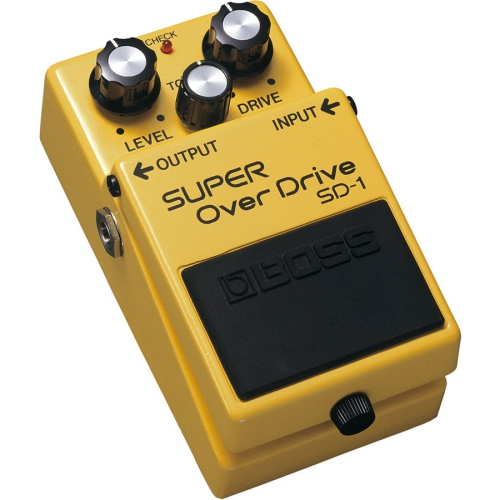 Your price for this item is $89.99
 -
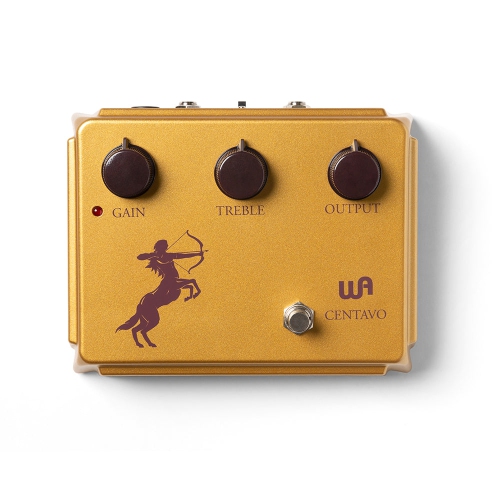 Your price for this item is $289
 -
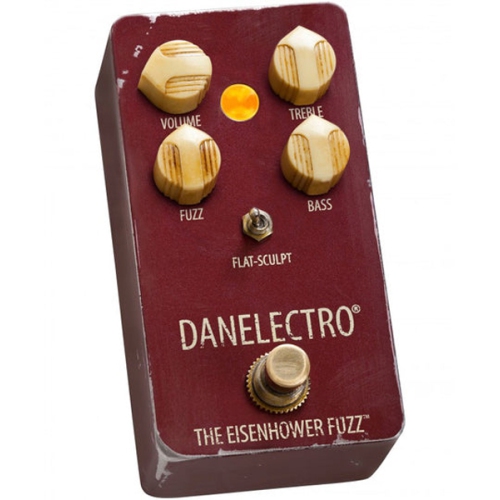 Your price for this item is $164.99
 -
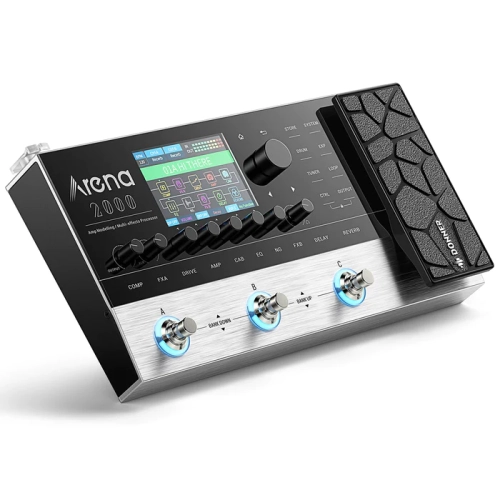 Your price for this item is $209.99
 -
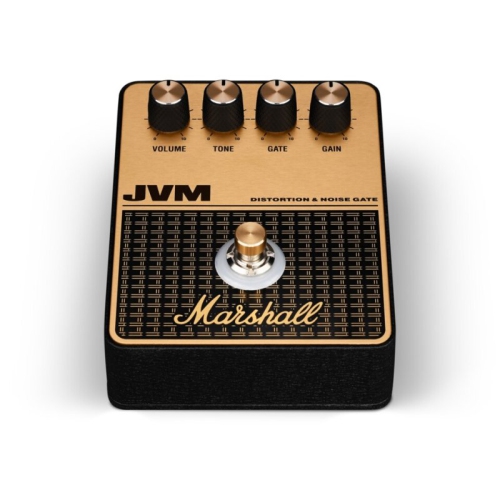 Your price for this item is $249.99
 -
 Your price for this item is $249.99
 -
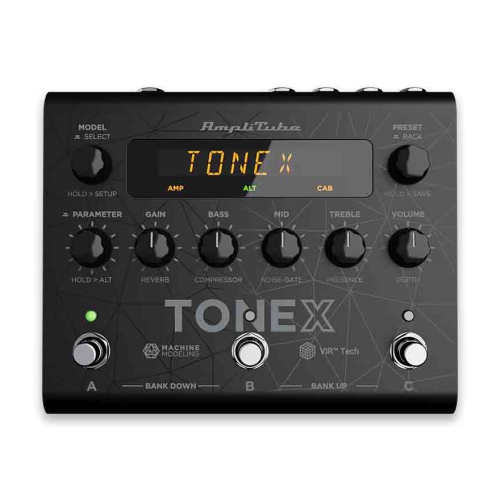 Your price for this item is $599.99
Discover more categories related to Bass Effects Units
Top Collections:
Pokemon Centers, Kindle Devices, Best Budget Office Chairs, Apple iPhones 16, Canon G7X Cameras, iPhone 15 Apple, Alarm Clock, Refurbished Apple Laptops, Flip Phones, Best Laptops for Writers
Some products may be subject to Environmental Handling Fees
(EHF) depending on your province.
Learn more about EHFs.