Black Keyed Piano
Unlock the beauty of music with our exquisite collection of black-keyed pianos. With their sleek and sophisticated design, these pianos are not only a stunning addition to almost any home or studio, but also a gateway to endless musical possibilities. Whether you're a seasoned musician or just starting your musical journey, our black-keyed pianos offer unparalleled craftsmanship and exceptional sound quality. Immerse yourself in the rich tones and melodious harmonies that only a piano can deliver, and let your creativity soar to new heights. Explore our wide range of black-keyed pianos today and discover the perfect instrument to bring your musical dreams to life.
Sort
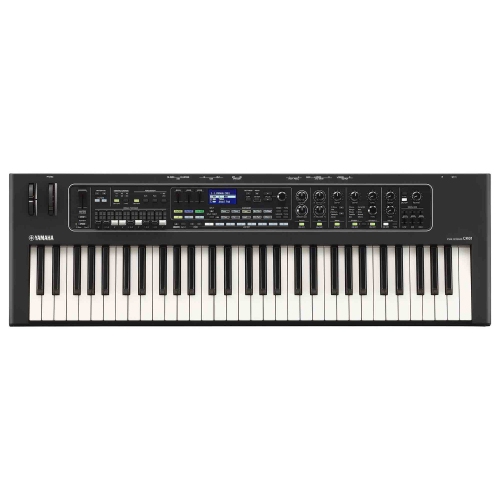
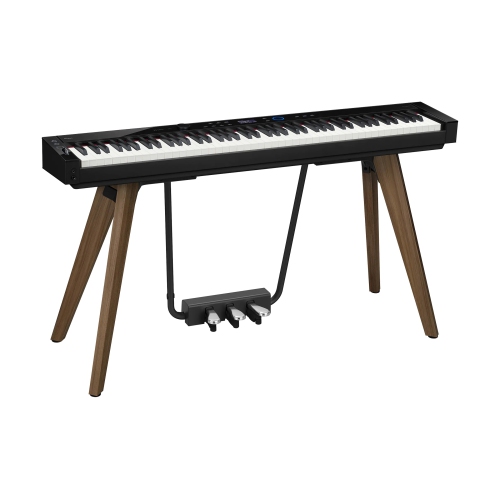
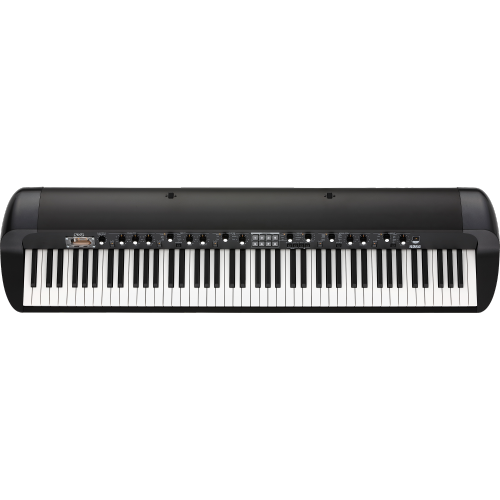
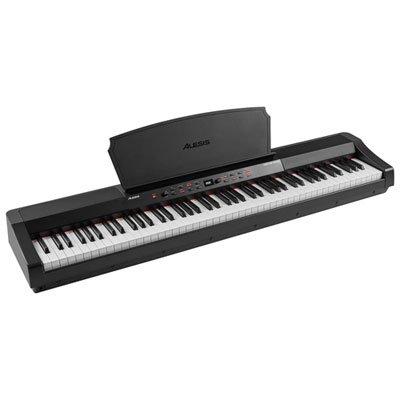

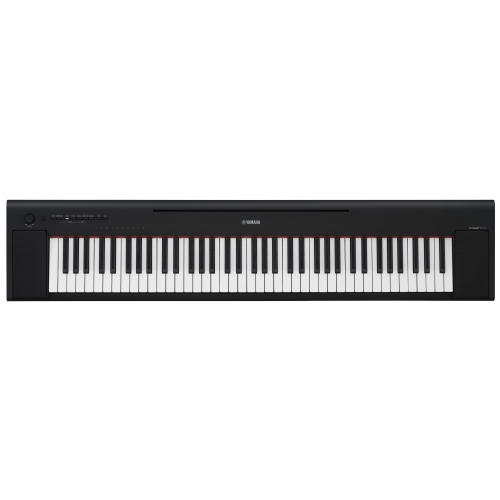
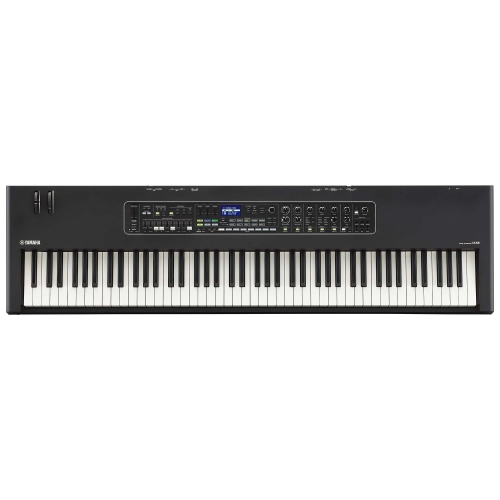
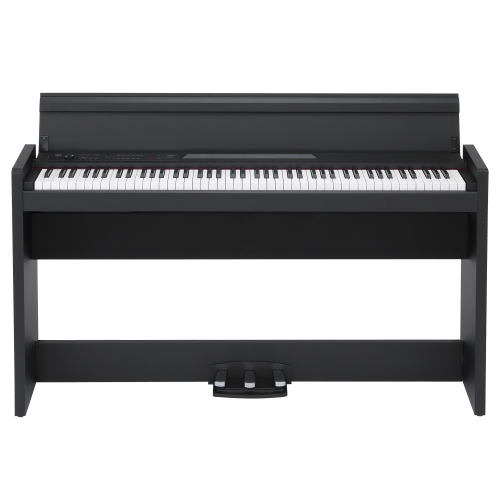
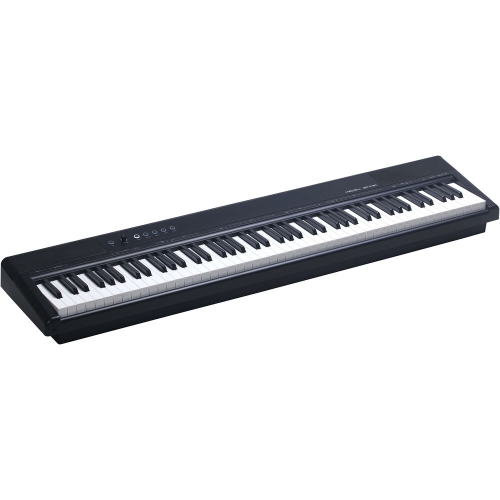
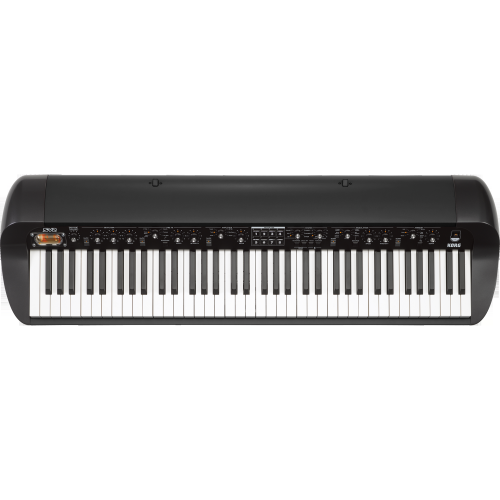
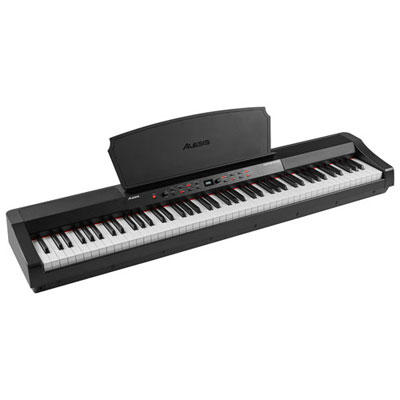

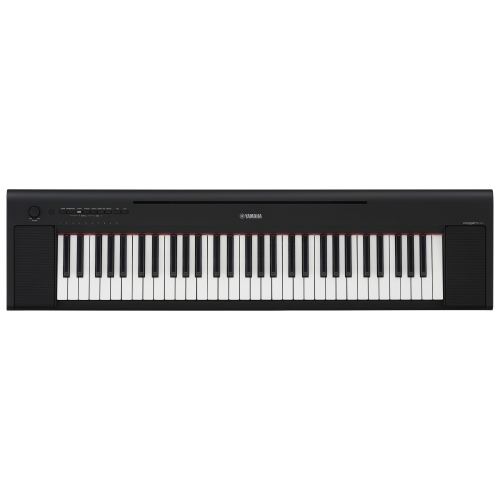
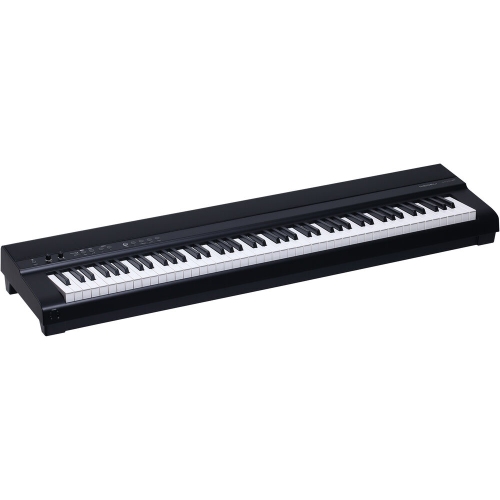
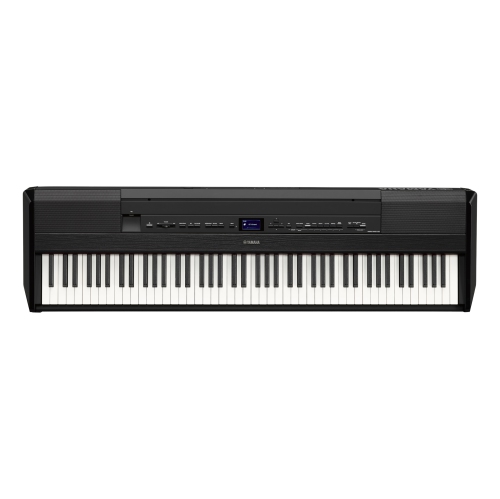
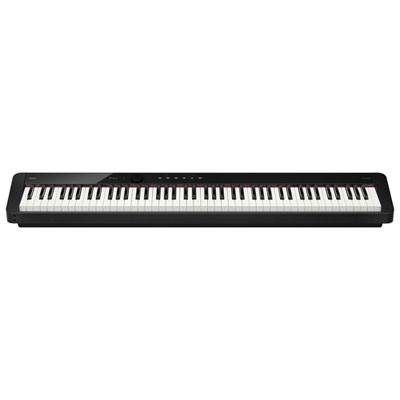
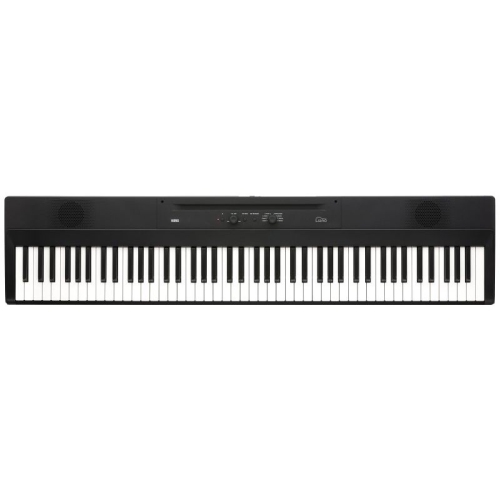
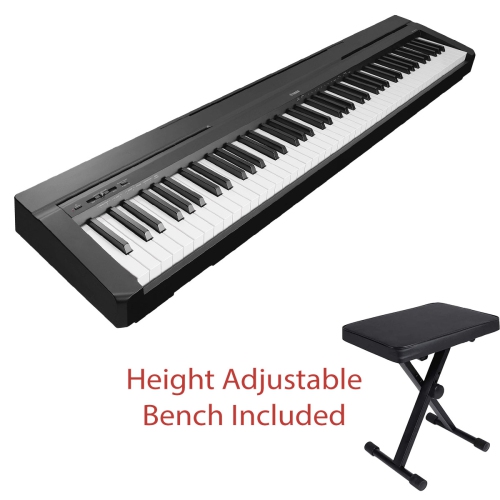
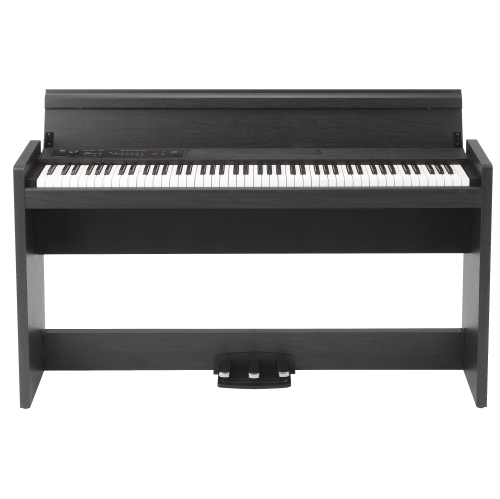
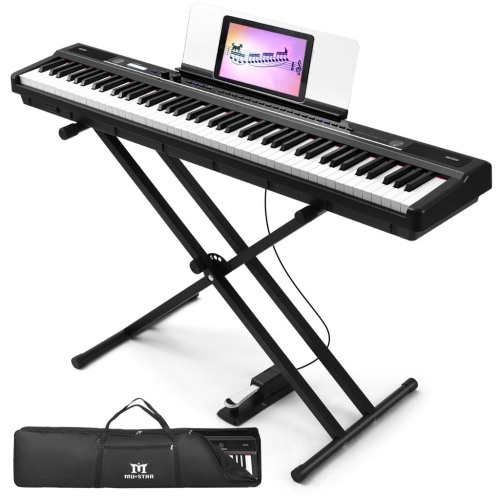
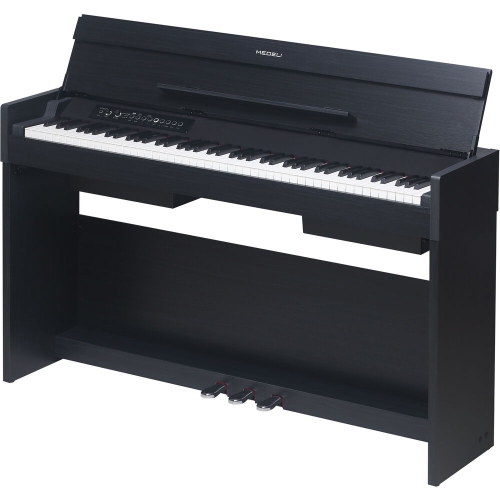
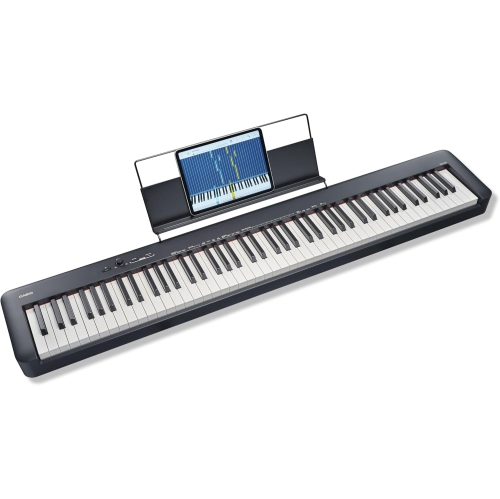
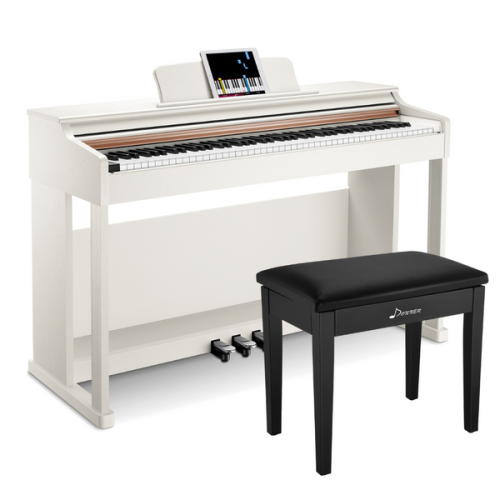
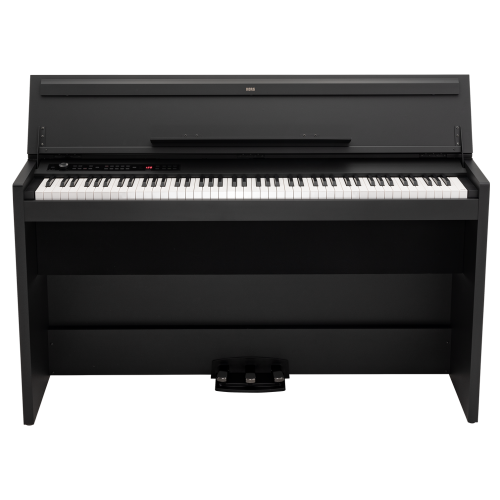

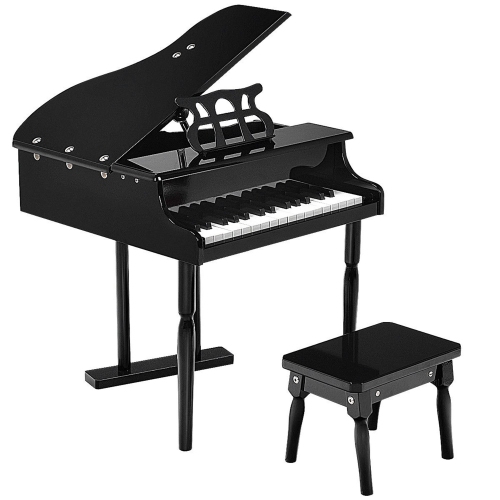
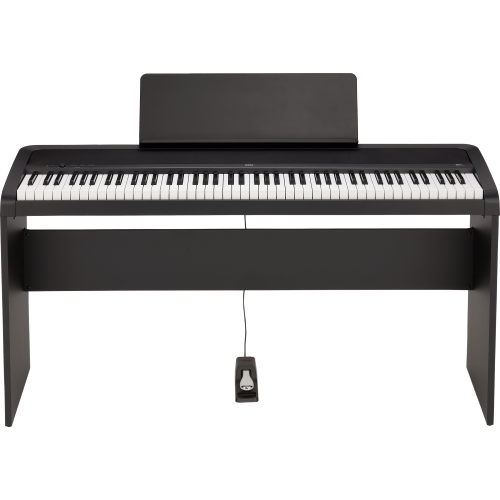
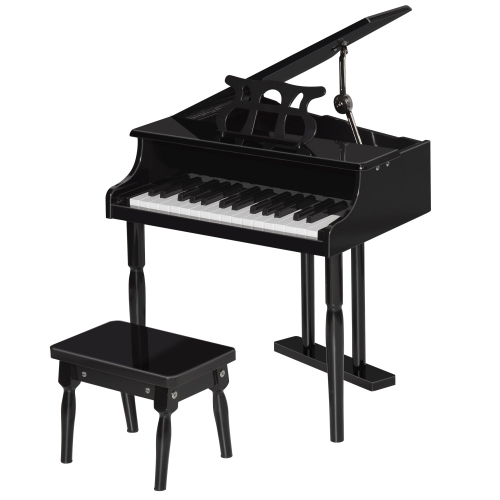
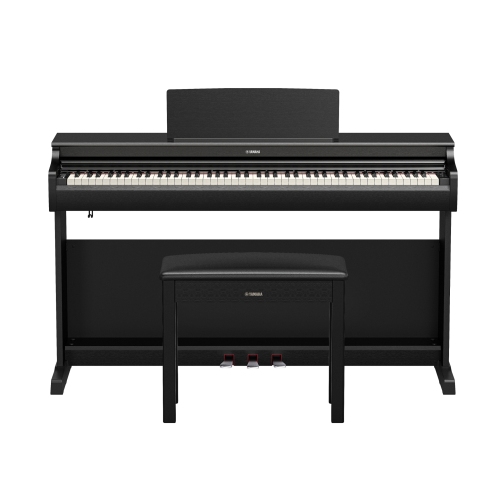
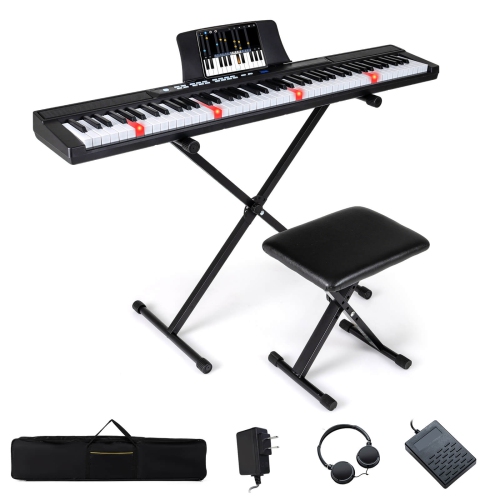
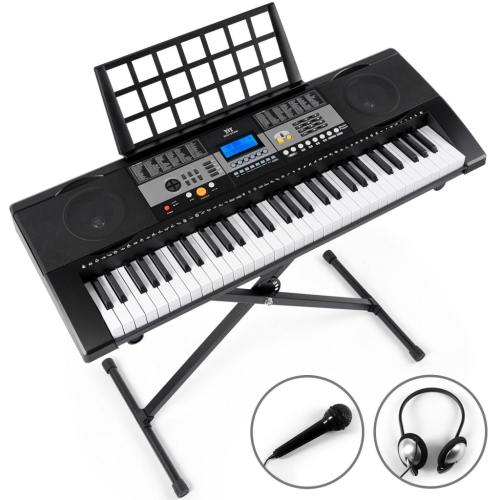
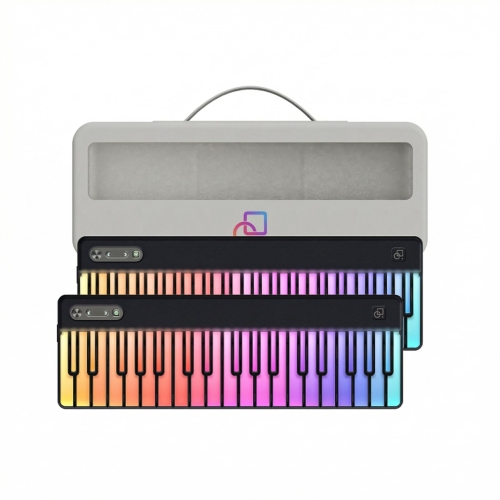
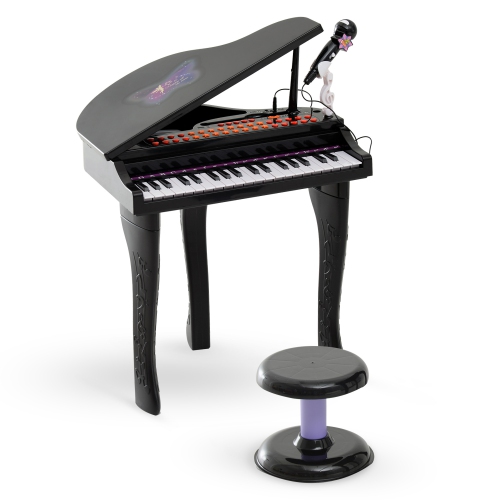
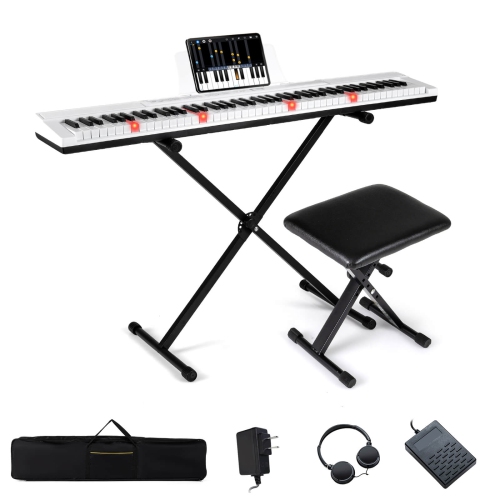
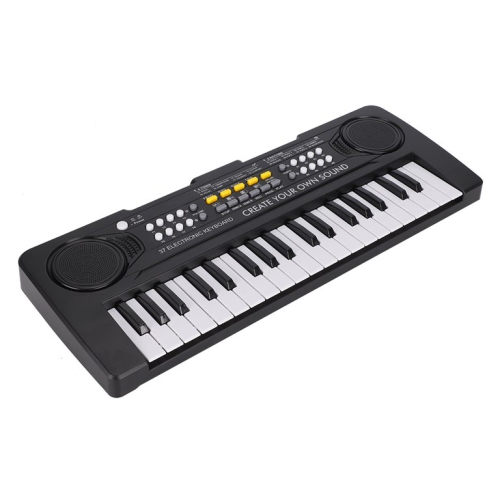
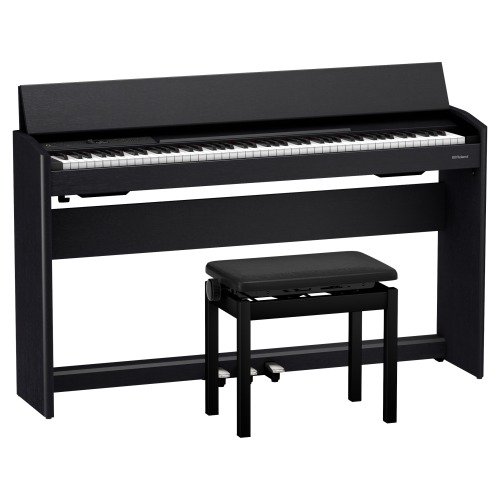
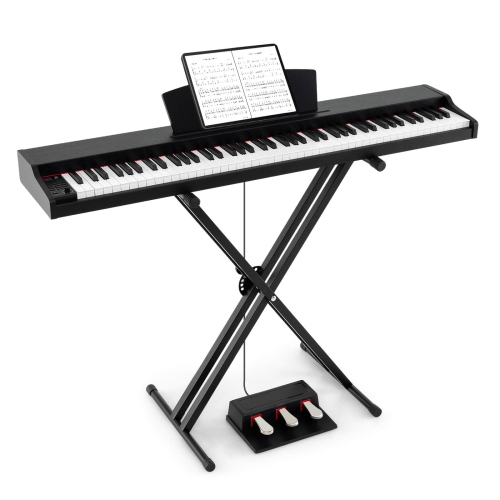
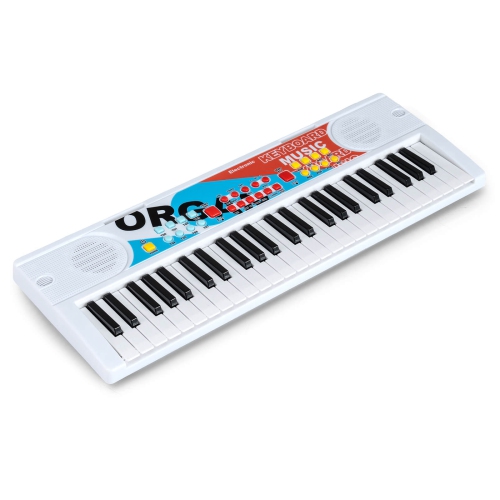
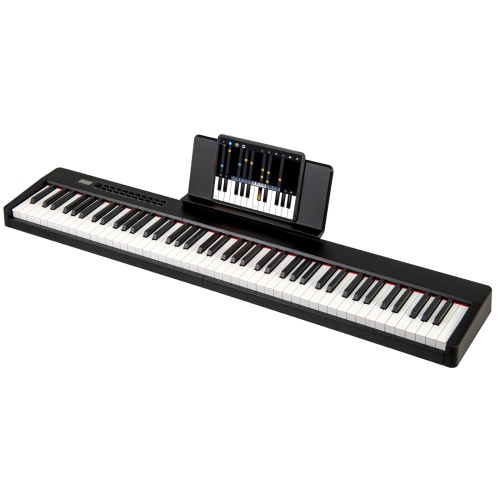
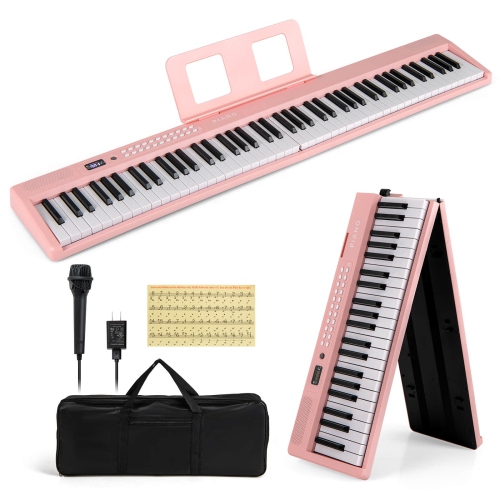
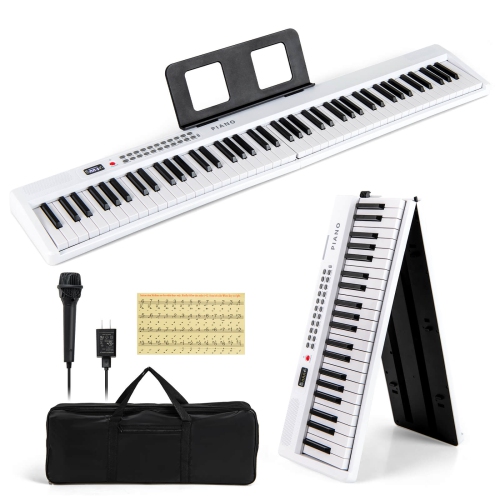
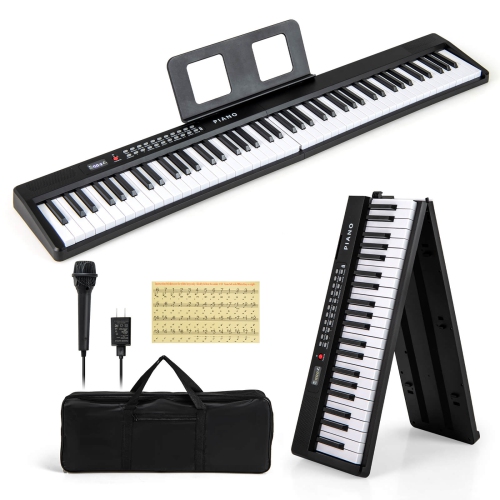
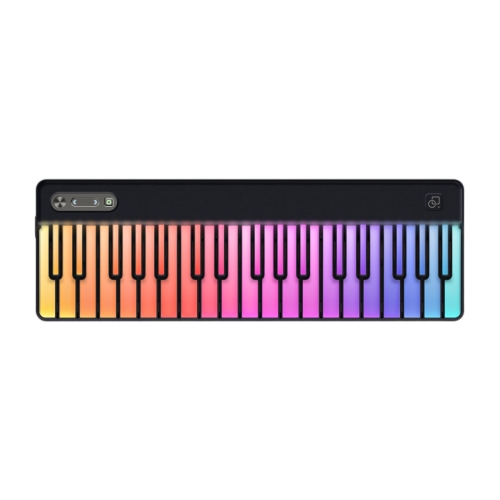
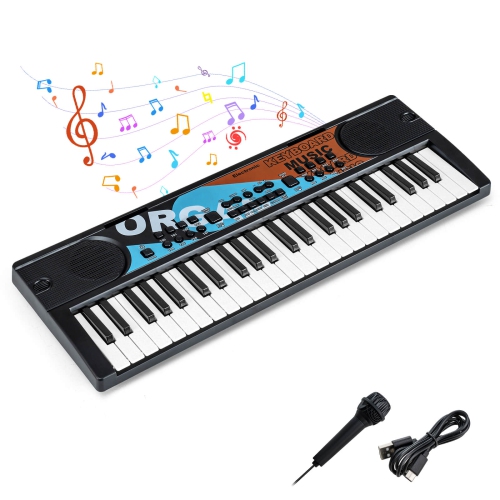
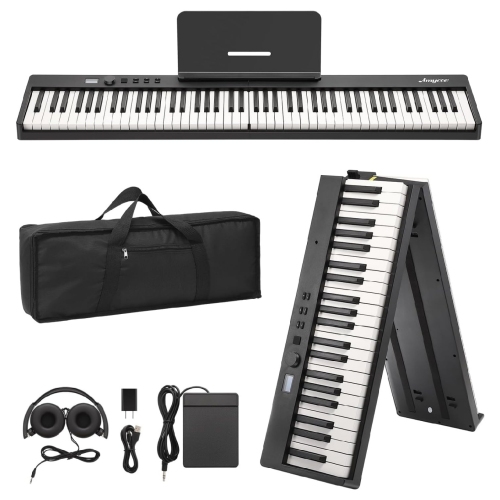
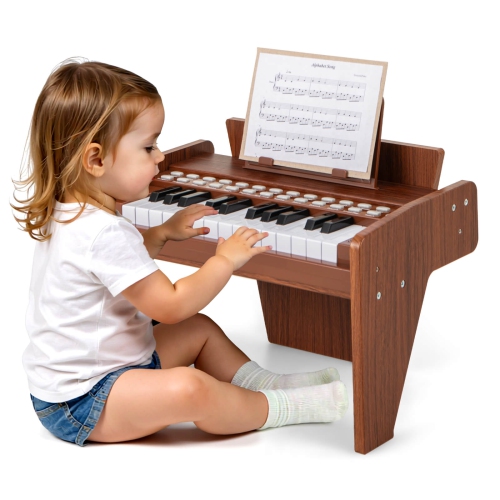
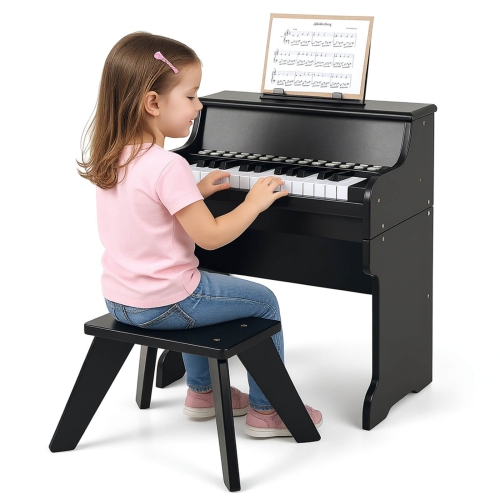
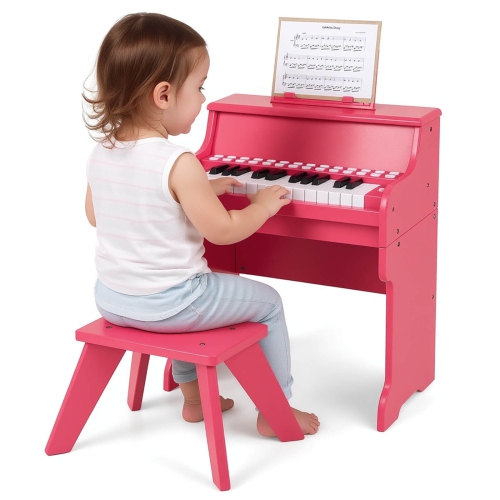
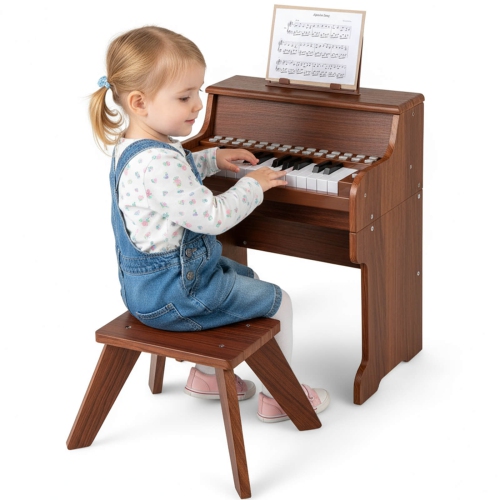
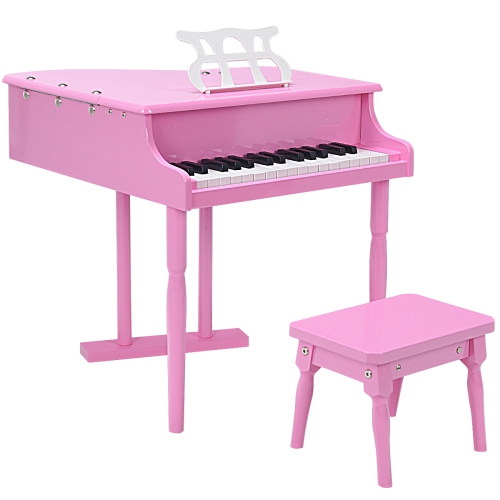
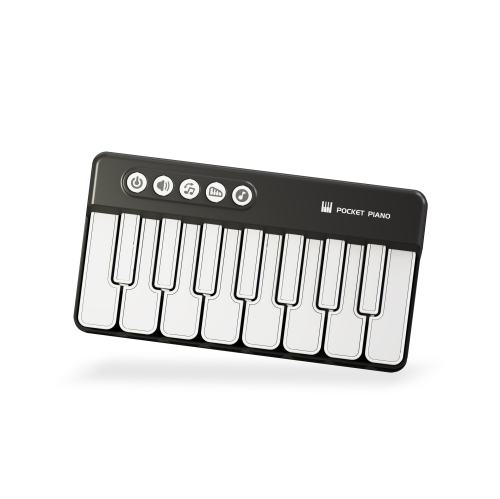
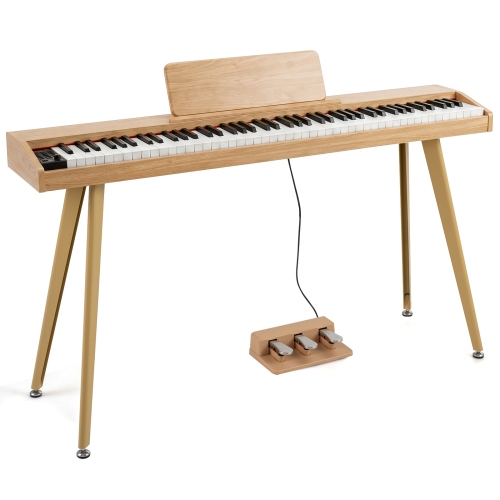
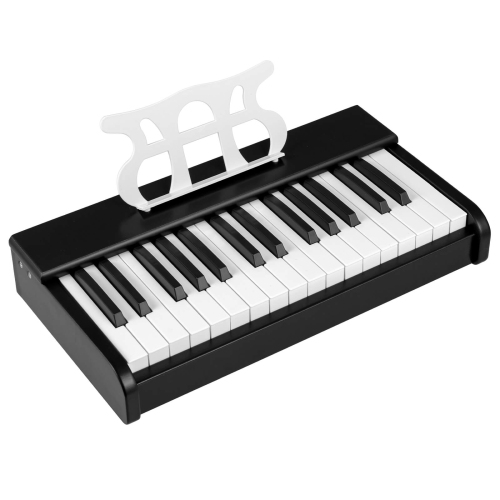
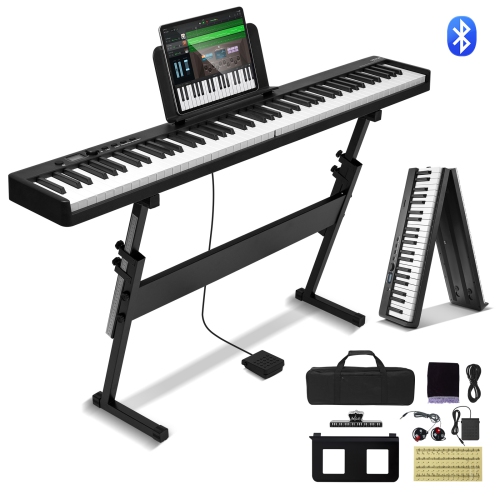
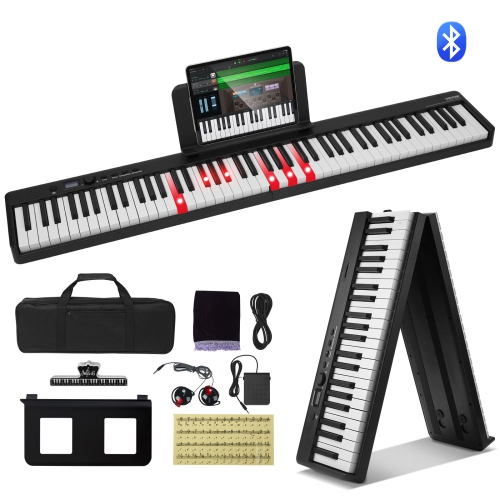
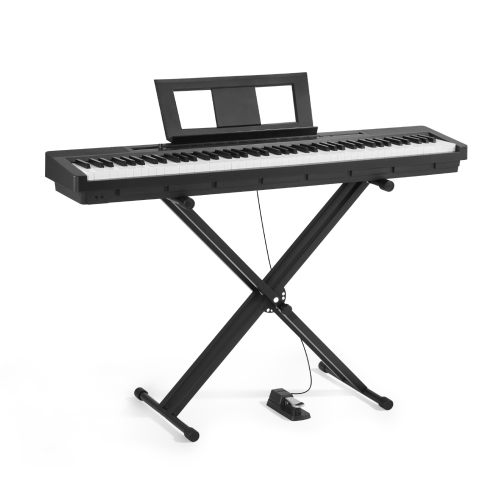
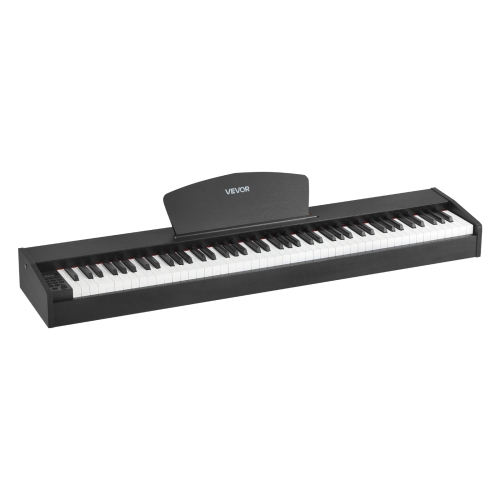
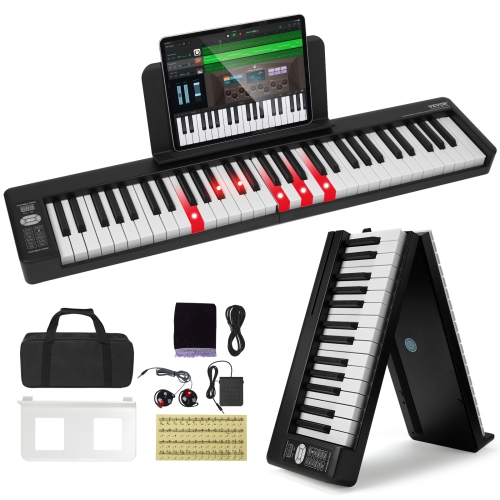
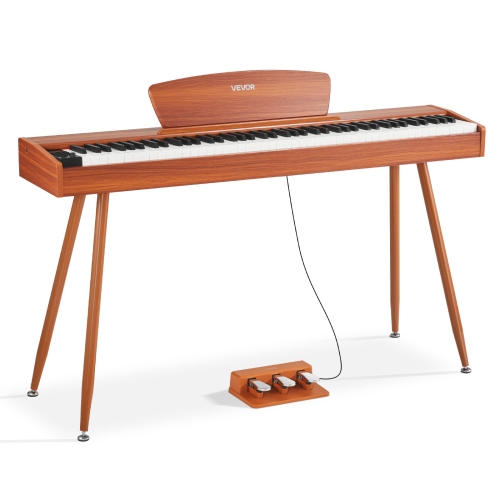
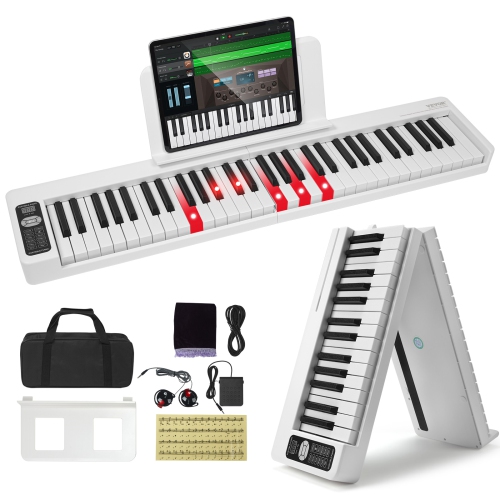
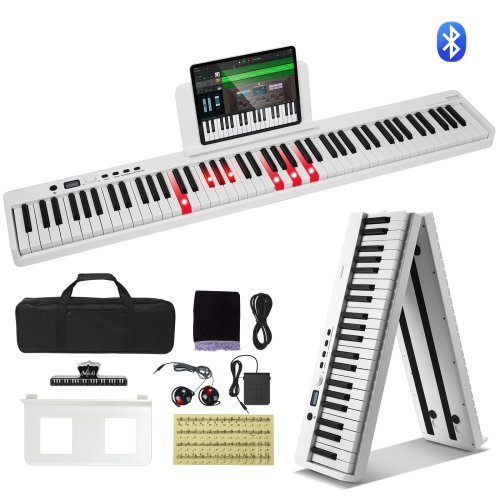
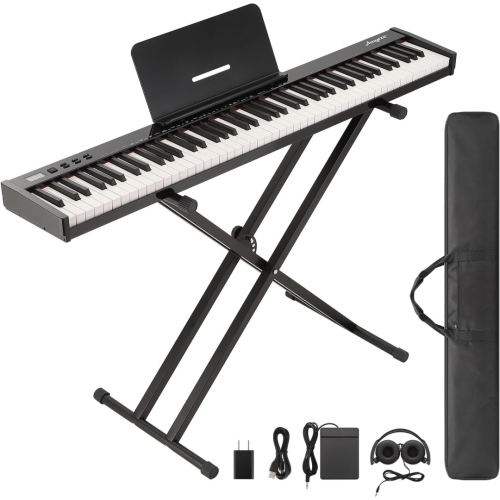
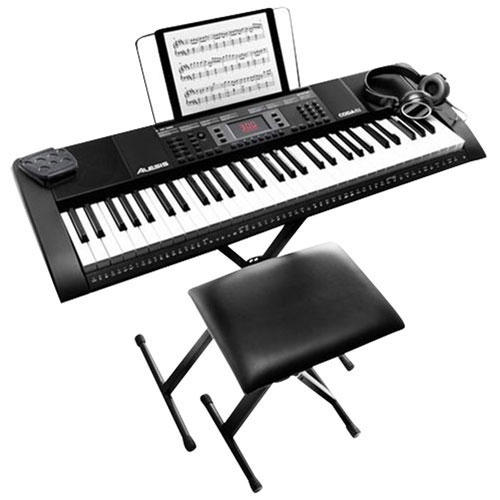
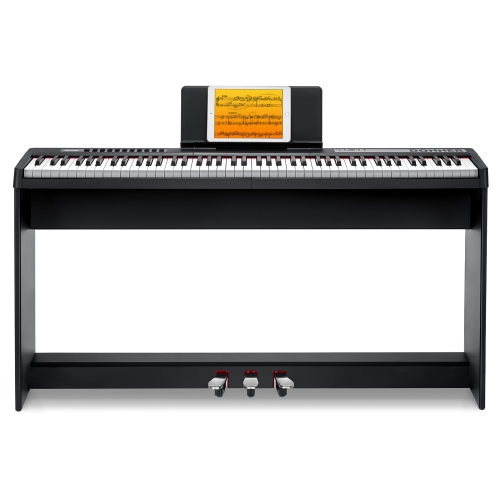
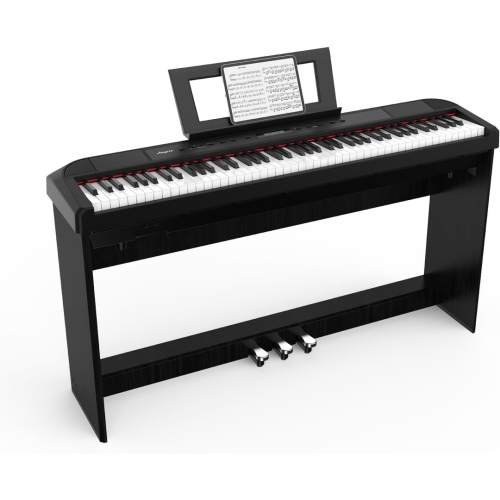
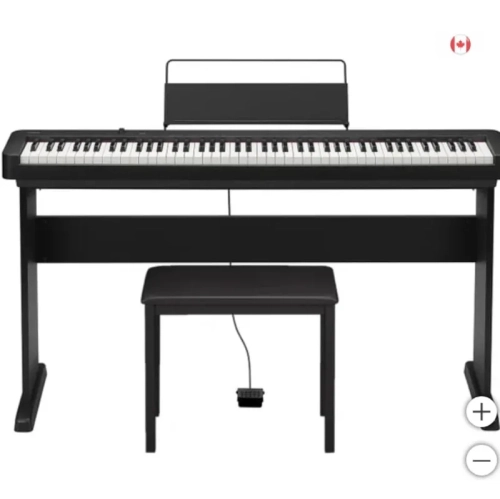
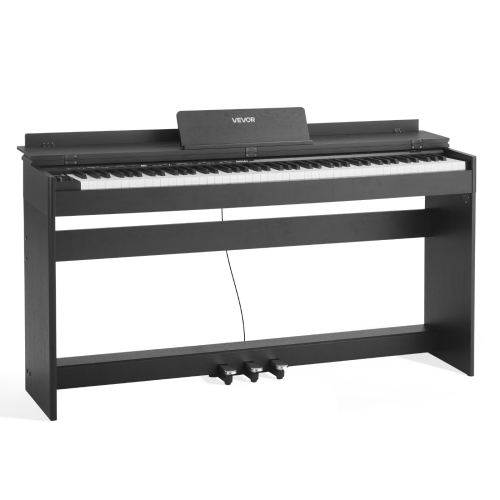

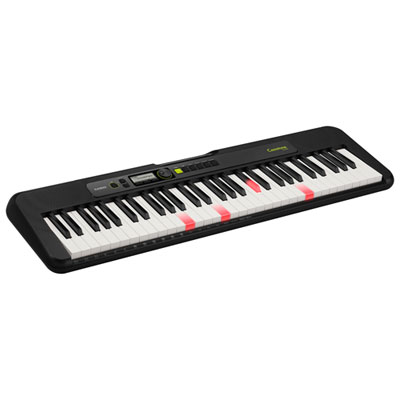
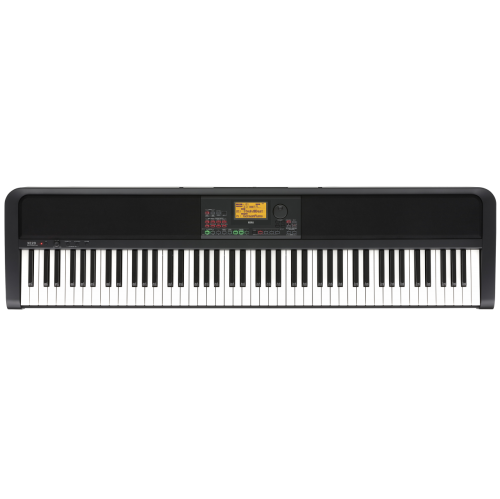
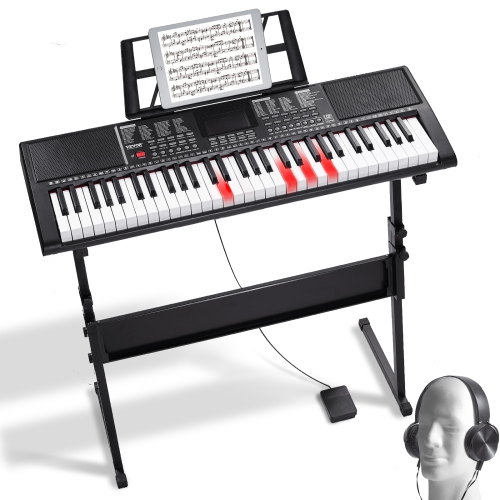
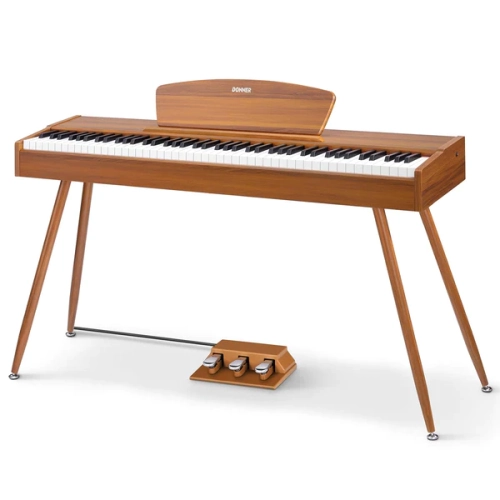
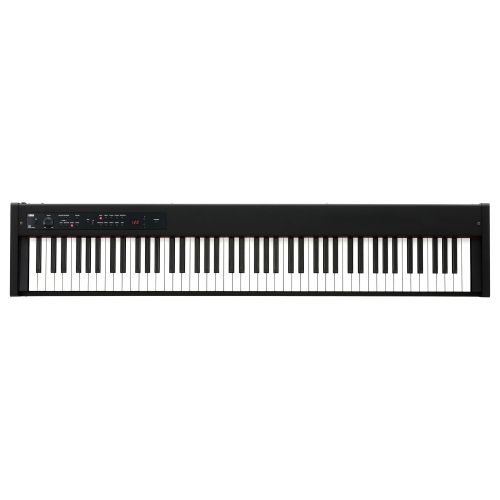
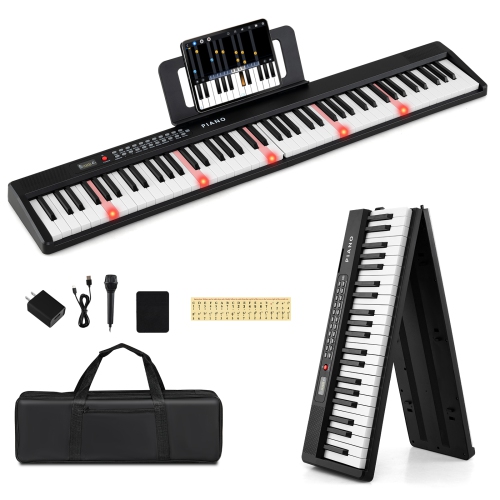
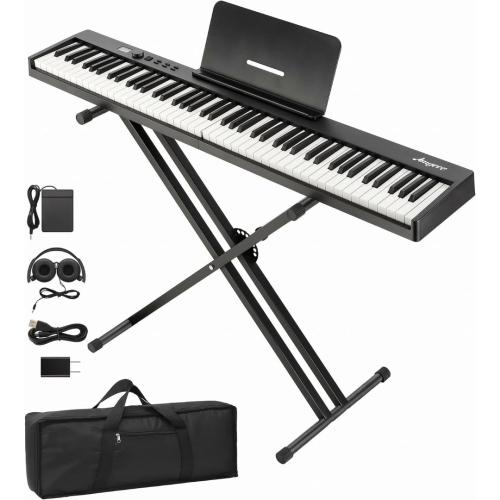
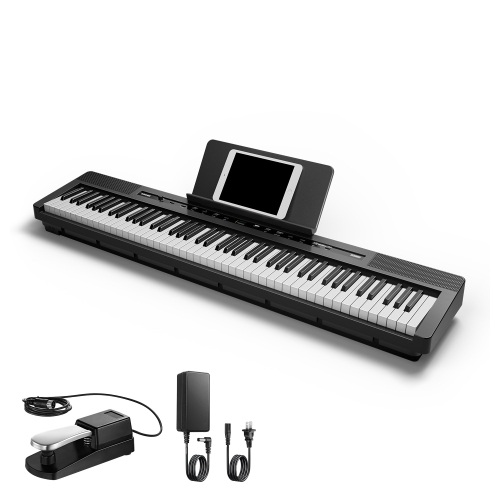
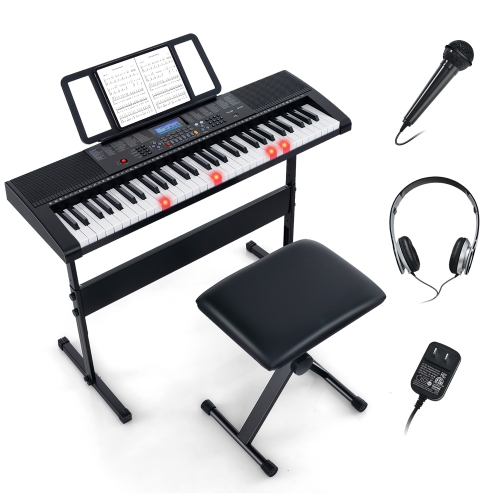
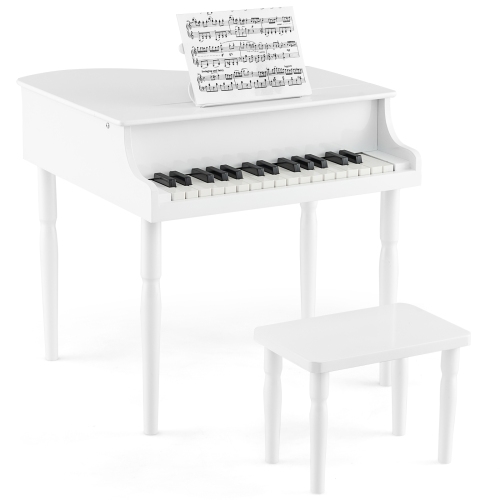
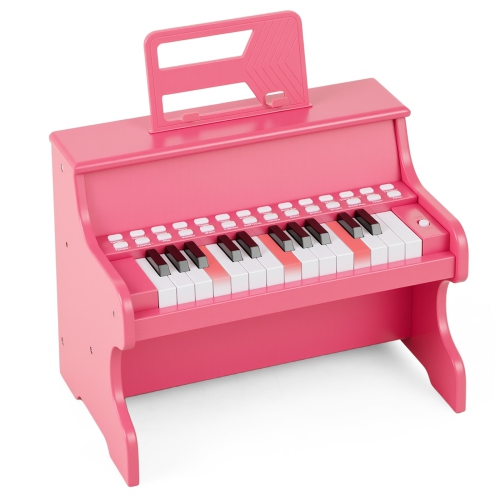
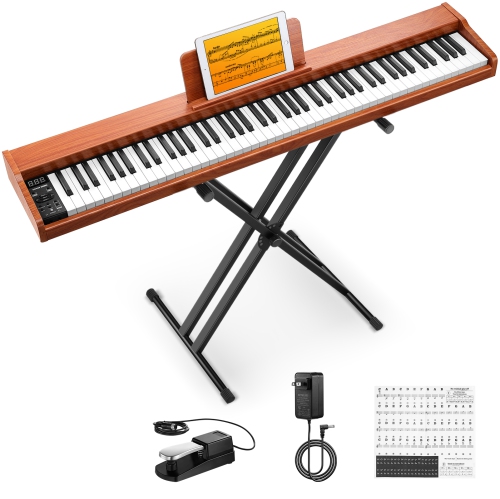
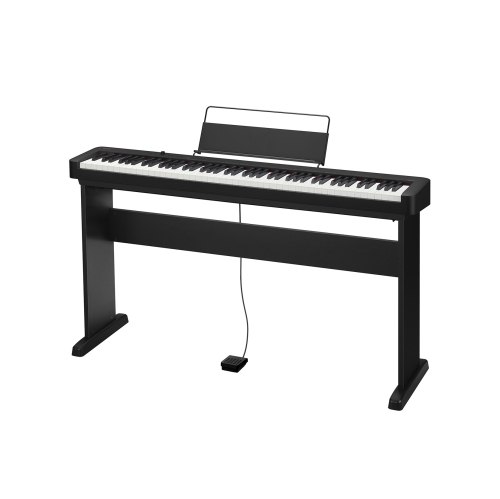
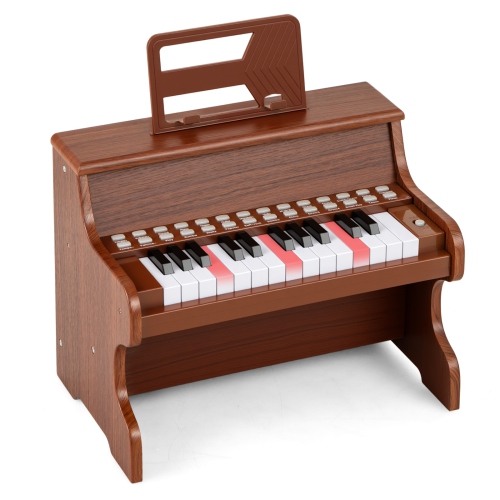
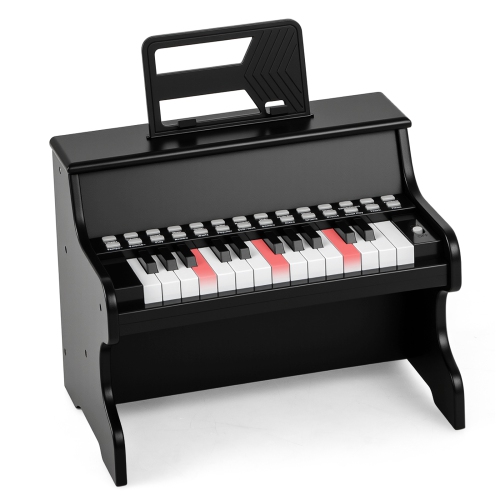
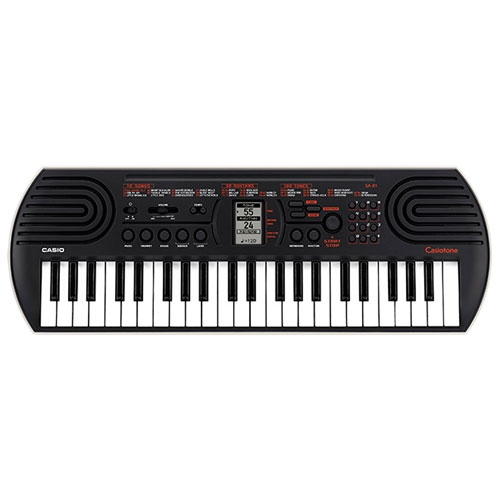
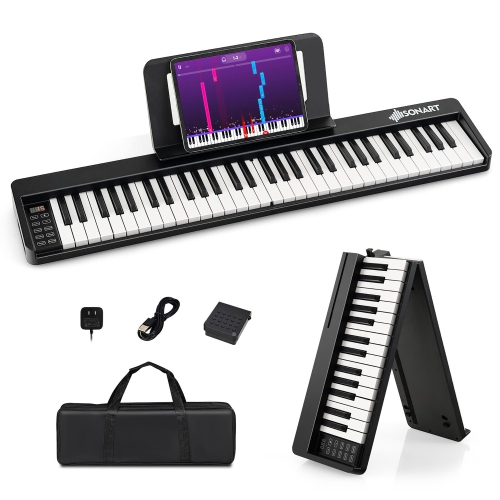
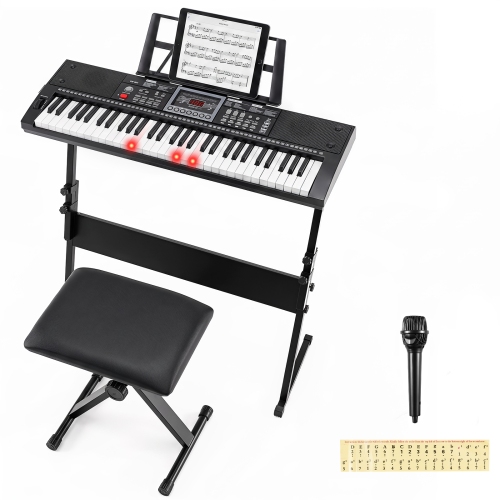
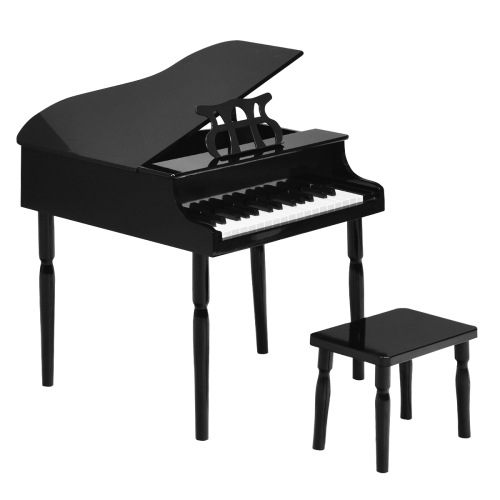
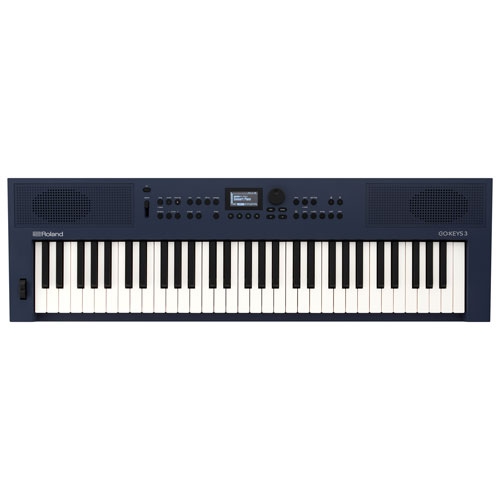
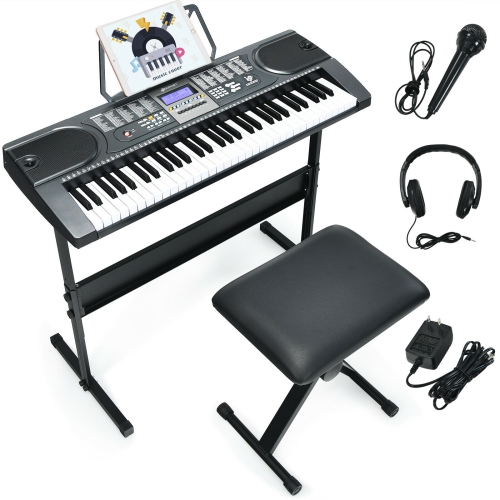
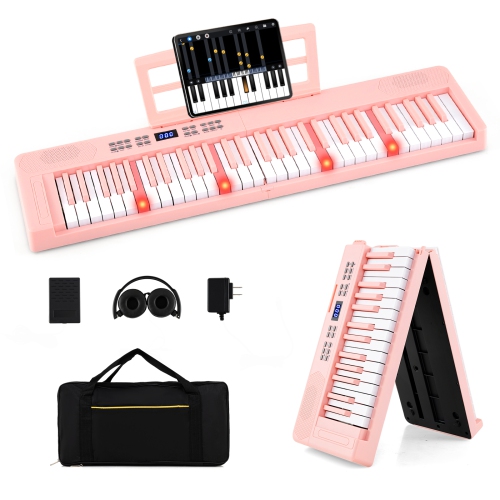
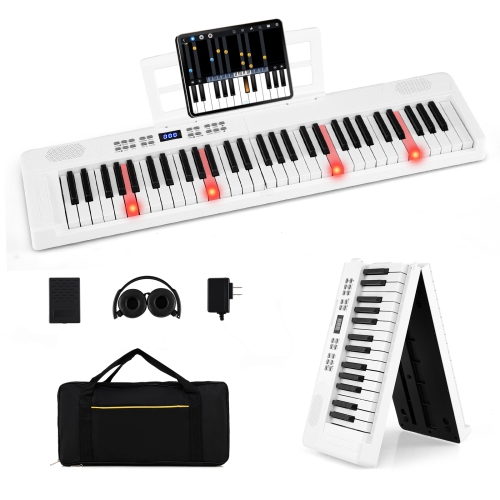
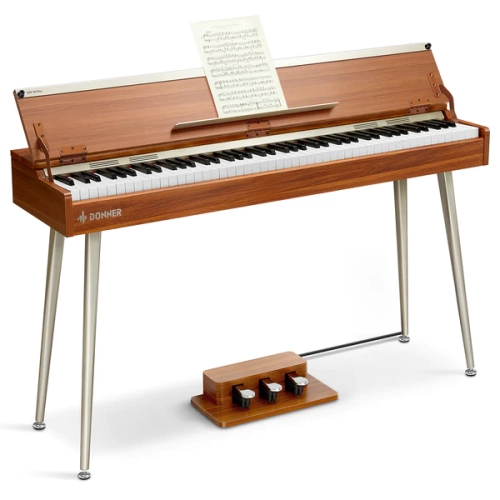
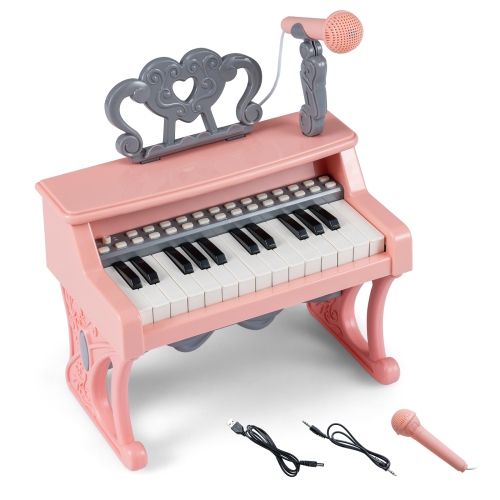
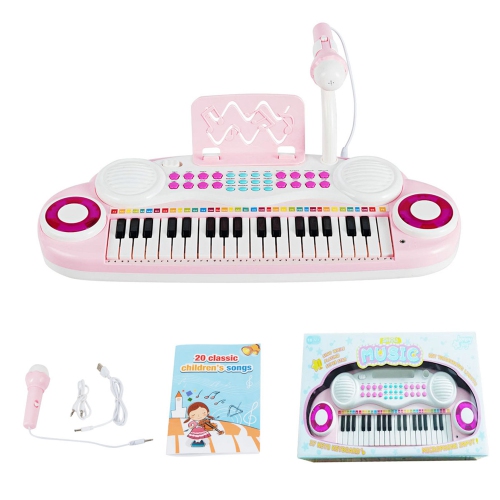
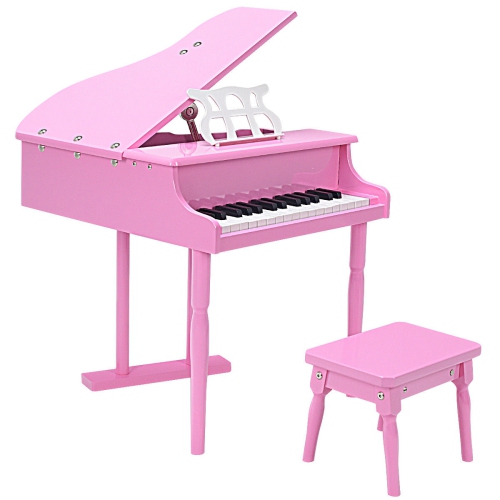
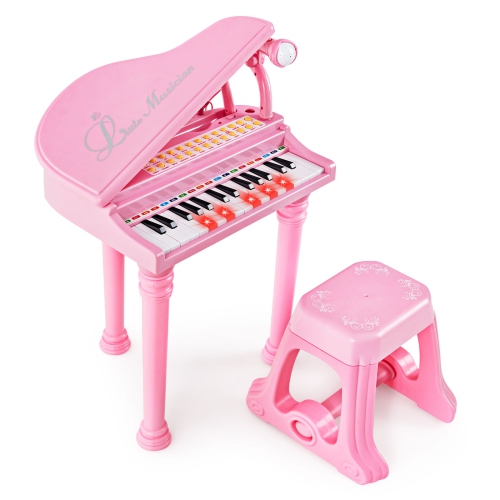
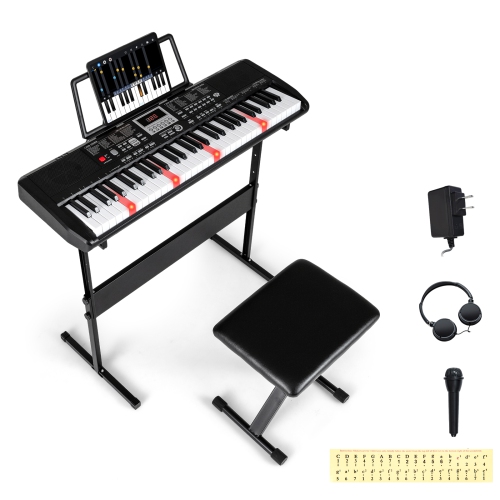
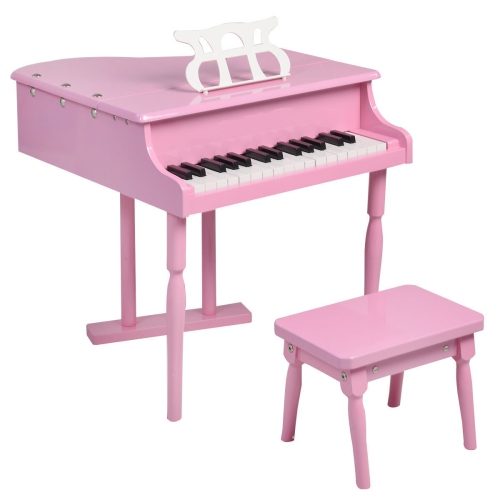
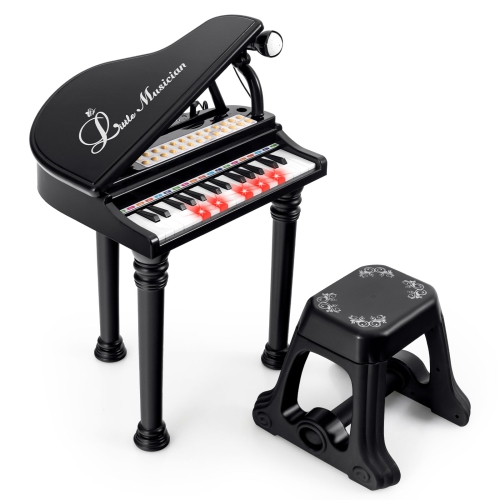

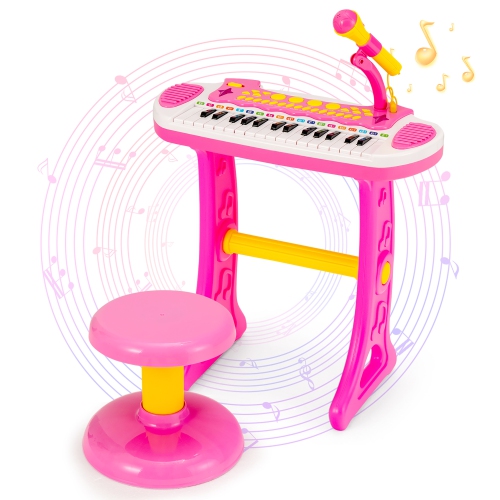
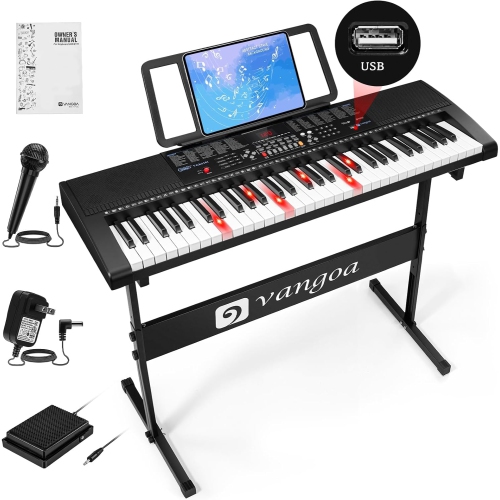
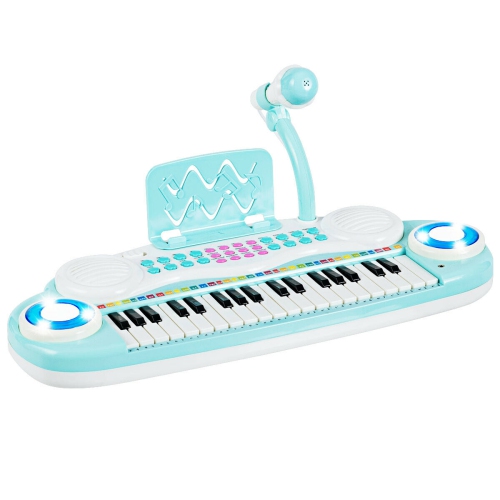
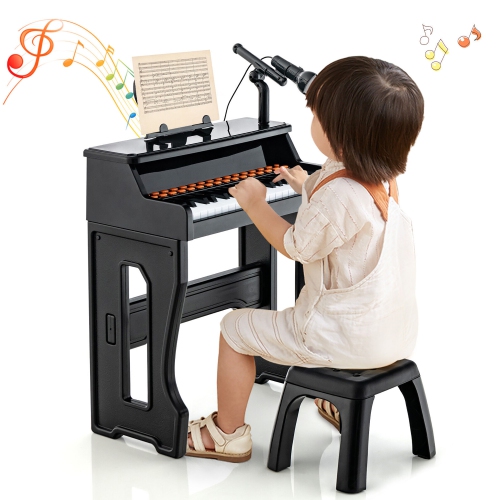
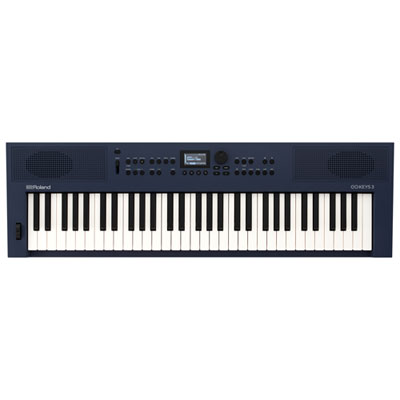
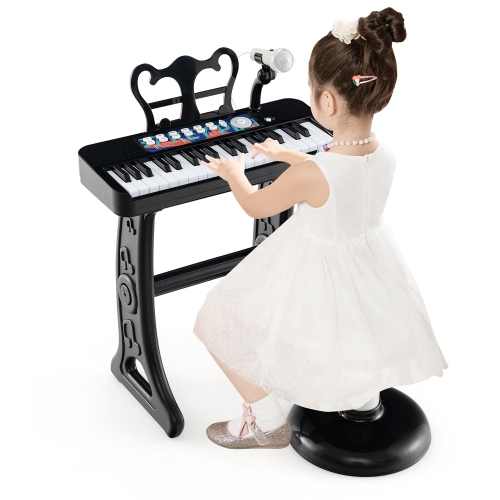
Understand key patterns, playing features, and setup considerations
A black keyed piano brings together the familiar layout of a piano keyboard and the expressive features that help players develop musical confidence. On a standard 88-key piano, there are 52 white keys and 36 black keys, arranged in repeating groups of two and three across the keyboard. This pattern makes it easier to find notes by touch and sight, whether you are learning your first scales or working through more advanced music. Each black key represents a half-step, also called a semitone, from the adjacent white keys. The black key between C and D can be named C♯ or D♭, the key between D and E can be called D♯ or E♭, the key between F and G is F♯ or G♭, the key between G and A is G♯ or A♭, and the key between A and B is A♯ or B♭. These two names describe the same pitch, while the correct choice depends on the key signature, scale, chord, or musical passage. For a beginner, the raised black keys and their two-and-three grouping offer useful landmarks when learning note names, hand positions, chords, and melodies. For experienced players, the same layout supports everything from classical repertoire and jazz voicings to pop accompaniment, songwriting, music theory practice, and ear training. When comparing options, consider how the keyboard feels under your fingers. Weighted or hammer-action keys provide resistance that is closer to an acoustic piano, which can help build finger strength and control, while lighter keys may suit casual playing, younger learners, or musicians who want a more portable setup. Touch sensitivity is also valuable because it allows the sound to respond to how firmly a key is pressed, making quiet passages gentler and energetic playing more pronounced. A full-size keyboard is especially useful for lessons and repertoire that requires a broad range, while a more compact format can be practical for a bedroom, apartment, home studio, or shared family space.
The right black keyed piano depends on where it will be used, who will play it, and how the instrument fits into a daily routine. A student taking lessons may benefit from a full keyboard, realistic key response, a sustain pedal, and a built-in metronome for practising rhythm and timing. Someone returning to piano after several years may appreciate recording functions, adjustable volume, headphone compatibility, and a selection of instrument voices that make practice more inviting. Musicians who compose or produce music can look for USB or MIDI connectivity, varied sounds, layering and split-keyboard functions, and enough polyphony to let notes ring naturally when using sustained chords or a damper pedal. If the piano will be moved between rooms or taken to rehearsals, pay attention to its overall weight, footprint, stand design, and whether the controls are easy to reach while seated. For a permanent living-room setup, a sturdy stand, comfortable playing height, music rest, and a finish that complements the room may matter just as much as the electronic features. Buyers should also consider the bench, pedal arrangement, power requirements, and available storage for sheet music or accessories. Headphones can make late-evening practice more comfortable for everyone at home, while built-in speakers are convenient for lessons, family performances, and relaxed playing during the cooler months. A black finish can create a classic, understated look that works well in a dedicated music room or alongside other furniture. If the main priority is the piano’s exterior colour rather than the arrangement of its keys, explore the broader selection of Black Pianos to compare instruments and styles that share that visual theme.
A black keyed piano can be a thoughtful gift for a child beginning music lessons, a teenager developing songwriting skills, a university student furnishing a first home, or an adult who has always wanted to play. It can become part of a morning routine, provide a creative activity after school, or offer a quiet way to unwind when the weather warms or the evenings become longer and cooler. Beginners often make steady progress when the instrument is easy to access, so placing it in a comfortable, visible area can encourage short, regular practice sessions instead of leaving it packed away. Families may enjoy learning simple songs together, with one person playing melody while another follows the rhythm or sings along. More advanced players can use the instrument to refine scales, experiment with chord progressions, rehearse with headphones, or capture musical ideas before they disappear. When choosing one as a gift, think beyond age and appearance: a child may need manageable controls and a supportive playing position, while an adult learner may value realistic action, a wide tonal range, and flexible volume settings. A teacher or home-studio musician may prioritize connectivity and recording features, whereas a casual player may prefer straightforward controls and an inviting sound. Whichever style best suits the player, the repeating black-key pattern remains a dependable visual guide across the keyboard. With regular practice, those groups of two and three become familiar landmarks, helping players locate C, F, and other notes, understand scales and intervals, and move naturally between white and black keys. From a first lesson at home to an evening spent shaping a new composition, a well-chosen piano can support learning, creativity, and enjoyable music-making for years.
Top selling and popular products
-
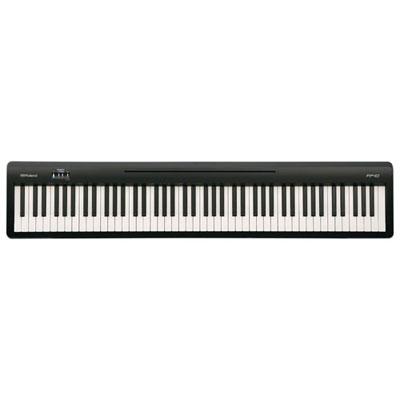 Your price for this item is $799.99
-
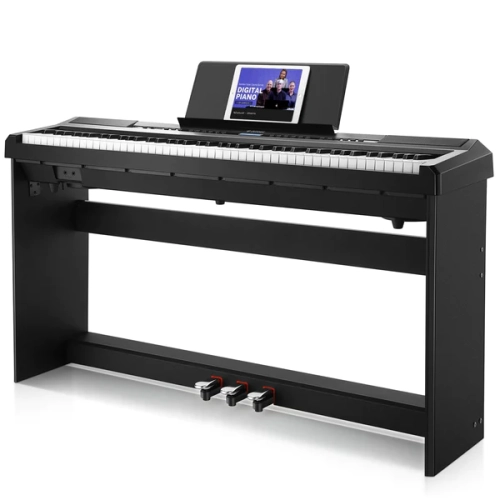 Your price for this item is $479.99
-
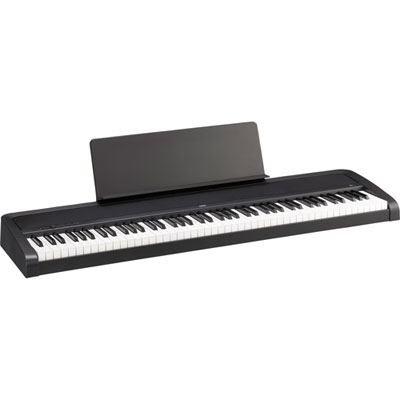 Your price for this item is $699.98
-
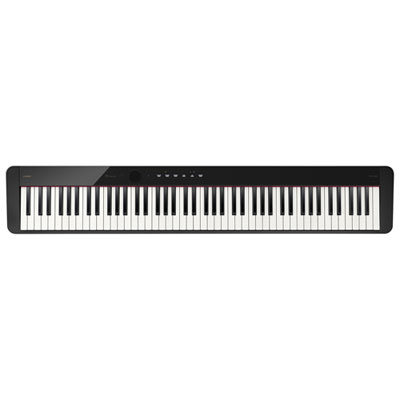 Your price for this item is $849.99
-
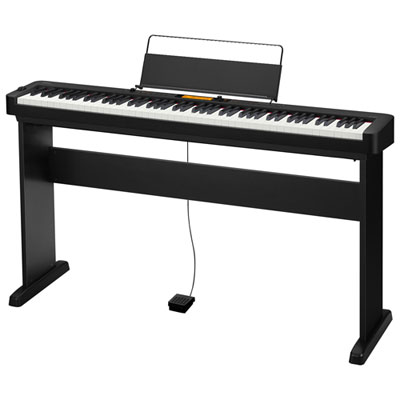 Your price for this item is $869.95
-
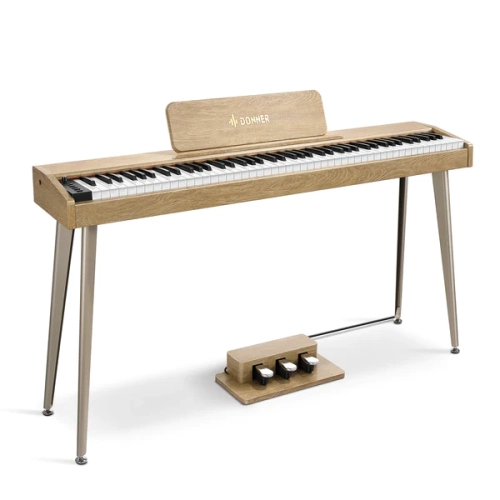 Your price for this item is $415.99
-
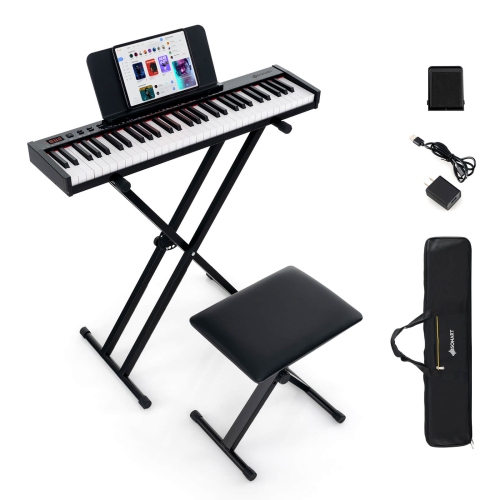 Your price for this item is $189.99
-
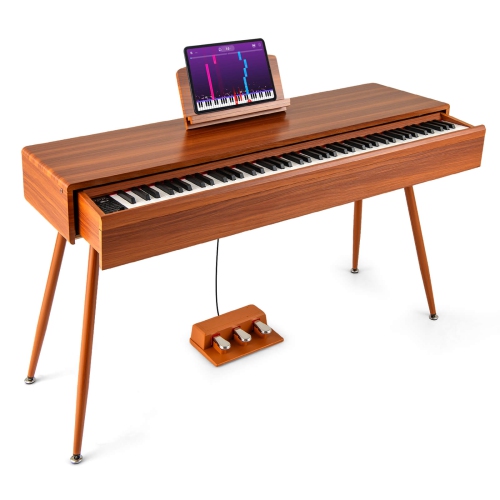 Your price for this item is $571.99
Discover more categories related to Black Keyed Piano
Top Collections:
Pokemon Centers, Best Cameras for Sports Photography, Kindle Devices, Samsung Galaxy Phones, Canon G7X Cameras, Pokémon 30th Celebration Cards, Refurbished Apple Laptops, iPhone 15 Apple, Laptops for Students, Budget Smartphones
Some products may be subject to Environmental Handling Fees
(EHF) depending on your province.
Learn more about EHFs.