Casio Electric Piano
If you're looking to elevate your musical experience with a high-quality electric piano, this selection of electric pianos offers a wide range of features and styles to suit every musician's needs. Whether you're a beginner looking for a user-friendly option or a seasoned player in search of advanced functions, this collection has something for everyone. Dive into the world of digital pianos and discover the perfect instrument to inspire your creativity and enhance your performance.
Sort
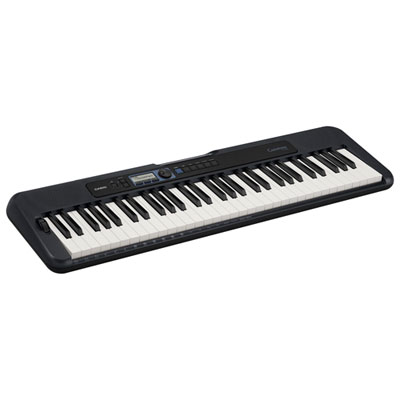
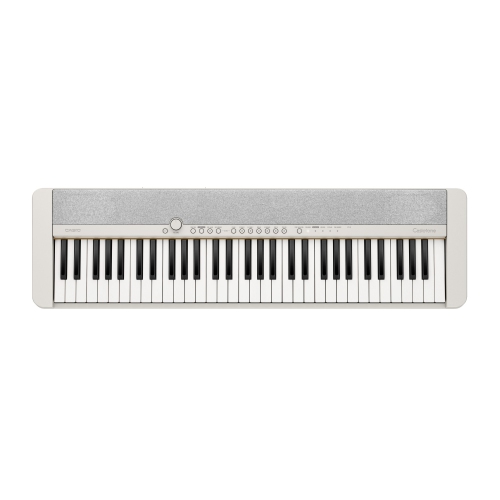
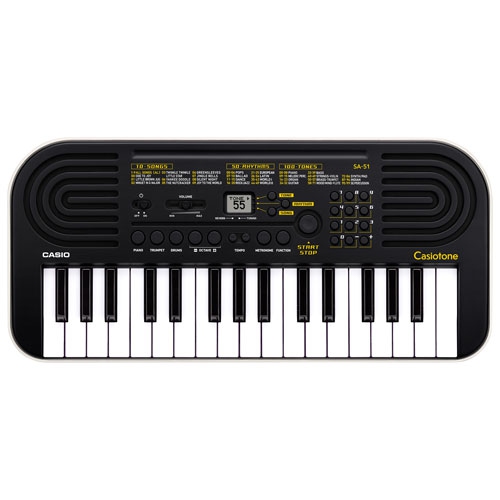
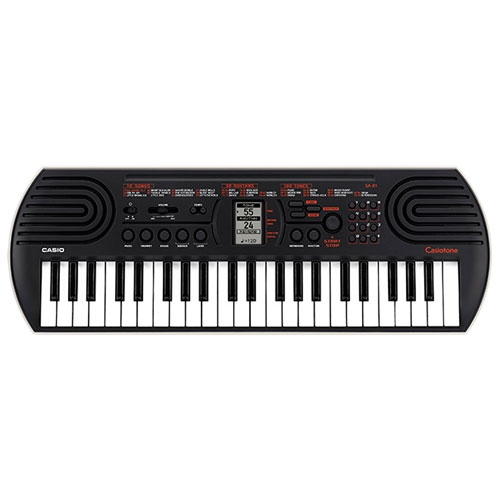
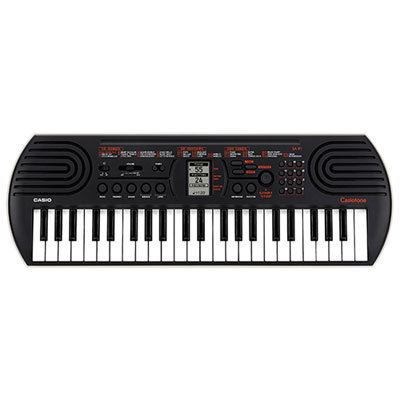
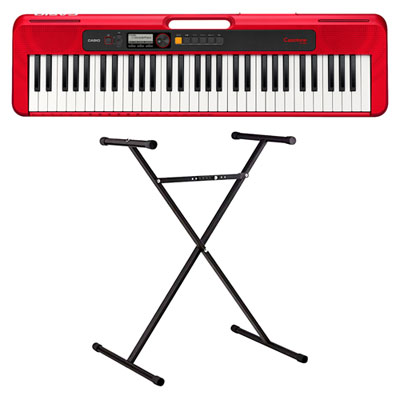
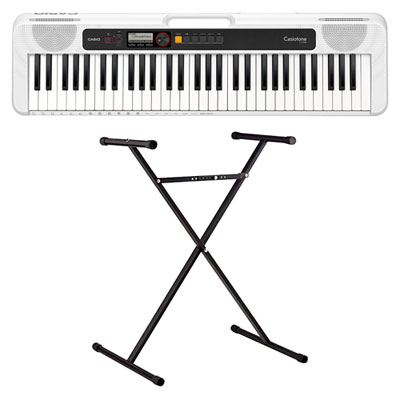
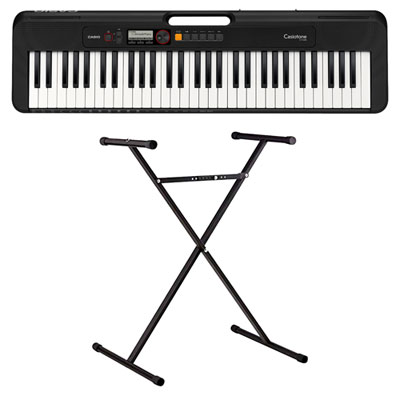
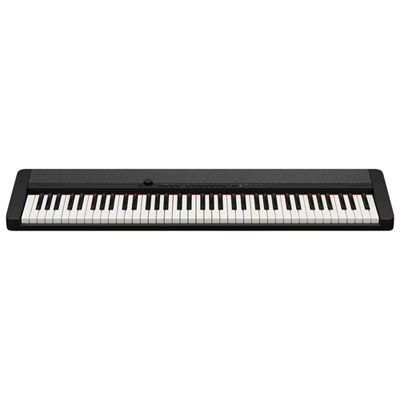
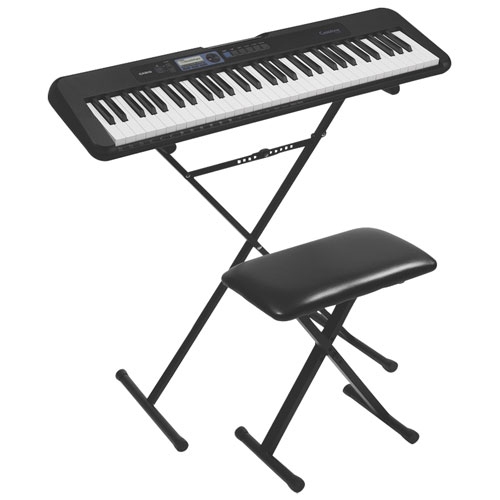
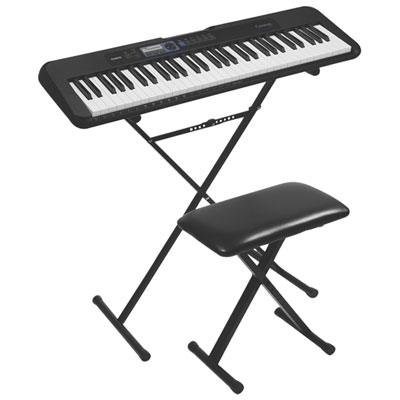
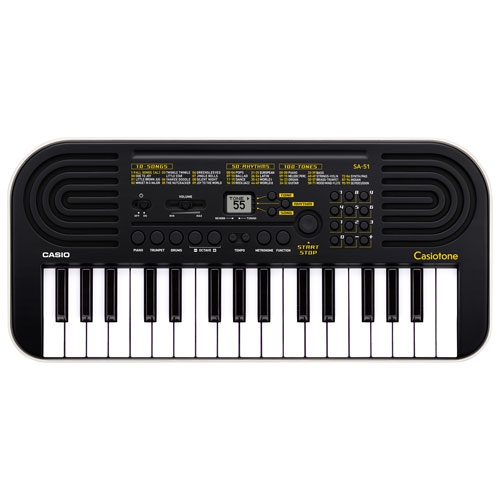
Piano-style touch with quieter practice at home
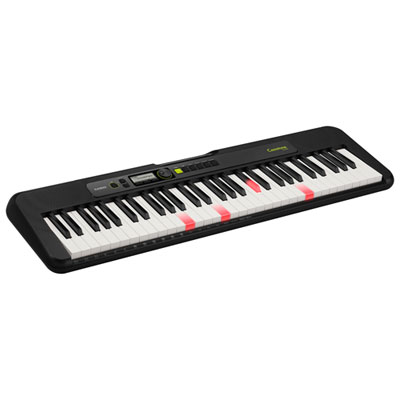
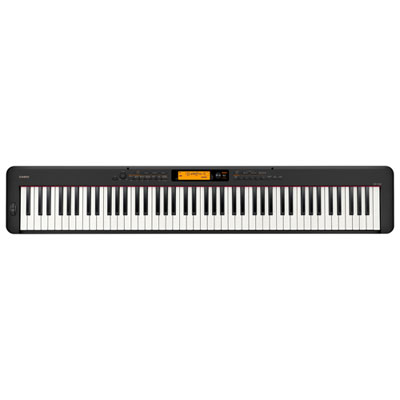
Electric pianos bring expressive keyboard playing into spaces where an acoustic piano may not be practical, from a shared living room to a compact practice corner. For home practice and lessons, the term often refers to digital pianos: electronic instruments that use sampled or modelled piano sounds rather than strings struck by hammers. This differs from a traditional electromechanical electric piano, whose distinctive sound comes from amplified vibrating components. A digital piano typically combines a piano-style keyboard, onboard sounds, and adjustable volume, with built-in speakers and headphone connections offered on many designs. These features suit beginners learning their first pieces, adults returning to music, and experienced players who need an instrument for quiet practice. A full-size, 88-key keyboard provides the same note range as a standard acoustic piano, leaving room for music that reaches into the lowest bass notes and highest treble notes. Weighted keys add resistance under the fingers, while hammer-action mechanisms are designed to more closely reproduce the physical response of an acoustic instrument. Graded weighting, where present, makes the lower keys feel heavier than the upper keys. Touch sensitivity serves a different purpose: it changes the sound’s volume or character according to how a key is played. Together, these qualities help a player shape a soft melody, support it with a restrained left-hand accompaniment, or build towards a fuller passage. Not every electronic keyboard has weighted keys, and the number of sounds alone does not indicate how closely an instrument will feel like a piano. For households considering both piano-focused instruments and keyboards with broader accompaniment features, Piano Casio Keyboards offers a related category to explore. The distinction matters in everyday use: someone taking piano lessons may value consistent key response and pedal control, while a casual player making arrangements may place more emphasis on rhythm patterns, layered sounds, and easy access to different instrument voices.
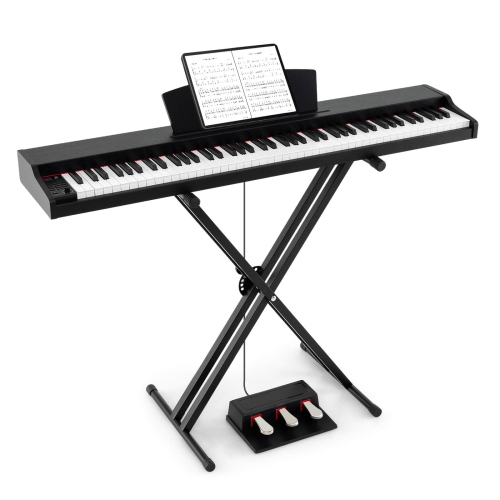
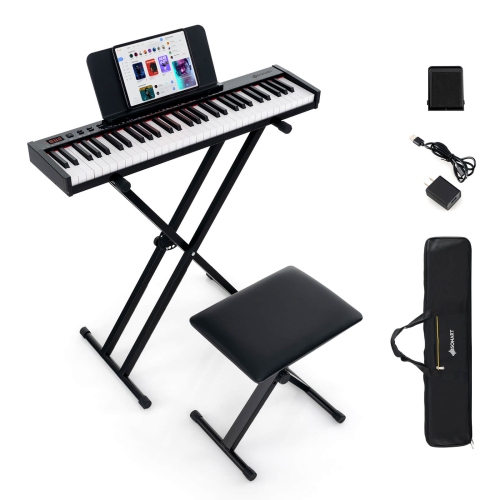
The physical design of a digital piano influences how comfortably it fits into daily life. Portable slab-style instruments have a relatively compact body and can sit on a compatible stand, making them useful in multipurpose rooms or for players who occasionally bring an instrument to a rehearsal. Portable does not necessarily mean lightweight, particularly when a keyboard contains a full weighted action. Its dimensions, carrying weight, and stand requirements all affect how easily it can move between locations. Furniture-style digital pianos generally have an integrated base or cabinet and may include a fixed pedal assembly, creating a more permanent playing position. Cabinet construction can include engineered wood with a decorative finish, while portable bodies often use moulded plastic, metal, or a combination of materials. A substantial cabinet can provide stability, but a well-matched portable stand can also support confident playing without distracting movement. The space required extends beyond the keyboard itself: a seated player needs clearance for their knees, room for pedal movement, and enough distance behind the bench to sit down comfortably. An adjustable bench helps accommodate different players and supports a position with relaxed shoulders, comfortably bent elbows, and forearms approximately level with the keys. Younger children may need foot support so their legs are not left dangling throughout practice. Key surfaces also vary, from smooth finishes to lightly textured materials that can feel more secure under warm hands. Beyond surface texture, the response of the keys near their back ends matters when a piece places the fingers between the black keys. Pedals contribute another layer of expression. A sustain pedal lets notes continue after the keys are released; compatible half-pedalling support allows finer control rather than a simple on-or-off effect. A three-pedal arrangement can support more traditional piano technique, although the functions and compatibility depend on the instrument. These details become especially noticeable as a learner moves from short exercises to music requiring longer phrases, changing dynamics, and carefully timed pedal releases.
Sound and everyday convenience help determine whether an instrument becomes part of a regular routine. Built-in speakers make it easy to sit down and play without setting up separate audio equipment, while their placement and the room’s furnishings influence what the player hears. A piano positioned close to a wall may sound different from the same instrument placed in a more open area. Headphones allow late-evening practice or repeated work on a difficult passage with less disturbance, though the physical movement of the keys and pedals can still be audible nearby. Where provided, dual headphone connections can support a quiet lesson with a teacher or shared practice between a parent and child. A metronome helps develop steady timing, and a built-in performance capture function, if included, lets a player listen back for uneven rhythms or a melody that disappears beneath the accompaniment. USB and MIDI connections can link compatible instruments with learning software or music-making applications, but connector types, device support, and any required adapters differ. Wireless features also need a closer look: Bluetooth audio playback and Bluetooth MIDI serve different purposes, and neither automatically means wireless headphones are supported. For singers or players joining a small ensemble, suitable audio outputs may be useful for connecting to external amplification. At home, straightforward controls and an easily positioned music rest can matter just as much as advanced features, especially when practice begins with a few spare minutes between other activities. Regular care is simple but important. A soft, dry cloth removes everyday dust; any deeper cleaning should follow the manufacturer’s directions rather than involve household sprays applied directly to the keys. Drinks belong away from the instrument, and cables should be routed where they will not catch a foot or pull on a socket. Placement away from direct heat, strong sunlight, and damp areas helps protect finishes and electronic components. Unlike acoustic pianos, digital instruments do not require string tuning, although keys, pedals, and connections can still need attention with use. As a gift for a new student or a returning musician, a digital piano is most useful when its touch, size, and setup suit the recipient’s playing habits, with a stable seat and accessible practice space helping turn musical interest into a lasting routine.
Top selling and popular products
-
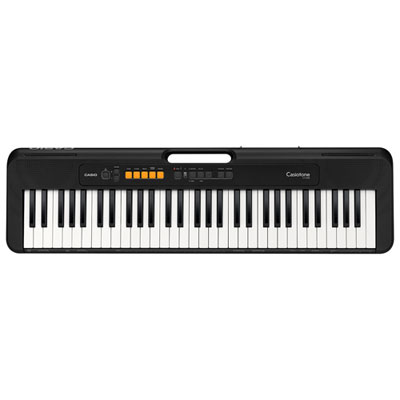 Your price for this item is $149.99
-
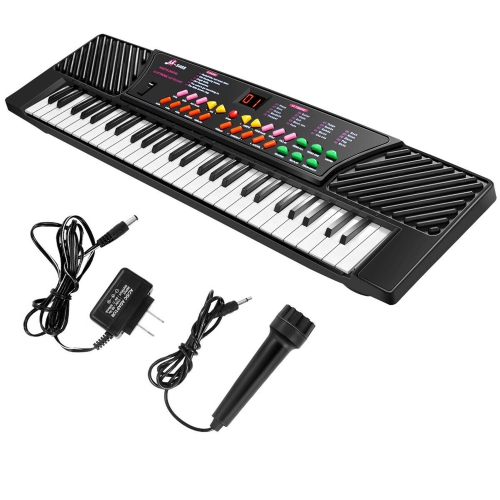 Your price for this item is $69.99
-
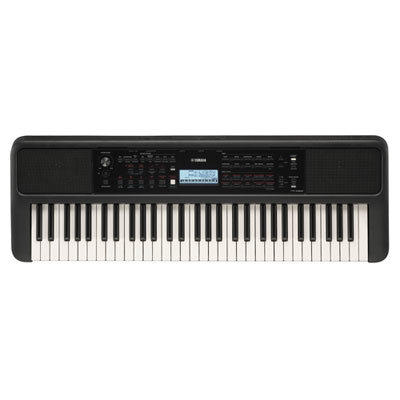 Your price for this item is $289.99
-
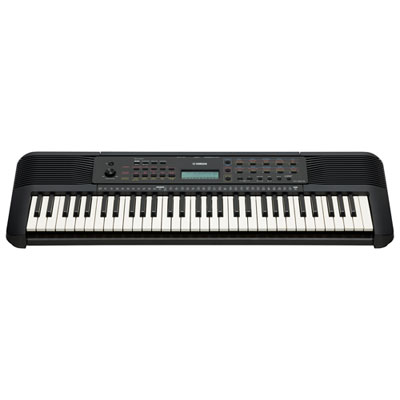 Your price for this item is $129.99
-
 Your price for this item is $229.95
-
 Your price for this item is $236.99
-
 Your price for this item is $199.99
-
 Your price for this item is $74.99
Discover more categories related to Casio Electric Piano
Top Collections:
Pokemon Centers, Best Cameras for Sports Photography, Kindle Devices, Samsung Galaxy Phones, Canon G7X Cameras, Pokémon 30th Celebration Cards, Refurbished Apple Laptops, iPhone 15 Apple, Laptops for Students, Budget Smartphones
Some products may be subject to Environmental Handling Fees
(EHF) depending on your province.
Learn more about EHFs.