Piano Casio Keyboards
Discover the perfect harmony of style and performance with a Piano Casio Keyboard. Whether you're a beginner exploring your musical talents or an experienced player looking to enhance your skills, you'll find a variety of models designed to suit every level and preference. Enjoy the convenience of compact designs, intuitive controls, and versatile options that make practicing and performing enjoyable. Elevate your music experience with a Piano Casio Keyboard and bring your creative vision to life.
Sort

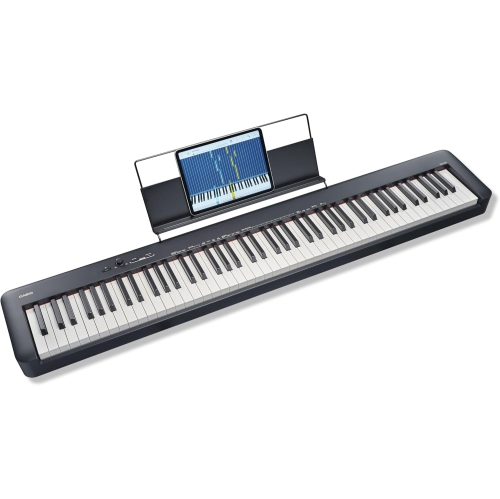
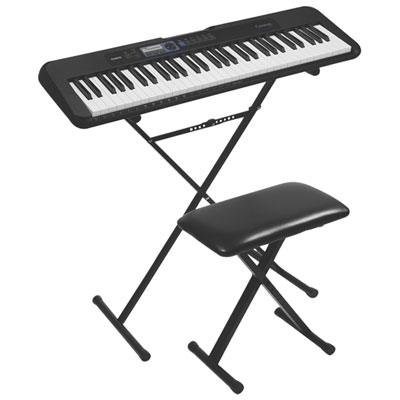
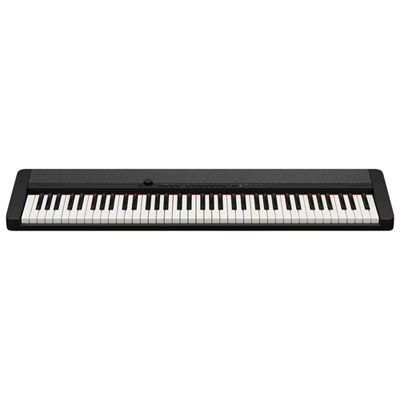
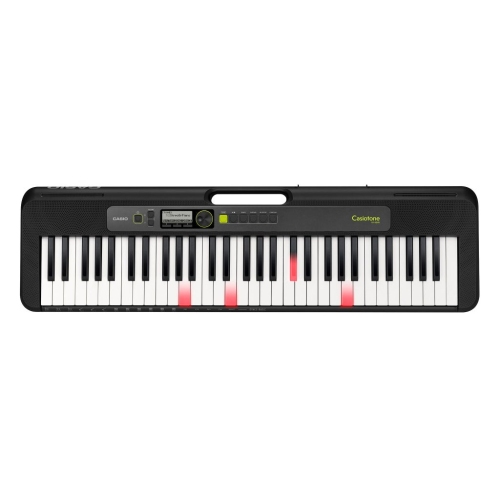
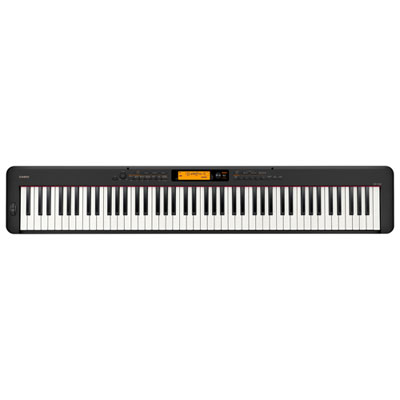
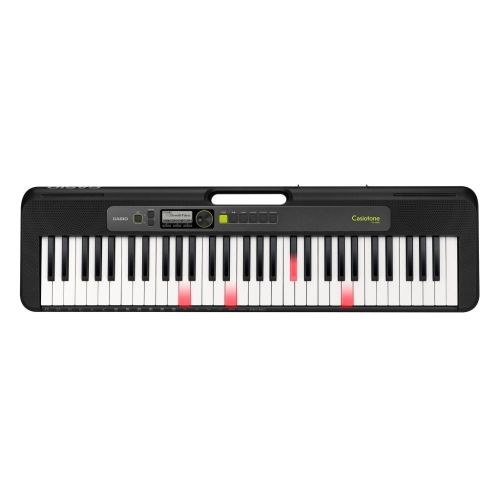
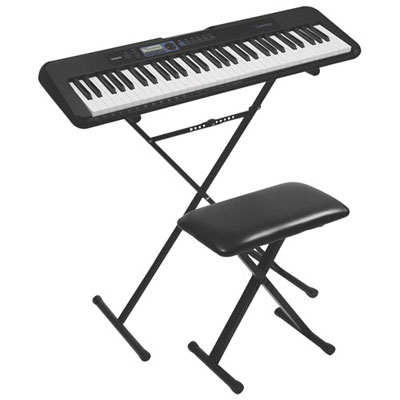
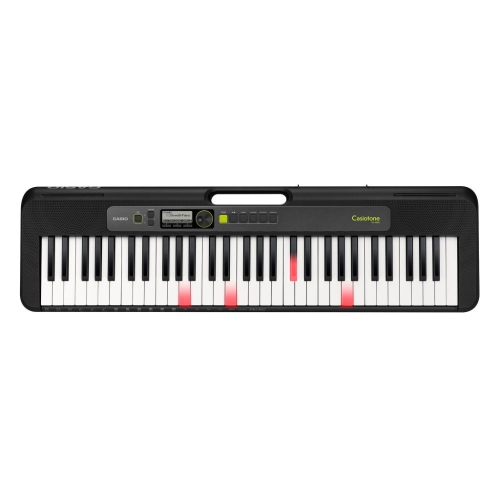
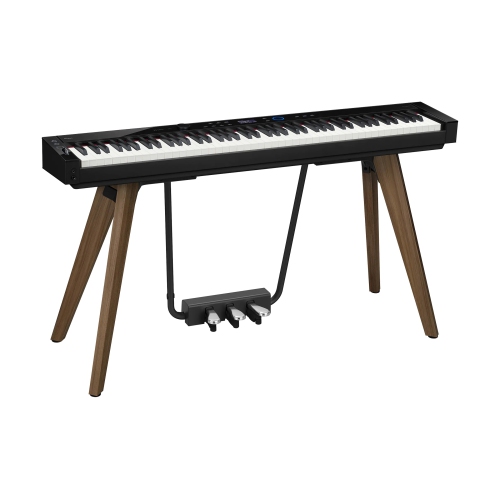
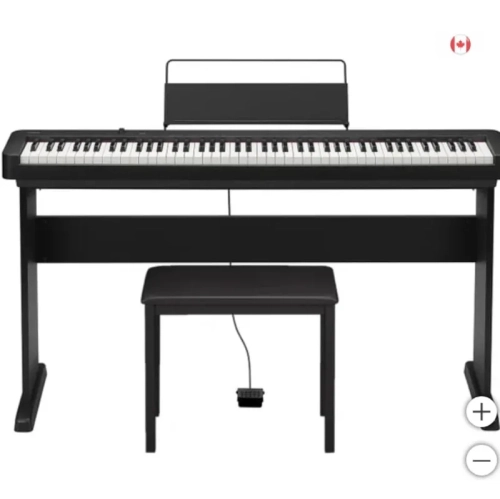
How key feel shapes your piano playing experience
Piano keyboards bring piano sounds and expressive playing into instruments that suit everything from a first lesson to regular rehearsals and home recording. The category includes portable keyboards with a broad selection of instrument tones and digital pianos designed around the sound and feel of an acoustic piano. Their strengths overlap, but the playing experience can be quite different. A lightweight keyboard with built-in rhythms can make it easy to explore melodies, try chord accompaniments, and play along with familiar songs. A digital piano with a full 88-key range and weighted action places more emphasis on piano technique, giving the fingers resistance and allowing room for pieces that stretch across the keyboard. For a more focused look at piano-style instruments, the Casio Piano collection offers a related starting point. Key count is only one part of the fit: full-size keys help establish familiar spacing, while touch sensitivity lets a player vary the volume by changing how firmly a key is struck. Weighted or hammer-action keys add a different quality, recreating aspects of the mechanical resistance associated with an acoustic piano. These features are distinct, so a keyboard can respond to playing strength without having a weighted action. Beginners working with a teacher may benefit from a layout and response that support their lesson material, while casual players may place greater value on manageable size, simple controls, and a variety of sounds. Experienced pianists often pay closer attention to how naturally the instrument handles quiet passages, repeated notes, and changes in touch. Polyphony, the number of notes an instrument can sound at once, also matters when sustained notes overlap or two tones are layered together. A clear piano tone, a comfortable action, and controls that are easy to reach can contribute more to everyday enjoyment than a long feature list that rarely gets used.
The physical design of a piano keyboard affects where it fits and how often it gets played. Portable instruments commonly use moulded plastic housings to keep weight manageable, while furniture-style digital pianos may have wood-based cabinetry, a fixed stand, and an integrated pedal assembly. Neither format suits every room or routine. An instrument that moves between a bedroom and a lesson space needs a different setup from one that stays in a shared living area. Width, depth, and clearance for a bench all deserve attention, along with space for a music rest, open sheet music, and connected cables. A stable stand should support the instrument’s dimensions and weight without wobbling during an energetic passage. Bench height matters just as much: a player should be able to sit comfortably with relaxed shoulders, forearms at a natural height, and feet supported. Younger learners may need a footrest rather than leaving their legs dangling. For piano study, pedal compatibility is another practical detail. A basic sustain pedal keeps notes ringing after the keys are released, while compatible half-pedalling systems allow finer control over that effect. Three-pedal arrangements can support additional piano techniques, although their functions and compatibility vary by instrument. Built-in speakers are convenient for everyday practice, but their placement and output influence how clearly the sound carries through a room. Headphone listening makes it possible to work through scales or repeat a difficult section without sending the amplified sound throughout the home; the keys themselves still produce some mechanical noise. A comfortable pair of headphones and a cable that stays clear of the hands can make longer sessions easier. Clear displays, readable button labels, and accessible volume controls also help keep attention on the music. For someone who practises in short stretches, being able to sit down, switch on, and return quickly to a familiar piano sound is a meaningful convenience.
Beyond the basic piano voice, keyboard features can support very different musical interests. Layering combines two sounds, such as piano and strings, while a split function assigns separate tones to different parts of the keyboard. Automatic accompaniment can supply a rhythmic and harmonic backing for someone experimenting with chords, and a metronome gives students a steady reference when learning to keep time. Built-in recording, where supported, lets players hear details that are easy to miss while performing, from uneven rhythm to a melody buried beneath the left hand. Connections deserve close attention because similar-looking ports do not necessarily serve the same purpose. USB MIDI can send performance information to compatible software, but it does not automatically mean the instrument can transmit its own sound as USB audio. Audio outputs, headphone sockets, pedal inputs, and connections for external devices each support different uses, and compatibility with a computer, tablet, or learning app should be confirmed for the particular instrument. Wireless features also vary; support for wireless MIDI does not imply support for wireless audio. For rehearsals or small performances, suitable audio connections and a secure transport case may be more useful than extra onboard tones. Durability depends partly on how the instrument is handled: support it when moving it, avoid lifting it by the music rest, and keep connectors free from strain. Routine care is straightforward. Follow the manufacturer’s cleaning directions, use a soft, dry cloth for regular dusting, keep drinks away from the keys, and avoid spraying cleaners directly onto the surface. A properly fitted cover helps limit dust between sessions, while a padded bag or case protects against everyday bumps during transport. As a gift, a piano keyboard can suit a child beginning lessons, an adult returning to music, a songwriter trying out arrangements, or an experienced player needing a separate practice instrument. Matching the key action, size, and setup to that person’s habits helps make the gift useful beyond the first few sessions. The most rewarding fit is an instrument that feels comfortable, supports the music its player wants to make, and has a practical place in daily life.
Top selling and popular products
-
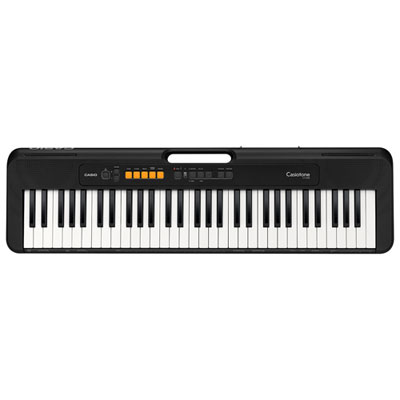 Your price for this item is $149.99
-
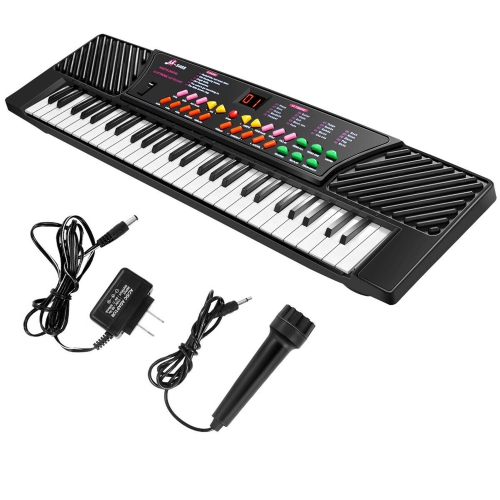 Your price for this item is $69.99
-
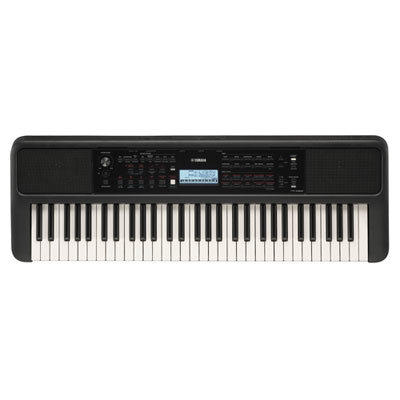 Your price for this item is $289.99
-
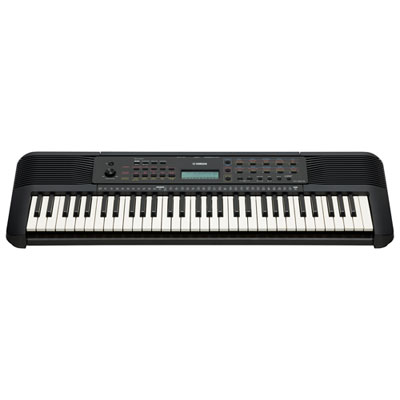 Your price for this item is $129.99
-
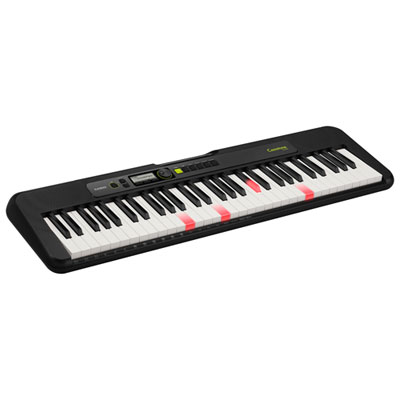 Your price for this item is $229.95
-
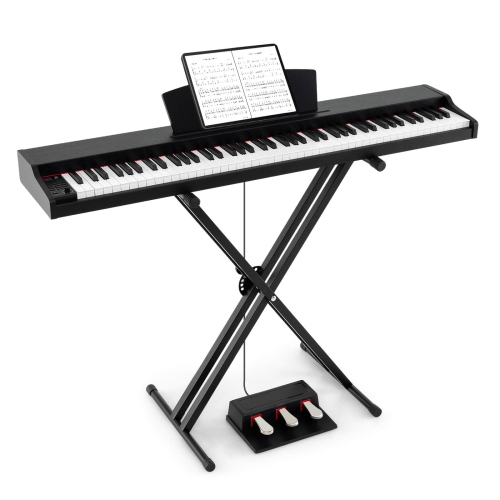 Your price for this item is $236.99
-
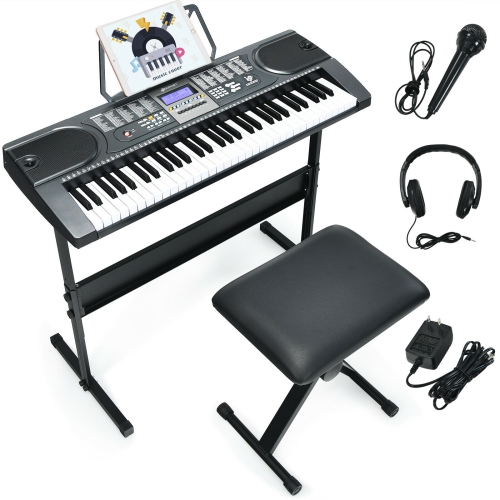 Your price for this item is $199.99
-
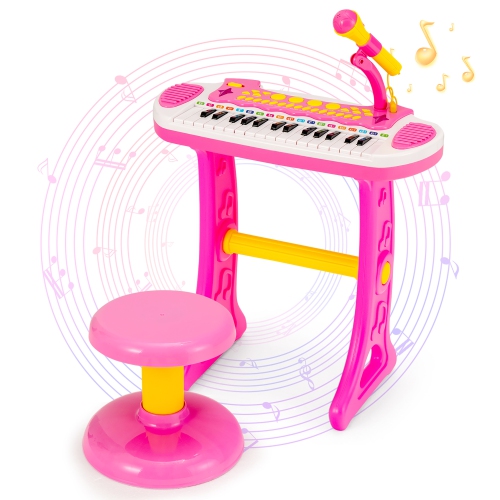 Your price for this item is $74.99
Discover more categories related to Piano Casio Keyboards
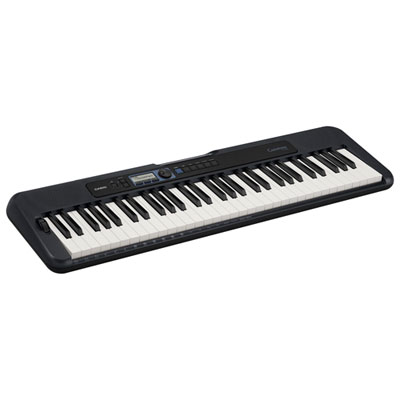
Top Collections:
Pokemon Centers, Best Cameras for Sports Photography, Kindle Devices, Samsung Galaxy Phones, Canon G7X Cameras, Pokémon 30th Celebration Cards, Refurbished Apple Laptops, iPhone 15 Apple, Laptops for Students, Budget Smartphones
Some products may be subject to Environmental Handling Fees
(EHF) depending on your province.
Learn more about EHFs.