Roland Electric Piano Keyboards
Discover the perfect blend of innovation and musical expression with a Roland Electric Piano Keyboard. Whether you're an aspiring musician or a seasoned performer, these keyboards offer versatile solutions for practice, performance, and recording. Elevate your home studio or stage setup with reliable instruments designed to meet the needs of players at every level. Explore the range of Roland Electric Piano Keyboards and find the ideal option to inspire your creativity and enhance your musical journey.
Sort

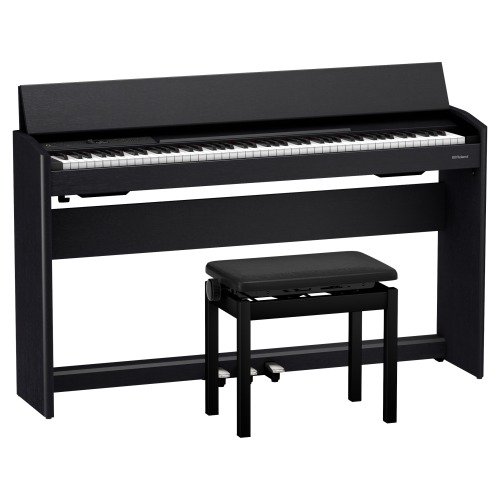
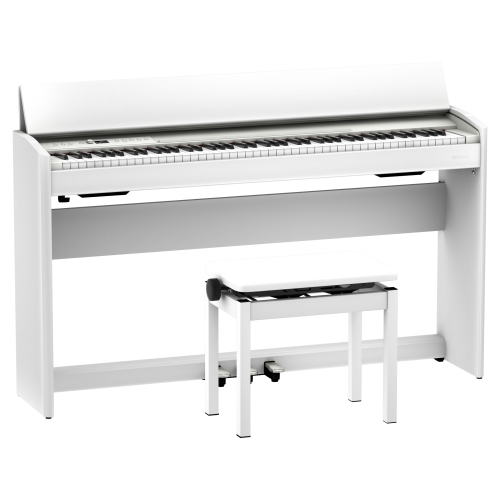
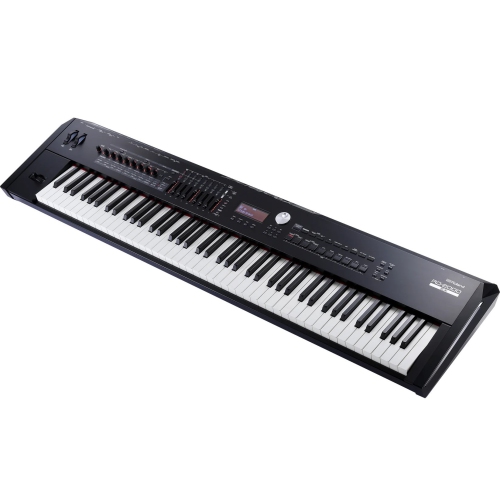
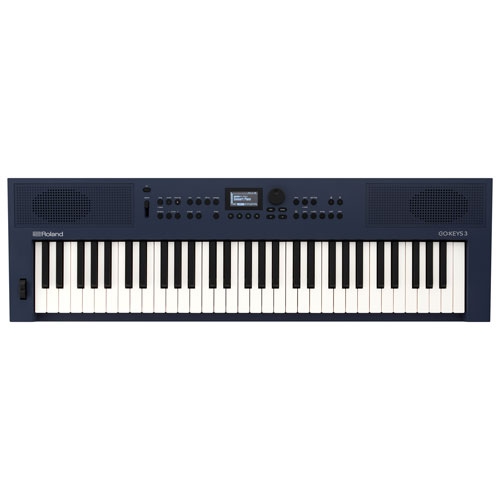

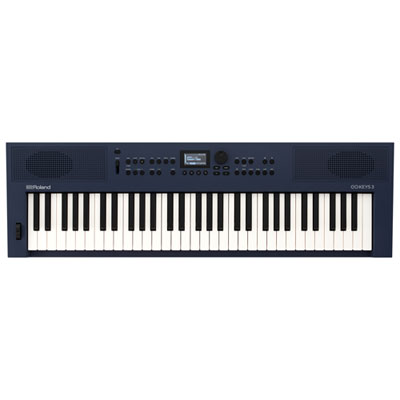
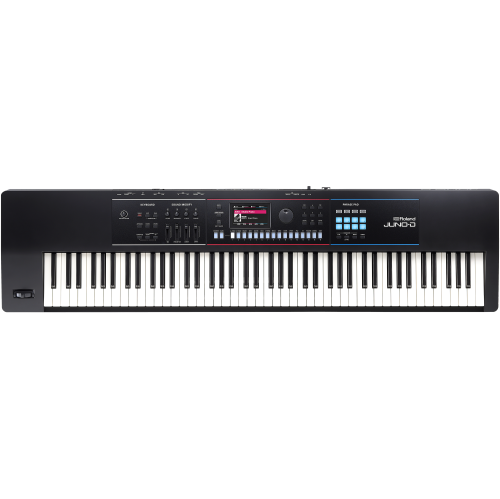

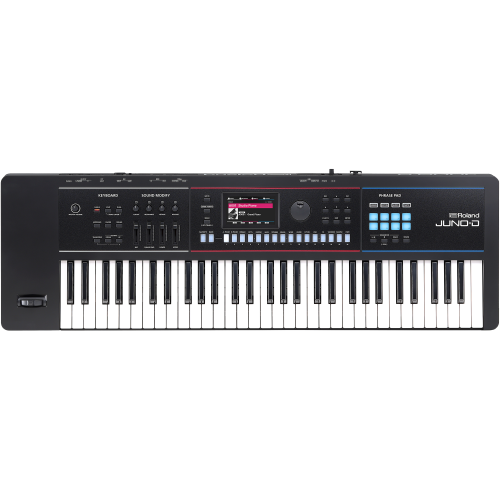
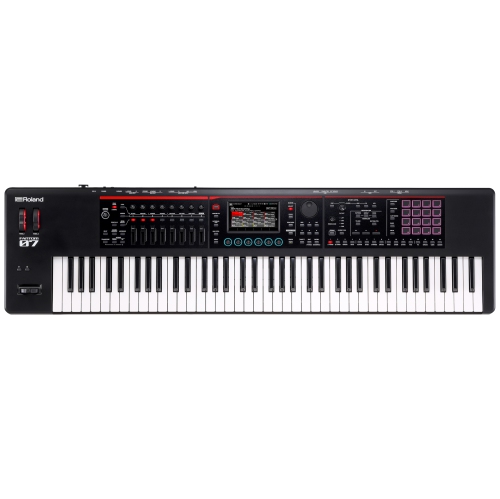
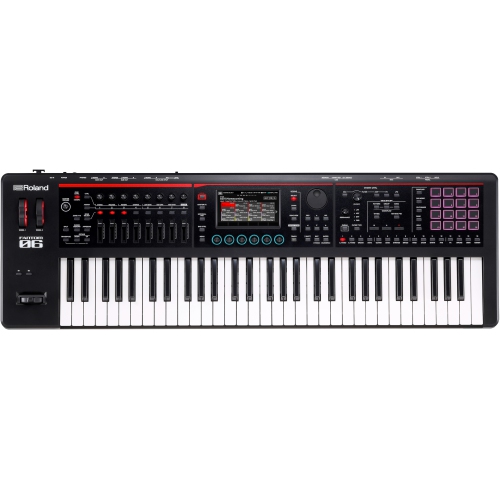
Familiar piano touch with flexibility for everyday practice
Electric piano keyboards bring expressive piano playing into spaces where an acoustic instrument may not be practical, from a shared living room to a rehearsal studio or small stage. Often described as digital pianos, these instruments use digitally generated or sampled sounds rather than strings struck by hammers, so they do not require acoustic piano tuning. Their appeal lies in the balance between familiar piano touch and everyday flexibility: adjustable volume for afternoon practice, headphone listening for quieter evenings, and a range of tones for different musical styles. For someone learning traditional piano repertoire, an 88-key layout provides the full span of a standard acoustic piano, including the low bass notes and upper registers needed as pieces become more demanding. Key action matters just as much as the number of keys. Weighted hammer-action keys offer resistance intended to resemble an acoustic piano, while graded actions generally feel heavier in the bass and lighter in the treble. Lighter keyboard actions can suit casual playing and frequent transport, but they create a different experience for anyone developing acoustic piano technique. Touch sensitivity allows changes in playing force to affect volume or tone, helping a gentle melody stand apart from a firm chord. The sound engine also shapes that response, with some designs reproducing details such as string resonance and the way sustained notes interact. These differences become easier to appreciate during ordinary playing: a slow passage exposes how smoothly a note fades, while a fuller arrangement reveals whether the bass stays clear beneath the melody. Built-in speakers make an instrument convenient for playing at home, although speaker configuration and output vary. Headphones offer another useful way to hear the piano’s detail without filling the room with sound. They reduce amplified sound rather than eliminating every noise; the physical movement of the keys and pedals can still be audible nearby. For households with different schedules, that distinction helps set realistic expectations around early practice sessions or playing after others have settled in for the evening.
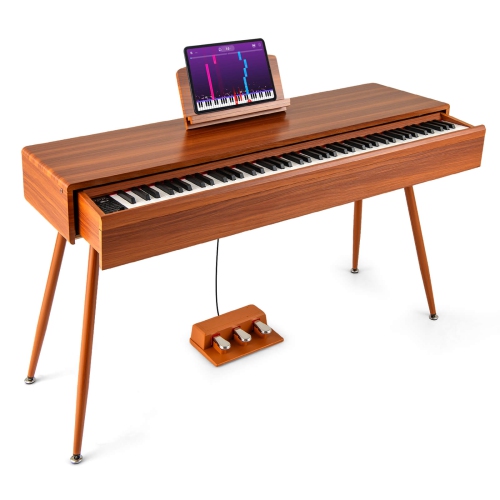
The right physical format depends on how the instrument will fit into daily life. Portable digital pianos can work well in bedrooms, multipurpose rooms, and teaching spaces, especially when paired with a stable stand and a bench that supports a comfortable playing position. Their slim appearance does not always mean they are light, since weighted key mechanisms add mass, so overall weight and dimensions matter when stairs, transit, or regular rehearsals are involved. A cabinet-style digital piano creates a more permanent place to practise, often with an integrated stand and pedal assembly that gives the instrument a furniture-like presence. Stage-oriented designs place greater emphasis on performance controls and connections, and some require external speakers or amplification. Across these formats, housings may combine moulded plastic, metal, and wood-based panels, with different finishes and structural designs affecting weight, appearance, and handling. Textured key surfaces can feel different from smooth ones, but key material alone does not establish how realistic or durable an action will be. For home placement, allow enough room for the bench to move back, elbows to sit comfortably at the sides, and pedals to remain within easy reach. A child may need an adjustable bench and suitable foot support rather than a lower instrument position that encourages raised shoulders. Adults sharing the same piano may also appreciate seating that adjusts without fuss. Pedals deserve attention because they influence both comfort and expression. A basic sustain pedal extends notes after the keys are released, while compatible half-pedalling systems allow finer control over how that sustain changes. Three-pedal assemblies support additional techniques, though their functions and compatibility depend on the instrument. A secure pedal position is especially useful on smooth flooring, where an unsecured pedal can gradually slide away during a piece. For an instrument that travels, a properly fitted padded bag helps protect against everyday scuffs, while more demanding transport may call for a rigid case. Handles, zippers, padding, and interior dimensions all contribute to a case that protects the keyboard without pressing on its controls or leaving it loose inside.
Digital features can make these instruments useful well beyond a weekly lesson, provided the connections match the intended activity. A built-in metronome supports steady timing, and onboard recording, where included, lets a player listen back for uneven phrasing or changes in tempo. Layering two sounds can add warmth to a simple arrangement, while split functions place different tones in separate areas of the keyboard. Polyphony describes how many notes an instrument can sound at once, including notes that continue under the sustain pedal; more complex passages and layered voices can place greater demands on it. For lessons or music-making software, USB MIDI can send performance information such as notes and timing to a compatible device, but it does not necessarily carry the piano’s actual audio. Likewise, Bluetooth audio and Bluetooth MIDI serve different purposes and should not be treated as interchangeable. Audio streaming may support playing along with music through the instrument’s speakers, while MIDI connectivity can support compatible learning or composition applications. Dedicated audio outputs are useful for connecting to external sound equipment, and headphone socket type matters when matching existing headphones. Players interested in creating electronic textures, shaping tones, or exploring broader sound design may also find Roland Synthesizer Keyboards relevant alongside a piano-focused instrument. For a beginner, returning player, or musician receiving a keyboard as a gift, the most useful setup is often one that makes sitting down to play straightforward: supportive seating, a reliable stand, an appropriate pedal, and accessible headphones. Long-term care is similarly practical. Dust keys and exterior surfaces with a soft, dry cloth, follow the manufacturer’s cleaning directions, and avoid spraying liquids directly onto the instrument. Keep drinks away from the keys and connections, route cables where they will not catch feet, and position the keyboard away from heating vents, damp areas, and prolonged direct sunlight. A suitable cover can limit dust between sessions. With comfortable placement and features suited to the player’s routine, an electric piano keyboard can support scales before school, relaxed playing after work, collaborative rehearsals, and the gradual satisfaction of hearing a difficult passage become familiar.
Top selling and popular products
-
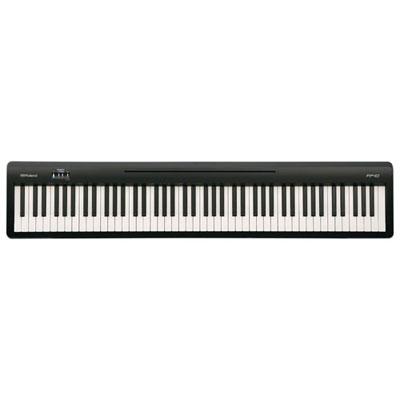 Your price for this item is $799.99
-
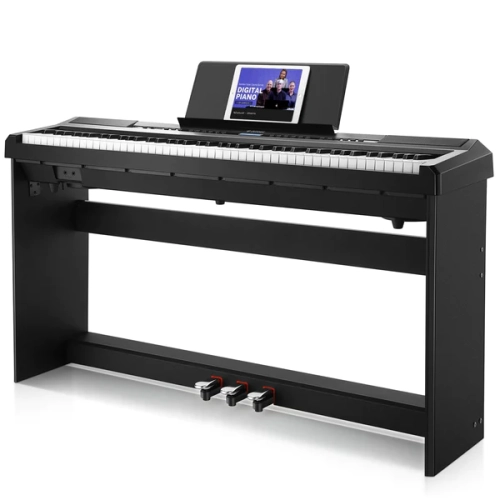 Your price for this item is $479.99
-
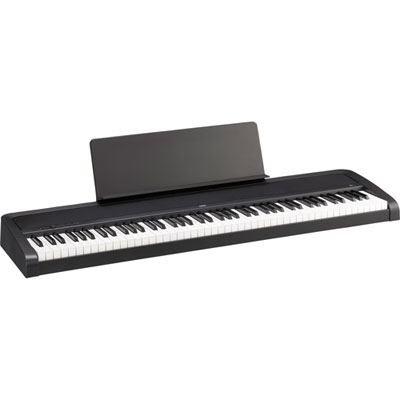 Your price for this item is $699.98
-
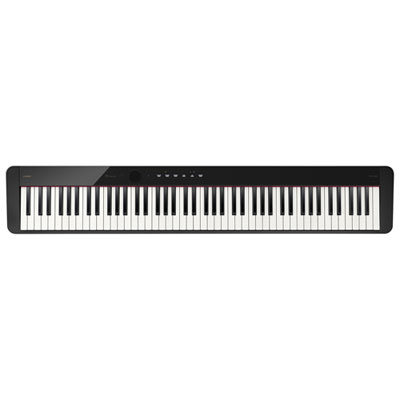 Your price for this item is $849.99
-
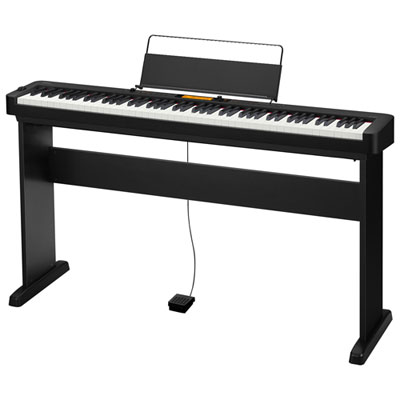 Your price for this item is $869.95
-
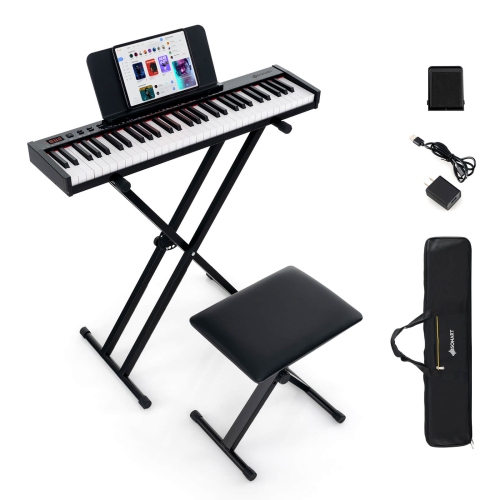 Your price for this item is $189.99
-
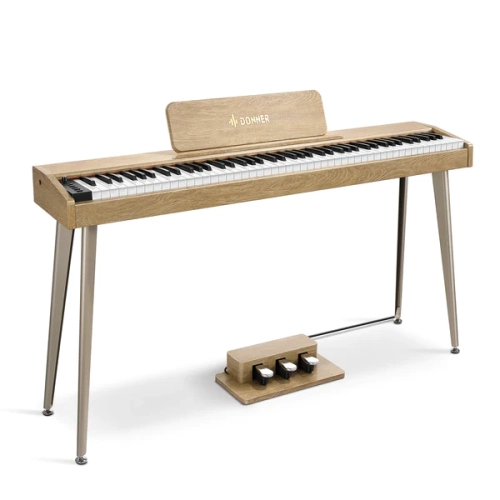 Your price for this item is $415.99
-
 Your price for this item is $571.99
Discover more categories related to Roland Electric Piano Keyboards
Top Collections:
Pokemon Centers, Best Cameras for Sports Photography, Kindle Devices, Samsung Galaxy Phones, Canon G7X Cameras, Pokémon 30th Celebration Cards, Refurbished Apple Laptops, iPhone 15 Apple, Laptops for Students, Budget Smartphones
Some products may be subject to Environmental Handling Fees
(EHF) depending on your province.
Learn more about EHFs.