Toy Piano Keyboards
Looking to introduce your little one to the world of music? Look no further than our collection of toy piano keyboards. These instruments are perfect for budding musicians, providing a fun and interactive way to explore the world of music. With their colorful keys and playful melodies, toy piano keyboards are sure to capture your child's imagination while helping them develop essential musical skills. Whether they're tinkering away at home or putting on a show for friends and family, these toy piano keyboards are the perfect introduction to the joy of making music.
Sort

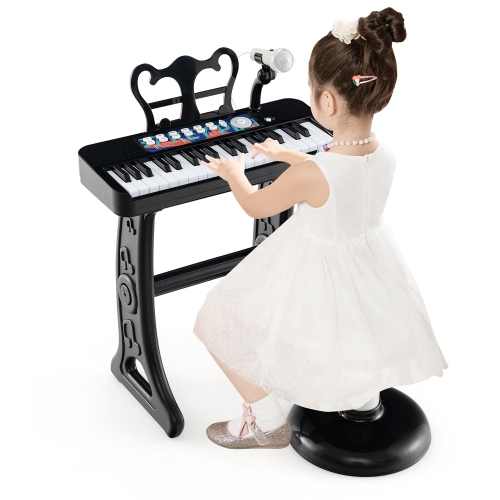
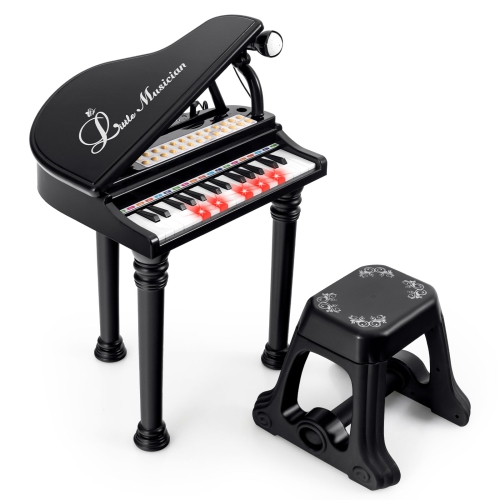
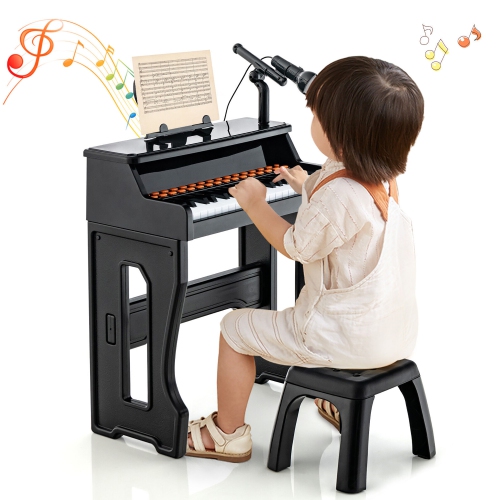
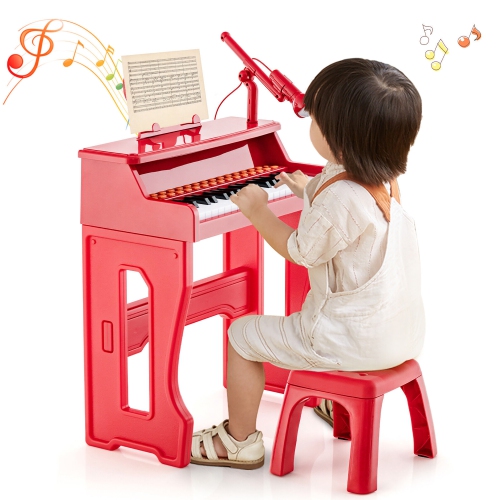


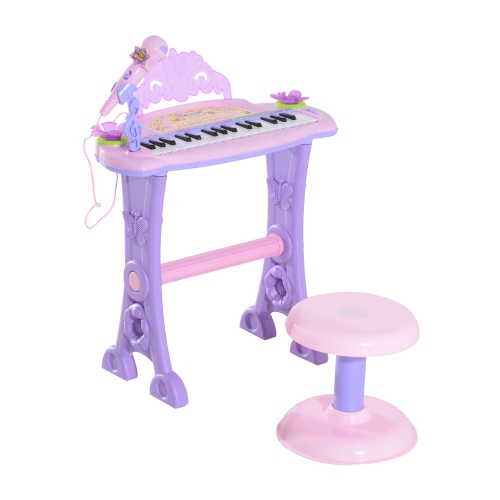
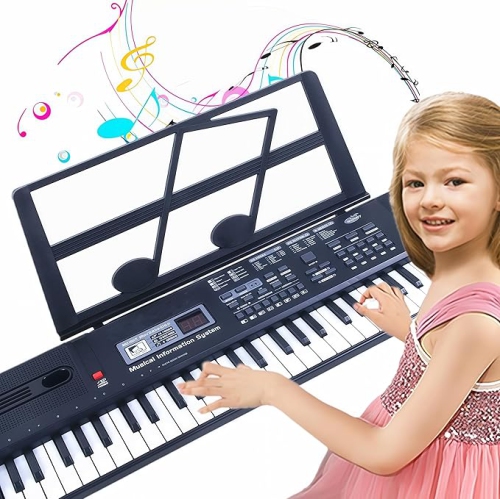
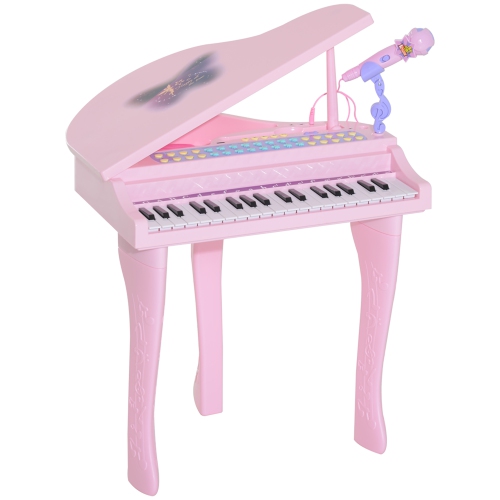
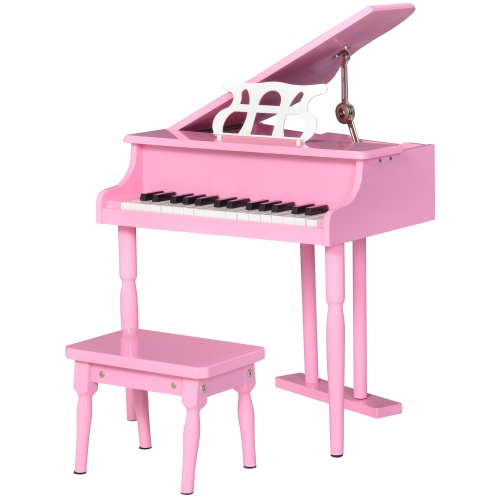
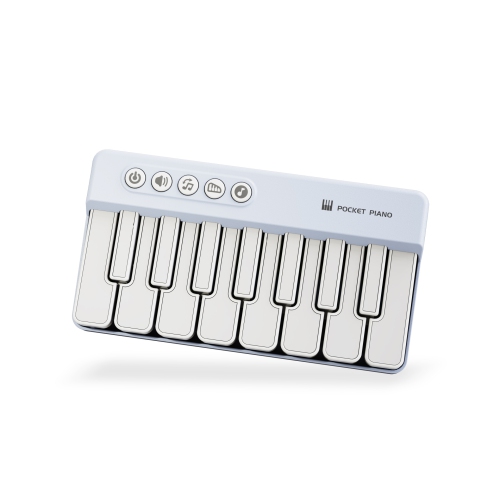
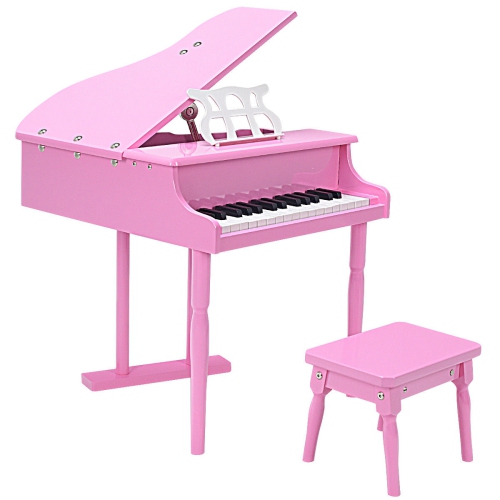
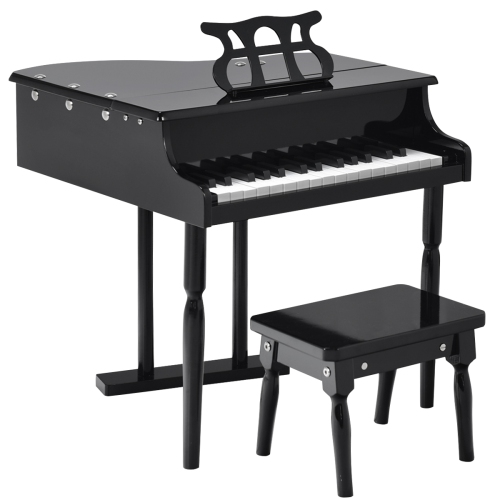
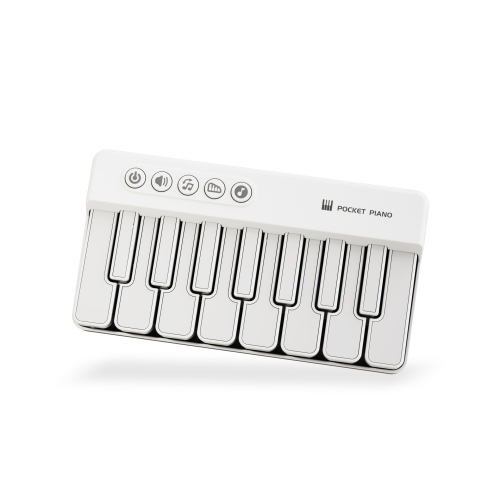
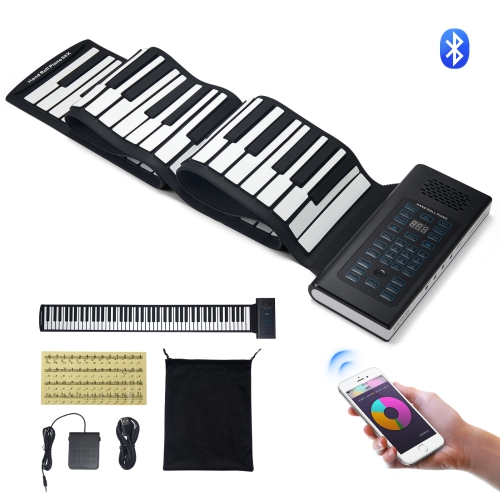
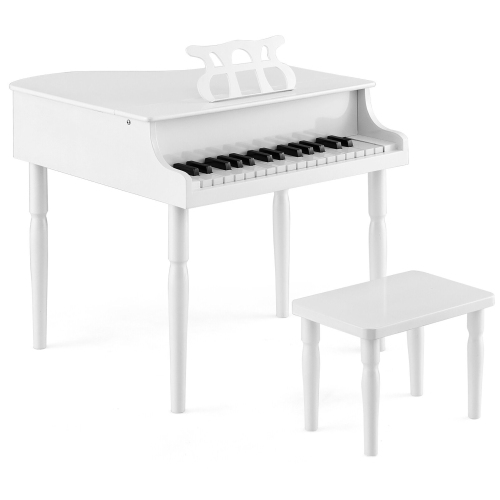
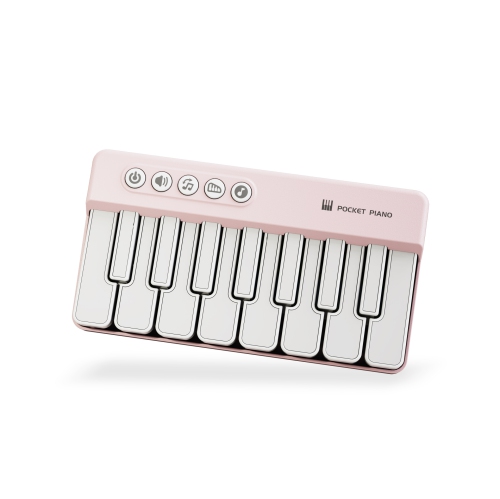
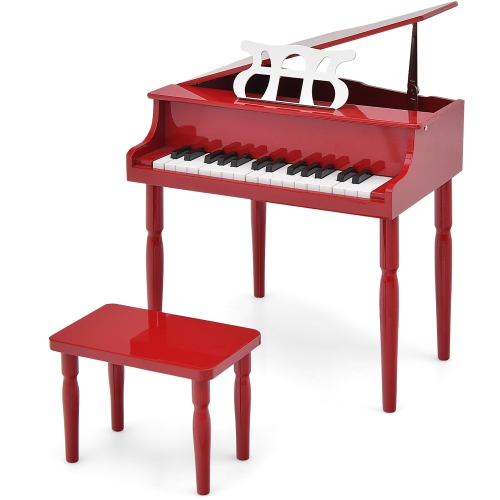
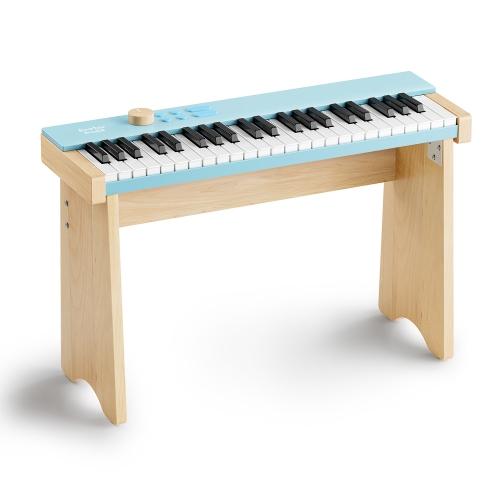
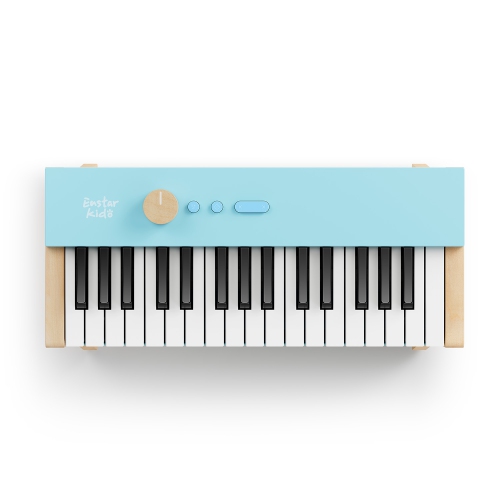
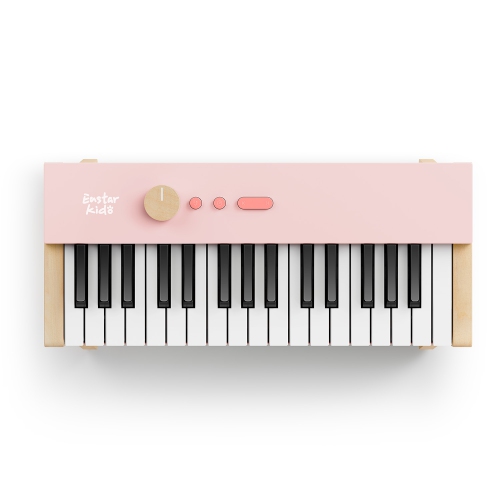
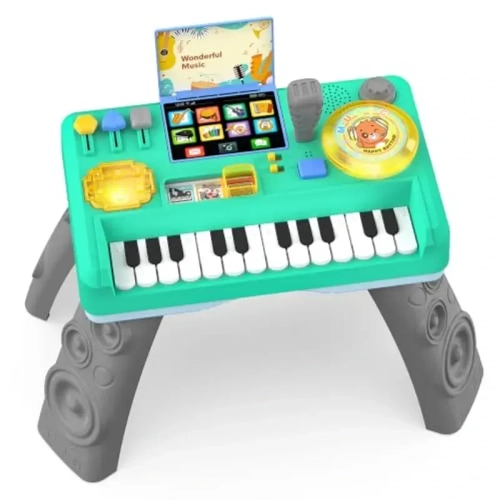
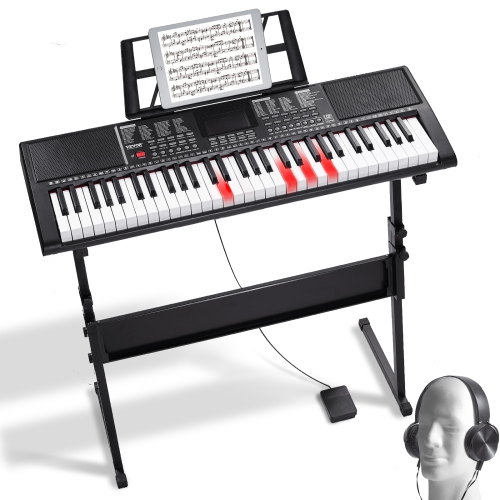
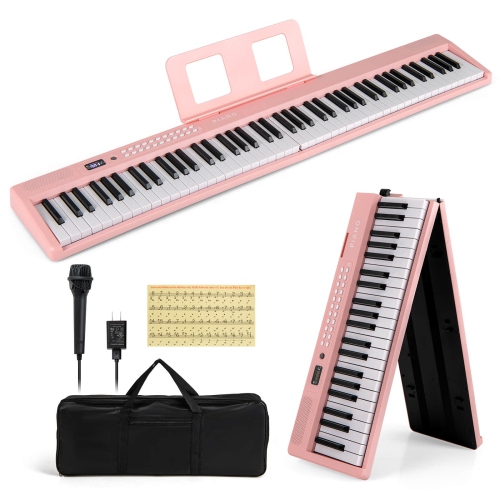
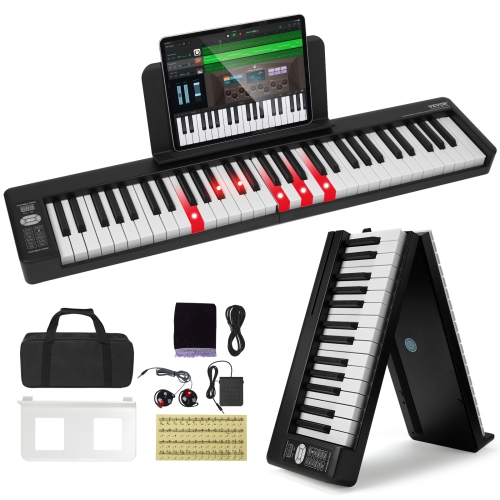
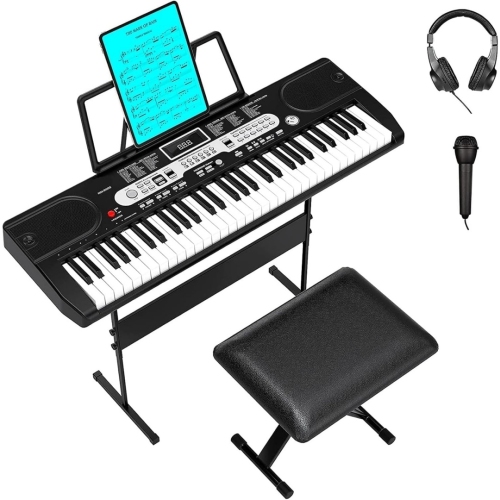
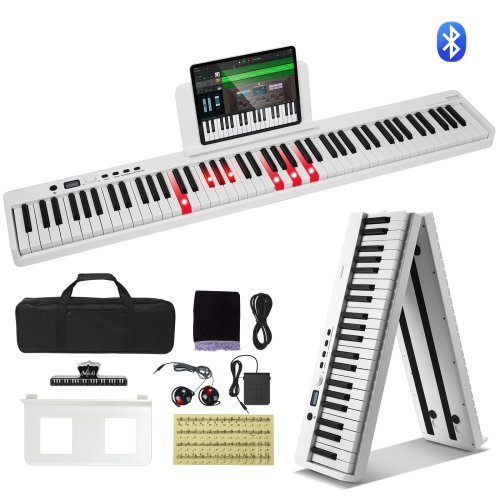
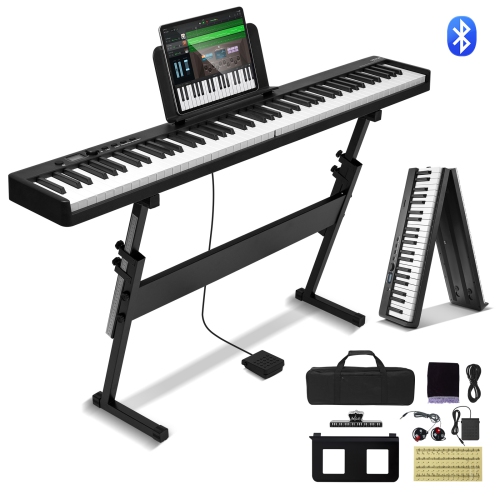
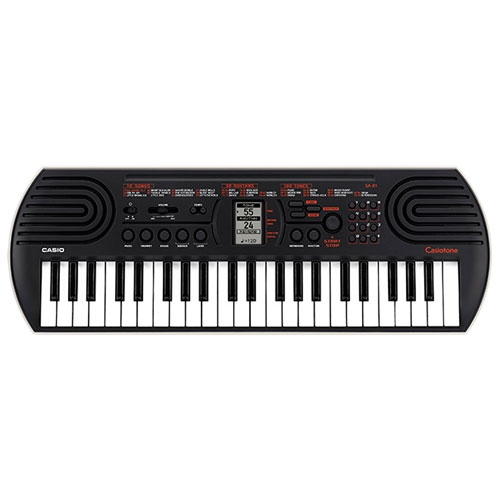
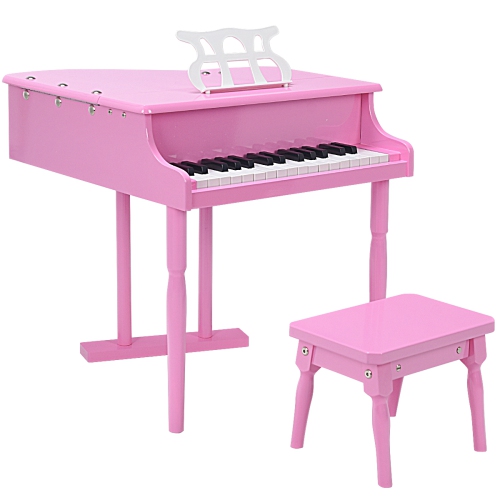
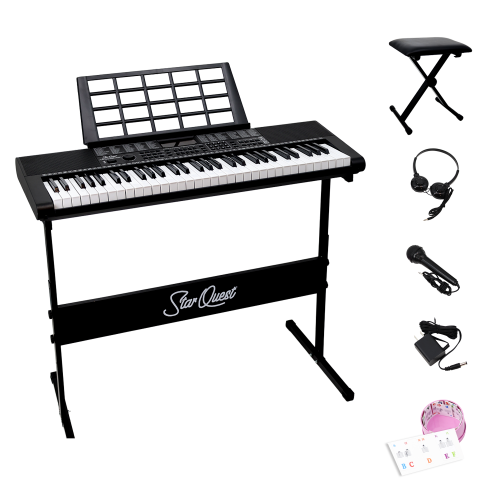

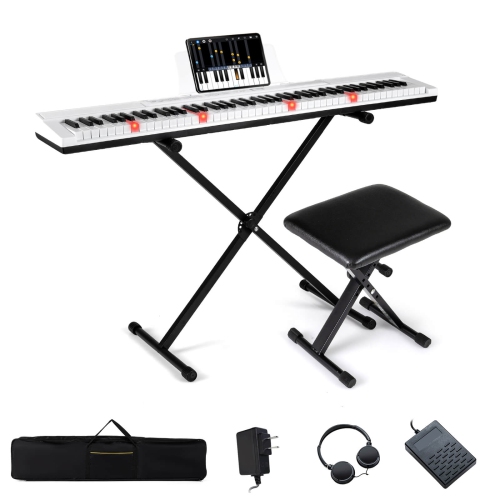
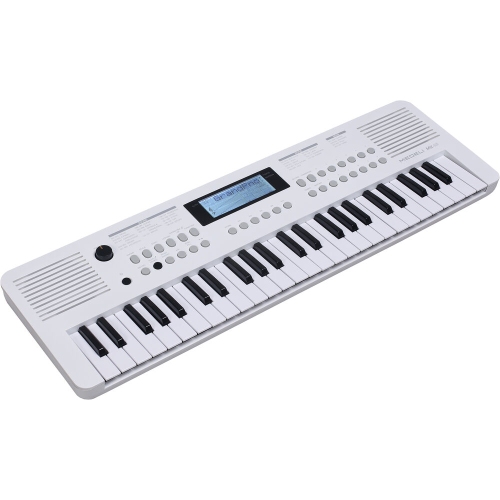

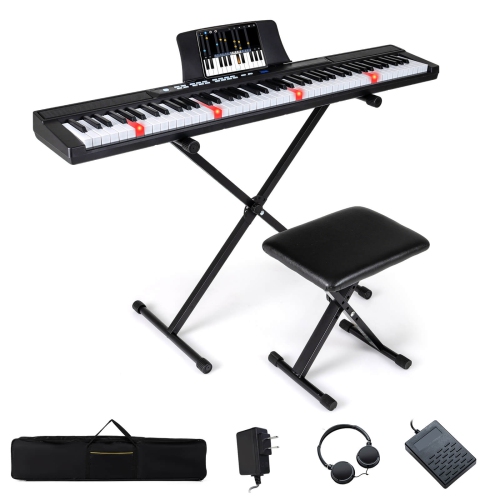
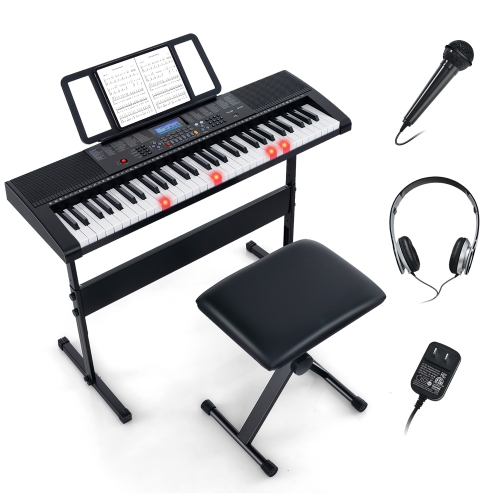
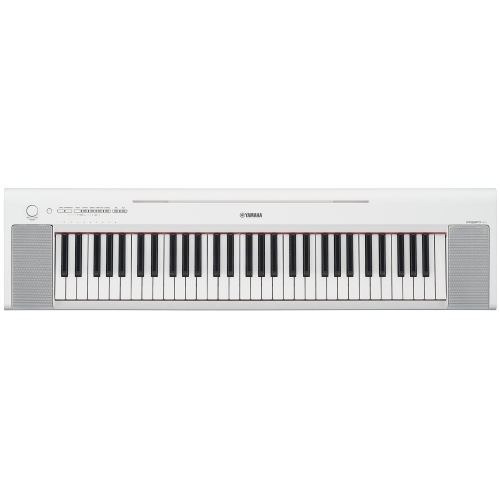
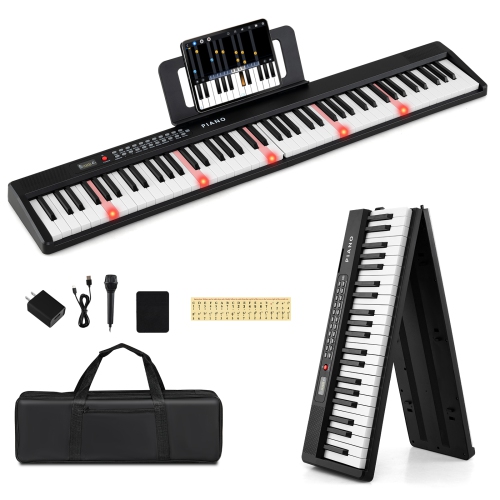
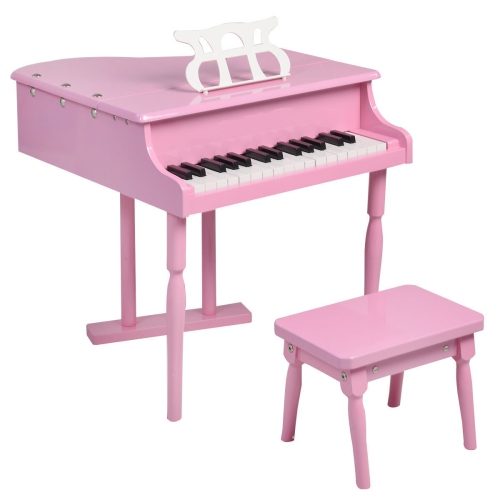
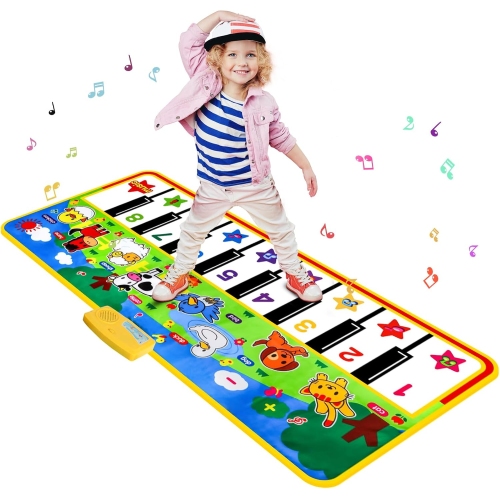
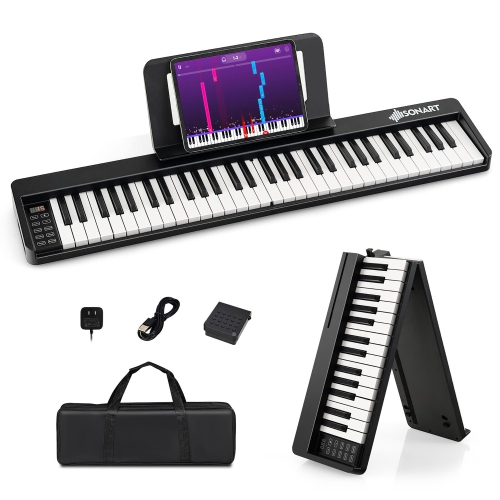
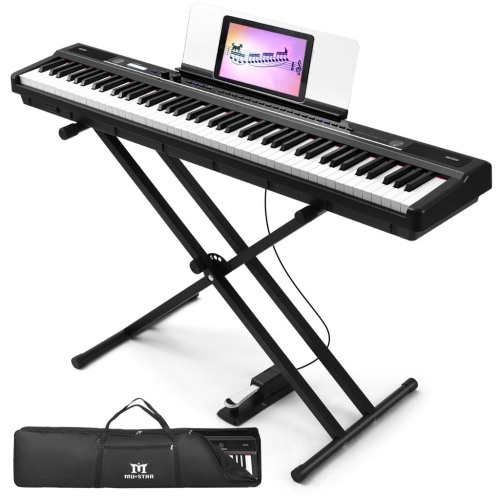
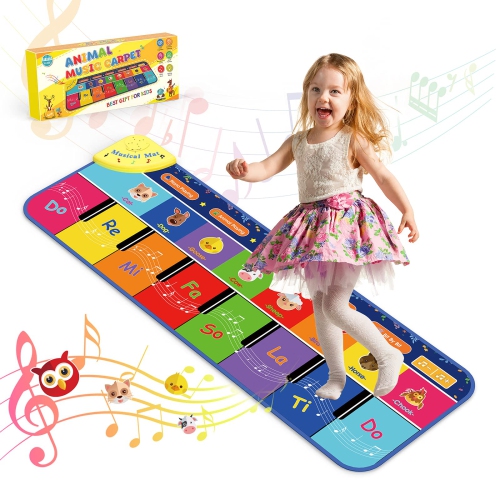
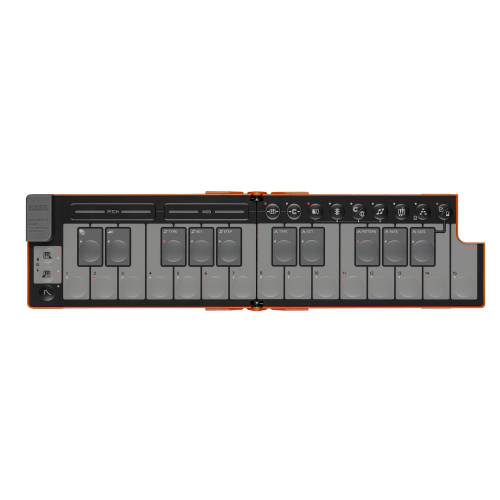
Musical features that turn playtime into creative expression
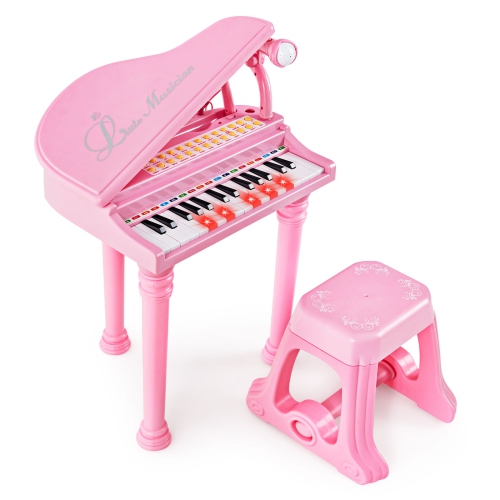
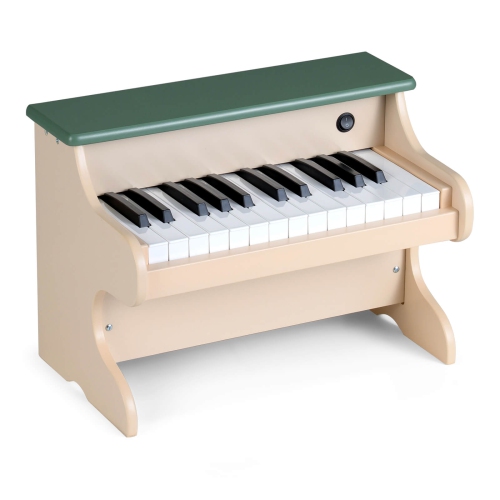
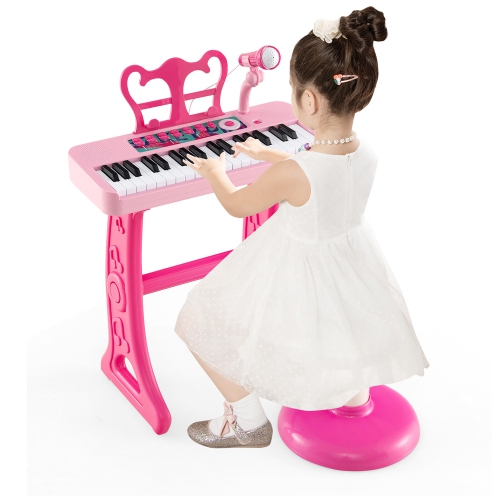
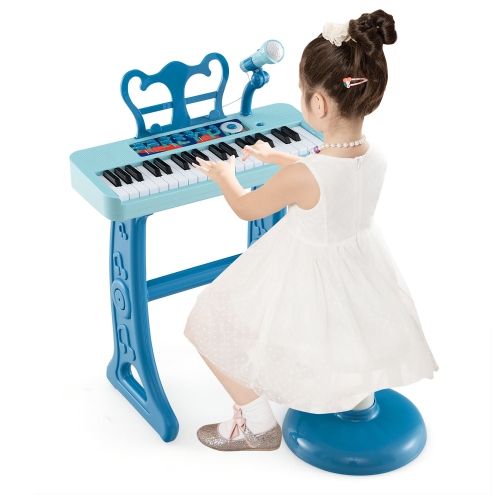
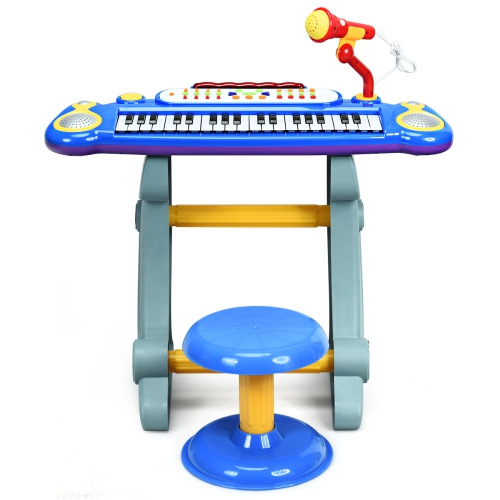
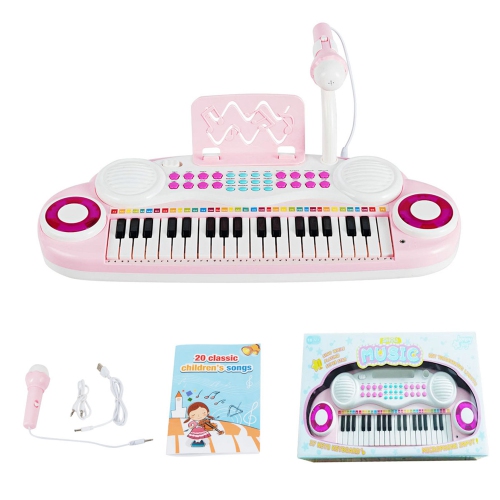
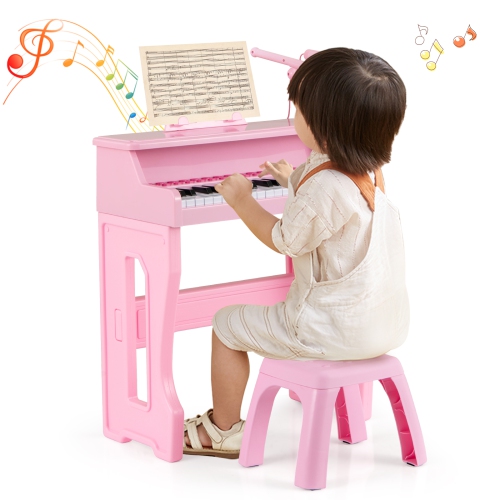
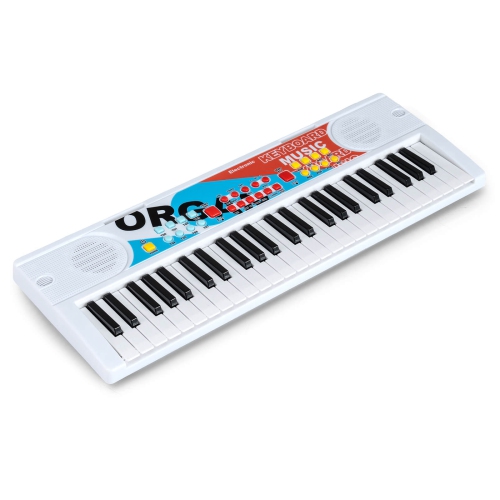
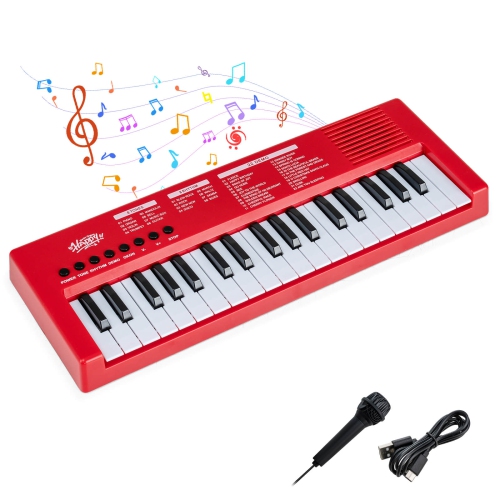
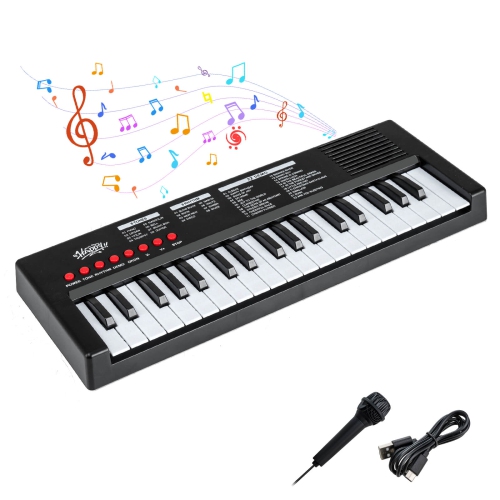
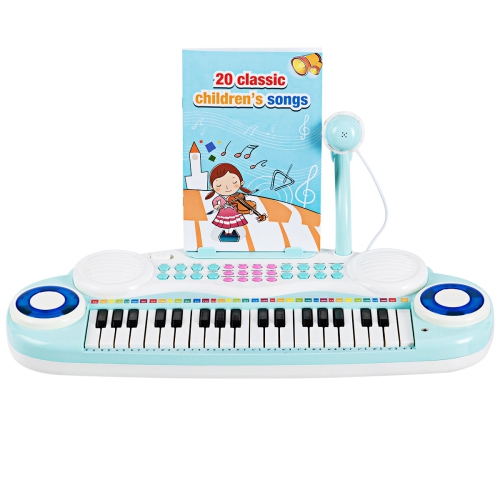
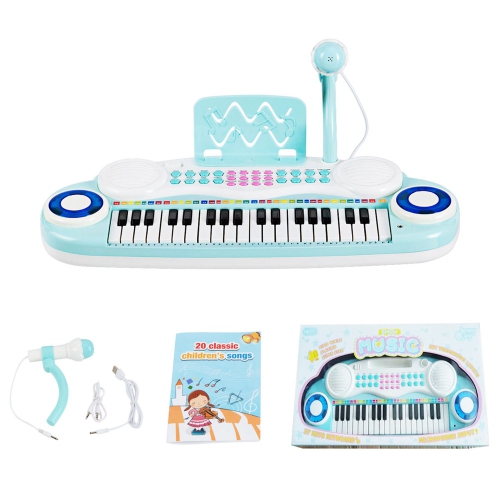
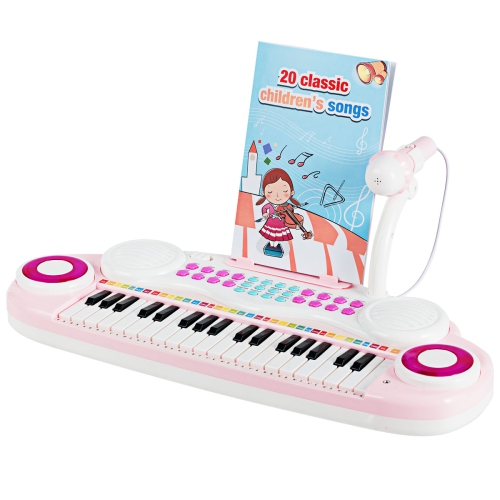
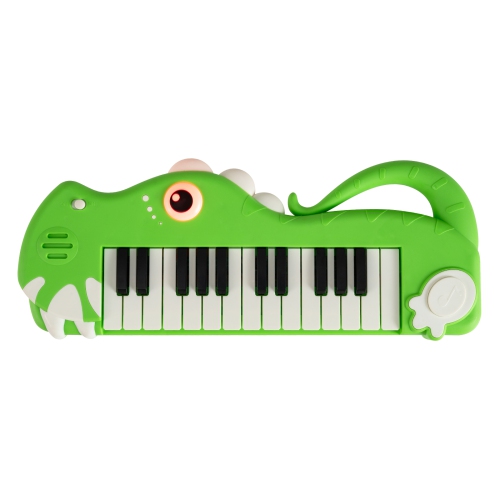
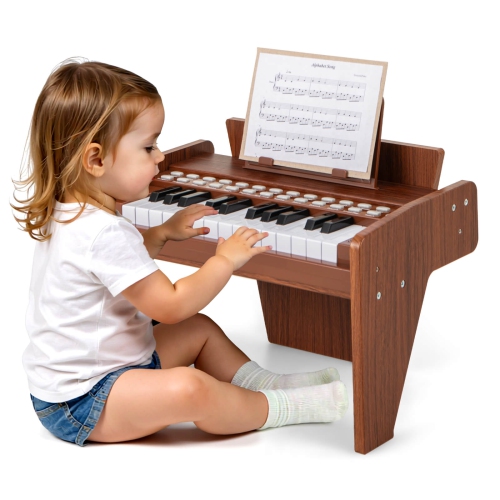
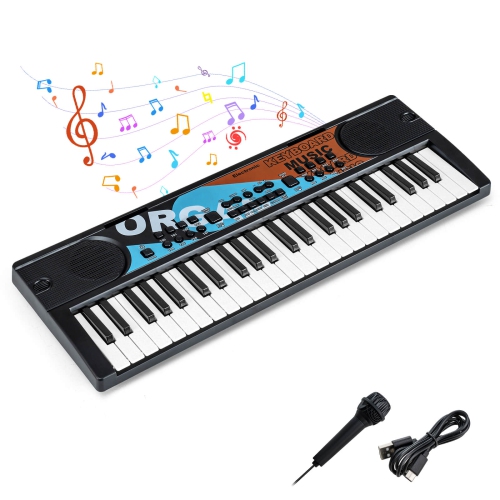
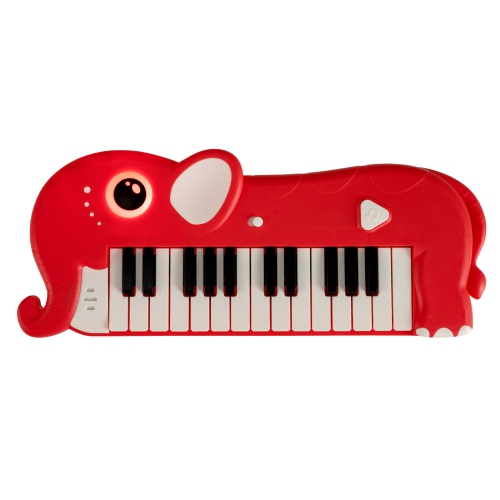
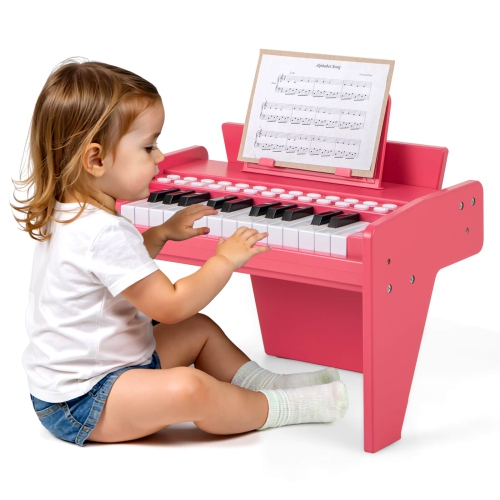
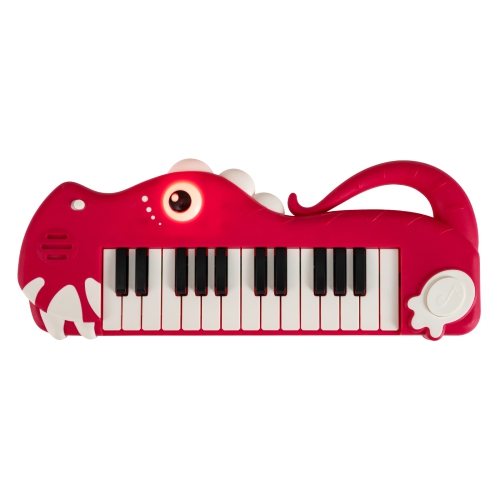
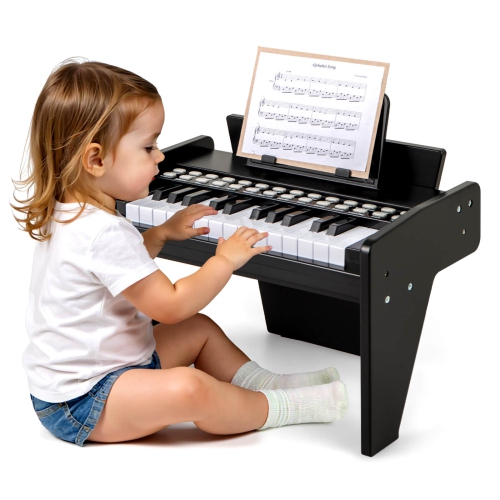
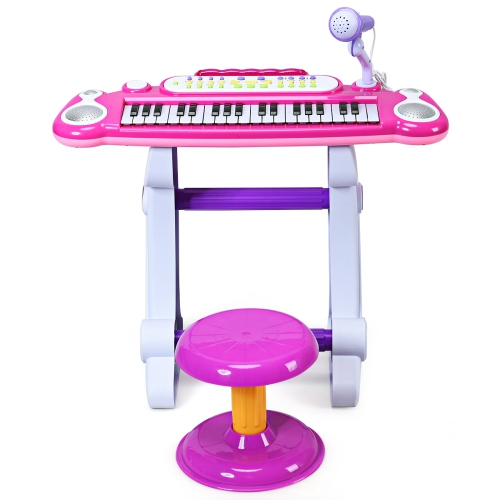
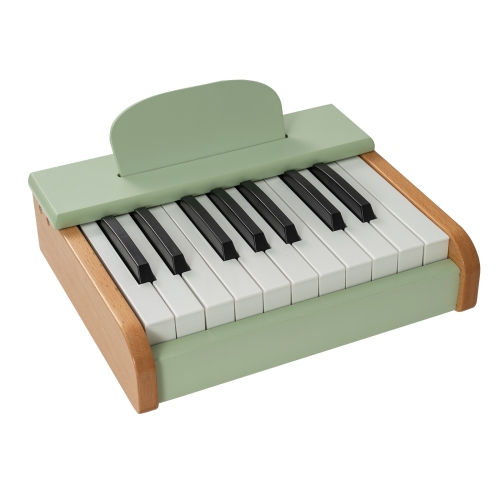
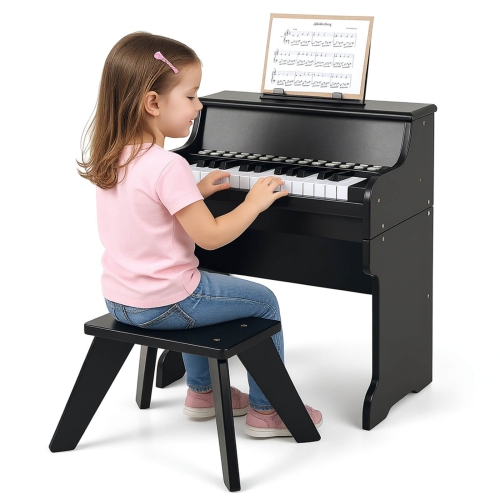
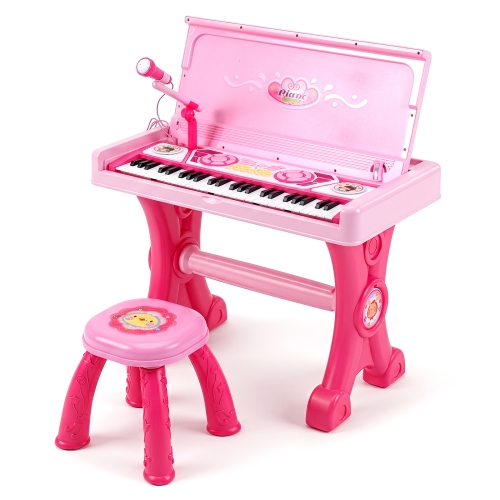
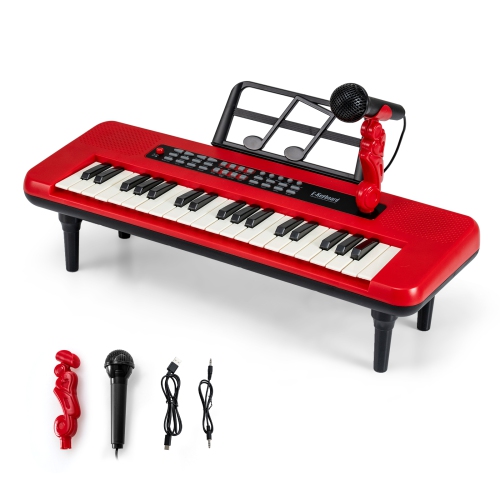
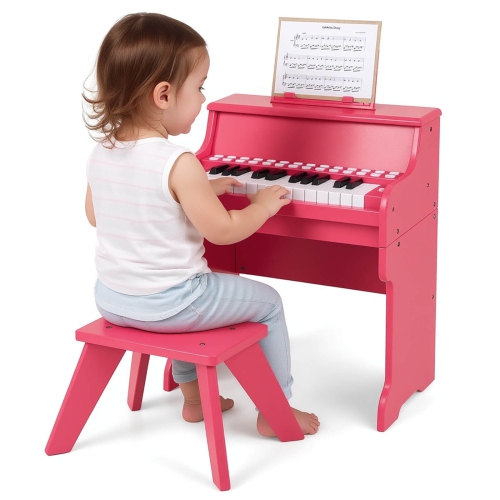
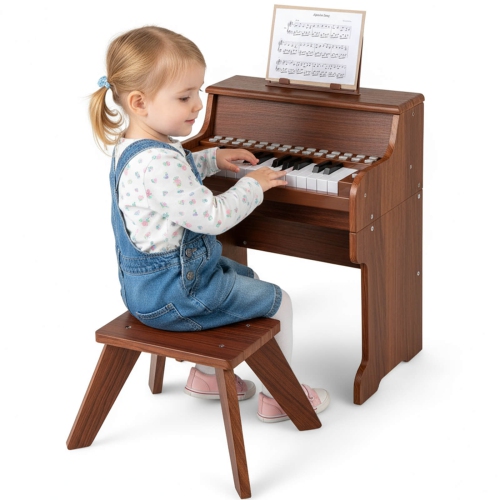
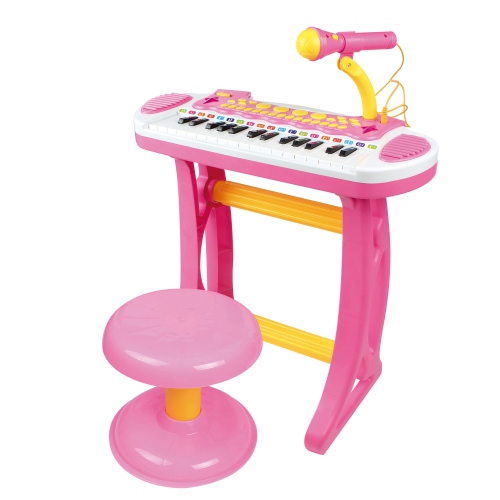
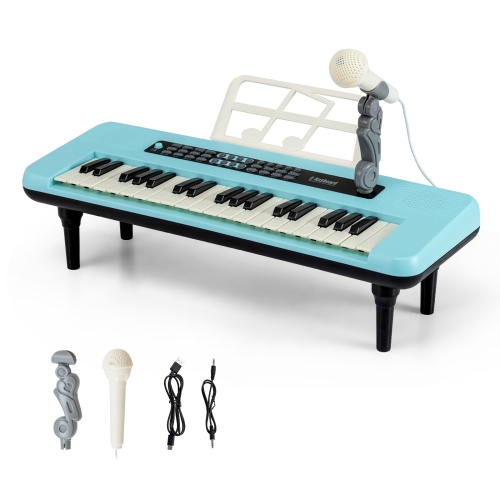
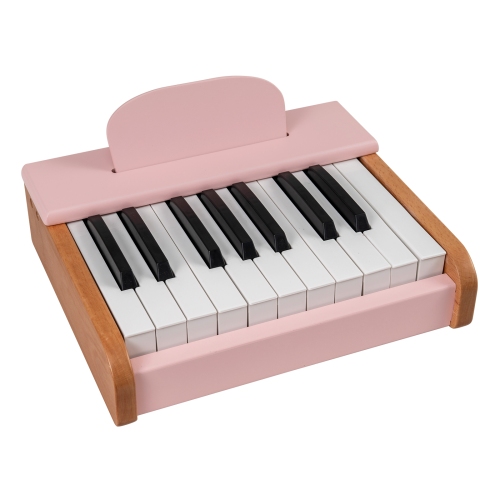
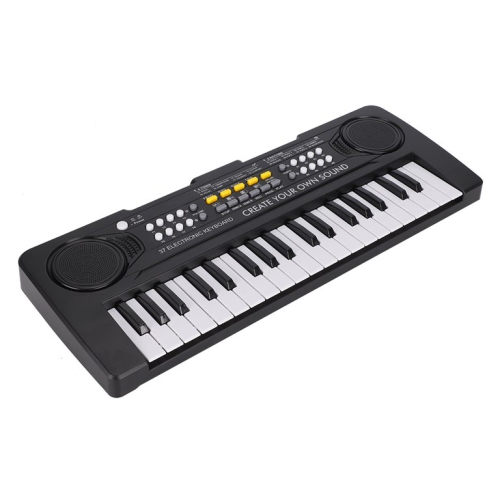
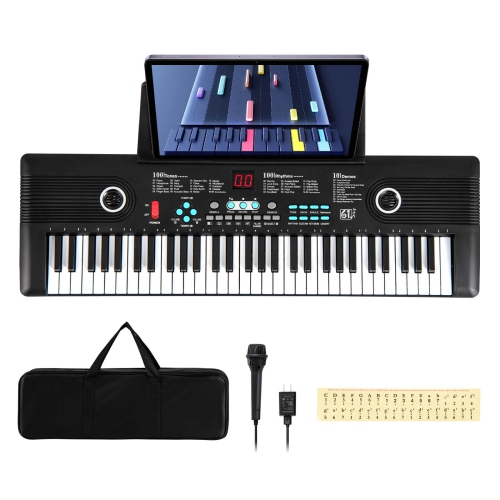
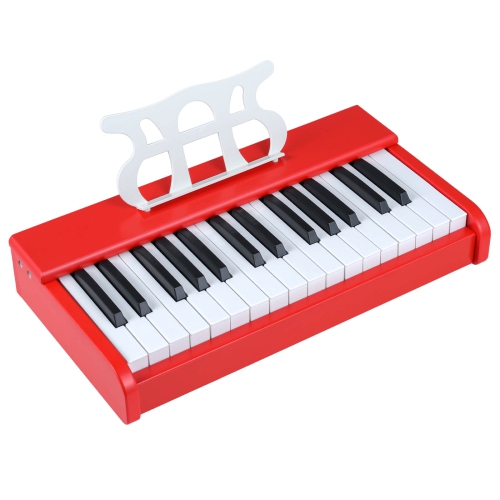
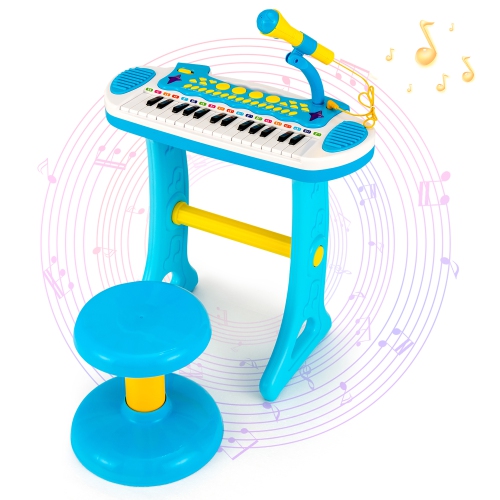
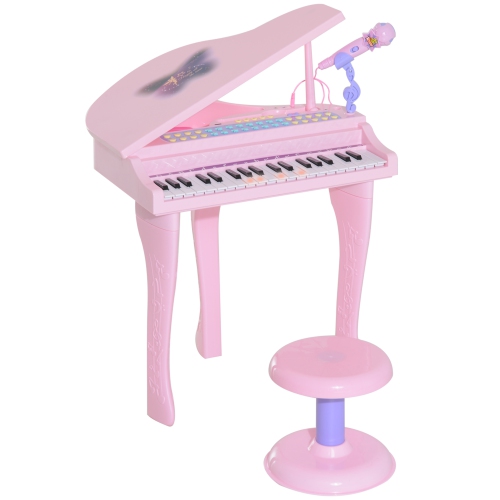
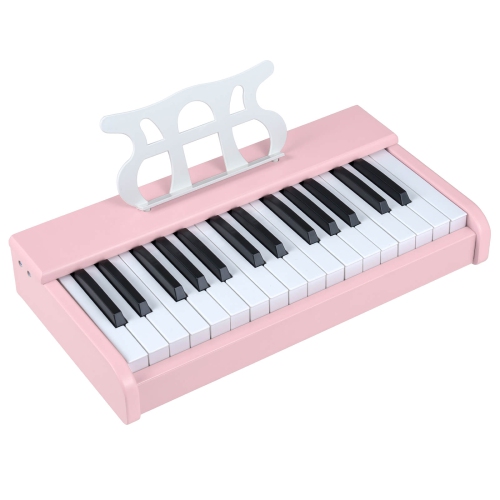
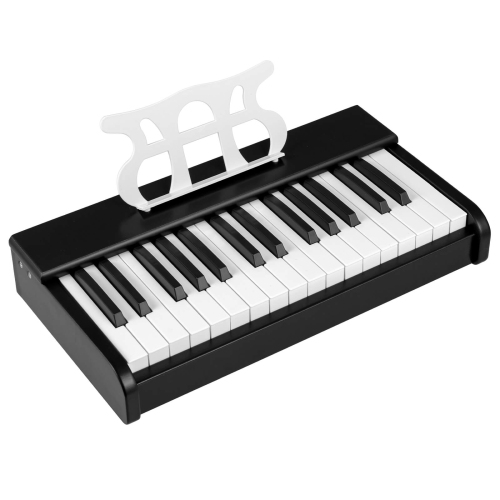
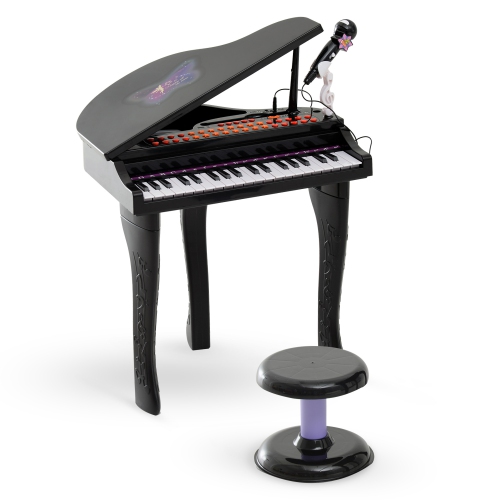
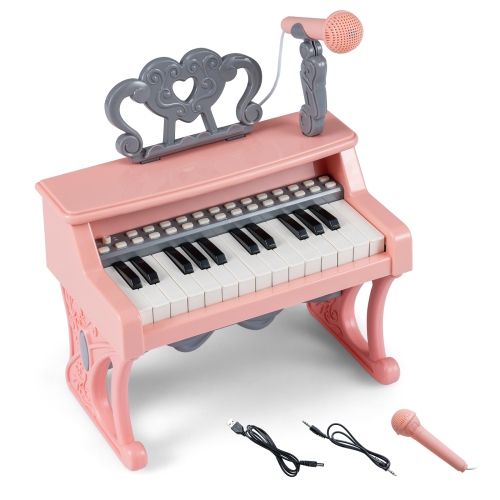
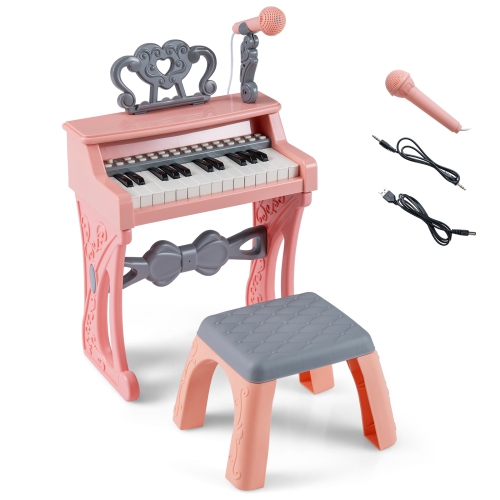
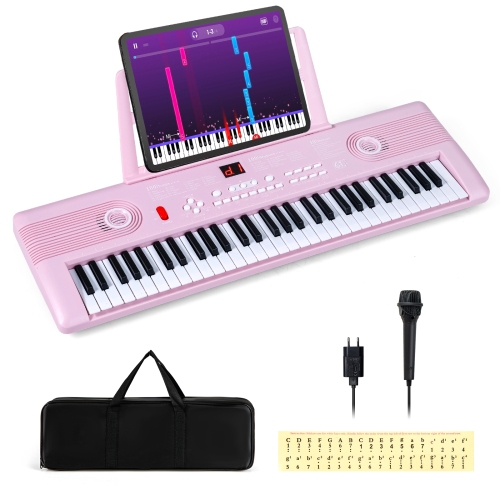
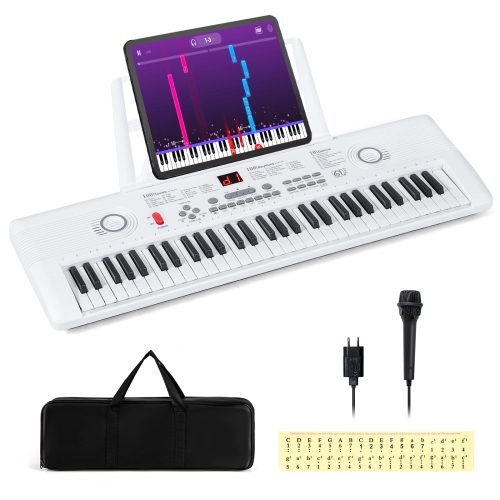
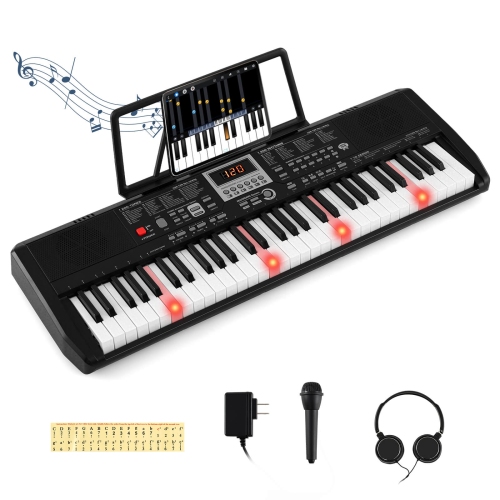
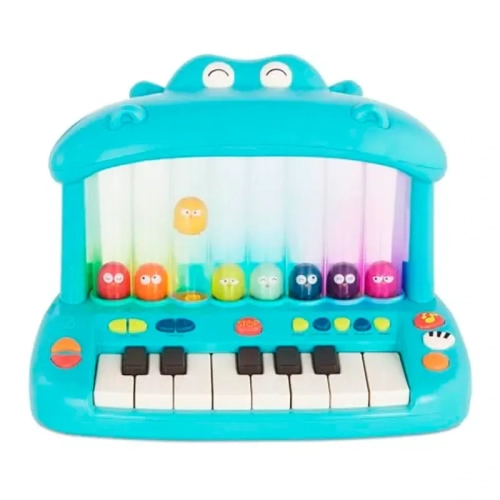
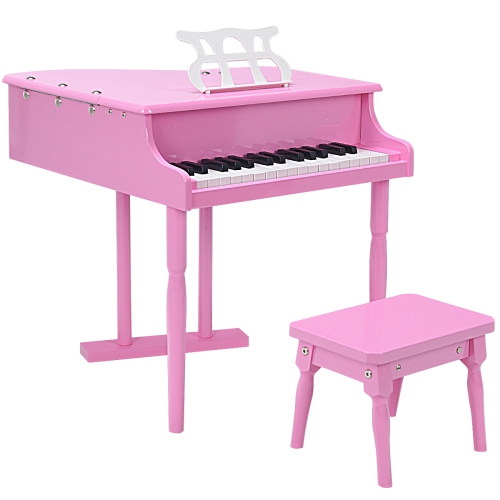
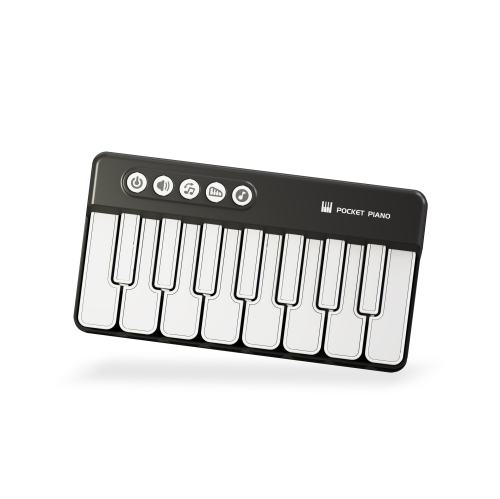
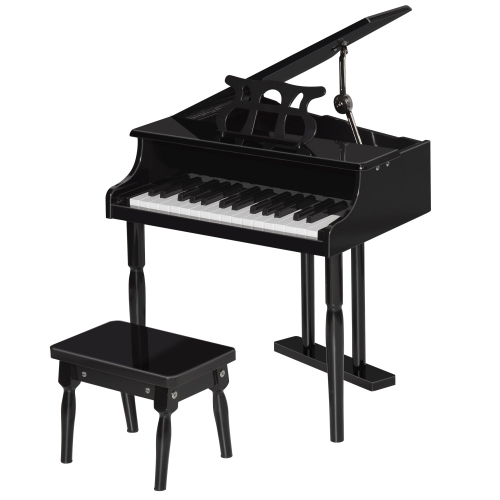
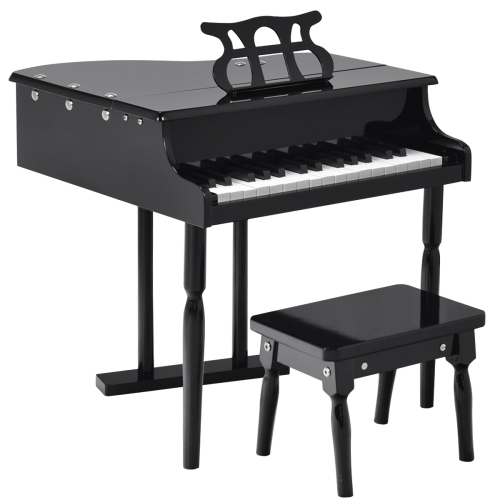
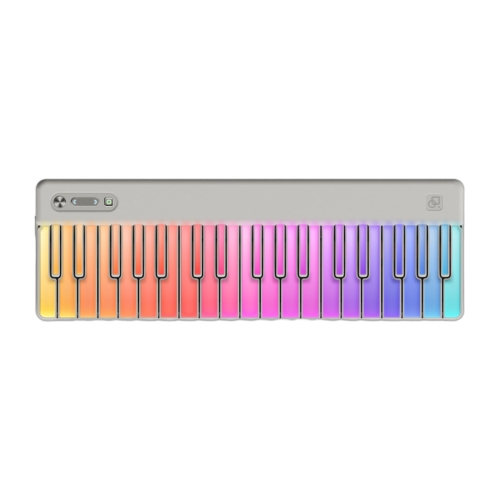
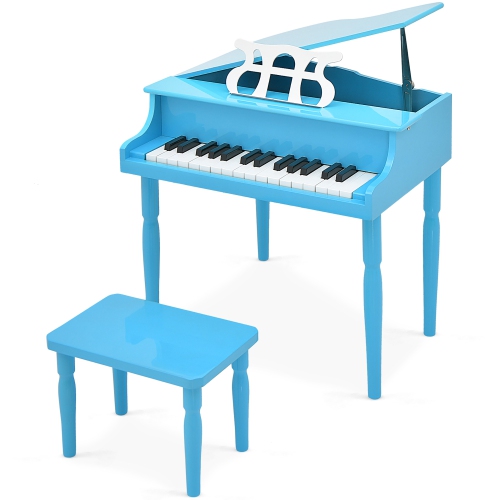
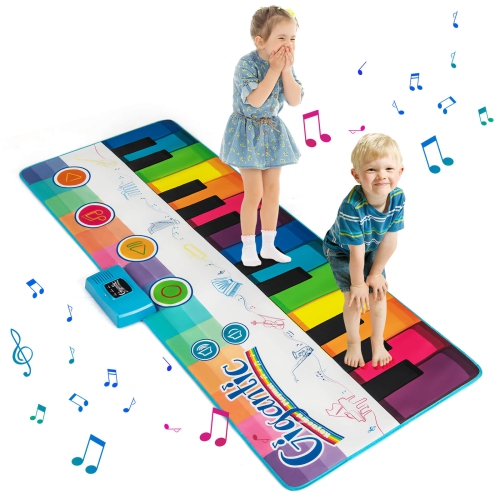
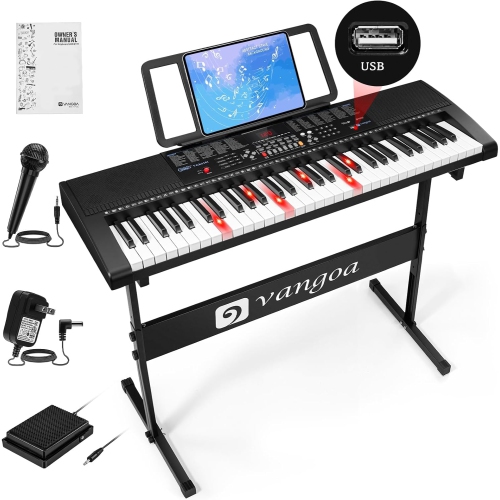
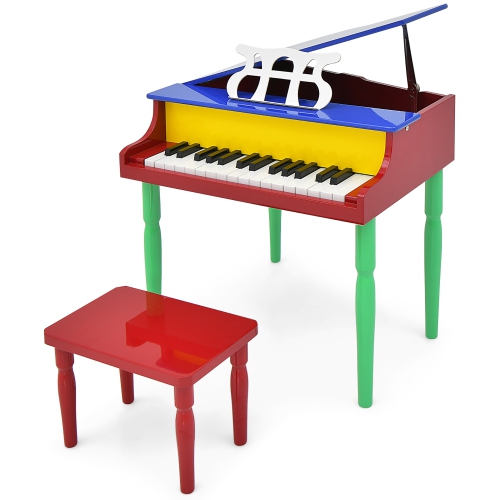
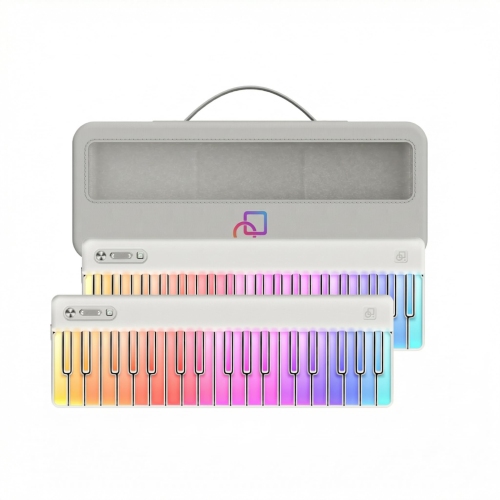
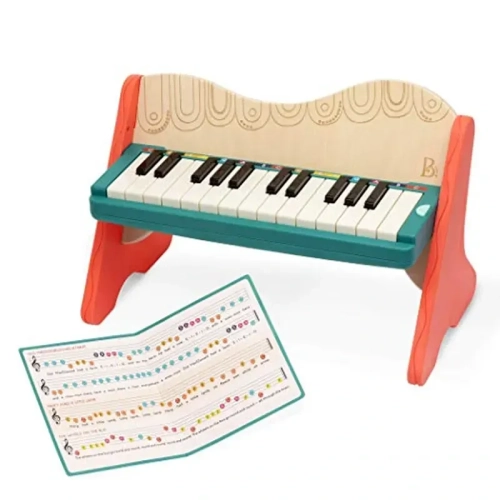
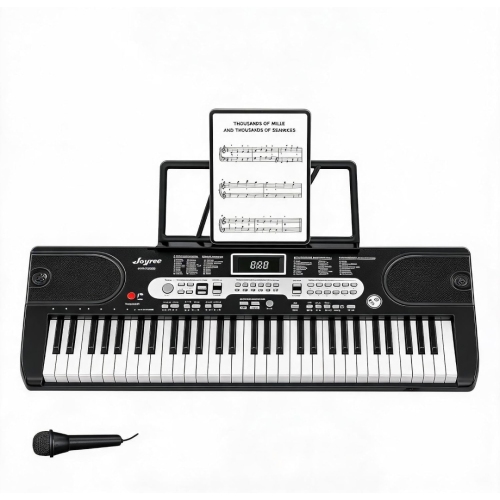
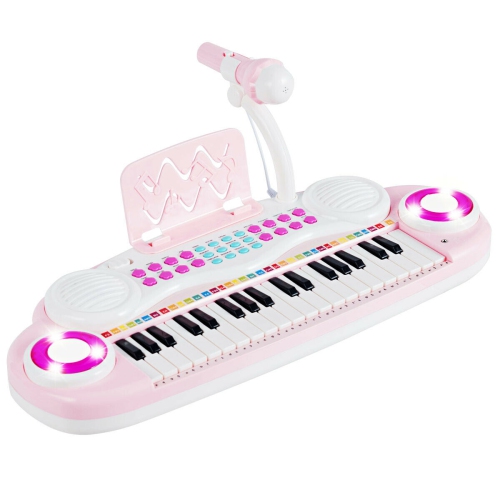
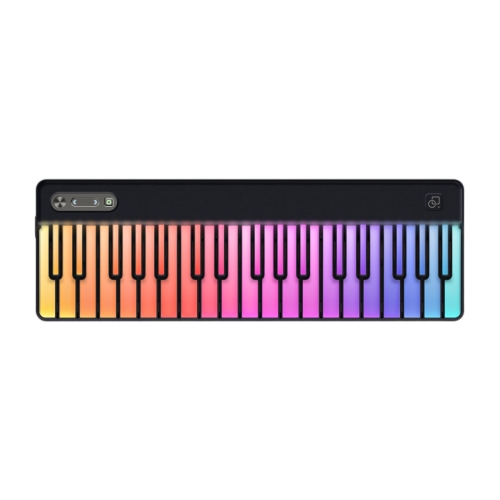
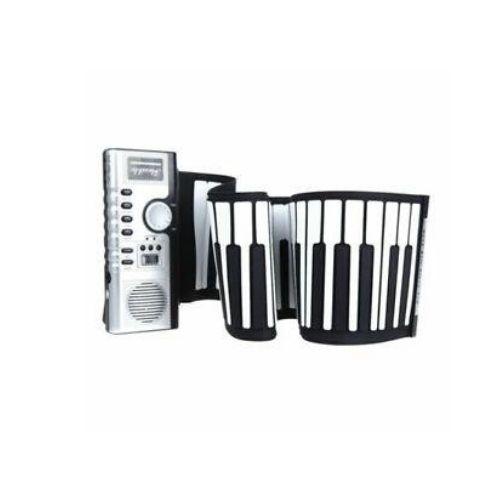
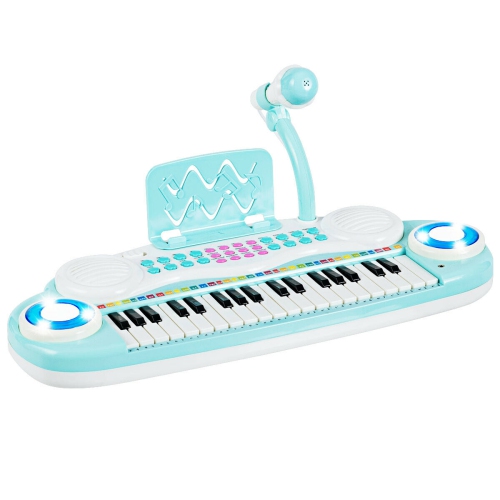
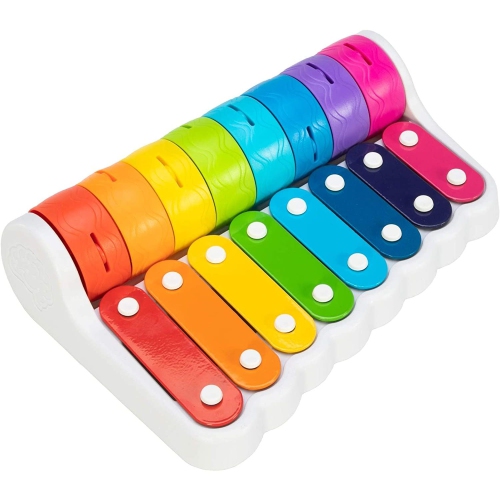
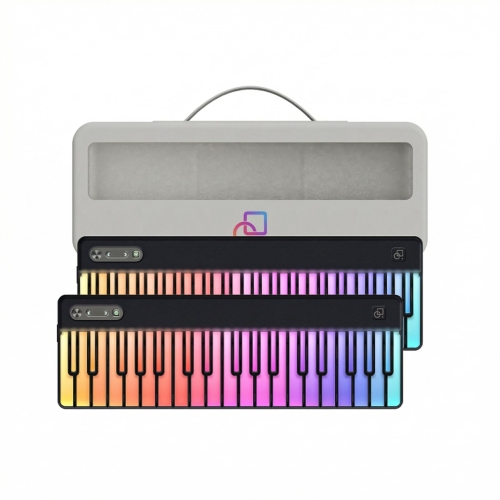
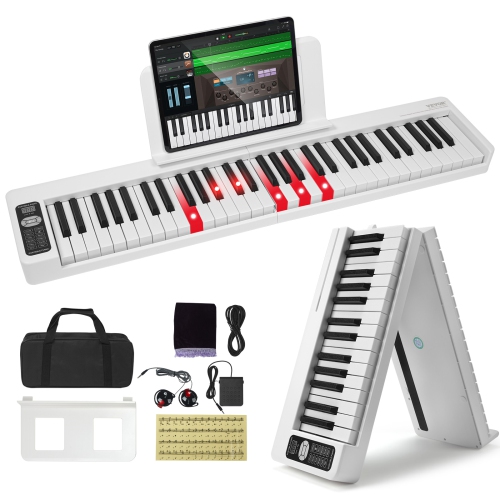
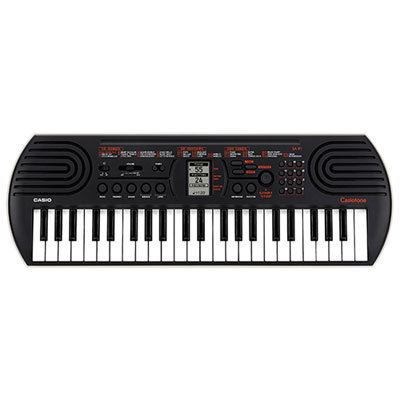
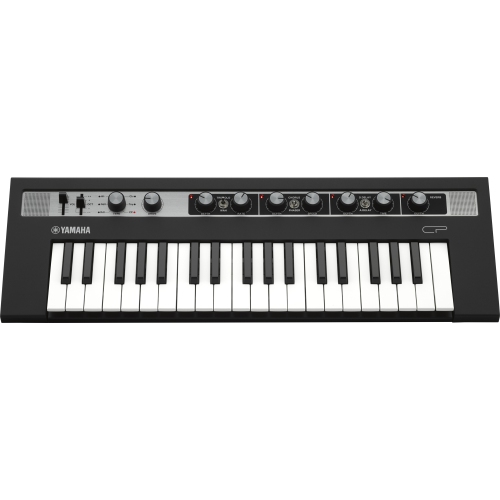
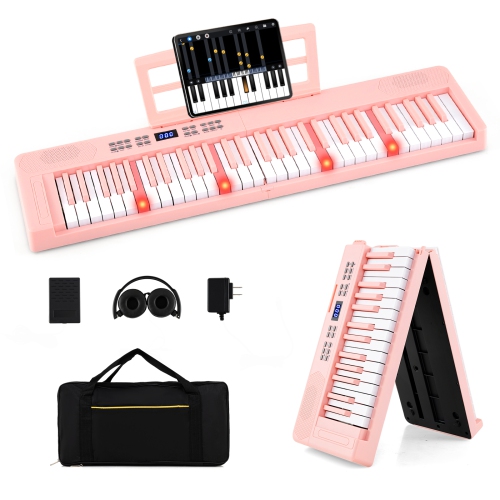
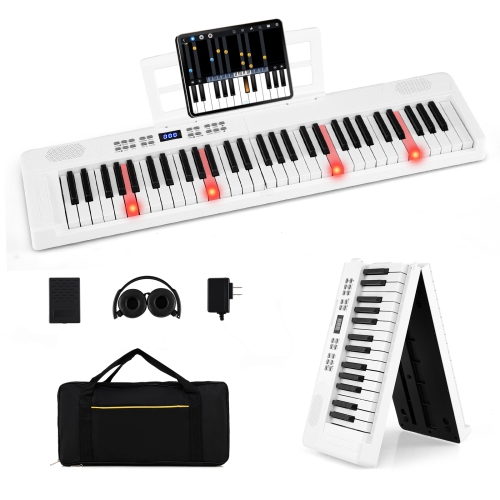
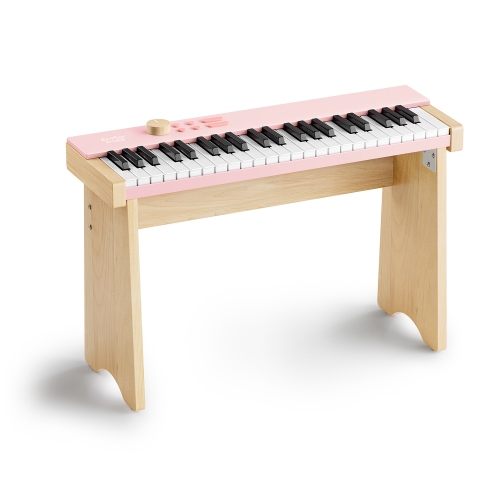
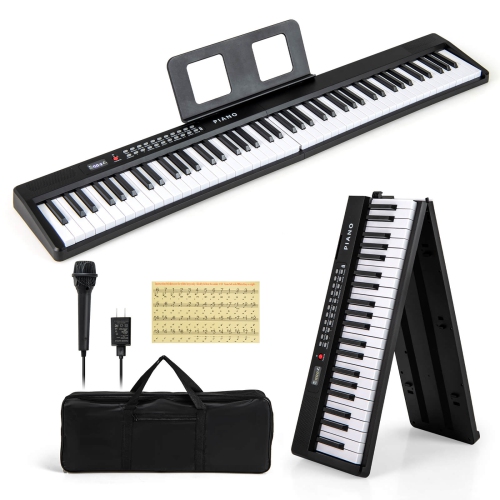
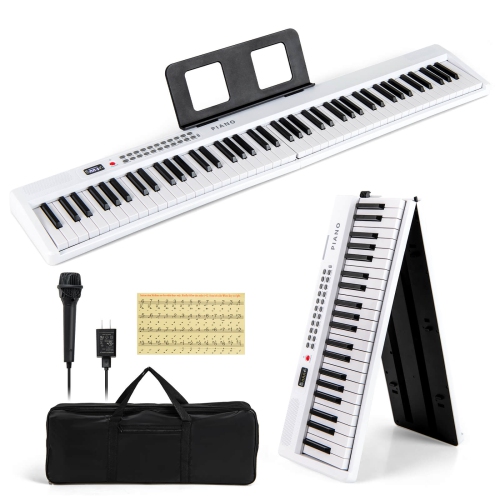
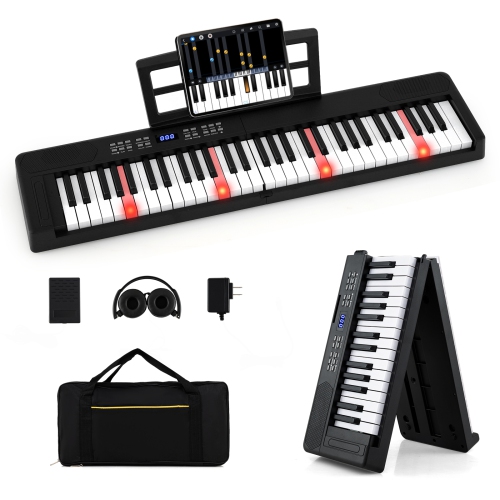
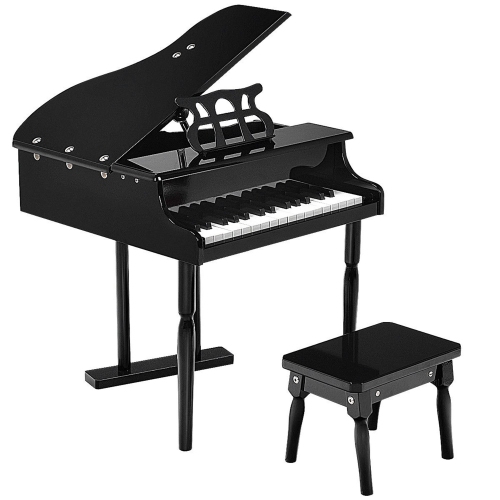
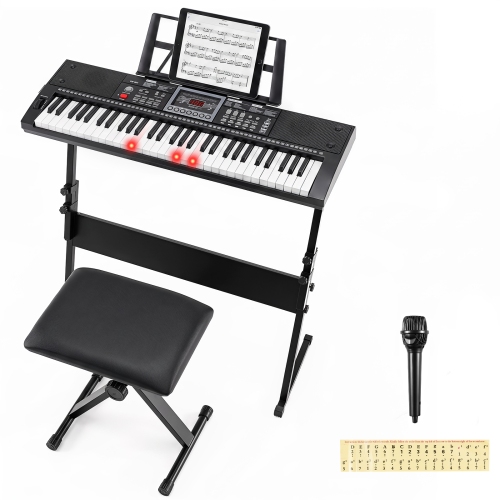
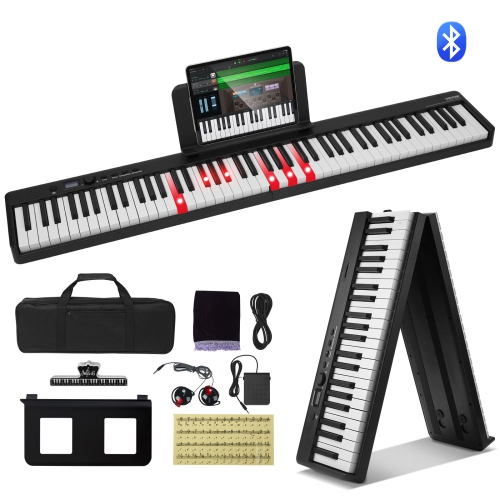
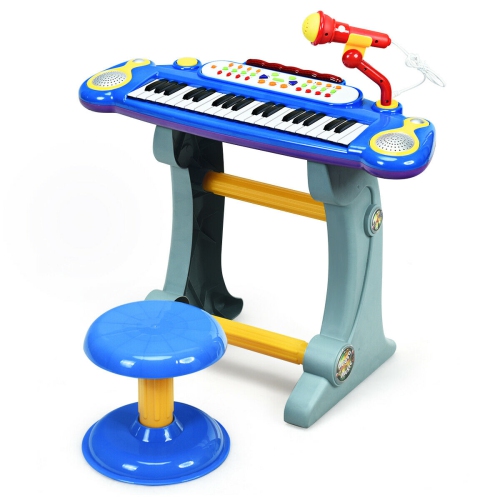
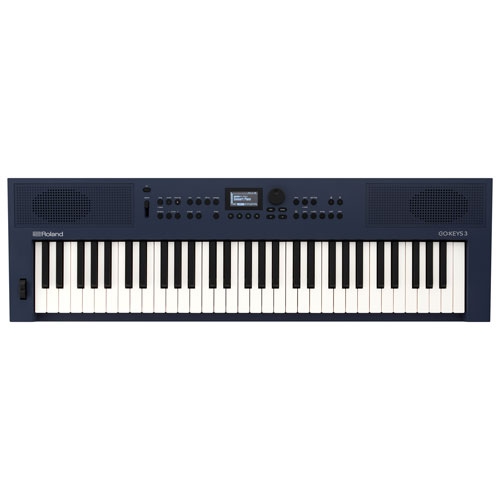
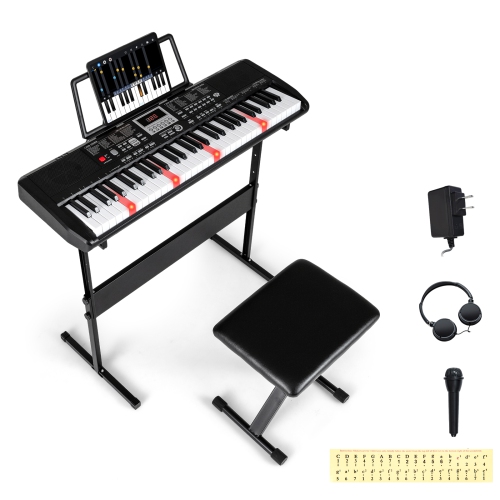
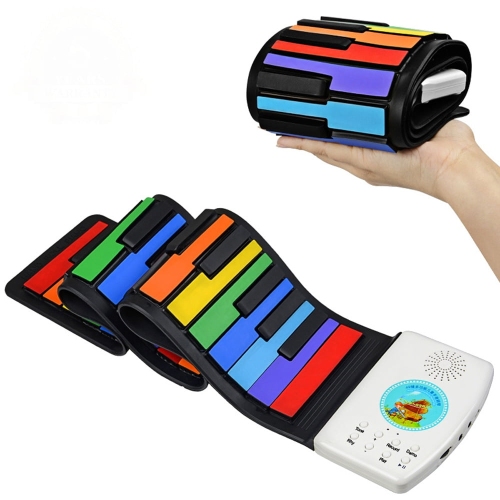
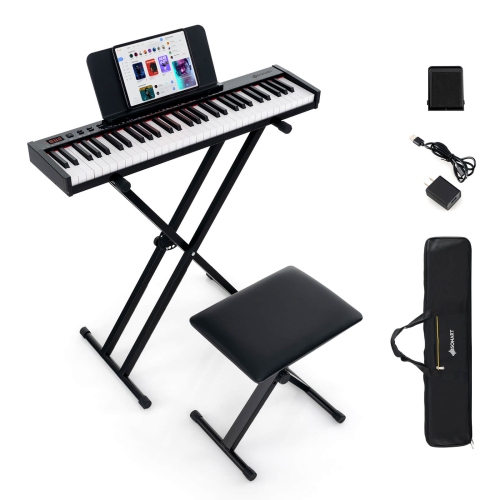
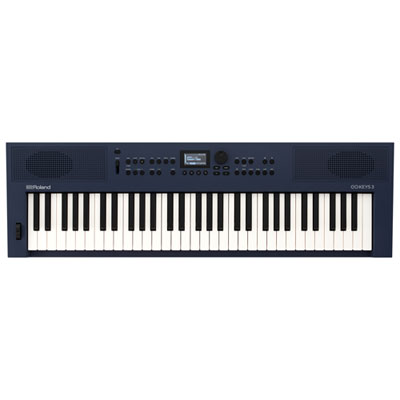
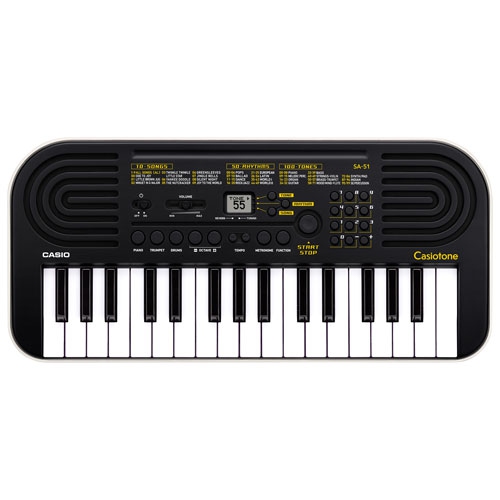
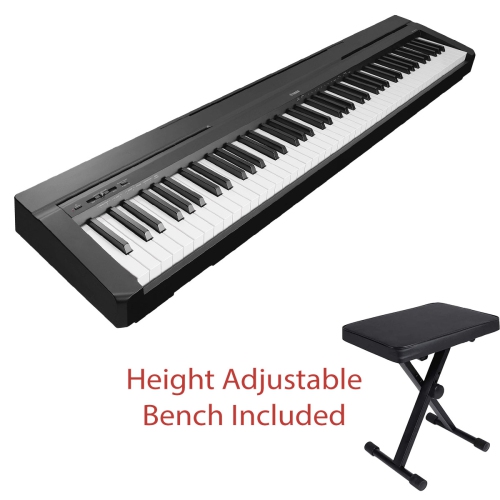
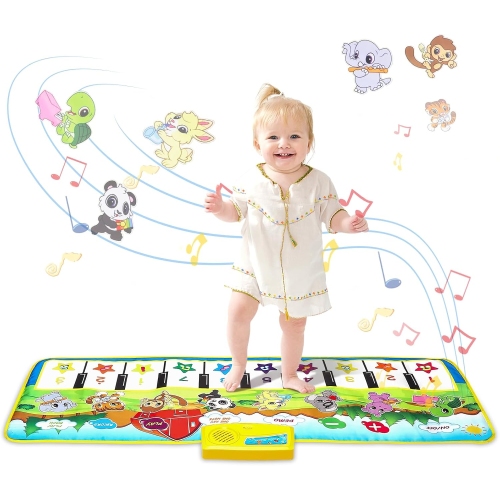
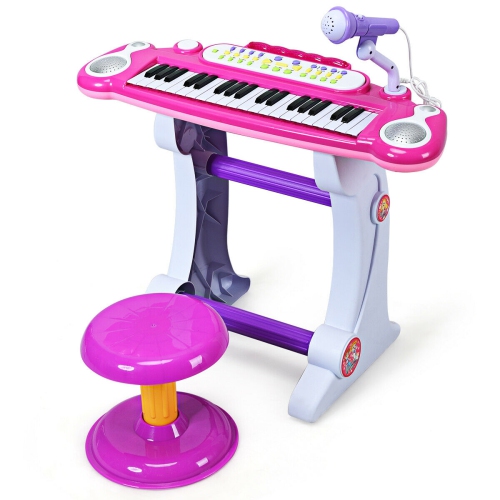
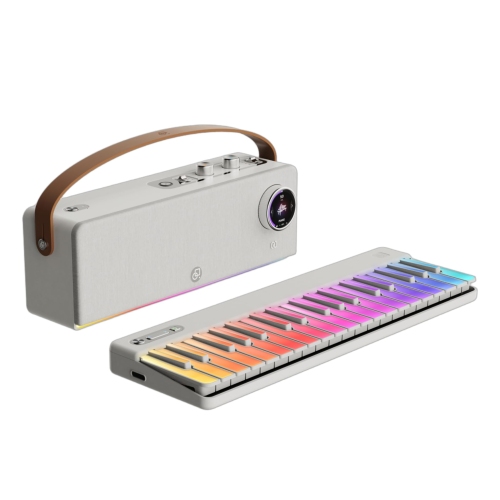
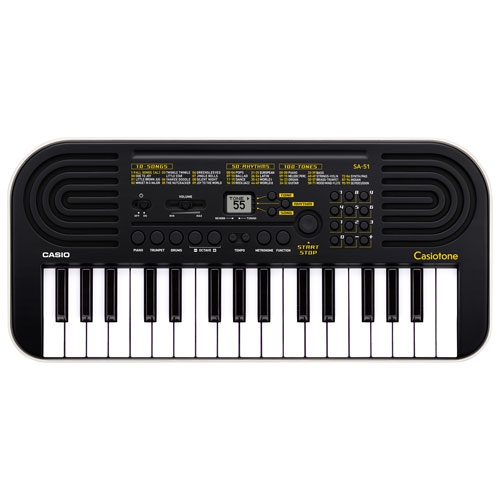
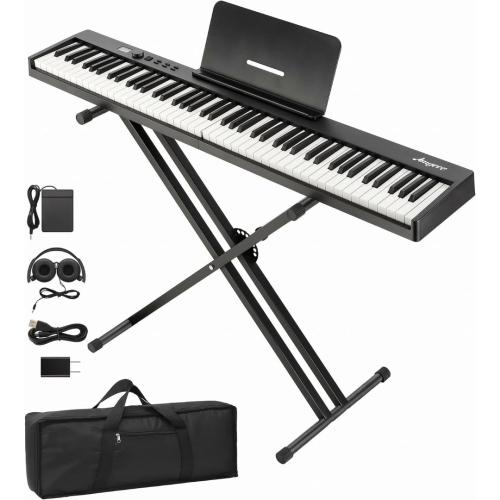
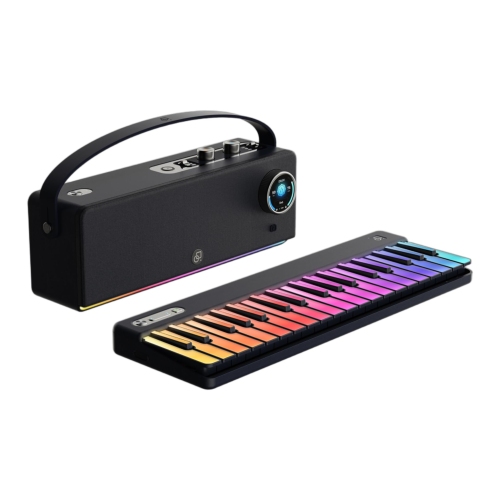
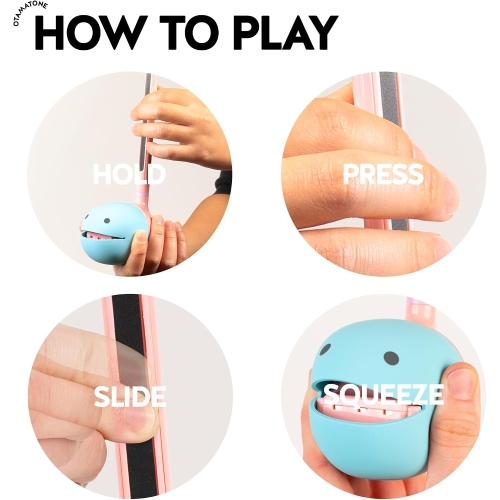
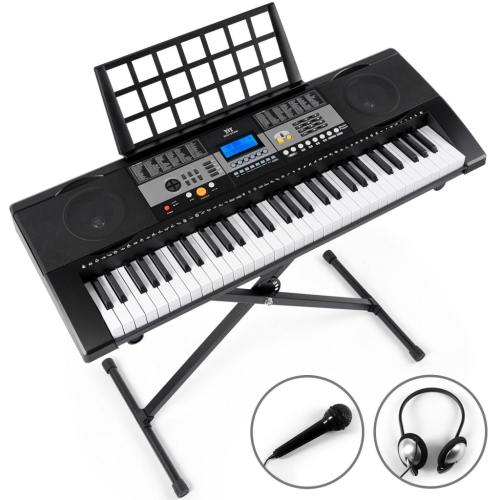
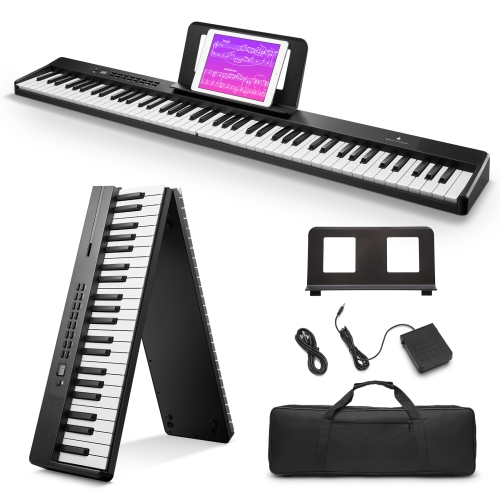
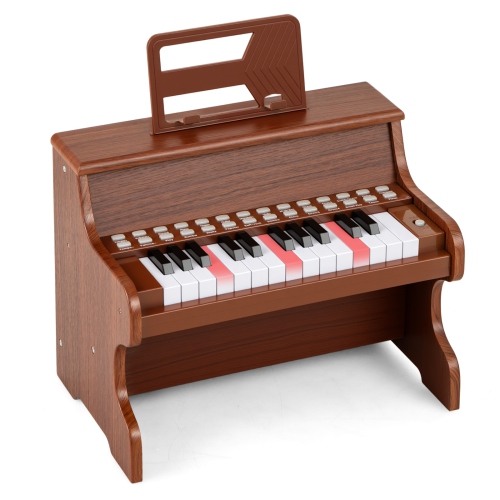
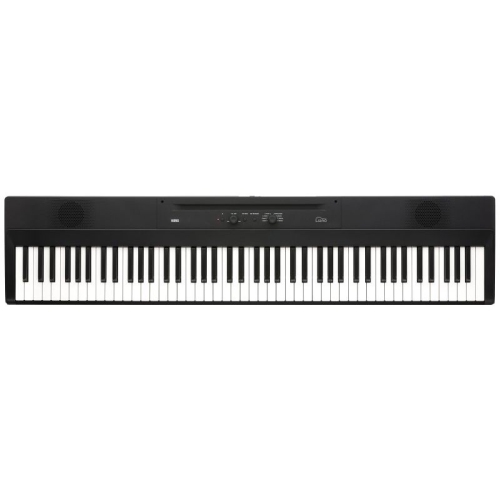
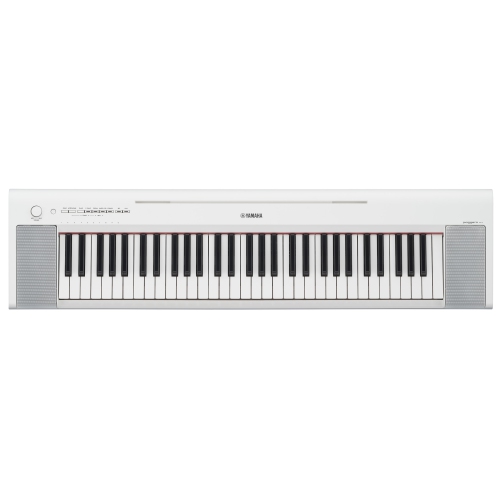
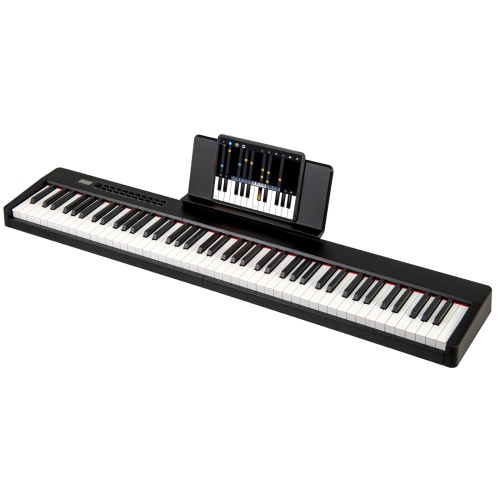
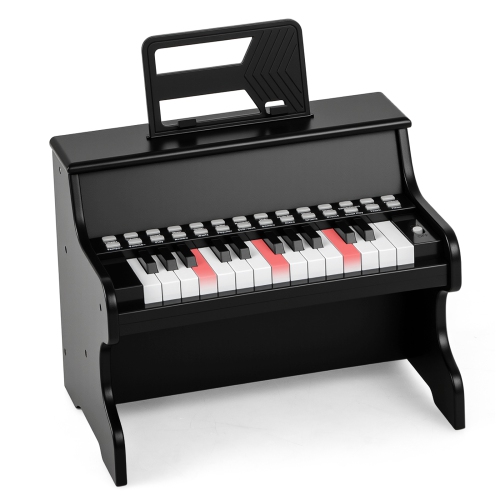
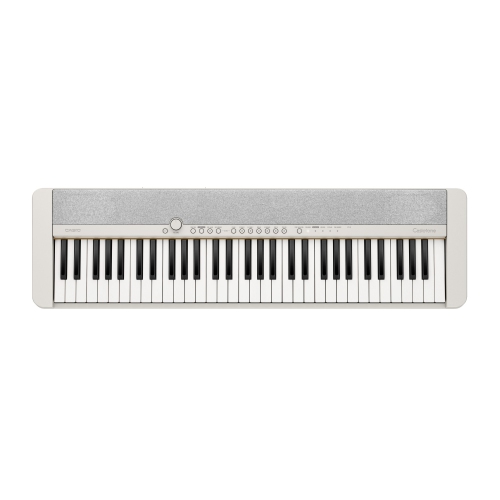
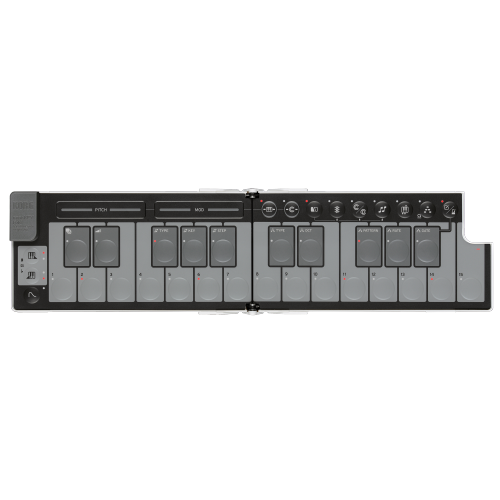
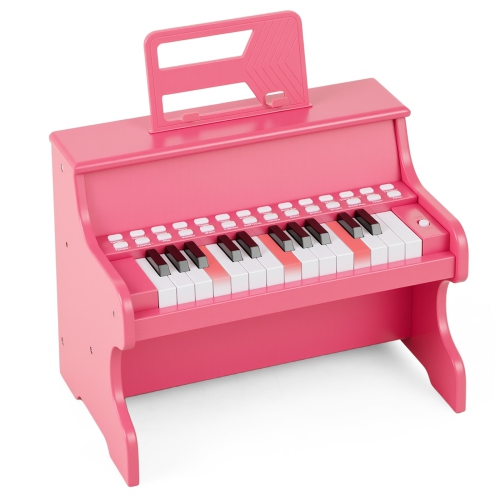
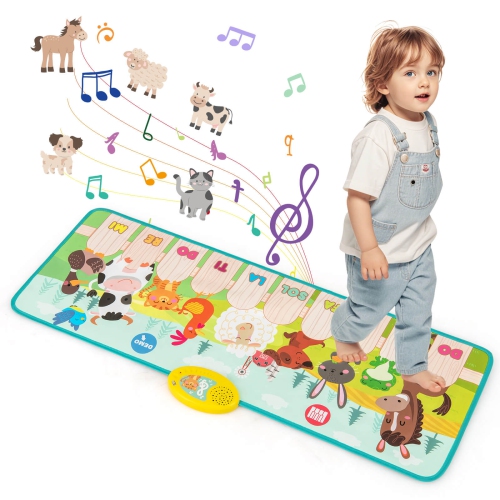
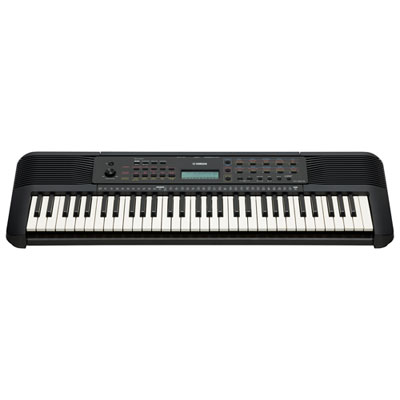
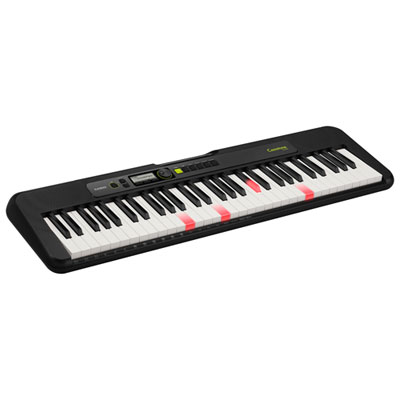
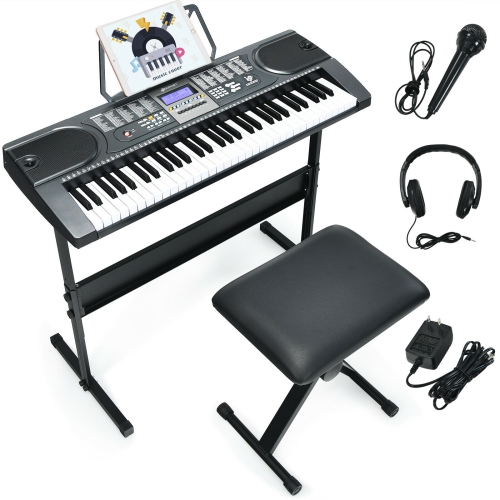
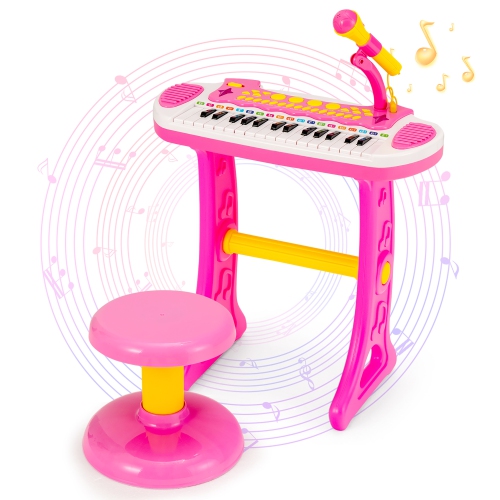
Toy piano keyboards offer an inviting way for children to explore music through colourful keys, playful sounds, and simple controls. These instruments range from compact toddler toys with approximately 25 keys to larger starter keyboards with 32, 37, or more keys for children who are ready to practise melodies and patterns. Some models are shaped like friendly characters or include light-up keys, while others have a more traditional keyboard layout that can help young players become familiar with the arrangement of notes. Many include several instrument voices, such as piano, organ, or violin, along with pre-recorded songs, sound effects, rhythm patterns, and demo modes. A built-in microphone may let children sing along, make announcements, or perform for family members, while a record-and-playback function can give them a chance to hear and share their own creations. When comparing toy piano keyboards, consider the child’s age, reach, attention span, and level of interest in music. A toddler may enjoy a straightforward design with large, easy-to-press keys and bright responses, while an older child may appreciate more notes, a wider selection of sounds, tempo controls, and a layout that resembles a beginner electronic keyboard. Checking the recommended age range is a helpful starting point, particularly when the toy includes smaller accessories or more advanced controls. It is also worth considering where the keyboard will be used. A lightweight battery-operated model can move easily from a playroom to a grandparent’s home, whereas a larger keyboard with a USB cable or wall power adapter may be better suited to a dedicated spot in a bedroom, family room, or music corner. Battery compartments should be secure, and younger children should use electronic toys with adult supervision. Volume control is another practical feature, especially in shared homes or during quiet activities. A model with a simple volume dial or several sound levels can make musical play more comfortable for everyone nearby.
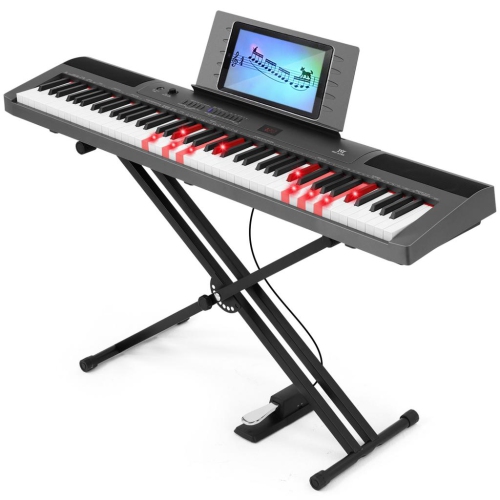
Toy piano keyboards can support open-ended play as well as early musical exploration. Children may begin by pressing random keys, copying a melody from a demo song, or matching the sounds to pretend-play scenarios. Over time, they can experiment with high and low notes, fast and slow tempos, repeating patterns, and the difference between a piano sound and another instrument voice. Light-up keys can offer visual prompts for children who enjoy following a sequence, while rhythm buttons and drum sounds can encourage movement, clapping, and turn-taking. These features are not a substitute for formal lessons, but they can make the first stages of music feel approachable and rewarding. A child who is shy about performing may start by playing a few notes for a stuffed animal, then gradually share a song with family. Another may use the microphone to create a small living-room concert, complete with an invented band name and an enthusiastic introduction. Toy piano keyboards also work well for siblings and friends, since one child can play a melody while another sings, taps a rhythm, or chooses sound effects. For gift-givers, these instruments can be a thoughtful choice for birthdays, family celebrations, or the cooler months when children spend more time playing indoors. They are engaging without requiring a large dedicated play area, and many are light enough to move between rooms. Look for sturdy construction, clearly marked controls, smooth keys, and a design that feels comfortable for small hands. If the keyboard will be shared by more than one child, a durable finish and easy-to-understand buttons may matter more than an extensive collection of sounds. For a young child receiving a first instrument, familiar songs and cheerful tones can be more valuable than advanced settings that may go unused. For an older beginner, additional keys and more realistic controls may help maintain interest as their confidence grows. Families looking for a compact instrument with a somewhat broader musical layout may also wish to browse Mini Music Keyboards.
When selecting among toy piano keyboards, think about the kind of experience you want the child to have each time they sit down to play. A model intended mainly for imaginative play may prioritize lights, animal sounds, melodies, and colourful buttons. A starter keyboard for musical practice may place greater emphasis on the number of keys, instrument tones, rhythm selections, recording functions, and controls for changing tempo or volume. Key count can provide a useful guide: 25-key instruments are common for toddlers and younger children, while 32- to 37-key options can offer more room for simple two-handed melodies and growing skills. Power requirements also deserve attention. Many smaller toys use AA batteries, making them convenient for travel or occasional play, while larger models may use a USB connection or a wall adapter and work best in a consistent location. If the keyboard is intended as a gift, check whether batteries, a microphone, or other accessories are included so the child can begin playing without an extra trip to the store. Storage is another small detail that can make a difference; a compact shape can fit on a shelf or table, and a built-in handle can make tidying up easier. The best choice will balance the child’s age, musical curiosity, available space, preferred play style, and the features they are most likely to use. Whether a child is carefully repeating a demo tune, creating a cheerful soundtrack for an afternoon of pretend play, or proudly performing a made-up song during a family gathering, a toy piano keyboard can turn ordinary playtime into an opportunity to listen, experiment, and express an idea through sound.
Top selling and popular products
-
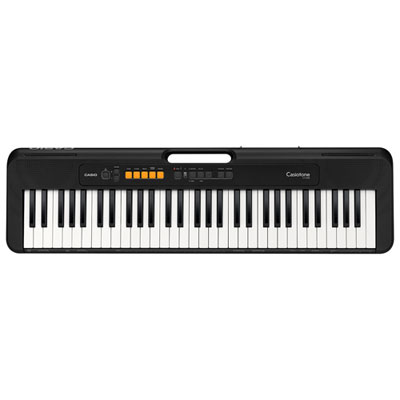 Your price for this item is $149.99
-
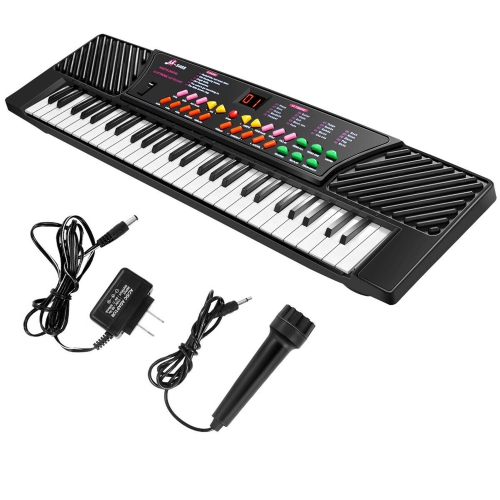 Your price for this item is $69.99
-
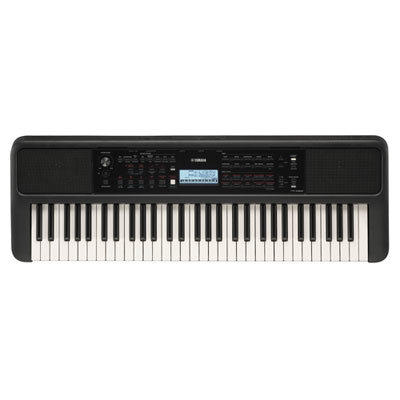 Your price for this item is $289.99
-
 Your price for this item is $129.99
-
 Your price for this item is $229.95
-
 Your price for this item is $236.99
-
 Your price for this item is $199.99
-
 Your price for this item is $74.99
Discover more categories related to Toy Piano Keyboards
Top Collections:
Pokemon Centers, Best Cameras for Sports Photography, Kindle Devices, Samsung Galaxy Phones, Canon G7X Cameras, Pokémon 30th Celebration Cards, Refurbished Apple Laptops, iPhone 15 Apple, Laptops for Students, Budget Smartphones
Some products may be subject to Environmental Handling Fees
(EHF) depending on your province.
Learn more about EHFs.