Clip-On Tuners
Whether you're a seasoned musician or just starting a clip-on tuner is an essential tool to keep your instruments in perfect tune. With their compact design and easy-to-use functionality, clip-on tuners are a must-have for guitarists, bassists, violinists, and more. Simply attach the tuner to the headstock of your instrument, pluck a string, and watch as the tuner's display guides you toward achieving accurate pitch. Say goodbye to out-of-tune performances and hello to a harmonious playing experience with our wide selection of clip-on tuners.
Sort
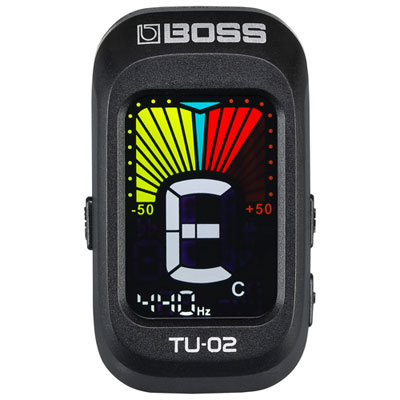
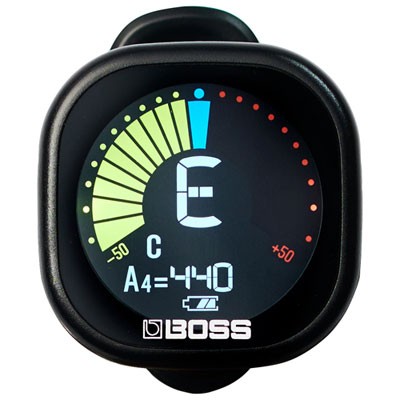


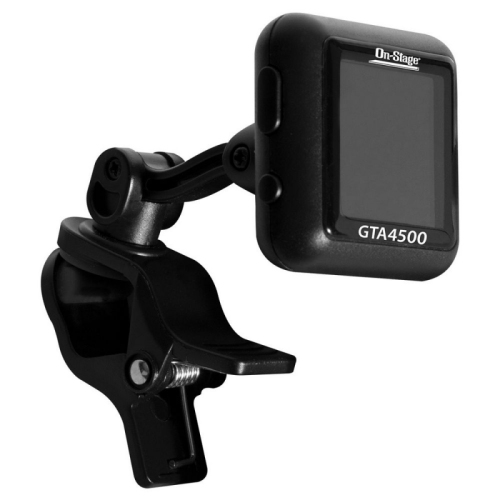
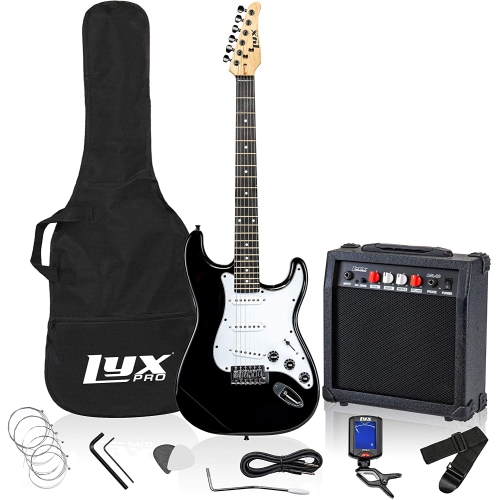
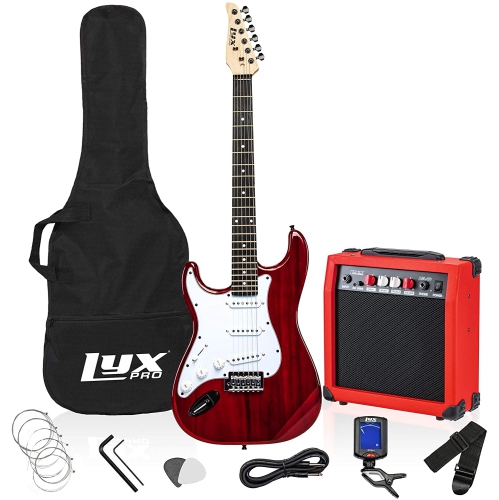

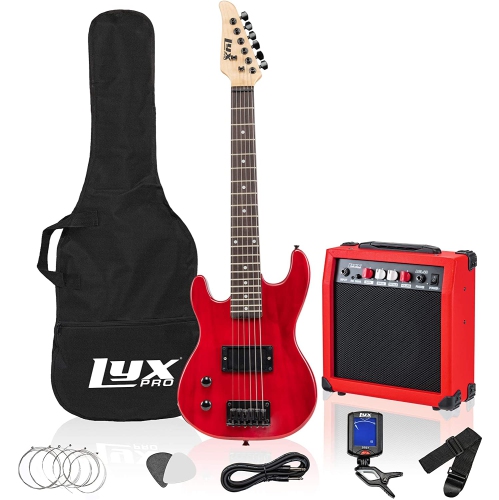
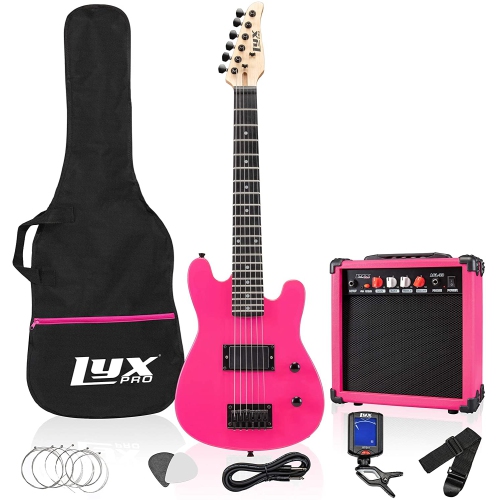
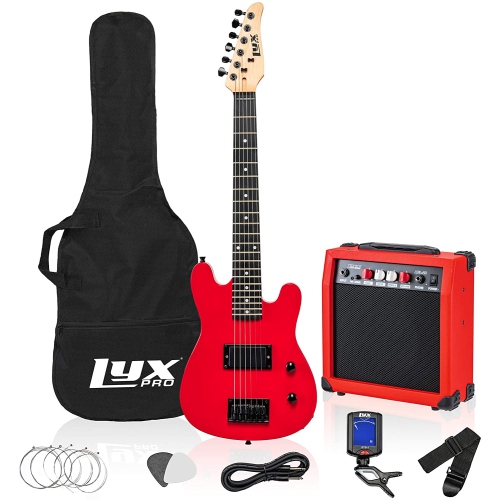
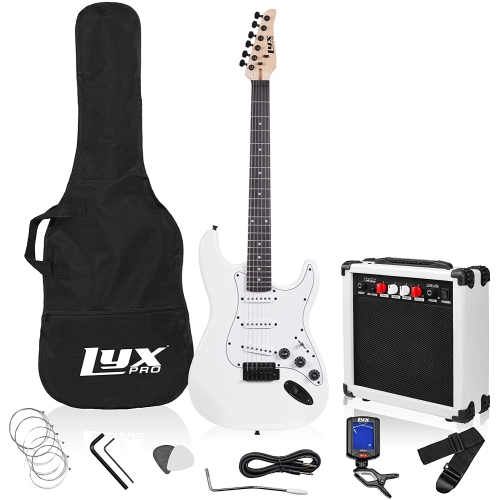
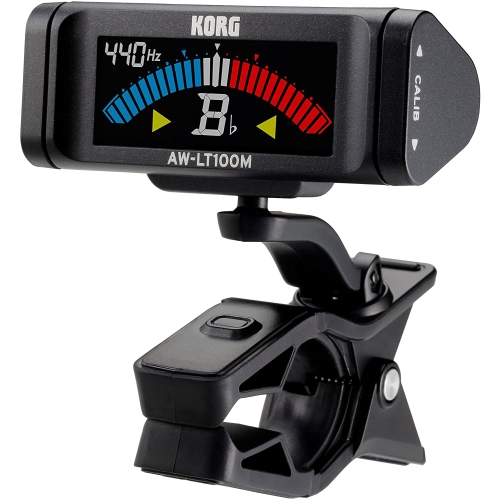
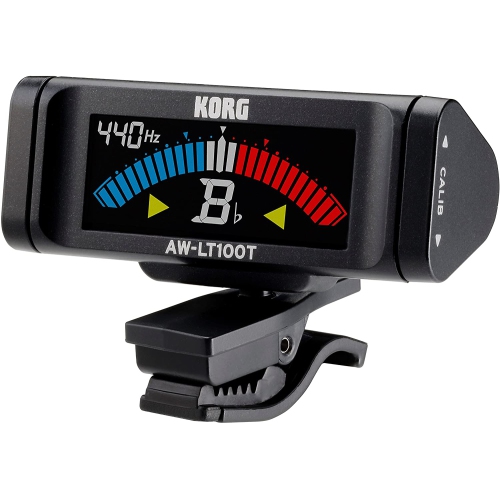
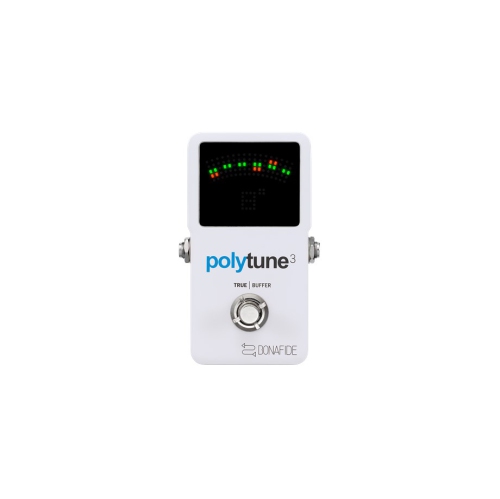
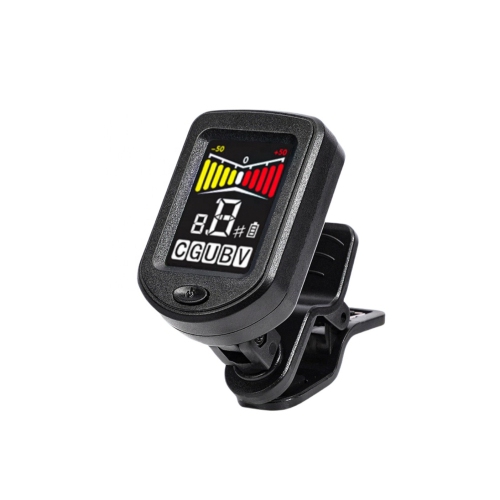
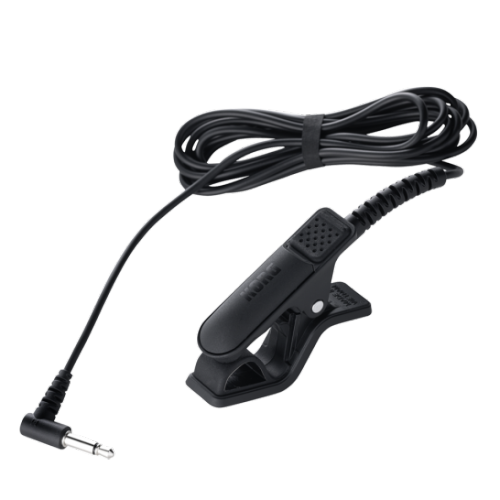
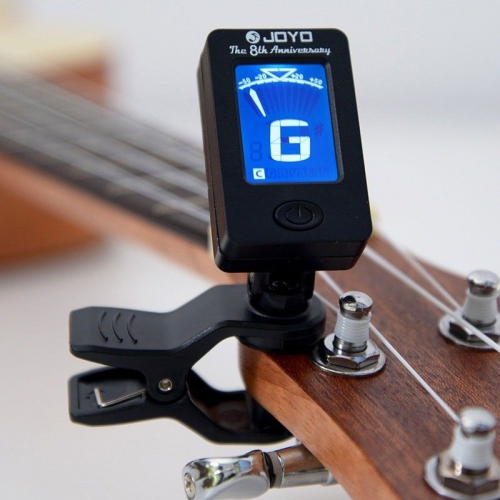

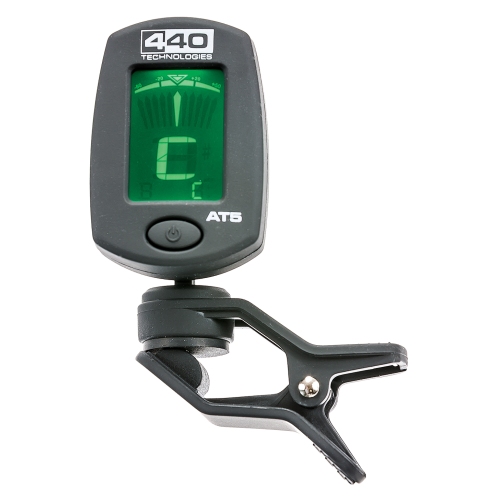
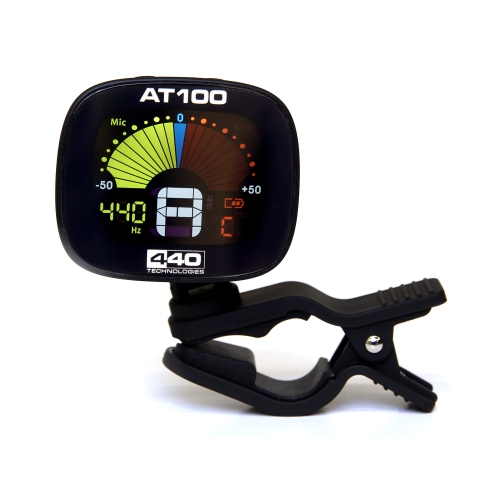
Reliable tuning support from practice sessions to performances
Clip-on tuners are compact electronic tools that help musicians bring their instruments up to pitch quickly, whether they are practising at home, warming up before a lesson, or preparing for a rehearsal. A small clamp attaches to the headstock or another suitable part of the instrument, while a built-in vibration sensor detects the movement of the strings. Instead of relying on a microphone to hear the note, the tuner reads the physical vibrations travelling through the instrument, which makes it especially useful in busy or noisy surroundings. A television playing in the background, other musicians tuning nearby, or the general bustle of a rehearsal space is less likely to interfere with the reading. Most models use a visual display showing the note name and an indicator that moves, changes colour, or centres when the string reaches the correct pitch. If the note is flat, the string needs to be tightened gradually; if it is sharp, it needs to be loosened carefully. This simple process makes clip-on tuners approachable for beginners while remaining useful for experienced players who want a quick, dependable reference. They are commonly used with acoustic and electric guitars, bass guitars, ukuleles, violins, violas, cellos, mandolins, banjos, and other stringed instruments, although the exact tuning range, clip design, and instrument compatibility can vary. Musicians who move between standard tuning and alternate tunings may also appreciate having a dedicated tuner close at hand, rather than relying on a phone application that can be difficult to see, hear, or operate during a practice session. For broader options across different instrument types and tuning needs, browse Instrument Tuners.
When choosing a clip-on tuner, start with the instrument you intend to tune and consider how you usually play. A guitar player who practises in a quiet bedroom may value a clear, uncluttered display, while someone who attends jam sessions or performs on stage may place greater importance on fast note detection, a bright screen, and a clip that stays securely in position. A tuner with a rotating or adjustable screen can be easier to read from different angles, particularly when the instrument is resting on a stand or held in a seated playing position. Display visibility matters in rooms with dim lighting as well as outdoors during daylight, so look for an interface that is easy to interpret at a glance without distracting from the instrument. Tracking speed is another useful consideration: responsive detection helps reduce the time spent waiting for a reading to settle, especially when tuning several strings in succession. Chromatic tuning is a versatile choice because it identifies the note being played and can accommodate standard and alternate tunings, while dedicated instrument modes may offer more direct guidance for particular stringed instruments. Check the listed tuning range and calibration options if you regularly use lower tunings, non-standard pitch references, or instruments with extended ranges. Power options can shape everyday convenience as well. Coin-battery models are often light and easy to keep in a gig bag with a spare battery, while rechargeable models can be practical for musicians who prefer to charge their accessories alongside other electronics. Automatic shutoff can help preserve battery life, and a compact body is useful when storage space is limited. The clip itself deserves attention as well: padded contact points can help protect the instrument’s finish, while a firm, flexible grip should hold the tuner steady without making the headstock awkward or overloaded. Since musicians often carry tuners with picks, strings, capos, cables, and sheet music, a slim design that fits neatly into an accessory pouch can make the difference between an item that gets used regularly and one that is left behind.
Clip-on tuners are suitable for a wide range of musicians, from a child learning their first chords to a seasoned performer who wants a reliable tuning check between songs. They can be particularly helpful for beginners because they provide immediate visual feedback without requiring the player to recognize pitch by ear. Over time, that repeated process of listening, adjusting, and watching the indicator settle can support better tuning habits and a stronger sense of pitch. Teachers may keep one nearby during lessons so students can spend more time playing instead of waiting for an instrument to be tuned, and parents may find a tuner to be a practical addition to a young musician’s first instrument setup. These accessories also make thoughtful gifts for guitarists, ukulele players, string students, songwriters, and hobby musicians, especially when the recipient already owns an instrument but may not have a dependable tuning solution. A clip-on tuner is small enough to fit into a stocking, instrument case, or gift bag, yet useful enough to become part of a daily routine. During the cooler months, when more practice takes place indoors, it can stay on a music stand or in an accessory drawer ready for quick sessions after school or work. It is also handy when an instrument moves between rooms, lessons, rehearsals, and performances, as temperature changes, string age, playing intensity, and storage conditions can all affect pitch. For the most consistent results, attach the tuner firmly, position the display where it is easy to see, pluck one string at a time, and make small adjustments rather than turning the tuning peg too far. Allow the note to ring clearly, check the display again, and repeat the process until the indicator settles in the centre or reaches the recommended position. A clip-on tuner does not replace fresh strings, proper instrument setup, or regular maintenance, but it provides a convenient way to keep an instrument sounding balanced and ready to play.
When choosing a clip-on tuner, start with the instrument you intend to tune and consider how you usually play. A guitar player who practises in a quiet bedroom may value a clear, uncluttered display, while someone who attends jam sessions or performs on stage may place greater importance on fast note detection, a bright screen, and a clip that stays securely in position. A tuner with a rotating or adjustable screen can be easier to read from different angles, particularly when the instrument is resting on a stand or held in a seated playing position. Display visibility matters in rooms with dim lighting as well as outdoors during daylight, so look for an interface that is easy to interpret at a glance without distracting from the instrument. Tracking speed is another useful consideration: responsive detection helps reduce the time spent waiting for a reading to settle, especially when tuning several strings in succession. Chromatic tuning is a versatile choice because it identifies the note being played and can accommodate standard and alternate tunings, while dedicated instrument modes may offer more direct guidance for particular stringed instruments. Check the listed tuning range and calibration options if you regularly use lower tunings, non-standard pitch references, or instruments with extended ranges. Power options can shape everyday convenience as well. Coin-battery models are often light and easy to keep in a gig bag with a spare battery, while rechargeable models can be practical for musicians who prefer to charge their accessories alongside other electronics. Automatic shutoff can help preserve battery life, and a compact body is useful when storage space is limited. The clip itself deserves attention as well: padded contact points can help protect the instrument’s finish, while a firm, flexible grip should hold the tuner steady without making the headstock awkward or overloaded. Since musicians often carry tuners with picks, strings, capos, cables, and sheet music, a slim design that fits neatly into an accessory pouch can make the difference between an item that gets used regularly and one that is left behind.
Clip-on tuners are suitable for a wide range of musicians, from a child learning their first chords to a seasoned performer who wants a reliable tuning check between songs. They can be particularly helpful for beginners because they provide immediate visual feedback without requiring the player to recognize pitch by ear. Over time, that repeated process of listening, adjusting, and watching the indicator settle can support better tuning habits and a stronger sense of pitch. Teachers may keep one nearby during lessons so students can spend more time playing instead of waiting for an instrument to be tuned, and parents may find a tuner to be a practical addition to a young musician’s first instrument setup. These accessories also make thoughtful gifts for guitarists, ukulele players, string students, songwriters, and hobby musicians, especially when the recipient already owns an instrument but may not have a dependable tuning solution. A clip-on tuner is small enough to fit into a stocking, instrument case, or gift bag, yet useful enough to become part of a daily routine. During the cooler months, when more practice takes place indoors, it can stay on a music stand or in an accessory drawer ready for quick sessions after school or work. It is also handy when an instrument moves between rooms, lessons, rehearsals, and performances, as temperature changes, string age, playing intensity, and storage conditions can all affect pitch. For the most consistent results, attach the tuner firmly, position the display where it is easy to see, pluck one string at a time, and make small adjustments rather than turning the tuning peg too far. Allow the note to ring clearly, check the display again, and repeat the process until the indicator settles in the centre or reaches the recommended position. A clip-on tuner does not replace fresh strings, proper instrument setup, or regular maintenance, but it provides a convenient way to keep an instrument sounding balanced and ready to play.
Top selling and popular products
-
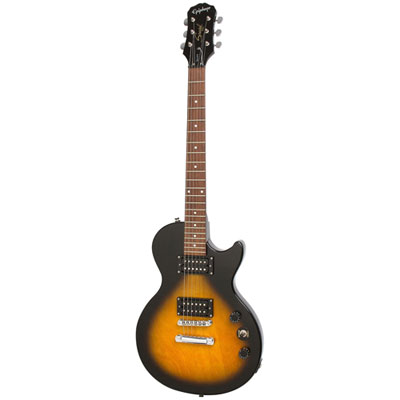 Your price for this item is $299.99
 -
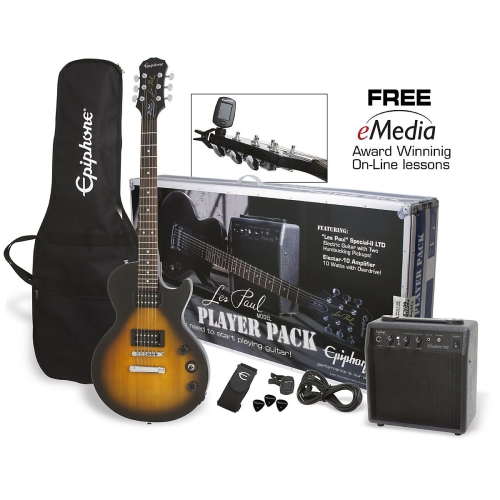 Your price for this item is $429
 -
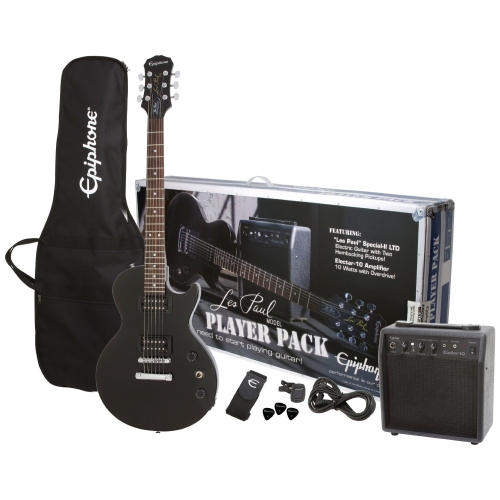 Your price for this item is $494.49
 -
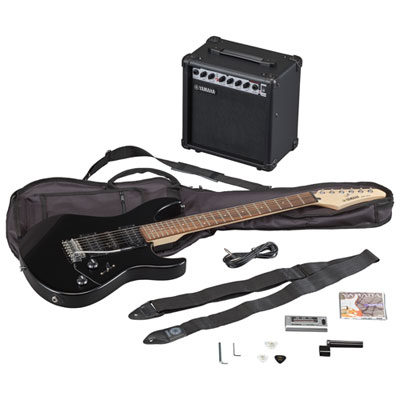 Your price for this item is $349.99
 -
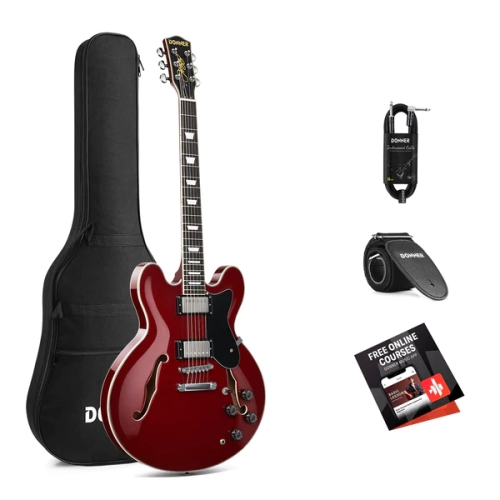 Your price for this item is $395.99
 -
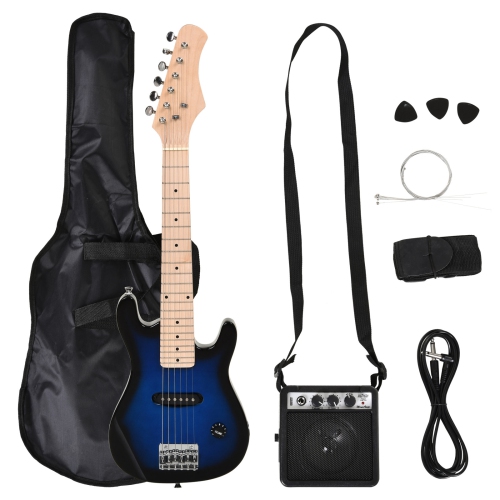 Your price for this item is $116.99
 -
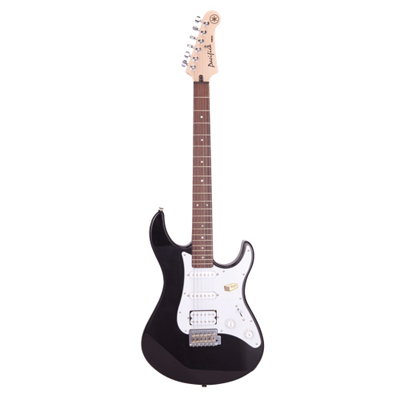 Your price for this item is $279.99
 -
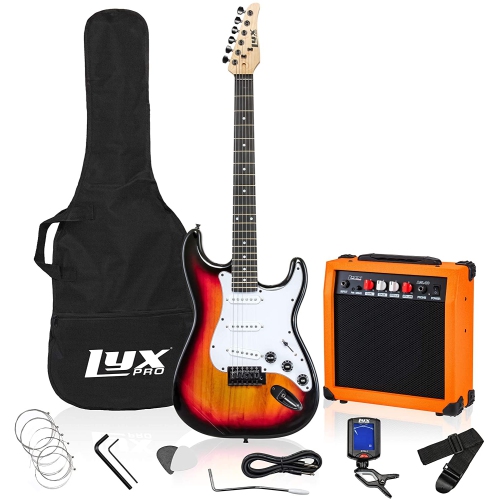 Your price for this item is $239.99
Discover more categories related to Clip-On Tuners
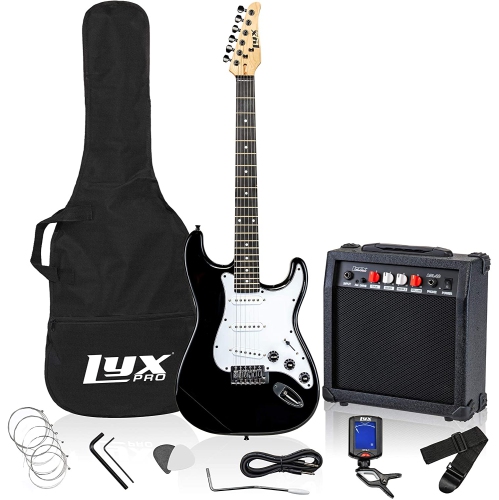
Top Collections:
Pokemon Centers, Kindle Devices, Best Budget Office Chairs, Apple iPhones 16, Best Laptops for Writers, iPhone 15 Apple, Canon G7X Cameras, Refurbished Apple Laptops, Alarm Clock, Motorola Razr Phones
Some products may be subject to Environmental Handling Fees
(EHF) depending on your province.
Learn more about EHFs.