Corrosion Resistant Guitar Strings
Corrosion resistant guitar strings are designed to help you enjoy consistent sound quality and reliable performance, whether you're practicing at home or playing on stage. Perfect for guitarists who value longevity and dependable tone, these strings offer an excellent option for a variety of musical styles and playing environments. Explore corrosion resistant guitar strings to find the ideal set that keeps your instrument sounding its best, session after session.
Sort
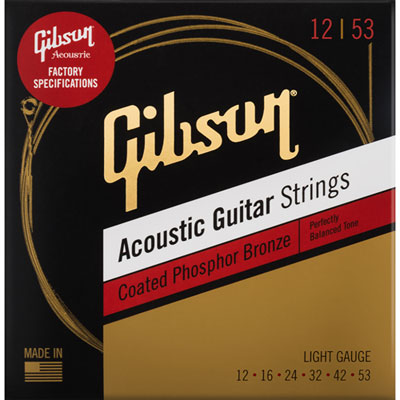

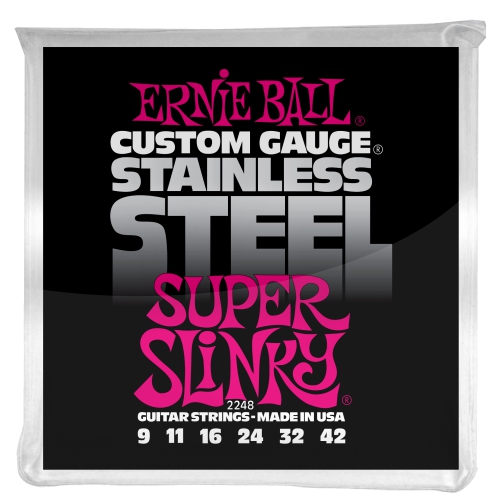
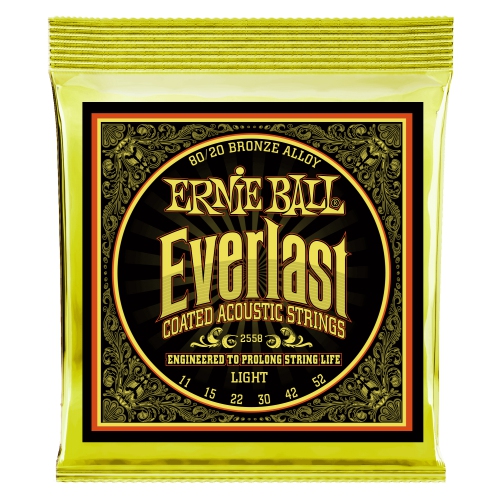
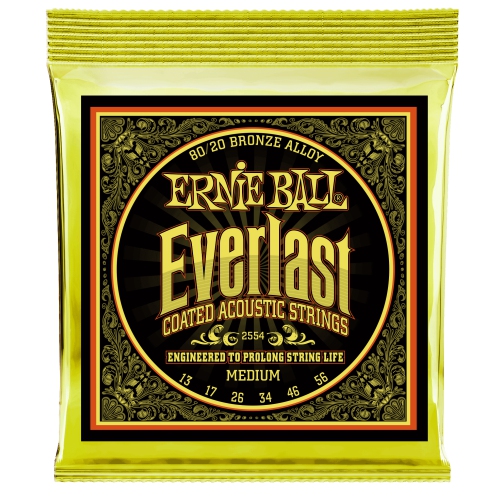

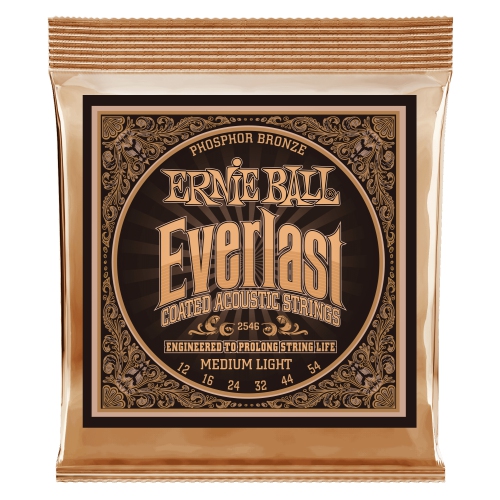

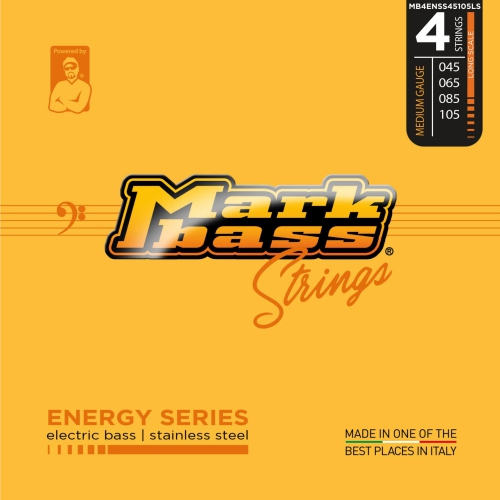
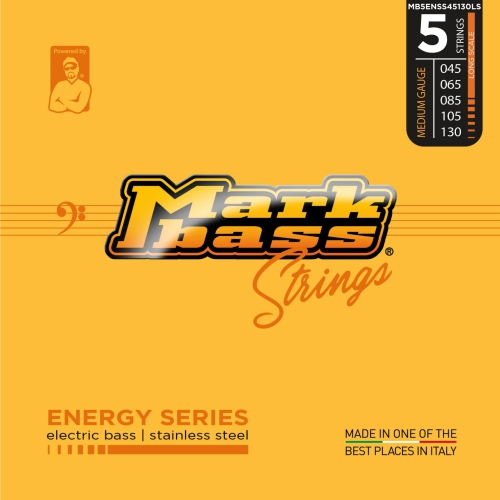

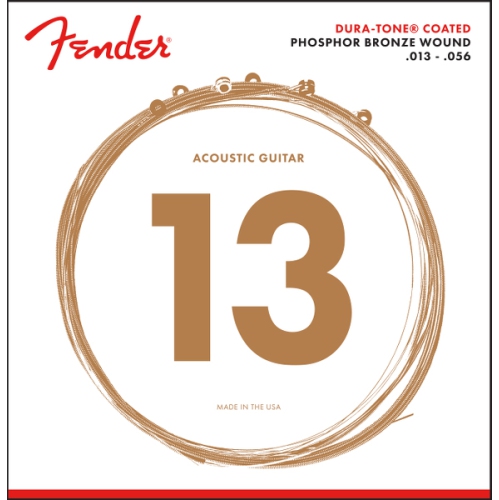
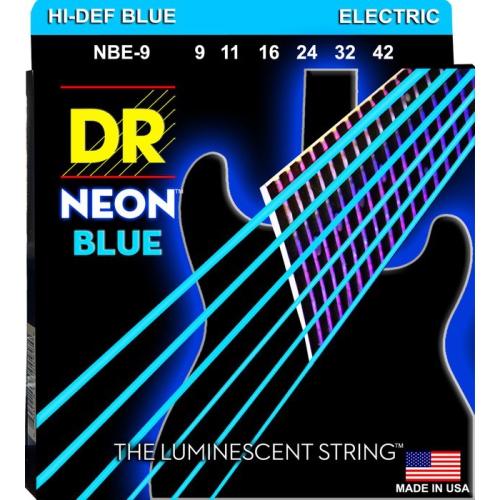
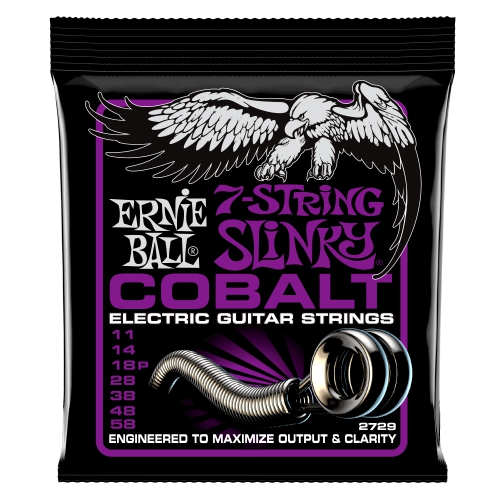
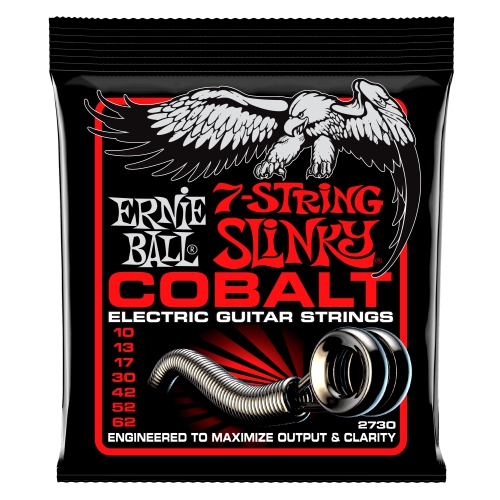
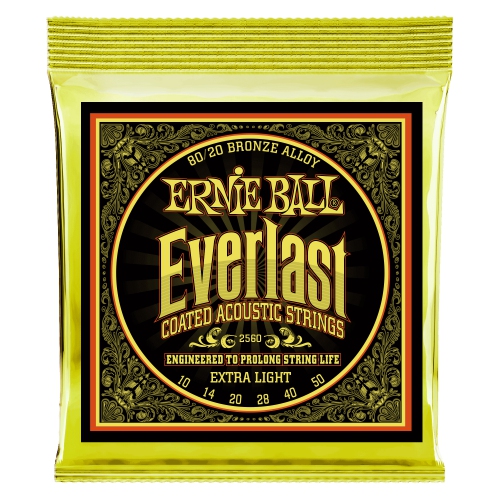
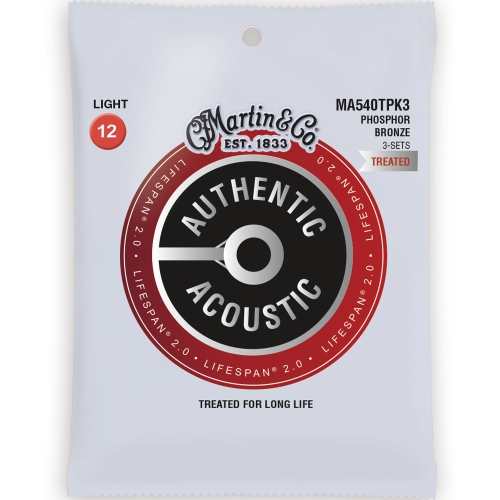
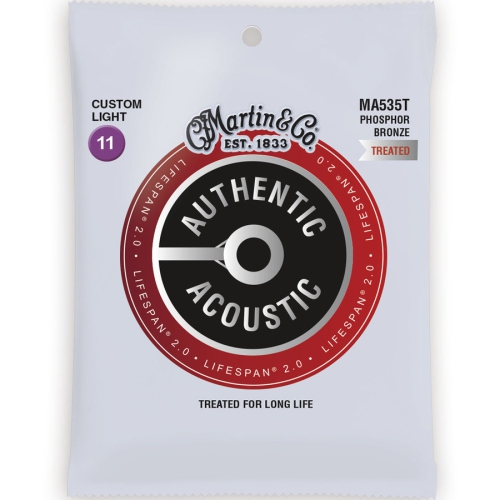

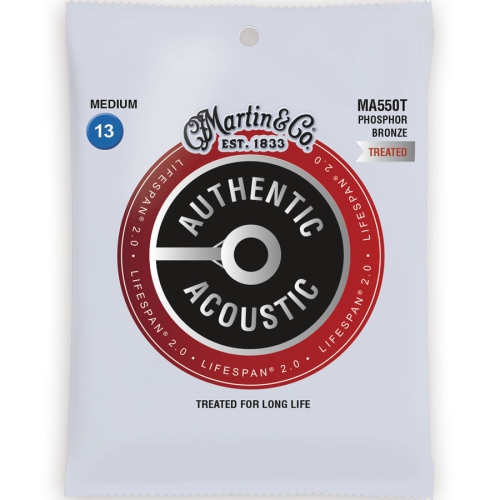
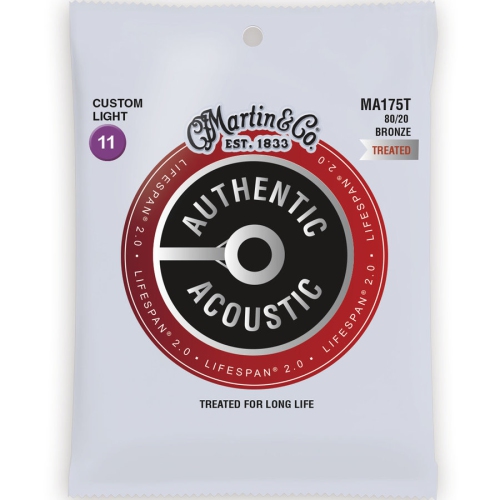
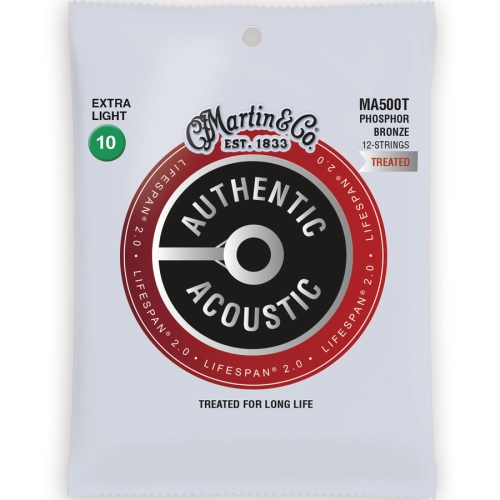
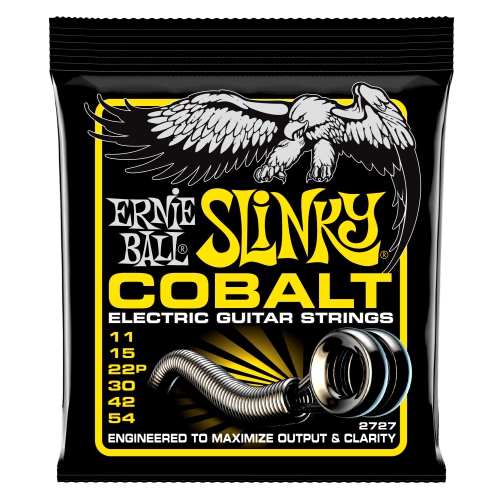
Protective treatments help preserve tone through sweat and humidity
Corrosion resistant guitar strings are designed for players who want dependable tone and a longer-lasting feel in the face of sweat, humidity, dust, and everyday handling. Unlike conventional strings, which can gradually lose their brightness as moisture and oils work into the metal, corrosion resistant options use protective coatings, treated wrap wire, or anti-corrosion treatments applied to the core and winding. These barriers help slow the discolouration, roughness, and tonal dullness that often appear first on the strings beneath the picking hand. For acoustic guitarists, the right set can help preserve the clear, lively character of phosphor bronze or other acoustic-string materials. For electric guitarists, corrosion resistant strings can help retain punch, definition, and bending response through rehearsals, performances, and regular practice. The benefit is especially noticeable for players whose hands perspire during longer sessions, musicians who play in warm or humid rooms, and anyone who keeps a guitar in a case between uses. They can also be useful for instruments that travel between different environments, where repeated changes in temperature and moisture may accelerate string wear. Protective treatments vary in thickness and texture. Some use an ultra-thin polymer film that helps keep dirt out of the winding gaps while maintaining a smooth, slightly slick feel. Others aim for a more traditional uncoated sensation, treating the metal in a way that preserves familiar contact under the fingertips. Plain steel strings may receive their own treatment, while wound strings use a coating or treated wrap to protect the areas most exposed to grime. This means corrosion resistance does not have to come at the expense of comfort, resonance, or playing style. Shoppers can browse Good Guitar Strings for additional string options, then compare the construction, gauge, material, and intended guitar type that best match their instrument.
Choosing corrosion resistant guitar strings starts with confirming whether the set is made for an acoustic, electric, classical, or other type of guitar. Acoustic sets are commonly identified by their bronze alloy and are selected for the balance between projection, warmth, sparkle, and comfortable tension. Electric sets are generally made with magnetic-friendly materials and are chosen for characteristics such as brightness, sustain, smooth bends, and a focused midrange. Gauge is equally important. Lighter gauges can feel easier during chord changes, bends, and extended practice, making them appealing to beginners, players with a lighter touch, or guitarists who prefer a more flexible response. Medium or heavier gauges can offer a fuller feel and stronger projection, although they may require more finger pressure and may need an appropriate setup. Staying close to the gauge already installed on the guitar is a sensible starting point, particularly when replacing strings before a performance. Coating and treatment can also change the playing experience. A slicker surface may reduce finger drag and help the hand move quickly along the fretboard, while a less noticeable treatment may feel closer to familiar untreated strings. String protection is not identical to complete immunity from wear: wiping the strings after playing, washing and drying hands before handling the instrument, and storing the guitar in a suitable case can all help maintain their condition. A clean, dry cloth can remove oils and perspiration without introducing additional residue. It is also worth checking the tuning stability and neck setup after changing to a different gauge or tension, since even a small change can affect action and intonation. Corrosion resistant strings are a practical choice for performers who need a consistent sound from one session to the next, teachers who play throughout the day, recording musicians who want fewer unexpected changes in tone, and casual players who may not replace strings frequently. They can be particularly helpful for a guitar that serves as a dependable companion in a busy household, rehearsal space, studio, or community music setting.
These strings can make a thoughtful gift for a guitarist because they combine a familiar essential with a useful improvement to everyday playing. A set may suit a beginner who is learning regular maintenance, an experienced player preparing for a series of gigs, or a hobbyist who keeps an instrument nearby for spontaneous evenings of chord progressions and favourite songs. They are also easy to pair with a tuner, picks, a string winder, a cleaning cloth, or a storage solution when assembling a practical music accessory gift. To make the choice more personal, consider the recipient’s instrument, preferred music, typical playing environment, and tolerance for a coated feel. A player who enjoys the natural texture of traditional strings may prefer a lightly treated option, while someone who spends hours practising or performs in warm rooms may appreciate the added protection of a more complete coating. A guitarist who records at home may value strings that help preserve a consistent balance between individual notes, especially when retakes make a set work harder than expected. Picture the familiar scene: a guitar comes out of its case after a busy day, a few chords ring clearly, and the player can settle into the music without immediately noticing rough spots beneath the fingertips or a muted, metallic response. That dependable experience is the main appeal of corrosion resistant guitar strings. They help protect the parts of the instrument that are touched most often while supporting a clean, responsive sound across practice, performance, lessons, and relaxed playing during the cooler months. Before selecting a set, review the guitar type, string gauge, material, number of strings, and whether the product uses a full coating, treated winding, or another corrosion-resistant construction. Matching those details to the instrument and the player’s preferred feel makes it easier to find strings that sound right, play comfortably, and remain reliable through regular use.
Choosing corrosion resistant guitar strings starts with confirming whether the set is made for an acoustic, electric, classical, or other type of guitar. Acoustic sets are commonly identified by their bronze alloy and are selected for the balance between projection, warmth, sparkle, and comfortable tension. Electric sets are generally made with magnetic-friendly materials and are chosen for characteristics such as brightness, sustain, smooth bends, and a focused midrange. Gauge is equally important. Lighter gauges can feel easier during chord changes, bends, and extended practice, making them appealing to beginners, players with a lighter touch, or guitarists who prefer a more flexible response. Medium or heavier gauges can offer a fuller feel and stronger projection, although they may require more finger pressure and may need an appropriate setup. Staying close to the gauge already installed on the guitar is a sensible starting point, particularly when replacing strings before a performance. Coating and treatment can also change the playing experience. A slicker surface may reduce finger drag and help the hand move quickly along the fretboard, while a less noticeable treatment may feel closer to familiar untreated strings. String protection is not identical to complete immunity from wear: wiping the strings after playing, washing and drying hands before handling the instrument, and storing the guitar in a suitable case can all help maintain their condition. A clean, dry cloth can remove oils and perspiration without introducing additional residue. It is also worth checking the tuning stability and neck setup after changing to a different gauge or tension, since even a small change can affect action and intonation. Corrosion resistant strings are a practical choice for performers who need a consistent sound from one session to the next, teachers who play throughout the day, recording musicians who want fewer unexpected changes in tone, and casual players who may not replace strings frequently. They can be particularly helpful for a guitar that serves as a dependable companion in a busy household, rehearsal space, studio, or community music setting.
These strings can make a thoughtful gift for a guitarist because they combine a familiar essential with a useful improvement to everyday playing. A set may suit a beginner who is learning regular maintenance, an experienced player preparing for a series of gigs, or a hobbyist who keeps an instrument nearby for spontaneous evenings of chord progressions and favourite songs. They are also easy to pair with a tuner, picks, a string winder, a cleaning cloth, or a storage solution when assembling a practical music accessory gift. To make the choice more personal, consider the recipient’s instrument, preferred music, typical playing environment, and tolerance for a coated feel. A player who enjoys the natural texture of traditional strings may prefer a lightly treated option, while someone who spends hours practising or performs in warm rooms may appreciate the added protection of a more complete coating. A guitarist who records at home may value strings that help preserve a consistent balance between individual notes, especially when retakes make a set work harder than expected. Picture the familiar scene: a guitar comes out of its case after a busy day, a few chords ring clearly, and the player can settle into the music without immediately noticing rough spots beneath the fingertips or a muted, metallic response. That dependable experience is the main appeal of corrosion resistant guitar strings. They help protect the parts of the instrument that are touched most often while supporting a clean, responsive sound across practice, performance, lessons, and relaxed playing during the cooler months. Before selecting a set, review the guitar type, string gauge, material, number of strings, and whether the product uses a full coating, treated winding, or another corrosion-resistant construction. Matching those details to the instrument and the player’s preferred feel makes it easier to find strings that sound right, play comfortably, and remain reliable through regular use.
Top selling and popular products
-
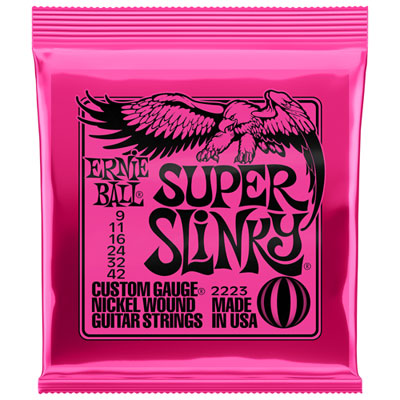 Your price for this item is $9.99
 -
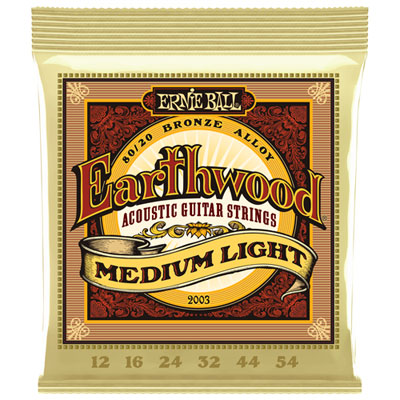 Your price for this item is $14.99
 -
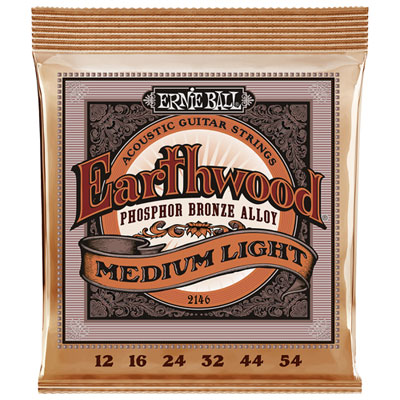 Your price for this item is $11.49
 -
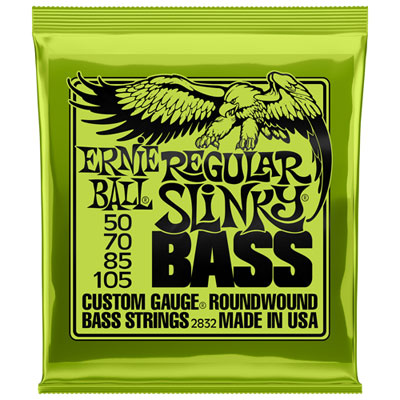 Your price for this item is $31.49
 -
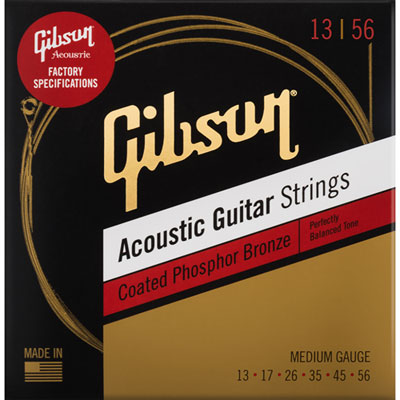 Your price for this item is $18.19
 -
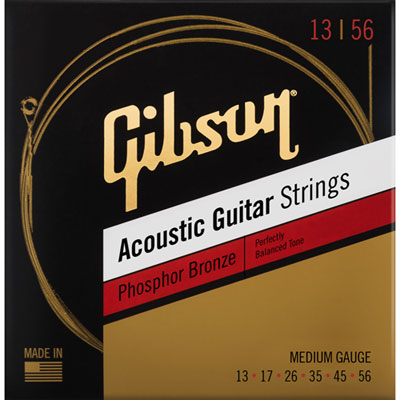 Your price for this item is $13.79
 -
 Your price for this item is $24.99
 -
 Your price for this item is $13.75
Discover more categories related to Corrosion Resistant Guitar Strings
Top Collections:
Pokemon Centers, Kindle Devices, Best Budget Office Chairs, Apple iPhones 16, Canon G7X Cameras, iPhone 15 Apple, Alarm Clock, Refurbished Apple Laptops, Flip Phones, Best Laptops for Writers
Some products may be subject to Environmental Handling Fees
(EHF) depending on your province.
Learn more about EHFs.