Replacement Guitar Strings
Elevate your musical experience with our wide selection of replacement guitar strings, perfect for keeping your instrument sounding its best. Whether you're a seasoned musician or just starting your journey, finding the right strings is crucial for achieving the tone and playability you desire. Our collection caters to various playing styles and preferences, ensuring that every strum resonates with clarity and precision. Explore options designed to enhance your performance and keep your guitar in top-notch condition. Dive into our assortment today and discover the ideal replacement guitar strings to suit your unique sound.
Sort
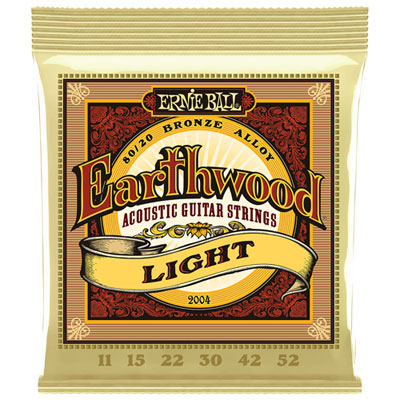
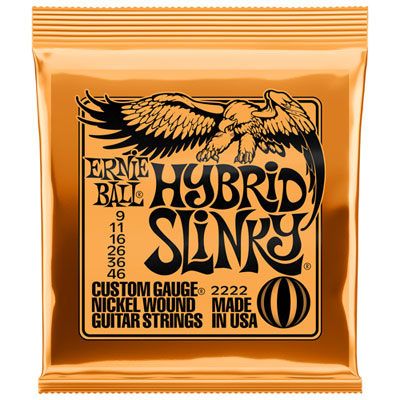
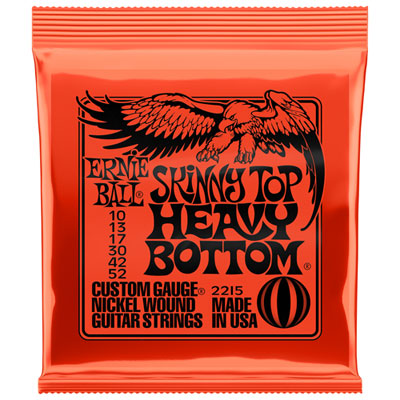
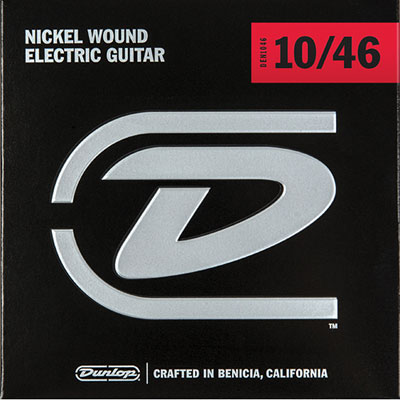
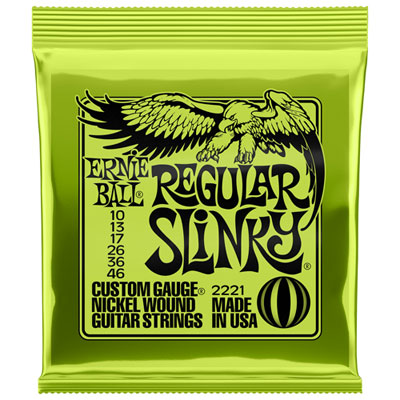
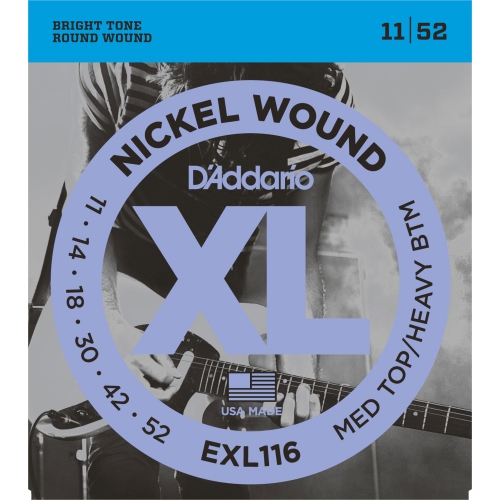
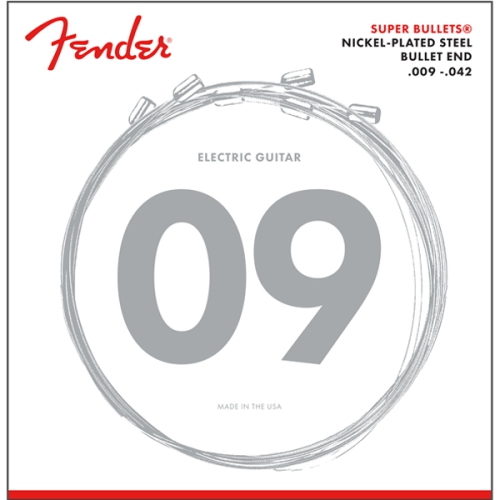
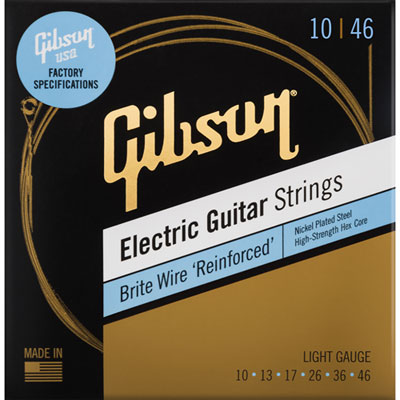
String type, gauge, and tone shape your playing
Replacement guitar strings are an essential part of every guitarist’s setup, whether you play a few chords at home, perform on stage, record in a studio, or practise regularly with a lesson plan. Strings gradually lose their brightness, flexibility, and tuning stability through playing, exposure to moisture, and contact with the natural oils on your hands. A fresh set can make an instrument feel more responsive and restore the clear, lively sound that may have faded over time. When choosing replacement guitar strings, start by matching the set to the type of guitar you own: acoustic guitars generally use steel strings with bronze or phosphor bronze winding, electric guitars commonly use nickel-plated steel or pure nickel strings, and classical guitars require nylon strings. Never install steel strings on a classical guitar, as the higher tension can damage the instrument’s neck and bridge. It is also important to choose the appropriate gauge, which refers to the thickness of the strings. Light gauges are often easier to fret and bend, making them a comfortable choice for beginners, players with a lighter touch, and guitarists who enjoy expressive lead work. Medium or heavier gauges can produce a fuller feel and stronger projection, although they may require more finger pressure. Unless you are deliberately changing the setup of your instrument, staying with the same gauge it originally came with is a sensible starting point. Moving to a significantly different gauge can alter the neck relief, action, intonation, and overall playing feel, so a professional setup may be helpful when making a larger change.
Acoustic guitar strings are selected not only by gauge but also by their winding material and tonal character. Bronze strings are known for a bright, immediate sound that can help strummed chords stand out, while phosphor bronze strings often provide a balanced blend of warmth, clarity, and richness. The best choice depends on the guitar’s natural voice and the way you play. A player who spends evenings working through steady chord patterns may appreciate a clear, projecting set, while a fingerstyle guitarist may prefer a more rounded response that brings out individual notes. Electric guitar strings are designed to work with magnetic pickups, and nickel-plated steel is a widely used option for a versatile combination of brightness, durability, and smooth playability. Pure nickel strings can offer a warmer, softer character that suits vintage-inspired tones and blues-oriented playing. Common light electric sets fall around .010–.046, though lighter and heavier options are available for different styles, tunings, and preferences. Lower tunings may benefit from thicker strings that maintain tension, while players who rely on wide bends and vibrato often choose lighter gauges. Classical guitar strings use nylon trebles and wound bass strings, with tension ratings that influence how the instrument feels under the fingers. When replacing strings, it helps to have wire cutters and a peg winder nearby, along with a clean cloth for wiping the instrument. Remove and install strings carefully, winding each one neatly around the tuning post with enough slack for secure wraps. Bringing the new strings gradually up to pitch and stretching them gently can help them settle, although frequent retuning is normal during the first playing session. If the guitar has a floating bridge, locking tremolo, or another specialised design, consult the instrument’s care instructions or ask a qualified technician for assistance.
Keeping a spare set of replacement guitar strings in your case or music room can prevent a snapped string from interrupting a rehearsal, lesson, recording session, or informal gathering. Many players replace strings when they sound dull, feel rough, show visible discolouration, or no longer hold tuning reliably; frequent performers may change them more often than casual players, while an occasional guitarist may simply install a fresh set before an important performance or recording. Strings can also make a thoughtful gift for a guitarist because they are practical, easy to store, and useful across many levels of experience. For a beginner, a correctly matched set can accompany a first guitar and encourage consistent practice. For a more experienced player, an assortment of gauges or materials can support experimentation with alternate tunings, different techniques, and new tonal ideas. If you are buying for someone else, check whether they play acoustic, electric, or classical guitar, and note the gauge printed on the package of their current strings if possible. A guitarist may have strong preferences about tension, coating, winding, or tone, so matching their usual specifications is safer than choosing by appearance alone. Players who like to customise their setup may also keep individual spares available through single guitar strings, particularly when only one string breaks shortly before a practice or performance. During the warmer seasons and into the cooler months, storing strings in a dry place away from extreme heat and humidity can help preserve their condition. With the right type, material, and gauge, replacement guitar strings help maintain comfortable playability, dependable tuning, and the distinctive sound that makes each instrument feel personal.
Acoustic guitar strings are selected not only by gauge but also by their winding material and tonal character. Bronze strings are known for a bright, immediate sound that can help strummed chords stand out, while phosphor bronze strings often provide a balanced blend of warmth, clarity, and richness. The best choice depends on the guitar’s natural voice and the way you play. A player who spends evenings working through steady chord patterns may appreciate a clear, projecting set, while a fingerstyle guitarist may prefer a more rounded response that brings out individual notes. Electric guitar strings are designed to work with magnetic pickups, and nickel-plated steel is a widely used option for a versatile combination of brightness, durability, and smooth playability. Pure nickel strings can offer a warmer, softer character that suits vintage-inspired tones and blues-oriented playing. Common light electric sets fall around .010–.046, though lighter and heavier options are available for different styles, tunings, and preferences. Lower tunings may benefit from thicker strings that maintain tension, while players who rely on wide bends and vibrato often choose lighter gauges. Classical guitar strings use nylon trebles and wound bass strings, with tension ratings that influence how the instrument feels under the fingers. When replacing strings, it helps to have wire cutters and a peg winder nearby, along with a clean cloth for wiping the instrument. Remove and install strings carefully, winding each one neatly around the tuning post with enough slack for secure wraps. Bringing the new strings gradually up to pitch and stretching them gently can help them settle, although frequent retuning is normal during the first playing session. If the guitar has a floating bridge, locking tremolo, or another specialised design, consult the instrument’s care instructions or ask a qualified technician for assistance.
Keeping a spare set of replacement guitar strings in your case or music room can prevent a snapped string from interrupting a rehearsal, lesson, recording session, or informal gathering. Many players replace strings when they sound dull, feel rough, show visible discolouration, or no longer hold tuning reliably; frequent performers may change them more often than casual players, while an occasional guitarist may simply install a fresh set before an important performance or recording. Strings can also make a thoughtful gift for a guitarist because they are practical, easy to store, and useful across many levels of experience. For a beginner, a correctly matched set can accompany a first guitar and encourage consistent practice. For a more experienced player, an assortment of gauges or materials can support experimentation with alternate tunings, different techniques, and new tonal ideas. If you are buying for someone else, check whether they play acoustic, electric, or classical guitar, and note the gauge printed on the package of their current strings if possible. A guitarist may have strong preferences about tension, coating, winding, or tone, so matching their usual specifications is safer than choosing by appearance alone. Players who like to customise their setup may also keep individual spares available through single guitar strings, particularly when only one string breaks shortly before a practice or performance. During the warmer seasons and into the cooler months, storing strings in a dry place away from extreme heat and humidity can help preserve their condition. With the right type, material, and gauge, replacement guitar strings help maintain comfortable playability, dependable tuning, and the distinctive sound that makes each instrument feel personal.
Top selling and popular products
-
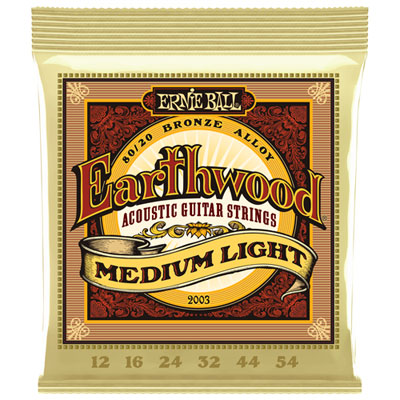 Your price for this item is $14.99
 -
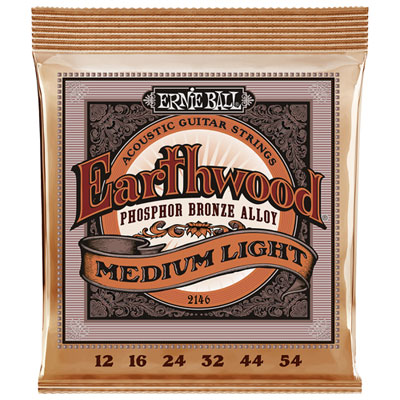 Your price for this item is $11.49
 -
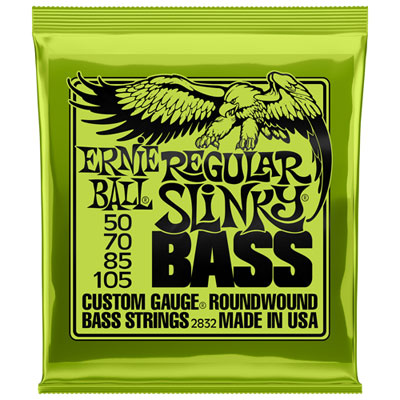 Your price for this item is $31.49
 -
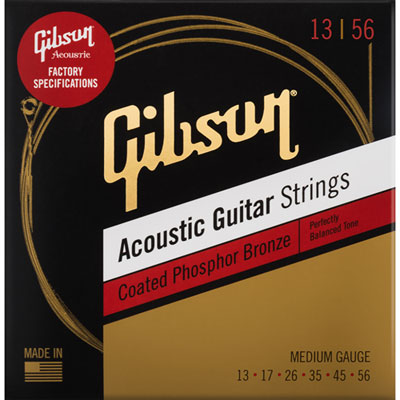 Your price for this item is $18.19
 -
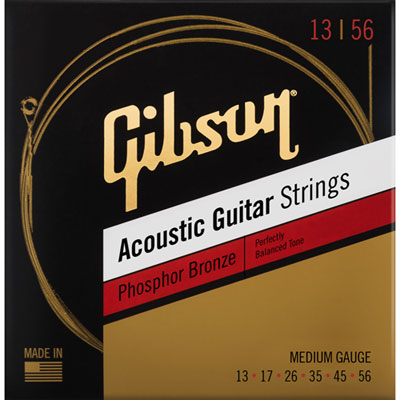 Your price for this item is $13.95
 -
 Your price for this item is $15.49
 -
 Your price for this item is $15.49
 -
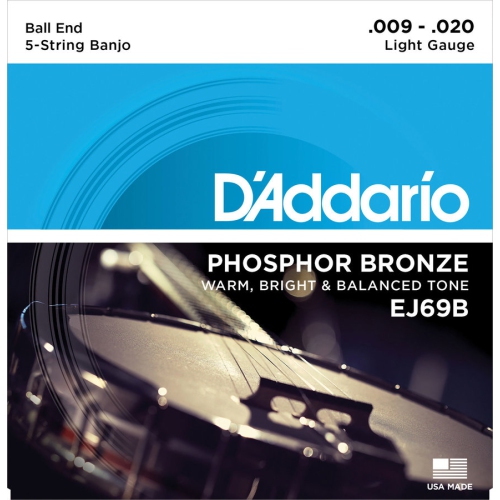 Your price for this item is $6.49
Discover more categories related to Replacement Guitar Strings
Top Collections:
Pokemon Centers, Best Cameras for Sports Photography, Kindle Devices, Samsung Galaxy Phones, Canon G7X Cameras, Pokémon 30th Celebration Cards, Refurbished Apple Laptops, iPhone 15 Apple, Laptops for Students, Budget Smartphones
Some products may be subject to Environmental Handling Fees
(EHF) depending on your province.
Learn more about EHFs.