Durable Guitar Strings
When it comes to strings, there are a lot of options out there. But if you're looking for something that will last and sound great, you should consider using durable guitar strings. Here are some great options for durable guitar strings.
Sort
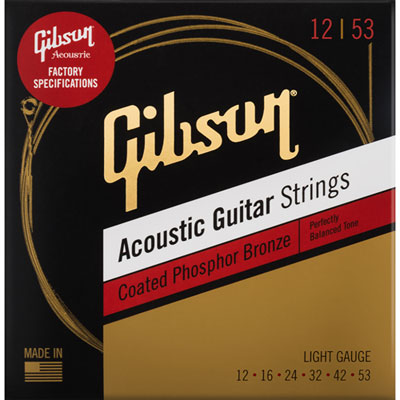
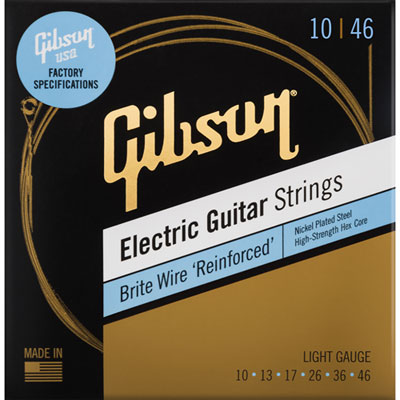
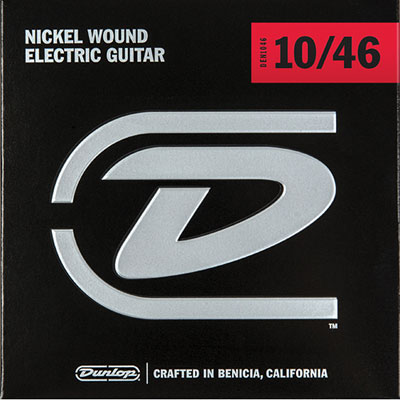
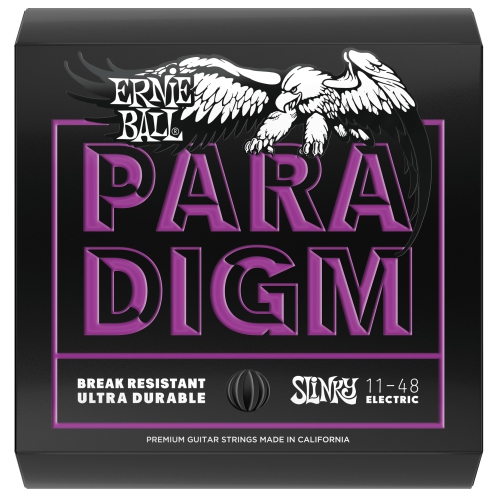
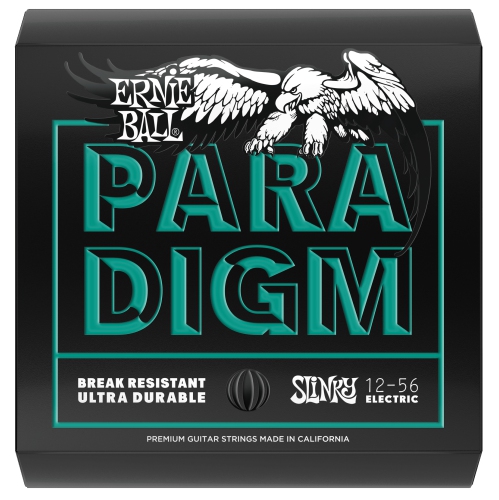

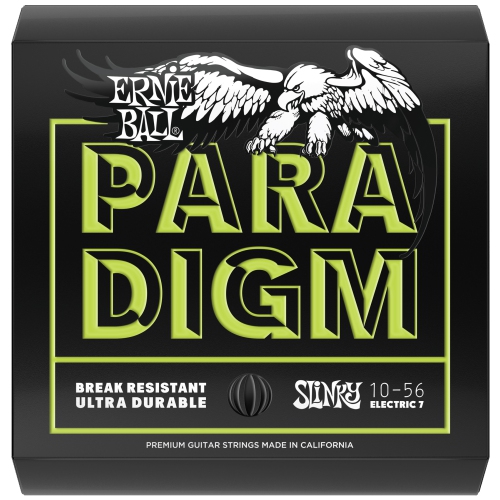


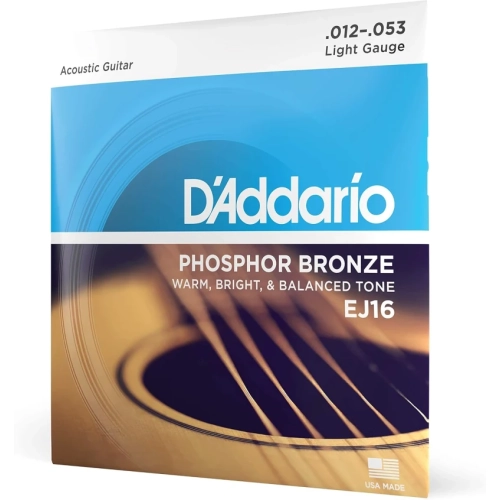
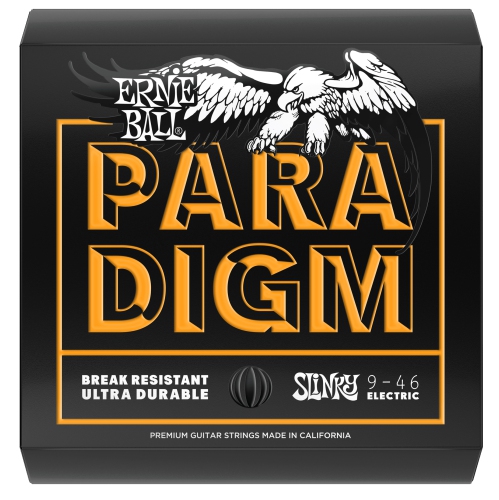
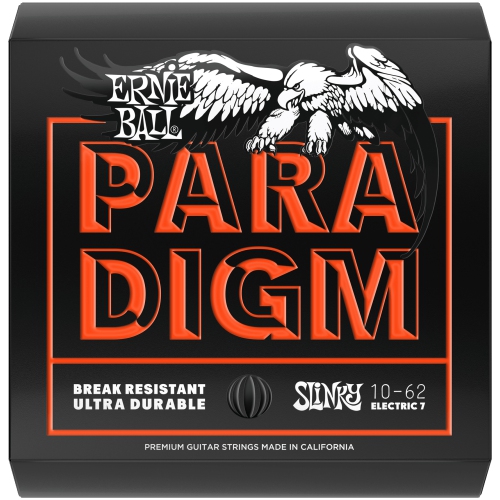
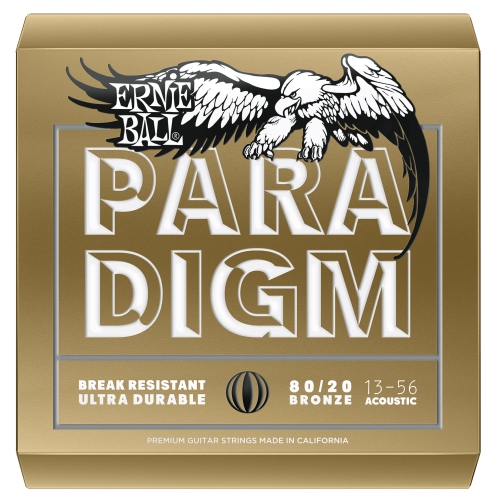
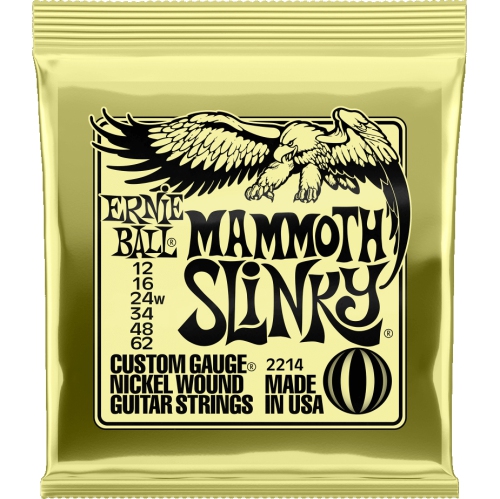

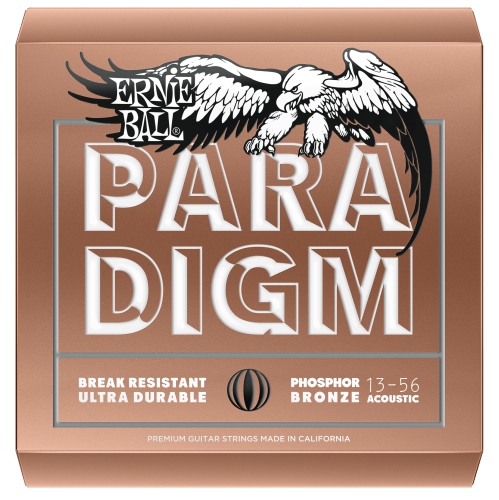


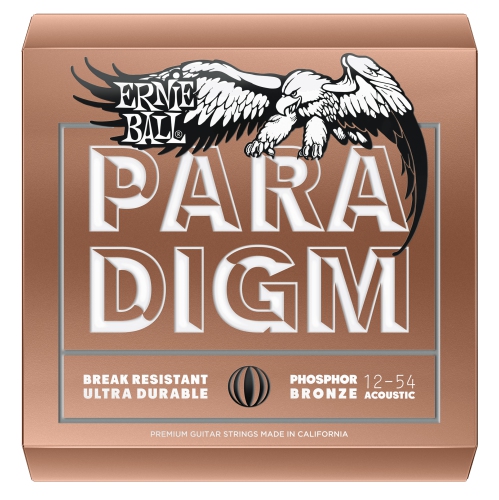
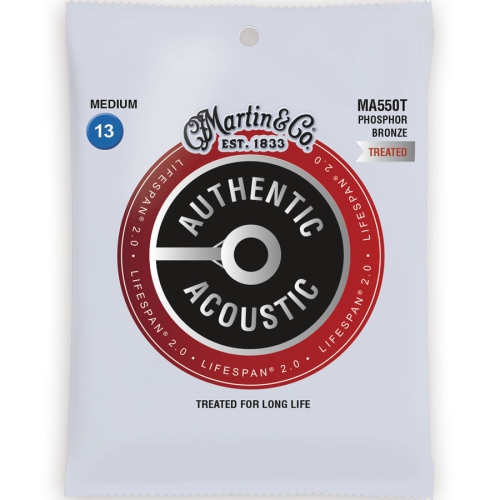
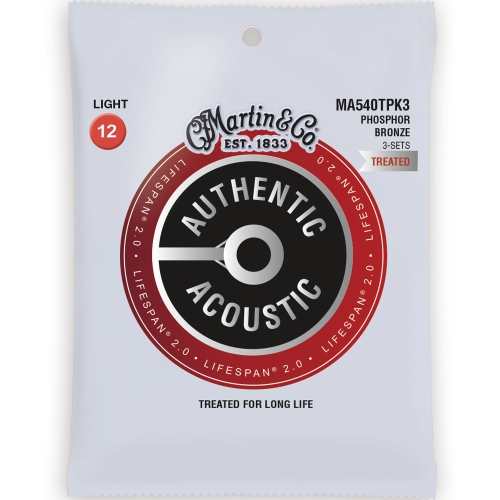
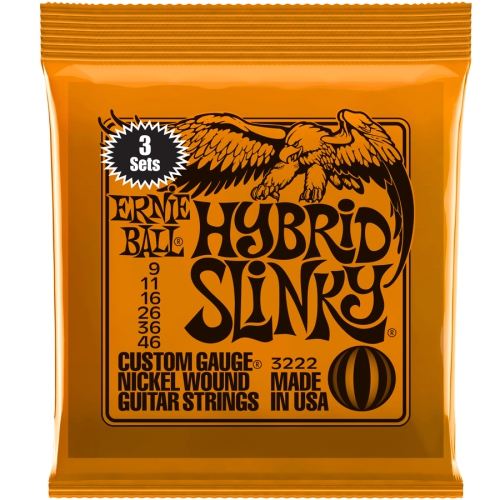









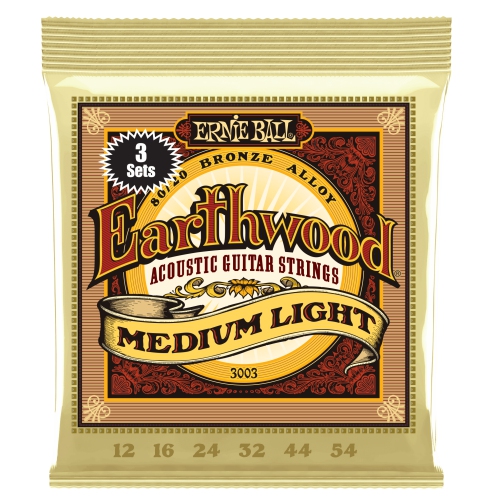

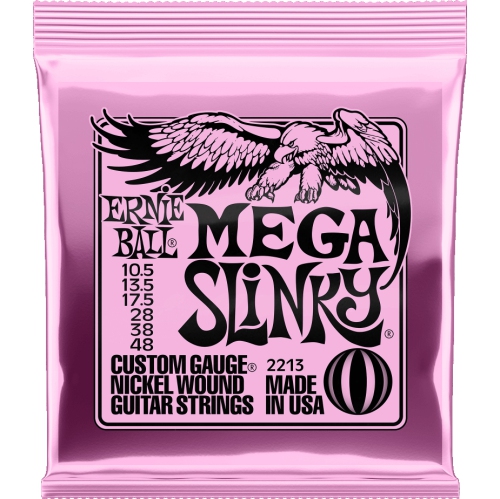
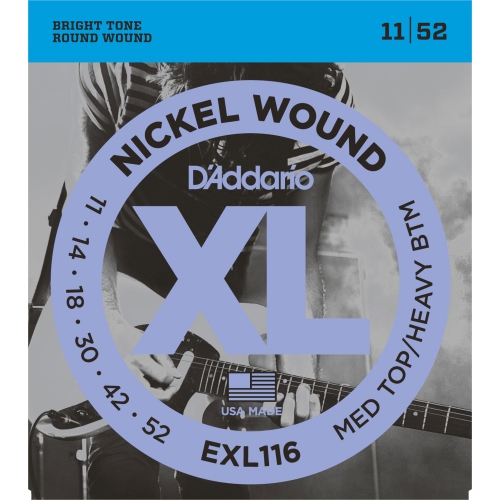
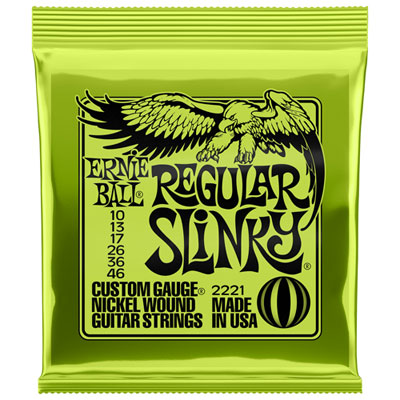


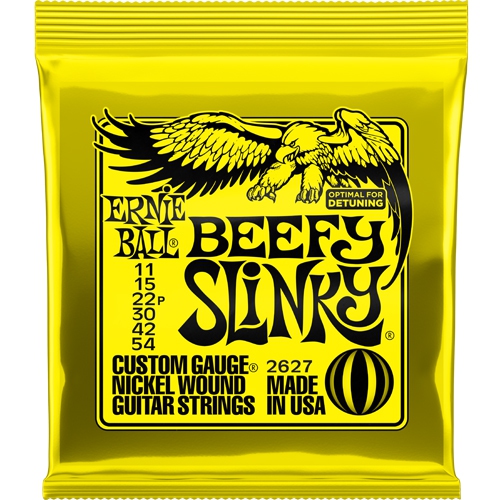
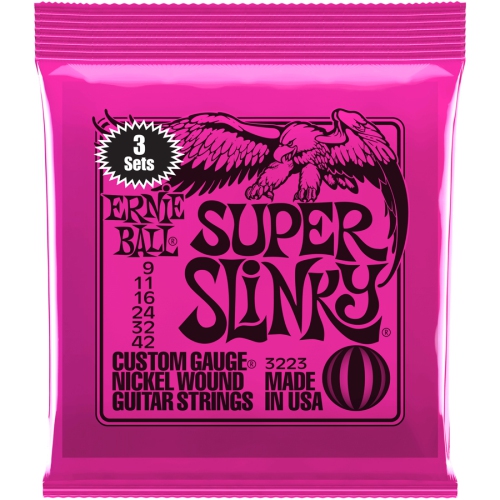
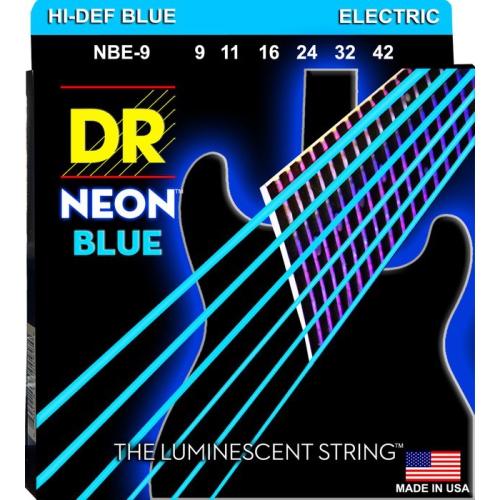

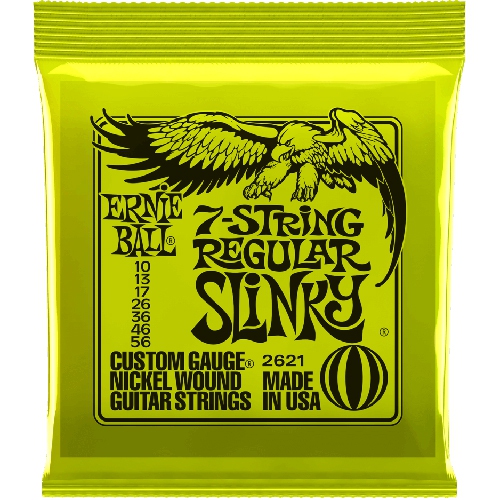
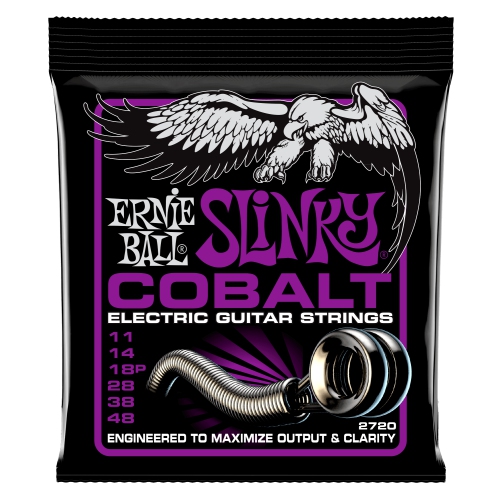
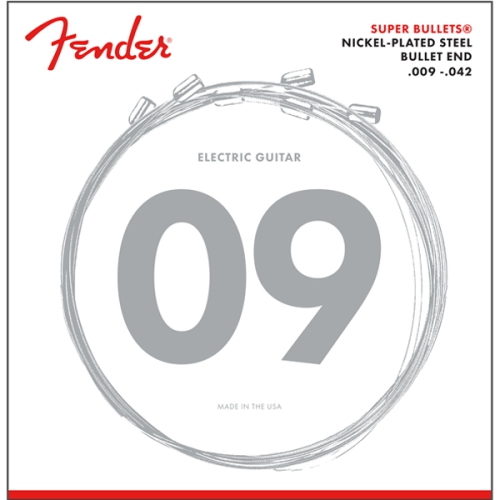
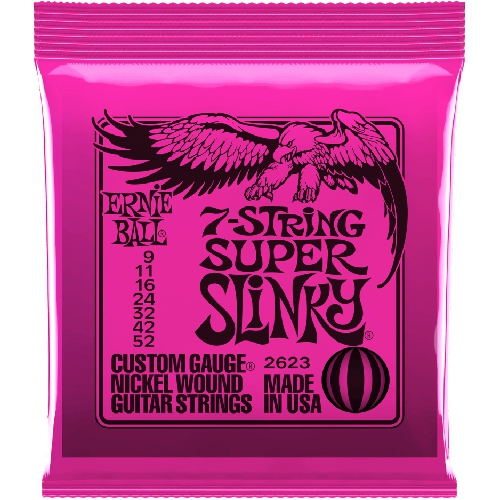
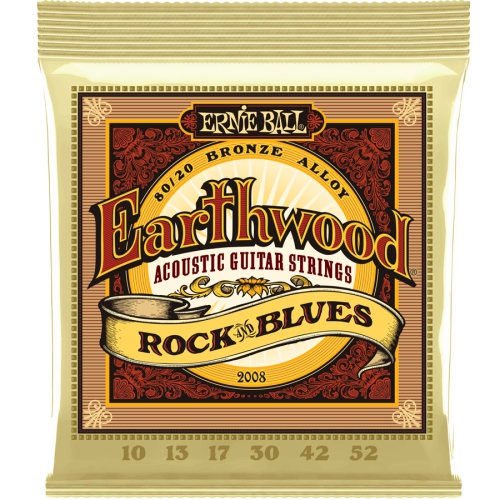
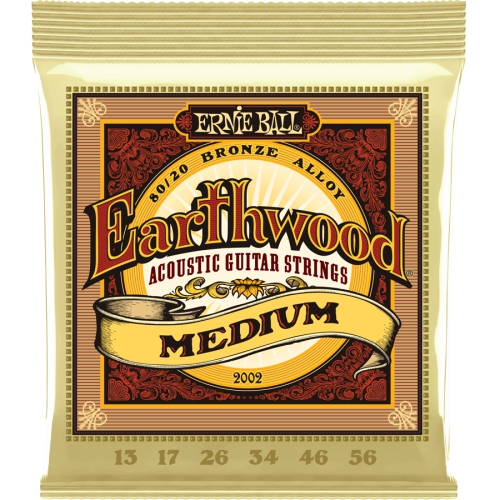
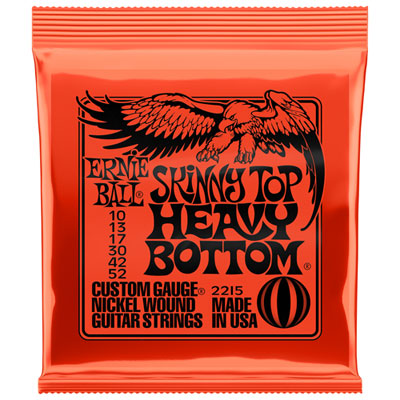

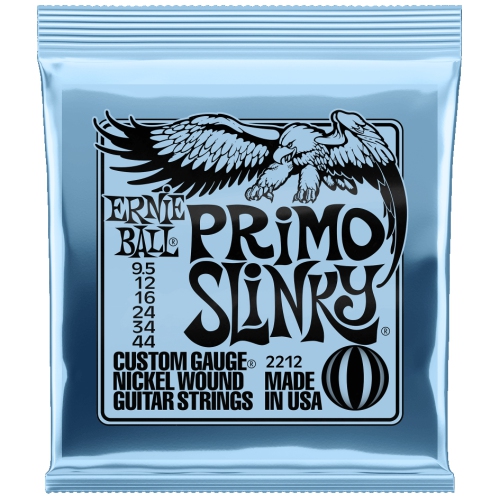
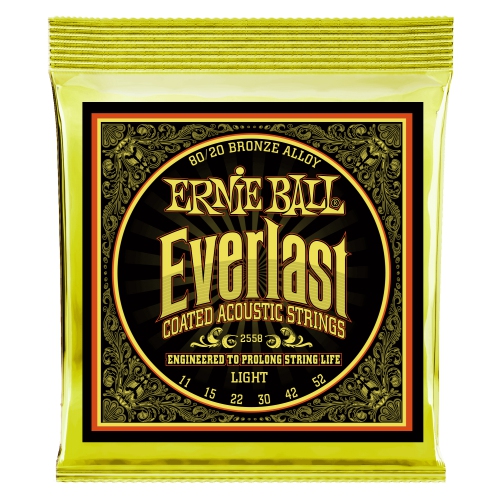



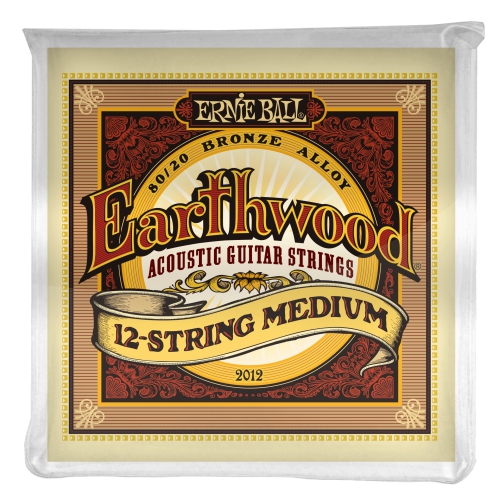
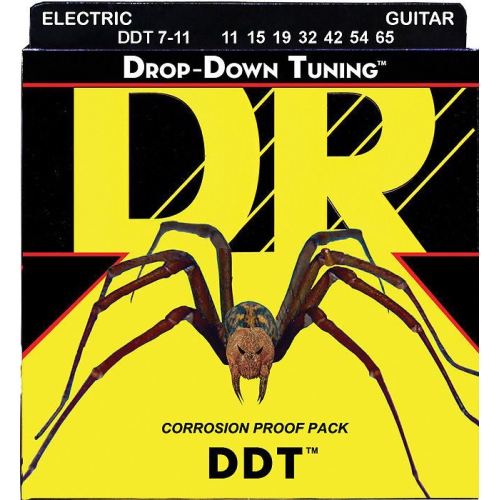

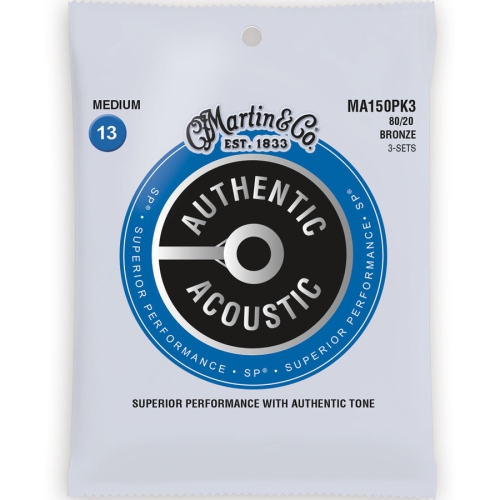
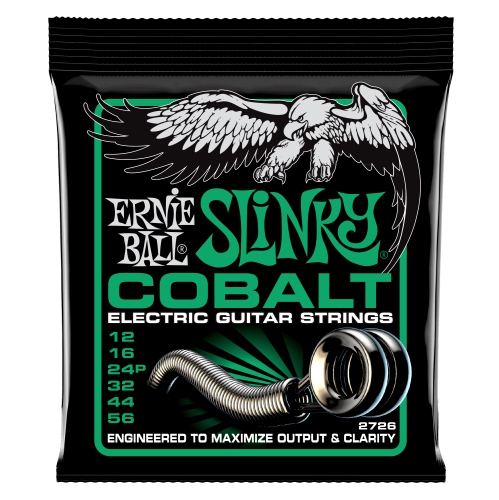

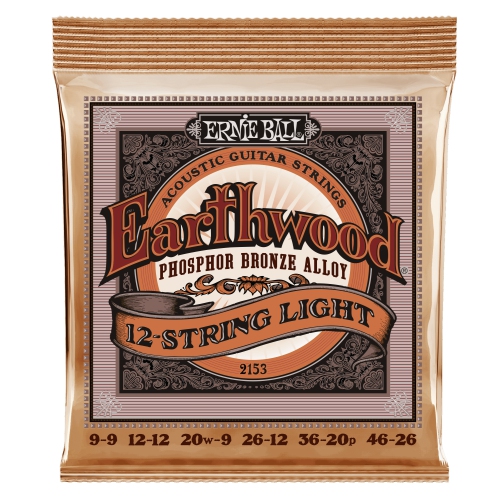
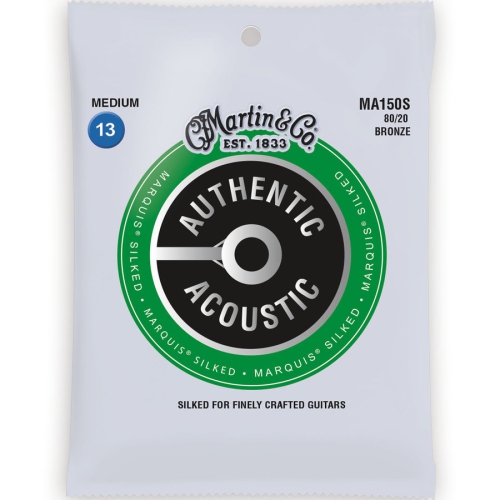
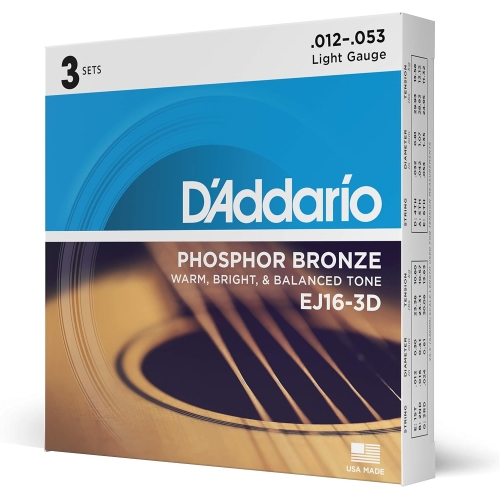
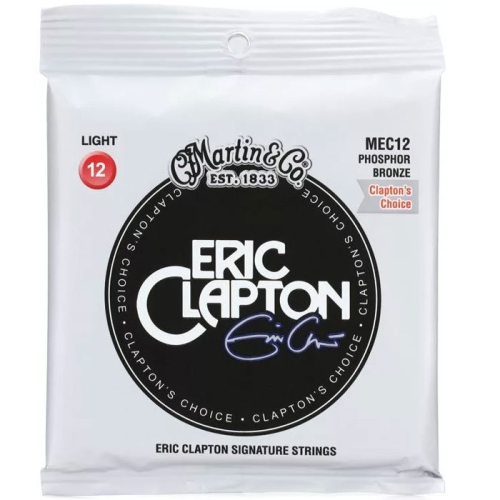
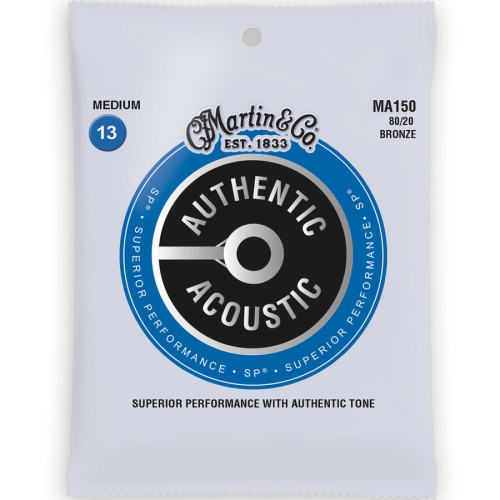
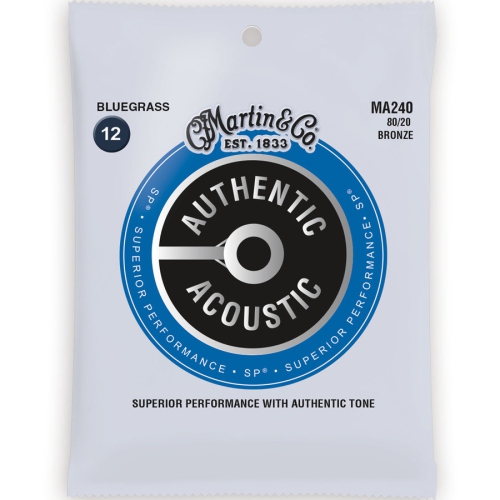
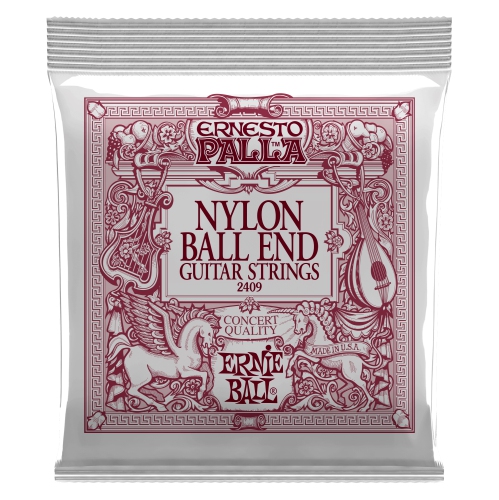
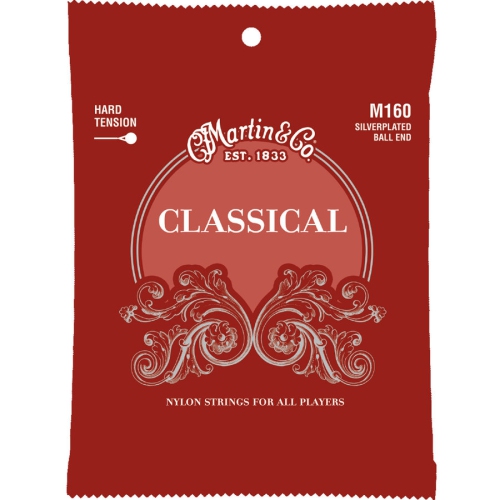
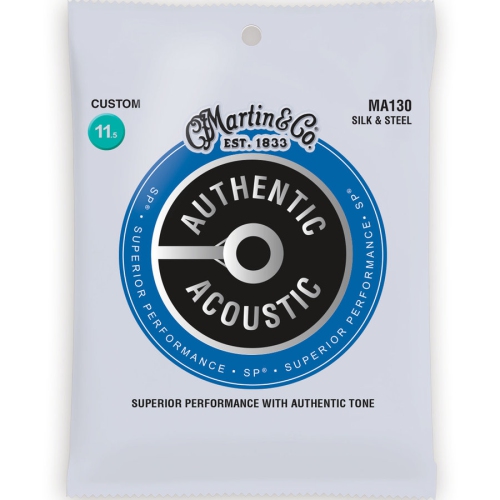
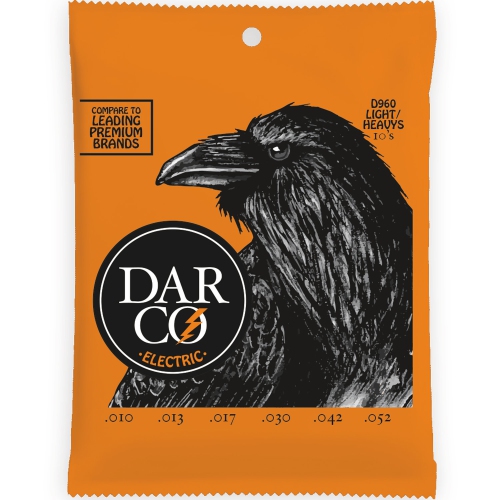
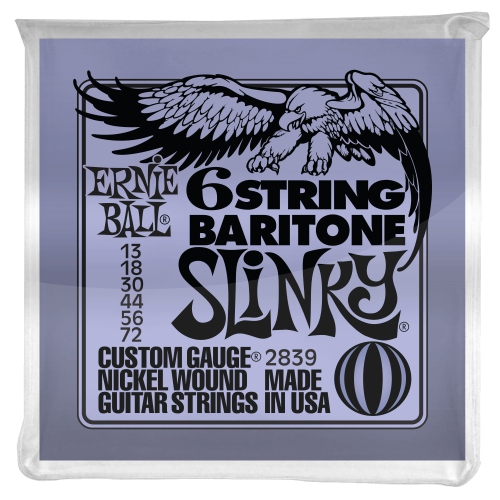
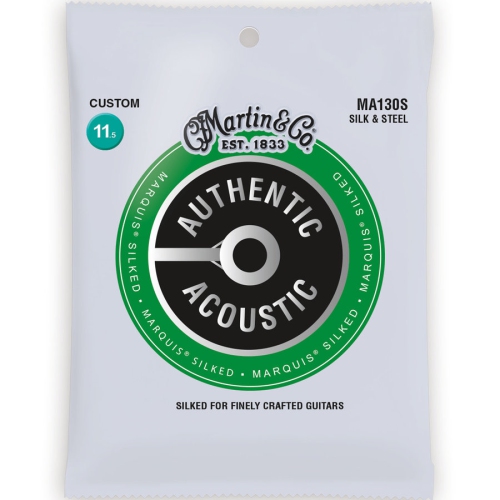

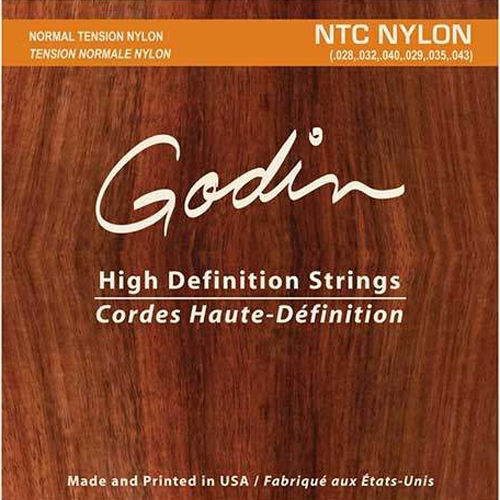
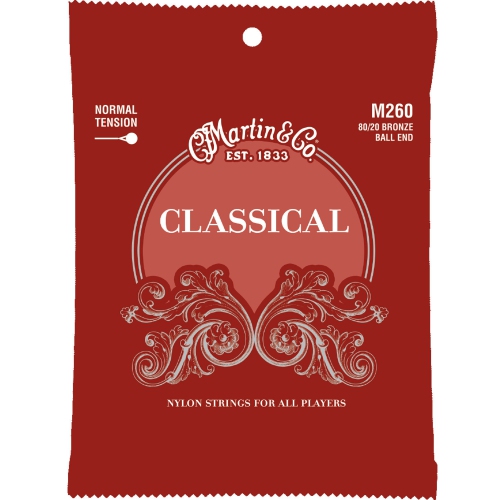
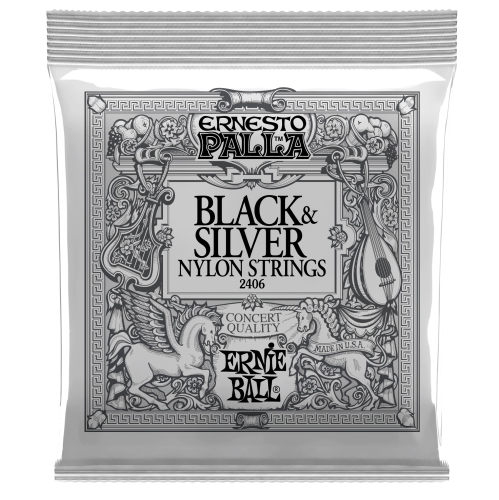
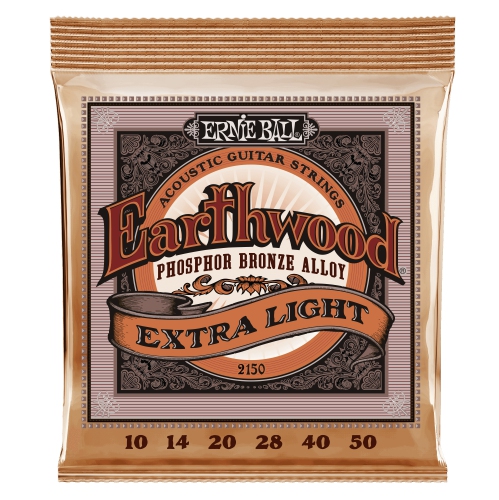
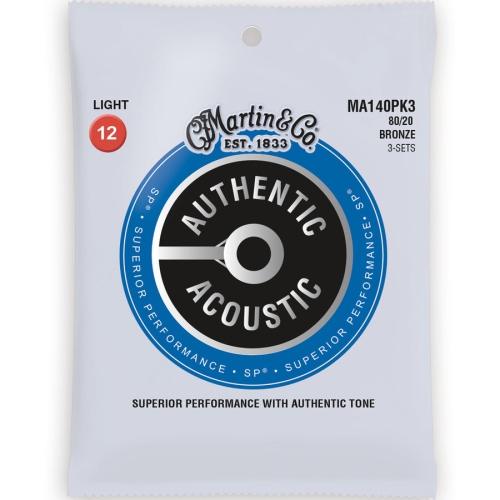
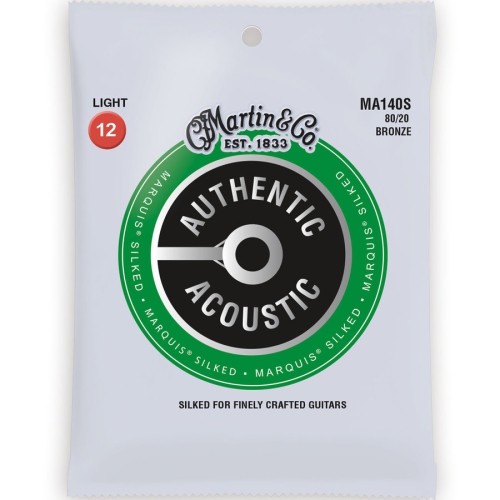
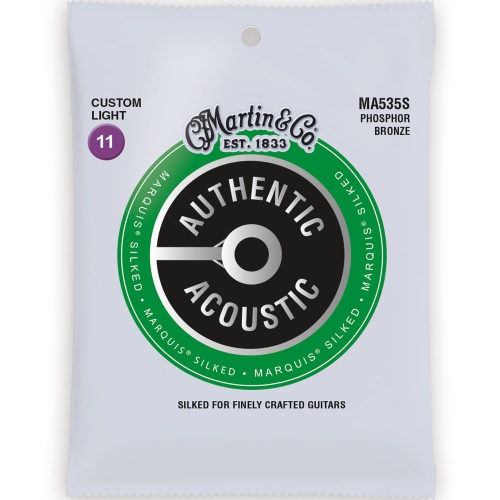
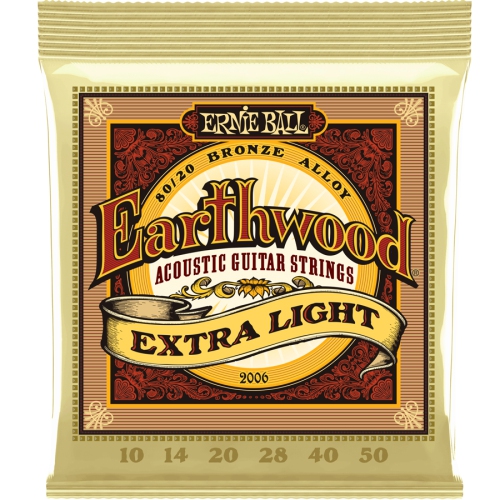


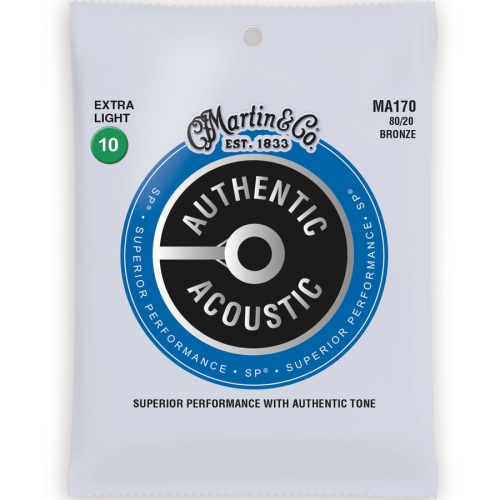
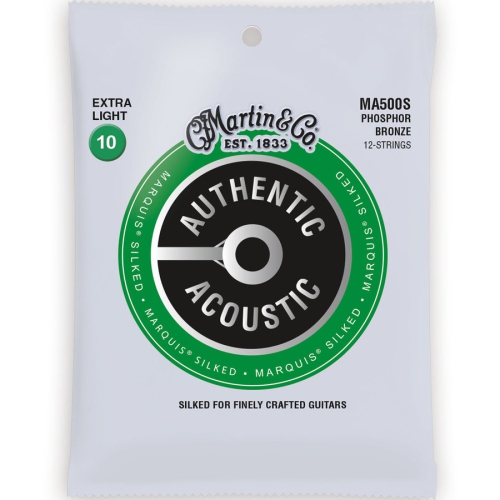
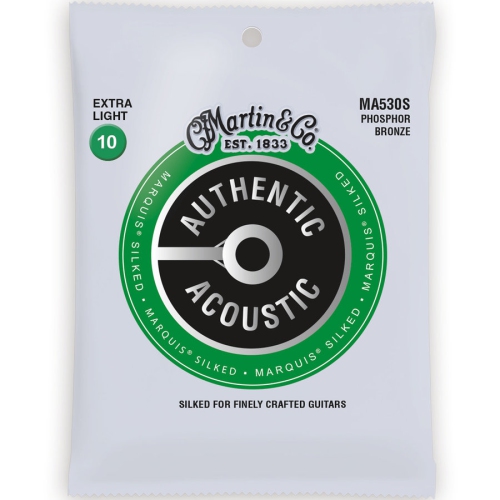
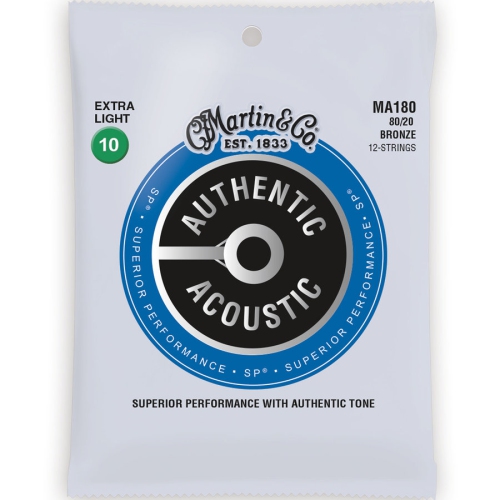
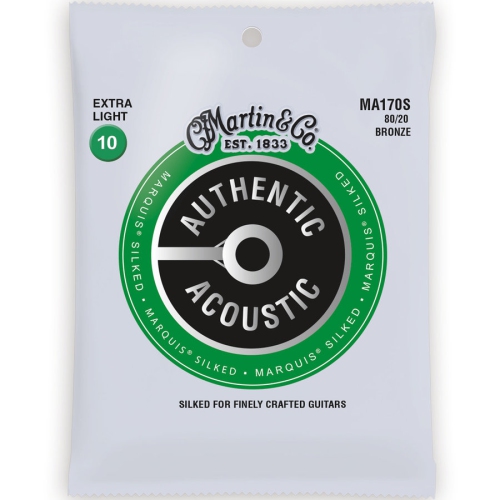
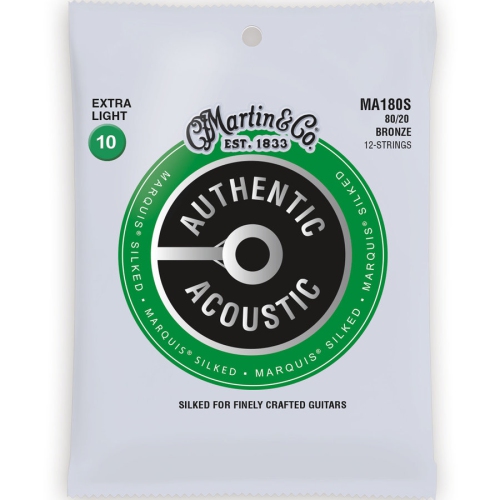


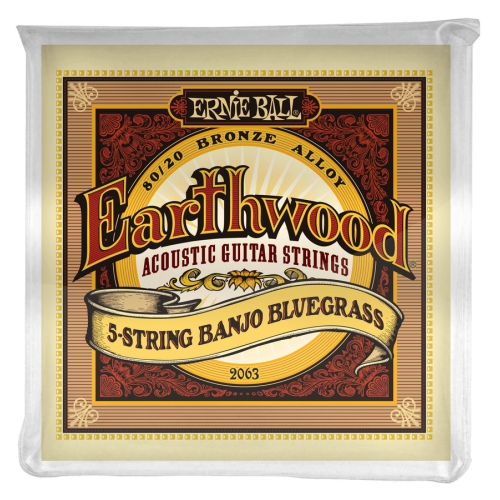
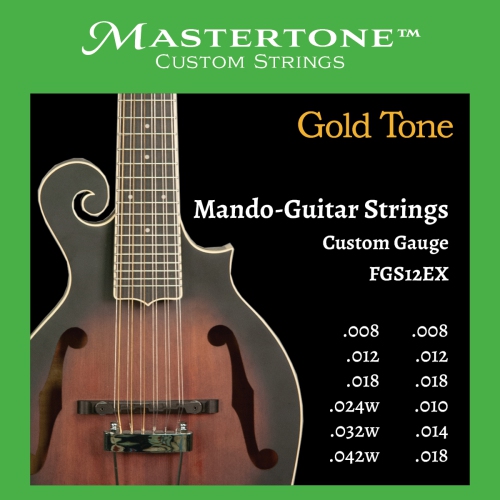
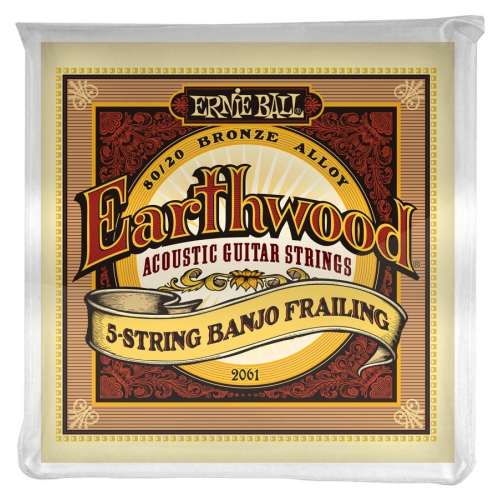
What affects string life, feel, tone, and tuning stability
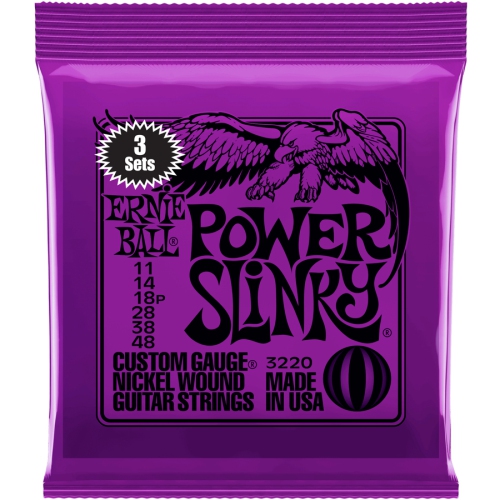
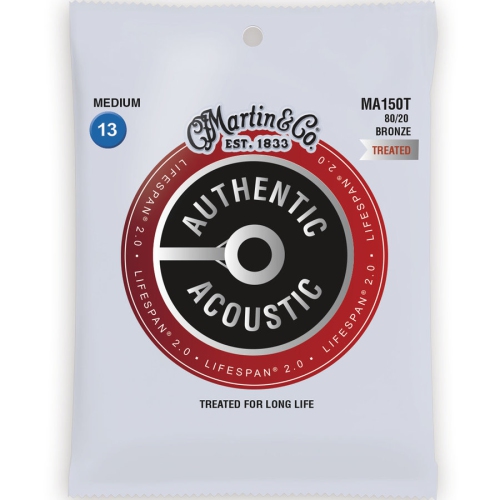
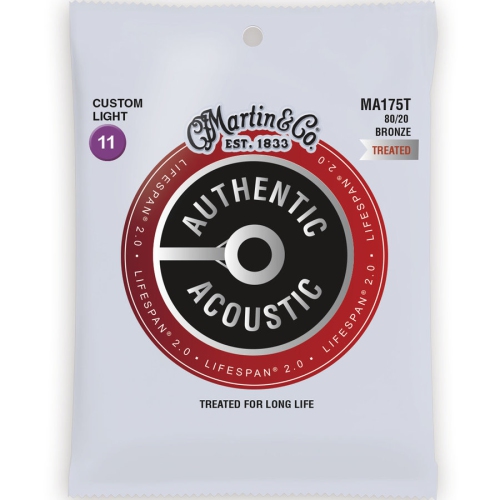
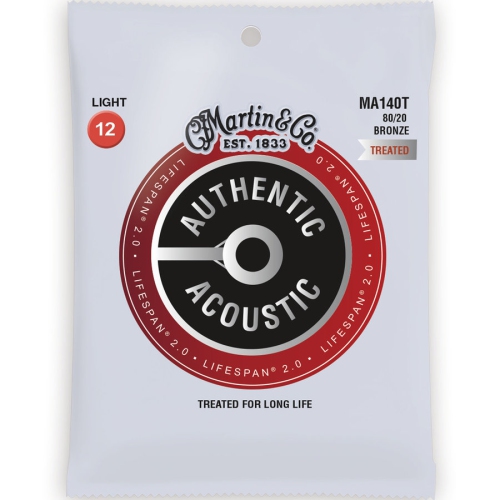
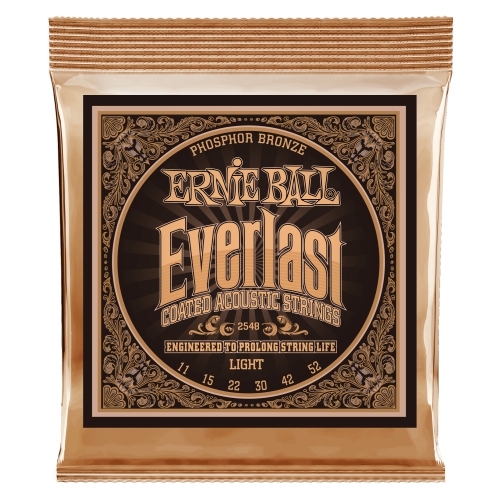
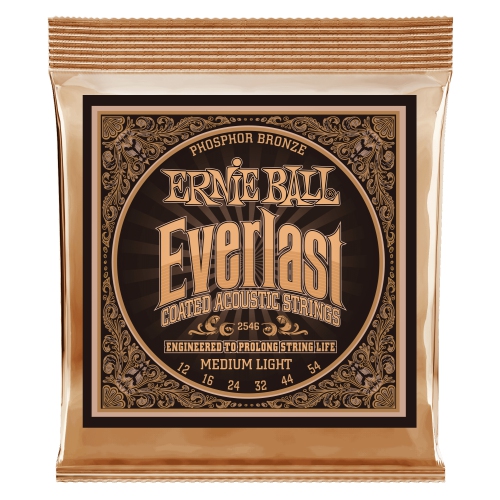
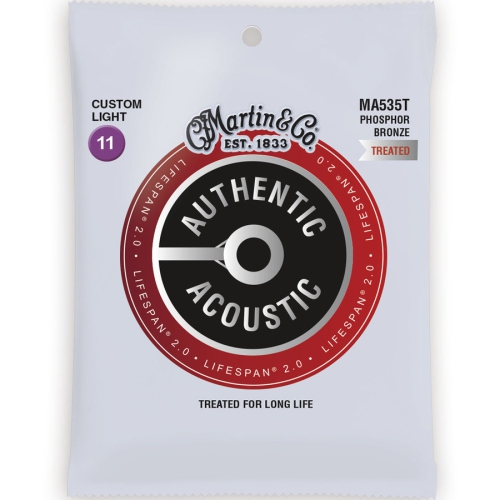
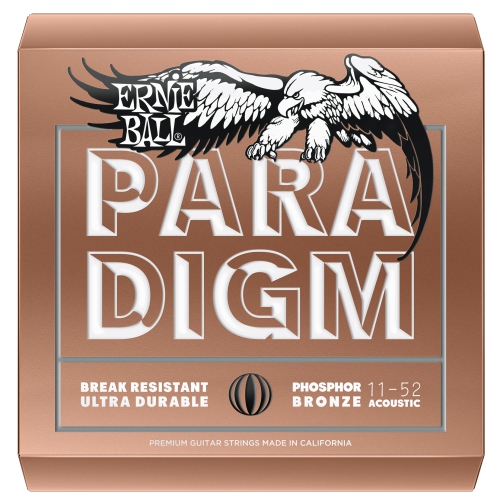
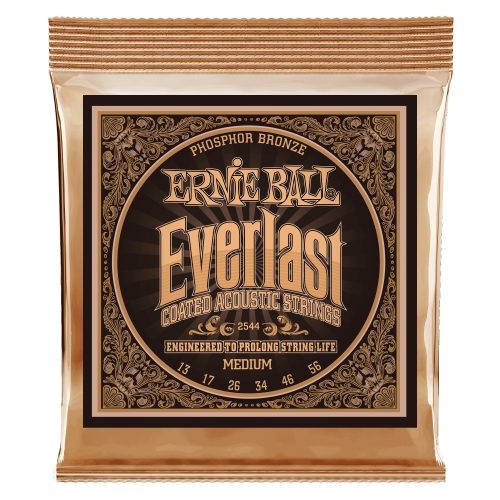
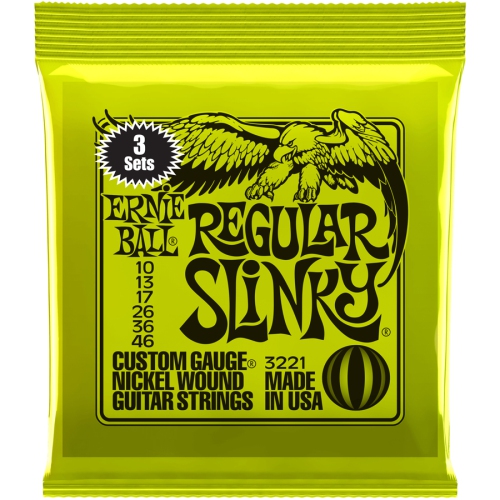
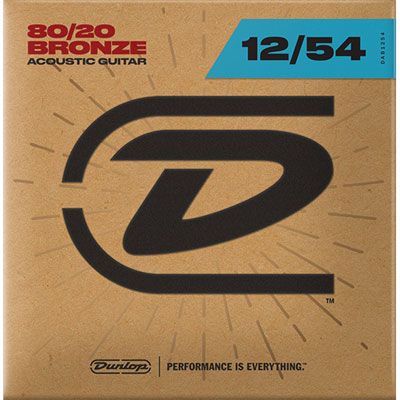
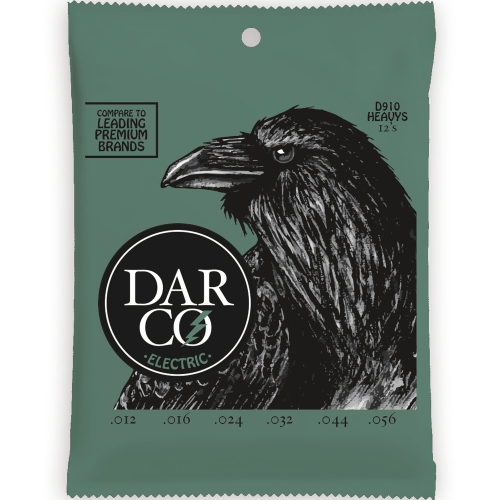
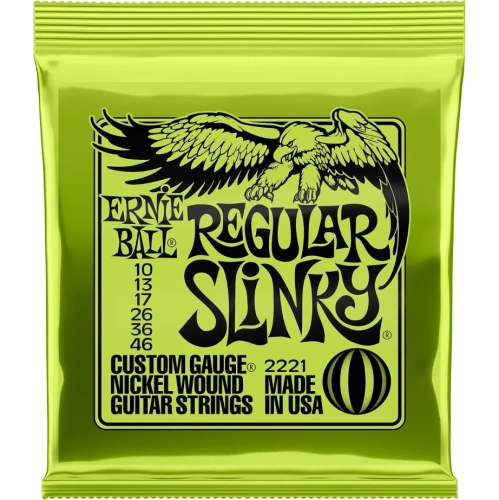
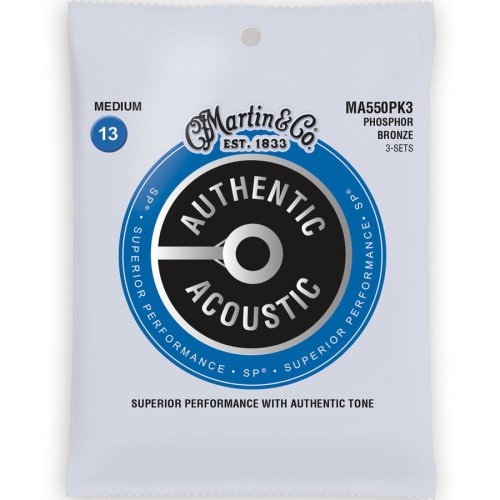
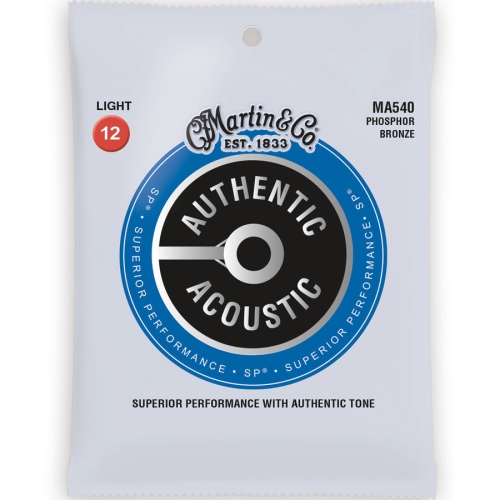
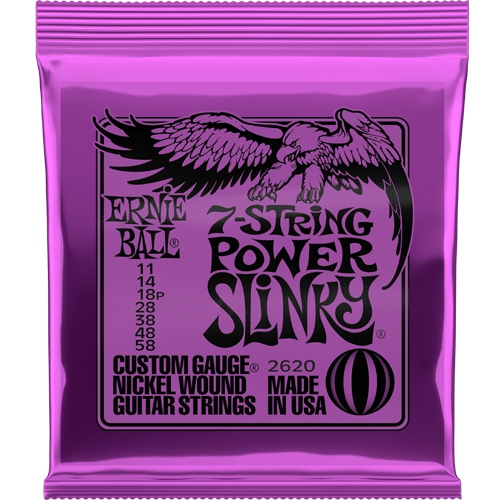
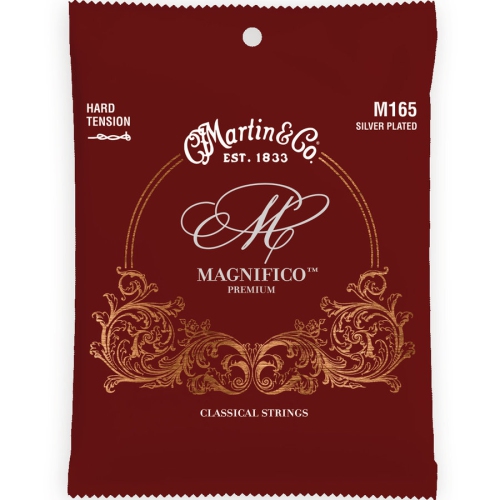
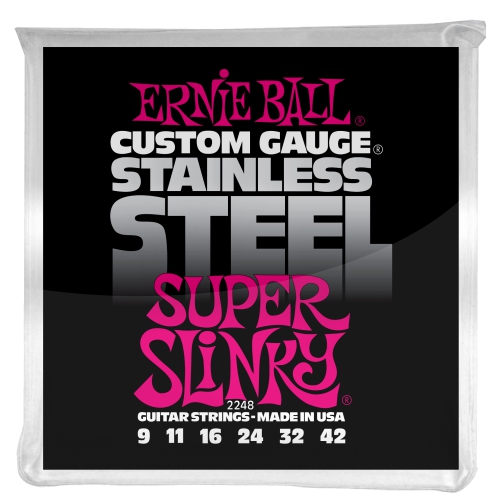
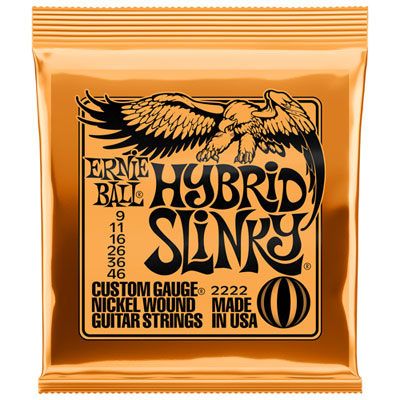
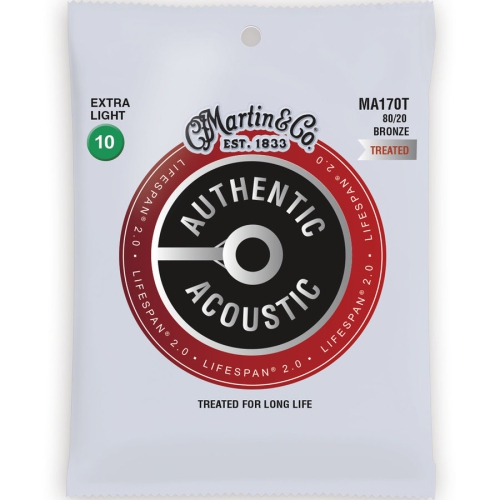
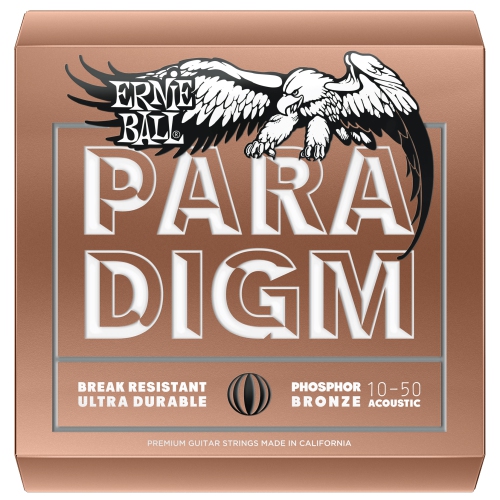
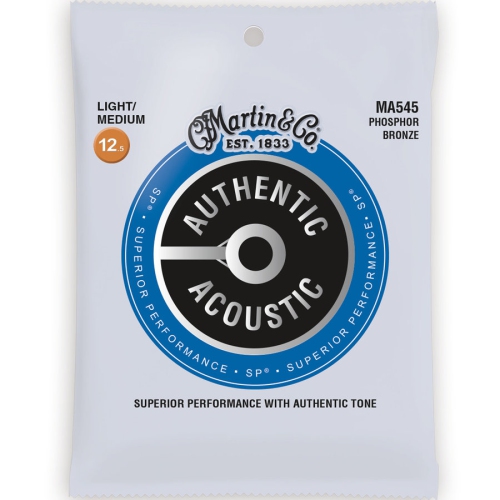
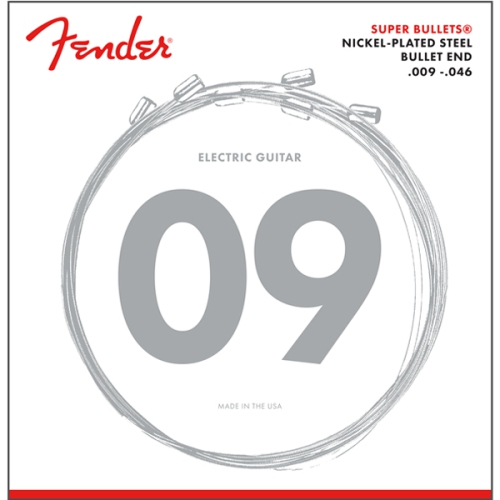
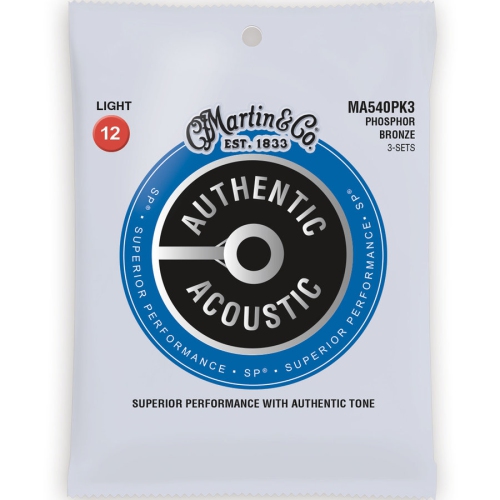
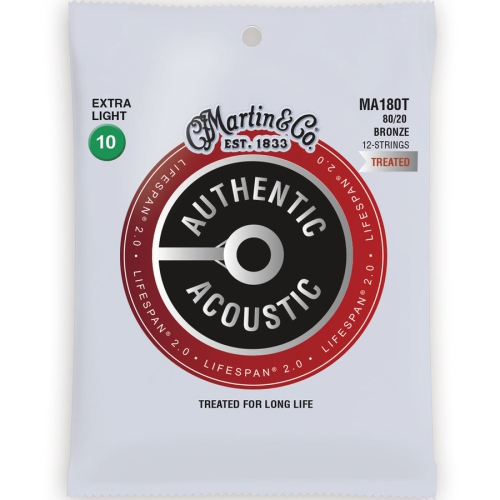
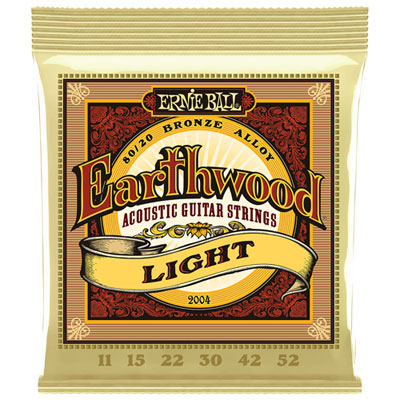
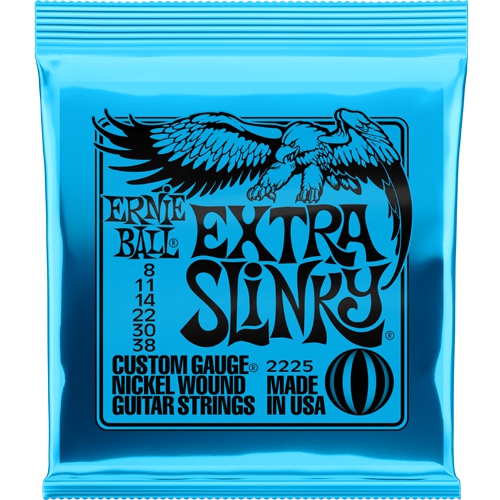
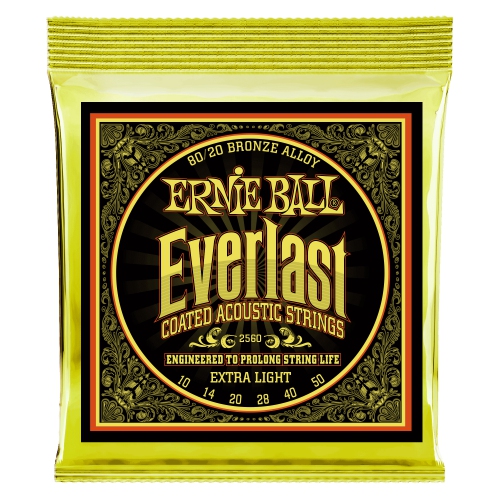
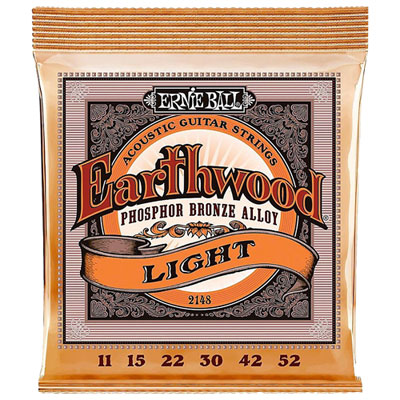
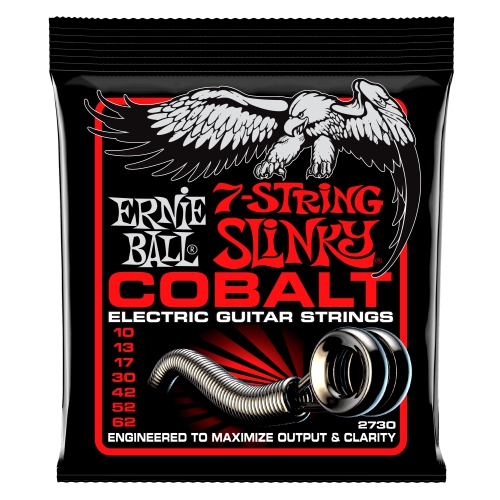
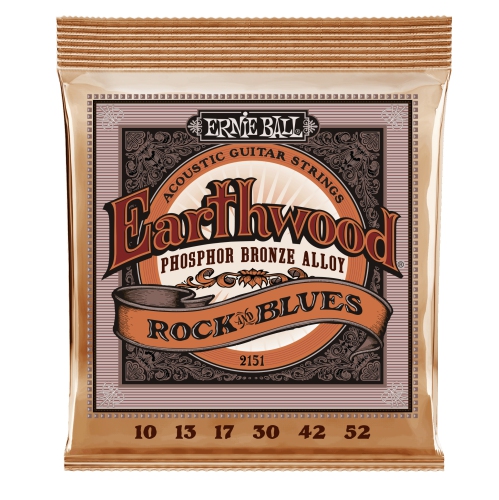
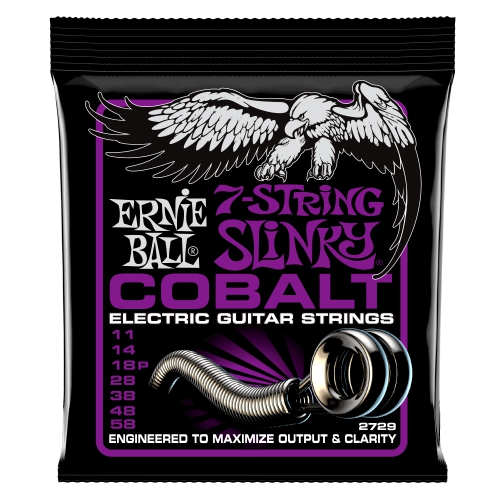
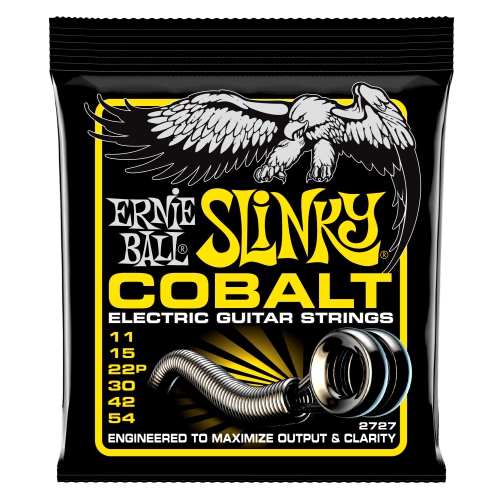
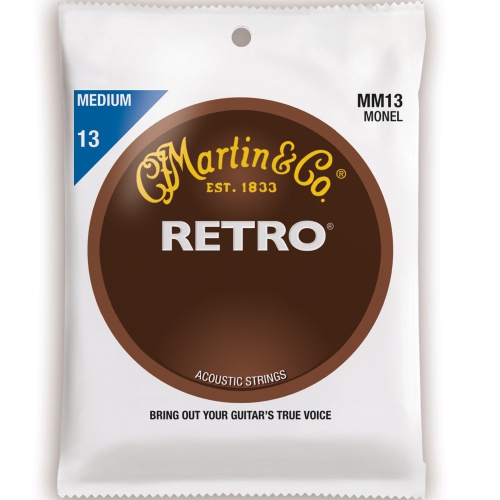
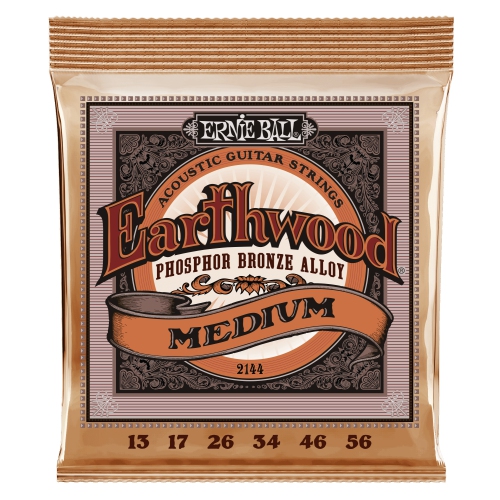
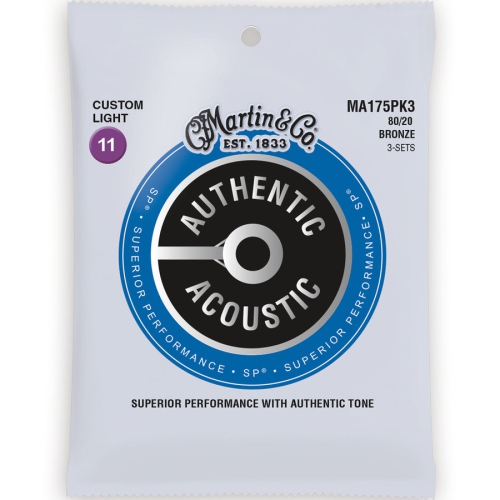
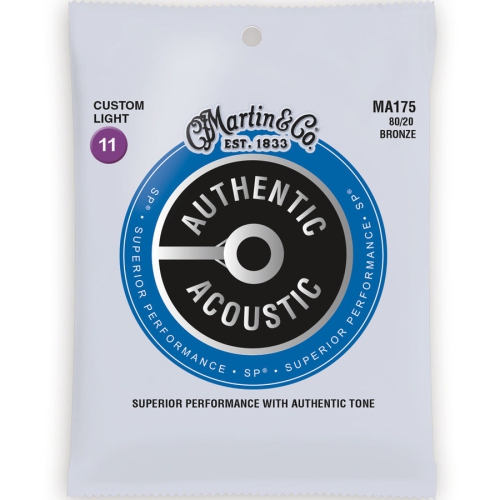
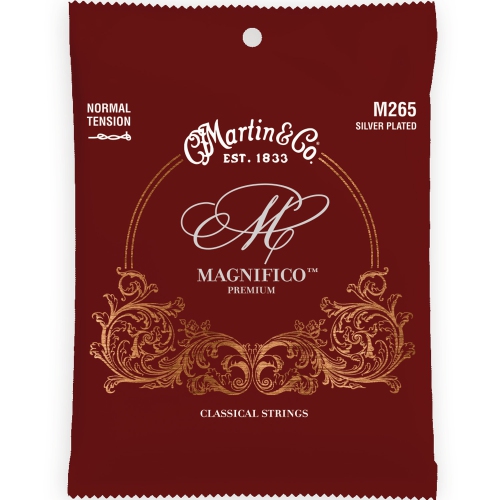
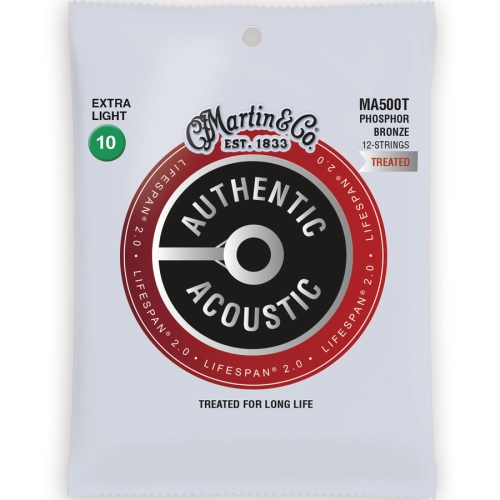
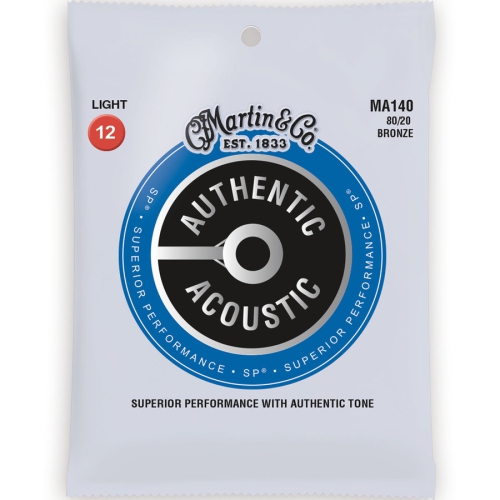
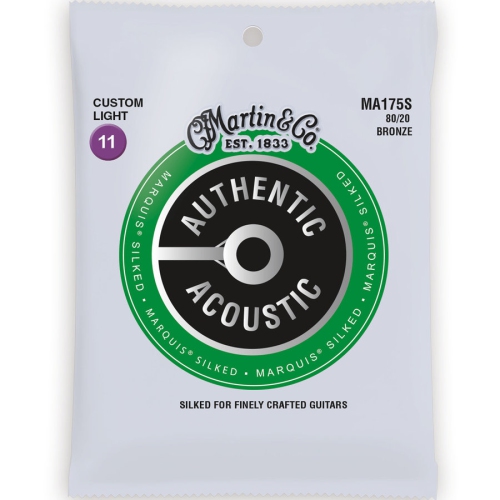
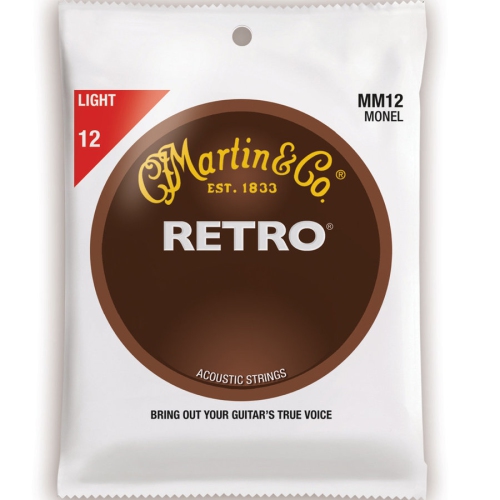
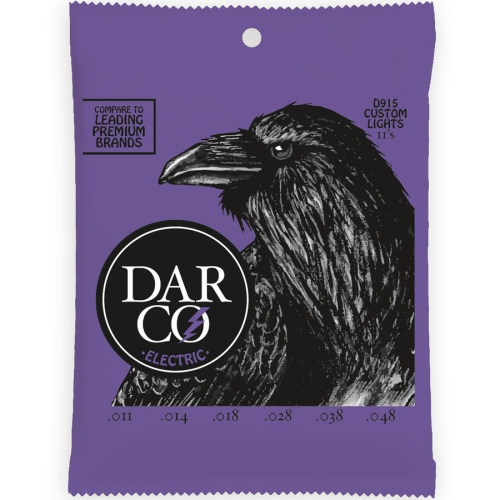
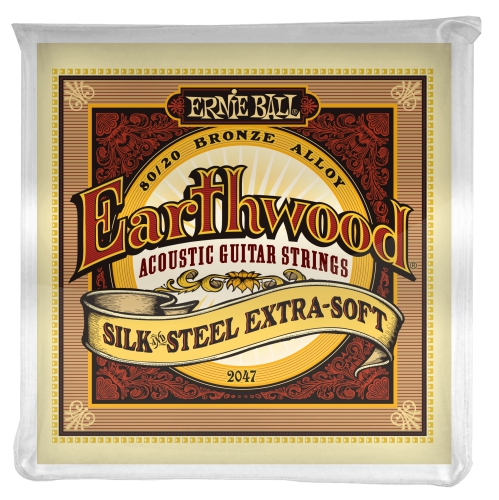
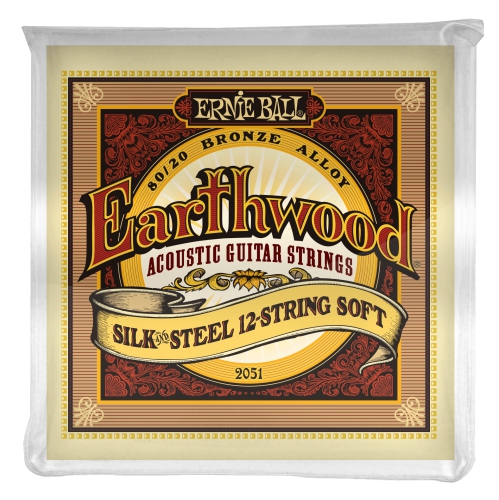
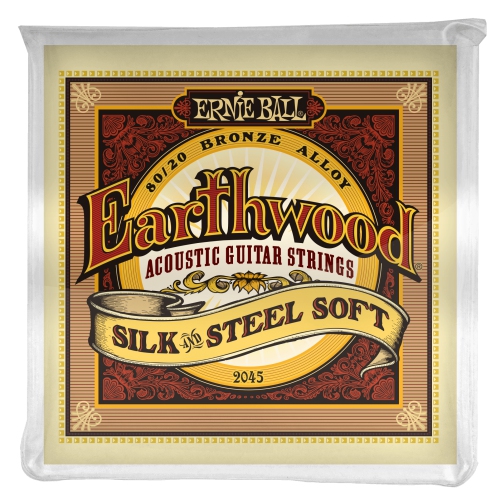
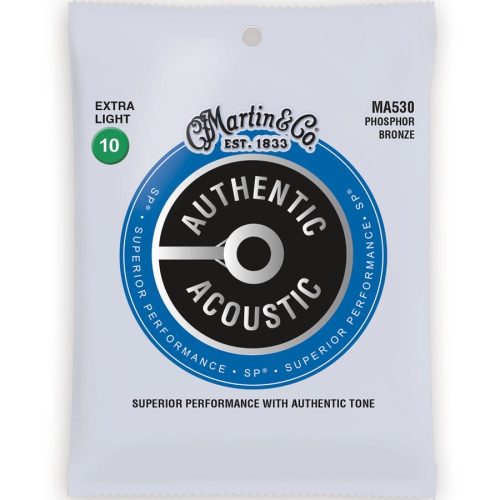
Durable guitar strings are designed for players who want dependable performance through regular practice, rehearsals, recording sessions, lessons, and live playing. Unlike standard strings that may lose their brightness quickly or show signs of corrosion after repeated exposure to sweat and humidity, long-lasting options are made with features that help protect the metal and maintain a more consistent feel. Coated guitar strings have a very thin protective layer over the winding, helping to reduce the build-up of dirt, skin oils, and moisture between the wraps. This can be especially useful for players with naturally perspiring hands, musicians who play outdoors, or anyone who prefers to change strings less frequently. Other durable designs use treated wrap wire, reinforced cores, or high-strength steel intended to improve resistance to snapping and reduce the small shifts in tuning that can happen as strings are played in. The right choice still depends on the guitar: acoustic strings are commonly made with bronze or phosphor bronze winding for a full, projecting sound, while electric guitar strings often use nickel-plated steel or other metal combinations suited to magnetic pickups. Classical guitars require nylon or composite strings rather than steel, so checking the instrument type before buying is an important first step. It is also helpful to consider the scale length, bridge style, and manufacturer’s recommended string construction, particularly when replacing strings on a vintage, travel, or specialty guitar. Players who routinely break the high E or B string may appreciate a set engineered for greater tensile strength, while those who notice dullness caused by hand oils may prefer a coated option. A durable set can be a practical addition to a gig bag, rehearsal space, or home studio, giving a player a reliable spare when a string fails before a lesson or performance. For musicians who favour a lighter touch, browsing Light Guitar Strings can help narrow the selection toward sets that feel easier under the fingers while still matching the needs of the instrument.
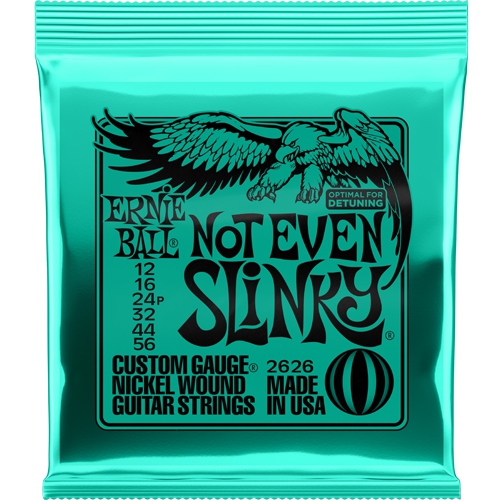
String gauge is another major consideration because it affects comfort, tone, volume, tuning stability, and the amount of tension placed on the neck. Lighter gauges usually bend more easily and can be comfortable for beginners, lead players, and musicians who play for long sessions, whereas medium or heavier gauges can provide a fuller response and a firmer feel for strumming, alternate tunings, or stronger picking styles. A durable string is not automatically the heaviest string available; construction quality, coating, core design, winding method, and the player’s technique all contribute to how long a set performs well. Before installing a different gauge, players should consider whether the guitar has been set up for that tension, since a substantial change may affect the action, intonation, or neck relief. Proper installation also helps extend string life. Winding each string neatly around the tuning post, avoiding sharp kinks near the bridge, stretching new strings gradually, and tuning carefully can reduce premature breakage. After playing, wiping the strings with a clean, dry cloth helps remove surface moisture and residue, while storing the guitar in a case or gig bag can help limit exposure to rapid temperature and humidity changes during the cooler months. Strings should be replaced when they feel rough, sound muted, drift out of tune repeatedly, or show visible discolouration, fraying, or corrosion, even if they have not snapped. Durable guitar strings can make a thoughtful gift for a guitarist because they are useful across many skill levels and playing styles, from someone learning their first chords to an experienced performer preparing for regular shows. They are also an easy choice for a music teacher, bandmate, student, or family member when the exact guitar model is known. For the best match, confirm whether the recipient plays acoustic, electric, or classical guitar, note their preferred gauge if possible, and look for a set that supports their usual sound and technique. With the appropriate construction and gauge, a well-chosen set can preserve a clear tone, comfortable playability, and dependable tuning through everyday practice and performance.
String gauge is another major consideration because it affects comfort, tone, volume, tuning stability, and the amount of tension placed on the neck. Lighter gauges usually bend more easily and can be comfortable for beginners, lead players, and musicians who play for long sessions, whereas medium or heavier gauges can provide a fuller response and a firmer feel for strumming, alternate tunings, or stronger picking styles. A durable string is not automatically the heaviest string available; construction quality, coating, core design, winding method, and the player’s technique all contribute to how long a set performs well. Before installing a different gauge, players should consider whether the guitar has been set up for that tension, since a substantial change may affect the action, intonation, or neck relief. Proper installation also helps extend string life. Winding each string neatly around the tuning post, avoiding sharp kinks near the bridge, stretching new strings gradually, and tuning carefully can reduce premature breakage. After playing, wiping the strings with a clean, dry cloth helps remove surface moisture and residue, while storing the guitar in a case or gig bag can help limit exposure to rapid temperature and humidity changes during the cooler months. Strings should be replaced when they feel rough, sound muted, drift out of tune repeatedly, or show visible discolouration, fraying, or corrosion, even if they have not snapped. Durable guitar strings can make a thoughtful gift for a guitarist because they are useful across many skill levels and playing styles, from someone learning their first chords to an experienced performer preparing for regular shows. They are also an easy choice for a music teacher, bandmate, student, or family member when the exact guitar model is known. For the best match, confirm whether the recipient plays acoustic, electric, or classical guitar, note their preferred gauge if possible, and look for a set that supports their usual sound and technique. With the appropriate construction and gauge, a well-chosen set can preserve a clear tone, comfortable playability, and dependable tuning through everyday practice and performance.
Top selling and popular products
-
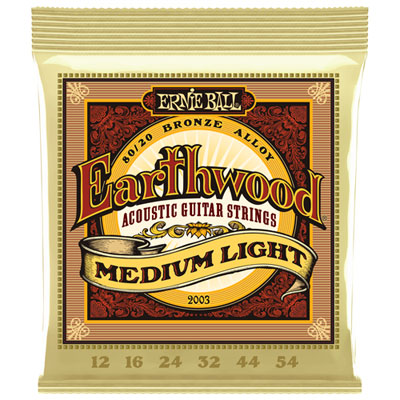 Your price for this item is $14.99
 -
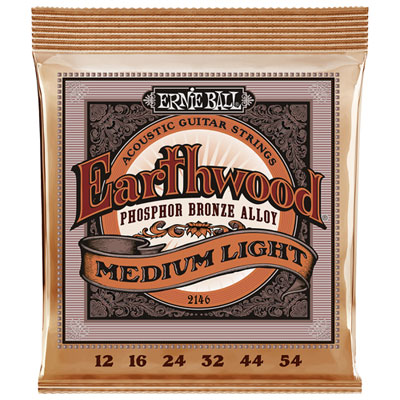 Your price for this item is $11.49
 -
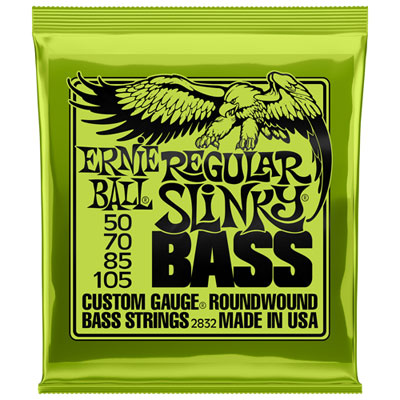 Your price for this item is $31.49
 -
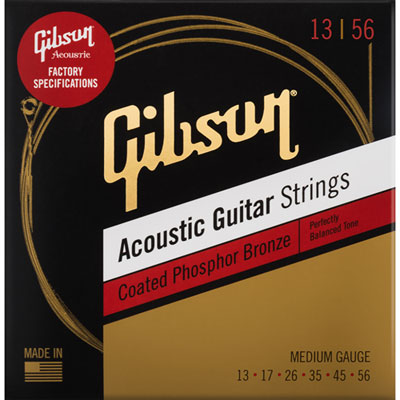 Your price for this item is $18.19
 -
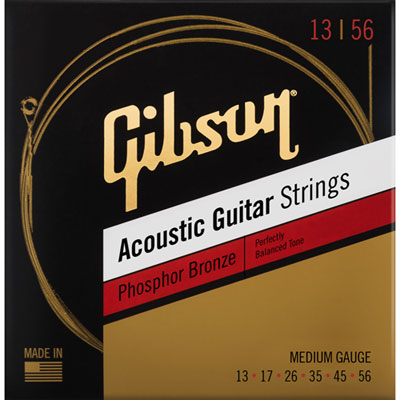 Your price for this item is $13.95
 -
 Your price for this item is $15.49
 -
 Your price for this item is $15.49
 -
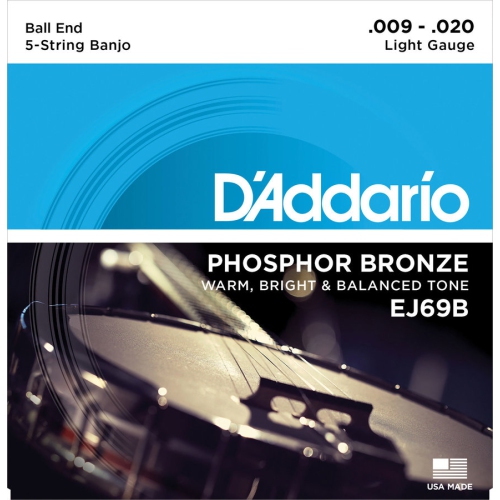 Your price for this item is $6.49
Discover more categories related to Durable Guitar Strings
Top Collections:
Pokemon Centers, Best Cameras for Sports Photography, Kindle Devices, Samsung Galaxy Phones, Canon G7X Cameras, Pokémon 30th Celebration Cards, Refurbished Apple Laptops, iPhone 15 Apple, Laptops for Students, Budget Smartphones
Some products may be subject to Environmental Handling Fees
(EHF) depending on your province.
Learn more about EHFs.