Drum Pad Sets
Looking to unleash your inner rhythm and create beats that will make heads turn? Look no further than our incredible selection of drum pad sets. Whether you're a seasoned drummer or just starting out, these versatile instruments are designed to provide an immersive and dynamic drumming experience. From compact kits perfect for small spaces to larger sets that deliver a powerful sound, our drum pad sets cater to every skill level and musical style. Dive into the world of modern drumming with our selection of drum pad sets.
Sort
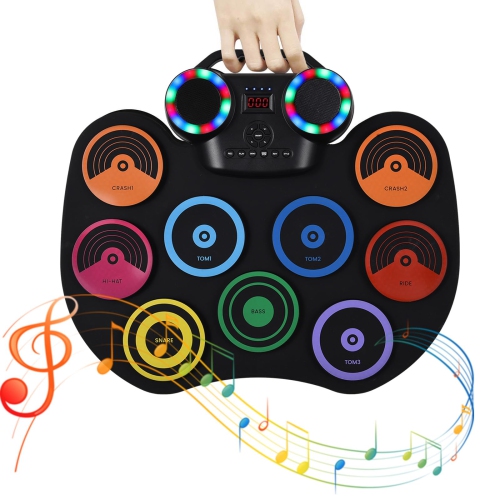
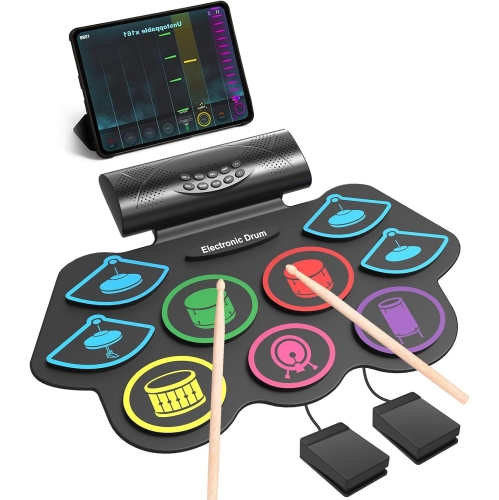
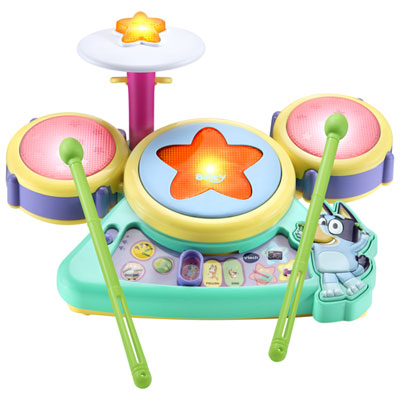
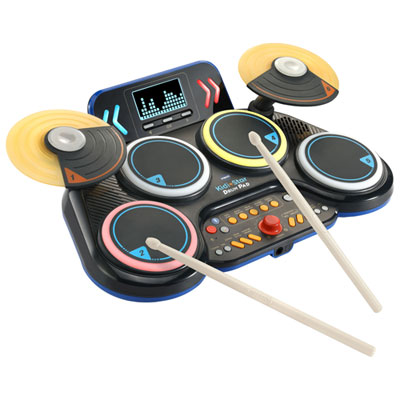
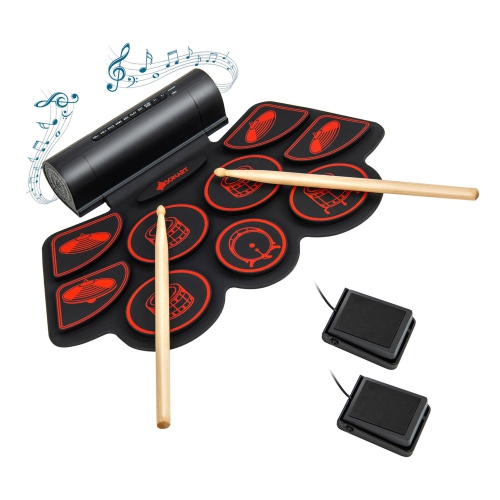
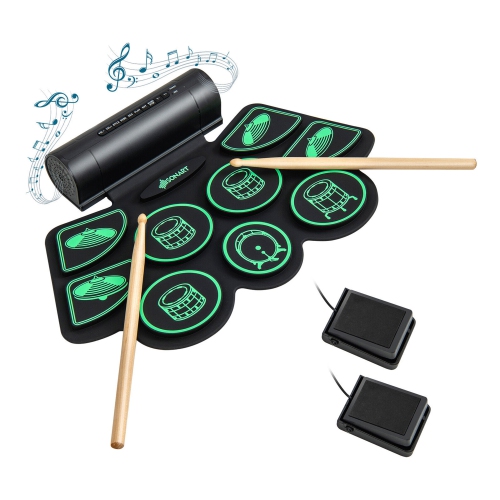
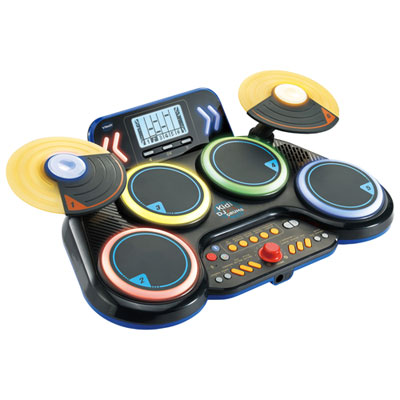
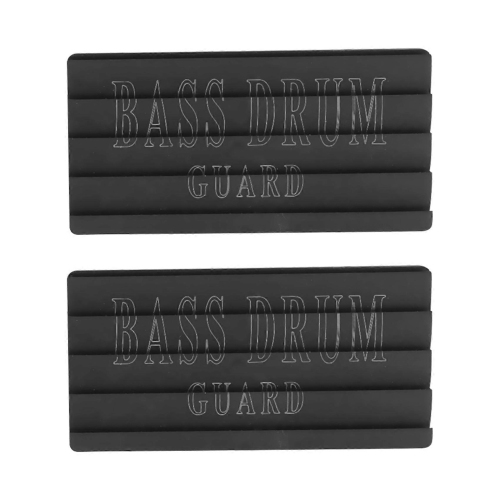
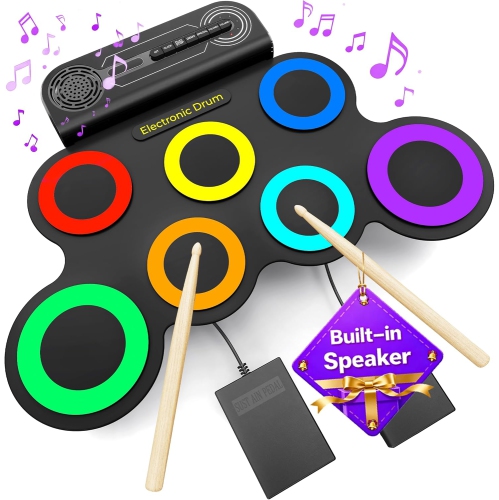
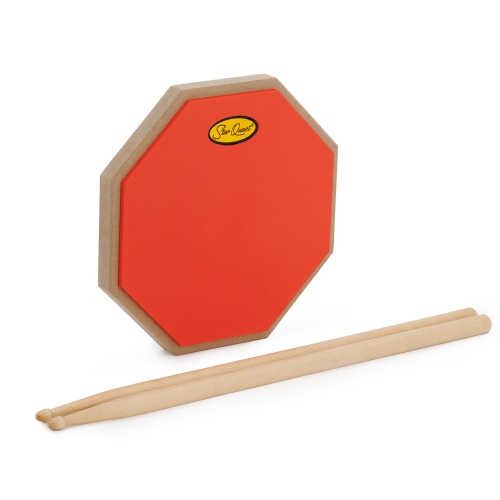
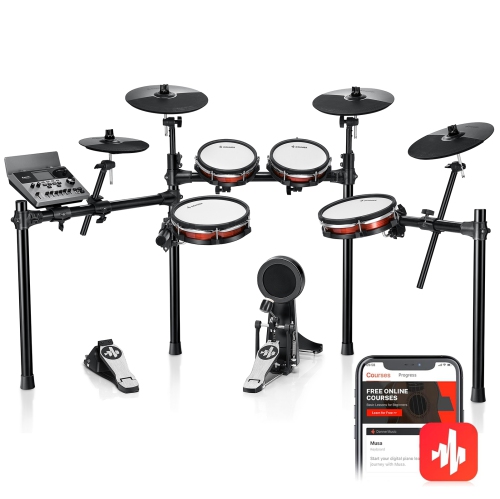
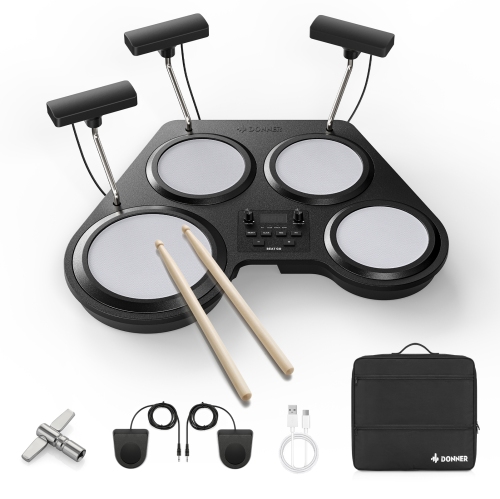
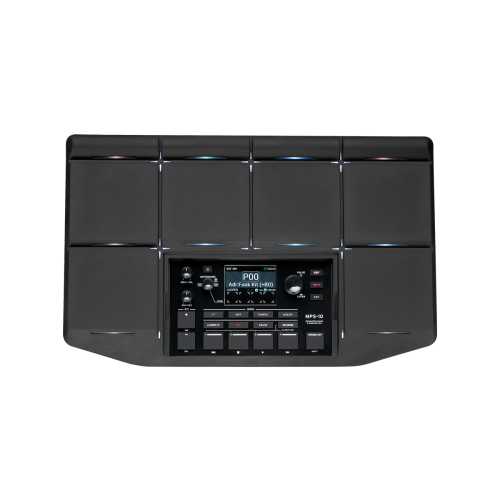
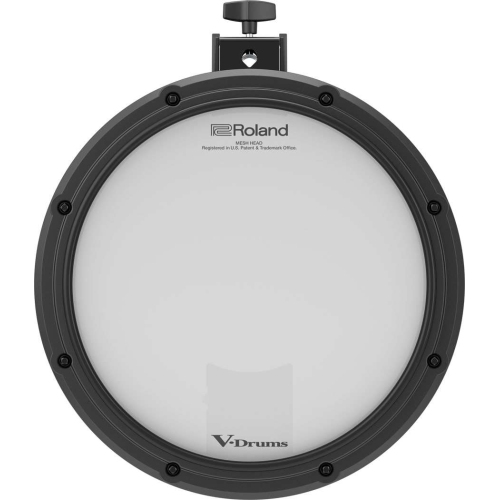
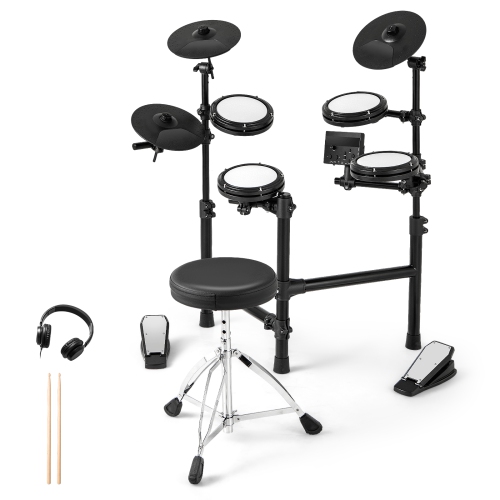
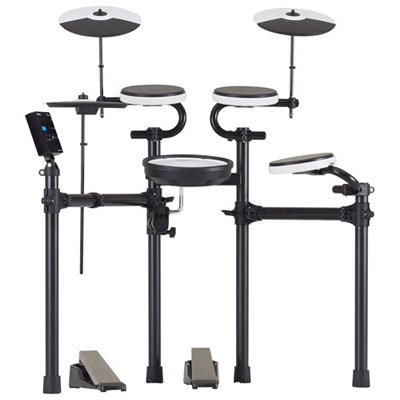
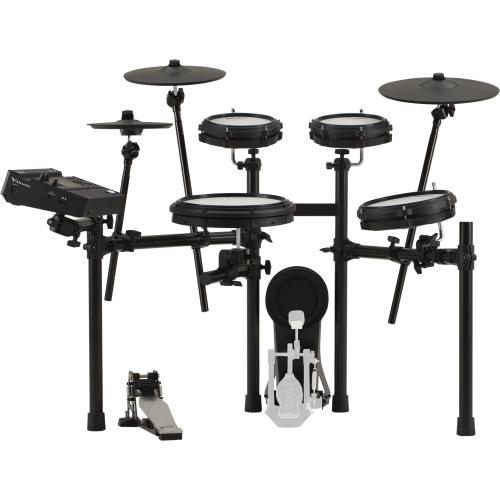
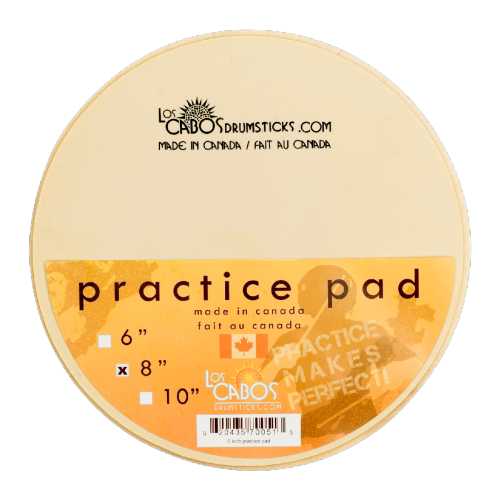
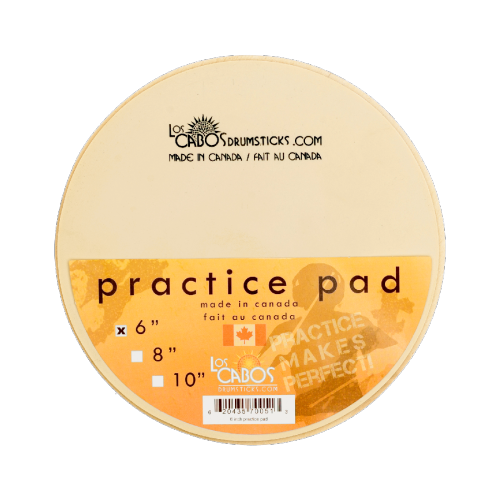
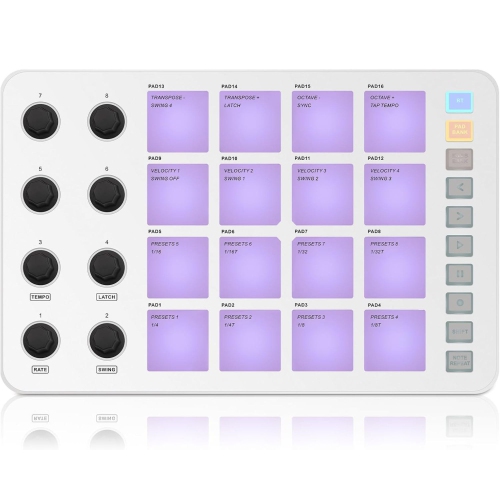
Quiet practice setups for building technique and coordination
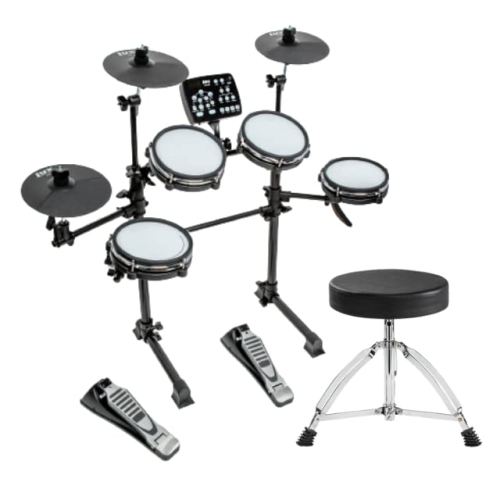
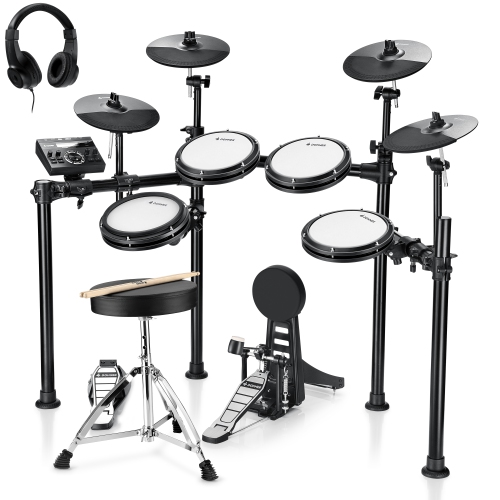
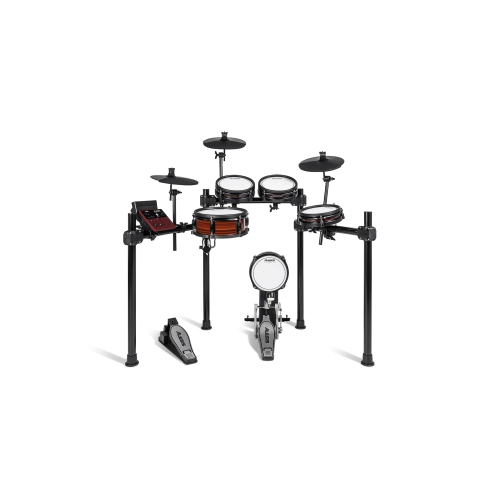
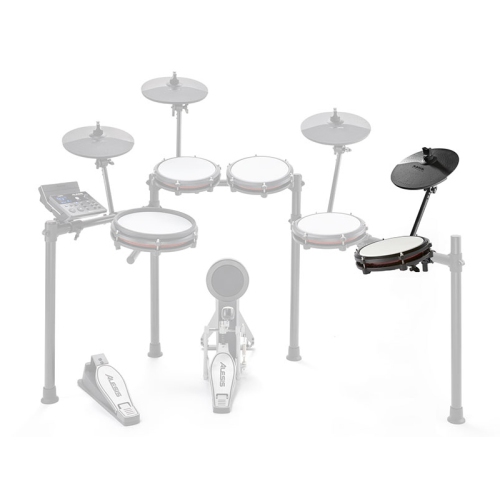
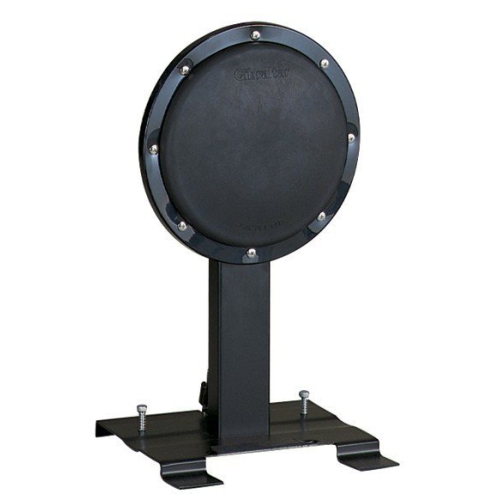
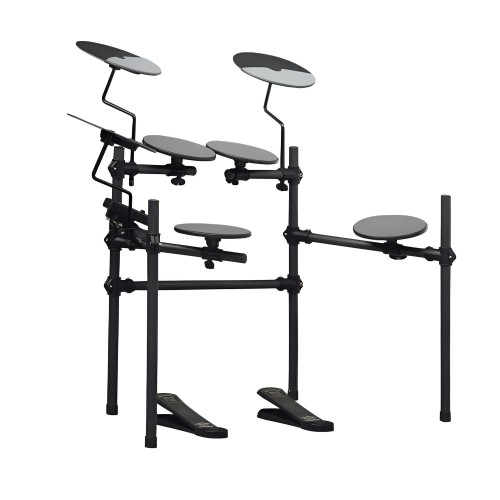
Drum pad sets offer a practical way to build drum skills, improve coordination, and enjoy the feel of a full kit without bringing the volume of acoustic drums into every room. Designed as multi-pad practice kits, they typically arrange playing surfaces in a familiar layout that includes toms, a snare-style pad, cymbal pads, and a kick pad. This makes it easier for beginners to develop natural movement between hands and feet, while experienced drummers can use a compact setup for warmups, rudiment practice, timing exercises, and quiet rehearsals. A drum pad set can fit into a bedroom, home office, music room, or shared living space, and many can be packed away or repositioned when the space needs to serve another purpose. The reduced sound level is especially helpful during the cooler months, when windows are closed and more time is spent indoors, although these sets are useful throughout the year. They can also be a thoughtful gift for a new drummer, a student preparing for lessons, or an experienced player who wants a dedicated practice station. Before choosing, consider who will use the kit, where it will be set up, and which parts of the playing experience matter most. A compact set with a straightforward frame may be ideal for a learner who is developing basic beats, while a more configurable arrangement may better suit someone who wants to recreate the spacing and movement of an acoustic drum kit. For additional ways to compare quiet practice equipment, explore Practice Drum Kits.
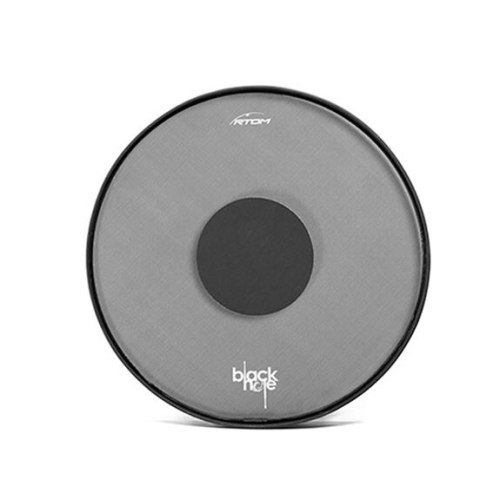
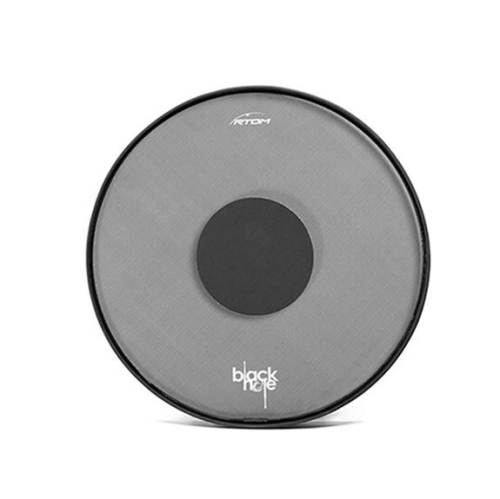
The playing surface has a major effect on both sound and feel. Rubber pads generally provide a crisp, responsive rebound that can be useful for practising single strokes, double strokes, rolls, and speed-building exercises. They are often durable and easy to maintain, making them a dependable choice for regular practice. Foam or multi-layer surfaces can absorb more of the impact and may produce a softer response, which can feel comfortable for longer sessions. Mesh surfaces are designed to more closely resemble the give of acoustic drumheads, allowing the stick to sink slightly and rebound in a way that many drummers find more natural. No surface is right for every player: a beginner may appreciate predictable rebound while learning control, whereas a more advanced drummer may prefer varied resistance that helps develop touch and dynamic range. Pay attention to pad sizes and layout as well. Sets may include smaller tom or cymbal pads alongside larger snare and floor-tom pads, creating a playing area that feels more like a traditional kit. The frame should remain stable when you play with energy, and double-braced or reinforced stands can help reduce movement on hard floors. Adjustable mounts, ball joints, and fast-clamp fittings make it easier to position each pad at a comfortable height and angle. This is important because a setup that is too high, too low, or too close together can make practice feel awkward and may encourage poor technique. Place the snare pad where your lead hand naturally falls, keep the toms within an easy reach, and set the cymbal pads high enough to clear the other playing surfaces without forcing your shoulders upward. A small adjustment can change the entire experience: the right arrangement lets a beat flow smoothly from the hi-hat area to the snare, across the toms, and down to the kick.
Kick-pedal compatibility deserves close attention, particularly for players who already own a pedal or plan to practise bass-drum patterns. Check that the kick pad is wide and sturdy enough to hold the pedal securely, and confirm whether it accommodates a single pedal, a double pedal, or both. A firm connection helps prevent the pad from sliding during heel-down or heel-up techniques, fast bass patterns, and extended practice sessions. The stand and mounting hardware should also suit the player’s height and the available floor space. If the set will be shared by children and adults, look for adjustability that allows the playing position to change without requiring a complete rebuild. Younger learners benefit from a stable, approachable layout that does not overwhelm them, while older players may want enough flexibility to fine-tune the spacing to match their usual kit. Think about how the set will be used day to day: a musician who practises short exercises between other activities may value quick setup, while someone working through lessons or preparing for performances may appreciate a more complete layout and realistic response. Drum pad sets are well suited to quiet evening practice, focused technical work, and casual jam sessions with headphones or other low-volume equipment nearby. They can bring the satisfying rhythm of sticks meeting heads to a small space, whether the goal is learning a first basic groove, refining timing with a metronome, or keeping familiar chops active between rehearsals.
The playing surface has a major effect on both sound and feel. Rubber pads generally provide a crisp, responsive rebound that can be useful for practising single strokes, double strokes, rolls, and speed-building exercises. They are often durable and easy to maintain, making them a dependable choice for regular practice. Foam or multi-layer surfaces can absorb more of the impact and may produce a softer response, which can feel comfortable for longer sessions. Mesh surfaces are designed to more closely resemble the give of acoustic drumheads, allowing the stick to sink slightly and rebound in a way that many drummers find more natural. No surface is right for every player: a beginner may appreciate predictable rebound while learning control, whereas a more advanced drummer may prefer varied resistance that helps develop touch and dynamic range. Pay attention to pad sizes and layout as well. Sets may include smaller tom or cymbal pads alongside larger snare and floor-tom pads, creating a playing area that feels more like a traditional kit. The frame should remain stable when you play with energy, and double-braced or reinforced stands can help reduce movement on hard floors. Adjustable mounts, ball joints, and fast-clamp fittings make it easier to position each pad at a comfortable height and angle. This is important because a setup that is too high, too low, or too close together can make practice feel awkward and may encourage poor technique. Place the snare pad where your lead hand naturally falls, keep the toms within an easy reach, and set the cymbal pads high enough to clear the other playing surfaces without forcing your shoulders upward. A small adjustment can change the entire experience: the right arrangement lets a beat flow smoothly from the hi-hat area to the snare, across the toms, and down to the kick.
Kick-pedal compatibility deserves close attention, particularly for players who already own a pedal or plan to practise bass-drum patterns. Check that the kick pad is wide and sturdy enough to hold the pedal securely, and confirm whether it accommodates a single pedal, a double pedal, or both. A firm connection helps prevent the pad from sliding during heel-down or heel-up techniques, fast bass patterns, and extended practice sessions. The stand and mounting hardware should also suit the player’s height and the available floor space. If the set will be shared by children and adults, look for adjustability that allows the playing position to change without requiring a complete rebuild. Younger learners benefit from a stable, approachable layout that does not overwhelm them, while older players may want enough flexibility to fine-tune the spacing to match their usual kit. Think about how the set will be used day to day: a musician who practises short exercises between other activities may value quick setup, while someone working through lessons or preparing for performances may appreciate a more complete layout and realistic response. Drum pad sets are well suited to quiet evening practice, focused technical work, and casual jam sessions with headphones or other low-volume equipment nearby. They can bring the satisfying rhythm of sticks meeting heads to a small space, whether the goal is learning a first basic groove, refining timing with a metronome, or keeping familiar chops active between rehearsals.
Top selling and popular products
-
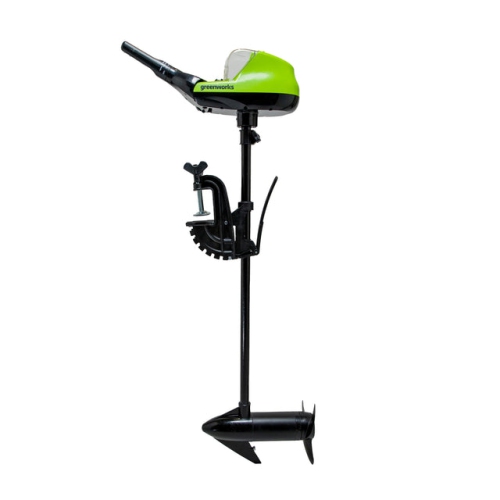 Your price for this item is $469.99
 -
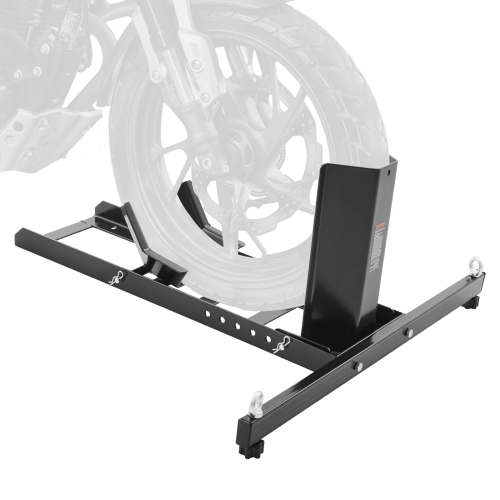 Your price for this item is $93.9
 -
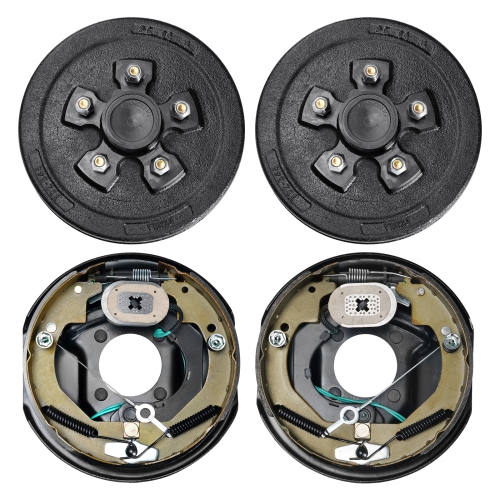 Your price for this item is $243.99
 -
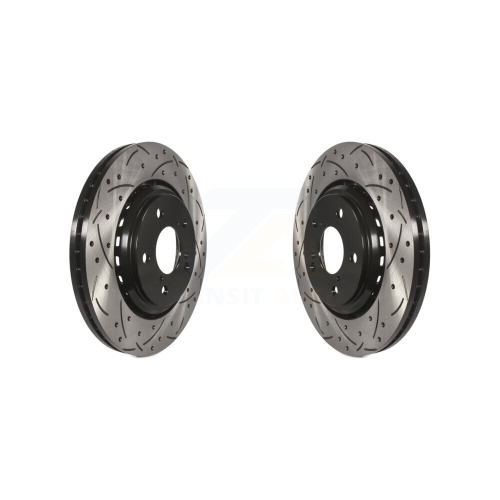 Your price for this item is $167.55
 -
 Your price for this item is $55.47
 -
 Your price for this item is $112.06
 -
 Your price for this item is $513.63
 -
 Your price for this item is $86.96
Discover more categories related to Drum Pad Sets
Top Collections:
Pokemon Centers, Best Cameras for Sports Photography, Kindle Devices, Samsung Galaxy Phones, Canon G7X Cameras, Pokémon 30th Celebration Cards, Refurbished Apple Laptops, iPhone 15 Apple, Laptops for Students, Budget Smartphones
Some products may be subject to Environmental Handling Fees
(EHF) depending on your province.
Learn more about EHFs.