Foldable Guitar Stands
Looking for a convenient and space-saving solution to keep your guitar secure? Look no further than our collection of foldable guitar stands. Designed with portability in mind, these versatile stands are perfect for musicians on the go. Whether you're practicing at home, jamming with friends, or performing on stage, our foldable guitar stands provide a stable and reliable support system for your instrument. With their collapsible design, they can be easily folded up and stowed away when not in use, making them ideal for musicians with limited storage space. Explore our selection of foldable guitar stands today and find the perfect stand to showcase your prized instrument.
Sort
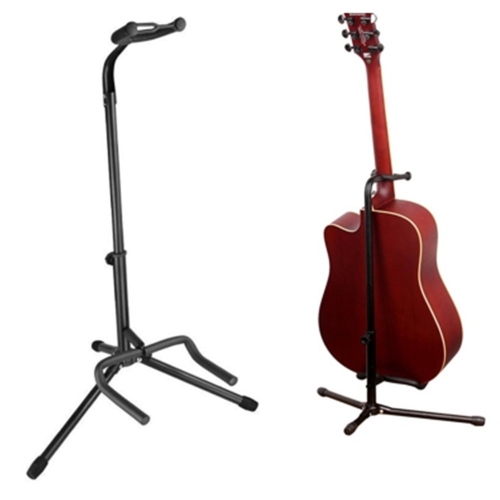
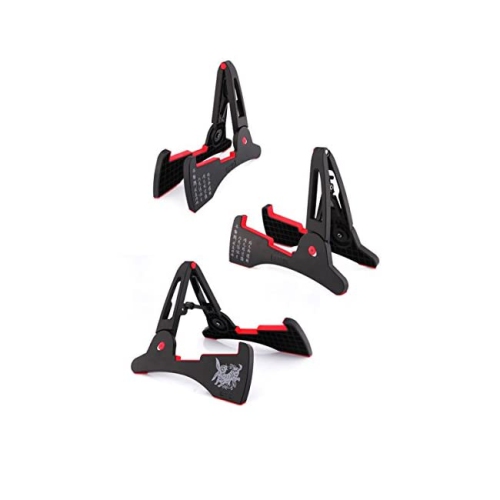
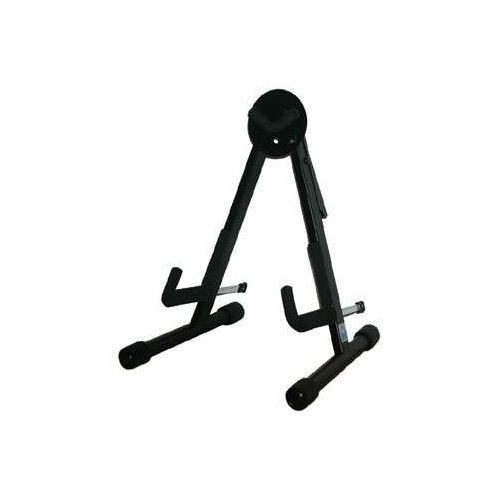
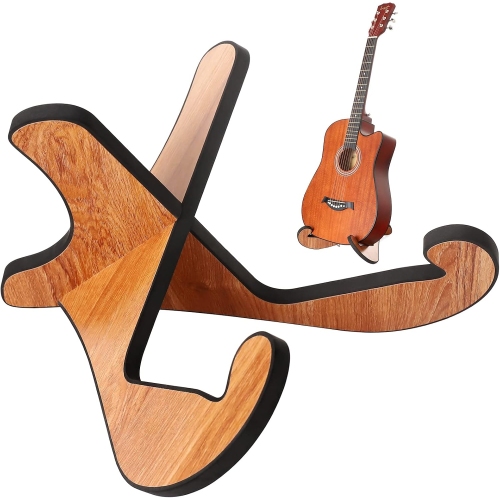
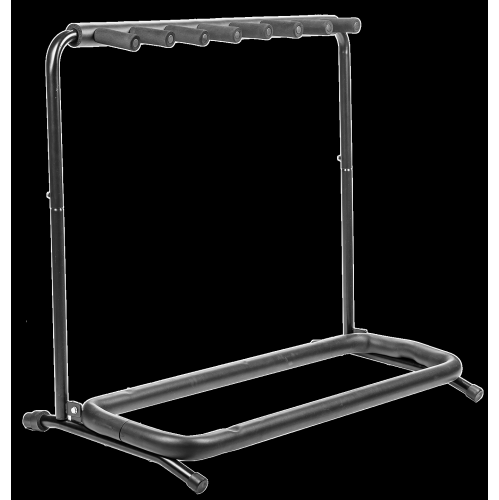
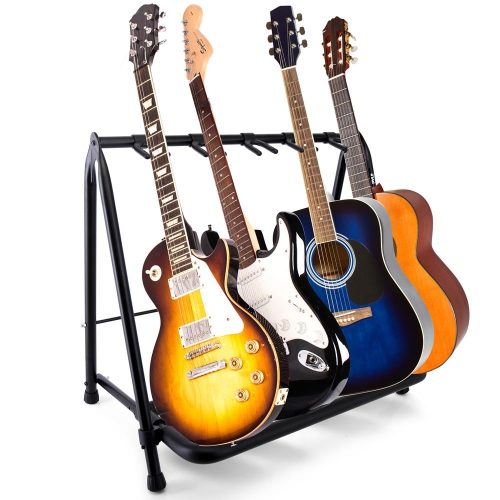
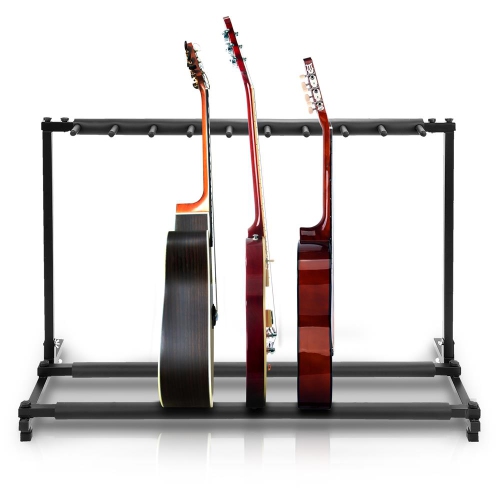
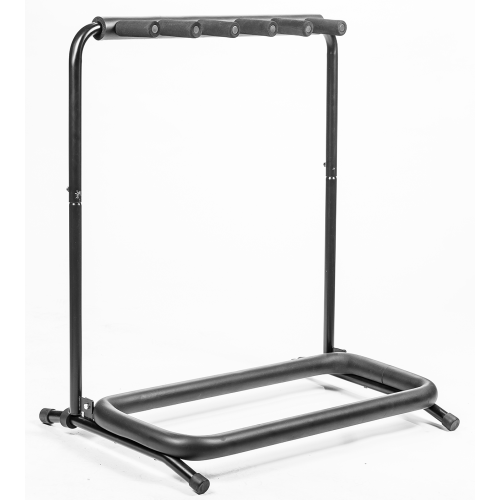
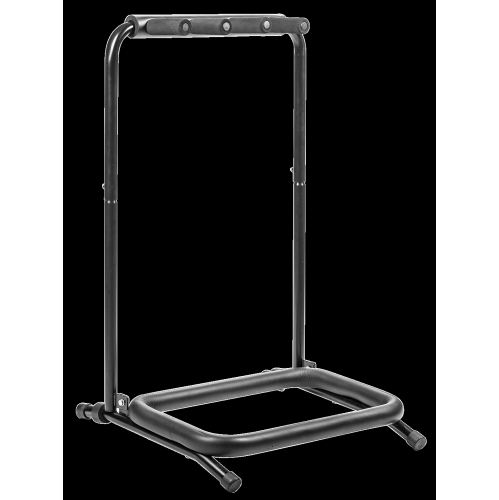
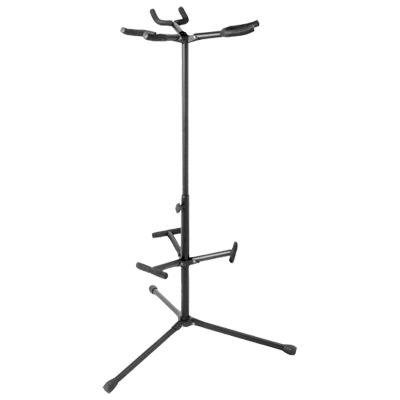
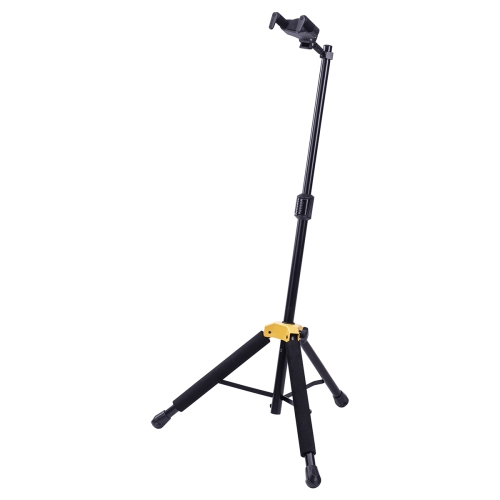

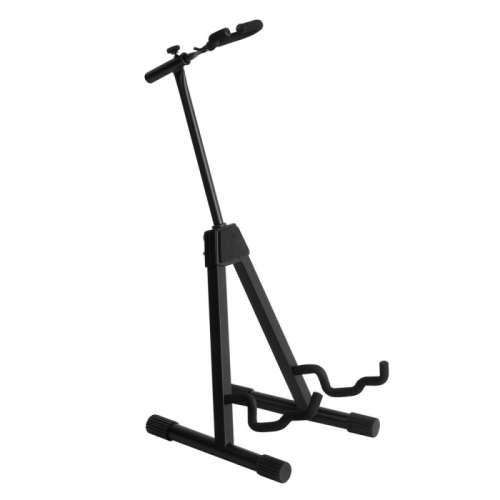
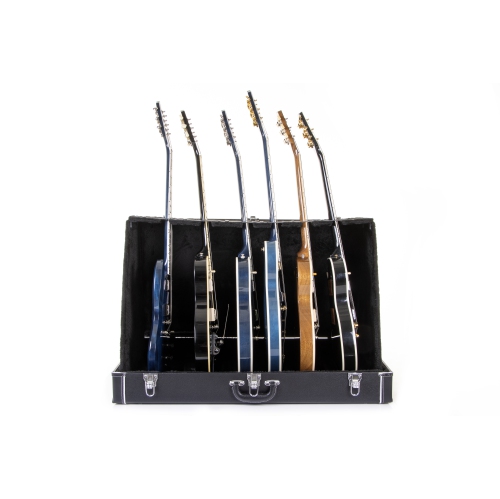
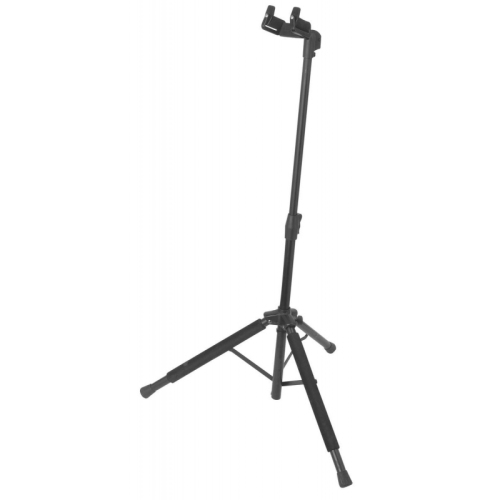
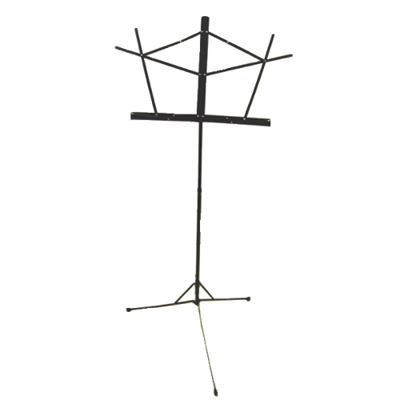
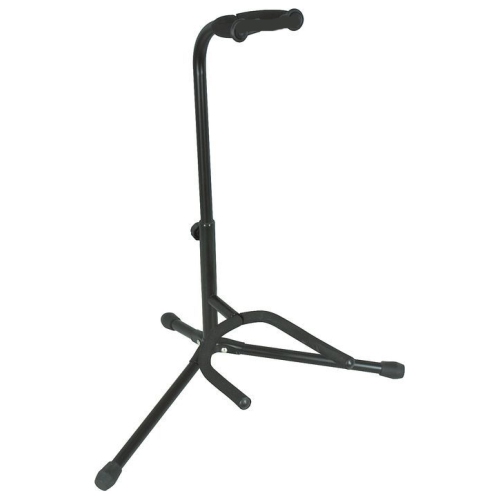
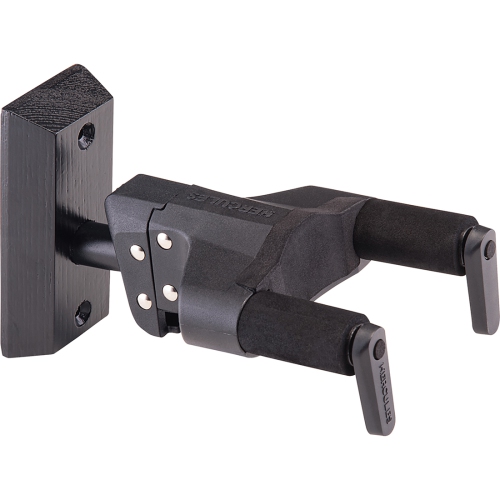
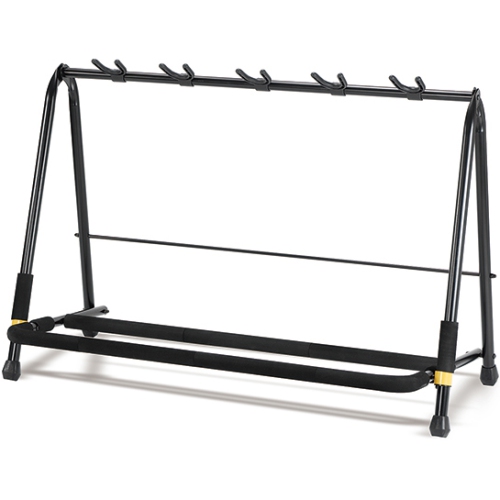


A resting place for your guitar that packs away
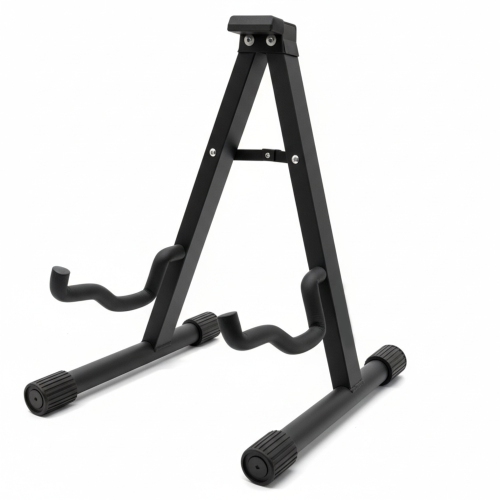
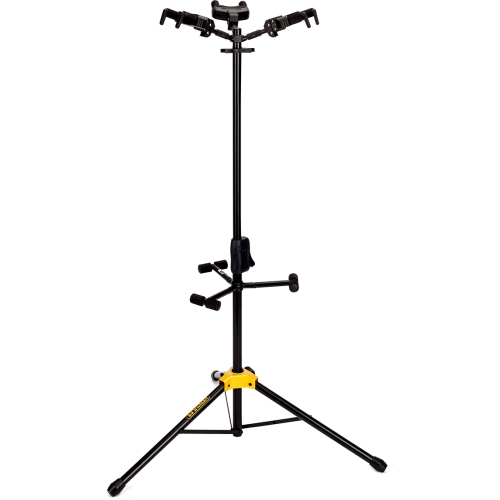
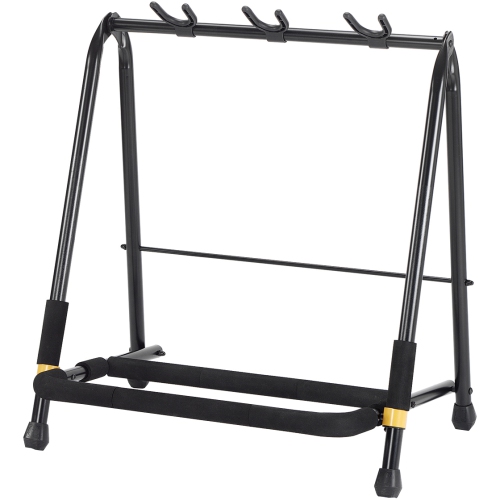
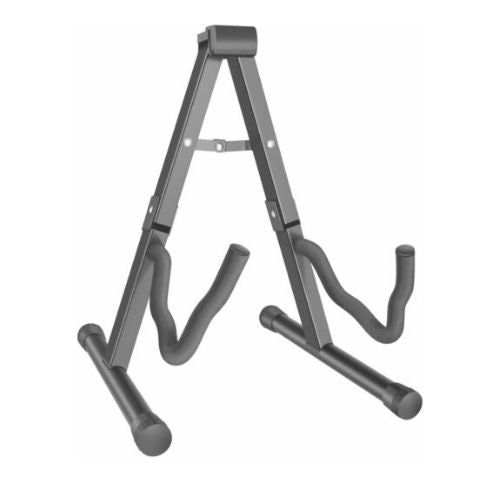
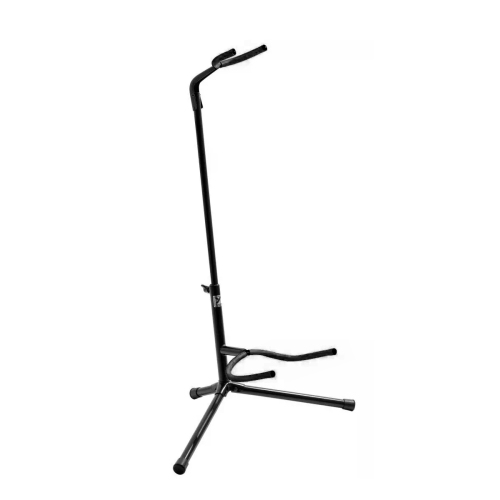
Foldable guitar stands are collapsible supports that hold a guitar upright between playing sessions and fold down for storage or transport. They give an instrument a dedicated resting place beside a practice chair, in a rehearsal room, or on stage, rather than leaving it leaning against a wall or balanced on a sofa. The main styles include A-frame stands, folding tripod stands, and compact travel designs, each with a different balance of folded size, support, and adjustability. An A-frame guitar stand typically supports the lower body on two padded arms, with a backrest that lets the instrument sit at a slight angle. Its low profile suits practice spaces where a tall neck support would feel intrusive, and many designs fold relatively flat. A tripod guitar stand generally combines a three-legged base with a body cradle and an upright neck support. Depending on the design, its legs fold inward and its upright section retracts or separates for carrying. Some include a neck restraint or closing yoke to help keep the instrument seated, though these features do not make a stand tip-proof. Compact travel stands reduce the carrying footprint further, making them useful for musicians who already have a guitar case, cable bag, and other gear to move. Their folded dimensions still need to match the intended bag or case compartment; a small stand is not necessarily small enough for every gig bag pocket. For home use, the open footprint can matter more than the packed size. A stand placed beside a desk should leave enough clearance for a chair to move without striking the guitar, while one beside an amplifier should keep the instrument clear of trailing cables. For rehearsals and performances, quick setup is useful, but secure hinges, a fully opened base, and suitable instrument support matter more than saving a few moments during a changeover. The most practical folding guitar stand fits both the instrument and the space where it will be used.
Fit depends on more than whether a stand is described as suitable for guitars. Acoustic guitars, classical guitars, electric guitars, and bass guitars differ in body depth, outline, weight distribution, and neck length. A deep acoustic body needs enough cradle depth to sit securely without being forced into place, while a slim solid-body electric needs contact points that prevent it from sliding or twisting. Offset bodies and unusual shapes may not rest evenly on a conventional pair of support arms. A longer bass neck can also change how an instrument balances, so compatibility and weight limits deserve attention even when the body appears to fit. Adjustable cradle spacing or upright height can help accommodate different instruments, but only within the stand’s stated range. Padding should meet the instrument at the intended support points rather than pressing against controls, a cable jack, or other projecting hardware. Materials influence how the stand feels in use and how easily it travels. Steel tubing often provides a reassuringly solid structure, while aluminium can reduce carrying weight; neither material alone determines stability, which also depends on geometry, joints, feet, and load. Wooden folding stands can blend naturally with furniture in a living room or music space, although their suitability still rests on the design and instrument fit. Foam, rubber, or other soft coverings cushion contact areas, but a padded surface is not automatically compatible with every guitar finish. Nitrocellulose lacquer and some delicate finishes require particular care, so the guitar maker’s advice and the stand manufacturer’s finish-compatibility information are worth checking before prolonged contact. Wide-set feet and secure opening stops help create a dependable base on a level floor. A neck strap or locking yoke adds retention where fitted, but it cannot compensate for uneven placement or a mismatched cradle. For a player practising beside a music stand, these details mean the guitar can rest properly during a pause to turn a page, adjust an amplifier, or make a note.
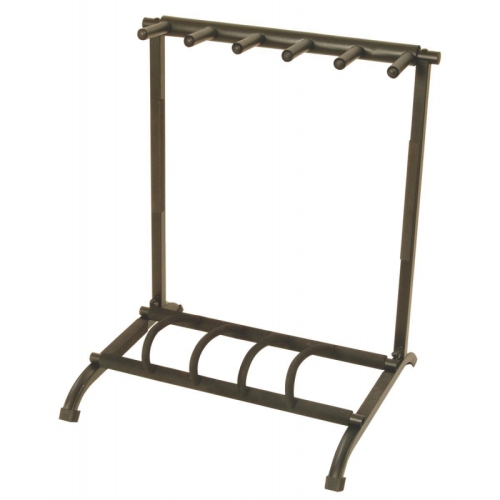
Everyday durability comes from sound construction and careful handling, especially when a folding stand is repeatedly packed for lessons, rehearsals, and gigs. Hinges should move smoothly, adjustment knobs should hold their position, and support arms should remain aligned when opened. Before setting down an instrument, the base needs to be fully extended and any locking mechanism engaged as directed. Placing the stand on a firm, level surface away from doorways, busy walkways, pets, and children reduces the chance of an accidental knock. Thick rugs, raised cable runs, and cramped corners can prevent the feet from sitting evenly, even when the stand itself is well made. Care is usually straightforward: wipe the frame with a soft cloth, remove grit from contact surfaces, and inspect padding for splits, hardening, stickiness, or wear. Cleaning products should follow the manufacturer’s directions, since residue on a cradle can transfer to the guitar’s finish. Loose fasteners, damaged feet, or worn restraints need attention before further use. During transport, a folded stand belongs in a separate compartment or suitable pouch where its hinges and metal edges cannot rub against the instrument. A stand is convenient for keeping a guitar close during active use, but it does not replace the protection of an appropriate case for travel or extended storage. Beginners may appreciate having their instrument beside their practice area, while teachers can use a folding support to set down a demonstration guitar between exercises. Performers benefit from a dedicated resting place during breaks, and players sharing a small living space can pack the stand away when practice ends. As a gift, a foldable guitar stand is most useful when the recipient’s instrument type, finish requirements, and carrying needs are known. Households and rehearsal spaces with several instruments may also find Multiple Guitar Stands useful for keeping guitars together in one designated area, while separate folding stands offer more flexibility around individual playing positions. Whether the setting is a quiet practice corner or a shared rehearsal floor, proper fit and dependable support make the stand a useful part of the playing routine.
Top selling and popular products
-
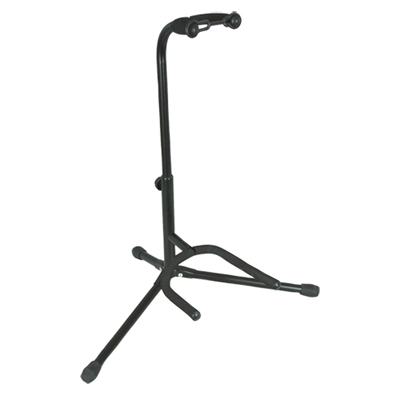 Your price for this item is $19.99
-
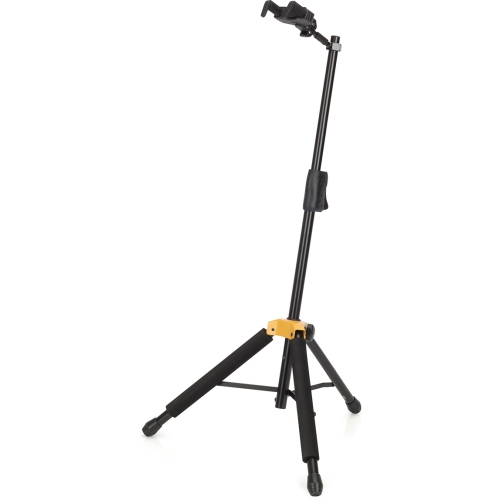 Your price for this item is $65.99
-
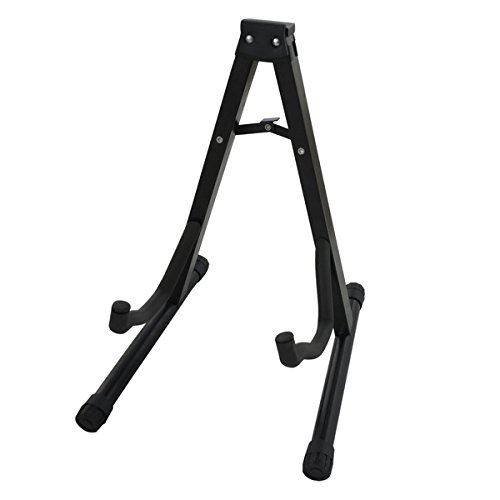 Your price for this item is $9.99
-
 Your price for this item is $138.99
-
 Your price for this item is $45
-
 Your price for this item is $20.99
-
 Your price for this item is $21.99
-
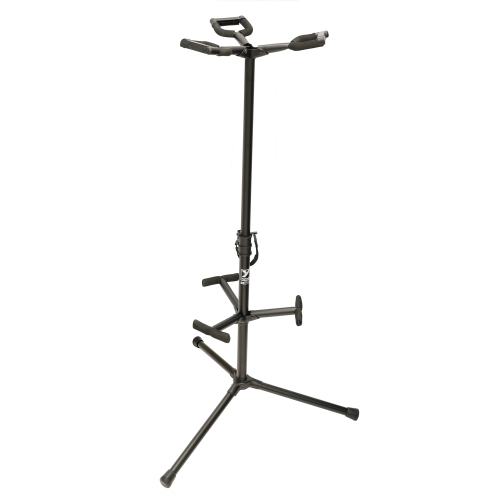 Your price for this item is $49.99
Discover more categories related to Foldable Guitar Stands

Top Collections:
Pokemon Centers, Best Cameras for Sports Photography, Kindle Devices, Samsung Galaxy Phones, Canon G7X Cameras, Pokémon 30th Celebration Cards, Refurbished Apple Laptops, iPhone 15 Apple, Laptops for Students, Budget Smartphones
Some products may be subject to Environmental Handling Fees
(EHF) depending on your province.
Learn more about EHFs.