Guitar Floor Stands
If you're looking for a convenient and stylish way to display your guitar, look no further than these guitar floor stands. These versatile stands are designed to securely hold your guitar, whether you're practicing at home or performing on stage. With their sturdy construction and adjustable features, these guitar floor stands provide the perfect solution for keeping your instrument safe and easily accessible.
Sort
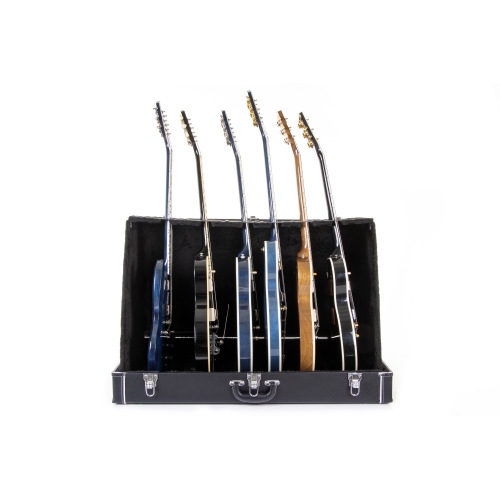
A stable place keeps instruments protected and ready to play
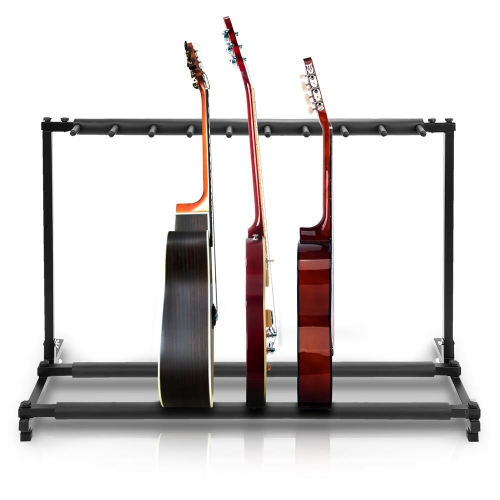
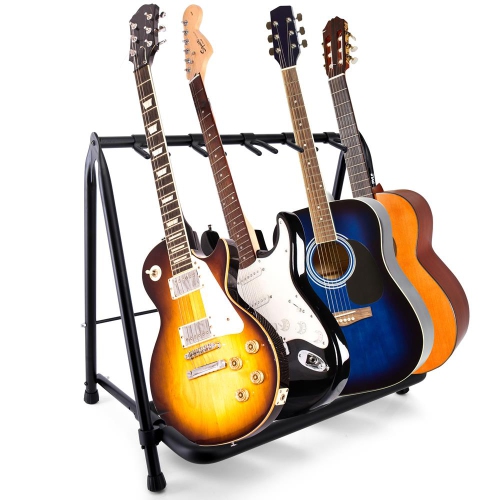
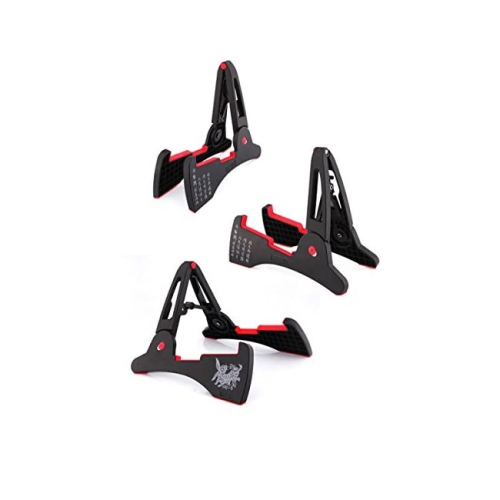
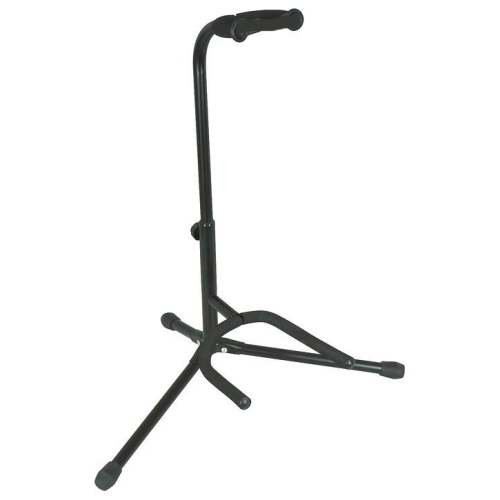
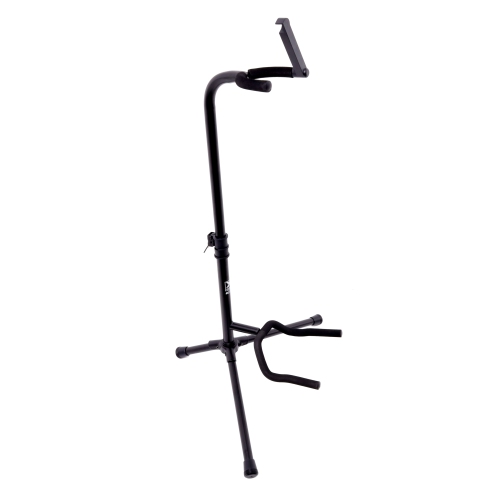
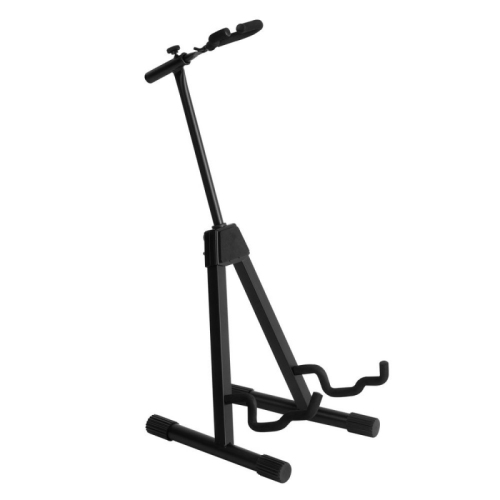
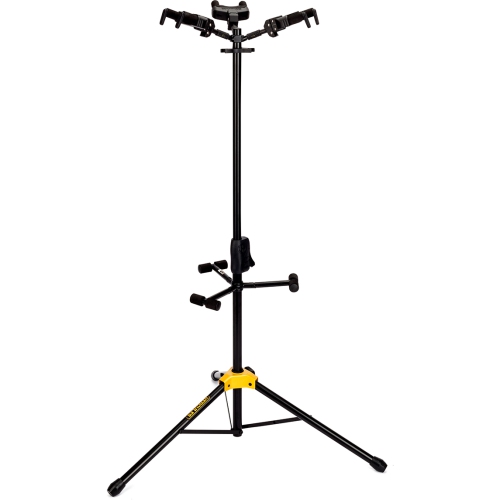
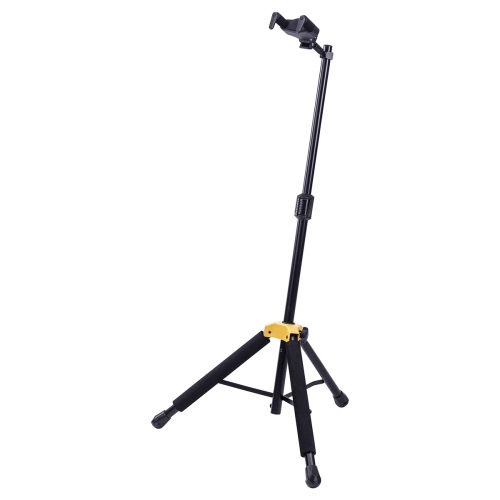
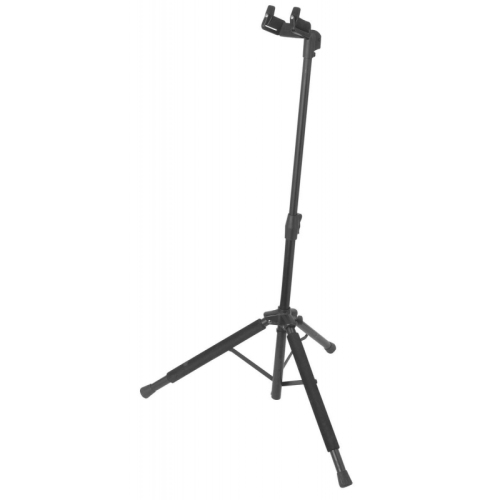
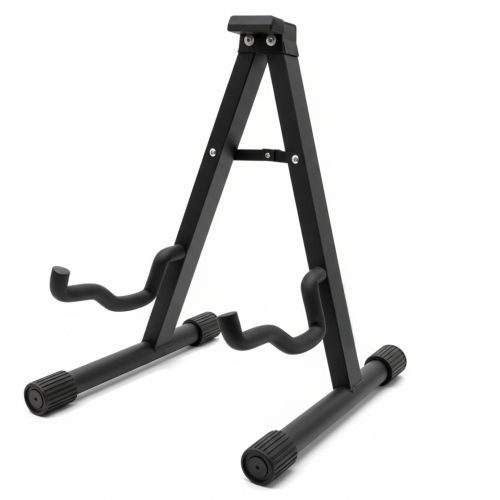
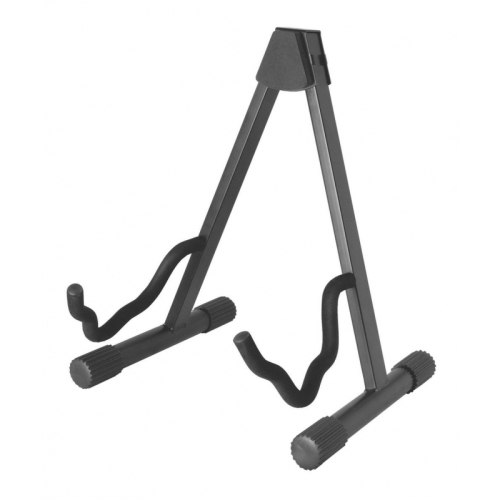
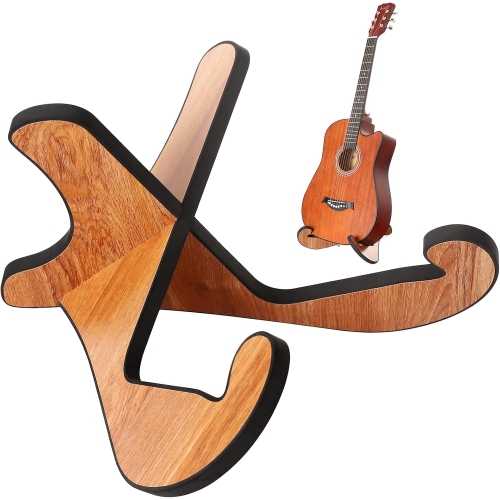
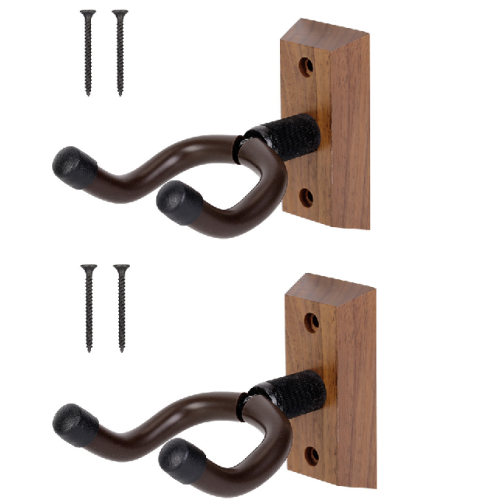
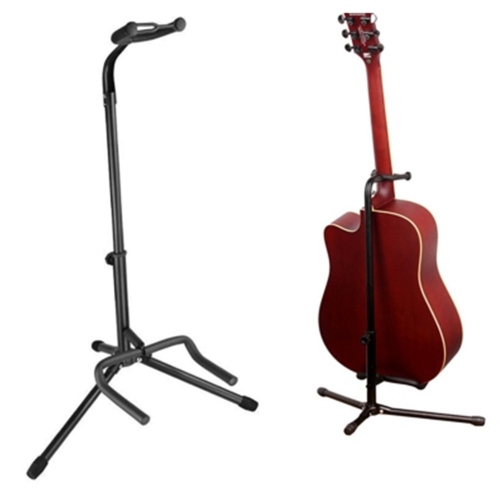
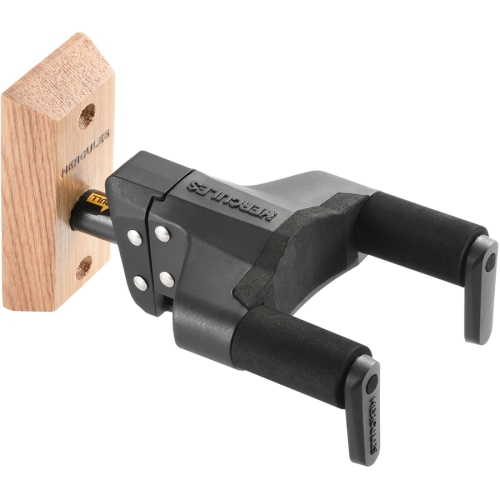
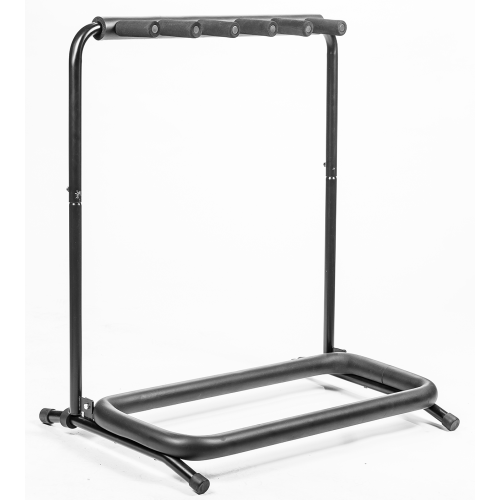
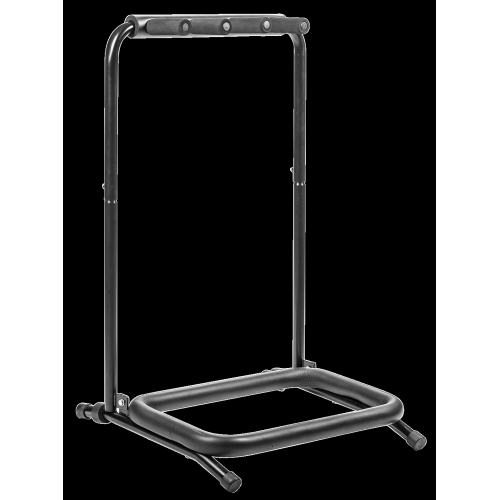
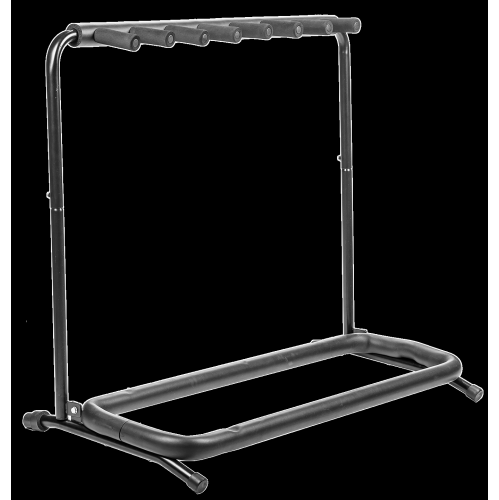
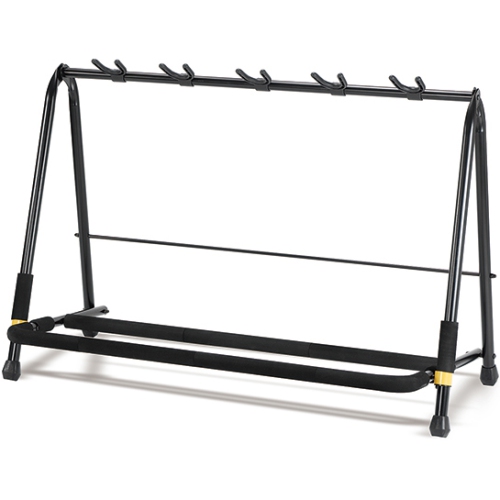
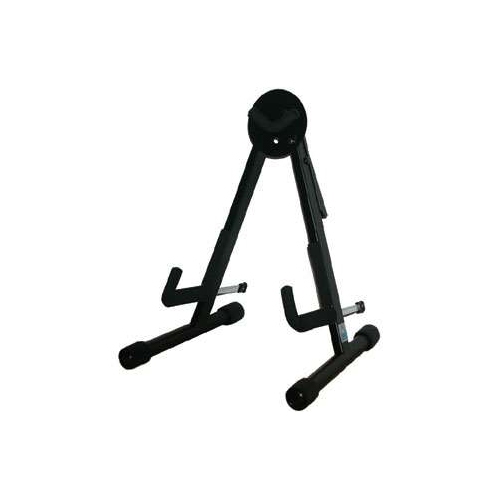
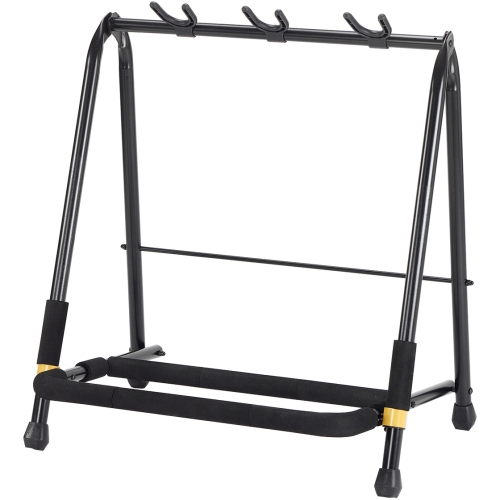
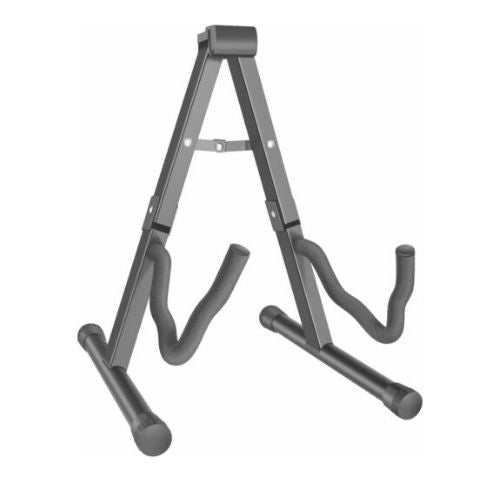
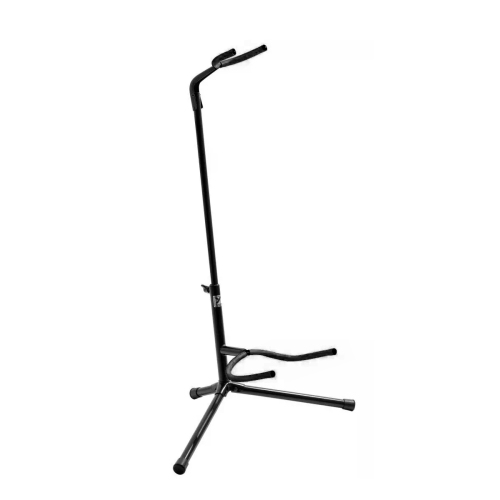
Guitar floor stands provide a practical place to store an instrument between practice sessions, rehearsals and performances while keeping it visible and ready to play. Instead of leaning a guitar against a wall, resting it on a chair or leaving it in an open case, a properly chosen stand gives the instrument a stable base and helps reduce the chance of accidental knocks, slips and falls. They are useful for beginners building a first practice space, experienced players who switch between several instruments, teachers arranging a lesson room and performers setting up for a rehearsal or live appearance. A floor stand can also make playing feel more inviting: when a guitar is safely positioned within easy reach, picking it up for a few minutes of scales, songwriting or an unplanned evening session feels natural. Single-guitar A-frame stands are a popular choice for home use because they are compact, lightweight and often fold flat for storage or transport. Their open design can accommodate many electric guitars and acoustic guitars, provided the body rests securely within the supports and the frame opens wide enough for the instrument. Tripod-style stands offer another familiar option, with a broader base that can provide reassuring stability on a practice-room floor or stage. Some models include a yoke or neck support that cradles the guitar higher up, while others use an auto-grip mechanism that helps hold the instrument in place when it is set down. Players who own several guitars may prefer a multi-guitar rack, which keeps instruments side by side in one organized area rather than spreading individual stands throughout a room. This can be especially helpful in a studio, teaching space or rehearsal area where floor space matters and each instrument needs to be easy to identify.
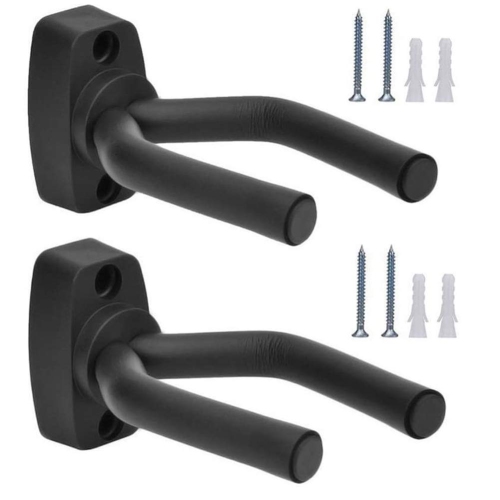
Fit and protection are central considerations when choosing a guitar floor stand. Acoustic guitars generally have deeper bodies than many electric guitars, while bass guitars can be longer and heavier, so the stand’s base width, support height and weight capacity should match the instruments being stored. A narrow frame may work well for a compact electric guitar but feel less suitable for a full-bodied acoustic or bass. Check that the instrument sits naturally without pressing against the floor, wall or nearby equipment, and look for padded contact points that help protect the finish from scuffs. If the guitar has a vintage, lacquered or nitrocellulose finish, confirm that the stand’s padding is suitable for that finish before placing the instrument on it for extended periods. The stand should also leave enough clearance for strap buttons, cables and other hardware without forcing the guitar into an awkward angle. Stability is particularly important in busy rooms, where pets, children, musicians moving equipment or a door opening unexpectedly could cause a lightly supported instrument to tip. A broad, well-balanced base and non-slip feet can help the stand remain steady on common flooring, although no stand should be placed where it can be easily bumped. For players who travel to lessons, jam sessions or gigs, a folding design can simplify transport and fit neatly in a vehicle, equipment bag or storage cupboard. Explore Foldable Guitar Stands when portability and quick setup are priorities. Consider how the stand will be used as well: a compact A-frame can be convenient for a quick stage changeover, a hanging-style design can keep the instrument elevated in a shared practice room, and a multi-guitar rack can help a working musician arrange instruments by tuning, sound or playing style. Features such as folding joints, locking supports, protective padding and replaceable contact materials may add useful convenience, but the most important qualities are a secure fit, dependable balance and compatibility with the guitar collection.
Guitar floor stands can make a thoughtful gift for a new player, a student preparing for lessons or a musician who has recently added another guitar to their collection. They are also useful for someone setting up a dedicated music corner during the cooler months, when more practice and recording time may move indoors. A stand gives a beginner a simple way to care for an instrument from the start and reinforces good habits: place the guitar on a stable support, keep it away from heaters and damp areas, and return it to the stand after playing rather than leaving it on the floor. For an established guitarist, a second or multi-instrument stand can make a familiar room feel more organized, with an acoustic ready for relaxed strumming, an electric guitar positioned near an amplifier and a bass available for recording or rehearsal. Players who perform may appreciate a lightweight folding stand that can be carried to a community event, classroom, rehearsal studio or home recording session, while teachers and studio owners may favour a rack that keeps several instruments accessible without creating a tangle of cases. Placement deserves some thought after purchase. Set the stand on a level surface away from direct sunlight, radiators, vents and high-traffic walkways, and leave enough room to lift the guitar out without catching its headstock or cable on nearby furniture. Before stepping away, make sure the body is fully seated, the neck support is engaged when applicable and the stand’s legs are completely opened. With the right floor stand, an instrument becomes part of the room without becoming an obstacle: it is protected during quiet moments, easy to reach when inspiration arrives and ready for the next chord, lesson or performance.
Fit and protection are central considerations when choosing a guitar floor stand. Acoustic guitars generally have deeper bodies than many electric guitars, while bass guitars can be longer and heavier, so the stand’s base width, support height and weight capacity should match the instruments being stored. A narrow frame may work well for a compact electric guitar but feel less suitable for a full-bodied acoustic or bass. Check that the instrument sits naturally without pressing against the floor, wall or nearby equipment, and look for padded contact points that help protect the finish from scuffs. If the guitar has a vintage, lacquered or nitrocellulose finish, confirm that the stand’s padding is suitable for that finish before placing the instrument on it for extended periods. The stand should also leave enough clearance for strap buttons, cables and other hardware without forcing the guitar into an awkward angle. Stability is particularly important in busy rooms, where pets, children, musicians moving equipment or a door opening unexpectedly could cause a lightly supported instrument to tip. A broad, well-balanced base and non-slip feet can help the stand remain steady on common flooring, although no stand should be placed where it can be easily bumped. For players who travel to lessons, jam sessions or gigs, a folding design can simplify transport and fit neatly in a vehicle, equipment bag or storage cupboard. Explore Foldable Guitar Stands when portability and quick setup are priorities. Consider how the stand will be used as well: a compact A-frame can be convenient for a quick stage changeover, a hanging-style design can keep the instrument elevated in a shared practice room, and a multi-guitar rack can help a working musician arrange instruments by tuning, sound or playing style. Features such as folding joints, locking supports, protective padding and replaceable contact materials may add useful convenience, but the most important qualities are a secure fit, dependable balance and compatibility with the guitar collection.
Guitar floor stands can make a thoughtful gift for a new player, a student preparing for lessons or a musician who has recently added another guitar to their collection. They are also useful for someone setting up a dedicated music corner during the cooler months, when more practice and recording time may move indoors. A stand gives a beginner a simple way to care for an instrument from the start and reinforces good habits: place the guitar on a stable support, keep it away from heaters and damp areas, and return it to the stand after playing rather than leaving it on the floor. For an established guitarist, a second or multi-instrument stand can make a familiar room feel more organized, with an acoustic ready for relaxed strumming, an electric guitar positioned near an amplifier and a bass available for recording or rehearsal. Players who perform may appreciate a lightweight folding stand that can be carried to a community event, classroom, rehearsal studio or home recording session, while teachers and studio owners may favour a rack that keeps several instruments accessible without creating a tangle of cases. Placement deserves some thought after purchase. Set the stand on a level surface away from direct sunlight, radiators, vents and high-traffic walkways, and leave enough room to lift the guitar out without catching its headstock or cable on nearby furniture. Before stepping away, make sure the body is fully seated, the neck support is engaged when applicable and the stand’s legs are completely opened. With the right floor stand, an instrument becomes part of the room without becoming an obstacle: it is protected during quiet moments, easy to reach when inspiration arrives and ready for the next chord, lesson or performance.
Top selling and popular products
-
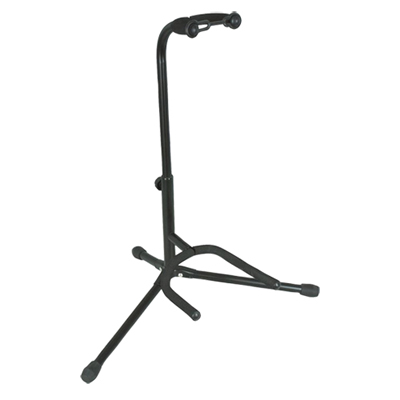 Your price for this item is $19.99
 -
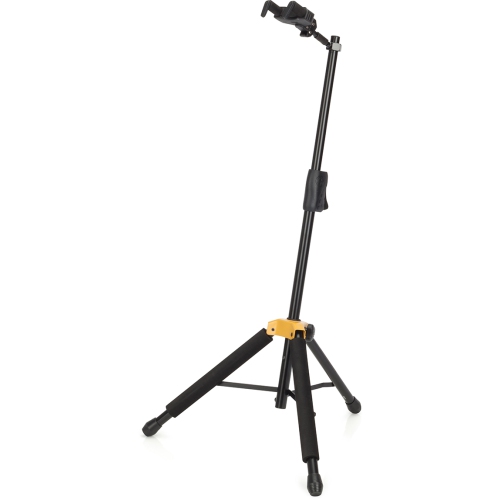 Your price for this item is $65.99
 -
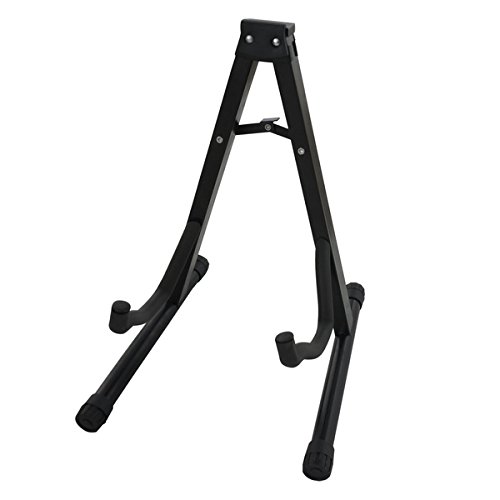 Your price for this item is $9.99
 -
 Your price for this item is $138.99
 -
 Your price for this item is $45
 -
 Your price for this item is $20.99
 -
 Your price for this item is $21.99
 -
 Your price for this item is $49.99
Discover more categories related to Guitar Floor Stands
Top Collections:
Pokemon Centers, Best Cameras for Sports Photography, Kindle Devices, Samsung Galaxy Phones, Canon G7X Cameras, Pokémon 30th Celebration Cards, Refurbished Apple Laptops, iPhone 15 Apple, Laptops for Students, Budget Smartphones
Some products may be subject to Environmental Handling Fees
(EHF) depending on your province.
Learn more about EHFs.