Multiple Guitar Stands
Looking for a convenient and stylish way to store your guitar collection? Look no further than our selection of multiple guitar stands. These versatile stands allow you to proudly display and protect your guitars while also keeping them easily accessible for impromptu jam sessions or quick practice sessions. With their sturdy construction and adjustable features, our multiple guitar stands are designed to accommodate various guitar sizes and styles. Whether you're a seasoned musician or just starting out, our collection of multiple guitar stands offers the perfect solution for organizing your instruments in a space-saving manner.
Sort
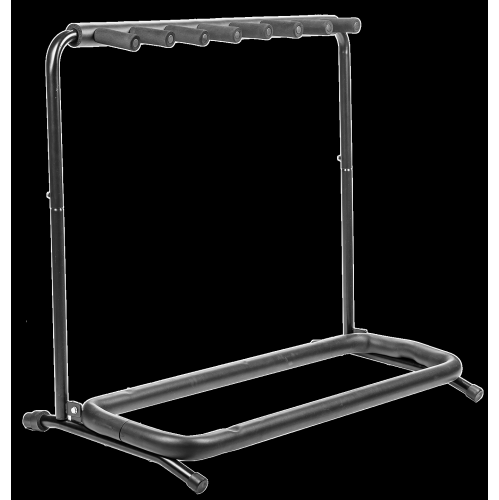
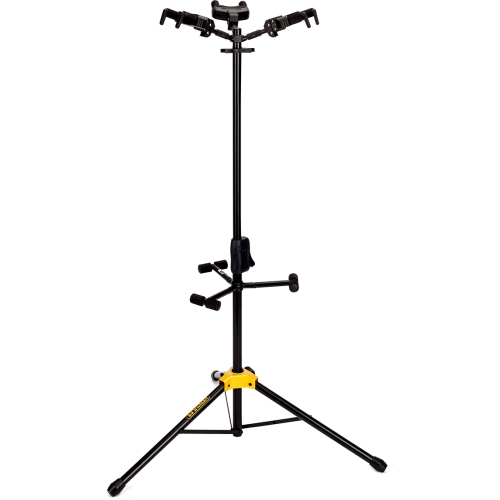
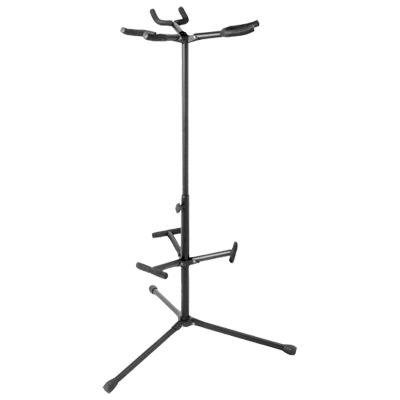
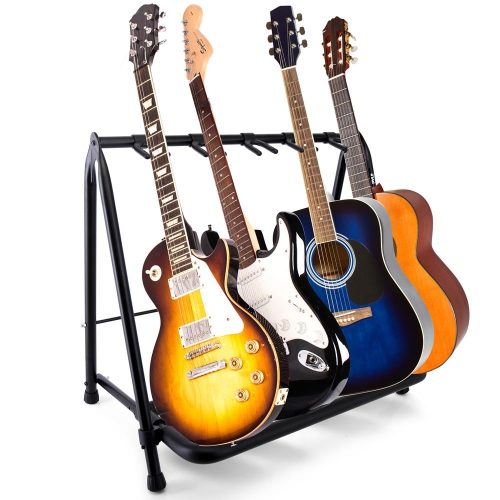
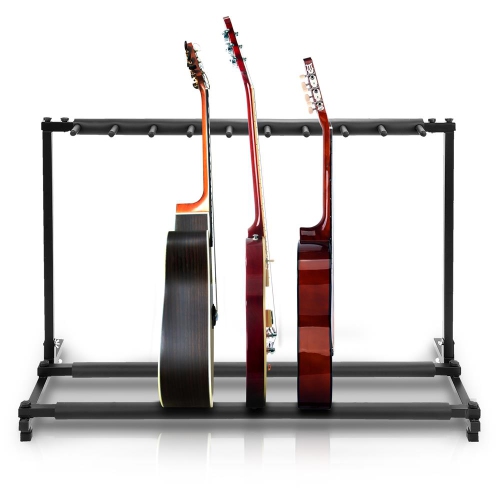
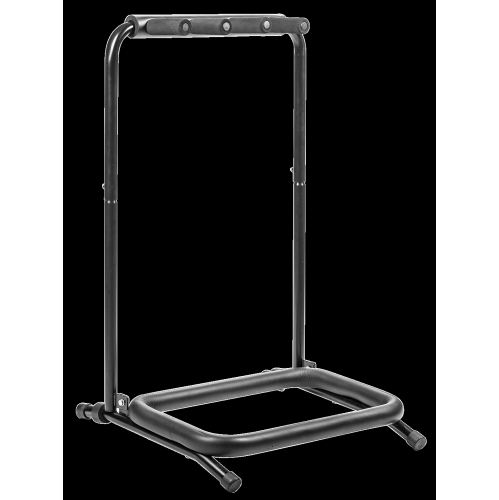
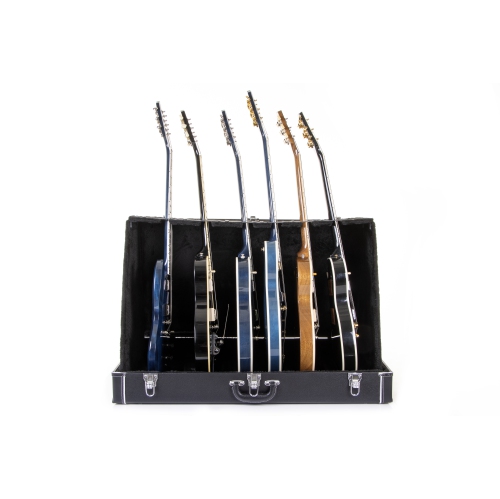
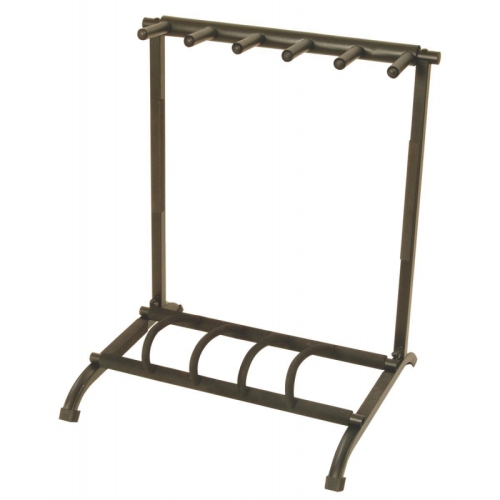

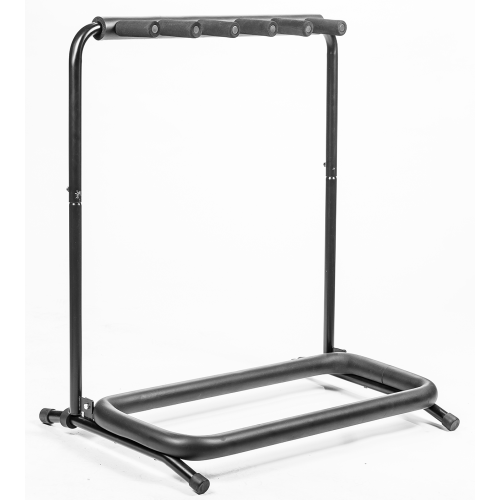
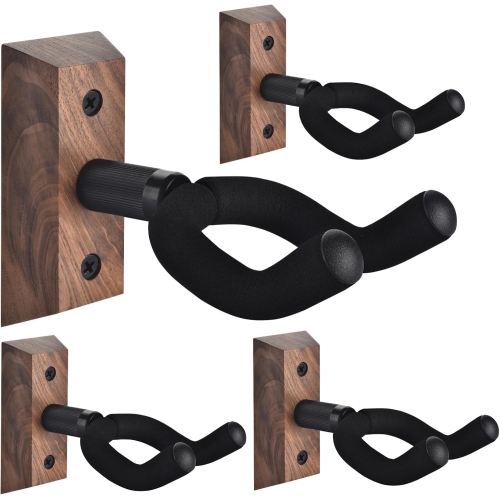
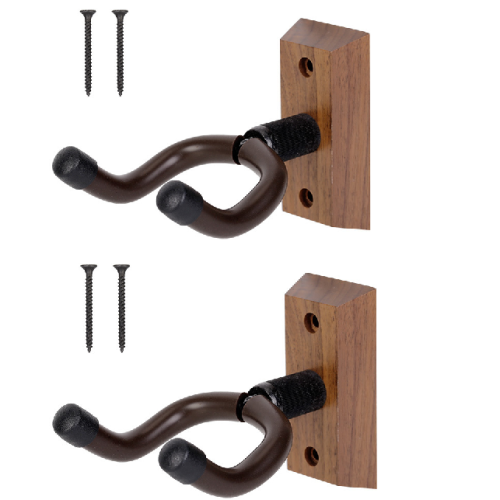
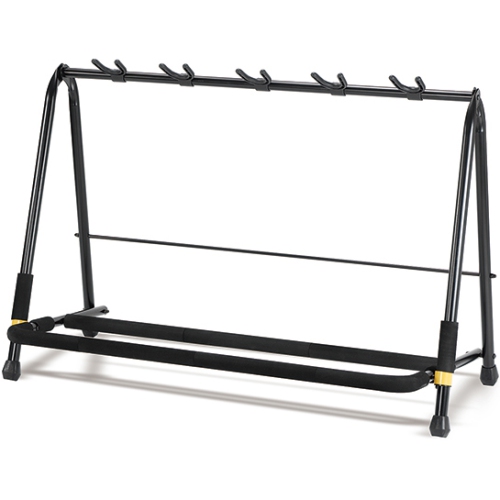
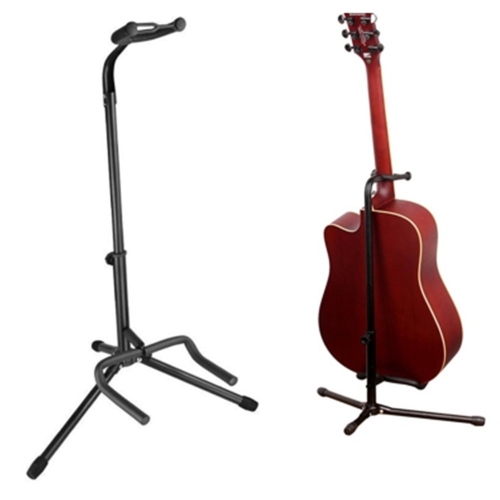
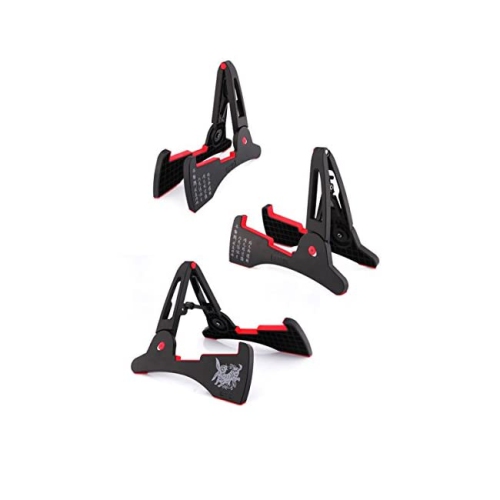
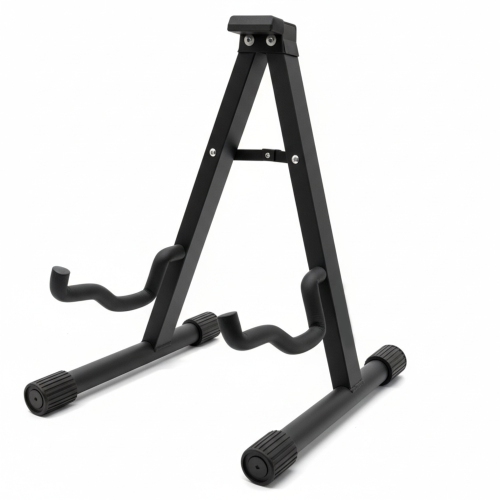
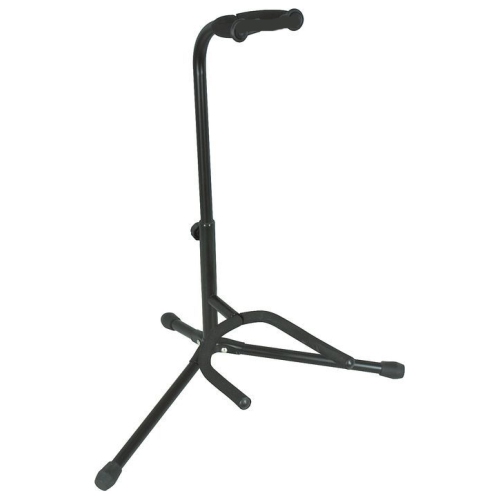
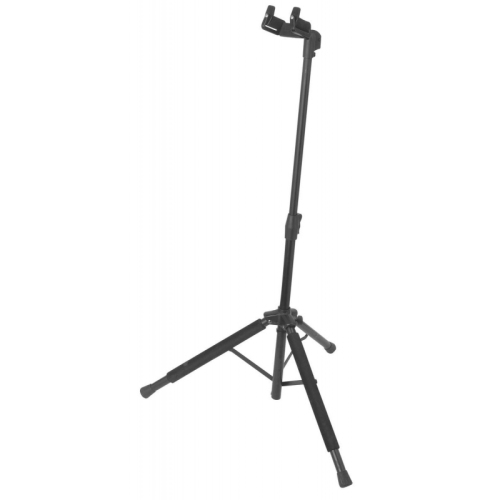
A dedicated home base for organised, accessible guitar storage
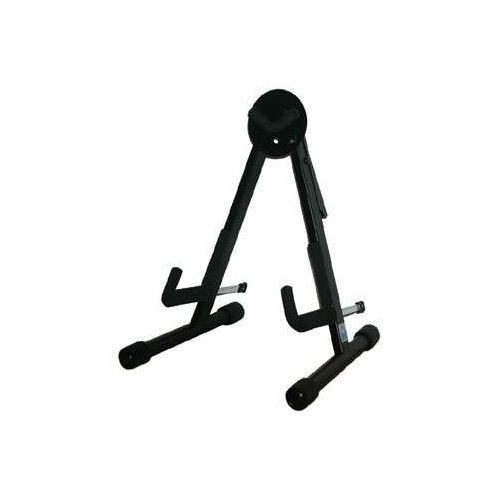
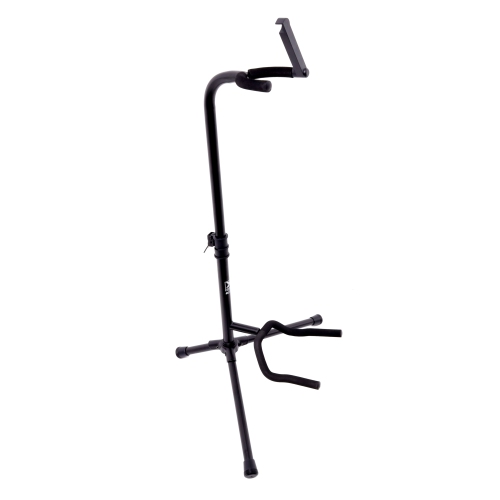
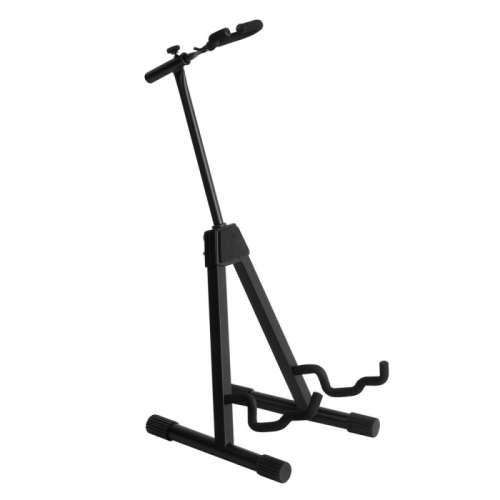
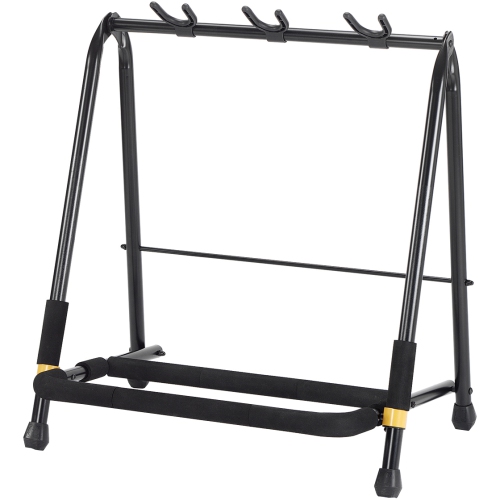
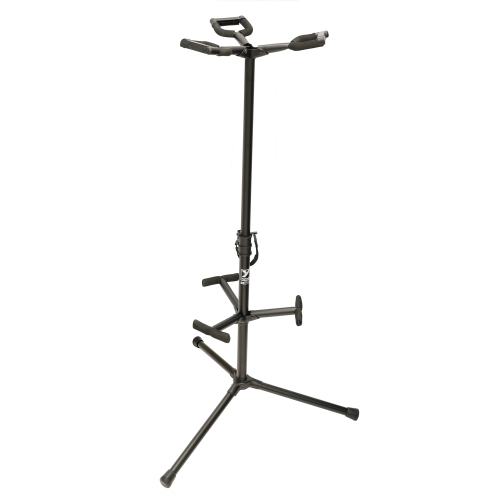
Multiple guitar stands are a practical way to keep several instruments together, accessible, and safely supported in one dedicated area. Instead of leaning guitars against furniture or placing them in separate cases across a room, a multi-guitar stand creates an organised home base for acoustic guitars, electric guitars, bass guitars, or a combination of instruments, depending on the design. This type of storage can be especially useful for musicians who switch between instruments during practice, recording, teaching, or performances. A floor rack typically arranges guitars side by side in a compact row, with padded contact points to help protect the finish and necks from accidental knocks. Some models fold for transport, making them suitable for rehearsals, lessons, studio sessions, and live setups where equipment needs to be packed into a vehicle and assembled quickly. Others are designed for a more permanent location, with a sturdy frame that keeps instruments upright and ready to pick up. When browsing multiple guitar stands, consider how many instruments need to be stored today as well as whether additional capacity would be useful later. A stand that fits three guitars may suit a newer player with an acoustic, an electric, and a bass, while a larger rack can help a collector, band, music teacher, or recording enthusiast keep a broader selection in one place. The spacing between each position also matters, particularly when storing guitars with wider bodies or instruments with unusual shapes. Look for padded cradles, soft neck supports, and stable bases that help prevent scuffs, slipping, and tipping during everyday use. A well-designed stand should feel balanced when guitars are loaded and unloaded, without forcing instruments together or making it difficult to reach the one you want.
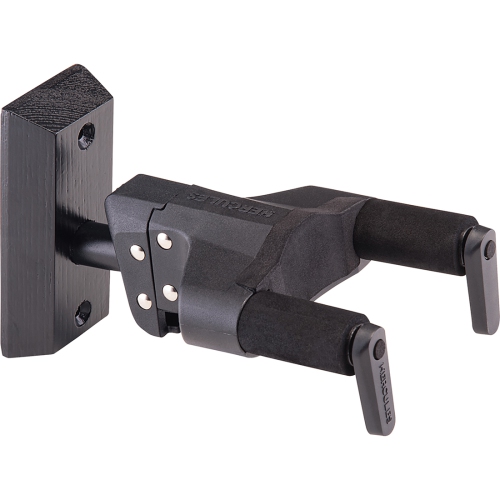
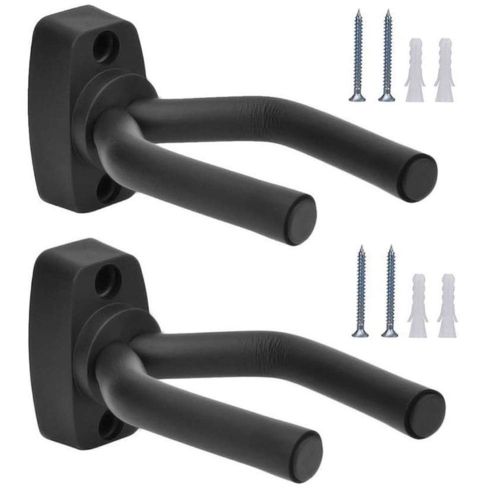
The best style depends on where the stand will be used and how the instruments are handled. Low-profile floor racks are popular in practice rooms, rehearsal spaces, and home studios because they keep several guitars at a comfortable height while using relatively little floor space. Hanging stands lift instruments by the headstock and can offer a tidy vertical presentation, which may suit a music room, shop-style display, or a player who wants to see each instrument clearly before choosing one. These stands should be placed on a level surface and checked for compatibility with the neck and headstock shape. Multi-tier or furniture-style racks can combine guitar storage with shelves or compartments for cables, tuners, straps, picks, sheet music, or small amplifiers, helping reduce the familiar pile of accessories around a practice area. For homes with limited room, a vertical arrangement may leave more space for a chair, pedalboard, or music desk, while a horizontal rack may provide faster access during a session. Musicians who travel regularly often favour lighter, collapsible frames that can be moved between a home studio and a rehearsal venue. Players who primarily want an attractive display may prefer a rack with a more finished appearance that blends naturally with shelving, desks, or other furnishings. Regardless of style, place the stand away from doorways, heaters, direct heat sources, and areas where pets or children could brush against the instruments. A clear patch of floor with enough room to lift each guitar out comfortably can make a noticeable difference. Many players discover that a dedicated rack changes the feel of a room: cases no longer line the walls, cables are easier to gather, and an instrument can be picked up for a few minutes of practice instead of remaining out of sight.
Multiple guitar stands can also be a thoughtful gift for guitarists at different stages, from someone building a first collection to an experienced performer organising instruments for a band or recording space. A student may use a compact rack to keep a practice guitar and an electric guitar together, while a songwriter may appreciate having several instruments within reach when comparing tones or working through a new arrangement. Families can use a rack to create a shared music corner, and teachers can keep instruments ready for lessons without opening and closing several cases between students. Before choosing one, check the total number and type of instruments it is intended to hold, the available floor width, the stand’s folded or assembled dimensions, and whether it is meant for indoor storage, transport, or both. It is also helpful to consider the weight of the instruments, the thickness of their bodies, and the amount of padding at every contact point. A rack for a mixture of acoustics, electrics, and basses should provide enough clearance so tuning pegs, bridges, and finishes do not rub against neighbouring instruments. If the goal is to display guitars neatly while keeping accessories close by, explore Guitar Rack Stands for storage formats designed around multiple instruments. During the cooler months, when more practice and recording happens indoors, a multi-guitar stand can help turn a corner of a living room, bedroom, basement, or studio into an inviting music area. With the right capacity, construction, and placement, it keeps instruments organised, supports safer handling, and makes regular playing feel more natural.
Top selling and popular products
-
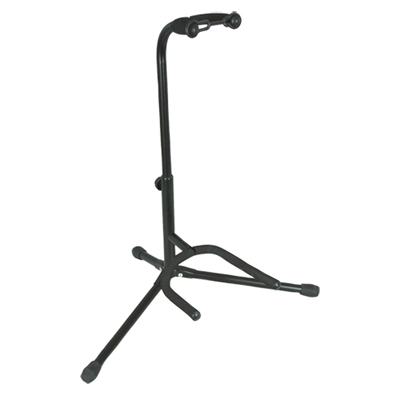 Your price for this item is $19.99
-
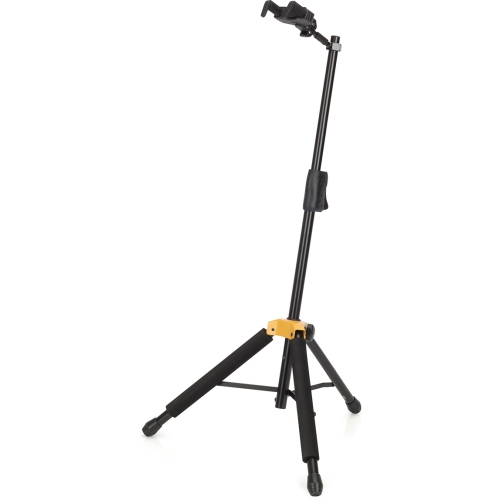 Your price for this item is $65.99
-
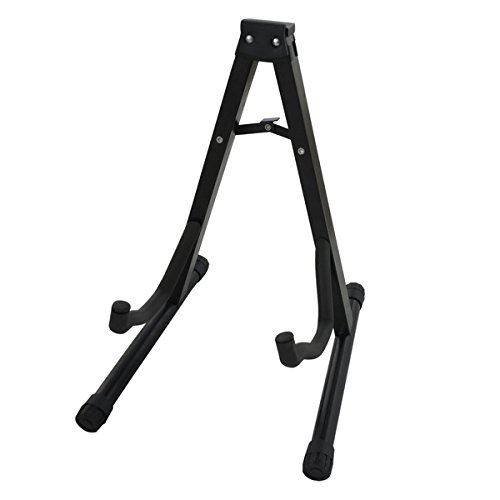 Your price for this item is $9.99
-
 Your price for this item is $138.99
-
 Your price for this item is $45
-
 Your price for this item is $21.99
-
 Your price for this item is $20.99
-
 Your price for this item is $49.99
Discover more categories related to Multiple Guitar Stands
Top Collections:
Pokemon Centers, Kindle Devices, Best Budget Office Chairs, Canon G7X Cameras, Apple iPhones 16, Samsung Galaxy Phones, Refurbished Apple Laptops, Laptops for Students, iPhone 15 Apple, Budget Smartphones
Some products may be subject to Environmental Handling Fees
(EHF) depending on your province.
Learn more about EHFs.