Electric Guitars for Kids
Looking to ignite your child's passion for music? Look no further than our selection of electric guitars for kids. Whether they're just starting out or already rocking out, these pint-sized instruments are designed to inspire and empower young musicians. With their smaller scale and lightweight design, electric guitars for kids provide a great way for children to explore the world of music. Here are some great options available.
Sort
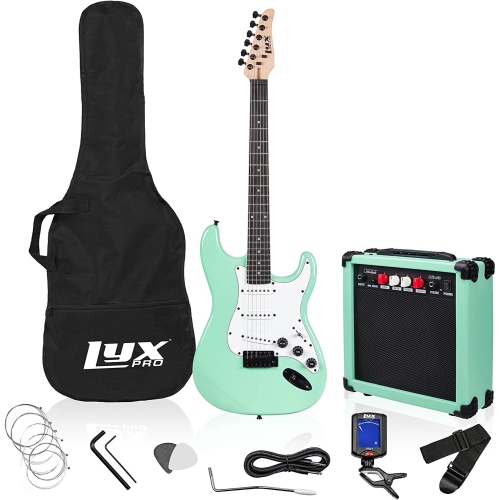
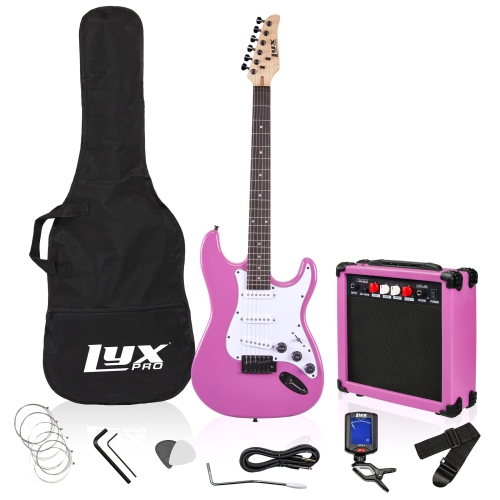
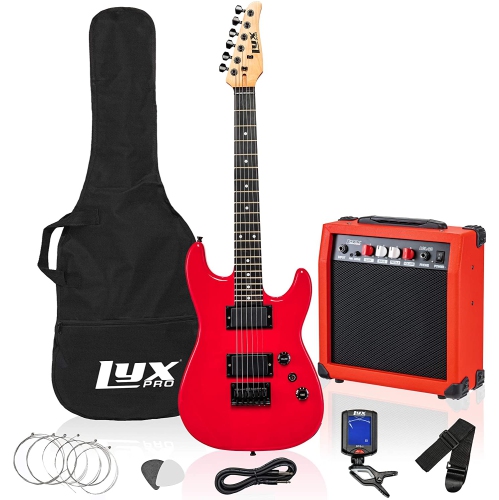

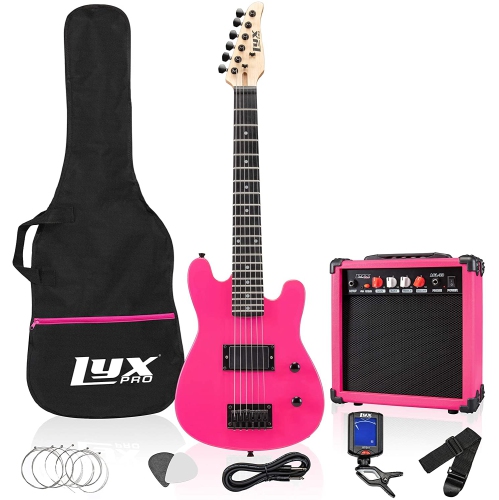
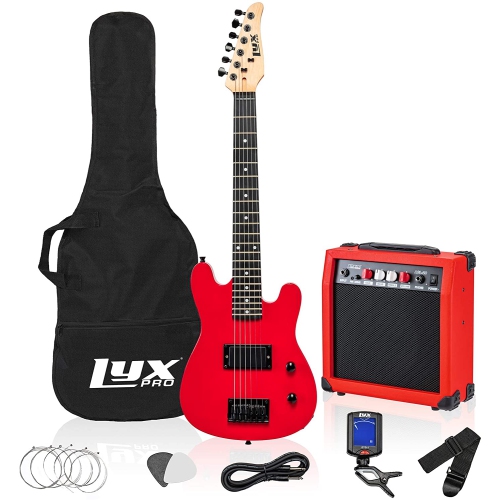

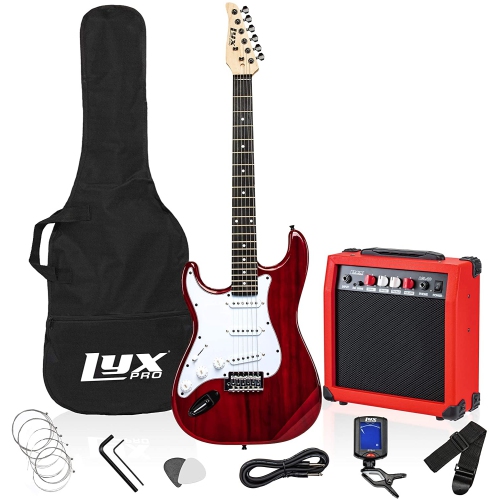
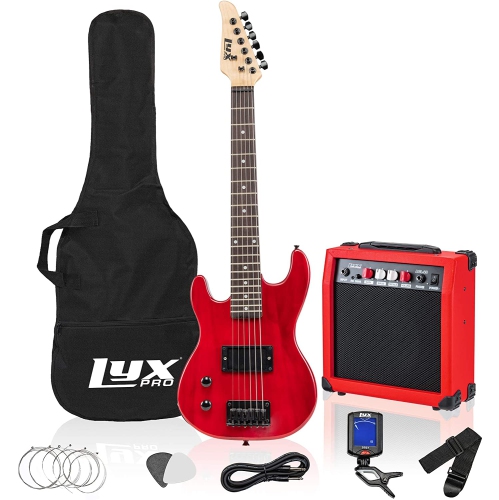
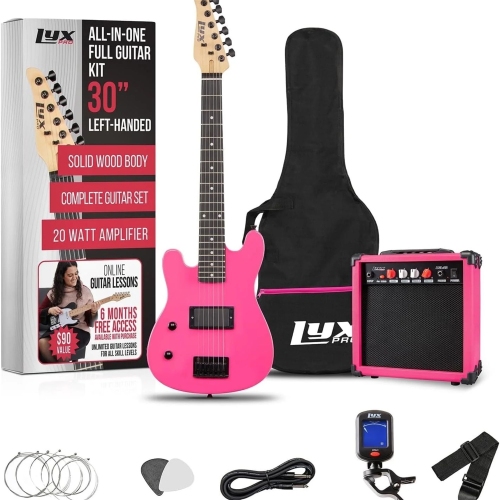
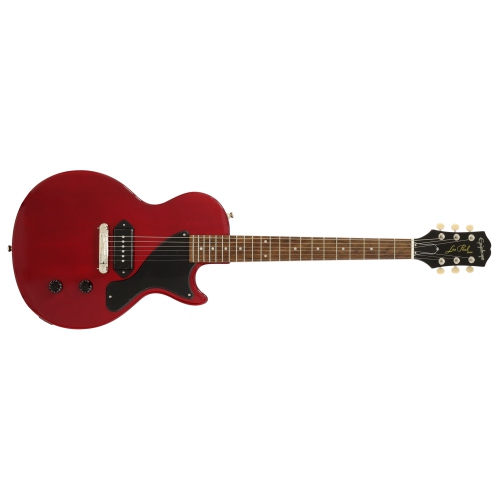
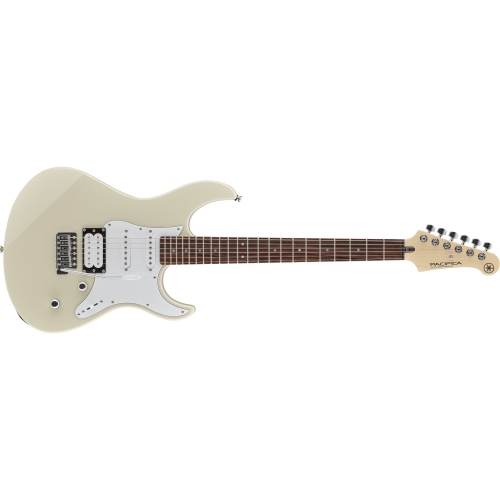
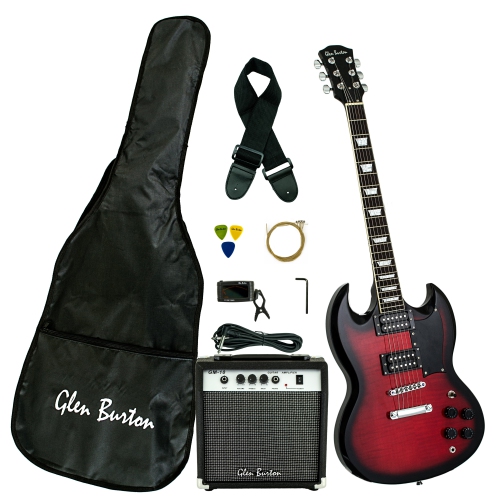
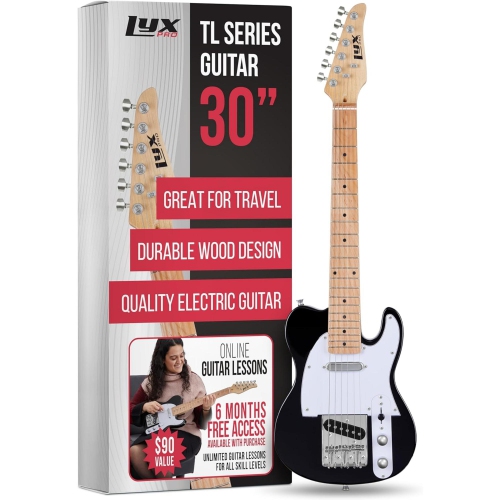


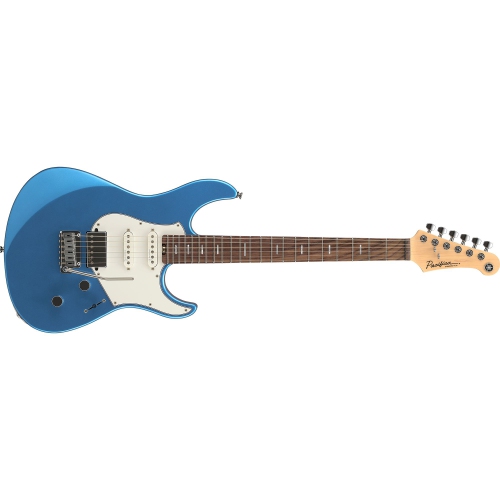

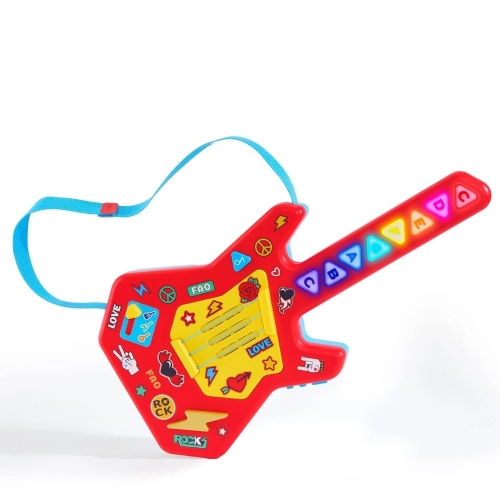
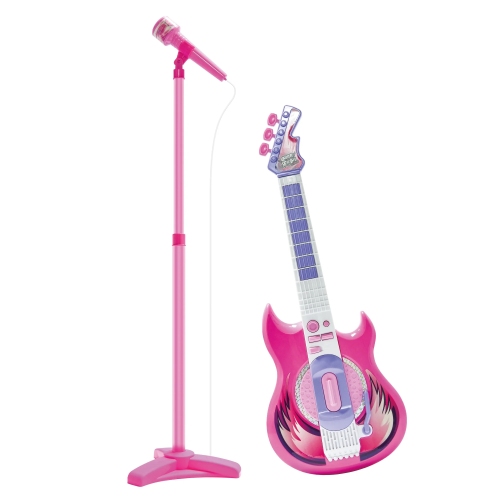
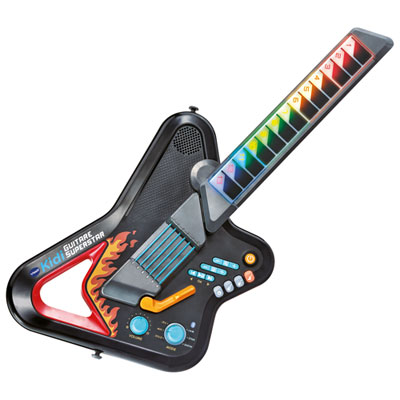
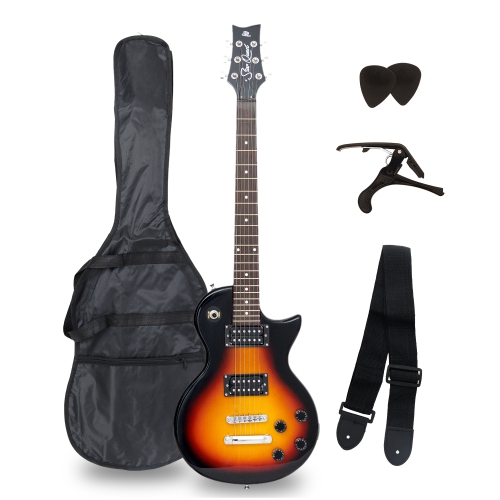
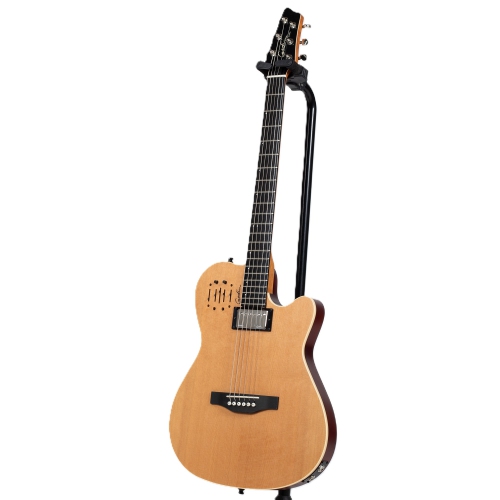
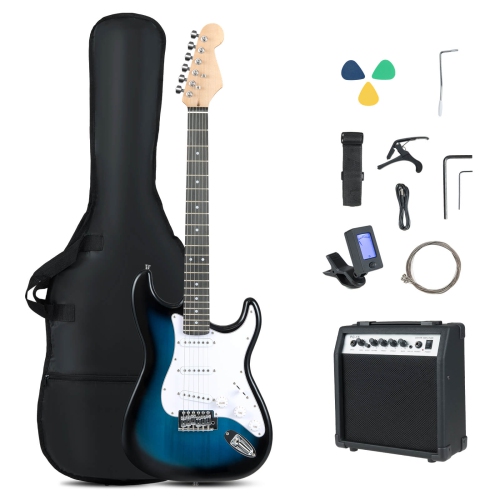
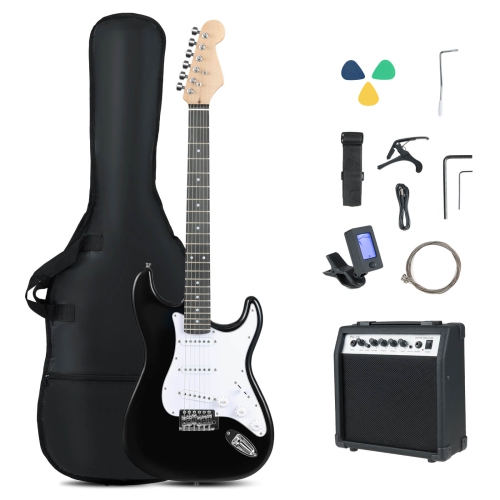
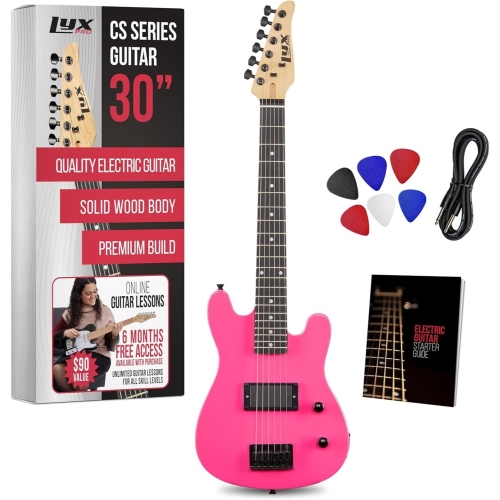
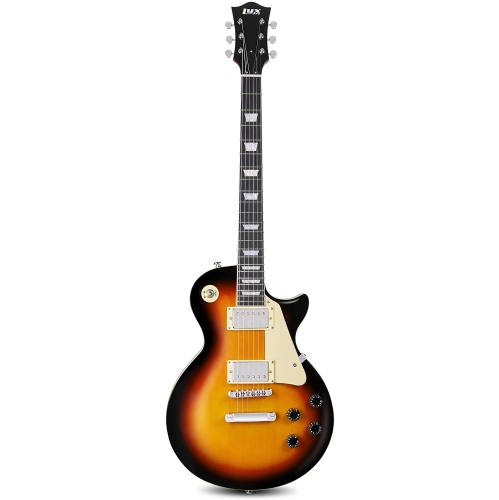
Why guitar fit matters more than your child’s age
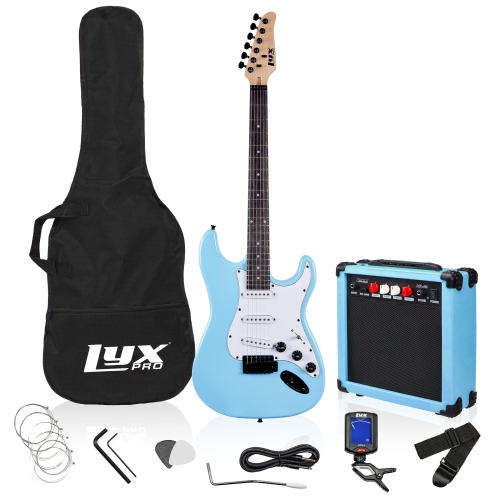
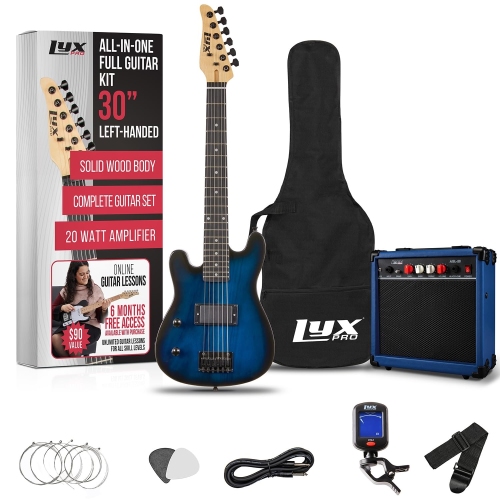
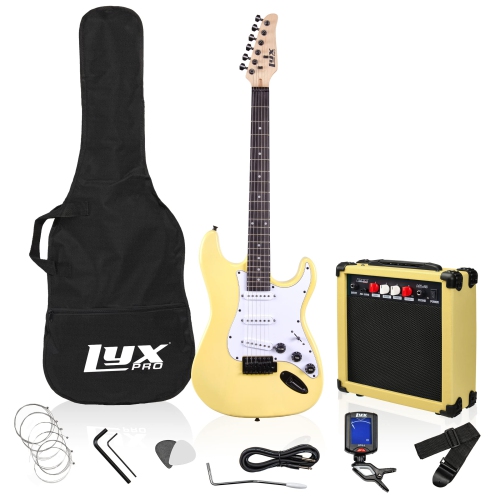
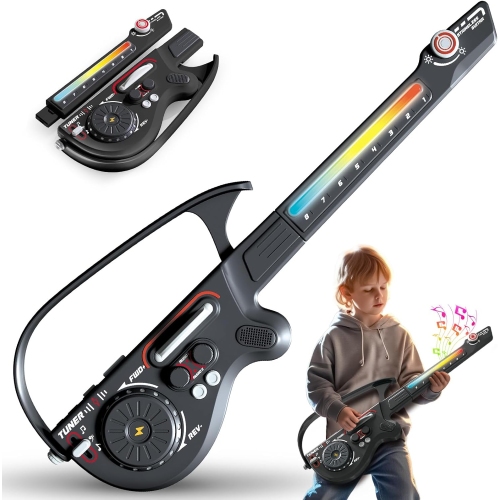
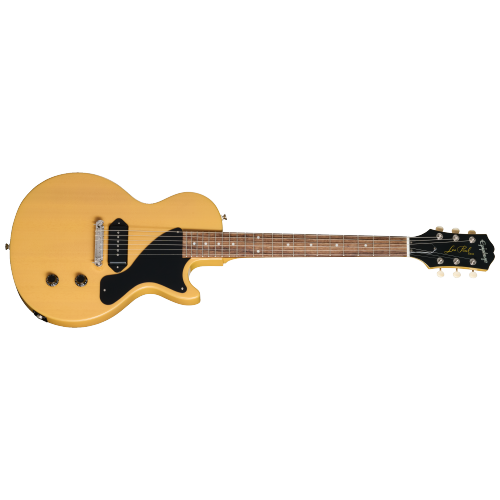
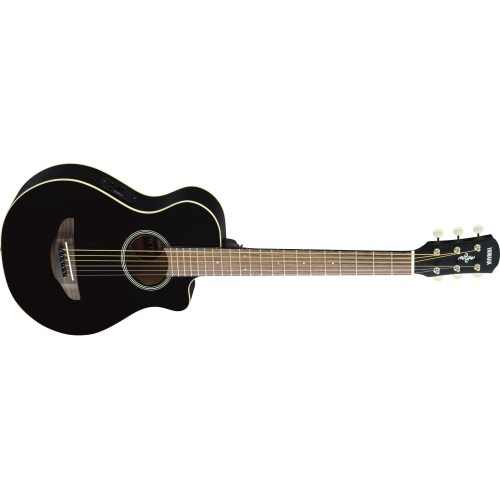
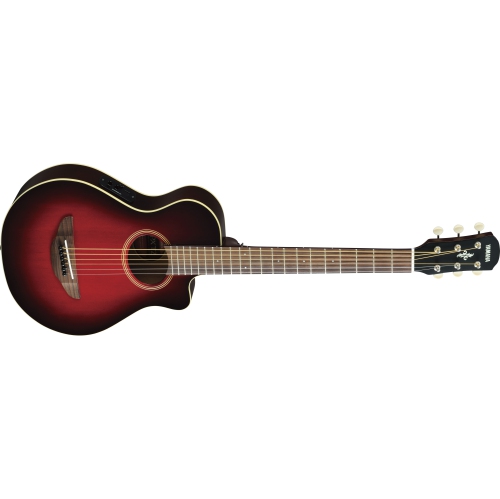
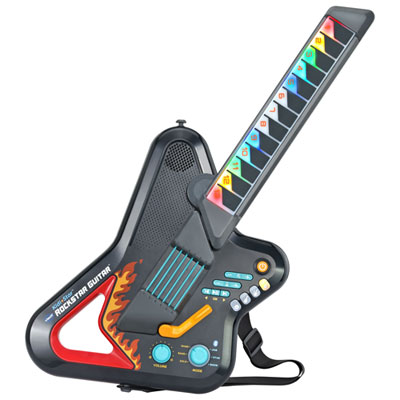
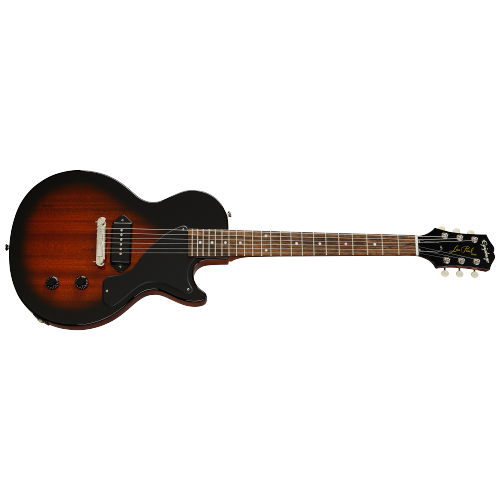
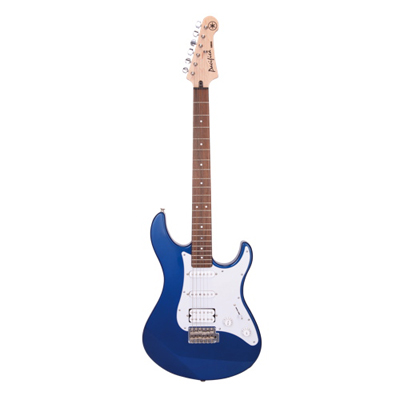
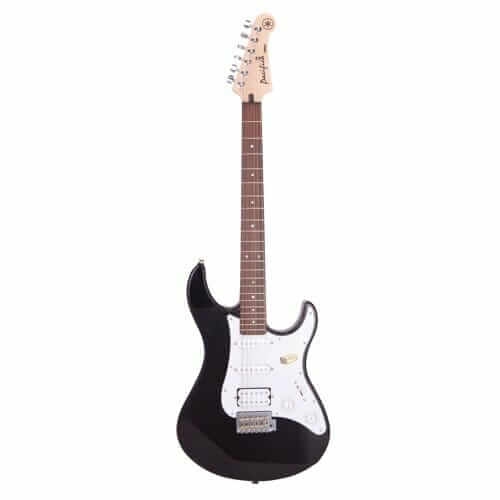
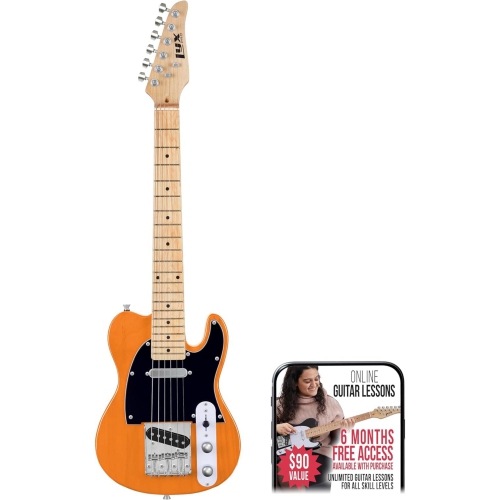
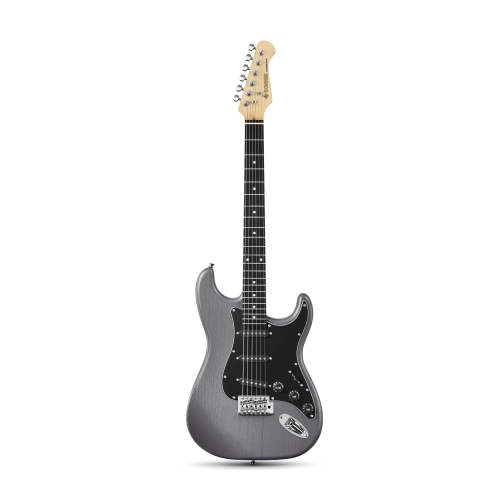
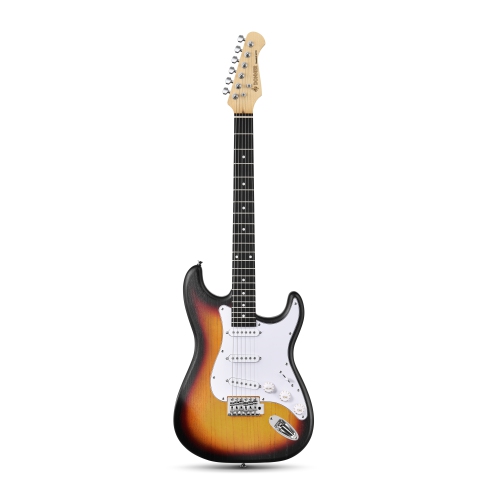
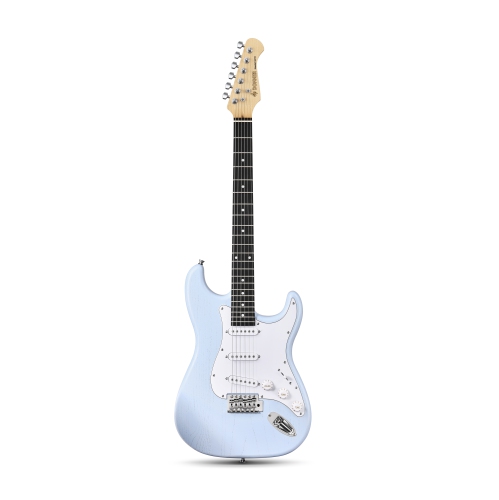
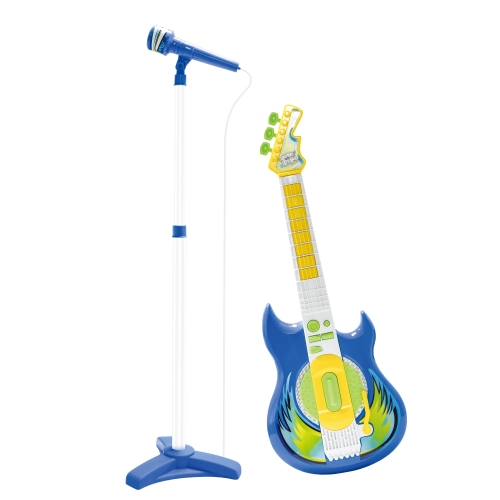
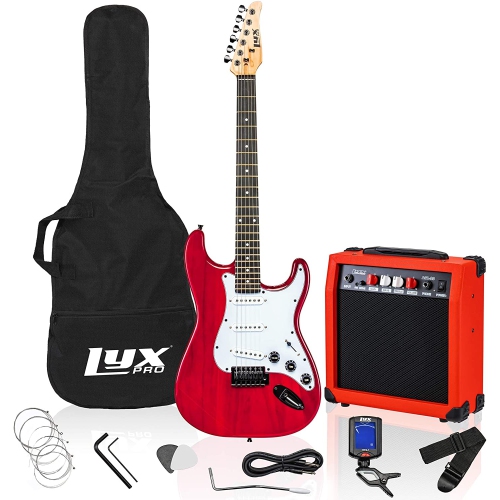
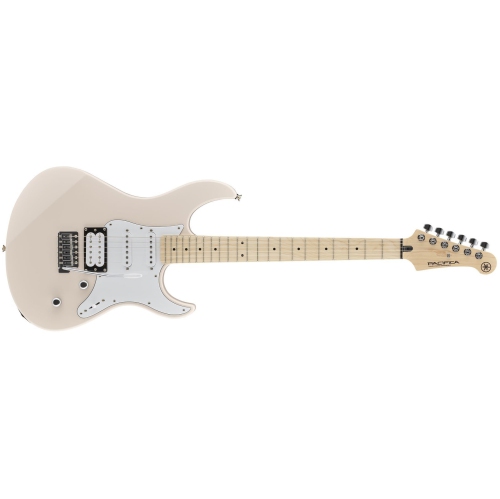
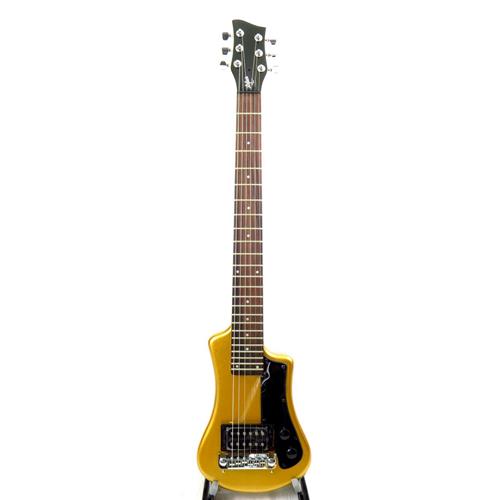
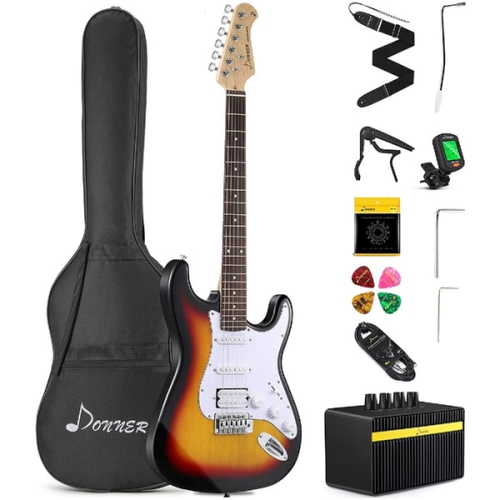
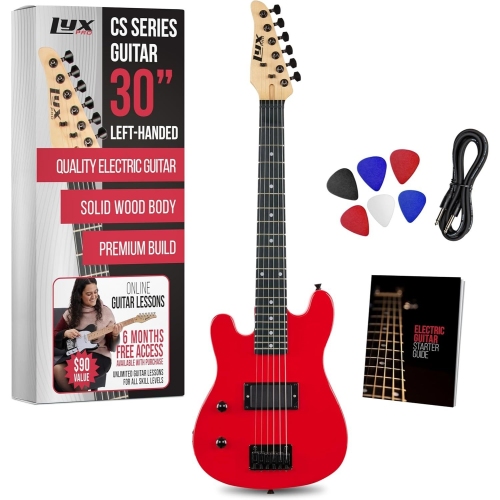
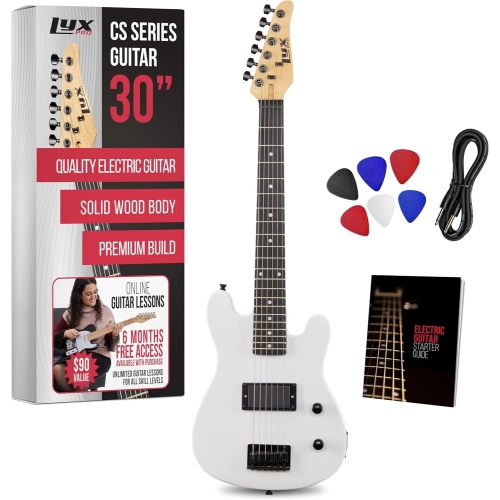
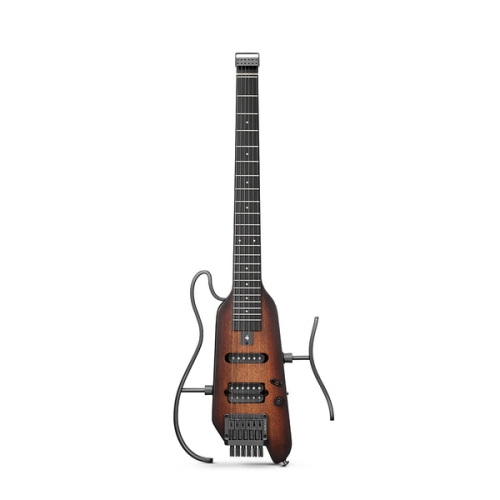
Electric guitars for kids bring the sound and feel of a real instrument within reach of younger players, with smaller bodies and shorter necks that can make those first notes more comfortable. A compact or 3/4-size electric guitar is often a useful starting point for school-age children, but fit matters more than an age label. Two children of the same age may need different instruments depending on their height, arm length, hand size, and playing position. A comfortable guitar rests securely on the thigh when seated, allows the fretting hand to reach the first few frets without an exaggerated stretch, and leaves the picking arm relaxed over the body. Scale length, the distance between the nut and the bridge saddles, is particularly helpful when comparing sizes: a shorter scale brings the frets closer together and generally reduces string tension when tuning and string gauge are otherwise the same. Overall instrument length does not tell the whole story, and fractional size labels are not perfectly consistent between manufacturers. Body weight, neck thickness, and the distance around the neck also affect how manageable a guitar feels. A slim neck may suit small hands, while a smoothly shaped body can sit more comfortably against a child’s ribs and forearm. Six-string instruments provide the familiar layout used in most guitar lessons, chord diagrams, and songbooks. Reduced-string designs can simplify early playing, although their tuning and learning materials may differ from a standard six-string guitar. For a child who wants to play riffs, join school music activities, or make music with a sibling, an appropriately sized electric guitar offers room to develop rhythm, coordination, and listening skills. Colour and body shape matter, too: an instrument that feels personal can help make picking it up a welcome part of the day. As a birthday gift or a way to mark the start of lessons, the strongest match is one that suits the child’s reach, musical interests, and readiness to practise rather than simply resembling an adult player’s guitar.
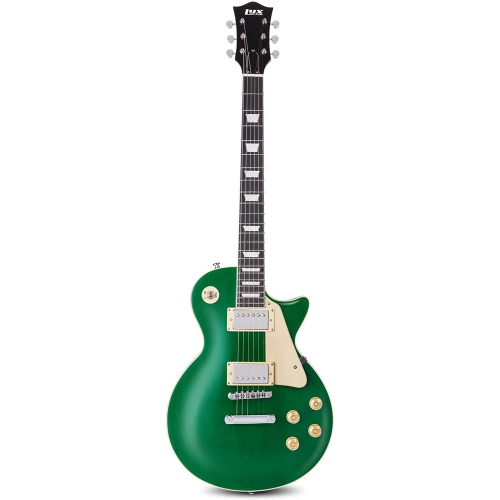
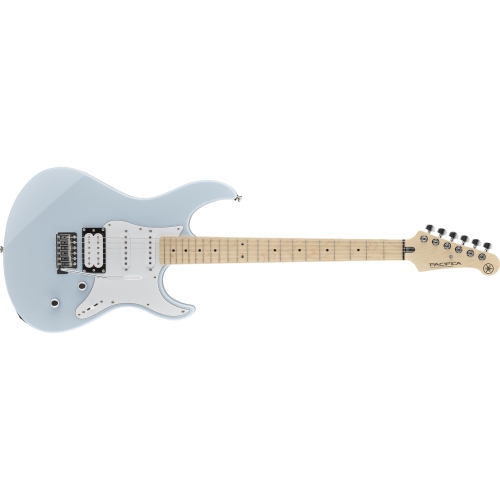
Playability depends on more than size, especially when small fingers are learning to hold down steel strings. String action describes the height of the strings above the frets; action that is unnecessarily high can make basic notes tiring, while action that is too low may cause unwanted buzzing. A professional setup can check neck relief, nut slots, bridge adjustments, and intonation so that the instrument plays comfortably and sounds more accurately in tune along the fretboard. Even a small guitar benefits from this attention, and a setup cannot always compensate for an instrument that is fundamentally too large or poorly made. Lighter-gauge strings may feel easier to press and bend, though string choice should suit the guitar’s scale length and tuning. Rounded fret ends and a smooth neck finish are useful comfort details because the fretting hand repeatedly slides along these surfaces. Many children’s electric guitars use solid wood bodies with maple necks, while fingerboards may use wood or composite materials. The type of wood alone is less important to a young beginner than manageable weight, secure construction, and a comfortable playing surface. A durable finish helps protect the body from everyday handling, but no finish makes a guitar immune to knocks or falls. Hardware also shapes the experience: tuning machines should turn smoothly and hold their position, strap buttons should be firmly attached, and the output jack should connect securely to the instrument cable. Fixed bridges generally keep tuning and string changes simpler than vibrato systems, making them practical for beginners who are still learning basic care. Magnetic pickups turn string vibration into an electrical signal, and pickup designs influence the amplified sound. Single-coil pickups often sound bright and clear but can pick up electrical hum; humbuckers typically reduce that hum and can produce a fuller tone. Straightforward volume and tone controls let children hear these differences without making the instrument complicated to operate. Families comparing compact instruments with standard-size options can also explore electric guitars for beginners, particularly for older children whose reach and posture comfortably support a larger guitar.
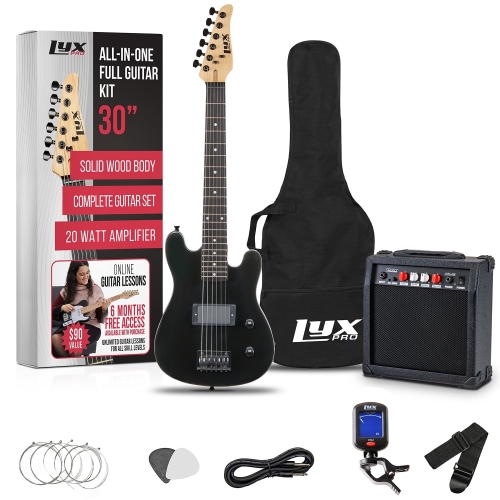
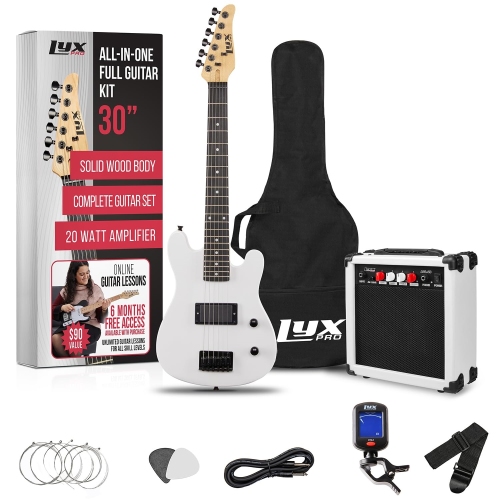
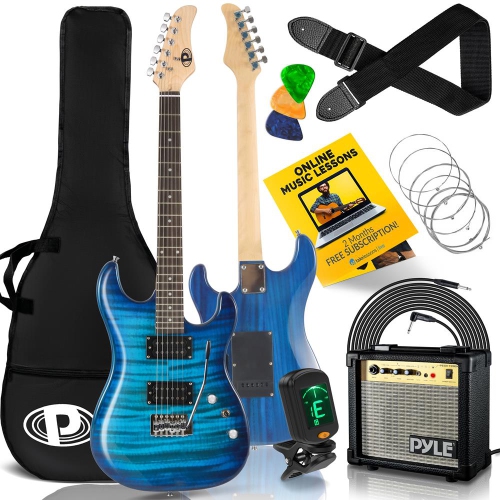
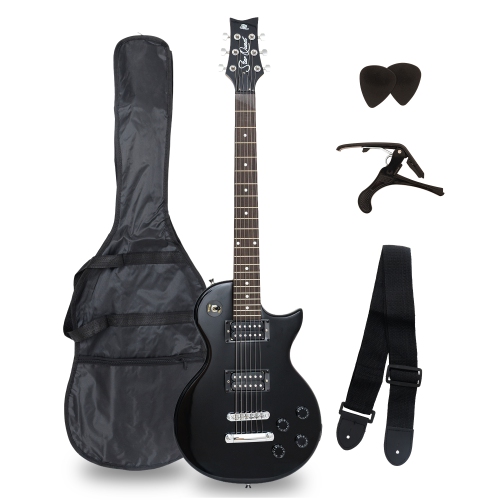
The equipment around a child’s electric guitar helps determine where and how it gets used. An electric guitar makes a quiet sound on its own, but an amplifier or compatible headphone practice device is needed to hear its amplified tone. For home practice, clear sound at a manageable volume is more useful than sheer output. A headphone connection can support quieter sessions in a shared home, provided the equipment has a dedicated headphone output and listening levels remain low. Ordinary headphones do not connect directly to a standard guitar output without a suitable device between them. Starter sets may combine a guitar with an amplifier, cable, strap, picks, or a carrying bag, although included accessories vary. A tuner is especially useful because learning with an in-tune instrument helps children recognize notes and chords more reliably. An adjustable strap can support the guitar while seated as well as standing, and a correctly sized stand gives it a secure resting place between sessions. Cables need enough slack for comfortable movement without leaving loops across a walkway. For lessons away from home, a padded gig bag makes carrying easier and helps prevent surface scratches; a more protective case may suit regular transport or storage around busy household activity. Everyday care is straightforward: clean hands before playing, a soft dry cloth over the strings and body afterwards, and occasional checks for loose hardware help keep the instrument pleasant to use. Guitar-safe cleaning products should match the finish, and household cleaners are best kept away from the instrument. An adult or guitar technician can handle early string changes, since cut string ends are sharp and correct winding helps tuning stability. Picks, spare strings, and other small accessories should be stored away from very young children. A comfortable chair without obstructive armrests and an accessible practice space can make a short session feel less like a task. Whether a child is repeating a two-note riff, accompanying a simple song, or getting ready for a first lesson, a well-fitting guitar with dependable essentials supports the pleasure of making music at their own pace.
Top selling and popular products
-
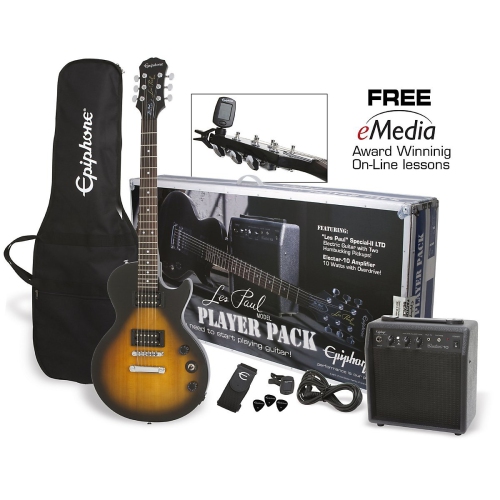 Your price for this item is $494.49
-
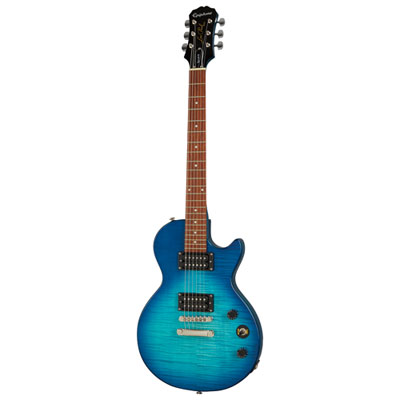 Your price for this item is $379.99
-
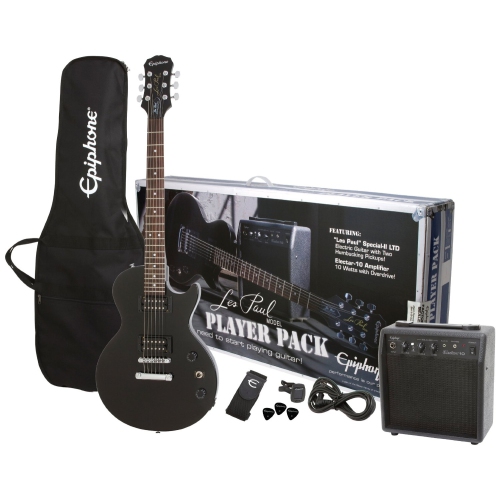 Your price for this item is $494.49
-
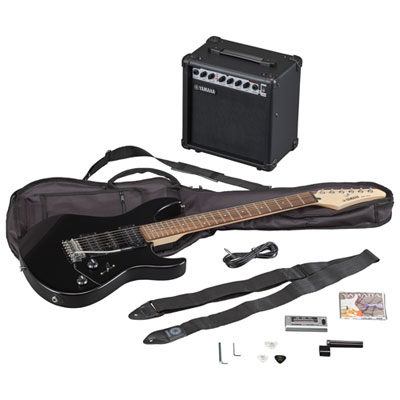 Your price for this item is $349.99
-
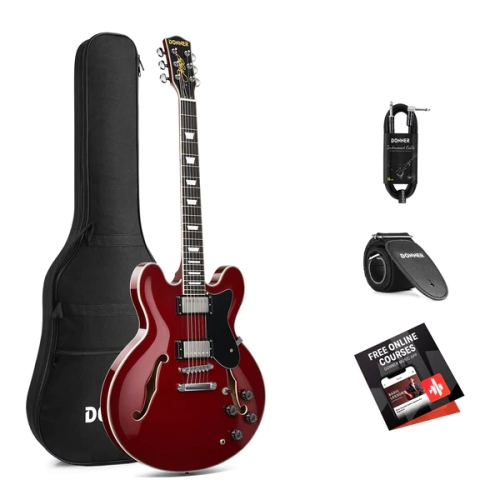 Your price for this item is $395.99
-
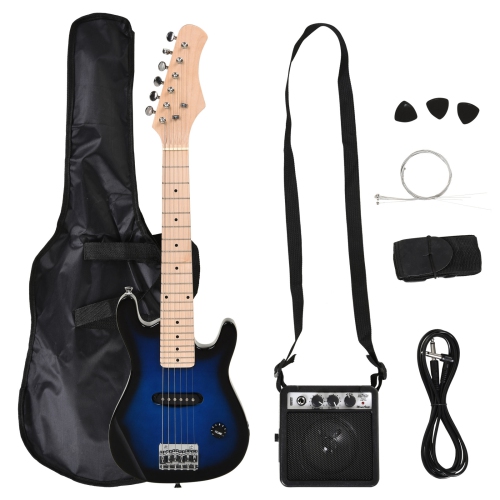 Your price for this item is $124.99
-
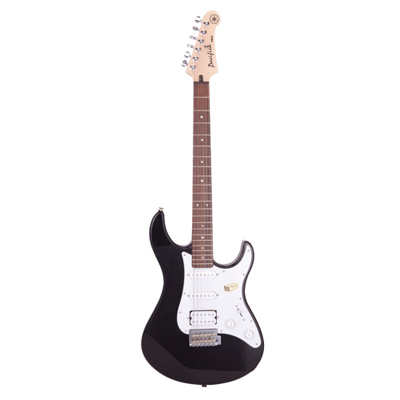 Your price for this item is $299.99
-
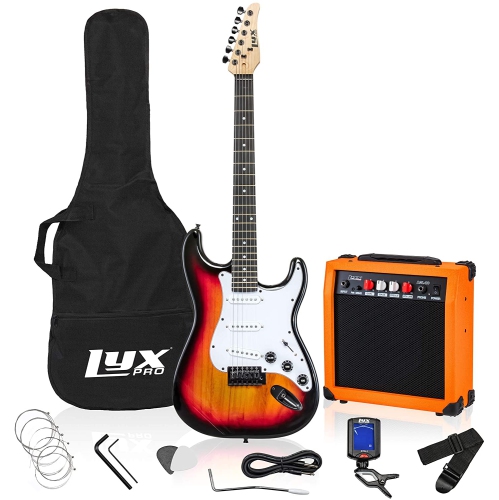 Your price for this item is $239.99
Discover more categories related to Electric Guitars for Kids
Top Collections:
Pokemon Centers, Best Cameras for Sports Photography, Kindle Devices, Samsung Galaxy Phones, Canon G7X Cameras, Pokémon 30th Celebration Cards, Refurbished Apple Laptops, iPhone 15 Apple, Laptops for Students, Budget Smartphones
Some products may be subject to Environmental Handling Fees
(EHF) depending on your province.
Learn more about EHFs.