Guitare 12 Cordes
Guitare 12 Cordes brings a rich, full sound to your music, perfect for players looking to expand their tonal possibilities. Whether you’re performing on stage or practicing at home, these guitars offer a unique playing experience that stands out in any setting. Explore a wide range of Guitare 12 Cordes options designed to suit different musical styles and skill levels, and find the right instrument to elevate your performances.
Sort









How paired strings give familiar chords their signature shimmer
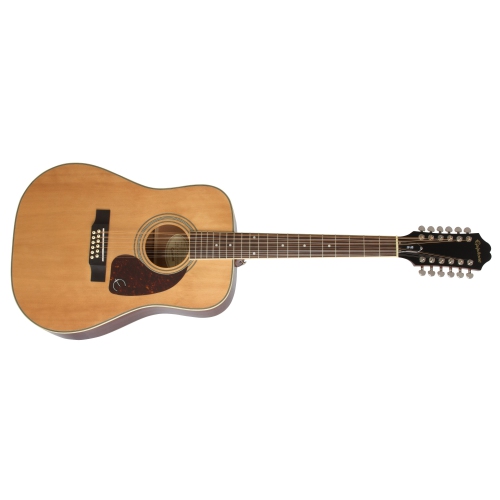
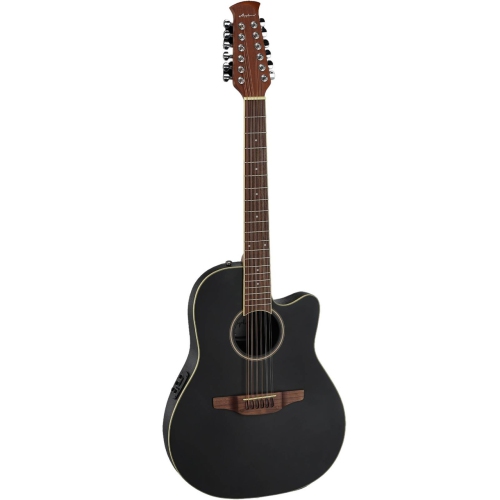
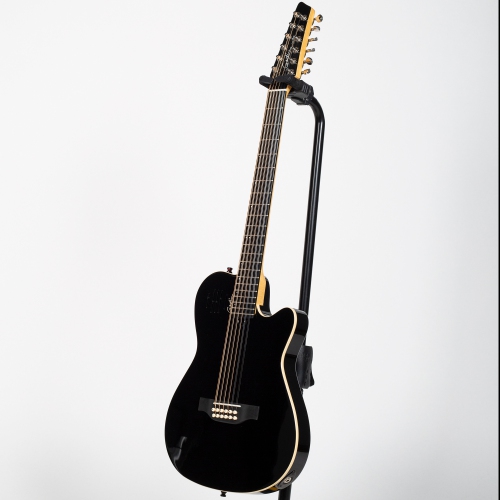
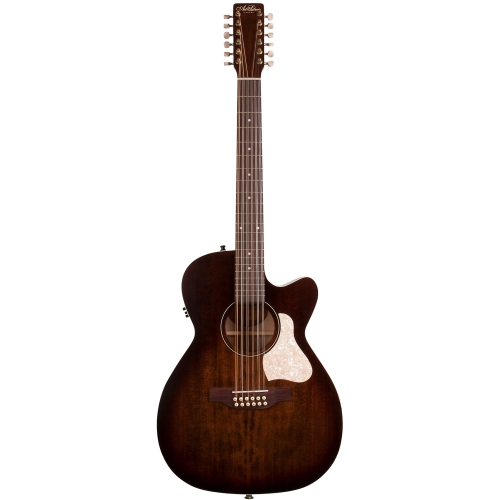
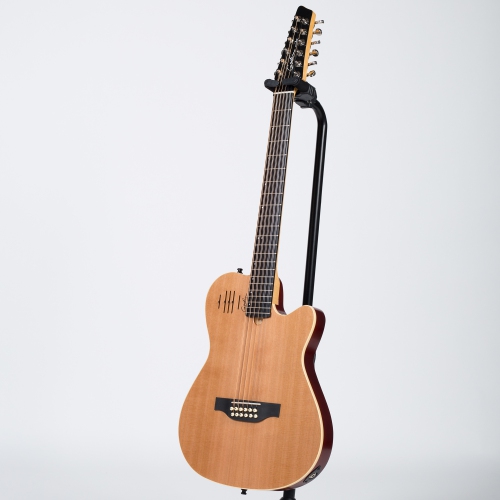
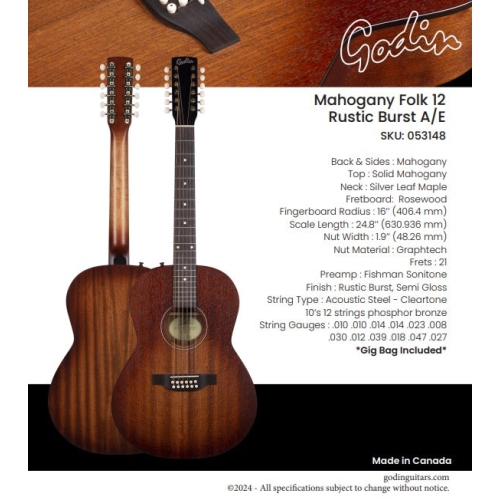
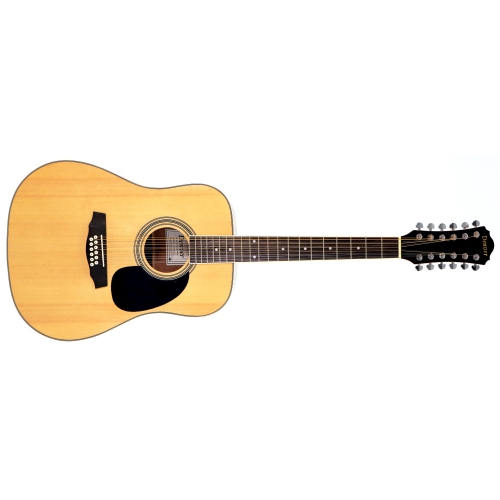
A 12-string guitar has six pairs of strings, known as courses, rather than twelve separately played strings. In standard tuning, the lower four courses—low E, A, D and G—each combine a main string with a thinner string tuned one octave higher. The two highest courses, B and high E, each contain two strings tuned to the same pitch, or in unison. Both strings in a pair are generally fretted and struck together, so familiar six-string chord shapes still apply. The paired strings produce a rich, shimmering sound, with subtle differences in vibration creating a natural chorus-like effect. An open chord can have a broad, ringing quality, while a picked pattern brings out overlapping notes and bright upper harmonics. This distinctive voice suits folk accompaniment, jangling rock rhythms, country arrangements and singer-songwriter performances. It can fill out the space behind a solo singer or add a contrasting texture alongside a six-string guitar in a band. Acoustic 12-string guitars emphasize the resonance of the body and the blend between the paired strings, making them well suited to unamplified playing and microphone-based recording. Acoustic-electric versions combine that acoustic character with a pickup system for connection to compatible amplification or recording equipment. Electric versions use magnetic pickups and amplification to shape the sound, from clean, chiming chords to more driven textures. A 12-string is not simply a six-string guitar with extra volume: its appeal lies in the interaction between the paired notes, their sustained shimmer and the way they change the character of an arrangement. Dense strumming can sound expansive, while a few carefully spaced notes can provide a delicate backdrop to a vocal. For players adding another voice to their music, the difference is noticeable even when the chord progression stays exactly the same.
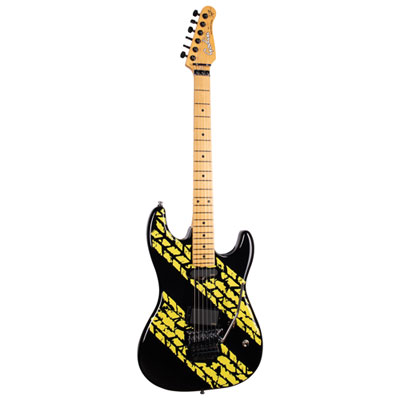
Body construction, neck dimensions and string choice all influence how a 12-string guitar feels and responds. On acoustic instruments, the soundboard, back, sides and internal bracing work together to support string tension and shape resonance. Spruce tops are often associated with clarity and a broad dynamic range, while cedar can offer a responsive feel under a lighter touch; the complete construction matters more than any single wood description. Solid-wood and layered-wood designs each have practical considerations, including response, structural stability and care requirements. Body size also affects comfort. A larger body may provide a broad bass response, but its depth and width can make it less comfortable for someone who prefers a compact instrument or plays seated for long periods. Smaller bodies can feel easier to hold, although individual designs vary in balance and projection. A cutaway provides more room for the fretting hand near the upper frets, which can matter for melodic passages beyond the usual open-chord positions. The neck deserves particular attention because twelve strings require room across the fingerboard. Nut width, neck profile and the spacing both within and between courses influence whether the fretting hand feels relaxed or crowded. Scale length and string gauge also affect tension and reach, while a suitable setup helps keep the action manageable and the instrument playing in tune along the neck. A twelve-string can require more fretting effort than a comparable six-string, especially with heavier strings or higher action. For players interested in amplified chime, Electric Twelve String Guitars bring pickup configuration, control layout and amplifier response into the picture. Clean settings can preserve the separation between paired notes, while effects such as compression or delay can emphasize sustain and rhythmic movement. On acoustic-electric instruments, onboard controls and pickup design influence the amplified sound, and access to the battery compartment can be a useful practical detail. Across all types, comfortable balance on a strap and unobstructed access to the tuning machines contribute to everyday usability.
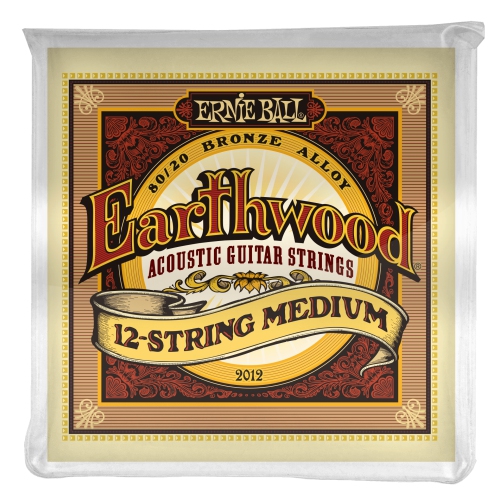
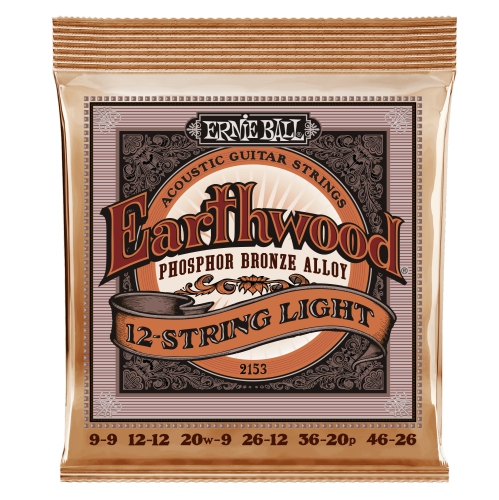
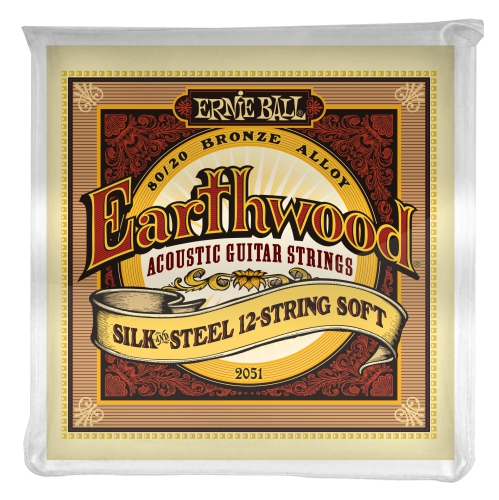
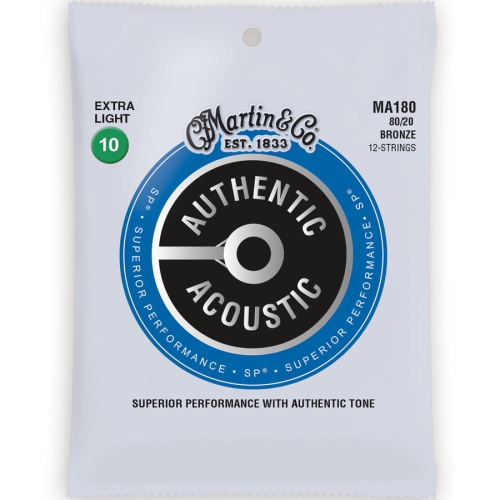
Living with a 12-string guitar involves a little more tuning and string maintenance, but those routines help preserve the sound that makes the instrument appealing. Each course needs its intended octave or unison relationship, and small tuning differences become especially apparent in sustained chords. An electronic tuner that clearly identifies individual notes is useful when checking one string at a time. Replacement sets should be intended for twelve-string use, with gauges appropriate to the instrument and its recommended tuning. Improvised combinations of strings can create unsuitable tension or an uneven feel. A professional setup can address action, neck relief and intonation, particularly after a significant change in string gauge. Persistent buzzing, unusually high action or a bridge that appears to be lifting calls for attention rather than additional tuning tension. Regular wiping with a clean, soft cloth helps remove fingerprints and residue from strings and finished surfaces, while instrument-appropriate cleaning products protect finishes from unsuitable household chemicals. A stable indoor humidity level is important for wooden acoustic instruments, and a properly fitted case provides protection from knocks, dust and accidental pressure on the neck. Accessories benefit from the same attention to fit: a capo needs enough width and even pressure for all six courses, and a case must accommodate the body and longer headstock. In everyday use, a 12-string suits the songwriter looking for a fresh accompaniment, the rhythm guitarist seeking a fuller texture, or the home musician who enjoys hearing familiar songs take on a different character. It can also make a meaningful gift for an established guitarist, although body size, neck feel and acoustic versus electric preferences are personal choices. Players moving from six strings retain their knowledge of chord shapes, but may need time to adjust finger placement and picking accuracy. The reward is a distinctive musical voice, whether carrying a simple vocal arrangement, adding sparkle to a layered recording or giving an instrumental passage a lingering, bell-like finish.
Top selling and popular products
-
 Your price for this item is $259.99
-
 Your price for this item is $279.99
-
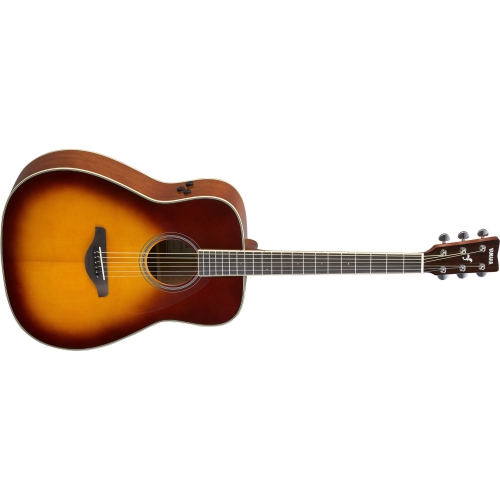 Your price for this item is $999.99
-
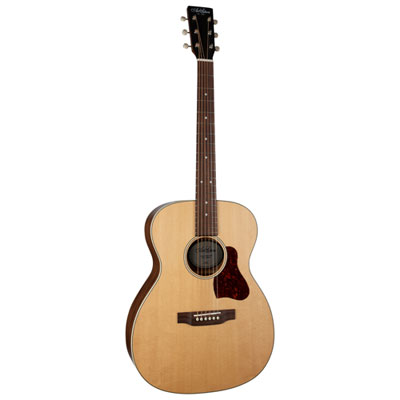 Your price for this item is $599.99
-
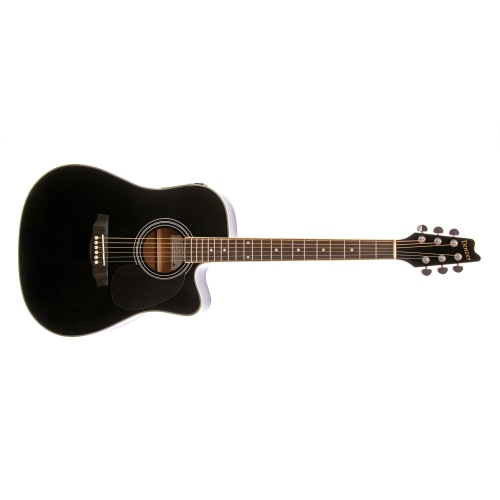 Your price for this item is $269.99
-
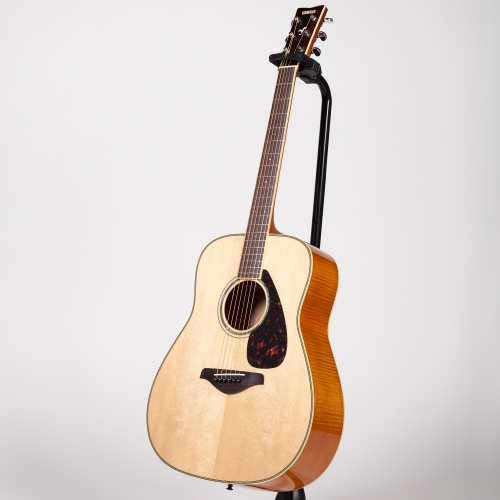 Your price for this item is $649.99
-
 Your price for this item is $459.99
-
 Your price for this item is $918.85
Discover more categories related to Guitare 12 Cordes
Top Collections:
Pokemon Centers, Best Cameras for Sports Photography, Kindle Devices, Samsung Galaxy Phones, Canon G7X Cameras, Pokémon 30th Celebration Cards, Refurbished Apple Laptops, iPhone 15 Apple, Laptops for Students, Budget Smartphones
Some products may be subject to Environmental Handling Fees
(EHF) depending on your province.
Learn more about EHFs.