Corde Guitare
Découvrez notre sélection de corde guitare, idéale pour tous les styles et niveaux de jeu. Que vous soyez débutant ou musicien expérimenté, trouvez facilement les cordes qui correspondent à votre instrument et à vos préférences musicales. Parcourez une variété d’options pour profiter d’une expérience de jeu optimale et révéler tout le potentiel de votre guitare. Offrez-vous la qualité et la performance avec notre gamme complète de corde guitare.
Sort
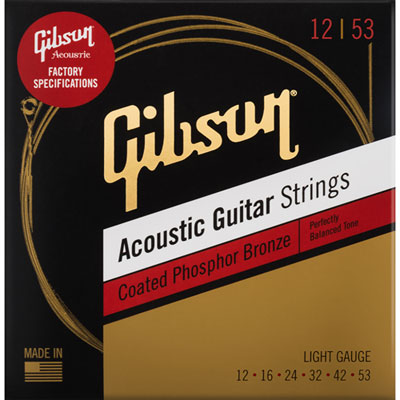
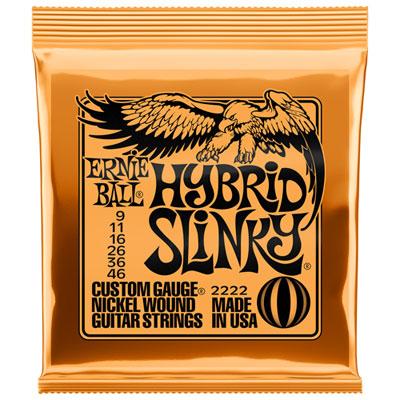

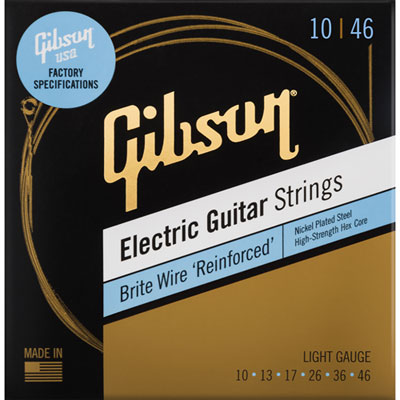
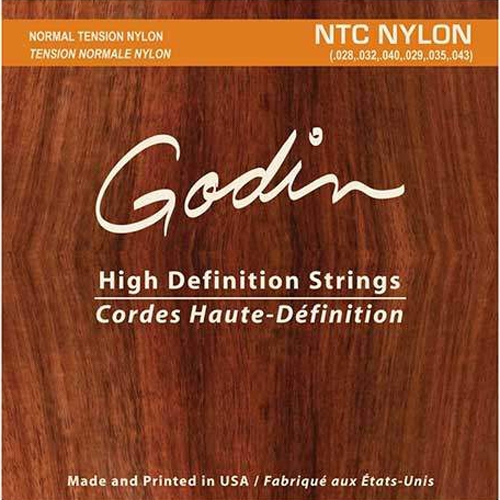




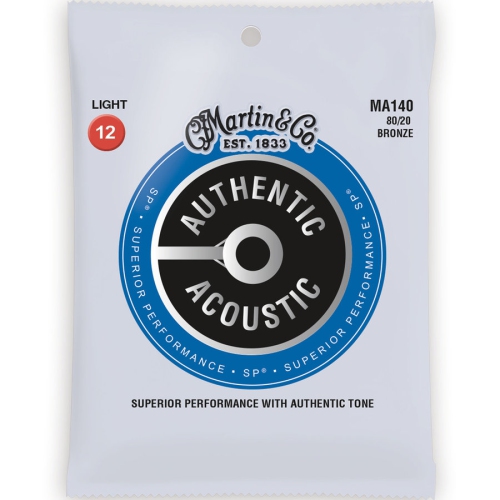





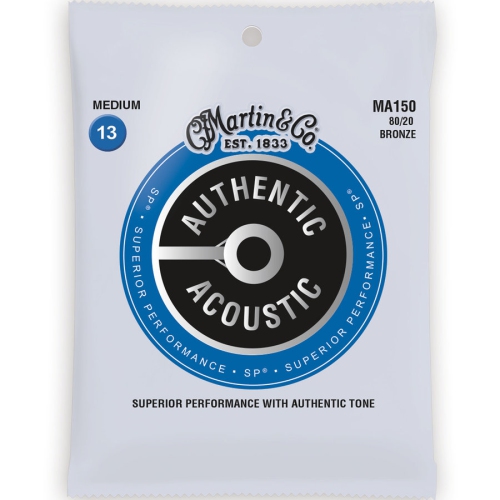
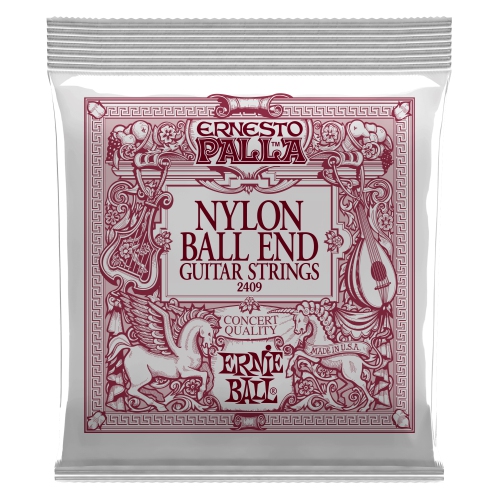
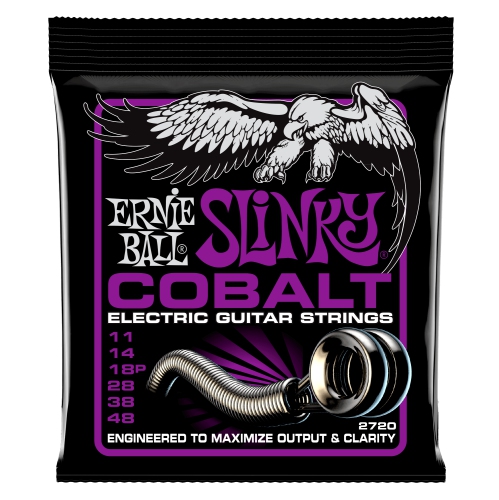



How string materials and gauge shape your playing
Guitar strings shape an instrument’s sound, feel, and response, from the rounded notes of a classical melody to the crisp attack of an acoustic chord or the sustained ring of an electric lead. A standard six-string guitar is tuned, from the lowest-pitched string to the highest, to E, A, D, G, B, and E. These notes are called mi, la, ré, sol, si, and mi in French. The sixth string is the low E, the fifth is A, the fourth is D, the third is G, the second is B, and the first is the high E. On a typical set, the sixth string is the thickest and the first is the thinnest; string numbers run in the opposite direction to the low-to-high tuning sequence. This distinction matters when matching a replacement string to its position on the guitar. Beyond tuning, the main difference between string types is the instrument they are designed for. Steel-string acoustic guitars commonly use plain steel treble strings paired with bass strings wrapped in bronze or phosphor bronze. Bronze is often associated with a bright, ringing character, while phosphor bronze typically offers a warm, balanced sound, although the guitar’s construction and the player’s touch also influence the result. Electric guitar strings commonly feature nickel-plated steel, pure nickel, or stainless steel windings, with magnetic properties suited to conventional electric guitar pickups. Classical guitars generally use nylon or other synthetic trebles and bass strings made with metal windings around a flexible multifilament core. Their softer feel and distinctive voice suit classical repertoire, fingerstyle passages, and many Latin musical styles. These families are not interchangeable simply because they share the same tuning. In particular, steel strings should not be fitted to a guitar built for nylon strings unless its maker explicitly permits them, since the added tension can damage the instrument. Matching the string family to the guitar is the starting point for comfortable playing and dependable performance.
String gauge describes a string’s diameter, usually expressed in thousandths of an inch, and it has a noticeable effect on how a guitar feels under the fingers. A set described by a .010-inch first string, for example, begins with a high E of that diameter, but the remaining gauges can vary between sets. Lighter steel strings generally need less force to fret and bend at the same scale length and tuning, which can appeal to beginners developing fingertip strength or electric players using expressive bends. Heavier strings generally provide a firmer feel and may suit a strong picking hand or lower tunings, though they also demand more effort. Neither is automatically better: a player accompanying quiet vocals with gentle fingerpicking has different priorities from someone striking broad chords with a pick. Scale length, action, tuning, and playing technique all contribute to tension and comfort. Classical string sets are often described by tension, such as normal or hard, rather than by gauge alone; those descriptions are best considered alongside the instrument maker’s recommendations. Construction brings another layer of choice. Roundwound strings have a textured surface and a lively sound, while flatwound strings feel smoother and tend towards a more restrained high end. Sliding along wound strings can produce audible finger noise, especially during close-miked recording, so surface feel can matter as much as tone. Coated strings add a protective layer intended to slow the effects of residue and corrosion, with differences in feel and brightness depending on the design. Fit also includes the string ends and usable length. Ball ends are common on steel-string acoustic and electric guitars, while many classical guitars use strings secured at a tie-block bridge. Some instruments require particular end fittings or extra length, so bridge design and scale length deserve attention. A substantial gauge change can alter neck relief, intonation, and bridge balance; guitars with floating vibrato bridges can be particularly sensitive. Keeping a familiar gauge often makes routine replacement simpler, while a different tension or construction may call for a professional setup.
Fresh strings can restore clarity when a familiar guitar begins to sound dull, but replacement needs vary with playing time, technique, and care. Daily practice, energetic strumming, and frequent string bending place different demands on a set than occasional playing at home. Sweat and residue collect on the surface and between windings, gradually affecting both feel and tone. Clean hands before playing and a gentle wipe with a clean, dry cloth afterwards help keep that buildup in check. Any cleaning treatment should be suitable for both the strings and the instrument’s finish, with the maker’s directions taking priority over household cleaning shortcuts. Rough patches, visible corrosion, damaged windings, or persistent tuning and intonation problems can signal that strings need attention, although tuning problems can also come from the nut, bridge, tuners, or installation. A string that repeatedly breaks in the same place may point to a sharp contact surface rather than a poor match of gauge. New strings also need time to settle, especially nylon strings, which may require repeated tuning before they hold their pitch reliably. For rehearsals, lessons, and performances, changing a set with enough time to check tuning and feel is more practical than making an unfamiliar change immediately before playing. When just one string breaks and the rest of the set is still in good condition, Single Guitar Strings can serve as targeted replacements or useful spares in a guitar case. Matching the material, gauge, and construction helps maintain a consistent response across the instrument. A complete set is often more suitable when all the strings are worn, since mixing a fresh string with older ones can make differences in brightness more noticeable. Strings also make a practical gift for students, hobbyists, and performing musicians when the recipient’s guitar type and preferred set are known. A photo of the packaging they already use can capture important details without guesswork. Whether the goal is clear chord practice, smooth melodic playing, or reliable accompaniment, well-matched strings help a guitar respond predictably to the hands playing it.
Top selling and popular products
-
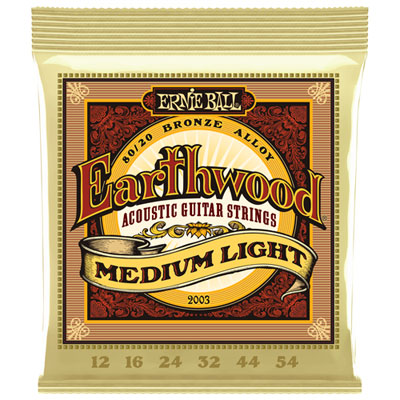 Your price for this item is $14.99
-
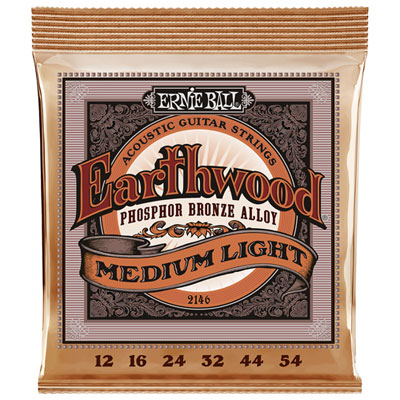 Your price for this item is $11.49
-
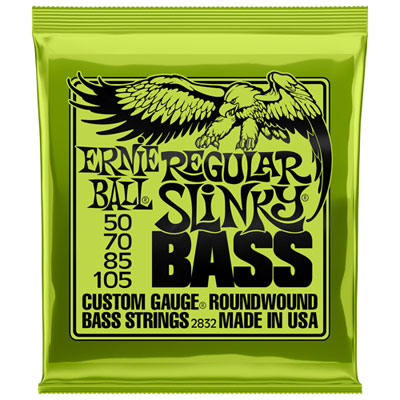 Your price for this item is $31.49
-
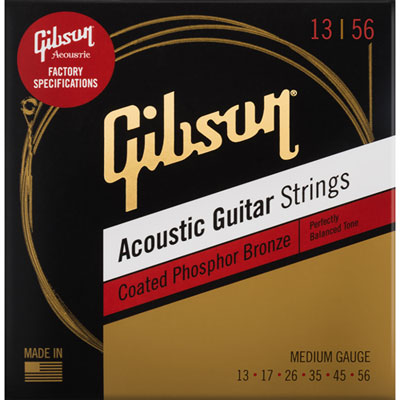 Your price for this item is $18.19
-
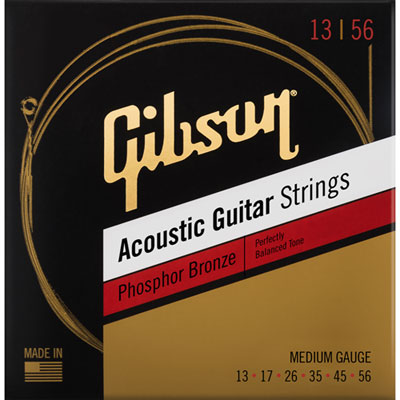 Your price for this item is $13.95
-
 Your price for this item is $15.49
-
 Your price for this item is $15.49
-
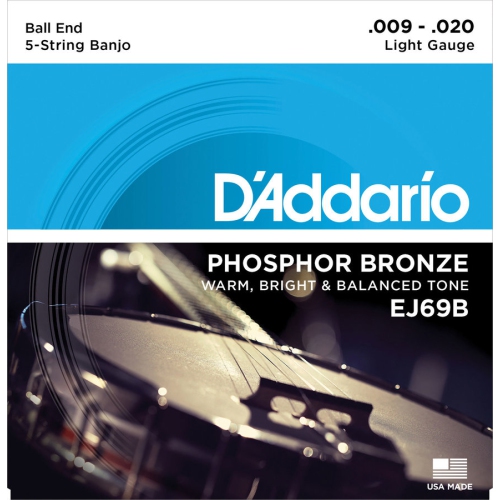 Your price for this item is $6.49
Discover more categories related to Corde Guitare

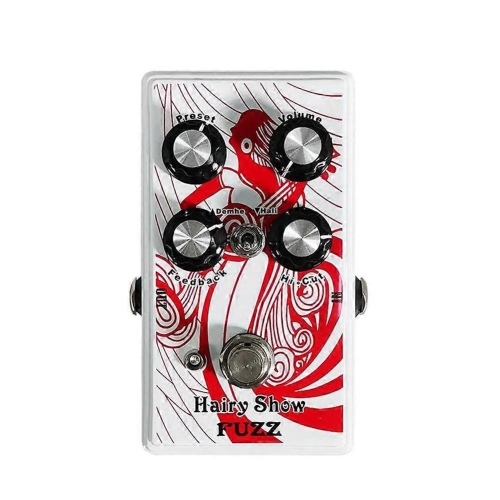
Top Collections:
Pokemon Centers, Best Cameras for Sports Photography, Kindle Devices, Samsung Galaxy Phones, Canon G7X Cameras, Pokémon 30th Celebration Cards, Refurbished Apple Laptops, iPhone 15 Apple, Laptops for Students, Budget Smartphones
Some products may be subject to Environmental Handling Fees
(EHF) depending on your province.
Learn more about EHFs.