Guitars With Straps
Strum your way to musical perfection with our collection of guitars with straps. Whether you're a seasoned pro or just starting out, having a comfortable and secure strap can make all the difference in your playing experience. From sleek and stylish designs to durable and adjustable options, we have a variety of guitar straps to suit every style and preference. Elevate your performance and rock out in style with one of these essential accessories for any guitarist.
Sort
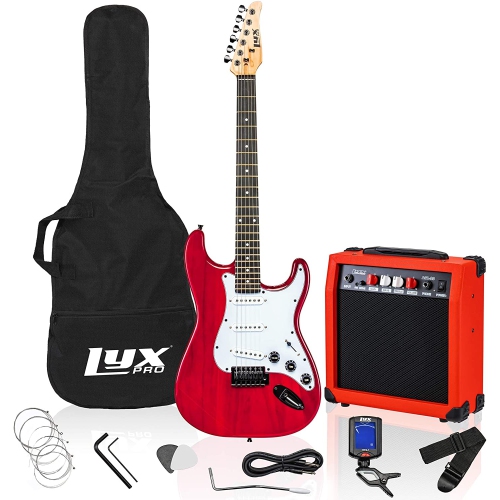
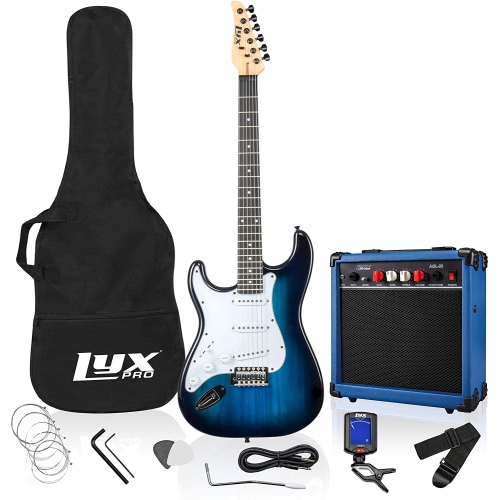
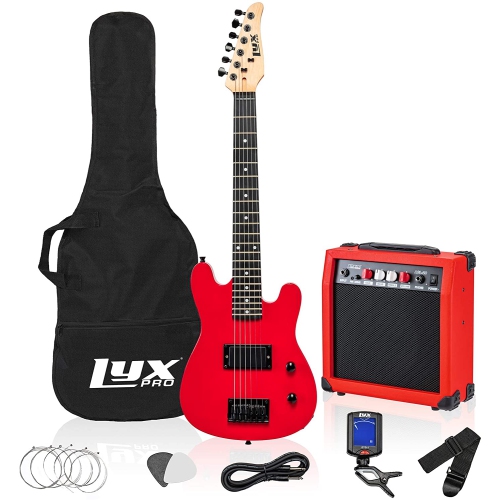
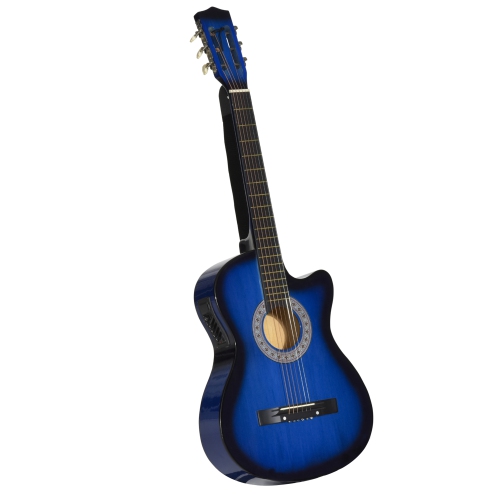
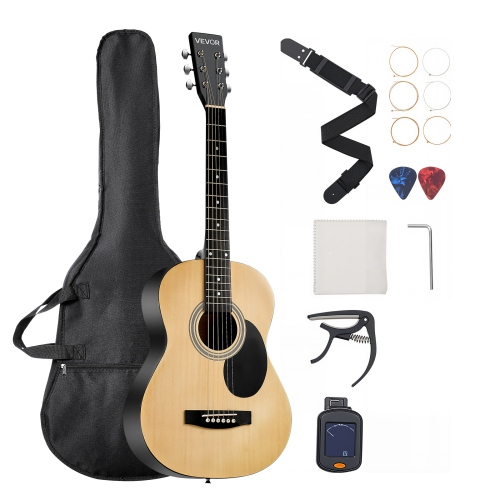
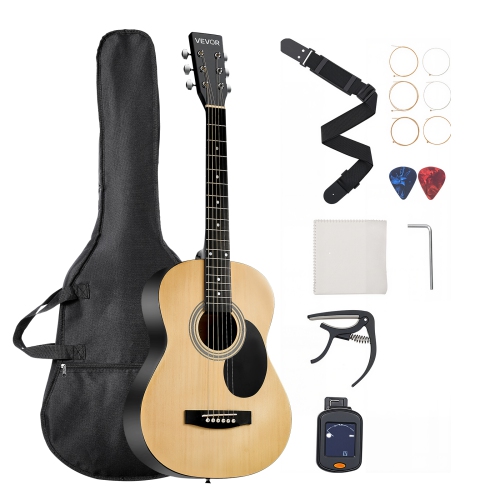
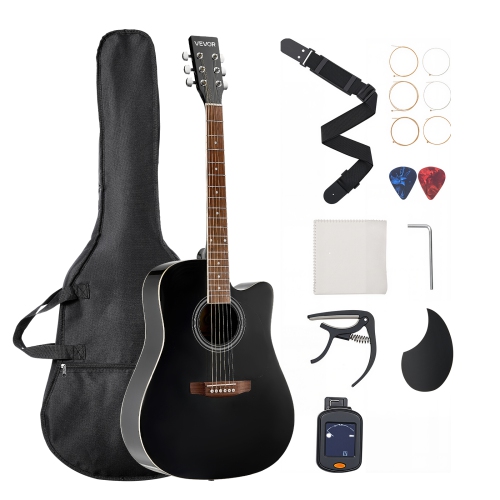
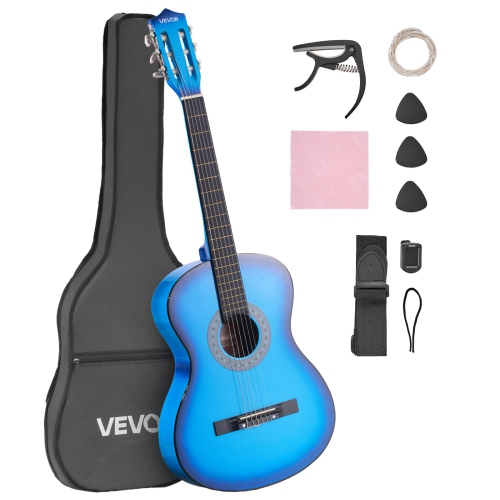
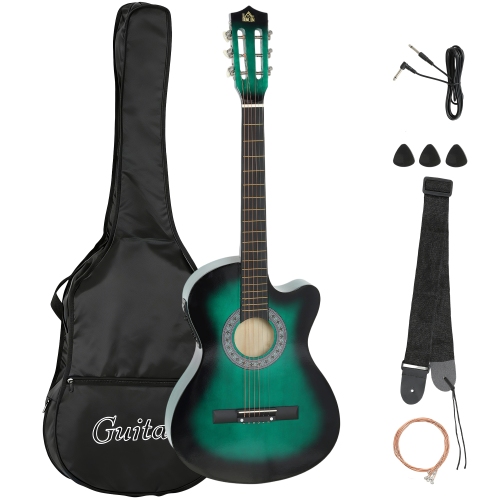
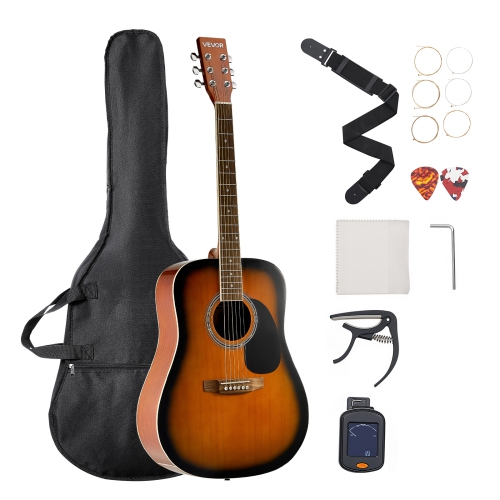
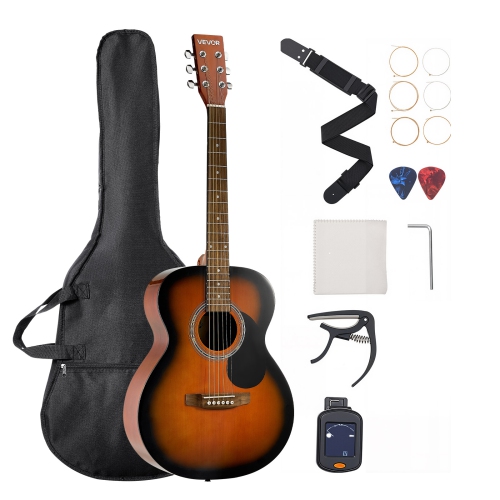
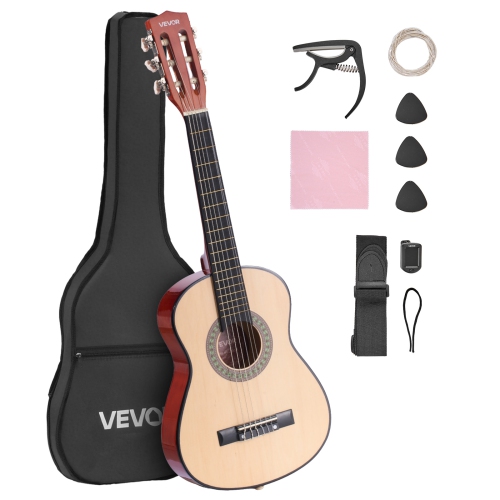
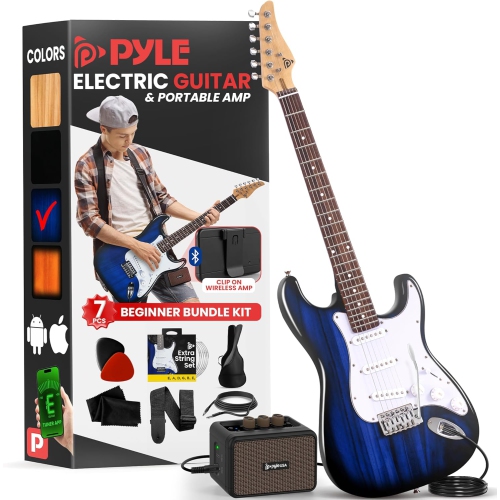
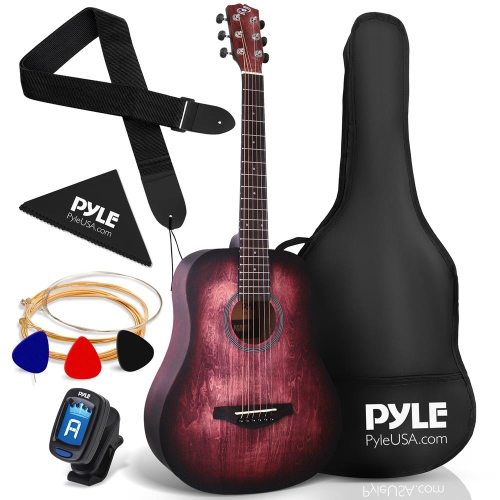
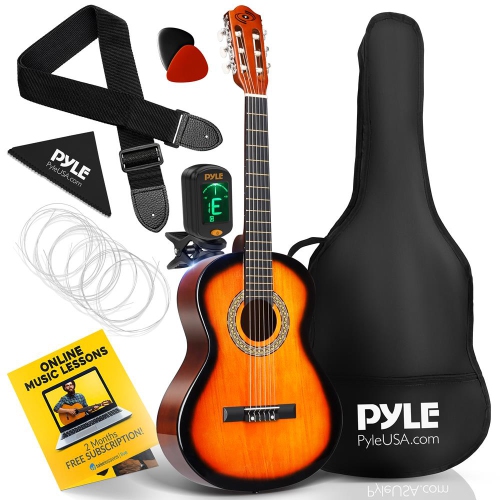
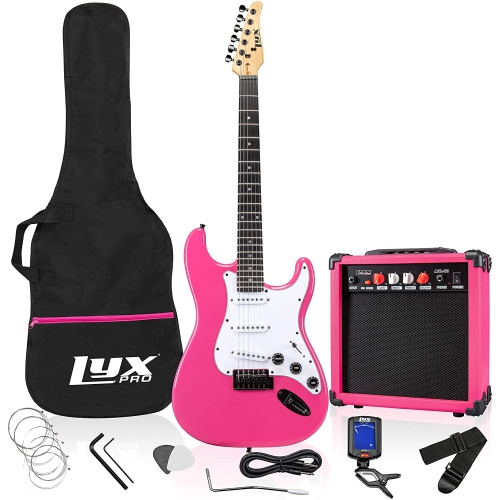




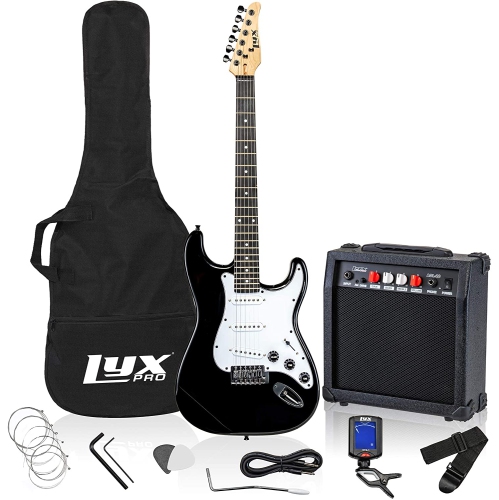
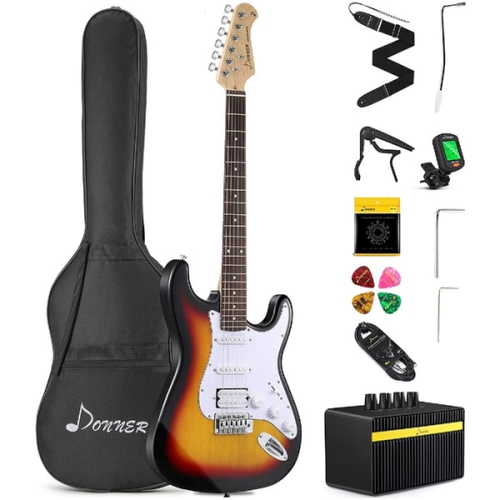
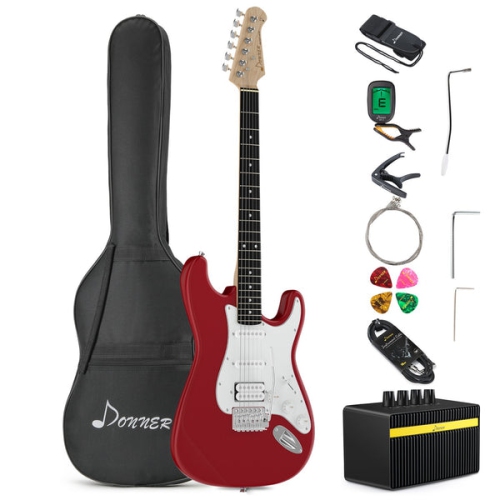
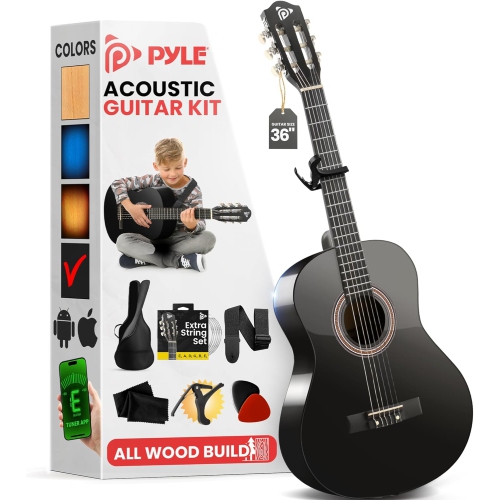
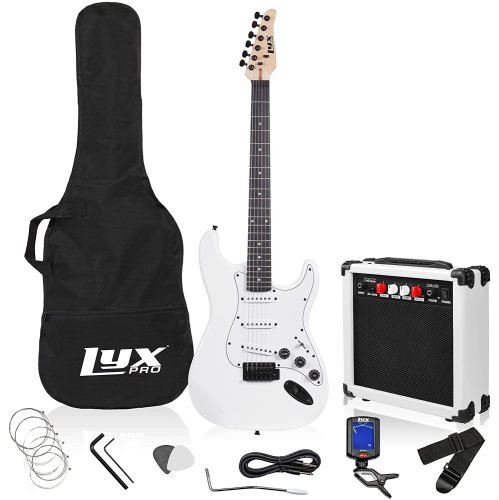
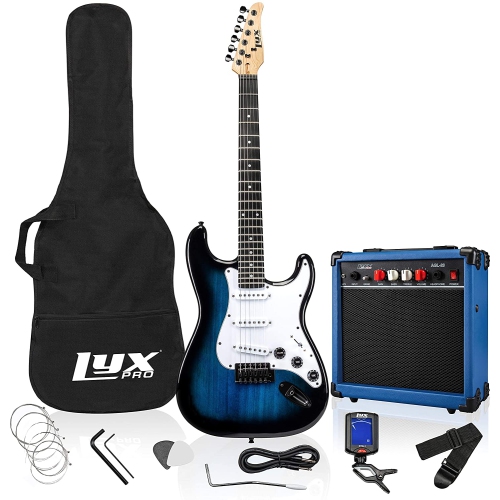
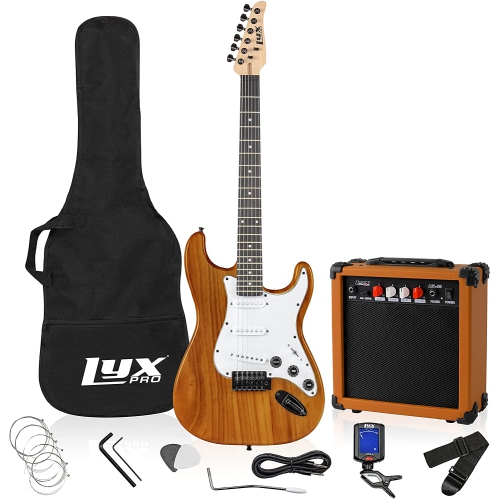
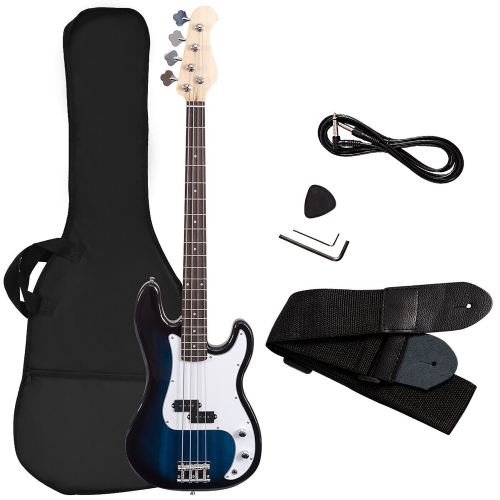
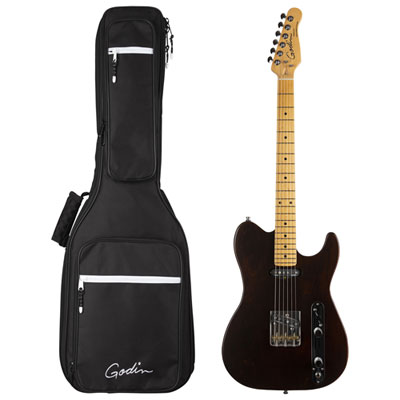
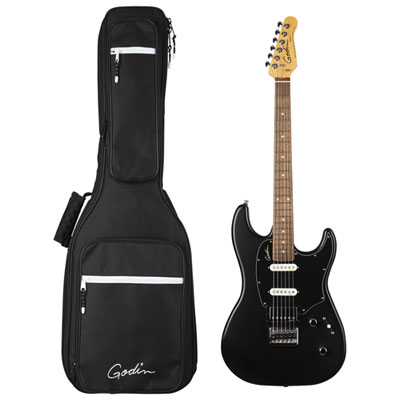
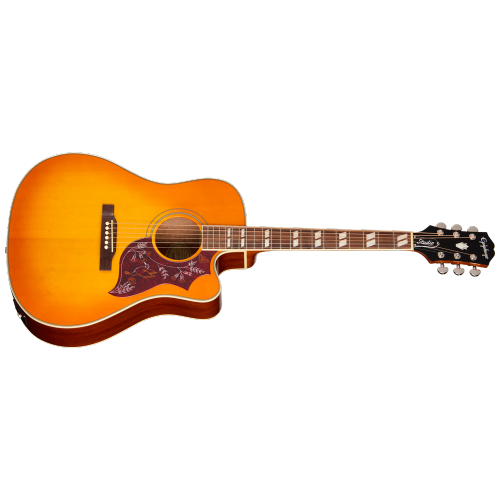
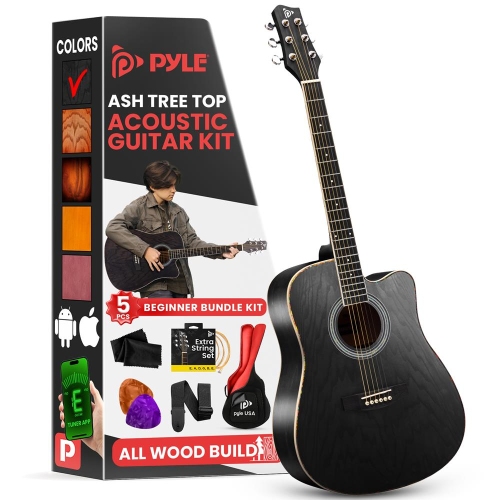

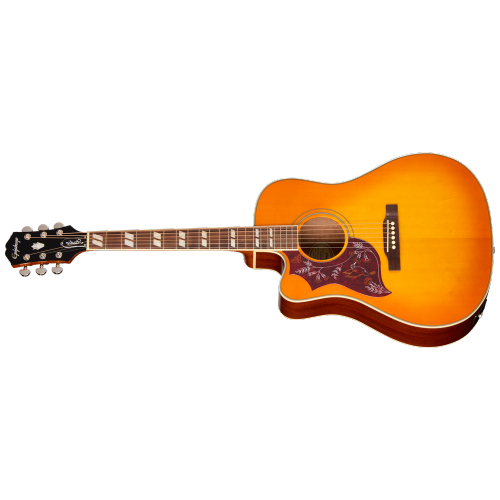
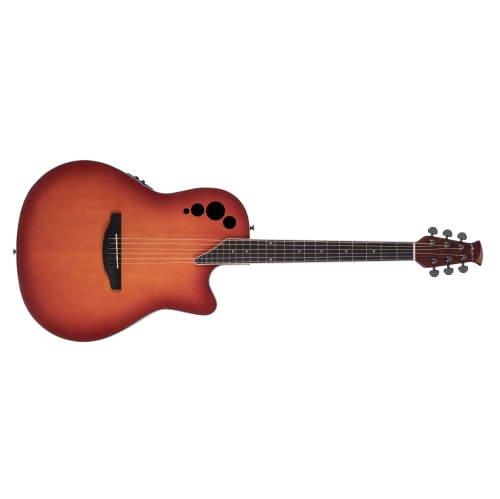
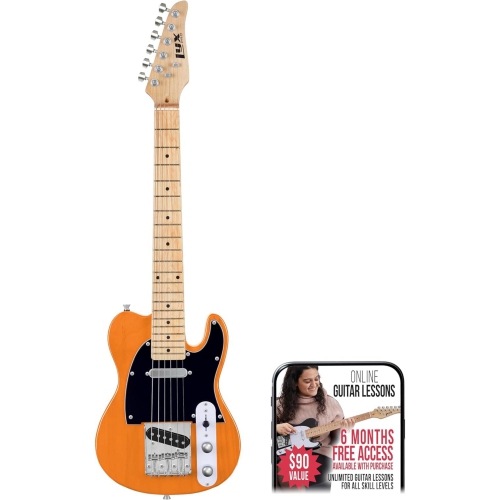
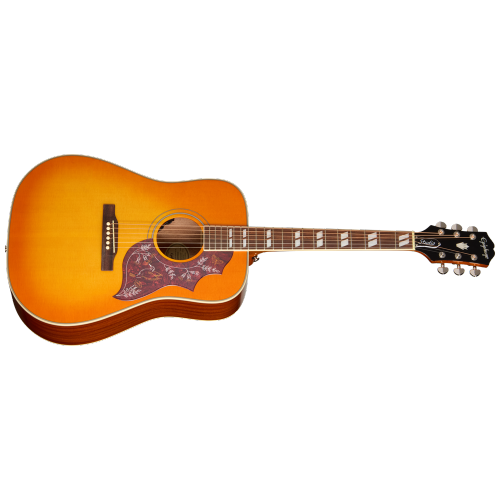

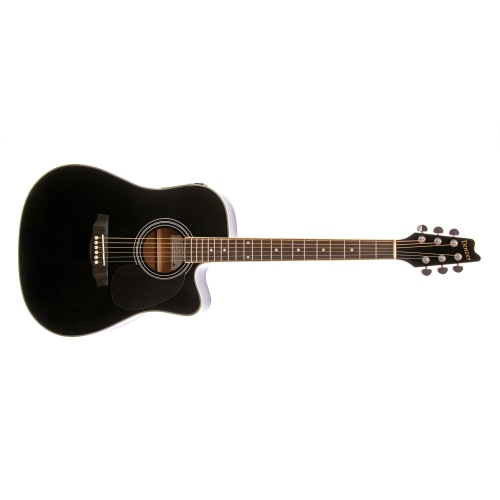
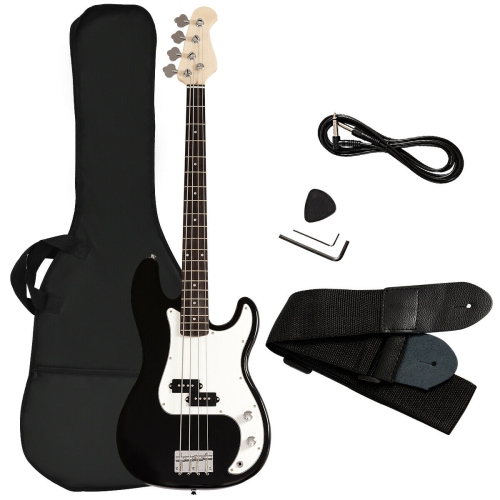
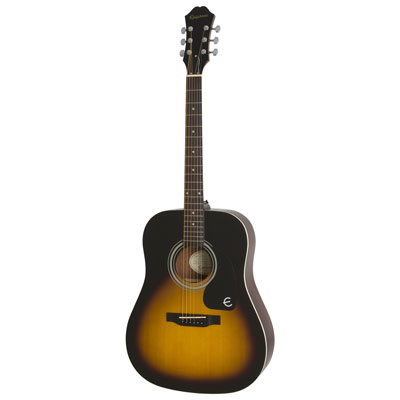
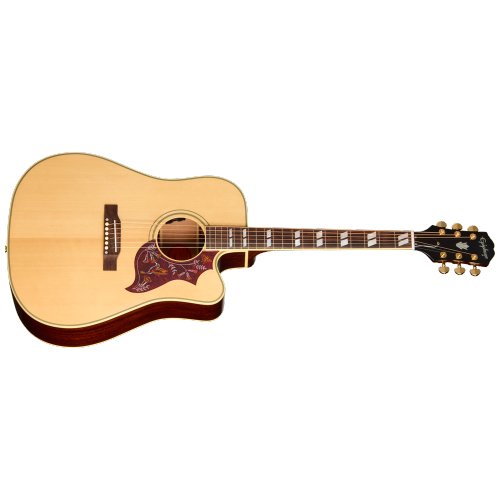
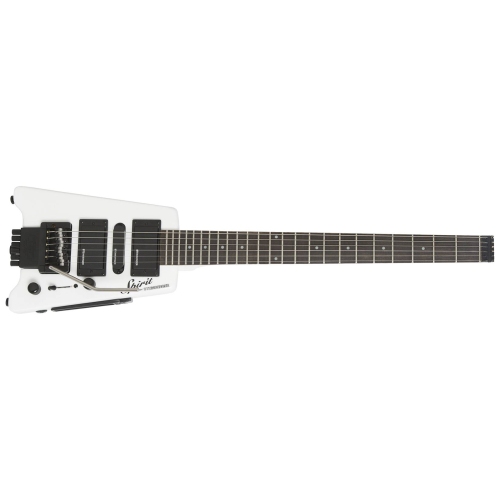
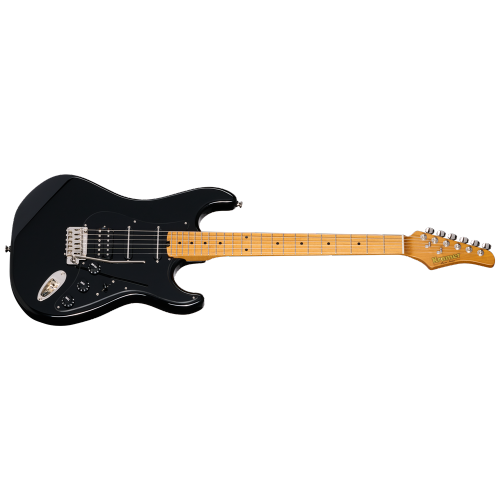
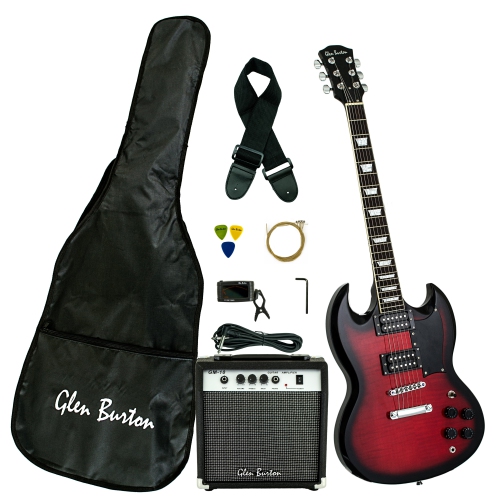
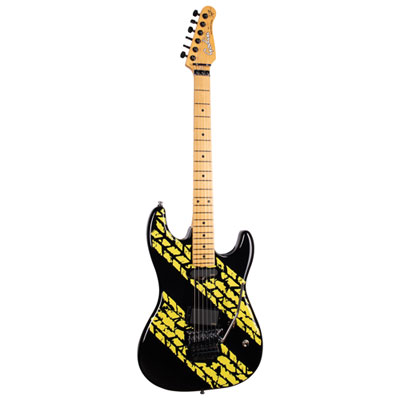
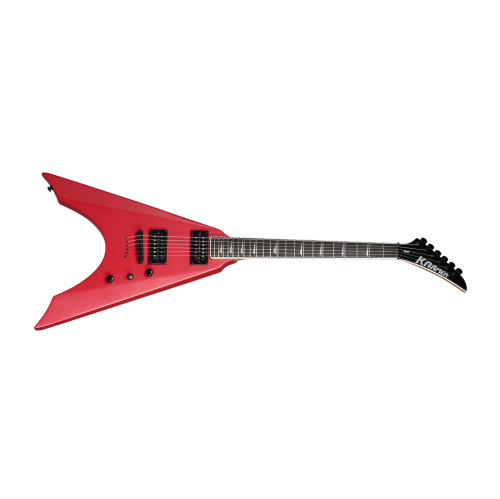
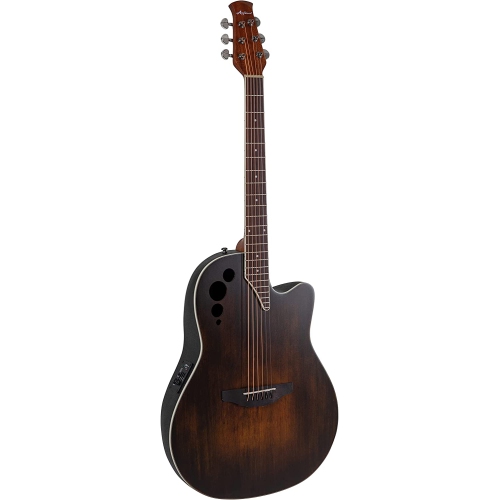
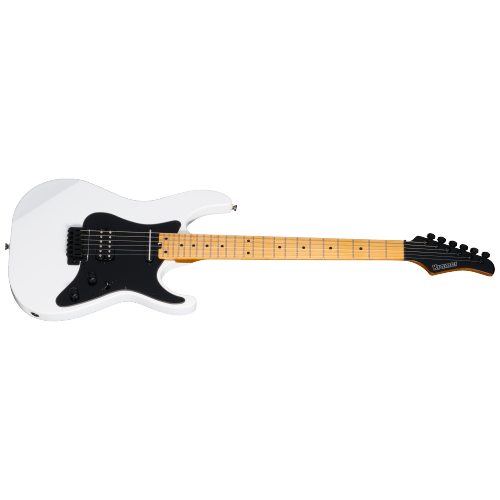
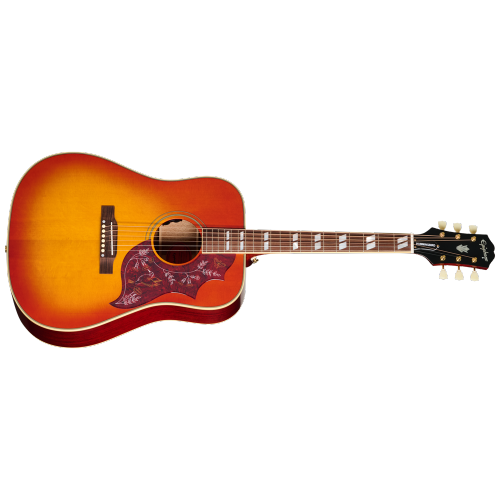

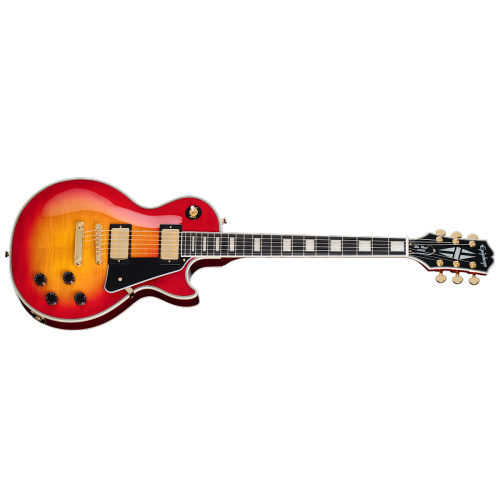
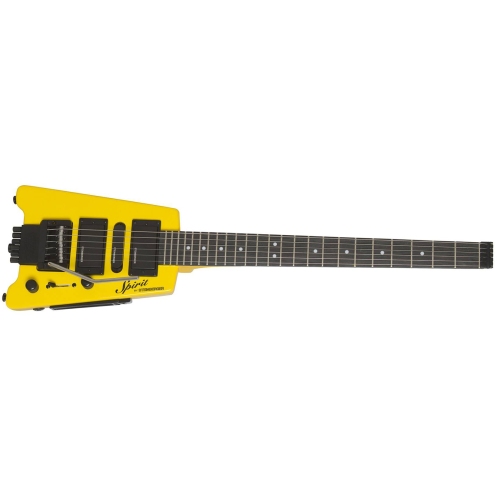
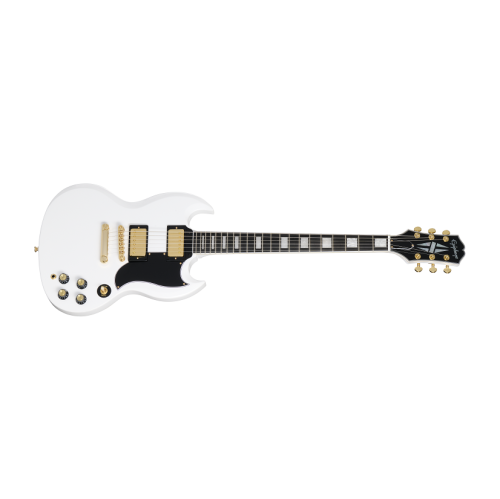
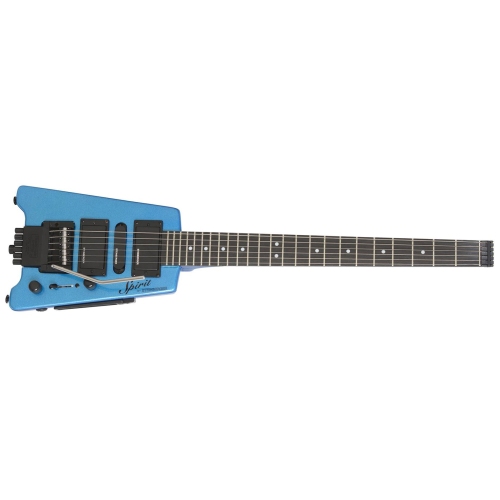

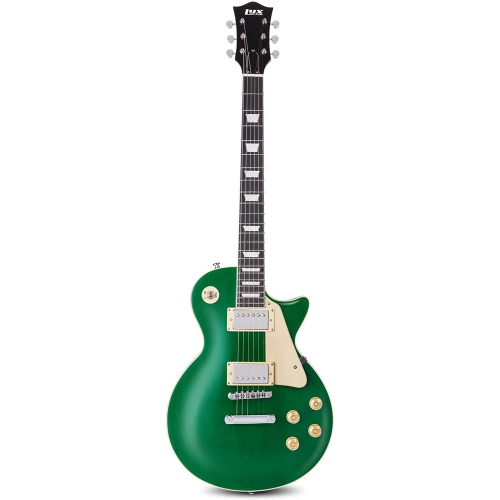
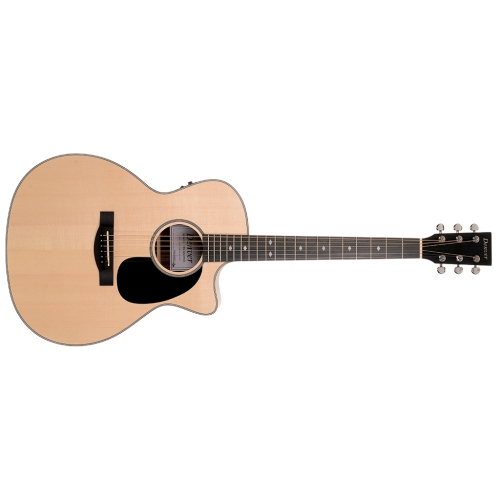
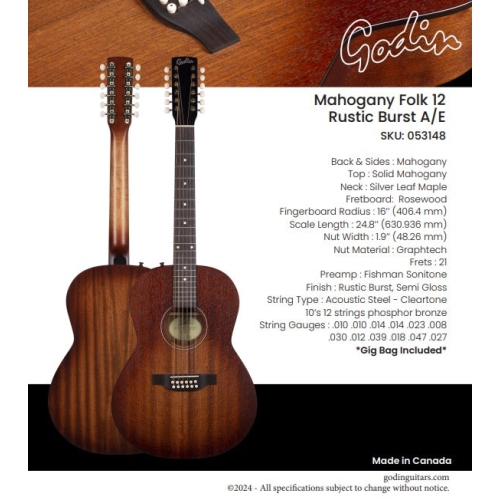
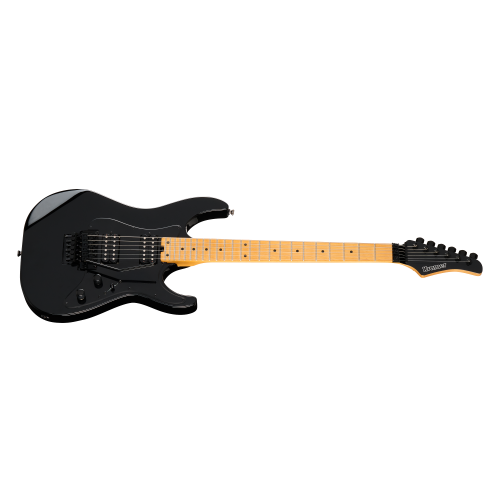

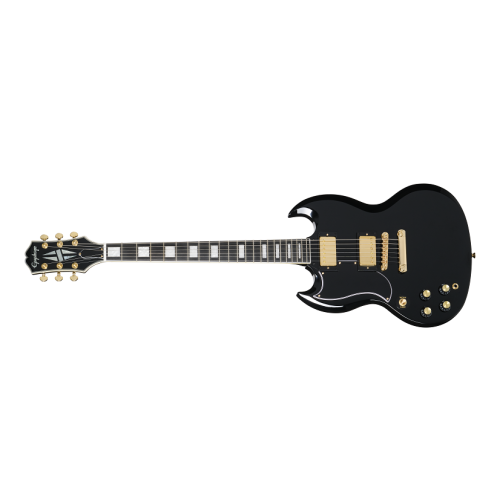
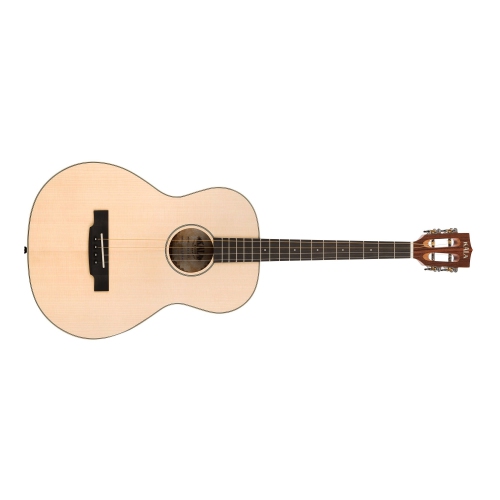
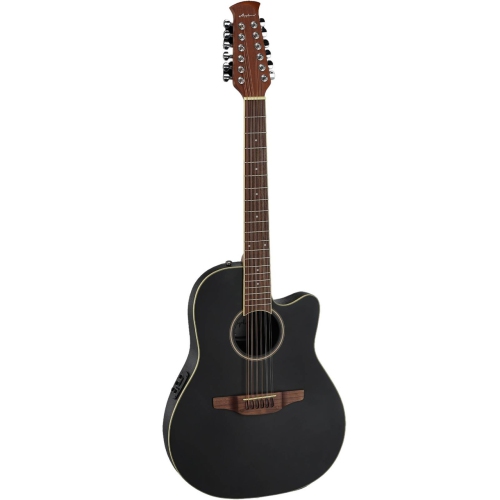
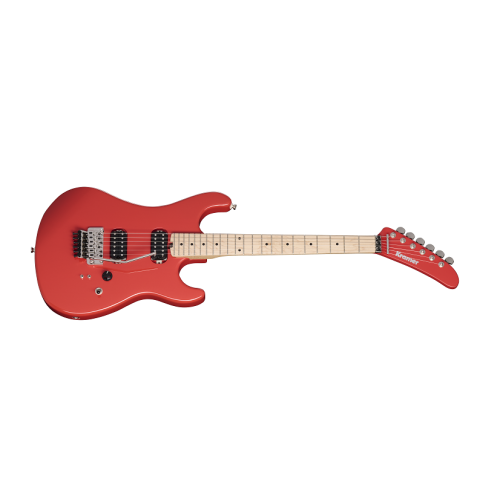
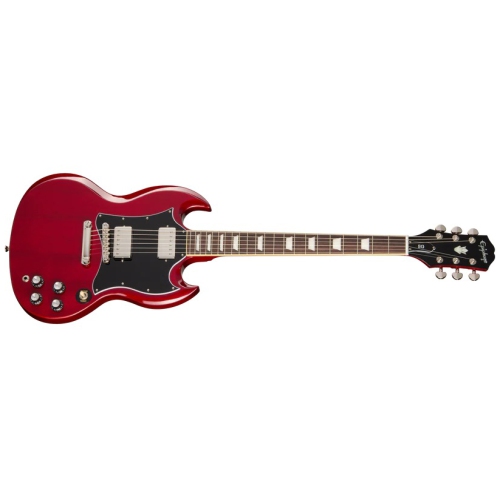
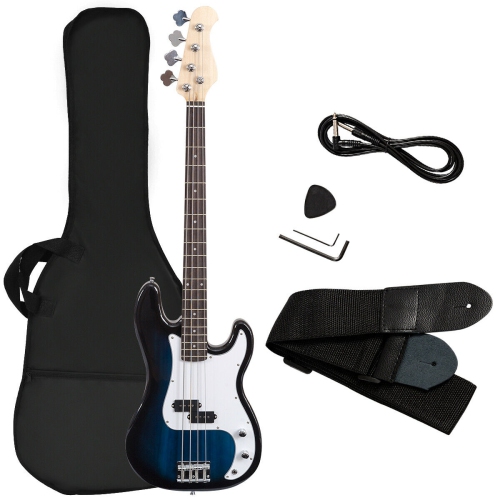
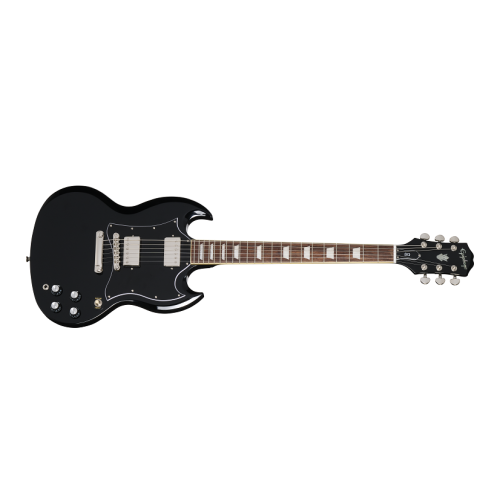

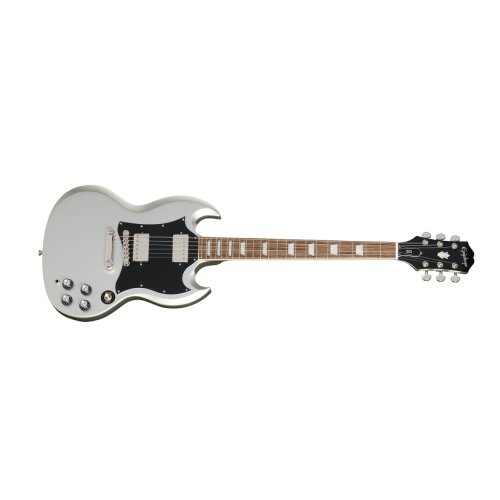
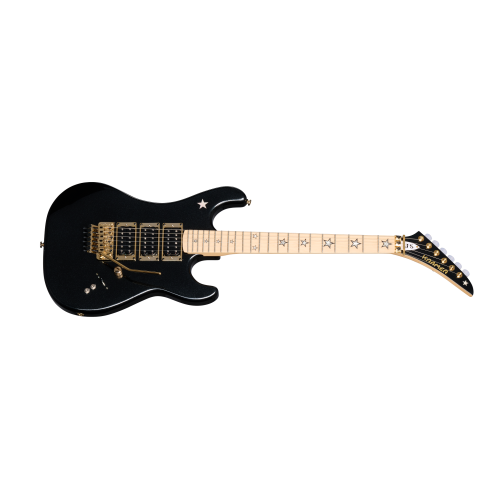
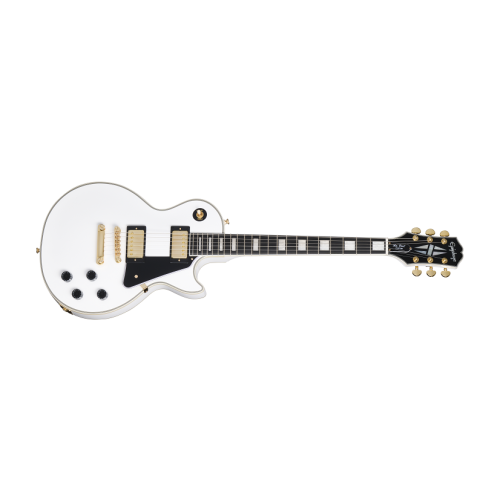
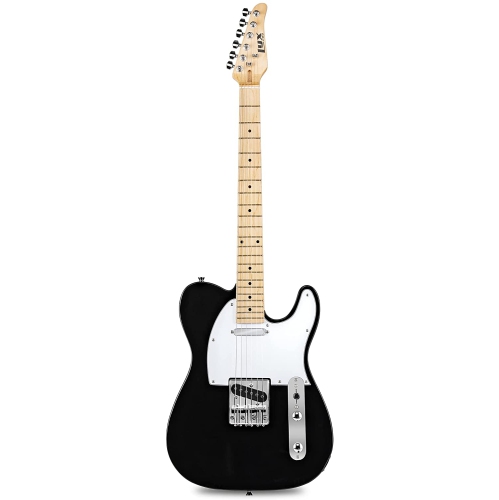
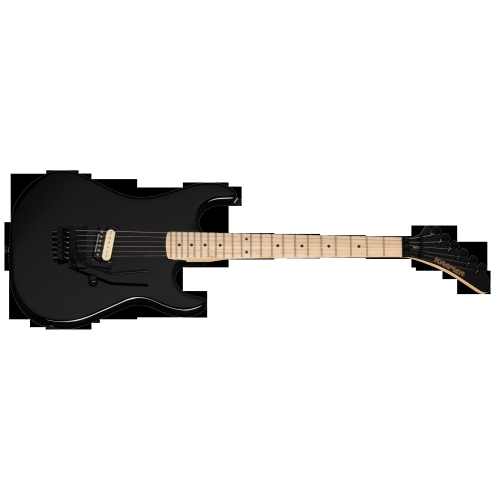
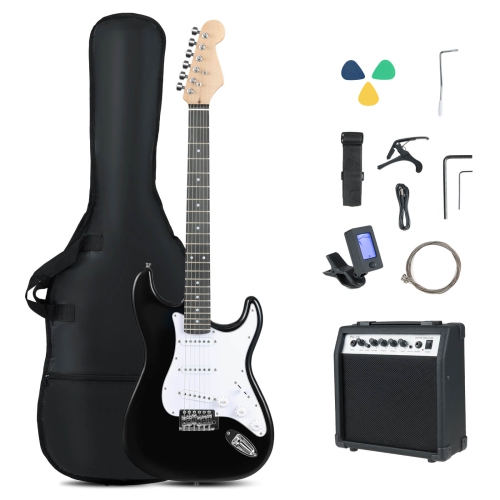
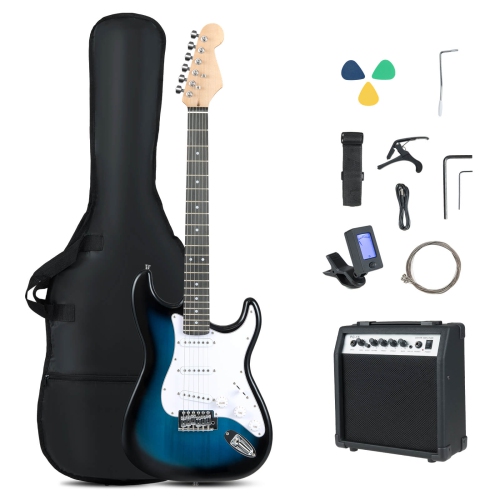
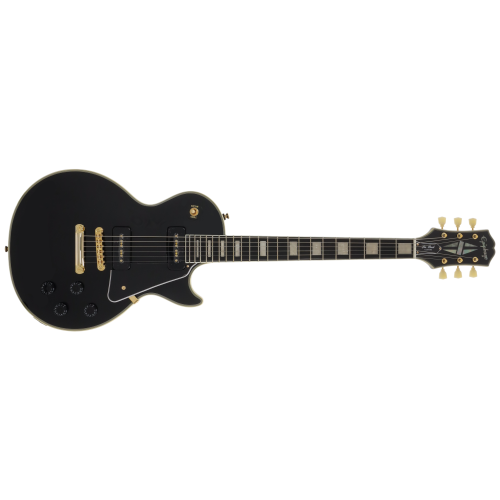
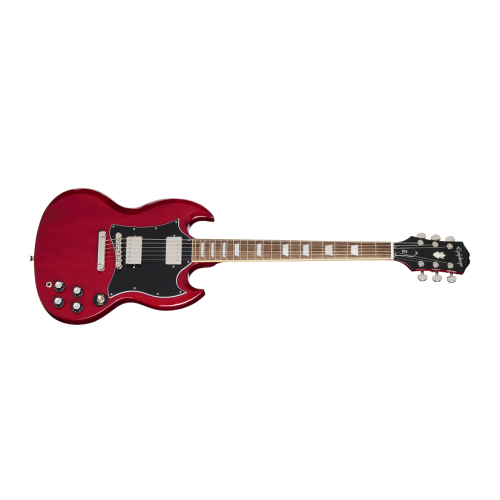


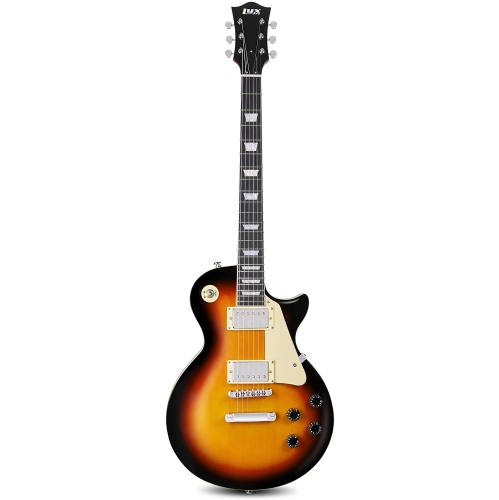
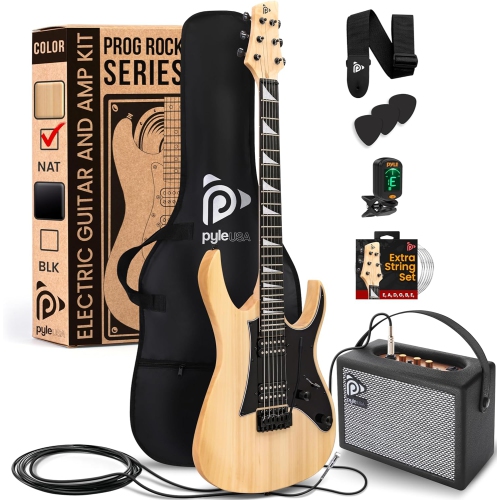
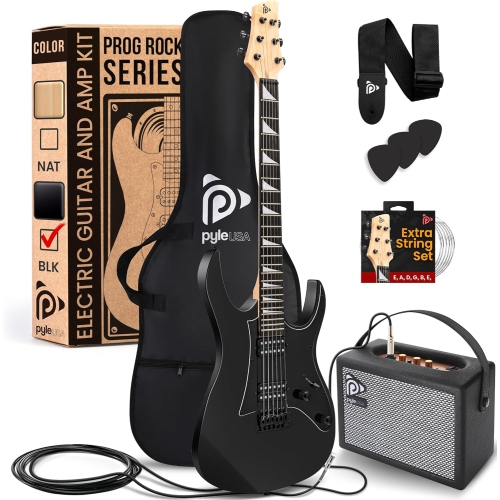
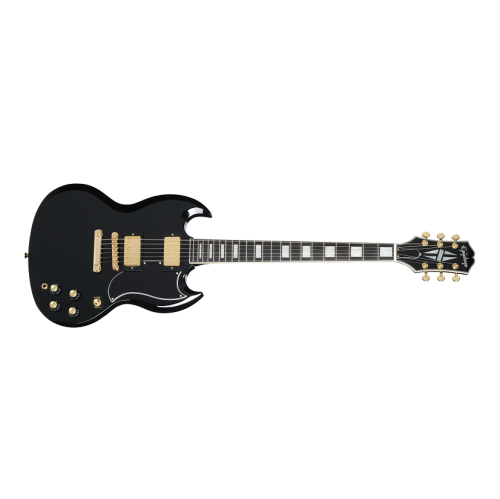
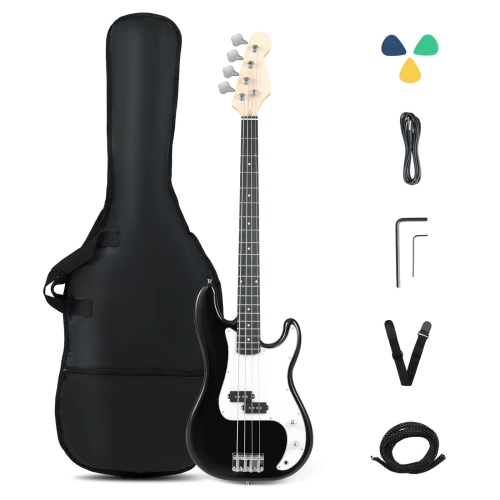
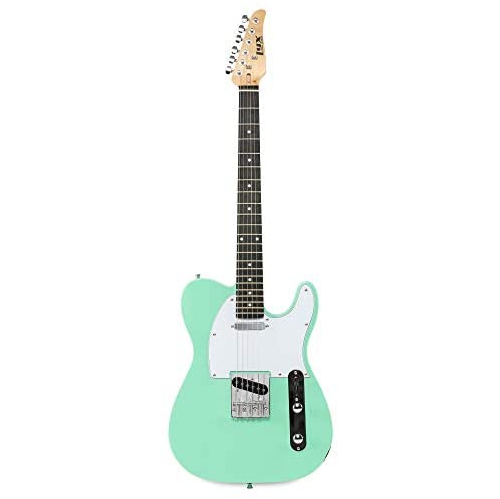

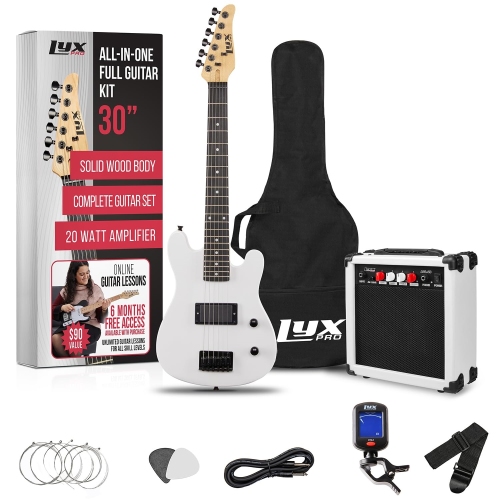
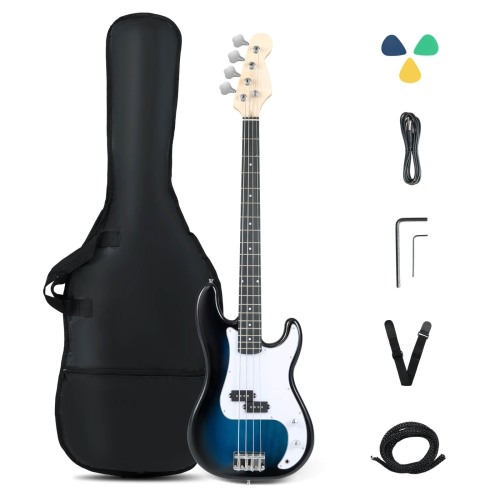
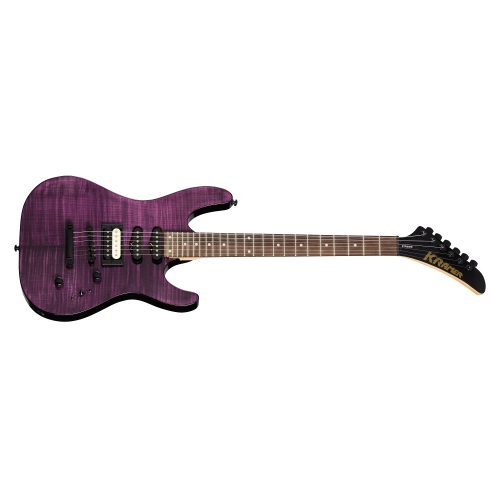
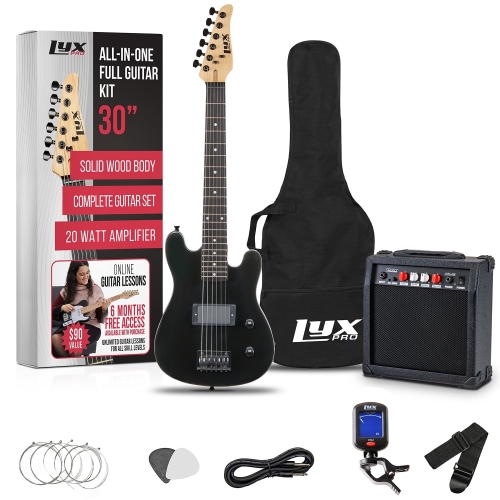
How guitar fit and strap support shape comfort
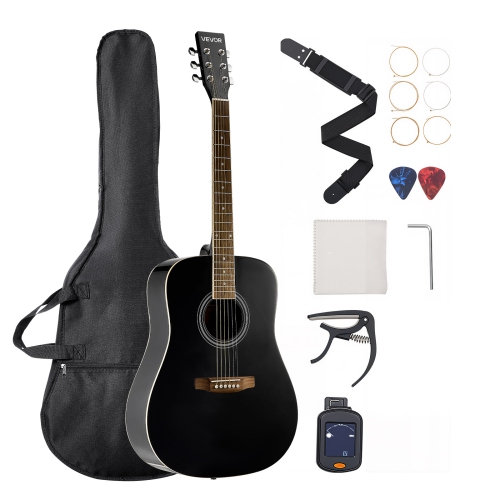
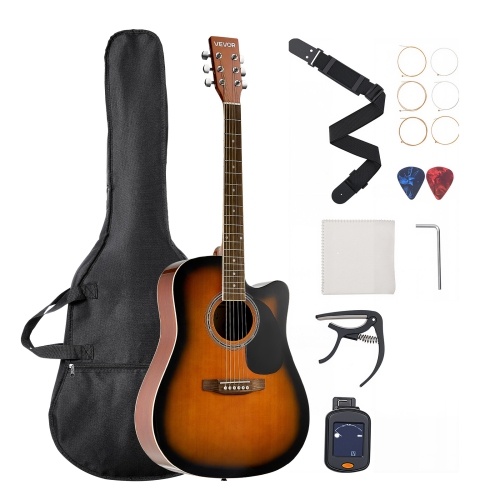
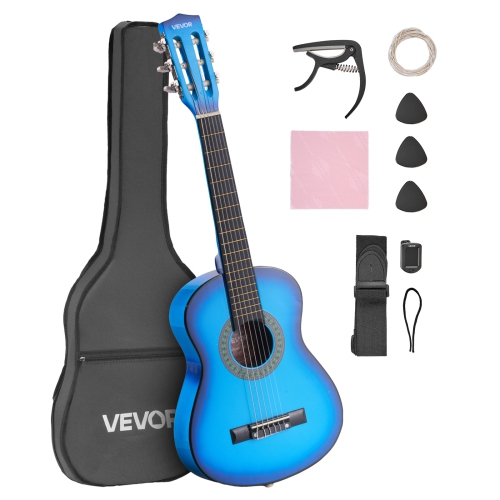
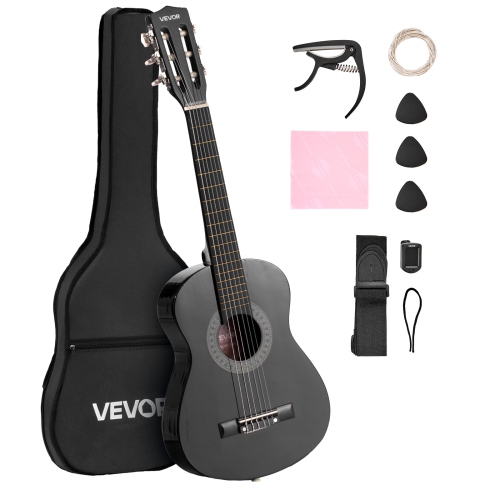
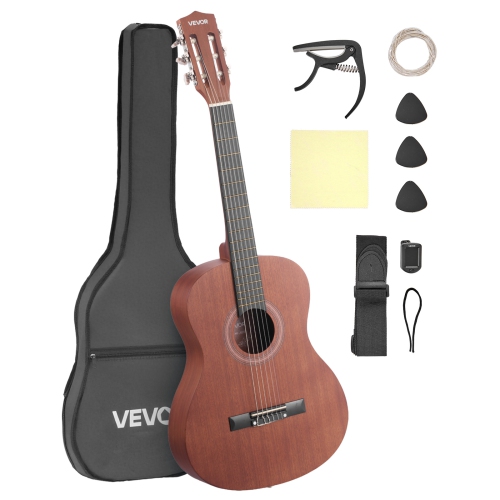
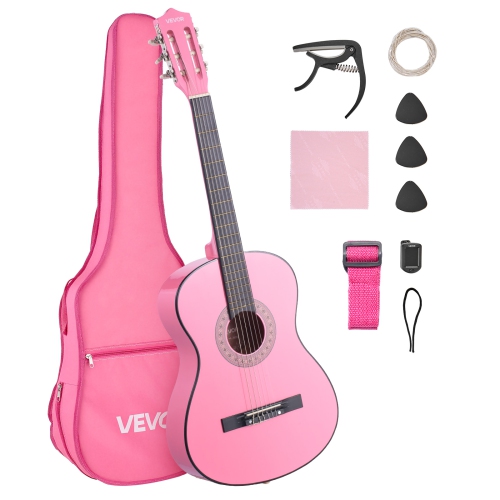
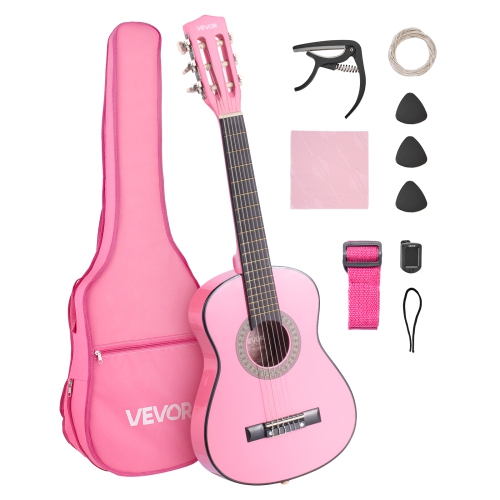
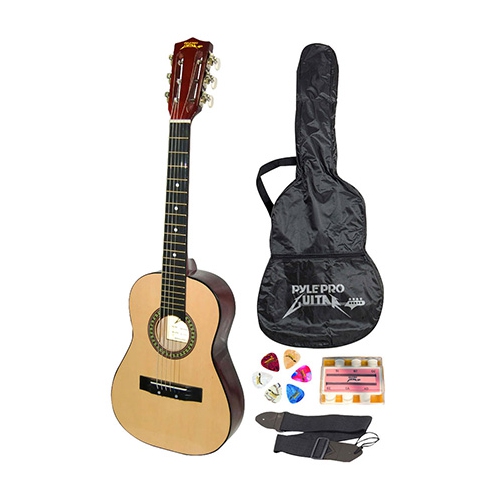
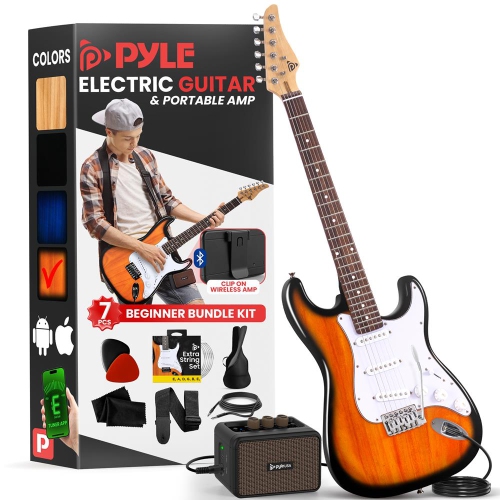
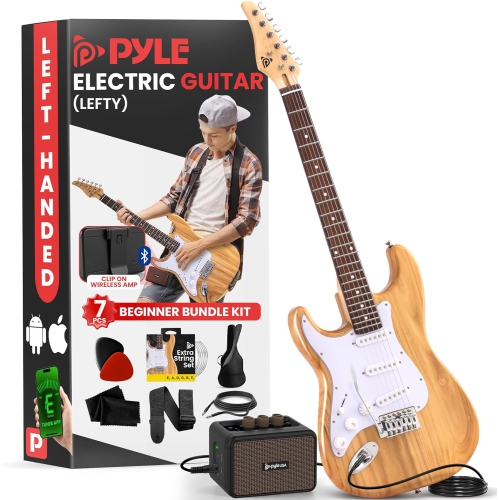
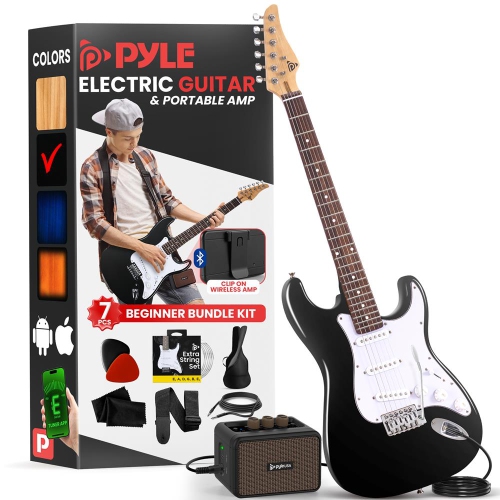
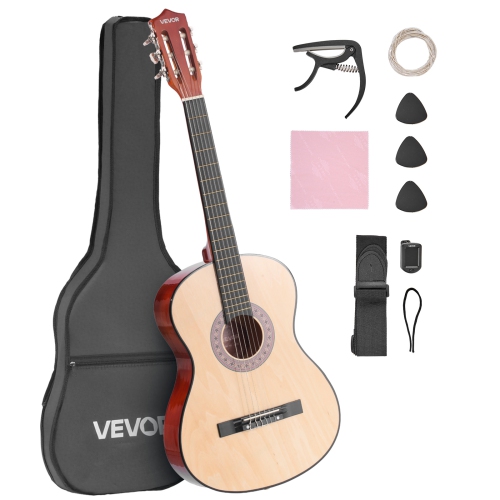
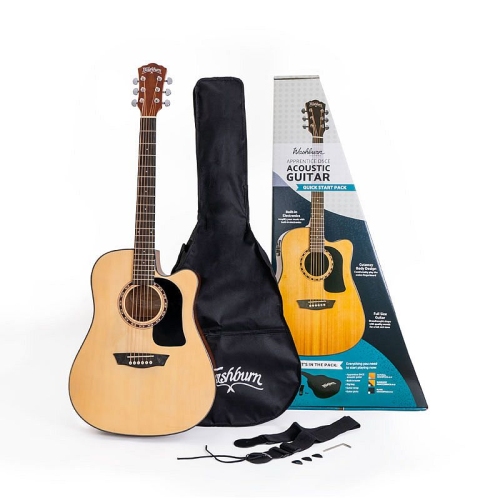
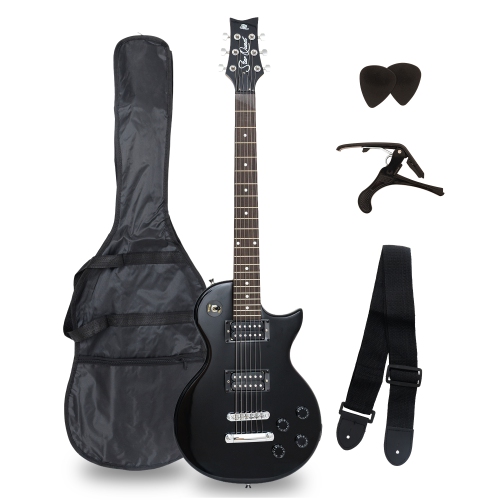
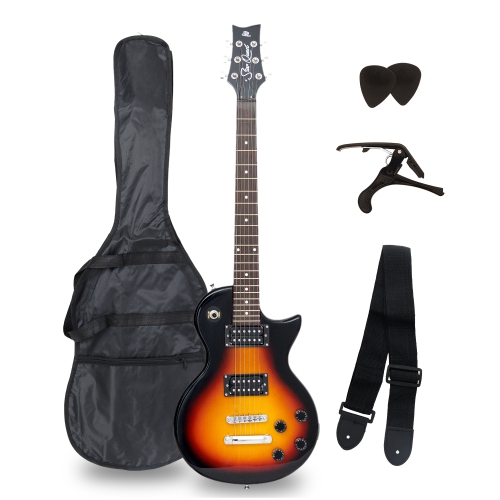
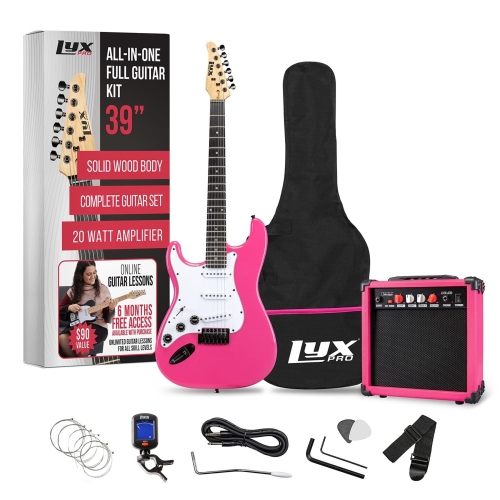
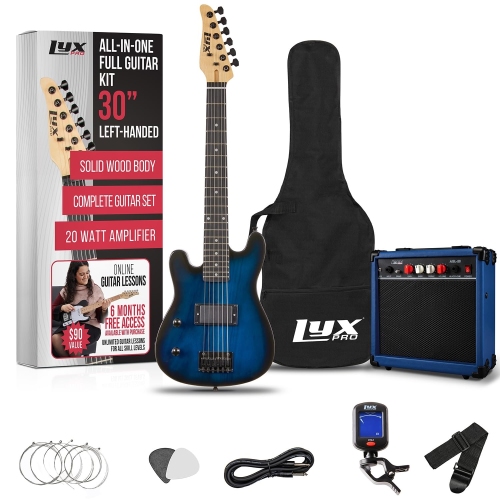
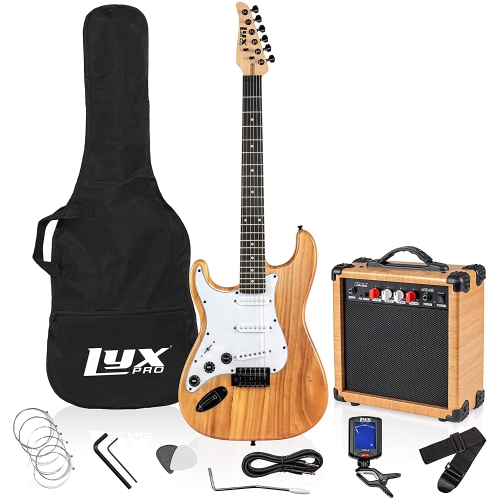
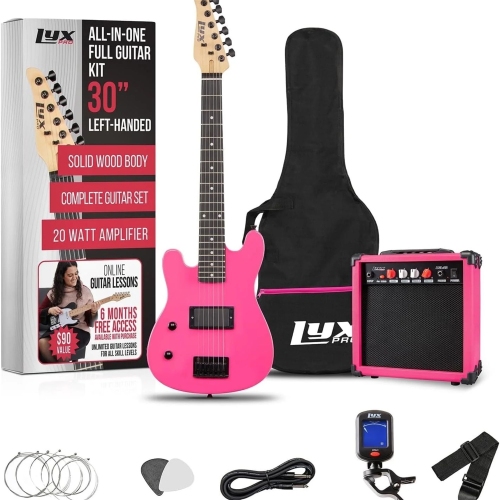
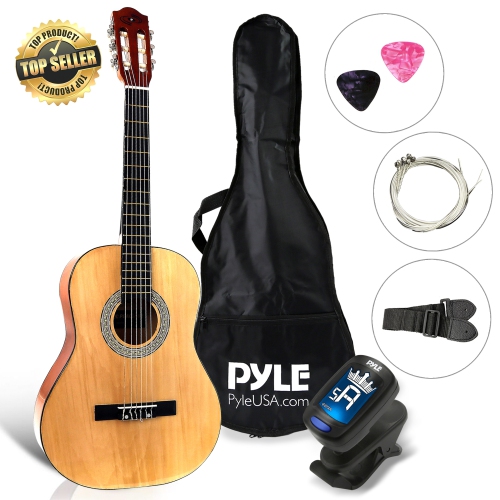
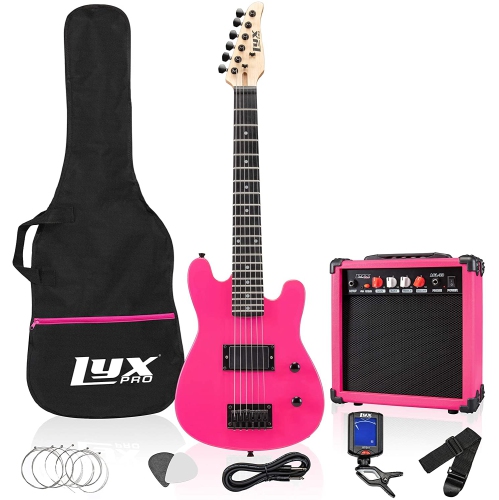
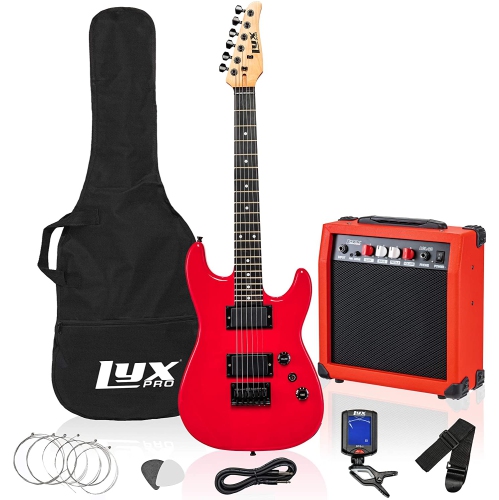
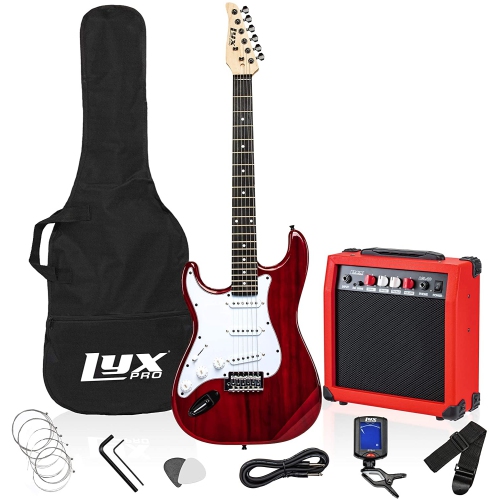
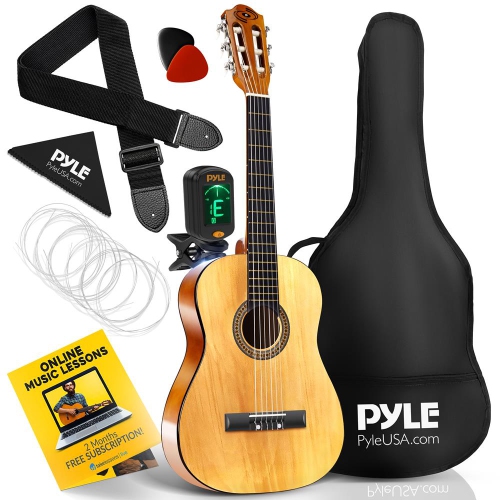
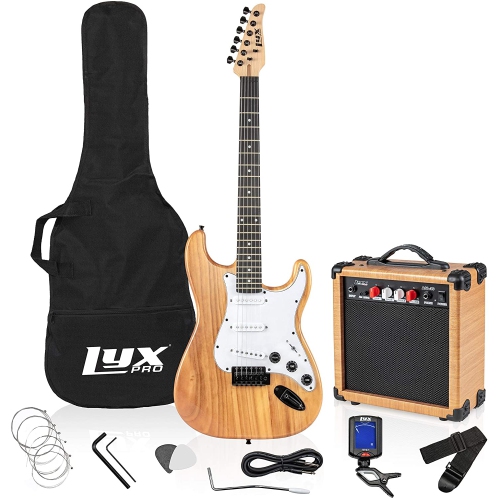
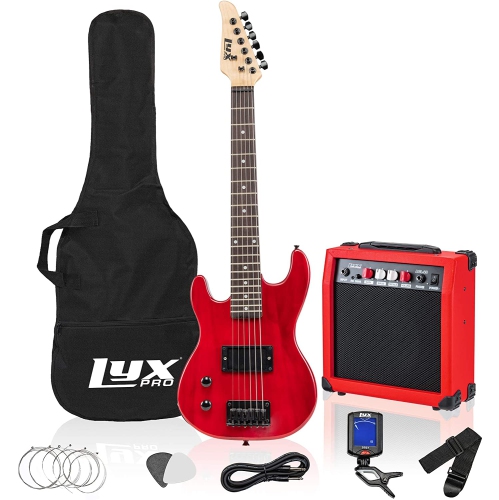
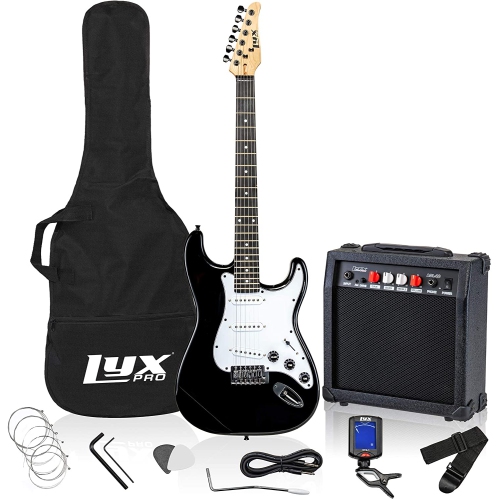
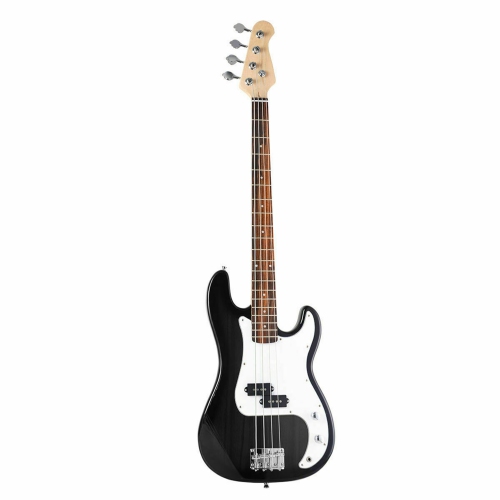
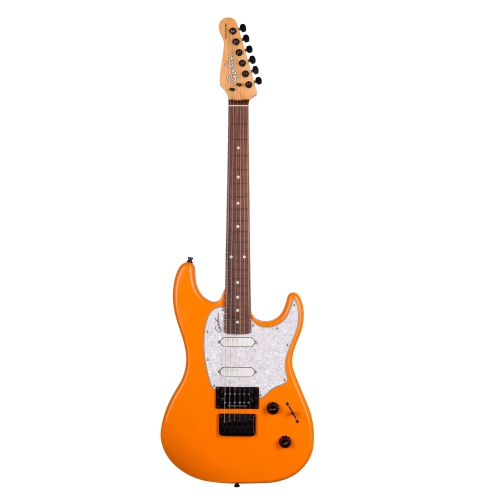
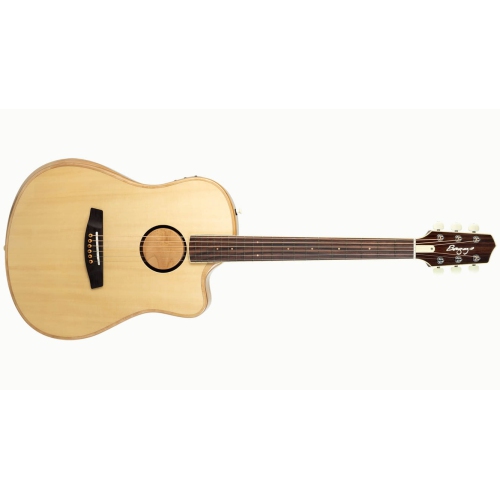
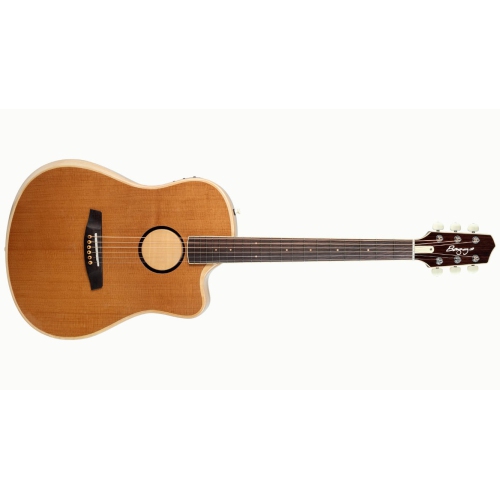
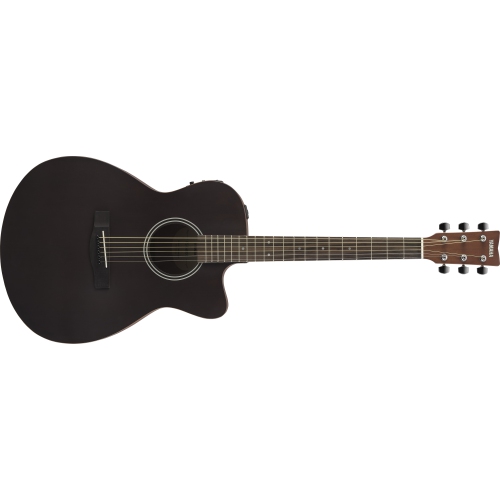
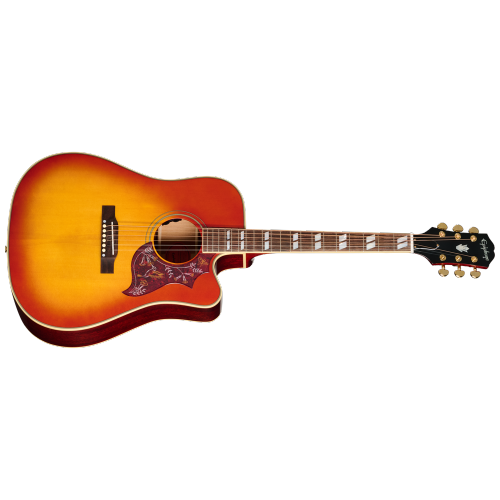
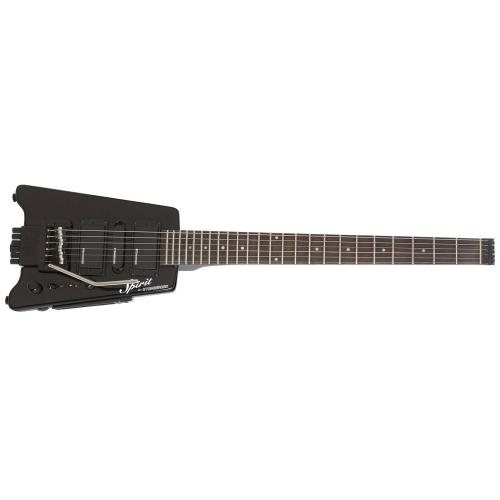
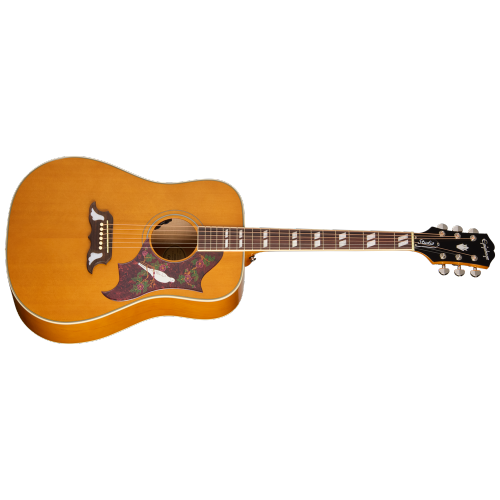
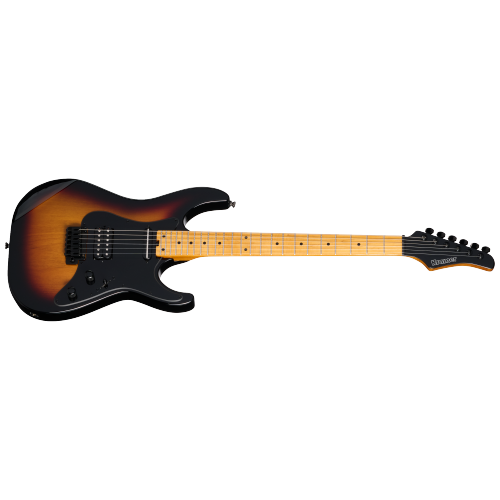
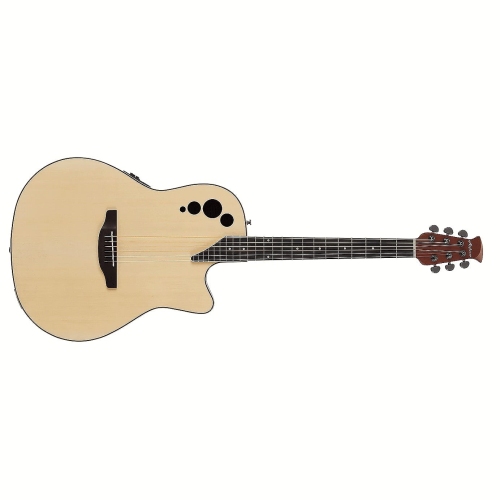
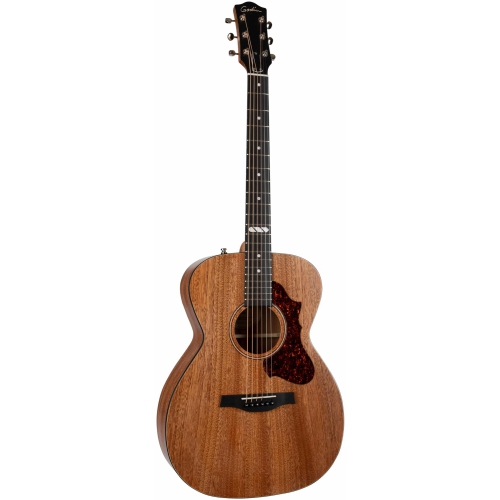
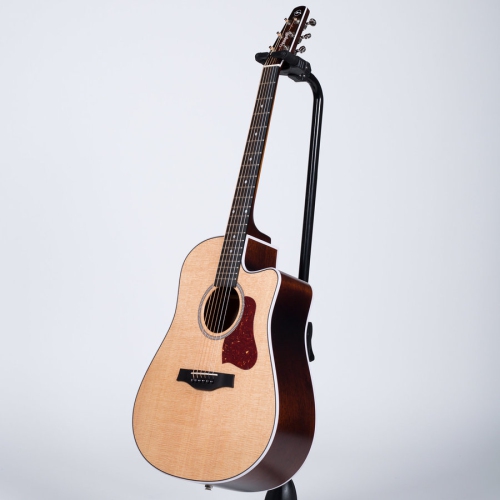
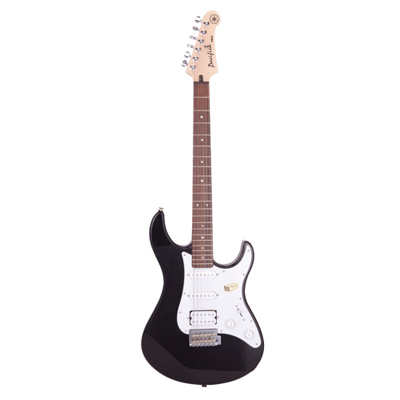
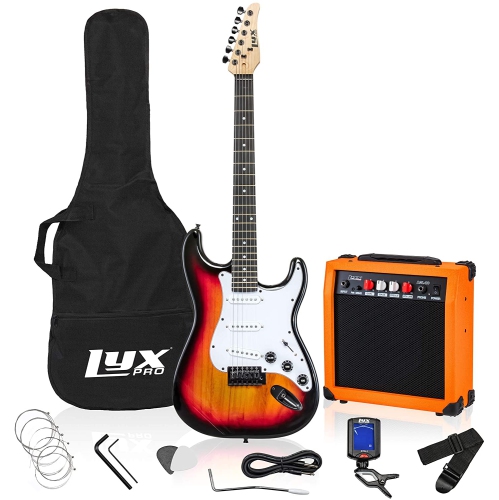
Guitars with straps pair an instrument with a practical way to support it during practice, rehearsals, and performances. A guitar strap carries some of the instrument’s weight and helps keep it in a consistent playing position, whether the player is standing at a microphone or seated with a music book. That support can make it easier to concentrate on chord changes, picking patterns, and keeping time rather than continually shifting the guitar back into place. The guitar itself remains the starting point: acoustic, electric, and classical instruments offer different sounds, playing feels, and setup requirements. A steel-string acoustic suits everything from light fingerpicking to full, ringing chords, with a hollow body that produces sound without an amplifier. An electric guitar uses pickups to send its signal to an amplifier or compatible audio equipment, making it well suited to players interested in amplified tones and effects. Classical guitars use nylon strings and typically have wider necks, giving the fretting hand a different feel from many steel-string instruments. Across these types, body dimensions, neck shape, scale length, and overall weight influence how comfortably an instrument sits against the player. A smaller body can be easier to reach around, while a shorter scale length brings fret positions closer together. These details matter for younger musicians, adults with a smaller reach, and anyone who finds a large instrument awkward during longer sessions. A strap adds useful support, but it cannot make an oversized guitar fit properly. For a first instrument or a gift, a suitable body size and the recipient’s musical interests are more meaningful than appearance alone. A guitar paired with a strap can provide a useful foundation for someone starting lessons, returning to music after a break, or moving from seated practice to playing on their feet. Package contents differ, so an included strap does not necessarily mean that a case, tuner, cable, or amplifier is also part of the setup.
The strap’s material, width, adjustment range, and attachment style all contribute to how that pairing feels in use. Woven cotton often has a soft, textured surface, while nylon and seatbelt-style webbing can offer a smooth feel and durable construction. Leather straps vary in thickness and flexibility, with some feeling supple immediately and others softening through use. Padding can add cushioning, although comfort also depends on the instrument’s weight and the way the strap rests across the shoulder. A wider strap spreads the load over a larger area, which can be helpful with a heavier solid-body electric guitar during an extended rehearsal. A narrower strap may feel less bulky with a lightweight instrument, provided it remains comfortable and holds its adjustment. The underside matters, too: a grippier surface can help resist sliding, while smoother webbing allows the instrument to move more freely as the player changes position. Strap length affects the reach to the frets and the angle of the picking arm. A useful fit keeps the guitar at a broadly similar height when sitting and standing, with the shoulders relaxed and the wrists free from an exaggerated bend. Attachment compatibility is just as important as comfort. Many electric guitars and some acoustics have two strap buttons, allowing a strap with suitable end holes to attach at both points. Other acoustics have a single button near the base and require an appropriate attachment at the headstock, following the instrument maker’s guidance. Classical guitars may need a different support arrangement altogether; a conventional two-ended strap is not automatically compatible. Securely seated strap ends help reduce the chance of an accidental release, while compatible strap locks or purpose-made retaining washers can provide additional retention. These accessories must match the guitar’s hardware and be fitted correctly. Neither an included strap nor an added retainer replaces checking the attachment points, particularly before standing up with the instrument. Loose buttons, stretched end holes, damaged stitching, and slipping adjusters are signs that the support system needs attention.
Materials and construction also shape how a guitar and its strap hold up to regular use. Guitar bodies may use solid wood, layered wood, or other construction materials, each with its own characteristics; sound and durability depend on the complete instrument rather than a single material description. Neck alignment, fretwork, bridge condition, and tuning hardware all influence the playing experience. For the strap, reinforced ends, tidy stitching, sound hardware, and an adjuster that stays in place are useful details for repeated rehearsals and trips between home and lessons. A strap that feels comfortable over one shirt may sit differently over another, and buckles or decorative hardware can rub against the guitar’s finish when the instrument is carried or packed away. Keeping hard fittings away from the body helps prevent avoidable marks. A soft, dry cloth is useful for wiping fingerprints and perspiration from the instrument after playing, while cleaning products should be suitable for its particular finish. Fabric and leather straps need different care, so their care directions matter more than a single cleaning method. Leather generally benefits from avoiding soaking, and any conditioner needs to be appropriate for the material and kept away from the guitar unless approved for its finish. Storage matters as well: a suitable case or gig bag protects against knocks, while a stable indoor storage space away from direct sunlight and heat sources helps limit unnecessary stress on the instrument. The strap is best arranged so that its hardware does not press into the guitar during storage. Appearance can bring personality to an otherwise practical accessory, from understated solid colours to woven patterns and aged-looking leather. For players drawn to retro detailing, Vintage Guitar Straps offer another direction for personalizing a setup. A well-matched guitar and strap ultimately serve the same everyday purpose: keeping the instrument comfortable, supported, and ready for the next chord, song, or shared practice session.
Top selling and popular products
-
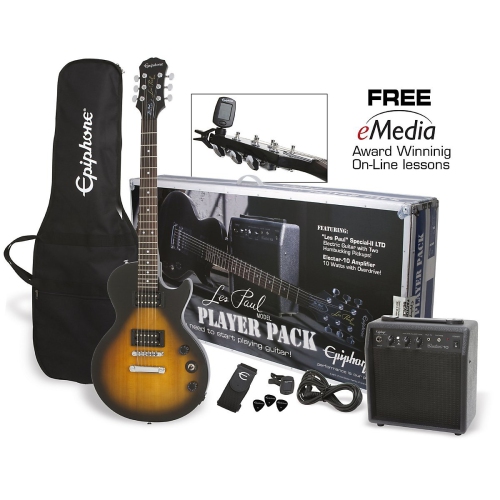 Your price for this item is $494.49
-
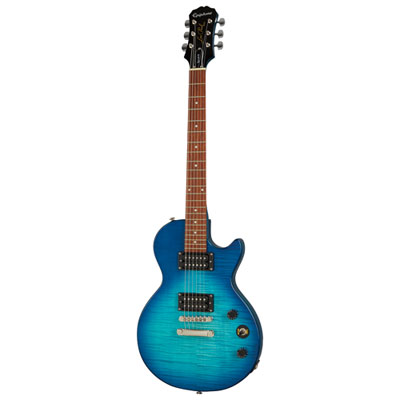 Your price for this item is $379.99
-
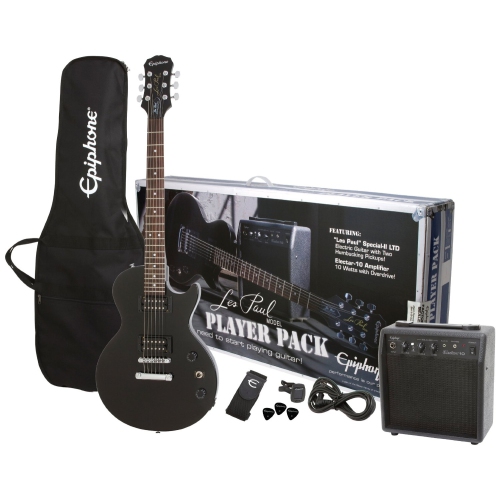 Your price for this item is $494.49
-
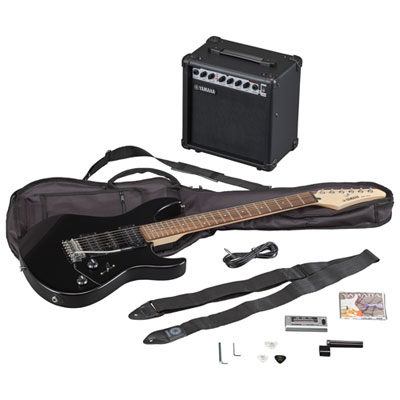 Your price for this item is $349.99
-
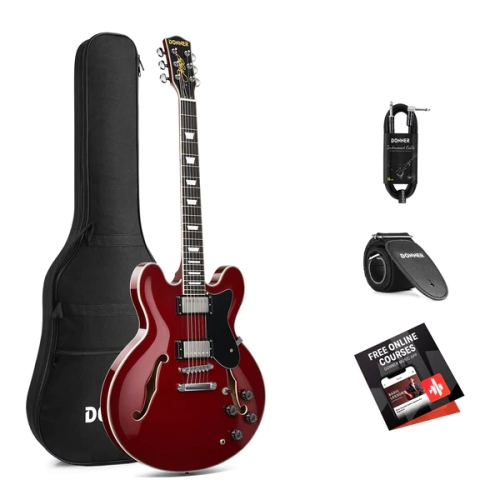 Your price for this item is $395.99
-
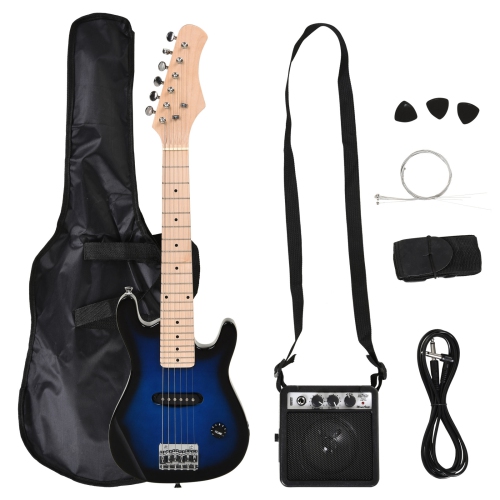 Your price for this item is $124.99
-
 Your price for this item is $299.99
-
 Your price for this item is $239.99
Discover more categories related to Guitars With Straps


Top Collections:
Pokemon Centers, Best Cameras for Sports Photography, Kindle Devices, Samsung Galaxy Phones, Canon G7X Cameras, Pokémon 30th Celebration Cards, Refurbished Apple Laptops, iPhone 15 Apple, Laptops for Students, Budget Smartphones
Some products may be subject to Environmental Handling Fees
(EHF) depending on your province.
Learn more about EHFs.