Vintage Guitar Straps
Elevate your musical style with our collection of vintage guitar straps, designed to add a touch of retro charm to your performances. Whether you're a seasoned musician or just starting out, these timeless accessories are perfect for expressing your individuality on stage. Crafted with quality materials and unique designs, our vintage guitar straps offer both functionality and fashion, making them the ideal choice for any guitarist looking to stand out from the crowd. Browse through our selection and find the perfect strap to complement your instrument and showcase your personal flair during every jam session.
Sort


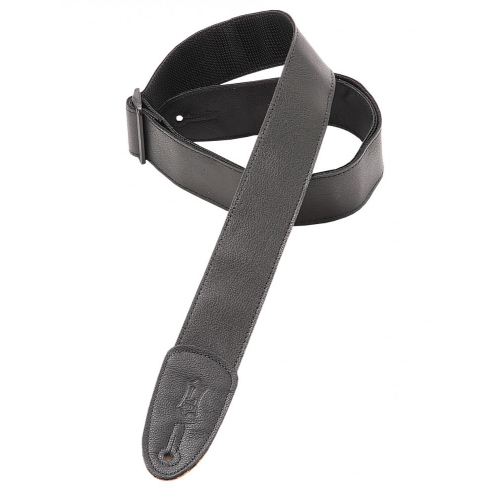

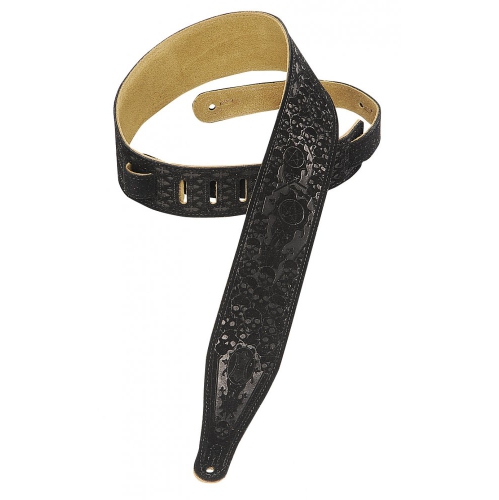


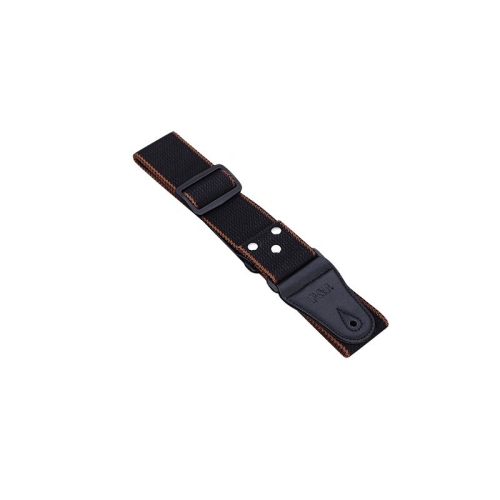


Retro strap styling meets comfort for everyday playing
Vintage guitar straps bring the visual character of earlier music eras to a practical playing accessory, pairing retro patterns and finishes with the support needed to hold an instrument comfortably. The term can describe an original older strap or a newly made strap inspired by designs from the 1950s, 1960s, and 1970s; vintage styling alone does not establish an accessory’s age or provenance. Familiar looks include woven jacquard with repeating floral or geometric motifs, understated tweed, narrow leather designs, and tooled leather with western-inspired detailing. Psychedelic patterns are closely associated with the late-1960s concert scene, while simple leather straps suit the pared-back appearance of early rock, blues, and country instruments. Earthy browns, mustard yellow, burnt orange, and muted reds can give a woven strap a period-inspired feel without overwhelming the guitar’s finish. A patterned strap against a sunburst body creates a different impression from dark leather against a natural wood acoustic, but both combinations can feel rooted in the same musical history. These designs are not limited to players performing older music: a retro guitar strap can add personality to a rehearsal setup, a home recording space, or a contemporary stage outfit. The pattern is only one part of the construction, however. Jacquard refers to a design woven into the fabric rather than simply printed on its surface, and that decorative face may sit over a separate backing that carries much of the load. Tweed-style straps offer a more restrained textured appearance, while embossed or tooled leather introduces detail through the surface itself. Distressed finishes create a worn-in look, but they should not be confused with actual structural wear. For players drawn to musical history, the appeal is often that balance: an accessory with the character of a familiar concert photograph, yet suited to regular practice, lessons, and live performance rather than display alone.
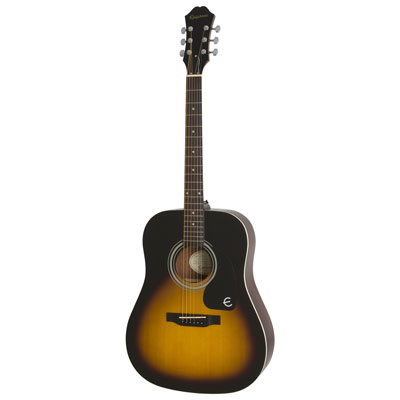
Materials and fit determine how a vintage-style guitar strap feels after the first few minutes of playing. Cotton webbing can feel soft and flexible, while tightly woven synthetic webbing generally offers a smoother surface and resistance to abrasion. Leather varies considerably in thickness, stiffness, and finish; some straps feel supple from the start, while others soften gradually with use. A suede backing tends to grip clothing more than a smooth backing, which can help limit movement but may also make quick position changes less fluid. Padding can ease pressure, although its usefulness depends on the guitar’s weight, the strap’s width, and the player’s preferred position. A 2-inch strap is a familiar choice for woven vintage designs, while a wider strap spreads the load across more of the shoulder and may feel more comfortable with a heavier electric guitar or bass. Width alone does not guarantee comfort: a firm edge, bulky seam, or sliding adjustment buckle can become distracting during a long rehearsal. Adjustable length matters just as much, particularly for players who switch between seated practice and standing performance. The useful measurement is the distance between attachment points at the preferred playing height, not simply the overall length of the loose strap. Shorter settings tend to hold the instrument higher, while longer settings allow a lower position; either should leave the fretting hand and picking arm moving comfortably. Compatibility also depends on the instrument’s attachment layout. Many electric guitars have two strap buttons, while some acoustics have only one and need a suitable second attachment method. Instruments without strap buttons may require a purpose-designed support system rather than a standard two-ended strap. Players considering an instrument and its carrying support together can explore Guitars With Straps, with attention to the instrument’s attachment points and the strap’s stated fit. For any setup, secure connections matter more than matching the guitar’s colour perfectly.
Durability is especially important where the strap joins the guitar, since decorative fabric can remain attractive even after the ends have begun to weaken. Reinforced ends, tidy stitching, and sound adjustment hardware are useful features for an accessory that will be fitted, removed, folded, and carried repeatedly. Buttonholes should sit securely around the guitar’s strap buttons without tearing or appearing excessively stretched. Strap locks can add security for compatible setups, but their fit depends on the particular hardware and strap-end thickness; they are not automatically interchangeable. With an authentic older strap, cracked leather, loose stitching, brittle backing, and corroded metal deserve closer attention than surface fading. A collectible accessory may be better suited to careful display than supporting a frequently played instrument. Newly made vintage-inspired straps offer another way to enjoy period styling without relying on decades-old materials. Care should follow the material and the maker’s directions: woven straps often benefit from gentle spot cleaning, while leather usually needs a soft cloth and, where recommended, an appropriate leather-care product. Soaking, harsh cleaners, and vigorous scrubbing can affect dyes, backing layers, or surface finishes. Leather conditioner is not suitable for every finish, particularly suede, so treatment should match the material rather than follow a general rule. Allowing a cleaned strap to dry fully before storage helps protect both the accessory and the instrument case. Buckles and other metal parts should be kept from rubbing against the guitar’s finish when packed away, and a tightly closed case should not press bulky hardware into the body. These practical details make vintage guitar straps useful gifts for beginners, experienced performers, bass players, and guitar collectors alike, provided the length and attachment style suit the recipient’s instrument. A bold woven pattern can reflect a player’s love of psychedelic rock, while simple stitched leather may appeal to someone who prefers an understated acoustic setup. The most satisfying choice combines that personal connection with dependable support: a strap that looks at home on the instrument and stays comfortable through repeated takes, extended practice, and a full set on stage.
Top selling and popular products
-
 Your price for this item is $14.99
-
 Your price for this item is $26.44
-
 Your price for this item is $33.99
-
 Your price for this item is $24.99
-
 Your price for this item is $42.99
-
 Your price for this item is $27.29
-
 Your price for this item is $109.99
-
 Your price for this item is $28.99
Discover more categories related to Vintage Guitar Straps
Top Collections:
Pokemon Centers, Best Cameras for Sports Photography, Kindle Devices, Samsung Galaxy Phones, Canon G7X Cameras, Pokémon 30th Celebration Cards, Refurbished Apple Laptops, iPhone 15 Apple, Laptops for Students, Budget Smartphones
Some products may be subject to Environmental Handling Fees
(EHF) depending on your province.
Learn more about EHFs.