Guitar Straps for Electric Guitars
Elevate your musical performance with our diverse selection of guitar straps for electric guitars. Whether you're hitting the stage or jamming in your living room, finding the perfect strap is essential for comfort and style. Our collection offers a variety of designs and materials to suit every guitarist's taste, ensuring that you can play with confidence and ease. Explore options that reflect your personal flair while providing the support you need to keep rocking out effortlessly.
Sort






How strap width and fit affect playing comfort
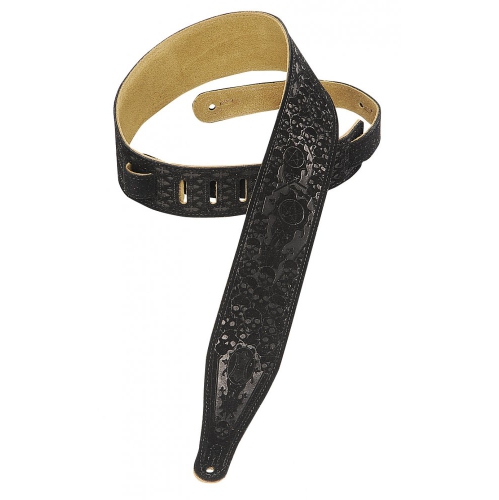
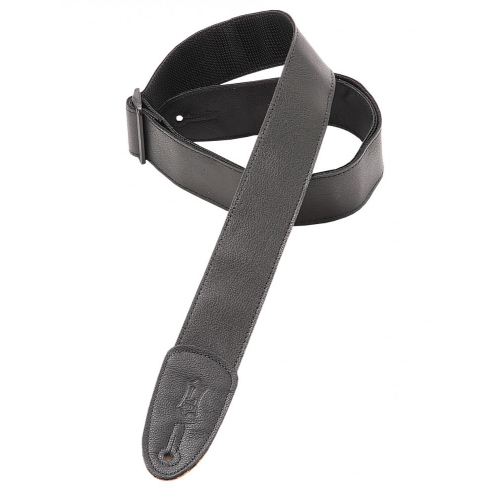
Guitar straps for electric guitars support the instrument while standing and help keep it at a consistent playing height, leaving both hands free for fretting, picking, and muting. A well-matched strap feels steady across the shoulder, attaches securely to the guitar’s strap buttons, and adjusts to a position that suits the player’s reach. These details matter whether the instrument is a lightweight hollow-body or a heavier solid-body electric guitar. Strap width is a useful starting point: a 2-inch strap offers a familiar, relatively slim feel, while a 3-inch or wider design can distribute the load across more of the shoulder. Padding may soften contact during longer rehearsals, though its thickness, firmness, and placement affect how comfortable it feels. Materials also make a noticeable difference. Polypropylene and polyester webbing are generally lightweight, resist stretching, and suit everyday practice and transport between lessons, rehearsals, and performances. Nylon often has a smooth surface that allows the strap to shift easily over clothing, which can be helpful when moving the guitar into position. Cotton webbing tends to feel softer and may provide more grip, although the weave and backing influence how it moves against a shirt. For players who prefer a substantial feel and a material that gradually softens with use, Leather Guitar Straps offer another option. Leather varies in thickness, flexibility, and finish; a smooth backing behaves differently from a suede-like underside that grips clothing more firmly. Patterned woven straps, including jacquard styles, add visual detail without necessarily adding much bulk, but their comfort still depends on the backing and construction. The part resting against the shoulder deserves as much attention as the visible face. A bold pattern can complement a stage setup, while a plain black, brown, or neutral strap keeps the focus on the instrument. Appearance is personal, but width, surface texture, and overall weight are the features a player will notice throughout a full practice session.
Fit depends on more than the player’s height. Torso length, guitar shape, strap-button placement, and preferred playing position all influence the adjustment range needed. An adjustable guitar strap should allow the instrument to sit where the fretting hand can reach comfortably without forcing the wrist into an awkward angle. Players who practise seated and perform standing may prefer a length that keeps the guitar in a similar position for both, making the transition feel less disruptive. Someone who wears the instrument low will need a longer adjustment range, while a smaller player may need a strap that shortens sufficiently without leaving the guitar below a comfortable reach. Published minimum and maximum lengths are more useful than a general description such as “adjustable,” particularly when buying a gift or fitting an instrument for a younger student. Sliding buckles allow small length changes, while slot-and-tail designs offer set adjustment positions; either can work well when the fit stays stable during playing. The location of a buckle or thick join matters too, especially if it lands directly on the shoulder. A padded section should rest where the load falls rather than sitting mostly behind the back. Balance is another consideration with electric guitars. If the neck tends to dip when the player relaxes their hands, a grippier strap backing may reduce slipping against clothing, although it will not change the instrument’s underlying balance. A smoother strap may be preferable for someone who regularly shifts the guitar during a performance. Attachment deserves equal attention: strap-end holes must fit the guitar’s buttons securely, and thick or stiff ends may need careful fitting rather than force. Compatible strap locks or retainers can provide additional attachment security, but their fit depends on the guitar hardware and strap-end thickness. A strap is not automatically compatible with every locking system. For home practice, band rehearsals, lessons, or live sets, the most useful fit is one that lets the player concentrate on the music rather than repeatedly lifting, straightening, or catching the instrument.
Durability comes from the whole construction, not just the main strap material. Reinforced ends, tidy stitching, secure adjustment hardware, and edges that resist fraying all contribute to dependable everyday use. The attachment holes are particularly important because they carry the instrument’s weight and experience repeated movement. Leather or synthetic ends can gradually stretch, crease, or split, so checking these areas before playing is a sensible habit, especially after frequent removal and reattachment. Frayed webbing, loose seams, a slipping buckle, or a strap end that no longer holds securely are reasons to stop relying on the strap until the issue is addressed. Care varies by material and finish. Woven straps often benefit from gentle spot cleaning with a lightly damp cloth, but machine washing should only be considered when the manufacturer permits it. Leather generally needs a different approach: wiping away surface moisture and using only care products suitable for its finish helps avoid unwanted changes in texture or colour. Soaking, harsh cleaners, and vigorous scrubbing can damage either the strap body or its reinforced ends. After cleaning, allow the strap to dry fully before placing it against the instrument or inside a closed case. Storage matters as well. Buckles, rivets, and other hard fittings can scratch a guitar’s finish if pressed against it during transport, so positioning the strap away from the body or storing it separately can help protect the surface. Leaving space around thicker leather ends also avoids unnecessary bending when closing a fitted case. For a beginner, a straightforward strap with a practical adjustment range can make standing practice feel more familiar. For a regular performer, dependable attachment, comfortable weight distribution, and hardware that stays out of the way may matter more than decorative details. As a gift for an electric guitarist, a strap combines personal style with a genuine everyday purpose. Knowing the recipient’s preferred playing height, usual guitar weight, and taste in colours or patterns helps narrow the choice to something that feels at home with their instrument.
Top selling and popular products
-
 Your price for this item is $14.99
-
 Your price for this item is $26.44
-
 Your price for this item is $33.99
-
 Your price for this item is $24.99
-
 Your price for this item is $42.99
-
 Your price for this item is $27.29
-
 Your price for this item is $109.99
-
 Your price for this item is $28.99
Discover more categories related to Guitar Straps for Electric Guitars

Top Collections:
Pokemon Centers, Best Cameras for Sports Photography, Kindle Devices, Samsung Galaxy Phones, Canon G7X Cameras, Pokémon 30th Celebration Cards, Refurbished Apple Laptops, iPhone 15 Apple, Laptops for Students, Budget Smartphones
Some products may be subject to Environmental Handling Fees
(EHF) depending on your province.
Learn more about EHFs.