Heavy Duty Clamps
Heavy duty clamps are essential tools for both professional and DIY enthusiasts, providing reliable support and stability for a wide range of projects. Whether you're working on woodworking, metalworking, or crafting tasks, these robust clamps deliver the grip and strength needed to keep materials securely in place. Designed to withstand substantial pressure and frequent use, heavy duty clamps are versatile additions to any toolkit, ensuring precision and safety with every application. Explore our selection of high-quality heavy duty clamps that cater to various needs, helping you achieve seamless results in your projects.
Sort
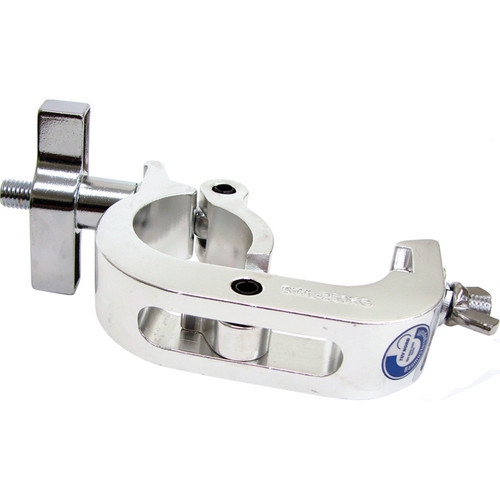
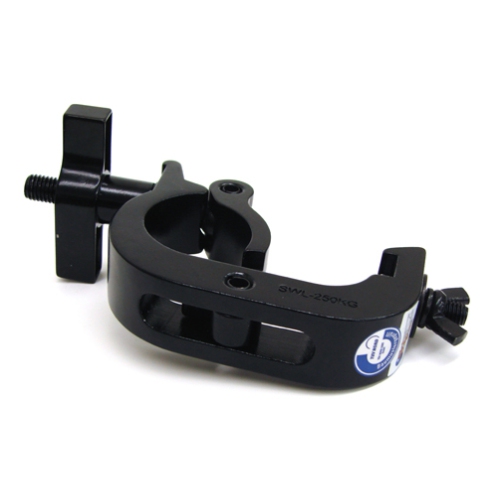

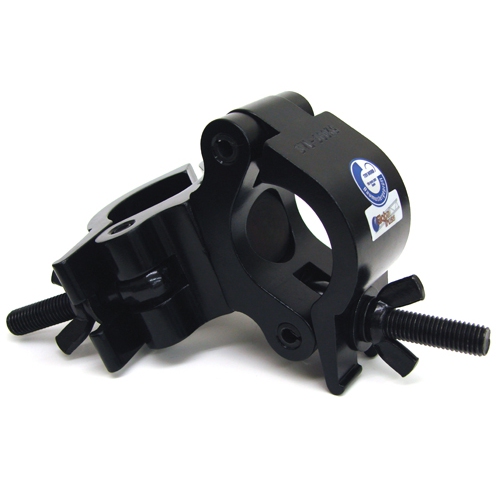
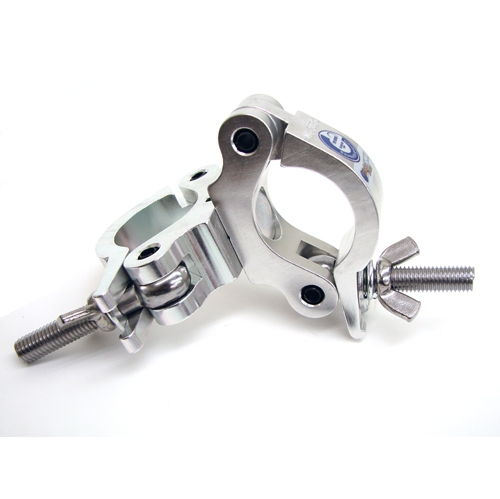
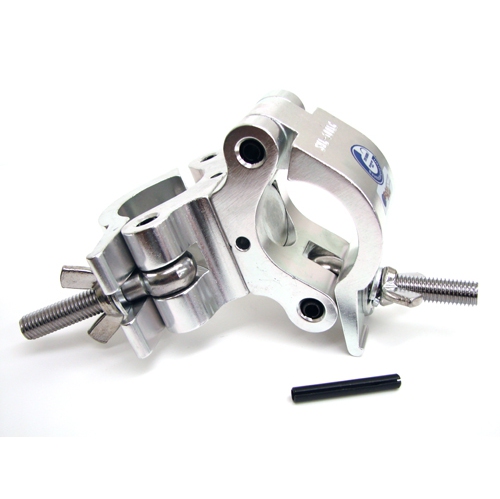
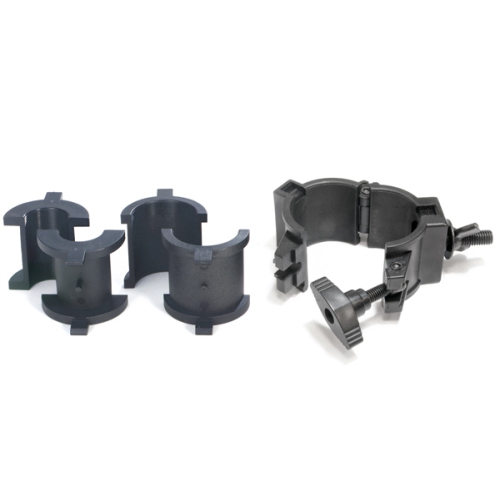
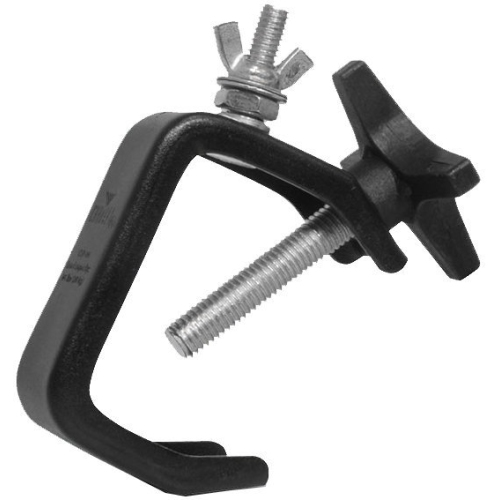
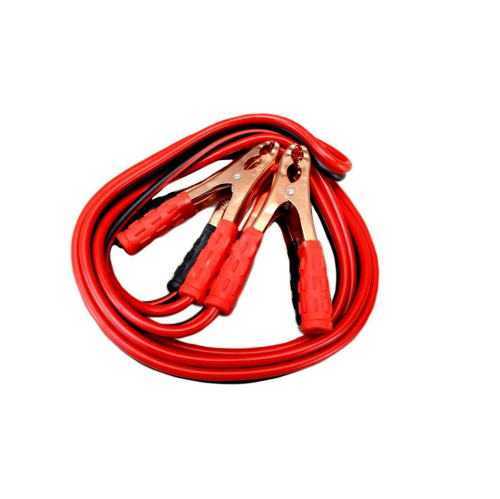
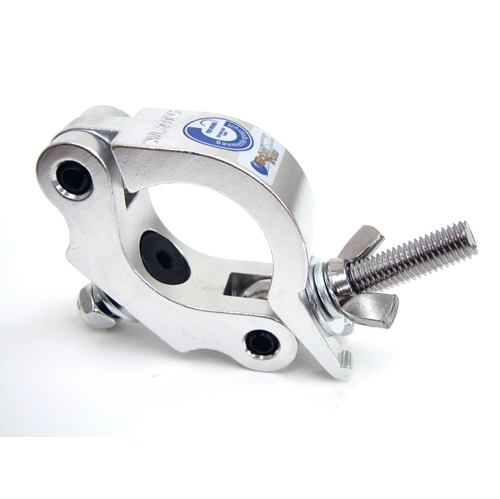
Steady pressure for woodworking, repairs, and workshop projects
Heavy duty clamps are dependable workshop tools designed to hold materials firmly while you cut, drill, glue, weld, assemble, or make repairs. Compared with light-duty clips intended for quick household tasks, these clamps are built to deliver greater pressure and resist movement when working with dense wood, metal, tubing, panels, or other substantial materials. The right style depends on the shape and size of the job. Bar clamps and F-clamps are useful for furniture assembly, cabinetry, shelving, and long glue-ups because their extended rails can span a wide work area. Their sliding jaws make it easier to position the tool before applying pressure, while a rigid rail helps keep the clamping force steady across the material. C-clamps are suited to concentrated pressure in a compact area, making them a practical choice for holding a bracket, securing a workpiece to a bench, or stabilizing parts during welding and drilling. Pipe clamps can be useful when a project calls for an especially long reach, while quick-release and trigger-style designs allow for fast, one-handed adjustments when the other hand is guiding the material. For jobs involving hoses, ducting, automotive components, or plumbing connections, heavy-duty hose clamps with strong bands and reliable tightening mechanisms can help create a secure fit around rounded surfaces. Each design has a particular role, so considering the material, shape, span, and amount of force required will help narrow the selection.
When comparing heavy duty clamps, look beyond the maximum pressure rating and consider how that force will be delivered. A clamp with a broad, padded jaw can distribute pressure across a delicate wood surface and reduce the chance of dents, while a smaller contact point may be better for focused work on a sturdy metal component. Steel frames and reinforced rails are valued for their rigidity, especially when a clamp must hold a large panel or withstand repeated use. Threaded handles can provide gradual, controlled tightening, which is helpful when aligning joints or bringing uneven pieces together. Quick-adjust mechanisms save time during repeated setups, but they should still lock securely once the work begins. Throat depth is another important measurement: a clamp may have a long reach but still be unsuitable if its jaws cannot extend far enough over the material. Check the available opening capacity, rail length, jaw shape, handle design, and overall weight before making a choice. Protective caps or non-marring pads are worthwhile when working with finished cabinetry, painted surfaces, laminate, or polished metal. For hose clamps, pay close attention to band width, diameter range, corrosion-resistant construction, and compatibility with the temperature, pressure, and vibration expected in the application. A clamp should be tight enough to prevent movement without crushing a hose, distorting a joint, or damaging the workpiece. Keeping several sizes and styles within reach can make a home workshop feel far more capable; the small clamp that seems excessive for one project may be exactly what is needed when a larger repair or renovation comes along. For lighter fastening, temporary positioning, or organizing cables and materials, Clamping Clips may complement a collection of heavier workshop clamps.
Heavy duty clamps are useful for experienced tradespeople, renovators, woodworkers, hobbyists, mechanics, and anyone who regularly works with materials that need to stay precisely in place. They can help hold a tabletop while adhesive cures, keep trim aligned during installation, secure a workpiece to a bench, or prevent a pipe and fitting from shifting during a repair. In a garage or basement workspace, a few well-chosen clamps can turn a wobbly assembly into a manageable project by freeing both hands for measuring, fastening, or finishing. They can also make a thoughtful gift for someone setting up a first workshop, restoring furniture, building shelves, or learning practical repair skills. Before use, inspect the frame, threads, handle, jaws, and locking mechanism for damage, and make sure the clamp is rated for the material and task. Position the jaws so they sit squarely against the workpiece, keep fingers clear of pinch points, and tighten gradually rather than forcing the handle beyond its natural resistance. Use more than one clamp when a long panel or joint needs even pressure, placing them in a balanced arrangement to reduce twisting. Clamps are not a substitute for lifting equipment, fall protection, or a permanent fastening system, and they should not be used beyond their stated capacity. Store them clean and dry, release pressure after each project, and keep threaded parts free of debris so they remain smooth and predictable. During the cooler months, when indoor repairs, workshop projects, and home improvement tasks often move into garages or utility spaces, reliable clamps can provide the steady extra set of hands that makes careful work easier.
When comparing heavy duty clamps, look beyond the maximum pressure rating and consider how that force will be delivered. A clamp with a broad, padded jaw can distribute pressure across a delicate wood surface and reduce the chance of dents, while a smaller contact point may be better for focused work on a sturdy metal component. Steel frames and reinforced rails are valued for their rigidity, especially when a clamp must hold a large panel or withstand repeated use. Threaded handles can provide gradual, controlled tightening, which is helpful when aligning joints or bringing uneven pieces together. Quick-adjust mechanisms save time during repeated setups, but they should still lock securely once the work begins. Throat depth is another important measurement: a clamp may have a long reach but still be unsuitable if its jaws cannot extend far enough over the material. Check the available opening capacity, rail length, jaw shape, handle design, and overall weight before making a choice. Protective caps or non-marring pads are worthwhile when working with finished cabinetry, painted surfaces, laminate, or polished metal. For hose clamps, pay close attention to band width, diameter range, corrosion-resistant construction, and compatibility with the temperature, pressure, and vibration expected in the application. A clamp should be tight enough to prevent movement without crushing a hose, distorting a joint, or damaging the workpiece. Keeping several sizes and styles within reach can make a home workshop feel far more capable; the small clamp that seems excessive for one project may be exactly what is needed when a larger repair or renovation comes along. For lighter fastening, temporary positioning, or organizing cables and materials, Clamping Clips may complement a collection of heavier workshop clamps.
Heavy duty clamps are useful for experienced tradespeople, renovators, woodworkers, hobbyists, mechanics, and anyone who regularly works with materials that need to stay precisely in place. They can help hold a tabletop while adhesive cures, keep trim aligned during installation, secure a workpiece to a bench, or prevent a pipe and fitting from shifting during a repair. In a garage or basement workspace, a few well-chosen clamps can turn a wobbly assembly into a manageable project by freeing both hands for measuring, fastening, or finishing. They can also make a thoughtful gift for someone setting up a first workshop, restoring furniture, building shelves, or learning practical repair skills. Before use, inspect the frame, threads, handle, jaws, and locking mechanism for damage, and make sure the clamp is rated for the material and task. Position the jaws so they sit squarely against the workpiece, keep fingers clear of pinch points, and tighten gradually rather than forcing the handle beyond its natural resistance. Use more than one clamp when a long panel or joint needs even pressure, placing them in a balanced arrangement to reduce twisting. Clamps are not a substitute for lifting equipment, fall protection, or a permanent fastening system, and they should not be used beyond their stated capacity. Store them clean and dry, release pressure after each project, and keep threaded parts free of debris so they remain smooth and predictable. During the cooler months, when indoor repairs, workshop projects, and home improvement tasks often move into garages or utility spaces, reliable clamps can provide the steady extra set of hands that makes careful work easier.
Top selling and popular products
-
 Your price for this item is $52.68
 -
 Your price for this item is $18.99
 -
 Your price for this item is $18.68
 -
 Your price for this item is $39.99
 -
![VIR Siamese Dream (Remastered & Reissued) - Smashing Pumpkins, The [2Lp (180 Gram)]](https://multimedia.bbycastatic.ca/multimedia/products/500x500/105/10540/10540226.jpg) Your price for this item is $89.99
Your price for this item is $89.99 -
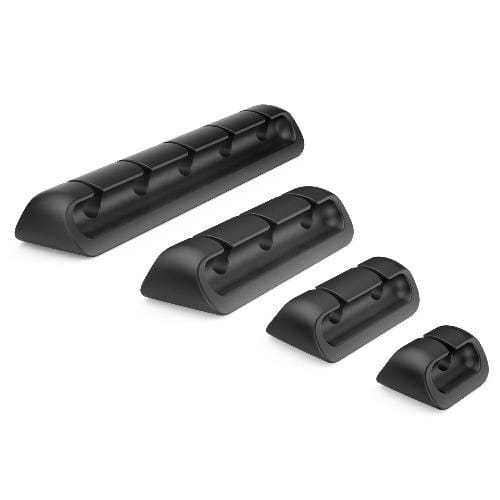 Your price for this item is $38
 -
 Your price for this item is $22.99
 -
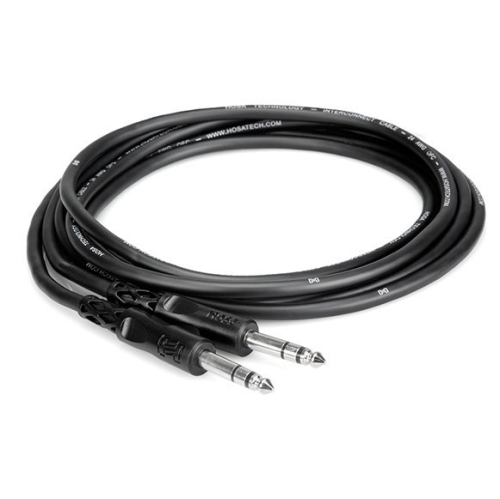 Your price for this item is $13.59
Discover more categories related to Heavy Duty Clamps
Top Collections:
Pokemon Centers, Kindle Devices, Best Budget Office Chairs, Apple iPhones 16, Best Laptops for Writers, iPhone 15 Apple, Canon G7X Cameras, Refurbished Apple Laptops, Alarm Clock, Motorola Razr Phones
Some products may be subject to Environmental Handling Fees
(EHF) depending on your province.
Learn more about EHFs.