Wire Clamps
Wire clamps are essential accessories for organizing and securing cables in various applications. Whether you are managing cords behind your entertainment center, setting up a home office with multiple devices, or working on a DIY project that requires cable management, wire clamps provide a simple and effective solution to keep your wires neat and tidy. With different sizes and styles available, you can easily find the right wire clamps to suit your needs and create a cleaner and more organized space.
Sort
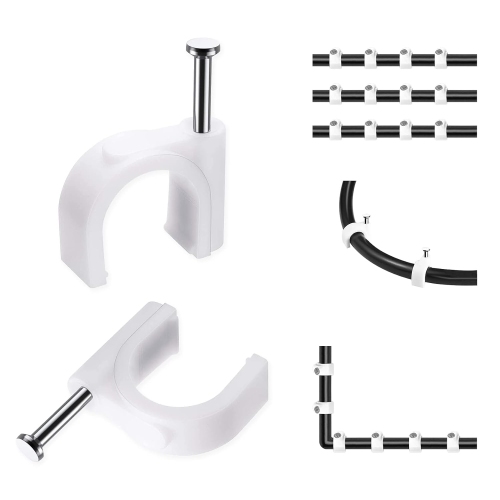
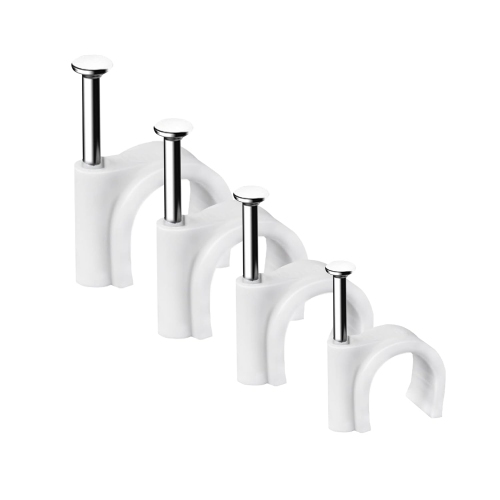
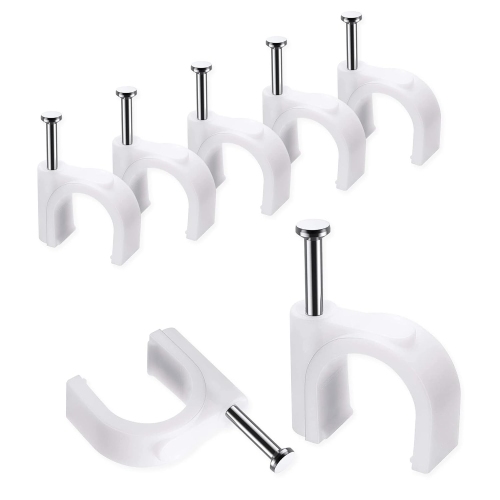
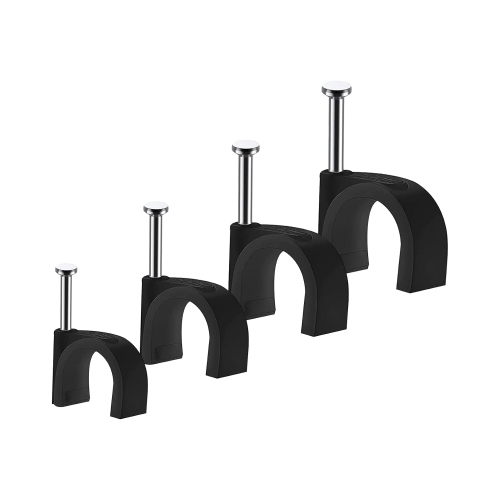
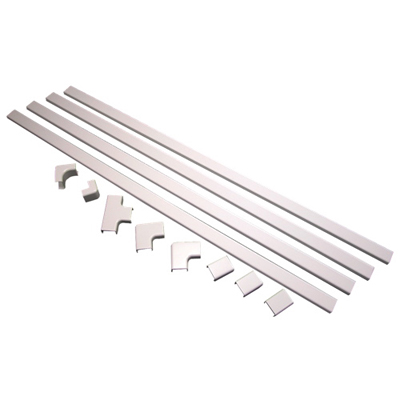
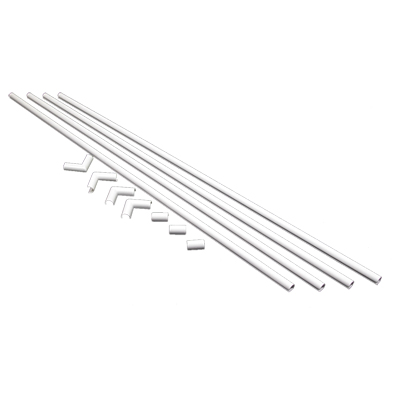
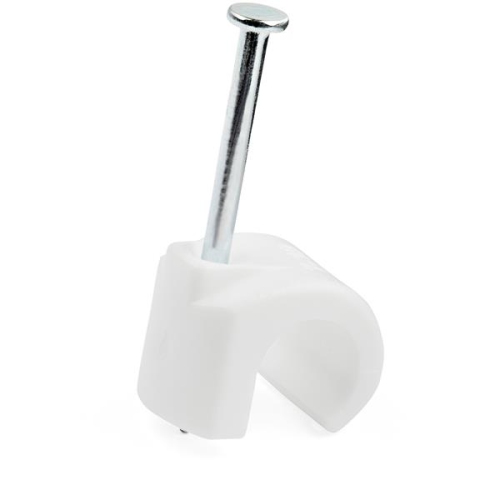
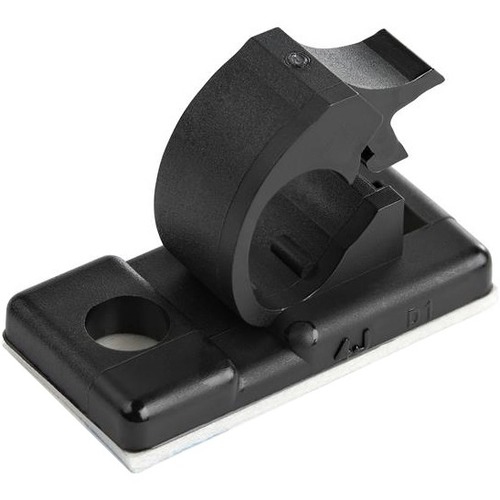


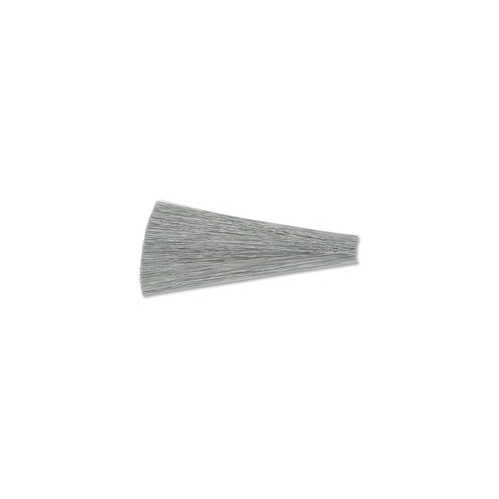

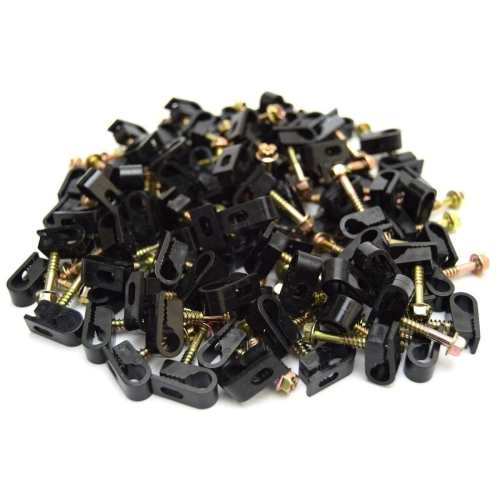

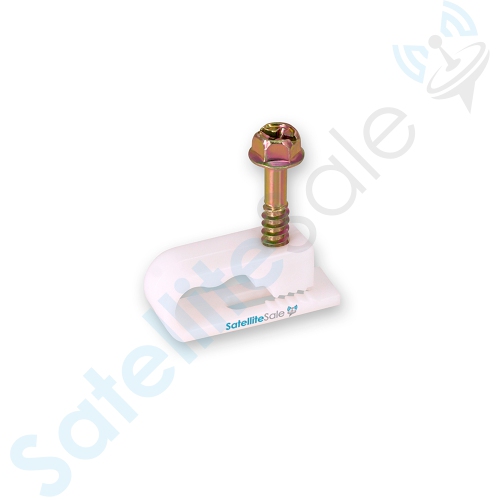
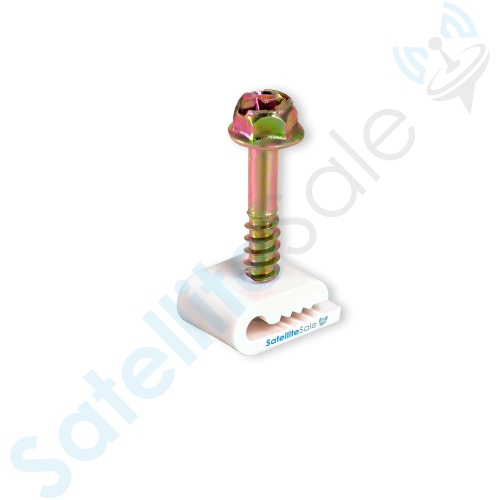
Practical guidance for sizing, mounting, and routing secured cables
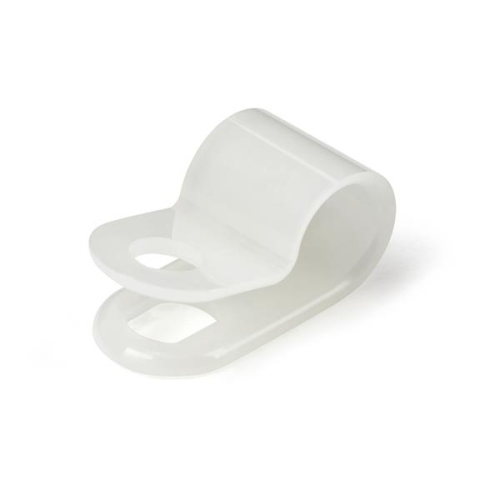
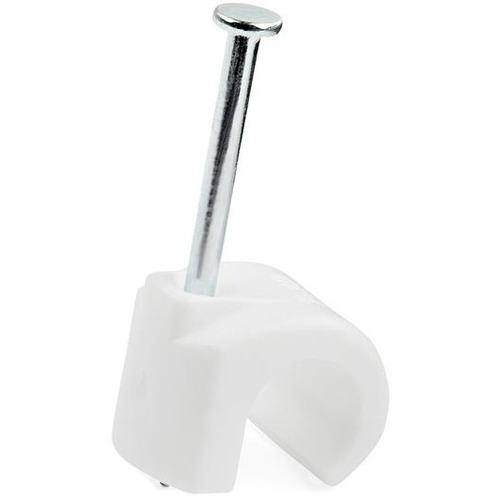
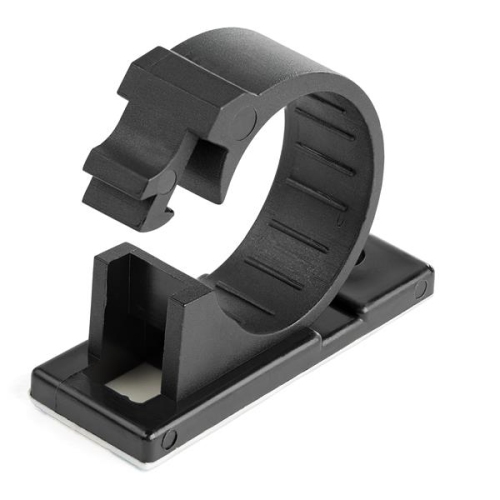
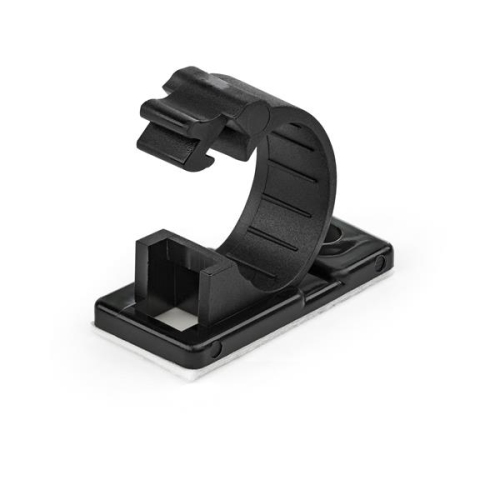
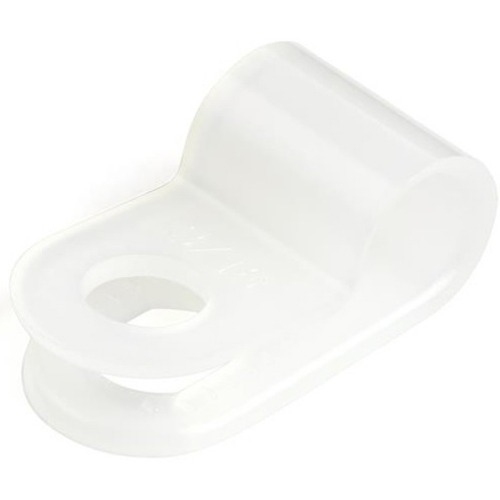
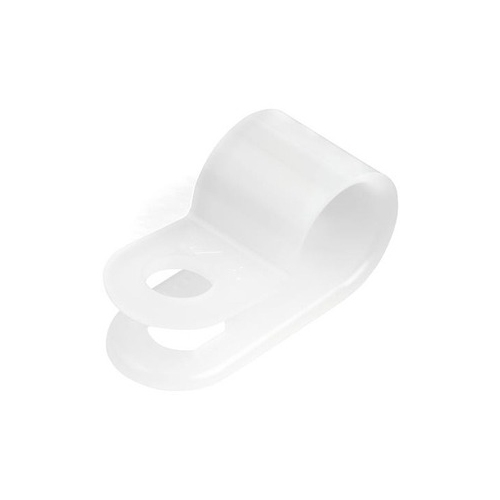
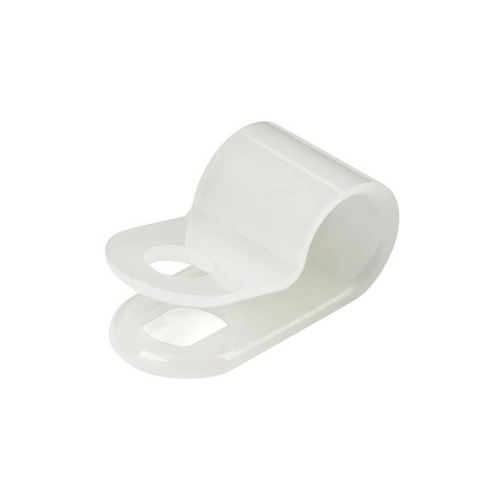
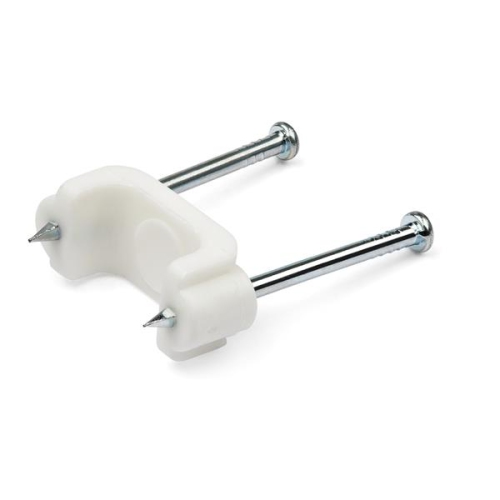
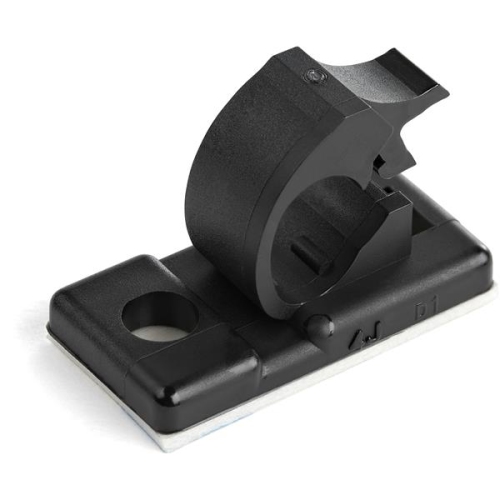
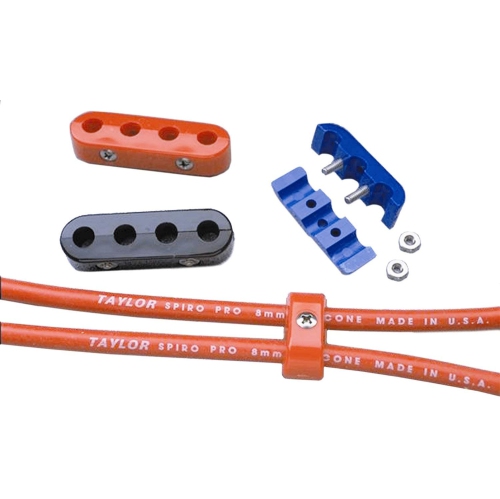
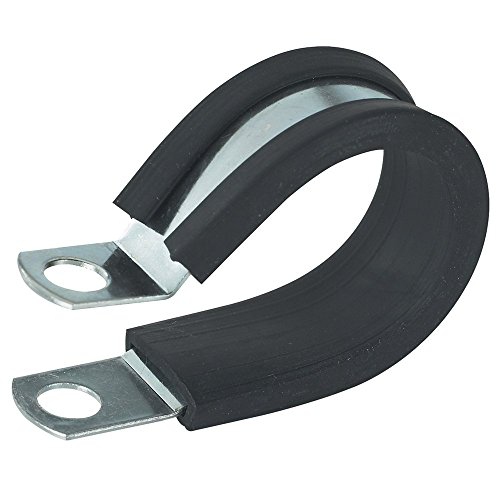
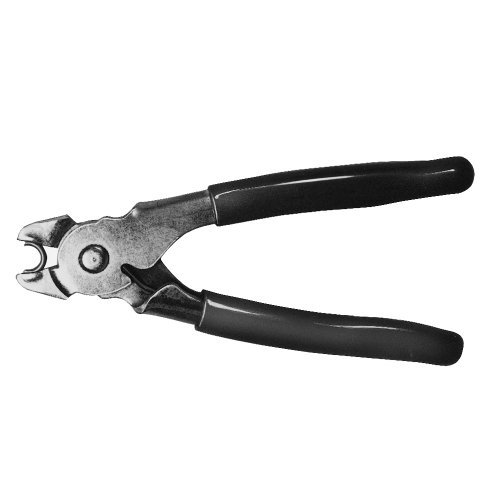
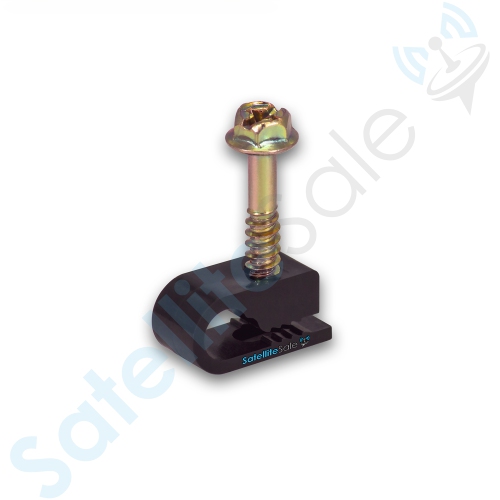
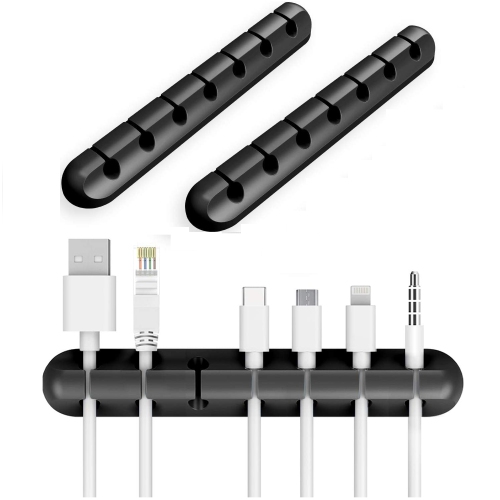
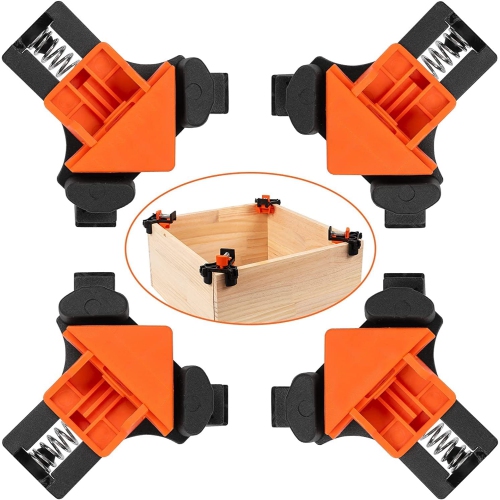
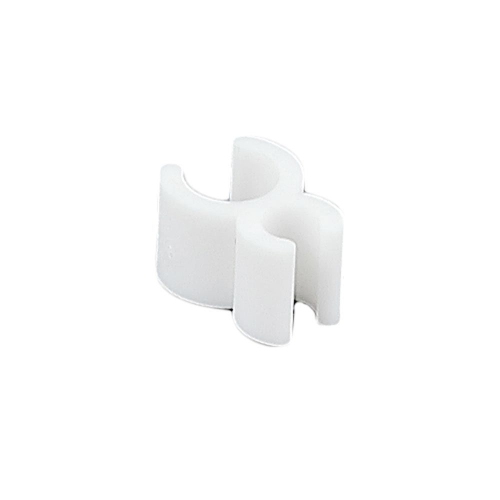
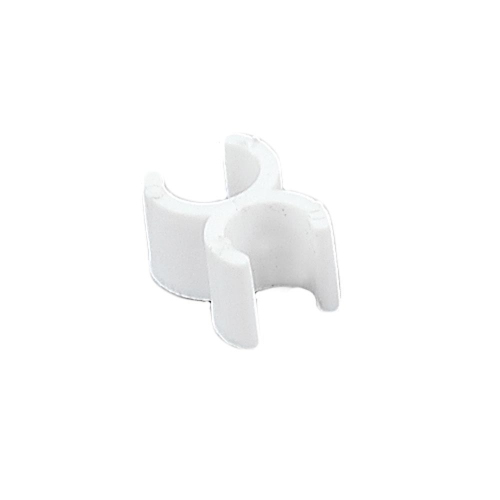
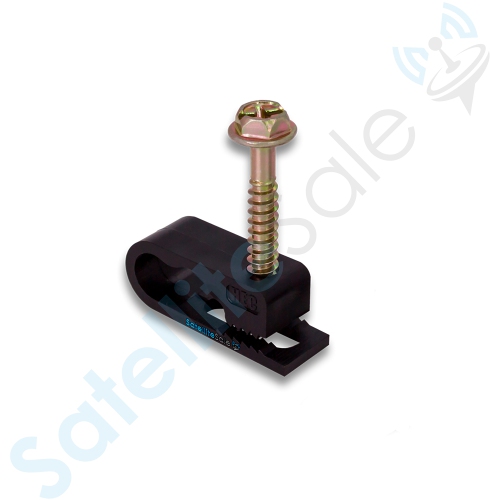
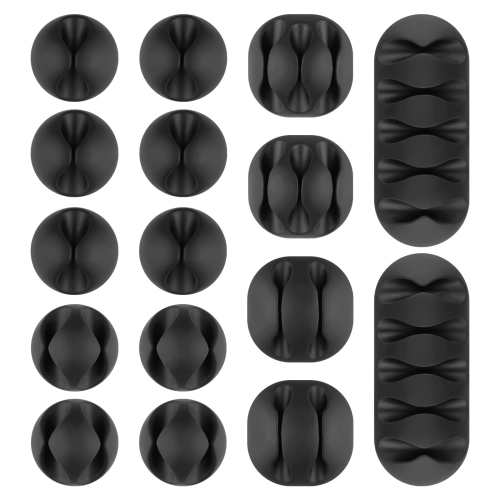
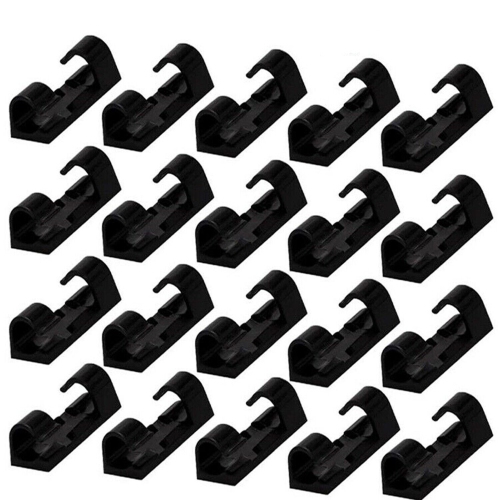
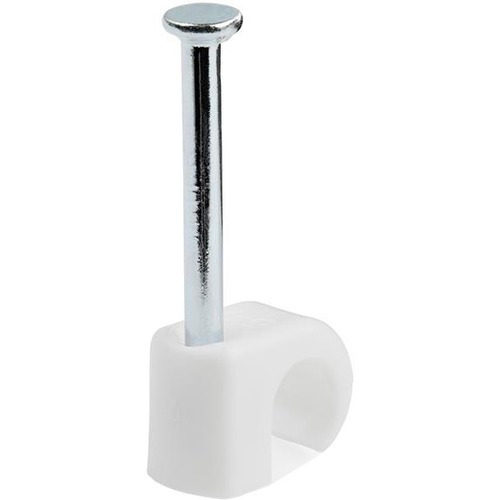
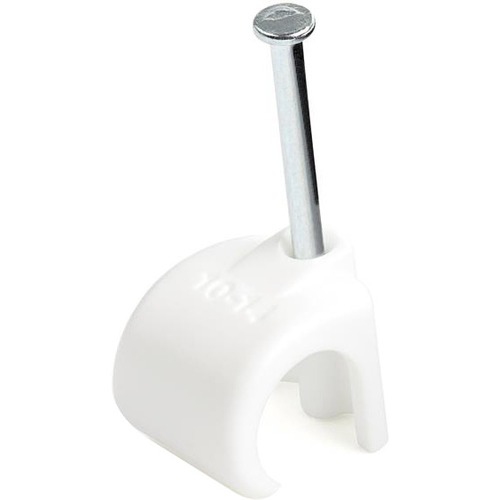
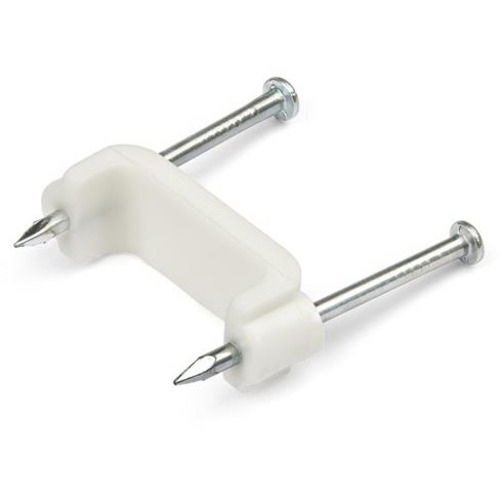
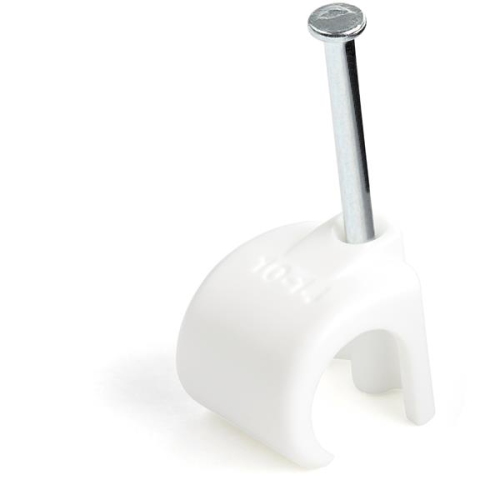
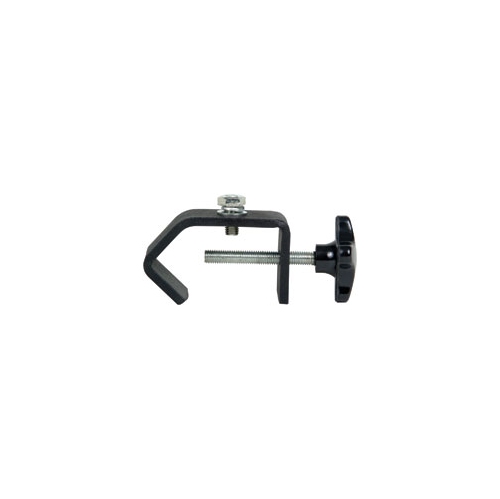
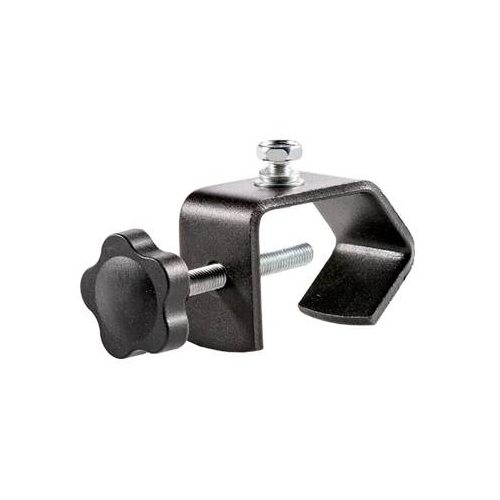
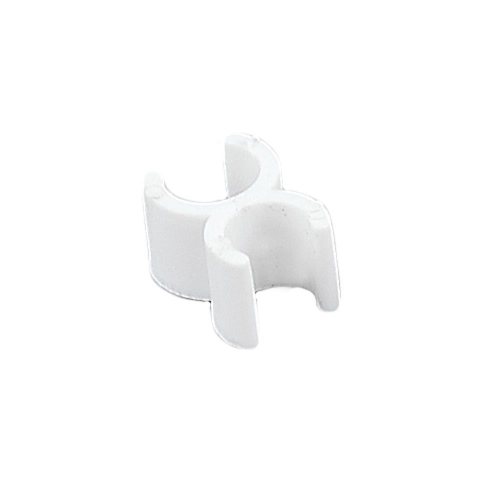
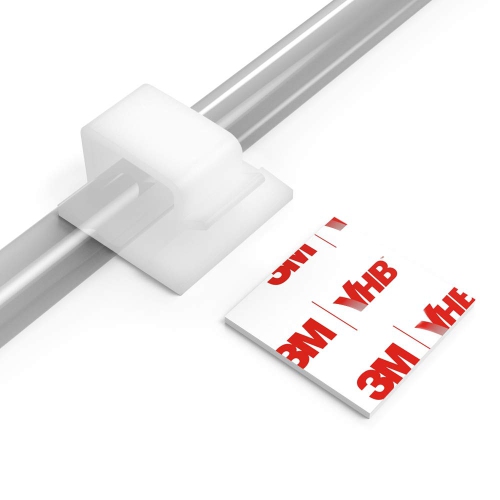
Wire clamps are practical hardware for securing, bundling, and routing wires, cables, and wire rope along walls, panels, frames, and other structures. They help keep wiring neat, reduce movement, and protect cables from pulling, rubbing, or becoming a tripping hazard. The right style depends on the cable being secured and the surface where it will be installed. Light-duty one-hole clamps are often useful for organizing electrical cords and smaller cables around a desk, entertainment centre, workshop, utility room, or home office. They can guide a cable along a wall or cabinet so it follows a clean path instead of hanging loosely behind furniture. Rubber-insulated metal clamps are a practical choice where vibration or repeated movement may be a concern, such as inside a vehicle, near machinery, or around equipment with motors and fans. The cushioned lining helps separate the cable from the metal band, while the metal construction provides firm support. U-bolt styles are designed for heavier wire rope and rigging applications, using a U-shaped bolt and saddle to grip the rope. These clamps are commonly selected for practical jobs involving tensioned cable, support lines, and heavier-duty fastening, but they must be matched to the rope diameter and installed according to the manufacturer’s instructions. When comparing wire clamps, check the stated size range rather than relying on appearance alone. A clamp that is too small can pinch insulation or prevent proper fastening, while one that is too large may allow the cable to shift. Measure the outside diameter of the wire, cable, or rope, including any outer jacket, before choosing a size. If several cables will share one clamp, account for the combined width and avoid compressing them tightly together. For communications, audio, video, and networking cables, gentle support is especially important because sharp bends and excessive pressure can affect performance or damage the outer jacket. A tidy installation should hold the cable in place without forcing it into a bend that is tighter than recommended.
Installation conditions are just as important as clamp style. For indoor use, consider whether the mounting surface is drywall, wood, masonry, metal, or the back of a cabinet, then select suitable screws, anchors, or fasteners for that material. A clamp designed for a screw-mounted installation may need a different anchor on drywall than it would on a solid wood surface. On brick or concrete, masonry-rated fasteners are generally required, while sheet metal may call for compatible screws and careful positioning away from sharp edges. Outdoor wiring faces additional demands, including moisture, temperature changes, sunlight, wind, and dirt. Look for materials and finishes suited to the location, and position the cable so water cannot collect around a connection or run directly into an enclosure. In automotive and workshop settings, choose clamps that can tolerate vibration and route wiring away from hot surfaces, moving parts, hinges, belts, and areas where the cable could be crushed. Leave enough slack near a door, hatch, steering component, or adjustable fixture for normal movement, but not so much that the wire can snag. Before installing, turn off and disconnect electrical power, identify the cable path, and inspect the insulation for cuts, flattening, or exposed conductors. Wire clamps are intended to support and organize wiring; they should not be used to repair damaged insulation or substitute for proper electrical boxes, conduit, strain relief, or approved connectors. Follow applicable electrical requirements and the instructions supplied with the cable and hardware, and seek a qualified electrician for permanent household wiring or any installation involving uncertain voltage. Spacing also affects the finished result. Placing clamps too far apart can leave a cable sagging, while placing them too close together can make installation unnecessarily rigid. A consistent line of supports usually looks cleaner and makes future maintenance easier. For cords and low-voltage cables, grouping similar runs can simplify troubleshooting, though power cables and sensitive signal cables may need separation to reduce interference. When organizing a home entertainment area, label each cable before securing it so the correct device can be identified later. In a vehicle or workshop, leave access to service points and avoid covering labels, vents, fuses, or adjustment controls.
Wire clamps can be useful for homeowners, renters with permission to make minor improvements, hobbyists, tradespeople, installers, automotive enthusiasts, and anyone managing a busy collection of cables. They are a small but thoughtful addition to a workshop, tool drawer, home office, gaming setup, media room, garage, or utility space. Multipacks are convenient when several cables need to follow the same route, while assorted kits can help when a project includes different cable diameters or mounting locations. For a gift, wire clamps are most suitable for someone who enjoys home projects, vehicle maintenance, electronics, woodworking, networking, or workshop organization; pairing them with other cable-management supplies can make a practical project bundle without choosing a highly specialized tool. Consider the intended use before buying: a person setting up a desk may need compact clamps for cords, while someone repairing a vehicle may need cushioned metal support that handles vibration. Those working with heavier wire rope should focus on rated dimensions, material strength, saddle design, and the number of clamps required for the application rather than choosing solely by pack size. It is also helpful to check whether the fastening hardware is included, whether the clamp can be opened and repositioned, and whether the finish is suitable for the installation area. For cable bundles that need a different fastening approach, Wire Ties can offer a flexible way to gather multiple cords before they are routed along a wall or frame. Whatever style you select, a successful installation should leave cables supported, visible enough to inspect, and protected from unnecessary strain. Taking a few minutes to measure the cable, map the route, choose compatible fasteners, and plan for heat and movement can make the finished setup safer, easier to maintain, and much more polished through the changing conditions of the cooler months.
Installation conditions are just as important as clamp style. For indoor use, consider whether the mounting surface is drywall, wood, masonry, metal, or the back of a cabinet, then select suitable screws, anchors, or fasteners for that material. A clamp designed for a screw-mounted installation may need a different anchor on drywall than it would on a solid wood surface. On brick or concrete, masonry-rated fasteners are generally required, while sheet metal may call for compatible screws and careful positioning away from sharp edges. Outdoor wiring faces additional demands, including moisture, temperature changes, sunlight, wind, and dirt. Look for materials and finishes suited to the location, and position the cable so water cannot collect around a connection or run directly into an enclosure. In automotive and workshop settings, choose clamps that can tolerate vibration and route wiring away from hot surfaces, moving parts, hinges, belts, and areas where the cable could be crushed. Leave enough slack near a door, hatch, steering component, or adjustable fixture for normal movement, but not so much that the wire can snag. Before installing, turn off and disconnect electrical power, identify the cable path, and inspect the insulation for cuts, flattening, or exposed conductors. Wire clamps are intended to support and organize wiring; they should not be used to repair damaged insulation or substitute for proper electrical boxes, conduit, strain relief, or approved connectors. Follow applicable electrical requirements and the instructions supplied with the cable and hardware, and seek a qualified electrician for permanent household wiring or any installation involving uncertain voltage. Spacing also affects the finished result. Placing clamps too far apart can leave a cable sagging, while placing them too close together can make installation unnecessarily rigid. A consistent line of supports usually looks cleaner and makes future maintenance easier. For cords and low-voltage cables, grouping similar runs can simplify troubleshooting, though power cables and sensitive signal cables may need separation to reduce interference. When organizing a home entertainment area, label each cable before securing it so the correct device can be identified later. In a vehicle or workshop, leave access to service points and avoid covering labels, vents, fuses, or adjustment controls.
Wire clamps can be useful for homeowners, renters with permission to make minor improvements, hobbyists, tradespeople, installers, automotive enthusiasts, and anyone managing a busy collection of cables. They are a small but thoughtful addition to a workshop, tool drawer, home office, gaming setup, media room, garage, or utility space. Multipacks are convenient when several cables need to follow the same route, while assorted kits can help when a project includes different cable diameters or mounting locations. For a gift, wire clamps are most suitable for someone who enjoys home projects, vehicle maintenance, electronics, woodworking, networking, or workshop organization; pairing them with other cable-management supplies can make a practical project bundle without choosing a highly specialized tool. Consider the intended use before buying: a person setting up a desk may need compact clamps for cords, while someone repairing a vehicle may need cushioned metal support that handles vibration. Those working with heavier wire rope should focus on rated dimensions, material strength, saddle design, and the number of clamps required for the application rather than choosing solely by pack size. It is also helpful to check whether the fastening hardware is included, whether the clamp can be opened and repositioned, and whether the finish is suitable for the installation area. For cable bundles that need a different fastening approach, Wire Ties can offer a flexible way to gather multiple cords before they are routed along a wall or frame. Whatever style you select, a successful installation should leave cables supported, visible enough to inspect, and protected from unnecessary strain. Taking a few minutes to measure the cable, map the route, choose compatible fasteners, and plan for heat and movement can make the finished setup safer, easier to maintain, and much more polished through the changing conditions of the cooler months.
Top selling and popular products
-
 Your price for this item is $3.99
 -
 Your price for this item is $20.99
 -
 Your price for this item is $7.99
 -
 Your price for this item is $25.96
 -
 Your price for this item is $29.96
 -
 Your price for this item is $27.96
 -
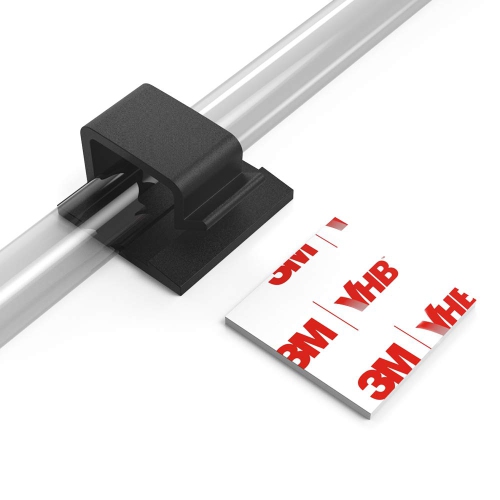 Your price for this item is $33.96
 -
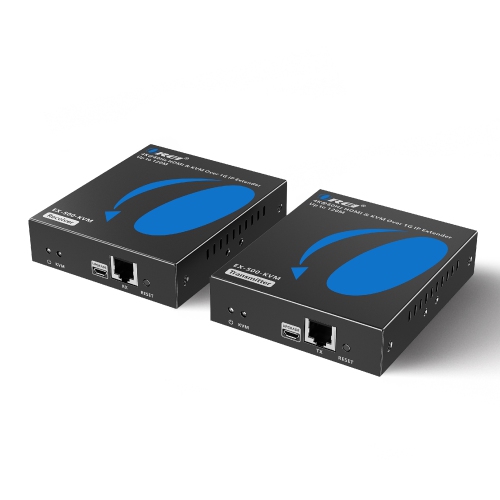 Your price for this item is $277.99
Discover more categories related to Wire Clamps
Top Collections:
Pokemon Centers, Kindle Devices, Best Budget Office Chairs, Apple iPhones 16, Best Laptops for Writers, iPhone 15 Apple, Canon G7X Cameras, Refurbished Apple Laptops, Alarm Clock, Motorola Razr Phones
Some products may be subject to Environmental Handling Fees
(EHF) depending on your province.
Learn more about EHFs.