Keyboard Instruments
Looking to add a touch of melody to your life? Look no further than our extensive collection of keyboard instruments. Whether you're a seasoned musician or just starting out on your musical journey, our range of keyboards offers something for everyone. From versatile digital pianos to portable keyboards perfect for on-the-go musicians, we have the instrument that will inspire you to create beautiful music. Explore our selection and discover the perfect keyboard instrument to unlock your musical potential.
Sort
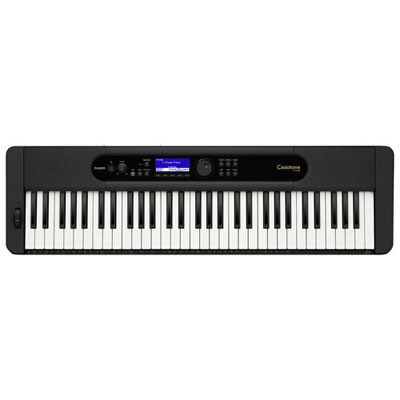
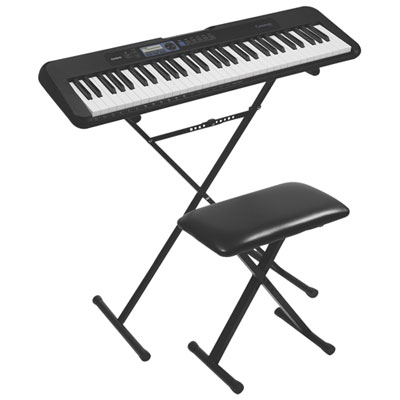
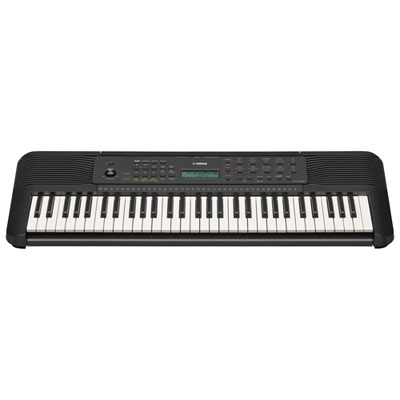
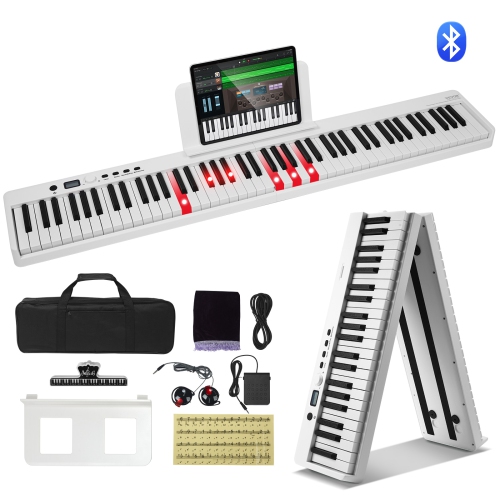

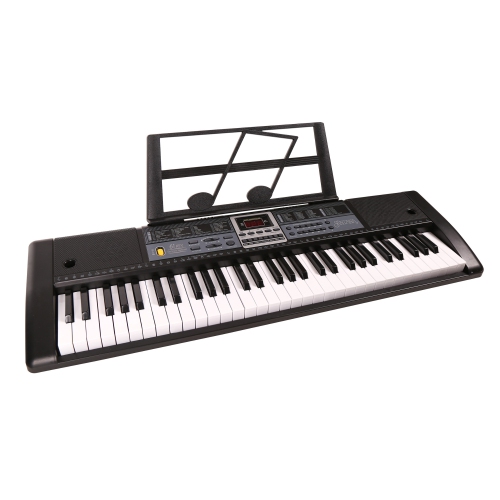
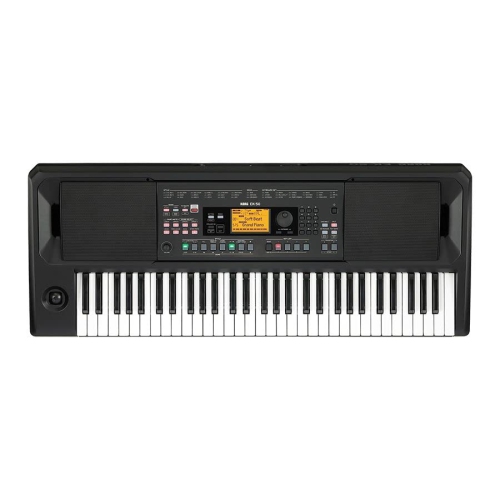
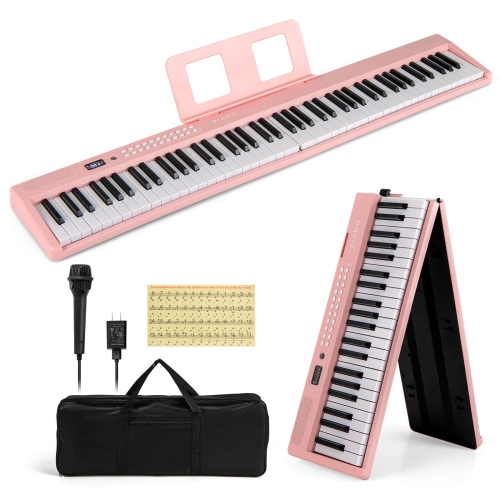
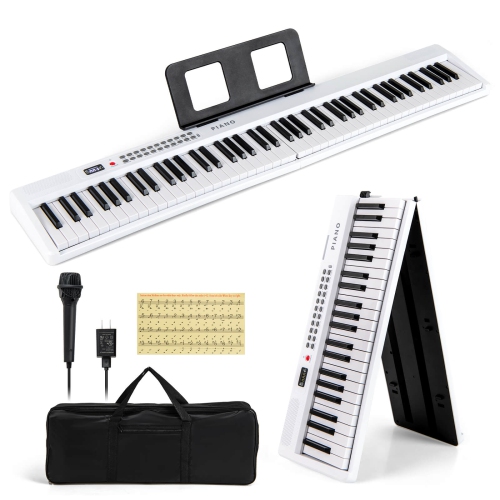
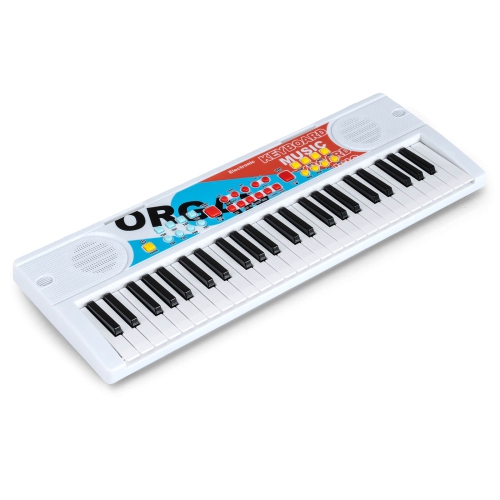
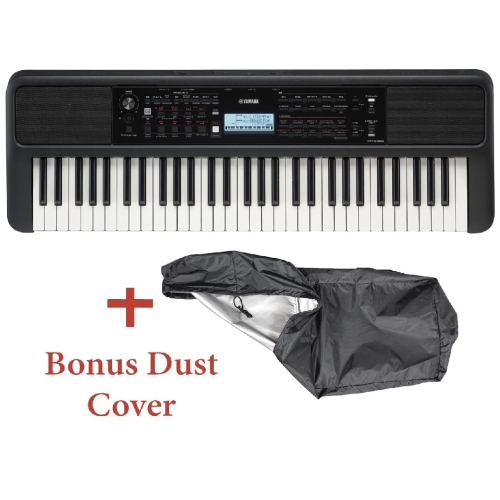
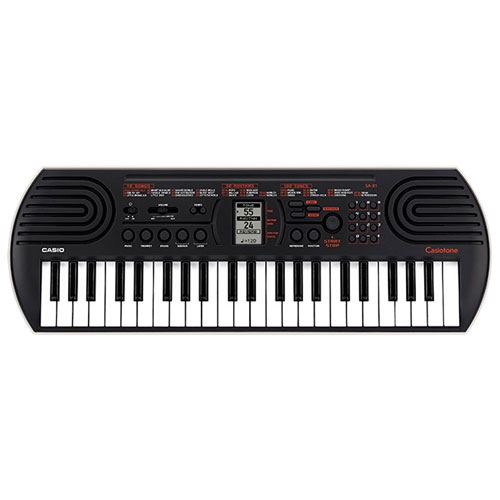
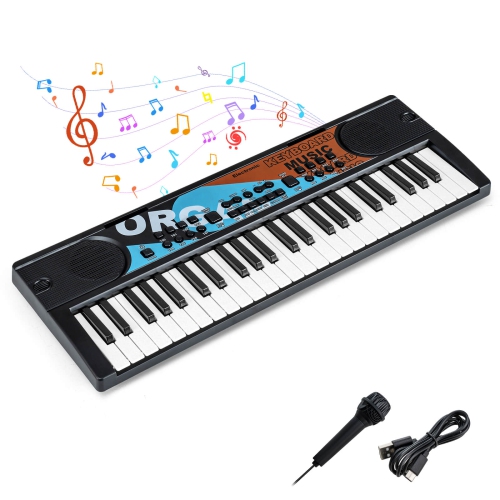
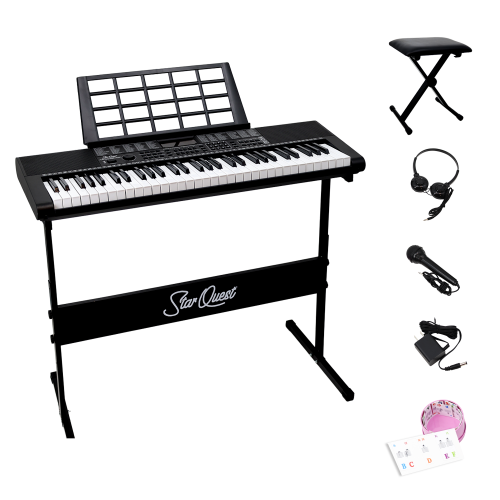
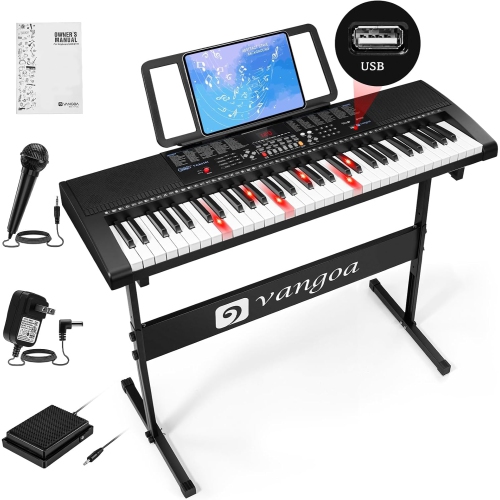
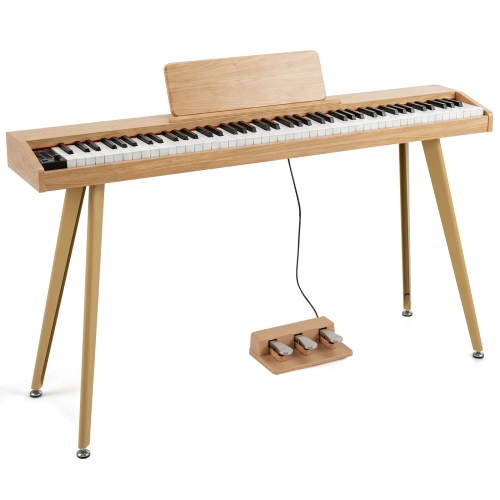
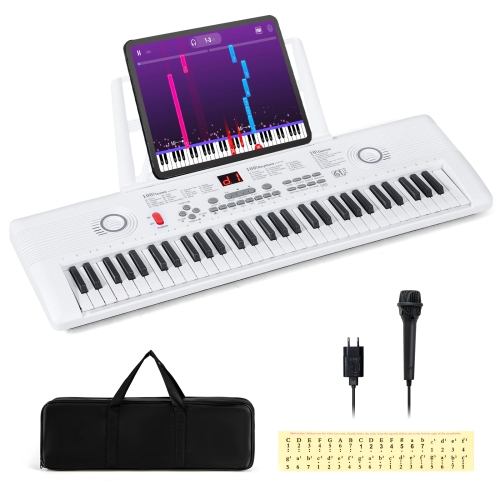
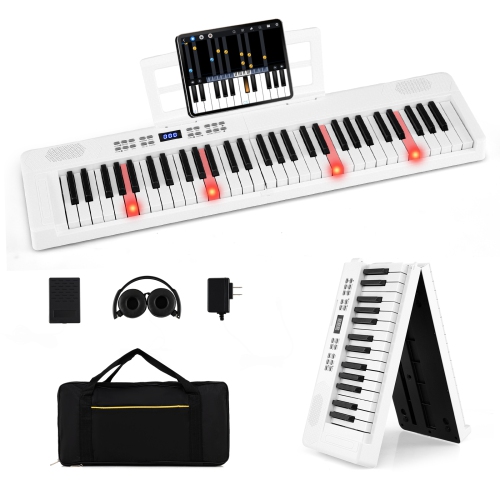
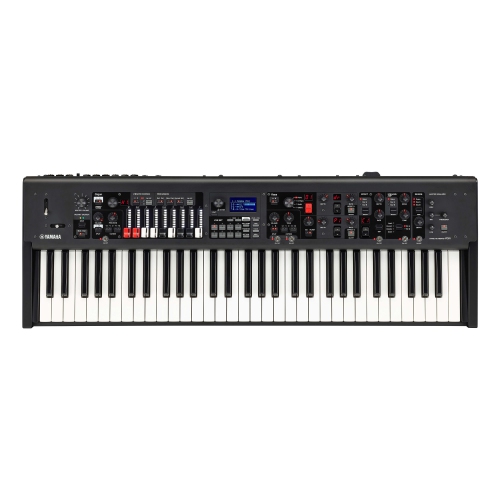
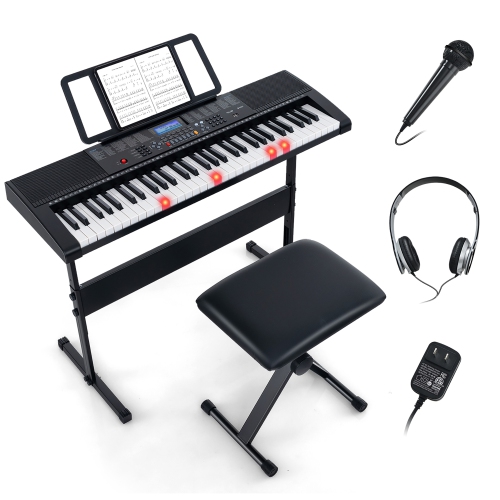
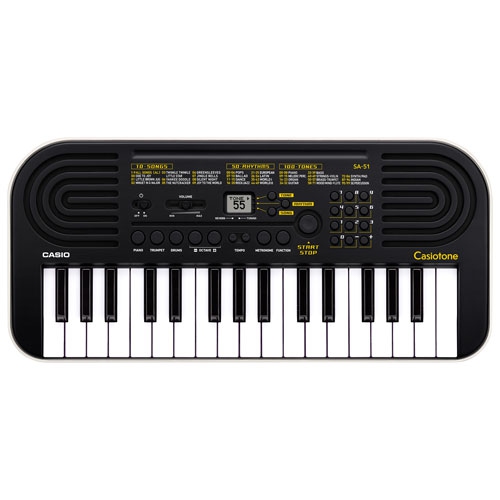
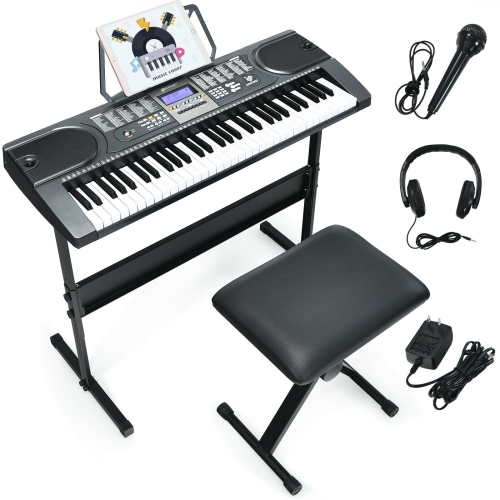
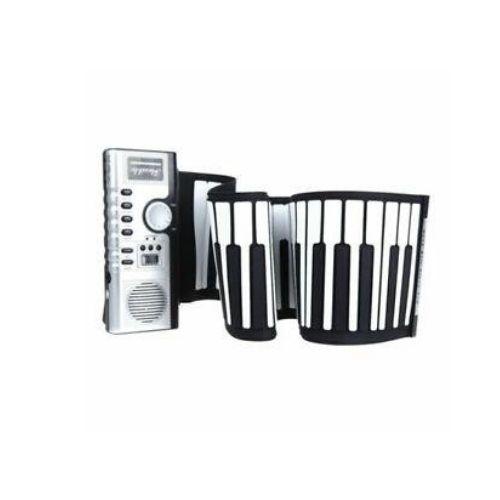
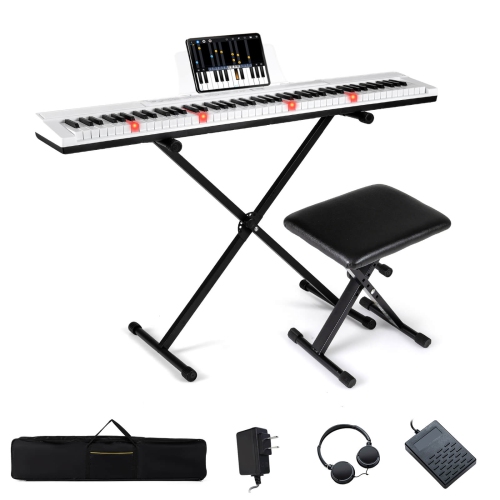
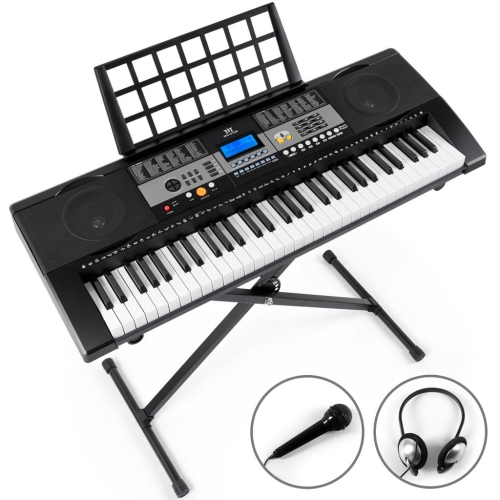
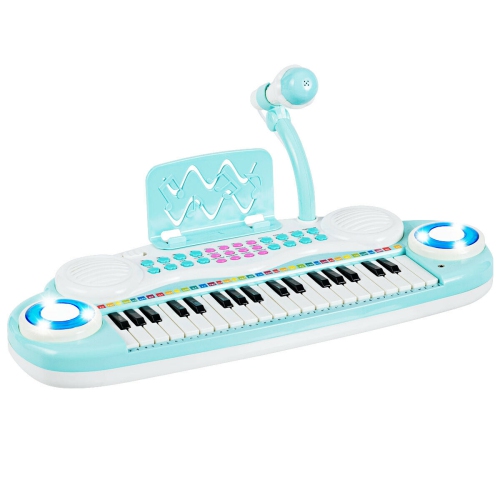
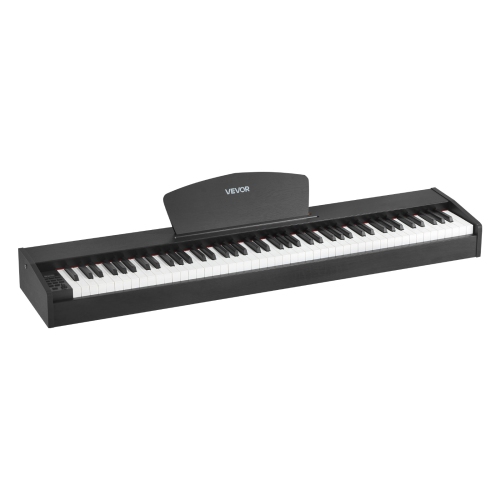
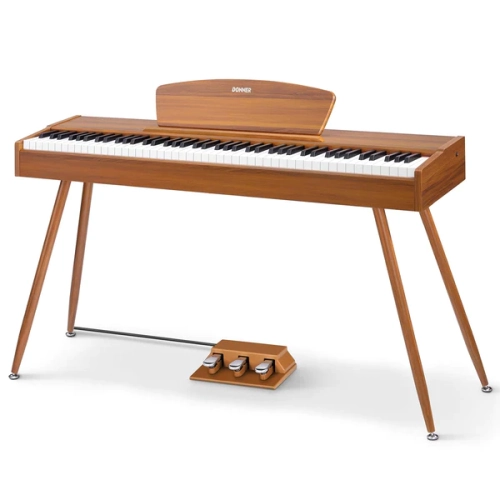
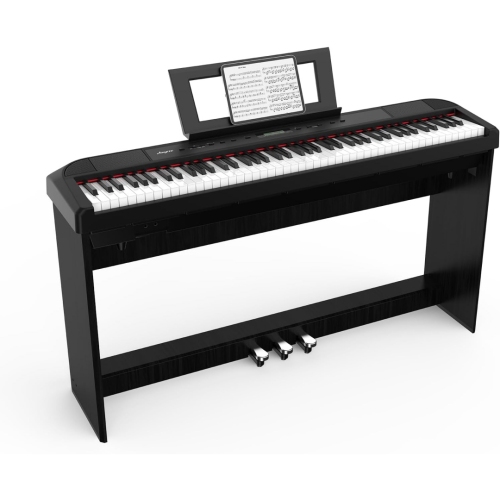
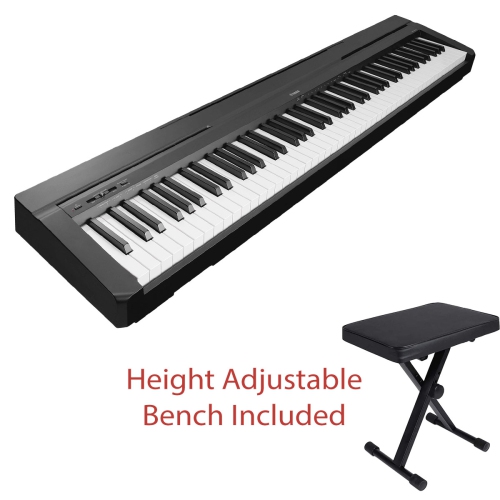
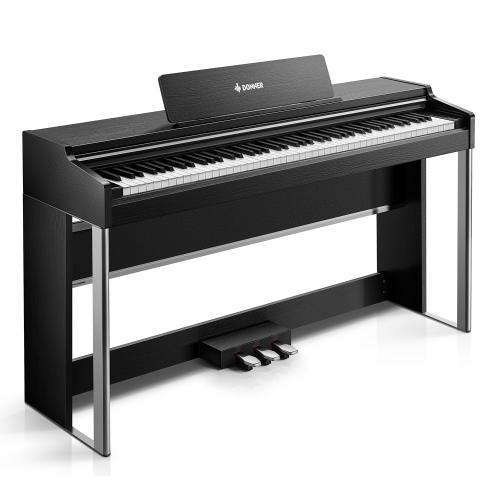

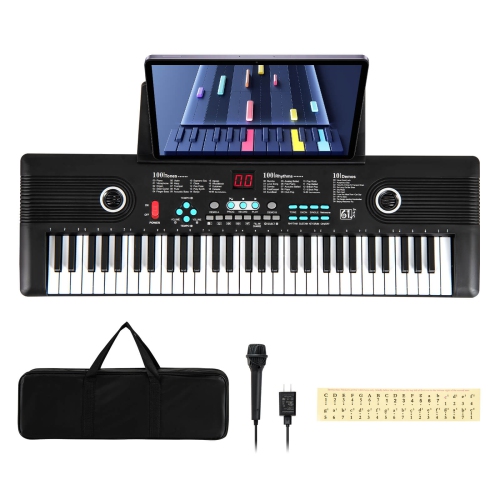
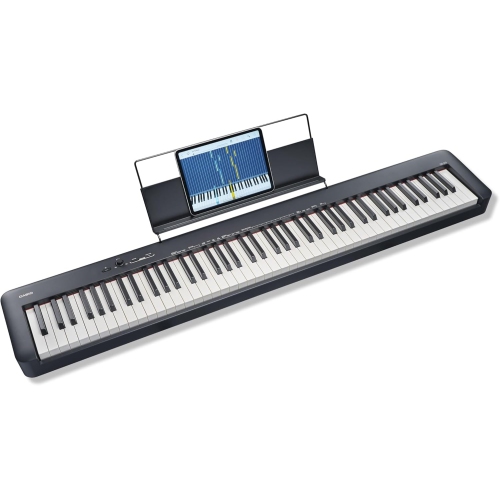

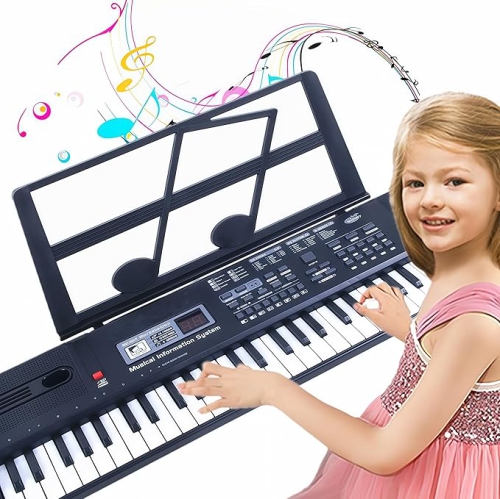
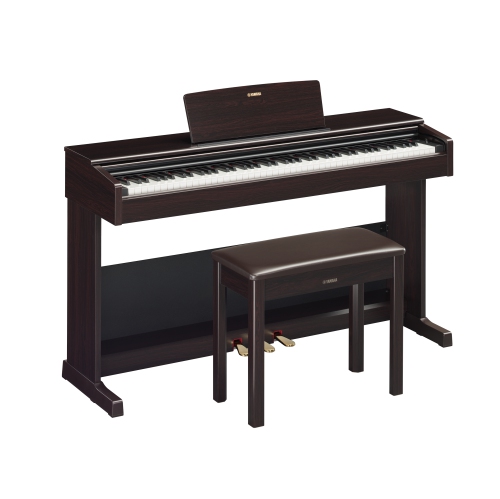
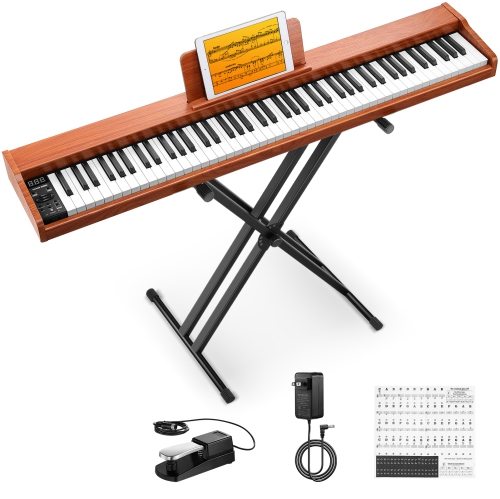
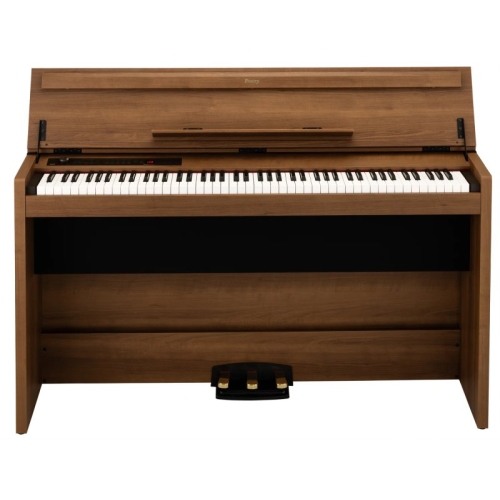



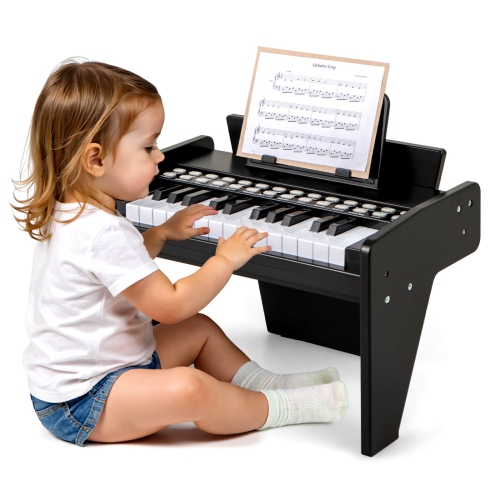
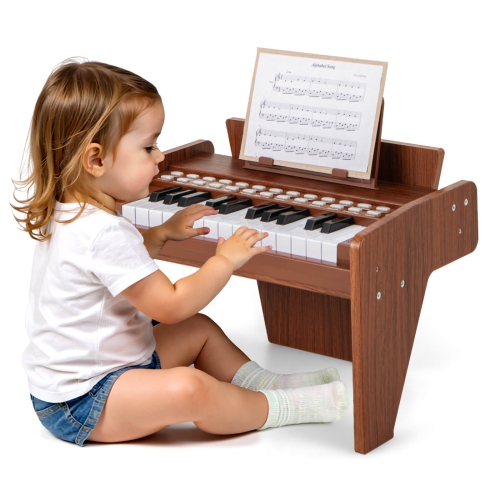
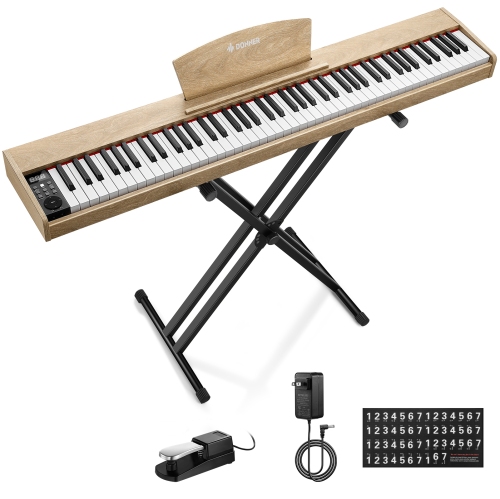
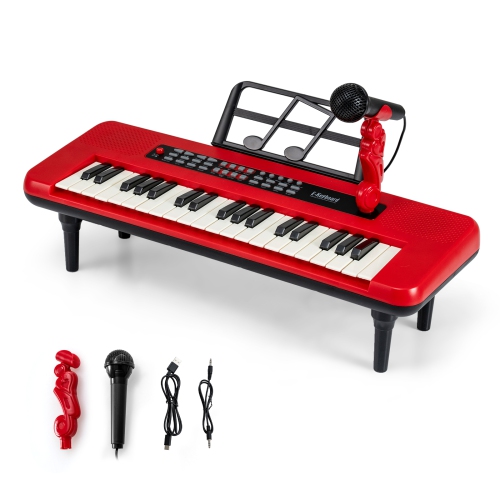
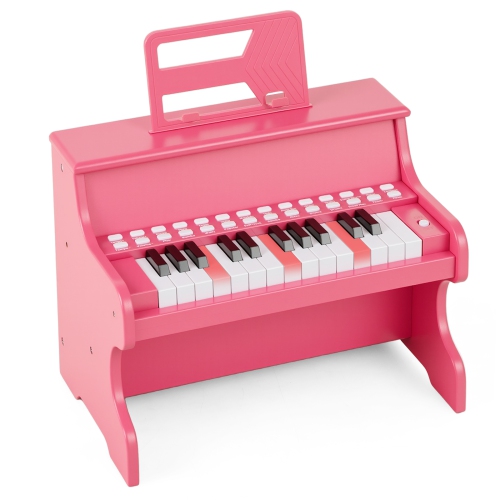
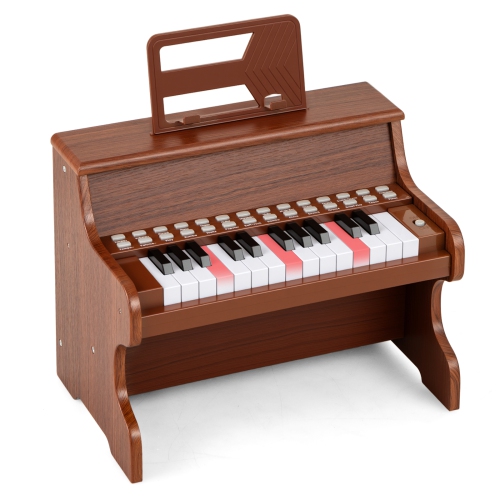
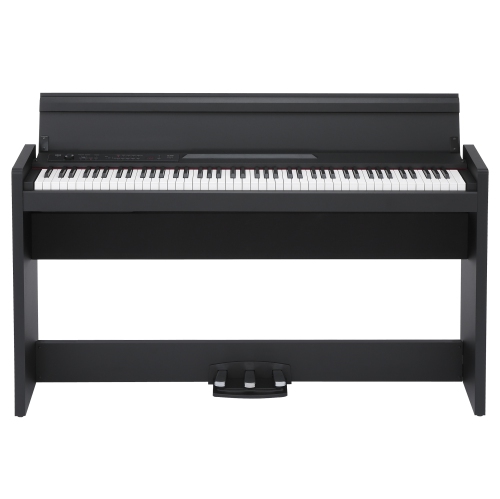
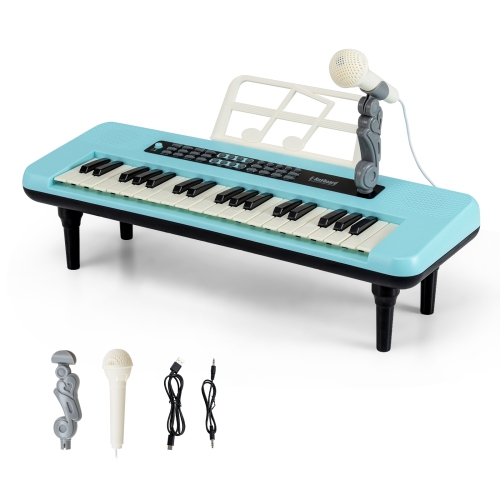
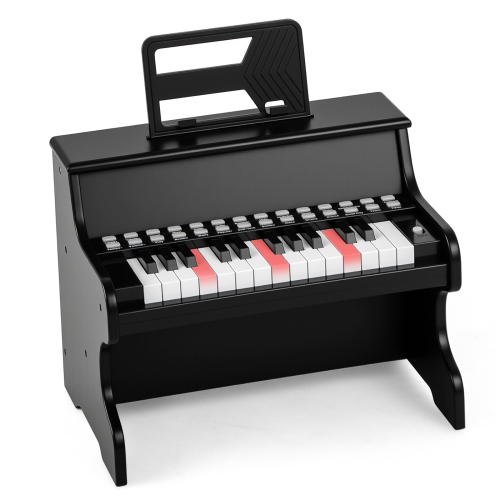
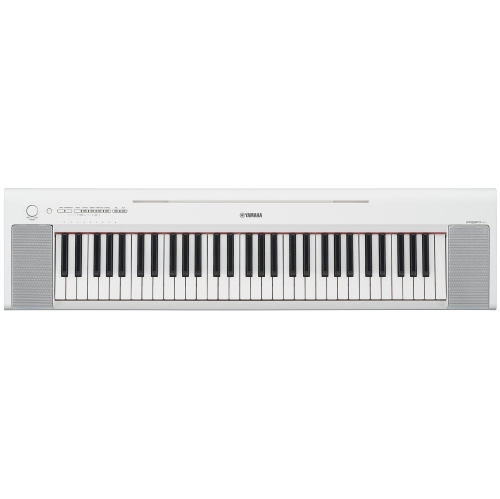
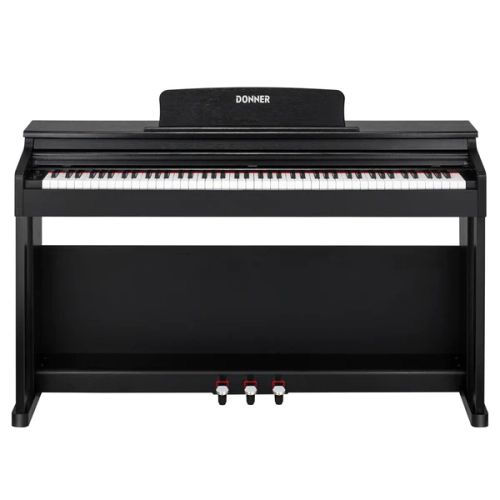
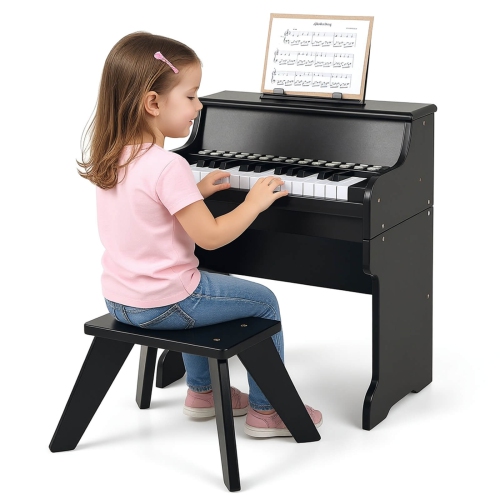
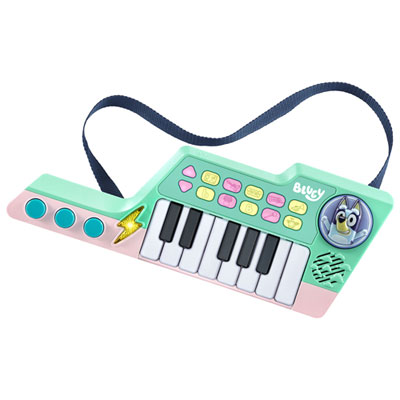
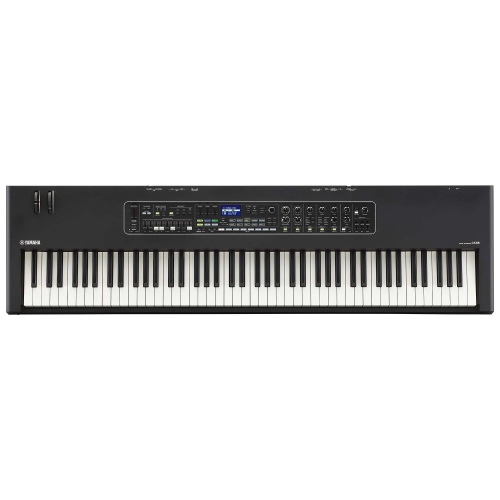
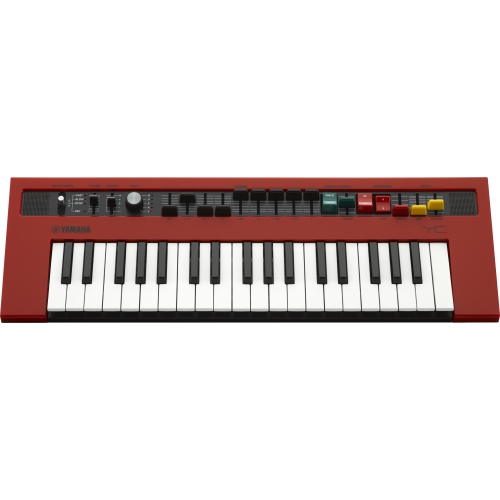
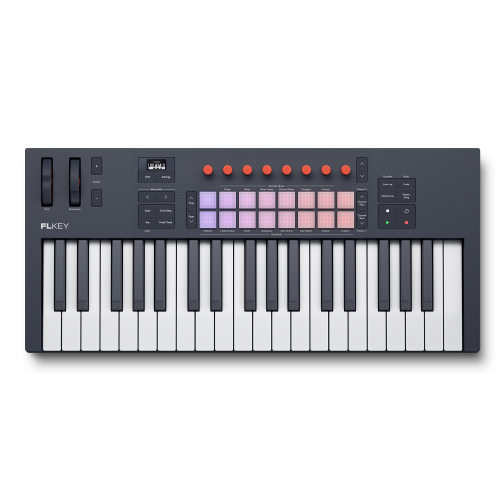
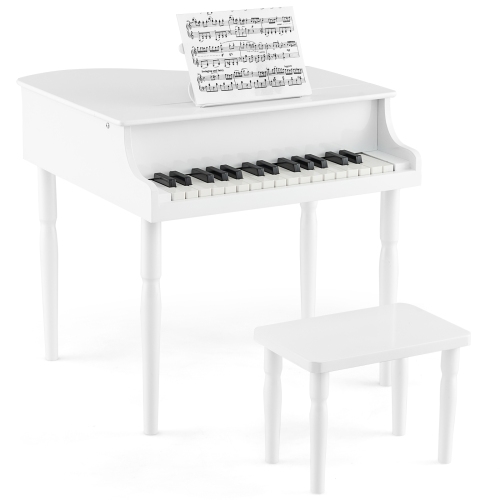
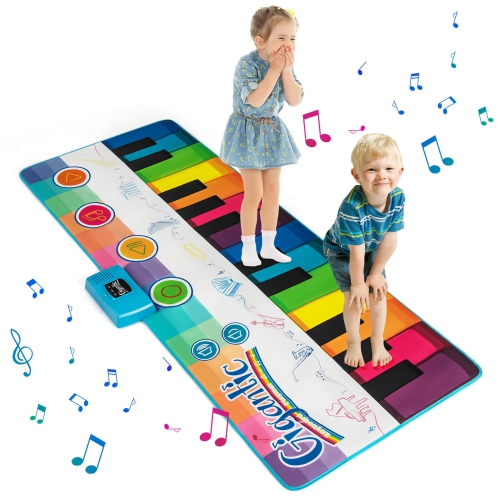
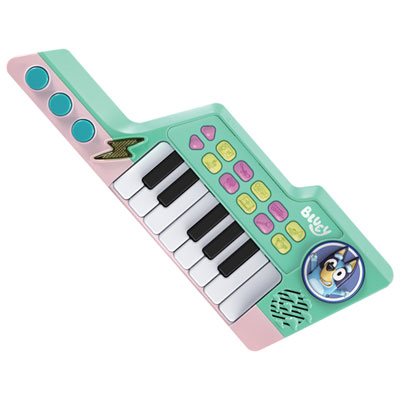
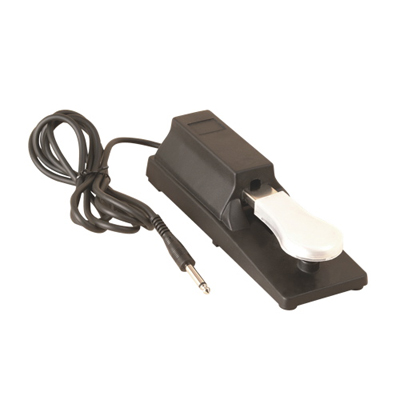
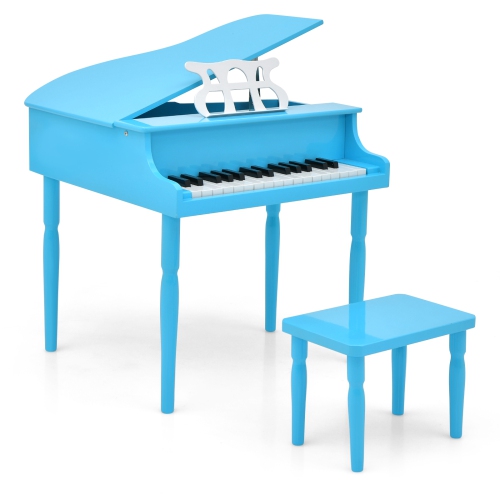
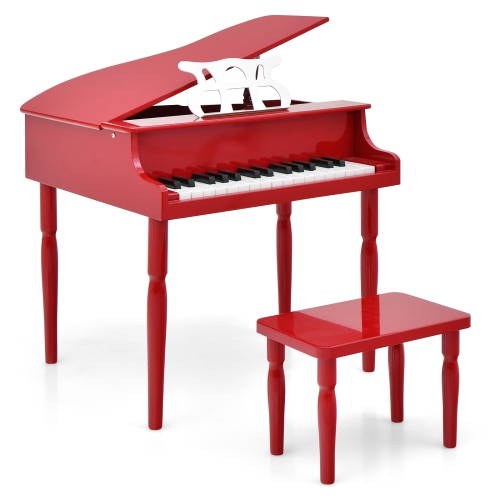
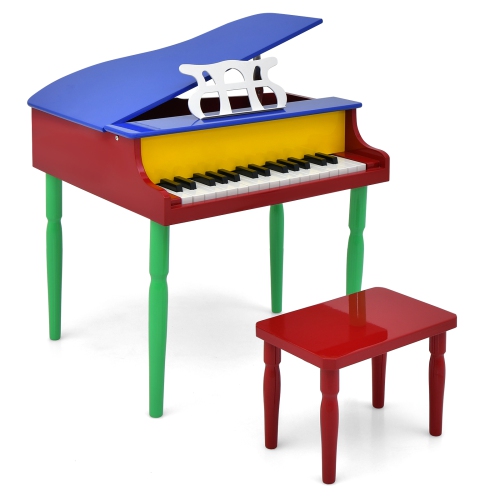
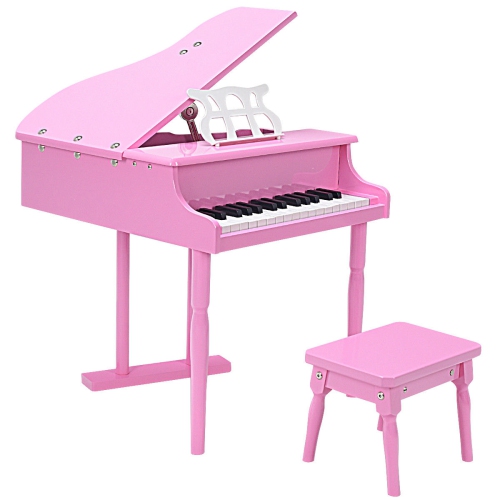
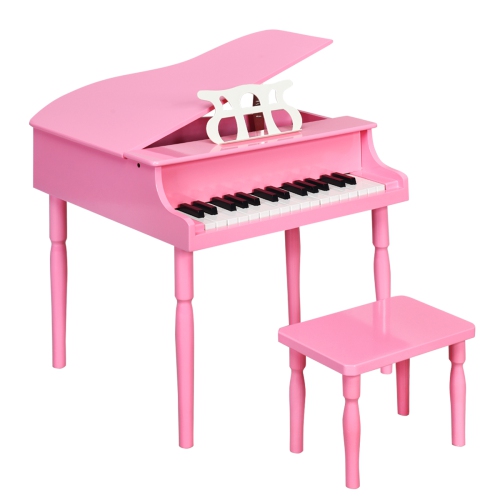
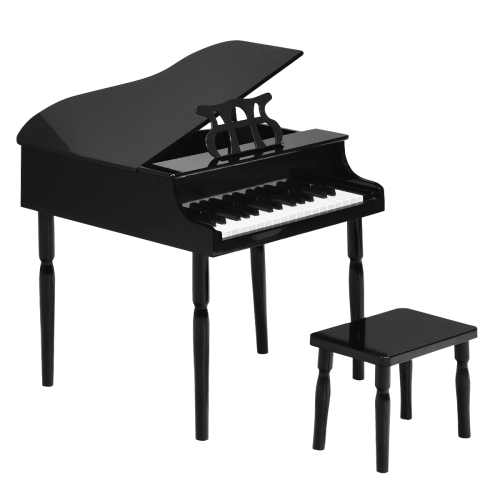
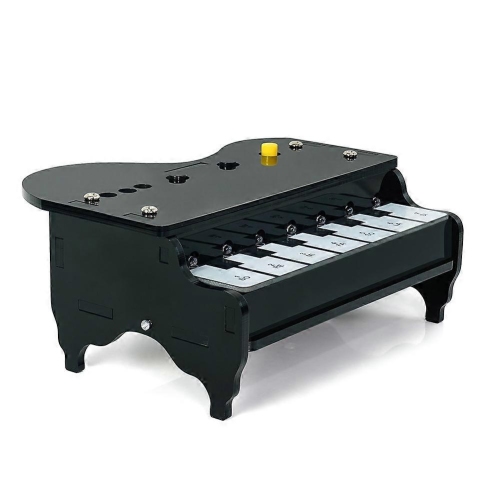
From acoustic hammers to digital sound creation
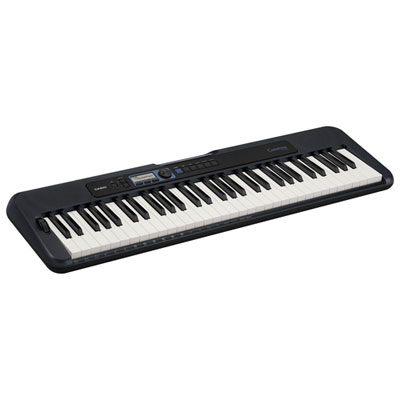
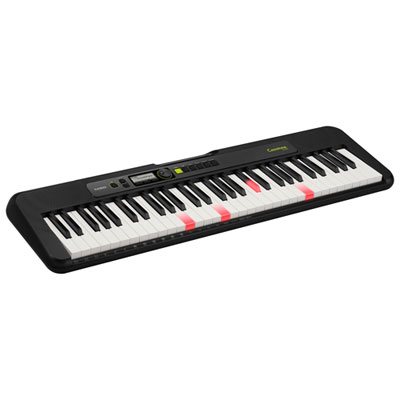
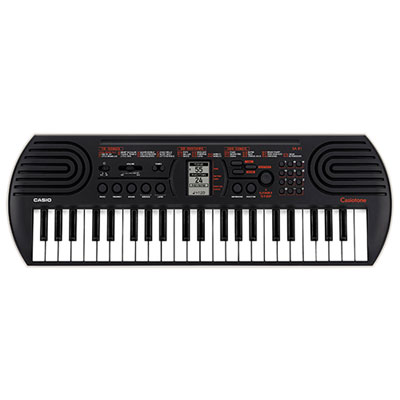
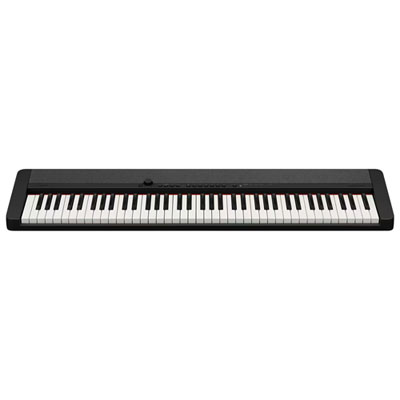
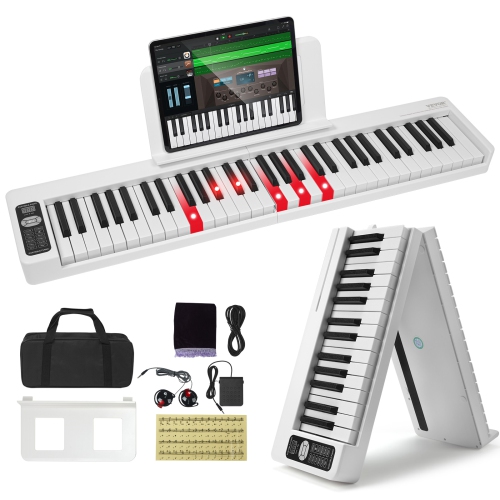
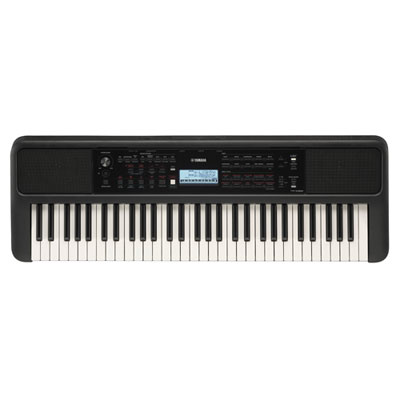
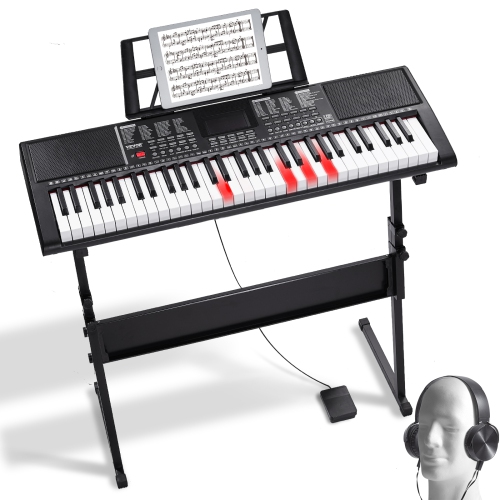
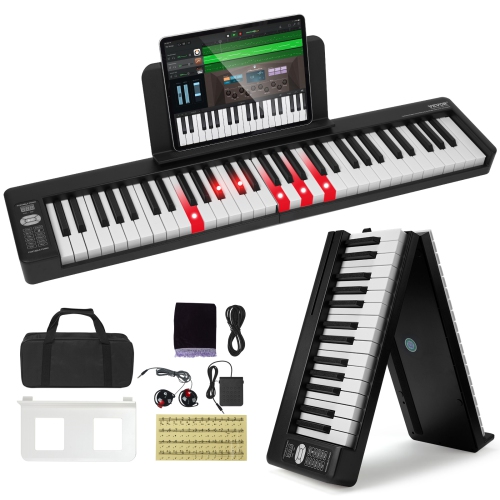
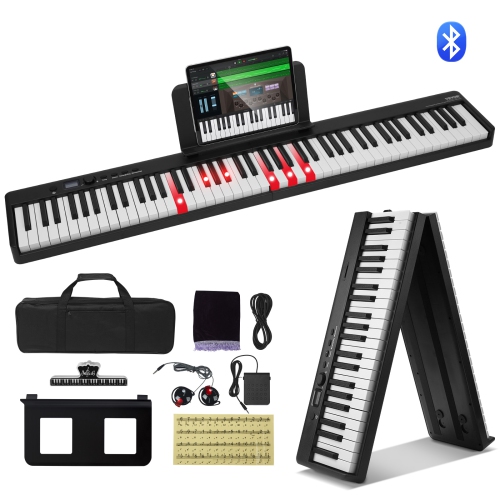
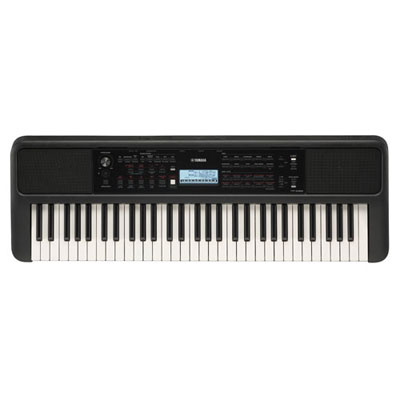
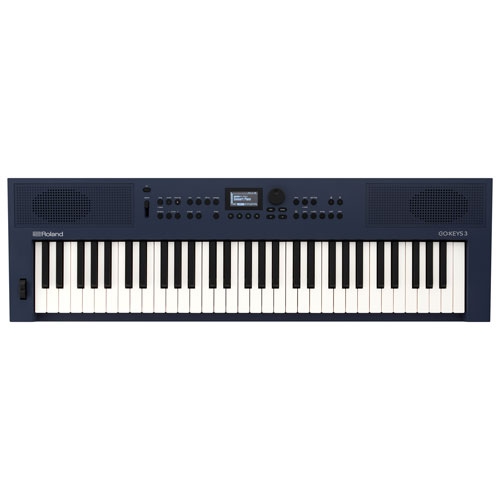
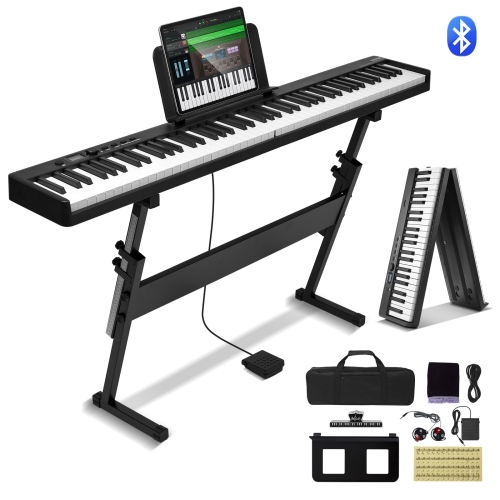
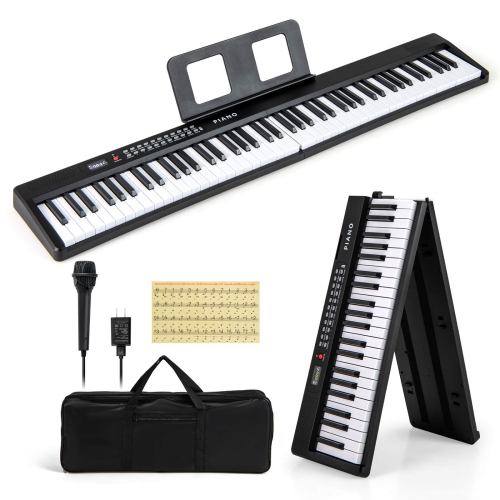
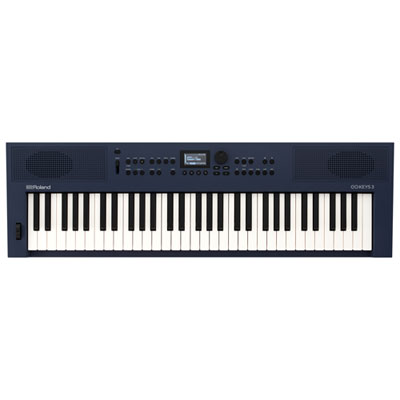
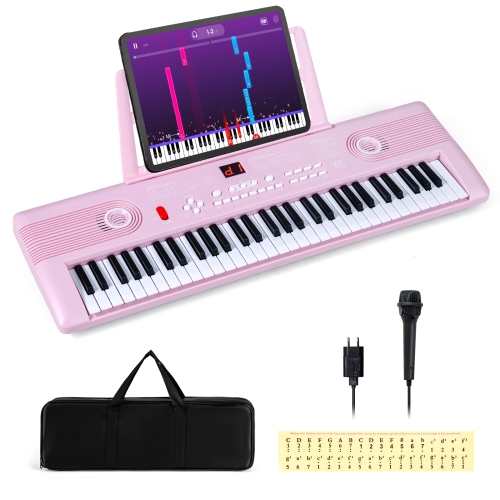
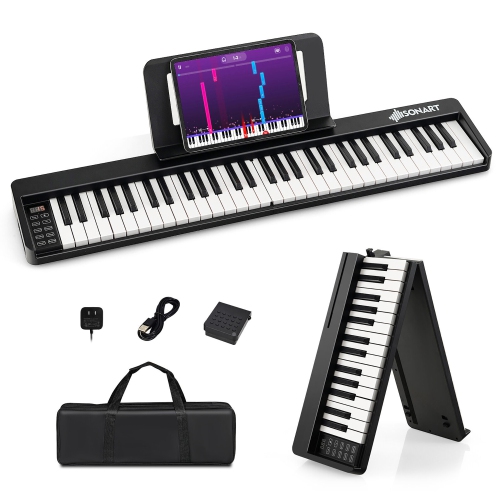
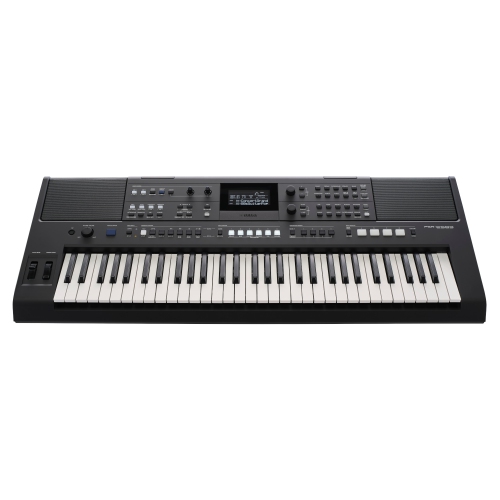
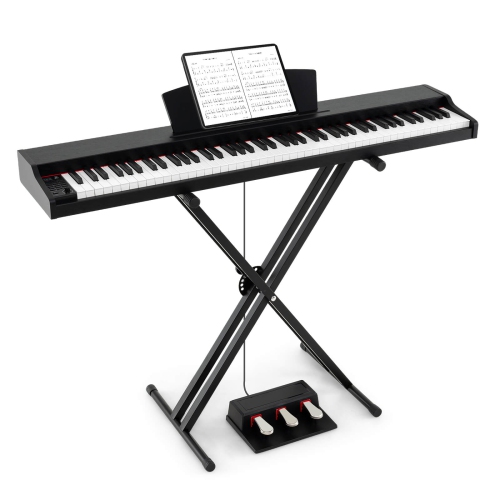
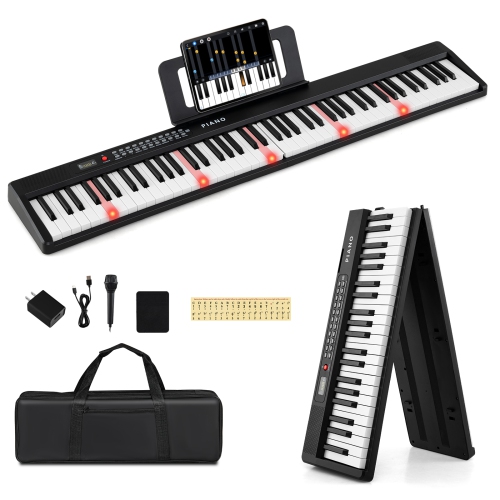
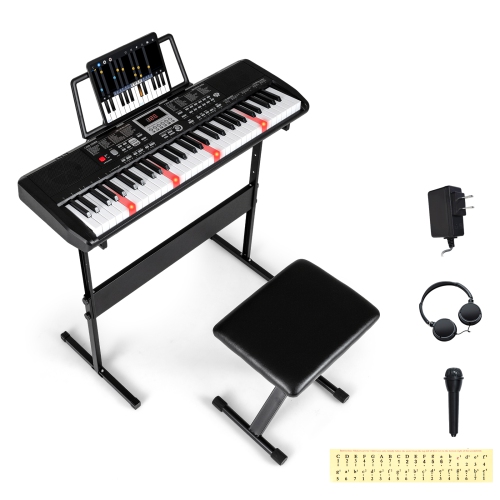
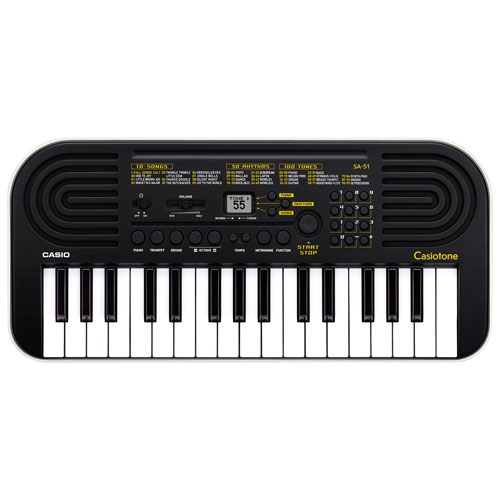
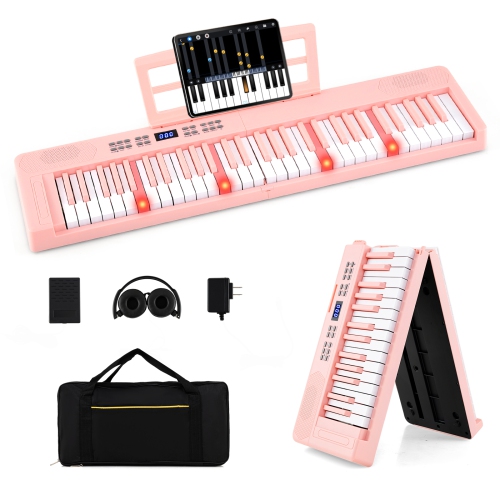
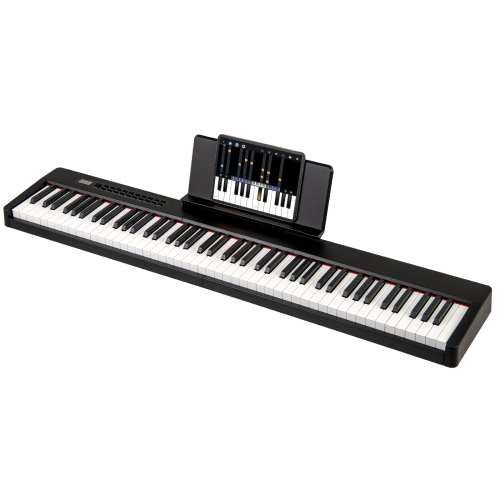
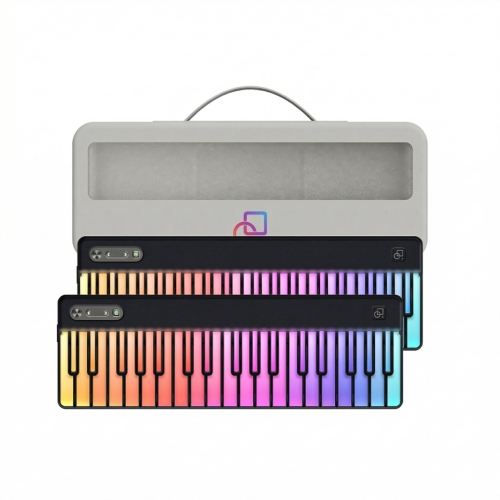
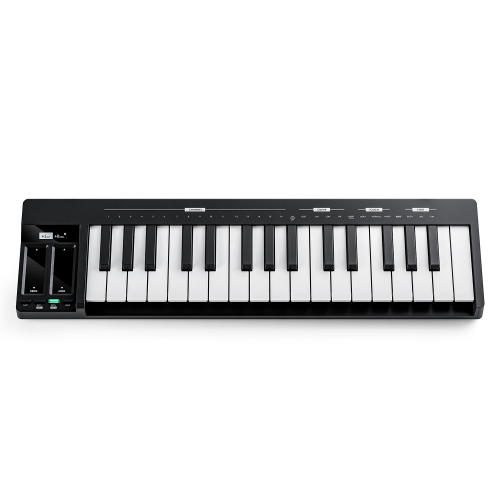
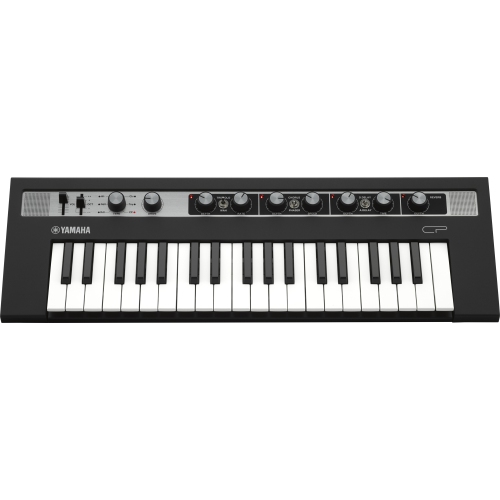
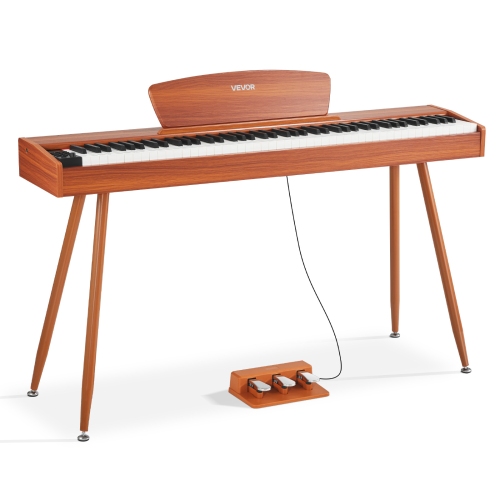
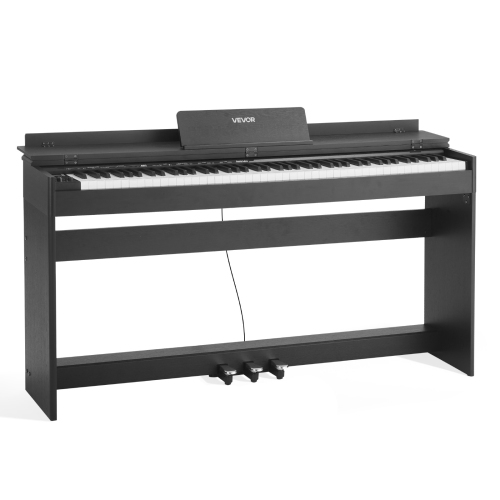
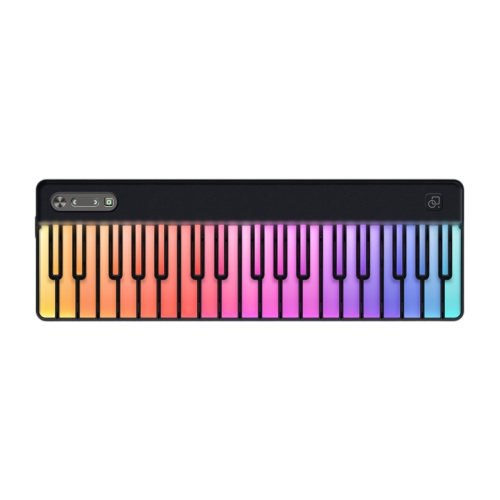
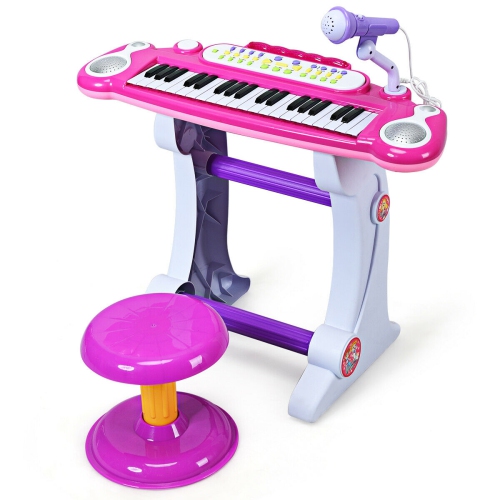
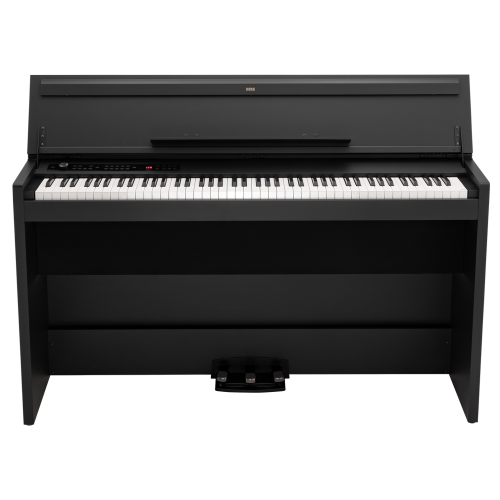
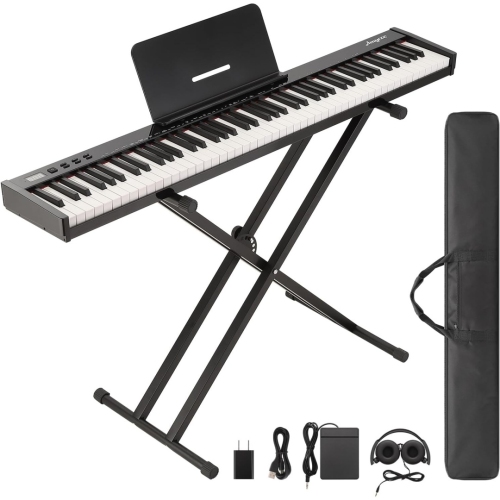
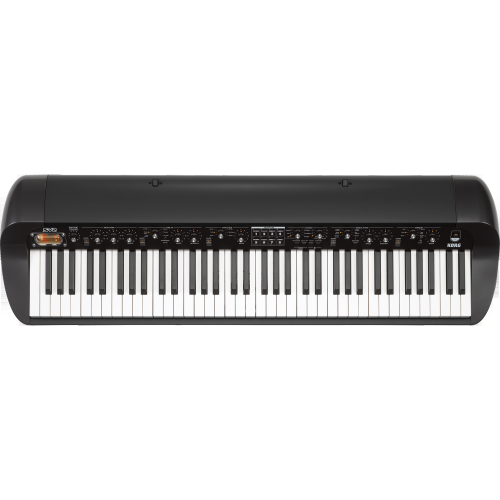
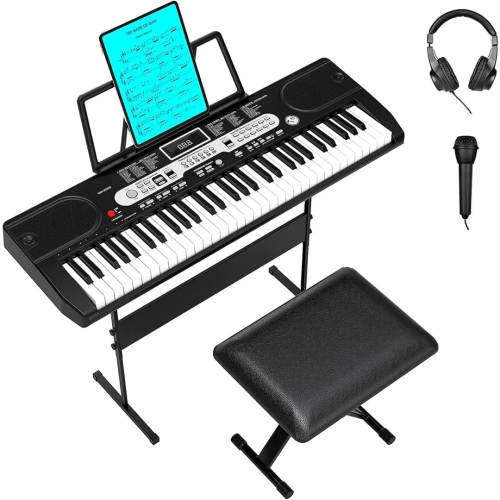
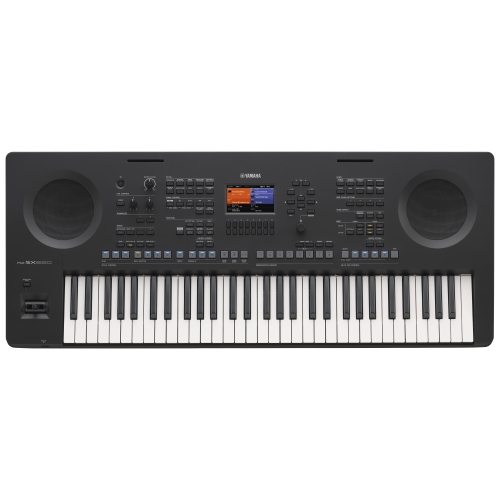
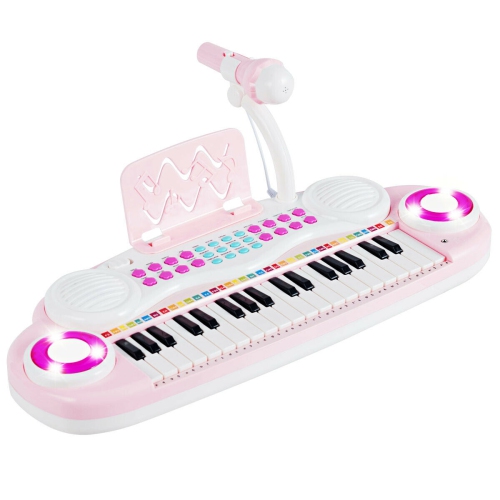
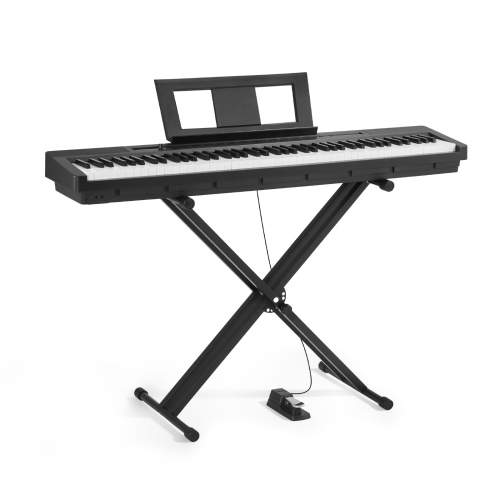
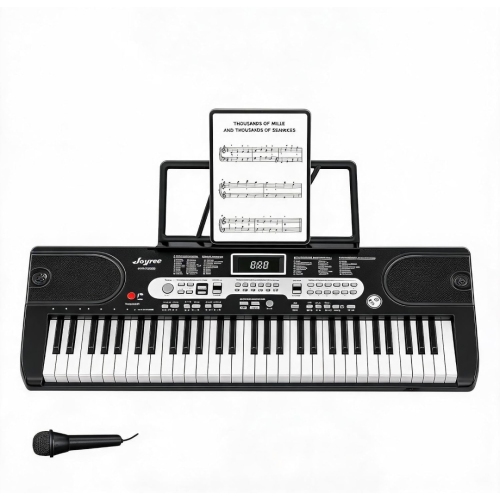
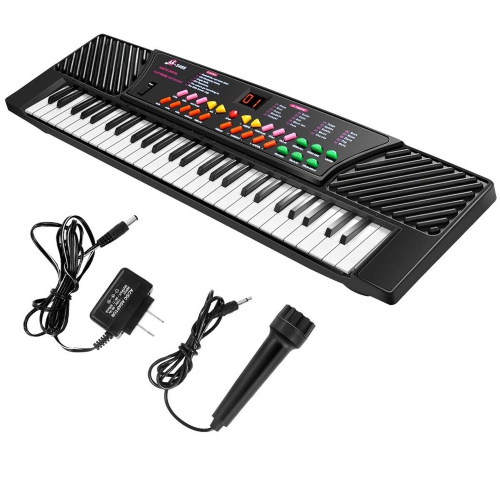
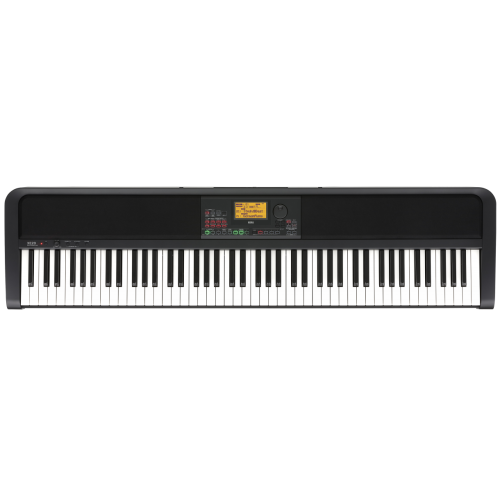
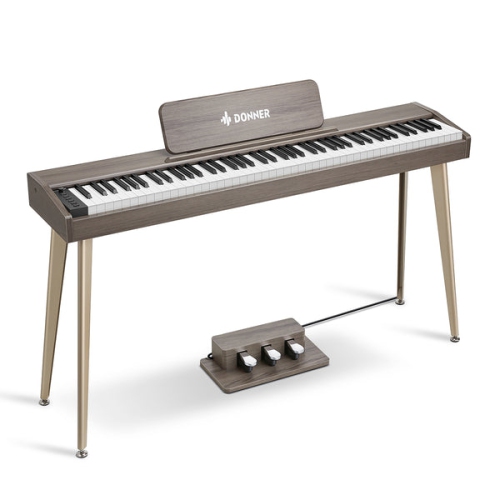
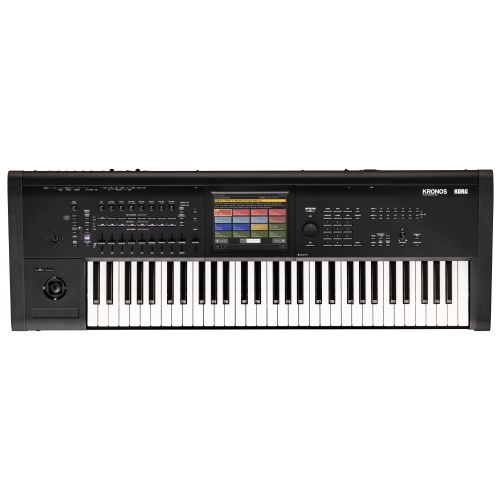
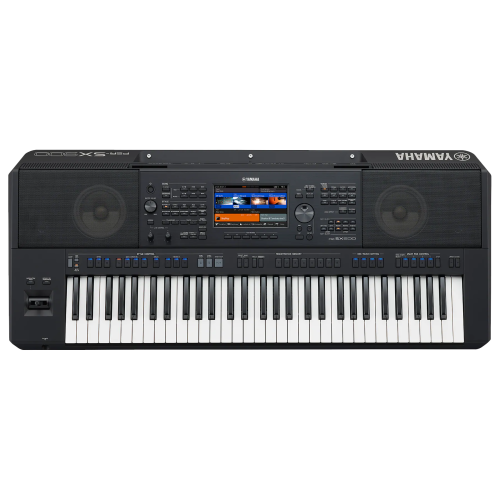
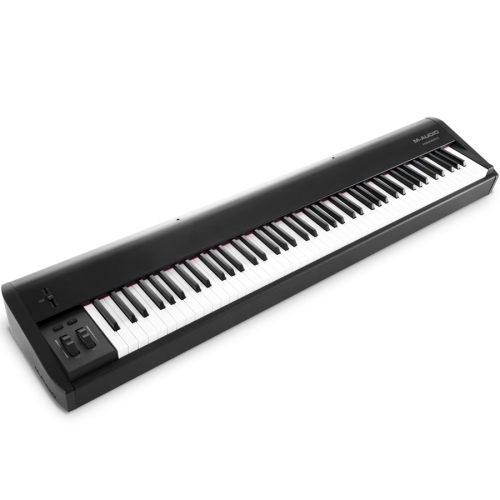
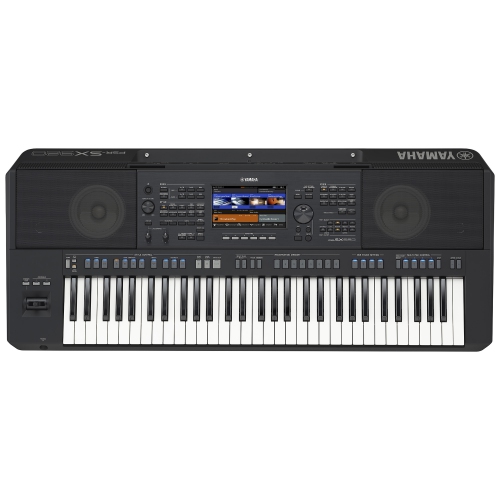
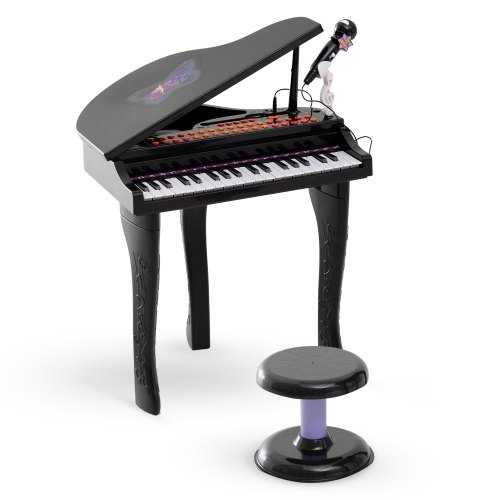
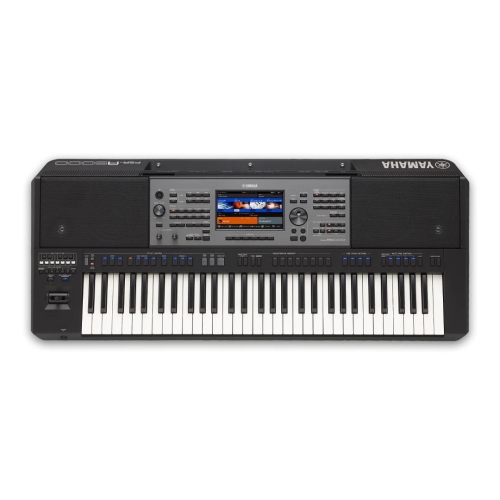
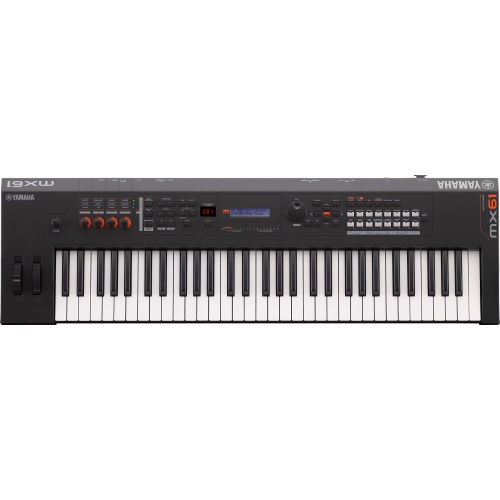
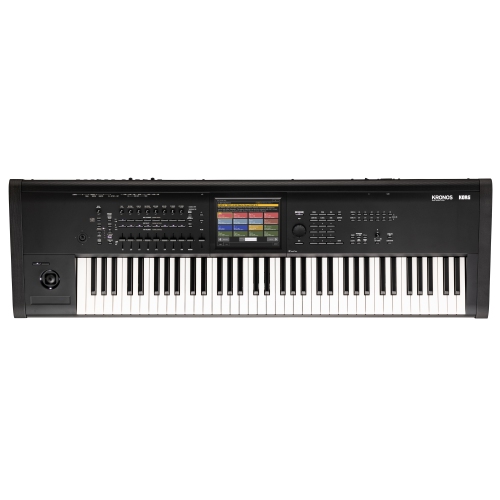
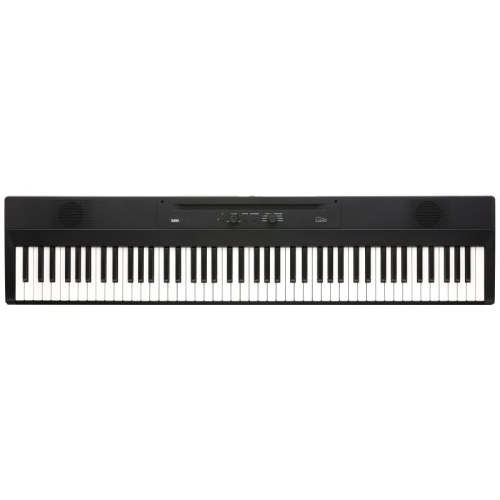
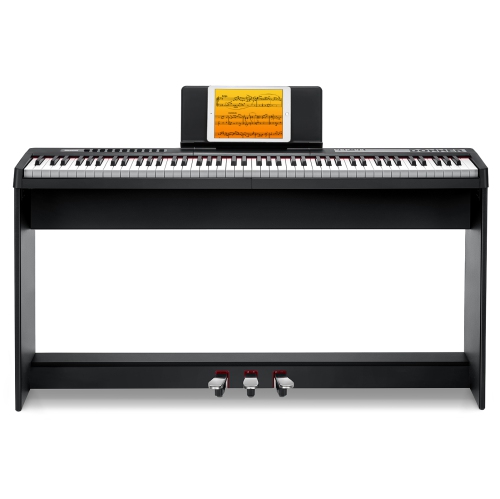
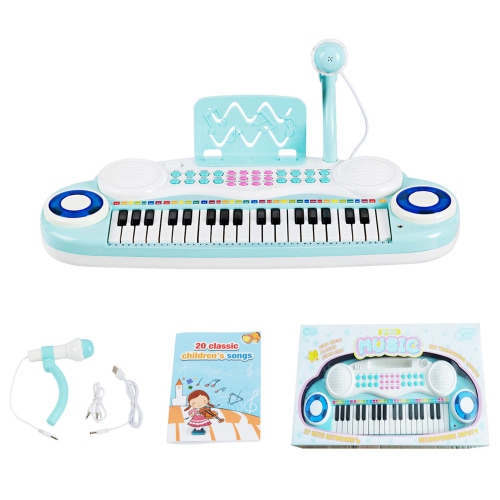
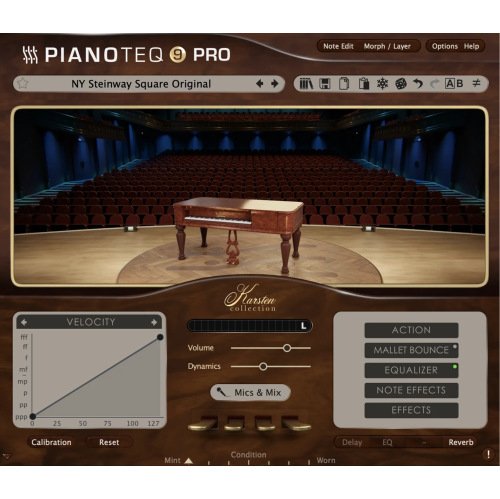
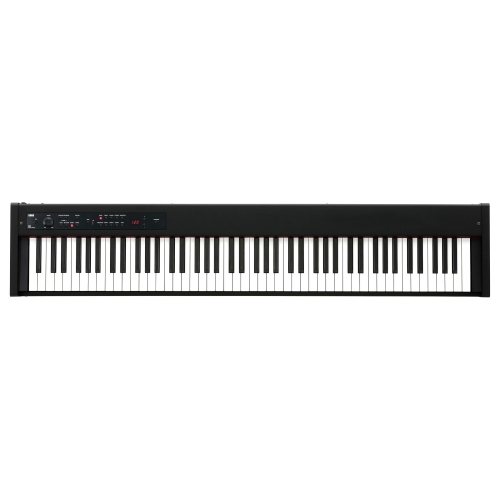
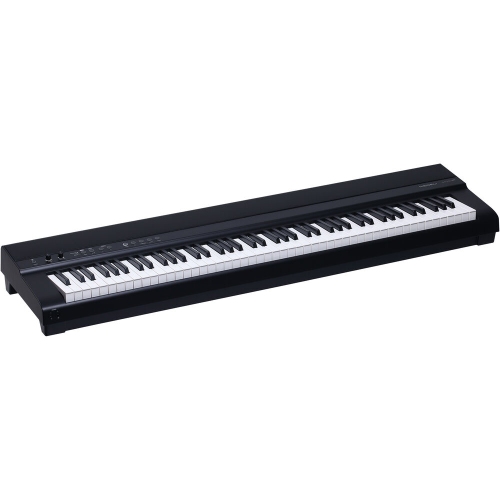
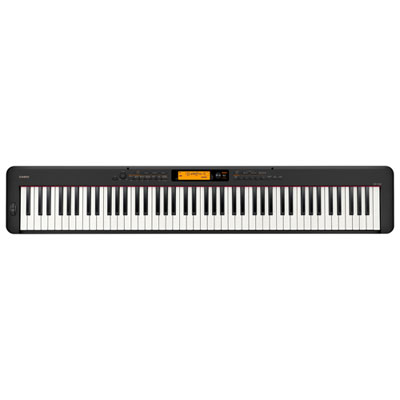
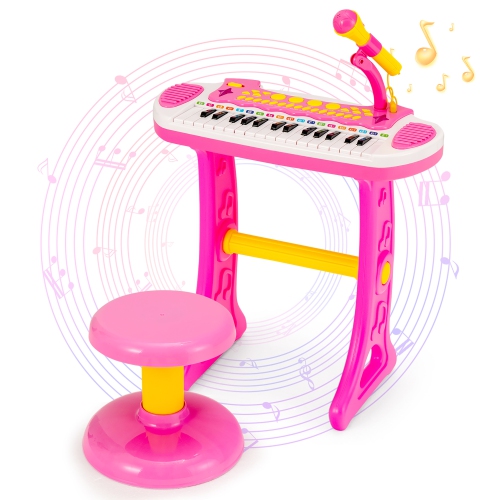
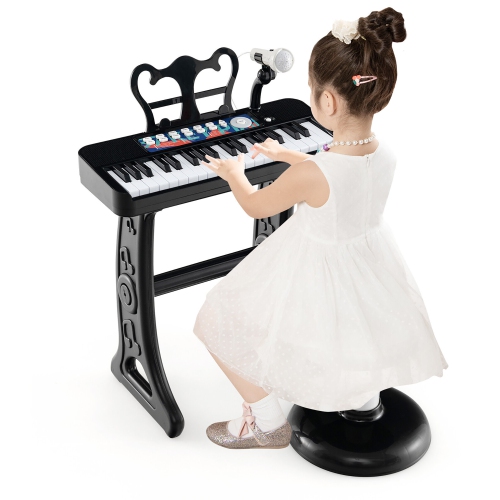
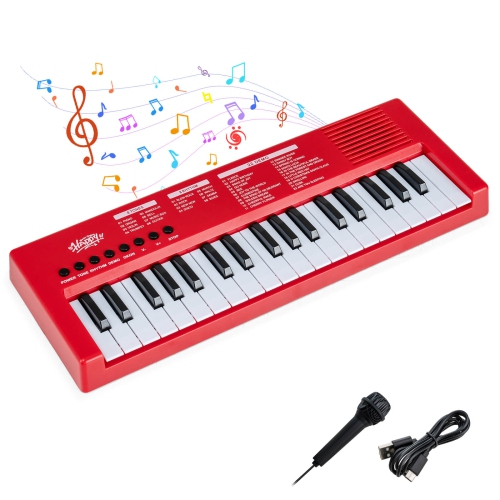
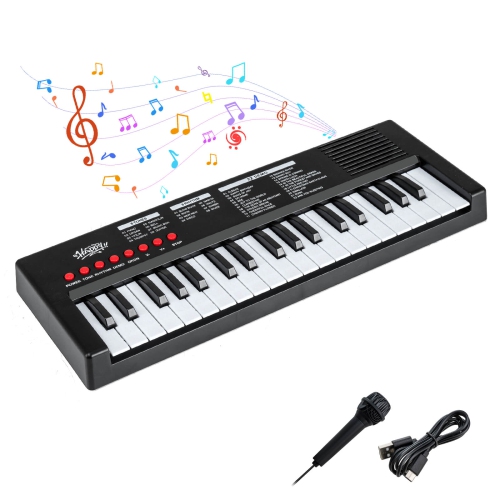
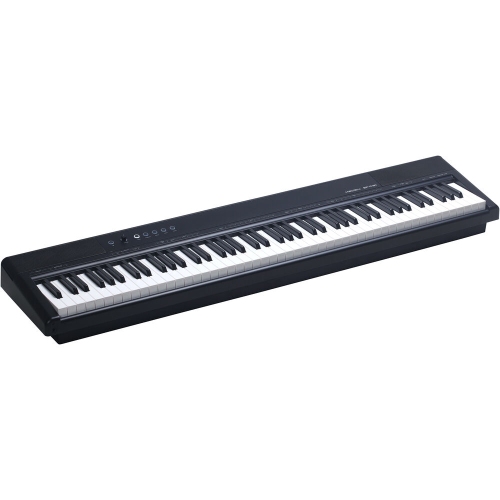
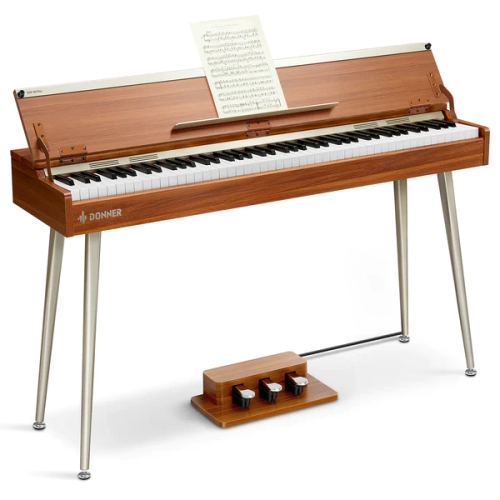
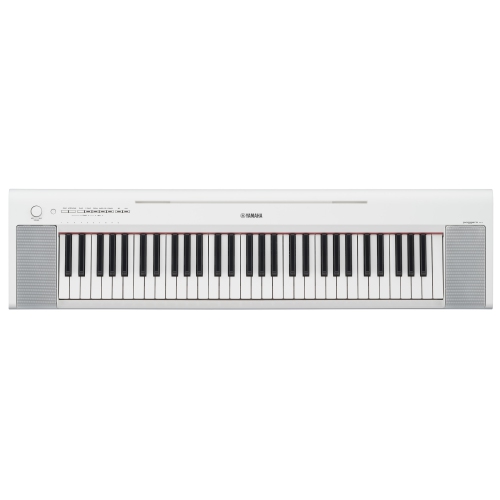
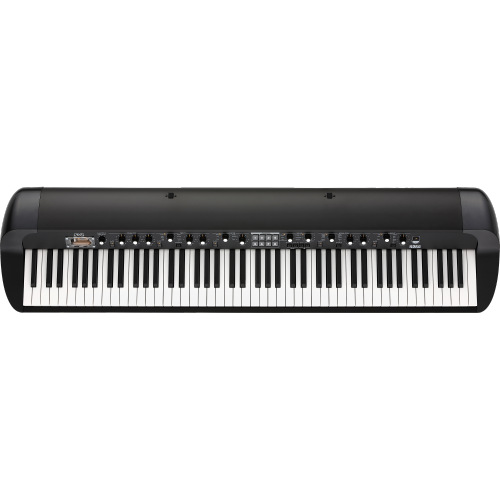
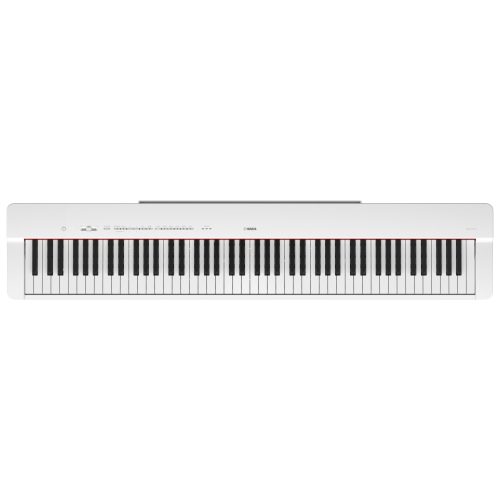
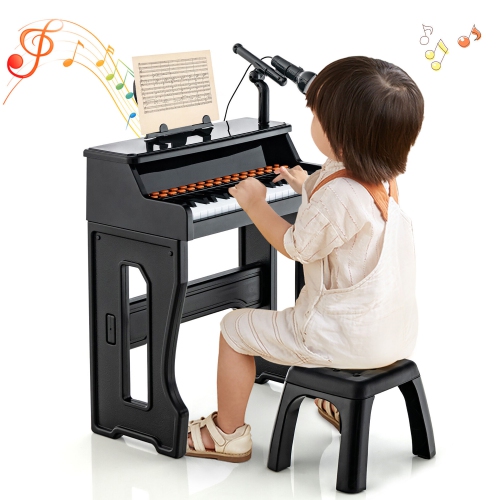
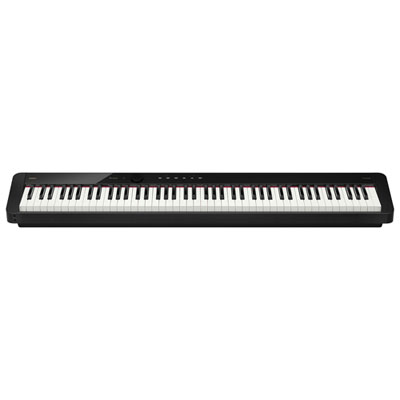
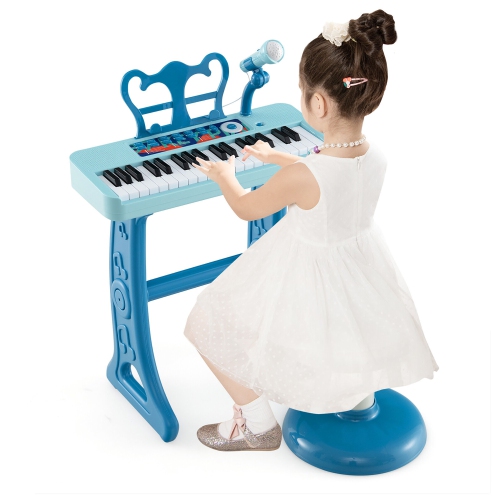
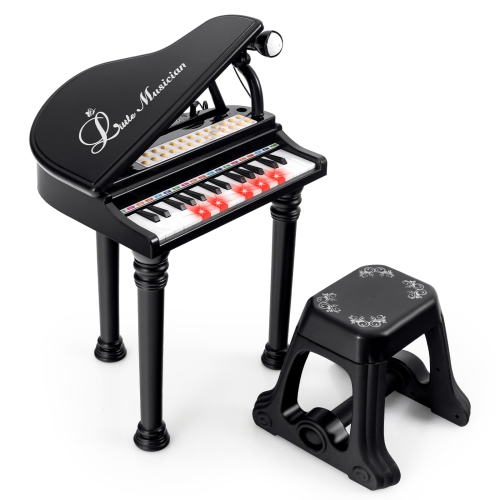
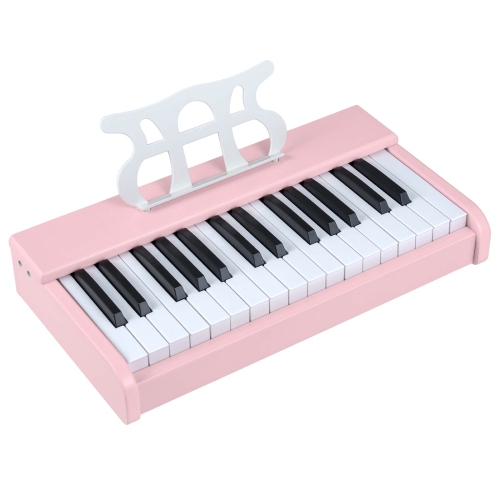
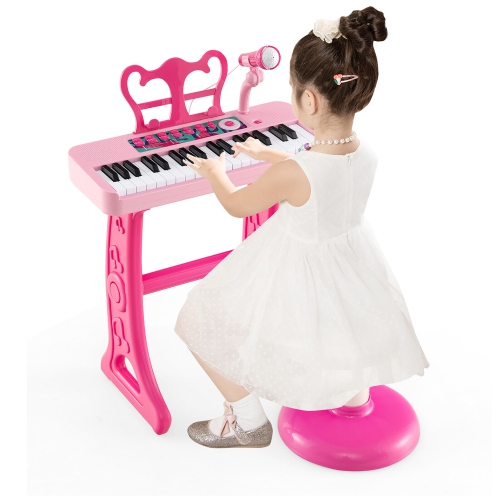
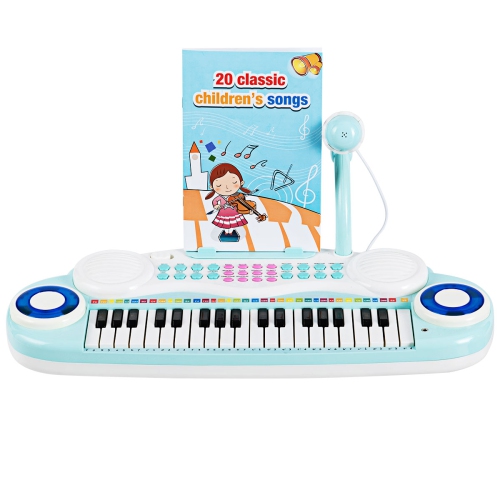
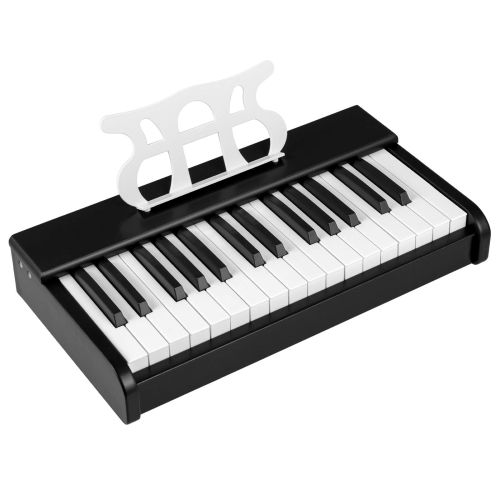
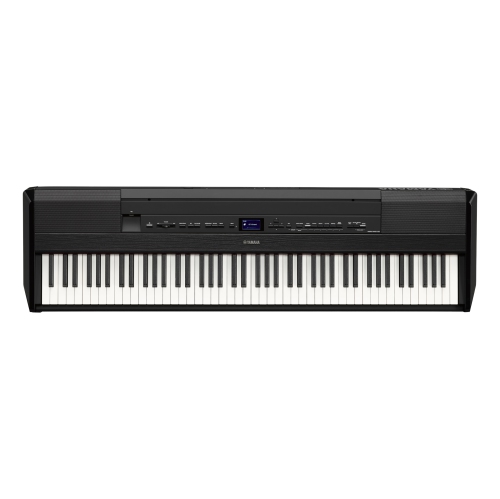
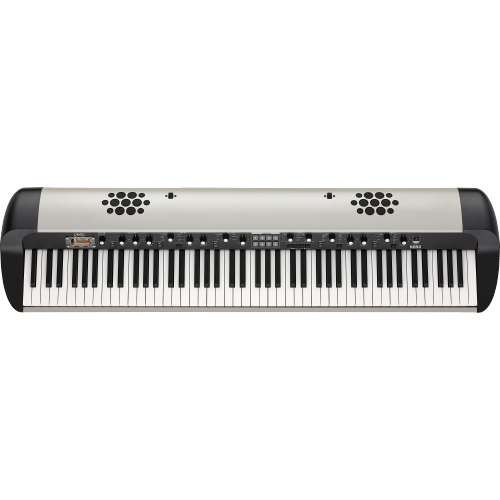
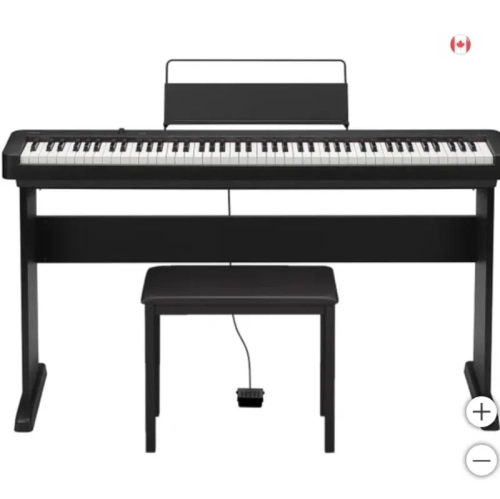
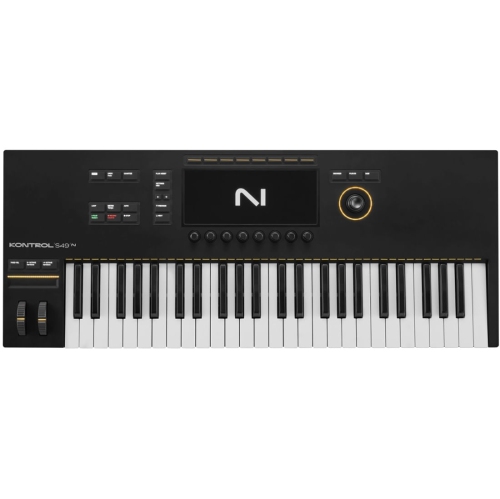
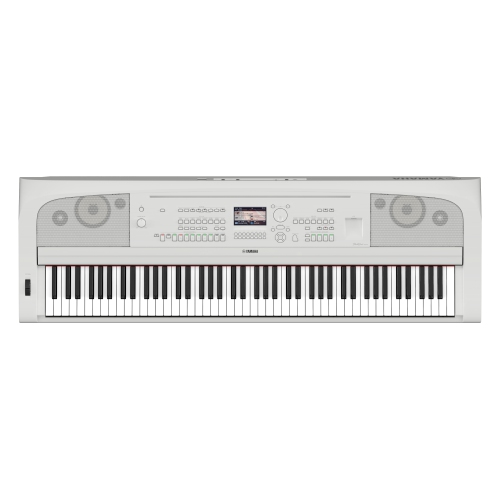
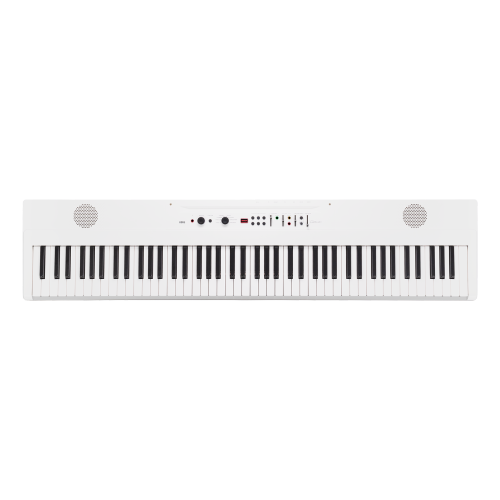
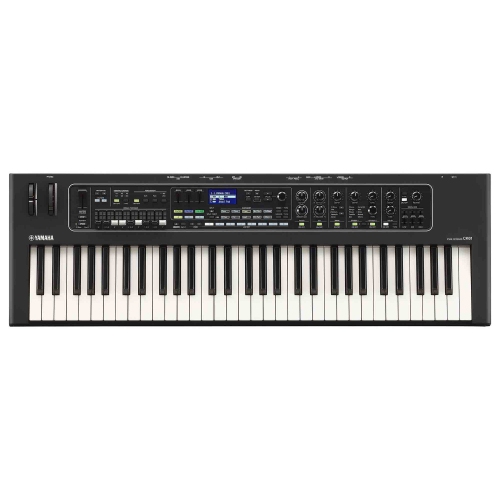
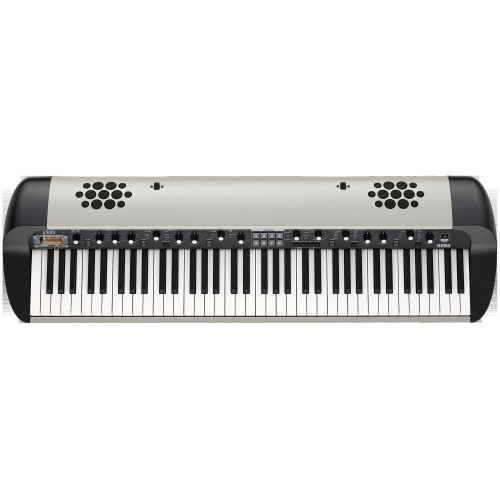
Keyboard instruments bring together centuries of musical design, from the expressive mechanics of an acoustic piano to the versatile sound creation of modern electronic keyboards. At its simplest, a keyboard instrument is played by pressing a row of keys or buttons, but the way each instrument produces sound can be remarkably different. In an acoustic piano, pressing a key moves a felt-covered wooden hammer that strikes a tuned steel string, creating a resonant tone that responds to playing speed, pressure, and release. A digital piano recreates much of that experience with sampled or digitally modelled piano sounds, often pairing them with weighted or semi-weighted keys that are designed to feel closer to an acoustic action. Organs produce sound in another way: traditional pipe organs force pressurized air through tuned pipes, while electronic organs and keyboards recreate organ tones through digital technology. A harpsichord plucks its strings with a small plectrum when a key is pressed, giving it a bright, precise character, while a clavichord uses small metal tangents to gently strike strings for a quieter, more intimate sound. Electronic keyboards and synthesizers generate or manipulate audio signals, allowing players to explore piano, organ, string, brass, percussion, atmospheric, and entirely electronic tones from one instrument. MIDI controllers are related but work differently again: they send digital performance information, such as the notes played, their timing, and how strongly keys are pressed, to compatible software or external sound modules rather than producing sound on their own. Understanding these mechanical and electronic differences makes it easier to choose an instrument that suits a player’s musical goals, available space, and preferred way of learning or performing.
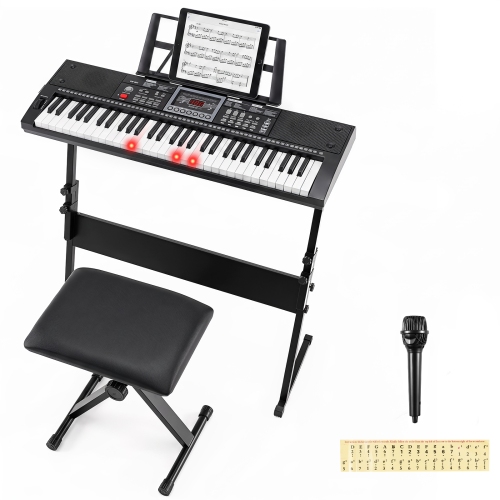
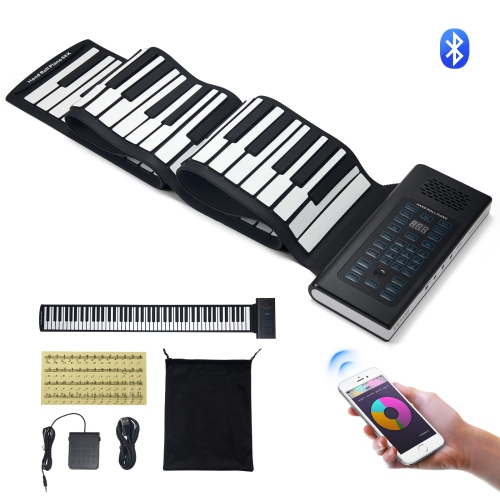
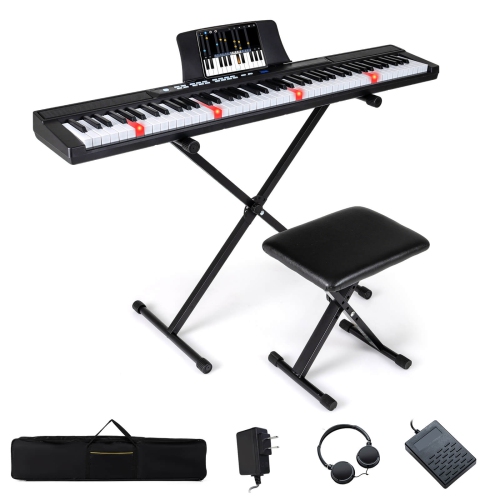
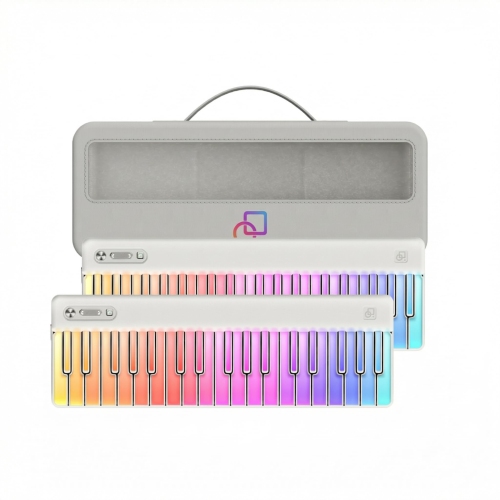
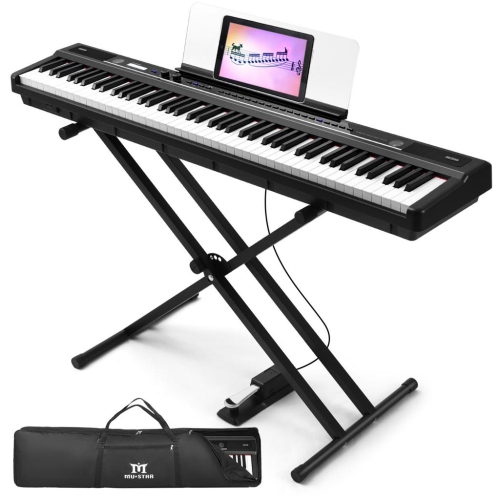
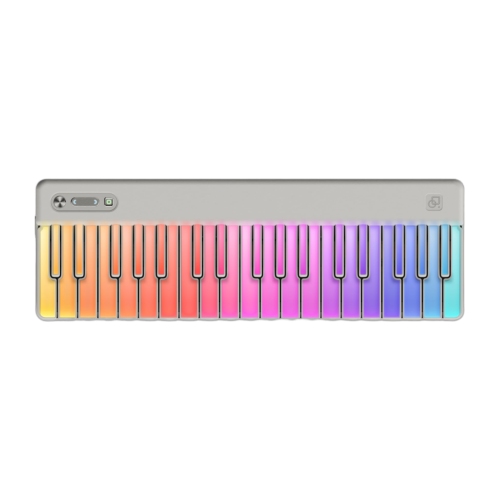
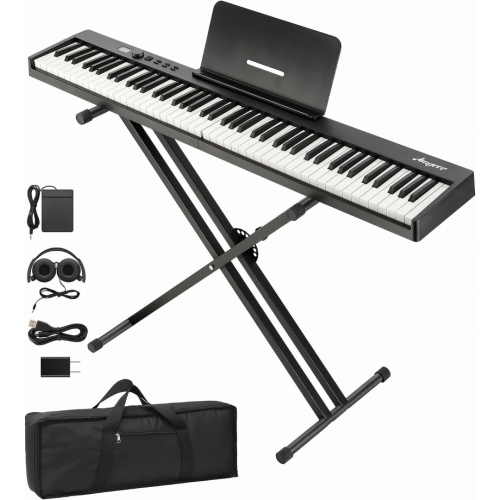
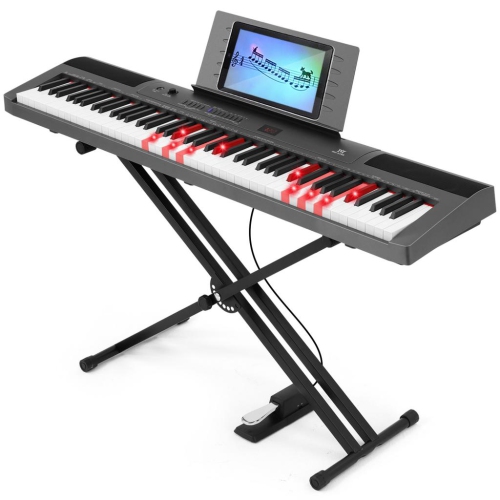
When choosing among keyboard instruments, start with the experience you want at the keys. Beginners often appreciate a straightforward layout, built-in speakers, clear controls, and learning features such as lesson modes, metronomes, recording functions, accompaniment rhythms, or illuminated guidance. Someone developing classical technique may prefer a digital piano with full-size keys, touch sensitivity, and a weighted action that supports controlled dynamics and familiar fingering habits. Players interested in songwriting, beat-making, or electronic music may place greater value on a wide selection of voices, modulation controls, programmable effects, arpeggiators, drum patterns, and connections for a computer or other audio equipment. Explore the difference between Electric Keyboard Synthesizers and simpler portable keyboards before making a decision, since synthesizers are particularly suited to shaping sounds rather than only selecting preset tones. A MIDI controller can be an excellent choice for a home studio when the player already uses music software and wants a responsive way to play virtual instruments, but it may not include built-in speakers or sounds. Portability also matters: a lightweight keyboard can be moved between rooms, taken to rehearsals, or stored away when a shared space needs to serve another purpose, while a larger instrument with a stand and pedal setup may provide a more permanent playing station. Check the key count, key size, touch response, polyphony, speaker output, headphone connection, pedal compatibility, and available input or output connections. Headphone support is useful for quiet practice during the cooler months, while built-in speakers make casual playing easy when friends or family gather. Consider the height of the stand and the player’s seating position as well; comfortable posture helps prevent the shoulders and wrists from tightening during longer sessions.
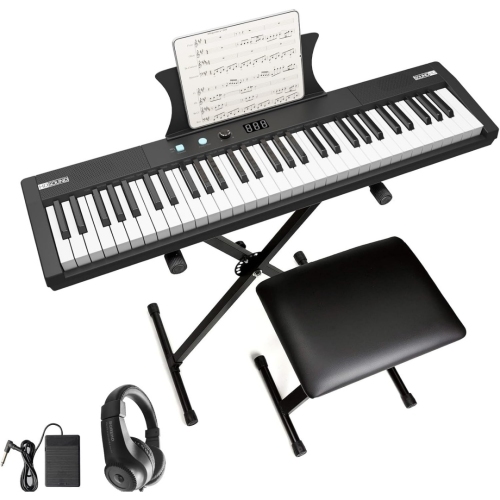
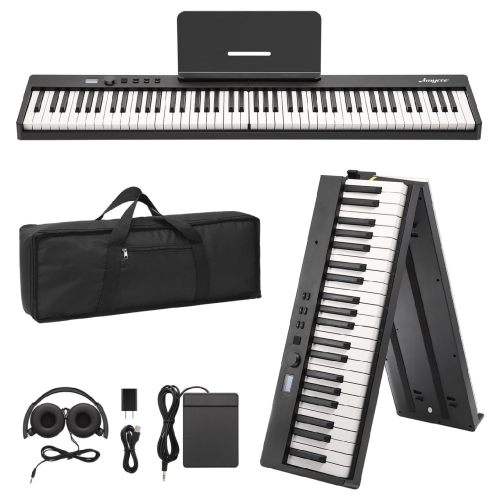
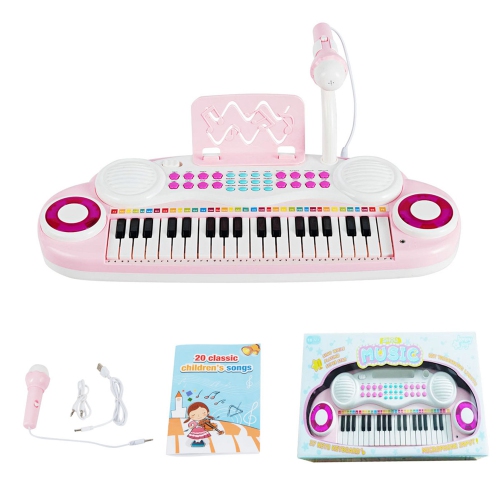
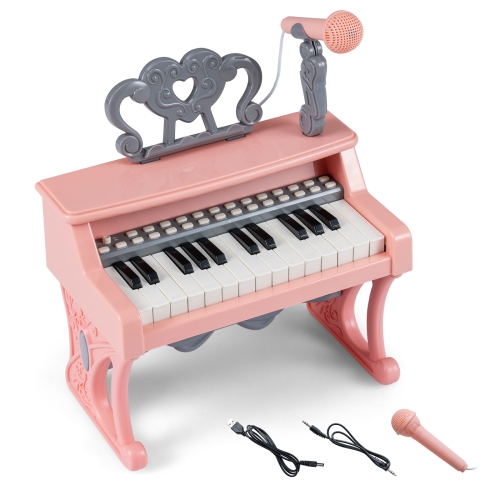
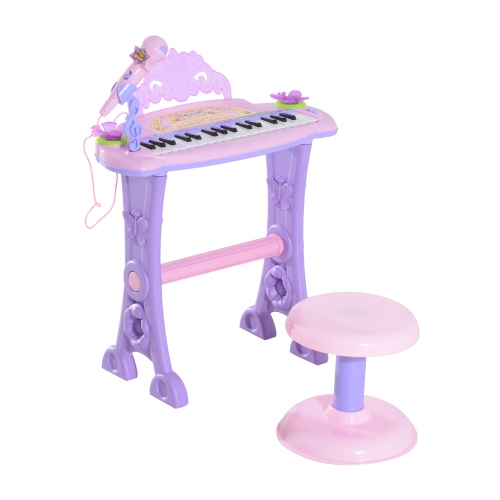
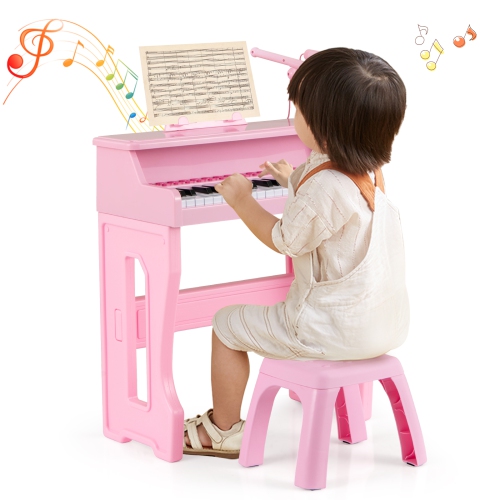
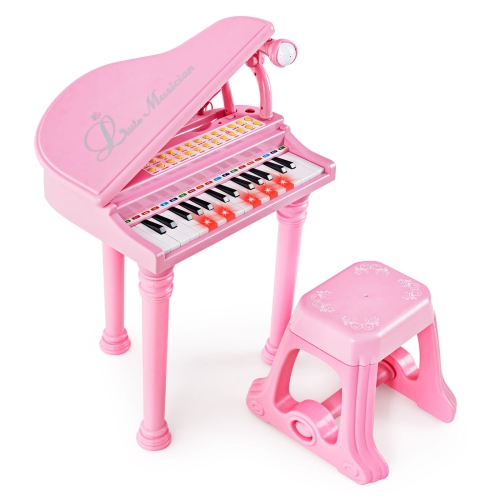
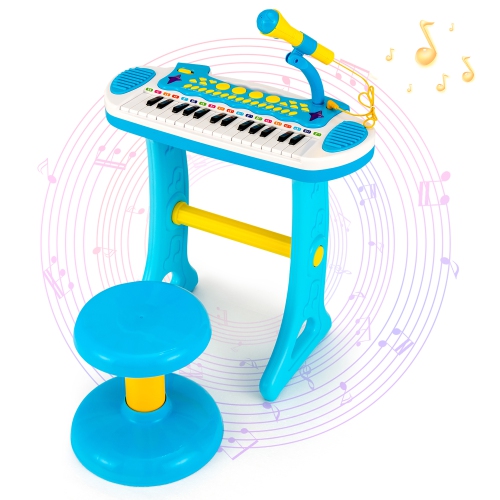
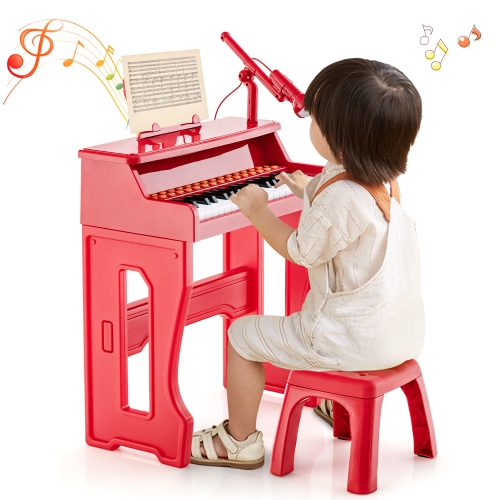
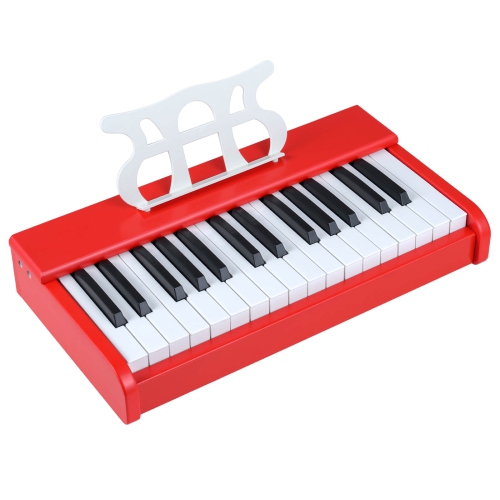
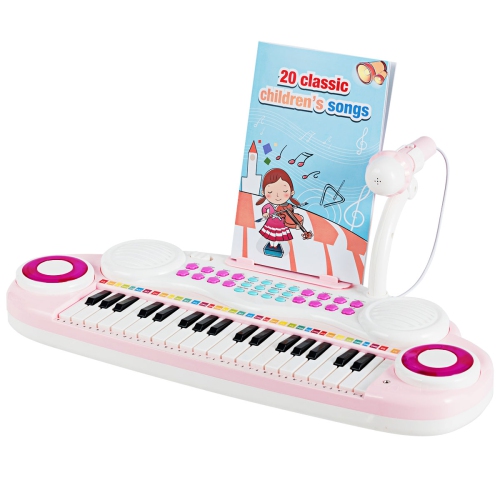
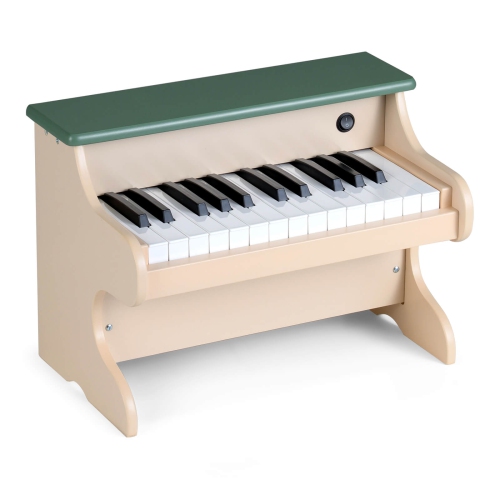
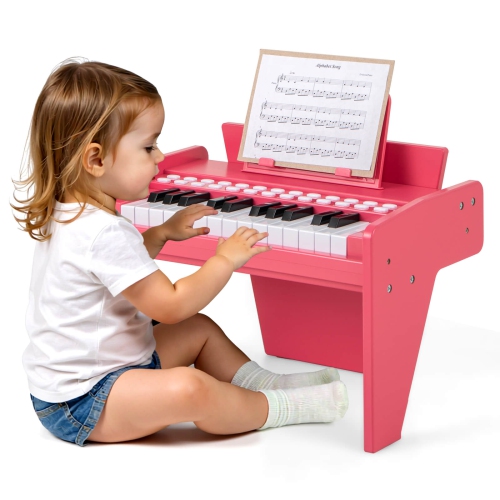
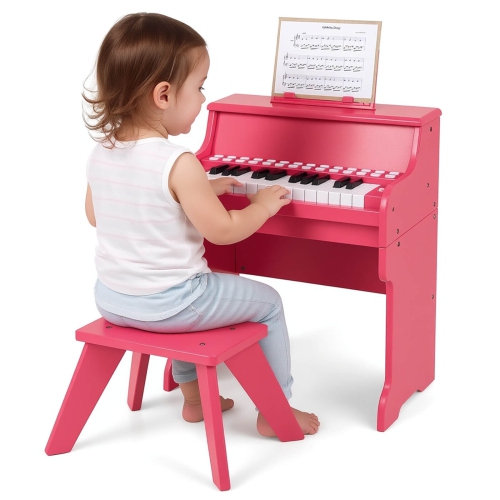
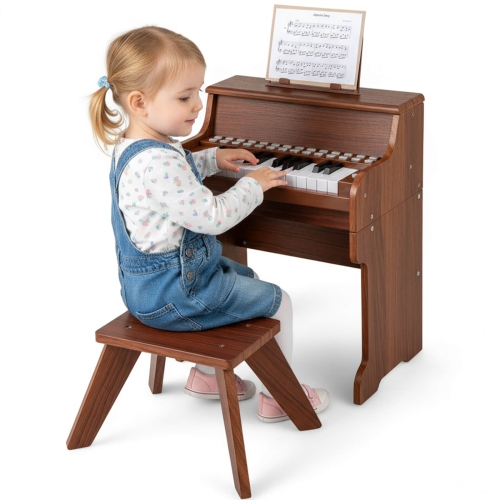
Keyboard instruments can become meaningful gifts for children discovering music, teens exploring songwriting, adults returning to lessons, and experienced players expanding a home setup. For a young beginner, look for an approachable instrument that leaves room to grow without making the first practice session feel complicated. A compact keyboard can fit neatly in a bedroom, study, or family room and may encourage short, regular practice sessions—the kind that gradually turn a few simple notes into a familiar melody. For a student taking piano lessons, a digital piano can offer a practical alternative when space, volume, or household schedules make an acoustic instrument difficult to accommodate. Headphones let a learner repeat scales or work through a tricky passage without filling the home with the same four measures, while recording features can make progress easier to hear over time. More experienced musicians may use a keyboard instrument for composing, arranging, accompanying singers, rehearsing with headphones, or layering bass, pads, leads, and percussion into a complete idea. During late summer, a portable model can follow a player to a cottage, rehearsal room, or informal gathering; as the weather cools, it can become a creative focus for evenings spent indoors. Before giving one as a gift, consider the recipient’s space, musical background, preferred styles, and whether they need an all-in-one instrument or a controller for existing equipment. Accessories such as a suitable stand, bench, sustain pedal, headphones, protective cover, or music rest can also make the instrument more comfortable and ready to play. Whether the goal is to learn a first melody, practise technique, recreate classic keyboard sounds, or experiment with entirely new textures, the right keyboard instrument offers an inviting way to make music at home, in a studio, or wherever inspiration takes shape.
When choosing among keyboard instruments, start with the experience you want at the keys. Beginners often appreciate a straightforward layout, built-in speakers, clear controls, and learning features such as lesson modes, metronomes, recording functions, accompaniment rhythms, or illuminated guidance. Someone developing classical technique may prefer a digital piano with full-size keys, touch sensitivity, and a weighted action that supports controlled dynamics and familiar fingering habits. Players interested in songwriting, beat-making, or electronic music may place greater value on a wide selection of voices, modulation controls, programmable effects, arpeggiators, drum patterns, and connections for a computer or other audio equipment. Explore the difference between Electric Keyboard Synthesizers and simpler portable keyboards before making a decision, since synthesizers are particularly suited to shaping sounds rather than only selecting preset tones. A MIDI controller can be an excellent choice for a home studio when the player already uses music software and wants a responsive way to play virtual instruments, but it may not include built-in speakers or sounds. Portability also matters: a lightweight keyboard can be moved between rooms, taken to rehearsals, or stored away when a shared space needs to serve another purpose, while a larger instrument with a stand and pedal setup may provide a more permanent playing station. Check the key count, key size, touch response, polyphony, speaker output, headphone connection, pedal compatibility, and available input or output connections. Headphone support is useful for quiet practice during the cooler months, while built-in speakers make casual playing easy when friends or family gather. Consider the height of the stand and the player’s seating position as well; comfortable posture helps prevent the shoulders and wrists from tightening during longer sessions.
Keyboard instruments can become meaningful gifts for children discovering music, teens exploring songwriting, adults returning to lessons, and experienced players expanding a home setup. For a young beginner, look for an approachable instrument that leaves room to grow without making the first practice session feel complicated. A compact keyboard can fit neatly in a bedroom, study, or family room and may encourage short, regular practice sessions—the kind that gradually turn a few simple notes into a familiar melody. For a student taking piano lessons, a digital piano can offer a practical alternative when space, volume, or household schedules make an acoustic instrument difficult to accommodate. Headphones let a learner repeat scales or work through a tricky passage without filling the home with the same four measures, while recording features can make progress easier to hear over time. More experienced musicians may use a keyboard instrument for composing, arranging, accompanying singers, rehearsing with headphones, or layering bass, pads, leads, and percussion into a complete idea. During late summer, a portable model can follow a player to a cottage, rehearsal room, or informal gathering; as the weather cools, it can become a creative focus for evenings spent indoors. Before giving one as a gift, consider the recipient’s space, musical background, preferred styles, and whether they need an all-in-one instrument or a controller for existing equipment. Accessories such as a suitable stand, bench, sustain pedal, headphones, protective cover, or music rest can also make the instrument more comfortable and ready to play. Whether the goal is to learn a first melody, practise technique, recreate classic keyboard sounds, or experiment with entirely new textures, the right keyboard instrument offers an inviting way to make music at home, in a studio, or wherever inspiration takes shape.
Top selling and popular products
-
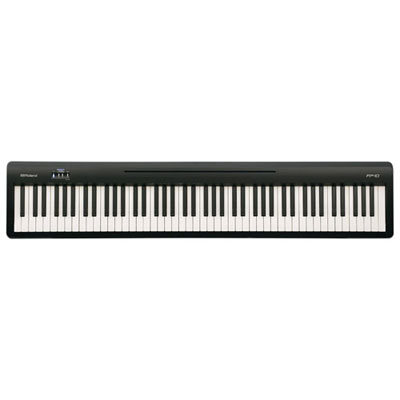 Your price for this item is $779.99
 -
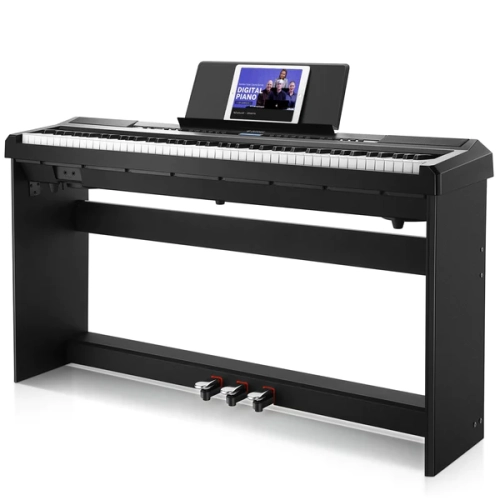 Your price for this item is $479.99
 -
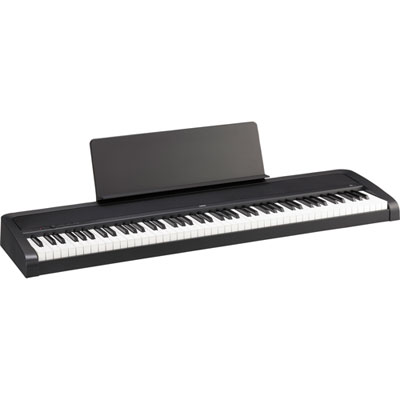 Your price for this item is $699.98
 -
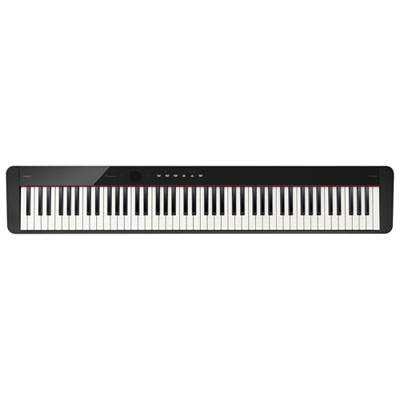 Your price for this item is $849.99
 -
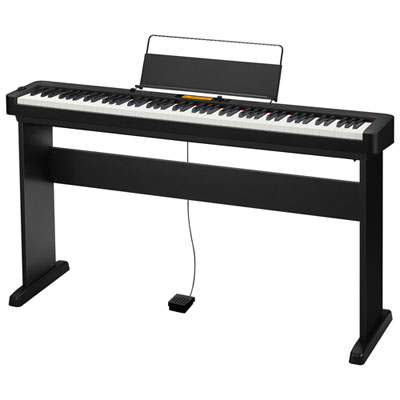 Your price for this item is $869.95
 -
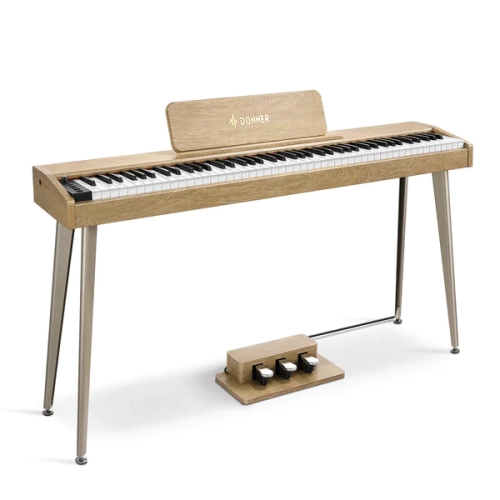 Your price for this item is $415.99
 -
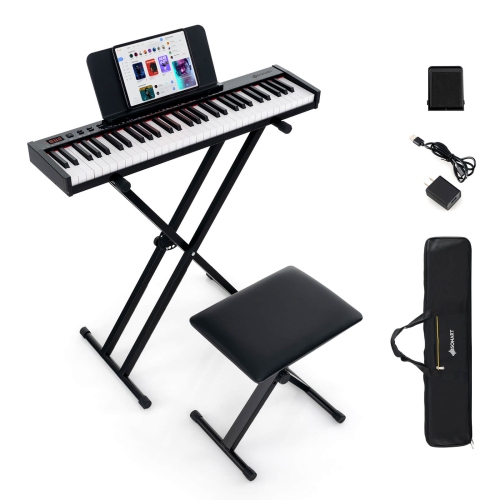 Your price for this item is $189.99
 -
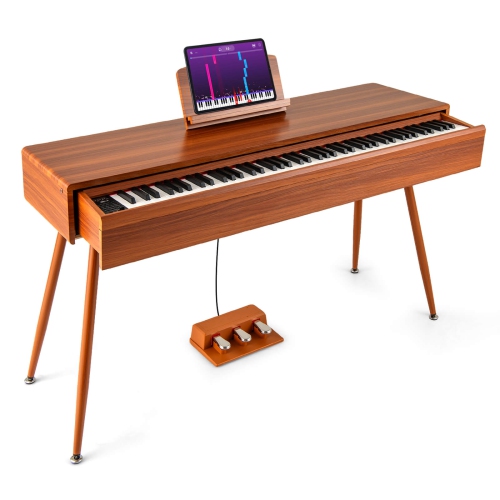 Your price for this item is $571.99
Discover more categories related to Keyboard Instruments
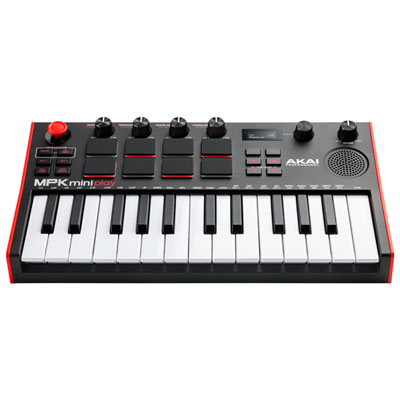
Top Collections:
Pokemon Centers, Kindle Devices, Best Budget Office Chairs, Canon G7X Cameras, Apple iPhones 16, Samsung Galaxy Phones, Refurbished Apple Laptops, Laptops for Students, iPhone 15 Apple, Budget Smartphones
Some products may be subject to Environmental Handling Fees
(EHF) depending on your province.
Learn more about EHFs.