Electric Keyboard Synthesizers
Elevate your music production and performance with an Electric Keyboard Synthesizer, the essential instrument for aspiring musicians and seasoned professionals alike. Whether you're creating intricate soundscapes in the studio or performing live on stage, these versatile keyboards offer endless creative possibilities. Explore a wide selection of Electric Keyboard Synthesizers designed to inspire your musical journey and help you achieve your unique sound. Find the perfect fit for your style and skill level to unlock new dimensions in music expression.
Sort
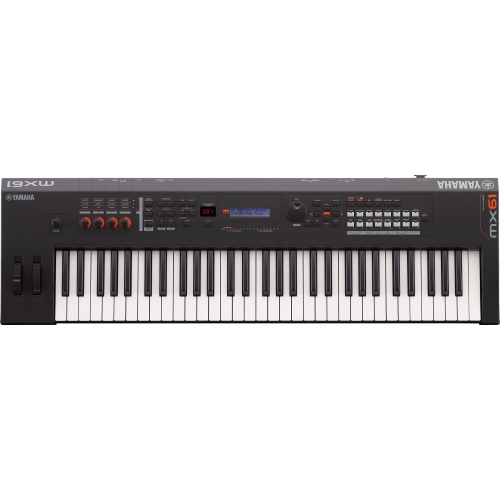

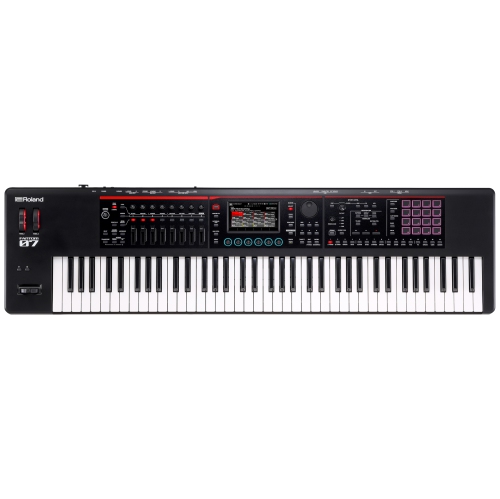
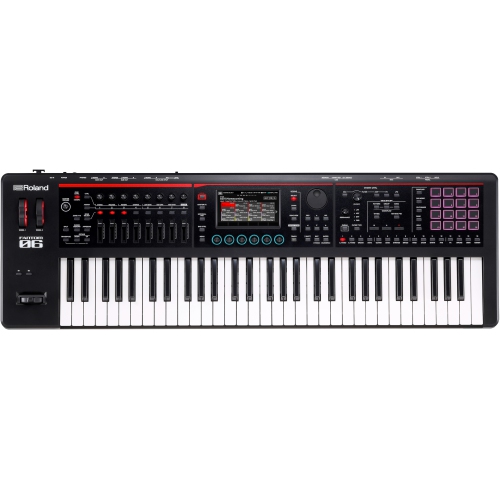
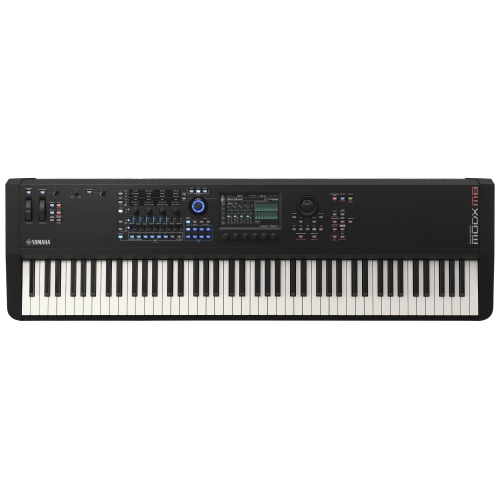
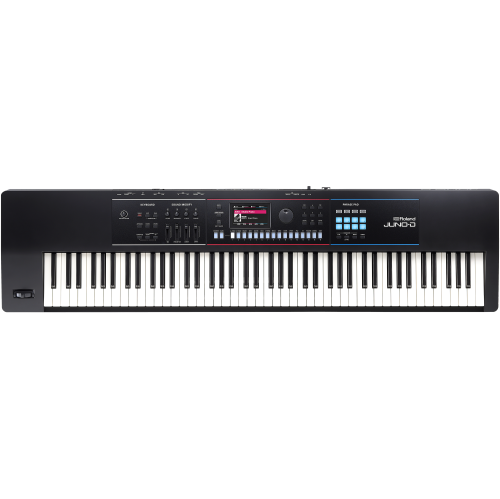
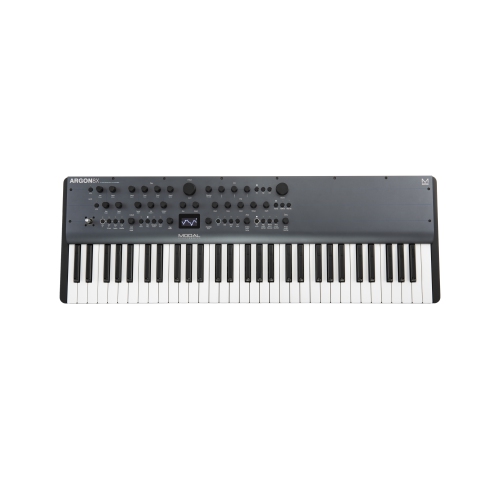

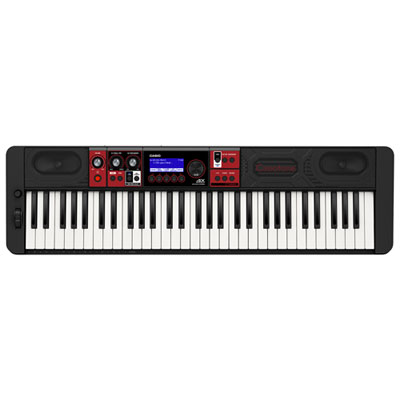
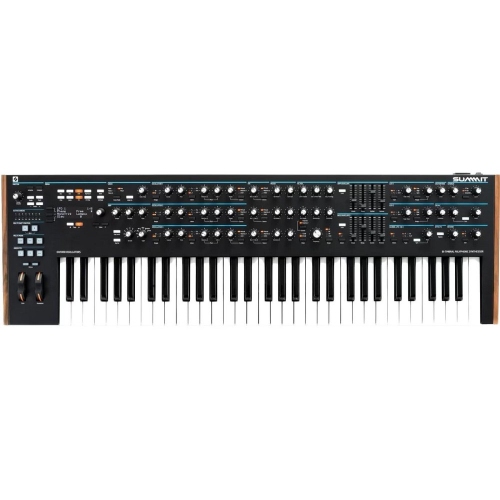
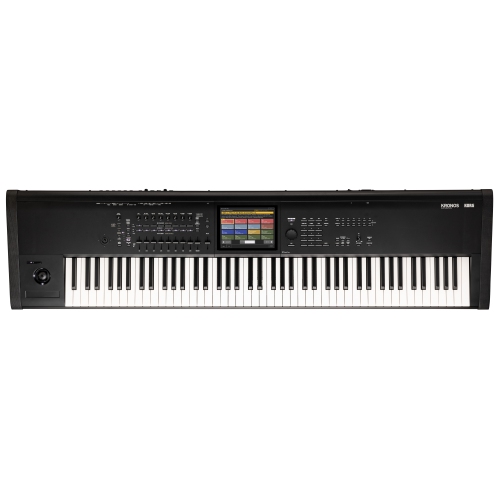
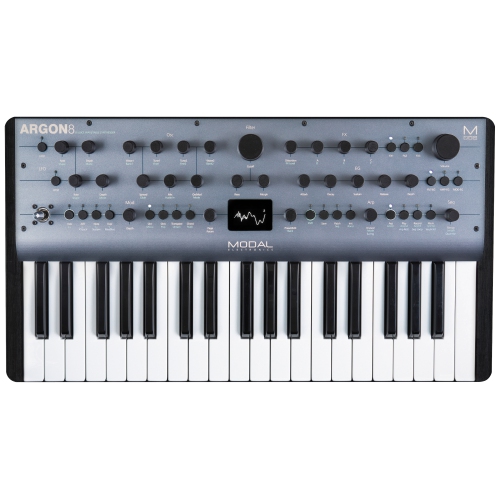
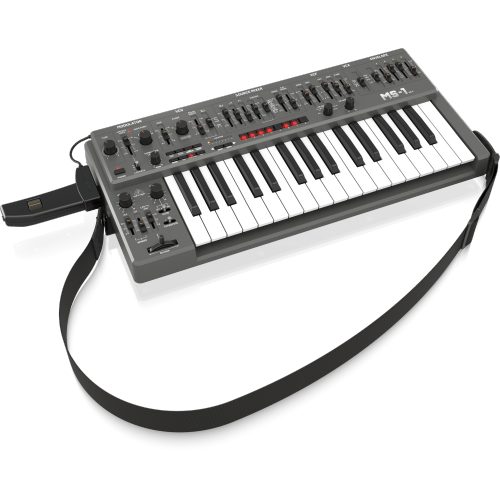
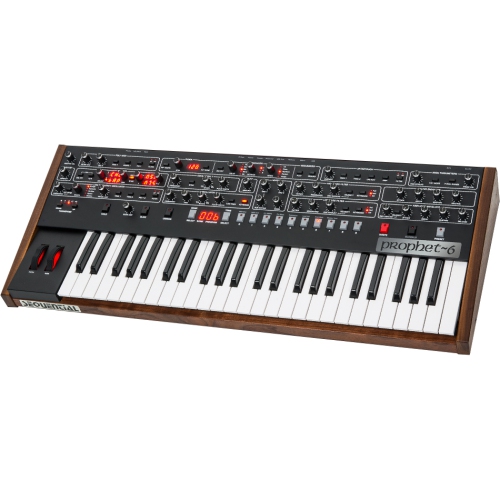
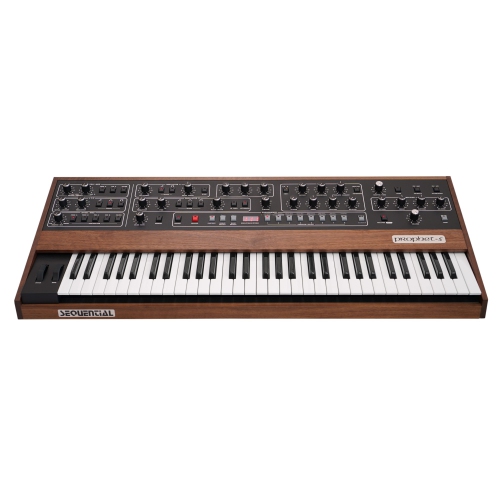
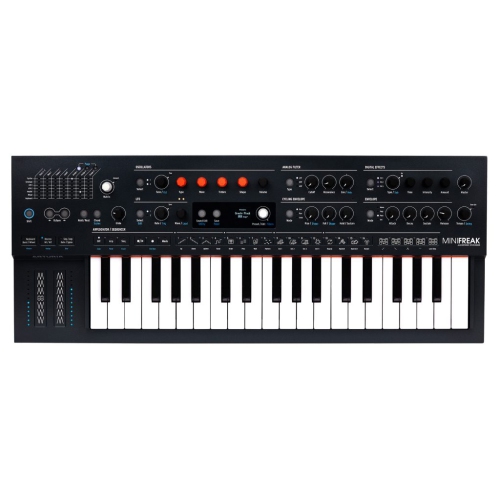
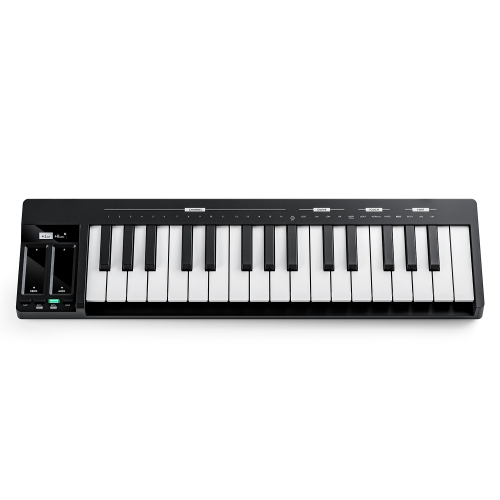
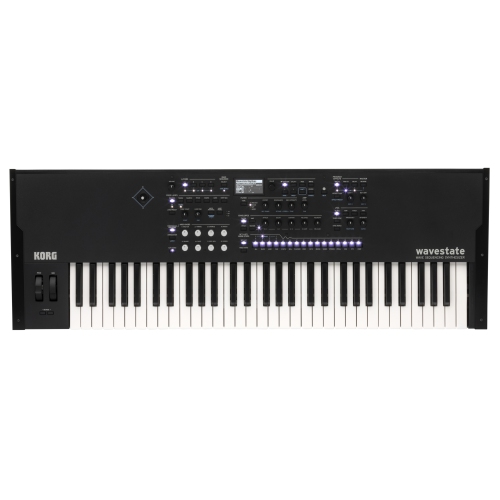
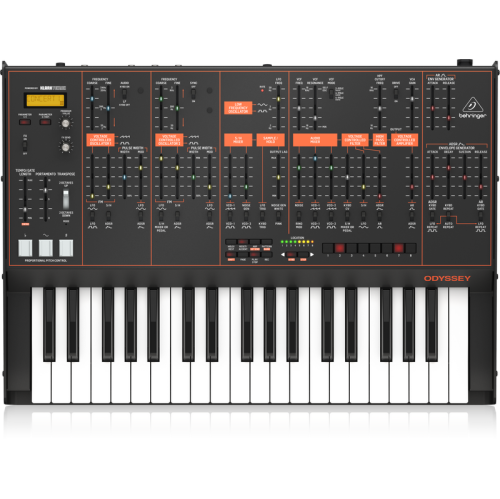
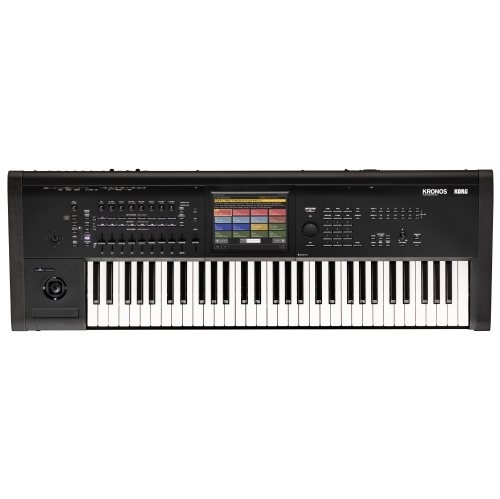
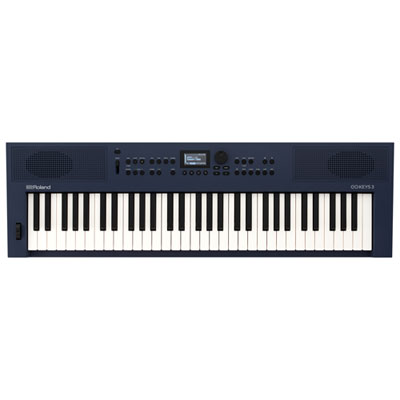
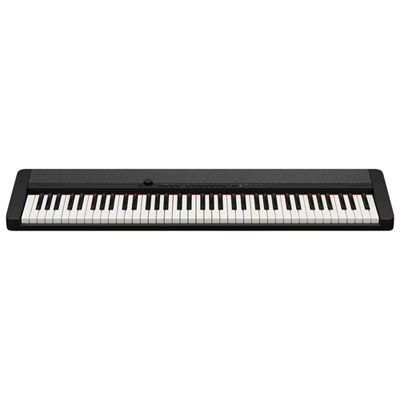
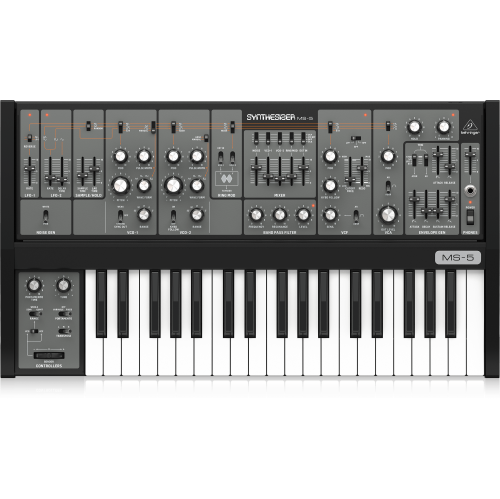
Where piano-style playing meets hands-on sound shaping
Electric keyboard synthesizers pair a piano-style keyboard with electronic sound generation, giving musicians a hands-on way to play and shape everything from rounded bass notes and bright leads to spacious chords and shifting textures. Unlike a keyboard focused mainly on reproducing familiar instrument sounds, a synthesizer typically offers controls for changing how a sound begins, develops, and fades. Oscillators generate the initial tone, filters alter its frequency content, and envelopes control changes over time, such as the sharp attack of a plucked note or the slow swell of a string-like passage. Not every synthesizer uses the same approach: analogue instruments build sounds with electronic circuitry, while digital instruments may use sampled audio, frequency modulation, wavetable synthesis, or other methods. Hybrid designs combine analogue and digital elements. Each approach has its own character, and the depth of editing varies considerably between instruments. A keyboard synthesizer can serve as a songwriting instrument, a live performance tool, or a source of distinctive sounds for home recording. A player might hold a soft chord beneath a vocal, add a punchy bass line to a drum pattern, or turn a simple melody into a shimmering passage with delay and reverb. Monophonic synthesizers play one note at a time and are well suited to focused bass and lead parts. Polyphonic synthesizers can play multiple notes together, making them useful for chords, layered harmonies, and piano-style passages, although voice limits vary by design. Some instruments also allow different sounds to be assigned across the keyboard or played together in layers. The wider family of Electronic Instrument Synthesizers includes formats beyond keyboards, while models with an integrated keybed bring the playing surface and sound controls into a single instrument. That arrangement suits musicians who want to move directly between performing a phrase and adjusting its tone, whether they are learning their first chord progression or developing an individual sound for a band.
The feel and size of an electric keyboard synthesizer affect how comfortably it fits both a musician’s playing style and the space around it. Compact keyboards leave room for a laptop, audio interface, and other equipment on a desk, while longer keybeds provide more room for two-handed passages and split-keyboard arrangements. Mini keys reduce the overall footprint but feel different from full-size keys, especially for players accustomed to an acoustic piano. Light synth-action keys respond easily to quick runs and repeated notes; semi-weighted actions provide more resistance, and fully weighted actions, when offered, favour a more piano-like touch. Velocity sensitivity allows playing strength to influence volume or tone when the sound supports it. Aftertouch, found on some instruments, responds to pressure applied after a key is pressed and can introduce vibrato, open a filter, or change another assigned parameter. Pitch and modulation wheels, touch strips, and pedal inputs offer additional expression without requiring the player to stop a phrase. These differences become noticeable in ordinary playing situations: a lead part may benefit from a light action and an accessible pitch wheel, while a songwriter working through chords may prefer full-size keys and sustain-pedal support. Knobs and sliders make frequent adjustments easier to reach, whereas menu-based controls can place many functions within a smaller panel. Clear labels, a readable display, and practical spacing matter during a rehearsal as much as at a desk. Physical construction also shapes everyday use. Moulded plastic housings can help keep an instrument manageable to carry, while metal panels and chassis can provide rigidity; neither material alone determines long-term durability. Firm connections, stable controls, and a well-supported keybed are important details for an instrument that moves between home and rehearsal. A correctly sized stand gives the keyboard a secure base, with enough depth and weight capacity to support it without wobbling. Playing height and legroom matter too, particularly during longer seated sessions, when relaxed shoulders and comfortably positioned wrists make it easier to concentrate on the music.
Connections, monitoring, and care are just as relevant as the sounds inside the instrument. Many dedicated hardware synthesizers do not have built-in speakers, so listening generally requires compatible headphones, powered speakers, a keyboard amplifier, or a connection to a mixer or audio interface. Headphone output and audio output types vary, and the right cables depend on the equipment being connected. USB does not automatically mean that an instrument sends audio to a computer: some USB connections carry MIDI only, while others support both MIDI and audio. MIDI communicates performance information such as notes and controller movements rather than the sound itself. A synthesizer with its own sound engine differs from a MIDI controller keyboard, which generally relies on a computer or another sound-generating device to produce audio. That distinction is especially important for a beginner expecting to plug in headphones and start playing without a separate setup. For recording, an audio interface can capture a synthesizer’s analogue outputs, while supported MIDI connections allow performances to be edited or used to control other instruments. Arpeggiators turn held notes into patterns, and built-in sequencers on some models can repeat musical phrases, leaving hands free to adjust sounds or play another part. Patch memory is useful when a player needs to save an edited sound and return to it later, though not every design includes it. At home, a keyboard synthesizer can support quiet evening practice through headphones; in rehearsal, dependable outputs and straightforward access to saved sounds help keep attention on the performance. As a gift, it can suit a pianist exploring electronic textures, a producer seeking hands-on controls, or a learner interested in making original music. The recipient’s available space, preferred key size, and existing listening equipment all affect how readily it becomes part of their routine. Regular care is uncomplicated but worthwhile: a clean, dry microfibre cloth removes surface dust, and a fitted cover helps protect the keys and controls between sessions. Liquids are best kept away from the playing surface, and cleaning products should follow the manufacturer’s recommendations. A padded bag or fitted case adds protection during transport, while careful cable handling and supported connections help prevent strain on sockets over time.
Top selling and popular products
-
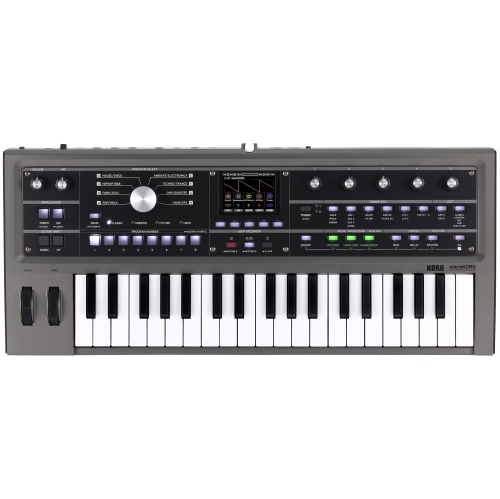 Your price for this item is $849.99
-
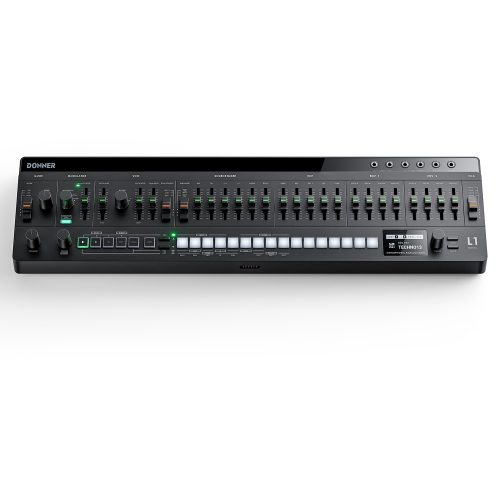 Your price for this item is $259.99
-
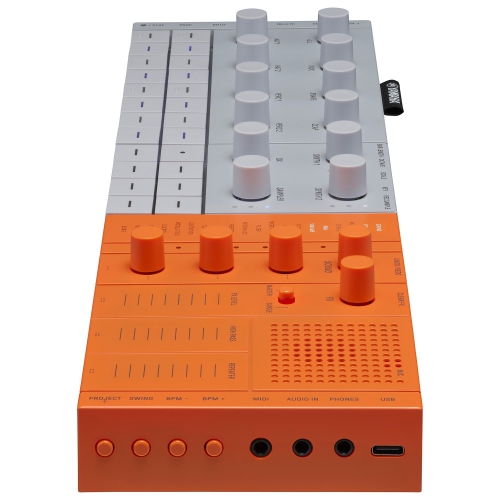 Your price for this item is $599.99
-
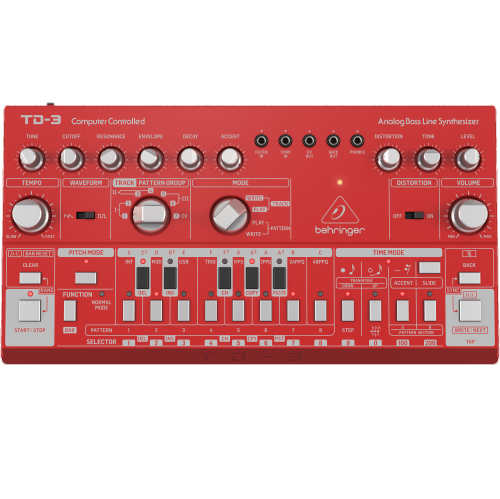 Your price for this item is $169
-
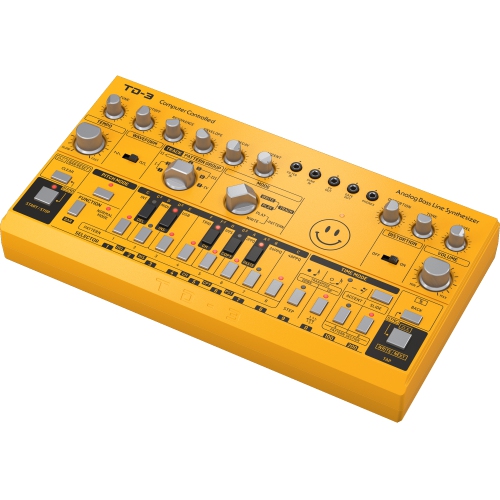 Your price for this item is $169
-
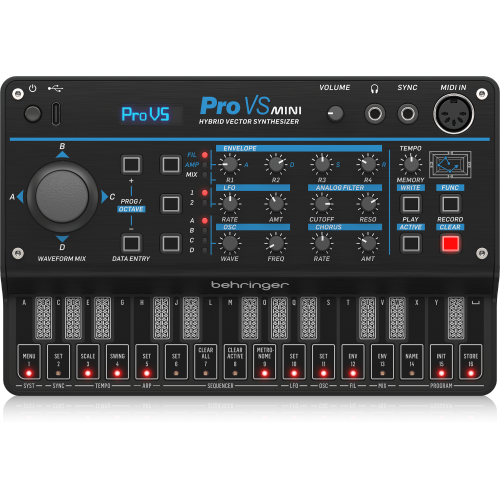 Your price for this item is $140
-
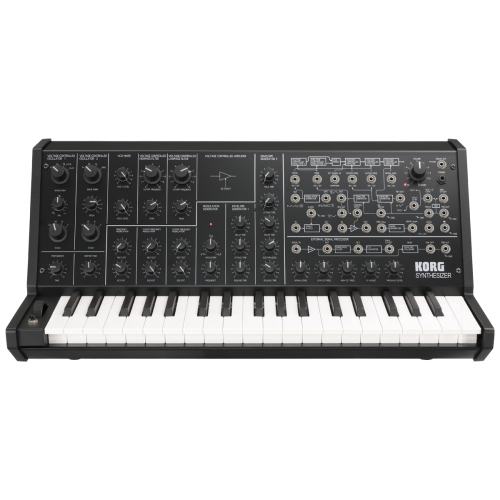 Your price for this item is $1099.99
-
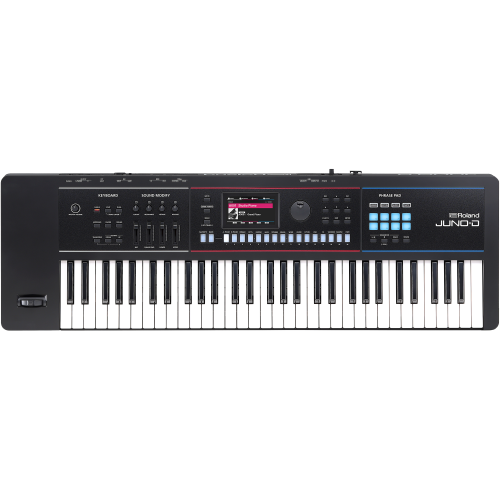 Your price for this item is $1299.99
Discover more categories related to Electric Keyboard Synthesizers
Top Collections:
Pokemon Centers, Kindle Devices, Best Budget Office Chairs, Canon G7X Cameras, Apple iPhones 16, Samsung Galaxy Phones, Refurbished Apple Laptops, Laptops for Students, iPhone 15 Apple, Budget Smartphones
Some products may be subject to Environmental Handling Fees
(EHF) depending on your province.
Learn more about EHFs.