Microphones for Beginner Singers
Microphones for Beginner Singers are designed to help aspiring vocalists take their first steps into the world of music with confidence. Whether you're practicing at home, recording your first tracks, or performing in front of friends and family, finding the right microphone is essential for capturing your unique sound. Explore a range of options tailored to those just starting out, making it easy to discover the perfect fit for your voice and style. With Microphones for Beginner Singers, you can focus on developing your talent and enjoying every moment behind the mic.
Sort
The right microphone starts with where you sing
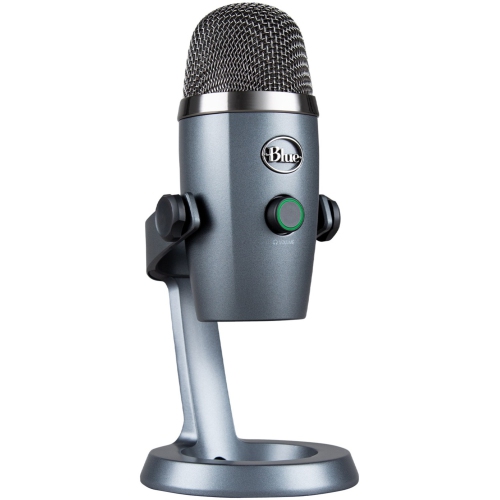
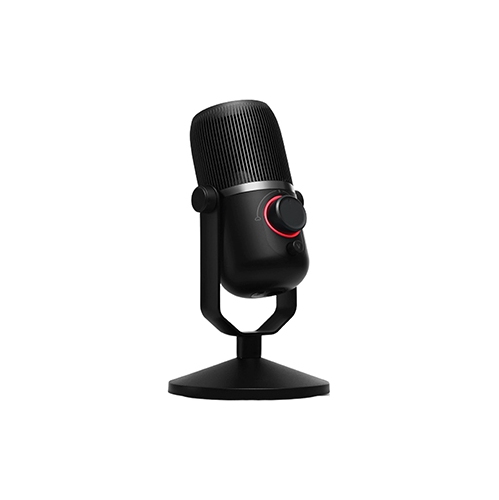
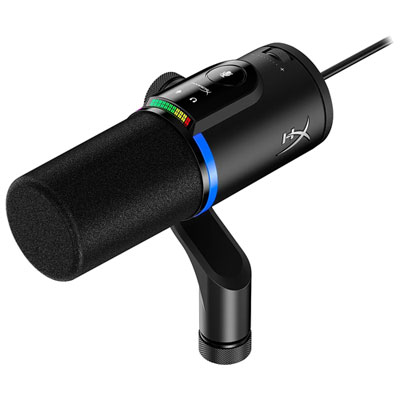
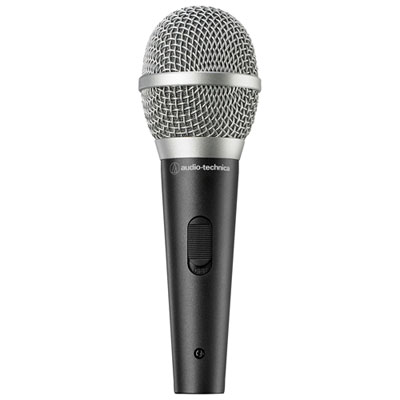
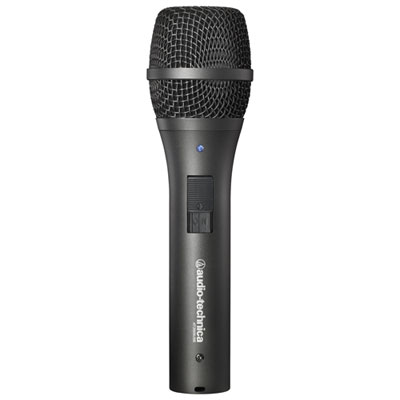
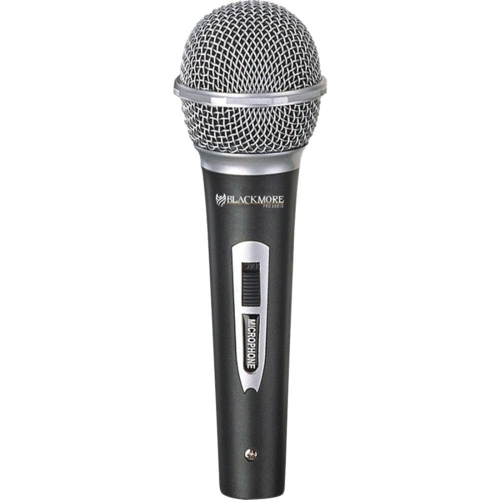
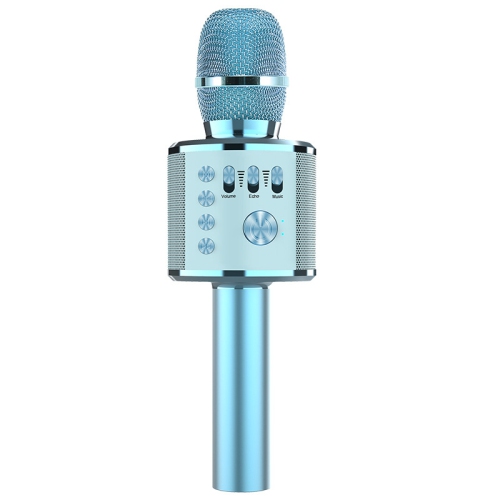
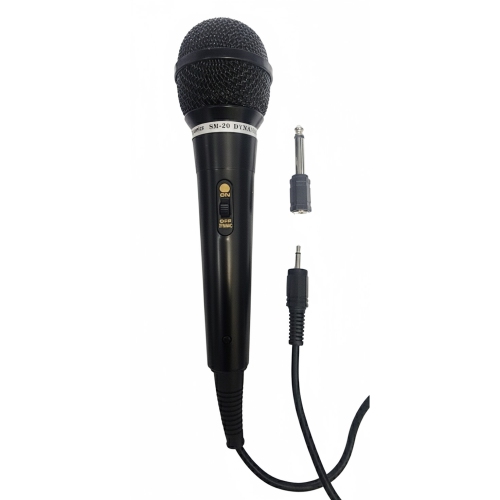
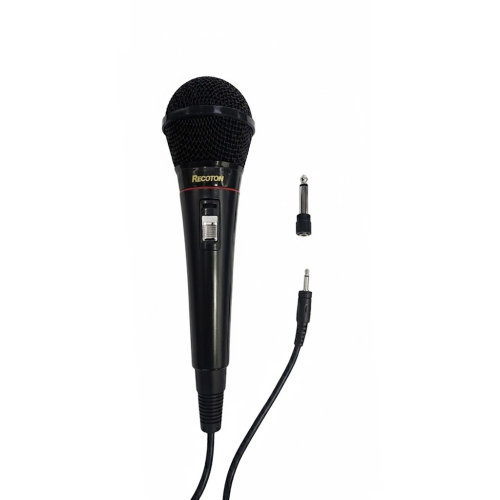
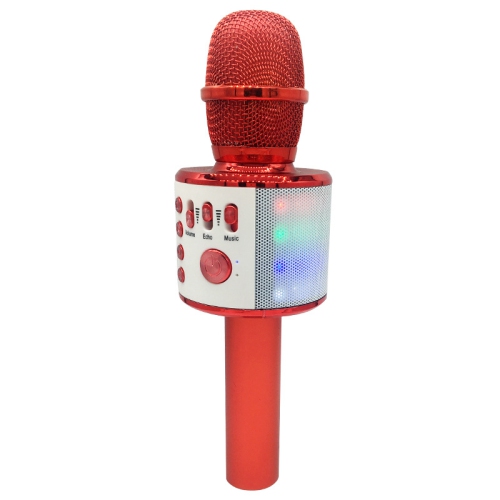
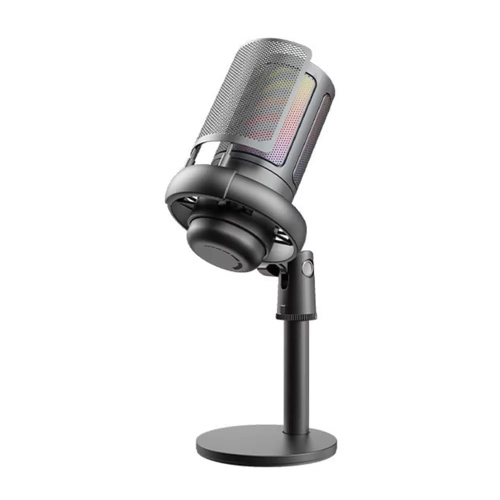
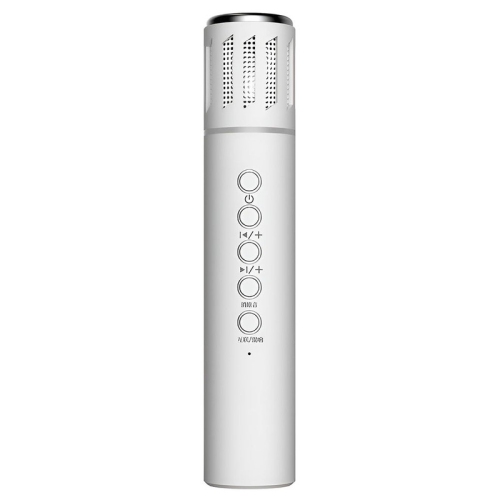
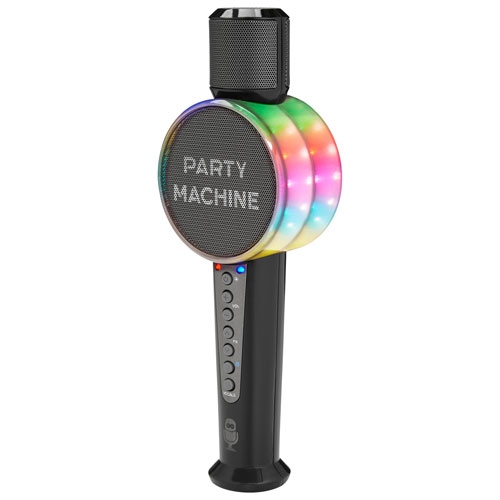
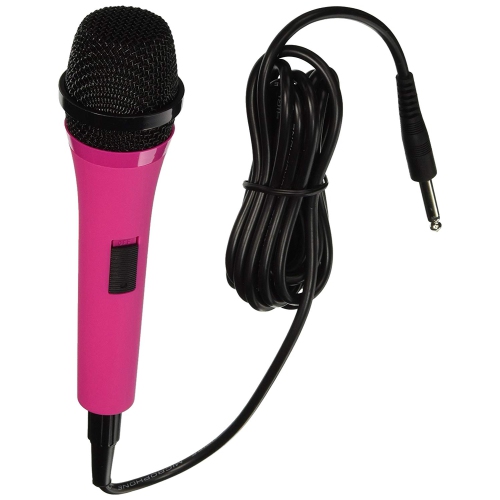
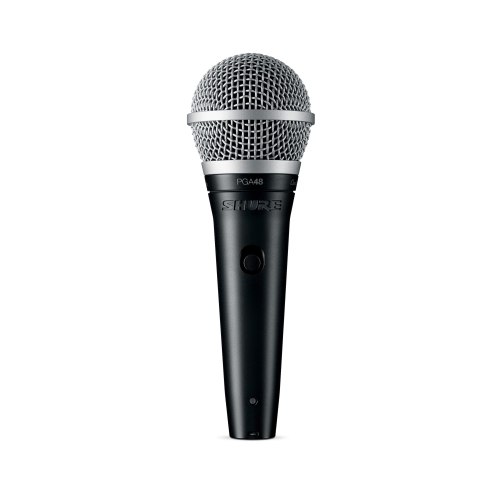
Microphones for beginner singers bring a voice into focus, whether the setting is a first band rehearsal, a karaoke session with friends, or a bedroom recording of an original song. The most suitable microphone depends on where the singing happens, how it connects to other equipment, and how comfortably it fits into practice. A handheld dynamic microphone is often a practical starting point for live vocals: this type generally handles powerful singing well, and many models have sturdy construction suited to repeated setup and transport. Used close to the mouth, a directional dynamic microphone can help keep the vocal prominent against surrounding sound, although its pickup pattern, placement, and the room itself all affect the result. A condenser microphone is another common choice, particularly for recording softer phrasing, breathy passages, and subtle changes in vocal tone. Its extended high-frequency response can capture fine detail, but it can also make room reflections and unwanted sounds more noticeable. Neither type automatically makes a singer sound better; a good match preserves the character of the voice without making it sound overly sharp, thin, or muffled. For someone rehearsing beside an acoustic guitar, clear midrange detail may matter more than an especially bright top end. For a singer recording layered harmonies, consistent sound from one take to the next becomes particularly useful. Cardioid microphones pick up sound mainly from the front while reducing sensitivity at the rear, making them a versatile option for solo vocals. More tightly focused patterns can help in some performance settings but require closer attention to microphone and speaker placement. Omnidirectional designs capture sound from all directions and are generally less suited to isolating one beginner vocalist in a busy room. The broader selection of Microphones for Singing covers different vocal uses, from casual practice to stage performance and home recording, with beginner-friendly choices centred on straightforward connections, comfortable handling, and dependable sound.
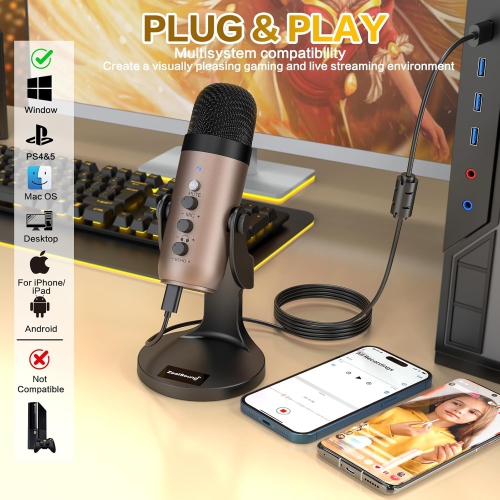
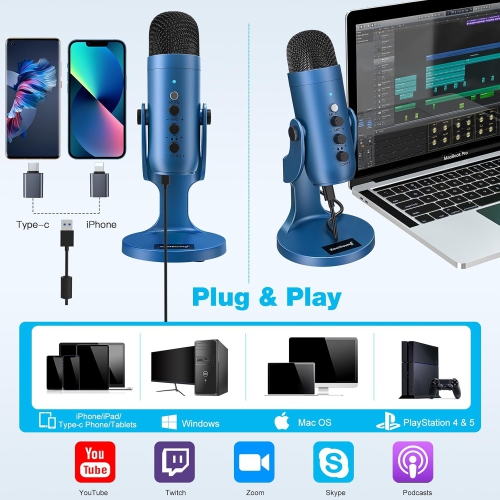
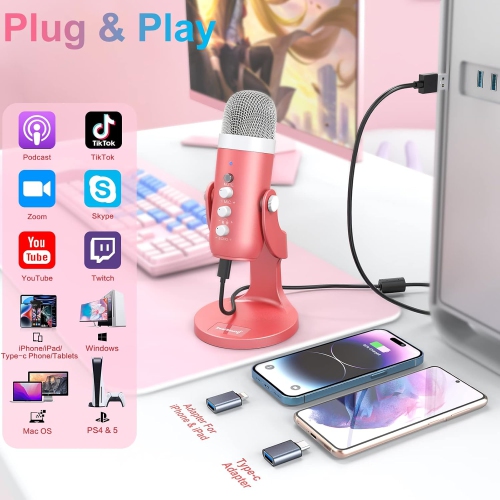
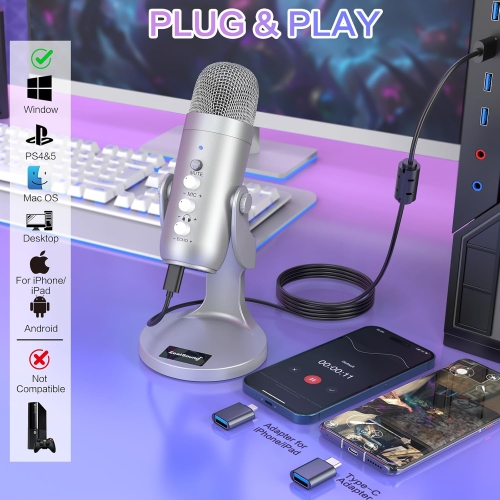
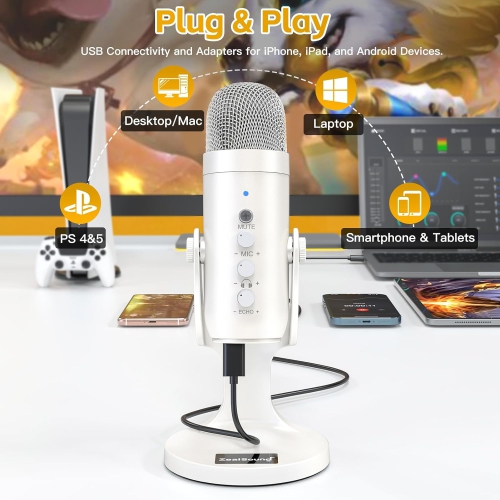
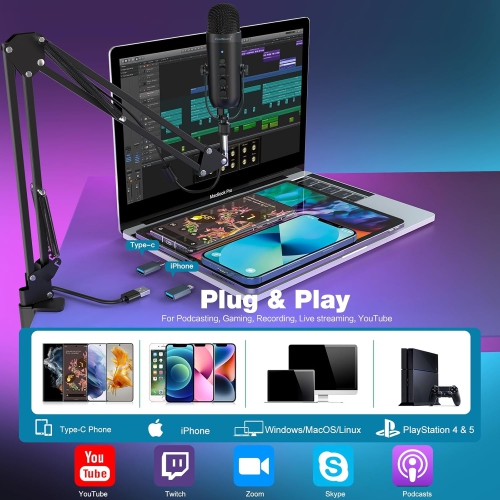
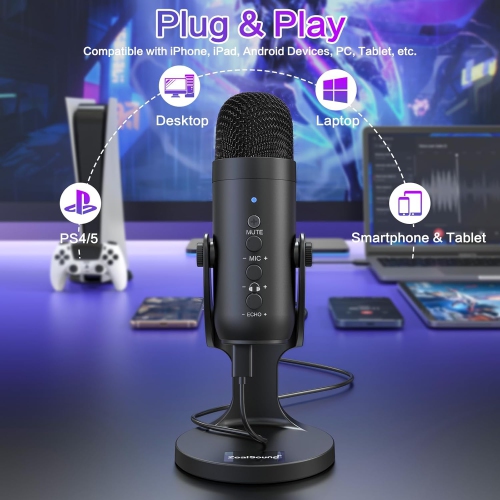
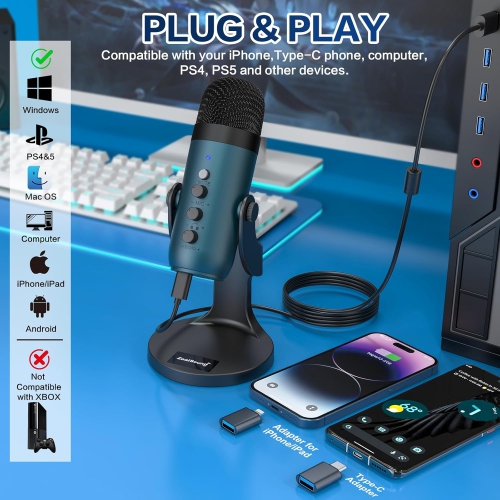
The connection type determines how a vocal microphone fits into a singer’s setup. USB microphones connect to a compatible computer and include the circuitry needed to turn the voice into digital audio, making them a convenient option for recording practice sessions or sharing song ideas. Compatibility still matters: the connector, operating system, recording software, and any required adapters need to work together, especially when a phone or tablet is involved. An XLR microphone typically connects to an audio interface for computer recording, or to a mixer or compatible PA system for rehearsal and performance. This arrangement separates the microphone from the recording hardware, offering flexibility as a singer adds instruments or changes equipment. Most XLR condenser microphones require phantom power, commonly supplied by a compatible interface or mixer, while most conventional dynamic microphones do not. A USB connection is not limited to one microphone type; both dynamic and condenser designs can use USB. For beginners who want to hear their voice through headphones while singing, a built-in headphone output with direct monitoring can be particularly helpful. It allows listening without the distracting delay that can occur when audio travels through recording software before reaching the headphones. Easy-to-reach gain controls and a clear level indicator also make it simpler to capture a quiet verse and a strong chorus without distortion. For expressive performances, sufficient headroom helps preserve louder notes, although any microphone can produce poor results when the input level is set too high. Wireless vocal systems offer freedom of movement for singers who prefer not to stay beside a stand, but they introduce additional considerations such as receiver connections, battery life, and reliable signal coverage. A wired handheld microphone keeps the setup simpler for many first-time performers. Recording two singers together requires attention to the interface’s input count and the software’s capabilities; two USB microphones do not necessarily function as a straightforward combined setup. These practical differences often matter more to daily use than a long list of advanced features.
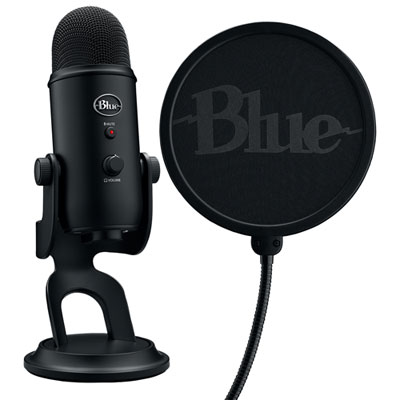
Physical design also shapes how enjoyable a microphone is to use. A comfortably balanced handle and a secure grip can make a difference during a full rehearsal, while a stand-mounted microphone frees both hands for a keyboard or guitar. Metal bodies and resilient grilles are useful for equipment that travels between lessons, practice spaces, and small performances, though a sturdy exterior does not make the capsule immune to drops or moisture. Internal shock isolation can reduce handling noise on handheld designs, and a compatible external shock mount can help keep desk vibrations or stand bumps out of recordings. The fit between the microphone, clip, stand, and mount matters: a loose holder can sag during a take, while a base that is too light may tip under the weight of a larger microphone. For home vocals, a pop filter helps soften bursts of air from consonants such as “p” and “b”; a foam windscreen can also reduce breath noise, but neither accessory removes all background sound. Small placement changes often have an audible effect. Singing very close to many directional microphones adds bass through the proximity effect, while moving farther away brings more of the room into the recording. A consistent distance makes it easier to compare practice takes and hear progress in pitch, phrasing, and breath control. Soft furnishings can reduce some reflections, but they do not soundproof a room or block traffic outside. Durability depends on care as well as materials. A dry storage pouch or case protects the grille and connector between sessions, and loosely coiled cables put less strain on plugs than tight wraps around the microphone body. Cleaning should follow the manufacturer’s directions, with liquid kept away from the capsule and electronics. For shared microphones, removable grilles or replaceable windscreens can make routine care more manageable when those features are supported. As a gift for a new vocalist, music student, or enthusiastic karaoke singer, a microphone is most useful when it suits the equipment the recipient already uses. Compatible connections, a suitable stand or clip, and a comfortable way to monitor the voice help turn a promising piece of equipment into something that becomes part of regular singing practice.
The connection type determines how a vocal microphone fits into a singer’s setup. USB microphones connect to a compatible computer and include the circuitry needed to turn the voice into digital audio, making them a convenient option for recording practice sessions or sharing song ideas. Compatibility still matters: the connector, operating system, recording software, and any required adapters need to work together, especially when a phone or tablet is involved. An XLR microphone typically connects to an audio interface for computer recording, or to a mixer or compatible PA system for rehearsal and performance. This arrangement separates the microphone from the recording hardware, offering flexibility as a singer adds instruments or changes equipment. Most XLR condenser microphones require phantom power, commonly supplied by a compatible interface or mixer, while most conventional dynamic microphones do not. A USB connection is not limited to one microphone type; both dynamic and condenser designs can use USB. For beginners who want to hear their voice through headphones while singing, a built-in headphone output with direct monitoring can be particularly helpful. It allows listening without the distracting delay that can occur when audio travels through recording software before reaching the headphones. Easy-to-reach gain controls and a clear level indicator also make it simpler to capture a quiet verse and a strong chorus without distortion. For expressive performances, sufficient headroom helps preserve louder notes, although any microphone can produce poor results when the input level is set too high. Wireless vocal systems offer freedom of movement for singers who prefer not to stay beside a stand, but they introduce additional considerations such as receiver connections, battery life, and reliable signal coverage. A wired handheld microphone keeps the setup simpler for many first-time performers. Recording two singers together requires attention to the interface’s input count and the software’s capabilities; two USB microphones do not necessarily function as a straightforward combined setup. These practical differences often matter more to daily use than a long list of advanced features.
Physical design also shapes how enjoyable a microphone is to use. A comfortably balanced handle and a secure grip can make a difference during a full rehearsal, while a stand-mounted microphone frees both hands for a keyboard or guitar. Metal bodies and resilient grilles are useful for equipment that travels between lessons, practice spaces, and small performances, though a sturdy exterior does not make the capsule immune to drops or moisture. Internal shock isolation can reduce handling noise on handheld designs, and a compatible external shock mount can help keep desk vibrations or stand bumps out of recordings. The fit between the microphone, clip, stand, and mount matters: a loose holder can sag during a take, while a base that is too light may tip under the weight of a larger microphone. For home vocals, a pop filter helps soften bursts of air from consonants such as “p” and “b”; a foam windscreen can also reduce breath noise, but neither accessory removes all background sound. Small placement changes often have an audible effect. Singing very close to many directional microphones adds bass through the proximity effect, while moving farther away brings more of the room into the recording. A consistent distance makes it easier to compare practice takes and hear progress in pitch, phrasing, and breath control. Soft furnishings can reduce some reflections, but they do not soundproof a room or block traffic outside. Durability depends on care as well as materials. A dry storage pouch or case protects the grille and connector between sessions, and loosely coiled cables put less strain on plugs than tight wraps around the microphone body. Cleaning should follow the manufacturer’s directions, with liquid kept away from the capsule and electronics. For shared microphones, removable grilles or replaceable windscreens can make routine care more manageable when those features are supported. As a gift for a new vocalist, music student, or enthusiastic karaoke singer, a microphone is most useful when it suits the equipment the recipient already uses. Compatible connections, a suitable stand or clip, and a comfortable way to monitor the voice help turn a promising piece of equipment into something that becomes part of regular singing practice.
Top selling and popular products
-
 Your price for this item is $59.99
 -
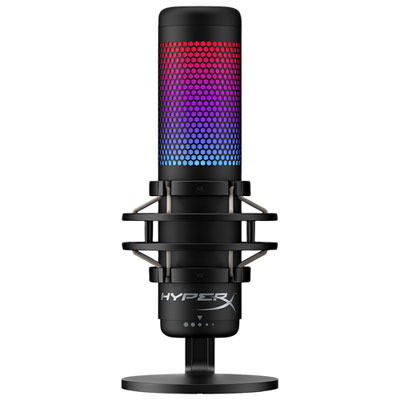 Your price for this item is $209.99
 -
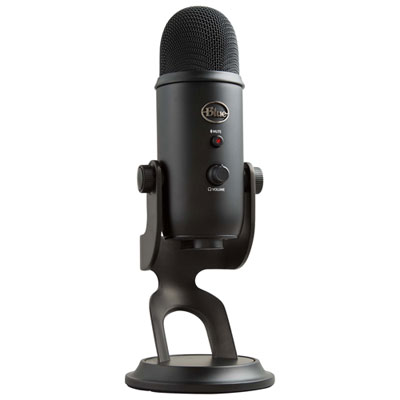 Your price for this item is $139.99
 -
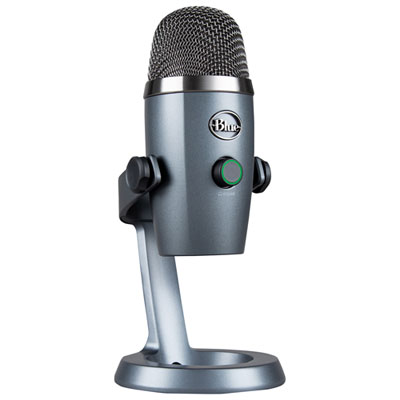 Your price for this item is $111.98
 -
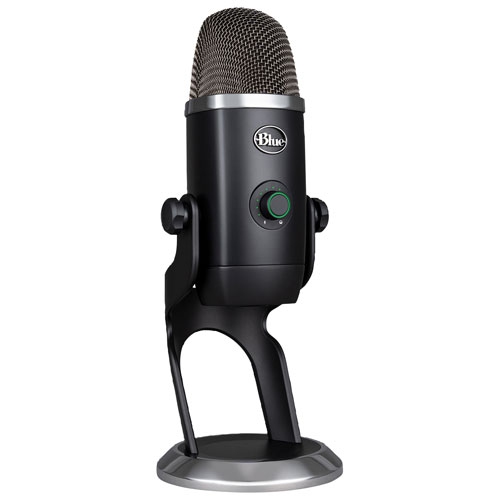 Your price for this item is $277.68
 -
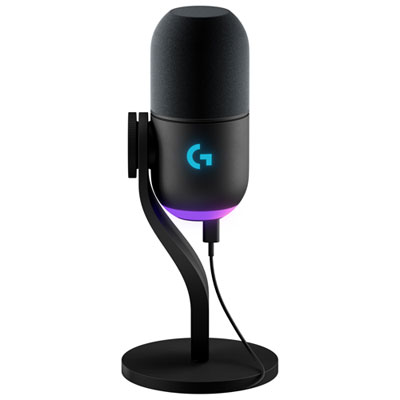 Your price for this item is $229.99
 -
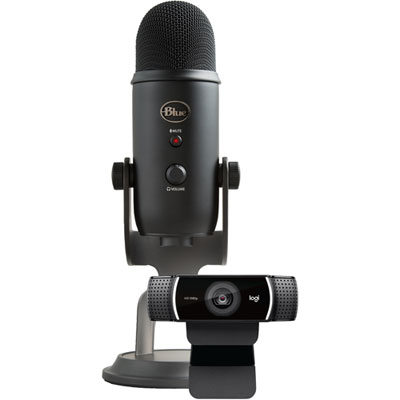 Your price for this item is $279.99
 -
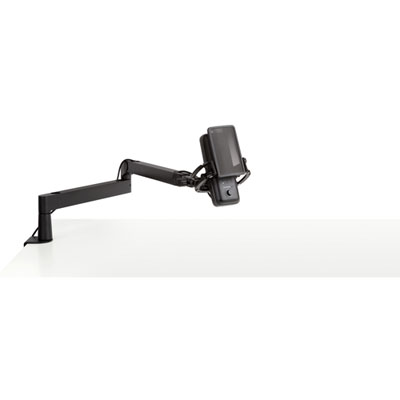 Your price for this item is $109.99
Discover more categories related to Microphones for Beginner Singers
Top Collections:
Pokemon Centers, Kindle Devices, Best Budget Office Chairs, Apple iPhones 16, Best Laptops for Writers, iPhone 15 Apple, Canon G7X Cameras, Refurbished Apple Laptops, Alarm Clock, Motorola Razr Phones
Some products may be subject to Environmental Handling Fees
(EHF) depending on your province.
Learn more about EHFs.