MIDI Keyboards for Live Performance
MIDI Keyboards for Live Performance are essential tools for musicians looking to elevate their stage presence and sound. Designed to integrate seamlessly with your setup, these keyboards offer versatility and intuitive control, making them a top choice for performers at any level. Whether you’re playing solo gigs or part of a band, finding the right MIDI keyboard can help you unlock new creative possibilities and bring your music to life on stage. Explore our selection to find the perfect fit for your live performance needs.
Sort
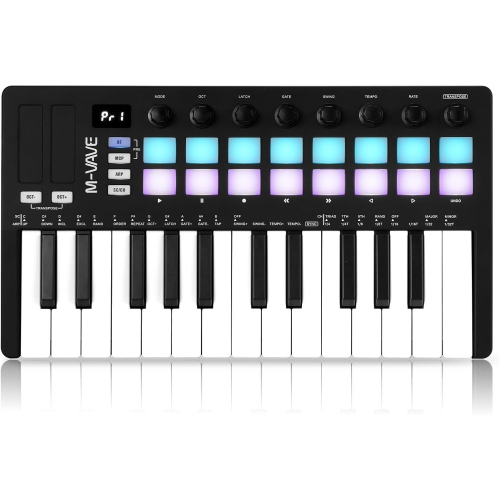
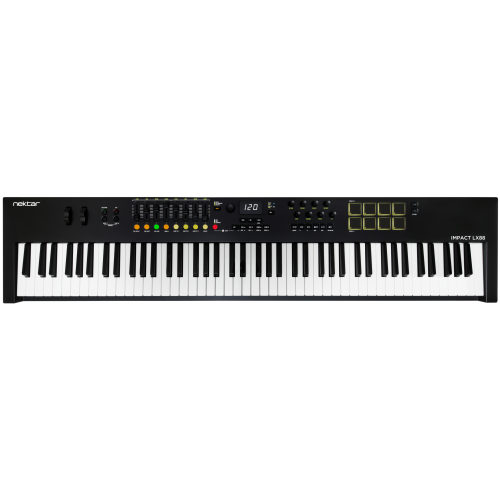
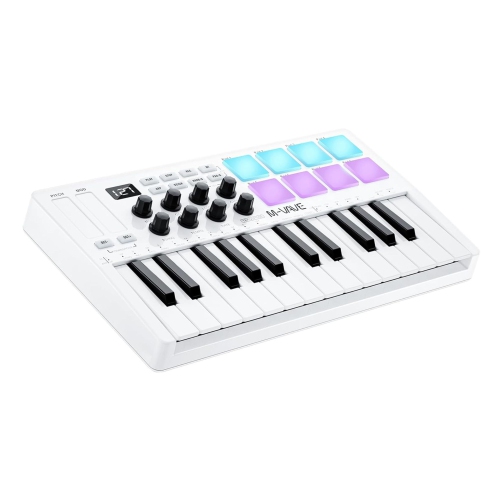
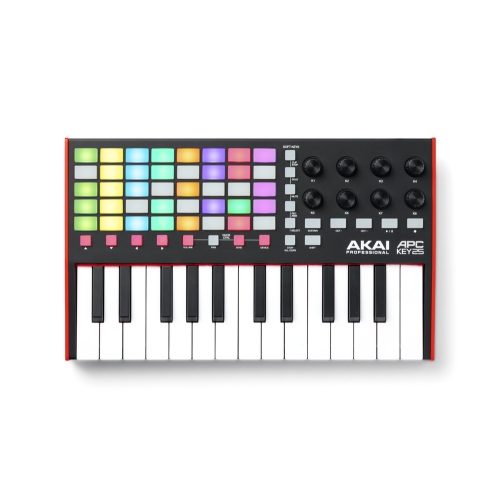
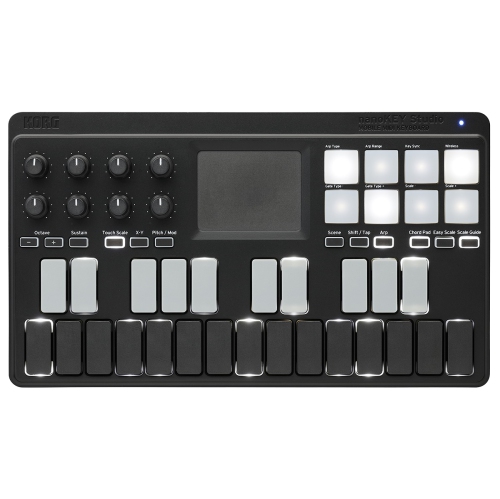
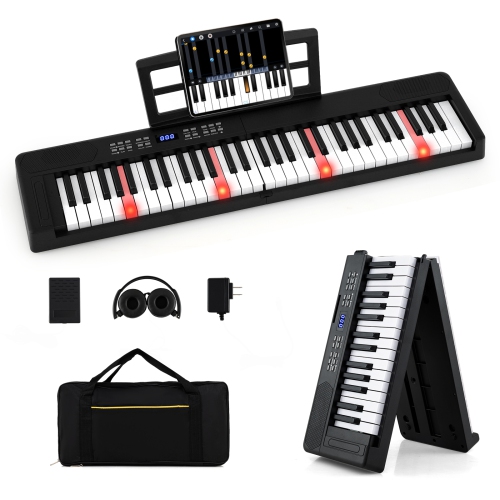
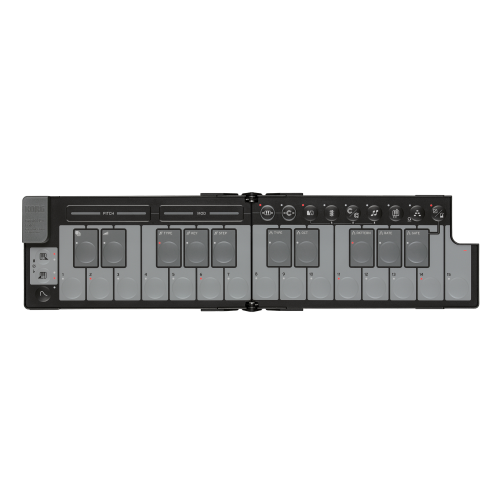

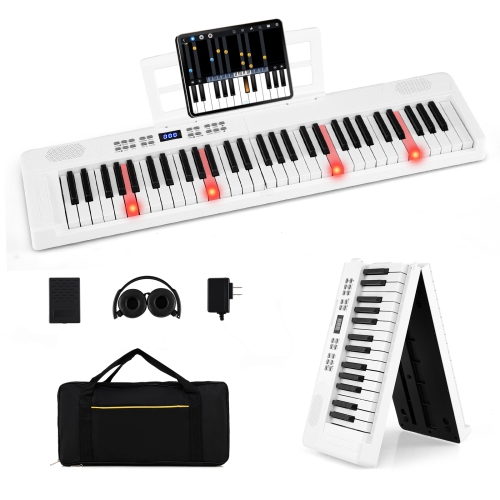
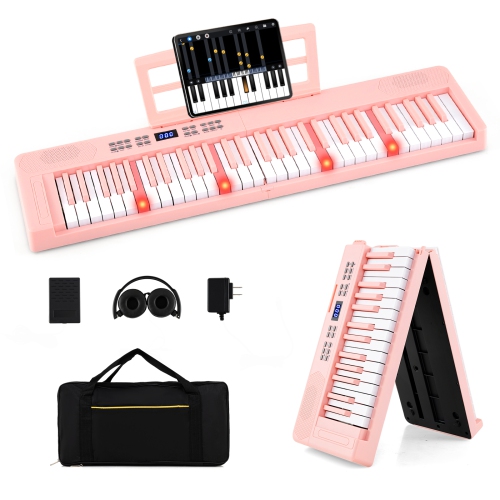
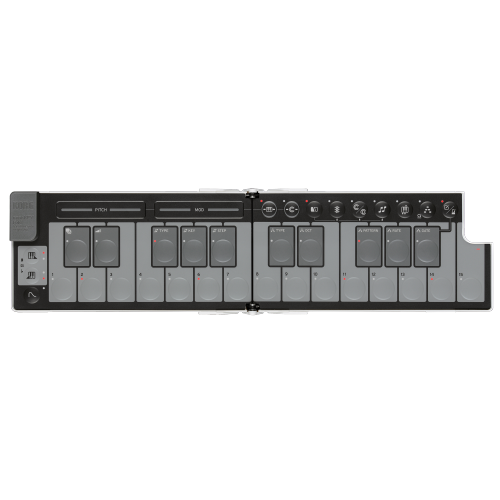
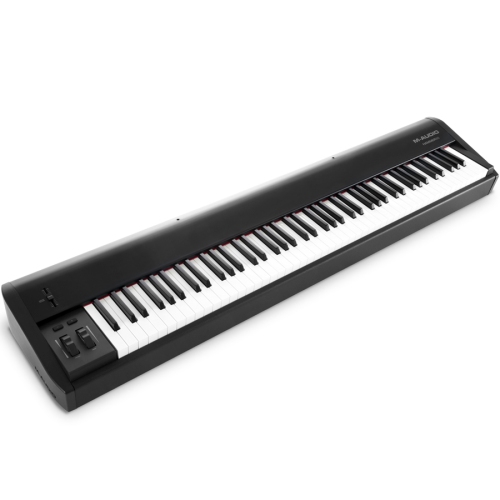
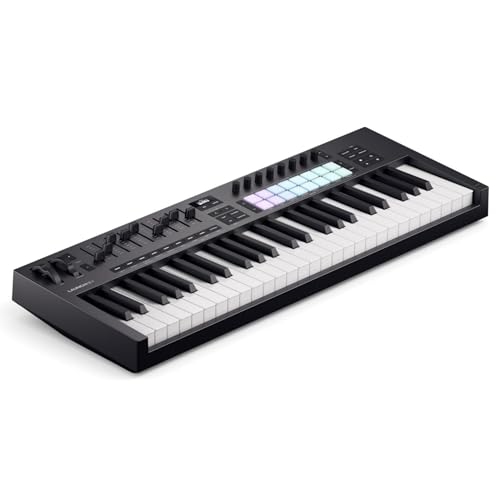
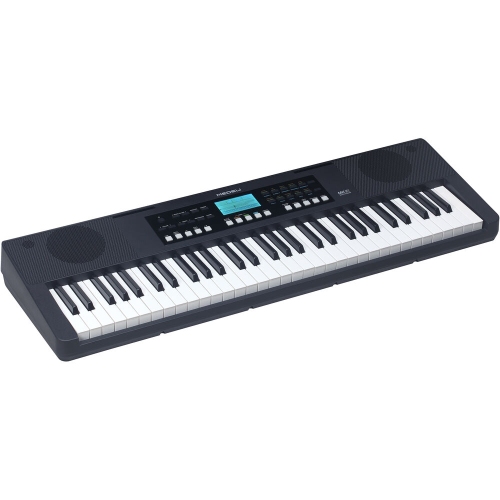
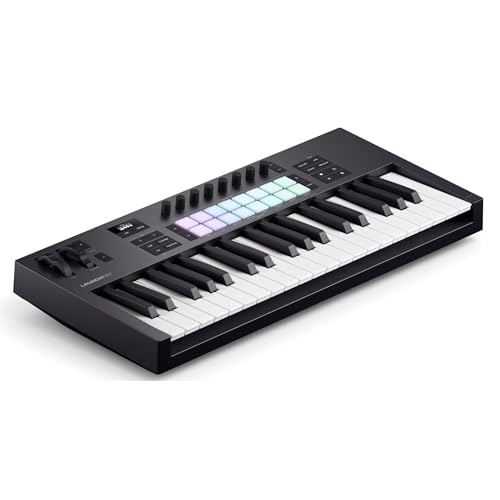
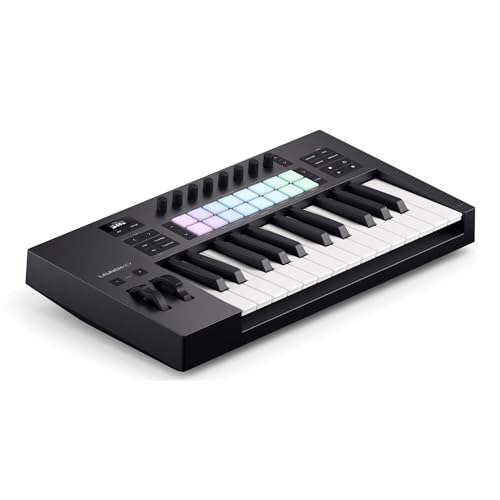
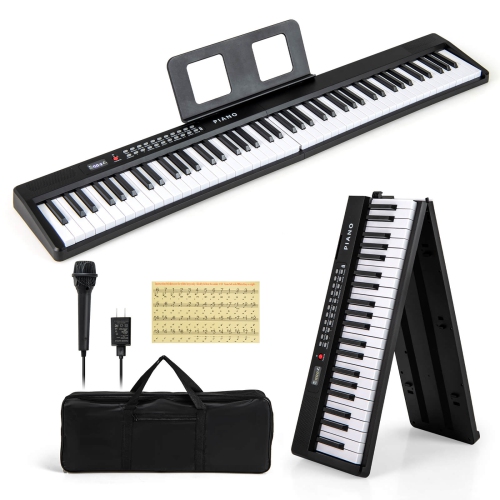
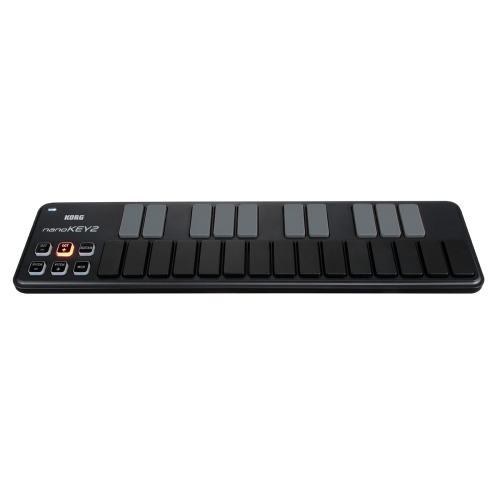
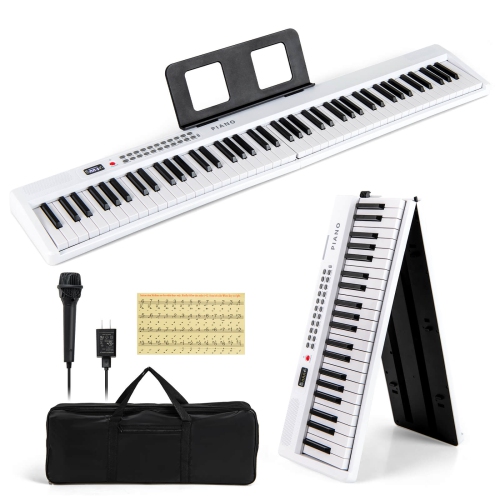
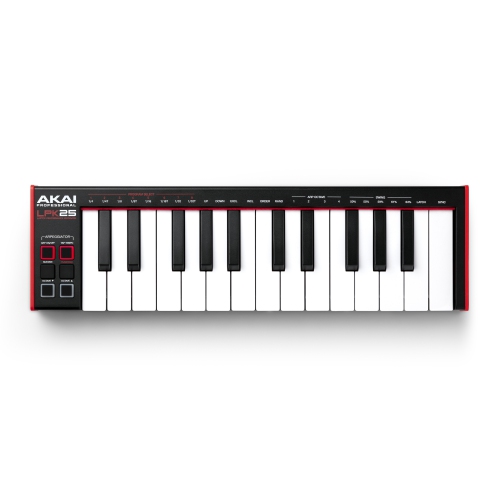

Hands-on control that fits your stage setup
MIDI keyboards for live performance bring hands-on musical control to a stage setup, whether the sound comes from software instruments on a laptop or an external synthesizer or sound module. A MIDI controller typically sends performance information rather than producing audio itself: notes, playing dynamics, pedal movements, and control changes tell a connected sound source what to do. That distinction matters when assembling a rig for a band, a solo set, a worship service, or a live electronic performance. The keyboard, sound source, and audio connection to the mixer or PA each have a separate role. Key count and key action shape how comfortably a controller fits that role. Compact 25- to 37-key layouts suit synth leads, bass lines, short melodic phrases, and setups where another keyboard handles the main piano parts. Octave buttons extend the accessible range, although moving between octaves during a phrase takes planning. A 49- or 61-key keyboard offers more room for two-handed playing without the footprint of a full piano-length instrument. For supported setups, that extra range also makes split zones practical, such as a bass sound under the left hand and an organ or synth patch under the right. An 88-key controller provides the familiar range for piano arrangements and wider voicings, but its dimensions and weight affect transport and stand requirements. Full-size keys generally feel more familiar to pianists, while smaller keys can make a compact rig easier to carry. Weighted hammer action adds resistance associated with piano playing; lighter synth action can suit quick runs, repeated notes, and organ techniques. Semi-weighted action offers another feel, though resistance varies between designs. Velocity-sensitive keys allow playing dynamics to affect compatible sounds, while aftertouch can add expression through pressure after a note is held. Channel aftertouch and polyphonic aftertouch behave differently, and their usefulness depends on support from the receiving instrument. A comfortable keybed helps a performer move from a quiet introduction to a fuller chorus without fighting the instrument.
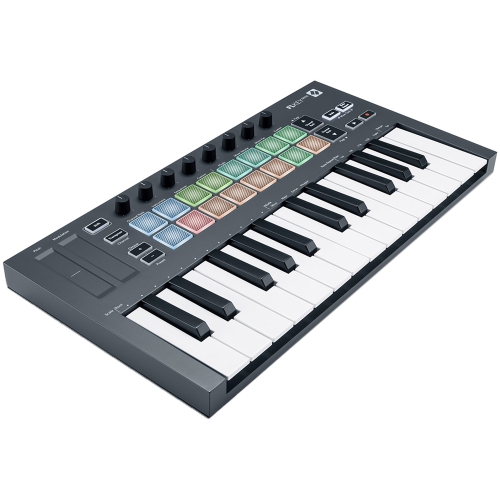
Stage control extends beyond the keys. Pitch-bend and modulation wheels, assignable knobs, faders, and pads can bring frequently used functions within reach, reducing the need to work through a laptop screen during a song. A fader might control the level of a layered string sound, a knob might open a synth filter, and a pad might launch a clip or trigger a percussion part when the connected software supports those assignments. Clear spacing between controls matters when one hand is still playing and the other has only a moment to make an adjustment. Illuminated controls and readable displays can help distinguish settings on a dim stage, but predictable layouts and saved mappings are just as important. Presets, program-change messages, and custom control modes can simplify transitions between songs when the receiving software or hardware responds to them. Built-in arpeggiators, chord functions, and scale modes offer additional performance options on controllers that include them; their timing and musical settings need to match the arrangement. Connectivity determines which setups a keyboard can control directly. A dedicated 5-pin MIDI output can send MIDI to a compatible hardware synthesizer or sound module without a computer, although the controller still needs suitable power. A USB-only controller usually needs a computer or another compatible USB host; a charger supplies power but does not replace that host. Some devices use 3.5 mm MIDI connections, which require the correct adapter type, while CV/Gate outputs serve compatible analogue equipment and are not interchangeable with MIDI ports. Sustain and expression pedal inputs add foot control, leaving both hands free for playing. Pedal compatibility, including polarity and expression wiring, varies, and separate inputs may support different functions. For laptop-based performance, the controller’s integration with the chosen software matters alongside the audio interface and system settings. The delay between a key press and the audible note depends on the whole signal path, not simply the keyboard. Testing the complete setup with the intended instrument layers and effects gives a clearer picture of responsiveness than testing a single sound in isolation.
A live keyboard also needs to fit the physical routine around the performance: carrying it into a venue, placing it securely on a stand, connecting cables, and packing it away after the set. Plastic housings can keep transport weight manageable, while metal chassis and reinforced panels may provide greater rigidity; construction quality, connector support, and protection during travel matter more than material alone. A fitted padded bag suits lighter transport needs, while a protective hard case offers more defence against impacts and pressure from other equipment. Space for knobs, wheels, and plugs helps prevent those parts from taking the load inside a case. On stage, a stable stand with an appropriate weight rating and sufficient support keeps the keyboard from shifting during energetic playing. Playing height, wrist position, and room for pedals contribute to comfort, especially during longer sets. Cable routing that leaves connections accessible without putting tension on ports can make setup tidier and reduce accidental disconnections. Routine care is straightforward: a soft, dry cloth for accessible surfaces, protection from dust when stored, and liquids kept away from keys and controls. Cleaning products should follow the manufacturer’s recommendations rather than being sprayed directly onto the instrument. Reliable live use also depends on familiar preparation, including saved controller assignments, known pedal behaviour, and a tested method for moving between sounds. Musicians who prepare arrangements in a familiar production workspace may also find MIDI Keyboards for FL Studio relevant to a setup that moves between composing, rehearsing, and performing. The best fit reflects the player’s actual role: a touring keyboardist may prioritize a substantial keybed and dependable hardware connections, while an electronic performer may place more emphasis on pads, sequencing functions, and portable dimensions. For a student or musician receiving a controller as a gift, existing software, available space, and preferred playing style are useful considerations. A controller that works naturally with the rest of the rig can support expressive playing without making the technology the centre of attention.
Top selling and popular products
-
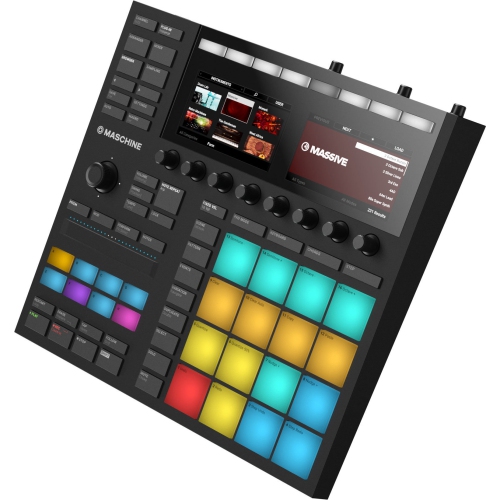 Your price for this item is $609
-
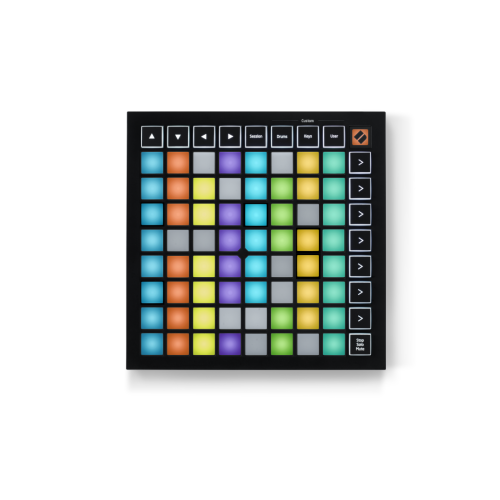 Your price for this item is $129.99
-
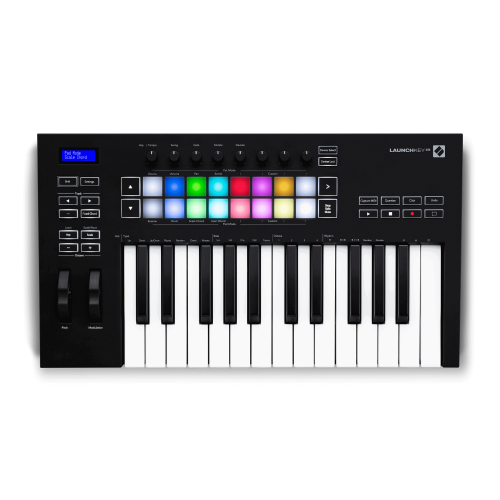 Your price for this item is $239
-
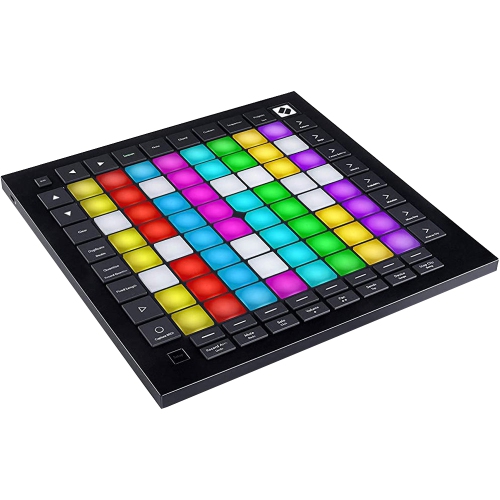 Your price for this item is $529
-
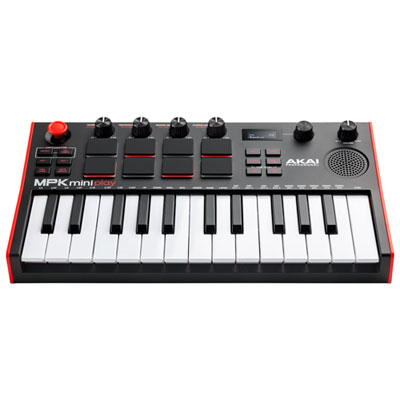 Your price for this item is $189.99
-
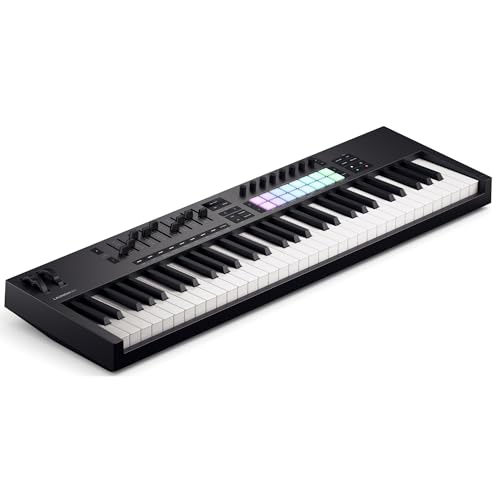 Your price for this item is $399
-
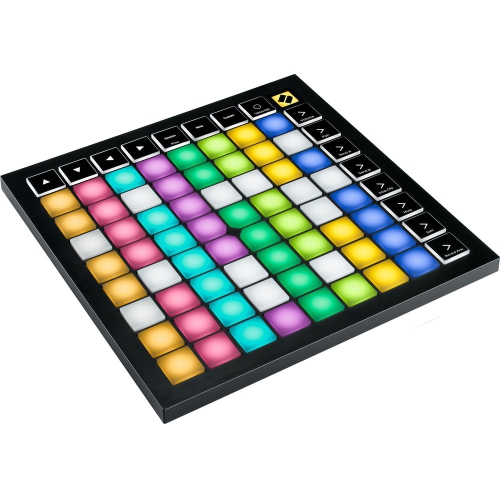 Your price for this item is $239.99
-
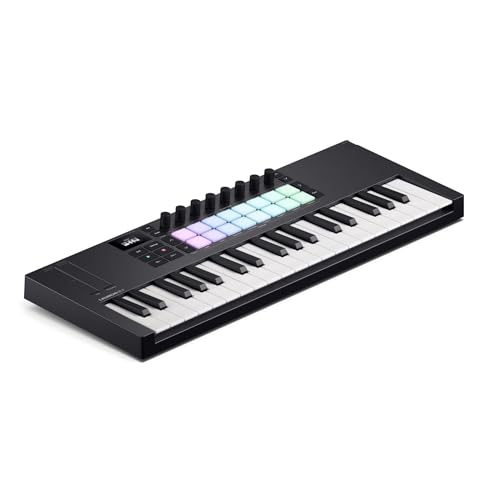 Your price for this item is $184.99
Discover more categories related to MIDI Keyboards for Live Performance
Top Collections:
Best Black Friday Deals This Year, Best Black Friday Deals On Electronics, Kindle Devices, Pokemon Centers, Best Black Friday Deals On Apple Products, Best Cameras for Sports Photography, Dyson Airwrap, Pokémon 30th Celebration Cards, Apple iPhone 17 Pro, Canon G7X Cameras
Some products may be subject to Environmental Handling Fees
(EHF) depending on your province.
Learn more about EHFs.