Portable MIDI Keyboards
Looking to take your music production skills on the go? Look no further than our collection of portable MIDI keyboards. These compact and lightweight keyboards are designed to provide you with the flexibility and convenience you need to create music wherever inspiration strikes. Whether you're a professional musician or just starting out, these portable MIDI keyboards offer a wide range of features and functionality to enhance your creativity. From responsive keys to programmable controls, shop our selection of portable MIDI keyboards and unlock your musical potential on the move.
Sort
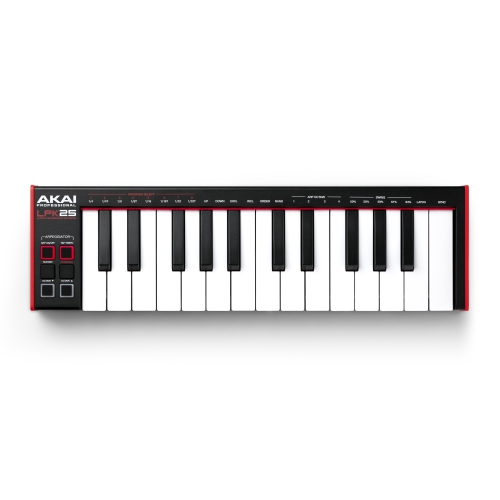
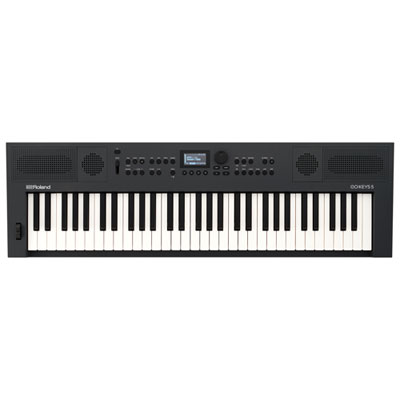
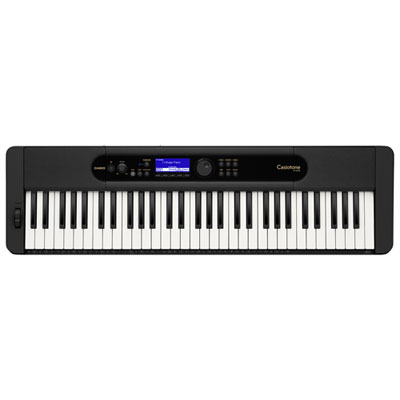
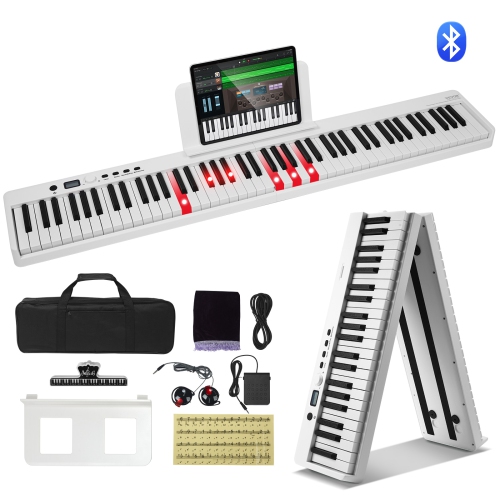
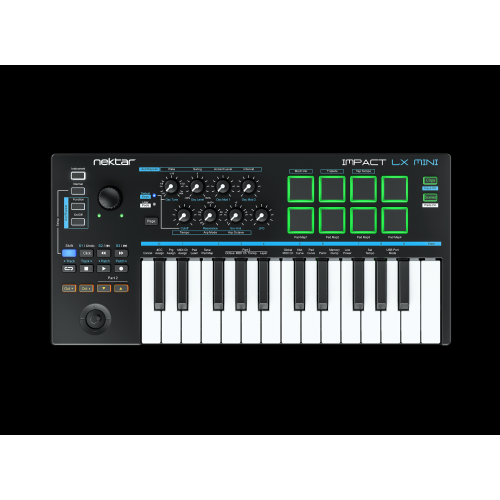
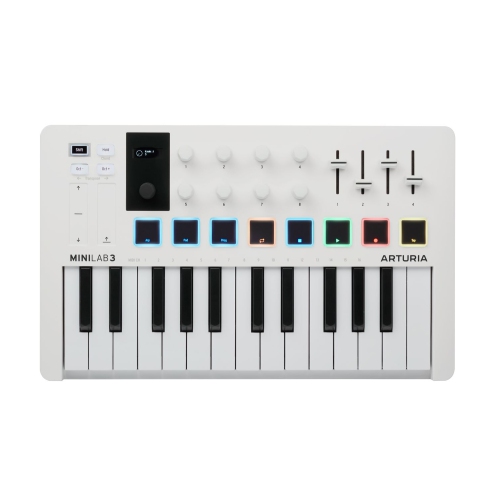
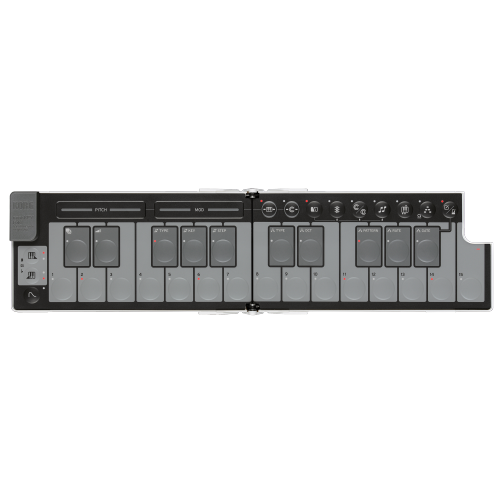

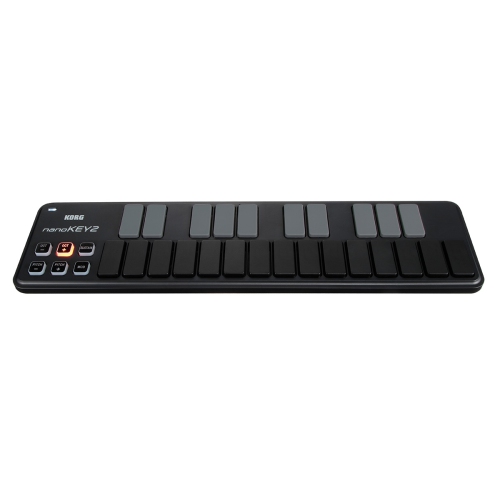

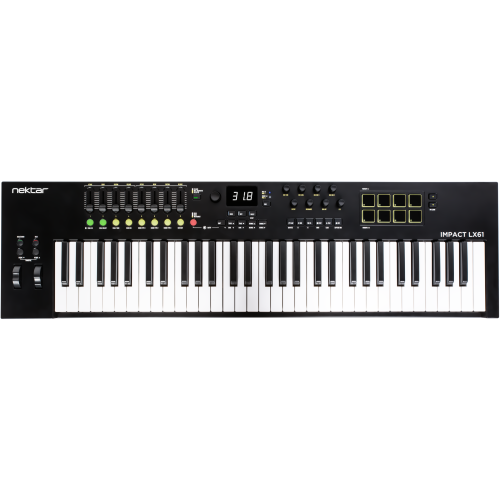
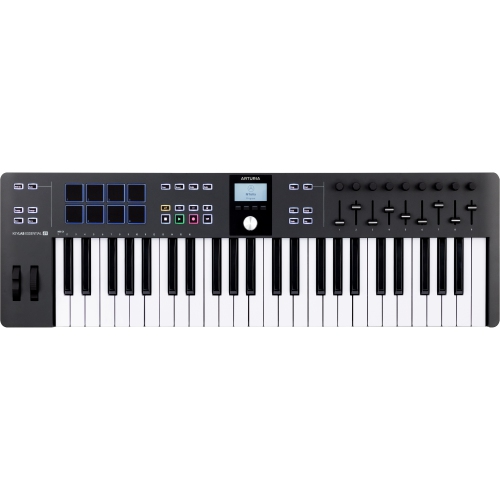
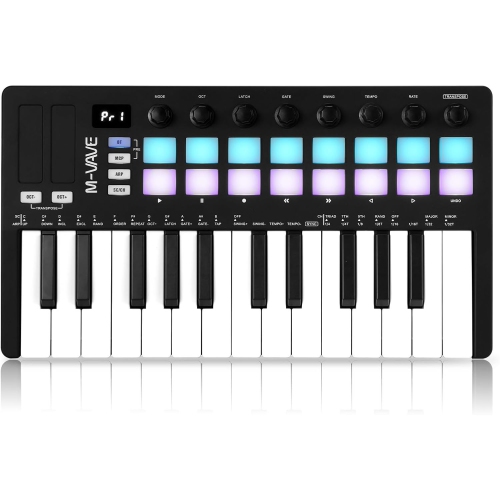
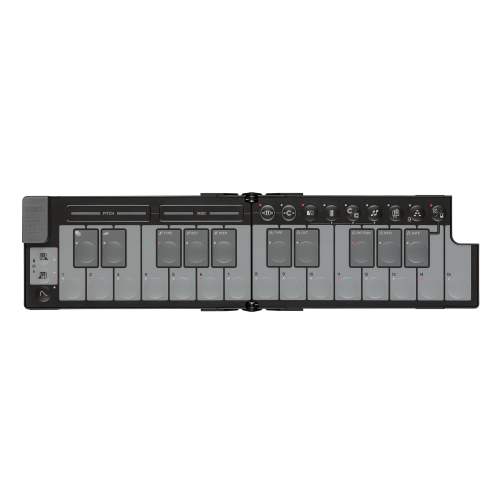
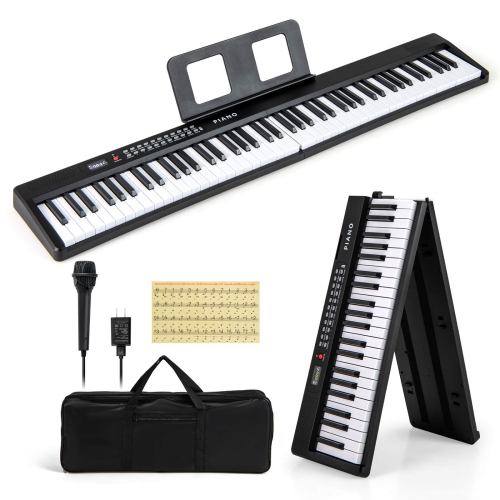
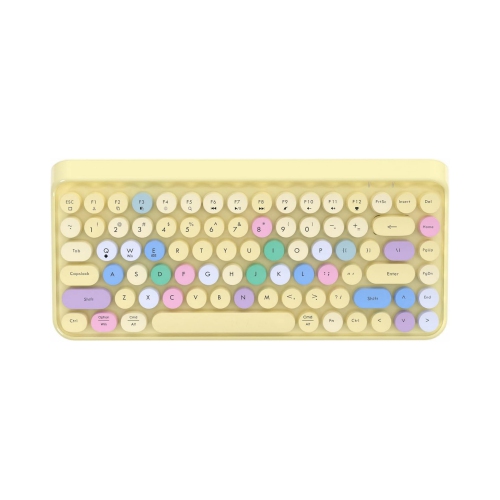
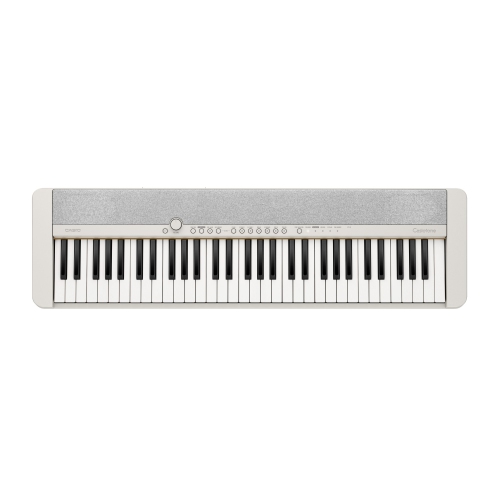

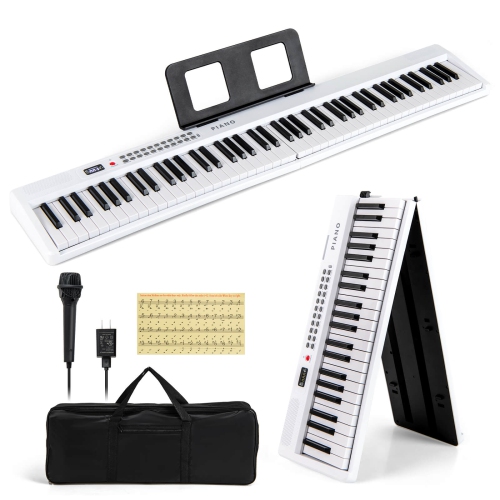
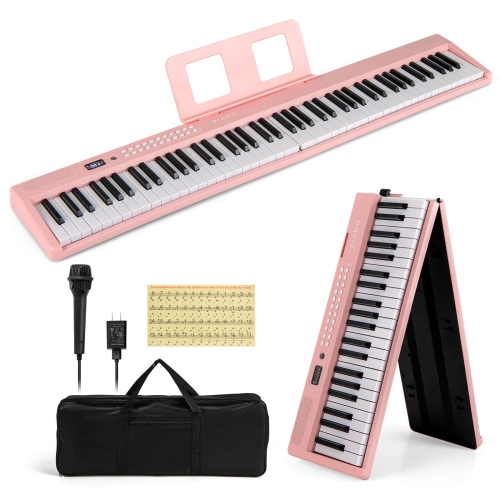
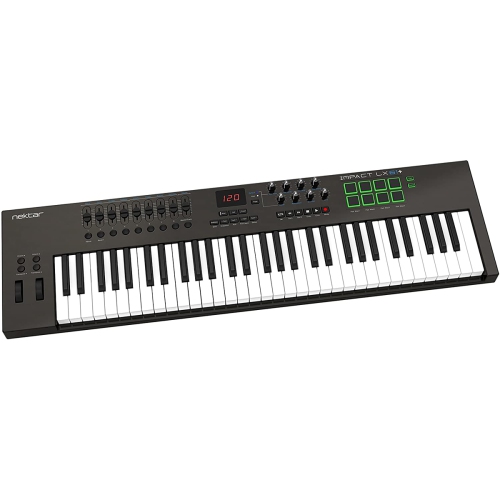
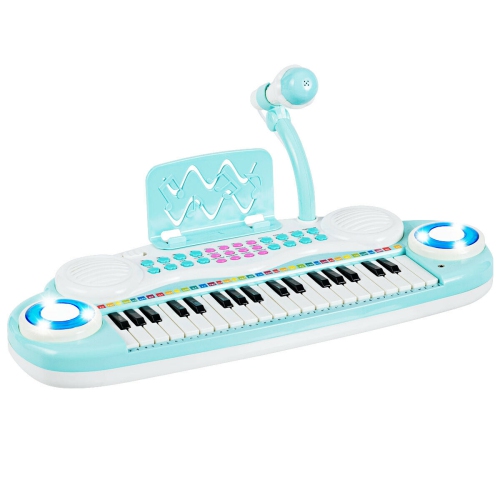
Music-making flexibility for small spaces and mobile setups
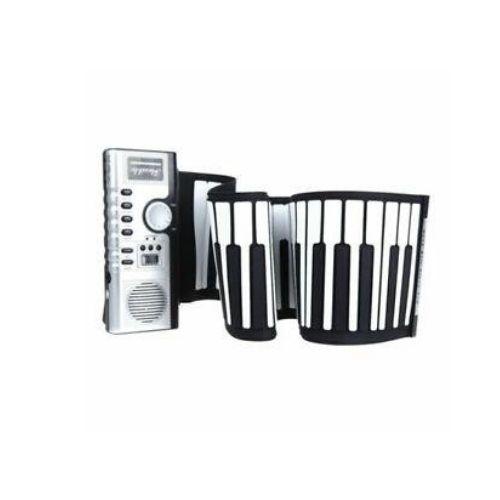
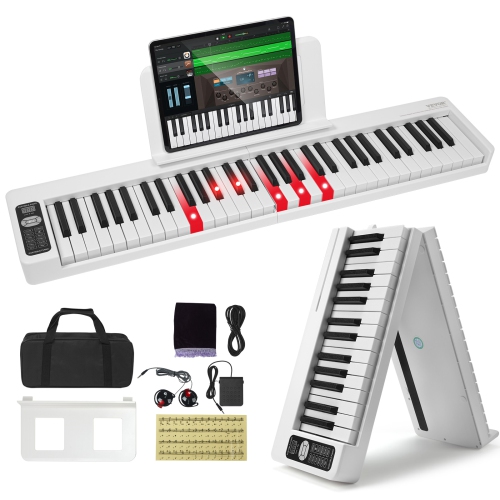
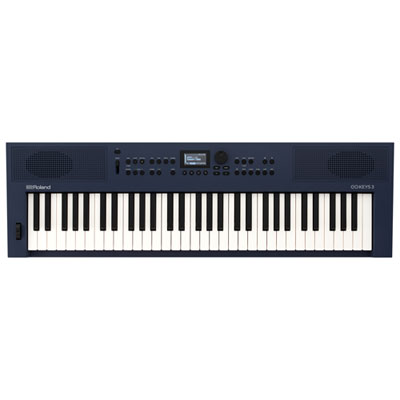
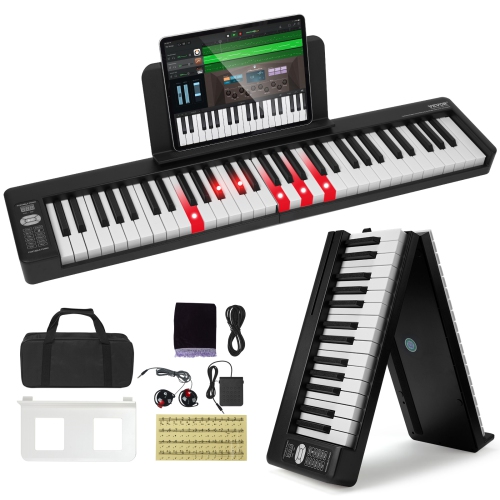
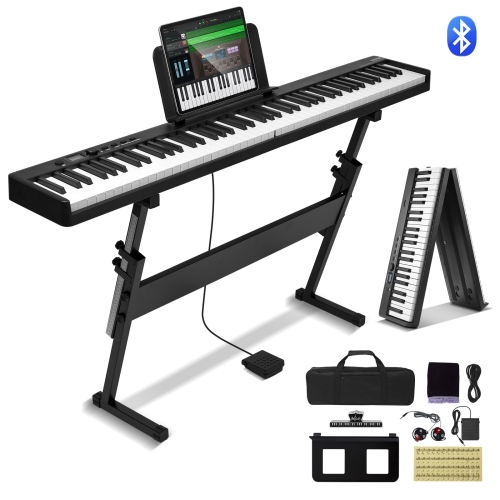
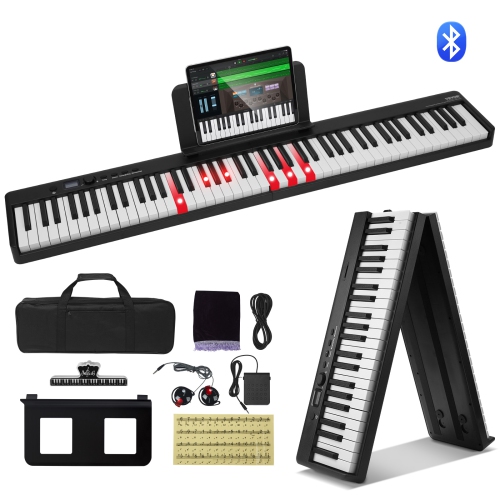
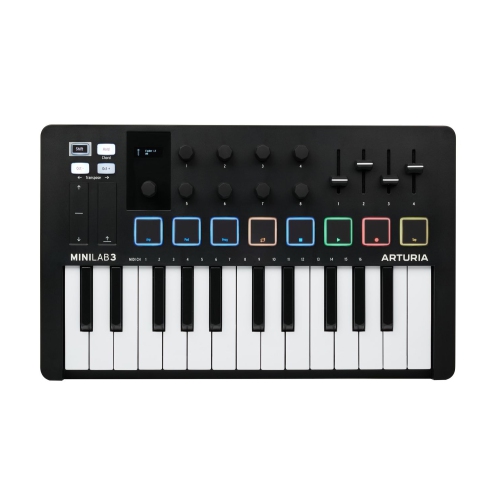
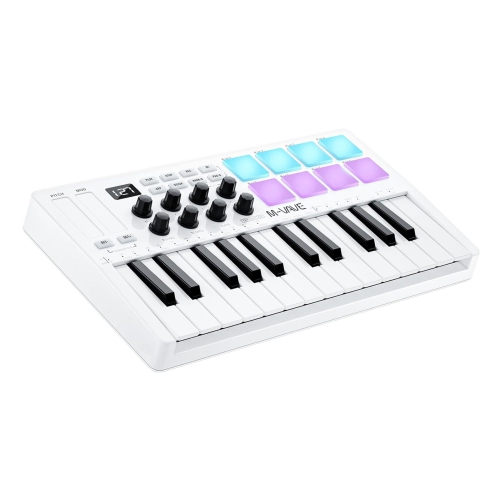
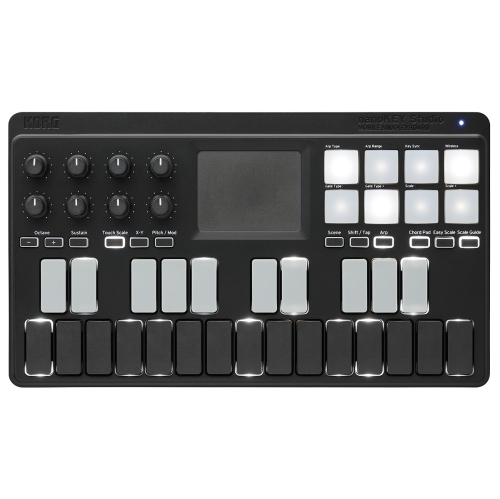
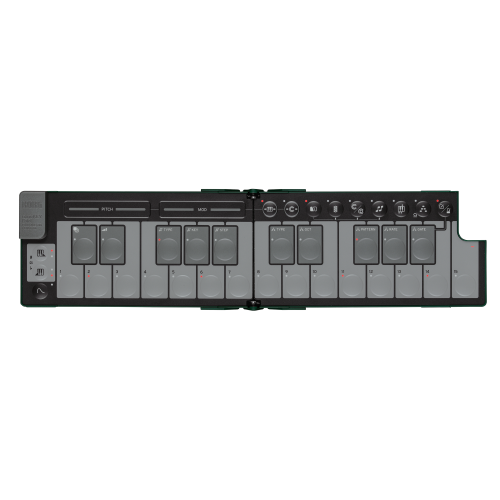
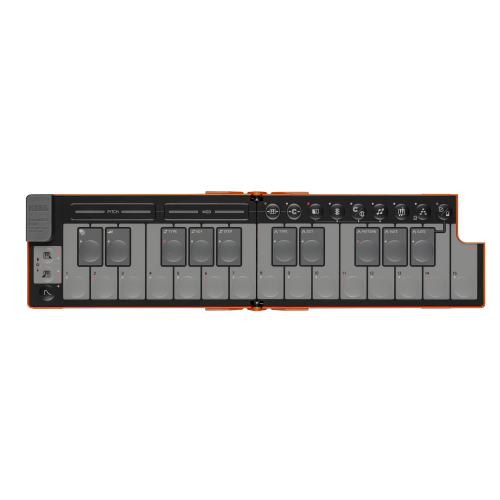
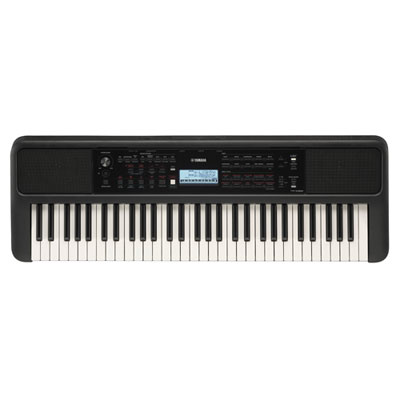
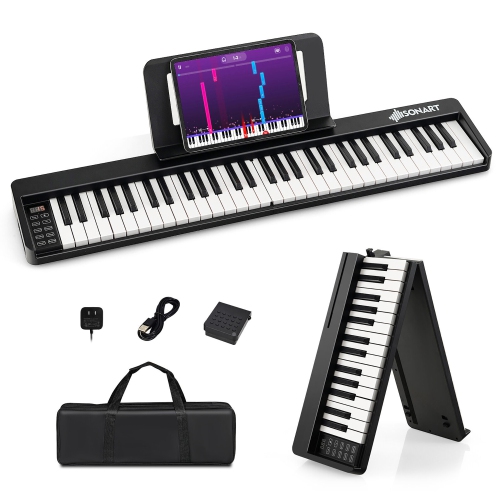
Portable MIDI keyboards bring the feel of a traditional keyboard to desks, backpacks, studio corners and travel setups without taking up the space of a full-sized instrument. These compact controllers send musical notes and performance commands to compatible computers, tablets, phones and other MIDI-enabled equipment, allowing you to play virtual instruments, build melodies, trigger samples and control music software from almost anywhere. Many models use USB for both power and data, while select options support Bluetooth MIDI or battery operation for a cable-free setup. A portable MIDI keyboard generally does not produce sound on its own unless it includes built-in sounds or a speaker, so it is important to consider how it will fit into your existing equipment. Connected to a laptop, tablet or mobile device, it can become a practical songwriting tool for a bedroom studio, a compact controller for a live performance or a hands-on way to learn notes and chords during quiet practice sessions. The smaller footprint is especially useful for apartment living, shared workspaces and creative areas where every centimetre of desk space matters. During the cooler months, a compact keyboard can also make it easier to keep making music indoors, whether it stays beside a home computer or travels between rooms in a protective bag. For shoppers comparing similarly sized options, Mini Music Keyboards can provide another way to explore compact instruments and controllers for learning, composing and casual play.
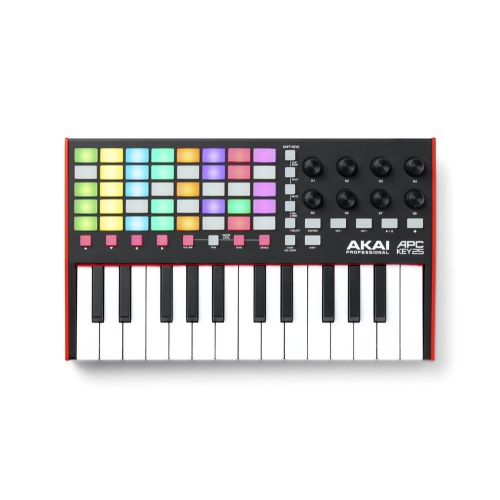
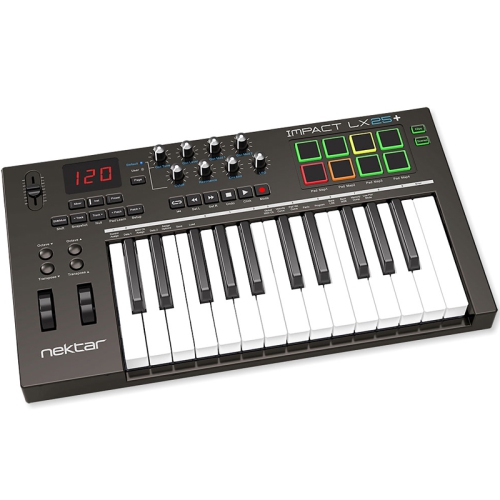
Key count is one of the most noticeable differences between portable MIDI keyboards. A 25-key layout is small enough for many backpacks while still offering room for one-handed melodies, bass lines and simple two-handed parts. A 32-key keyboard provides a little more range without becoming difficult to carry, making it a useful middle ground for songwriters and performers who want extra notes close at hand. Compact models with fewer keys can work well for beat-making, lead parts and mobile production, while larger portable designs may be more comfortable for chord progressions and piano-style playing. Mini keys reduce the overall size, but full-size keys may feel more familiar to players who are used to an acoustic or digital piano. Key action also matters: some controllers have lightweight, synth-style keys that respond quickly to repeated notes, while others offer velocity sensitivity so softer and harder playing changes the volume or character of a sound. Look for sustain pedal support if expressive piano parts are important, along with octave controls that extend the playable range when the keyboard has fewer keys. Controls beyond the keybed can shape the way you work. Drum pads are useful for finger drumming, launching clips and triggering samples; knobs and sliders can adjust software instruments, effects and mixer settings; and dedicated transport buttons can help start, stop and record without reaching for a mouse or touchscreen. Assignable controls are particularly helpful for live use because they keep frequently used functions within reach and make the keyboard feel more like an instrument than a collection of computer commands.
Compatibility and portability should guide the final choice as much as size. Before purchasing, check that the keyboard works with the operating system and music applications you plan to use, including digital audio workstations, notation software, virtual instruments and mobile music apps. USB-C or USB connections are common, but a tablet or phone may require an appropriate adapter, and some mobile setups may need a powered hub if the device cannot provide enough power. Bluetooth MIDI can make a clean, flexible setup for compatible devices, although wired connections may be preferable when you want the most dependable response for recording or performance. Battery life is worth considering for outdoor sessions, rehearsals and travel, while a bus-powered model can be convenient when you are already working near a computer. Check the keyboard’s dimensions and weight rather than relying on the word “portable” alone, especially if it will be carried with headphones, a tablet and other accessories. A protective sleeve, compact stand and sustain pedal can make a small controller more comfortable to use, and a rechargeable power bank may help support longer sessions away from an outlet when the model permits it. Portable MIDI keyboards can be thoughtful gifts for beginners discovering music production, experienced players building a mobile rig, students working on compositions or creative friends who enjoy experimenting with sound. They also suit people with limited space, since a compact controller can be stored on a shelf and set up quickly when inspiration arrives. Whether used to sketch a melody at the kitchen table, practise chords at a desk or add expressive control to a full production setup, the right portable MIDI keyboard balances playable keys, useful controls, reliable connectivity and a size that fits naturally into everyday life.
Key count is one of the most noticeable differences between portable MIDI keyboards. A 25-key layout is small enough for many backpacks while still offering room for one-handed melodies, bass lines and simple two-handed parts. A 32-key keyboard provides a little more range without becoming difficult to carry, making it a useful middle ground for songwriters and performers who want extra notes close at hand. Compact models with fewer keys can work well for beat-making, lead parts and mobile production, while larger portable designs may be more comfortable for chord progressions and piano-style playing. Mini keys reduce the overall size, but full-size keys may feel more familiar to players who are used to an acoustic or digital piano. Key action also matters: some controllers have lightweight, synth-style keys that respond quickly to repeated notes, while others offer velocity sensitivity so softer and harder playing changes the volume or character of a sound. Look for sustain pedal support if expressive piano parts are important, along with octave controls that extend the playable range when the keyboard has fewer keys. Controls beyond the keybed can shape the way you work. Drum pads are useful for finger drumming, launching clips and triggering samples; knobs and sliders can adjust software instruments, effects and mixer settings; and dedicated transport buttons can help start, stop and record without reaching for a mouse or touchscreen. Assignable controls are particularly helpful for live use because they keep frequently used functions within reach and make the keyboard feel more like an instrument than a collection of computer commands.
Compatibility and portability should guide the final choice as much as size. Before purchasing, check that the keyboard works with the operating system and music applications you plan to use, including digital audio workstations, notation software, virtual instruments and mobile music apps. USB-C or USB connections are common, but a tablet or phone may require an appropriate adapter, and some mobile setups may need a powered hub if the device cannot provide enough power. Bluetooth MIDI can make a clean, flexible setup for compatible devices, although wired connections may be preferable when you want the most dependable response for recording or performance. Battery life is worth considering for outdoor sessions, rehearsals and travel, while a bus-powered model can be convenient when you are already working near a computer. Check the keyboard’s dimensions and weight rather than relying on the word “portable” alone, especially if it will be carried with headphones, a tablet and other accessories. A protective sleeve, compact stand and sustain pedal can make a small controller more comfortable to use, and a rechargeable power bank may help support longer sessions away from an outlet when the model permits it. Portable MIDI keyboards can be thoughtful gifts for beginners discovering music production, experienced players building a mobile rig, students working on compositions or creative friends who enjoy experimenting with sound. They also suit people with limited space, since a compact controller can be stored on a shelf and set up quickly when inspiration arrives. Whether used to sketch a melody at the kitchen table, practise chords at a desk or add expressive control to a full production setup, the right portable MIDI keyboard balances playable keys, useful controls, reliable connectivity and a size that fits naturally into everyday life.
Top selling and popular products
-
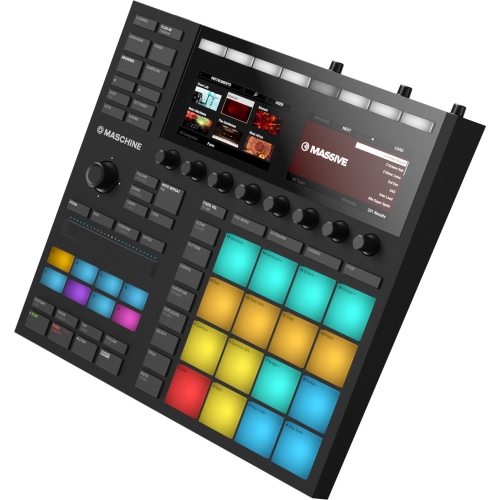 Your price for this item is $609
 -
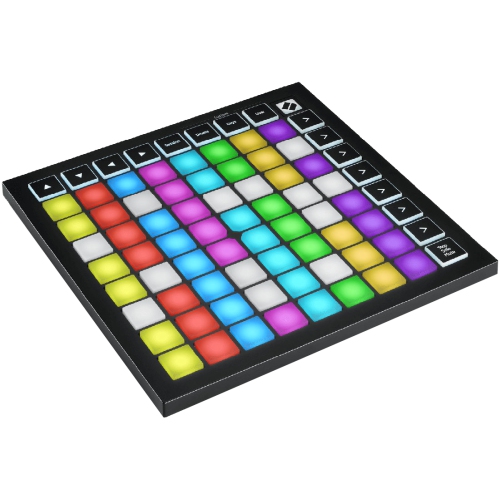 Your price for this item is $169
 -
![NOVATION Launchkey 25 [Mk3] Midi Keyboard Controller for Ableton Live](https://multimedia.bbycastatic.ca/multimedia/products/500x500/175/17552/17552265.png) Your price for this item is $169
Your price for this item is $169 -
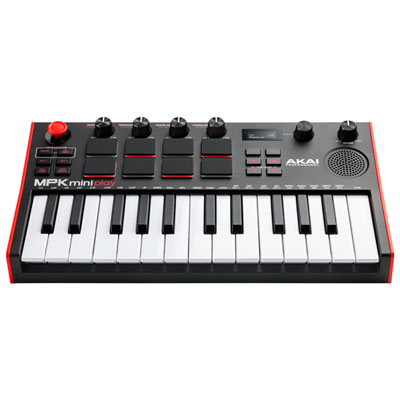 Your price for this item is $189.99
 -
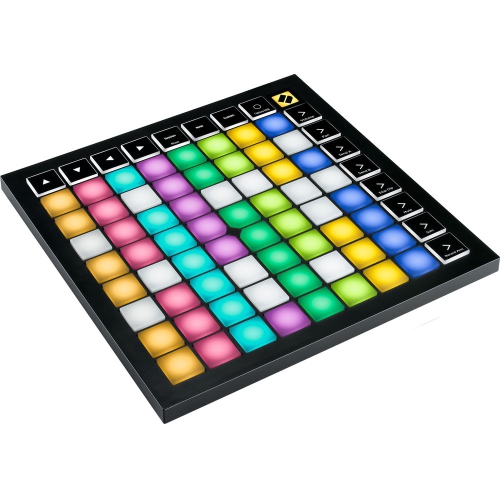 Your price for this item is $299
 -
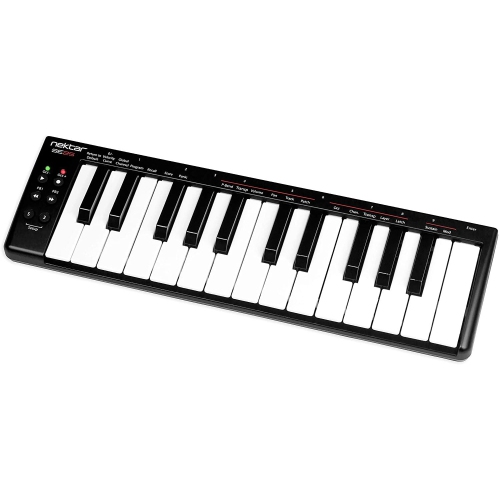 Your price for this item is $89
 -
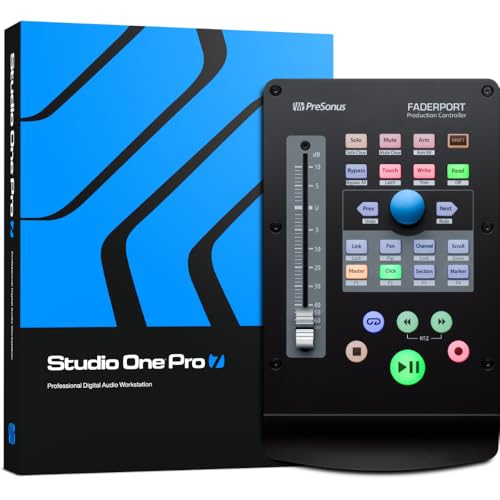 Your price for this item is $319
 -
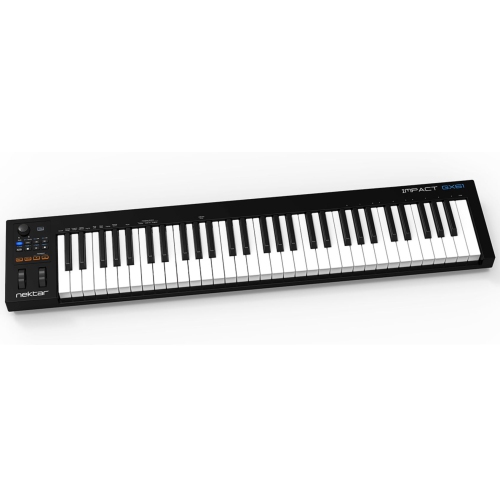 Your price for this item is $129
Discover more categories related to Portable MIDI Keyboards
Top Collections:
Pokemon Centers, Budget 4K TVs, Kindle Devices, Canon G7X Cameras, Apple iPhones 16, iPhone 15 Apple, Laptops for Business Work, Flip Phones, Xiaomi Phones, Refurbished Apple Laptops
Some products may be subject to Environmental Handling Fees
(EHF) depending on your province.
Learn more about EHFs.