Musical Instrument Stands
Whether you're a seasoned musician or just starting out, having a reliable and sturdy stand for your musical instruments is essential. These musical instrument stands offer a wide range of options to securely hold your guitars, keyboards, saxophones, and more. With durable construction and adjustable features, these stands provide the perfect solution for keeping your instruments safe and easily accessible during practice sessions, performances, or studio recording.
Sort
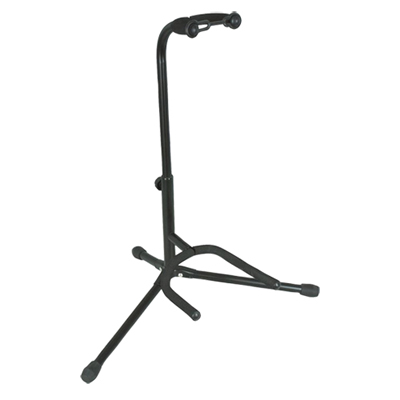
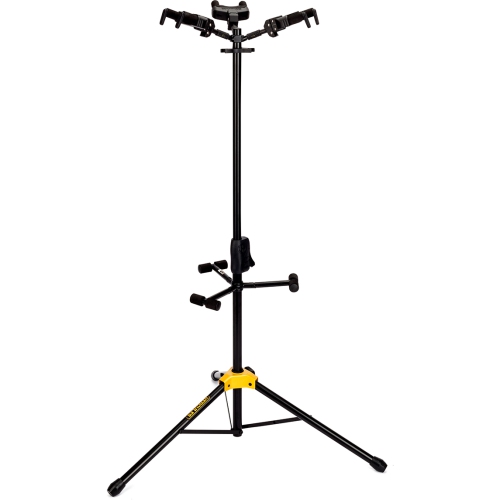
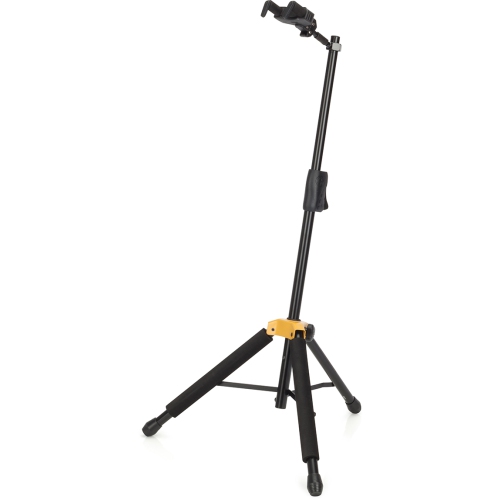
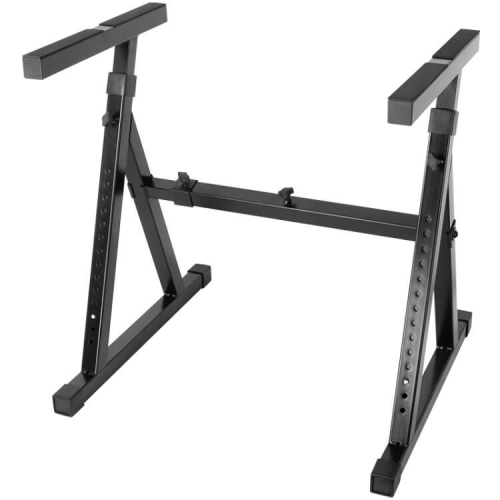
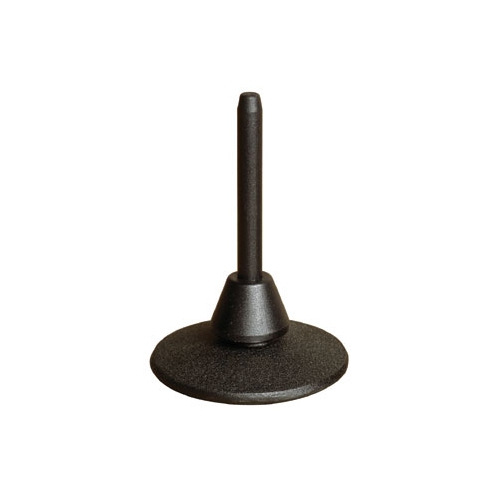
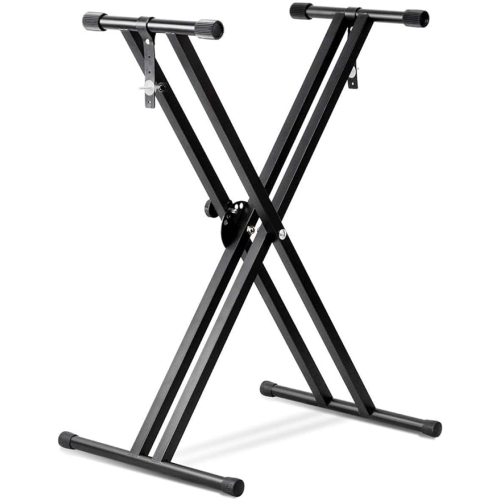
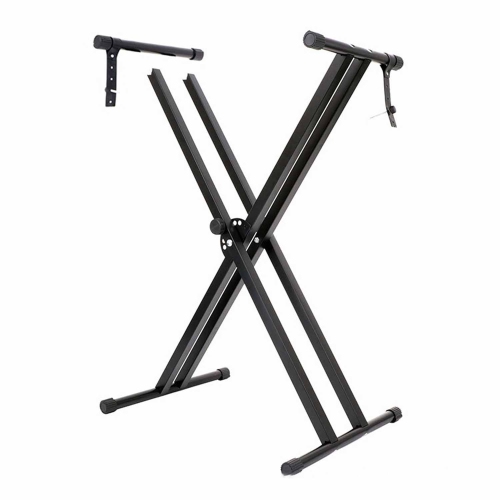
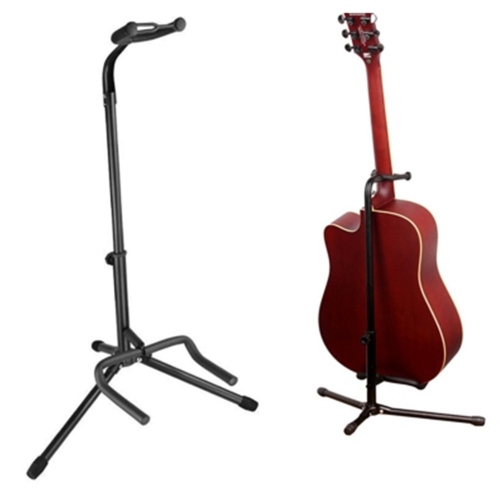
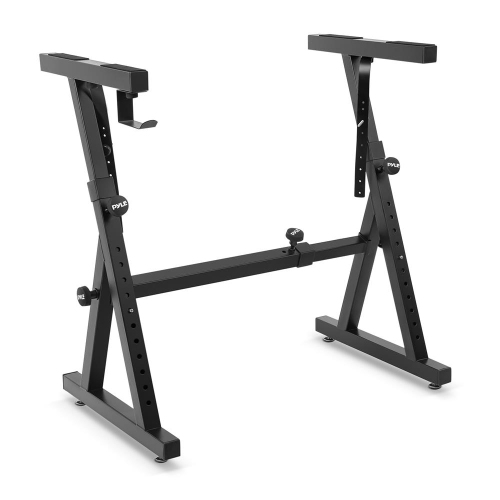
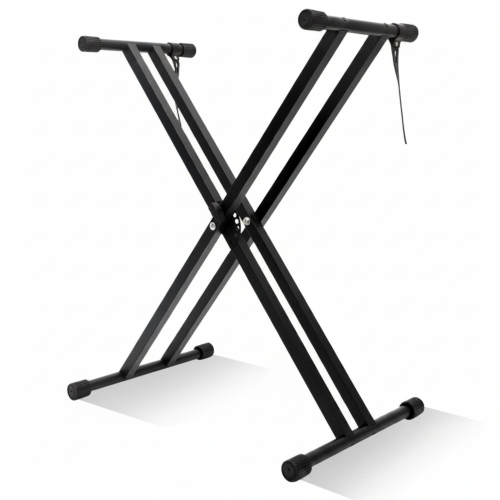
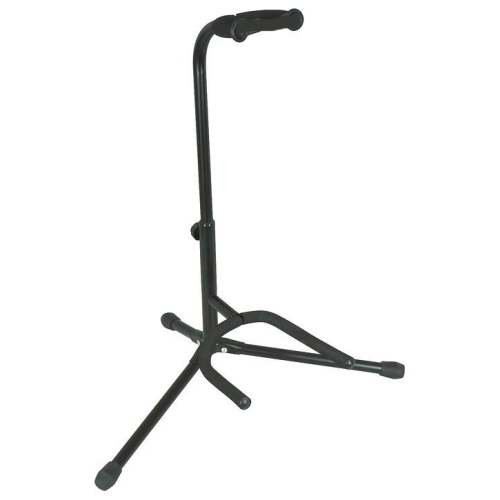
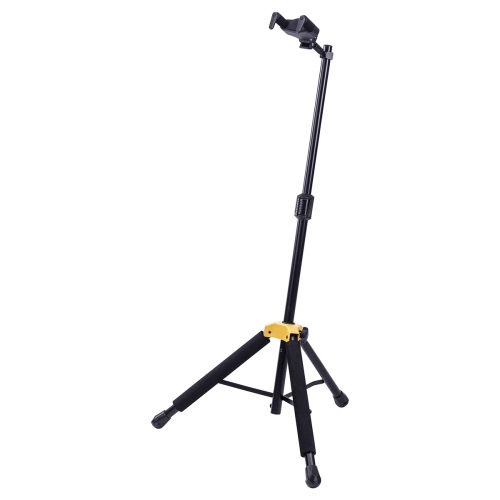
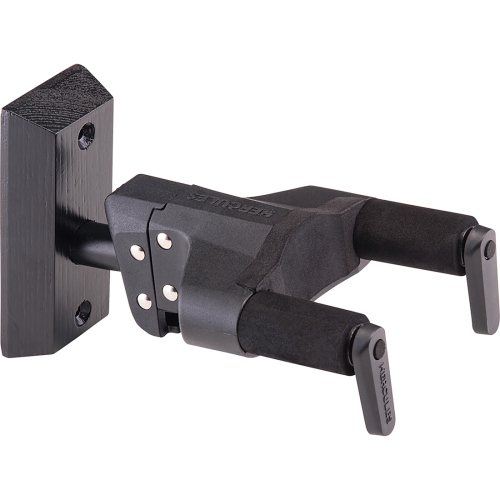
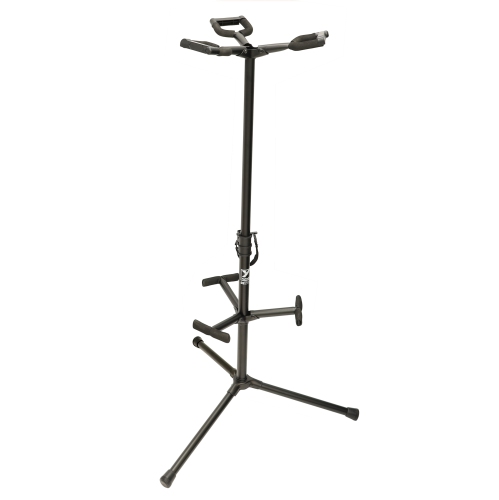
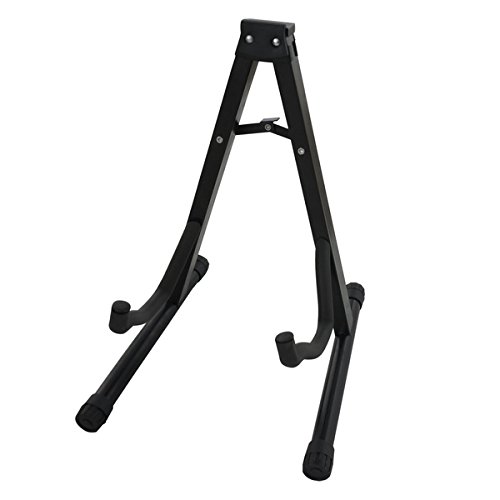
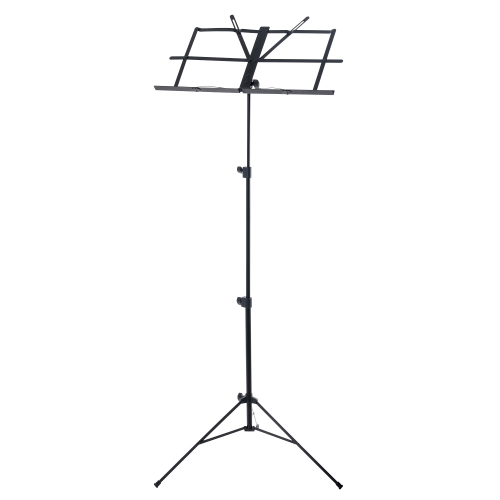
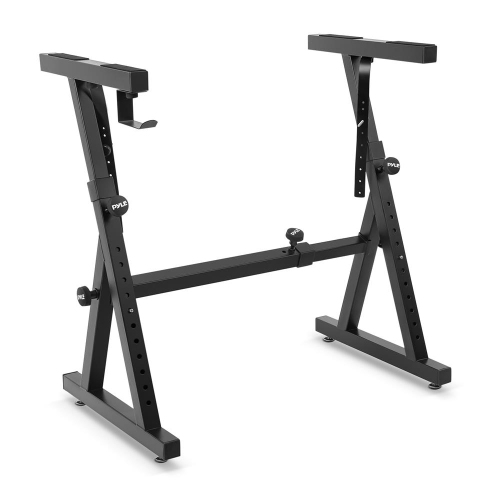
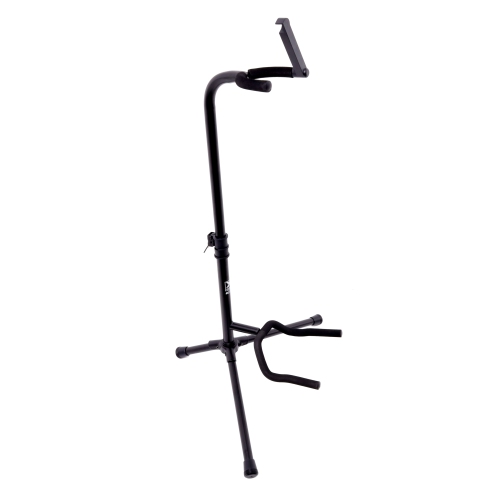
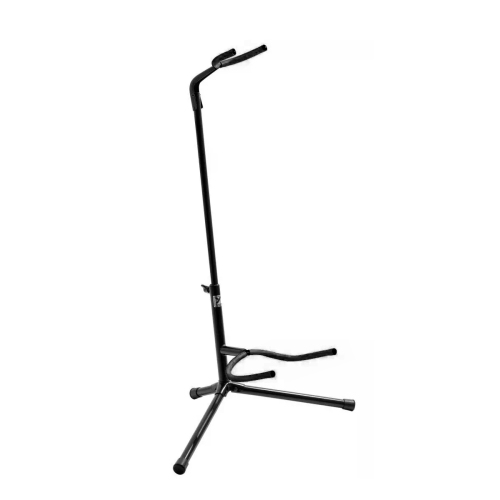
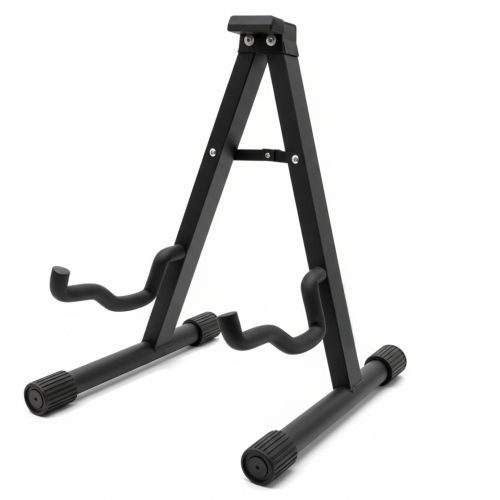
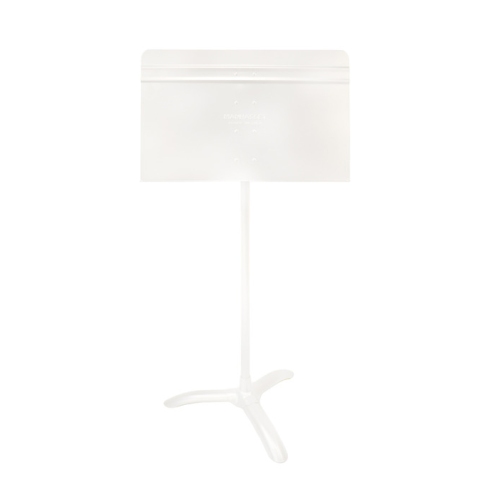
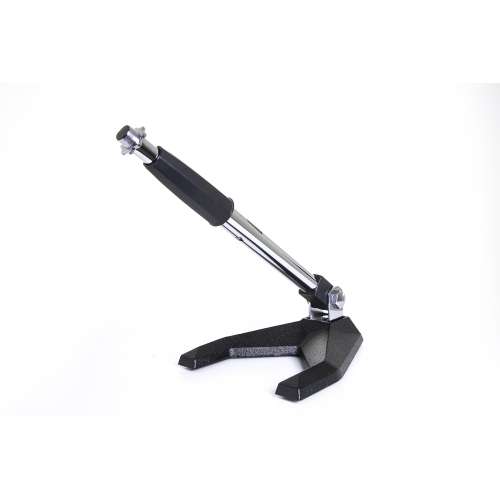
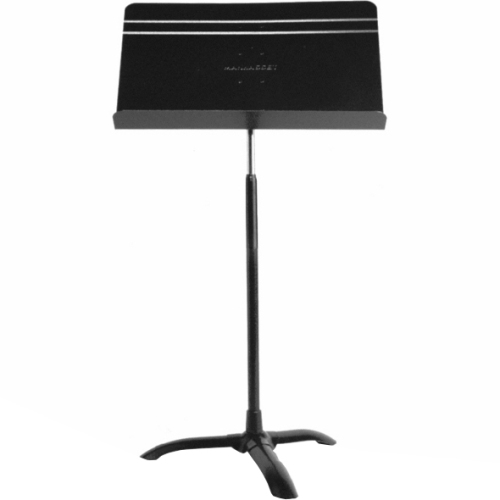
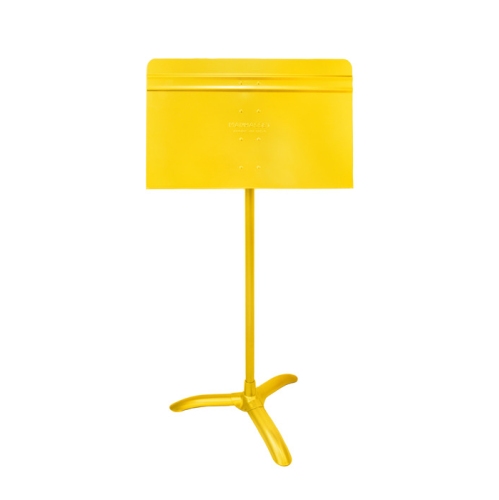
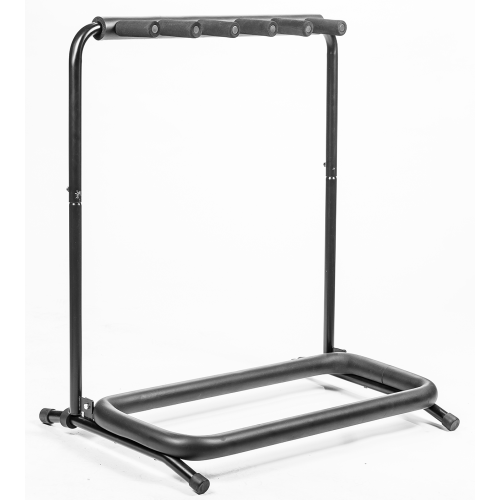
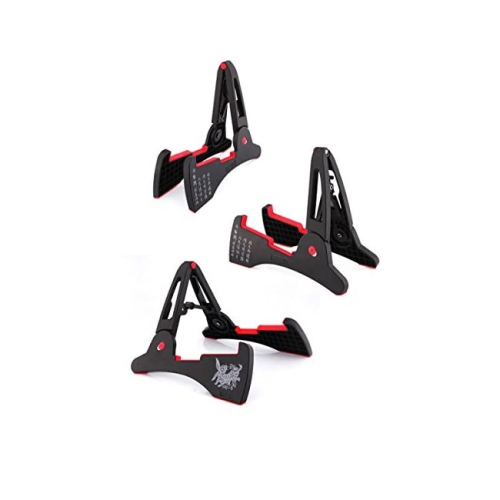
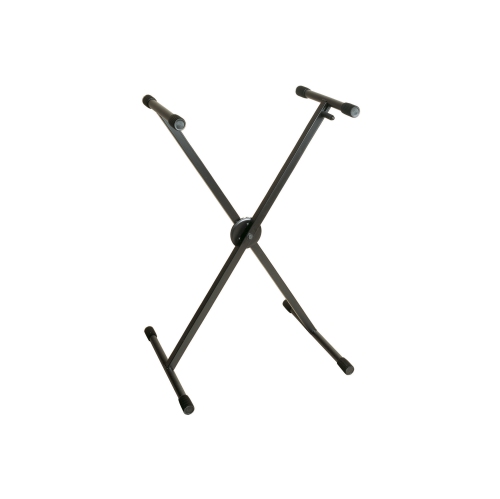
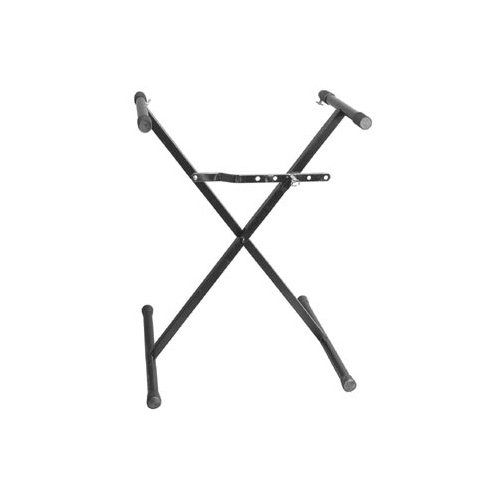
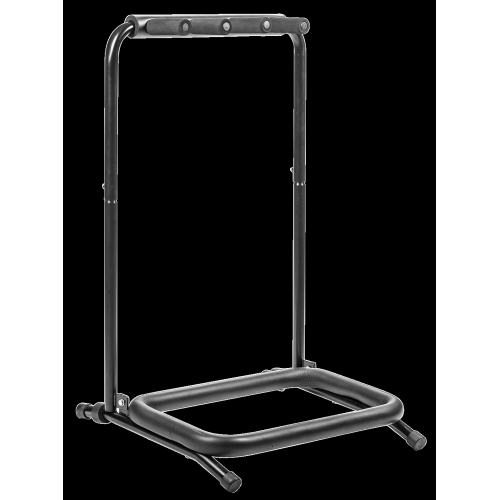
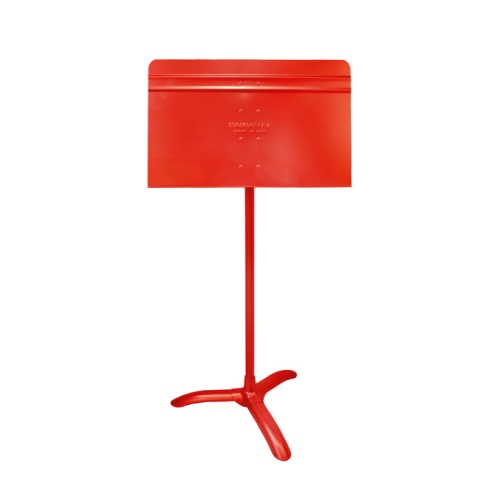

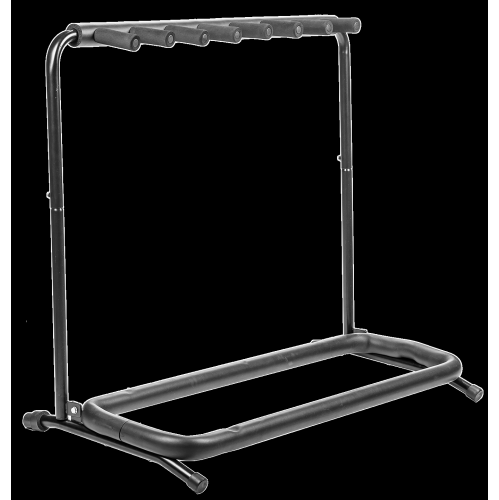
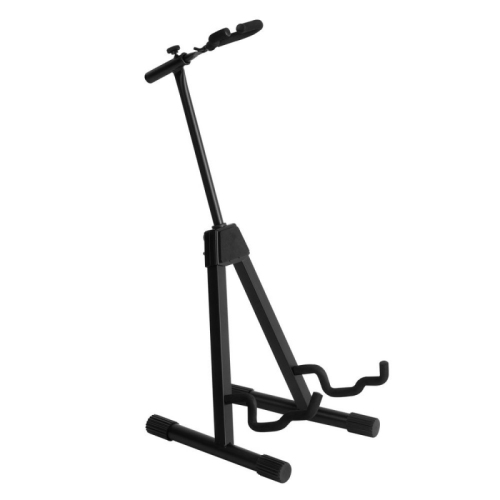
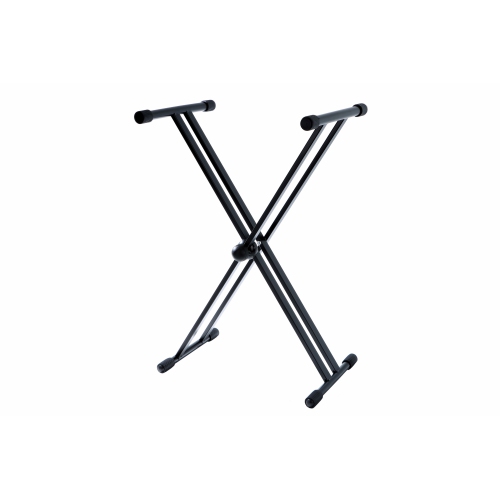
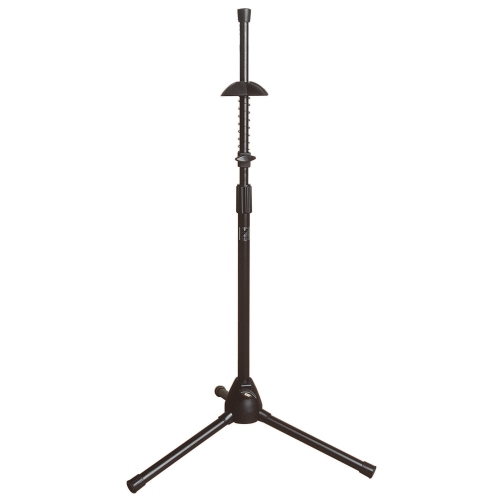
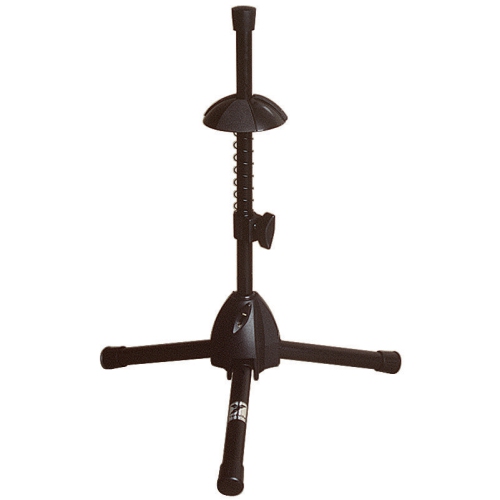
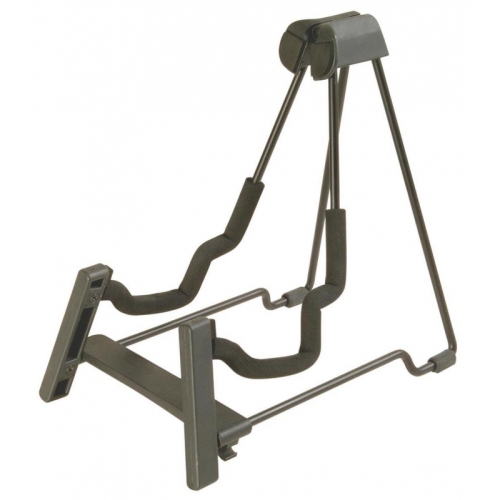
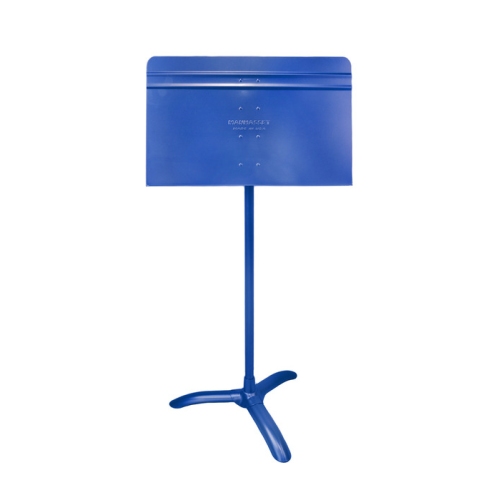
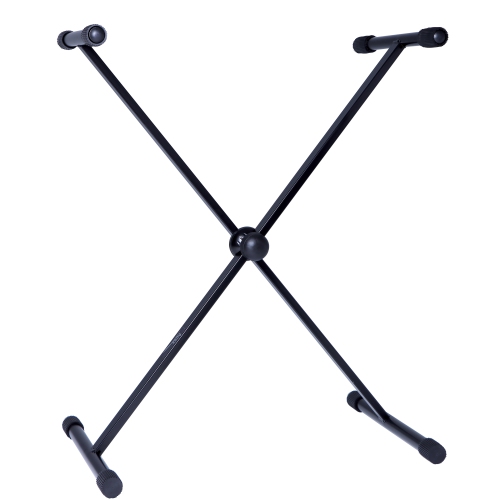
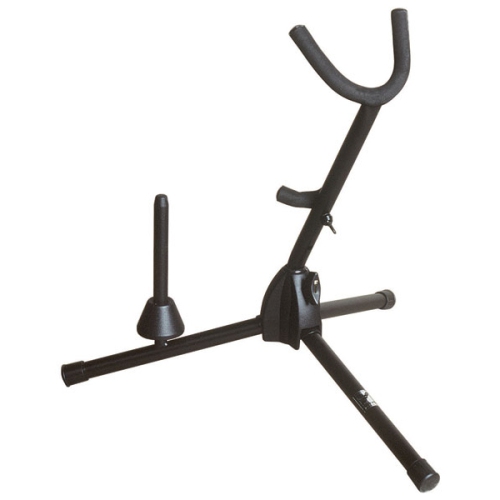
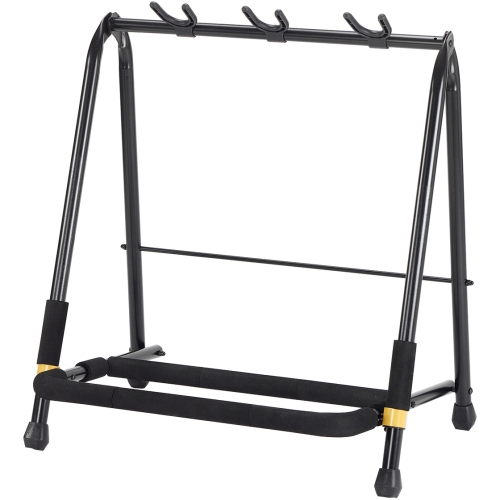
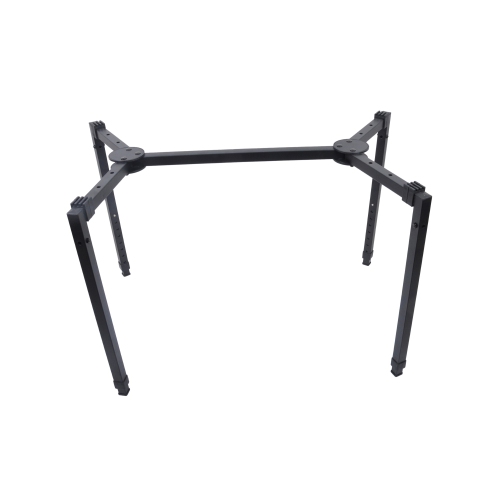
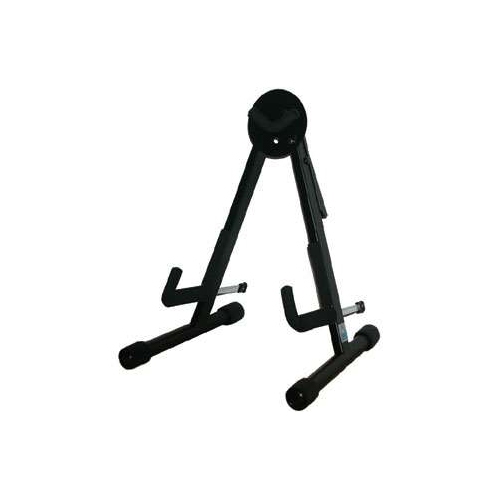
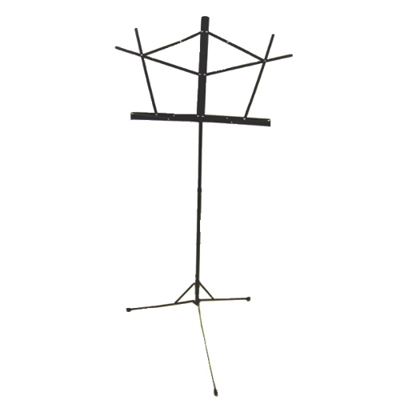
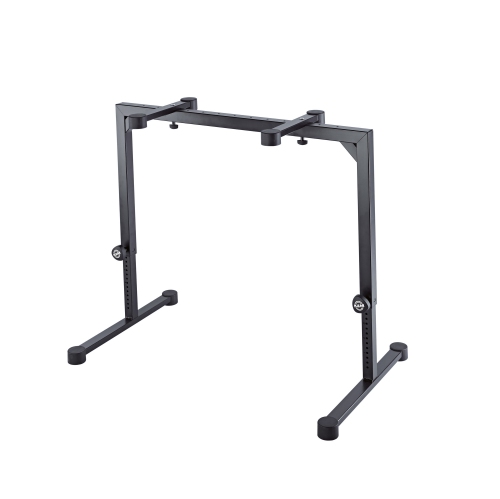
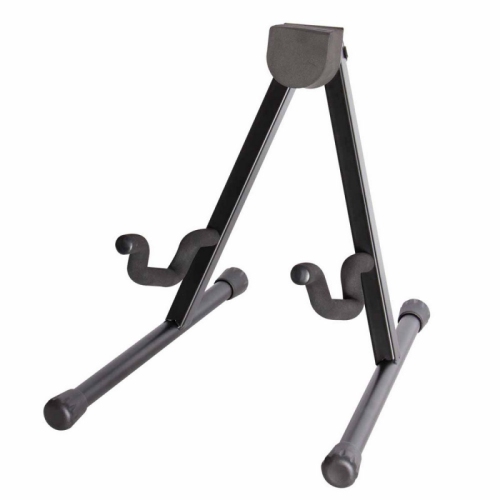
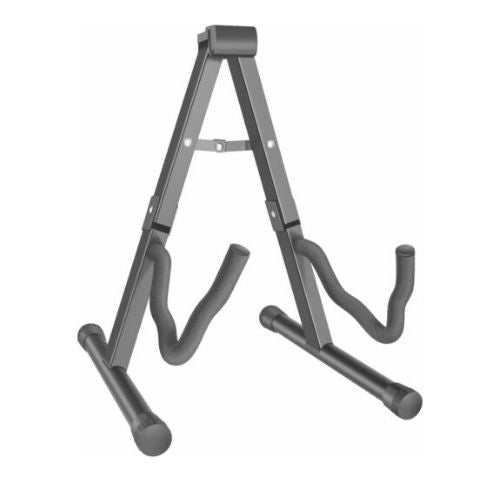
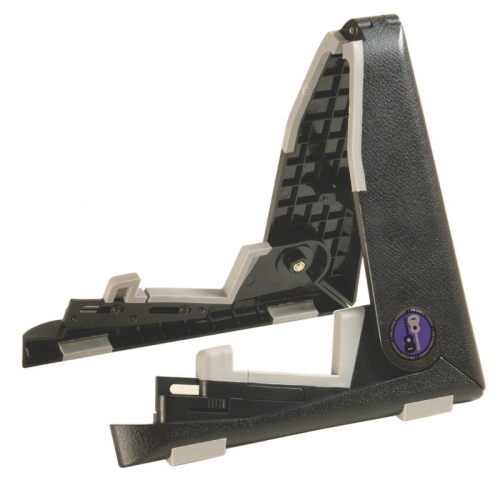
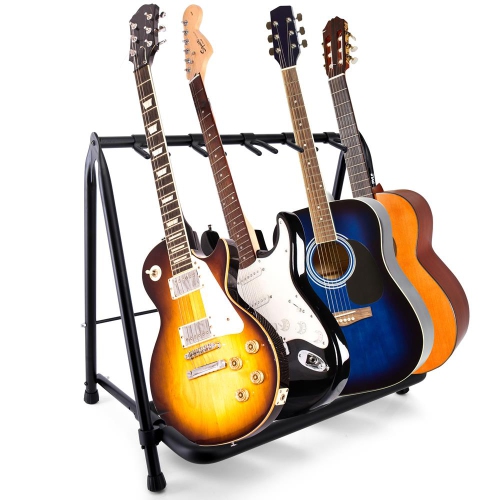
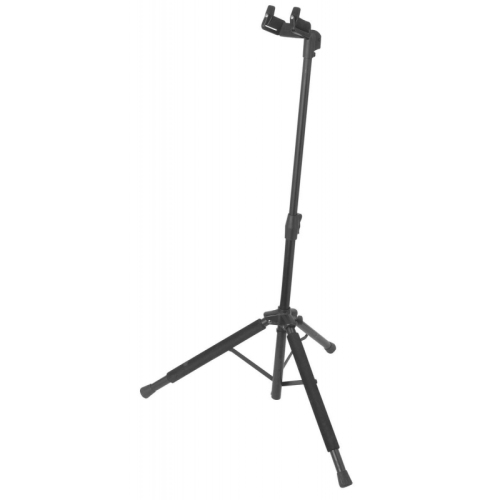
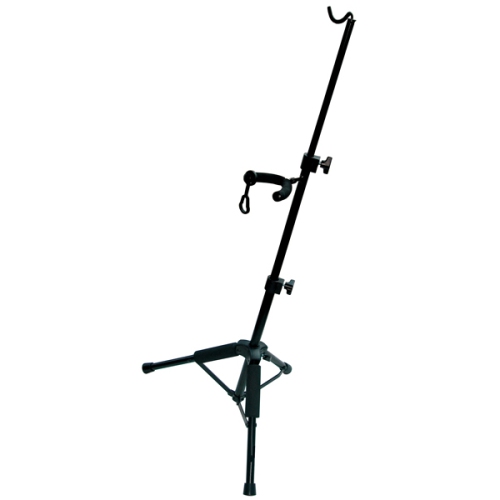
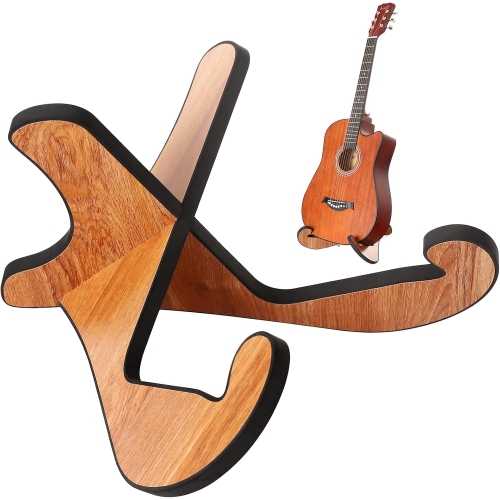
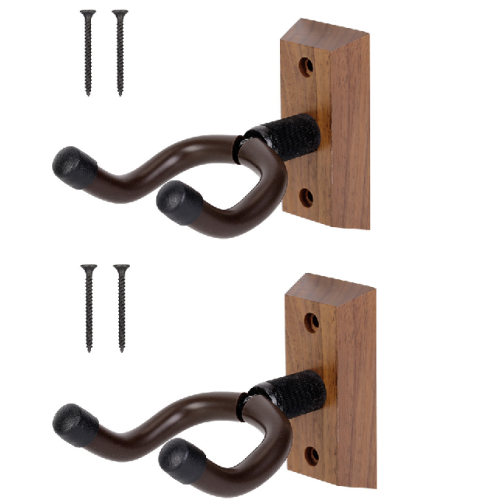
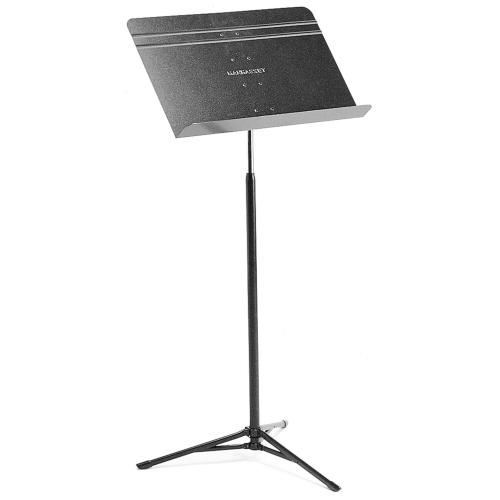
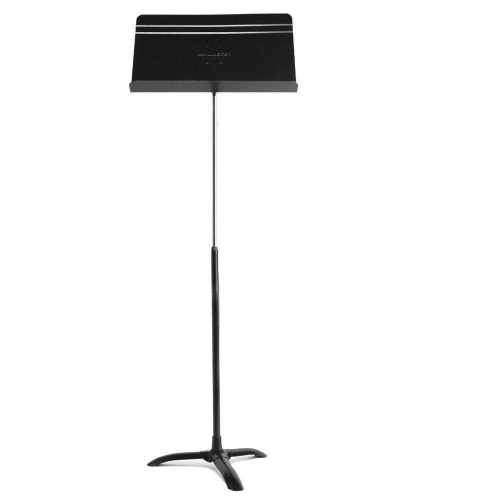
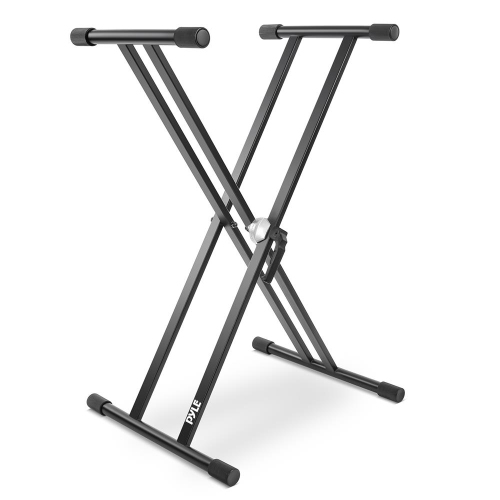
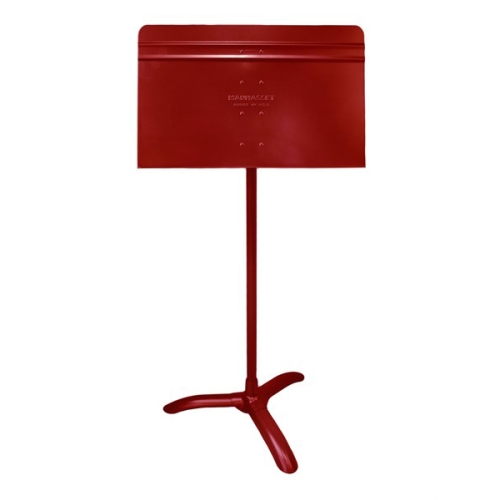
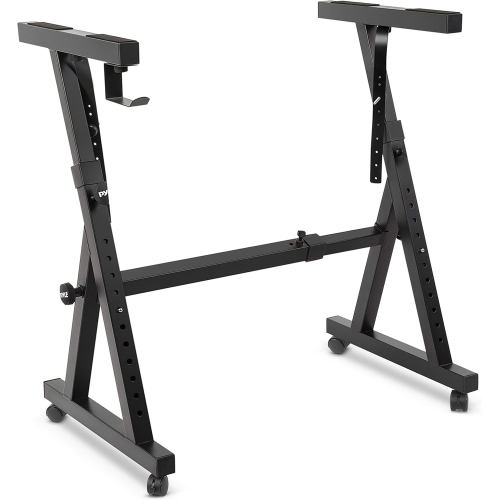
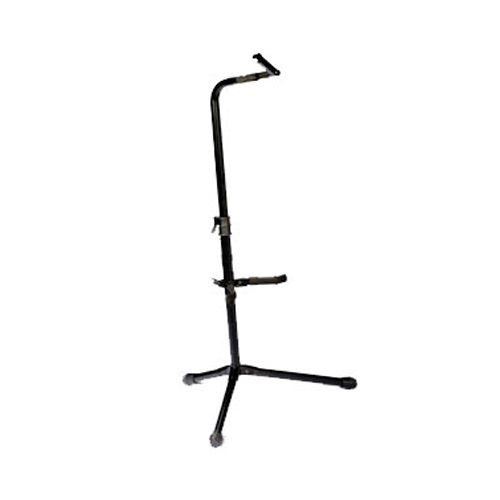
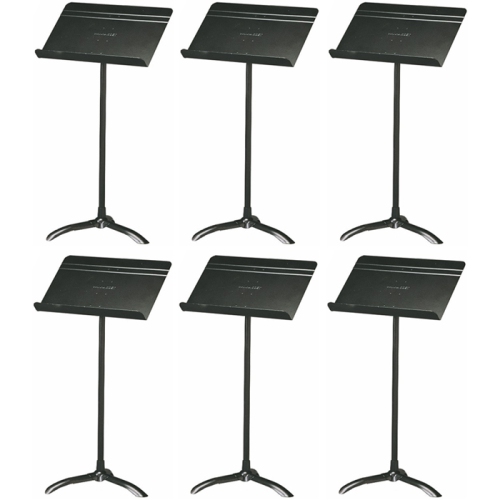
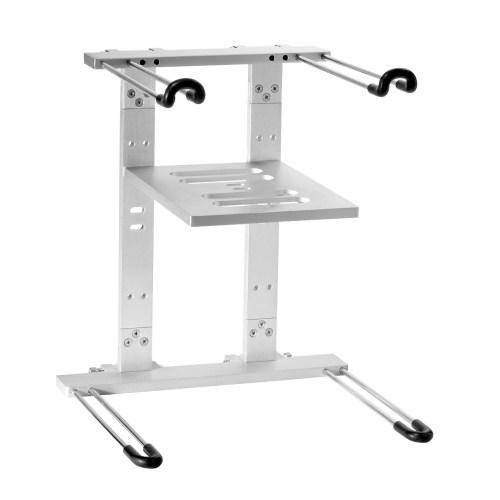
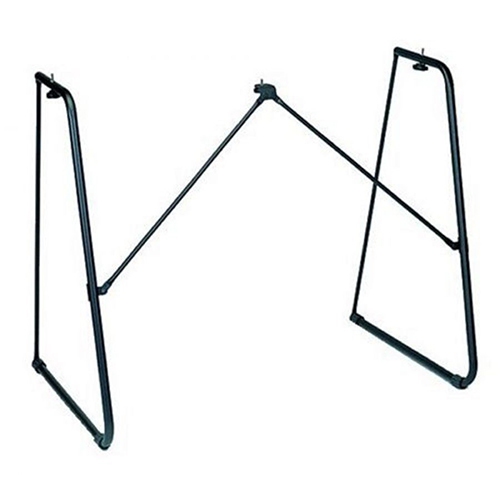
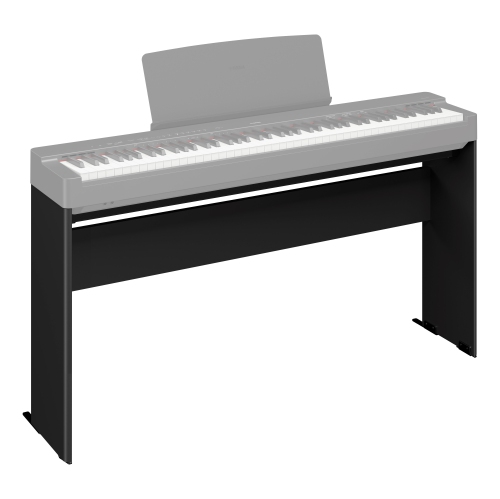
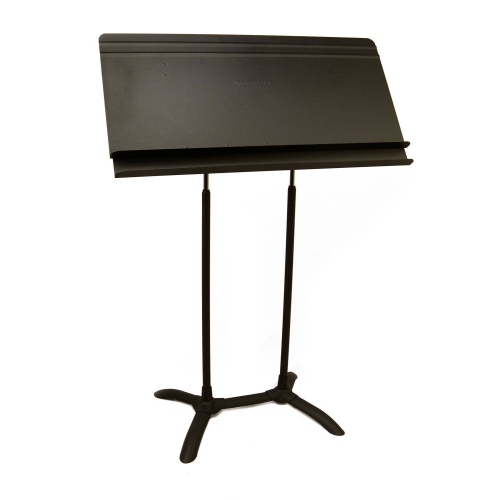
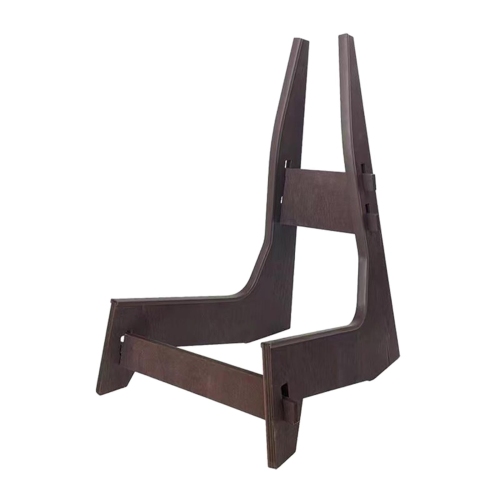
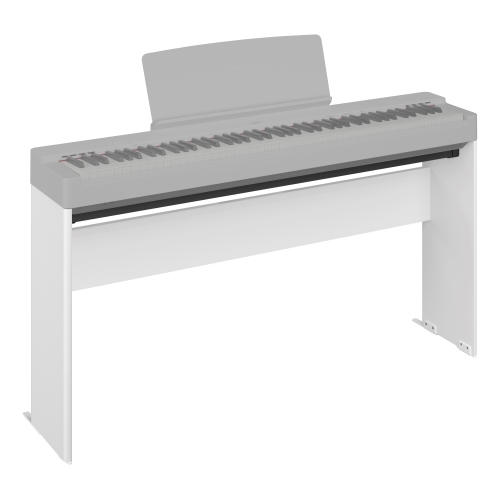
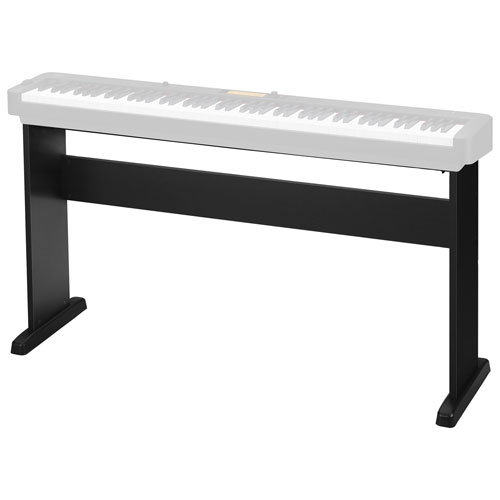
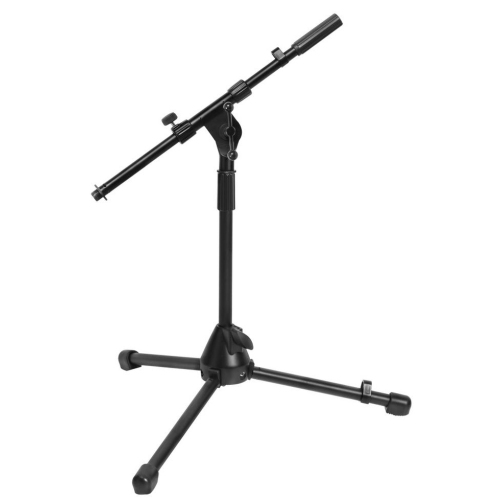
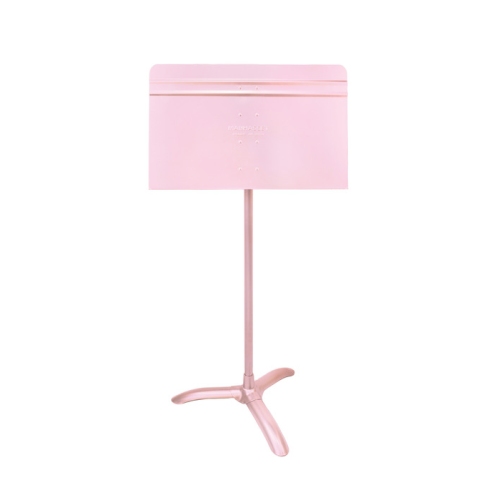
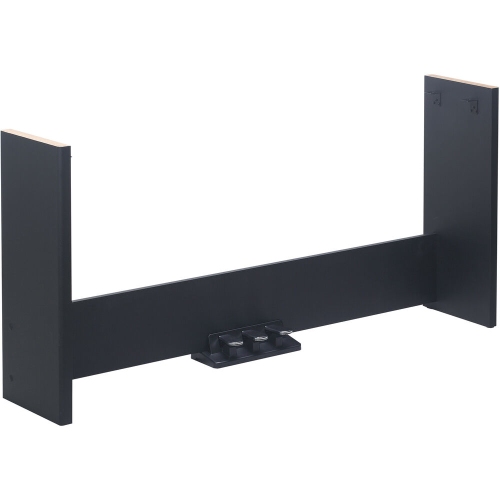
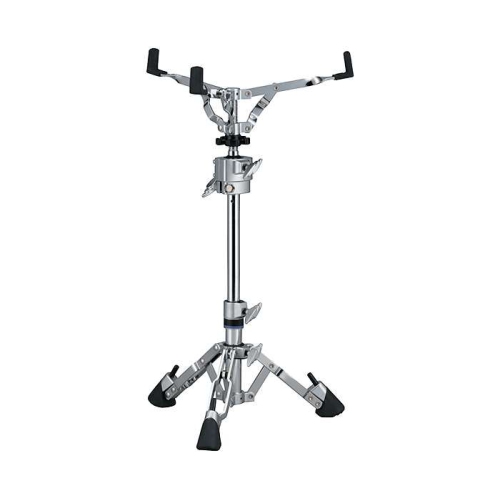
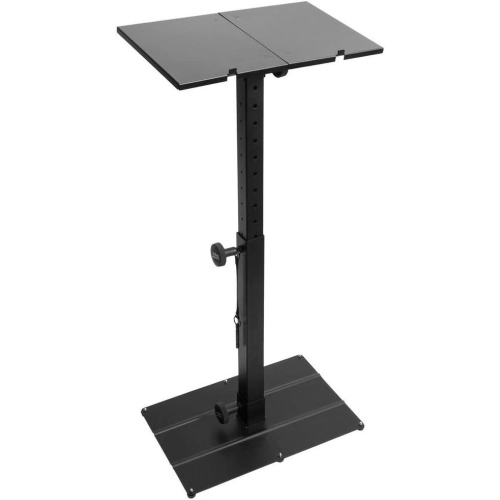
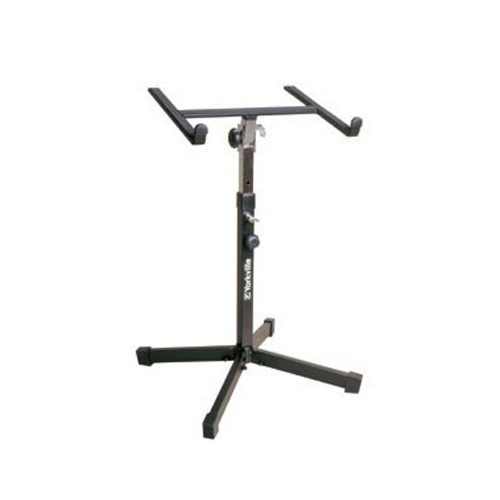
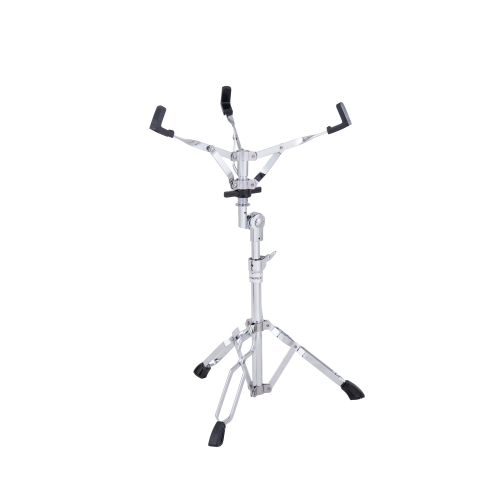

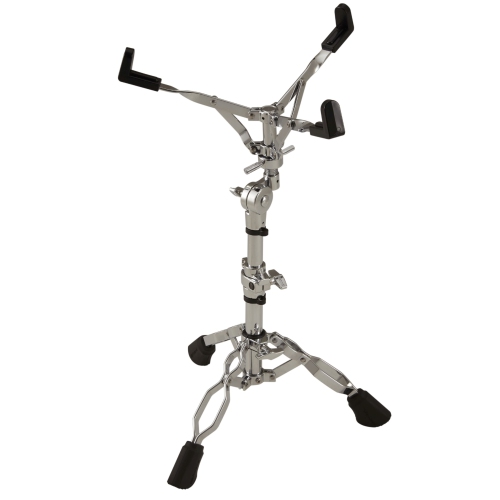
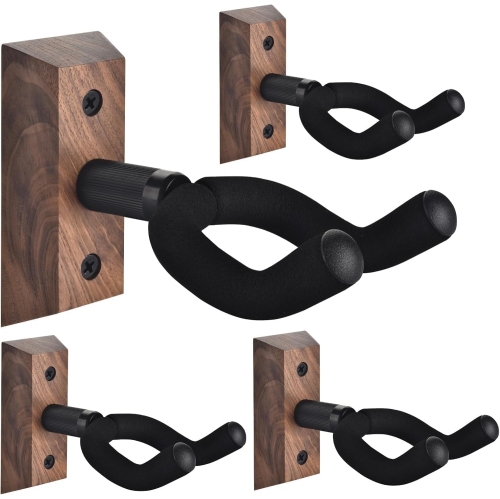
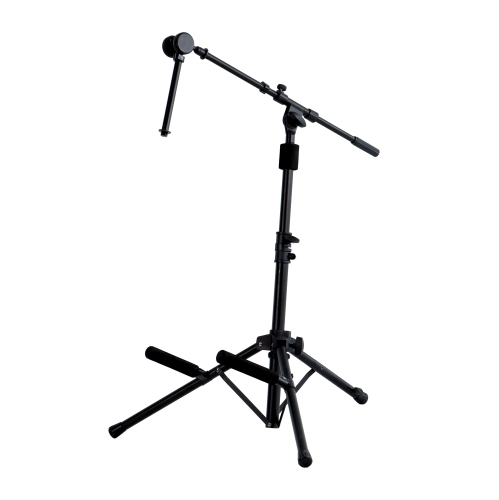
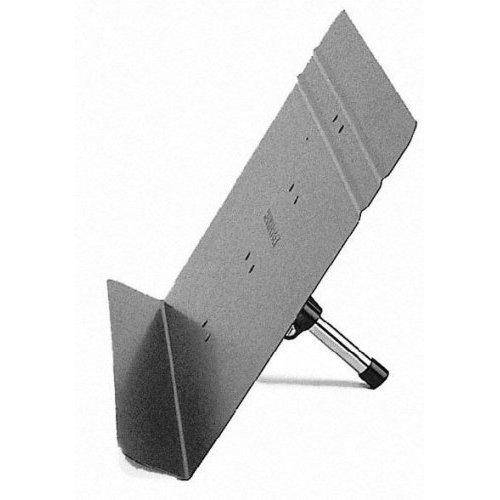
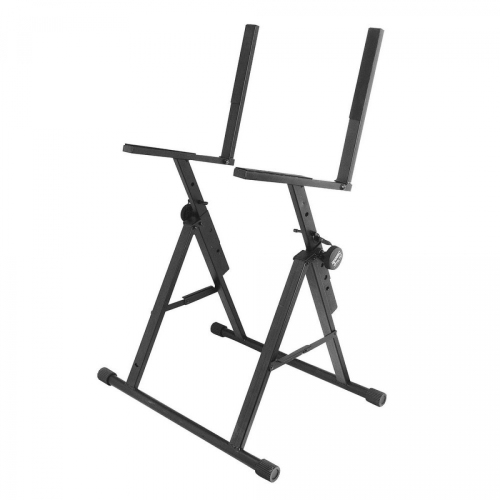
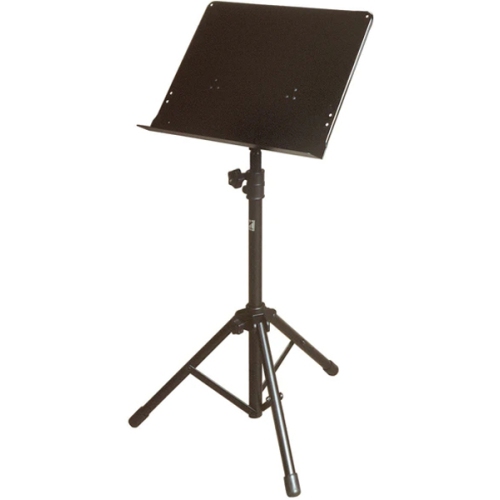
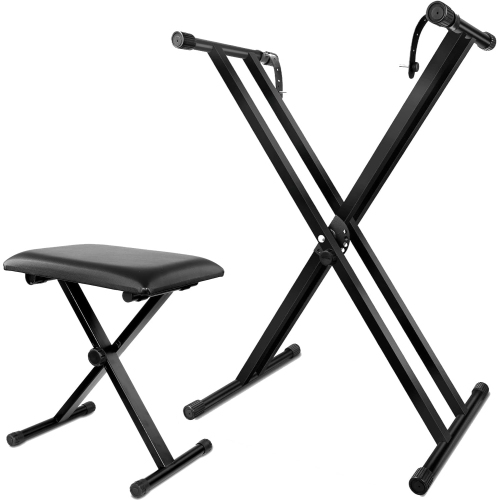
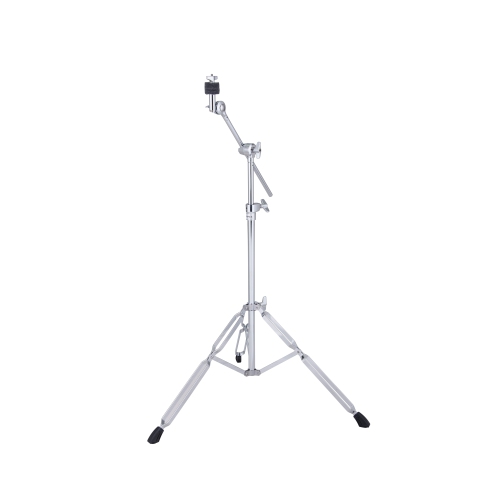
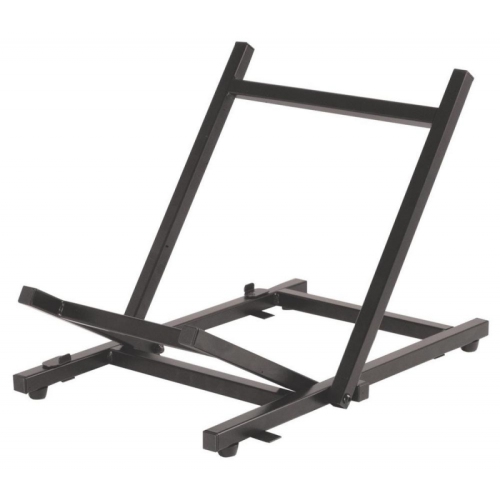
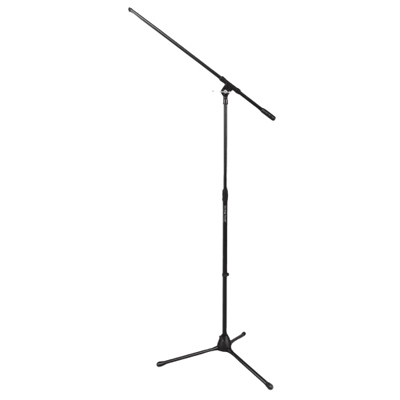
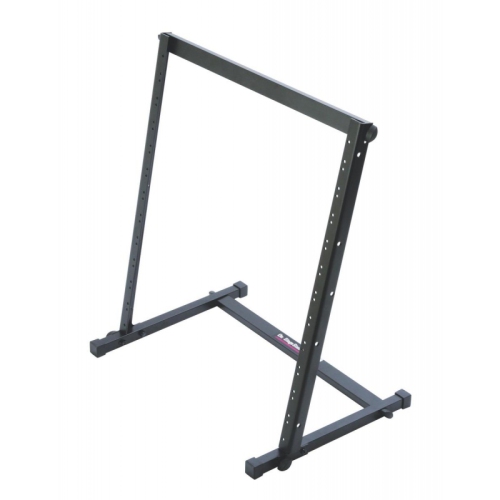
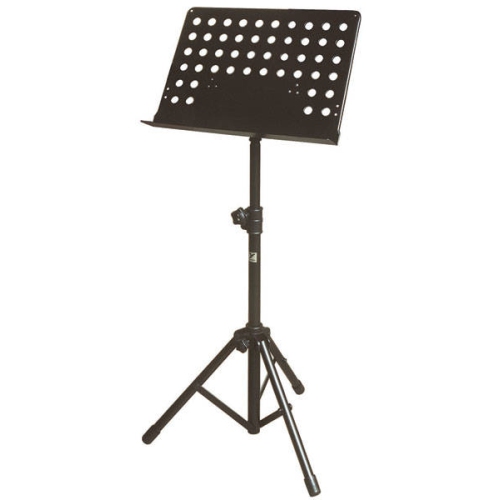
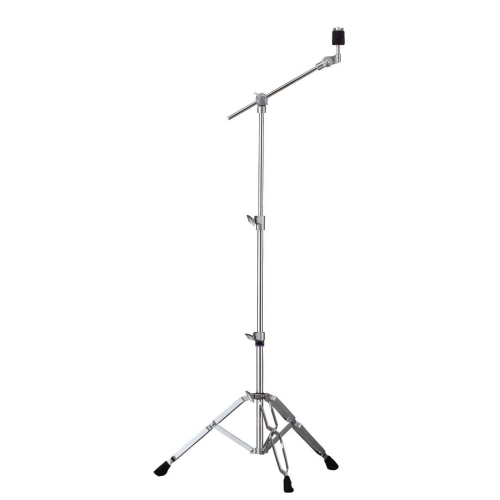
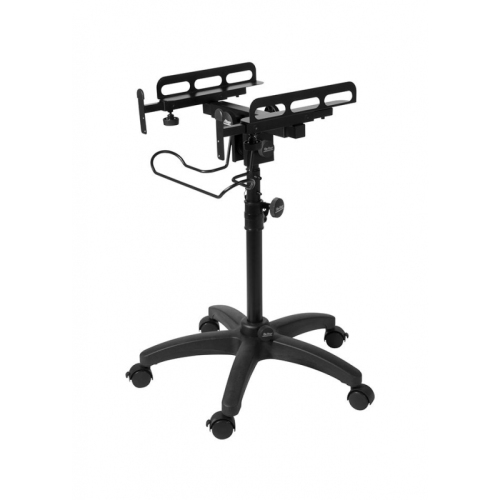
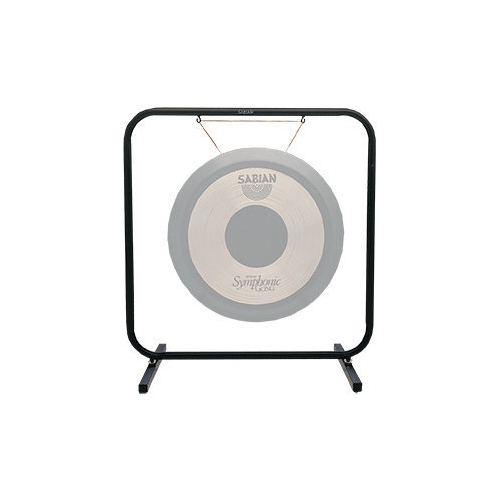
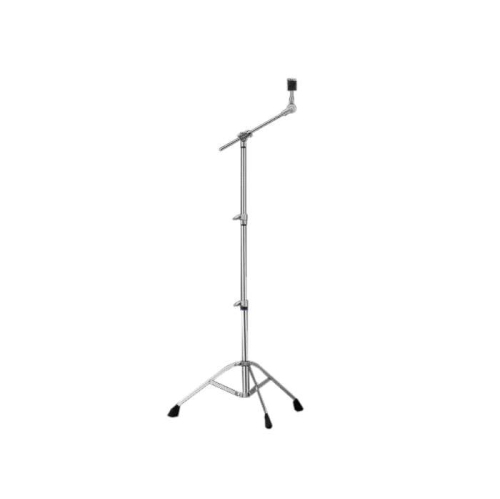
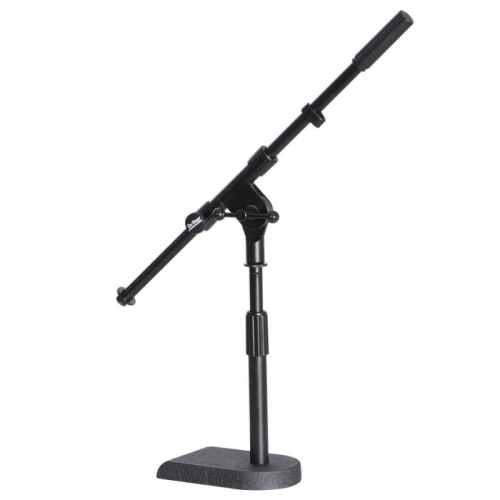
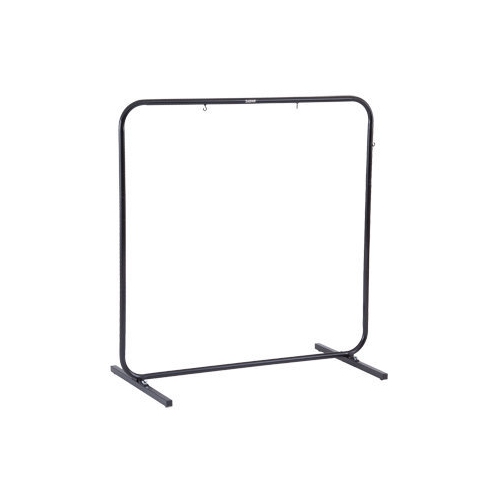
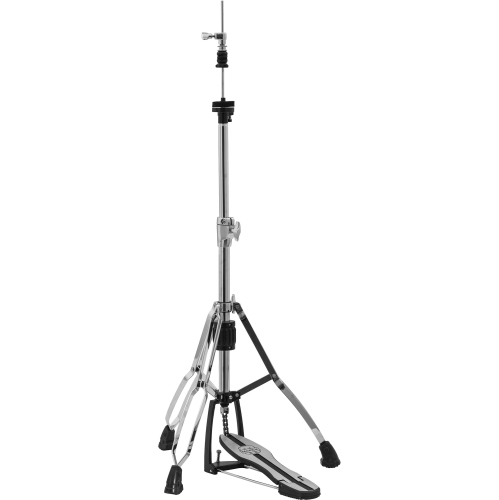
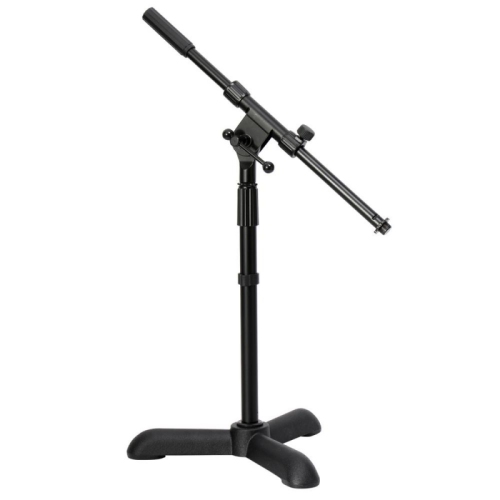
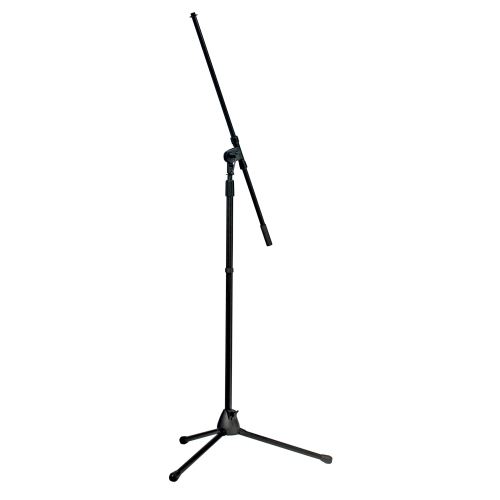
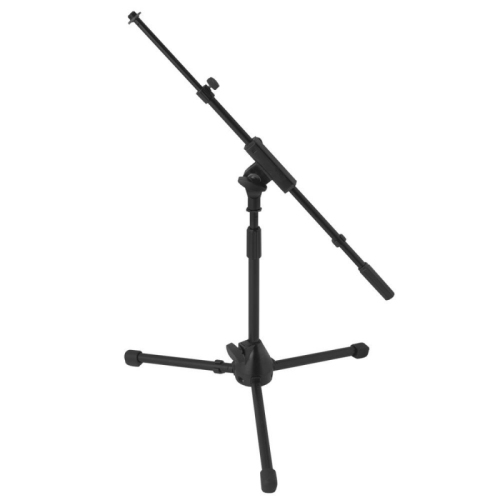
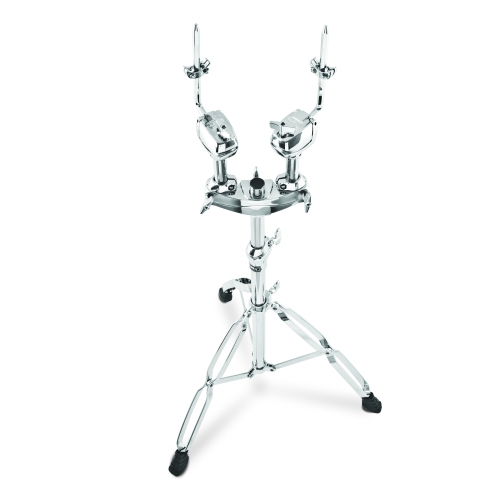
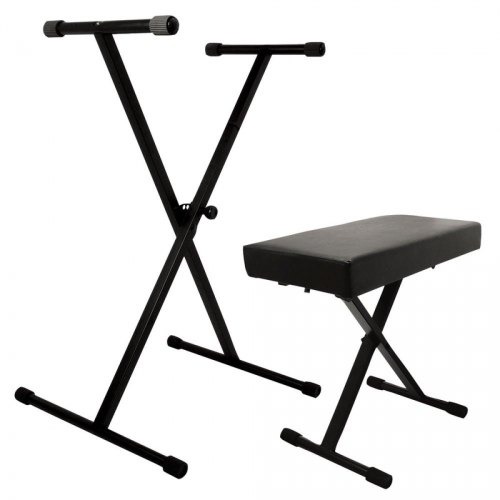
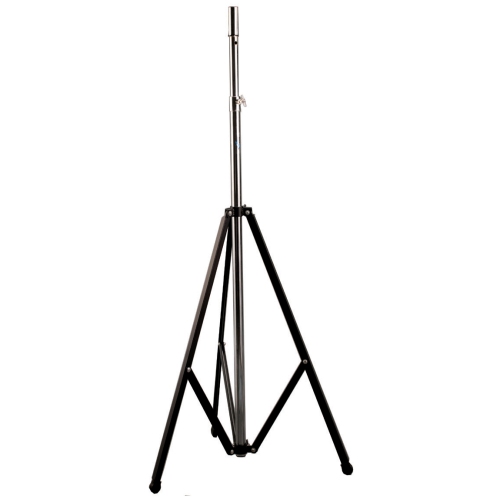
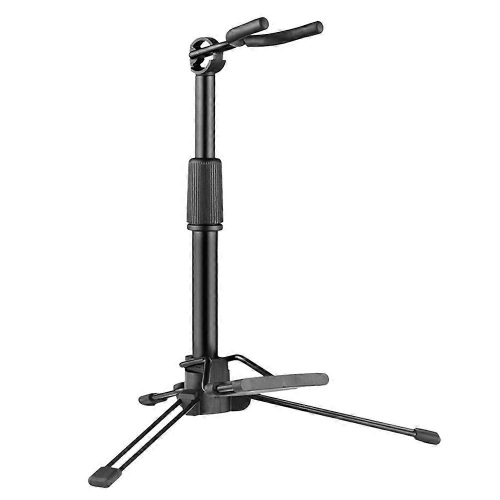
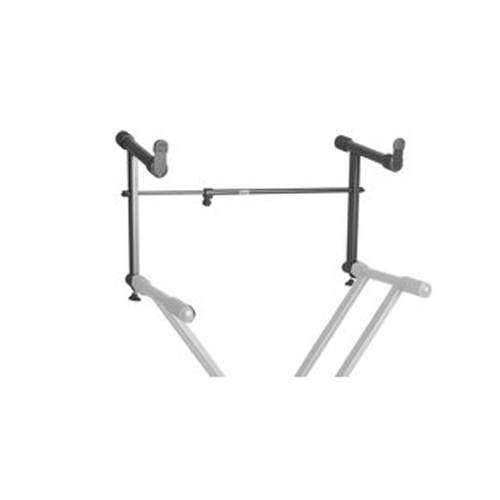
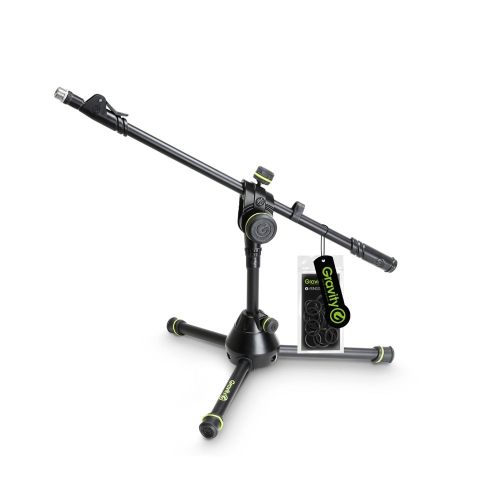

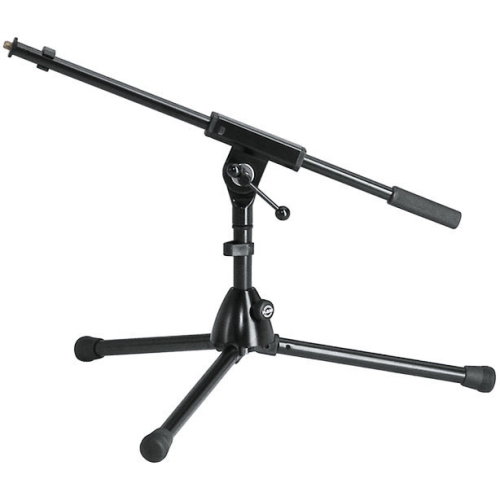
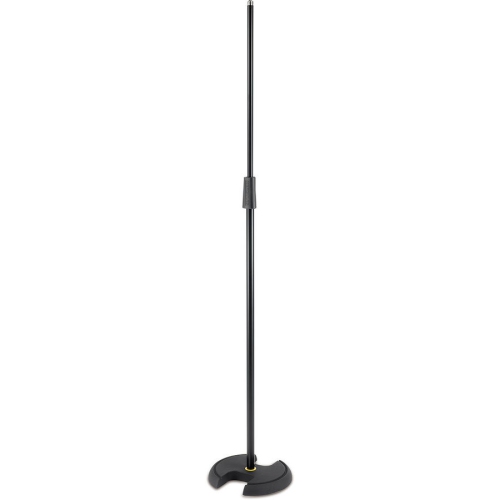
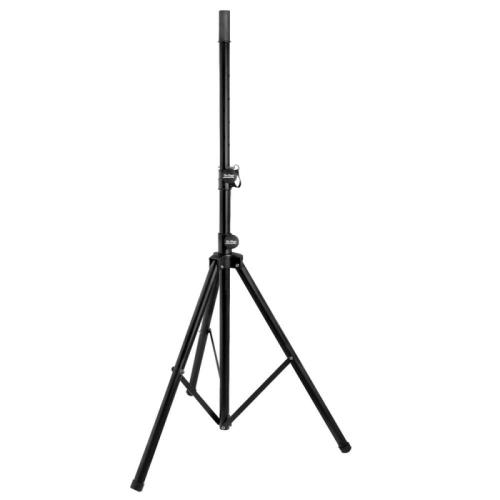
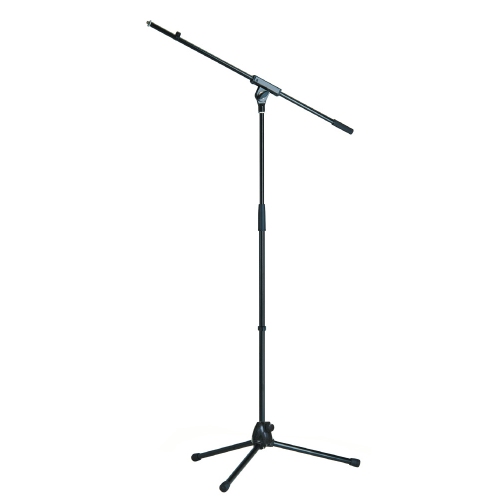
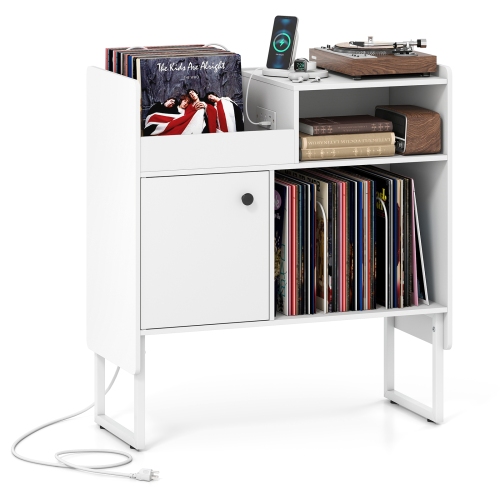
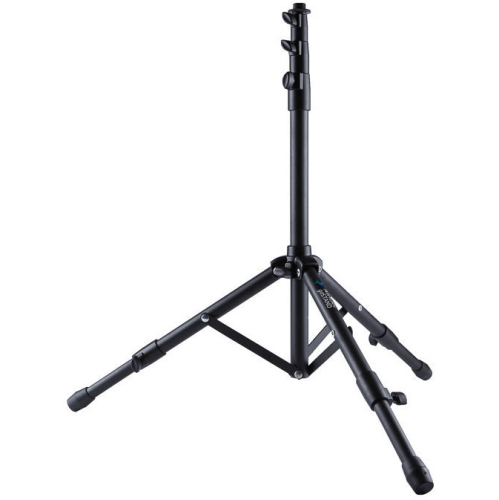
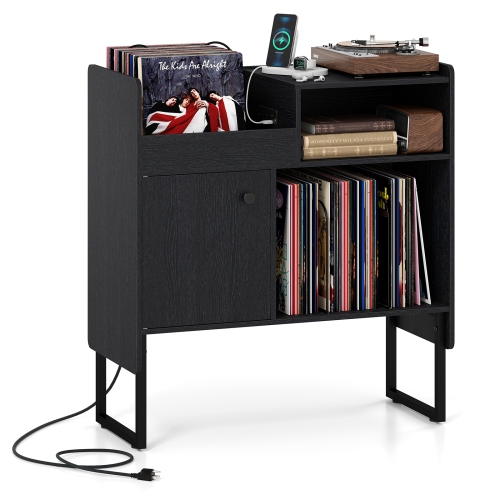
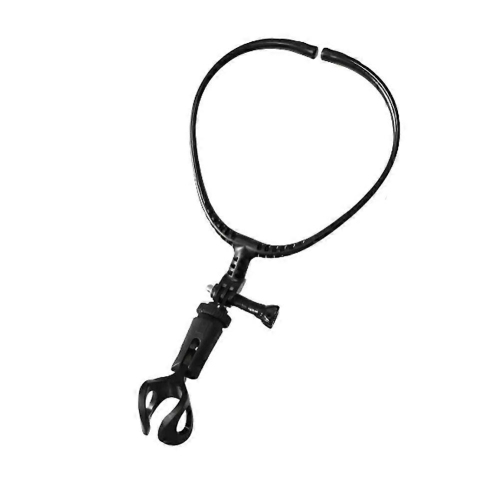
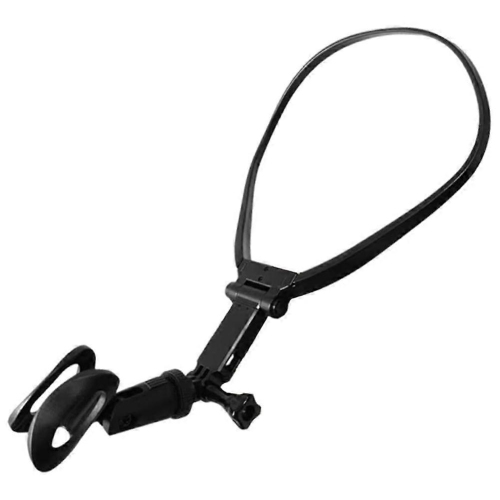
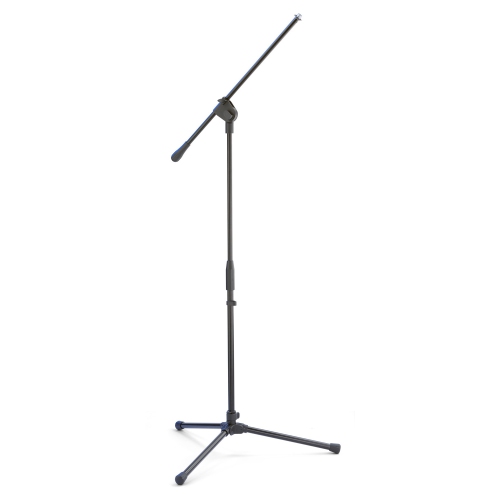
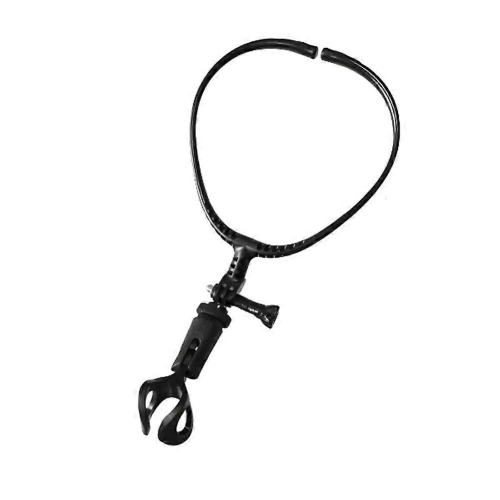
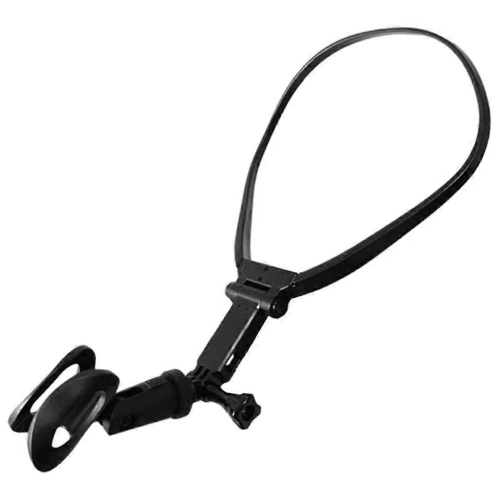
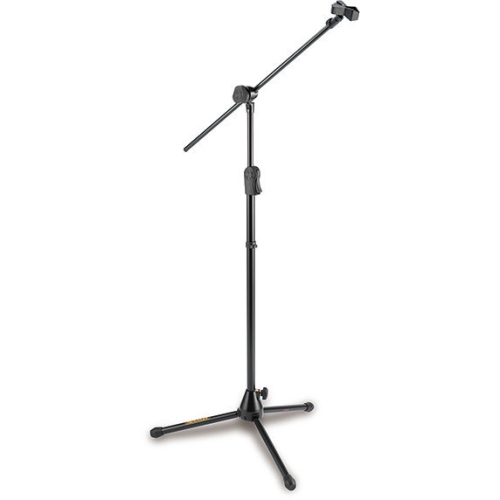
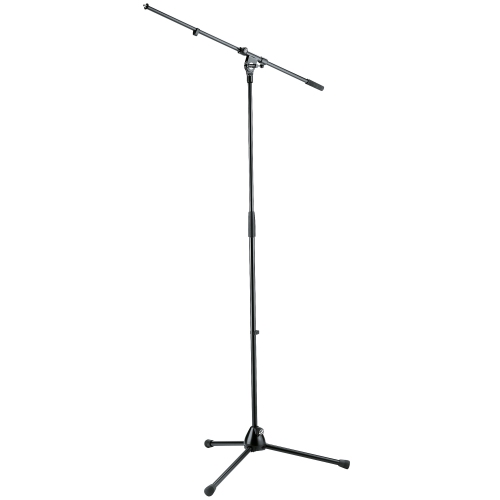
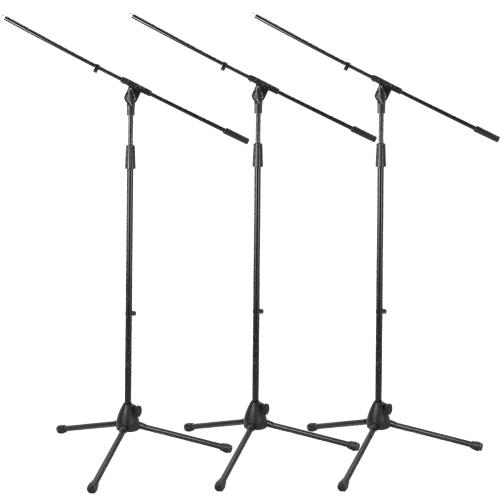
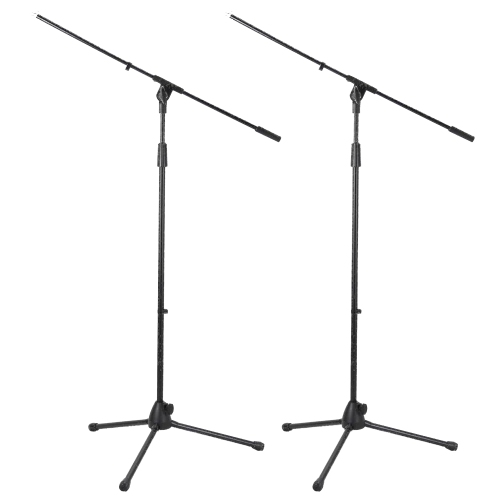
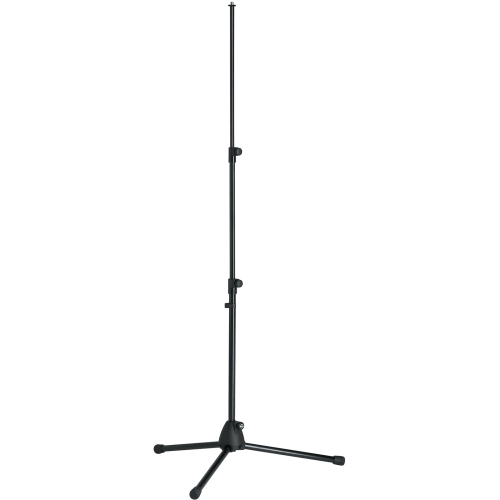
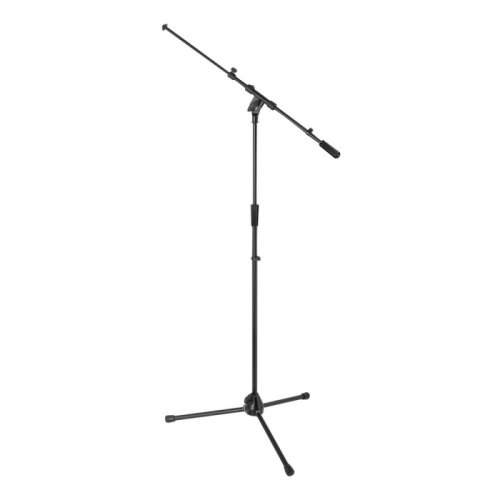
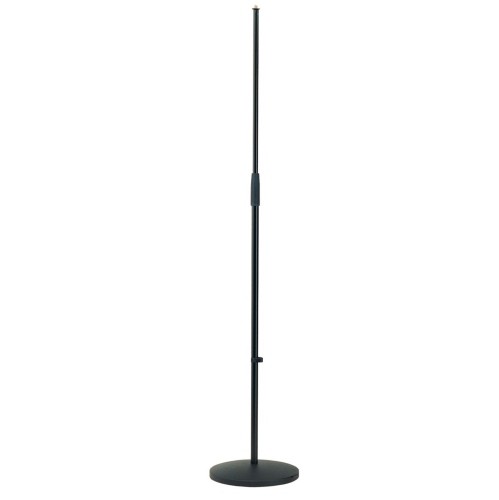
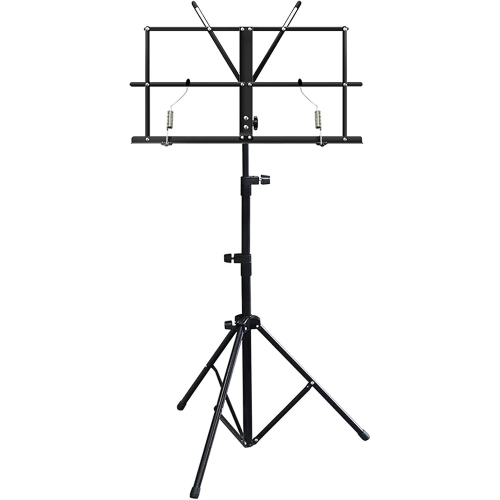
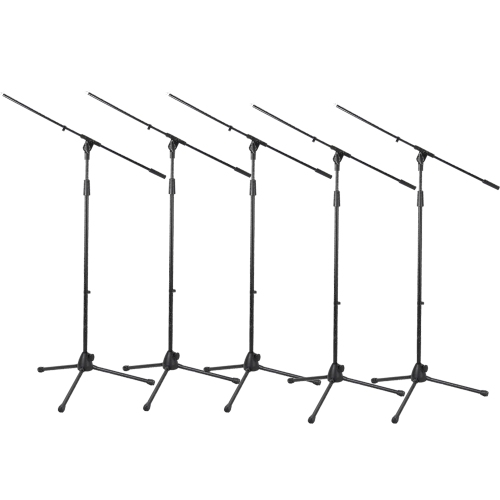
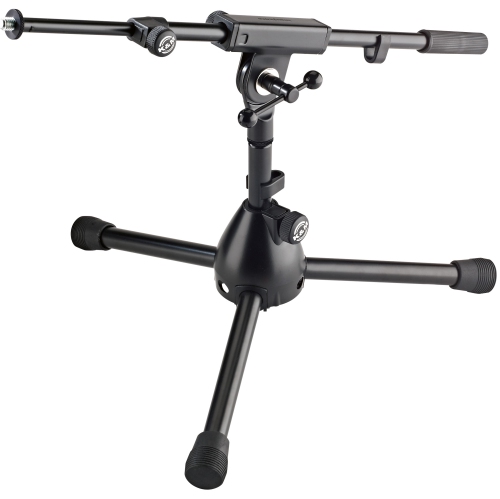
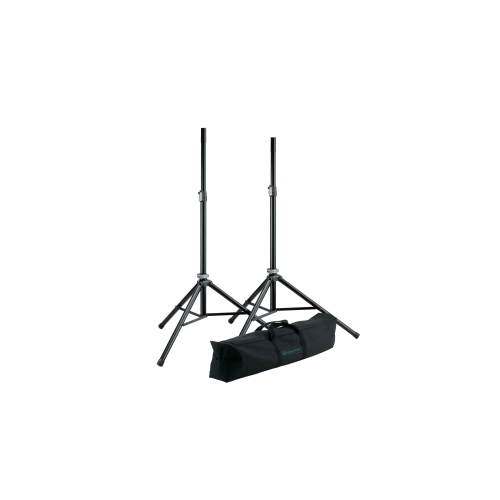
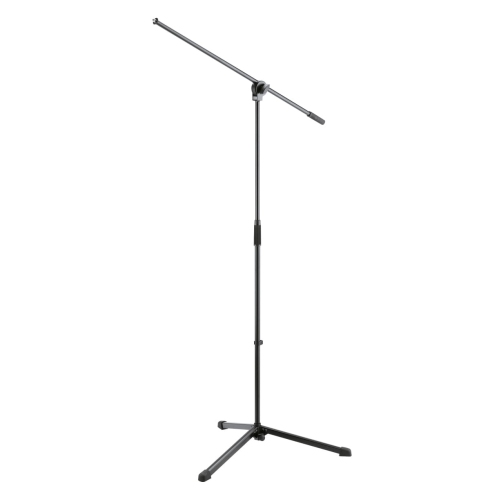
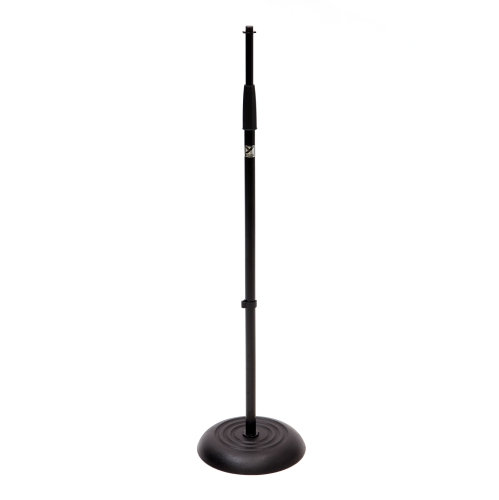
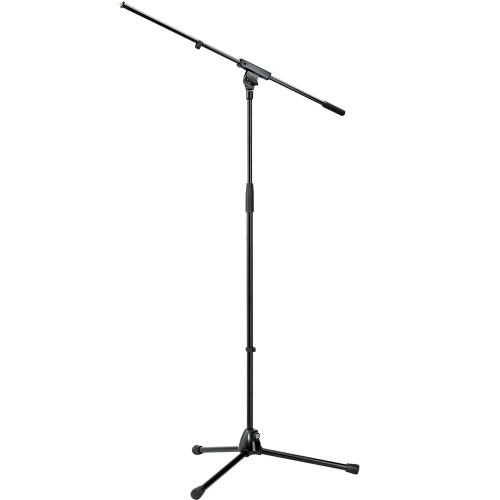
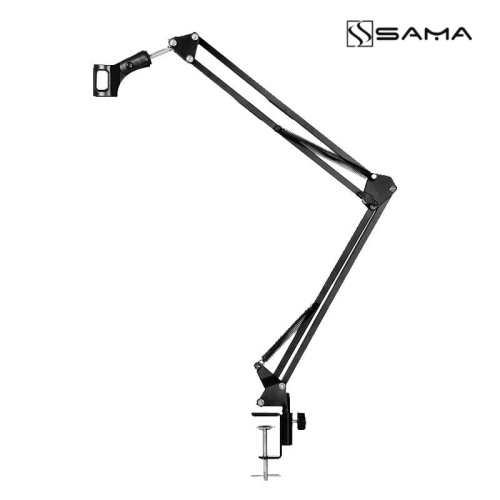
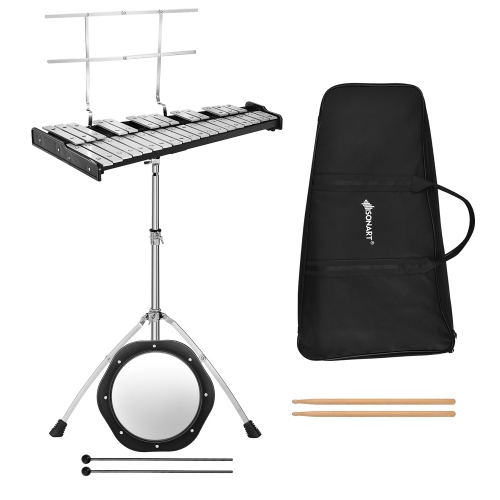
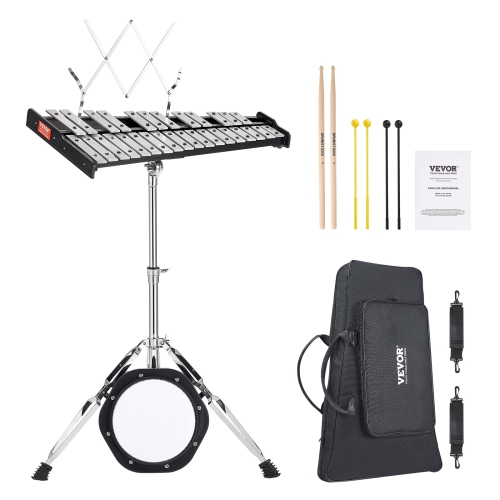
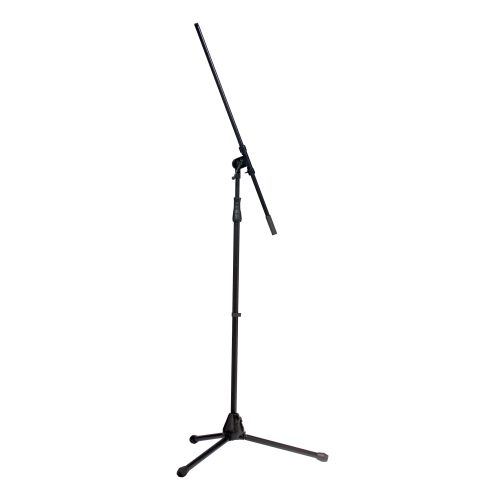
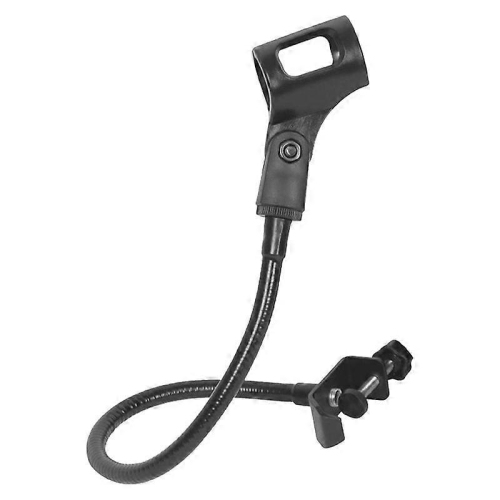
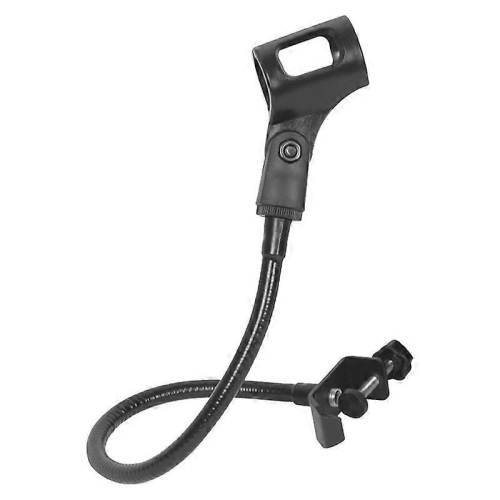
Practical support for practice spaces, rehearsals and performances
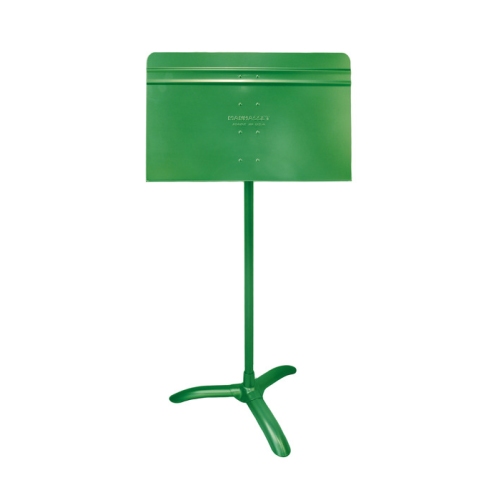
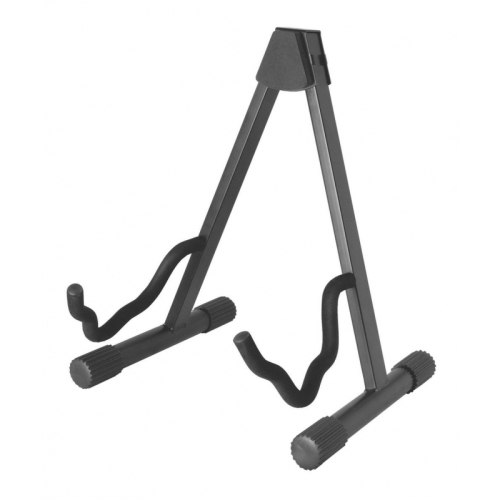
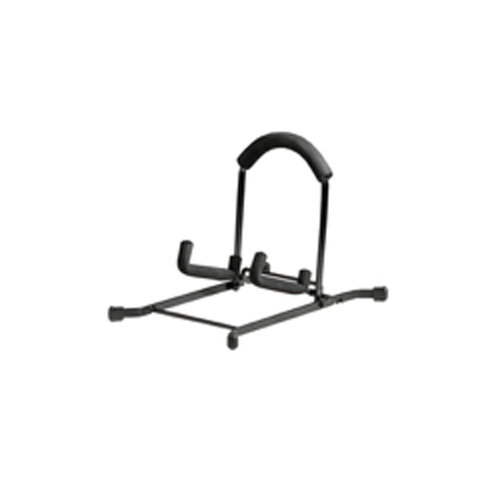
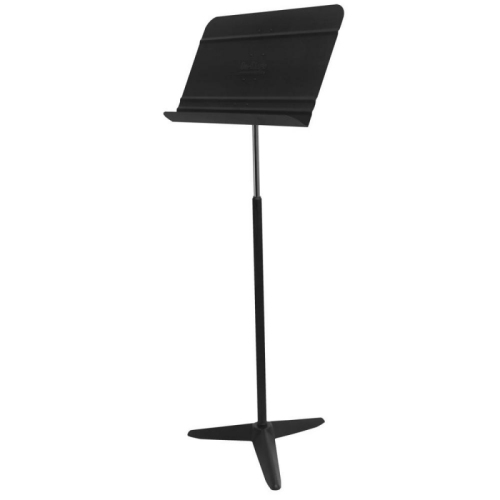
Musical instrument stands provide a secure, practical place to keep an instrument or sheet music ready for practice, lessons, rehearsals and performances. Instead of leaning an instrument against a wall or leaving it on the floor, a properly sized stand can help keep it visible, accessible and less likely to be knocked over. Music stands are useful for holding songbooks, method books, charts, folders and tablets at a comfortable reading height, while instrument stands are designed to support the shape and weight of a particular instrument. Guitar, ukulele, violin, cello, brass, woodwind and other dedicated stands may include padded contact points or shaped cradles that help protect the finish while keeping the instrument balanced. Some musicians use a stand beside a chair or music workstation at home, while others keep one in a rehearsal room, classroom, place of worship, community hall or performance space. A stand can also make a thoughtful gift for a student who is building a practice area, a performer preparing for regular gigs or a family member who enjoys playing in a shared living space. During the warmer months, a lightweight folding stand can be convenient for outdoor lessons, patio performances and travel between rehearsals; during the cooler months, a stable stand helps keep equipment organized indoors when practice moves into a bedroom, den or basement. The right choice depends on the instrument, how often it will be moved and the amount of space available when it is set up.
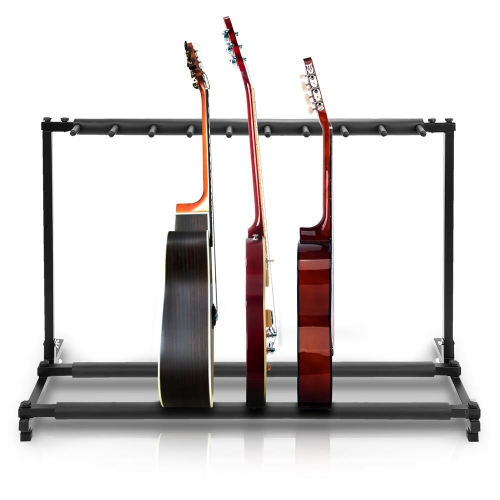
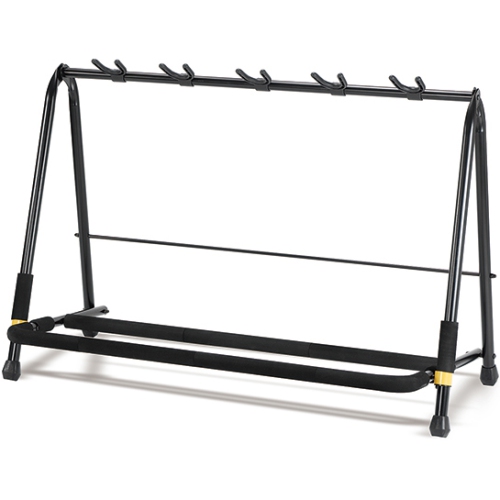
Portability and stability are two of the most important considerations when choosing musical instrument stands. Folding stands are convenient for musicians who commute to lessons, play in multiple rooms or carry equipment by car, since many collapse into a slim shape for storage and transport. A tripod base generally takes up little floor space and can be a practical option for home use or compact stages, while a broad or weighted base may offer extra resistance to tipping in busy rehearsal spaces. Check the stand’s height range to make sure it works for the intended playing position, whether seated, standing or used by a younger musician who may need room to adjust as they grow. For sheet music stands, look at the size and depth of the desk, especially if you use a thick binder, multiple pages or a tablet. A shallow ledge may suit loose music, while a deeper desk can better support heavier books; page retainers can also help keep music in place near a fan, open window or outdoor setting. Instrument stands should match the instrument’s dimensions and contact points, with padding in areas where the finish rests against the support. Pay attention to the base footprint, locking mechanisms and adjustment joints, and make sure each part feels secure before placing an instrument on it. A stand that is easy to adjust encourages better posture and smoother setup, while one that is awkward to fold may end up being left assembled in a walkway. Musicians who use several instruments may prefer separate supports for each one or a multi-instrument rack that keeps a collection organized in a studio, teaching room or backstage area.
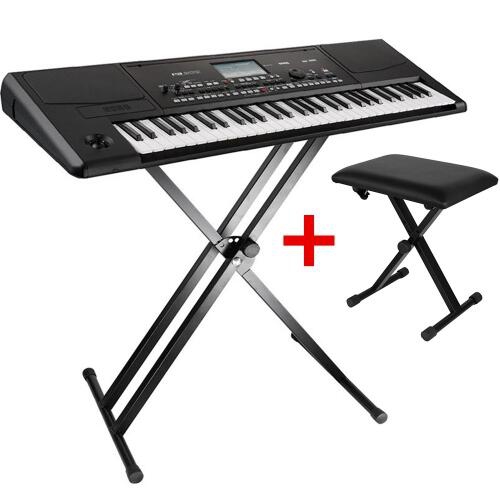
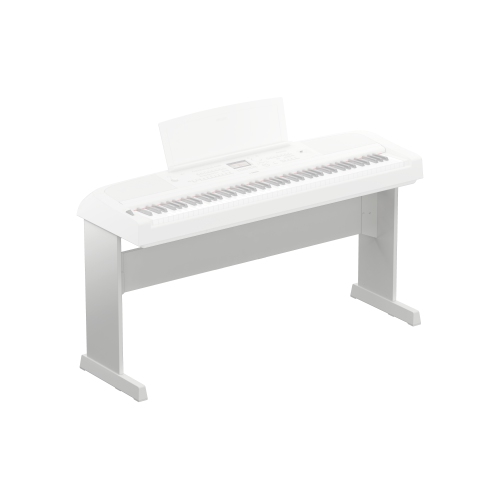
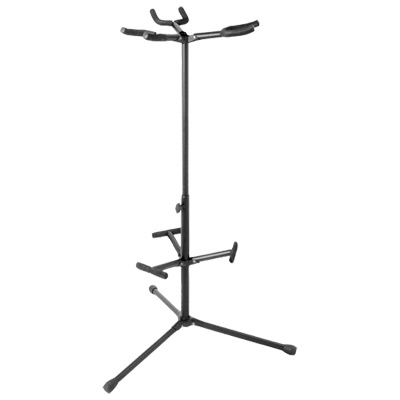
The best stand for a particular setup is one that fits the instrument securely, supports the way the musician plays and works naturally within the available room. A beginner may appreciate a simple, adjustable design that is easy to carry between lessons, whereas an experienced player may prioritize a heavier construction for frequent rehearsals and stage use. Families can look for easy height adjustments and stable bases when more than one person will share the stand. Teachers and ensemble leaders often benefit from stands that can be set up in rows without crowding chairs or music folders, while performers may want compact equipment that packs away quickly after a show. Multi-instrument racks can help studios keep several guitars or other instruments off the floor and ready to use, reducing clutter between takes and making changes during a rehearsal more efficient. Keyboard players can also explore Music Keyboard Stands for support designed around the width, weight and playing height of electronic keyboards. Before purchasing, measure the instrument or the intended storage area, compare the stand’s height and weight limits, and consider whether it will remain in one place or travel regularly. It is also wise to check that an instrument will not touch nearby walls, furniture or other equipment once it is resting on the stand. In a home practice corner, placing the stand near a comfortable seat, adequate lighting and an accessible power outlet can make it easier to settle into a regular routine. In a rehearsal or performance setting, keeping cables, cases and foot traffic clear of the base helps create a safer, more orderly arrangement. With the right support, an instrument stand becomes more than a storage accessory: it keeps an instrument or music within reach, helps a practice area feel inviting and makes setup less distracting from the playing itself.
Portability and stability are two of the most important considerations when choosing musical instrument stands. Folding stands are convenient for musicians who commute to lessons, play in multiple rooms or carry equipment by car, since many collapse into a slim shape for storage and transport. A tripod base generally takes up little floor space and can be a practical option for home use or compact stages, while a broad or weighted base may offer extra resistance to tipping in busy rehearsal spaces. Check the stand’s height range to make sure it works for the intended playing position, whether seated, standing or used by a younger musician who may need room to adjust as they grow. For sheet music stands, look at the size and depth of the desk, especially if you use a thick binder, multiple pages or a tablet. A shallow ledge may suit loose music, while a deeper desk can better support heavier books; page retainers can also help keep music in place near a fan, open window or outdoor setting. Instrument stands should match the instrument’s dimensions and contact points, with padding in areas where the finish rests against the support. Pay attention to the base footprint, locking mechanisms and adjustment joints, and make sure each part feels secure before placing an instrument on it. A stand that is easy to adjust encourages better posture and smoother setup, while one that is awkward to fold may end up being left assembled in a walkway. Musicians who use several instruments may prefer separate supports for each one or a multi-instrument rack that keeps a collection organized in a studio, teaching room or backstage area.
The best stand for a particular setup is one that fits the instrument securely, supports the way the musician plays and works naturally within the available room. A beginner may appreciate a simple, adjustable design that is easy to carry between lessons, whereas an experienced player may prioritize a heavier construction for frequent rehearsals and stage use. Families can look for easy height adjustments and stable bases when more than one person will share the stand. Teachers and ensemble leaders often benefit from stands that can be set up in rows without crowding chairs or music folders, while performers may want compact equipment that packs away quickly after a show. Multi-instrument racks can help studios keep several guitars or other instruments off the floor and ready to use, reducing clutter between takes and making changes during a rehearsal more efficient. Keyboard players can also explore Music Keyboard Stands for support designed around the width, weight and playing height of electronic keyboards. Before purchasing, measure the instrument or the intended storage area, compare the stand’s height and weight limits, and consider whether it will remain in one place or travel regularly. It is also wise to check that an instrument will not touch nearby walls, furniture or other equipment once it is resting on the stand. In a home practice corner, placing the stand near a comfortable seat, adequate lighting and an accessible power outlet can make it easier to settle into a regular routine. In a rehearsal or performance setting, keeping cables, cases and foot traffic clear of the base helps create a safer, more orderly arrangement. With the right support, an instrument stand becomes more than a storage accessory: it keeps an instrument or music within reach, helps a practice area feel inviting and makes setup less distracting from the playing itself.
Top selling and popular products
-
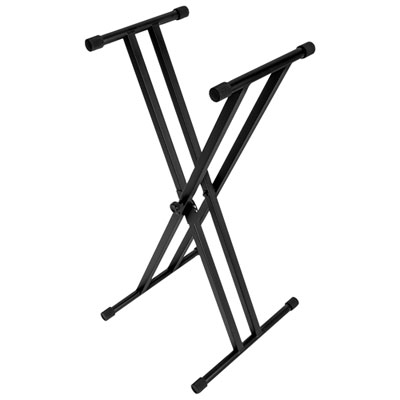 Your price for this item is $59.99
 -
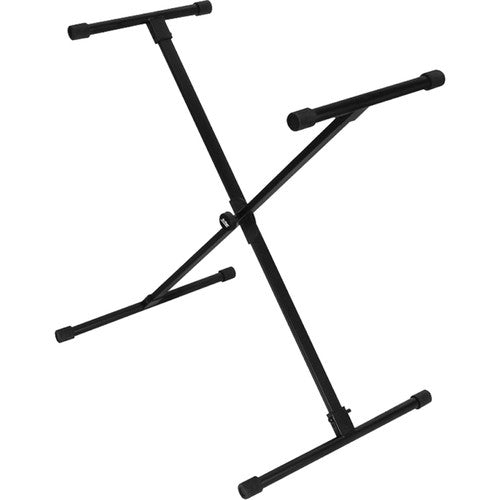 Your price for this item is $59.99
 -
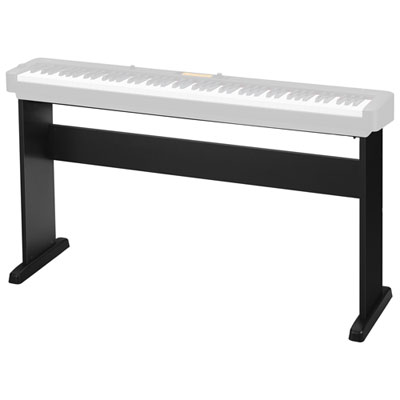 Your price for this item is $178.97
 -
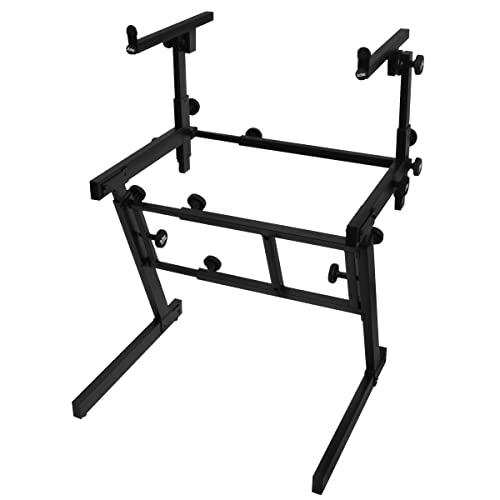 Your price for this item is $289.99
 -
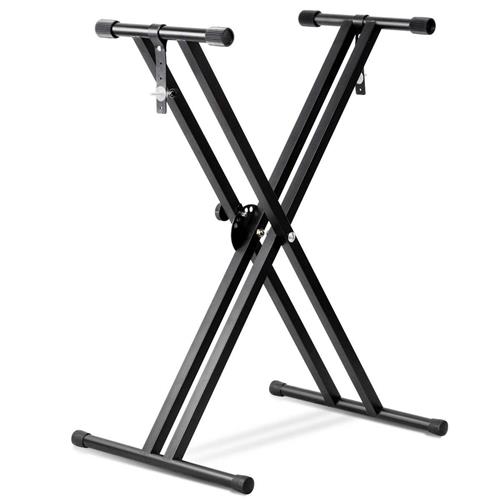 Your price for this item is $39.99
 -
 Your price for this item is $29.99
 -
 Your price for this item is $65.5
 -
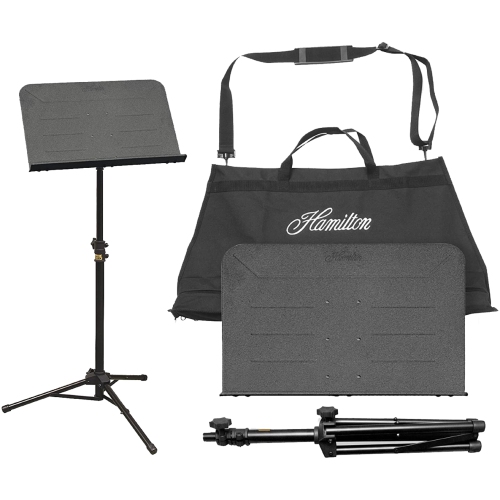 Your price for this item is $73.59
Discover more categories related to Musical Instrument Stands
Top Collections:
Pokemon Centers, Kindle Devices, Best Budget Office Chairs, Canon G7X Cameras, Apple iPhones 16, Samsung Galaxy Phones, Refurbished Apple Laptops, Laptops for Students, iPhone 15 Apple, Budget Smartphones
Some products may be subject to Environmental Handling Fees
(EHF) depending on your province.
Learn more about EHFs.