Musical Instruments for Beginners
Looking to embark on a musical journey? Our collection of musical instruments for beginners is here to help you kickstart your passion for music. Whether you've always dreamed of strumming a guitar, tickling the ivories on a keyboard, or beating the drums with rhythm and precision, we have a wide range of instruments to suit every budding musician. From acoustic guitars to digital pianos, our selection offers quality craftsmanship and user-friendly features that make learning enjoyable and rewarding. Get ready to unleash your inner maestro and start making beautiful melodies with our beginner-friendly musical instruments.
Sort
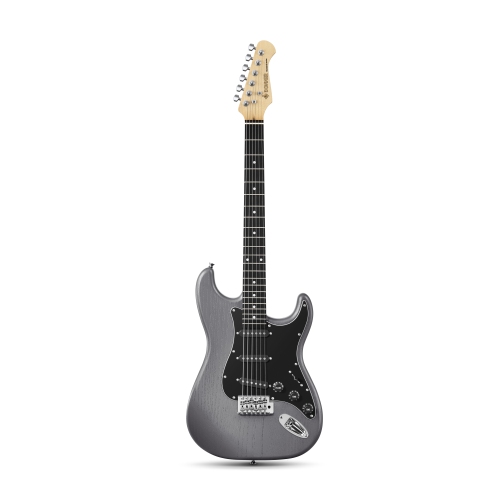
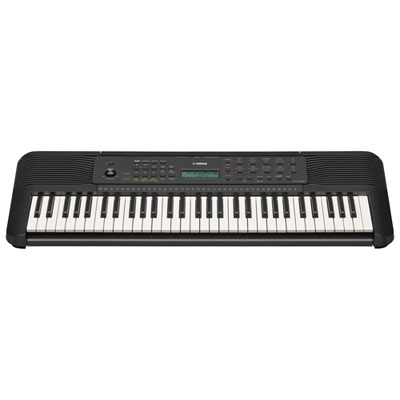
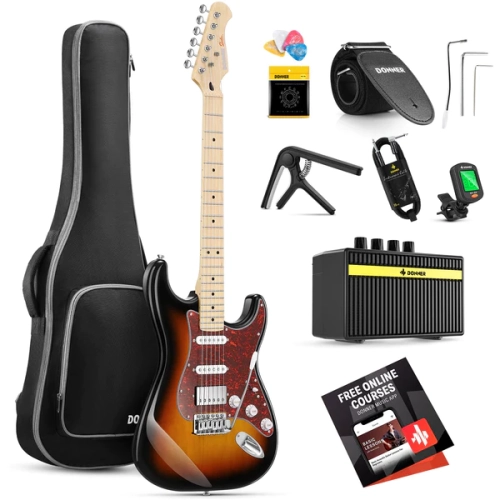
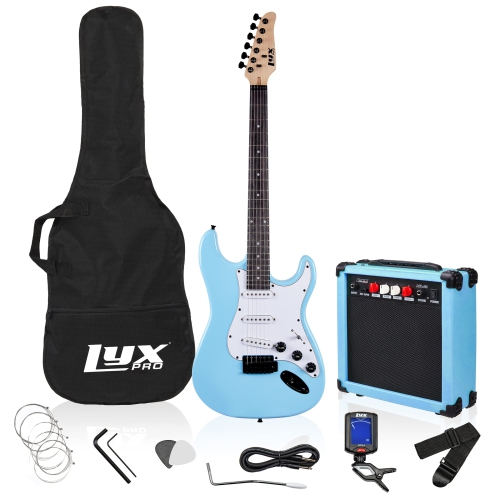
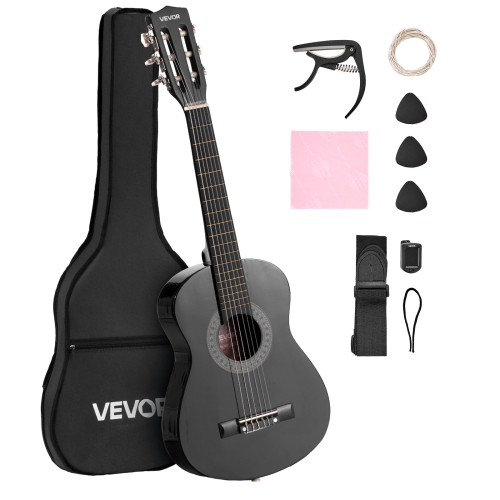
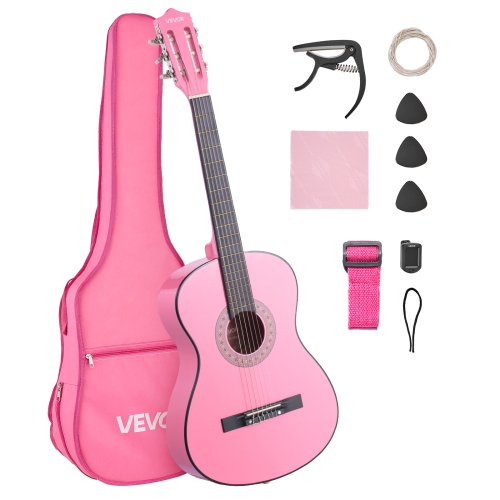
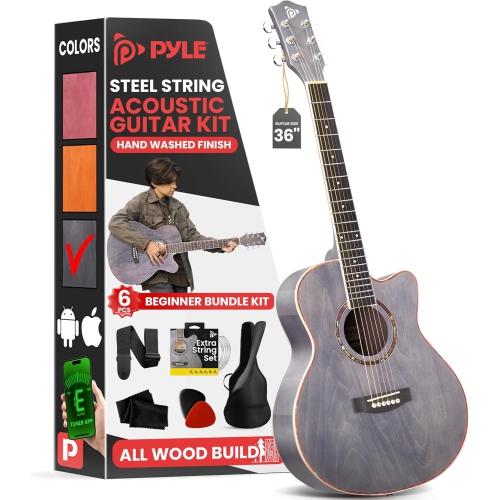
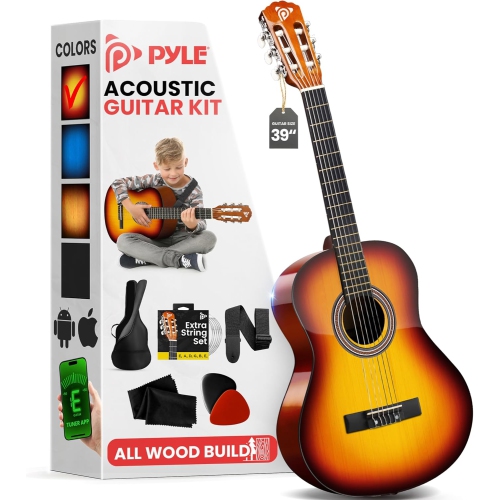
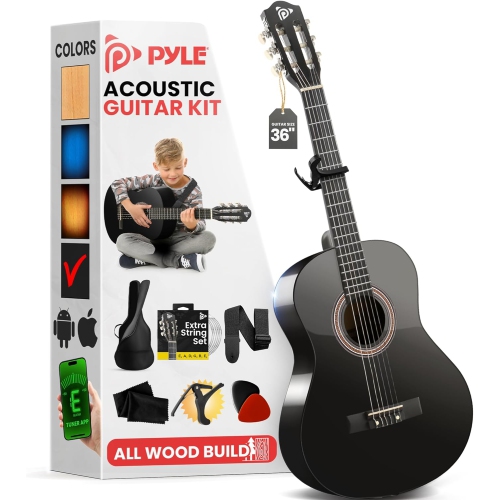


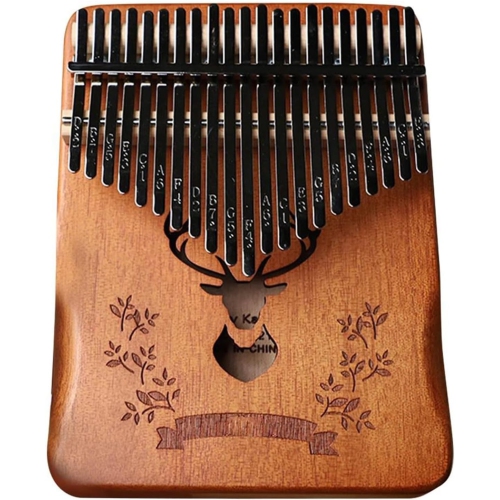
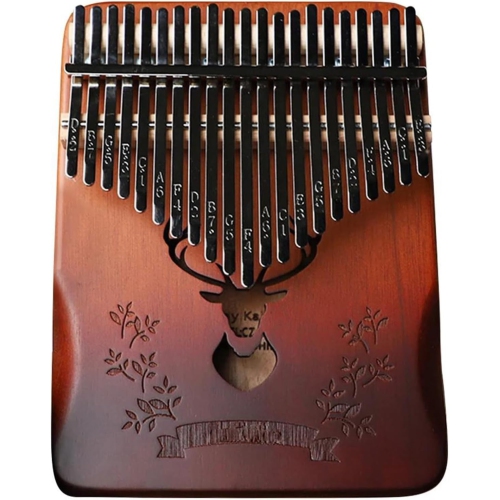
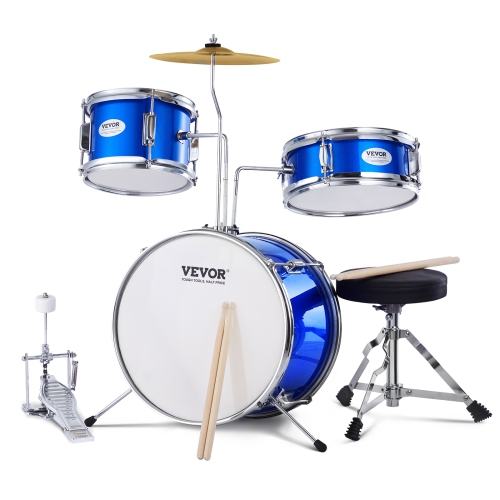
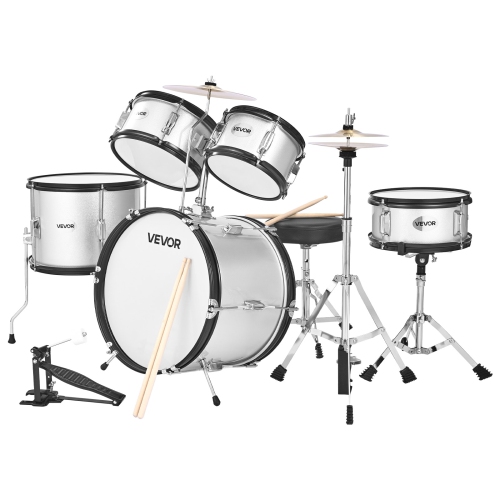
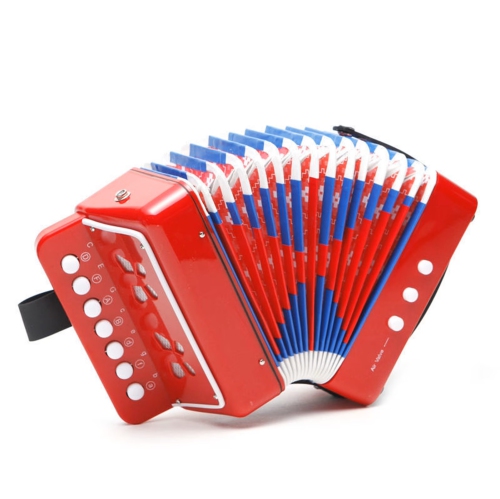
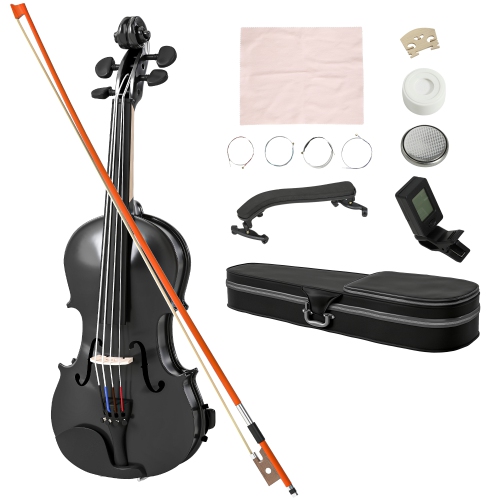
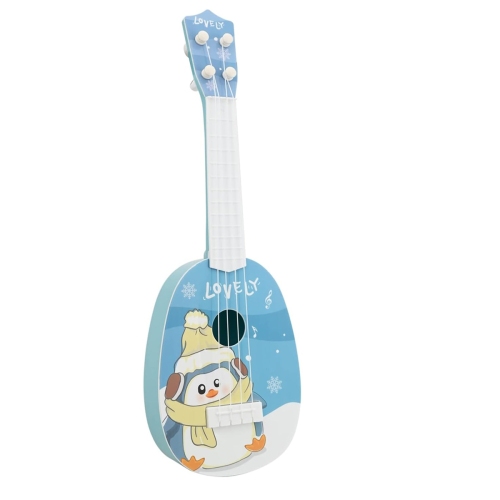

Factors that shape a rewarding first musical experience
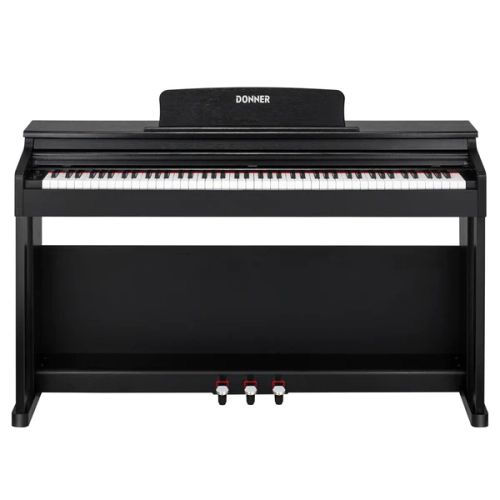
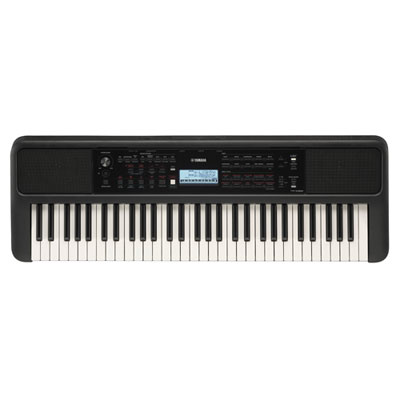
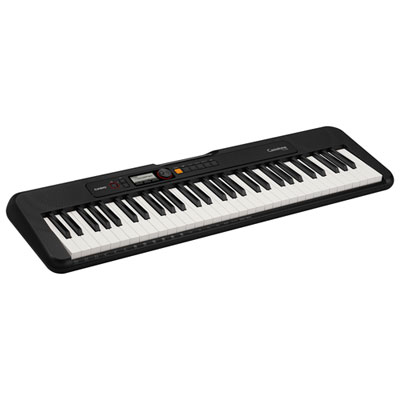
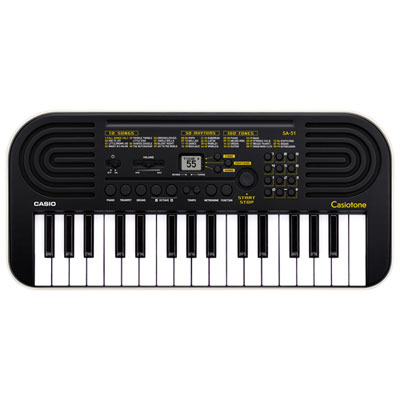
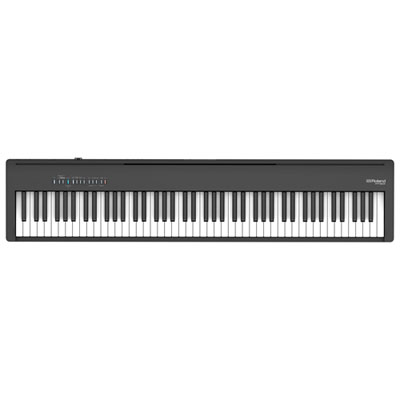
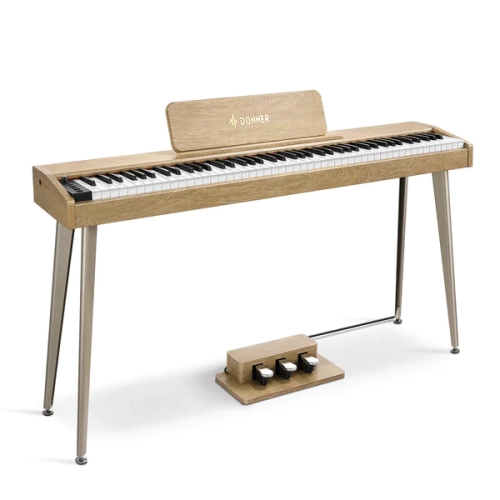
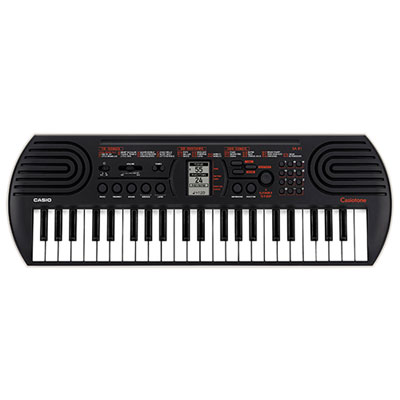
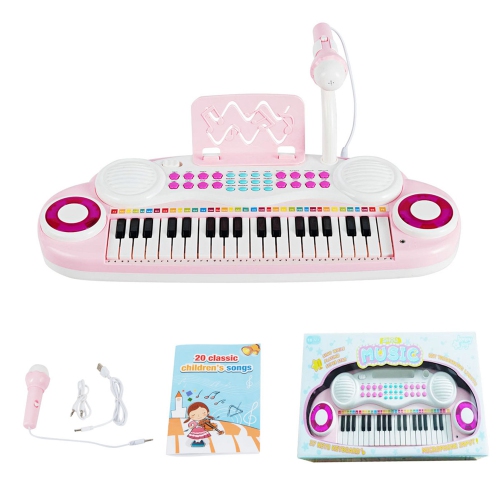
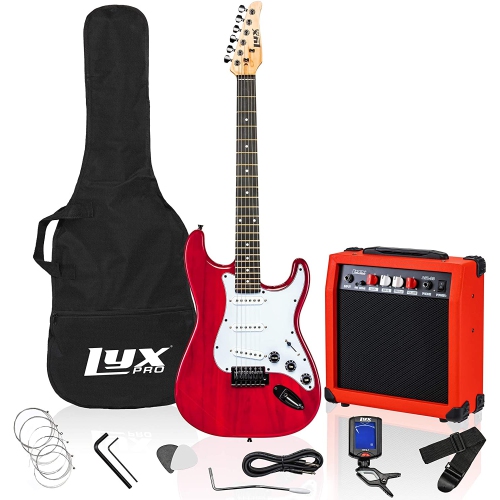
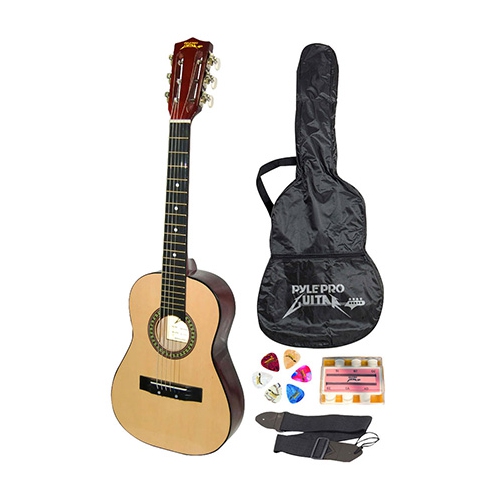
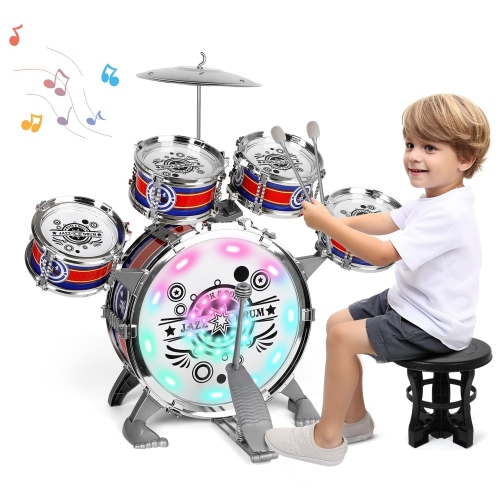
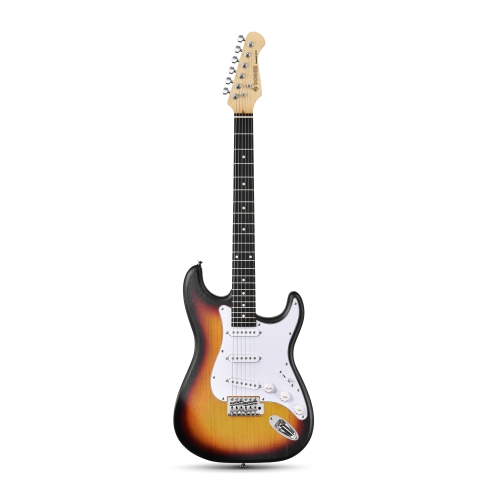
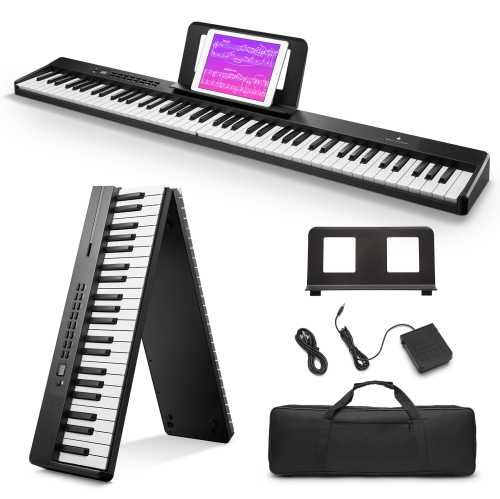
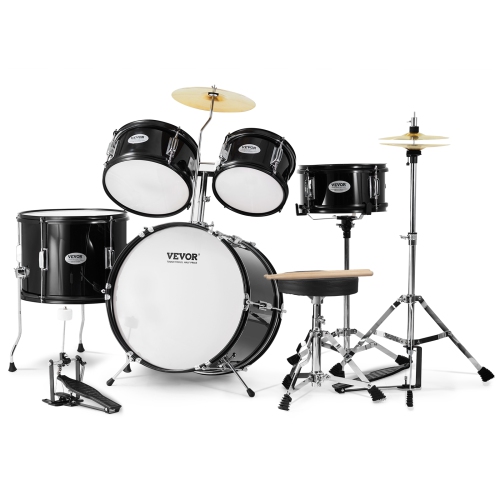
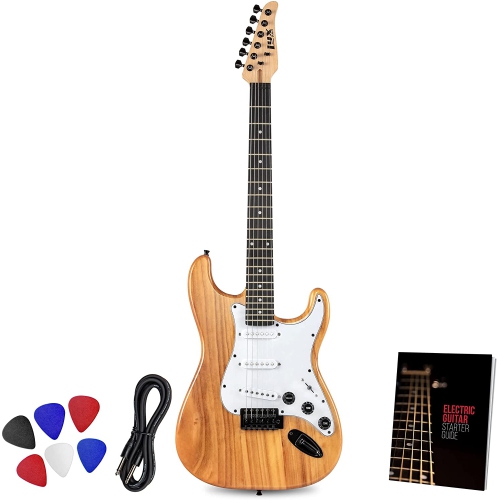
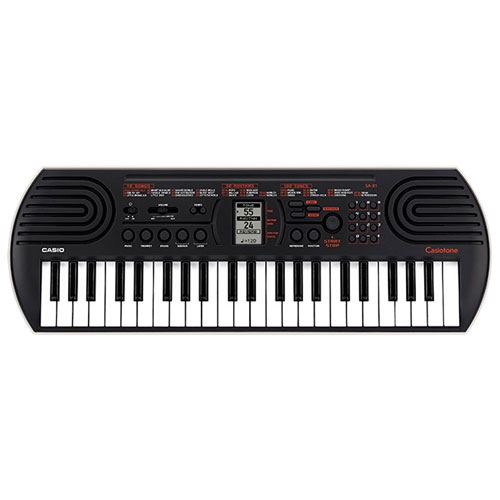
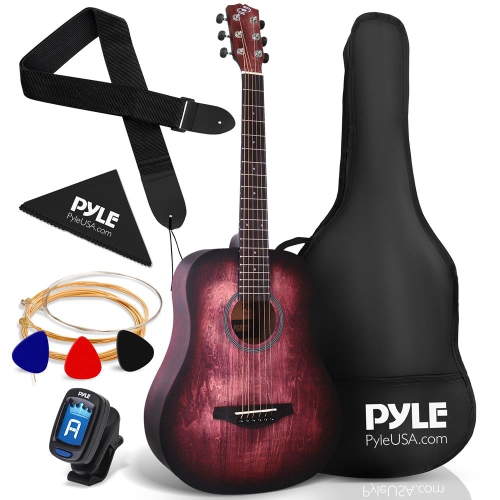
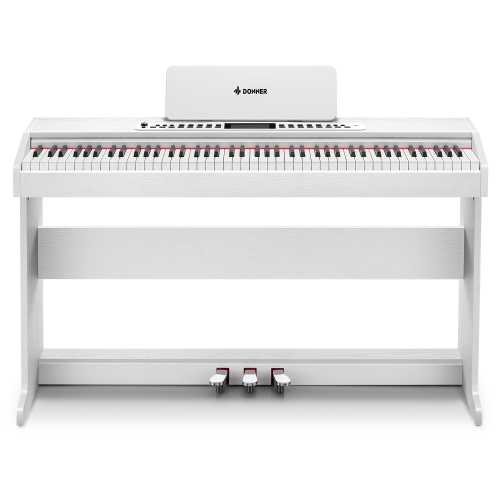
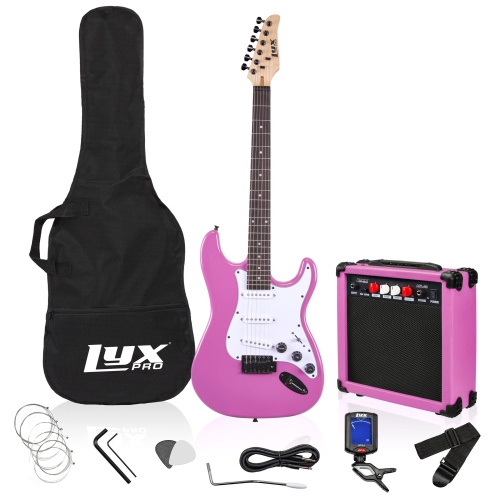
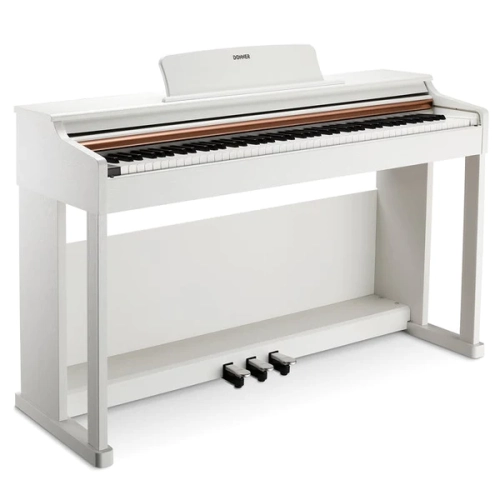
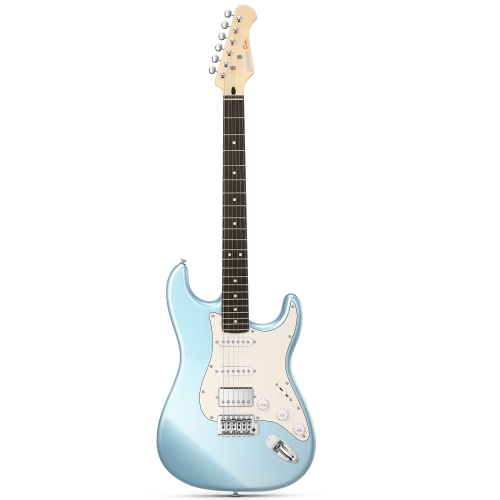
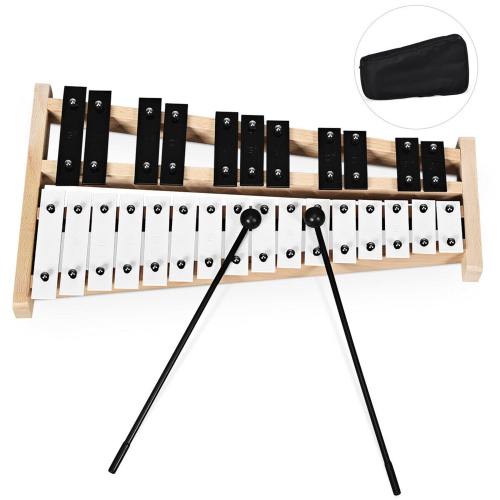
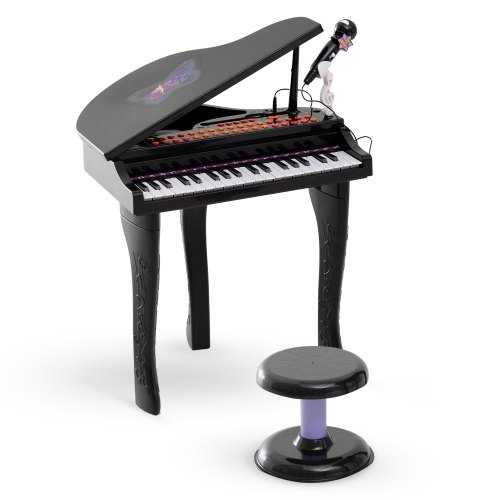
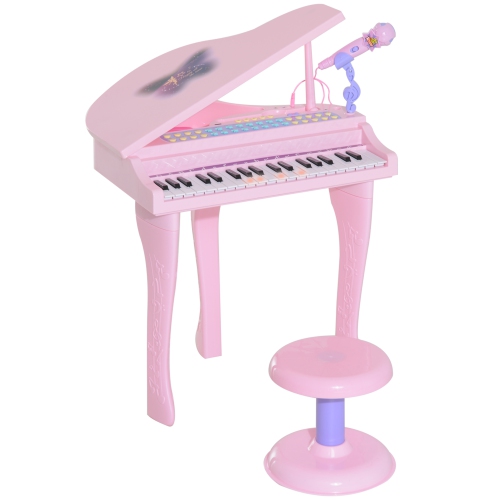
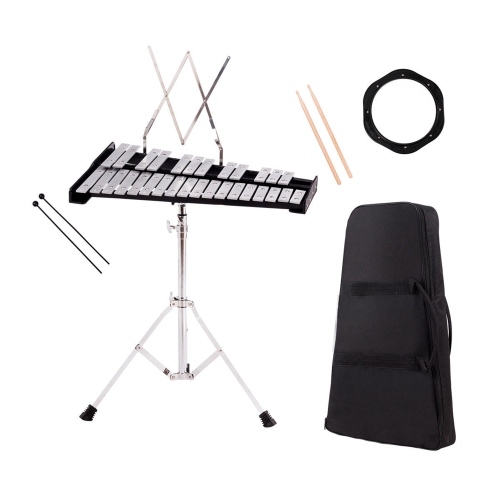
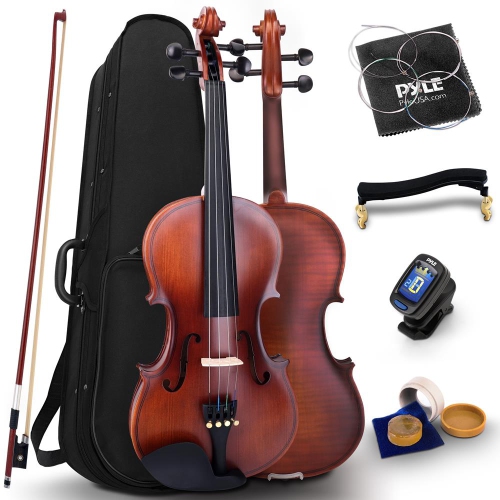
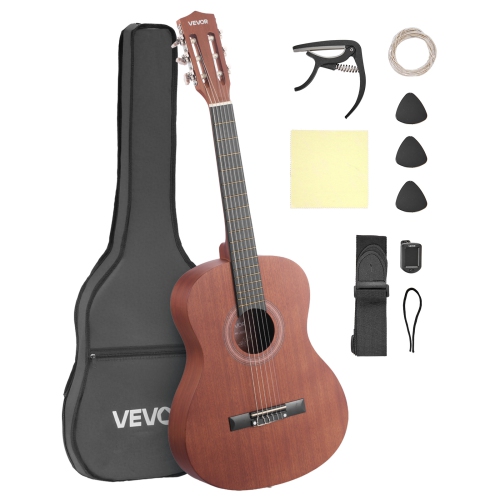
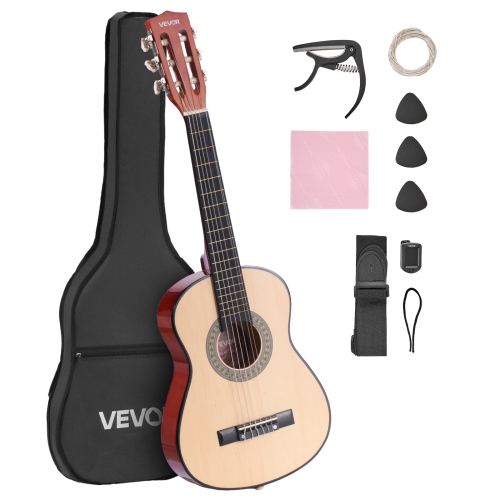
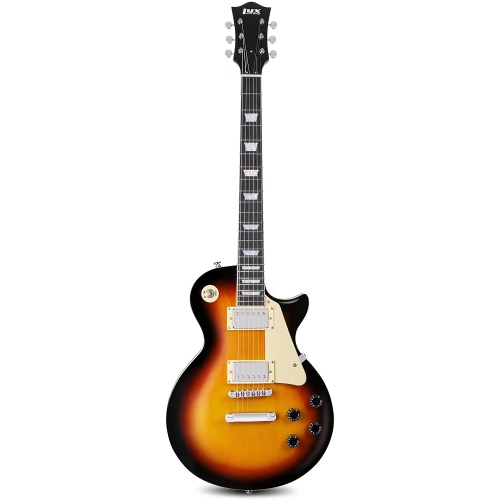
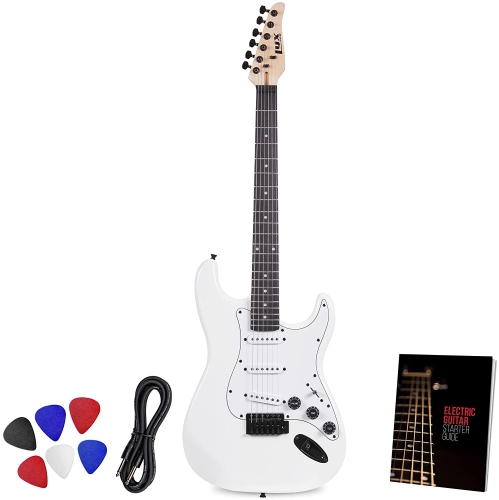
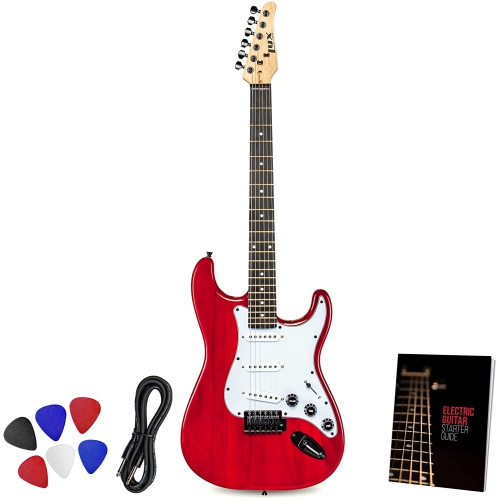
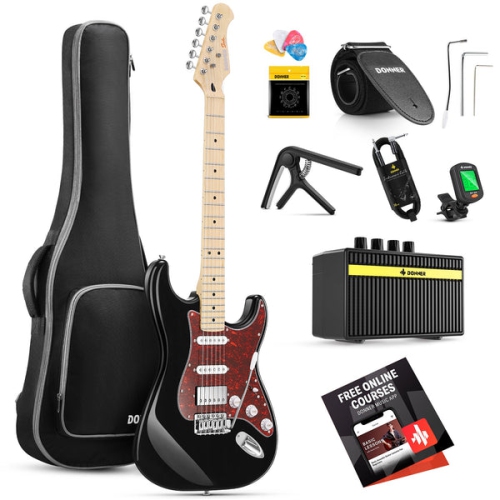
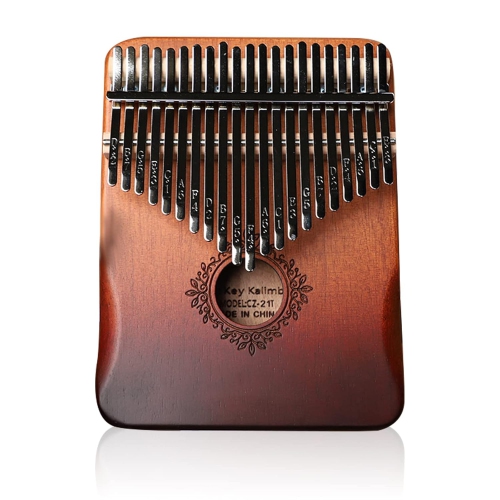
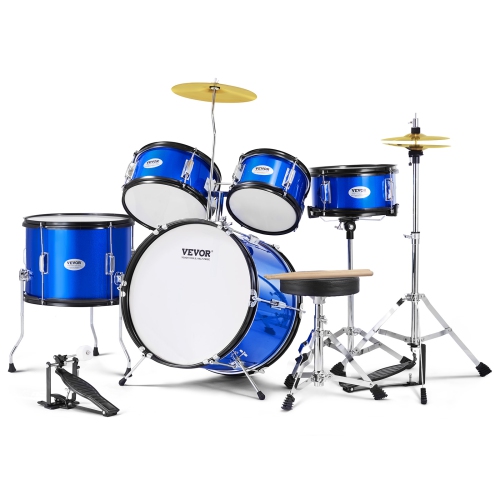
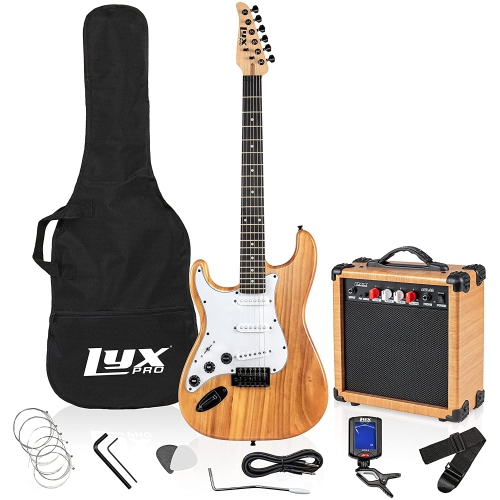
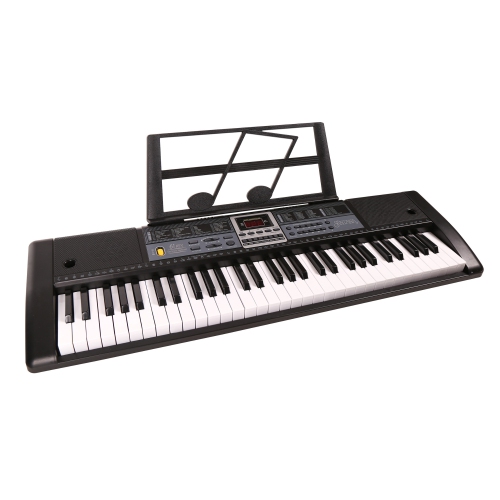
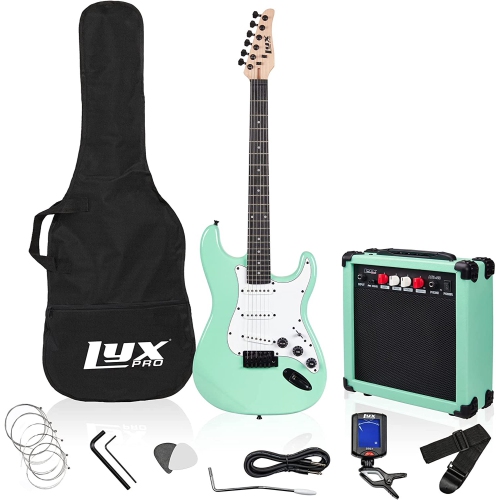
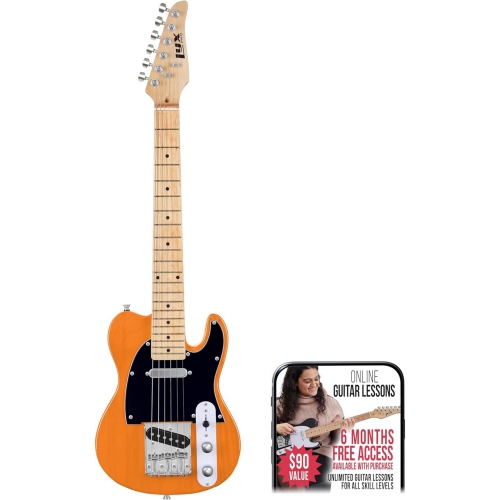
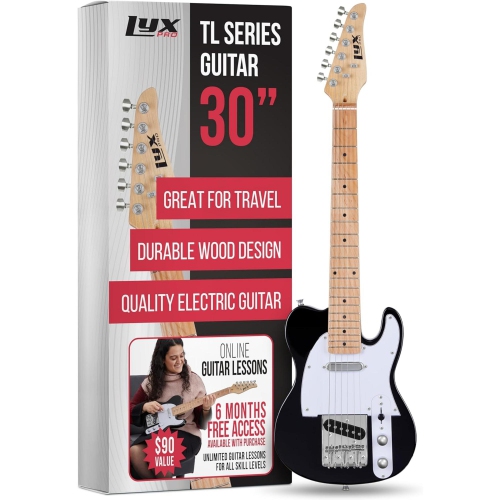
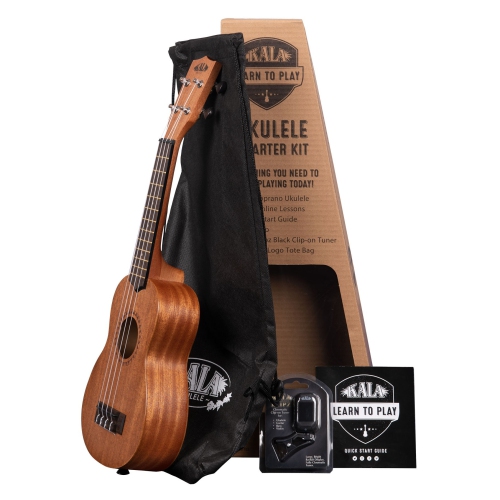
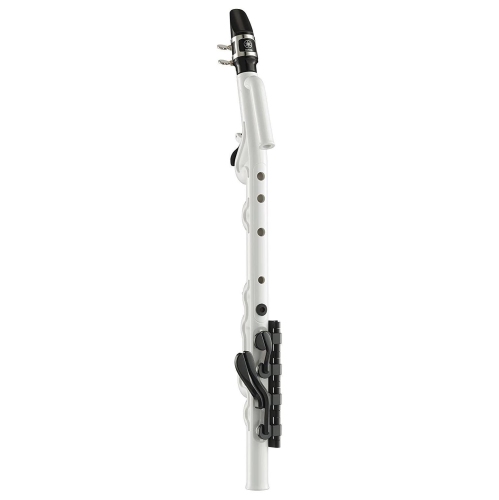
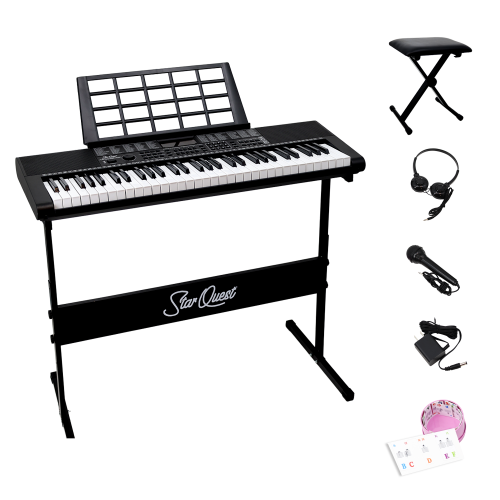
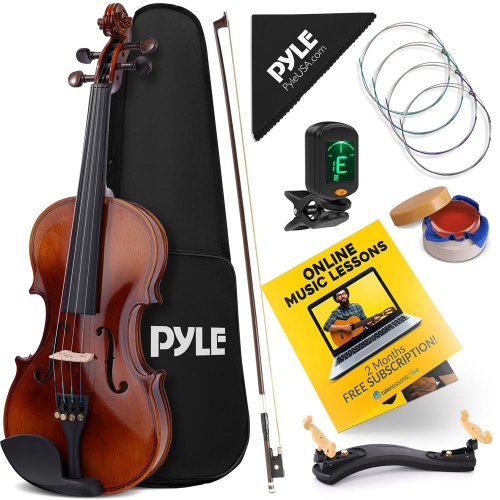
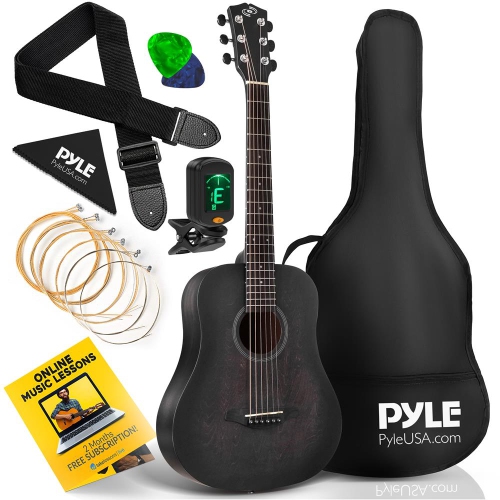
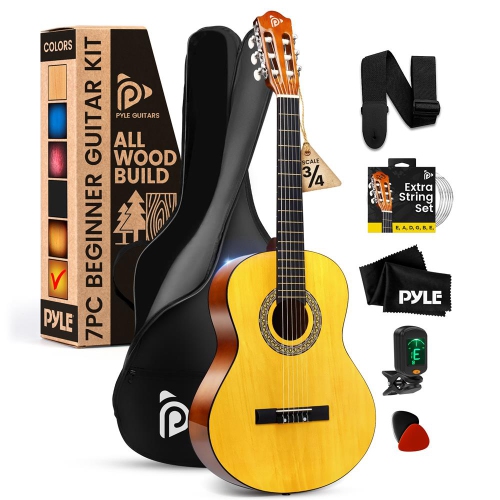
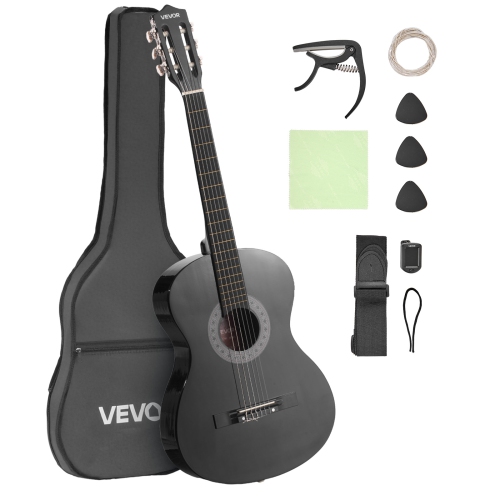
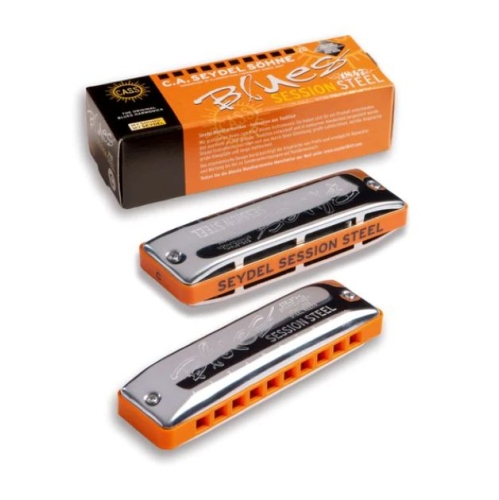
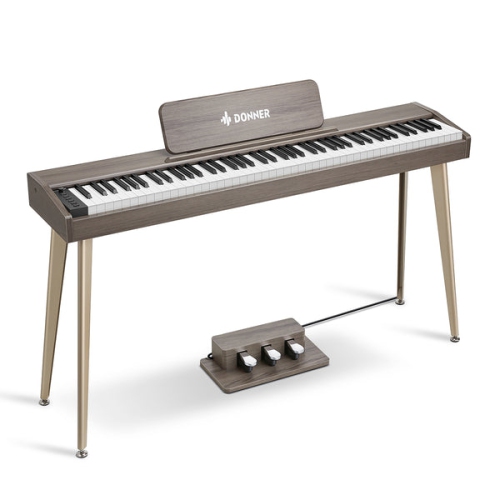
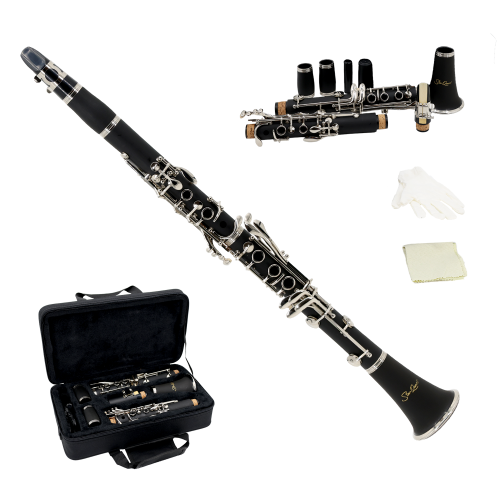
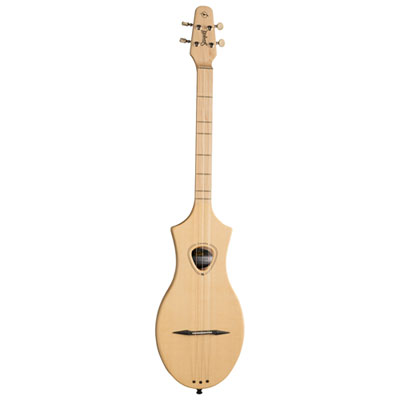
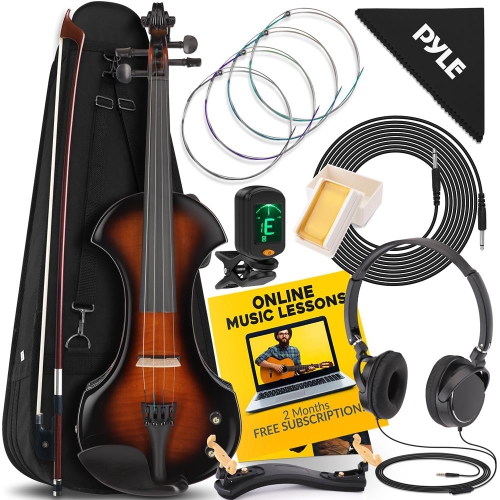
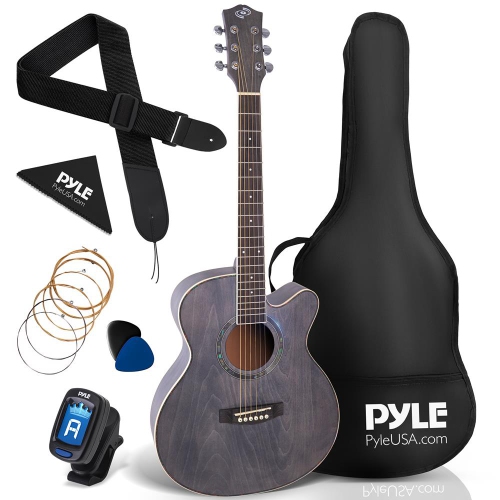
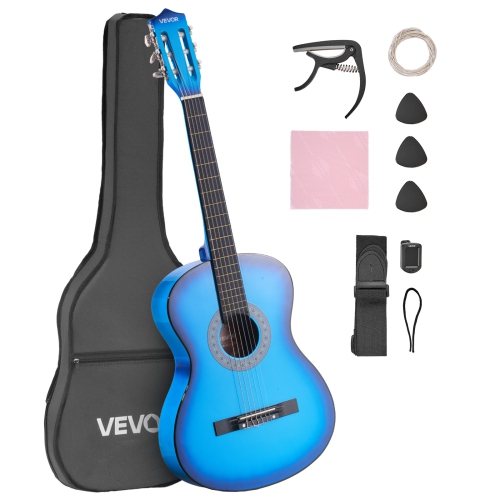
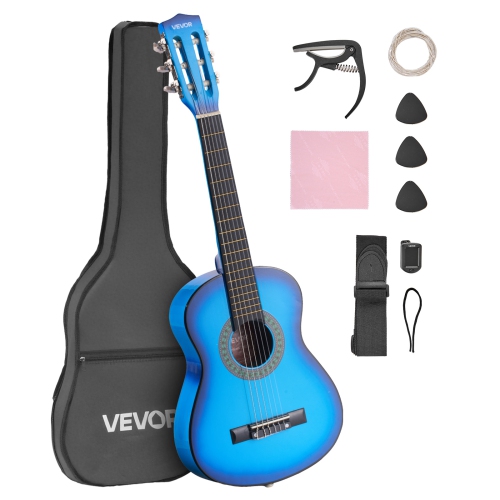
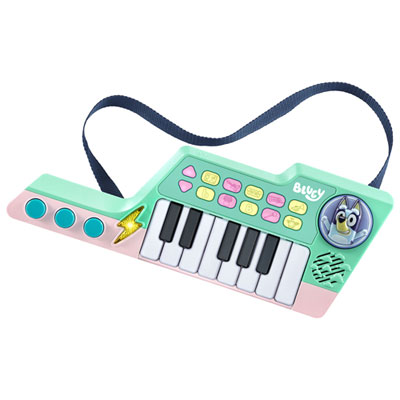
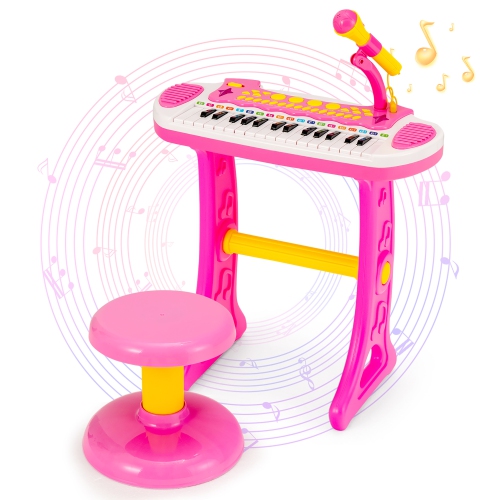
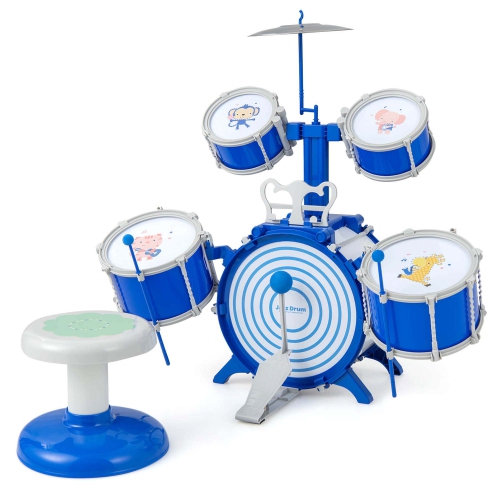
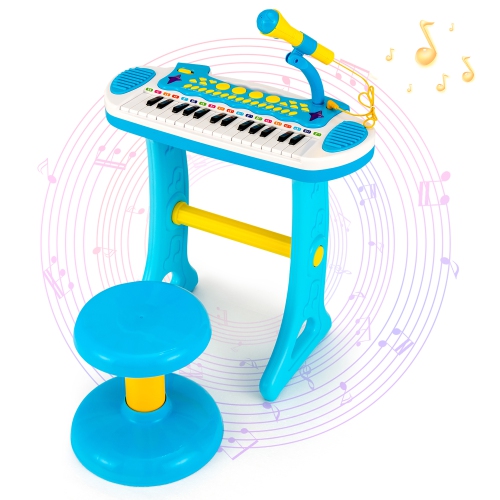
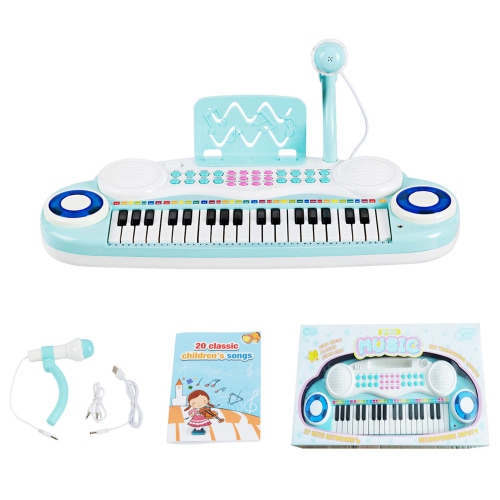
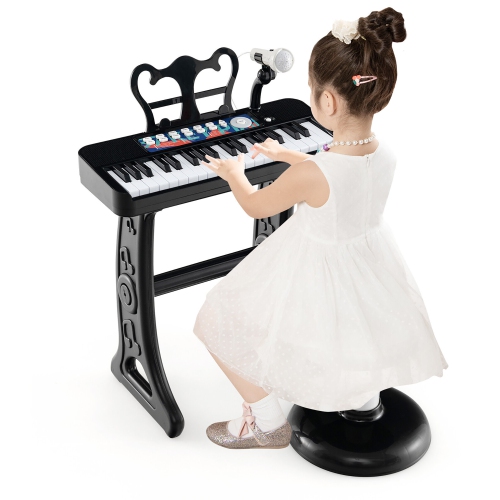
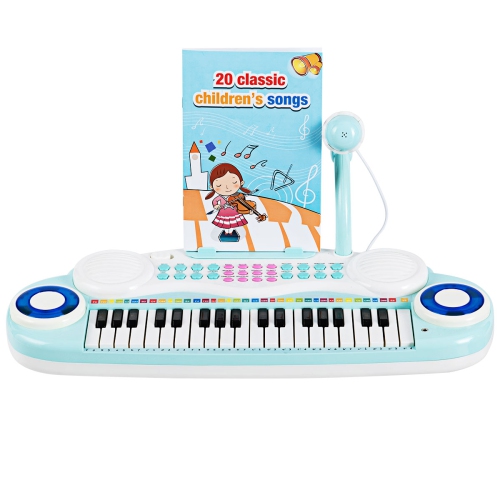
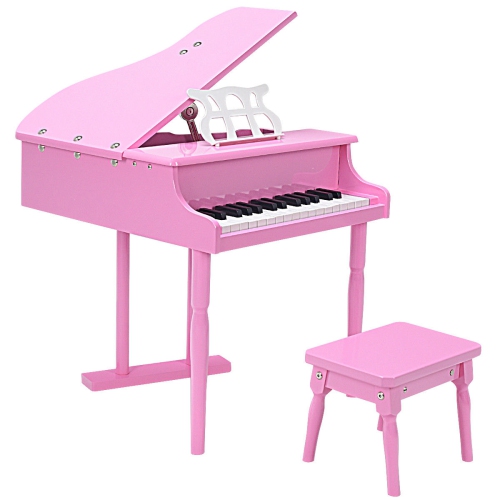
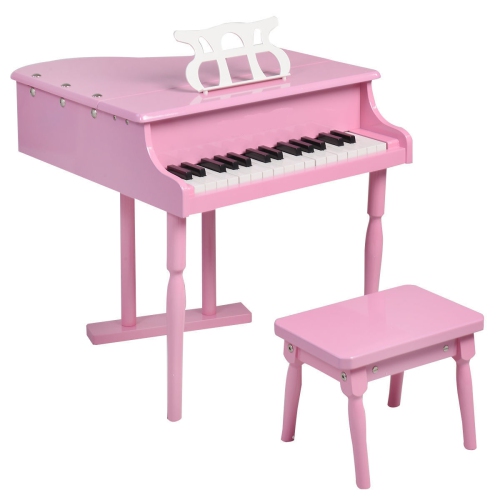
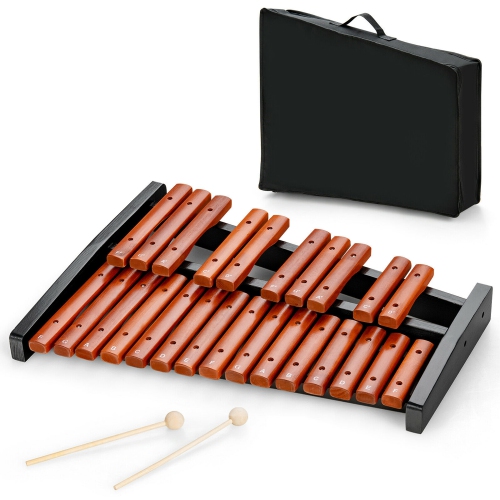
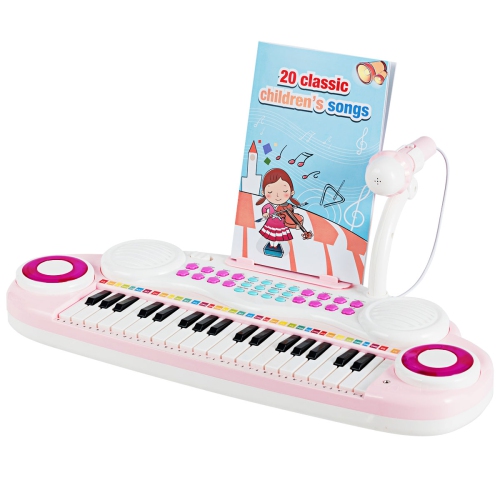
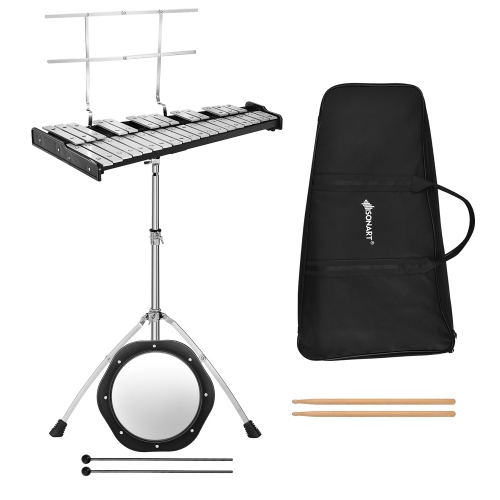
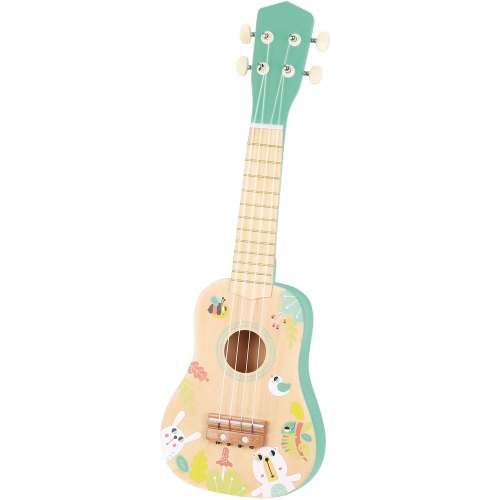
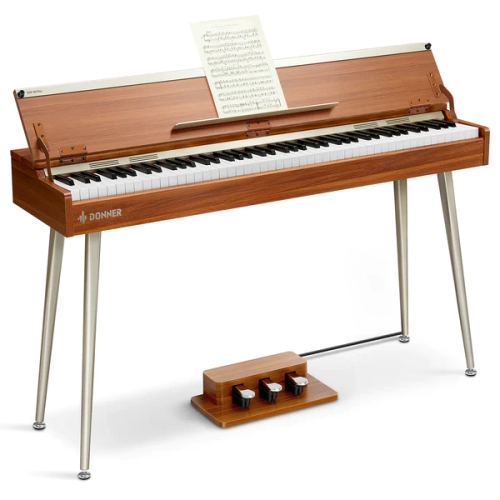
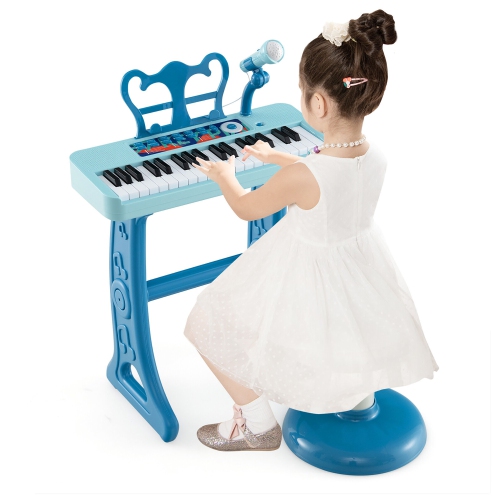
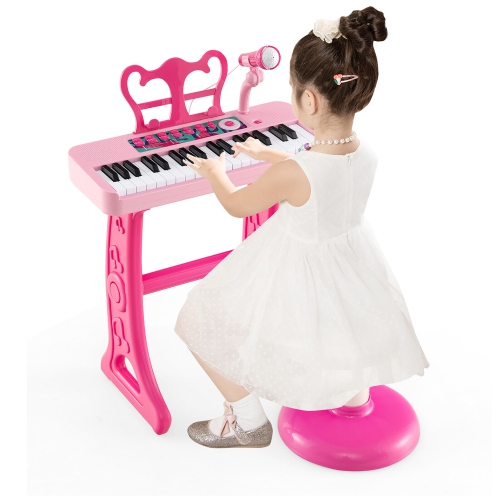
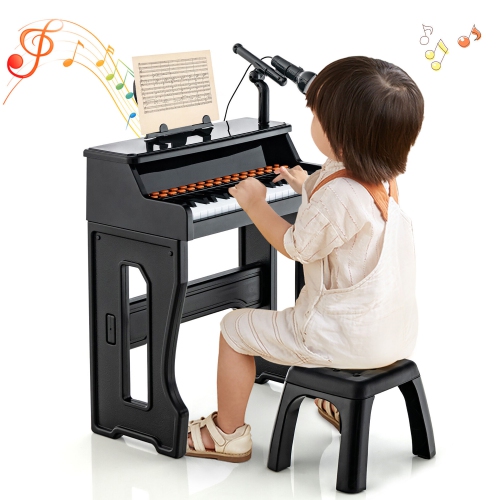
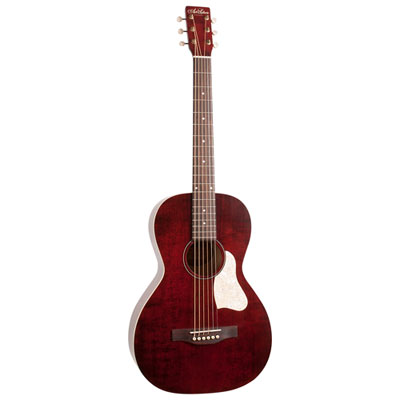
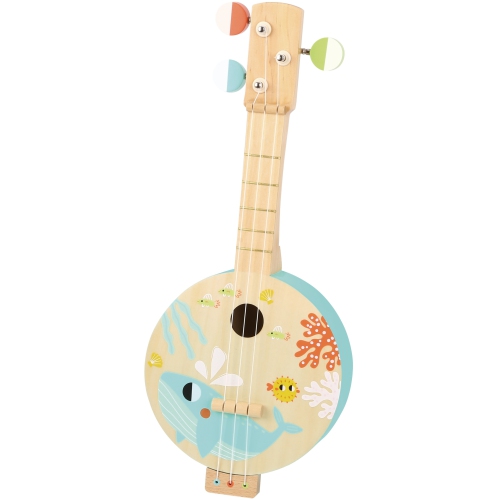
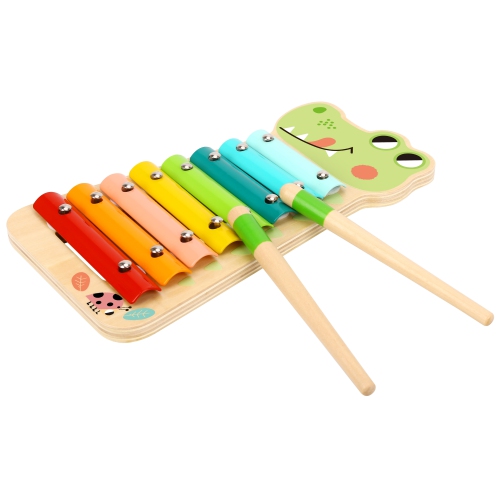
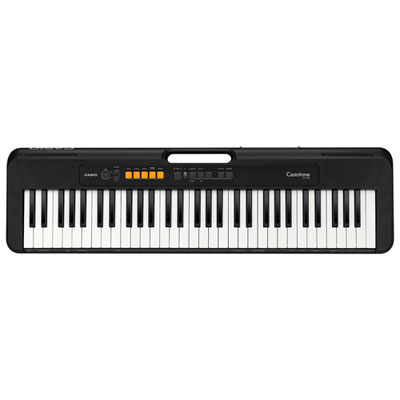
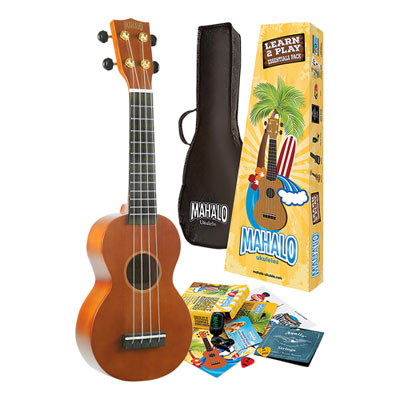
Choosing a first musical instrument is a personal decision shaped by musical interests, available space, budget, and the kind of learning experience a new player will enjoy. Beginner-friendly instruments can help make the first steps feel approachable, whether the goal is to play familiar songs, understand basic music theory, join a school band, accompany singing, or simply enjoy a relaxing hobby at home. Ukuleles are a popular starting point because their compact size, light strings, and straightforward chord shapes make it possible to play simple songs with relatively little setup. Their bright, cheerful tone works well for folk, pop, and casual group playing, and their small size makes them easy to carry between rooms, lessons, campsites, or visits with family. Acoustic guitars offer a broader range of styles and can grow with a player as their skills develop. They are well suited to strumming chords, learning melodies, accompanying vocals, and exploring folk, country, rock, and pop. New guitar players may need time to build fingertip comfort, so a properly sized instrument, comfortable neck, and a patient practice routine can make a meaningful difference. Keyboards and digital pianos are another strong choice for beginners, especially for anyone interested in learning notes, scales, chords, and music theory in a clear visual layout. Since pressing a key produces an immediate, consistent sound, keyboards can be encouraging for first-time players and useful for practising quietly with headphones when available. Portable models may include built-in sounds, rhythm patterns, lessons, or recording features that keep practice engaging as skills develop. Harmonicas are exceptionally portable and can produce a recognisable sound almost immediately, making them a convenient option for casual playing, blues, folk, country, and travel. Players who want a more traditional band experience may also consider beginner instruments from the woodwind, brass, or percussion families, keeping in mind that these often require additional accessories, care, and instruction. For a broader look at approachable options, explore Easy Instruments for Beginners.
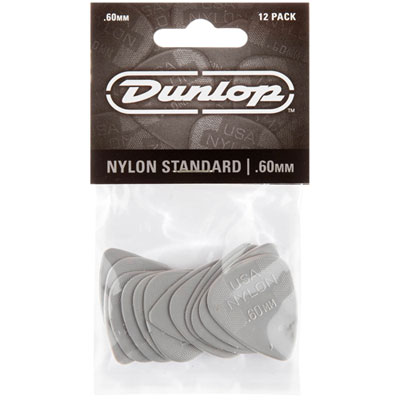
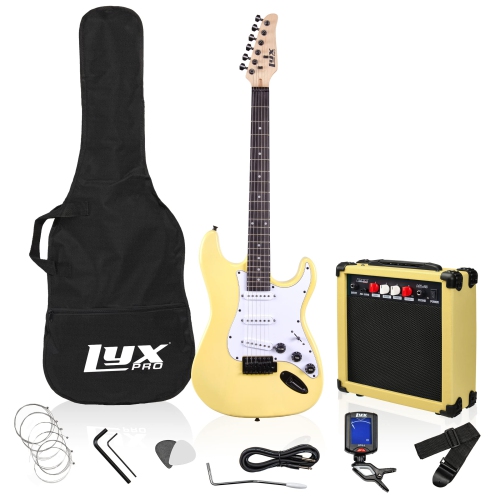
When comparing musical instruments for beginners, consider how the instrument will fit into everyday life rather than focusing only on its appearance or the number of features included. Size and weight matter for younger players, commuters, and anyone who expects to practise in more than one location. A full-sized instrument may offer room for growth, but a smaller or lighter option can be easier to hold correctly and more likely to be picked up regularly. Sound and volume are also important. Acoustic instruments provide an immediate, natural playing experience, while digital keyboards and some electronic instruments may offer volume control, headphone support, practice modes, and a variety of voices. A player living in an apartment or sharing a home may appreciate the ability to practise without filling the entire space with sound. Beginners should also account for the accessories that make an instrument ready to play, such as a tuner, picks, straps, stands, a bench, a case, cleaning supplies, reeds, drumsticks, or a music stand, depending on the category. A starter bundle can be convenient when it includes useful essentials, but it is worth checking that the included accessories match the player’s age, instrument size, and intended use. Budget is another practical consideration. Basic harmonicas may start around $20 to $50, while entry-level ukuleles commonly range from about $50 to $150. Beginner acoustic guitars often fall between $150 and $400, and portable keyboards may range from approximately $150 to $200, with prices increasing for weighted keys, expanded sound libraries, larger key counts, and advanced learning features. These ranges are general rather than fixed, and the best value often comes from choosing an instrument that feels comfortable, sounds appealing, and supports regular practice. A few minutes spent checking the instrument’s dimensions, control layout, tuning requirements, and included equipment can help prevent frustration later. Beginners may also benefit from an instrument that offers more than one way to learn, such as labelled keys, guided lessons, rhythm accompaniment, or simple recording functions. The ideal first instrument is not necessarily the most advanced option; it is the one that makes it easy to begin, repeat the basics, and notice steady progress.
Musical instruments can be thoughtful gifts for children, teens, adults, and older learners because they offer a creative activity that can develop over time. A ukulele can suit a curious beginner who enjoys singing or group activities, while a compact keyboard may be a better fit for someone who likes technology, melody, or composing short tunes. An acoustic guitar can appeal to a future songwriter, campfire performer, or music fan who wants one versatile instrument for a wide range of styles. A harmonica can be a particularly practical gift for a traveller or someone who wants an instrument that fits in a pocket or drawer. For children, look for an instrument that matches their height, hand size, attention span, and level of enthusiasm; an instrument that is too large or difficult to hold can make early practice feel like a chore. For adults, consider the available practice space and the times of day they are most likely to play. During the warmer seasons, portable instruments can accompany outdoor gatherings, cottage visits, and relaxed evenings with friends, while during the cooler months, keyboards, guitars, and other home-friendly options can provide a rewarding indoor pastime. Beginners do not need long practice sessions to build momentum. Ten or fifteen focused minutes spent learning a chord, repeating a rhythm, identifying notes, or playing a short melody can create a satisfying routine. Keeping the instrument visible and easy to reach may encourage more frequent practice than storing it away in a hard-to-access place. It can also help to set small, concrete goals, such as changing between two chords smoothly, playing a simple scale without stopping, or keeping time with a metronome. Early mistakes are a normal part of learning, and the first clean chord or recognisable melody can feel remarkably rewarding. With the right fit, useful accessories, and realistic expectations, beginner musical instruments can open the door to personal expression, shared music-making, and a hobby that continues to grow long after the first notes.
When comparing musical instruments for beginners, consider how the instrument will fit into everyday life rather than focusing only on its appearance or the number of features included. Size and weight matter for younger players, commuters, and anyone who expects to practise in more than one location. A full-sized instrument may offer room for growth, but a smaller or lighter option can be easier to hold correctly and more likely to be picked up regularly. Sound and volume are also important. Acoustic instruments provide an immediate, natural playing experience, while digital keyboards and some electronic instruments may offer volume control, headphone support, practice modes, and a variety of voices. A player living in an apartment or sharing a home may appreciate the ability to practise without filling the entire space with sound. Beginners should also account for the accessories that make an instrument ready to play, such as a tuner, picks, straps, stands, a bench, a case, cleaning supplies, reeds, drumsticks, or a music stand, depending on the category. A starter bundle can be convenient when it includes useful essentials, but it is worth checking that the included accessories match the player’s age, instrument size, and intended use. Budget is another practical consideration. Basic harmonicas may start around $20 to $50, while entry-level ukuleles commonly range from about $50 to $150. Beginner acoustic guitars often fall between $150 and $400, and portable keyboards may range from approximately $150 to $200, with prices increasing for weighted keys, expanded sound libraries, larger key counts, and advanced learning features. These ranges are general rather than fixed, and the best value often comes from choosing an instrument that feels comfortable, sounds appealing, and supports regular practice. A few minutes spent checking the instrument’s dimensions, control layout, tuning requirements, and included equipment can help prevent frustration later. Beginners may also benefit from an instrument that offers more than one way to learn, such as labelled keys, guided lessons, rhythm accompaniment, or simple recording functions. The ideal first instrument is not necessarily the most advanced option; it is the one that makes it easy to begin, repeat the basics, and notice steady progress.
Musical instruments can be thoughtful gifts for children, teens, adults, and older learners because they offer a creative activity that can develop over time. A ukulele can suit a curious beginner who enjoys singing or group activities, while a compact keyboard may be a better fit for someone who likes technology, melody, or composing short tunes. An acoustic guitar can appeal to a future songwriter, campfire performer, or music fan who wants one versatile instrument for a wide range of styles. A harmonica can be a particularly practical gift for a traveller or someone who wants an instrument that fits in a pocket or drawer. For children, look for an instrument that matches their height, hand size, attention span, and level of enthusiasm; an instrument that is too large or difficult to hold can make early practice feel like a chore. For adults, consider the available practice space and the times of day they are most likely to play. During the warmer seasons, portable instruments can accompany outdoor gatherings, cottage visits, and relaxed evenings with friends, while during the cooler months, keyboards, guitars, and other home-friendly options can provide a rewarding indoor pastime. Beginners do not need long practice sessions to build momentum. Ten or fifteen focused minutes spent learning a chord, repeating a rhythm, identifying notes, or playing a short melody can create a satisfying routine. Keeping the instrument visible and easy to reach may encourage more frequent practice than storing it away in a hard-to-access place. It can also help to set small, concrete goals, such as changing between two chords smoothly, playing a simple scale without stopping, or keeping time with a metronome. Early mistakes are a normal part of learning, and the first clean chord or recognisable melody can feel remarkably rewarding. With the right fit, useful accessories, and realistic expectations, beginner musical instruments can open the door to personal expression, shared music-making, and a hobby that continues to grow long after the first notes.
Top selling and popular products
-
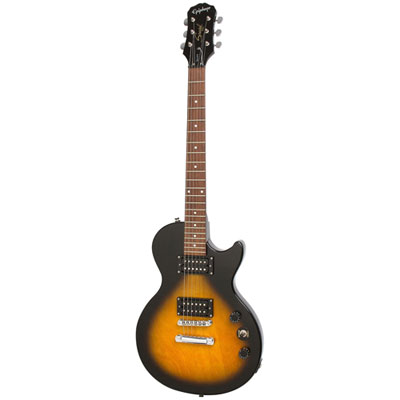 Your price for this item is $299.99
 -
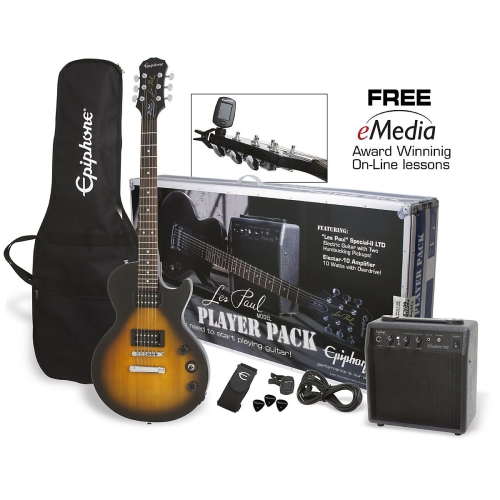 Your price for this item is $429
 -
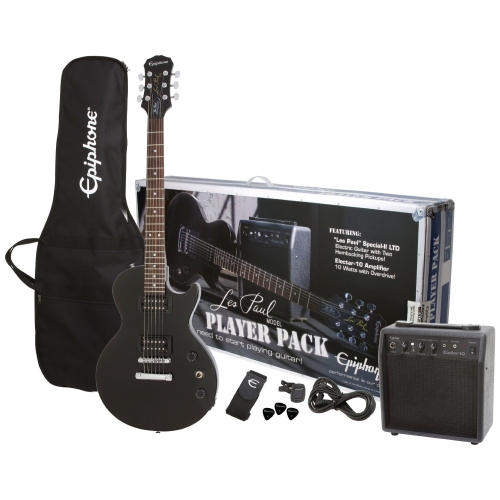 Your price for this item is $494.49
 -
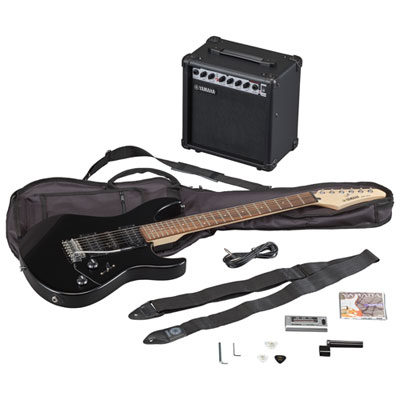 Your price for this item is $349.99
 -
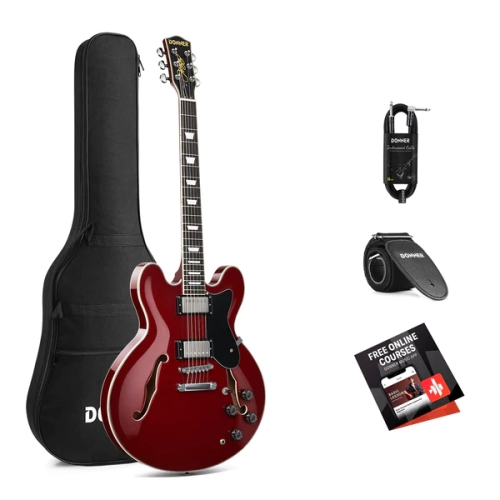 Your price for this item is $395.99
 -
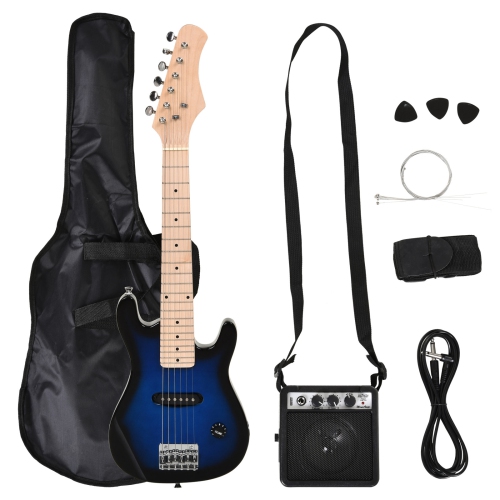 Your price for this item is $116.99
 -
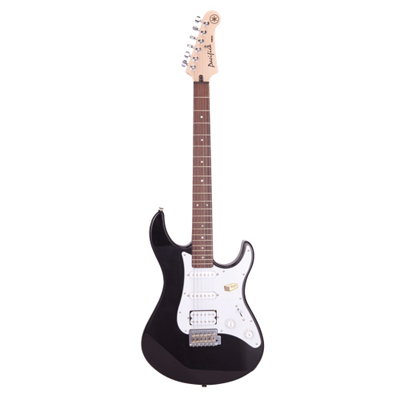 Your price for this item is $279.99
 -
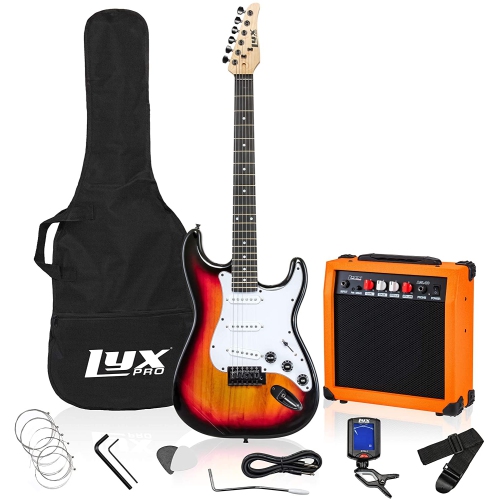 Your price for this item is $239.99
Discover more categories related to Musical Instruments for Beginners
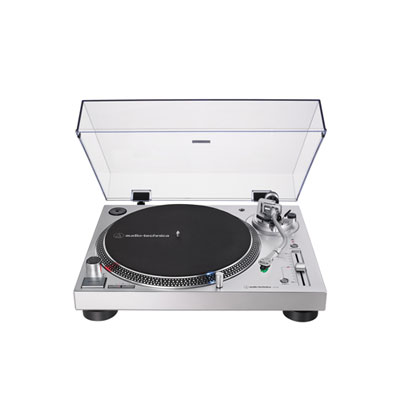
Top Collections:
Pokemon Centers, Kindle Devices, Best Budget Office Chairs, Apple iPhones 16, Best Laptops for Writers, iPhone 15 Apple, Canon G7X Cameras, Refurbished Apple Laptops, Alarm Clock, Motorola Razr Phones
Some products may be subject to Environmental Handling Fees
(EHF) depending on your province.
Learn more about EHFs.