Decorative Acoustic Wall Panels
Enhance your space with Decorative Acoustic Wall Panels, the perfect solution for combining visual appeal with sound management. Whether you're updating a home office, media room, or commercial setting, these panels offer a stylish way to elevate any interior. Explore a variety of colors, patterns, and textures designed to complement your décor while helping to create a more comfortable and inviting atmosphere. Discover how Decorative Acoustic Wall Panels can transform your walls into functional works of art.
Sort
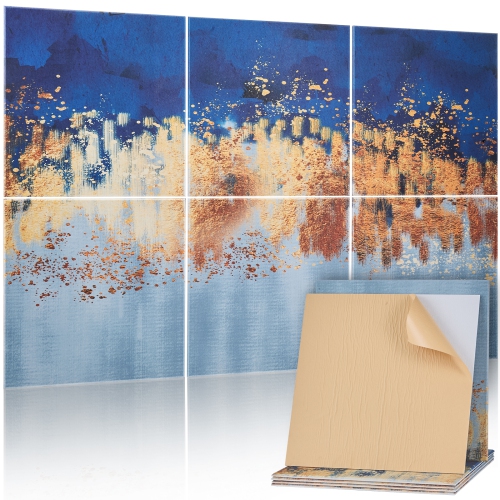
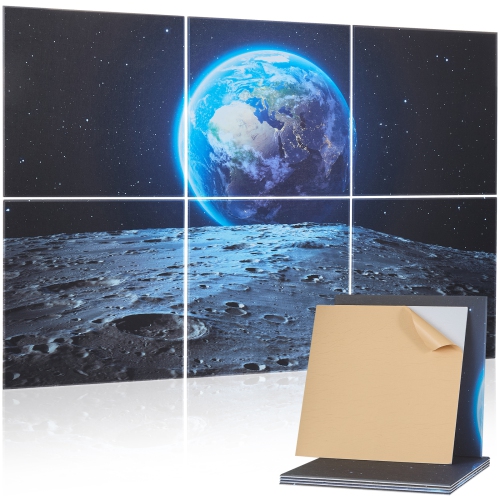
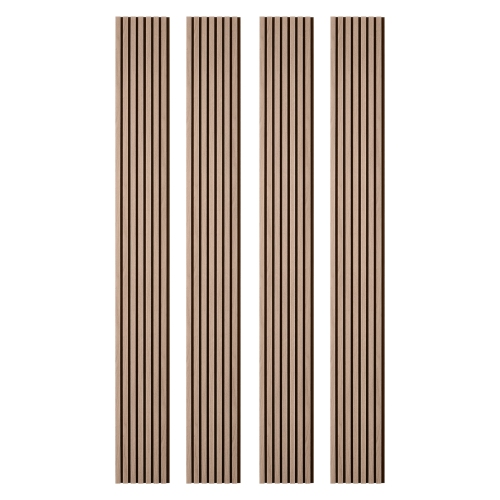
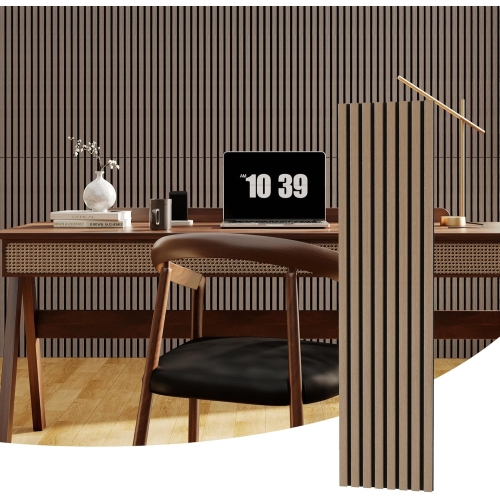
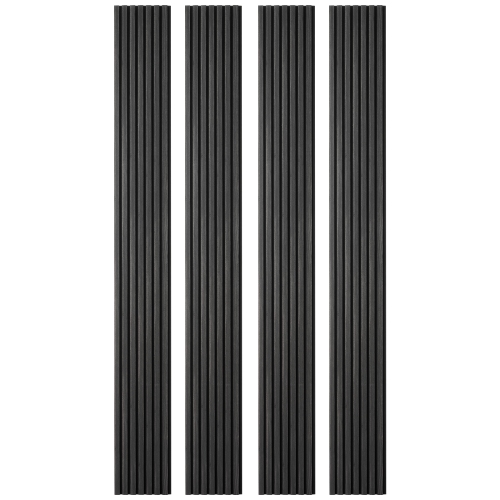
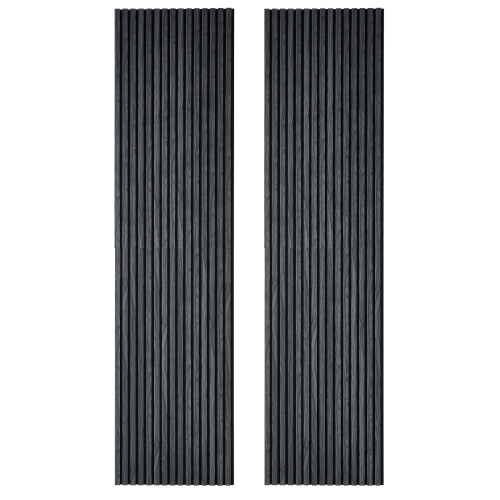
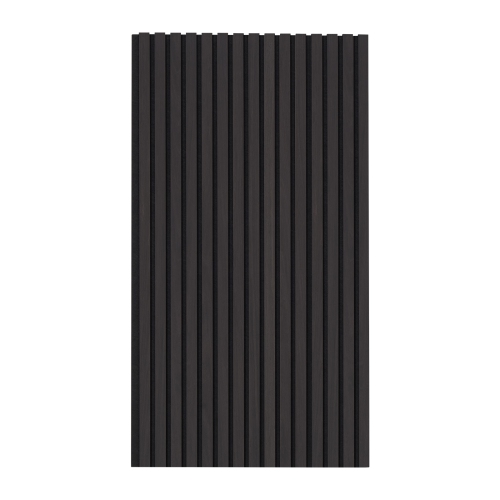
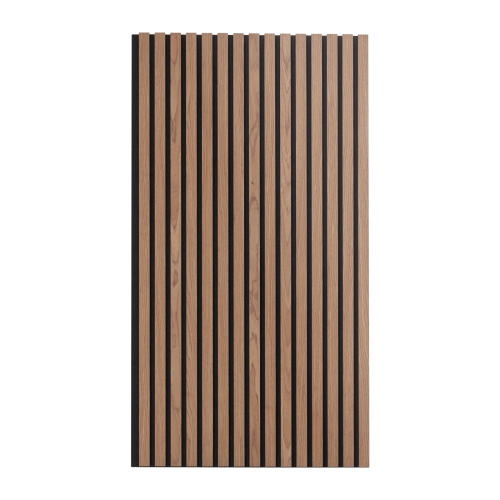
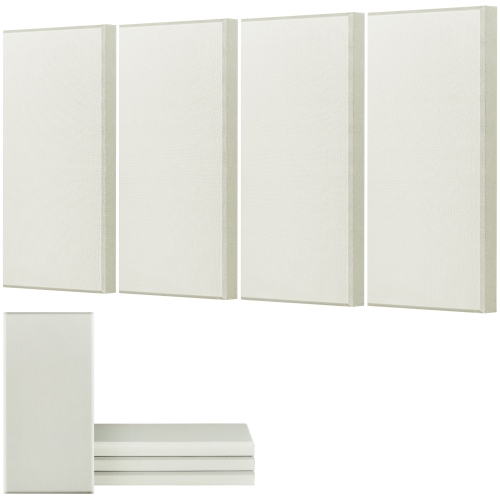
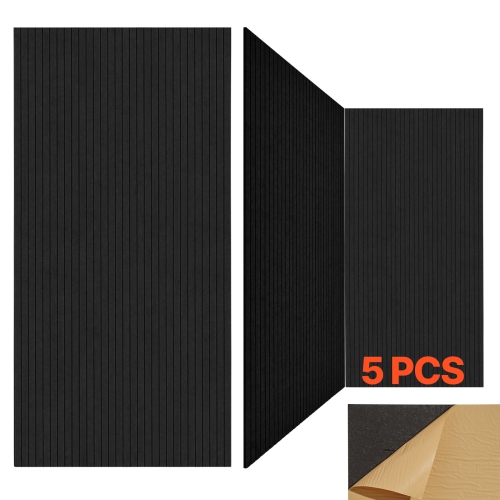
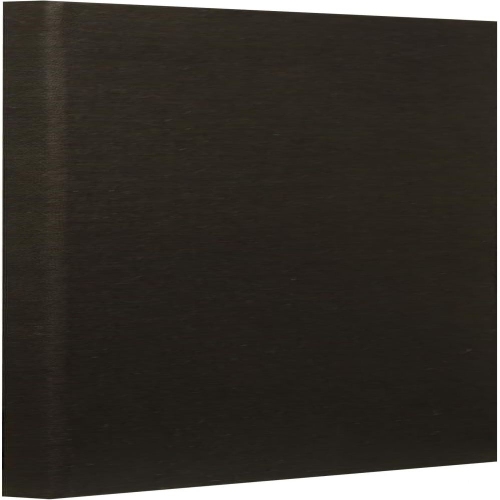
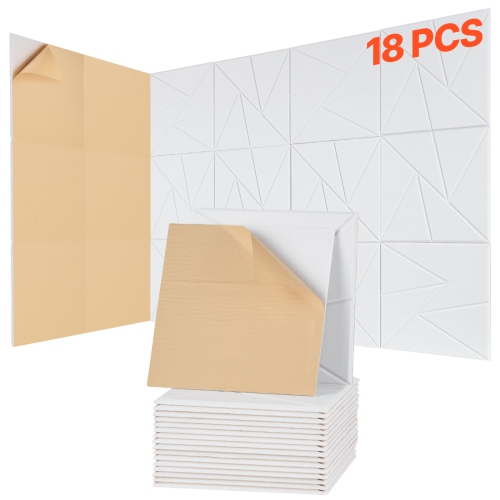
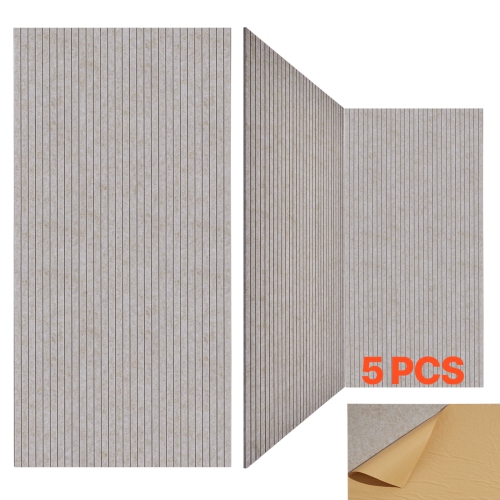
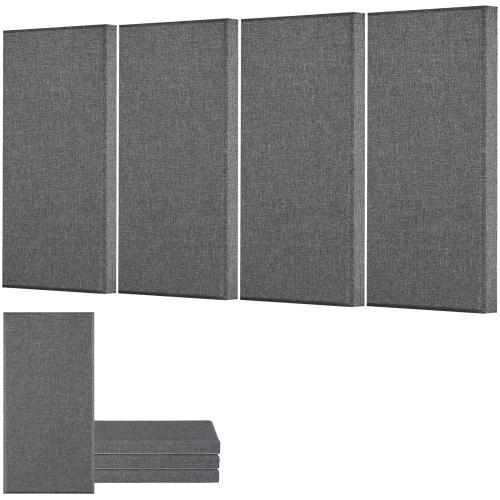
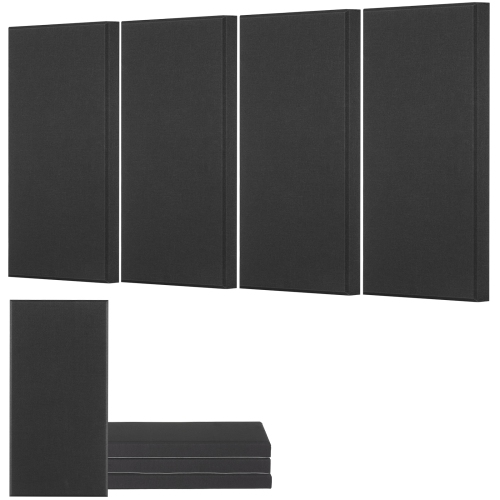
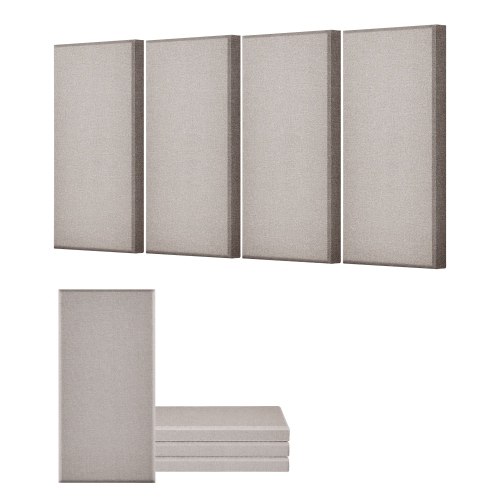
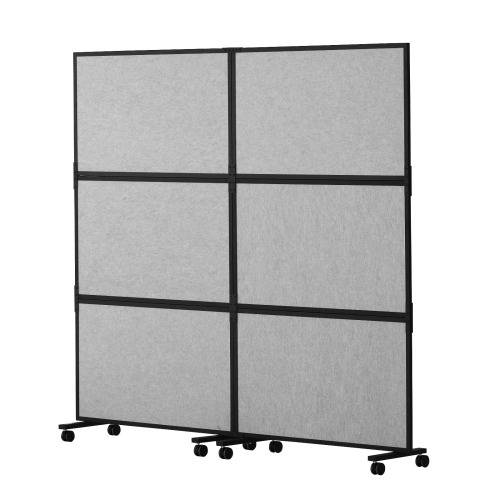
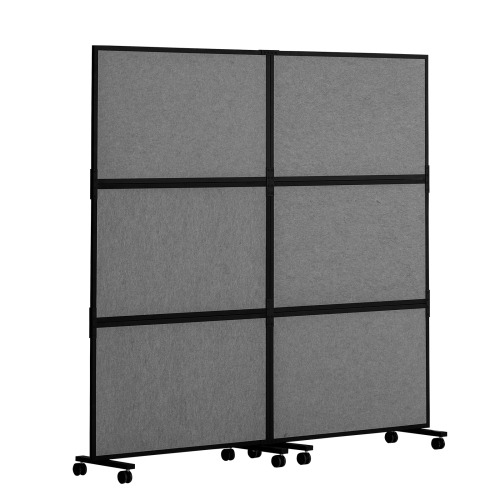
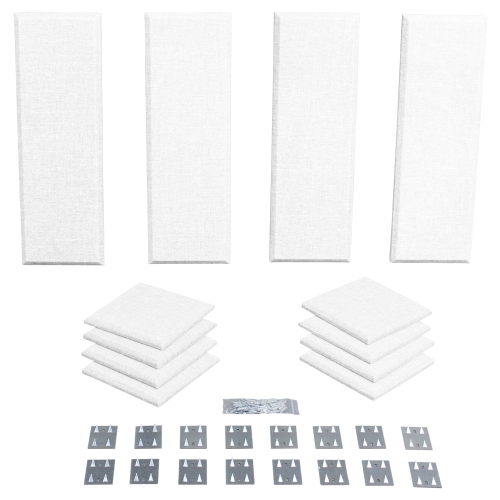
Less echo and more character for your walls
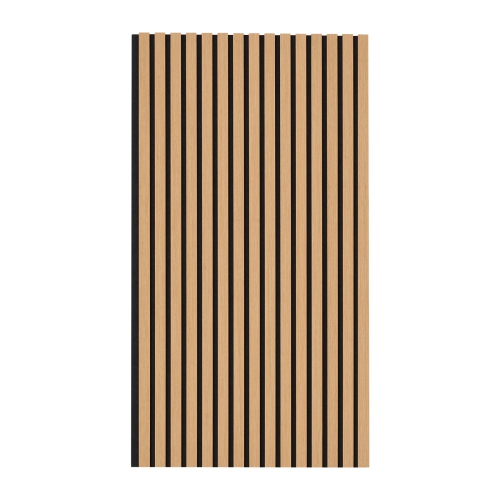
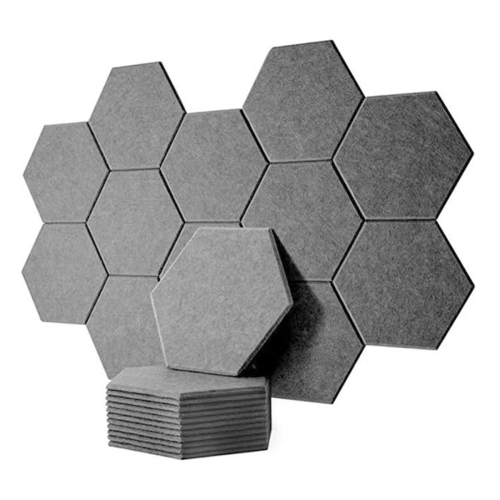
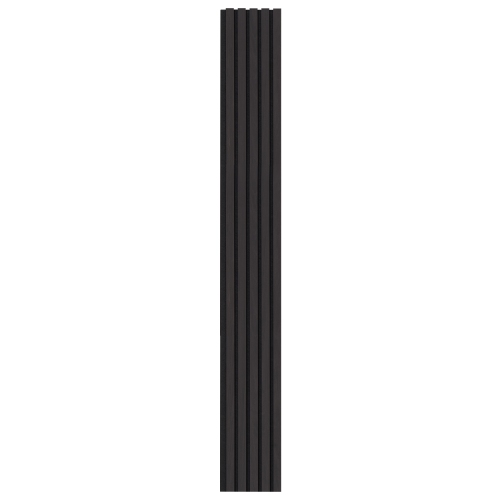
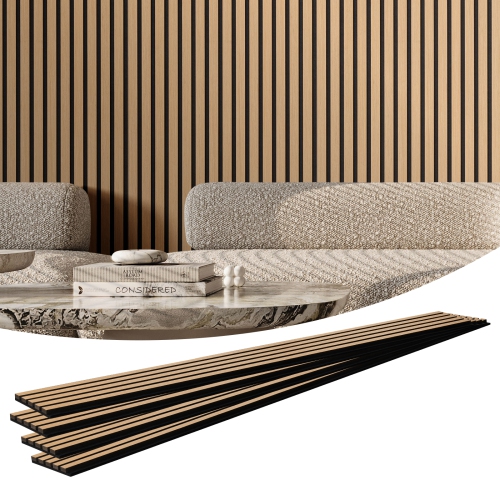
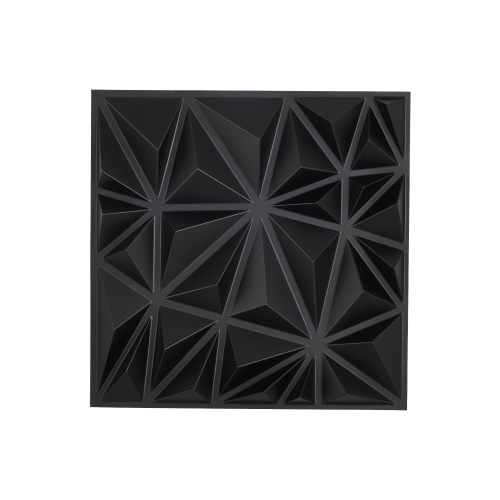
Decorative acoustic wall panels combine sound absorption with an architectural finish, helping soften echo while adding texture, colour, or pattern to a room. They are particularly useful in spaces with bare walls, hard flooring, large windows, and other surfaces that reflect sound. In a dining area, those reflections can make conversation feel busy and sharp; in a home office, they can give voices a hollow quality during calls. Absorptive panels help reduce reflected sound within the room, making speech and everyday listening more comfortable when the material, coverage, and placement suit the space. Their decorative role is equally important: a wall behind a desk, sofa, or television can become a considered feature rather than a purely functional treatment. Wood slat acoustic panels typically pair narrow slats with a felt backing, creating a linear pattern with depth and shadow. Depending on the construction, the visible surface may be solid wood, wood veneer, or a decorative laminate over a wood-based core. These finishes differ in grain, texture, edge detail, and care requirements, even when they look similar from a distance. Fabric-wrapped acoustic panels offer a softer appearance, with an absorptive core concealed beneath an acoustically suitable textile. Felt wall panels can provide a smooth, understated finish or form geometric arrangements using squares, hexagons, and other shapes. Dimensional designs add relief to a flat wall, although shape alone does not establish how much sound a panel absorbs. Pale wood tones can sit comfortably beside neutral upholstery, while darker slats create a stronger contrast around a media console. Fabric and felt finishes offer another way to repeat an accent colour without adding more furniture. In shared spaces, the most successful choice balances the intended acoustic benefit with the scale of the wall, the surrounding finishes, and the way the room is used each day.
Sound absorption is different from soundproofing, an important distinction for decorative acoustic wall panels. These panels primarily manage reflections inside a space; they are not a substitute for wall assemblies, sealed gaps, and other construction measures designed to limit sound travelling between rooms. A treated office may sound less echoey on a video call without preventing a nearby conversation from passing through a lightweight partition. Performance also varies by frequency. Many relatively thin panels are better suited to mid- and high-frequency reflections than deep bass, so a less reverberant room does not necessarily mean that low-frequency rumble has been resolved. Where published, the Noise Reduction Coefficient, or NRC, provides a useful comparison of absorption at selected test frequencies. Values around 0.80 to 1.00 indicate high average absorption under the stated test conditions, but they do not represent an equivalent reduction in perceived room noise or sound passing through a wall. The mounting method matters: a result measured with an air gap or additional backing should not be assumed to apply to the same panel mounted directly against a wall. Panel thickness, core composition, exposed surface, and total treated area all influence the outcome. A compact arrangement behind a desk may soften nearby reflections, while a large, sparsely furnished living room may need broader coverage alongside rugs, curtains, or upholstered seating. Placement near a listening position can be useful for music and television, provided speakers, vents, controls, and cable access remain unobstructed. In a room that combines sleeping with reading, gaming, or occasional desk work, bedroom acoustic wall panels can bring a softer acoustic character without making the space look like a recording studio. The effect is best understood as part of the room as a whole: furnishings, ceiling height, layout, and existing finishes all influence what a panel installation can achieve.
Fit and installation details determine how naturally acoustic wall panels become part of the room. Overall dimensions are only one consideration; panel depth, weight, edge finish, and the alignment of repeating patterns also affect the finished appearance. Long vertical slats can emphasize wall height, while smaller tiles make it easier to build a feature around furniture or work within an irregular space. Outlets, switches, skirting boards, door trim, and shelving brackets can interrupt a layout, so panel dimensions and permitted cutting methods deserve attention before installation. Some designs allow trimming with suitable tools, while others have wrapped edges or internal structures that are not intended to be cut. Mounting systems may use screws, clips, adhesives, or a supporting frame, and each approach needs to suit both the panel and the wall surface. Adhesive mounting is not automatically removable or suitable for rental accommodation, and heavier panels require secure fixings appropriate to the wall construction. Any required clearance from heat sources, electrical fittings, or ventilation openings should remain intact. For offices, shared workspaces, and other settings with specific building requirements, documented fire-performance information may also be relevant; a decorative finish alone does not establish suitability. Durability depends on how the surface handles ordinary contact as well as how easily it can be maintained. Exposed edges near chairs or narrow walkways may receive more knocks than panels placed above a console. Felt and fabric can collect dust, while slatted surfaces have grooves that need occasional attention. Care instructions may call for gentle vacuuming with a suitable attachment, dry dusting, or limited spot cleaning, depending on the material. Excess moisture, abrasive cleaners, and aggressive scrubbing can damage some finishes, so cleaning methods should follow the panel’s stated requirements. For busy households, home offices, and dedicated listening spaces, the right combination of finish, acoustic performance, secure installation, and manageable upkeep makes decorative acoustic panels a practical addition to the room’s design.
Top selling and popular products
-
 Your price for this item is $3000
-
 Your price for this item is $153
-
 Your price for this item is $299.99
-
 Your price for this item is $144.5
-
 Your price for this item is $255
-
 Your price for this item is $779.99
-
 Your price for this item is $659.99
-
 Your price for this item is $999.99
Discover more categories related to Decorative Acoustic Wall Panels
Top Collections:
Best Black Friday Deals This Year, Best Black Friday Deals On Electronics, Kindle Devices, Dyson Airwrap, Best Cameras for Sports Photography, Best Black Friday Deals On Apple Products, PS5 Pro Consoles, Portable Snow Blowers, Canon G7X Cameras, Pokémon 30th Celebration Cards
Some products may be subject to Environmental Handling Fees
(EHF) depending on your province.
Learn more about EHFs.